David Dye's Blog, page 12
December 20, 2024
How Can I Be Authentic at Work (and Still Fit in)?
You want to show up real. To be authentic at work. To own your strengths. You want to be you. And…. you want to fit in. To be easy to work with. To collaborate and get along. You don’t want to stand out so much that they are distracted by your style. Where’s the sweet spot? #askingforafriend
Today’s Asking for a Friend from the Almost Eiffel Tower in Vegas, Nevada
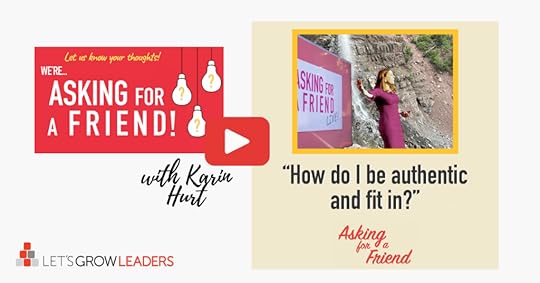
Let’s dive in.
1. Think About Values and BoundariesHere’s the thing: authenticity doesn’t mean you need to spill every personal detail or wear your personality on your sleeve (or in my case, on a hiking trail).
I like to think about authenticity at work as a range. For example, I’m authentically me whether I’m hiking with my hair pulled back in a ponytail or on stage delivering a keynote in a polished dress and heels. I’m engaged in activities I care about. Doing the best I can.
Now, reverse those roles—imagine me in hiking gear on stage or teetering up a mountain in heels. Not only would it be less effective, but I’d look absolutely ridiculous.
At work, consider your range of authenticity. What feels true to who you are but still fits the context? Where’s that line between being yourself and being effective?
2. Ask Yourself: What’s the Most Unique, Important Contribution I Can Make Right Now?When you’re feeling uncomfortable or out of place, don’t overthink your quirks or second-guess your instincts. Focus on the value you bring to the table.
Ask yourself: What’s the one thing I can offer in this moment that no one else can?
Whether it’s a fresh perspective, a big-picture idea, or just being the calm voice in a chaotic meeting, leaning into your unique strengths helps you show up authentically and with purpose.
3. Ask for FeedbackHere’s a pro tip: instead of stressing over whether you’re getting it right, just ask.
Try this: “Do you feel like I’m showing up authentically in this situation? Why or why not?”
You might discover you’re perceived as more authentic than you realize—or you might get some actionable insights on how to show up in a way that feels more aligned with both you and the team.
Take the feedback for what it is: data. Use it to fine-tune how you navigate your relationships at work.
4. Don’t Force AuthenticityYou know that feeling when someone overshares on day one, and it’s less “authentic connection” and more “emotional whiplash”? Yeah, don’t do that.
Authenticity at work doesn’t mean putting it all out there at once. It’s about pacing yourself, building trust, and showing up as interested and interesting.
Genuine authenticity comes from genuine curiosity—being genuinely interested in other people’s perspectives while sharing enough about yourself to spark meaningful connections.
A Final ThoughtAuthenticity at work isn’t about being one-dimensional or unfiltered—it’s about being real in a way that helps you connect, contribute, and thrive. Find your sweet spot between being real and being relatable, and you’ll hit the authenticity jackpot.
I’m curious. What’s one way you’ve struck that balance lately?

The post How Can I Be Authentic at Work (and Still Fit in)? appeared first on Let's Grow Leaders.


Five Leadership Communication Skills to Motivate Your Team
Episode 284: Are your leadership communication skills motivating your team, or are they leaving you feeling like a micromanager?
Every leader wants their team to move faster, act urgently, and meet deadlines without constant reminders or sacrificing quality. This episode dives into leadership communication techniques that inspire action, eliminate misunderstandings, and build a motivated, high-performing team.
By listening, you’ll gain:
Five communication habits to motivate urgency and eliminate confusion.Four common roadblocks to urgency and how to remove them.Strategies to balance urgency with sustainable, human-centered leadership.Listen now to discover leadership communication tools that inspire urgency, build trust, and reduce your stress as a leader!
Mastering Leadership Communication for Team Urgency[00:00] – The Challenge of Urgency Without Micromanaging
Discover how to lead your team with urgency while avoiding micromanagement. This introduction sets the stage for practical leadership communication skills to boost performance and reduce stress.
[01:03] – The Most Common Mistakes Leaders Make
Learn why vague terms like “urgency” and “commitment” fail to motivate your team and how refining your leadership communication skills can drive better results.
[03:44] – Schedule the Finish: A Game-Changer
Replace “good intentions” with actionable timelines. This leadership communication technique ensures mutual accountability with clear deadlines and follow-through meetings.
[05:40] – Clarify Expectations for Routine and Delegated Tasks
Unpack how clear communication transforms confusion into confidence by grouping tasks, addressing competing priorities, and creating shared deadlines.
[08:09] – Check for Understanding to Avoid Miscommunication
Strengthen your leadership communication skills by ensuring everyone leaves conversations aligned on objectives, timelines, and follow-ups.
[11:11] – Closing the Loop With Celebration and Accountability
Discover why acknowledging success and addressing missed goals are critical steps in maintaining momentum and team trust.
[13:31] – The Impact of a Missing “Why”
Build urgency by connecting tasks to their larger purpose. Learn how five-by-five communication strengthens clarity and commitment.
[14:32] – Avoiding False Urgency
Understand why labeling everything as “urgent” erodes credibility and how to differentiate genuine urgency from unnecessary stress.
[15:26] – Risk Aversion: A Hidden Barrier
Explore how your responses to mistakes shape your team’s decision-making speed and learn strategies to encourage healthy risk-taking.
[19:03] – Practicing Urgency at a Human Scale
Balance leadership communication skills with empathy by pacing urgency to avoid burnout and fostering sustainable team performance.
The post Five Leadership Communication Skills to Motivate Your Team appeared first on Let's Grow Leaders.
December 15, 2024
5 Critical Insights to Empower Your Team in the New Year
What if this year, you could empower your team to not only start strong but stay strong—aligned, motivated, and clear on what success looks like every step of the way? Great teams don’t thrive by chance; they crush their goals because they know exactly where they’re going and the habits they need to get there.
To make that happen, your team needs more than goals—they need visibility to (and a genuine understanding of) the business, and a practical plan to turn insights into action.
These five critical insights, delivered through 5×5 communication (five times, five ways), will equip your team to succeed all year long.
1. Your Company’s Mission and Priorities—Why They Matter, and Where They Fit InYour team needs to know what the company’s mission and goals are and why they matter. You’ve heard this before– because it’s true. When people connect their work to something bigger, they show up with more purpose and engagement.
If your company’s mission and vision are full of fancy words or generic gobblygook, be the translator.

Click on the image to watch Karin’s new keynote speaking reel.
One of our favorite ways to do this in our interactive keynotes and leadership development programs is through a “movie trailer.”
Give each person the following prompts, and have them write (and share) their movie trailer with a few people.
It’s fast and fun.
The audience’s reaction to this human-centered, healthcare leader’s movie trailer is pictured right.
In a world where _________ (tension or problem you or your team exist to solve)
One __________ (heroic actor)
Will_____________(what you do)
To____________ (how you do it)
And Help __________ (who benefits from what you do)
Other Ways to Reinforce Your Mission and Priorities
Share the mission in team retreats and meetings and connect it to your team’s work.Check for understanding-– don’t just tell them why their work matters, hear it from themHighlight it during one-on-ones by linking individual goals to the company’s priorities.Create visuals (like posters or slide decks) that keep the mission front and center.Celebrate wins that show how your team is advancing the mission.2. The Key Metrics That Matter—and WhyEmpower your team by sharing the top-level metrics that fuel company performance, and connect the dots to the broader strategy. When your team sees how their work impacts the bigger picture, they can focus their efforts with purpose and precision.
How to Reinforce Key Performance Indicators
Kick off the year by explaining the why behind your KPIs.Share regular updates on performance during check-ins.Send weekly or monthly dashboard updates–and invite conversation about what’s happeningHighlight success stories that show progress against the metrics.Use visuals like scorecards or graphs to track progress publicly.3. Role-Specific Metrics That MatterTo empower your team, ensure every employee has meaningful, attainable metrics they can influence. Otherwise, it’s like asking them to shovel snow in a blizzard—lots of effort, but it’s hard to see what’s getting done.How to Ensure Your Team Knows How They’re MeasuredWork with each team to clarify a short list of the metrics that matter (if someone hands you a scorecard of 27 metrics, be sure you focus on the top three)Incorporate these metrics into performance reviews.Discuss role-specific metrics during team stand-ups or planning sessions. Find fun ways to mix this up– and celebrate why metrics are moving.Provide simple, engaging job aids or tools to track individual progress (no one should need a Ph.D. to know where they stand.Recognize individuals publicly when they hit role-specific goals (focusing on what they did to achieve them).4. Role-Specific Habits for SuccessHabits are the hidden drivers of consistent performance—they shape daily actions and, ultimately, results. Empower your team to identify and master the habits that pave the way for success in their roles. Whether it’s time-blocking for critical tasks, staying on top of client follow-ups, or building in a final check before submitting work, the right habits make excellence repeatable.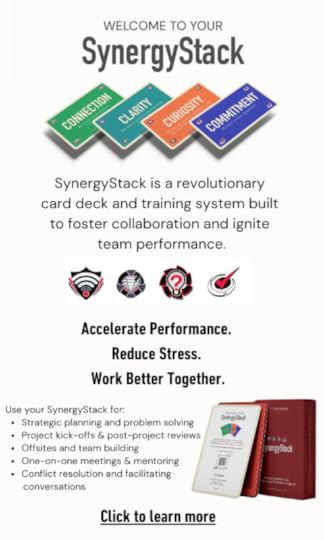 Don’t forget the power of team dynamics: communication and collaboration habits, like those in our SynergyStack™ Team Collaboration System, can transform how your team works together and delivers results.
How to Reinforce It:
Share examples of successful habits from high-performing peers.Model these habits yourself—be the example.Provide training or tools that make adopting these habits easier.Make habits a recurring topic in your one-on-ones.Recognize and celebrate when someone demonstrates consistent habits.5. How They’re Performing—Candid Feedback, Accountability, and CelebrationThe start of a new year is an ideal time to recalibrate and ensure your team understands how they’re doing. They need clarity—what’s going well, where there’s room to improve, and how their work contributes to the bigger picture. Honest, straightforward feedback helps them focus their energy and make meaningful progress.
Accountability matters just as much. It’s about helping your team take ownership of their goals and follow through, knowing you’re there to support them along the way. And don’t forget to celebrate what’s working—recognizing even small achievements can energize your team and reinforce positive momentum for the year ahead. This balance of clear feedback, accountability, and celebration creates a foundation for steady growth and meaningful impact.
How to Reinforce It:
Schedule regular feedback loops during one-on-ones.Use team meetings to highlight collective wins and address areas for improvement.Send written performance summaries or recaps to ensure clarity.Create a culture of peer feedback and team accountability to supplement your input.Celebrate progress—big or small—publicly and often.Make It Stick with 5×5 CommunicationThe most important part of all this? Repetition. The 5×5 communication strategy ensures your key messages stick. It’s not enough to say something once; you need to share it five times, in five different ways. This could include team meetings, emails, dashboards, one-on-ones, or even a casual conversation over coffee. When you vary the medium, the message becomes impossible to ignore—and far more impactful.
Your team is looking to you for direction, clarity, and encouragement as they begin the new year. When you ensure they understand these five things—and reinforce them using 5×5 communication—you’re setting them up for success.
Related Articles/Podcast EpisodesTeam Alignment: 5 Steps to Align Your Team on What Matters Most
How to Make Your Leadership Message Stick (Leadership Without Losing Your Soul Podcast)
Remote Team Communication: How to Send Memorable Messages
The post 5 Critical Insights to Empower Your Team in the New Year appeared first on Let's Grow Leaders.
December 13, 2024
One Common Leadership Communication Mistake to Avoid for Better Conflict Resolution
Is your approach to conflict resolution unintentionally shutting down collaboration with phrases like “let’s agree to disagree”?
This episode tackles one of the most common but damaging phrases leaders use in the workplace. Whether you’re navigating team conflicts, resolving disagreements, or fostering innovation, learning what to say instead can help you avoid stalling progress and build trust instead of tension.
Here’s what you’ll gain from tuning in:
Discover why “agree to disagree” creates more harm than good—and what to say instead.Learn four key dimensions of productive conflict (connection, clarity, curiosity, and commitment) that can transform team dynamics.Get actionable phrases to resolve disagreements constructively while maintaining strong work relationships.Don’t let unresolved disagreements hold your team back—press play now to uncover the leadership tools that can build trust, innovation, and collaboration.
Understanding the Conflict Resolution Challenge with “Agree to Disagree”[00:00]
The episode opens by highlighting the common use of “let’s agree to disagree” in workplace conflicts. While it may seem like a peaceful resolution, it can be a major leadership communication pitfall, shutting down meaningful collaboration.
[01:13]
David explains why this phrase is harmful. It prevents resolution, dismisses perspectives, and misses opportunities for innovation in leadership communication and team dynamics.
[02:38]
Explore the four core issues with “agree to disagree,” including its dismissiveness and how it hinders creativity, empathy, and understanding within teams.
[03:38]
David introduces four dimensions of productive conflict—connection, clarity, curiosity, and commitment—that are essential for improving leadership communication and fostering better workplace relationships.
[05:58]
Learn how to establish connection during a disagreement with key phrases like “I care about this team and our success” and “Tell me more,” which validate emotions and open the door to collaboration.
[07:36]
Clarity takes center stage as David shares strategies to ensure a shared understanding of success. Phrases like “What would a successful outcome do for you?” promote mutual problem-solving and reduce tension.
[09:00]
Dive into curiosity-driven communication with phrases like “I’m curious how this looks from your perspective” and “What do you suggest we do next?” These approaches encourage dialogue and de-escalate conflicts.
[10:40]
Discover the power of commitment by asking, “What’s one action we can both agree to as a next step?” and learn how follow-up discussions ensure accountability and long-term solutions.
[12:32]
David presents real-world scenarios—team conflicts, disagreements on processes, and interpersonal clashes—demonstrating how to replace “agree to disagree” with collaborative phrases.
[15:14]
Learn how to handle unresolvable disagreements while maintaining mutual respect and collaboration. Phrases like “I don’t expect us to change our minds, but can we agree to…” keep the focus on constructive forward steps.
The post One Common Leadership Communication Mistake to Avoid for Better Conflict Resolution appeared first on Let's Grow Leaders.
How to Notice and Appreciate an Overworked Employee
Let’s set the stage. You’ve got a guy on your team working incredibly hard. The company is in the middle of an intense period of transition. Things have been turbulent, and he’s the go-to subject matter expert on multiple critical priorities. In short, all roads lead to him. Bottom line? He’s overworked.
But here’s the challenge: It’s not just the workload that’s heavy; resources are tight too. There’s no extra money right now for bonuses or financial rewards—hopefully, that’ll come later.
You want to do something to show him that his effort isn’t going unnoticed. He’s carrying so much, and you want him to feel valued and supported without adding to his load.
So, what can you do? Asking for a friend.
How to Recognize and Support an Overworked Team Member
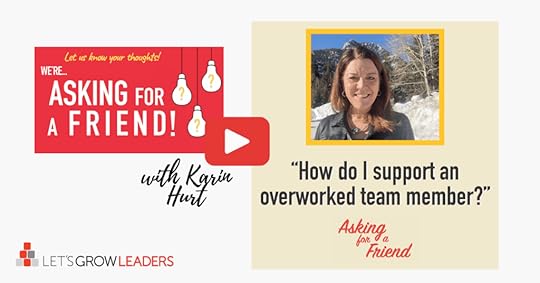
This isn’t the time for a generic “great job.” Be intentional and specific. Let him know you see his effort and why it matters. “I know you’ve been putting in long hours on this project, and it’s directly helping us achieve [specific outcome]. You’re making a huge difference, and I want you to know it’s noticed.”
More on meaningful recognition here.
Thanksgiving at Work: Creating a Culture of Gratitude on Your Team
2. Spread the Word: Ensure the Right People KnowAmplify his contributions beyond your immediate circle. Ensure key stakeholders—leaders who can influence rewards, promotions, and future opportunities—understand his critical role. Recognition carries more weight when it comes from multiple directions. And, the more people who understand the contribution (and the effort involved), the easier it will be to make the case for future rewards.
3. Advocate for Financial RewardEven if the company is strapped. it’s still worth making a case for current and future rewards. Whether it’s a performance bonus down the line or a bump in pay during the next budget cycle, put his contributions on the radar.
Work to rebalance the overwork, by giving back time. Can you adjust his workload, extend deadlines, or give him a well-deserved extra paid time off? Even small steps to reduce the immediate pressure can help him recharge.
5. Future-Proof the WorkloadIf he’s the only one with this level of expertise, that’s a risk for the team and the organization. Invest in cross-training, skill-sharing, or hiring additional talent to distribute the load. It’s not just about supporting him in this season of overwork—it’s about ensuring he doesn’t burn out in the future. And, that others have the expertise to do this important work.
Why It MattersYour overworked team member is showing up for you and the organization during a critical time. Now it’s your turn to show up for him.
What else would you add to this list? Share your ideas below—because this isn’t just about helping one overworked leader; it’s about helping all of us lead better.
Related Articles:
When Your High-performers Hit a Slump: How to Help Without Micromanaging
Retaining High Performing Employees: Practical Ways to Support Your Best Talent
We’d love to have you join the Asking For a Friend conversation on LinkedIn, with short video advice every week. You can connect with me on LinkedIn here.
The post How to Notice and Appreciate an Overworked Employee appeared first on Let's Grow Leaders.
December 9, 2024
When Your High Performers Hit a Slump: How to Support Without Micromanaging
You’ve got a team of high performers who know what they’re doing and have the results to match. These are the people you count on—the ones who hit deadlines, solve problems, and drive success. But lately, something’s off. They’re still doing a good job, but… The attention to detail you could count on isn’t there. Results have dropped. You had to remind them to get that basic task done—again.
What’s going on? Should you intervene? Are they distracted, disengaged, or worse—burned out? How do you address the situation without coming across like a nag or micromanaging babysitter?
It’s normal for even your best people to experience periods of decreased performance. The good news is that with a collaborative approach, you can address the issue, help them get back on track, and strengthen your relationship.
Let’s look at why your high performer’s results might dip, and the practical steps you can take to help them course-correct without undermining their autonomy.
Why High Performers Hit a SlumpFirst, it’s critical to understand that a decline in performance isn’t always a sign of laziness, disengagement, or incompetence. High performers aren’t immune to challenges, and their slumps often have specific root causes:
Burnout from OverworkHigh performers often take on more than their share of the load (be careful to avoid punishing strong performers by over-relying on their ability). Over time, this relentless pace can lead to burnout, diminishing their energy, creativity, and focus.
Unclear PrioritiesTimes of rapid change can muddy your top performers’ usual clarity. When everything feels urgent and important, even your best team members can lose focus on what matters most.
External StressorsPersonal issues—like family challenges, health concerns, or financial stress—can spill over into their work life.
Boredom or Lack of ChallengeHigh performers thrive on growth and new challenges. If their work has become repetitive or lacks a sense of progress, their motivation can wane—especially when they feel that the “basics” are little more than busy work.
Lack of RecognitionEven the most internally motivated people need to feel valued. If they feel taken for granted, they may disengage.
Hidden BarriersSometimes, a decline in performance isn’t about motivation or effort—it’s about obstacles they don’t have the tools or authority to remove.
Practical Steps to Address the SlumpNow that we’ve looked at reasons for the downturn, here’s how to address the situation in a way that supports your top performers and helps them find reclaim their mojo.
1. Start with CuriosityWhatever is happening, you don’t have all the information. It’s time to get curious and learn what’s really going on. Begin with a one-on-one conversation, but frame it as an opportunity to connect, not a reprimand.
Try saying something like: “I’ve noticed a shift in [specific result or behavior]. I know you’re capable of incredible work, so I wanted to check in. Is everything okay? How can I support you?”
This approach keeps the conversation collaborative and shows you care about them, not just their results.
2. Invest in Clarity: Revisit PrioritiesSometimes, a dip in performance happens because high performers are trying to do too much. Help them clarify what’s most important right now.
You can make this a collaborative conversation by asking:
“What’s taking most of your time and energy?”“What feels like it’s pulling you away from your major priorities?”“How can we adjust your workload or expectations to ensure you focus your energy where it matters most?”These questions help them reset their focus while empowering them to take ownership of their time and tasks.
3. Address Burnout Head-OnIf you suspect burnout, acknowledge it directly. Your high performers may not realize they’re running on empty—or worse, they might feel guilty about admitting it.
For example: “You’ve been carrying a lot recently. I wonder if you’ve had a chance to rest and recharge. What do you need to bring your best self to work?”
You might need to adjust their workload, encourage time off, or provide extra resources to lighten their load.
4. Reignite Their PassionWhen the issue is boredom, work with them to identify growth opportunities, challenges that excite them, or a chance to invest in others. Earlier in our careers, we both thrived with managers who challenged us with new projects or gave us a chance to invest in an exciting opportunity.
You can ask:
“What’s a project or skill you’ve been wanting to tackle?”“How can we align your work with your long-term goals?”“You know why this matters more than anyone. Can I ask you to spend a few minutes teaching our newer team members?”High performers thrive when they feel stretched and engaged, so show you’re invested in their growth.
5. Clear Barriers TogetherIf there’s a hidden obstacle, they may not feel comfortable bringing it up unless you ask directly.
Try:
“What’s getting in the way of your success right now?”“Is there a tool, process, or resource you need that you don’t have?”“How can I advocate for you to remove any roadblocks?”When you step in to remove barriers, you reinforce your role as a partner, not a micromanager.
6. Recognize Their ContributionsWhen results dip, it’s easy to hyper-focus on the problem and forget the bigger picture of their contributions. Take a moment to remind them of the value they bring to the team.
You might say:
“I want you to know how much I appreciate [specific contributions]. You make a huge difference here by… [describe the specific outcomes].”
“I know what you’re doing isn’t easy. Here’s why it matters…”
Recognition helps restore their confidence and reinforces your trust in their abilities.
What Not to DoWhile you focus on helping your high performer rebound, avoid these common pitfalls:
Micromanage: Don’t hover or constantly check in—it signals a lack of trust and can further demotivate them.
Assume Intent: Avoid jumping to conclusions about laziness or disengagement. Start with curiosity about what you observe, not judgment.
Ignore the Issue: Hoping the slump will resolve itself can make the situation worse. Your silence tells them that either you don’t care about them or that their performance never mattered to you. A timely conversation shows you care and helps them course-correct.
Your TurnWhen you approach a high performer’s slump with curiosity, support, and respect, you don’t just help them get back on track—you reinforce your partnership. High performers want to know you see them, value them as well as their results, and that you’re invested in their success.
When you address the downturn collaboratively, you also build a culture where it’s safe to talk about challenges, recalibrate priorities, and grow. This doesn’t just benefit your high performers; it strengthens the entire team.
Remember, the key to leading high performers isn’t perfection—it’s partnership. You’re not there to babysit or nag; you’re there to guide, support, and inspire them to be their best.
We’d love to hear from you: what’s one way you help your high performers pull out of their slumps?
You might also like:Retaining High-Performing Employees: Practical Ways To Support Your Best Talent [VIDEO]How to Manage a Strong, Arrogant, Maybe Even Toxic High-PerformerWhat to Do When a High-Performer Quits (With Video)

The post When Your High Performers Hit a Slump: How to Support Without Micromanaging appeared first on Let's Grow Leaders.
December 6, 2024
AI for Leaders: Can I Trust AI as a Resource? (Asking for a Friend)
AI can be amazing… but let’s be real, it’s also a little nerve-wracking. What if it gets it wrong? Sometimes it feels like it’s is just making stuff up (spoiler: it kind-of is).
Today, I’m thrilled to bring you a conversation with AI expert, Dan Chuparkoff, where we tackle those nerves and get real about how to use it productively.
“AI isn’t a new search engine; it’s a probability machine,” Dan explains. It’s predicting things that might be true—but might not. And the weirder your question, the less likely you’ll get a great answer.
So how do you use it without falling into the trap of trusting it too much? Dan’s advice: Treat it as your recommendation assistant. Ask it what it thinks, but remember—you have knowledge and context AI doesn’t.
Think of it this way:
AI might invent a million recipes, but it doesn’t know what you want for dinner tonight.
Remember this: AI is here to assist, not replace. You’re still in charge.
I’d love to hear from you—how are you using artificial intelligence tools in your work? Drop a comment below and let me know what’s working (or what’s not).
Related Content:
Workplace Culture: How to Leverage Innovation No AI Can Replace

The post AI for Leaders: Can I Trust AI as a Resource? (Asking for a Friend) appeared first on Let's Grow Leaders.
Leadership Skills for More Teamwork and Better Problem Solving
What if mastering your leadership potential and fostering more teamwork started with mastering yourself? Are you ready to discover how self-mastery can transform your team’s performance and spark creativity?
In today’s fast-paced world, leaders struggle to juggle endless demands while inspiring their teams. This episode dives into the three dimensions of power—power over, power with, and personal power—helping you become a more mindful and purpose-driven leader. Whether you’re seeking to build stronger teamwork, co-create with your team, or tap into your intuition, this episode equips you with actionable strategies to stay ahead.
Here’s what you’ll gain from listening:
A clear framework for understanding and applying the three dimensions of power in your leadership.Techniques to frame problems creatively and unlock your team’s collective genius.Strategies to master your mind and emotions, enabling you to lead authentically and foster trust.Don’t miss this episode—press play now to uncover the secrets to leading with clarity, connection, and creativity and become the leader your team deserves.
Unlocking Self-Mastery and Personal Power to Foster More Teamwork[00:32] – Meet Lisa Danel
In this episode, we’re joined by Lisa Danels, founder and executive director of Human Edge and author of The Human Edge Advantage: Mastering the Art of Being All In. Lisa shares her expertise in unlocking leadership potential, fostering more teamwork, and creating authentic connections in the workplace.
[02:12] – Early Leadership Lessons
Lisa reflects on her childhood and how self-awareness and emotional clarity helped her develop her leadership skills. She emphasizes how mastering yourself can lead to stronger teamwork and better decision-making.
[05:30] – The End of Command-and-Control Leadership
Lisa explains why traditional “command and control” leadership doesn’t work in today’s fast-paced, collaborative workplaces. Discover how shifting to “power with” can inspire teamwork and innovation.
[13:08] – The Power of Asking Better Questions
Learn how clarifying, empowering, and igniting questions can help leaders unlock their team’s creativity and encourage more teamwork. Lisa also shares the pitfalls of close-ended questions that limit progress.
[18:39] – The Three Types of Power
Lisa dives into “power over,” “power with,” and “personal power,” highlighting how personal mastery enhances your ability to lead collaboratively and build more teamwork across your team.
Co-Creation and Framing for Innovation[33:11] – Framing Problems for Collective Genius
Lisa outlines how leaders can frame problems in a way that unlocks collective creativity. She shares strategies for fostering more teamwork by encouraging every team member to contribute their unique ideas.
[35:54] – Bringing a Brick, Not a Cathedral
Lisa introduces the concept of co-creation through “bringing a brick, not a cathedral,” where leaders provide the framework and allow their teams to build solutions together, leading to stronger teamwork and more innovative results.
[37:29] – Walking Around the Problem
Lisa discusses how stepping back and viewing problems from multiple angles leads to systemic solutions. This approach promotes deeper collaboration and, ultimately, more teamwork within the team.
[39:22] – Improv and Leadership
Discover how the principles of improv—like being fully present and co-creating moment by moment—can strengthen teamwork and spark creative breakthroughs within your team.
[41:01] – Practical Steps for Self-Mastery and Team Connection
Lisa wraps up by emphasizing the importance of self-awareness and curiosity for leaders. These traits not only enhance your personal leadership but also inspire more teamwork and authentic connections in your organization.
The post Leadership Skills for More Teamwork and Better Problem Solving appeared first on Let's Grow Leaders.
December 2, 2024
When You’re the Scapegoat: Powerful Phrases to Address Unfair Blame
Being set up as the scapegoat never feels easy. It’s uncomfortable, unfair, and downright isolating. But here’s the good news: you don’t have to stay the goat in this blame game. Instead, you can fight goats with GOATs—our Greatest of All Time Powerful Phrases for Dealing With Workplace Conflict—and other powerful phrases and rise above the chaos.
Not only will you protect your reputation, but you’ll also foster a healthier, more collaborative team dynamic—and that’s a win for everyone.
Why Scapegoating HappensWhen things go wrong, some people toss blame around like a frisbee in a windstorm—random, chaotic, and bound to hit someone who didn’t see it coming. Others launch a deliberate campaign to ensure some unsuspecting nice guy gets the blame.
Scapegoating often has little to do with you and everything to do with their fear of repercussions, a desperate bid to save their reputation or a team culture that sidesteps accountability.
Sometimes, it’s just stress talking—a knee-jerk reaction that shifts focus to someone else.
Recognizing that this behavior is about them (not you) helps you respond with calm and clarity. You don’t want to get caught in the blame spiral. Instead, protect your integrity, steer the conversation toward thoughtful solutions, and focus on what matters most.
The Power of ResponseThe words you choose in these moments matter deeply.
But when someone’s blaming you for something you didn’t do, it’s human nature to fire up and either fight back or get flustered and unable to respond.
And of course, neither of these helps you. So the first conversation you need to have is with yourself. To get back in a constructive state of mind.
Then you can choose a response that de-escalates tension, preserves relationships, and reinforces your credibility.
To settle yourself and prepare for a productive conversation, start by acknowledging reality:
“This sucks.”
You don’t need to run from the pain or pretend it isn’t something else. It feels massively unfair and that stinks. So call it what it is, take a deep breath, and then ask yourself:
“What can I learn from this?”
Maybe you have some responsibility for the outcome that you overlooked. Maybe this is a chance for you to lead through a messy situation and help everyone find a better outcome. This situation might be a chance to learn the reality of a negative workplace and equip you to work on an exist plan. There is always something to learn – and getting curious about your learning will help move you into a productive mindset.
“What’s at stake if I stay silent?”
Ask yourself this question to clarify your values and what really matters in your specific situation. This clarity will help you find your voice, if you need to use it. (There might be times where the scapegoater lacks credibility and you don’t need to respond.)
From there, you can move into conversation with the scapegoater with a few G.O.A.T.s (Greatest of All Time Powerful Phrases):
“What I’m hearing you say is __________. Do I have that right?”
By reflecting their words back to them, you show that you’re listening while also clarifying any misunderstandings about your role or the situation. Sometimes, assertively repeating what you’ve heard out loud is all it takes to clear the air.
“I’m curious how this looks from your perspective.”
This phrase invites them to share their viewpoint, often uncovering the stress or confusion behind their actions. It also shows you’re more interested in resolution than retaliation.
More Powerful Phrases to Respond to Scapegoating at WorkHere are some additional powerful phrases and strategies to help you navigate being unfairly blamed, one conversation at a time.
1. Begin with empathy (Connection)
“I know you’re frustrated. I am too, and I want to help resolve it.”
Acknowledging emotions—yours and theirs—can defuse hostility. When people feel heard, they’re often more willing to engage constructively.
2. Focus on Shared Goals and the Facts (Clarity)
Remind the team what you’re all working toward. Phrases like, “We all want this project to succeed,” or “Our shared goal is XYZ,” can refocus the conversation on collective success.
And stick to the facts: “Can we take a moment to walk through what happened step by step?”
This phrase keeps the discussion grounded in reality. Walking through the facts together shows you’re not here to play the blame lottery; you’re here to find solutions and move forward.
3. Call Out Ambiguity Respectfully (Commitment)
“It sounds like there’s been some misunderstanding about my role. Let’s clarify responsibilities so we can move forward.”
If someone is misrepresenting your contributions (or lack thereof), this phrase addresses it without sounding defensive. You’re not accusing anyone; you’re inviting clarity.
4. Pivot to Problem-Solving (Curiosity)
“What can we do as a team to fix this issue and ensure it doesn’t happen again?”
Blame is like trying to drive forward while staring in the rearview mirror—sooner or later, you’re going to crash. Instead, focus on solutions and steer the conversation toward what really matters: fixing the problem and learning from it. This phrase subtly says, “Let’s stop the finger-pointing and start brainstorming, because no one’s getting a trophy for winning the blame game.”
5. Stand Your Ground with Confidence (Clarity)
“I want to ensure the full picture is considered here. Here’s what I contributed and the steps I took.”
If the situation requires you to defend yourself, do it confidently and factually. Provide context without casting blame elsewhere.
What Not to Do When You’re the ScapegoatEven when the urge to fight back feels overwhelming, resist these common pitfalls:
1. Reacting Emotionally
When you feel blindsided, it’s natural to want to lash out or shut down. But emotional reactions can undermine your credibility. Take a breath, pause, and respond thoughtfully.
2. Blaming Back
Pointing fingers in return only perpetuates the blame game. Instead, focus on facts and solutions. This approach positions you as a leader who prioritizes resolution over rivalry.
3. Staying Silent
Silence can be misinterpreted as guilt. Even if you’re caught off guard, take the opportunity to calmly address the accusations and offer a constructive path forward.
When to Involve a Third PartySometimes, a direct conversation isn’t enough to resolve the issue. If the scapegoating escalates or becomes a pattern, it may be time to involve a manager or HR. Frame the discussion around team dynamics rather than personal grievances.
For example:
“I’ve noticed some patterns of miscommunication that are affecting how we work together. I’d like your help in addressing them.”
Bringing in a neutral third party can help reset the narrative and ensure the focus stays on solutions.
Preventing Scapegoating in the FutureTo protect yourself from being scapegoated in the future, work to build trust and visibility in your workplace. Here’s how:
1. Document Your Work
Keep clear records of your contributions, decisions, and communications. Documentation can serve as a helpful reference if there’s ever a dispute about what happened.
2. Build Strong Relationships
The stronger your relationships, the less likely others are to unfairly blame you. Take time to connect with colleagues, understand their priorities, and build mutual respect.
3. Advocate for Team Accountability
Encourage your team to define roles and responsibilities clearly at the start of any project. This proactive approach can prevent misunderstandings and finger-pointing down the line.
Final ThoughtsBeing set up as the scapegoat never feels easy. It challenges your comfort, tests your fairness, and can isolate you deeply. Yet, it offers a chance to rise above, demonstrate professionalism, and model a constructive approach to conflict.
Use these powerful phrases, stay calm, and focus on solutions to protect your reputation while fostering a healthier team dynamic—everyone wins.
The post When You’re the Scapegoat: Powerful Phrases to Address Unfair Blame appeared first on Let's Grow Leaders.
November 30, 2024
Employee Development Activity: Focus Your Team in the New Year
You know exactly WHAT your team needs to have a remarkable new year, now it’s time to focus on HOW. How do you identify the habits that will make the biggest difference? In today’s Asking for a Friend, I share an EASY, and CREATIVE development exercise we’ve been using with teams worldwide– to build the habits most critical to their success.
This exercise works great in one-on-one coaching, mentoring, or career development conversations.
It begins by inviting your team to reflect on one habit or behavior that would make a significant difference in their work. Or, in accomplishing a specific MIT (Most Important Thing) priority. This should be a vital habit, that feels challenging to do well.
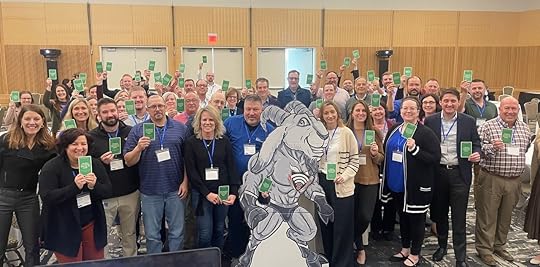
Our SynergyStack™ System makes it easy to identify key habits, with forty-eight proven habits to choose from (and a few bonus cards to add your own).
This employee development activity works great for one-on-one or team development conversations in your next team meeting.
How to Coach Your Team on the Team on the Habits that Matter Most
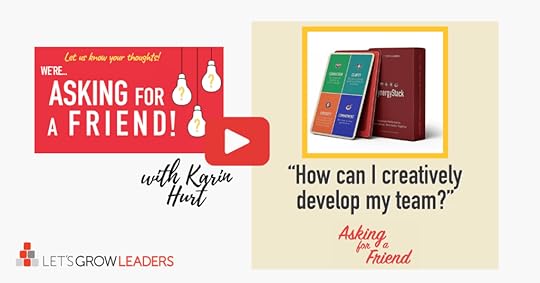
The SynergyStack™ System is a revolutionary team development system that fosters collaboration and ignites team performance.
If you’re tired of light team-building activities that don’t create lasting change, the SynergyStack™ gives you the framework for more meaningful conversations. Team-building that sticks.
Unleash Productivity
The SynergyStack™ System catalyzes sustained team productivity and personal excellence. Build robust habits that lead to breakthrough results and happier teams.
Less Stress, Better Teamwork
Create a space where teamwork beats tension. SynergyStack team development and team-building activities turn stress into progress by agreeing to a well-defined framework for everyone to work together smoothly and peacefully.
Collaborate with Confidence
Communication is the bedrock of successful teamwork. The SynergyStack™ System equips everyone with the language and insight to contribute meaningfully, ensuring that ideas flow and collaboration is seamless.
A Multiverse of Applications
Whether you’re an executive steering a start-up, an HR leader committed to building a great culture, or a trainer looking for proven, easy-to-use team development activities, the Synergy Stack is your versatile partner. Its diverse applications adapt to your needs, delivering impactful outcomes fast with precision.
Quickly See Real Change
This isn’t just a fun team-building tool. The SynergyStack™ System creates a new way of working together—real change. Bring the SynergyStack™ System into your team’s routine and watch how fast things improve—how your team gets things done, communicates, and reaches new heights.
We also offer SnergySprint Team Retreats and SynergyStack™ Facilitator Certification. We’d love to discuss the best ways to use the dozens of employee development activities and extensive resource center. Contact us here to learn more.
The post Employee Development Activity: Focus Your Team in the New Year appeared first on Let's Grow Leaders.