
Henry Clark's Blog, page 2
July 30, 2015
The 2016 Mark Twain Readers Award
 Okay, due to what will probably turn out to be a clerical error, my book
What We Found in the Sofa and How It Saved the World
is one of twelve finalists for the Missouri Association of School Librarians’ Mark Twain Readers Award, which will be given in the spring of 2016 to one of the other books on the list. I am absolutely thrilled to be nominated, clerical error or not, especially considering the company it puts Sofa in.
Okay, due to what will probably turn out to be a clerical error, my book
What We Found in the Sofa and How It Saved the World
is one of twelve finalists for the Missouri Association of School Librarians’ Mark Twain Readers Award, which will be given in the spring of 2016 to one of the other books on the list. I am absolutely thrilled to be nominated, clerical error or not, especially considering the company it puts Sofa in.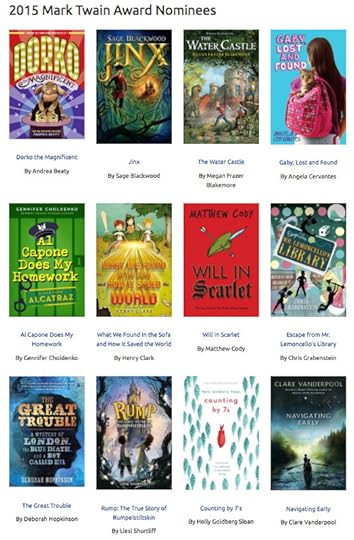
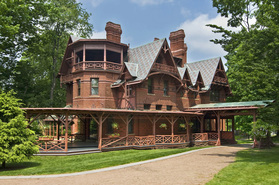 Mark Twain's house in Hartford. Now, while there is no requirement that the nominated authors each write an essay about their personal relationship with Mark Twain, I have decided to include one here, just in case the rules change at the last minute and such an essay IS required, and none of the other authors submit one in time and I win by default. (The other authors should understand that this is just a joke, and they should not even bother outlining a prospective essay about their PR with MT. A better use of their time would be responding to those pesky line-edits they’ve been putting off all week.)
My fourth-grade class trip was to Mark Twain’s house in Hartford, Connecticut. Our teacher, Evadne Lovett, had been reading Tom Sawyer aloud to us each afternoon and she decided the home of a writer would be a perfect field-trip destination. I don’t know how my fellow ten-year-olds responded (although some of them, upon learning the house was built to resemble a riverboat, ran through its halls shouting “Man overboard!” so I will cautiously say enthusiastically) but for me it was a life-changing trip.
I bought my first adult-level book in the gift shop.
Up until then, my book-buying budget – approximately three dollars per year – had been spent on Hardy Boys mysteries and Tom Swift science fiction. In the Twain shop I purchased my very first paperback, an anthology entitled A Laurel Reader MARK TWAIN . (I have it to this day. Here’s the scan to prove it.)
 The first grown-up book I ever bought.
 The book was a jumble of short stories and excerpts from longer works, and the mix was exactly right to stimulate the over-active imagination of a ten-year-old aspiring writer. (Mrs. Lovett, four months earlier, had encouraged me to read aloud my essay about how I had spent Christmas break, during which, allegedly, I had mistaken a local poet for Santa Claus. The line “I looked out the window and what did I see? A big fat beatnik smilin' at me,” got a solid laugh from a crowd predisposed to find anything with the word “beatnik” in it hysterical, and I became forever hooked on the writing thing. If my classmates had sat there stone-faced I’d be a mortician today.)
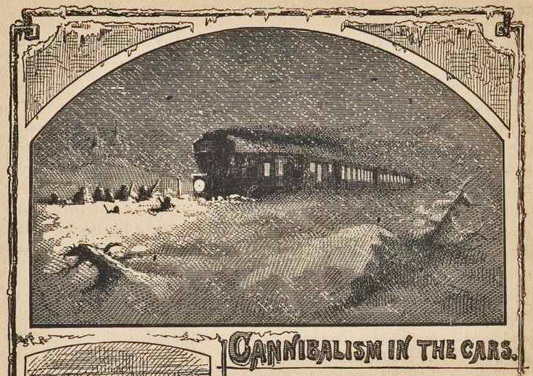
The Laurel Reader, in addition to the diaries of Adam and Eve , the inevitable Jumping Frog story , and “Cannibalism in the Cars” (in which passengers on a snowbound train vote on the order in which they should be eaten, something that rarely occurred in Hardy Boys stories, where it was usually the big guy with the baseball bat who got first dibs) included most of the epigrams from "Pudd’nhead Wilson’s Calendar," which were essentially nineteenth-century one-liners and made enough of an impression on me that I started jotting down my own Profound Thoughts in something that, by high school, I was calling Paranoid Wilson’s Notebook.
Here’s an entry from Twain’s Pudd’nhead :
Adam was but human -- this explains it all. He did not want the apple for the apple's sake, he wanted it only because it was forbidden. The mistake was in not forbidding the serpent; then he would have eaten the serpent.
Here’s an entry from Paranoid Wilson’s Notebook:
Is he stifling a yawn, or aiming a blowgun? Don’t take any chances; kick him in the face.
Twain’s point may have been more trenchant, but I feel I win when it comes to brevity.
To this day I still add thoughts to Paranoid Wilson’s Notebook (most recently: “November became National Novel Writing Month because ‘Novel’ and ‘November’ both start with the same five letters, but I can’t see how anyone can expect me to write a novel after I’ve just spent the entire previous month octopus fishing,”) and sometimes I read through it, looking for inspiration when the writing isn’t going all that well, as, obviously, it doesn’t too often.
All of which I trace back to that 1962 field trip to Mark Twain’s house.
(Evadne Lovett, Brown University graduate, Daughter of the American Revolution, member of the League of Women Voters and the John Greenleaf Whittier Society, died at the age of 96 in 2007, six years before I published my first book. She probably knew I’d be a late bloomer. So, even though I'm way behind with my gratitude - thank you Mrs. Lovett!)


July 24, 2015
Missed By a Dozen
It hasn't escaped my notice that What We Found in the Sofa was one of a baker's dozen books nominated for the Missouri River Regional Library's annual Mark Twain Readers Award and lost to R.J. Palacio's Wonder, the book I would have voted for myself.
It was awfully nice company to be in, though.
It was awfully nice company to be in, though.
June 23, 2015
Not to Mention Heath Whatchamacallit
Lately, my daughter has been urging me to get in touch with my inner candy store and so, for Father’s Day, she gave me the two chocolate bars that have been the bane of my existence since elementary school.
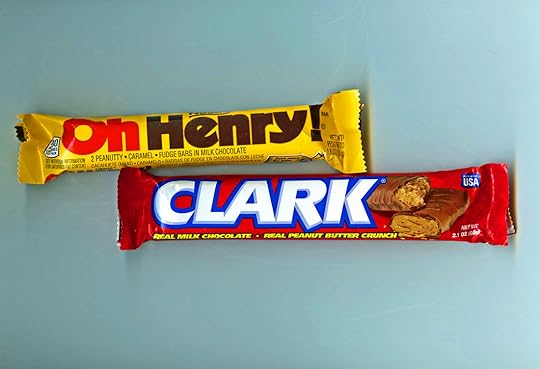 I can still vividly recall the sixth-grade girl who, every time she saw me, would shout out, “Oh Henry – I want a Clark bar!” I’m pretty sure this had something to with my name, although, to be fair, it may only have been a coincidence and she may only have been very hungry. Still, I concede I’m better off than my aunt, Baby Ruth Zagnut, and my cousin, Rolo Kitkat. And, oh yeah, my college roommate, Chunky Butterfinger.
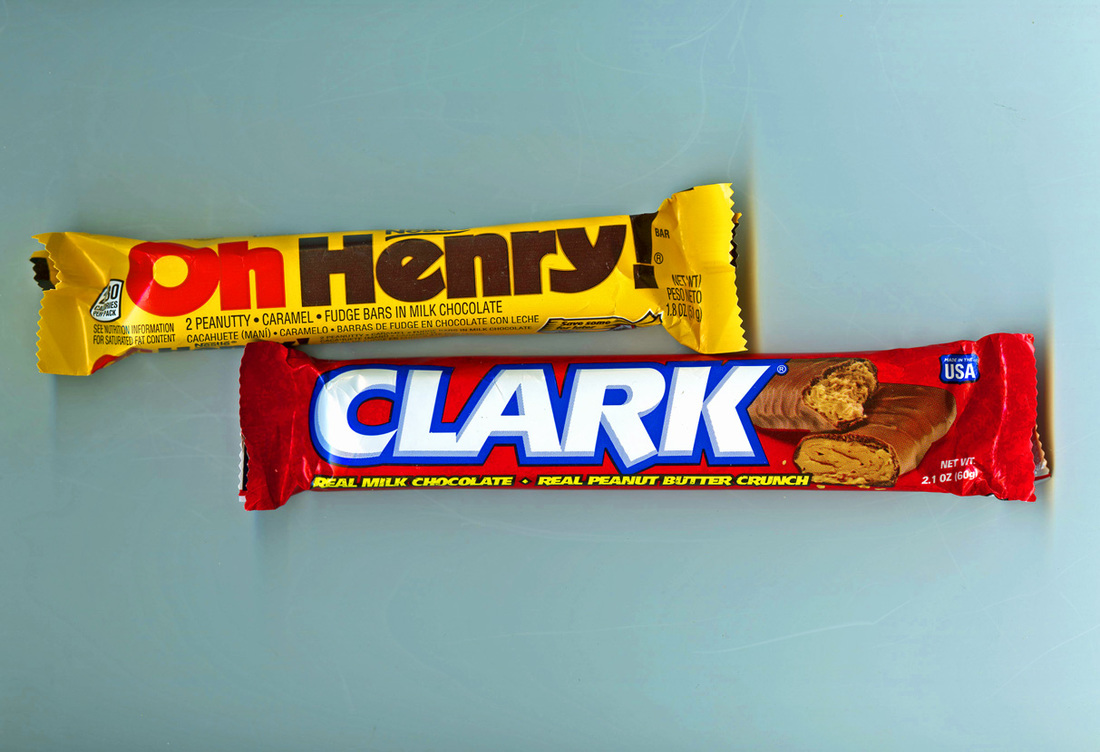 I can still vividly recall the sixth-grade girl who, every time she saw me, would shout out, “Oh Henry – I want a Clark bar!” I’m pretty sure this had something to with my name, although, to be fair, it may only have been a coincidence and she may only have been very hungry. Still, I concede I’m better off than my aunt, Baby Ruth Zagnut, and my cousin, Rolo Kitkat. And, oh yeah, my college roommate, Chunky Butterfinger.
May 20, 2015
The Fall Collection
Since I think the artwork for
The Book that Proves Time Travel Happens
is both wonderful and not reproduced large enough in the book, I’m delighted that the enterprising artists have made some of the images available on objects that allow it to be 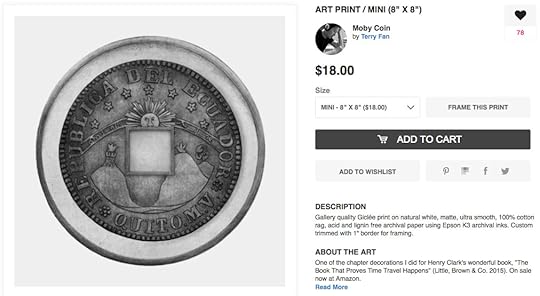 rendered in sizes larger than a Moby-Dick doubloon. (Above is the Moby-Dick doubloon from chapter 24 of
The Book that Proves Time Travel Happens
– and, oh yeah, chapter 36 of
Moby-Dick
– a coin only slightly larger than a postage stamp. Art really deserves more space.) The brothers Eric and Terry Fan have made it possible to enjoy their art while drinking from it, wearing it, or sitting on it, which is more than Rembrandt ever did with his art, or could have imagined doing.
rendered in sizes larger than a Moby-Dick doubloon. (Above is the Moby-Dick doubloon from chapter 24 of
The Book that Proves Time Travel Happens
– and, oh yeah, chapter 36 of
Moby-Dick
– a coin only slightly larger than a postage stamp. Art really deserves more space.) The brothers Eric and Terry Fan have made it possible to enjoy their art while drinking from it, wearing it, or sitting on it, which is more than Rembrandt ever did with his art, or could have imagined doing.
(Clicking on an image will take you to the site where it’s being offered, and where you might find merchandise even more intriguing, and - surprise - not necessarily connected to my time travel book.)
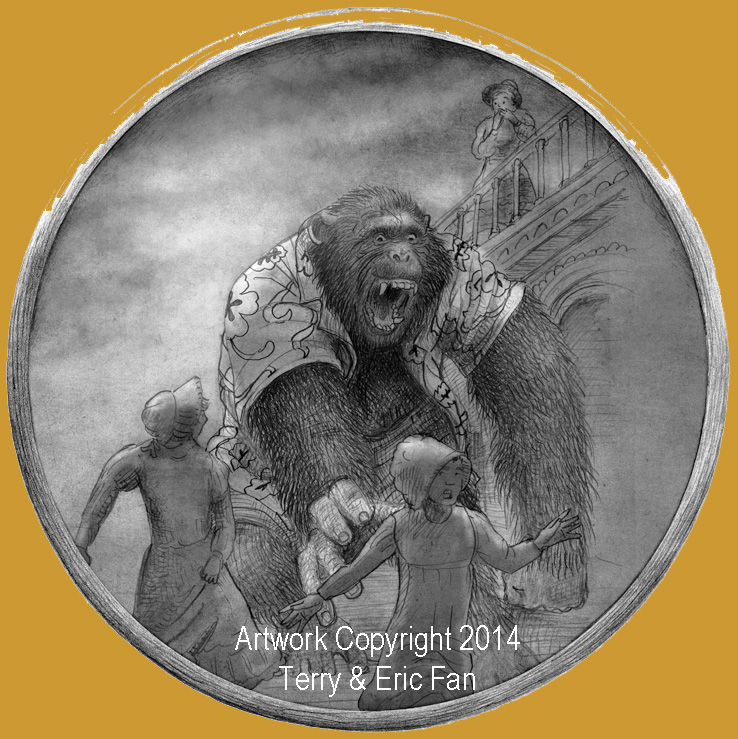
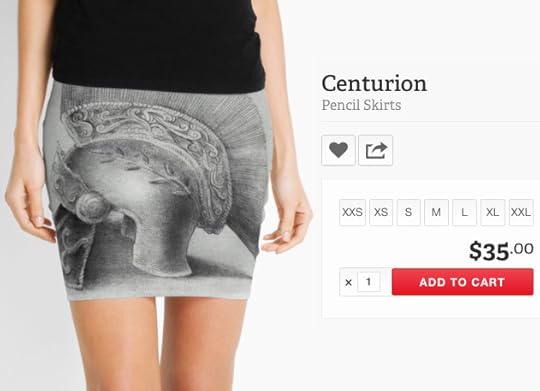 The centurion's helmet from chapter 2, reproduced on a pencil skirt. Beats anything you'll ever see on QVC.
  The perfect scarf to wear with your skirt.
 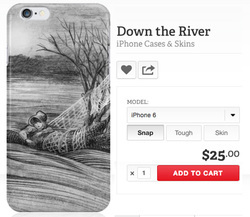 Chapter 22's river drama as an iPhone skin.
 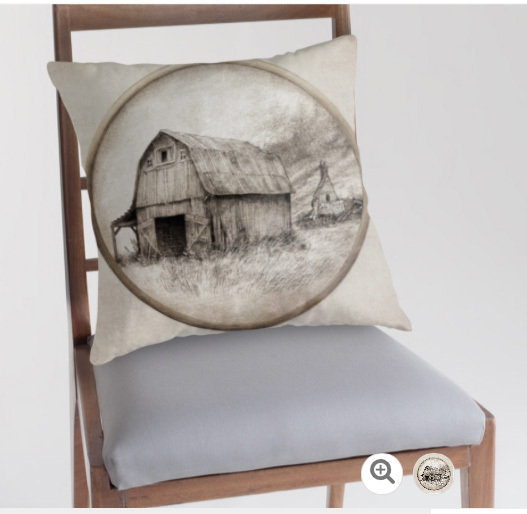 Throw pillow with the barn from chapter 8.
  The runaway horses from chapter 11 on a tote.
 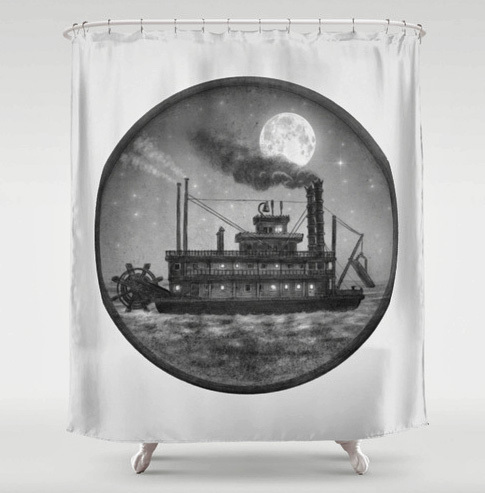 And, of course, chapter 20's steamboat on a shower curtain.
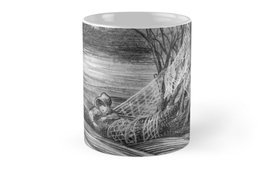 Coffee mugs, too!
rendered in sizes larger than a Moby-Dick doubloon. (Above is the Moby-Dick doubloon from chapter 24 of
The Book that Proves Time Travel Happens
– and, oh yeah, chapter 36 of
Moby-Dick
– a coin only slightly larger than a postage stamp. Art really deserves more space.) The brothers Eric and Terry Fan have made it possible to enjoy their art while drinking from it, wearing it, or sitting on it, which is more than Rembrandt ever did with his art, or could have imagined doing.(Clicking on an image will take you to the site where it’s being offered, and where you might find merchandise even more intriguing, and - surprise - not necessarily connected to my time travel book.)
The centurion's helmet from chapter 2, reproduced on a pencil skirt. Beats anything you'll ever see on QVC. The perfect scarf to wear with your skirt. Chapter 22's river drama as an iPhone skin. Throw pillow with the barn from chapter 8. The runaway horses from chapter 11 on a tote. And, of course, chapter 20's steamboat on a shower curtain. Coffee mugs, too!
April 23, 2015
April is the Coolest Month
Those of you who fled to Montreal to avoid the excessive hype surrounding the release of my second book are probably outraged by the O. Henry twist of discovering the French edition of my FIRST book crowding out Jules Verne in all the Canadian bookstores. Well, serves you right.
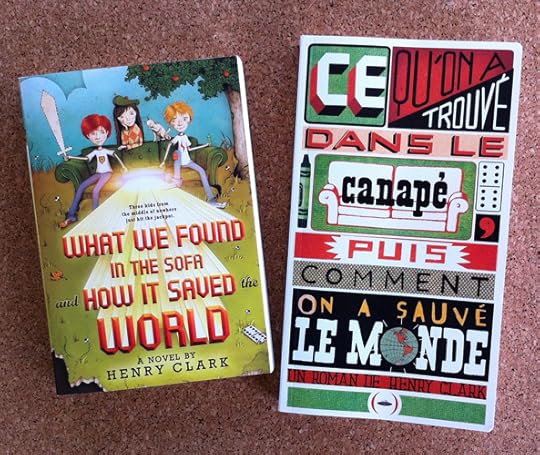 The French edition is a beauty – technically a livre, and not a book: livres are taller with a slight bevel to the page corners – and wonderfully translated by Nathalie Bru, who, the title page wants you to know, was working from a manuscript in United States English, rather than, say, British English, which, I’ll be the first to admit, probably made the entire enterprise much more of a challenge. (Whether or not she translated the book into Canadian French, those of you in self-imposed exile will have to tell me.)
 Nathalie Bru, translator extraordinaire. The cover design is by Jean-Francois Martin. It says on his website that doing the cover helped him prepare for the World Typo Championship, which this year will be held in Llanfairpwllgwyngyllgogerychwyrndrobwll-
llantysiliogogogoch, Whales. (This is my own somewhat free translation of
"Jean-François Martin se prépare pour le championnat du monde de typo avec une nouvelle couverture pour un roman des éditions Les Grands Personnes écrit par Henry Clark et intitulé Ce qu'on a trouvé dans le canapé puis comment on a sauvé le monde." It's possible Llanfairpwllgwyngyll-gogerychwyrndrobwllllantysiliogogogoch wasn't really mentioned.) (And I know it's Wails and not Whales; I was just attempting a little "typo" humor.)
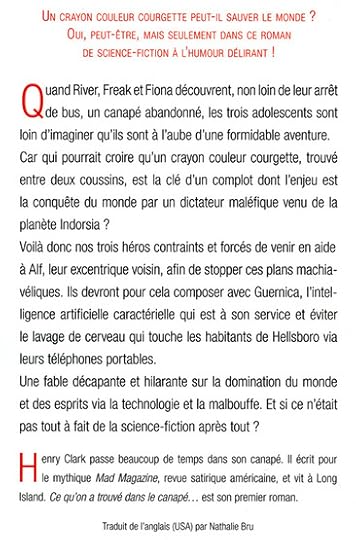
Here's the back cover. I'm pretty sure the bit about me translates as "Henry Clark spends an awful lot of time on his sofa." (It's as if the French can see into my living room!) And here's a map of the Paris Metro, with the names of the stations replaced with the titles of this spring's more interesting Young Adult books. (Clicking it will make it full size, but be prepared to jump back.) My book's the third stop on the red "Inclassable" line, making it an easy walk to the Louvre and the Apple store. (I'm hoping Inclassable means "unclassifiable," rather than "not classy.")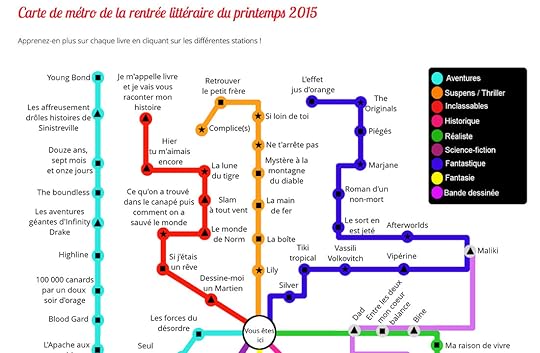 The book was actually printed in Spain, so, in future, I intend telling people I had both a French edition and a Spanish edition. This is one of the few benefits of outsourcing.
And - - I've just been informed the French edition has sold over trois copies! If I recall correctly from high school, trois is French for million! Incroyable!
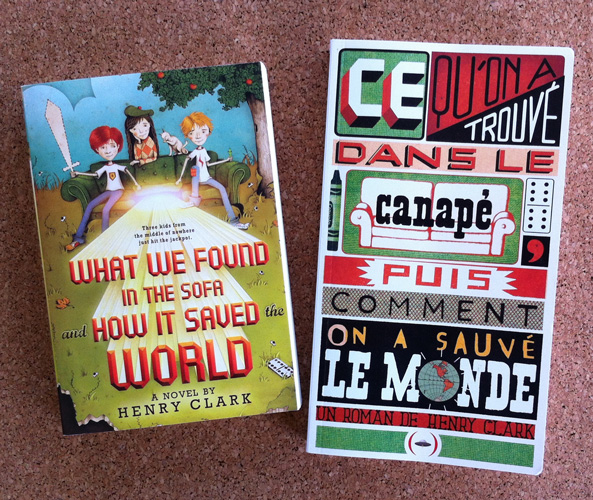 The French edition is a beauty – technically a livre, and not a book: livres are taller with a slight bevel to the page corners – and wonderfully translated by Nathalie Bru, who, the title page wants you to know, was working from a manuscript in United States English, rather than, say, British English, which, I’ll be the first to admit, probably made the entire enterprise much more of a challenge. (Whether or not she translated the book into Canadian French, those of you in self-imposed exile will have to tell me.) Nathalie Bru, translator extraordinaire. The cover design is by Jean-Francois Martin. It says on his website that doing the cover helped him prepare for the World Typo Championship, which this year will be held in Llanfairpwllgwyngyllgogerychwyrndrobwll-
llantysiliogogogoch, Whales. (This is my own somewhat free translation of
"Jean-François Martin se prépare pour le championnat du monde de typo avec une nouvelle couverture pour un roman des éditions Les Grands Personnes écrit par Henry Clark et intitulé Ce qu'on a trouvé dans le canapé puis comment on a sauvé le monde." It's possible Llanfairpwllgwyngyll-gogerychwyrndrobwllllantysiliogogogoch wasn't really mentioned.) (And I know it's Wails and not Whales; I was just attempting a little "typo" humor.)
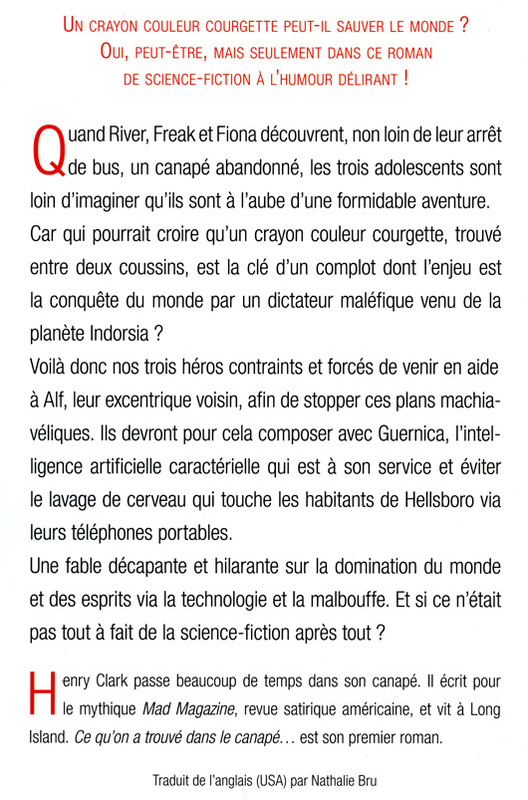
Here's the back cover. I'm pretty sure the bit about me translates as "Henry Clark spends an awful lot of time on his sofa." (It's as if the French can see into my living room!) And here's a map of the Paris Metro, with the names of the stations replaced with the titles of this spring's more interesting Young Adult books. (Clicking it will make it full size, but be prepared to jump back.) My book's the third stop on the red "Inclassable" line, making it an easy walk to the Louvre and the Apple store. (I'm hoping Inclassable means "unclassifiable," rather than "not classy.")
The book was actually printed in Spain, so, in future, I intend telling people I had both a French edition and a Spanish edition. This is one of the few benefits of outsourcing.And - - I've just been informed the French edition has sold over trois copies! If I recall correctly from high school, trois is French for million! Incroyable!
April 6, 2015
The World of Tomorrow
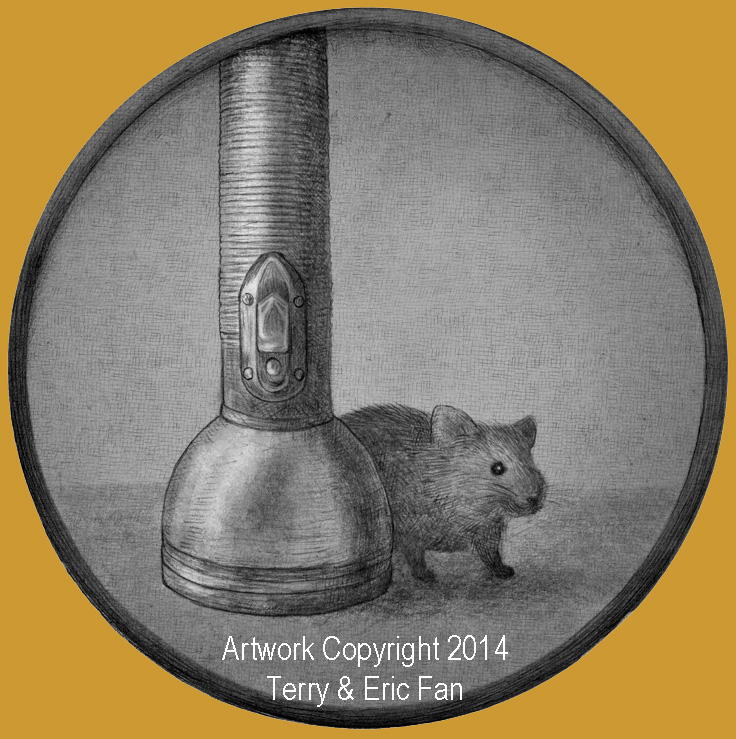
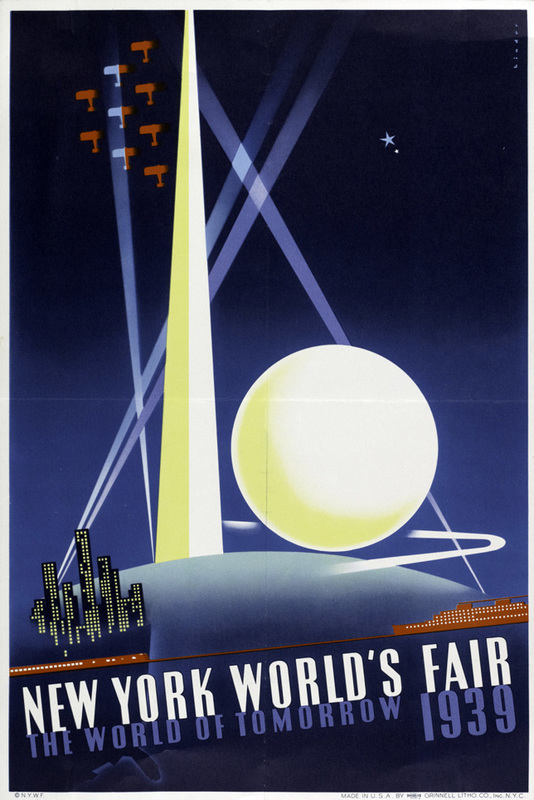
Above is Terry and Eric Fan’s illustration for Chapter 17 of The Book that Proves Time Travel Happens. As you can tell, it’s based on one of the proposed designs for the Trylon and the Perisphere, the iconic central pavilion of the 1939 World’s Fair, before the design was chucked after a survey revealed fair visitors didn’t want to walk around inside a giant mouse.
As I post this, it's only one week until Time Travel's publication, so I figure we should show off more examples of the artwork, which, in the book, will be reproduced the size of a postage stamp because the author overran his 75,000 word limit and it was either that or use 4 point type and include a magnifying glass so it's only fair the art be given a larger showing somewhere. Below is the Fan brothers' rendering of Shofranka Camlo's charm bracelet, complete - sometimes - with the mysterious Vanishing Key.
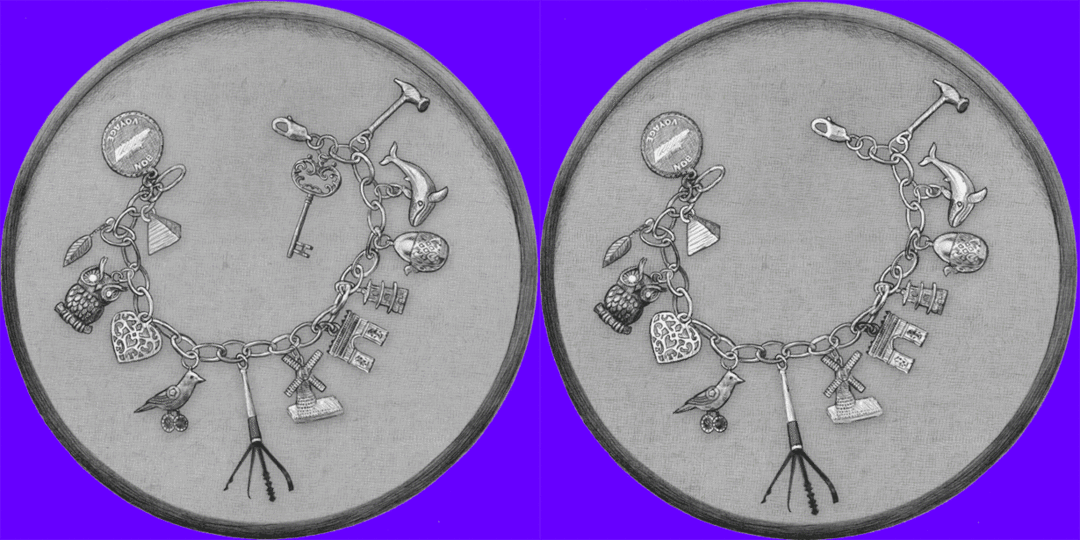 And then there's this:
  One of the more quiet, introspective moments from the book, an oasis of calm amid the antic action in the surrounding story, a serene break in which the reader can catch his or her breath after a few scenes that are, quite frankly, a little over the top.
March 4, 2015
First Folio, Now This
 FIRST FOLIO, NOW THIS is the name of the chapter from which I’ve taken this month’s sneak peek at the artwork for
The Book that Proves Time Travel Happens.
Again, the art is by the brothers Eric and Terry Fan, who have done a terrific job depicting a pig emerging from the pages of a book of Shakespeare’s plays. (It’s a big book and a small pig.)
FIRST FOLIO, NOW THIS is the name of the chapter from which I’ve taken this month’s sneak peek at the artwork for
The Book that Proves Time Travel Happens.
Again, the art is by the brothers Eric and Terry Fan, who have done a terrific job depicting a pig emerging from the pages of a book of Shakespeare’s plays. (It’s a big book and a small pig.)The pig’s name is Iago. My book also contains a character named Orlando Tiresias Camlo, because I take for granted my readers have not only brushed up their Shakespeare, but are also avid readers of Virginia Woolf and Ovid. (As my grandpappy used to say, “If you don’t set the bar high, ain’t nobody gonna dance the limbo.” Whatever that meant.)
Avid Ovid readers, not to be confused with rabid Rabelais readers, are, along with whiskers on kittens, a few of my favorite things.
February 6, 2015
Egg MacGuffin
Here’s another sneak peek at some of the artwork from the upcoming
The Book that Proves Time Travel Happens,
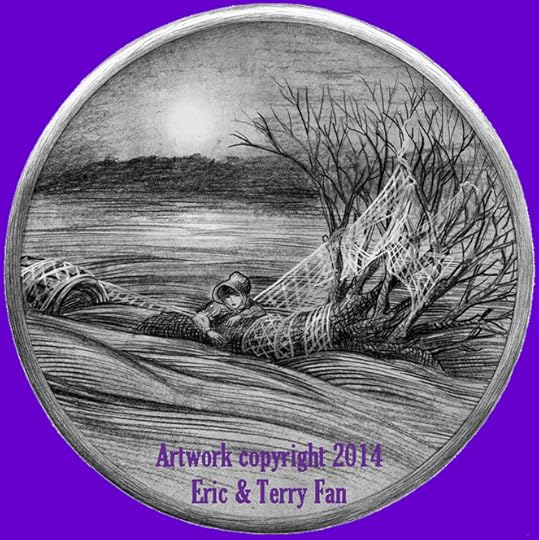
showing a young person in nineteenth-century attire clinging to a log being swept toward a waterfall. (Of course there’s a waterfall. You don’t have a character cling to a log in a swiftly-flowing river without there being a waterfall.) It’s a deliberate echo of Eliza’s escape across the Ohio River in Harriet Beecher Stowe’s
Uncle Tom’s Cabin,
a book that features prominently in
The Book that Proves Time Travel Happens.
Stowe, being a sensible writer, has her heroine cross the river in winter when it’s frozen. My characters lack all sense and try it in mid-August.
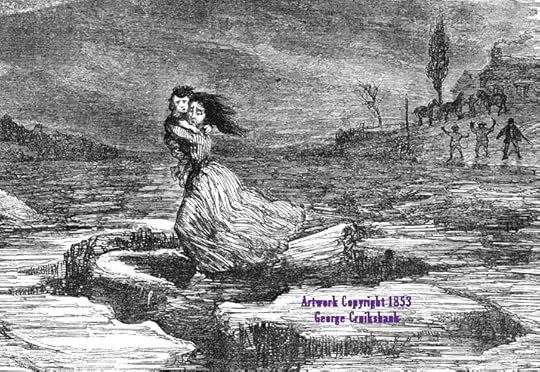 An illustration from the British edition of Uncle Tom's Cabin. Note how the solid nature of the water enables Eliza to walk across, whereas my character is thoroughly drenched. In
The Book that Proves Time Travel Happens
a first edition of
Uncle Tom's Cabin
plays the role of what Alfred Hitchcock used to call a MacGuffin, something that drives a story's plot but which the story's audience really couldn't care less about, like the bird in
The Maltese Falcon
or the ruby sneakers in
The Wizard of Oz.
At one point in
TBTPTTH
, a first edition of
Uncle Tom's Cabin
winds up in a Ziploc bag, and the Ziploc bag turns out to be more important than the book. (Such is the nature of MacGuffins.)
An illustration from the British edition of Uncle Tom's Cabin. Note how the solid nature of the water enables Eliza to walk across, whereas my character is thoroughly drenched. In
The Book that Proves Time Travel Happens
a first edition of
Uncle Tom's Cabin
plays the role of what Alfred Hitchcock used to call a MacGuffin, something that drives a story's plot but which the story's audience really couldn't care less about, like the bird in
The Maltese Falcon
or the ruby sneakers in
The Wizard of Oz.
At one point in
TBTPTTH
, a first edition of
Uncle Tom's Cabin
winds up in a Ziploc bag, and the Ziploc bag turns out to be more important than the book. (Such is the nature of MacGuffins.) 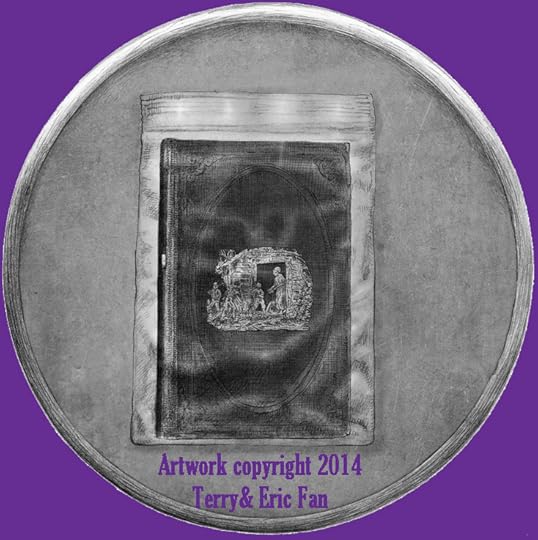 A first edition of Vol. I of Uncle Tom's Cabin in a Ziploc bag. Not an easy thing to illustrate. The splendid artwork is again by the brothers Fan:
Eric
and
Terry.
A first edition of Vol. I of Uncle Tom's Cabin in a Ziploc bag. Not an easy thing to illustrate. The splendid artwork is again by the brothers Fan:
Eric
and
Terry.

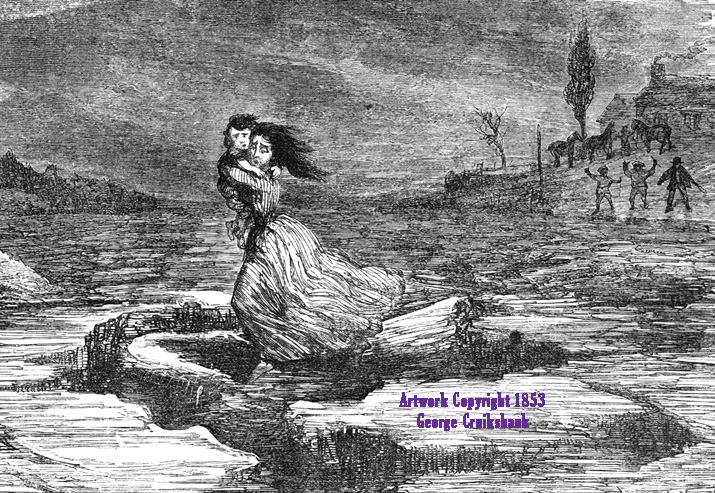 An illustration from the British edition of Uncle Tom's Cabin. Note how the solid nature of the water enables Eliza to walk across, whereas my character is thoroughly drenched. In
The Book that Proves Time Travel Happens
a first edition of
Uncle Tom's Cabin
plays the role of what Alfred Hitchcock used to call a MacGuffin, something that drives a story's plot but which the story's audience really couldn't care less about, like the bird in
The Maltese Falcon
or the ruby sneakers in
The Wizard of Oz.
At one point in
TBTPTTH
, a first edition of
Uncle Tom's Cabin
winds up in a Ziploc bag, and the Ziploc bag turns out to be more important than the book. (Such is the nature of MacGuffins.)
An illustration from the British edition of Uncle Tom's Cabin. Note how the solid nature of the water enables Eliza to walk across, whereas my character is thoroughly drenched. In
The Book that Proves Time Travel Happens
a first edition of
Uncle Tom's Cabin
plays the role of what Alfred Hitchcock used to call a MacGuffin, something that drives a story's plot but which the story's audience really couldn't care less about, like the bird in
The Maltese Falcon
or the ruby sneakers in
The Wizard of Oz.
At one point in
TBTPTTH
, a first edition of
Uncle Tom's Cabin
winds up in a Ziploc bag, and the Ziploc bag turns out to be more important than the book. (Such is the nature of MacGuffins.) 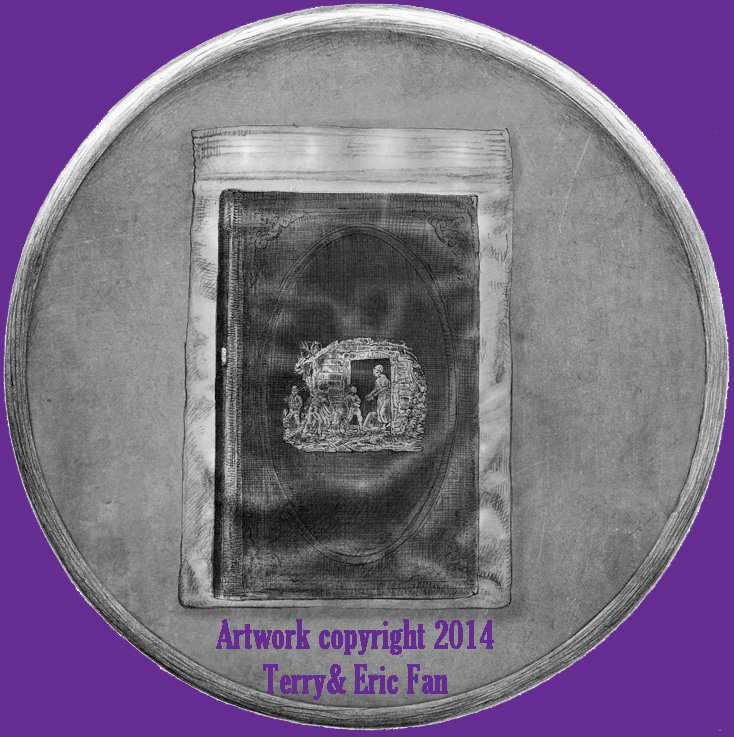 A first edition of Vol. I of Uncle Tom's Cabin in a Ziploc bag. Not an easy thing to illustrate. The splendid artwork is again by the brothers Fan:
Eric
and
Terry.
A first edition of Vol. I of Uncle Tom's Cabin in a Ziploc bag. Not an easy thing to illustrate. The splendid artwork is again by the brothers Fan:
Eric
and
Terry.
January 8, 2015
Nellie's Erratic
Here’s the second sneak peak at the Fan brothers’ (Eric’s and Terry’s) interior art for
The Book that Proves Time Travel Happens.
This month’s vignette is Nellie’s Erratic, which is not the diagnosis of a slightly deranged nineteenth-century woman but rather a large boulder situated near one of the picnic areas in Gustimuck Park, Ohio.
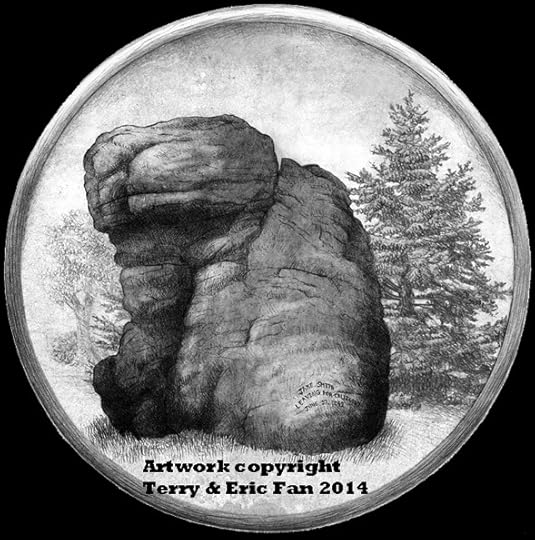
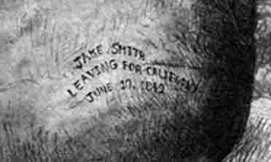 The boulder proves to be an important timemark for the heroes of the book. A timemark is like a landmark, only instead of helping you figure out where you are, it helps you figure out when you are. Nellie’s Erratic does this by the amount of graffiti on it: In the twenty-first century, you can’t see the rock for the spray paint; in 1852, there’s only the faintly etched Jake Smith Leaving for Californy June 10, 1849.
The character of Nellie’s Erratic is based on a boulder I once knew in Joshua Tree National Monument, Californy, back in the early 1970s. A park ranger by the name of Shifty (that’s what it said on his name tag) held out some tickets and asked if I was there for the Parsons cremation, and when I indicated I didn’t know what he was talking about he quickly tucked the tickets away and sold me a rock-deflecting umbrella instead, charging me only $200 and assuring me that as I was about to enter a falling rock zone, the umbrella was guaranteed to deflect any and all falling rocks.
As you can see from the photo below, it was money well spent. (Although, in all honesty, the rock fell directly behind me, so it wasn’t really deflected. But I’m not ashamed to admit - I jumped a little.)
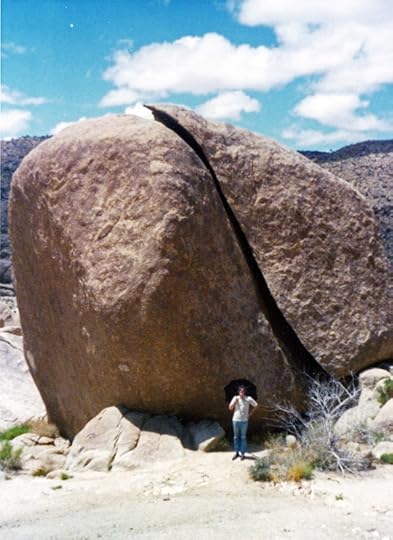 Photo credit: Paul “G.A.F” Feldman, where the “G.A.F.” is said in the voice of Henry Fonda.
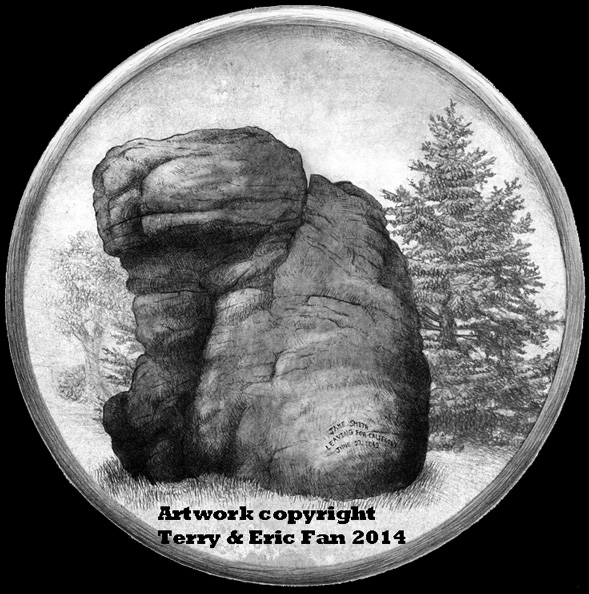 The boulder proves to be an important timemark for the heroes of the book. A timemark is like a landmark, only instead of helping you figure out where you are, it helps you figure out when you are. Nellie’s Erratic does this by the amount of graffiti on it: In the twenty-first century, you can’t see the rock for the spray paint; in 1852, there’s only the faintly etched Jake Smith Leaving for Californy June 10, 1849.
The character of Nellie’s Erratic is based on a boulder I once knew in Joshua Tree National Monument, Californy, back in the early 1970s. A park ranger by the name of Shifty (that’s what it said on his name tag) held out some tickets and asked if I was there for the Parsons cremation, and when I indicated I didn’t know what he was talking about he quickly tucked the tickets away and sold me a rock-deflecting umbrella instead, charging me only $200 and assuring me that as I was about to enter a falling rock zone, the umbrella was guaranteed to deflect any and all falling rocks.
As you can see from the photo below, it was money well spent. (Although, in all honesty, the rock fell directly behind me, so it wasn’t really deflected. But I’m not ashamed to admit - I jumped a little.)
Photo credit: Paul “G.A.F” Feldman, where the “G.A.F.” is said in the voice of Henry Fonda.December 1, 2014
A Bounty of Nunchucks
Here are the nunchucks that play such an important role in Chapter Four of
The Book that Proves Time Travel Happens.
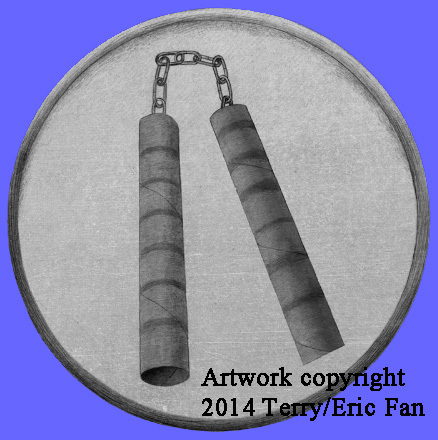 The artwork is by Terry Fan and his brother Eric; and I'm delighted to say they've done similar illustrations for each of the book's twenty-seven chapters. (That is, twenty-seven illustrations of different things; not twenty-seven illustrations of nunchucks. The book is weird, but not that weird.)
If you study the picture closely, you'll realize these nunchucks are made from two of the cardboard tubes found in the centers of paper towel rolls. Compare the illustration to this photograph of actual paper-towel-roll nunchucks: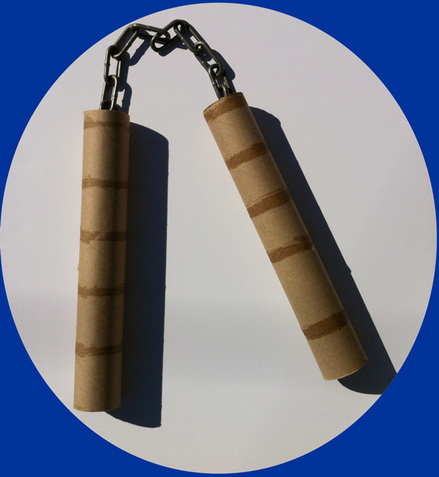 Paper-towel-roll nunchucks. From the author's collection. The observant reader of this blog, if there is such a thing, will notice that each of the tubes in the illustration has six bands of dried glue circling it while those in the photo have five. Terry and Eric's nunchucks are made out of tubes from industrial-strength artist-grade paper towels. Artist-grade paper towels are twenty-eight percent more absorbent than the towels the rest of us use, because artists spill more things than the rest of us and the things they spill are twenty-eight percent wetter. (India ink, for example has a Specific Wetness of 8.4, more than twice the Specific Wetness of orange juice.)
This is the first of five sneak peeks at Time Travel's interior art. I intend highlighting one illustration per month until the book's April publication, or until I get a cease-and-desist order from my publisher or from one or more of the Fan brothers.
Next Month: Nellie's Erratic
 The artwork is by Terry Fan and his brother Eric; and I'm delighted to say they've done similar illustrations for each of the book's twenty-seven chapters. (That is, twenty-seven illustrations of different things; not twenty-seven illustrations of nunchucks. The book is weird, but not that weird.)
If you study the picture closely, you'll realize these nunchucks are made from two of the cardboard tubes found in the centers of paper towel rolls. Compare the illustration to this photograph of actual paper-towel-roll nunchucks:
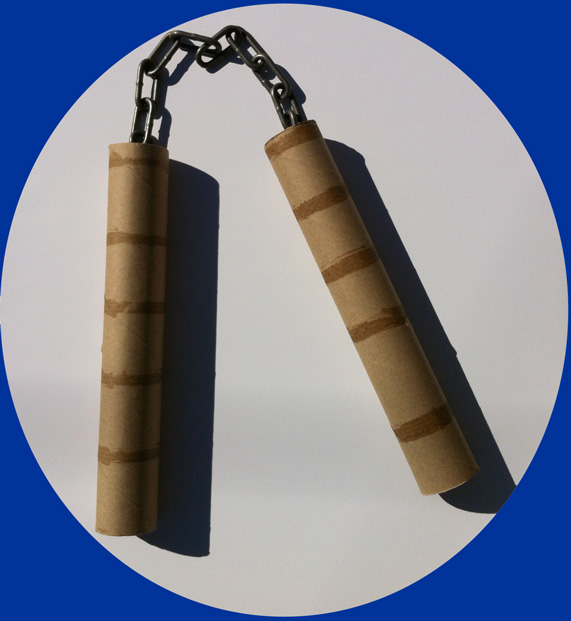 Paper-towel-roll nunchucks. From the author's collection. The observant reader of this blog, if there is such a thing, will notice that each of the tubes in the illustration has six bands of dried glue circling it while those in the photo have five. Terry and Eric's nunchucks are made out of tubes from industrial-strength artist-grade paper towels. Artist-grade paper towels are twenty-eight percent more absorbent than the towels the rest of us use, because artists spill more things than the rest of us and the things they spill are twenty-eight percent wetter. (India ink, for example has a Specific Wetness of 8.4, more than twice the Specific Wetness of orange juice.)
This is the first of five sneak peeks at Time Travel's interior art. I intend highlighting one illustration per month until the book's April publication, or until I get a cease-and-desist order from my publisher or from one or more of the Fan brothers.
Next Month: Nellie's Erratic
Henry Clark's Blog
- Henry Clark's profile
- 25 followers
Henry Clark isn't a Goodreads Author
(yet),
but they
do have a blog,
so here are some recent posts imported from
their feed.

