
Michelle MacQueen's Blog, page 4
April 24, 2017
Audio-Book Marketing

If you’re an indie author, you probably market your own books – unless you’re lucky enough to afford someone to do it for you. This means, unless you’re a little crazy, you probably experience a bit of hair pulling and a whole lot of sighs.
Marketing isn’t easy, especially for authors who’d much rather be creating the books that eventually need to be sold.
Then audio-books come into the picture. How the hell do you move those? The only answer anyone seems to have is that those will sell when you market the ebook.
Hopefully. Not always.
I am someone who has had a lot of trouble moving audio-books despite having absolutely brilliant narrators and pretty well-received stories. One of the problems is that the audio-book market is still in it’s infancy. Yes, they’ve been around for quite a while, but not in download form and not for indie books. This means the market isn’t developed on it’s own. It hasn’t separated itself from the book/ebook market yet.
People buy audio-books because they hear about the book. End of story.
With the ACX production branch of Amazon growing so quickly, an audio-book market is trying to start. It’s sputtering a bit, but there are some tips and advice that every audio-book author/producer should know.
First is that ACX is the branch of Amazon that will bend over backwards to help you. Does that seem strange? It does to me because KDP, the ebook branch, is trying to control their authors more and more and it seems to be harmful to indies. There are so many rules for Amazon published ebooks that the “anything that works” approach to audio-books is a breath of fresh air. It won’t always be like this, but it’s nice at the moment.
ACX WANTS you to trade free audio-books for reviews. The very thing that KDP is trying to stamp out. They even provide you with 25 free audio-book codes to hand out.
Tip 1: ACX may not send you the codes right away. If you email them and ask, they are very pleasant and send them promptly.
Tip 2: Run out of codes? No worries – ACX will send you more. Last time I asked for an extra 10, they sent me 75!!!
Before you get your codes, you have to have an audio-book, right? Well, I don’t have that many tips for you here except that you don’t have to accept the first person that auditions. If you don’t get one you like, or get any at all, go looking for a narrator yourself. I did that for each book in my romance series and found the perfect voices. I had to wait for them to be available, but getting it right is more important than getting it fast.
Back to marketing! (Everything underlined is a link)
Ok, so you have your codes, all your friends hate audio-books, how do you find people that don’t?
Include them in a giveaway – the easiest thing you can do. Your newsletter subscribers and Facebook followers love when you host giveaways. When a blog accepts your audio-book for review, offer to provide a gifted copy for them to giveaway to drive traffic to their site (and their review of your book). Join with other authors to do larger giveaways. Stop worrying about giving it for free. Get as many audible reviews as you can in order to compete with the big boys and girls.
Audio Book Boom – They will find people who will request gifted copies in exchange for review. It costs $15 and there are diminishing returns each time you use it. For each of my books, it was only worth it the first time.
Books with a Groove – The jury is still out on this as it is a new service, but one that is growing. It’s inexpensive price tag makes it worth a shot.
Auda Voxx – There are two free options here. You can donate up to ten codes per book to be used to give your book as a subscription gift to their members. They try to match the book with listeners who enjoy the same genre. The second option is submitting your audio-book for review. Do both.
Blogs – Find blogs that love audio-books and post on audible as well as their sites.
These blogs below accept submissions for review of audio-books depending on the genre. Make sure you read their preferences before submitting. They may or may not respond depending on their reviewing schedule.
The Guilded Earlobe
DWD’s Reviews
Elsie’s Audio-book Digest
I am, Indeed
Bookish Things and More
The Audio Bookworm
Swept Away by Romance
eargasms Audio-book Reviews
Bookwormerz
Lost in Literature
Oh My Shelves
Kris and Vik Book Therapy
Lily Element
Under My Apple Tree
The Reading Date
Book Lover’s Life
There are many other things you can do. Facebook/amazon ads may work for you. Many of the bigger audio authors and publishers utilize radio ads. There are sites and magazines that only cost your first born.
But this is a start!
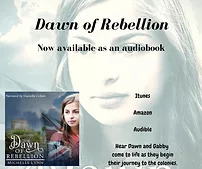
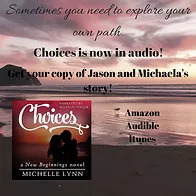
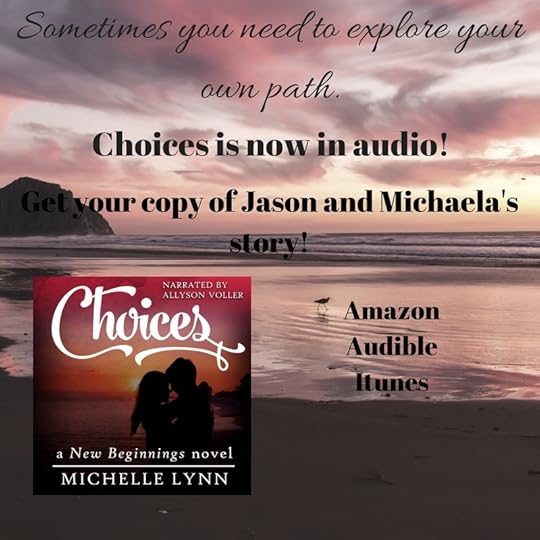
It wouldn’t be very prudent of me to write about audio-books without plugging mine (wink, wink). Dawn of Rebellion, Day of Reckoning, and Choices are all available. Eve of Tomorrow, Promises, and Dreams are coming soon! Click on the images to find the audio-books.



April 10, 2017
5 Things Every Author Should Be Doing
 There are so many obvious things we need to be doing as authors – but these are the less thought of items we must have on our to-do lists!
Beta Reading – I’d argue that this is the most important thing on this list. Don’t know what beta reading is? It’s reading another author’s work, typically just before it goes to the editor, and finding things like plot holes, inconsistencies, tense changes, and grammatical errors.
Why is it important to do this for other writers? Well, the obvious answer is because the people you beta for will typically do the same for you. That’s a major plus.
Less obvious answer? Because you learn a lot. Believe it or not, as an author, you don’t know everything. If you think you do, then you’re probably in the wrong business. We’re always growing, always improving. The easiest way to learn is to look for what someone else is doing wrong. It’s very hard to spot certain problems in our own books, but they’ll jump out at us in someone else’s.
Beta reading is how you learn about different styles of writing and how to break certain habits.
My beta readers used to constantly yell at me for using filler words like “had”. It wasn’t until I focused on cutting those words from a friend’s book, that I could see the problem in mine. Habit broken.
This takes time – a lot of it. I’m not going to lie. I beta read for six or seven people. You usually have to read a Word file instead of an easier eBook. But it’s worth it and every author should invest the time.
Reading Widely – Most authors are also avid readers. I mean, we get into writing because we love books. But more and more frequently, I see author’s mentioning how they no longer have time for it and that’s a shame.
I’ve always believed reading breeds ideas. That doesn’t mean we copy ideas from the books we pick up, just that it revs our imaginations.
Here’s where the widely part comes in. Read many genres, many styles. Read first person. Read third person. Past tense. Present tense.
Basically, if you’re a romance writer and the only thing you read is romance, it makes it harder to breathe new life into the genre. That’s how genres become stale. Ideas are recycled and tropes are formed. So, if you write romance (or any other genre) read romance, but also read fantasy or sci-fi or historical fiction. Just something that is different. Something that will teach you new things or stretch your imagination in a new way.
Network, Network, Network – I hear it all the time. Facebook only takes time away from my writing. You can substitute Facebook for any social media platform. Some authors try to stay away with the exception of interacting with readers.
Taking the time to interact with other writers is not wasting time. There are many many valuable groups out there that provide advice and tips. They help you stay on top of the ever-changing publishing world.
But they can also be friends. “But, Michelle, online friends aren’t real friends!” Sure they are! Writing can be a lonely business. Most of the people in our lives don’t understand it. But other authors do. They will be the ones to help you get unblocked or encourage you when the inevitable bad reviews come in. They’ll champion you and celebrate when you hit your sales/reviews goals – because they get it.
Some of these connections will last many years and turn into very good, deep friendships. Don’t discount it because you think Facebook takes too much time from writing.
Writing reviews for other authors – only on books you read, obviously. But when you do read a book, don’t just put it away and forget about it. You know from firsthand experience how much reviews help. My reviews even turned into a position on the indie team at YA Books Central.
We’re all in this together, so don’t be hesitant to help someone out.
Putting the pen down – ok, so most of us write on computers, but putting the computer down didn’t sound as good.
Don’t be afraid NOT to write. This goes against what all the experts are saying. If  you want to be overly prolific, then more power to you, but there’s nothing wrong with letting your life get in the way of your writing. Don’t let writing interfere with family time or fun days out. Don’t feel guilty to take a break. That’s how you begin to see it as a chore. Yes, writing is a job, but it isn’t life.
My writing time has been severely cut because I watch my two-year-old niece twice a week and then see them usually on the weekends as well. But I’m enjoying writing more than ever. I never want to lose my love for it, but I love my family more. Time goes by so fast and you won’t regret the time you didn’t spend writing. You will regret the time missed with family and friends.
Your best books will come out of your love, your passion, for writing. Your best ideas will come from living your life.


March 31, 2017
A Release and a Big Sigh of Relief
There’s always a sense of relief that comes with sending your newest book out into the world. It’s a sense that is then replaced with dread. Once the book is available for purchase, it’s also available for review.
It’s there for criticism.
It’s there for scorn.
It’s there for the disappointment that comes when friends and extended family fail to pick up their copy.
I guess you could say that an author is driven by fear. We talk a good game. We say that reviews don’t bother us – hell, most claim not to even look at them. But we do. They hurt. Even the three stars. We’ll comfort each other when our friends get three stars and say “but that’s still good!” Only, when it happens to us, it isn’t good enough.
 But we keep going. We keep putting ourselves out there. Most of the time, the energy we spend on thinking about already released books is minimal compared to the ones we’re working on. It’s very rare we write stories that truly stick with us and impact us on such a deep level. A writer may only get a few of those in their career – the books that actually say something about the human condition. They aren’t merely for entertainment – although that can’t be discounted.
The Invincible series is that for me. These are the books I will look back on and say “did I really write that?” That isn’t to say they’re perfect or that everyone will love them. It’s that they speak to me. They haunt me.
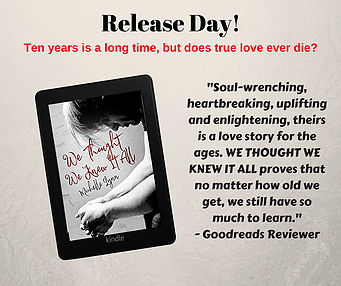
We all deal with trauma differently, but everyone is broken by it in some way. When I first began writing We Thought We Were Invincible, I thought I knew what I wanted to say. The story was supposed to be about a group of teenagers in their final year of high school. Okay, that’s what it was. But we all remember high school when the entire world is stretched out before us. You prepare for large things. Everyone thinks they can do anything. High schoolers have this amazing sense of – shall we call it – invincibility? They think they’re safe because they’ve mostly been sheltered from a lot of the dangers in the world.
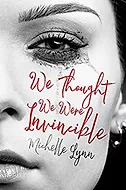
My original story was going to explore what happens when they realize they aren’t invincible after all – when something happens to shatter their world.
Then something interesting happened. I learned something – yep, that is still possible.
I realized that my definition of invincibility was only a part of the whole. Invincibility doesn’t mean that nothing can break you. It means that when it inevitably does, we have the amazing ability to become stronger.
The original story was also supposed to only be a single book, but by the end of book 1, these characters weren’t ready to learn this lesson.
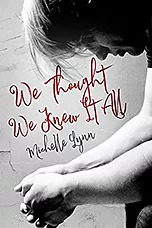
I have an episodic illness that keeps me in bed a lot of the time so this lesson was an important one for me personally. Writing We Thought We Knew It All tore out my guts. It broke me open in a way I couldn’t have foreseen.
I have heard from some advanced readers that have been helped by this story and it has shown me the truth. These are my two books. I’ve published nine so far and they are all my children, but these are the ones that will forever be with me because they taught me how to be invincible.
And for that, I will be forever grateful to Callie and Jamie.
Pick up your copy of We Thought We Were Invincible HERE!
Pick up your copy of We Thought We Knew It All HERE!


A Release and a Sigh of Relief
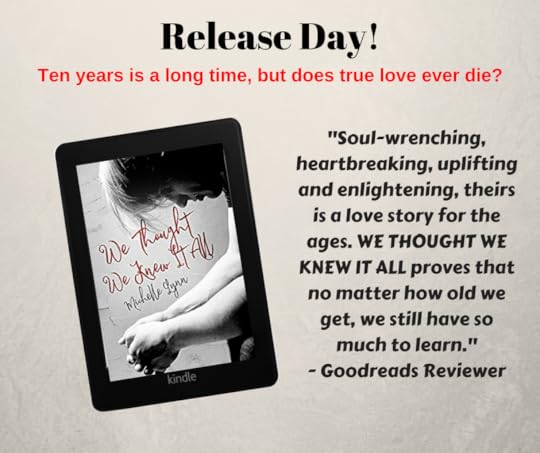 thinking about already released books is minimal compared to the ones we're working on. It's very rare we write stories that truly stick with us and impact us on such a deep level. A writer may only get a few of those in their career - the books that actually say something about the human condition. They aren't merely for entertainment - although that can't be discounted.The Invincible series is that for me. These are the books I will look back on and say "did I really write that?" That isn't to say they're perfect or that everyone will love them. It's that they speak to me. They haunt me.We all deal with trauma differently, but everyone is broken by it in some way. When I first began writing We Thought We Were Invincible, I thought I knew what I wanted to say. The story was supposed to be about a group of teenagers in their final year of high school. Okay, that's what it was. But we all remember high school when the entire world is stretched out before us. You prepare for large things. Everyone thinks they can do anything. High schoolers have this amazing sense of - shall we call it - invincibility? They think they're safe because they've mostly been sheltered from a lot of the dangers in the world.
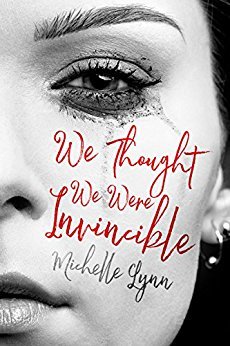 My original story was going to explore what happens when they realize they aren't invincible after all - when something happens to shatter their world.Then something interesting happened. I learned something - yep, that is still possible.I realized that my definition of invincibility was only a part of the whole. Invincibility doesn't mean that nothing can break you. It means that when it inevitably does, we have the amazing ability to become stronger.The original story was also supposed to only be a single book, but by the end of book 1, these characters weren't ready to learn this lesson.
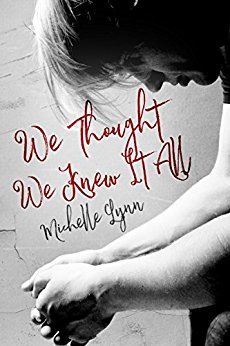 I have an episodic illness that keeps me in bed a lot of the time so this lesson was an important one for me personally. Writing We Thought We Knew It All tore out my guts. It broke me open in a way I couldn't have foreseen.I have heard from some advanced readers that have been helped by this story and it has shown me thetruth. These are my two books. I've published nine so far and they are all my children, but these are the ones that will forever be with me because they taught me how to be invincible.And for that, I will be forever grateful to Callie and Jamie.Pick up your copy of We Thought We Were InvincibleHERE!Pick up your copy of We Thought We Knew It AllHERE!
March 9, 2017
Write What You Don’t Know
I’m about to burst your image of me. Right here. Right now. I’m going to tell you a secret that you’ll find super hard to believe. Ready?
I don’t know everything.
There, I said it. I, Michelle Lynn, am not an expert in every topic known to man. In fact, there are very few topics I can claim to know a lot about. Hockey. Aunting. Certain book series and genres. Really, the list is suuuuper short.
You know the old saying “write what you know”? It’s a bit limiting, isn’t it? I’m a person who likes to challenge myself because that’s how we improve, how we grow. This doesn’t mean doing gobs and gobs of research to gain the knowledge to write about certain topics. Some genres – like anything historical – need the author to know what they’re talking about.
Well, I don’t write historical fiction. I write contemporary fiction. This means my books take place in today’s world, in settings that are well known and well-loved – but not by me. In my New Beginnings series, there are three settings in the first two books – New York City, Connecticut, and Boston. Would you believe me if I said I’d never set foot in any of those places? Sure, I’ve seen them on TV, but that isn’t the same, is it?
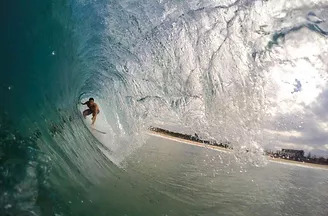
My newest book, We Thought We Were Invincible, features two characters who spend a lot of their time surfing. The book has yet to be released, but one of my first beta readers asked me a single question before going into what she liked (and didn’t like) about the book. Do you surf? She thought I did, but that would be quite the feat for a girl with a disability that makes it hard enough to stand balanced on solid ground, let alone a surf board. Short answer, no – I don’t surf. I’ve never even met a surfer.
So, how do you make the reader believe the author is all-knowing? How do you immerse them in some act or some place without experiencing it for yourself? Without large amounts of time-consuming research?

Generalities – the reader doesn’t need me to site specific buildings or street names to imagine they’re in New York City. I may have never been there, but I have been to places like Chicago. I know the smell of a city. Write about the sound of the traffic, the crowds on the sidewalks, the immensity of the buildings. Mention that they’re in New York a few times and now you’ve created a generic city that your readers believe is New York. Only do this though if the setting is a passive ingredient to your story, not something with a deeper meaning.
Slang – This works for both locations and actions. My first series, Dawn of Rebellion, starts in London and is about two English girls. I had a British friend give me a handful of terms to swap out for the American terms and suddenly they’re believably British.
To add to the surf aura of my main characters in We Thought We Were Invincible, I spent a few minutes online looking up surf slang. Most of this came in the form of different names for waves.
Occasional technical details – I hate books that get too technical. If I wanted to learn how to surf, I’d read a book about that specifically. If I wanted to learn about military tactics, I’d read a military focused book. Especially in the YA genres, less is more. But it still needs to be there – those little details that make your characters seem authentic.
For the surfing, this is as simple as mentioning the board leash or showing what they do to get up on the board, but not every time they surf. Don’t be repetitive.
In the Dawn of Rebellion series, they are in the middle of a war. I have to talk about guns and battle tactics, but leaving it vague is still the way to go. More detail gives more room to make mistakes (especially when talking about guns) and, let’s be honest, large amounts of detail bore the reader.
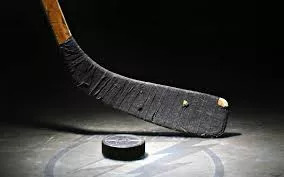
This was an interesting thing to balance in my sports book, Dreams. Hockey is not a well-understood sport. Most hockey romances I’ve read steer clear of describing games. I wanted to immerse my readers in something that I loved, in the excitement and energy of a full arena. So, I made quite a few important scenes happen during games. It took me a while to realize that a lot of readers wouldn’t know what I was talking about when I said things like power play. It actually took a beta reader telling me to quite with the hockey talk to see that.
As writers, we’re told to write from our own experiences, but I tend to go the other way. I learn a lot by writing about new-to-me things, places, and ideas. It’s exciting and challenging. I have a friend who likes to say that writing is just being a fabulous liar and maybe this proves that very thing. Or maybe it just proves that we don’t know any more than you do. We just put everything we don’t know down on paper.


February 24, 2017
Author Spotlight: K.J. Mcpike
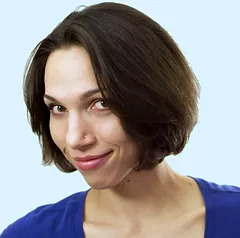
Many of you don’t know this, but I write for four different blogs. One of them is the YA Author Rendezvous where I have the immense pleasure of getting to know authors to share their stories with the world in the form of interviews.
This month, I got to catch up with the ever talented K.J. McPike and have re-posted the interview here. Here she is!
What are the titles of your work and can you tell us a bit about them?
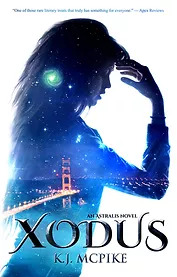
The first book in my Astralis series is XODUS, and it tells the story of Lali Yavari, a girl who discovers she can astral project. She then goes on to use her newfound ability to bargain with a questionable boy who claims he can find her missing mother. The next book is Nemesis (book 1.5) that tells the events before, during, and just after XODUS from said questionable boy’s perspective.
Who’s your favorite character from your books?
It’s always hard to pick a favorite, but if I had to, I would choose Kai. (Yes, Kai is the aforementioned questionable boy.) I love that he challenges Lali’s black-and-white view of the world and makes her reevaluate right vs. wrong in certain circumstances. I hope he makes readers think twice, too.
I’ve never quite read a book like XODUS. That’s huge in a world where everything seems done to death. How did you decide to write about astral projection?
Aw, thank you! Astral projection is a subject that has always fascinated me. Growing up, my mother talked about astral projection a lot, and I latched onto the idea when she mentioned that some people claim they have been able to talk to deceased relatives while projecting. I never quite managed to do it myself (though I tried so hard!), but when the inspiration for XODUS hit and I decided I wanted to write about a bunch of siblings who have various abilities, astral projection was the first one that came to mind. Thanks, Mom!
I won’t give anything away, but in XODUS, the two main characters who everyone expects to fall in love have some major hurdles that may leave the reader not rooting for them until the next book. Most authors want you to immediately fall in love with the characters. Was this a hard decision?
It wasn’t a hard decision at first because it was how the story originally came to me, and I didn’t really picture it going any other way. But when I really started obsessing about the market and what readers seem to love about other books in the genre, I started to second-guess myself. Who doesn’t love two soul mates coming together in a relationship that is undeniably meant to be? But that wouldn’t have been true to my characters, and I think it would have taken away from the story. One of the major themes of the book centers around morality and understanding circumstances, and a major part of Lali’s growth is linked to that. So I kept the storyline as it was, for better or for worse. Here’s hoping readers will forgive me.
The second book in the series is written in quite a unique way. Can you tell us about that without giving any spoilers?
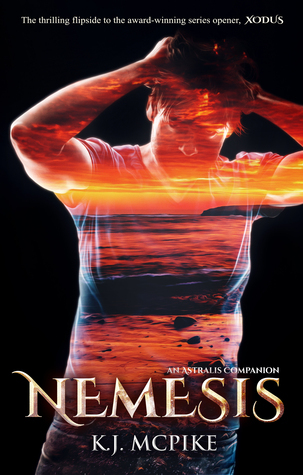
The second book Nemesis—which is technically book 1.5 just to complicate things—was my way of letting Kai have his say. I think his character is easily misunderstood, and when reading from Lali’s perspective, it’s easy to look at him as she does instead of seeing exactly where he’s coming from. Though his actions are questionable from the outside, I think most people in his position would make similar choices. My hope is that readers of Nemesis will recognize the tricky spot Kai is in and question how far they would be willing to go for their own families.
Were there alternate endings that you considered?
Not with dramatic differences. I struggled with where exactly to end the story, but the major events were pretty much always going to go the way they went. Sorry if that’s a boring answer!
What authors have inspired you to write?
I will forever be in awe of J.K. Rowling and her incredible ability to connect with so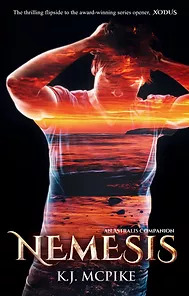 many different types of people through her writing. She’s also incredible at world building and planting seeds that seem small at the time but then become huge plot points later. I loved writing before those books came out, but when I decided I wanted to write a book of my own, I definitely had in mind how much I loved reading the Harry Potter series and how I wanted my writing to make reading that enjoyable for someone someday.
What age were you when you started writing?
I started writing stories when I was about ten, shortly after my family purchased a word processor. I thought typing was the coolest thing ever, and I spent countless hours whipping up crazy stories about environmentally conscious whales working to clean up the ocean and baby dinosaurs wreaking havoc on unsuspecting families. I also thought it was super cool to make all my characters’ names rhyme, so yeah…probably not my best work.
Do you ever experience writer’s block?
All the time! It’s the worst, but I try to force myself to write anyway, even if what I’m writing has nothing to do with my current work in progress. For me, the key to beating it is to write through it.
Do you work with an outline, or just write?
I try to work with outlines, I really do. It’s just that I’m terrible at it. Even if I manage a coherent outline, I will inevitably change everything as I start writing. Planning and I just can’t get along.
Do you ever get sad when you realize that the characters that you’ve created aren’t real?
What do you mean they aren’t real?! Hehe, I do feel a very strong attachment to my characters, despite the mean things I do to them in my writing, and I have been known to talk about them as if they are real people. But deep down, I have accepted that they aren’t real. I think…
Can you tell us about your challenges in getting your first book published?
My biggest challenge with XODUS was letting it be done. It took me nearly three years to write it, and I am incapable of reading something I’ve written and accepting it. I always want to change things. Eventually, someone had to pry it out of my hands and tell me to stop obsessing, but it was so painful!
If you had to go back and do it all over, is there any aspect of your novel or getting it published that you would change?
The main thing I would change about my publishing journey is that I would have studied marketing and begun building my author platform sooner. I didn’t do either of those things until after XODUS was published, so now I’m trying to play catch up.
Can you tell us about your upcoming book?
My upcoming book is called Tenuous, and it is the official book 2 of the Astralis series. In it, Lali and her siblings end up in trouble of the time traveling variety. *cue maniacal laughter*
Do you have any advice to give to aspiring writers?
Write every day, and read every day. Both are equally important. Also, join at least one good writing group where you read each other’s work and give each other honest feedback. The groups are great for keeping you accountable and for bouncing ideas off people who truly understand the writer struggle.
Do you have any strange writing habits?
I’ve been told that I write in strange positions. For some reason, I always seem to feel more comfortable with one leg propped up, and when I’m doing the standing desk thing or curled over my laptop on the sofa, that can get pretty interesting. My boyfriend went on a kick where he would sneak pictures of me writing in my crazy positions, and once he’d collected enough of them, he decided to share them with me. It was then that I realized my problem.
What others are saying about K.J. McPike:
“I loved how the book could make me hate a certain character and then root for them and sympathize with them at the same time.”
“I really enjoyed XODUS. It was well-written, cleverly plotted, and full of twists and turns.”
“I am in love with the style in which K.J. McPike writes. The story and wording has a way off pulling you right in from the get go making it very hard to put down. So good in fact, I had it read in two days.”
Want to learn more about this wonderful author? She has a website!
Find here on Facebook HERE!


February 23, 2017
5 Things All Authors Should Be Doing
 Beta Reading– I’d argue that this is the most important thing on this list. Don’t knowwhat beta reading is? It’s reading another author’s work, typically just before it goes to the editor, and finding things like plot holes, inconsistencies, tense changes, and grammatical errors.Why is it important to do this for other writers? Well, the obvious answer is because the people you beta for will typically do the same for you. That’s a major plus.Less obvious answer? Because you learn a lot. Believe it or not, as an author, you don’t know everything. If you think you do, then you’re probably in the wrong business. We’re always growing, always improving. The easiest way to learn is tolook for what someone else is doing wrong. It’s very hard to spot certain problems in our own books, but they’ll jump out at us in someone else’s.Beta reading is how you learn about different styles of writing and how to break certain habits.My beta readers used to constantly yell at me for using filler words like “had”. It wasn’t until I focused on cutting those words from a friend’s book, that I could see the problem in mine. Habit broken.This takes time – a lot of it. I’m not going to lie. I beta read for six or seven people. You usually have to read a Word file instead of an easier eBook. But it’s worth it and every author should invest the time.Reading Widely– Most authors are also avid readers. I mean, we get into writing because we love books. But more and more frequently, I see author’s mentioning how they no longer have time for it and that’s a shame.I’ve always believed reading breeds ideas. That doesn’t mean we copy ideas from the books we pick up, just that it revs our imaginations.Here’s where the widely part comes in. Read many genres, many styles. Read first person. Read third person. Past tense. Present tense.Basically, if you’re a romance writer and the only thing you read is romance, it makes it harder to breathe new life into the genre. That’s how genres become stale. Ideas are recycled and tropes are formed. So, if you write romance (or any other genre) read romance, but also read fantasy or sci-fi or historical fiction. Just something that is different. Something that will teach you new things or stretch your imagination in a new way.Network, Network, Network– I hear it all the time. Facebook only takes time away from my writing. You can substitute Facebook for any social media platform. Some authors try to stay away with the exception of interacting with readers.Taking the time to interact with other writers is not wasting time. There are many many valuable groups out there that provide advice and tips. They help you stay on top of the ever-changing publishing world.But they can also be friends. “But, Michelle, online friends aren’t real friends!” Sure they are! Writing can be a lonely business. Most of the people in our lives don’t understand it. But other authors do. They will be the ones to help you get unblocked or encourage you when the inevitable bad reviews come in. They’ll champion you and celebrate when you hit your sales/reviews goals – because they get it.Some of these connections will last many years and turn into very good, deep friendships. Don’t discount it because you think Facebook takes too much time from writing.Writing reviews for other authors– only on books you read, obviously. But when you do read a book, don’t just put it away and forget about it. You know from firsthand experience how much reviews help. My reviews even turned into a position on the indie team at YA Books Central.We’re all in this together, so don’t be hesitant to help someone out.Putting the pen down– ok, so most of us write on computers, but putting thecomputer down didn’t sound as good.Don’t be afraid NOT to write. This goes against what all the experts are saying. If you want to be overly prolific, then more power to you, but there’s nothing wrong with letting your life get in the way of your writing. Don’t let writing interfere with family time or fun days out. Don’t feel guilty to take a break. That’s how you begin to see it as a chore. Yes, writing is a job, but it isn’t life.My writing time has been severely cut because I watch my two-year-old niece twice a
 week and then see them usually on the weekends as well. But I’m enjoying writing more than ever. I never want to lose my love for it, but I love my family more. Time goes by so fast and you won’t regret the time you didn’t spend writing. You will regret the time missed with family and friends.Your best books will come out of your love, your passion, for writing. Your best ideas will come from living your life.Don't forget to sign up for you FREE copy ofConfessionsHERE!Want to see some other posts? ClickHERE!
February 14, 2017
Valentine’s Day Picks
“It’s a made up holiday created to sell cards.”
“It’s a holiday meant to make people feel bad about being single.”
“Chocolate!!! That’s the only good thing about this day.”
While some of these may still ring true, it can also be a day to celebrate truly epic love stories. Maybe it’s just the writer in me that sees it that way. The perfect, all consuming love that books can make people feel.
I am a dystopian writer, turned romance writer. That was a big change. Dystopian books are emotionally stressful and desperate stories. Romances are a whole other world. Sure some of them still make me cry uncontrollably. Some of them are tragic – but, for the most part, there’s that underlying theme of hope. It’s why I’ve fallen in love with writing them and also why my Kindle is loaded down with all sorts of romance books that I can’t wait to get my claws in.
Today, instead of dwelling on some of the negative meanings that people place on the day, why not feel a little bit of that hope that books can infuse into your soul.
I’ve read many many romance books, but there are some that truly hit me. I’m going to share a few that you should check out for different reasons. Some are sad. Some are fun. And others can make you believe in just about anything.
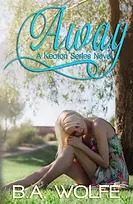
Warning: Keep the tissues nearby.
Here’s my short summary: This is about a girl who is running away from many things in her life. Circumstances lead her to a small town where she meets Jason. Their love story is sweet, but it becomes very powerful when a secret about Jason is revealed.
No more. No! I will not give spoilers. I’ll only tell you that you have to read it. The second book in the series is one of the best romances I’ve ever read, but you have to read this first. Stop arguing with me. Just do it!
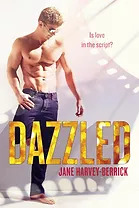
This is a fun one that I read recently.
My summary: Miles is a young actor who kind of stumbles into fame. He’s sweet and awkward, but a director falls in love with him. His best friend, Clare, has been in love with him their whole lives, but he’s too dense to notice. He begs her to go to hollywood with him, where she has to watch him man whore it up. Things kind of snow ball from there.
It’s sweet and really funny. I was surprised how good it was.
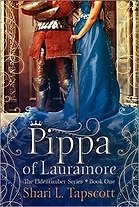
This is fantasy, but I think it fits perfectly in the romance genre.
My summary: Pippa is a princess who is being forced to marry someone of her father’s choosing. She convinces him to hold a tournament for her hand. All the eligible princes and lords attend and she’d hoping someone will win who is better than the man she was intended for. Only, the one person she wants to marry is no allowed to enter.
This entire series is fantastic. I can’t say enough about how much I loved it.
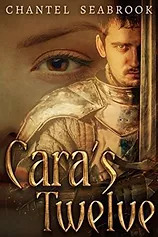
Warning: explicit content. This is for the older crowd only.
My summary: Cara is a young girl who suddenly finds herself thrust into the role of heir to the throne due to her cousins sickness. As is the custom of the land, she has twelve men who swear to protect her and, if she wants, provide for all her- ugh- needs. Before she can ascend the throne, she must travel to each of their provinces, through a land that is on the verge of war.
This is one of my favorite books. It’s fantasy, but it doesn’t read like it. It doesn’t get bogged down in all the description and boring stuff.
There are so many more romance books I could recommend, but this is a good start. Books can make you fall in love over and over again. They can take you places you never imagined and let you escape. It’s really an amazing thing – to live in so many worlds.
If you read any of these, don’t forget to leave a review as they are all from small publishers. Every review counts. Thanks for letting me share my love of books with you!


February 11, 2017
Author Spotlight: K.J. McPike
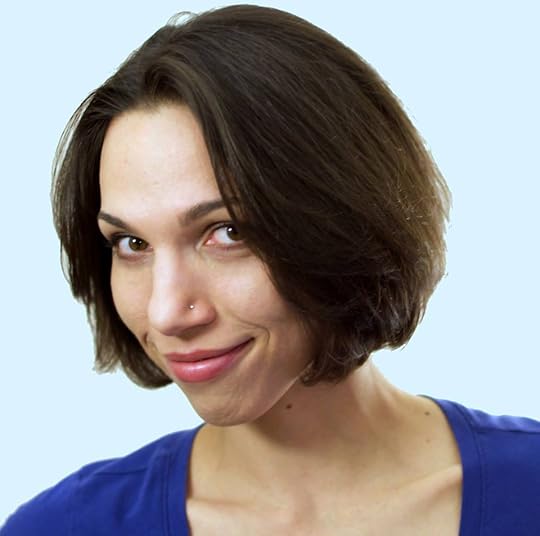 What are the titles of your work and can you tell us a bit about them?The first book in my Astralis series is XODUS, and it tells the story of Lali Yavari, a girl who discovers she can astral project. She then goes on to use her newfound ability to bargain with a questionable boy who claims he can find her missing mother. The next book is Nemesis (book 1.5) that tells the events before, during, and just after XODUS from said questionable boy’s perspective.Who’s your favorite character from your books?It’s always hard to pick a favorite, but if I had to, I would choose Kai. (Yes, Kai is the aforementioned questionable boy.) I love that he challenges Lali’s black-and-white view of the world and makes her reevaluate right vs. wrong in certain circumstances. I hope he makes readers think twice, too.I’ve never quite read a book like XODUS. That’s huge in a world where everything seems done to death. How did you decide to write about astral projection?Aw, thank you! Astral projection is a subject that has always fascinated me. Growing up, my mother talked about astral projection a lot, and I latched onto the idea when she mentioned that some people claim they have been able to talk to deceased relatives while projecting. I never quite managed to do it myself (though I tried so hard!), but when the inspiration for XODUS hit and I decided I wanted to write about a bunch of siblings who have various abilities, astral projection was the first one that came to mind. Thanks, Mom!I won’t give anything away, but in XODUS, the two main characters who everyone expects to fall in love have some major hurdles that may leave the reader not rooting for them until the next book. Most authors want you to immediately fall in love with the characters. Was this a hard decision?It wasn’t a hard decision at first because it was how the story originally came to me, and I didn’t really picture it going any other way. But when I really started obsessing about the market and what readers seem to love about other books in the genre, I started to second-guess myself. Who doesn’t love two soul mates coming together in a relationship that is undeniably meant to be? But that wouldn’t have been true to my characters, and I think it would have taken away from the story. One of the major themes of the book centers around morality and understanding circumstances, and a major part of Lali’s growth is linked to that. So I kept the storyline as it was, for better or for worse. Here’s hoping readers will forgive me.
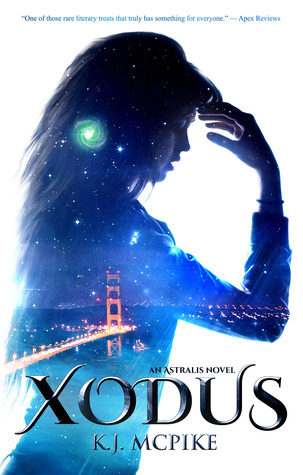 The second book in the series is written in quite a unique way. Can you tell us about that without giving any spoilers?The second book Nemesis—which is technically book 1.5 just to complicate things—was my way of letting Kai have his say. I think his character is easily misunderstood, and when reading from Lali’s perspective, it’s easy to look at him as she does instead of seeing exactly where he’s coming from. Though his actions are questionable from the outside, I think most people in his position would make similar choices. My hope is that readers of Nemesis will recognize the tricky spot Kai is in and question how far they would be willing to go for their own families.Were there alternate endings that you considered?Not with dramatic differences. I struggled with where exactly to end the story, but the major events were pretty much always going to go the way they went. Sorry if that’s a boring answer!What authors have inspired you to write?I will forever be in awe of J.K. Rowling and her incredible ability to connect with so many different types of people through her writing. She’s also incredible at world building and planting seeds that seem small at the time but then become huge plot points later. I loved writing before those books came out, but
 when I decided I wanted to write a book of my own, I definitely had in mind how much I loved reading the Harry Potter series and how I wanted my writing to make reading that enjoyable for someone someday.What age were you when you started writing?I started writing stories when I was about ten, shortly after my family purchased a word processor. I thought typing was the coolest thing ever, and I spent countless hours whipping up crazy stories about environmentally conscious whales working to clean up the ocean and baby dinosaurs wreaking havoc on unsuspecting families. I also thought it was super cool to make all my characters’ names rhyme, so yeah…probably not my best work.Do you ever experience writer’s block?All the time! It’s the worst, but I try to force myself to write anyway, even if what I’m writing has nothing to do with my current work in progress. For me, the key to beating it is to write through it.Do you work with an outline, or just write?I try to work with outlines, I really do. It’s just that I’m terrible at it. Even if I manage a coherent outline, I will inevitably change everything as I start writing. Planning and I just can’t get along.Do you ever get sad when you realize that the characters that you've created aren't real?What do you mean they aren’t real?! Hehe, I do feel a very strong attachment to my characters, despite the mean things I do to them in my writing, and I have been known to talk about them as if they are real people. But deep down, I have accepted that they aren’t real. I think…Can you tell us about your challenges in getting your first book published?My biggest challenge with XODUS was letting it be done. It took me nearly three years to write it, and I am incapable of reading something I’ve written and accepting it. I always want to change things. Eventually, someone had to pry it out of my hands and tell me to stop obsessing, but it was so painful!If you had to go back and do it all over, is there any aspect of your novel or getting it published that you would change?The main thing I would change about my publishing journey is that I would have studied marketing and begun building my author platform sooner. I didn’t do either of those things until after XODUS was published, so now I’m trying to play catch up.Can you tell us about your upcoming book?My upcoming book is called Tenuous, and it is the official book 2 of the Astralis series. In it, Lali and her siblings end up in trouble of the time traveling variety. *cue maniacal laughter*Do you have any advice to give to aspiring writers?Write every day, and read every day. Both are equally important. Also, join at least one good writing group where you read each other’s work and give each other honest feedback. The groups are great for keeping you accountable and for bouncing ideas off people who truly understand the writer struggle.Do you have any strange writing habits?I’ve been told that I write in strange positions. For some reason, I always seem to feel more comfortable with one leg propped up, and when I’m doing the standing desk thing or curled over my laptop on the sofa, that can get pretty interesting. My boyfriend went on a kick where he would sneak pictures of me writing in my crazy positions, and once he’d collected enough of them, he decided to share them with me. It was then that I realized my problem.What others are saying about K.J. McPike:"I loved how the book could make me hate a certain character and then root for them and sympathize with them at the same time.""I really enjoyed XODUS. It was well-written, cleverly plotted, and full of twists and turns.""I am in love with the style in which K.J. McPike writes. The story and wording has a way off pulling you right in from the get go making it very hard to put down. So good in fact, I had it read in two days."Want to learn more about this wonderful author?She has a website!Find here on FacebookHERE!Don't forget to sign up for your FREE copy ofConfessionsHERE!Find my post on Writing What You Don't KnowHERE!
February 2, 2017
Audio-book Marketing
 If you’re an indie author, you probably market your own books – unless you’re lucky enough to afford someone to do it for you. This means, unless you’re a little crazy, you probably experience a bit of hair pulling and a whole lot of sighs.Marketing isn’t easy, especially for authors who’d much rather be creating the books that eventually need to be sold.Then audio-books come into the picture. How the hell do you move those? The only answer anyone seems to have is that those will sell when you market the ebook.Hopefully. Not always.I am someone who has had a lot of trouble moving audio-books despite having absolutely brilliant narrators and pretty well-received stories. One of the problems is that the audio-book market is still in it’s infancy. Yes, they’ve been around for quite a while, but not in download form and not for indie books. This means the market isn’t developed on it’s own. It hasn’t separated itself from the book/ebook market yet.People buy audio-books because they hear about the book. End of story.With the ACX production branch of Amazon growing so quickly, an audio-book market is trying to start. It’s sputtering a bit, but there are some tips and advice that every audio-book author/producer should know.First is that ACX is the branch of Amazon that will bend over backwards to help you. Does that seem strange? It does to me because KDP, the ebook branch, is trying to control their authors more and more and it seems to be harmful to indies. There are so many rules for Amazon published ebooks that the "anything that works" approach to audio-books is a breath of fresh air. It won't always be like this, but it's nice at the moment.ACX WANTS you to trade free audio-books for reviews.The very thing that KDP is trying to stamp out. They even provide you with 25 free audio-book codes to hand out.Tip 1:Never give a code unless the blog requires it. Use the code to gift a copy directly from Audible. That keeps your code from being used on another book.Tip 2:ACX may not send you the codes right away. If you email them and ask, they are very pleasant and send them promptly.Tip 3: Run out of codes? No worries – ACX will send you more. Last time I asked for an extra 10, they sent me 75!!!Before you get your codes, you have to have an audio-book, right? Well, I don’t have that many tips for you here except that you don’t have to accept the first person that auditions. If you don’t get one you like, or get any at all, go looking for a narrator yourself. I did that for each book in my romance series and found the perfect voices. I had to wait for them to be available, but getting it right is more important than getting it fast.Back to marketing! (Everything underlined is a link)Ok, so you have your codes, all your friends hate audio-books, how do you find people that don’t?Include them in a giveaway– the easiest thing you can do. Your newsletter subscribers and Facebook followers love when you host giveaways. When a blog accepts your audio-book for review, offer to provide a gifted copy for them to giveaway to drive traffic to their site (and their review of your book). Join with other authors to do larger giveaways. Stop worrying about giving it for free. Get as many audible reviews as you can in order to compete with the big boys and girls.Audio Book Boom– They will find people who will request gifted copies in exchange for review. It costs $15 and there are diminishing returns each time you use it. For each of my books, it was only worth it the first time.Books with a Groove– The jury is still out on this as it is a new service, but one that is growing. It’s inexpensive price tag makes it worth a shot.Auda Voxx– There are two free options here. You can donate up to ten codes per book to be used to give your book as a subscription gift to their members. They try to match the book with listeners who enjoy the same genre. The second option is submitting your audio-book for review. Do both.Blogs -Find blogs that love audio-books and post on audible as well as their sites.These blogs below accept submissions for review of audio-books depending on the genre. Make sure you read their preferences before submitting. They may or may not respond depending on their reviewing schedule.The Guilded EarlobeDWD's ReviewsElsie's Audio-book DigestI am, IndeedBookish Things and MoreThe Audio BookwormSwept Away by RomanceEargasms Audio-book ReviewsBookwormerzLost in LiteratureOh My ShelvesKris and Vik Book TherapyLily ElementUnder My Apple TreeThe Reading DateBook Lover's LifeThere are many other things you can do. Facebook/amazon ads may work for you. Many of the bigger audio authors and publishers utilize radio ads. There are sites and magazines that only cost your first born.But this is a start!It wouldn't be very prudent of me to write about audio-books without plugging mine (wink, wink). Dawn of Rebellion, Day of Reckoning, and Choices are all available. Eve of Tomorrow, Promises, and Dreams are coming soon! Click on the images to find the audio-books.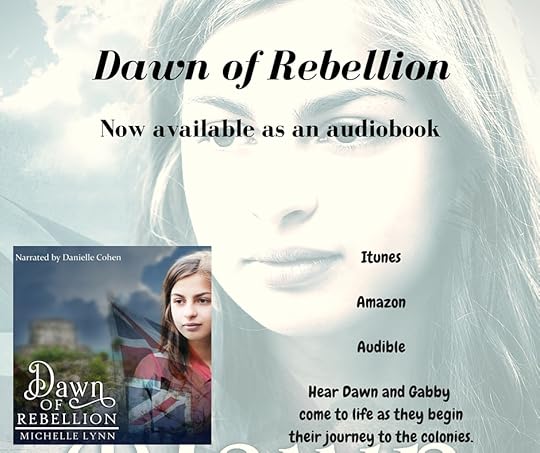
 Want a FREE copy of Confessions? Sign upHERE!Get started with your audio-bookHERE!


