Bryan Koepke's Blog: http://bryankoepke.com/blog, page 5
April 2, 2014
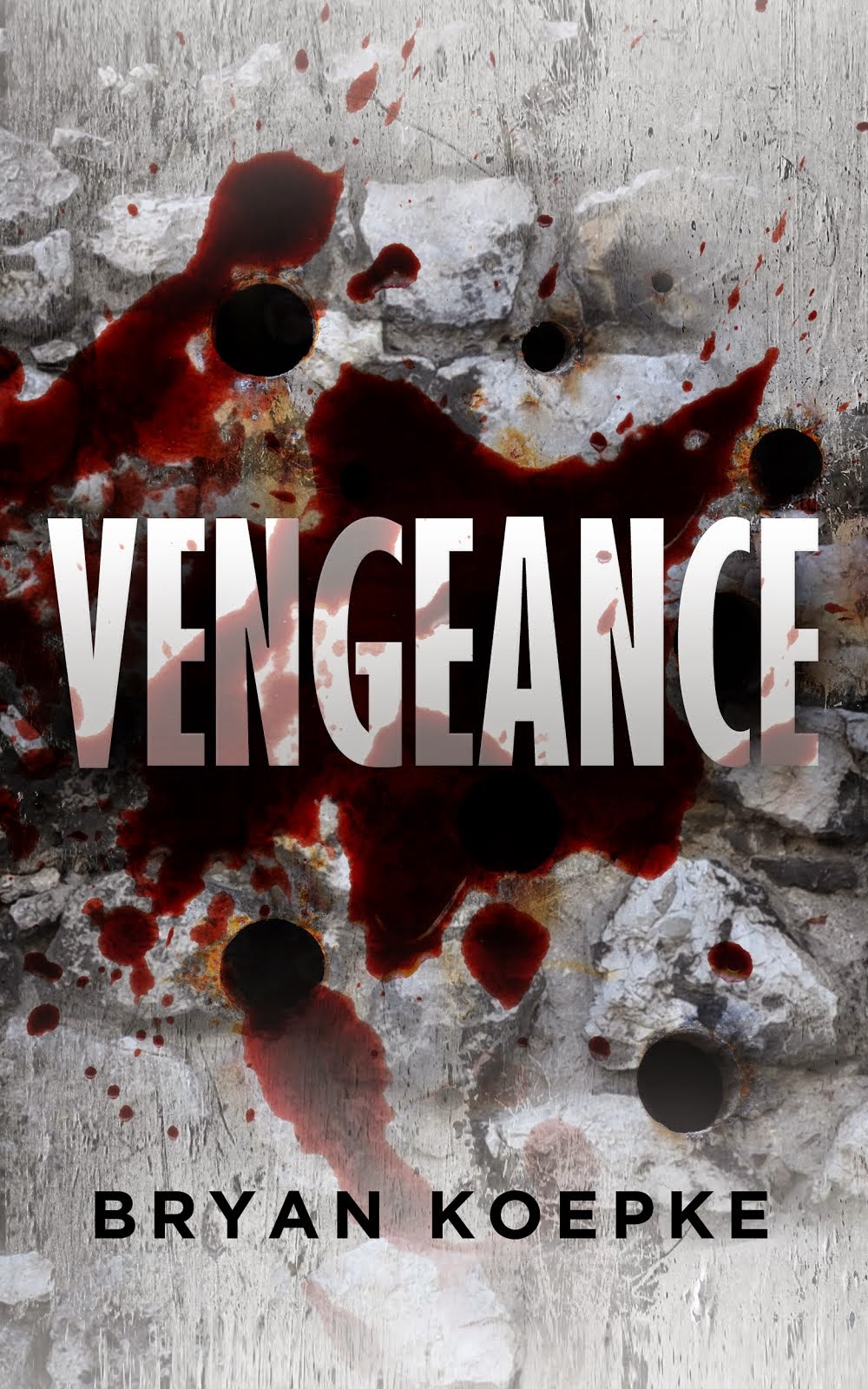
Everyone Likes a Sale. VENGEANCE, is on sale for $0.99 on Amazon Kindle.
Everyone Likes a Sale - For a limited time my debut Thriller, VENGEANCE, is on sale for $.99 on Amazon Kindle.http://www.amazon.com/author/bryankoepke



March 28, 2014
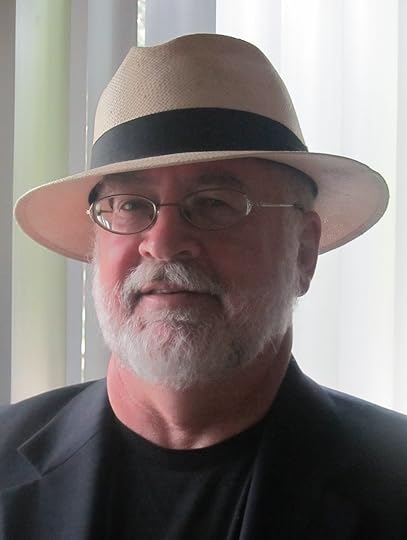
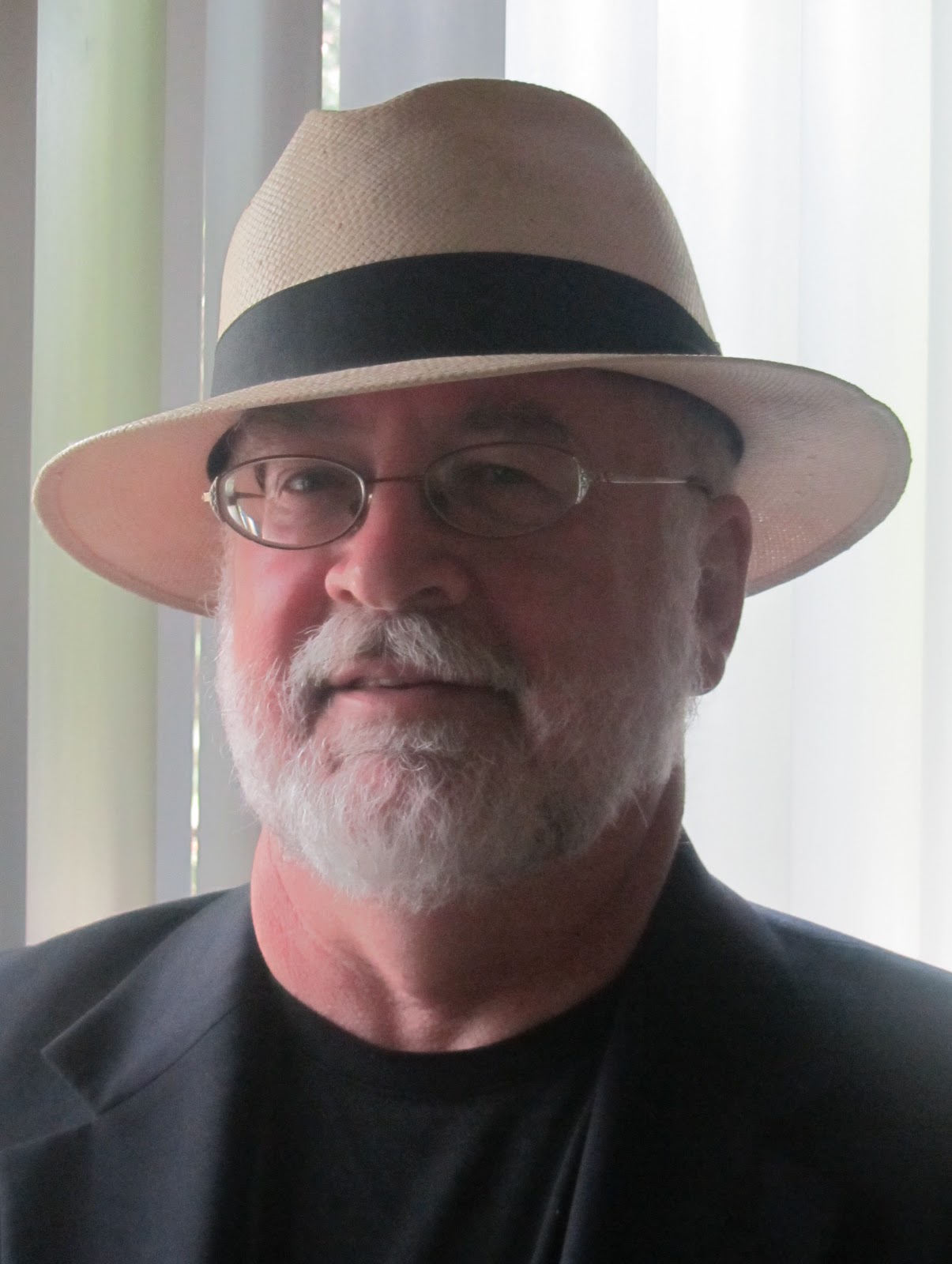
Interview with Award Winning Author Bruce DeSilva
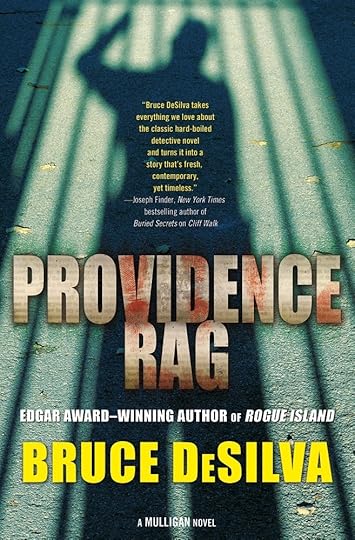
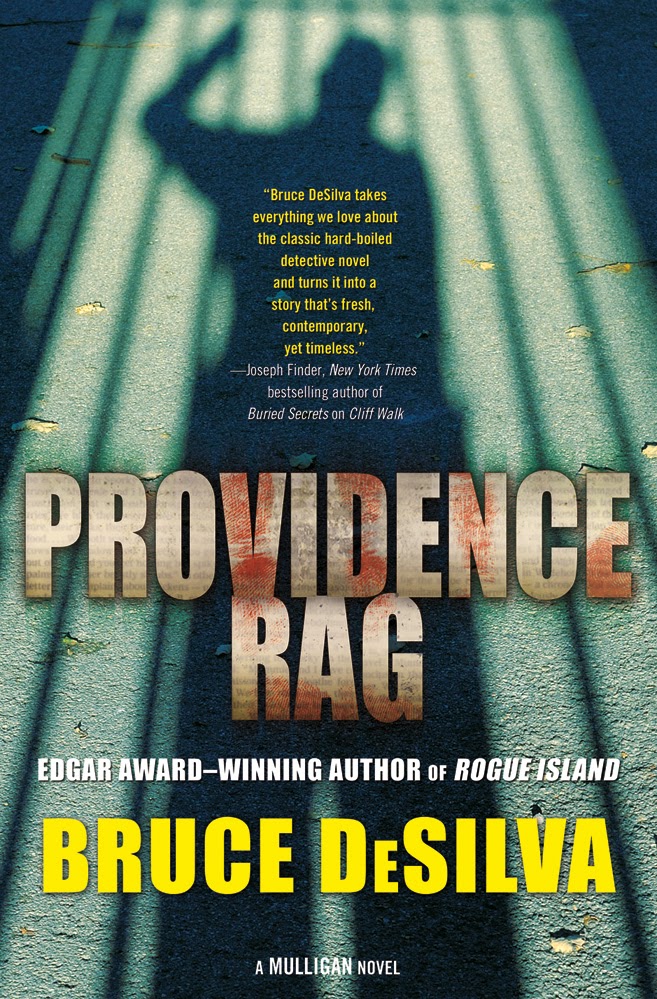
Please welcome award-winning author Bruce DeSilva to The Writers Cabin. This is the second time I've interviewed him and this time it's for another of his great Crime Novels. He just released Providence Rag another of his Mulligan Novels. I had the pleasure of meeting Bruce at the Killer Nashville Writers Conference back in August of 2012.
Q. Tell us about your new book.
A. It’s called “Providence Rag,” the title referring to the dying newspaper where my series hero, Liam Mulligan, works as an investigative reporter. But the title also suggests a jazz tune, appropriate because the Mulligan novels are something of a song to both the city of Providence and the fading newspaper business that Mulligan and I both love. The villain is a psychopath who began murdering his Rhode Island neighbors before he was old enough to drive, but this is not your typical serial killer book. For one thing, the murders are solved and the killer imprisoned in the first 75 pages. The rest of the story embroils Mulligan, his colleagues at the newspaper, and eventually the entire state in an impossible ethical conundrum: What is a good person to do when a loophole in the law requires that this dangerous killer be set free—and the only way to prevent it is to fabricate new charges against him. No matter which side of the question you come down on, you end up condoning something that is reprehensible.
Q. What was the toughest part about basing this on a true story?
A. Finding the guts to write it. As a journalist, I spent a couple of months of my life reporting and writing a long magazine story about the real killer, Craig Price. It was such a harrowing story that when I was done, I never wanted to have anything to do with it again. But over the years, it kept working on my subconscious, the place where novels are born. When the compulsion to fictionalize the story became stronger than my discomfort about revisiting it, I sat at the keyboard and began to write.
Q. How has Mulligan changed from book to book?
A. I put the poor guy through a lot in the first two novels. In “Rogue Island,” he had to figure out who was systematically burning down the neighborhood where he grew up—literally destroying his past in the flames. And along the way, he was betrayed in spectacular fashion by the woman he loved. In the second book, “Cliff Walk,” he sought comfort in the company of another woman and was rebuffed, resulting in a painful loneliness made worse by the task of investigating the dark underbelly of the state’s sleazy sex trade. In the third novel, published earlier this month, he considers getting a dog because they are invariably loyal and not a one of them has ever lied to him. It’s no wonder that blues musicians including Buddy Guy and Koko Taylor supply the soundtrack for Mulligan’s life. The evils he sees, and the things he has to do to try to set things right, change him in other ways, but you’ll have to read the books to learn about that.
Q. Has your writing process changed since your first novel?
A. Not in the slightest. I never outline. I begin with little more than a theme. With “Providence Rag,” for example, it was “where is justice to be found when the only choices you have are both indefensible.” Then I set my characters in motion and discover the story as I go along. Curiosity about what’s going to happen next is what motivates me to put my butt in the writing chair every day. If I outlined the plot before hand, my desire to write the novel would evaporate.
Q. If your novel was chosen to be made into a movie, whom would you cast?
A. I’m no expert on the ways of Hollywood, but I suspect that the Mulligan novels are more suitable as the inspiration for a quality TV series. Most thriller movies are full of car chases and explosions, and there’s none of that in my books. But the best TV crime dramas—shows like “Justified” and “True Detective,” are more about character development and sense of place. In my wildest dreams, I imagine someone like David Simon (“The Wire”) or Dennis Leary (“Rescue Me” adapting my books for television. Leary would make a great Mulligan. He embodies the character’s smart-ass, world-weary cynicism and bad attitude toward authority.
Q. How many revisions do you normally make between the first and final drafts?I revise each chapter as I go along, so by the time I reach the last page, the book is as good as I can make it. Then my wife, the poet Patricia Smith, and my agent, Susanna Einstein have at it. Implementing their insightful suggestions makes everything I write better.
Q. Do you use Beta readers?
A. If by that you mean someone who reads the book looking for plot holes or continuity problems, the answer is no. I worked as an editor at newspapers and at The Associated Press for many years. I can handle that end of things pretty well myself.
Q. What are you working on now?
“A Scourge of Vipers,” the fourth Mulligan novel, is done and will be published by Forge in March of 2015. The book is a bit of a departure for Mulligan because unlike the first two books, which were littered with innocent victims, the only characters who get killed are people you’d shoot or strangle yourself if you weren’t squeamish about that sort of thing. When I return from a book tour to promote “Providence Rag,” I’m going to take a month off before starting book five.
Q. Do you have any advice for an aspiring writer?
A. If you’re a young person, fresh out of college or boasting a new MFA, do something else first. Tend bar. Teach school. Drive a cab. Join the army. Until you’ve lived a little, you don’t have anything to write about yet. When you are ready to begin, do not wait to be inspired. Do not stare at the ceiling and wait for your muse to show up. Treat writing as a job. Put your butt in the chair and write every day, whether you are in the mood to do it or not.
Q. Tell us about your new book.
A. It’s called “Providence Rag,” the title referring to the dying newspaper where my series hero, Liam Mulligan, works as an investigative reporter. But the title also suggests a jazz tune, appropriate because the Mulligan novels are something of a song to both the city of Providence and the fading newspaper business that Mulligan and I both love. The villain is a psychopath who began murdering his Rhode Island neighbors before he was old enough to drive, but this is not your typical serial killer book. For one thing, the murders are solved and the killer imprisoned in the first 75 pages. The rest of the story embroils Mulligan, his colleagues at the newspaper, and eventually the entire state in an impossible ethical conundrum: What is a good person to do when a loophole in the law requires that this dangerous killer be set free—and the only way to prevent it is to fabricate new charges against him. No matter which side of the question you come down on, you end up condoning something that is reprehensible.
Q. What was the toughest part about basing this on a true story?
A. Finding the guts to write it. As a journalist, I spent a couple of months of my life reporting and writing a long magazine story about the real killer, Craig Price. It was such a harrowing story that when I was done, I never wanted to have anything to do with it again. But over the years, it kept working on my subconscious, the place where novels are born. When the compulsion to fictionalize the story became stronger than my discomfort about revisiting it, I sat at the keyboard and began to write.
Q. How has Mulligan changed from book to book?
A. I put the poor guy through a lot in the first two novels. In “Rogue Island,” he had to figure out who was systematically burning down the neighborhood where he grew up—literally destroying his past in the flames. And along the way, he was betrayed in spectacular fashion by the woman he loved. In the second book, “Cliff Walk,” he sought comfort in the company of another woman and was rebuffed, resulting in a painful loneliness made worse by the task of investigating the dark underbelly of the state’s sleazy sex trade. In the third novel, published earlier this month, he considers getting a dog because they are invariably loyal and not a one of them has ever lied to him. It’s no wonder that blues musicians including Buddy Guy and Koko Taylor supply the soundtrack for Mulligan’s life. The evils he sees, and the things he has to do to try to set things right, change him in other ways, but you’ll have to read the books to learn about that.
Q. Has your writing process changed since your first novel?
A. Not in the slightest. I never outline. I begin with little more than a theme. With “Providence Rag,” for example, it was “where is justice to be found when the only choices you have are both indefensible.” Then I set my characters in motion and discover the story as I go along. Curiosity about what’s going to happen next is what motivates me to put my butt in the writing chair every day. If I outlined the plot before hand, my desire to write the novel would evaporate.
Q. If your novel was chosen to be made into a movie, whom would you cast?
A. I’m no expert on the ways of Hollywood, but I suspect that the Mulligan novels are more suitable as the inspiration for a quality TV series. Most thriller movies are full of car chases and explosions, and there’s none of that in my books. But the best TV crime dramas—shows like “Justified” and “True Detective,” are more about character development and sense of place. In my wildest dreams, I imagine someone like David Simon (“The Wire”) or Dennis Leary (“Rescue Me” adapting my books for television. Leary would make a great Mulligan. He embodies the character’s smart-ass, world-weary cynicism and bad attitude toward authority.
Q. How many revisions do you normally make between the first and final drafts?I revise each chapter as I go along, so by the time I reach the last page, the book is as good as I can make it. Then my wife, the poet Patricia Smith, and my agent, Susanna Einstein have at it. Implementing their insightful suggestions makes everything I write better.
Q. Do you use Beta readers?
A. If by that you mean someone who reads the book looking for plot holes or continuity problems, the answer is no. I worked as an editor at newspapers and at The Associated Press for many years. I can handle that end of things pretty well myself.
Q. What are you working on now?
“A Scourge of Vipers,” the fourth Mulligan novel, is done and will be published by Forge in March of 2015. The book is a bit of a departure for Mulligan because unlike the first two books, which were littered with innocent victims, the only characters who get killed are people you’d shoot or strangle yourself if you weren’t squeamish about that sort of thing. When I return from a book tour to promote “Providence Rag,” I’m going to take a month off before starting book five.
Q. Do you have any advice for an aspiring writer?
A. If you’re a young person, fresh out of college or boasting a new MFA, do something else first. Tend bar. Teach school. Drive a cab. Join the army. Until you’ve lived a little, you don’t have anything to write about yet. When you are ready to begin, do not wait to be inspired. Do not stare at the ceiling and wait for your muse to show up. Treat writing as a job. Put your butt in the chair and write every day, whether you are in the mood to do it or not.
March 24, 2014
Author Interview of Bryan Koepke by Award Winning Thriller Author Keri Beevis
This past weekend a good author friend of mine interviewed me on her website. Keri Beevis is the award winning author of 2 Thriller novels. Check out her website and her author interview here on The Writers Cabin.
If you'd like to check out her interview with me it's located here: Keri Beevis Interview with Bryan Koepke
While you're here take a look at my new Amazon.com author page.
If you'd like to check out her interview with me it's located here: Keri Beevis Interview with Bryan Koepke
While you're here take a look at my new Amazon.com author page.
March 21, 2014
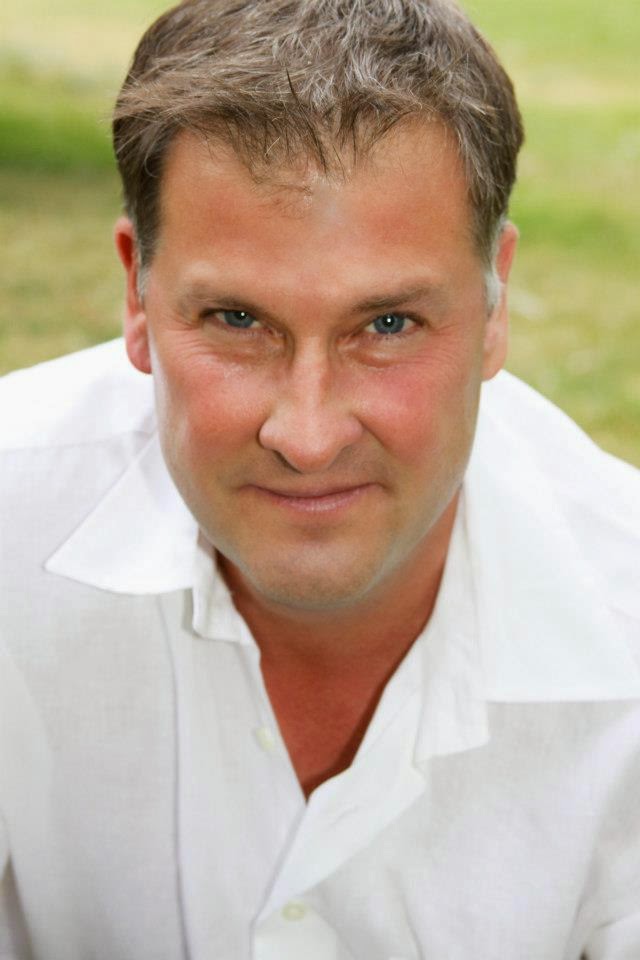
Author Interview with Bryan Koepke
Today's author interview is with Bryan Koepke the author of the debut thriller Vengeance.
First off tell us here at The Writers Cabin a little about yourself.
I was born in the great state of Oklahoma in a city named Tulsa sometime during the last century. I spent the first twenty-years of my career working as an electronics engineering technician and during the last quarter of that career I had the privilege of being on teams that built, tested, and launched spacecraft from both Cape Canaveral and Vandenberg Air Force Base in California. I spent a few years in the Air Force Reserves and worked on F-16 fighter jets. A few year later I got my A&P licenses and later my private pilot’s license.When I was in my teens I knew I wanted to be a writer and during much of my technical career I gravitated toward documentation and test procedures. These days I work on the financial side of things for an aerospace company. I'm married to a beautiful woman named Ildy, and we have a dog-named Daisy.
Q: When do you write? I do the bulk of my writing on weekend mornings from 8:00 a.m. to noon, and a few days a week in the mornings before heading of to work. Q: How much do you write a day? My goal is to get at least 1,000 words down in my manuscript, but on weekends I usually get closer to 2000 – 3000 words a day, and 500 to 1000 is a good amount for mornings before work. There are times on the weekends, when I’m well rested with a head full of ideas, that I’ll sit down and write 10,000 words in one sitting.Q: How long did it take to write this book, VENGEANCE? I wrote the first draft in about 5 months. From there I did multiple revisions and rewrites with the entire process from start to finish taking about two years.Q: How do you bring characters to life? I start with an excel spreadsheet and build a list of traits, motivations, the physical description, and the character’s history. It seems that all of my characters sort of reveal themselves to me on the page as I write their scenes. They take on a life of their own beyond what I’ve planned for them. Q: Do you like eBooks? Do you think they’ll ever completely replace paper books? I like e-books and have purchased dozens of them myself over the past couple of years. They’re great for trips. I also like a big heavy hardback book or a paperback. I hope all types of books endure. I think when we loose things we as readers and writers limit our freedom. After all freedom is all about choice.Q: Your current book VENGEANCE is a series. How many more books do you plan to write in the Reece Culver thriller series? I’m planning on writing a minimum of eight books, but most likely ten to fifteen in this series.Q: What was your inspiration for the book? I had written two thrillers before starting this book. I remember reading a newspaper article about a woman who murdered her husband and made it look like a home invasion. This gave me the initial seed for the story and as I wrote the first draft the story morphed into something completely different with a great deal more depth. Initially it felt more noir than thriller, but over time it proved itself out as a thriller.

Q: How did you come up with the title VENGEANCE? Initially the book was titled Not Dead Yet, but after completing it and thinking about the story Vengeance won out as the title.Q: Are there any themes or topics you plan to include in the series? My protagonist Reece Culver is a pilot, so there will most likely be flying scenes in many of the books. Q: Do you write on the computer or longhand? I write the bulk of my work on computers, both a laptop and a desktop. I take a ton of notes, and scribble down plot ideas longhand. Q: Who are your favorite authors? Ernest Hemingway, CJ Box, the early Stuart Woods books with Stone Barrington, Stephen King, James Salter, Raymond Chandler, and many, many more.Q: Where do you write? I do 99% of my writing either in my basement office, or in my favorite chair at a cabin up in the mountains of Colorado. Q: What are you working on now? Books 2 & 3 in the Reece Culver series, and when I have less time a batch of short stories I keep going back to and rewriting. Q: Where can we buy VENGEANCE? It’s available on Amazon Kindle, and in a week or so the 6x9” paperback will be available on Amazon. The e-book will also become available very shortly on Apple, Kobo, Barnes & Noble, Nook, Smashwords, Scribd, Sony, Diesel, Library Direct, Oyster, Baker & Taylor and on my website http://www.bryankoepke.com
March 8, 2014
Hot New Thriller Novel hitting stores soon.
Bryan Koepke's Debut Thriller novel, VENGEANCE, will be hitting stores in the coming weeks.
This book is the first in the Reece Culver Thriller Series and will be available in both a 6x9 paperback version and as an eBook.

This book is the first in the Reece Culver Thriller Series and will be available in both a 6x9 paperback version and as an eBook.

March 1, 2014
Self Published Books
So you've made the decision to Self Publish. Now what?
Question # 1: Is your book done?
"Of course it's done", you say.
Question # 2: How many drafts have you written and how long has it been since you began this project?
"I wrote a first draft. Had my spouse read it. Printed it out. Rewrote it once. Had a friend do what he called, "editing", and then incorporated his comments. Next I had another friend read through it and point out mistakes," you say.
I say - This isn't good enough. With the freedom to self publish anything and the free will of industrial giants like Amazon, writers feel an anxiousness to get there work out there. This is great. You are giving the public lots of great stuff to read.
Not.
In my opinion an author does themselves a great disservice when their work is not adequately prepared prior to being self published. It should be written and revised a minimum of five times, and in my own work the number is closer to twenty times, particularly if this is the author's self publishing debut.
In an interview with The Paris Review back in 1958 Ernest Hemingway told the journalist that the final words of "A Farewell to Arms," were rewritten "39 times before I was satisfied."
Writing novels does not entail a linear learning curve. I've heard it said that the learning is on an upward slope, then levels off, then upward again, then levels off, etc. All great authors continually strive to excel at their craft. Unfortunately great authors are not born with the skills to churn out masterpieces. If you disagree with this pick up a debut book from any of your favorite bestselling authors. Read it cover to cover. Pick up their latest book, written ten plus years after their debut, and read it cover to cover. I'd venture to say the 10th book will be far better than the first.
It is because of this that all authors owe the reader the best that they can produce. It seems that once an author is in the publishing game speed is of the essence. Whether self published or traditionally published the pressure to produce increases greatly after the first work. With self published authors the more books readers have to choose from, the greater the author's notoriety becomes.
There have been a great many Blog articles and interviews that have shown the connection between quantity of books published and author notoriety. One example of this is indie author Russell Blake who wrote over 25 novels in just 30 months. While doing this Russell squired away a great deal of money, and gained the attention of none other than Clive Cussler.
A sad fact about editing is that most folks who have not visited the library or searched the Internet for articles about the different types think editing is the same as proofreading. In the hands of a professional editor a good piece of literature becomes great. The tough fact is that most great professional editors are swamped. The line for their services is long and once your work is in their cue the use of their time is competitive.
So what am I trying to say?
Step # 1:
Get your work to a state where it is as good as it can be.
Step # 2:
Take Stephen Kings advice. "Put it in a drawer in your desk." My own words - Let it age a month or more like a find bottle of wine. This, I believe, is great advise, but the problem lies with ones ability to leave their precious work alone. Time is what allows us writers to free our minds from the words. Take this break and begin the next book, write a short story, or work on your author platform. We all need a website, especially if we intend to self publish.
Step # 3:
Once the manuscript has been allowed to age print it out. Take a red pen and as you read mark words, sentences, and paragraphs that don't make sense, don't flow, or don't belong. At this point you are reading as an editor.
Step # 4:
Repeat step # 3 a minimum of five times. If you are doing step # 3 well each of these passes will yield less that needs to be fixed. If you are working a day job, taking care of a family, or doing other things that compete with your time to spend writing you will distance yourself from your work. Each time you revisit it you will see plot holes and come up with new plot ideas. You will see your characters as they are on the page and you'll feel a need to make your characterisation better.
Time, my friend, is an author's friend not his enemy.
Now go get to work on that novel.
Question # 1: Is your book done?
"Of course it's done", you say.
Question # 2: How many drafts have you written and how long has it been since you began this project?
"I wrote a first draft. Had my spouse read it. Printed it out. Rewrote it once. Had a friend do what he called, "editing", and then incorporated his comments. Next I had another friend read through it and point out mistakes," you say.
I say - This isn't good enough. With the freedom to self publish anything and the free will of industrial giants like Amazon, writers feel an anxiousness to get there work out there. This is great. You are giving the public lots of great stuff to read.
Not.
In my opinion an author does themselves a great disservice when their work is not adequately prepared prior to being self published. It should be written and revised a minimum of five times, and in my own work the number is closer to twenty times, particularly if this is the author's self publishing debut.
In an interview with The Paris Review back in 1958 Ernest Hemingway told the journalist that the final words of "A Farewell to Arms," were rewritten "39 times before I was satisfied."
Writing novels does not entail a linear learning curve. I've heard it said that the learning is on an upward slope, then levels off, then upward again, then levels off, etc. All great authors continually strive to excel at their craft. Unfortunately great authors are not born with the skills to churn out masterpieces. If you disagree with this pick up a debut book from any of your favorite bestselling authors. Read it cover to cover. Pick up their latest book, written ten plus years after their debut, and read it cover to cover. I'd venture to say the 10th book will be far better than the first.
It is because of this that all authors owe the reader the best that they can produce. It seems that once an author is in the publishing game speed is of the essence. Whether self published or traditionally published the pressure to produce increases greatly after the first work. With self published authors the more books readers have to choose from, the greater the author's notoriety becomes.
There have been a great many Blog articles and interviews that have shown the connection between quantity of books published and author notoriety. One example of this is indie author Russell Blake who wrote over 25 novels in just 30 months. While doing this Russell squired away a great deal of money, and gained the attention of none other than Clive Cussler.
A sad fact about editing is that most folks who have not visited the library or searched the Internet for articles about the different types think editing is the same as proofreading. In the hands of a professional editor a good piece of literature becomes great. The tough fact is that most great professional editors are swamped. The line for their services is long and once your work is in their cue the use of their time is competitive.
So what am I trying to say?
Step # 1:
Get your work to a state where it is as good as it can be.
Step # 2:
Take Stephen Kings advice. "Put it in a drawer in your desk." My own words - Let it age a month or more like a find bottle of wine. This, I believe, is great advise, but the problem lies with ones ability to leave their precious work alone. Time is what allows us writers to free our minds from the words. Take this break and begin the next book, write a short story, or work on your author platform. We all need a website, especially if we intend to self publish.
Step # 3:
Once the manuscript has been allowed to age print it out. Take a red pen and as you read mark words, sentences, and paragraphs that don't make sense, don't flow, or don't belong. At this point you are reading as an editor.
Step # 4:
Repeat step # 3 a minimum of five times. If you are doing step # 3 well each of these passes will yield less that needs to be fixed. If you are working a day job, taking care of a family, or doing other things that compete with your time to spend writing you will distance yourself from your work. Each time you revisit it you will see plot holes and come up with new plot ideas. You will see your characters as they are on the page and you'll feel a need to make your characterisation better.
Time, my friend, is an author's friend not his enemy.
Now go get to work on that novel.
February 23, 2014
AUTHOR PUBLICITY - 2
One of the first steps every author should take is the construction of an "Official Author Website". There are tons of businesses out there hungry for your dollars that will do a great job of building you a website. If you have some free time and want to save the cost of the website to spend on gifts for friends, or to spend on marketing that next great novel you're writing the process of building your own site is relatively easy once you've mastered the website tool. For my "The Official Website of Bryan Koepke" I used Go Daddy. There are lots of other choices out there, and as someone that used to build websites for friends back in the early 1990's the Go Daddy tool seems clunky at best. That said a little time looking at the sites of other authors on the web will fill your mind with ideas and make the task much easier.
Facebook - It seems everyone whether traditionally published or self published has their own Facebook page these days. The set up is easy and lends itself to uploading the banner image from the cover of your book or you author platform.
Twitter - While I myself am fairly new to the concept of Tweeting I've got to say I love it. 140 characters - what's not to love. I still haven't figured out the algorithms they use to attract followers to your tweets or to the tweets you read, but at this point I'm sold.
The biggest step you can take to get more publicity is to write your next book. It's been said time and again write another book. When I look at an author on Amazon, more times than not, the biggest thing that interests me is if the author has a slew of books to choose from.
Get reviews and don't pay for them. Much has been said and written on this topic as of late. Most of us judge a book by what other readers have had to say about it. To accurately review a book you must first read the entire piece from cover to cover. It takes an investment in time, and a choice to read and review a book.
Facebook - It seems everyone whether traditionally published or self published has their own Facebook page these days. The set up is easy and lends itself to uploading the banner image from the cover of your book or you author platform.
Twitter - While I myself am fairly new to the concept of Tweeting I've got to say I love it. 140 characters - what's not to love. I still haven't figured out the algorithms they use to attract followers to your tweets or to the tweets you read, but at this point I'm sold.
The biggest step you can take to get more publicity is to write your next book. It's been said time and again write another book. When I look at an author on Amazon, more times than not, the biggest thing that interests me is if the author has a slew of books to choose from.
Get reviews and don't pay for them. Much has been said and written on this topic as of late. Most of us judge a book by what other readers have had to say about it. To accurately review a book you must first read the entire piece from cover to cover. It takes an investment in time, and a choice to read and review a book.
February 21, 2014
Author Publicity
All authors are faced with the hurdle of gaining publicity when publishing their work.
Today TWC will begin exploring ways for authors to gain publicity.
The first things that come to mind are social media - Facebook, Twitter, and Linkedin. Almost all aspiring and published authors have a Facebook page and by using all 3 of these sites an author can begin to build a buzz about an upcoming book or build their platform. The key is to start early and post often to attract followers. Offer something helpful to the reader so that she will return to your page often looking for more information.
VIRTUAL BOOKSHELVES AND BOOK FORUMS
One way to gain publicity is to use sites like:
GoodReads - This site encourages authors to setup a profile and connect with readers. You can add your book for free and the site has something like 18 million members.
Shelfari - This site run by Amazon is similar to GoodReads. You can share book recommendations, join book clubs, and learn more about your favorite books. The site allows users to create a virtual bookshelf, discover new books, and connect with friends.
Book Tagger - Book Tagger allows readers to interact with folks that have read a book instead of having to judge a book by its cover. You can list the books you've read and want to read. Build an online book club. Review the books you've read.
Authors Den - This site makes the claim that its "the world's most vibrant online literary community".
The site lists eBooks, Books, Stories, Articles, Poetry, Blogs, News, Events, Videos, Recent Success Stories by Date, and Testimonials. It has a large listing of links down the left side of the site that contains bios authors. Another near area of the site is the "Author Signing Area" where readers can buy signed books.
Today TWC will begin exploring ways for authors to gain publicity.
The first things that come to mind are social media - Facebook, Twitter, and Linkedin. Almost all aspiring and published authors have a Facebook page and by using all 3 of these sites an author can begin to build a buzz about an upcoming book or build their platform. The key is to start early and post often to attract followers. Offer something helpful to the reader so that she will return to your page often looking for more information.
VIRTUAL BOOKSHELVES AND BOOK FORUMS
One way to gain publicity is to use sites like:
GoodReads - This site encourages authors to setup a profile and connect with readers. You can add your book for free and the site has something like 18 million members.
Shelfari - This site run by Amazon is similar to GoodReads. You can share book recommendations, join book clubs, and learn more about your favorite books. The site allows users to create a virtual bookshelf, discover new books, and connect with friends.
Book Tagger - Book Tagger allows readers to interact with folks that have read a book instead of having to judge a book by its cover. You can list the books you've read and want to read. Build an online book club. Review the books you've read.
Authors Den - This site makes the claim that its "the world's most vibrant online literary community".
The site lists eBooks, Books, Stories, Articles, Poetry, Blogs, News, Events, Videos, Recent Success Stories by Date, and Testimonials. It has a large listing of links down the left side of the site that contains bios authors. Another near area of the site is the "Author Signing Area" where readers can buy signed books.
February 16, 2014
VENGEANCE TO BE PUBLISHED BY WRITERS CABIN PRESS Ltd. Spring 2014
My debut novel, VENGEANCE, will be published by WRITERS CABIN PRESS, Ltd. Spring 2014.
Stay tuned for more on this.
Stay tuned for more on this.