Mason Cross's Blog, page 22
December 6, 2014
Some early American reviews
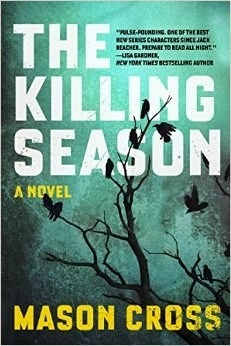
My US publisher Pegasus is gearing up for the American release of The Killing Season in February, and some of the early reviews are in. I'm pleased to see the reaction is really positive so far (well, apart from the one guy who wrote an Amazon review holding me personally responsible for setting the Kindle price of the book).
Sam Waas, who knows a thing or two about noir heroes, wrote a great piece on the Over My Dead Body blog:
"an exceptional, intelligent, and fascinating action mystery...unlike the omniscient superhero lone-wolf heroes of similar but less realistic pulp-oriented novels, Carter Blake is very human and fallible"
Booklist posted a very positive review, but unfortunately you need to be a subscriber to read it in full. Which means I could have made the following quote up out of whole cloth, but I didn't. Scout's honor:
"Keeps the pace breakneck, the suspense high, and the body-count higher."
And finally, I'm delighted to have been awarded a coveted starred review by Kirkus :
"Cross provides a gratifyingly high body count, ruthlessly efficient action sequences and all the other thrills you’d expect of the superior popcorn movie you can expect his first novel to spawn."
If any movie studio execs are reading, I'd be completely okay with Killing Season spawning a superior popcorn movie - get in touch here.
Sam Waas, who knows a thing or two about noir heroes, wrote a great piece on the Over My Dead Body blog:
"an exceptional, intelligent, and fascinating action mystery...unlike the omniscient superhero lone-wolf heroes of similar but less realistic pulp-oriented novels, Carter Blake is very human and fallible"
Booklist posted a very positive review, but unfortunately you need to be a subscriber to read it in full. Which means I could have made the following quote up out of whole cloth, but I didn't. Scout's honor:
"Keeps the pace breakneck, the suspense high, and the body-count higher."
And finally, I'm delighted to have been awarded a coveted starred review by Kirkus :
"Cross provides a gratifyingly high body count, ruthlessly efficient action sequences and all the other thrills you’d expect of the superior popcorn movie you can expect his first novel to spawn."
If any movie studio execs are reading, I'd be completely okay with Killing Season spawning a superior popcorn movie - get in touch here.


November 18, 2014
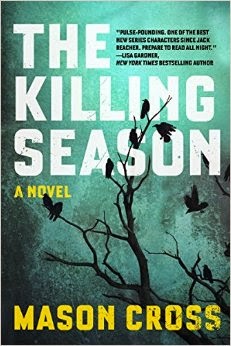
Killing Season - paperback cover
Hot on the heels of the excellent cover for the hardback of
The Samaritan
, I'm pleased to unveil the all-new paperback cover of The Killing Season!
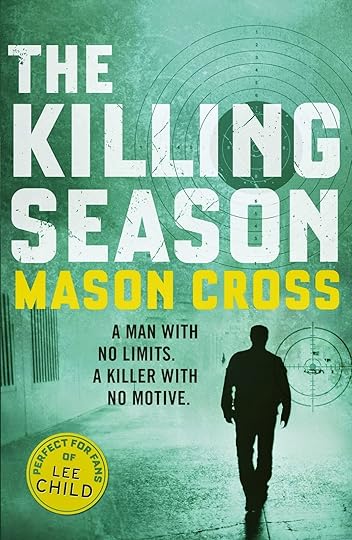
Mass-market paperback is quite a different market to the hardback/trade release, which basically tends to be available primarily in Waterstones, Amazon and other dedicated bookshops. With the paperback release, we're going after a much bigger potential market, hence the slightly more commercial redesign.
I really like it - you can't mistake it for anything else but a thriller, but it balances commercial concerns with an attention-grabbing design and colour scheme that's sure to stick out on the shelves. I'm not sure how Lee Child will feel about being associated with me, but as a huge fan of Lee, it's a nice comparison from my side.
The paperback is out in the UK on April 9, 2015 (which, although less than six months away, sounds like a date in some far-flung dystopic future) and is available for pre-order now.
While I'm on the subject of Killing Season, in addition to the UK giveaway that's currently running on Goodreads to win a signed copy, I've just found out my US publisher Pegasus is also giving US readers a chance to win a copy as well. So if you want to win a copy in the UK you can go here, and if you're across the pond go here.
The UK promotion finishes 30 November, and the deadline is 15 December in the US. Happy reading...
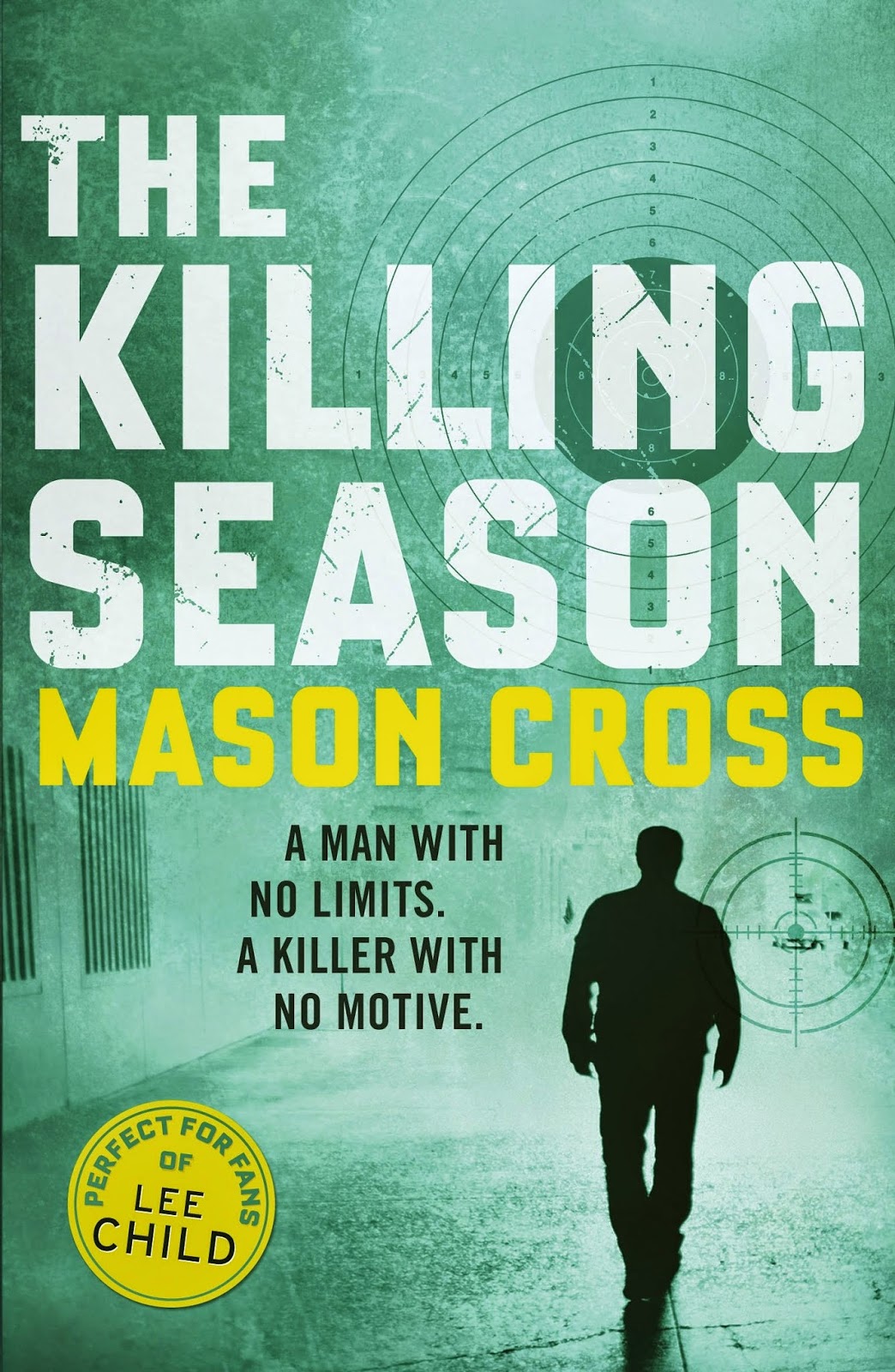
Mass-market paperback is quite a different market to the hardback/trade release, which basically tends to be available primarily in Waterstones, Amazon and other dedicated bookshops. With the paperback release, we're going after a much bigger potential market, hence the slightly more commercial redesign.
I really like it - you can't mistake it for anything else but a thriller, but it balances commercial concerns with an attention-grabbing design and colour scheme that's sure to stick out on the shelves. I'm not sure how Lee Child will feel about being associated with me, but as a huge fan of Lee, it's a nice comparison from my side.
The paperback is out in the UK on April 9, 2015 (which, although less than six months away, sounds like a date in some far-flung dystopic future) and is available for pre-order now.
While I'm on the subject of Killing Season, in addition to the UK giveaway that's currently running on Goodreads to win a signed copy, I've just found out my US publisher Pegasus is also giving US readers a chance to win a copy as well. So if you want to win a copy in the UK you can go here, and if you're across the pond go here.
The UK promotion finishes 30 November, and the deadline is 15 December in the US. Happy reading...
November 10, 2014
Five tips on plotting
Welcome to another fun-filled effort-avoiding installment of my periodic reposting of articles I've done elsewhere on the web.
This one was from the Scottish Book Trust, who kindly asked me for my top five tips on plotting a thriller back in April.
With a mere two and a bit novels under my belt, I don't make any claim to be an expert. These are just some things that work for me, and that may or may not be of use to other writers starting out. Feel free to pick and choose which of these to pay attention to. Rules are made to be broken, after all...
***
1. First person narration makes plotting a lot more difficultI’m instinctively drawn to writing in the first person, as it’s the purest way for a reader to identify with your protagonist. You can really get inside a character’s head when he or she is the one directly relating the story. However, this approach has its drawbacks, particularly when it comes to plotting. If the story is told from the point of view of a single character, that means that every notable event in the book has to happen while the character is there, or else has to be told to them in exposition from another character. If something exciting is happening somewhere removed from your hero, you can only find out about it after the fact.
That’s why when I began writing The Killing Season, I decided to cheat a little. The chapters focusing on the hero, Carter Blake, are told in the first person. The chapters where I cut away to other characters are related from their point of view, but in the third person. That way, I get to have my cake and eat it: the reader can be a few steps ahead of Blake, but still see the world through his eyes for the most part. It’s much easier to plot and pace the story, because the action doesn’t all have to happen to the lead character.
2. Make sure there’s regular action beatsIt’s important to have key scenes that advance the plot by introducing a new element or unexpected reversal
I don’t necessarily mean action in the obvious sense; there’s no need to force yourself to insert a car chase or gunfight every thirty pages. Rather, it’s important to have key scenes that advance the plot by introducing a new element or unexpected reversal. That can be the aforementioned car chase, or it could simply be the hero encountering an intriguing new character in a bar.
3. Lay the groundwork, then go back and make sure it’s solidAnton Chekhov famously said that if there’s a rifle hanging on the wall in the first act, it has to be fired in the third act. Stephen King perceptively pointed out that the reverse is also true.
Authors are in the happy position of being able to snap their fingers and rewrite reality whenever they choose. So if you get to the end of the book and realise you need a key element in place earlier on, go back and add it in so it looks like you meant it all along. You can see this being done in movies all the time – it’s pretty obvious the power loaders are going to come in handy later on in Aliens, for example. The trick is to weave this in so that the reader doesn’t twig that there’s a Deus in that seemingly uninteresting Machina in the background…
4. Don’t neglect character beatsAction is fundamentally important in any thriller, but I’d argue that character beats are every bit as vital. Maybe I’m weird, but the parts of a thriller that stay with me are the quiet moments when the hero is alone and in a contemplative mood. One of my favourite scenes in the James Bond novels is a short sequence in Live and Let Die where we discover that Bond is quietly terrified of flying. People say they want an exciting plot, but I think what they really care about is interesting characters.
5. Keep track of the loose endsThriller plots tend to be complex, because there’s usually a central mystery and you have a bunch of characters running around keeping on top of various secrets and skulduggery. That means it’s important to make sure the plot hangs together and that the fine detail makes sense. It means that what most people think is an artistic endeavour can sometimes feel more like a massive construction project. I keep detailed timelines, spreadsheets and cheat sheets everywhere when I’m writing, because otherwise I wouldn’t have a hope in hell of keeping it all together in my head.
Having said that, you should never lose sight of the fact that you’re targeting the reader’s gut, not their brain. The plot should stand up to scrutiny, but the technical work should never overwhelm the desire to tell a good story.
This one was from the Scottish Book Trust, who kindly asked me for my top five tips on plotting a thriller back in April.
With a mere two and a bit novels under my belt, I don't make any claim to be an expert. These are just some things that work for me, and that may or may not be of use to other writers starting out. Feel free to pick and choose which of these to pay attention to. Rules are made to be broken, after all...

***
1. First person narration makes plotting a lot more difficultI’m instinctively drawn to writing in the first person, as it’s the purest way for a reader to identify with your protagonist. You can really get inside a character’s head when he or she is the one directly relating the story. However, this approach has its drawbacks, particularly when it comes to plotting. If the story is told from the point of view of a single character, that means that every notable event in the book has to happen while the character is there, or else has to be told to them in exposition from another character. If something exciting is happening somewhere removed from your hero, you can only find out about it after the fact.
That’s why when I began writing The Killing Season, I decided to cheat a little. The chapters focusing on the hero, Carter Blake, are told in the first person. The chapters where I cut away to other characters are related from their point of view, but in the third person. That way, I get to have my cake and eat it: the reader can be a few steps ahead of Blake, but still see the world through his eyes for the most part. It’s much easier to plot and pace the story, because the action doesn’t all have to happen to the lead character.
2. Make sure there’s regular action beatsIt’s important to have key scenes that advance the plot by introducing a new element or unexpected reversal
I don’t necessarily mean action in the obvious sense; there’s no need to force yourself to insert a car chase or gunfight every thirty pages. Rather, it’s important to have key scenes that advance the plot by introducing a new element or unexpected reversal. That can be the aforementioned car chase, or it could simply be the hero encountering an intriguing new character in a bar.
3. Lay the groundwork, then go back and make sure it’s solidAnton Chekhov famously said that if there’s a rifle hanging on the wall in the first act, it has to be fired in the third act. Stephen King perceptively pointed out that the reverse is also true.
Authors are in the happy position of being able to snap their fingers and rewrite reality whenever they choose. So if you get to the end of the book and realise you need a key element in place earlier on, go back and add it in so it looks like you meant it all along. You can see this being done in movies all the time – it’s pretty obvious the power loaders are going to come in handy later on in Aliens, for example. The trick is to weave this in so that the reader doesn’t twig that there’s a Deus in that seemingly uninteresting Machina in the background…
4. Don’t neglect character beatsAction is fundamentally important in any thriller, but I’d argue that character beats are every bit as vital. Maybe I’m weird, but the parts of a thriller that stay with me are the quiet moments when the hero is alone and in a contemplative mood. One of my favourite scenes in the James Bond novels is a short sequence in Live and Let Die where we discover that Bond is quietly terrified of flying. People say they want an exciting plot, but I think what they really care about is interesting characters.
5. Keep track of the loose endsThriller plots tend to be complex, because there’s usually a central mystery and you have a bunch of characters running around keeping on top of various secrets and skulduggery. That means it’s important to make sure the plot hangs together and that the fine detail makes sense. It means that what most people think is an artistic endeavour can sometimes feel more like a massive construction project. I keep detailed timelines, spreadsheets and cheat sheets everywhere when I’m writing, because otherwise I wouldn’t have a hope in hell of keeping it all together in my head.
Having said that, you should never lose sight of the fact that you’re targeting the reader’s gut, not their brain. The plot should stand up to scrutiny, but the technical work should never overwhelm the desire to tell a good story.
October 30, 2014
Giveaway!
.goodreadsGiveawayWidget { color: #555; font-family: georgia, serif; font-weight: normal; text-align: left; font-size: 14px; font-style: normal; background: white; } .goodreadsGiveawayWidget img { padding: 0 !important; margin: 0 !important; } .goodreadsGiveawayWidget a { padding: 0 !important; margin: 0; color: #660; text-decoration: none; } .goodreadsGiveawayWidget a:visted { color: #660; text-decoration: none; } .goodreadsGiveawayWidget a:hover { color: #660; text-decoration: underline !important; } .goodreadsGiveawayWidget p { margin: 0 0 .5em !important; padding: 0; } .goodreadsGiveawayWidgetEnterLink { display: block; width: 150px; margin: 10px auto 0 !important; padding: 0px 5px !important; text-align: center; line-height: 1.8em; color: #222; font-size: 14px; font-weight: bold; border: 1px solid #6A6454; border-radius: 5px; font-family:arial,verdana,helvetica,sans-serif; background-image:url(https://www.goodreads.com/images/layo... background-repeat: repeat-x; background-color:#BBB596; outline: 0; white-space: nowrap; } .goodreadsGiveawayWidgetEnterLink:hover { background-image:url(https://www.goodreads.com/images/layo... color: black; text-decoration: none; cursor: pointer; }
Goodreads Book Giveaway
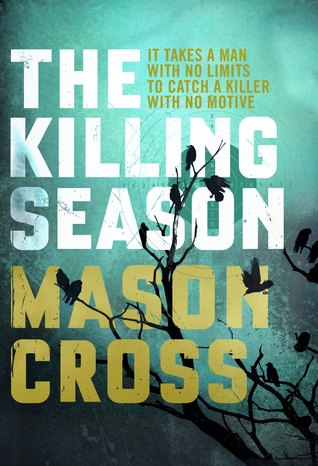 The Killing Season by Mason Cross Giveaway ends November 30, 2014.
 See the giveaway details at Goodreads. Enter to win I have some spare copies of The Killing Season and thought it would be fun to try a Goodreads giveaway.
So until midnight on November 30 (I'm assuming San Francisco time, since that's where Goodreads is based), you can register to win one of three signed copies of The Killing Season in trade paperback.
Winners are selected randomly by Goodreads, full t&cs on the entry form.
Good luck!
October 28, 2014
Booksellers, burgers and buses
Quick update about my recent trip to London, where it finally dawned on me that despite visiting The Big Smoke more often than I've been to almost any other city, I've barely scratched the surface of the tourist trail. I've never been to the Houses of Parliament, or Big Ben. I've never been on the London Eye. I certainly haven't done any of the shiny new stuff, like the Shard. I didn't tick off many of those touristy things this time either, but I did do some other cool stuff. Like get on a London bus for the first time.
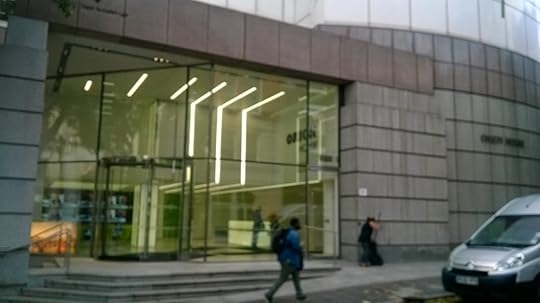
Even more exciting than that, though, I visited my publishers at Orion House and chatted to the sales team about The Samaritan. It was lovely to meet some members of the team I hadn't spoken to before, and to see how enthusiastic everyone is about the book. I also got a very early preview of the paperback cover of The Killing Season, which already looks great even in a rough draft. I caught up with my editor Jemima and got to meet my paperback editor Jo for the first time. I even got to meet David Young, the CEO of Orion, who said really nice things about the first two Carter Blake books.
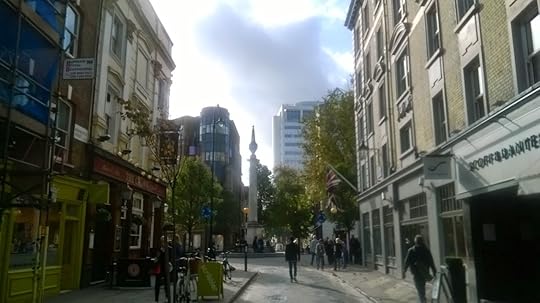 Orion has its own building
 Fancy foyer too...
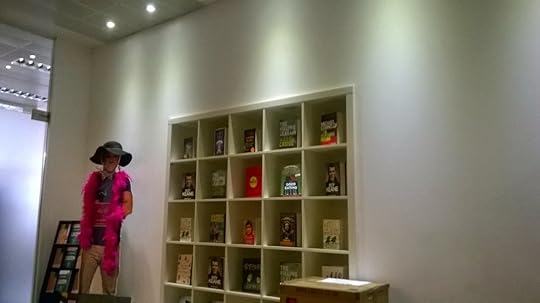 and some good-looking books in reception I also got to meet some of the local booksellers, guided by expert sales rep Linda. We zipped around central London on foot, by bus, by tube and by cab (I've definitely ticked off the full public transport package) to some independent bookshops like Goldsboro Books (who have signed hardback first editions if you're in the market) and various branches of Waterstones, including Picadilly which is the biggest bookshop in Europe, and Trafalgar Square. Little did we know we were there mere hours before the #waterstonestexan would walk in and begin his spell in captivity. The idea was to meet some of the people who'll be selling the book, and to hand out advance copies of The Samaritan. These were hot (well, warm by the time I touched them) off the presses, and were what is called 'rough proofs'. Every day is a school day - I didn't know about this before. The rough proofs are printed up locally on much heavier paper than standard books (they weighed a ton), so we could have super-early advance copies. Even in this format, though, they looked great. The cover really pops, and I'm really glad we decided to stick with the title. We met lots of nice booksellers, including Chris at Piccadilly and Rowan at Trafalgar Square, and gave them advance copies.
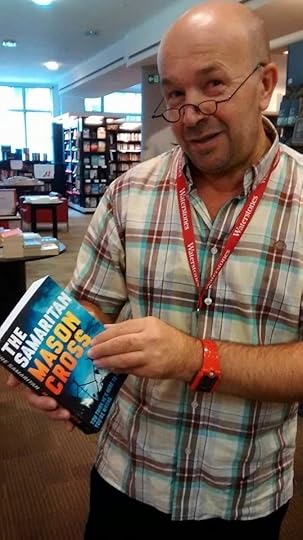
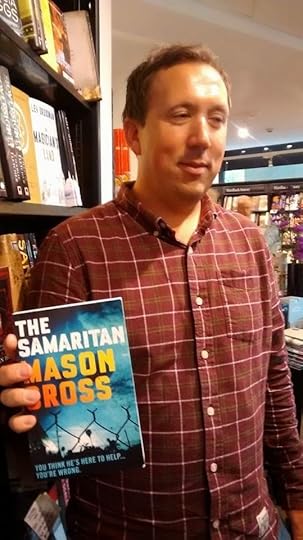
I can't wait to see what the team comes up with for the proper advance proof, after the excellent ARCs for The Killing Season. After all that, I had a short window before my train home, so I managed to squeeze in some very basic sight-seeing:
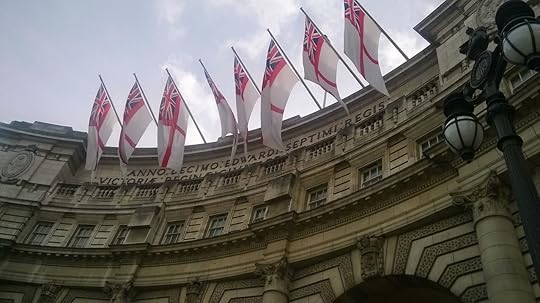
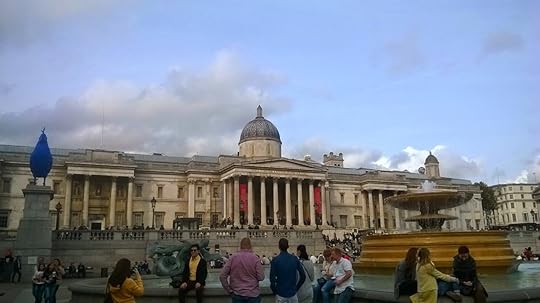
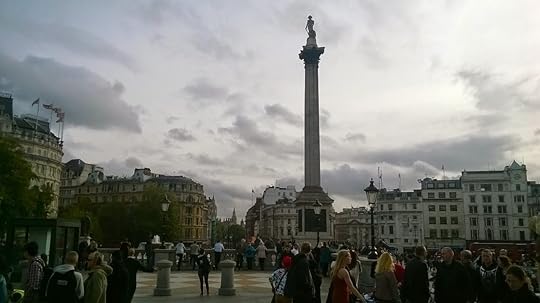
...as well as a lightning-quick stop at Five Guys, naturally...
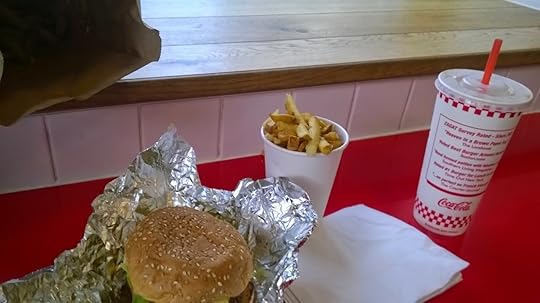 Five Guys narrowly beats Shake Shack for me...before it was time to head homewards. After trying out the plane and the hell that is the overnight bus in my younger days, I always take the train now. Door to door, it takes the same time as flying and there's a lot less waiting around / being frisked. It also gives you time to work on new projects.
Of which I hope to tell you more very soon...
 Back at Glasgow Central
Even more exciting than that, though, I visited my publishers at Orion House and chatted to the sales team about The Samaritan. It was lovely to meet some members of the team I hadn't spoken to before, and to see how enthusiastic everyone is about the book. I also got a very early preview of the paperback cover of The Killing Season, which already looks great even in a rough draft. I caught up with my editor Jemima and got to meet my paperback editor Jo for the first time. I even got to meet David Young, the CEO of Orion, who said really nice things about the first two Carter Blake books.
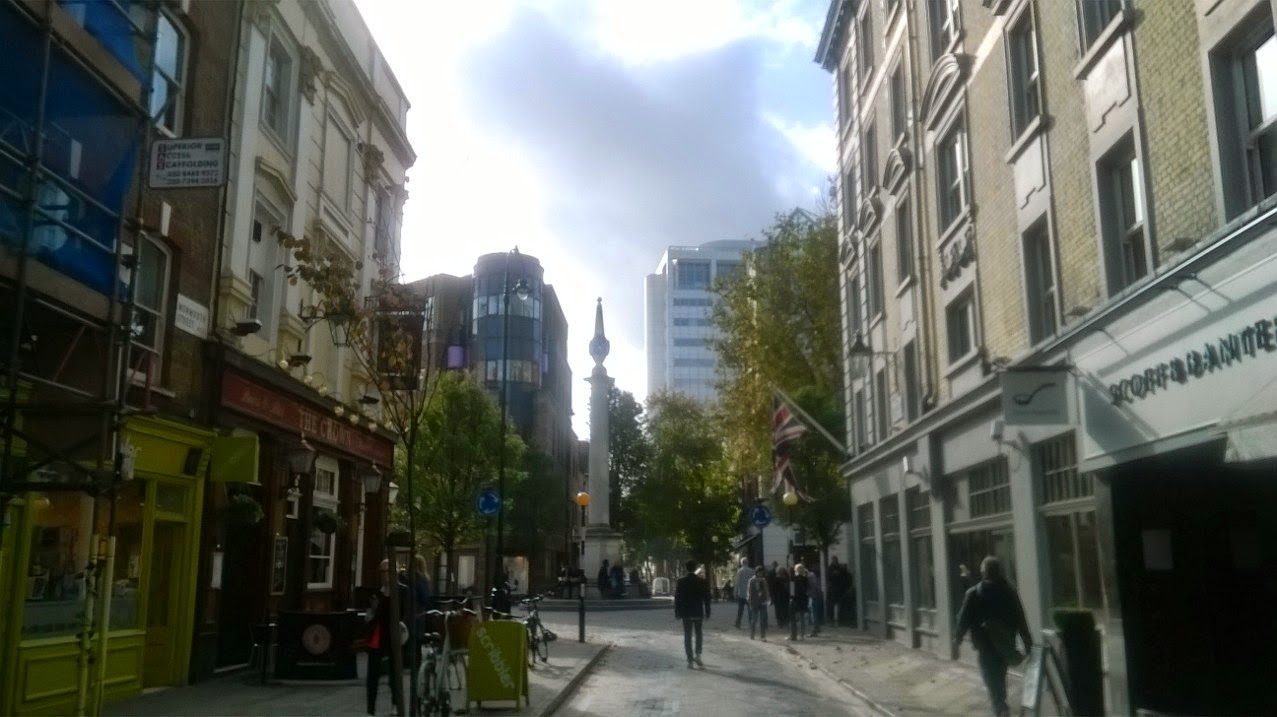 Orion has its own building
 Fancy foyer too...
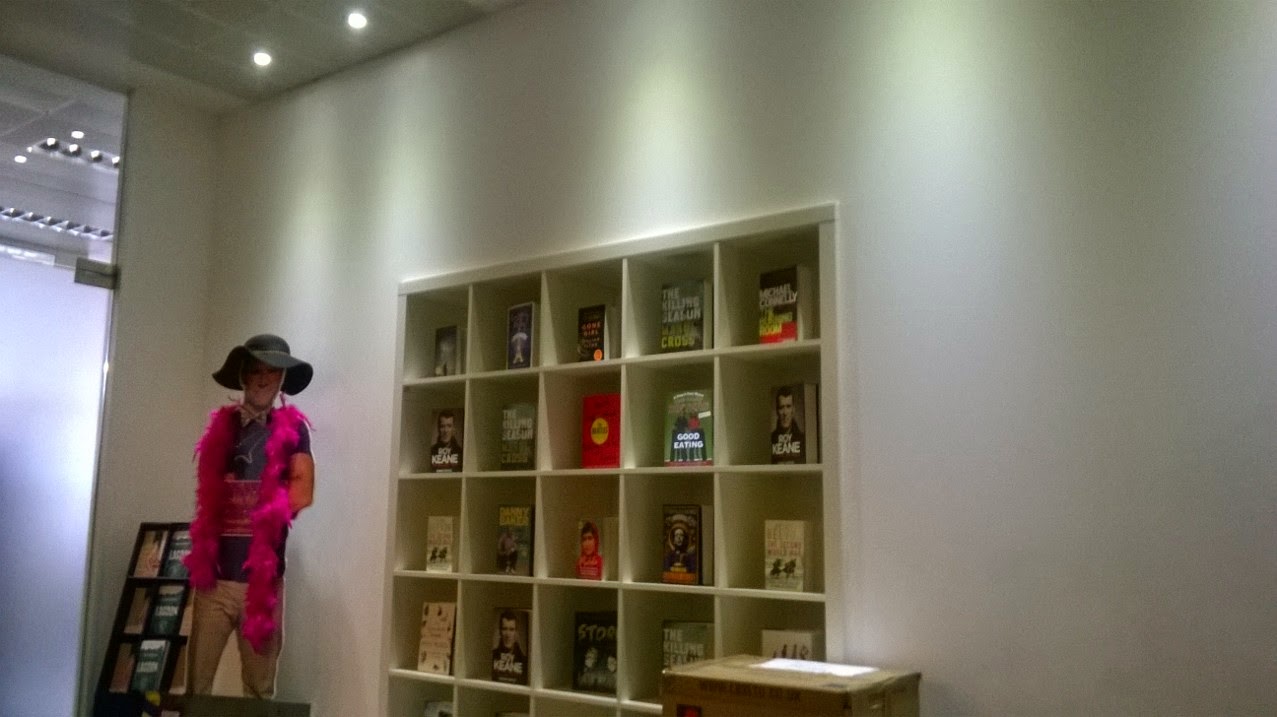 and some good-looking books in reception I also got to meet some of the local booksellers, guided by expert sales rep Linda. We zipped around central London on foot, by bus, by tube and by cab (I've definitely ticked off the full public transport package) to some independent bookshops like Goldsboro Books (who have signed hardback first editions if you're in the market) and various branches of Waterstones, including Picadilly which is the biggest bookshop in Europe, and Trafalgar Square. Little did we know we were there mere hours before the #waterstonestexan would walk in and begin his spell in captivity. The idea was to meet some of the people who'll be selling the book, and to hand out advance copies of The Samaritan. These were hot (well, warm by the time I touched them) off the presses, and were what is called 'rough proofs'. Every day is a school day - I didn't know about this before. The rough proofs are printed up locally on much heavier paper than standard books (they weighed a ton), so we could have super-early advance copies. Even in this format, though, they looked great. The cover really pops, and I'm really glad we decided to stick with the title. We met lots of nice booksellers, including Chris at Piccadilly and Rowan at Trafalgar Square, and gave them advance copies.

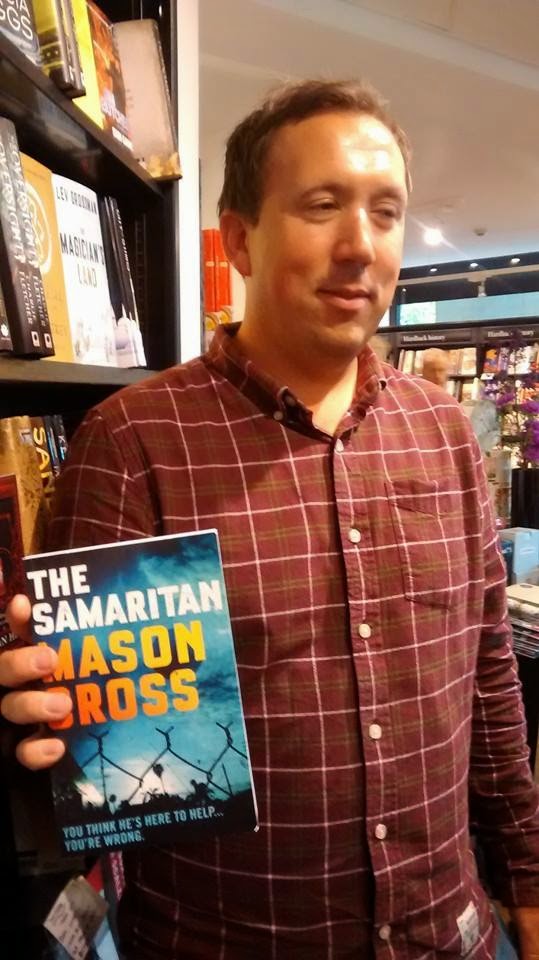
I can't wait to see what the team comes up with for the proper advance proof, after the excellent ARCs for The Killing Season. After all that, I had a short window before my train home, so I managed to squeeze in some very basic sight-seeing:
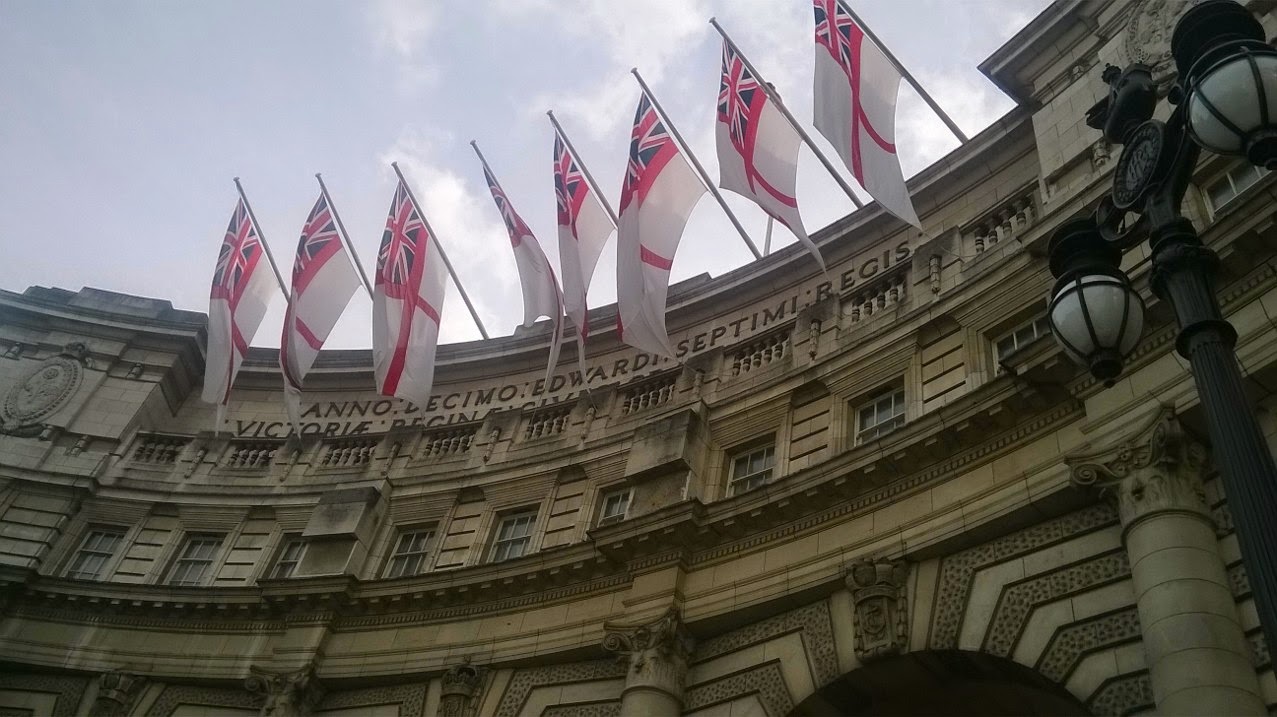
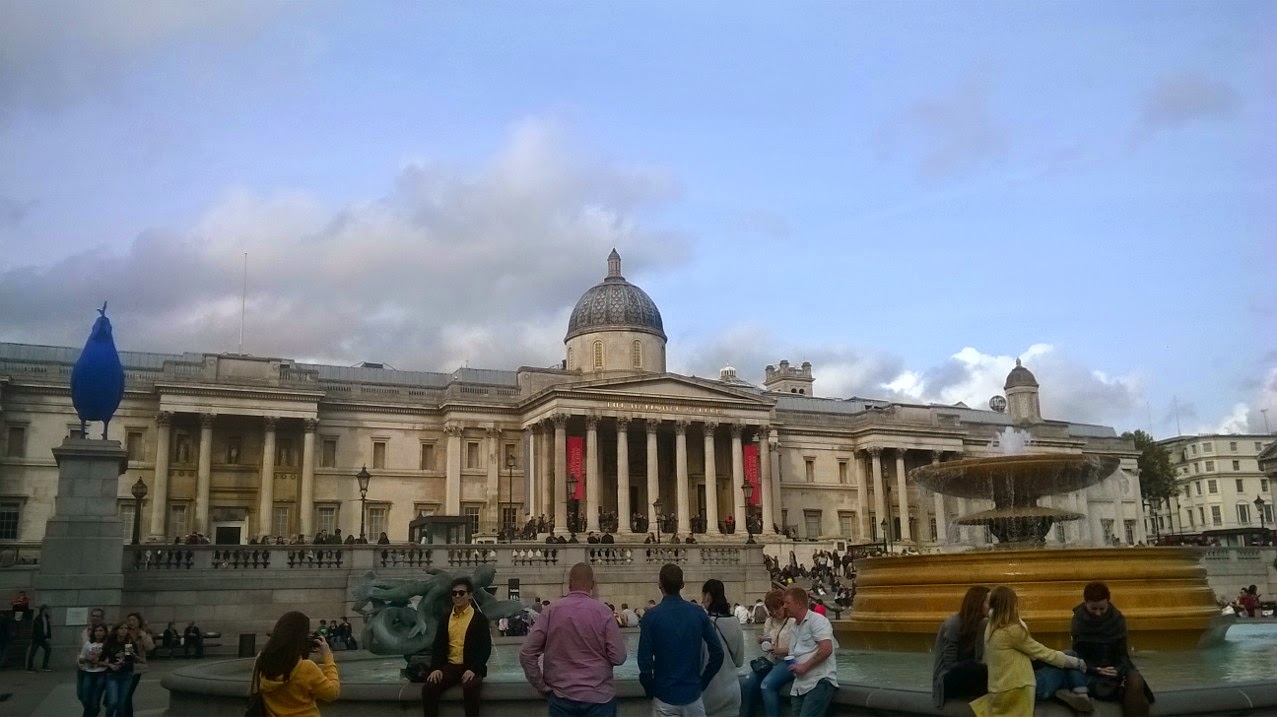
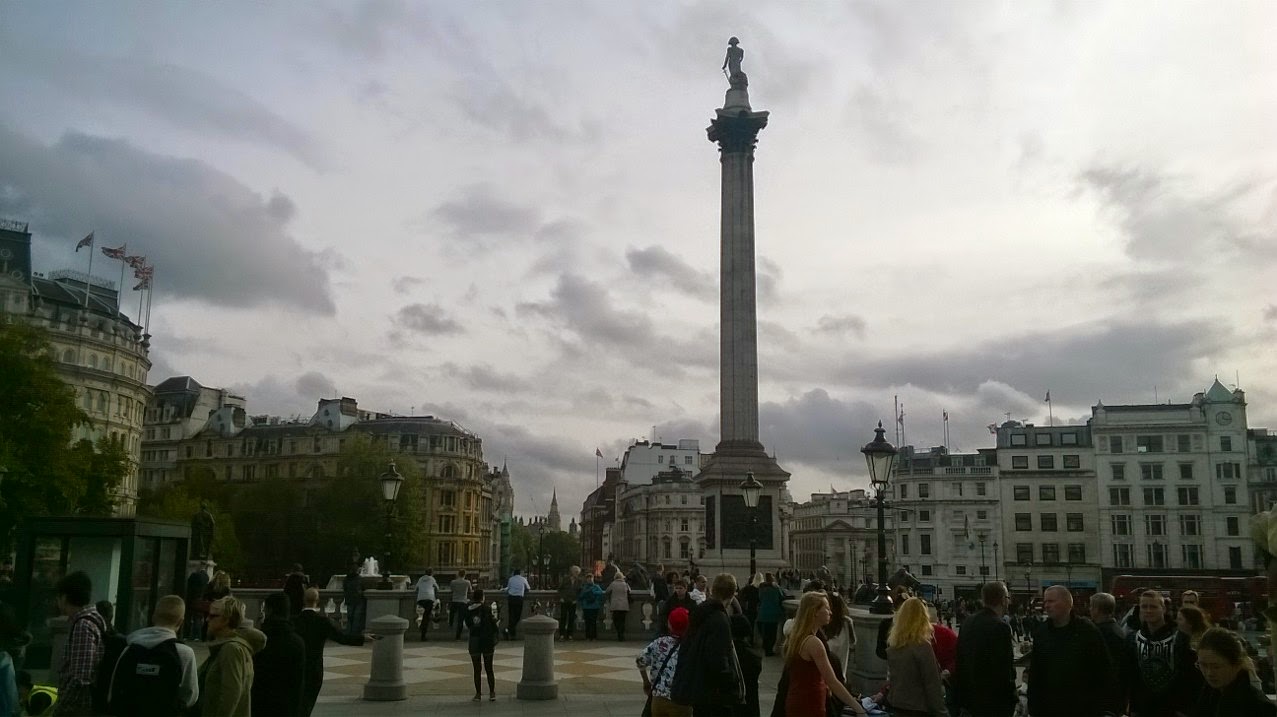
...as well as a lightning-quick stop at Five Guys, naturally...
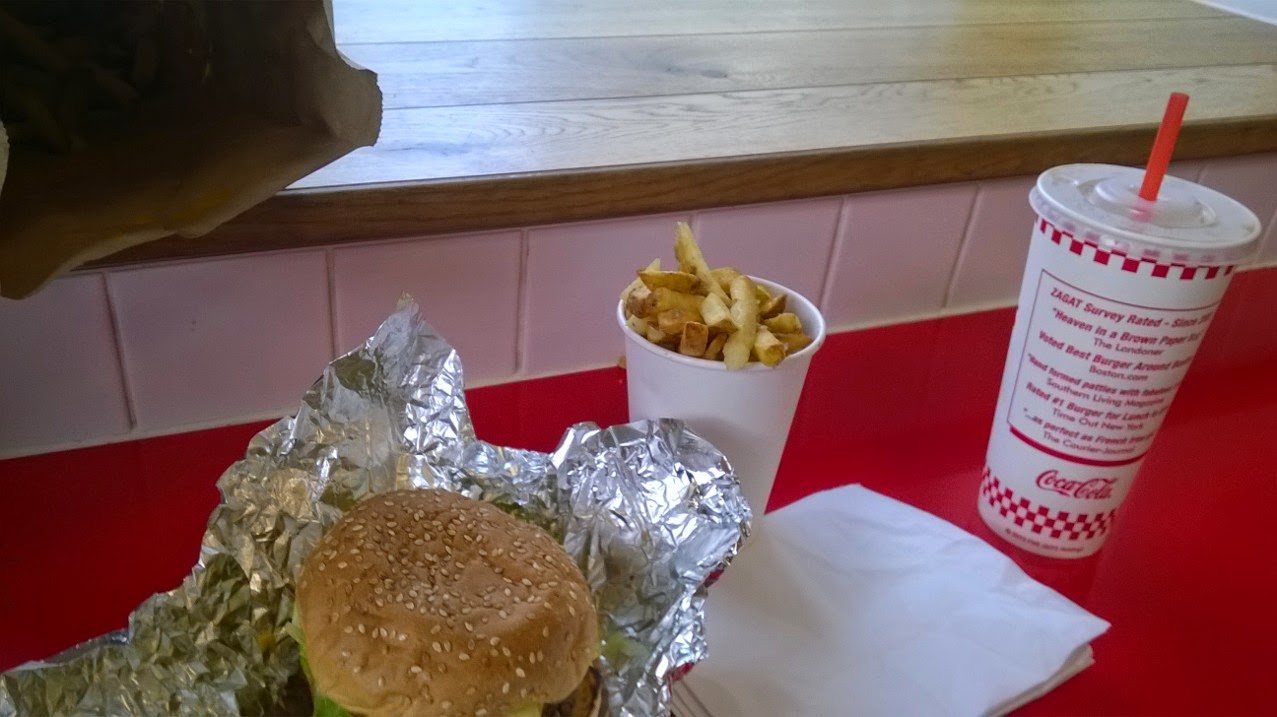 Five Guys narrowly beats Shake Shack for me...before it was time to head homewards. After trying out the plane and the hell that is the overnight bus in my younger days, I always take the train now. Door to door, it takes the same time as flying and there's a lot less waiting around / being frisked. It also gives you time to work on new projects.
 Of which I hope to tell you more very soon...
 Back at Glasgow Central
October 27, 2014
Interview - There's Been a Murder
Lynsey Adams has very kindly made me Up and Coming Crime Author of the Month over at her excellent There's Been a Murder blog.
There's an interview with me and lots of other cool stuff for lovers of noir. The Saul Bass-influenced font is cool too. Go check it out!
There's an interview with me and lots of other cool stuff for lovers of noir. The Saul Bass-influenced font is cool too. Go check it out!
October 5, 2014
Bloody Scotland again

Having attended Bloody Scotland as a member of the crime-reading public this time last year, I was delighted to be invited to be part of an author panel this time around.
The weekend got off to a well-lubricated start with a drinks reception hosted by Stirling Council at the old town hospital. After that, we headed down the hill (Stirling is big on hills) to see the opening event: Chris Brookmyre and Denise Mina, who had a lively and free-flowing conversation onstage about everything from their latest work to the referendum that had taken place the previous day. Ah yes, the referendum - after the frenzied debate of the past few weeks, it was nice to spend the weekend in a bubble where people were more interested in talking about books and where to go for the next drink.
Saturday dawned and I managed to finish the second of my co-panelist's books before my event at lunchtime. After being briefly delayed by a quartet of Elvises dressed as janitors...
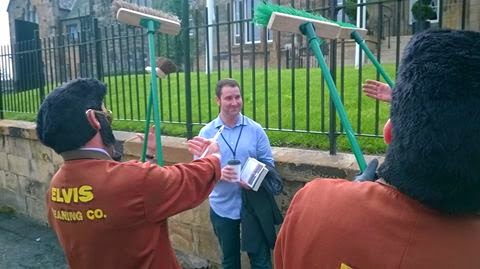
...(did I really just type that sentence?) I found myself sharing a stage with two other debut authors: Eva Dolan (Long Way Home) and Hania Allen (Jack in the Box). Although I think we suffered a little from being scheduled opposite the Scottish vs English crime writers football match (Scotland won convincingly), we had a pretty good-sized crowd.
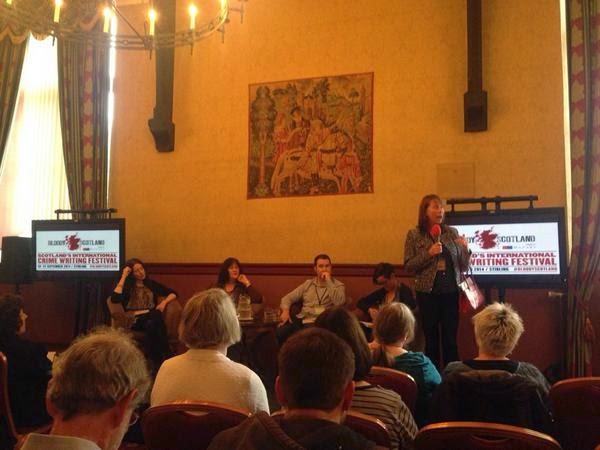 We discussed a wide range of topics, from why women read more crime fiction than men, to how we come up with the characters, to how we got published. It was really interesting that the three of us had followed quite similar routes: failing to find a publisher for our first novels, experimenting with self-pubbing through Amazon, and eventually getting a deal with a traditional publisher. It could be a giant coincidence, or perhaps this is the way it happens in the 21st century. Either way: a great advertisement for not giving up at the first hurdle.
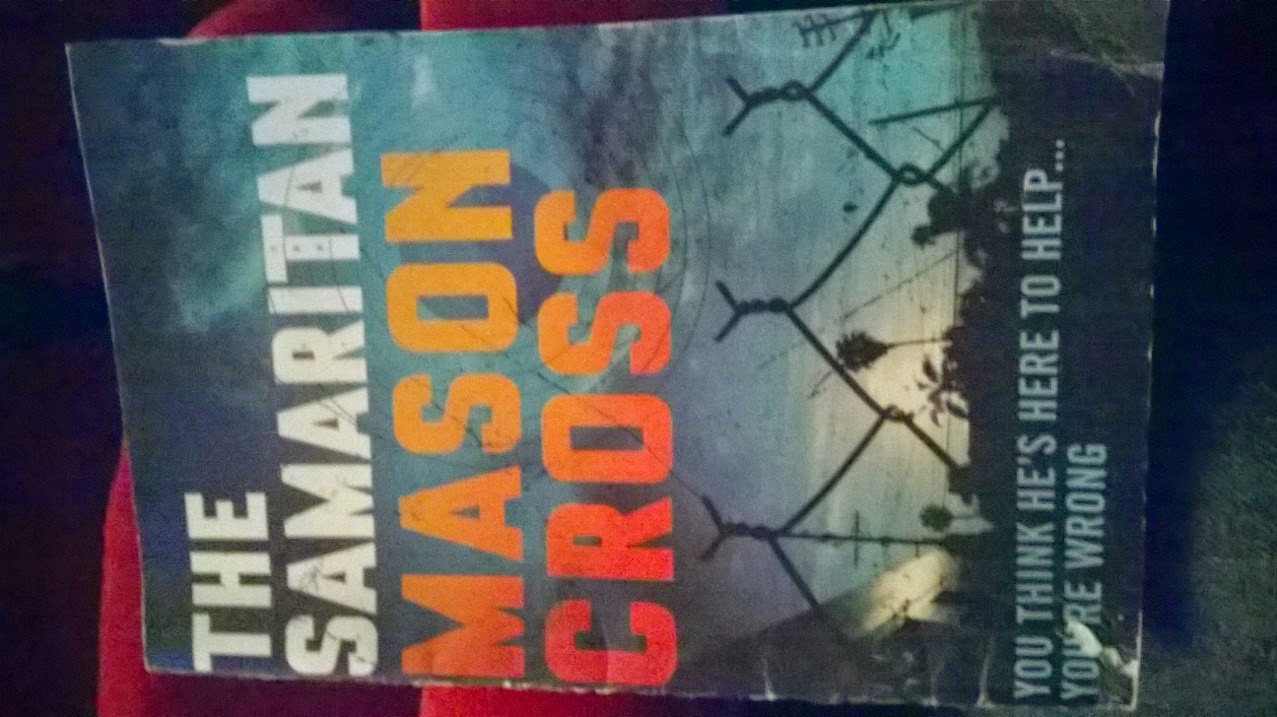
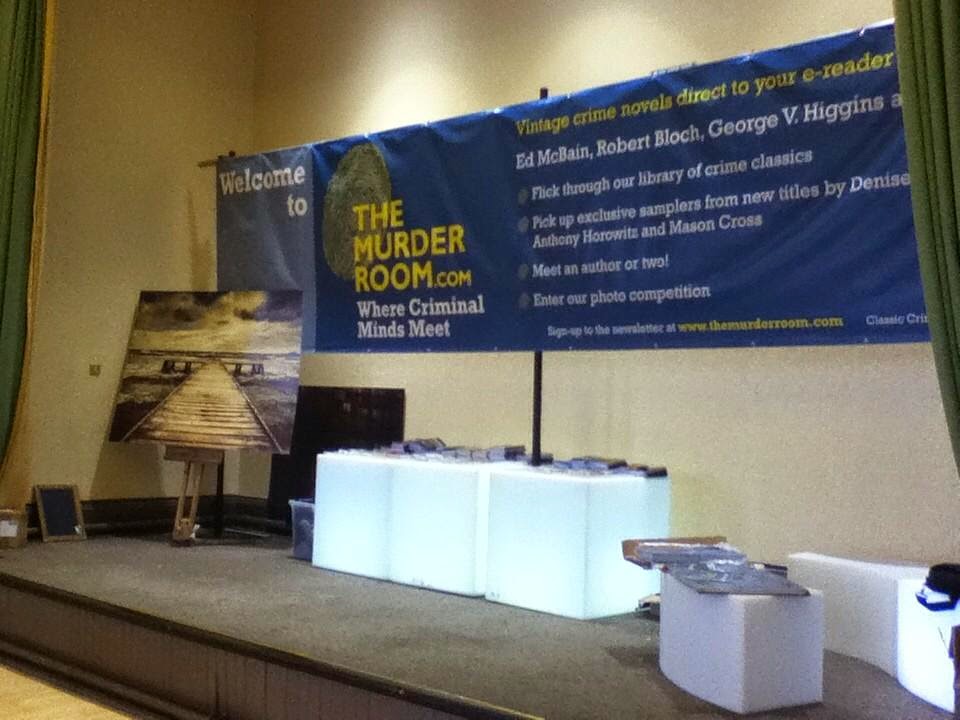
With my panel out of the way, I headed down to The Murder Room - Orion Crime's popup presence alongside Waterstones in Stirling's Albert Halls. It was great to see POD paperbacks of some of the classic noir titles Orion has been bringing back as eBooks (everything from Geoffrey Household's Rogue Male to Robert Bloch's Psycho) and to be inveigled into being photographed in a really crap John D Macdonald related pun. On the other hand, they also had gorgeous samplers of The Samaritan, alongside the new Denise Mina and Anthony Horowitz books (it was awesome being mentioned in the same breath and on the same banner as these bestsellers).
I stuck around for the big Saturday evening event: Ian Rankin interviewing Kathy Reichs, and as a big fan of both, it was great to hear them talk shop for an hour. I particularly liked hearing about the different approaches they had to TV adaptations of their work, with Reichs exec-producing and consulting on Bones and Rankin having taken a more hands-off (to date, at least) approach to Rebus.
After dinner at a pretty good Italian place, I headed to the bar in the Highland Hotel and had some interesting conversations, including one where a few of us came up for a pitch for a romantic cat detective mystery. Late night chats in the bar are one of my favourite things about book festivals, although I think I might leave it to others to execute that particular idea.
After signing some copies of Killing Season at the Stirling branch of Waterstones, Sunday at Bloody Scotland got going with some multi-hyphenates: journo-turned-author Craig Robertson interviewing actor-turned-author John Gordon Sinclair and footballer-turned-author Arild Stavrum. I was particularly inspired by JGS's example of building a writing shed at the bottom of the garden, complete with electricity, a burglar alarm and a beer fridge.

After that, I saw Alexandra Sokoloff, Gordon Brown and James Oswald discussing the supernatural in crime novels, and a rumination about the nature of evil. I rounded the weekend off with Ian Rankin, solo this time, speaking about his career to date, his year off, and his next book.
In a competitive field, I'd have to say Bloody Scotland was narrowly my favourite festival next year. Looking forward to hitting the circuit next year with a new book.
September 30, 2014
The Samaritan
I'm pleased to be able to unveil the fantastic cover for Carter Blake book 2: The Samaritan!
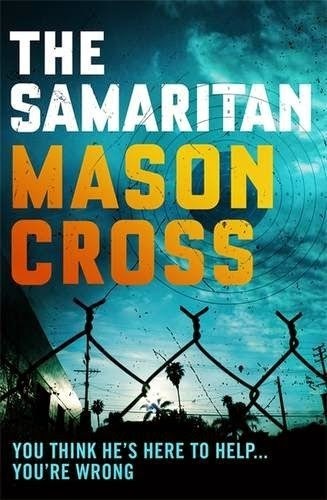
The team at Orion have done another fantastic job on the design, and I think this one actually surpasses the cover for The Killing Season.
It's available to pre-order on Amazon right now, and if you were at Bloody Scotland, you might have picked up the exclusive free sampler.
The Samaritan is released in hardback, trade paperback and ebook on June 4, 2015 - I can't wait.
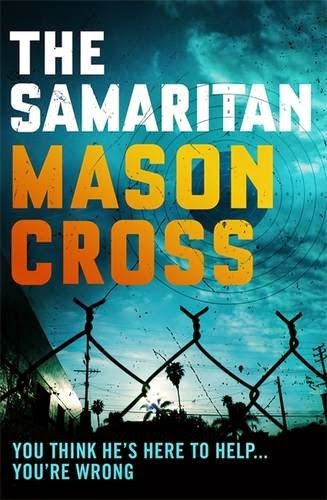
The team at Orion have done another fantastic job on the design, and I think this one actually surpasses the cover for The Killing Season.
It's available to pre-order on Amazon right now, and if you were at Bloody Scotland, you might have picked up the exclusive free sampler.
The Samaritan is released in hardback, trade paperback and ebook on June 4, 2015 - I can't wait.
August 27, 2014
Edinburgh
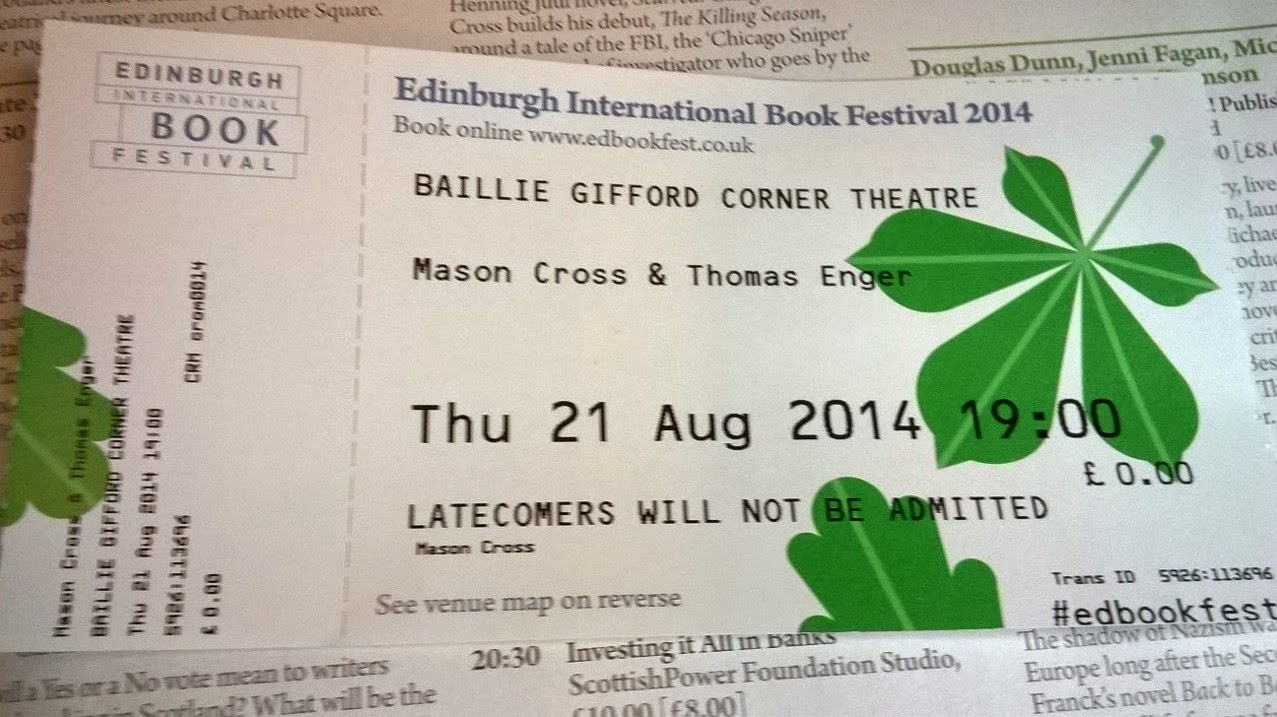
Last Thursday saw my first (and hopefully not only) engagement at the Edinburgh International Book Festival, where I was appearing with the Norwegian author Thomas Enger at an event titled Crime Fiction With a Twist.
Although I’m still very much a newbie author, I had a few events under my belt going in: a couple of appearances at Waterstones, CrimeFest in Bristol, and a few smaller talks to book clubs. Despite this, I was getting a little nervous as the date approached and I started to realise just how much of a big deal the Edinburgh Book Festival is.

By some estimates, it’s the world’s largest literary festival, with over 900 authors attending over two and a bit weeks. There’s certainly an impressive and truly international roster, from George RR Martin to JK Rowling. So it was with a mixture of excitement and trepidation that I entered the festival on the evening of my event and checked in at the author’s yurt.
A word about the yurt: it is the coolest VIP area I’ve ever seen (in my admittedly limited experience of such rarefied environments). It’s a network of interconnecting Bedouin-style tents lined with vivid carpets and soft furnishings on which to sprawl and read a book or tap away on your laptop. There’s a wood-burning stove. There’s free food, wine and whisky. There’s relatively famous people wandering about. Most mystifyingly of all, there’s no bouncer kicking me out for being an intruder.

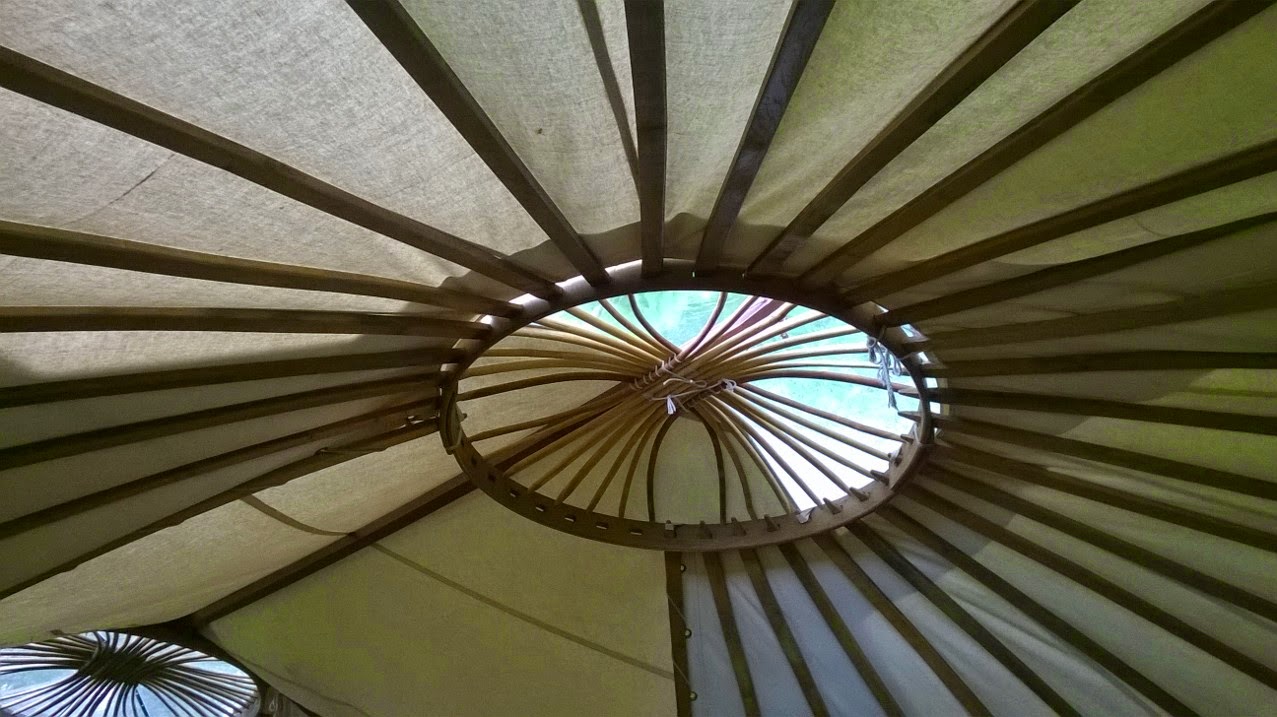
I’d infiltrated the yurt a few days before in the company of fellow criminal masterminds Douglas Skelton and Mark Leggatt following the Crime Writers Association lunch, so I’d managed to get over the impostor syndrome a little bit by the time I visited again. I met up with the event moderator, the Scotsman’s Susan Mansfield, and we had a chat about the event format and in what order everything would happen. We were briefly interrupted while I was taken for a photocall. Which actually was a photocall. One word: bizarre. I had to stand looking moody and interesting while half a dozen shutterbugs snapped me from every conceivable angle, politely yelling for me to look at their lens. It felt like an elaborate joke.
Mildly shaken by the experience of momentarily becoming a Kardashian, I returned to the yurt to find Thomas Enger had arrived along with his editor at Faber. I’d read Thomas’s latest book, Scarred, earlier in the week and liked it a lot. I’m looking forward to checking out the earlier books in his Henning Juul series. We were introduced, had a quick chat, and flipped a coin to see who would have to read from their book first. I won, so Thomas was on first.
A couple of minutes before 7pm, one of the event people materialised to fit us up with mics, and we were led to the Baillie Gifford Corner Theatre promptly at the start time. Did I mention Edinburgh operates like a very polite, incredibly friendly totalitarian regime? It makes clockwork itself look slow and inefficient.
Susan introduced us and, as per the coin-toss, Thomas went first. About three seconds after he started speaking, I realised I’d made a big mistake by going last, because I was going to have to follow him. His opening gambit was to tell the audience about his lead character, conjuring up the nightmare scenario of flames and death that begins Juul’s journey in the books. Once the room was holding its collective breath waiting for what came next, he read an early passage from his latest book.
My turn. Gulp. I knew I couldn’t match the drama of Thomas’s opening address, so I picked one of the most notorious scenes from The Killing Season to read: a short sequence from Elaine Banner’s point of view that ends with a somewhat grisly punchline.
Susan introduced both of us with some very nice praise and then kicked off the questions by asking us about our respective protagonists and our experiences of writing the books. The two novels are of quite different styles, so she did a great job of coming up with interesting topics that were applicable to both of us. There was an interesting discussion about political subtexts. Neither of us set out to make political points in our books, but both of us agreed that the subject matter does a lot to dictate the underlying themes.
The audience questions were great too. So far I’ve been very lucky with every single event I’ve done in that there’s never been an awkward silence before the first question. This time proved no different, with people chipping in immediately with questions for Thomas, for me and for both of us.
One of the questions that seems to come up a lot (and did again here) is about plotting. People always seem to be interested in whether you plan everything in advance or make it up as you go along. The answer for me (and I’d guess the majority of writers, if they’re honest) is “a bit of both”. I need to have a pretty good idea of what’s going to happen in a book before I start, but I know I’ll change a lot in the process of writing the book itself. In particular, my endings tend to develop a lot once I have the weight of a book behind me. Good material for a blog post sometime soon, now I think of it…
By the way, nobody in attendance seemed to know what the twist in 'Crime Fiction With a Twist' was, so perhaps that in itself was the twist - eat your heart out, M Night Shyamalan.
The event flew by, and before I knew it, it was time to wind up and head over to the festival bookshop for a signing. It was great to meet some members of the audience, some of whom had read the book already and kindly said they were going cast their vote for me in the festival First Book Award [yeah – that is a shameless enticement for you to do likewise, if you would be so good].
After that, it was yurt time again for some post-event unwinding. I caught up with some friends, chatted to Lin Anderson fresh from her Society of Authors event, and probably drank a little too much of the complimentary whisky.
All in all, a very cool first festival experience. Next up: Bloody Scotland.
August 24, 2014
The fine detail
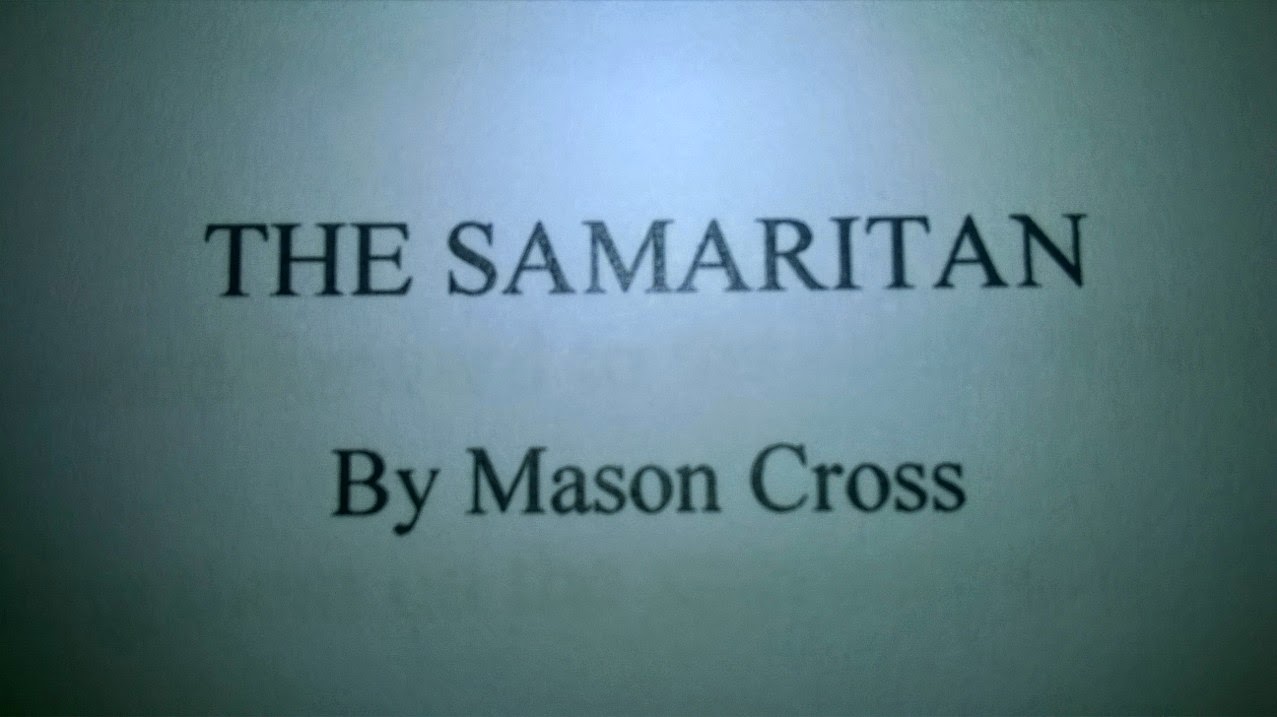
In the last couple of weeks I've been going over the copy edits of the second Carter Blake book. As those of you who looked at the picture above will probably have worked out, the current title is The Samaritan. It may or may not retain this title.
The copy edit is one of the later milestones in a book's journey toward publication. In earlier drafts, both the ones I do all by myself and the ones I work through with my editor, it's mostly about the big picture: getting the structure right, making sure the characters behave reasonably consistently, giving key scenes more punch, stuff like that.
The copy edit is the opposite of that. This is the stage where a very diligent and detail-oriented person (i.e. the polar opposite of me) goes through the book line by line making sure the fine detail is right.
That means spotting the typos and grammar mistakes that no one else has noticed or cared enough about to point out. It means picking up on continuity mistakes (how come this character is bald on page 54 and has dark hair on page 226?). It means finding gaps in the research (Ford stopped making that model in 2003, so it ought to have a higher mileage). It also means picking up on sentences that repeat the same word too many times. These things happen more often than I would like to admit, and it's a little humbling having it pointed out to you via the marvel of Word's track changes feature, even though you know this is an absolutely standard experience for all writers.
So you take a deep breath and open the document, praying there aren't too many red lines and comment boxes. It's a little like getting an assignment back from a strict teacher. It's an incredibly useful but occasionally dispiriting experience.
I went along with about 99% of the changes made or suggested by the copy editor, and added a fair amount of new changes myself. The only real point of difference was whether to use 'website' or 'Web site'.

The worst thing about reading through your copy edit is when sloppy writing or really obvious mistakes are pointed out to you, and you wondered why the hell you didn't notice them until now. It forces you to read every sentence carefully and ask yourself if this is really the best way it could be written. One (mercifully short) paragraph in this book had me banging my head against the desk wondering what the hell I was on about when I was writing it. Thankfully, I have the opportunity to fix it before it gets any further. That's why this stage in the process exists.
The best explanation I can come up with is, when you're writing a first draft - when it's going well at least - you're not stopping to think about the small stuff. You're writing in the knowledge that this is but the first of many passes, and anything that doesn't quite work can be fixed later. That's the way it's gotta be, at least for me. If I got hung up on making every line perfect, I'd never finish anything. The problem is that some of those glitches you decided to come back to later (or didn't notice in the first place) inevitably slip through the cracks and make it into later drafts.
Even when I read a book over again for a new draft, I tend not to analyse every sentence individually, unless they're unavoidably clunky. That's because I'm trying to read it as, well, a reader. The number of amendments and perceptive questions asked by a good copy editor really makes you appreciate what a unique skillset they have - to keep the big picture of the novel in their head while simultaneously zeroing in on tiny imperfections that creep into the paragraphs and sentences and words and punctuation.
I know I couldn't do their job. Not just because it's painstaking and detail-oriented and it's impossible to go on autopilot. The other reason is because I wouldn't be able to prevent myself from changing things about the style: to write it the way I would have written it. A good copy editor leaves the style alone and makes sure the writer doesn't embarrass himself. It's a tough job, and one I'm grateful for.
But I'm still going with 'website'.