Robert Scott-Norton's Blog, page 4
April 9, 2015
Great minds pulling together - Winter Words
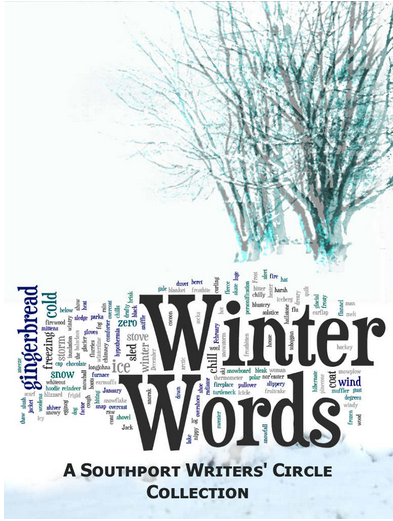
Perhaps the best thing I did last year to help my writing career was to join a local writers' group. Southport Writers' Circle has been going since 1971 and has a great mix of writers and poets.
Our chairman compiled this great little collection of some of our work and it's available now on Amazon UK and Amazon US.
I was hesitant about joining a writers' group but wished that I'd done it so much earlier. Having friends (and they became friends very quickly) to share ideas with and get feedback on work means so much to me. And getting volunteers to become a beta reader on my next completed novel was a breeze. When you're starting out, this kind of feedback is so important.
So, if you're sitting on the fence about joining a group, stop wasting time and get your arse along to a group. You'll make friends and get a whole load of support.


February 10, 2015
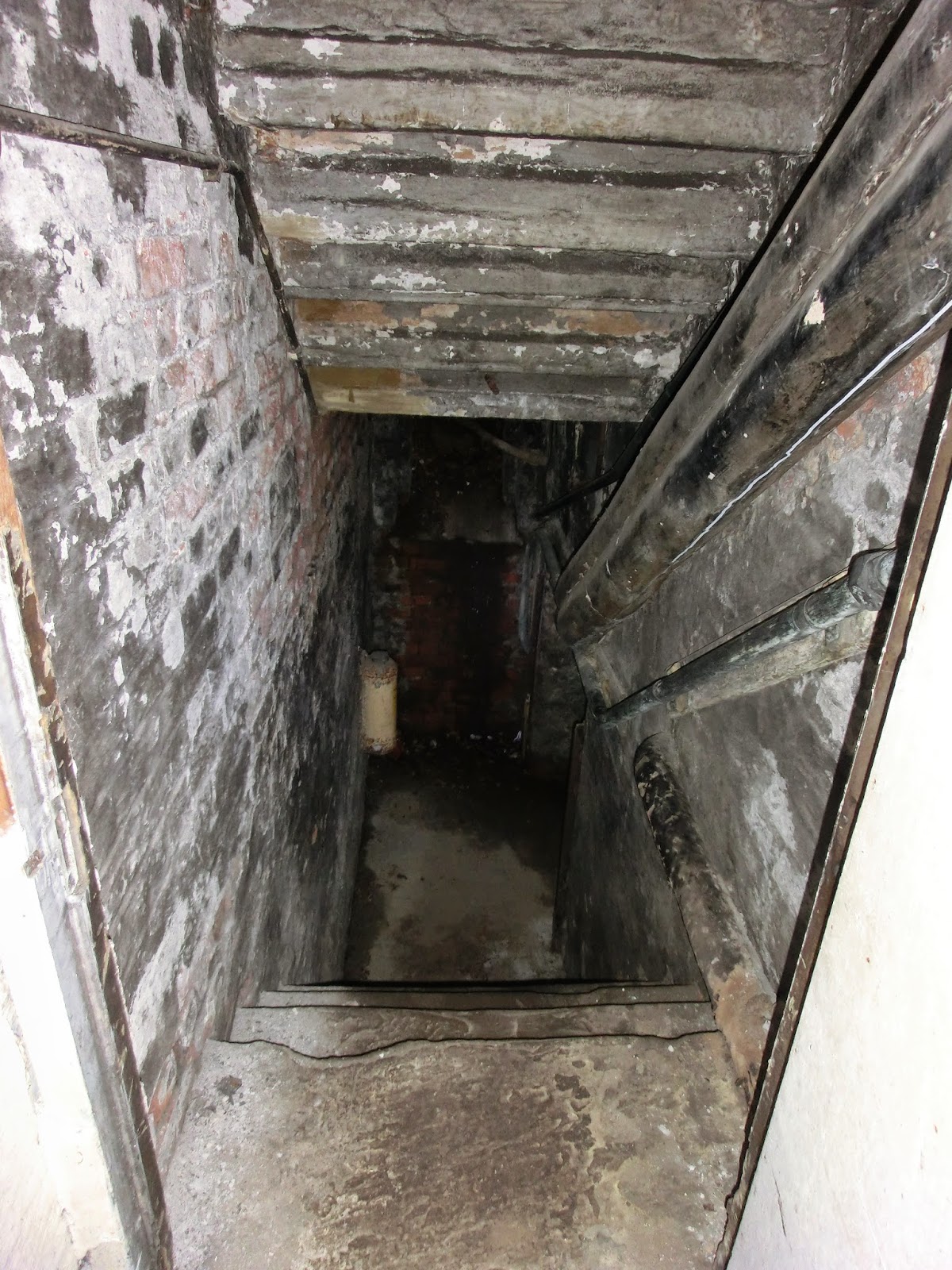
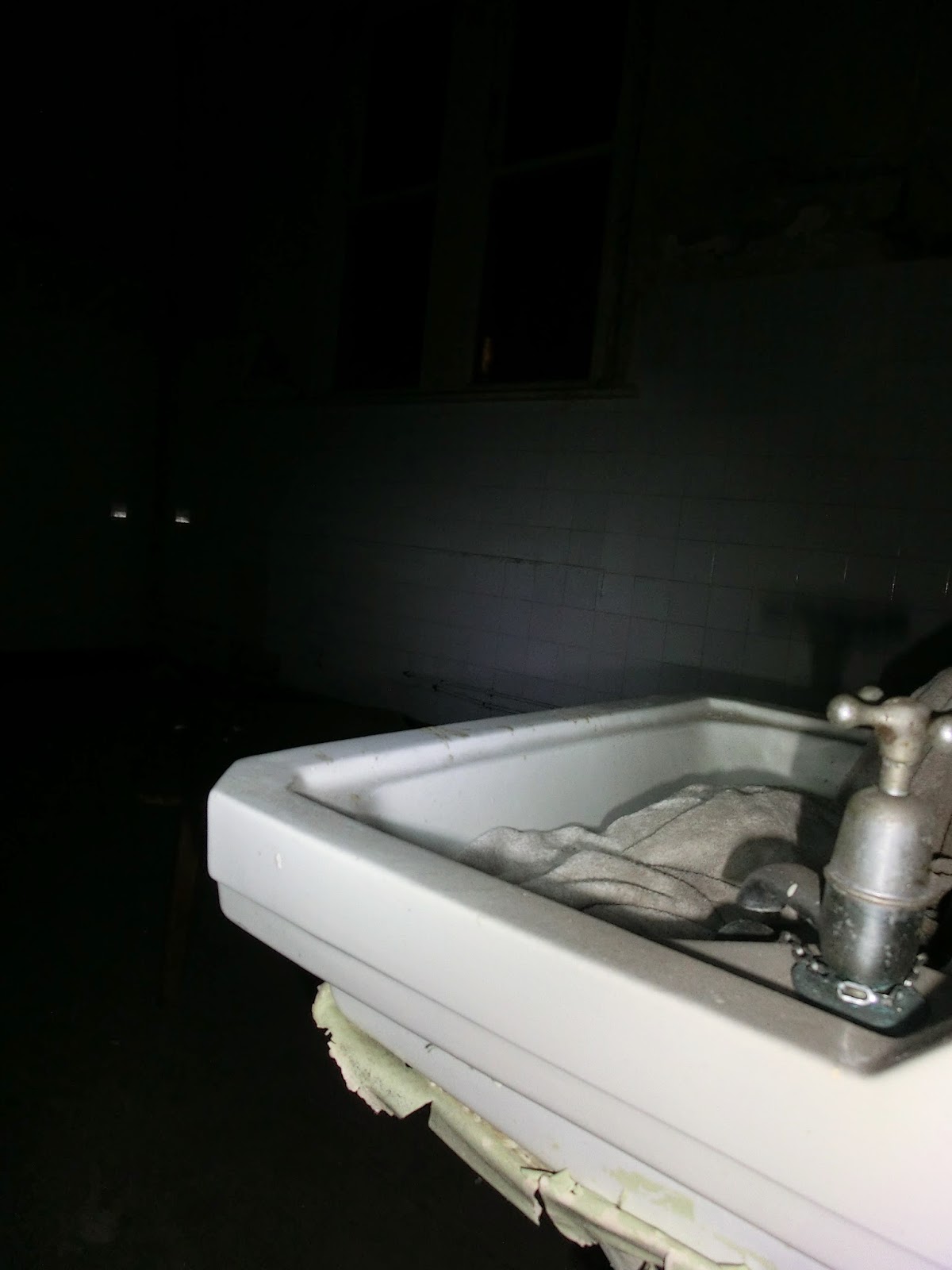
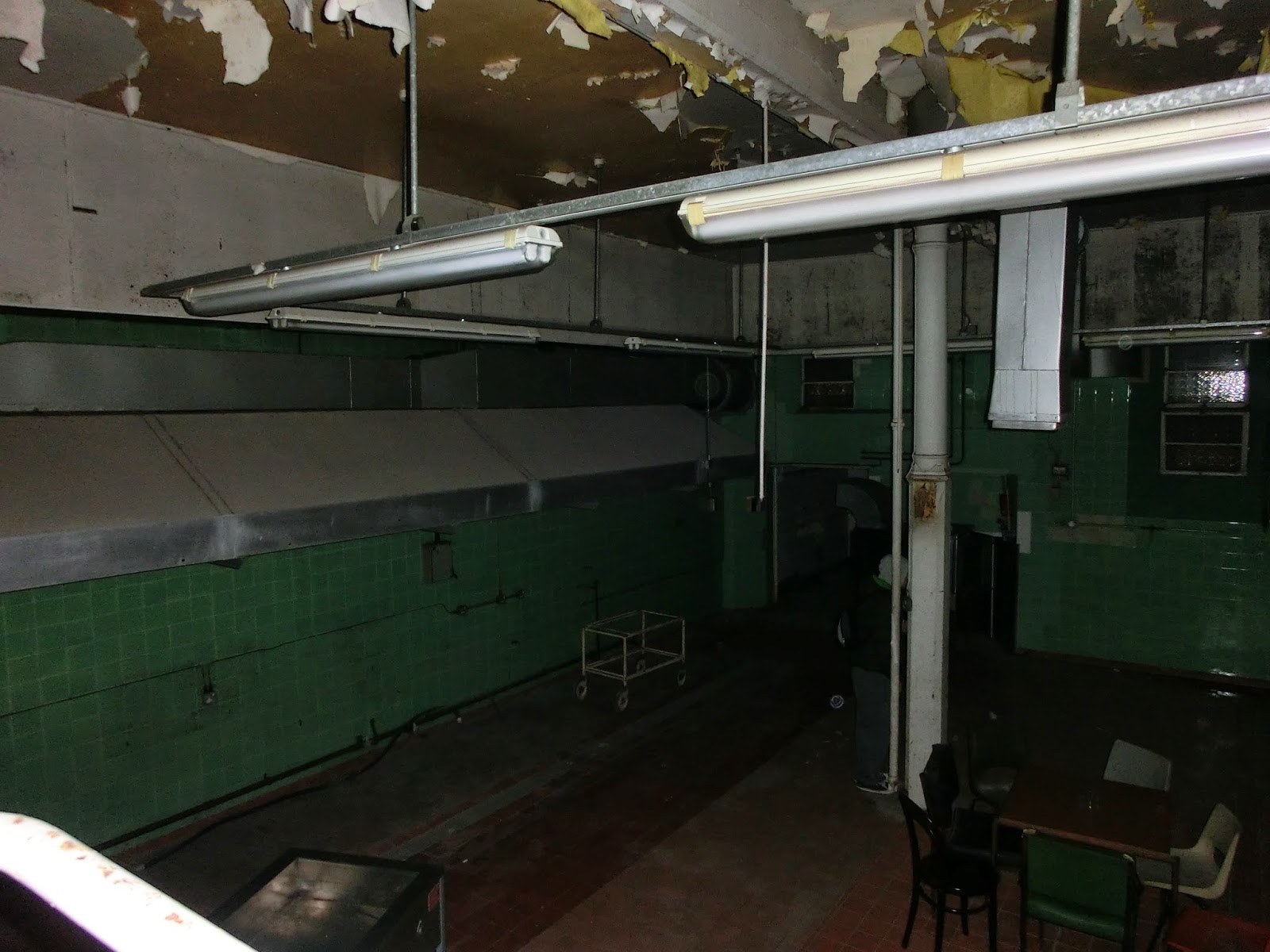
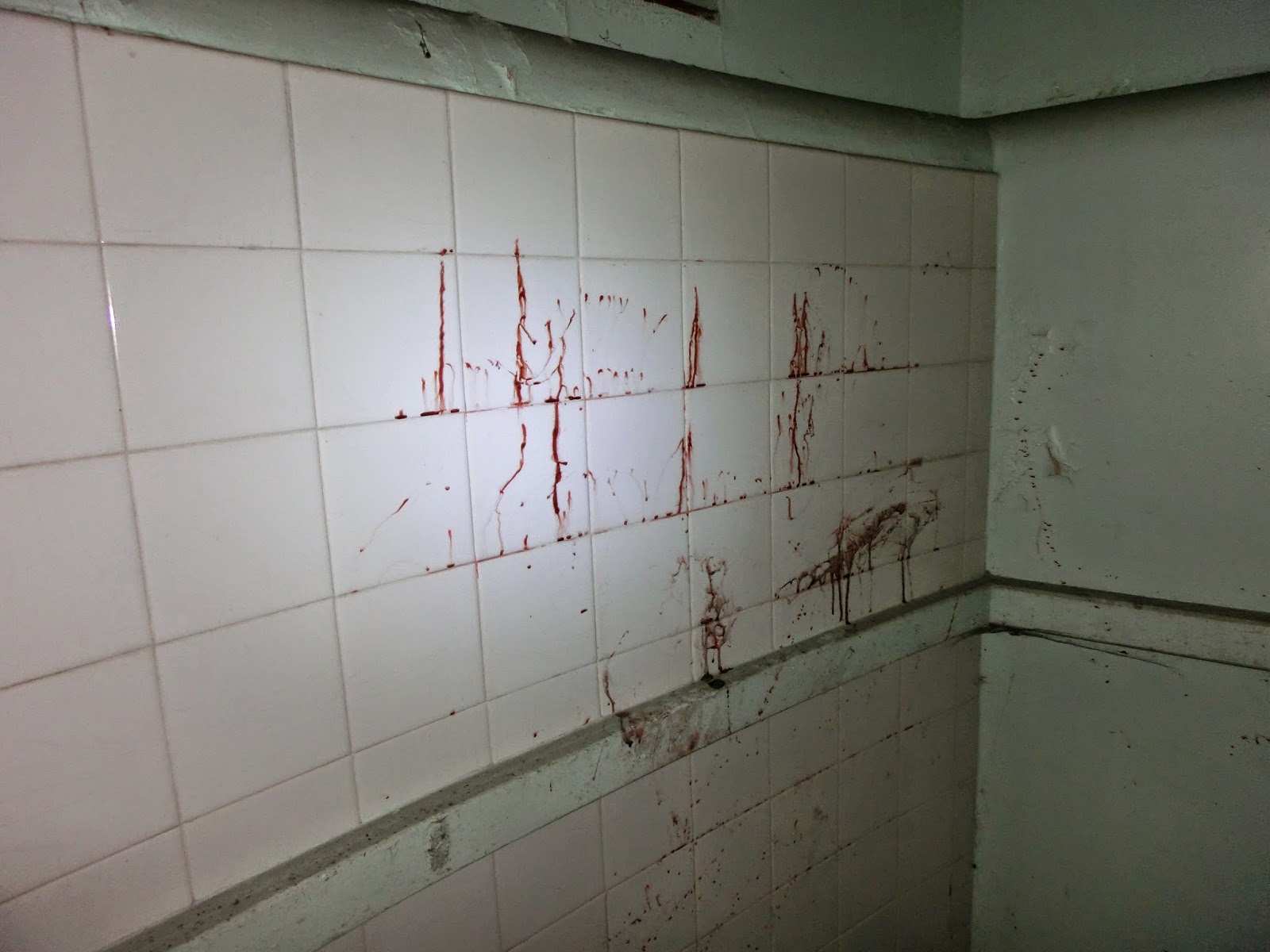
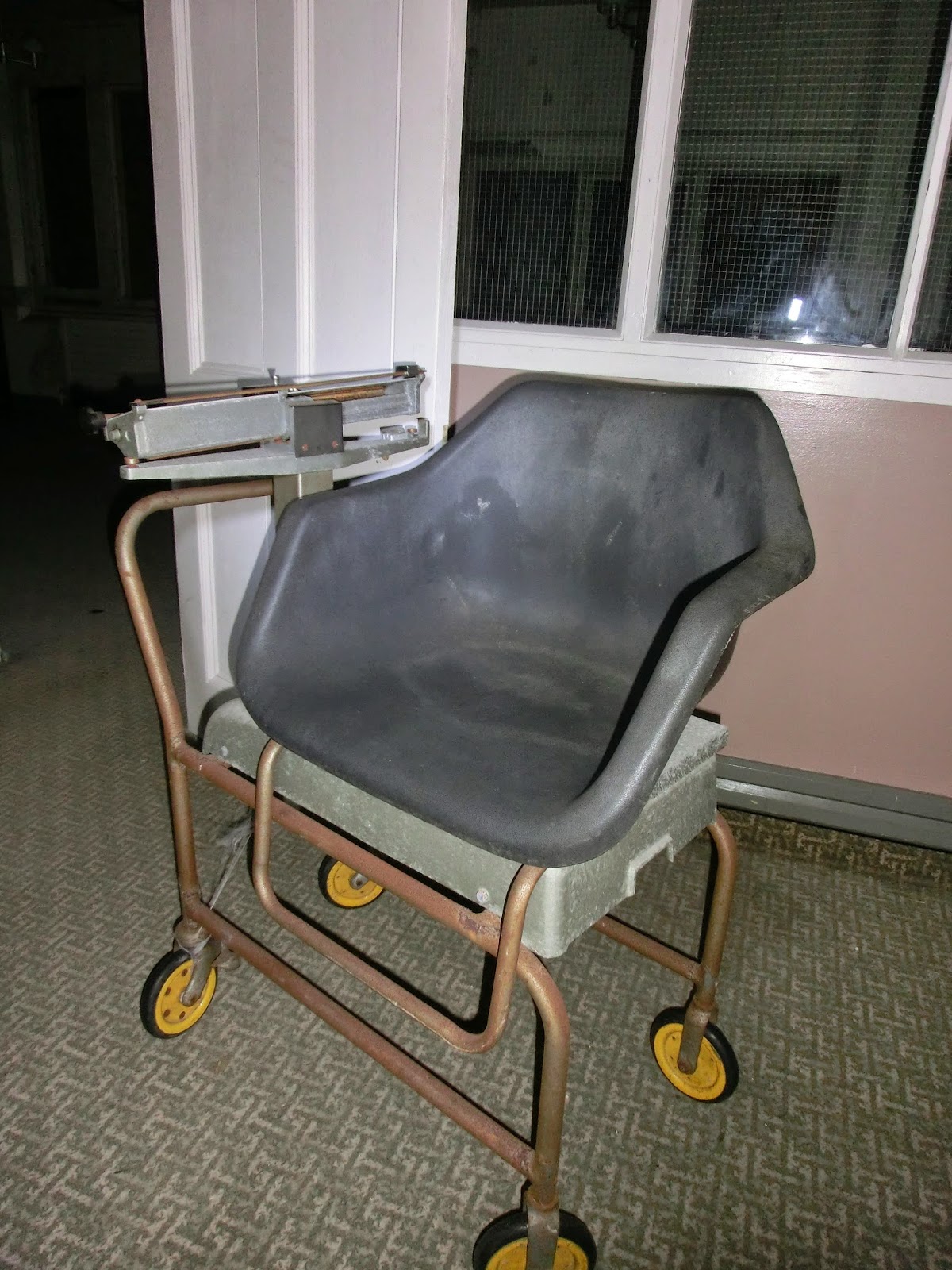
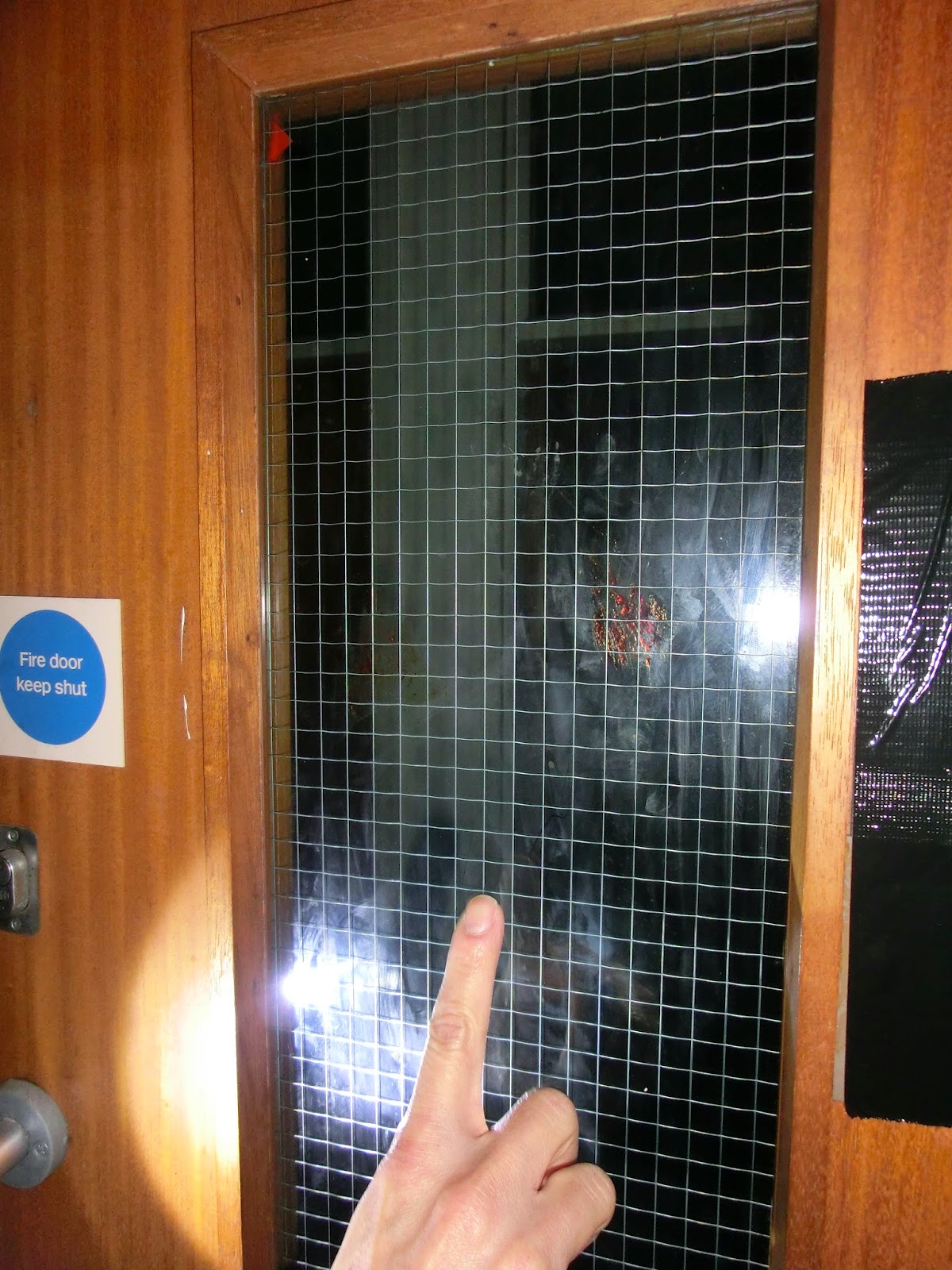
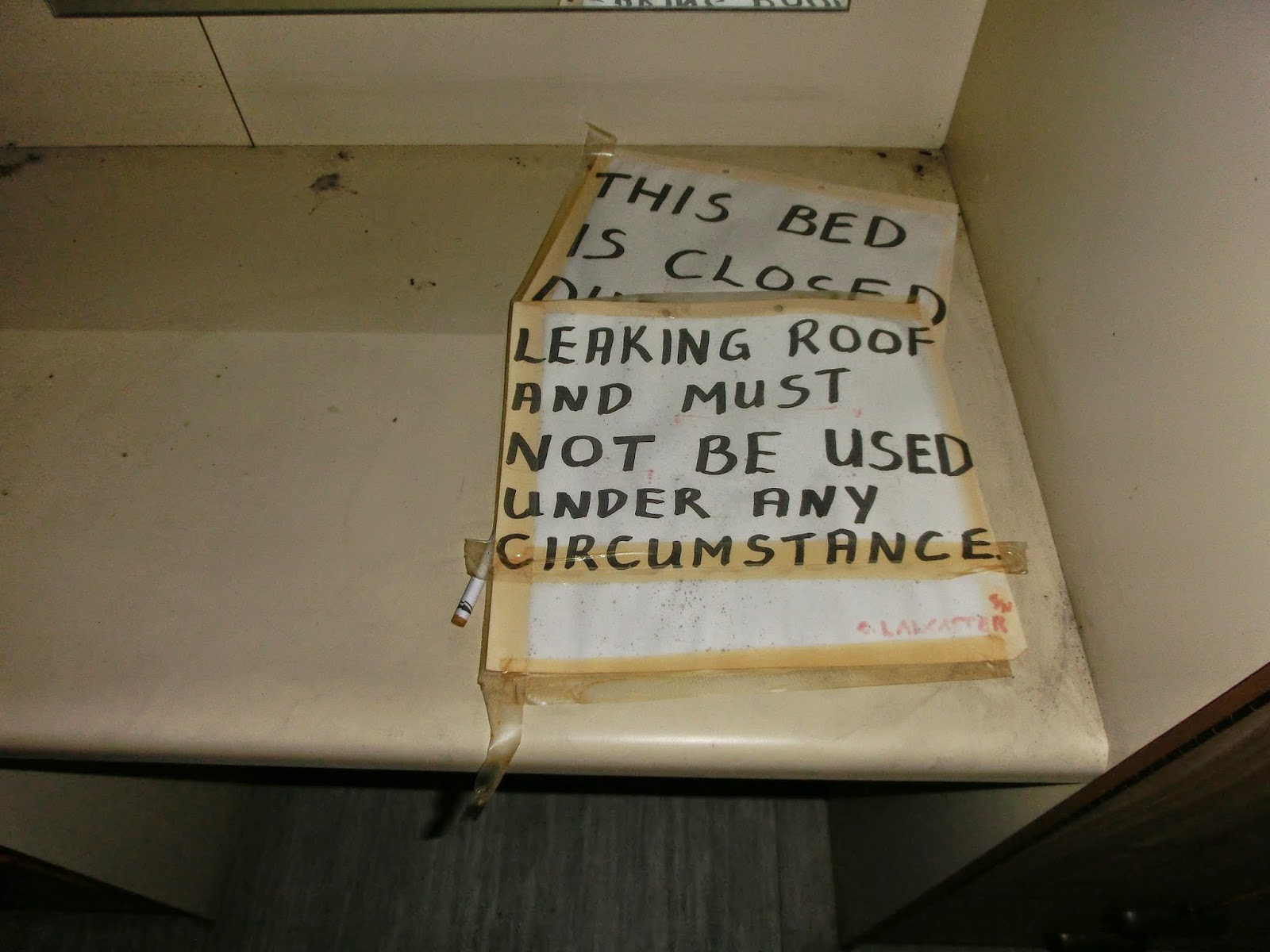
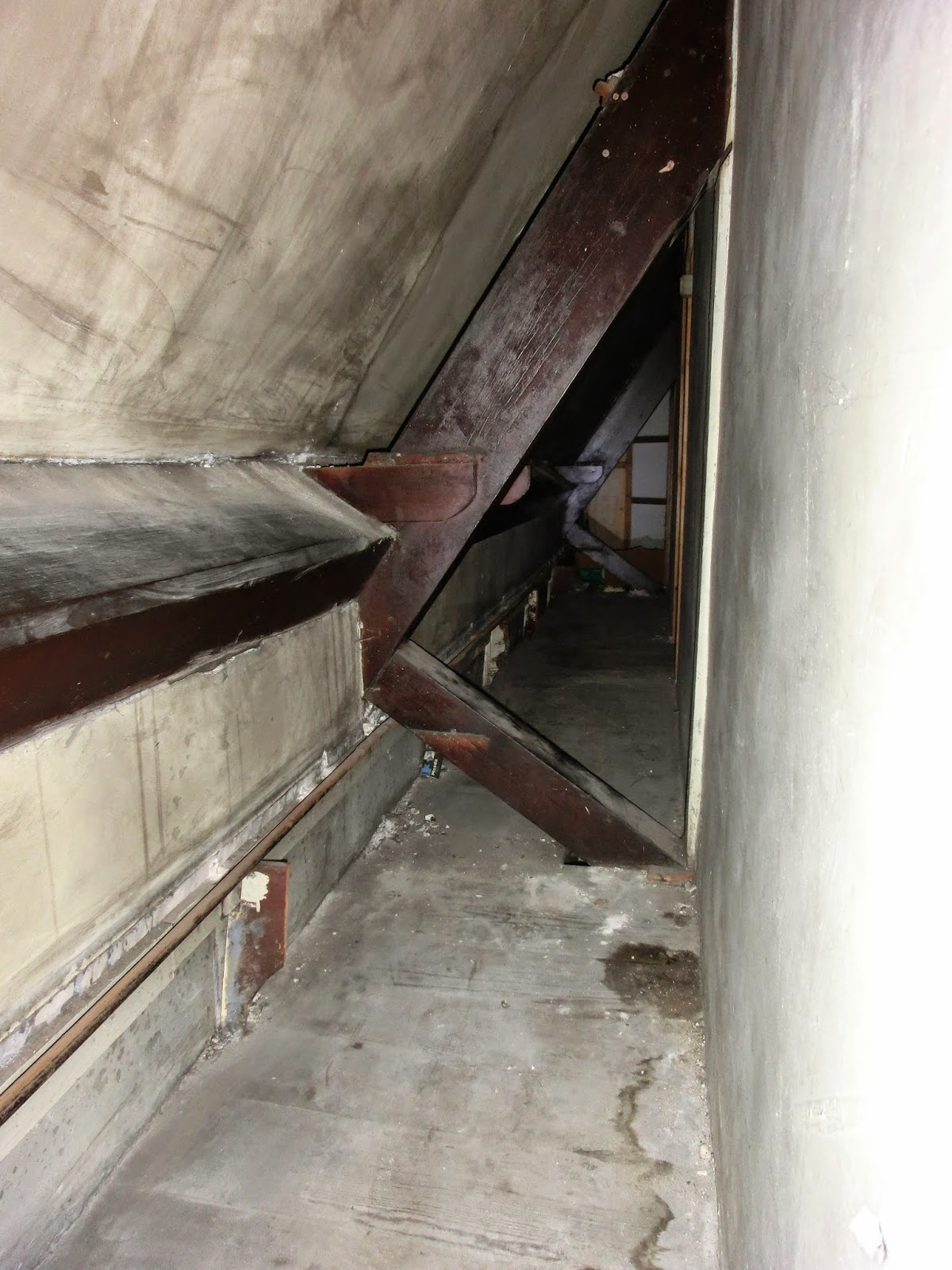
Newsham Park Mental Hospital - Photos
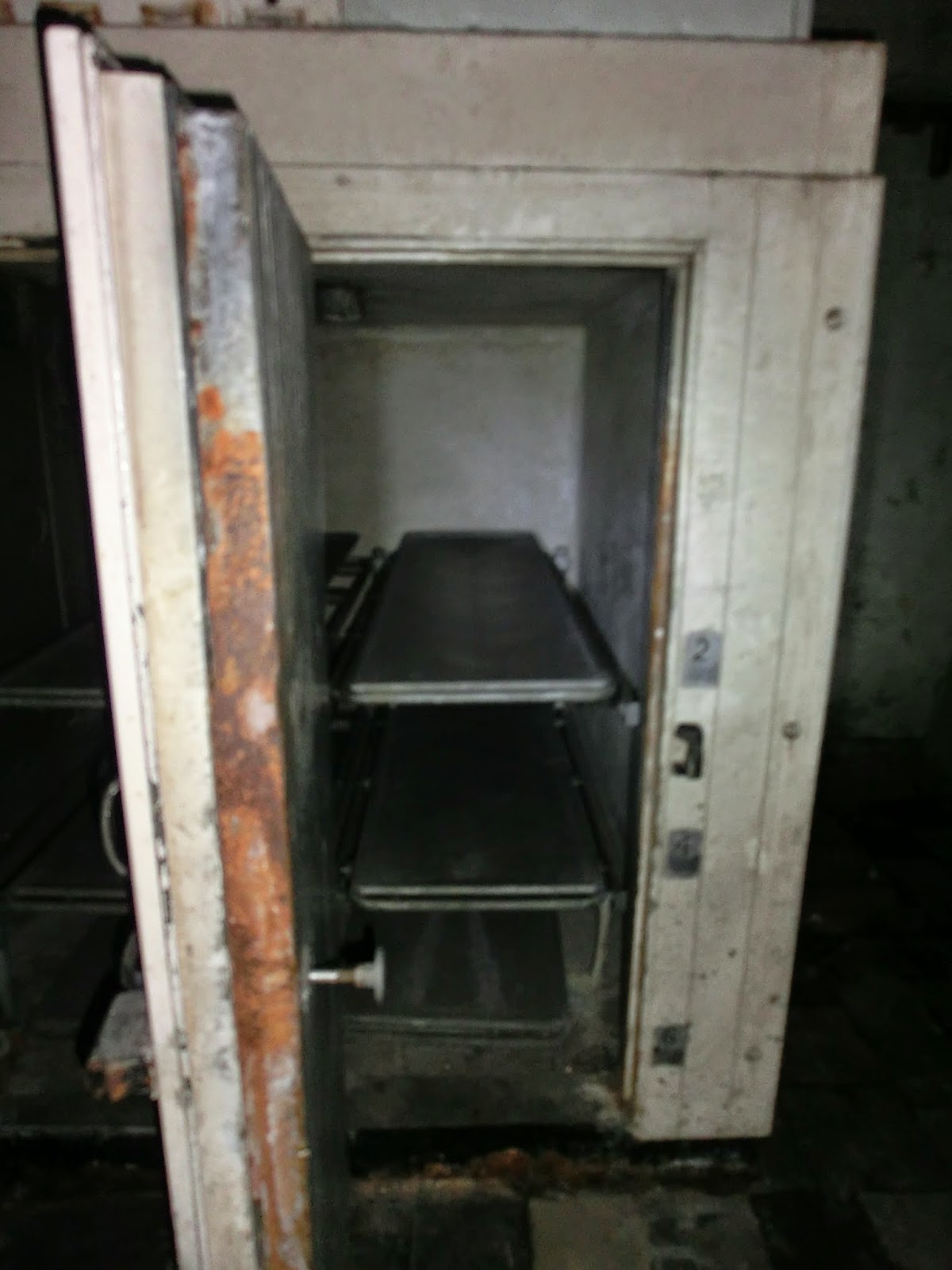
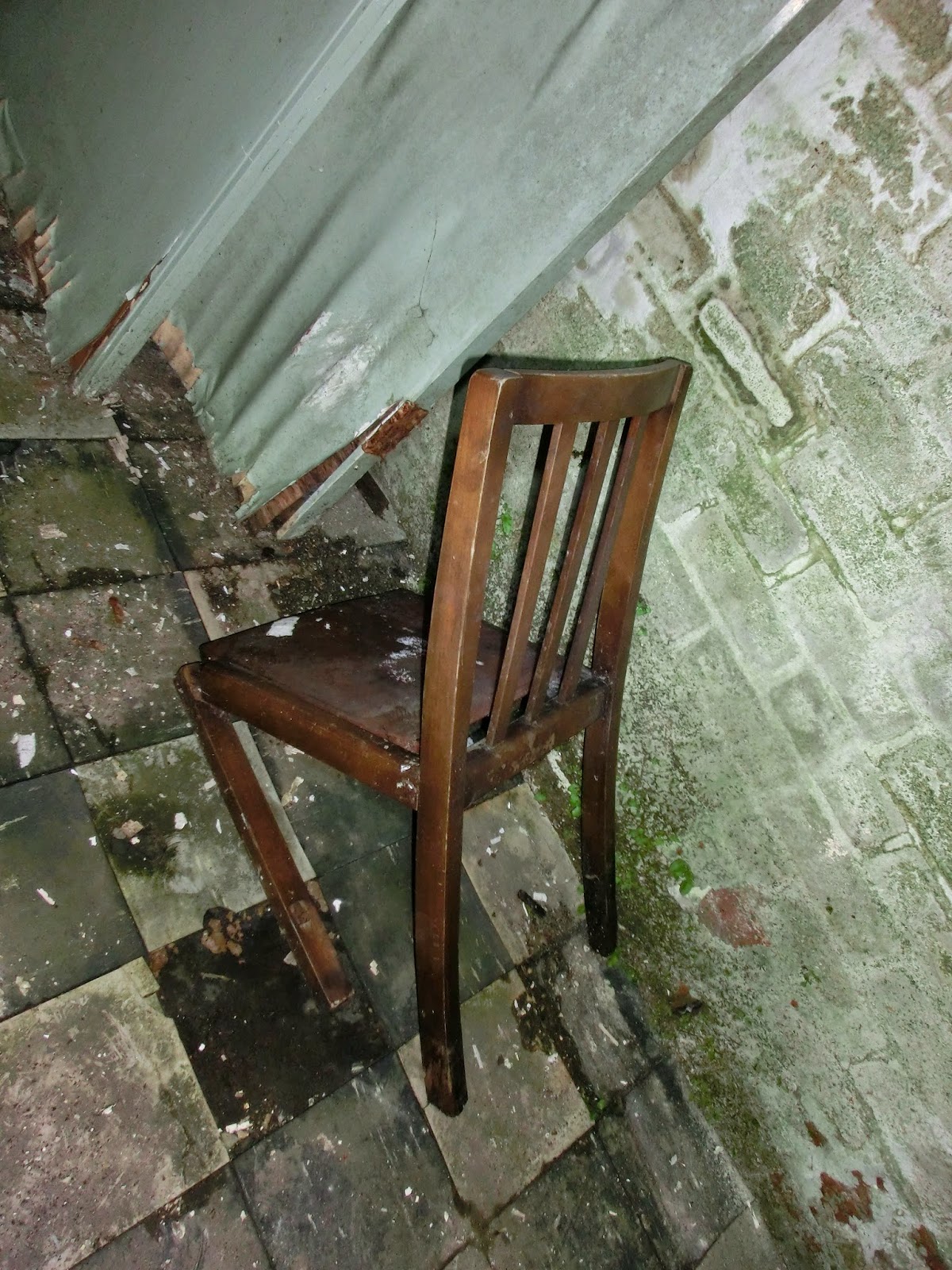
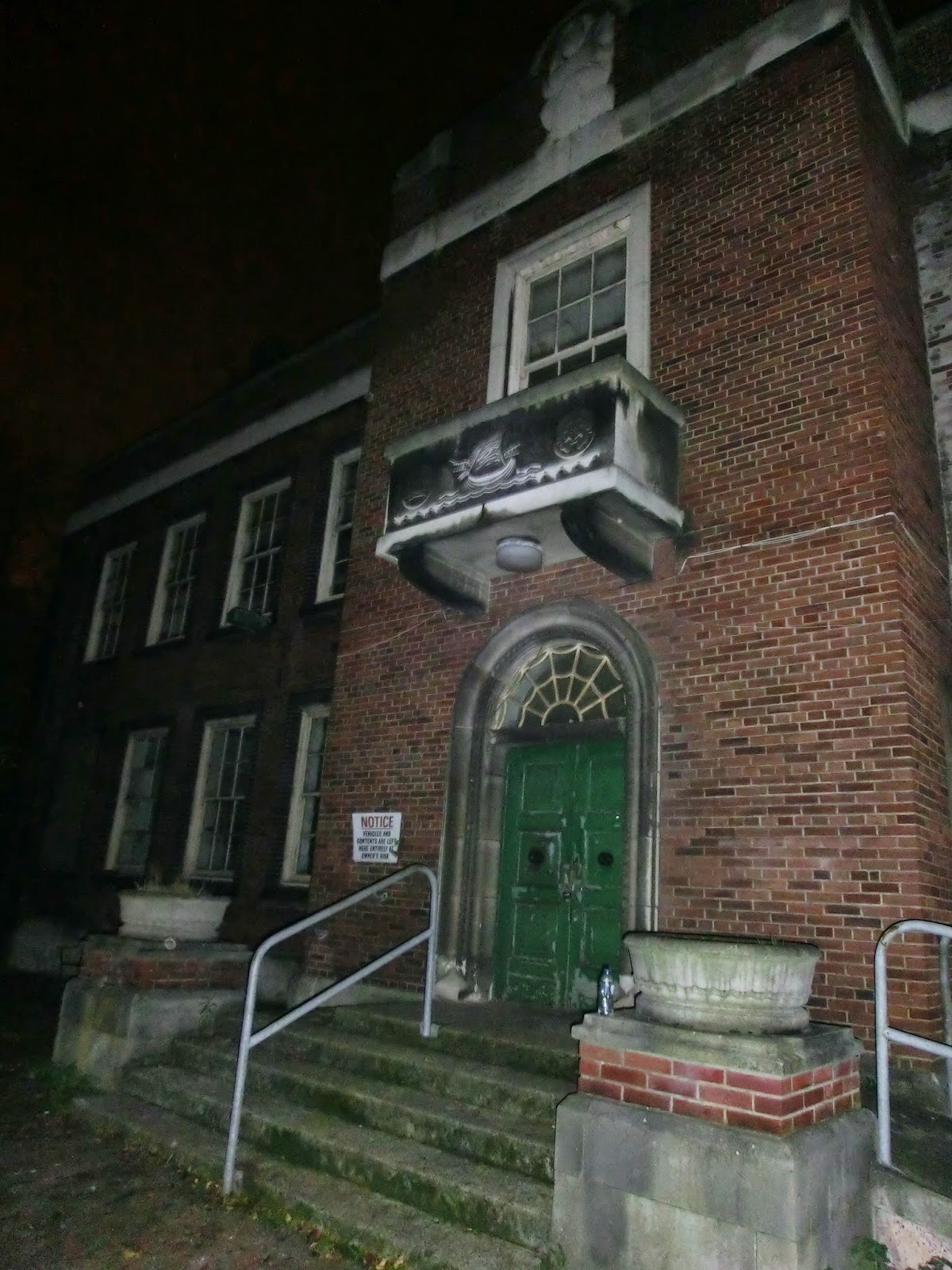
In November, to aid the writing of my first supernatural thriller, I took part in a paranormal investigation at Newsham Park Mental Hospital in Liverpool.
Here's a few of my favourite photos.
A full report on the night is forthcoming...honest.
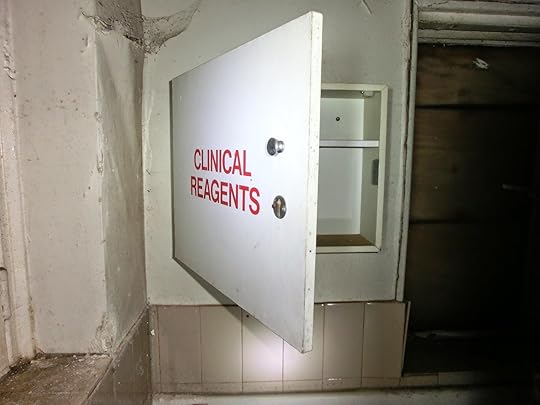
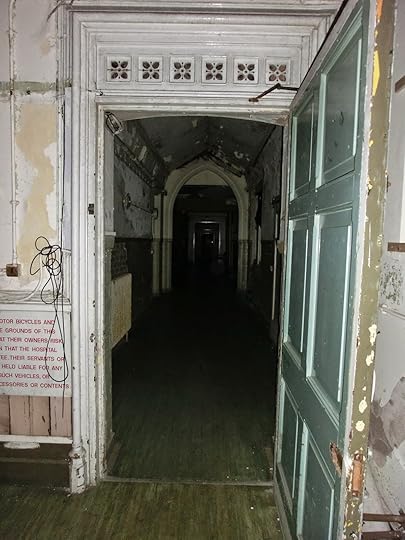
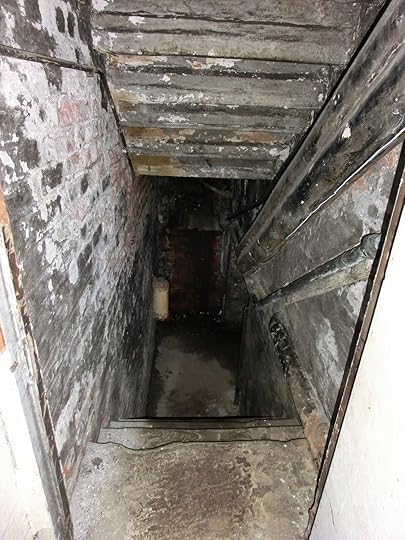
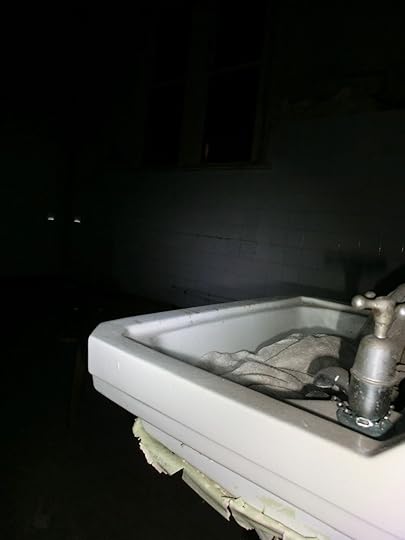
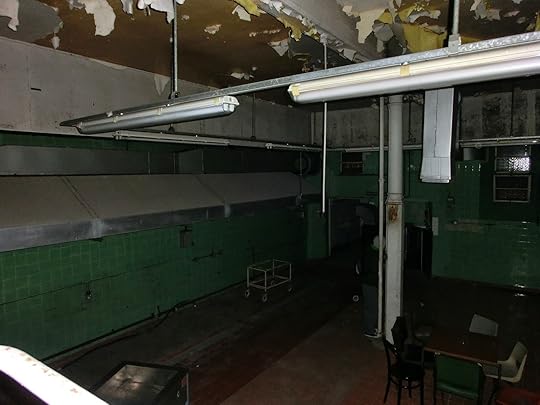
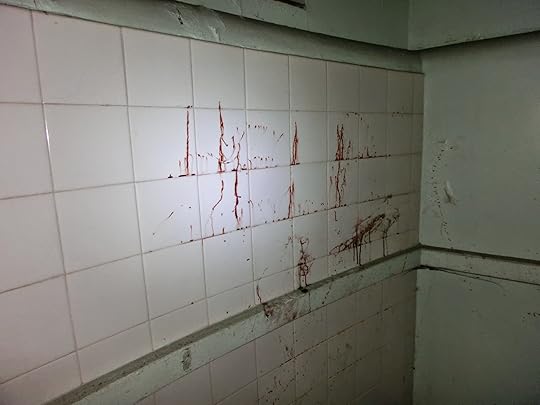
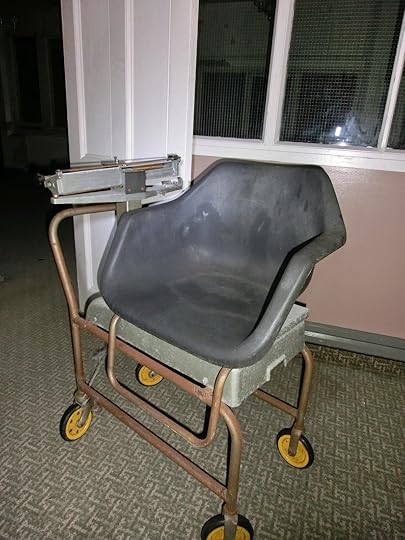
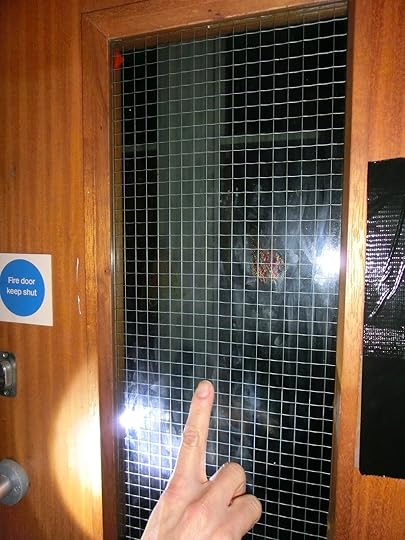
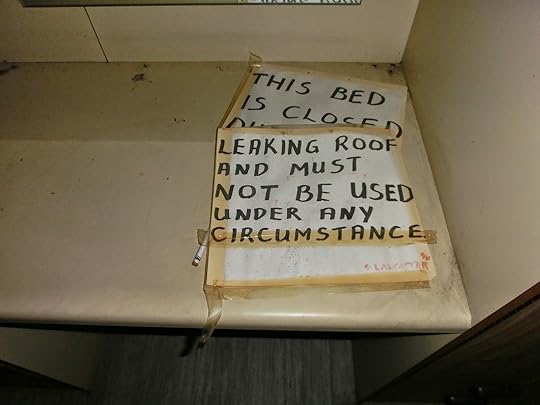
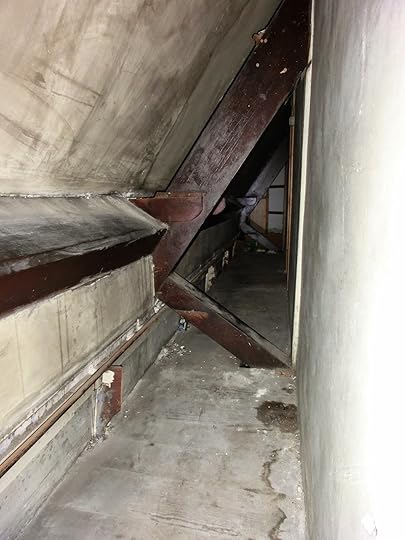
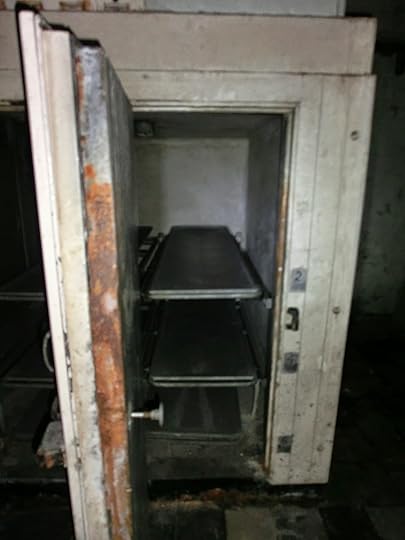
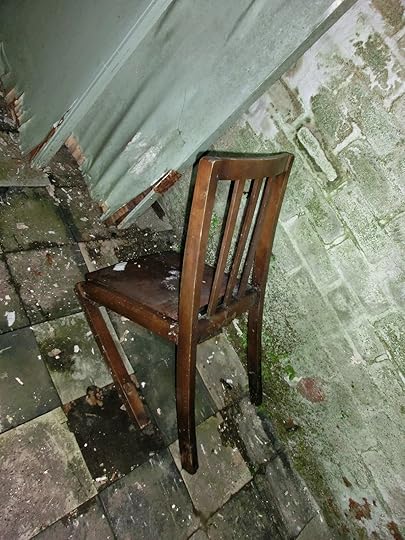
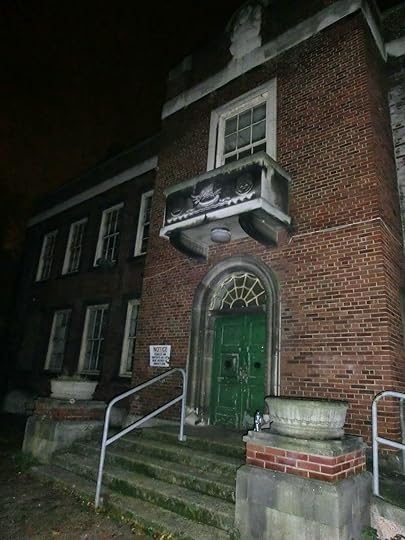
Here's a few of my favourite photos.
A full report on the night is forthcoming...honest.
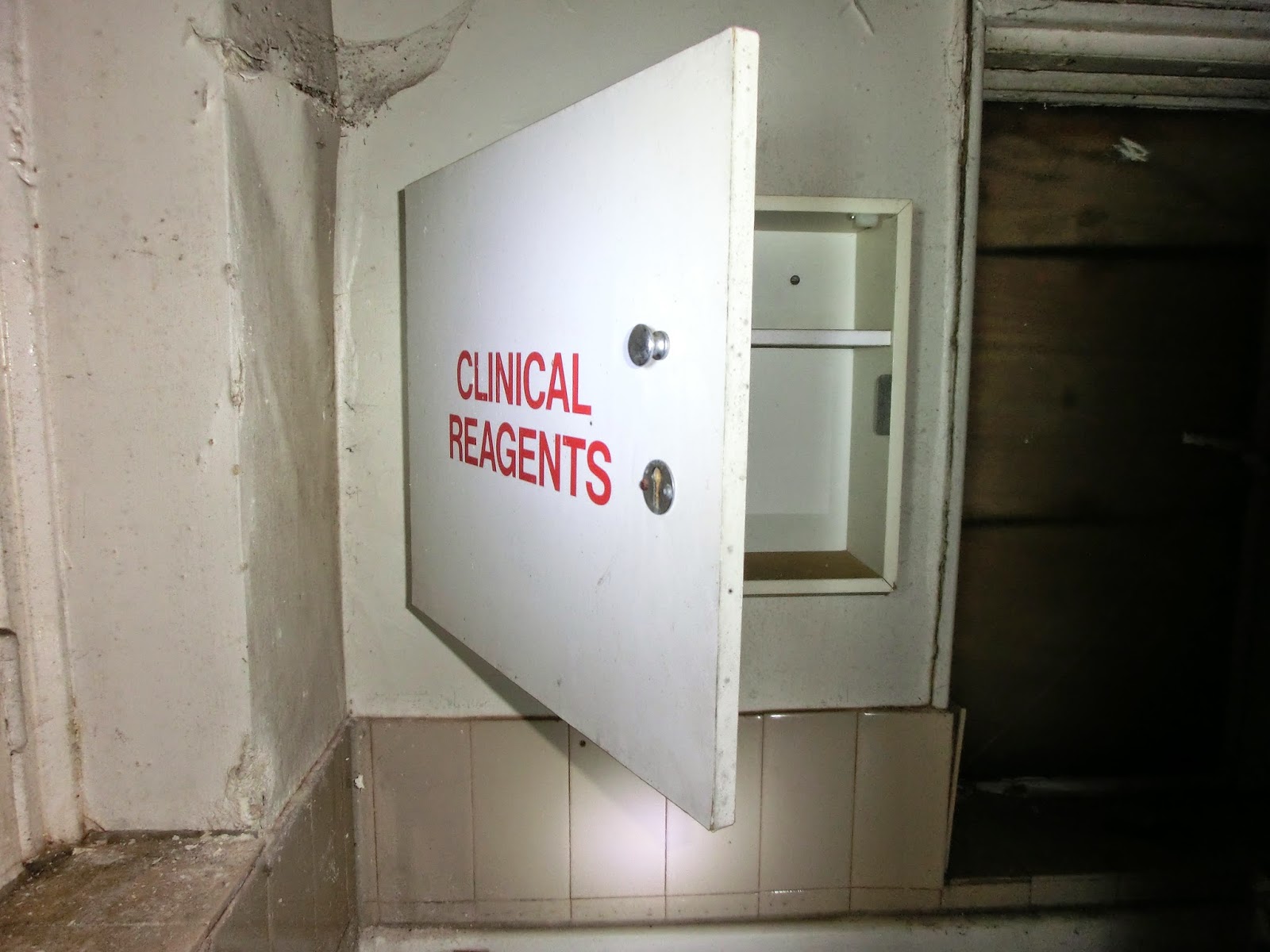
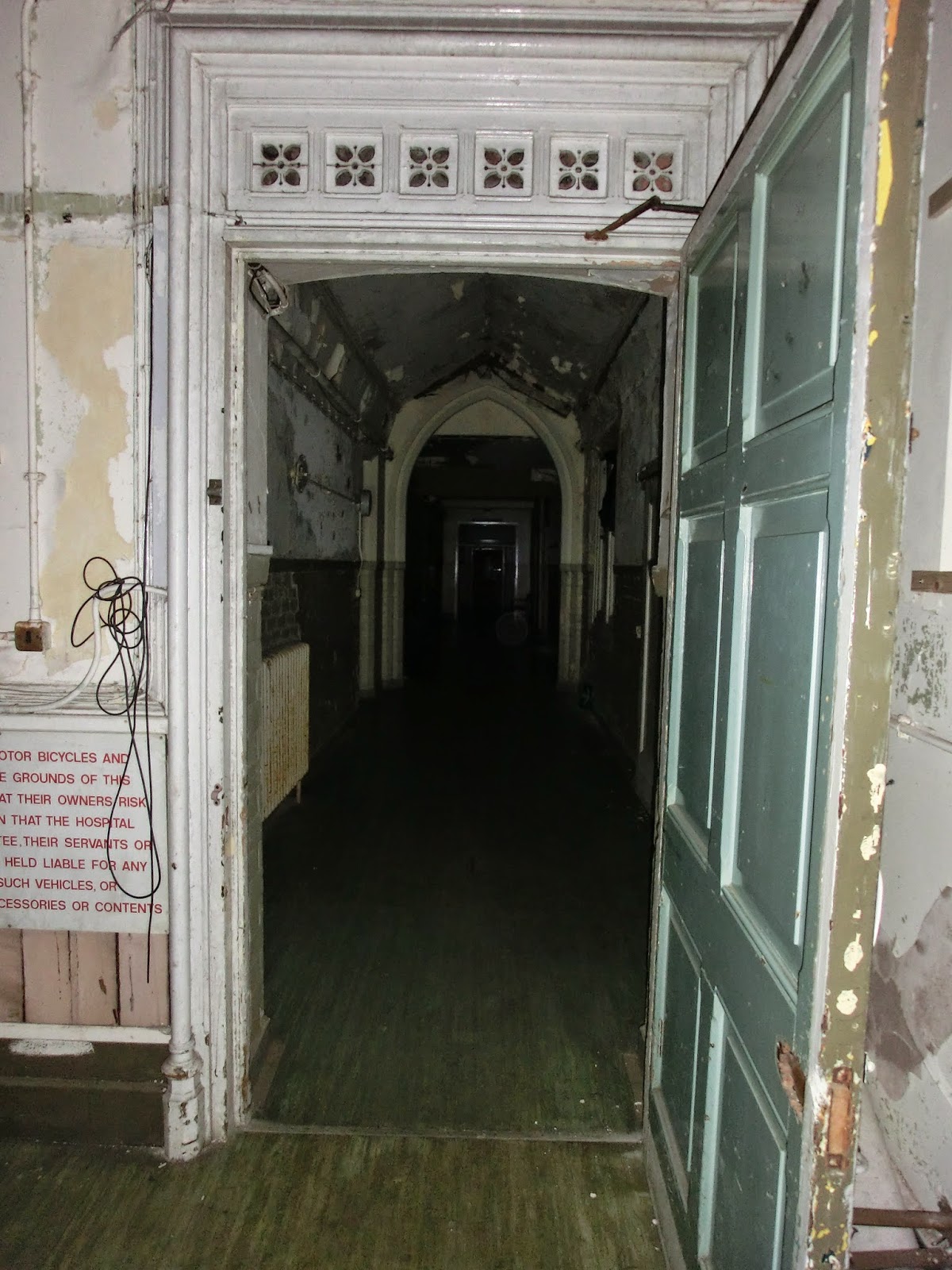
February 5, 2015
Is Wattpad the future for new writers?

Wattpad is the hip new place to be.
I had no idea about Wattpad until I heard it mentioned in a podcast a couple of weeks ago. More shame on me.
The idea of Wattpad is tremendous. Anyone can create free fiction for others to read. What a fantastic starting ground this is going to be for writers starting out.
There's on denying that even after years of writing, I'm still starting out in many ways, and so I've decided to make The Face Stealer available on Wattpad for everyone to enjoy.
I'll be publishing a chapter a week on the site but if that isn't fast enough for you, you can always sign up to my mailing list and I'll send you the full novel now. Or if you want to support my work, you can buy a copy from Amazon UK or Amazon US or Kobo or Apple (also available in paperback).
I'm excited by this. Just think how many thousands of new writers are able to get immediate feedback on their work as they're progressing. What a fantastic way to learn their craft.
February 1, 2015
History of me: Doctor Who Target Books
In my wardrobe I've several plastic crates of books. Too many to realistically store on bookshelves unless I plan on converting a room into a library, these books are destined to stay in relative safety in the dark.
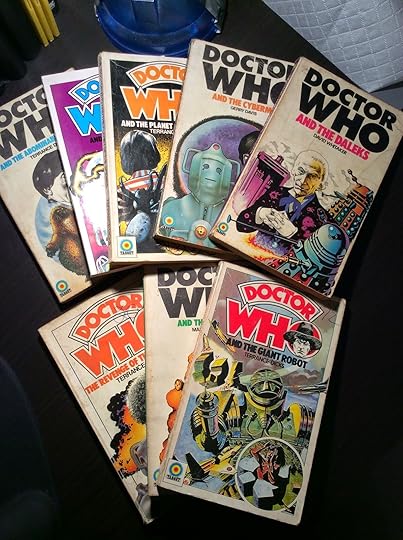
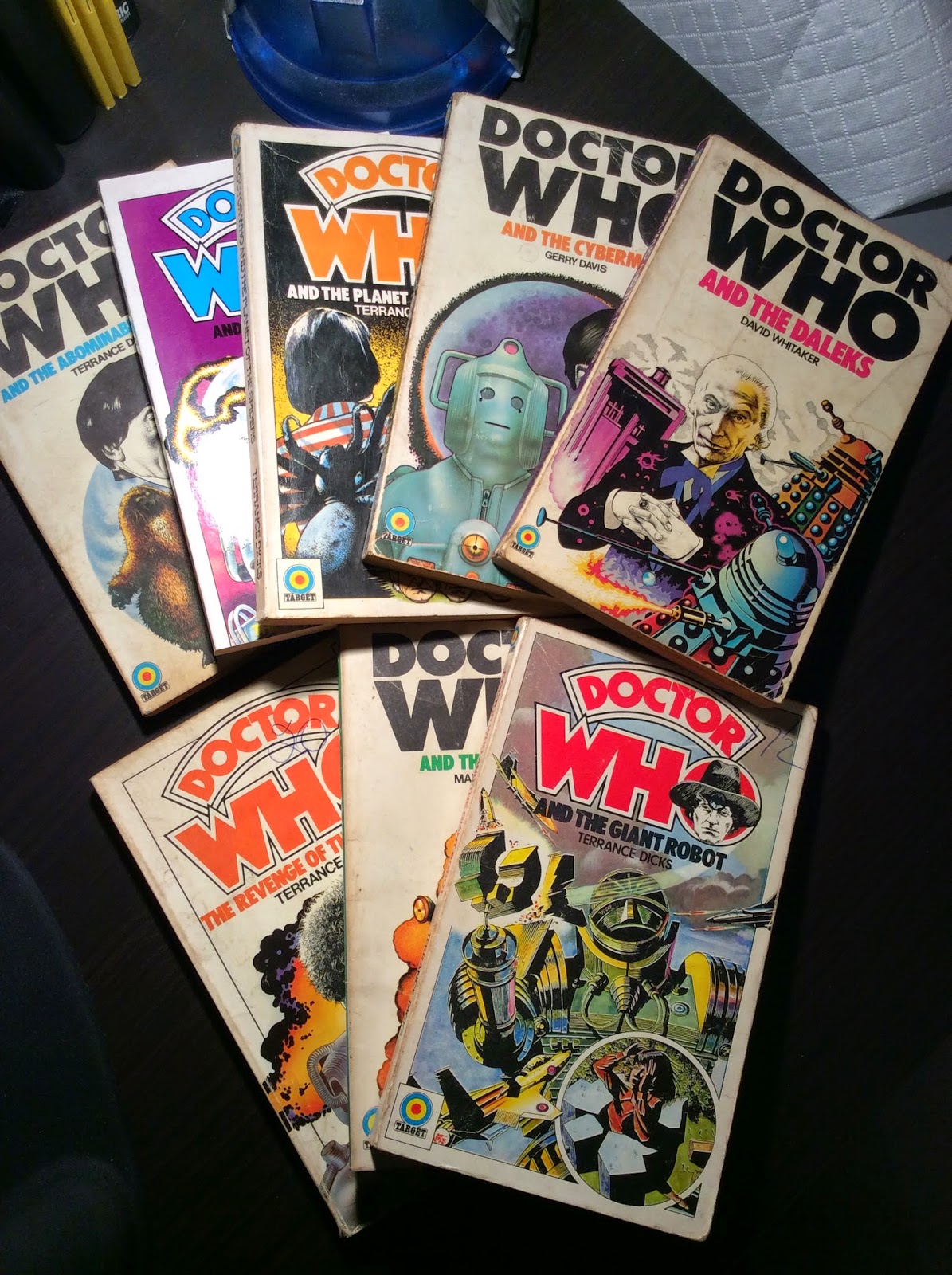
These are my Target paperbacks and these are arguably the reason I've become an author. They are THAT IMPORTANT.
To appreciate quite why these books are so important you need to be a Doctor Who fan of a certain age.
I was born in the seventies so grew up watching Doctor Who in the 1980's. Back in those dark days, and for a Doctor Who fan, those dark days would get even darker, there was a special way to watch Doctor Who. You sat down on your butt in front of the TV when it was broadcast, usually Saturdays (but for a strange period on Mondays and Tuesdays), and concentrated. You had to concentrate you see, because we (like most families) didn't get their first VCR until the mid to late 1980's, and repeats were rare.
Without DVDs or digital downloads or Netflix, Target novelisations were our ONLY way of 'seeing' a programme more than once. Written by a range of writers but most prolifically by Terrance Dicks (once Who script writer), they were the ideal thing a young boy needed to feed his imagination. Released in a seemingly random pattern with different doctors being released out of sequence they had a magic all of their own.
Instead of pocket money, every Saturday, we went as a family to the Berni Inn, where Dad paid with luncheon vouchers, before wandering to Wh Smith where I could have a book. I always tried to hurry my parents up on that walk to Smith's, getting irritated whenever we'd pause in Woolworths or Marksies. And once there, I knew exactly which shelves to head for. They never had many, but I'd always have the choice of about five or so.
And with a book in hand I'd get the chance to read the blurb before having to pay for it and watch it get lost in mum's shopping bags until we got home.
The books were always brilliant. Rarely following precisely what happened on screen, they took the opportunity to flesh out scenes or a character's back story, or explain away plot holes that didn't make sense on screen.
Some of my favourite things about them:
The covers. Just gorgeous (until some of those dodgy Peter Davison photo covers).The mystery of not quite knowing which Doctor I was reading about.Uncovering the history of the show. Which companions went with which Doctor. What on earth was Bessie and how did he fit it in the Tardis?The brevity of story telling. These weren't epic novels. I could read one in a couple of hours.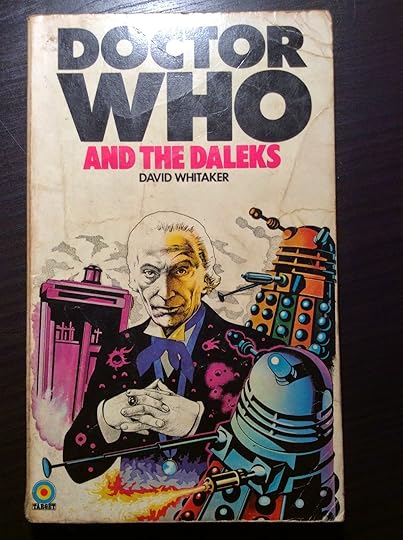
But buying them from the shops was never enough. Every Wednesday, Mum would take me to the library where I'd only be allowed 3 books on my card (kids have it unlimited now, don't know they're born!), and all 3 would be Target Doctor Who novels. I'd read one on the Wednesday night and the other two on the subsequent nights, usually hiding back in my room once the Six o'Clock news came on.
But back to those crates in my wardrobe. A secret. They aren't those same ones I had collected week by week as a child. No. Shame. I got rid of those. In one of those terrifying periods in every Doctor Who fan's life when he thinks that it would be a good idea to 'grow up' and put away Doctor Who things. I can't even remember where those books ended up. I hope I was at least smart enough to sell them rather than throw them in the bin. The books in crates are thanks to eBay (no doubt other fans thinking it's lime to grow up). But these books aren't going anywhere.
This time the books are here to stay.
Doctor Who fan? What are your memories of Target books? Did you keep them or give them away?
Further reading:
Target Books and Me: Blog post by Paul GreavesThe Target Book: A History of the Target "Doctor Who" Books: Book by David J, Howe & Tim Neal.Target Books: Wikipedia
These are my Target paperbacks and these are arguably the reason I've become an author. They are THAT IMPORTANT.
To appreciate quite why these books are so important you need to be a Doctor Who fan of a certain age.
I was born in the seventies so grew up watching Doctor Who in the 1980's. Back in those dark days, and for a Doctor Who fan, those dark days would get even darker, there was a special way to watch Doctor Who. You sat down on your butt in front of the TV when it was broadcast, usually Saturdays (but for a strange period on Mondays and Tuesdays), and concentrated. You had to concentrate you see, because we (like most families) didn't get their first VCR until the mid to late 1980's, and repeats were rare.
Without DVDs or digital downloads or Netflix, Target novelisations were our ONLY way of 'seeing' a programme more than once. Written by a range of writers but most prolifically by Terrance Dicks (once Who script writer), they were the ideal thing a young boy needed to feed his imagination. Released in a seemingly random pattern with different doctors being released out of sequence they had a magic all of their own.
Instead of pocket money, every Saturday, we went as a family to the Berni Inn, where Dad paid with luncheon vouchers, before wandering to Wh Smith where I could have a book. I always tried to hurry my parents up on that walk to Smith's, getting irritated whenever we'd pause in Woolworths or Marksies. And once there, I knew exactly which shelves to head for. They never had many, but I'd always have the choice of about five or so.
And with a book in hand I'd get the chance to read the blurb before having to pay for it and watch it get lost in mum's shopping bags until we got home.
The books were always brilliant. Rarely following precisely what happened on screen, they took the opportunity to flesh out scenes or a character's back story, or explain away plot holes that didn't make sense on screen.
Some of my favourite things about them:
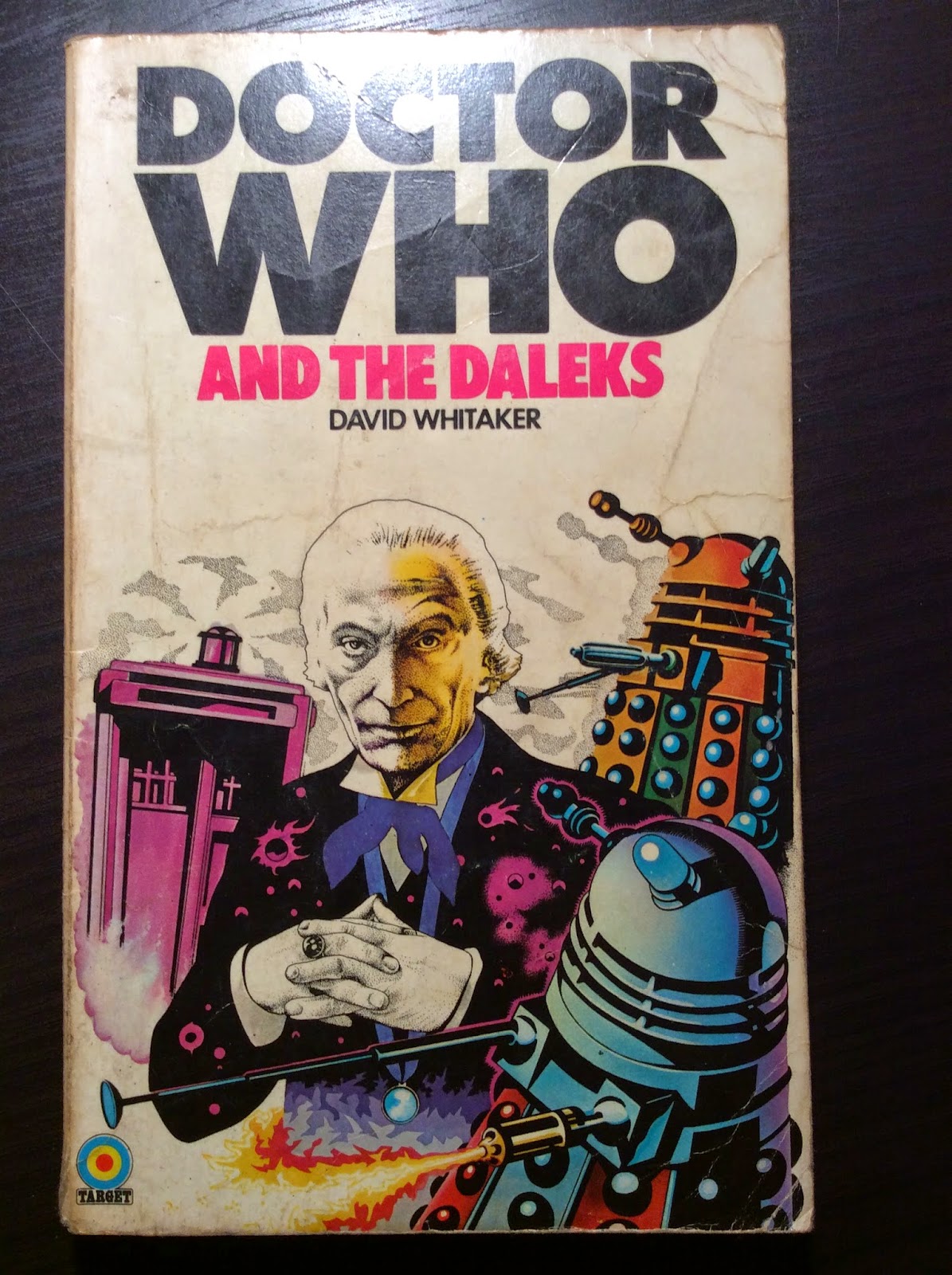
The covers. Just gorgeous (until some of those dodgy Peter Davison photo covers).The mystery of not quite knowing which Doctor I was reading about.Uncovering the history of the show. Which companions went with which Doctor. What on earth was Bessie and how did he fit it in the Tardis?The brevity of story telling. These weren't epic novels. I could read one in a couple of hours.
But buying them from the shops was never enough. Every Wednesday, Mum would take me to the library where I'd only be allowed 3 books on my card (kids have it unlimited now, don't know they're born!), and all 3 would be Target Doctor Who novels. I'd read one on the Wednesday night and the other two on the subsequent nights, usually hiding back in my room once the Six o'Clock news came on.
But back to those crates in my wardrobe. A secret. They aren't those same ones I had collected week by week as a child. No. Shame. I got rid of those. In one of those terrifying periods in every Doctor Who fan's life when he thinks that it would be a good idea to 'grow up' and put away Doctor Who things. I can't even remember where those books ended up. I hope I was at least smart enough to sell them rather than throw them in the bin. The books in crates are thanks to eBay (no doubt other fans thinking it's lime to grow up). But these books aren't going anywhere.
This time the books are here to stay.
Doctor Who fan? What are your memories of Target books? Did you keep them or give them away?
Further reading:
Target Books and Me: Blog post by Paul GreavesThe Target Book: A History of the Target "Doctor Who" Books: Book by David J, Howe & Tim Neal.Target Books: Wikipedia
January 26, 2015
You've redecorated...I don't like it
I like a bit of a refresh every now and then. With a little bit of time to kill at the weekend, I thought I'd tackle my blog design. There's nothing fundamentally wrong with it, don't get me wrong, but I thought it could be improved in two ways.
Firstly, the main header image was way too big for me. It was making it difficult to appreciate there were actual blog entries on the site. And whilst I love looking at photos of myself as much as the next man (ahem), I just couldn't bear seeing my big cheesy face staring out at me every time I visited.
Secondly, it wasn't obvious what I'm about. I guess the careful among my visitors are going to realise I'm some sort of writer, but what sort?
So, a new header image, all moody and dark. A couple of tag lines: one for me as a writer and one for my ongoing series of books and oh my that's almost a promise now that I'm going to deliver this behemoth of a story into the world, and I think I'm done. At least for now. Maybe next week I'll be looking and wondering why I don't have enough blue things on the site. Or pictures of biscuits. Biscuits are definitely good.
Firstly, the main header image was way too big for me. It was making it difficult to appreciate there were actual blog entries on the site. And whilst I love looking at photos of myself as much as the next man (ahem), I just couldn't bear seeing my big cheesy face staring out at me every time I visited.
Secondly, it wasn't obvious what I'm about. I guess the careful among my visitors are going to realise I'm some sort of writer, but what sort?
So, a new header image, all moody and dark. A couple of tag lines: one for me as a writer and one for my ongoing series of books and oh my that's almost a promise now that I'm going to deliver this behemoth of a story into the world, and I think I'm done. At least for now. Maybe next week I'll be looking and wondering why I don't have enough blue things on the site. Or pictures of biscuits. Biscuits are definitely good.
January 23, 2015
How Stephen King influences my writing
It's really easy to say that Stephen King is my favourite writer. That's not to say that he's the writer whose books I've read the most of. No, that accolade goes to Terrance Dicks (a whole blog entry in itself).
But King's writing absolutely informs my work, and influences me in little subtle ways that I'm going to find next to impossible to quantify.
I've been reading King since I was a teenager. He was the second novelist I read whose books were geared towards adults (the first was James Herbert), but looking back I can't remember why I would have picked up a book by him in the first place. The book was one of two titles, either Misery, or Pet Sematary, and the reason I bought it was down to the cover. Both of these books (at the time I bought them) had such striking bold covers that I wasn't able to pass them by in the book store-I had to have them.
But it's not the covers that influence my work, it's King's majesty with words that make me want to write better. After a break of about a year reading King whilst I caught up on those other books I've been stockpiling from Amazon, I've gone back to old classics that I've never read before namely Carrie and The Dead Zone and I'm just gobsmacked.
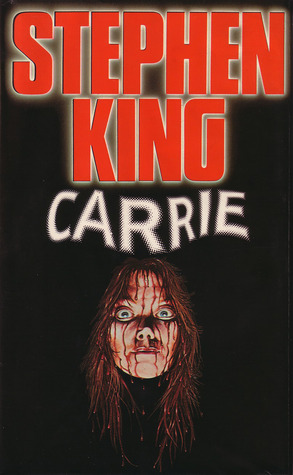
Carrie, the first published novel of King's is a little gem. Everything I want in a book is right there in condensed, tight prose. Within a few simple sentences. I feel a hatred for Carrie's mother with such intensity it scares me. His technique of inserting newspaper reports and interview snippets (born of necessity to help bulk his draft out) anchor the story and make these characters even realer to me.
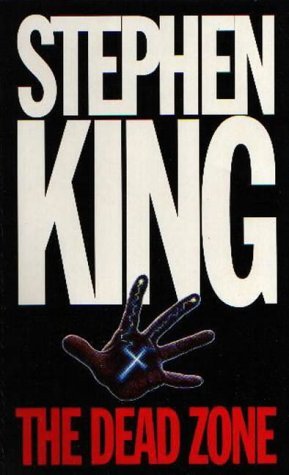
The Dead Zone, published in 1979, is one of King's plotted novels and it's interesting how it feels a little different because of it. You can feel the cogs behind the story slowly turning and bringing events together in a way that I don't normally feel with the rest of his work. But, his characters are as fully fledged as ever. The relationships between them, as genuine and true as ever. I'm loving this--still reading it in fact, so don't spoil the ending, I'm not quite sure what Johnny's going to do but I suspect it won't end well for Stillson.

Just look at this cover for Misery. For a teenage boy there was absolutely no way I could walk past that cover. It promised so much and incredibly, managed to summarise the entire book in those few startling images.
Of all of King's work, it's Misery that I'm fondest of. I must have read that book ten times and I adore it. Annie Wilkes is the baddest bad ass nutcase that I've ever read but then why is it possible to feel such incredible sympathy for her at the same time? King can do this.
At times horrific and disturbing, it's a book that never fails to be compelling.
But it's not just his novels that I adore. King is a master of the short story and with so many to his name it's no wonder. There are two however that literally have filled me with dread. I'm really not just saying that, I have vivid recollections of reading these two stories and feeling the cold fingers of fear grasping around my throat.
1408 from the collection Everything's Eventual was finally turned into a really prosaic movie that left me wondering what the hell I'd been so bothered about a few years earlier. I'd really recommend not seeing that movie, but absolutely dig out the short story. It's perhaps my fascination with the paranormal and love of ghosts and hauntings that resonated with me. A reporter spending the night in a haunted hotel room…what could, possibly go wrong? What was so brilliant about this story though was that King had done most of the work in making me terrified before he'd even sent his reporter into that room.
N from the collection Just after Sunset is another favourite that I've just reread to try and understand how he managed to terrify me so much with that story. N tells of a man compelled to return to a field of stones where a doorway may lie to another dimension. When I read that story, I had shivers run across my arms. That feeling of dread that us writers like to throw at our characters?--I had that. It was a primal state of terror and it was King's words that was making it happen.
That night, when I went to bed, I checked the back door at least three times. I hurried upstairs, not wanting to linger by any light switch I was turning off. My own reality feeling distorted.
And then, that I suppose is why I love King. When his writing is on top form, he twists reality with his words and us readers feel the effects. In his memoir On Writing, he likens the art of writing to telepathy, only using words to convey the images from the writer's mind to the reader.
If that is true, and when I see Annie Wilkes out of the corner of my eye, or the stones in Ackerman's field, or a terrified teenage girl locked and afraid and hiding from her mother, I know that King's version of telepathy works.
What books of King's most resonant with you? Which do you go back to time and again?
Please leave a comment.
But King's writing absolutely informs my work, and influences me in little subtle ways that I'm going to find next to impossible to quantify.
I've been reading King since I was a teenager. He was the second novelist I read whose books were geared towards adults (the first was James Herbert), but looking back I can't remember why I would have picked up a book by him in the first place. The book was one of two titles, either Misery, or Pet Sematary, and the reason I bought it was down to the cover. Both of these books (at the time I bought them) had such striking bold covers that I wasn't able to pass them by in the book store-I had to have them.
But it's not the covers that influence my work, it's King's majesty with words that make me want to write better. After a break of about a year reading King whilst I caught up on those other books I've been stockpiling from Amazon, I've gone back to old classics that I've never read before namely Carrie and The Dead Zone and I'm just gobsmacked.
Carrie, the first published novel of King's is a little gem. Everything I want in a book is right there in condensed, tight prose. Within a few simple sentences. I feel a hatred for Carrie's mother with such intensity it scares me. His technique of inserting newspaper reports and interview snippets (born of necessity to help bulk his draft out) anchor the story and make these characters even realer to me.
The Dead Zone, published in 1979, is one of King's plotted novels and it's interesting how it feels a little different because of it. You can feel the cogs behind the story slowly turning and bringing events together in a way that I don't normally feel with the rest of his work. But, his characters are as fully fledged as ever. The relationships between them, as genuine and true as ever. I'm loving this--still reading it in fact, so don't spoil the ending, I'm not quite sure what Johnny's going to do but I suspect it won't end well for Stillson.
Just look at this cover for Misery. For a teenage boy there was absolutely no way I could walk past that cover. It promised so much and incredibly, managed to summarise the entire book in those few startling images.
Of all of King's work, it's Misery that I'm fondest of. I must have read that book ten times and I adore it. Annie Wilkes is the baddest bad ass nutcase that I've ever read but then why is it possible to feel such incredible sympathy for her at the same time? King can do this.
At times horrific and disturbing, it's a book that never fails to be compelling.
But it's not just his novels that I adore. King is a master of the short story and with so many to his name it's no wonder. There are two however that literally have filled me with dread. I'm really not just saying that, I have vivid recollections of reading these two stories and feeling the cold fingers of fear grasping around my throat.
1408 from the collection Everything's Eventual was finally turned into a really prosaic movie that left me wondering what the hell I'd been so bothered about a few years earlier. I'd really recommend not seeing that movie, but absolutely dig out the short story. It's perhaps my fascination with the paranormal and love of ghosts and hauntings that resonated with me. A reporter spending the night in a haunted hotel room…what could, possibly go wrong? What was so brilliant about this story though was that King had done most of the work in making me terrified before he'd even sent his reporter into that room.
N from the collection Just after Sunset is another favourite that I've just reread to try and understand how he managed to terrify me so much with that story. N tells of a man compelled to return to a field of stones where a doorway may lie to another dimension. When I read that story, I had shivers run across my arms. That feeling of dread that us writers like to throw at our characters?--I had that. It was a primal state of terror and it was King's words that was making it happen.
That night, when I went to bed, I checked the back door at least three times. I hurried upstairs, not wanting to linger by any light switch I was turning off. My own reality feeling distorted.
And then, that I suppose is why I love King. When his writing is on top form, he twists reality with his words and us readers feel the effects. In his memoir On Writing, he likens the art of writing to telepathy, only using words to convey the images from the writer's mind to the reader.
If that is true, and when I see Annie Wilkes out of the corner of my eye, or the stones in Ackerman's field, or a terrified teenage girl locked and afraid and hiding from her mother, I know that King's version of telepathy works.
What books of King's most resonant with you? Which do you go back to time and again?
Please leave a comment.
January 14, 2015
How to Publish on Createspace without Stressing
A while ago I blogged about starting the process of getting a print version of The Face Stealer.
Having a print version of an indie title is certainly not a necessary thing and I went down this route knowing the following:
I would be unlikely to make any money from the sales of paperbacks.Having a paperback I could give to my daughter to take into school would make me happy.Sticking a paperback on the shelf might be motivating.
In short, this was going to be strictly one of those 20% activities—something to undertake as long as it didn’t clash with my main writing goals.
My tips for making this go smoothly for you:
1 - Understand your motivesWhy are you choosing to do paperbacks? How does having a physical edition of your book change things?
I’ve already said that I wanted a copy to give to my daughter, but I do have a handful of friends who’ve asked for a physical book. This was enough for me to have a look at Createspace. I think as an indie author or self-publisher there’s a lot of ‘self’ involved. I wanted to learn about the process but that’s the kind of person I am.
You’d find it helpful to be clear on why you’re doing this.
2 - Be prepared for some more formattingI choose to use one of Createspace’s Word templates to create a file. This meant I downloaded the template and pasted my existing Word doc into that file. I then had a whole load of formatting to do.
This was fairly straightforward for me but took me a couple of hours nonetheless. (In my other life I’m a technical author and am used to messing with Styles.)
But…there are different templates for the different sized books you might want to produce. I did a couple of hours formatting based on one book size, then eventually changed my mind and did it again with a different template.
The book size I ended up choosing is 5.25” x 8”
You could save yourself some grief by deciding before formatting.
3. Source your book coverMy book designer has been a star. Alexander von Ness at Nessgraphica.com made me a superb book cover for kindle and when I contacted him about the possibility of adapting for a physical edition, he sorted it. I needed to supply some details from my Createspace project. Book size, paper type, and page count. This all goes towards working out how wide your book’s spine needs to be.
Here’s Createspace’s help page on the subject. https://www.createspace.com/Products/Book/CoverPDF.jsp
Of course, with a wrap around cover, I then needed to make sure I had a book description that suited the size of the back cover I had available, a nice author photo, and any other crucial information like my website details.
4 - Review your fileYou may have had your kindle book up for a while and may have gotten used to making occasional changes when you notice typos. It’s an attitude you need to change with the print book. Review your book to death for typos. There’s nothing more annoying than getting a print proof in your hands only to find a typo within seconds. I wonder whether reviewing it in a print medium as opposed to on screen makes a difference.
5 - Order a proofAt this point, you’re going to part with some cash to get a proof copy sent to you. This has been the best part of the process for me. I ordered three proof copies the week before Christmas in the vane hope they might arrive and serve as useful presents for my daughter and sister. As it happens, they only arrived this week. But, what a great feeling…opening the box and seeing your book shining back up at you. I grinned for the next ten minutes. Luckily I was in the house on my own or my family might have been worried.
With that proof, you’re going to have to do some checking before releasing your book into the wild. I did a quick search for some things to check in a proof copy but didn’t find anything useful to me.
What I am doing though is following a simple checklist of things I would check if this was an instruction manual I was sending to the printers at work (I’m chuffed that my technical writing skill set has some benefit to my author career).
How does the cover look? Is the spine positioned correctly? Is the image cutting at the edge of the paper correctly?Does the front matter look correct? Justified correctly?Is your copyright date correct?Does the back matter look correct? Did you remember to put your ‘call to arms’ in there?Are the page numbers sequentially ordered?Are the headers displaying the correct information?Are the headers and footers correct on first pages in chapter?Is the text justified nicely on each page with enough margins?If you’ve used any different fonts for emphasis does this text look OK? (I had a newspaper report extract in The Face Stealer using a different typeface to the rest of the text).
If it’s a non-fiction book you’re writing, there may be other things to consider:
Is your table of contents present and referring to correct page numbers?Is your index present and referring to correct page numbers?Are your images of suitable quality?If you’ve got tables, are there any weird page breaks going on?
Bonus Tip - Get it linked to your ebook editionThere is an option in Createspace to create a kindle edition once you’ve proofed the paper copy. This is probably something you should look at if you’re going to do a paper version anyway. If like me, you’ve already published your kindle version you’re going to want both your kindle and paperback to show up on one item page.
For me, this hasn’t happened automatically (but it has only been a few hours since I pressed the approve button). The advice I’ve seen suggests that if your author and title both match, the records will get linked automatically although it might take a few days. My author name for the paperback includes the prefix ‘Mr’ which just looks plain wrong. Also, I’ve indicated in the Createspace version that the book is volume one of a series—information I omitted in the kindle version.
I’ve emailed Amazon from my Author Central page so it should be sorted fairly quickly.
And there you have it. A few tips to get you started. If you’ve got questions, the Createspace community forums are very active. https://www.createspace.com/en/community/index.jspa Or feel free to drop me a line and I’ll try to help.
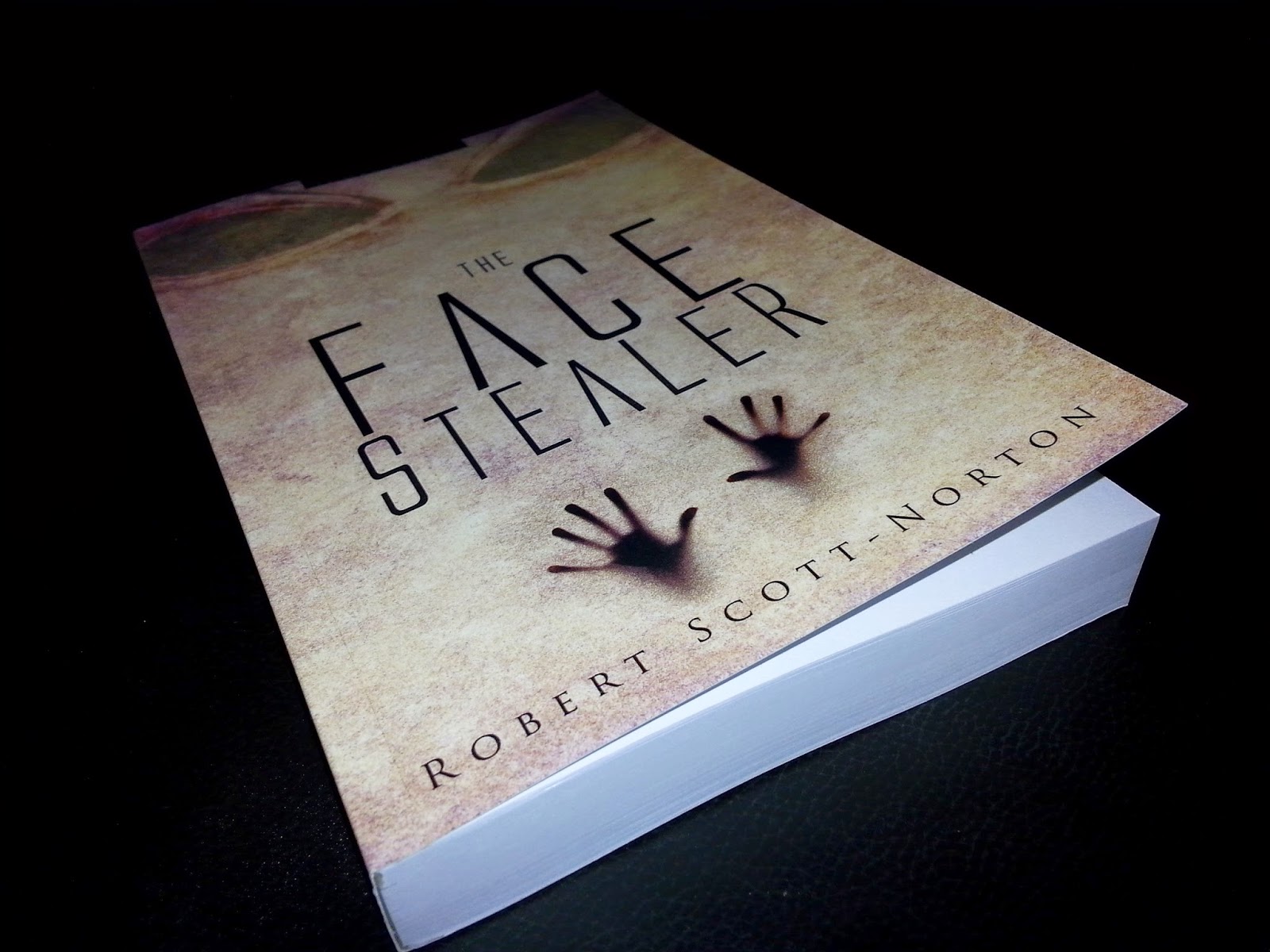
Here’s my proof copy. It’s just fantastic. I love it. I’m clearing space on my shelf for it to take pride of place.
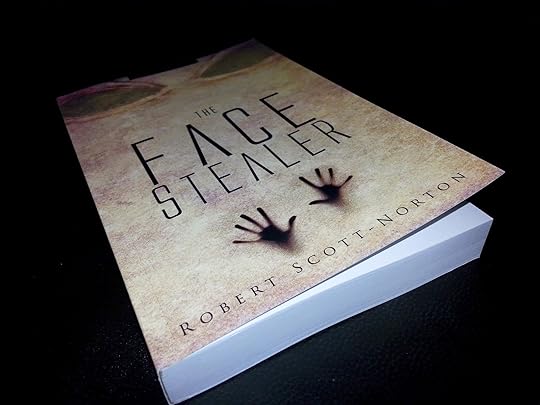
Having a print version of an indie title is certainly not a necessary thing and I went down this route knowing the following:
I would be unlikely to make any money from the sales of paperbacks.Having a paperback I could give to my daughter to take into school would make me happy.Sticking a paperback on the shelf might be motivating.
In short, this was going to be strictly one of those 20% activities—something to undertake as long as it didn’t clash with my main writing goals.
My tips for making this go smoothly for you:
1 - Understand your motivesWhy are you choosing to do paperbacks? How does having a physical edition of your book change things?
I’ve already said that I wanted a copy to give to my daughter, but I do have a handful of friends who’ve asked for a physical book. This was enough for me to have a look at Createspace. I think as an indie author or self-publisher there’s a lot of ‘self’ involved. I wanted to learn about the process but that’s the kind of person I am.
You’d find it helpful to be clear on why you’re doing this.
2 - Be prepared for some more formattingI choose to use one of Createspace’s Word templates to create a file. This meant I downloaded the template and pasted my existing Word doc into that file. I then had a whole load of formatting to do.
This was fairly straightforward for me but took me a couple of hours nonetheless. (In my other life I’m a technical author and am used to messing with Styles.)
But…there are different templates for the different sized books you might want to produce. I did a couple of hours formatting based on one book size, then eventually changed my mind and did it again with a different template.
The book size I ended up choosing is 5.25” x 8”
You could save yourself some grief by deciding before formatting.
3. Source your book coverMy book designer has been a star. Alexander von Ness at Nessgraphica.com made me a superb book cover for kindle and when I contacted him about the possibility of adapting for a physical edition, he sorted it. I needed to supply some details from my Createspace project. Book size, paper type, and page count. This all goes towards working out how wide your book’s spine needs to be.
Here’s Createspace’s help page on the subject. https://www.createspace.com/Products/Book/CoverPDF.jsp
Of course, with a wrap around cover, I then needed to make sure I had a book description that suited the size of the back cover I had available, a nice author photo, and any other crucial information like my website details.
4 - Review your fileYou may have had your kindle book up for a while and may have gotten used to making occasional changes when you notice typos. It’s an attitude you need to change with the print book. Review your book to death for typos. There’s nothing more annoying than getting a print proof in your hands only to find a typo within seconds. I wonder whether reviewing it in a print medium as opposed to on screen makes a difference.
5 - Order a proofAt this point, you’re going to part with some cash to get a proof copy sent to you. This has been the best part of the process for me. I ordered three proof copies the week before Christmas in the vane hope they might arrive and serve as useful presents for my daughter and sister. As it happens, they only arrived this week. But, what a great feeling…opening the box and seeing your book shining back up at you. I grinned for the next ten minutes. Luckily I was in the house on my own or my family might have been worried.
With that proof, you’re going to have to do some checking before releasing your book into the wild. I did a quick search for some things to check in a proof copy but didn’t find anything useful to me.
What I am doing though is following a simple checklist of things I would check if this was an instruction manual I was sending to the printers at work (I’m chuffed that my technical writing skill set has some benefit to my author career).
How does the cover look? Is the spine positioned correctly? Is the image cutting at the edge of the paper correctly?Does the front matter look correct? Justified correctly?Is your copyright date correct?Does the back matter look correct? Did you remember to put your ‘call to arms’ in there?Are the page numbers sequentially ordered?Are the headers displaying the correct information?Are the headers and footers correct on first pages in chapter?Is the text justified nicely on each page with enough margins?If you’ve used any different fonts for emphasis does this text look OK? (I had a newspaper report extract in The Face Stealer using a different typeface to the rest of the text).
If it’s a non-fiction book you’re writing, there may be other things to consider:
Is your table of contents present and referring to correct page numbers?Is your index present and referring to correct page numbers?Are your images of suitable quality?If you’ve got tables, are there any weird page breaks going on?
Bonus Tip - Get it linked to your ebook editionThere is an option in Createspace to create a kindle edition once you’ve proofed the paper copy. This is probably something you should look at if you’re going to do a paper version anyway. If like me, you’ve already published your kindle version you’re going to want both your kindle and paperback to show up on one item page.
For me, this hasn’t happened automatically (but it has only been a few hours since I pressed the approve button). The advice I’ve seen suggests that if your author and title both match, the records will get linked automatically although it might take a few days. My author name for the paperback includes the prefix ‘Mr’ which just looks plain wrong. Also, I’ve indicated in the Createspace version that the book is volume one of a series—information I omitted in the kindle version.
I’ve emailed Amazon from my Author Central page so it should be sorted fairly quickly.
And there you have it. A few tips to get you started. If you’ve got questions, the Createspace community forums are very active. https://www.createspace.com/en/community/index.jspa Or feel free to drop me a line and I’ll try to help.
Here’s my proof copy. It’s just fantastic. I love it. I’m clearing space on my shelf for it to take pride of place.
5 tips from a Createspace newbie
A while ago I blogged about starting the process of getting a print version of The Face Stealer.
Having a print version of an indie title is certainly not a necessary thing and I went down this route knowing the following:
I would be unlikely to make any money from the sales of paperbacks.Having a paperback I could give to my daughter to take into school would make me happy.Sticking a paperback on the shelf might be motivating.
In short, this was going to be strictly one of those 20% activities—something to undertake as long as it didn’t clash with my main writing goals.
My tips for making this go smoothly for you:
1 - Understand your motivesWhy are you choosing to do paperbacks? How does having a physical edition of your book change things?
I’ve already said that I wanted a copy to give to my daughter, but I do have a handful of friends who’ve asked for a physical book. This was enough for me to have a look at Createspace. I think as an indie author or self-publisher there’s a lot of ‘self’ involved. I wanted to learn about the process but that’s the kind of person I am.
You’d find it helpful to be clear on why you’re doing this.
2 - Be prepared for some more formattingI choose to use one of Createspace’s Word templates to create a file. This meant I downloaded the template and pasted my existing Word doc into that file. I then had a whole load of formatting to do.
This was fairly straightforward for me but took me a couple of hours nonetheless. (In my other life I’m a technical author and am used to messing with Styles.)
But…there are different templates for the different sized books you might want to produce. I did a couple of hours formatting based on one book size, then eventually changed my mind and did it again with a different template.
The book size I ended up choosing is 5.25” x 8”
You could save yourself some grief by deciding before formatting.
3. Source your book coverMy book designer has been a star. Alexander von Ness at Nessgraphica.com made me a superb book cover for kindle and when I contacted him about the possibility of adapting for a physical edition, he sorted it. I needed to supply some details from my Createspace project. Book size, paper type, and page count. This all goes towards working out how wide your book’s spine needs to be.
Here’s Createspace’s help page on the subject. https://www.createspace.com/Products/Book/CoverPDF.jsp
Of course, with a wrap around cover, I then needed to make sure I had a book description that suited the size of the back cover I had available, a nice author photo, and any other crucial information like my website details.
4 - Review your fileYou may have had your kindle book up for a while and may have gotten used to making occasional changes when you notice typos. It’s an attitude you need to change with the print book. Review your book to death for typos. There’s nothing more annoying than getting a print proof in your hands only to find a typo within seconds. I wonder whether reviewing it in a print medium as opposed to on screen makes a difference.
5 - Order a proofAt this point, you’re going to part with some cash to get a proof copy sent to you. This has been the best part of the process for me. I ordered three proof copies the week before Christmas in the vane hope they might arrive and serve as useful presents for my daughter and sister. As it happens, they only arrived this week. But, what a great feeling…opening the box and seeing your book shining back up at you. I grinned for the next ten minutes. Luckily I was in the house on my own or my family might have been worried.
With that proof, you’re going to have to do some checking before releasing your book into the wild. I did a quick search for some things to check in a proof copy but didn’t find anything useful to me.
What I am doing though is following a simple checklist of things I would check if this was an instruction manual I was sending to the printers at work (I’m chuffed that my technical writing skill set has some benefit to my author career).
How does the cover look? Is the spine positioned correctly? Is the image cutting at the edge of the paper correctly?Does the front matter look correct? Justified correctly?Is your copyright date correct?Does the back matter look correct? Did you remember to put your ‘call to arms’ in there?Are the page numbers sequentially ordered?Are the headers displaying the correct information?Are the headers and footers correct on first pages in chapter?Is the text justified nicely on each page with enough margins?If you’ve used any different fonts for emphasis does this text look OK? (I had a newspaper report extract in The Face Stealer using a different typeface to the rest of the text).
If it’s a non-fiction book you’re writing, there may be other things to consider:
Is your table of contents present and referring to correct page numbers?Is your index present and referring to correct page numbers?Are your images of suitable quality?If you’ve got tables, are there any weird page breaks going on?
Bonus Tip - Get it linked to your ebook editionThere is an option in Createspace to create a kindle edition once you’ve proofed the paper copy. This is probably something you should look at if you’re going to do a paper version anyway. If like me, you’ve already published your kindle version you’re going to want both your kindle and paperback to show up on one item page.
For me, this hasn’t happened automatically (but it has only been a few hours since I pressed the approve button). The advice I’ve seen suggests that if your author and title both match, the records will get linked automatically although it might take a few days. My author name for the paperback includes the prefix ‘Mr’ which just looks plain wrong. Also, I’ve indicated in the Createspace version that the book is volume one of a series—information I omitted in the kindle version.
I’ve emailed Amazon from my Author Central page so it should be sorted fairly quickly.
And there you have it. A few tips to get you started. If you’ve got questions, the Createspace community forums are very active. https://www.createspace.com/en/community/index.jspa Or feel free to drop me a line and I’ll try to help.
Here’s my proof copy. It’s just fantastic. I love it. I’m clearing space on my shelf for it to take pride of place.
Having a print version of an indie title is certainly not a necessary thing and I went down this route knowing the following:
I would be unlikely to make any money from the sales of paperbacks.Having a paperback I could give to my daughter to take into school would make me happy.Sticking a paperback on the shelf might be motivating.
In short, this was going to be strictly one of those 20% activities—something to undertake as long as it didn’t clash with my main writing goals.
My tips for making this go smoothly for you:
1 - Understand your motivesWhy are you choosing to do paperbacks? How does having a physical edition of your book change things?
I’ve already said that I wanted a copy to give to my daughter, but I do have a handful of friends who’ve asked for a physical book. This was enough for me to have a look at Createspace. I think as an indie author or self-publisher there’s a lot of ‘self’ involved. I wanted to learn about the process but that’s the kind of person I am.
You’d find it helpful to be clear on why you’re doing this.
2 - Be prepared for some more formattingI choose to use one of Createspace’s Word templates to create a file. This meant I downloaded the template and pasted my existing Word doc into that file. I then had a whole load of formatting to do.
This was fairly straightforward for me but took me a couple of hours nonetheless. (In my other life I’m a technical author and am used to messing with Styles.)
But…there are different templates for the different sized books you might want to produce. I did a couple of hours formatting based on one book size, then eventually changed my mind and did it again with a different template.
The book size I ended up choosing is 5.25” x 8”
You could save yourself some grief by deciding before formatting.
3. Source your book coverMy book designer has been a star. Alexander von Ness at Nessgraphica.com made me a superb book cover for kindle and when I contacted him about the possibility of adapting for a physical edition, he sorted it. I needed to supply some details from my Createspace project. Book size, paper type, and page count. This all goes towards working out how wide your book’s spine needs to be.
Here’s Createspace’s help page on the subject. https://www.createspace.com/Products/Book/CoverPDF.jsp
Of course, with a wrap around cover, I then needed to make sure I had a book description that suited the size of the back cover I had available, a nice author photo, and any other crucial information like my website details.
4 - Review your fileYou may have had your kindle book up for a while and may have gotten used to making occasional changes when you notice typos. It’s an attitude you need to change with the print book. Review your book to death for typos. There’s nothing more annoying than getting a print proof in your hands only to find a typo within seconds. I wonder whether reviewing it in a print medium as opposed to on screen makes a difference.
5 - Order a proofAt this point, you’re going to part with some cash to get a proof copy sent to you. This has been the best part of the process for me. I ordered three proof copies the week before Christmas in the vane hope they might arrive and serve as useful presents for my daughter and sister. As it happens, they only arrived this week. But, what a great feeling…opening the box and seeing your book shining back up at you. I grinned for the next ten minutes. Luckily I was in the house on my own or my family might have been worried.
With that proof, you’re going to have to do some checking before releasing your book into the wild. I did a quick search for some things to check in a proof copy but didn’t find anything useful to me.
What I am doing though is following a simple checklist of things I would check if this was an instruction manual I was sending to the printers at work (I’m chuffed that my technical writing skill set has some benefit to my author career).
How does the cover look? Is the spine positioned correctly? Is the image cutting at the edge of the paper correctly?Does the front matter look correct? Justified correctly?Is your copyright date correct?Does the back matter look correct? Did you remember to put your ‘call to arms’ in there?Are the page numbers sequentially ordered?Are the headers displaying the correct information?Are the headers and footers correct on first pages in chapter?Is the text justified nicely on each page with enough margins?If you’ve used any different fonts for emphasis does this text look OK? (I had a newspaper report extract in The Face Stealer using a different typeface to the rest of the text).
If it’s a non-fiction book you’re writing, there may be other things to consider:
Is your table of contents present and referring to correct page numbers?Is your index present and referring to correct page numbers?Are your images of suitable quality?If you’ve got tables, are there any weird page breaks going on?
Bonus Tip - Get it linked to your ebook editionThere is an option in Createspace to create a kindle edition once you’ve proofed the paper copy. This is probably something you should look at if you’re going to do a paper version anyway. If like me, you’ve already published your kindle version you’re going to want both your kindle and paperback to show up on one item page.
For me, this hasn’t happened automatically (but it has only been a few hours since I pressed the approve button). The advice I’ve seen suggests that if your author and title both match, the records will get linked automatically although it might take a few days. My author name for the paperback includes the prefix ‘Mr’ which just looks plain wrong. Also, I’ve indicated in the Createspace version that the book is volume one of a series—information I omitted in the kindle version.
I’ve emailed Amazon from my Author Central page so it should be sorted fairly quickly.
And there you have it. A few tips to get you started. If you’ve got questions, the Createspace community forums are very active. https://www.createspace.com/en/community/index.jspa Or feel free to drop me a line and I’ll try to help.
Here’s my proof copy. It’s just fantastic. I love it. I’m clearing space on my shelf for it to take pride of place.
December 13, 2014
Fiction Unboxed - Sean Platt & Johnny B. Truant
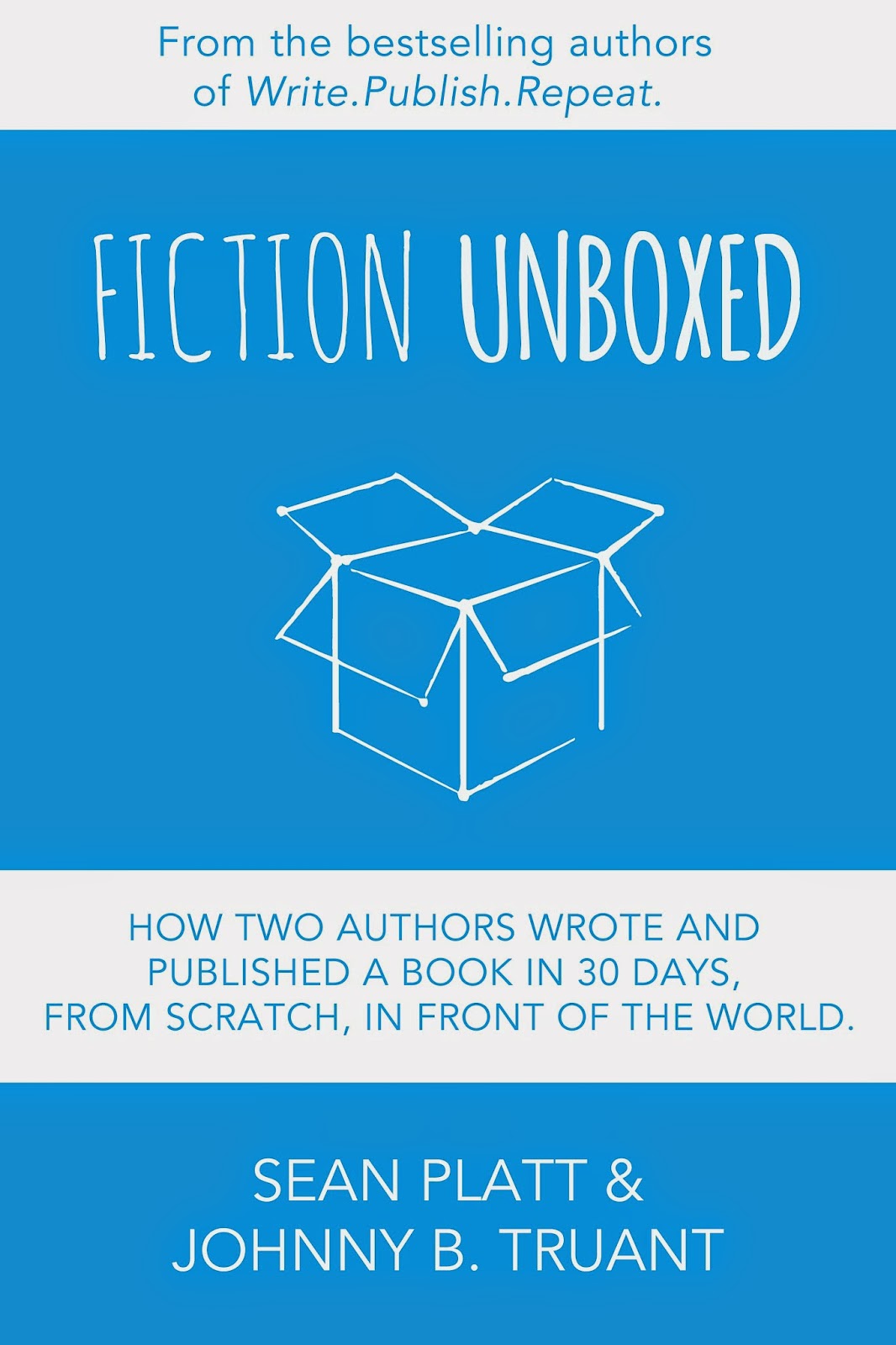
It’s been only a matter of months since I stumbled upon the Self Publishing Podcast and Sean, Johnny, and Dave. But in that time I’ve learnt so much. And not the lessons you learn that go in one ear and out the other, but real ideas and ways of working that can change an author from a hobbiest into a pro.
I’m not a pro yet, but my attitude has taken a massive shift since listening to these guys.Fiction Unboxed was originally conceived to accompany their Fiction Unboxed novel writing project, but even if like me you weren’t one of the contributors to that project, there’s plenty to enjoy in this book.
The book is a diary of sorts through the Fiction Unboxed project, interesting in itself, but each section concludes with several actions that a write can implement.
I enjoyed the book. It’s written in a conversational style, never preachy or promising unrealistic results.
Maybe it’s because I thought the previous book Write, Publish, Repeat, said all that needed saying that made me feel this offered a teeny bit less. A worthwhile read—yes, absolutely. And if you haven’t tried the podcast or read Write, Publish, Repeat, I’d implore you to try those as well.
November 29, 2014
NaNoWriMo Winner
Yey me.
It's the end of November and I've finished what I intended to do--write a book in 30 days.
A couple of years ago, the thought of doing that would have seemed impossible. I've certainly tried NaNoWriMo in the past, but my writing practice was poor and a lack of discipline meant that the time I spent at the computer was difficult and unfocused.
This time however was so much better. I've spent the last year practising my writing habit by building up a daily word count. I've learnt how to do beats to make the day's writing easier. This two things have come together and meant that every day I knew what I was writing and where the story was going.
I now have a book in first draft that I can put through my revision process and publish at some point early next year.
I've got a lot more to say about NaNoWriMo so will write some more posts over the next couple of weeks. For now, I'm going to bask in this little victory.