Harule Stokes's Blog, page 2
May 4, 2016


April 29, 2016
One Step Forward, Two Steps Back
We are now policing the bathrooms?
Thanks Conservatives for trying to make America great again by turning it into a police state.
April 27, 2016
This is what I think of Trump
If it sounds like it doesn't make sense... it's because it doesn't make sense.
April 19, 2016
Enough is enough!
I will not support this film. I will not put up my hard earned cash in support of Hollywood whitewashing. This is totally unnecessary as Ghost in the Shell has a huge fanbase and does not need a big named actress in the lead role for it to make money.
April 18, 2016
8 Mesmerizing Examples of Science Fiction
You know, science fiction doesn’t necessarily have to focus on science. Below, we have 8 of the best science fiction novels that barely touch on the science behind the hows it all happened and mostly focus on the things that matter; like people.
So, if you’re a writer and you’re finding yourself going down the rabbit hole of the hows, try and think as much about the whos and whys. Most people can’t relate to a spaceship or a scientific process, but you’ll certainly get great understanding when your character is struggling to survive on an alien planet or fighting a monster of his own creation.
1. Dune
Frank Herbert’s epic science fiction story remains one of my most beloved novels. Sure it takes place on an alien world, but it is rooted in all things human. Love, war, hate and revenge are just some of the powerful emotions this novel touches on.
2. Flowers for Algernon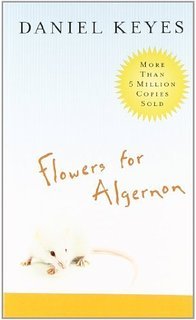
What does it mean to lift the veil of ignorance? What would be the impact on the person and the people who are both friend and foe of the newly enlightened? These are just a few questions this book tackles and addresses beautifully. This is the book that actually drew me to science fiction in the first place. Flowers for Algernon is for me, the book that opened my mind to possibility that how I see the world may not be how others see it. Great read.
3. The Hitchhiker’s Guide to the Galaxy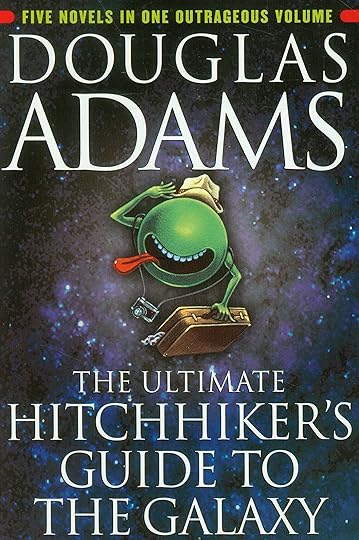
Science fiction can be hilarious, and Douglas Adams proves this with, The Ultimate Hitchhiker’s Guide to the Galaxy. But, don’t write off the power of comedy either, as Mr. Adams gives us the image of a universe where Earth is not at the center.
4. Neuromancer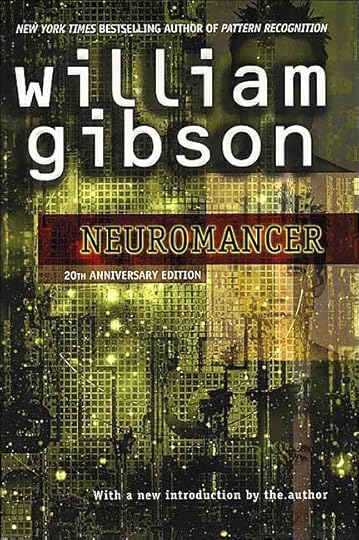
Neuromancer is a glimpse into the future. You want to surf the web? How about literally plugging in and surfing the network with your brain. Neuromancer had everything from cyborgs to full realized techno-terrorist. A high pace struggle to exist in a world where knowledge is a huge commodity and those that threaten to free it, is one of the greatest threats.
5. 1984
I’m sure you’ve heard of the term “Orwellian”, well this is the book that started it all! Brilliant social observations fill this novel. Mr. Orwell depicts the power of words with frightening results. If you can corrupt the power the words, you can corrupt the mind of those that understand them.
6. Frankenstein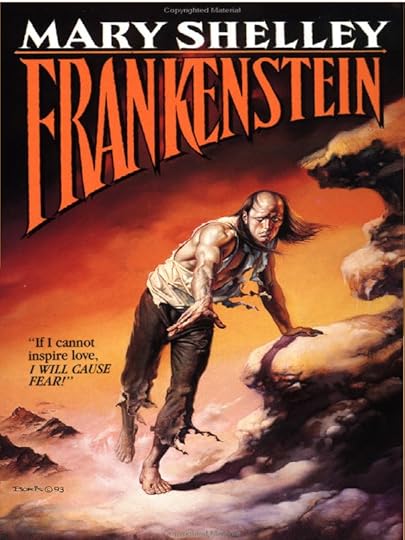
What is life? If you create it, does that make you God? Just how responsible are you for the life you’ve created? If you creation is evil, what does that make the creator? These are all questions touched upon in this great novel that’s often listed under horror, but is filled with scientific concepts (thus making it science fiction for me!).
7. World War Z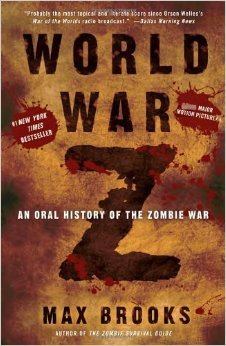
Another sci-fi book marked as horror, World War Z is mostly a discussion about how humanity survived an outbreak of the undead. Popularized by the film, World War Z actually bears little resemblance to the movie. But, don’t discount this novel. It’s an interesting take on storytelling, giving us a report’s viewpoint of trying to piece together just how humanity succeed in surviving an almost elemental enemy.
8. The Forever War
There’s something lost in war. In this novel, we get to experience just what that means. Humanity is faced with a life and death struggle against an interstellar enemy. To battle this foe, the soldiers must surrender their lives... even when they survive, because when they finally return, the time dilation effect places them out of the society they knew and thrusts them into the unfamiliar. A great novel that really helps the common man understand the out of place feeling soldiers experience when they return home.
So, if you’re a writer and you’re finding yourself going down the rabbit hole of the hows, try and think as much about the whos and whys. Most people can’t relate to a spaceship or a scientific process, but you’ll certainly get great understanding when your character is struggling to survive on an alien planet or fighting a monster of his own creation.
1. Dune

Frank Herbert’s epic science fiction story remains one of my most beloved novels. Sure it takes place on an alien world, but it is rooted in all things human. Love, war, hate and revenge are just some of the powerful emotions this novel touches on.
2. Flowers for Algernon
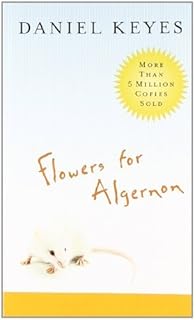
What does it mean to lift the veil of ignorance? What would be the impact on the person and the people who are both friend and foe of the newly enlightened? These are just a few questions this book tackles and addresses beautifully. This is the book that actually drew me to science fiction in the first place. Flowers for Algernon is for me, the book that opened my mind to possibility that how I see the world may not be how others see it. Great read.
3. The Hitchhiker’s Guide to the Galaxy
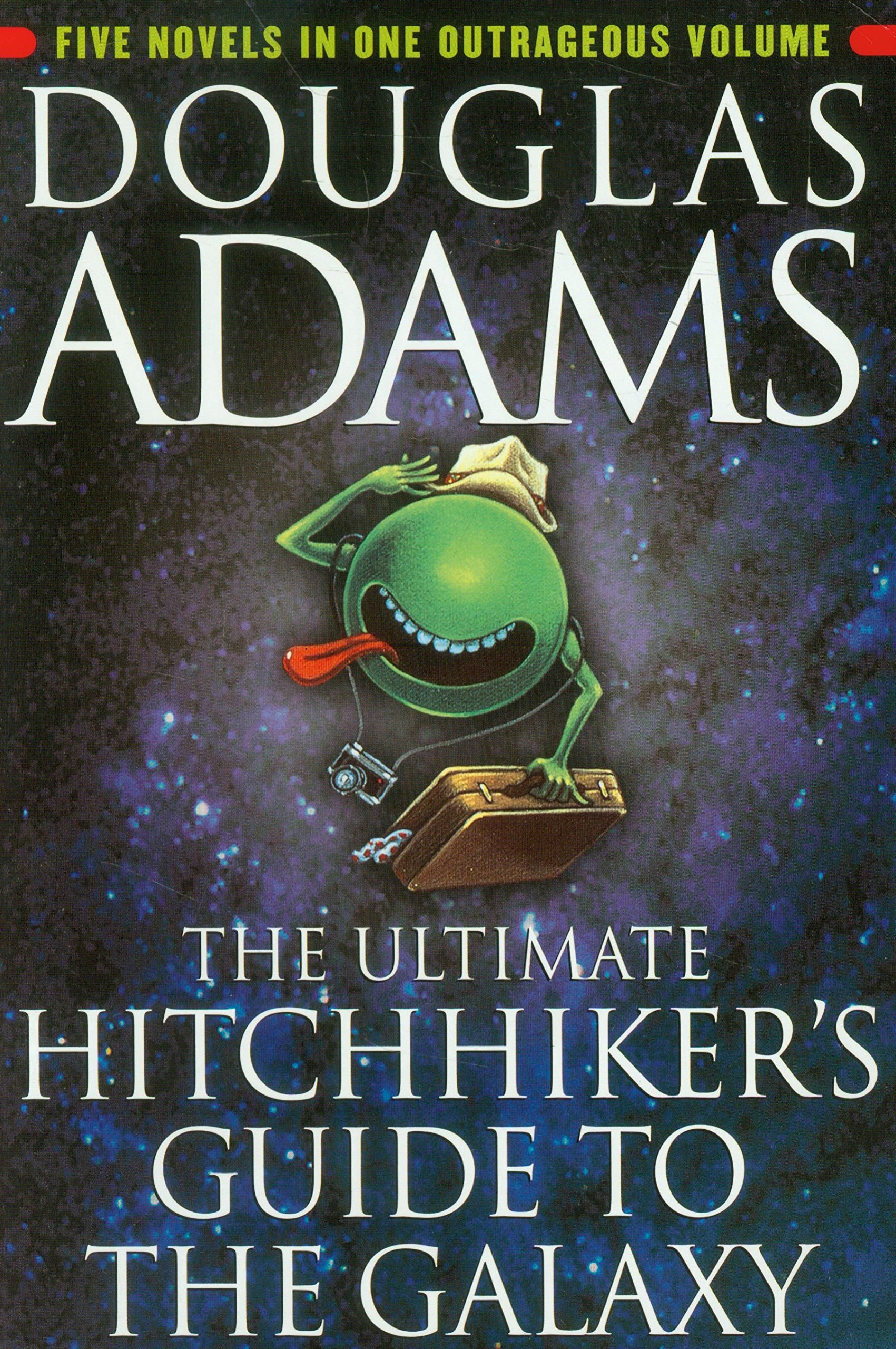
Science fiction can be hilarious, and Douglas Adams proves this with, The Ultimate Hitchhiker’s Guide to the Galaxy. But, don’t write off the power of comedy either, as Mr. Adams gives us the image of a universe where Earth is not at the center.
4. Neuromancer
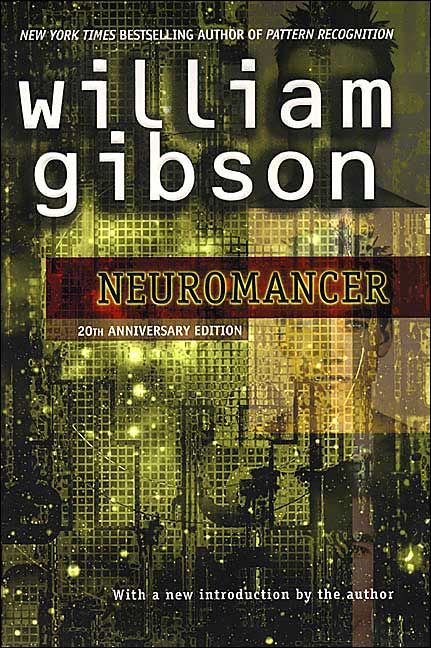
Neuromancer is a glimpse into the future. You want to surf the web? How about literally plugging in and surfing the network with your brain. Neuromancer had everything from cyborgs to full realized techno-terrorist. A high pace struggle to exist in a world where knowledge is a huge commodity and those that threaten to free it, is one of the greatest threats.
5. 1984

I’m sure you’ve heard of the term “Orwellian”, well this is the book that started it all! Brilliant social observations fill this novel. Mr. Orwell depicts the power of words with frightening results. If you can corrupt the power the words, you can corrupt the mind of those that understand them.
6. Frankenstein
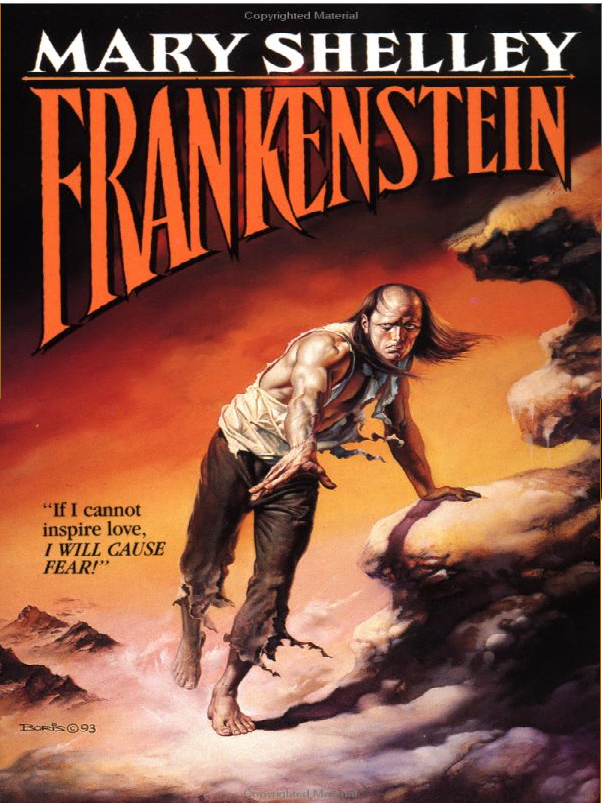
What is life? If you create it, does that make you God? Just how responsible are you for the life you’ve created? If you creation is evil, what does that make the creator? These are all questions touched upon in this great novel that’s often listed under horror, but is filled with scientific concepts (thus making it science fiction for me!).
7. World War Z
Another sci-fi book marked as horror, World War Z is mostly a discussion about how humanity survived an outbreak of the undead. Popularized by the film, World War Z actually bears little resemblance to the movie. But, don’t discount this novel. It’s an interesting take on storytelling, giving us a report’s viewpoint of trying to piece together just how humanity succeed in surviving an almost elemental enemy.
8. The Forever War

There’s something lost in war. In this novel, we get to experience just what that means. Humanity is faced with a life and death struggle against an interstellar enemy. To battle this foe, the soldiers must surrender their lives... even when they survive, because when they finally return, the time dilation effect places them out of the society they knew and thrusts them into the unfamiliar. A great novel that really helps the common man understand the out of place feeling soldiers experience when they return home.
April 12, 2016
Physician, Heal Thyself!

Global Drought - Get Use to It
Remember one thing; the Earth does not hate you. The Creator is not looking to wipe out the wicked. We are of this planet and it loves us. What we are seeing is our actions. We are seeing humanity's behavior coming back to haunt us. We did this.
Fallen Sun is here!
Well, not here yet, but definitely on the way.
When it's finally live, I'll let ya'll know.
Excited!!
Fallen Sun
When it's finally live, I'll let ya'll know.
Excited!!
Fallen Sun
April 8, 2016
Proton Pump Inhibitors Linked To Dementia, Kidney Failure and many other problems
CBS news report
Called proton pump inhibitors (PPIs), this group of drugs includes Prilosec, Nexium and Prevacid. They work by lowering the amount of acid produced by the stomach.But German researchers found that people 75 or older who regularly take the medications had a 44 percent increased risk of dementia, compared with seniors not using the drugs. The study only found an association, however, and not a cause-and-effect link."To evaluate cause-and-effect relationships between long-term PPI use and possible effects on cognition in the elderly, randomized, prospective clinical trials are needed," said corresponding author Britta Haenisch, from the German Center for Neurodegenerative Diseases in Bonn.In the meantime, "Clinicians should follow guidelines for PPI prescription, to avoid overprescribing PPIs and inappropriate use," Haenisch said.The report was published Feb. 15 in the journal JAMA Neurology.The results are surprising enough that at least one leading expert on aging, Dr. Malaz Boustani, plans to share the findings with older patients who are using PPIs.Boustani said earlier studies have linked another type of antacid, H2 blockers, with an increased risk of dementia. Up to now, he's recommended that patients use PPIs to treat acid reflux and steer clear of H2 blockers like Tagamet, Pepcid and Zantac."I'm going to disclose the finding to my patients and then let them decide whether they will take the risk or not," said Boustani, a professor of medicine with the Indiana University Center for Aging Research and a spokesman for the American Federation for Aging Research. "On Monday I have clinic, and if I have patients taking a PPI or an H2 blocker I will tell them exactly what I'm telling you, and then they can decide."More than 15 million Americans used prescription PPIs in 2013, at a total cost of more than $10 billion, according to a report by the IMS Institute for Healthcare Informatics. Several popular PPIs -- Prilosec, Prevacid and Zegerid -- also are available over-the counter, further boosting their use.Concern has been increasing that Americans might be overusing PPIs to treat minor cases of heartburn or acid reflux.As many as 70 percent of PPI prescriptions in the United States have been inappropriately handed out by doctors, and 25 percent of long-term users could stop taking the medication without suffering increased heartburn or acid reflux, according to a study published in January in the journal JAMA Internal Medicine.Overuse of PPIs could have drastic effects on health, that study found. For example, the medications have been linked to a 20 percent to 50 percent higherrisk of chronic kidney disease.And now the German researchers report there also is some evidence that PPI use might affect a person's ability to reason.PPIs appear to effect levels of amyloid beta and tau, which are proteins associated with Alzheimer's disease, the German authors said. PPI use can also lead to vitamin B12 deficiency, which has been associated with cognitive decline.To test the possible association between PPIs and dementia, the German researchers collected data from a large German health insurance firm on almost 74,000 seniors aged 75 or older. The data ran from 2004 to 2011, and included diagnoses and drug prescriptions.About 2,950 patients regularly used PPIs, which for this study was defined as at least one PPI prescription in each quarter of an 18-month interval.Regular users of PPIs had a 44 percent increased risk of dementia compared with those not receiving PPI medications.However, the study doesn't make clear whether PPIs are also available over the counter in Germany, as they are in the United States, said Dr. Arun Swaminath, director of the inflammatory bowel disease program at Lenox Hill Hospital in New York City.If over-the-counter PPIs are available, then more people might have been taking them and the dementia risk described in this paper could be overestimated, Swaminath said."However, I think the point here is that for some patients, weaning off PPIs is reasonable and they should make this decision with their doctors," he said.People who want to ease off PPIs can take a number of steps to reduce excess acid or prevent acid reflux, Boustani said. They can eat smaller meals, lay off chocolate and caffeine, and stay upright for a few hours following each meal.Boustani added that his group has received federal funding to design clinical trials in which people would be weaned off PPIs, to see how it affects their ability to remember and think.Dr. Gisele Wolf-Klein, director of geriatric education at North Shore-LIJ Health System in New Hyde Park, N.Y., added that even the researchers aren't sure why PPIs would affect the aging brain."We don't know what is causing the brain to deteriorate. Until we know this, there's no reason for people who are taking PPIs to be too concerned about that and stop taking those agents if they are needed," Wolf-Klein said.Another expert agreed.While the study is intriguing, it's not enough for doctors to warn patients off PPI use, said Keith Fargo, director of scientific programs and outreach for the Alzheimer's Association."It does not tell us anything that should change medical practice right now," Fargo said. "I don't think there's going to be an uprising among doctors telling patients not to take their PPIs. This doesn't rise anywhere near the level of evidence you would need for that."One of the paper's main flaws is that researchers could not control for diet and body weight as risk factors, Fargo said."Both of those things, we know, are risk factors for developing cognitive decline and dementia in later life, and both of those are reasons why a person might need to take a proton pump inhibitor," Fargo explained.
Called proton pump inhibitors (PPIs), this group of drugs includes Prilosec, Nexium and Prevacid. They work by lowering the amount of acid produced by the stomach.But German researchers found that people 75 or older who regularly take the medications had a 44 percent increased risk of dementia, compared with seniors not using the drugs. The study only found an association, however, and not a cause-and-effect link."To evaluate cause-and-effect relationships between long-term PPI use and possible effects on cognition in the elderly, randomized, prospective clinical trials are needed," said corresponding author Britta Haenisch, from the German Center for Neurodegenerative Diseases in Bonn.In the meantime, "Clinicians should follow guidelines for PPI prescription, to avoid overprescribing PPIs and inappropriate use," Haenisch said.The report was published Feb. 15 in the journal JAMA Neurology.The results are surprising enough that at least one leading expert on aging, Dr. Malaz Boustani, plans to share the findings with older patients who are using PPIs.Boustani said earlier studies have linked another type of antacid, H2 blockers, with an increased risk of dementia. Up to now, he's recommended that patients use PPIs to treat acid reflux and steer clear of H2 blockers like Tagamet, Pepcid and Zantac."I'm going to disclose the finding to my patients and then let them decide whether they will take the risk or not," said Boustani, a professor of medicine with the Indiana University Center for Aging Research and a spokesman for the American Federation for Aging Research. "On Monday I have clinic, and if I have patients taking a PPI or an H2 blocker I will tell them exactly what I'm telling you, and then they can decide."More than 15 million Americans used prescription PPIs in 2013, at a total cost of more than $10 billion, according to a report by the IMS Institute for Healthcare Informatics. Several popular PPIs -- Prilosec, Prevacid and Zegerid -- also are available over-the counter, further boosting their use.Concern has been increasing that Americans might be overusing PPIs to treat minor cases of heartburn or acid reflux.As many as 70 percent of PPI prescriptions in the United States have been inappropriately handed out by doctors, and 25 percent of long-term users could stop taking the medication without suffering increased heartburn or acid reflux, according to a study published in January in the journal JAMA Internal Medicine.Overuse of PPIs could have drastic effects on health, that study found. For example, the medications have been linked to a 20 percent to 50 percent higherrisk of chronic kidney disease.And now the German researchers report there also is some evidence that PPI use might affect a person's ability to reason.PPIs appear to effect levels of amyloid beta and tau, which are proteins associated with Alzheimer's disease, the German authors said. PPI use can also lead to vitamin B12 deficiency, which has been associated with cognitive decline.To test the possible association between PPIs and dementia, the German researchers collected data from a large German health insurance firm on almost 74,000 seniors aged 75 or older. The data ran from 2004 to 2011, and included diagnoses and drug prescriptions.About 2,950 patients regularly used PPIs, which for this study was defined as at least one PPI prescription in each quarter of an 18-month interval.Regular users of PPIs had a 44 percent increased risk of dementia compared with those not receiving PPI medications.However, the study doesn't make clear whether PPIs are also available over the counter in Germany, as they are in the United States, said Dr. Arun Swaminath, director of the inflammatory bowel disease program at Lenox Hill Hospital in New York City.If over-the-counter PPIs are available, then more people might have been taking them and the dementia risk described in this paper could be overestimated, Swaminath said."However, I think the point here is that for some patients, weaning off PPIs is reasonable and they should make this decision with their doctors," he said.People who want to ease off PPIs can take a number of steps to reduce excess acid or prevent acid reflux, Boustani said. They can eat smaller meals, lay off chocolate and caffeine, and stay upright for a few hours following each meal.Boustani added that his group has received federal funding to design clinical trials in which people would be weaned off PPIs, to see how it affects their ability to remember and think.Dr. Gisele Wolf-Klein, director of geriatric education at North Shore-LIJ Health System in New Hyde Park, N.Y., added that even the researchers aren't sure why PPIs would affect the aging brain."We don't know what is causing the brain to deteriorate. Until we know this, there's no reason for people who are taking PPIs to be too concerned about that and stop taking those agents if they are needed," Wolf-Klein said.Another expert agreed.While the study is intriguing, it's not enough for doctors to warn patients off PPI use, said Keith Fargo, director of scientific programs and outreach for the Alzheimer's Association."It does not tell us anything that should change medical practice right now," Fargo said. "I don't think there's going to be an uprising among doctors telling patients not to take their PPIs. This doesn't rise anywhere near the level of evidence you would need for that."One of the paper's main flaws is that researchers could not control for diet and body weight as risk factors, Fargo said."Both of those things, we know, are risk factors for developing cognitive decline and dementia in later life, and both of those are reasons why a person might need to take a proton pump inhibitor," Fargo explained.
April 6, 2016
Rosario Dawson for Bernie
What a wonderful interview!
April 4, 2016
For you Artist of Pictures, Sounds, Movements and Words...
"Every portrait that is painted with feeling is a portrait of the artist, not the sitter. The sitter is merely the accident, the occasion. It is not he who is revealed by the painter; it is rather the painter who, on the coloured canvas, reveals himself."
The Picture of Dorian Gray
Oscar Wilde
The Picture of Dorian Gray
Oscar Wilde