Chris Loehmer Kincaid's Blog, page 132
November 15, 2015
A Land of Milk and Honey
On that day I swore to them that I would bring them out of Egypt into a land I had searched out for them, a land flowing with milk and honey, the most beautiful of all lands. Ezekiel 20:6 (NIV)
The Bible mentions a “land of milk and honey” in 24 passages in the Old Testament. We picture this as a place of abundance, where the grass is green and lush, the trees tall and strong, fresh water flows through multiple streams and rivers. A place like the garden of Eden. A place kind of like where I live in Wisconsin, where we have plenty of dairy cows and quite a few bee keepers. A place I have a hard time picturing when I think of the hard desert landscape of the Middle East.
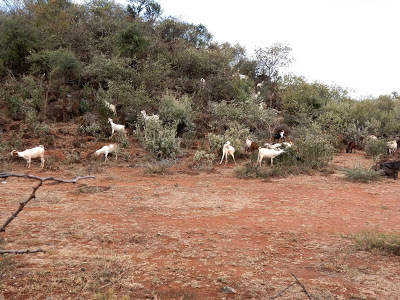
Yet, when God promised the Israelites that He would free them from their bondage in Egypt and give them a land filled with milk and honey, that’s just what He meant. The milk flowed from goats instead of cows and the honey may have come from dates instead of bees. Maybe the terrain wasn’t as lush as we would picture it with our Westernized eyes, but it was still a land of great beauty to the Israelites. Wouldn’t any land of freedom look magnificent?
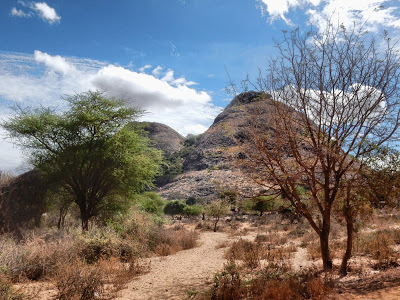
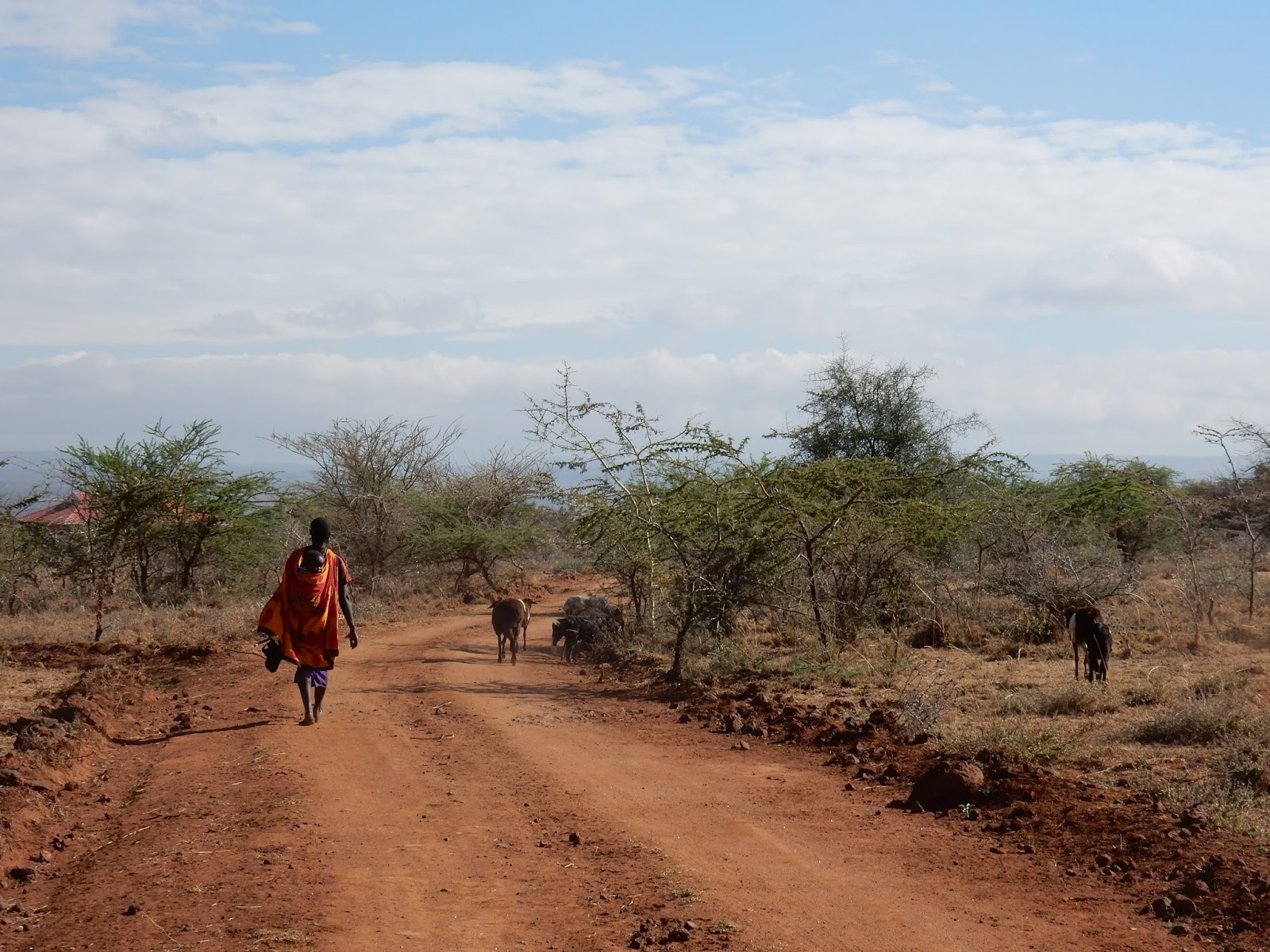
Maybe that’s why I find the desert terrain of East Africa so fascinating and breath-taking. It feels ancient, a place filled with history and mystery, a place to tread lightly.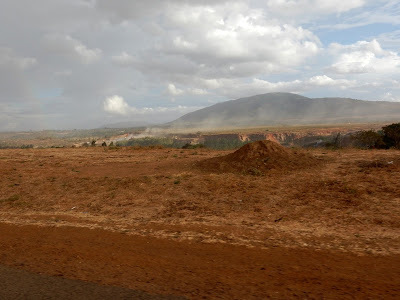
The Bible mentions a “land of milk and honey” in 24 passages in the Old Testament. We picture this as a place of abundance, where the grass is green and lush, the trees tall and strong, fresh water flows through multiple streams and rivers. A place like the garden of Eden. A place kind of like where I live in Wisconsin, where we have plenty of dairy cows and quite a few bee keepers. A place I have a hard time picturing when I think of the hard desert landscape of the Middle East.

Yet, when God promised the Israelites that He would free them from their bondage in Egypt and give them a land filled with milk and honey, that’s just what He meant. The milk flowed from goats instead of cows and the honey may have come from dates instead of bees. Maybe the terrain wasn’t as lush as we would picture it with our Westernized eyes, but it was still a land of great beauty to the Israelites. Wouldn’t any land of freedom look magnificent?
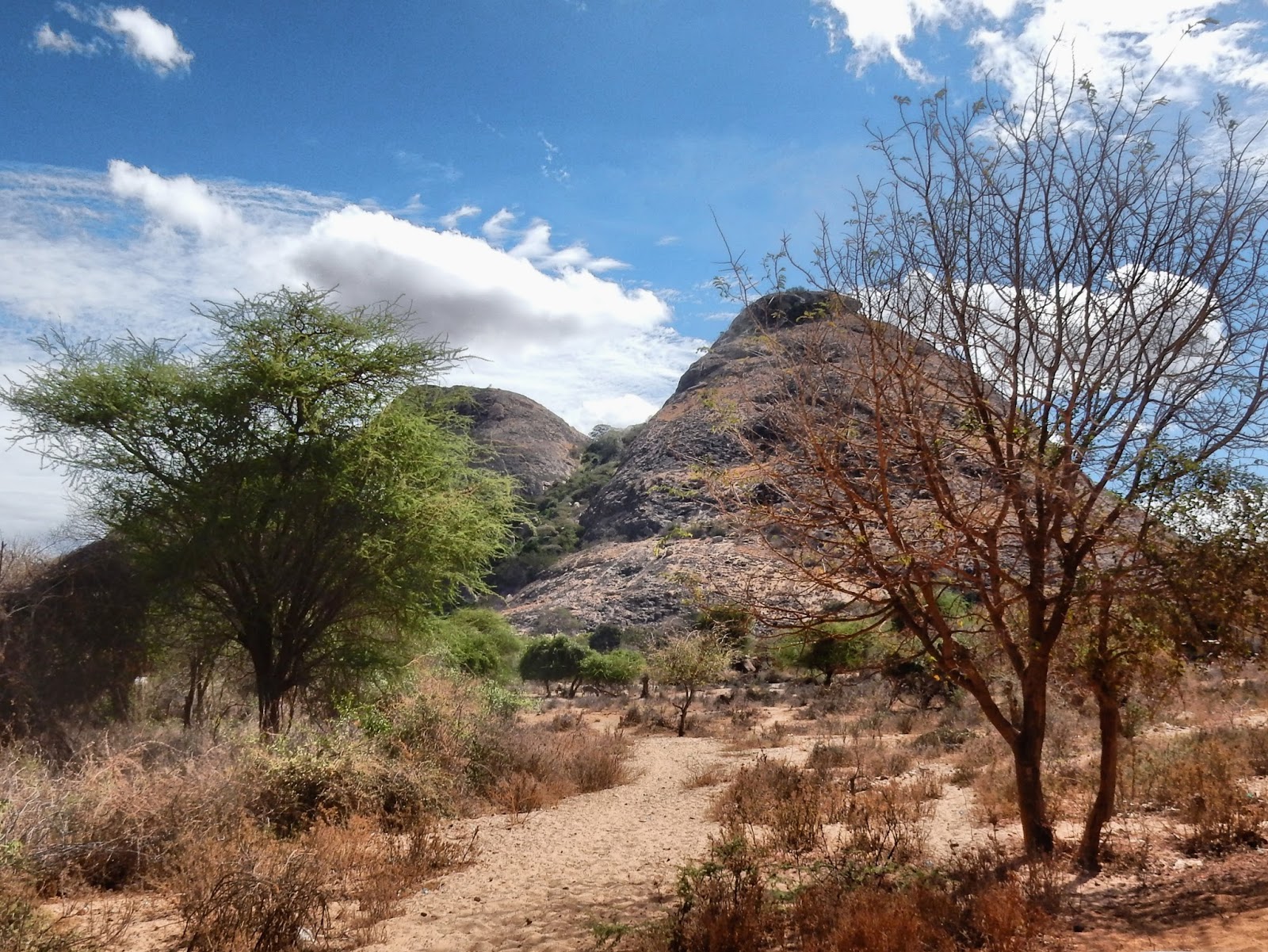
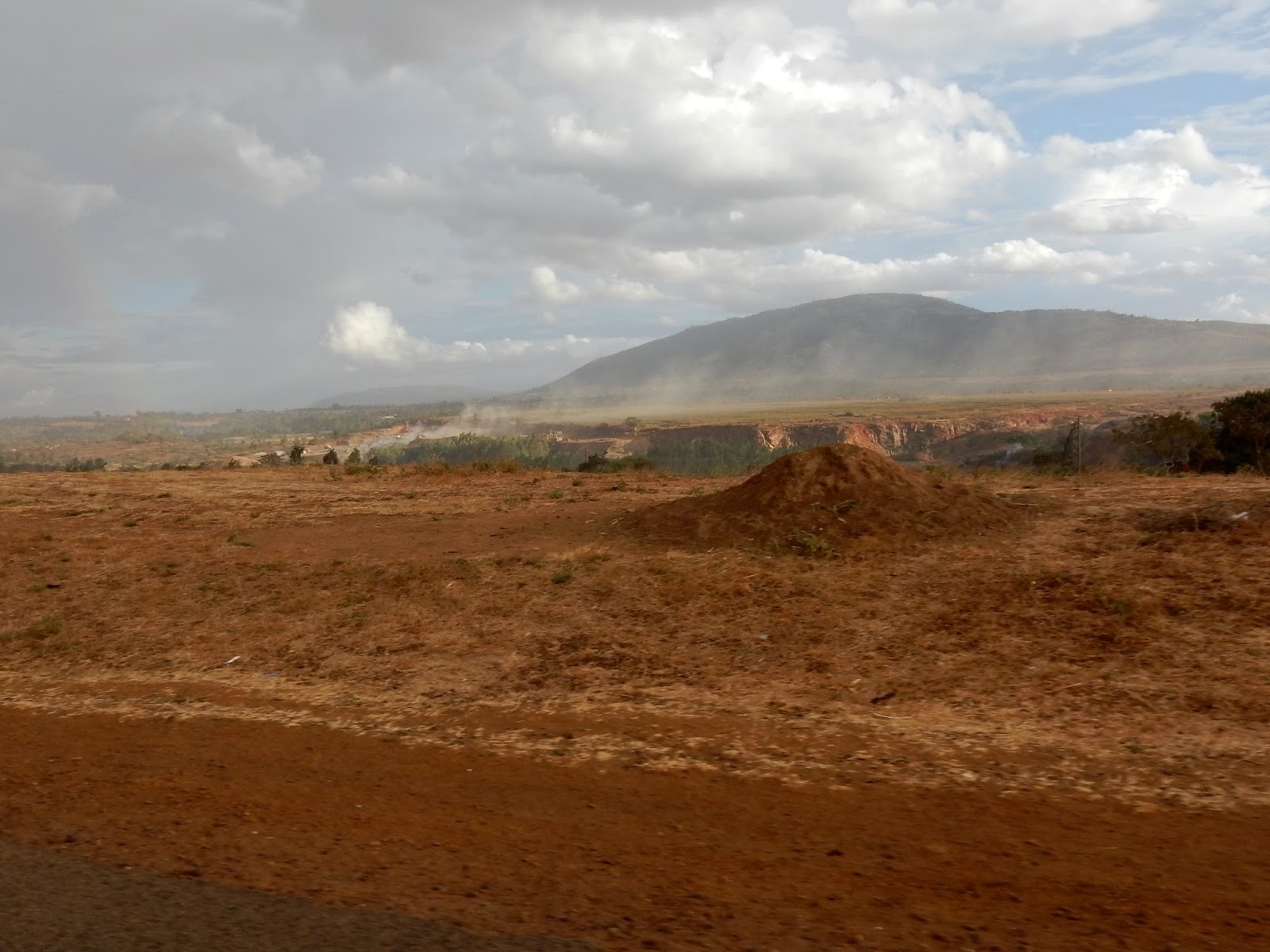
Maybe that’s why I find the desert terrain of East Africa so fascinating and breath-taking. It feels ancient, a place filled with history and mystery, a place to tread lightly.


November 12, 2015
Home Away From Home
I just realized, looking back, that when I jumped into blogging about our recent trip to Kenya, I failed to write about where we stayed.
Hopefully you weren’t worried about where we spent our nights or if we had hot running water or even a bed. Let me introduce you to the volunteer house in Waithaka, near Dagoretti High School, a half hour drive west of downtown Nairobi and nearly an hour from Jomo Kenyatta International Airport. A simple house, with room for – oh, let me think – at least 20 volunteers. But they hosted from seven to ten of us while we were there. I wouldn’t want to be there when they were packed, but it would be no fun if it were empty either. The other volunteers were from Iowa, Canada, the UK, Australia, and Scotland (but I may have missed a place, it amazes me how international the house was), and their stays ranged from two weeks (like ours) to nine months. I could live in this house for nine months, if only the hubby and Dino could come with.
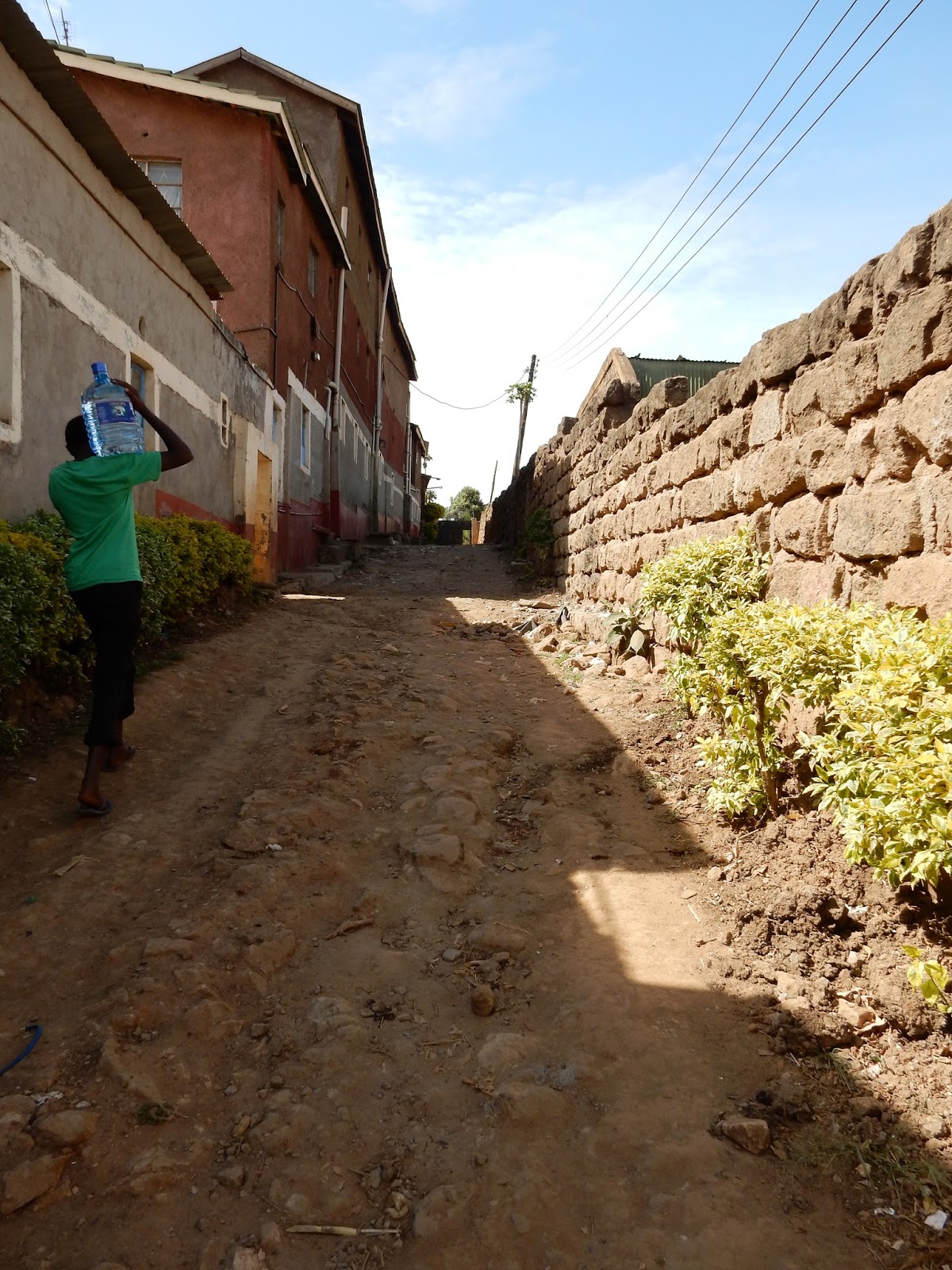
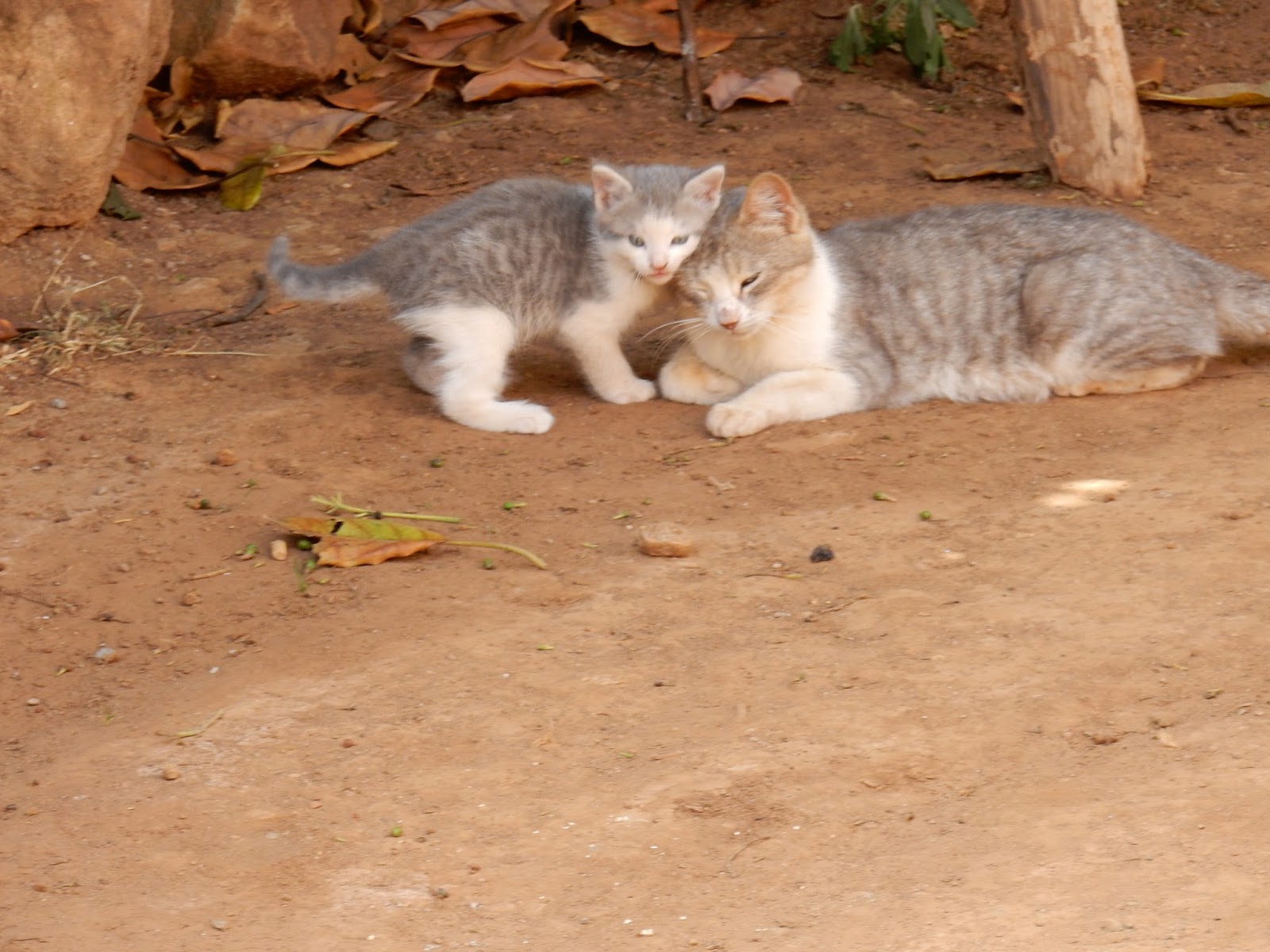
First, here is the driveway up to the house. Just enough of an incline for a bit of a workout. But the first day we were there, we let Allen carry our water up.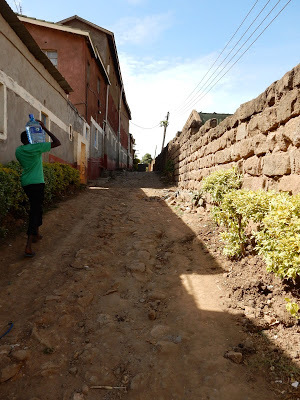 No house is complete without the random yard cat and her baby.
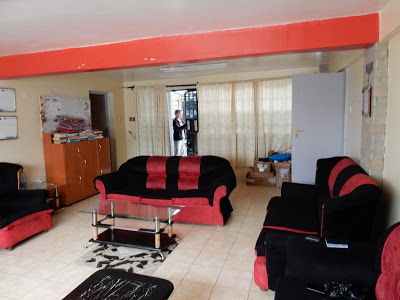
 The living room/dining area.
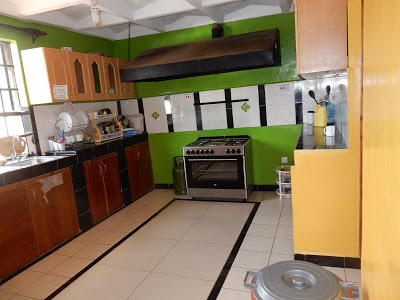
 The kitchen on the second floor hadn't been built yet when I was here in 2013.
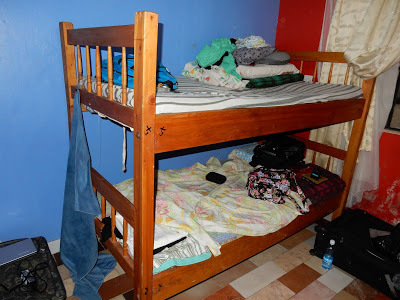
 Our bedroom. I could have straightened up more before I took the picture.
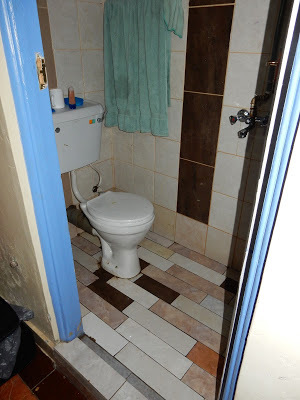
 We even had our own attached bath, where we had hot water for a quick shower each day.
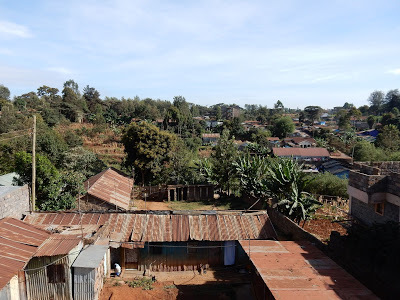
 But everyone's favorite part of the house was the roof-top patio, with 360 degree views of the neighborhood.
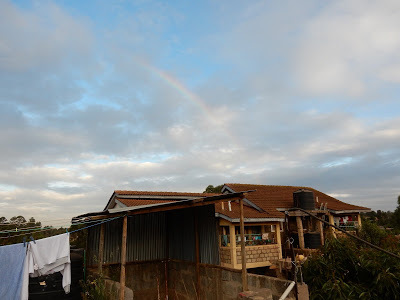
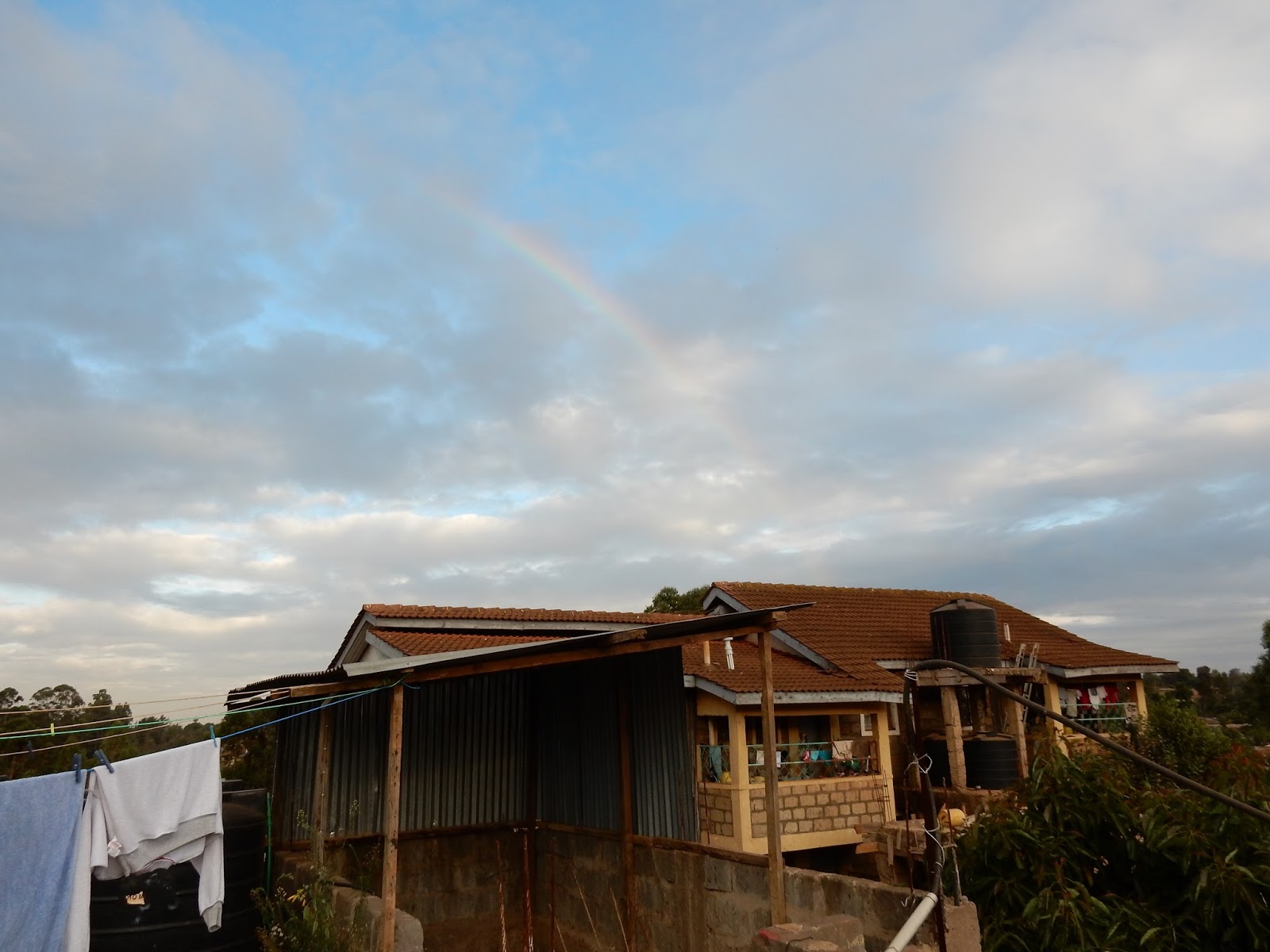
 One evening we were even treated to a rainbow. That made two rainbows we witnessed while in Kenya.
 It was an amazing two weeks and I feel blessed that this is the place we could call our home away from home.
Hopefully you weren’t worried about where we spent our nights or if we had hot running water or even a bed. Let me introduce you to the volunteer house in Waithaka, near Dagoretti High School, a half hour drive west of downtown Nairobi and nearly an hour from Jomo Kenyatta International Airport. A simple house, with room for – oh, let me think – at least 20 volunteers. But they hosted from seven to ten of us while we were there. I wouldn’t want to be there when they were packed, but it would be no fun if it were empty either. The other volunteers were from Iowa, Canada, the UK, Australia, and Scotland (but I may have missed a place, it amazes me how international the house was), and their stays ranged from two weeks (like ours) to nine months. I could live in this house for nine months, if only the hubby and Dino could come with.
First, here is the driveway up to the house. Just enough of an incline for a bit of a workout. But the first day we were there, we let Allen carry our water up.
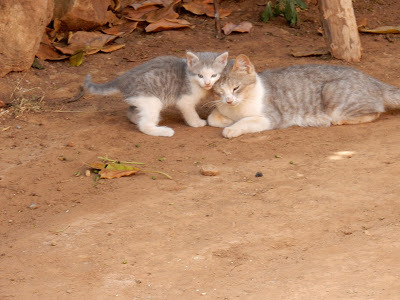
 No house is complete without the random yard cat and her baby.
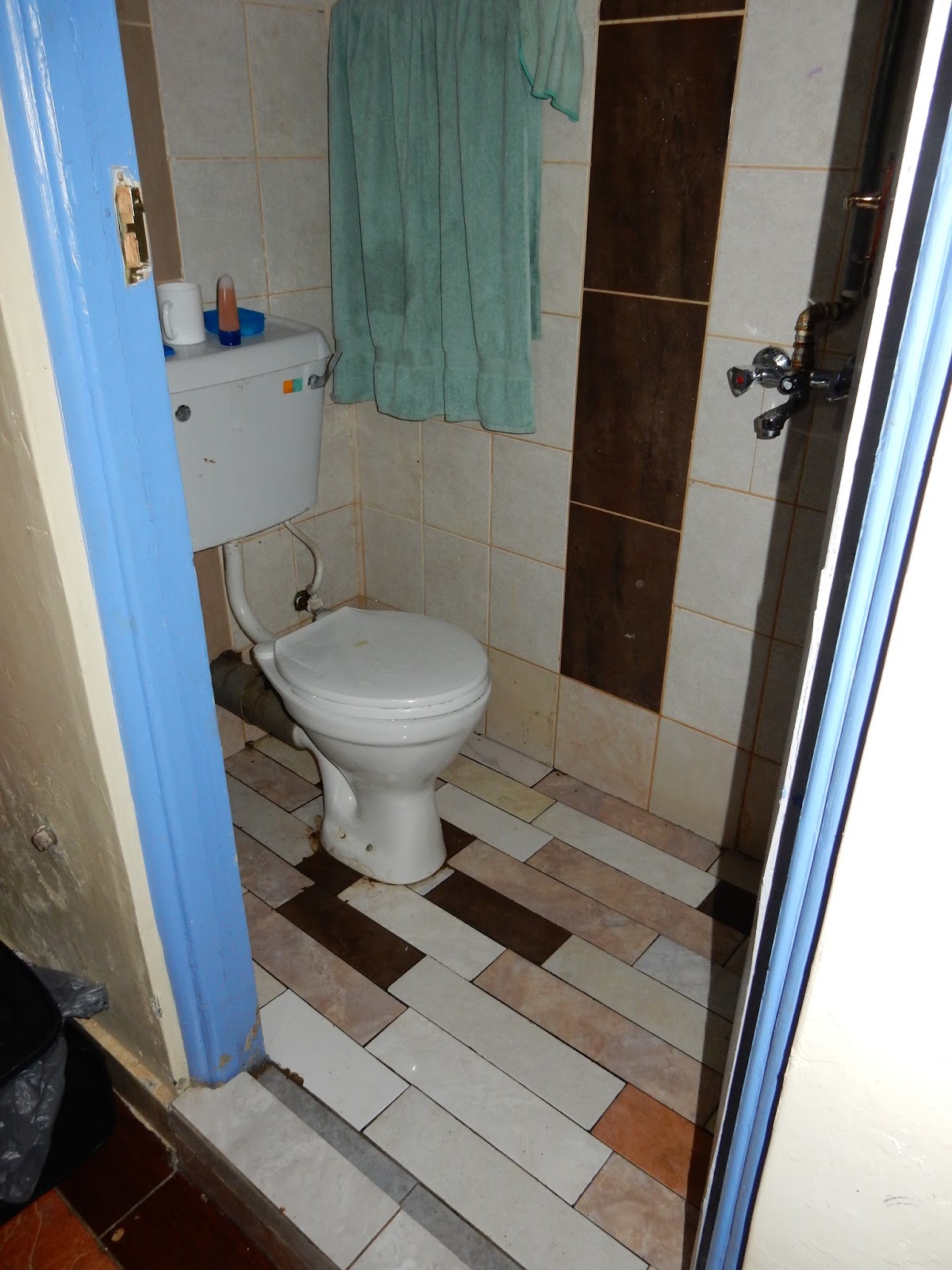
 The living room/dining area.
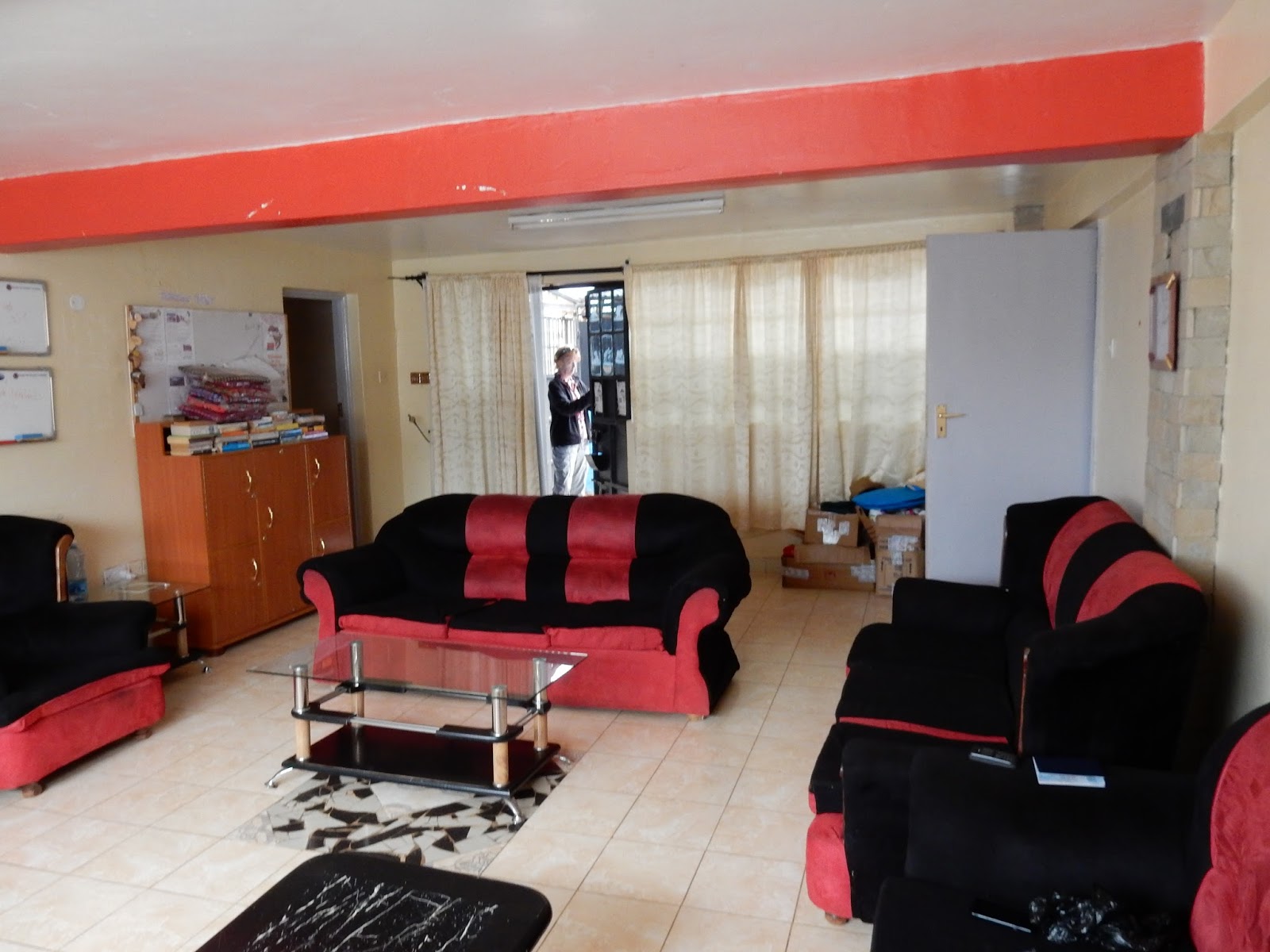 The kitchen on the second floor hadn't been built yet when I was here in 2013.
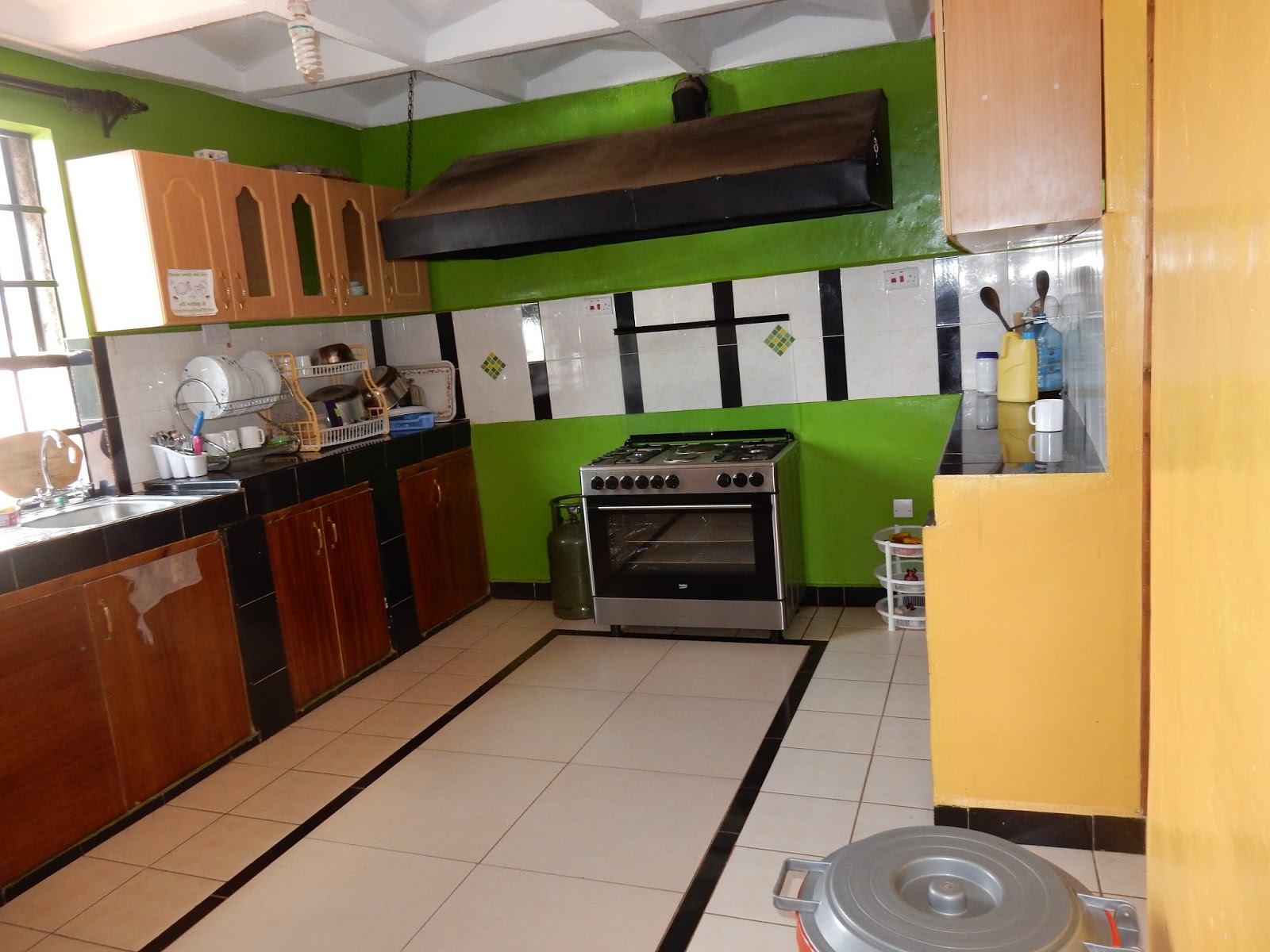 Our bedroom. I could have straightened up more before I took the picture.
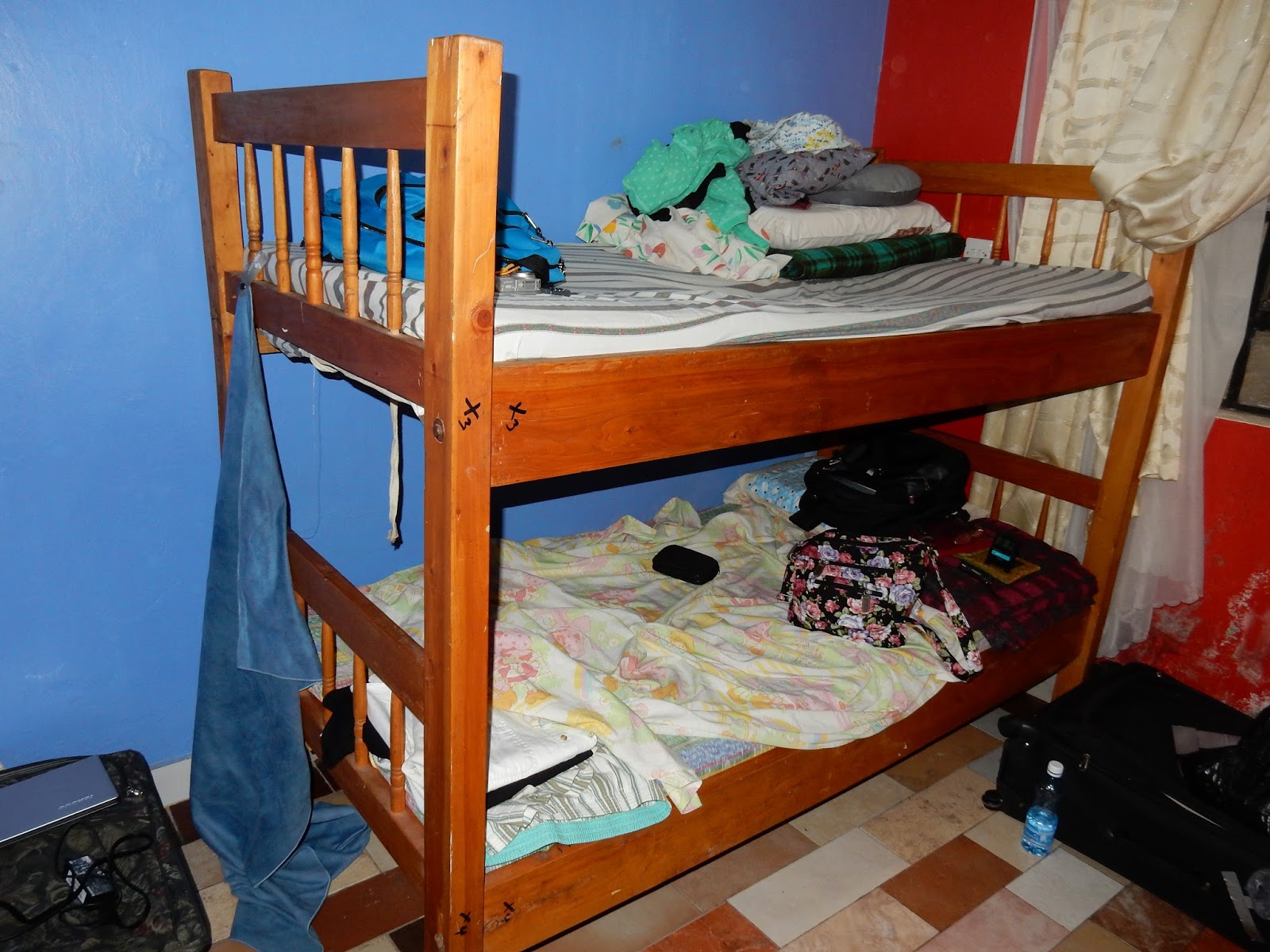 We even had our own attached bath, where we had hot water for a quick shower each day.
 But everyone's favorite part of the house was the roof-top patio, with 360 degree views of the neighborhood.
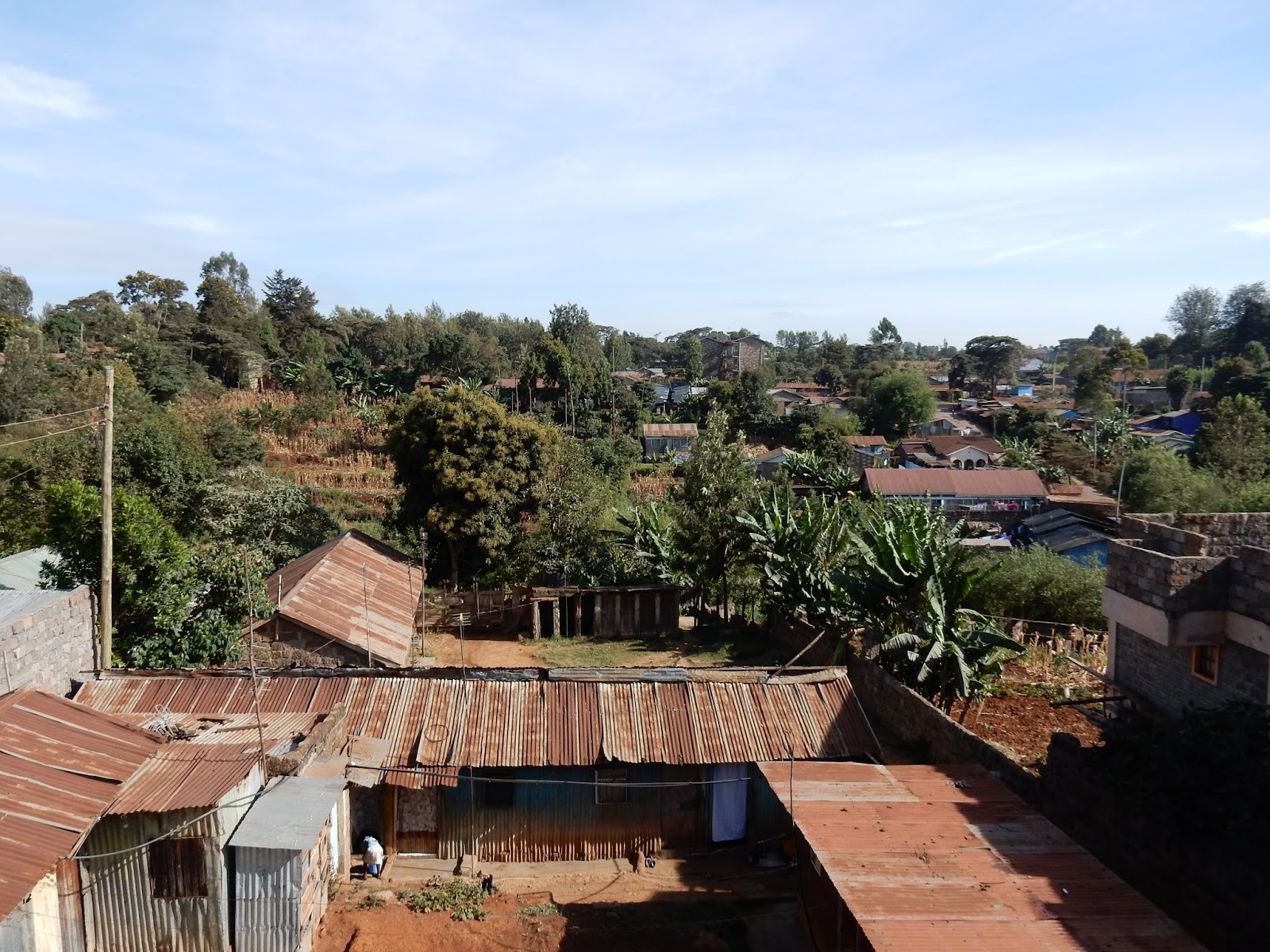 One evening we were even treated to a rainbow. That made two rainbows we witnessed while in Kenya.
 It was an amazing two weeks and I feel blessed that this is the place we could call our home away from home.
November 10, 2015
A Safe Place
The day before we left Kenya to return home, we took yet another different kind of tour. Denise, I, and another volunteer from our volunteer house visited a women’s shelter.
Though they call it a women’s shelter, it actually is a safe haven for girls ages 8 to 20. Many of them are orphans. Many of the girls have been abused or exploited, and some of them came to the shelter pregnant and have since delivered their babies, raising them in the secure environment of the shelter. Some have parents but have run away and cannot return home. Because of all of these reasons, there are no pictures of the girls here or any details of where their haven is. Those who have aided in making their lives miserable have been known to try to find them.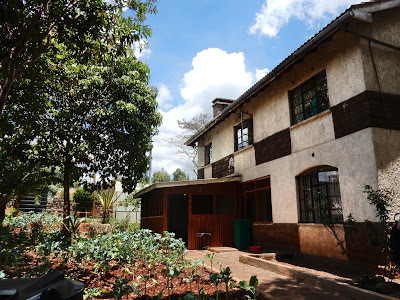 But like I said, it is a haven for these young ladies, a place where they can get an education and learn skills which will help them survive once they are back out in the harsh world.
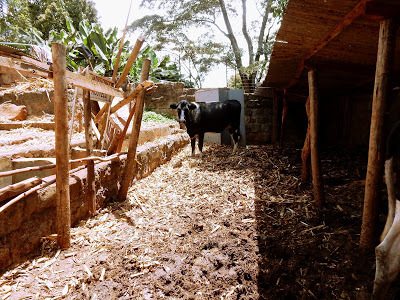
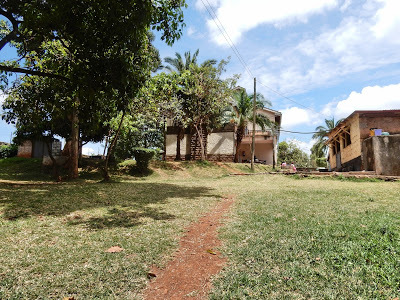 Two dairy cows provide milk.
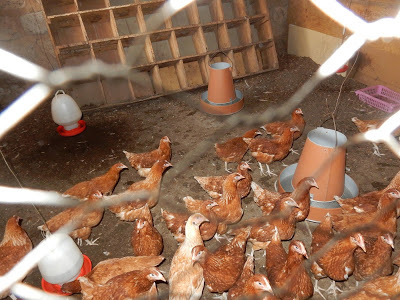
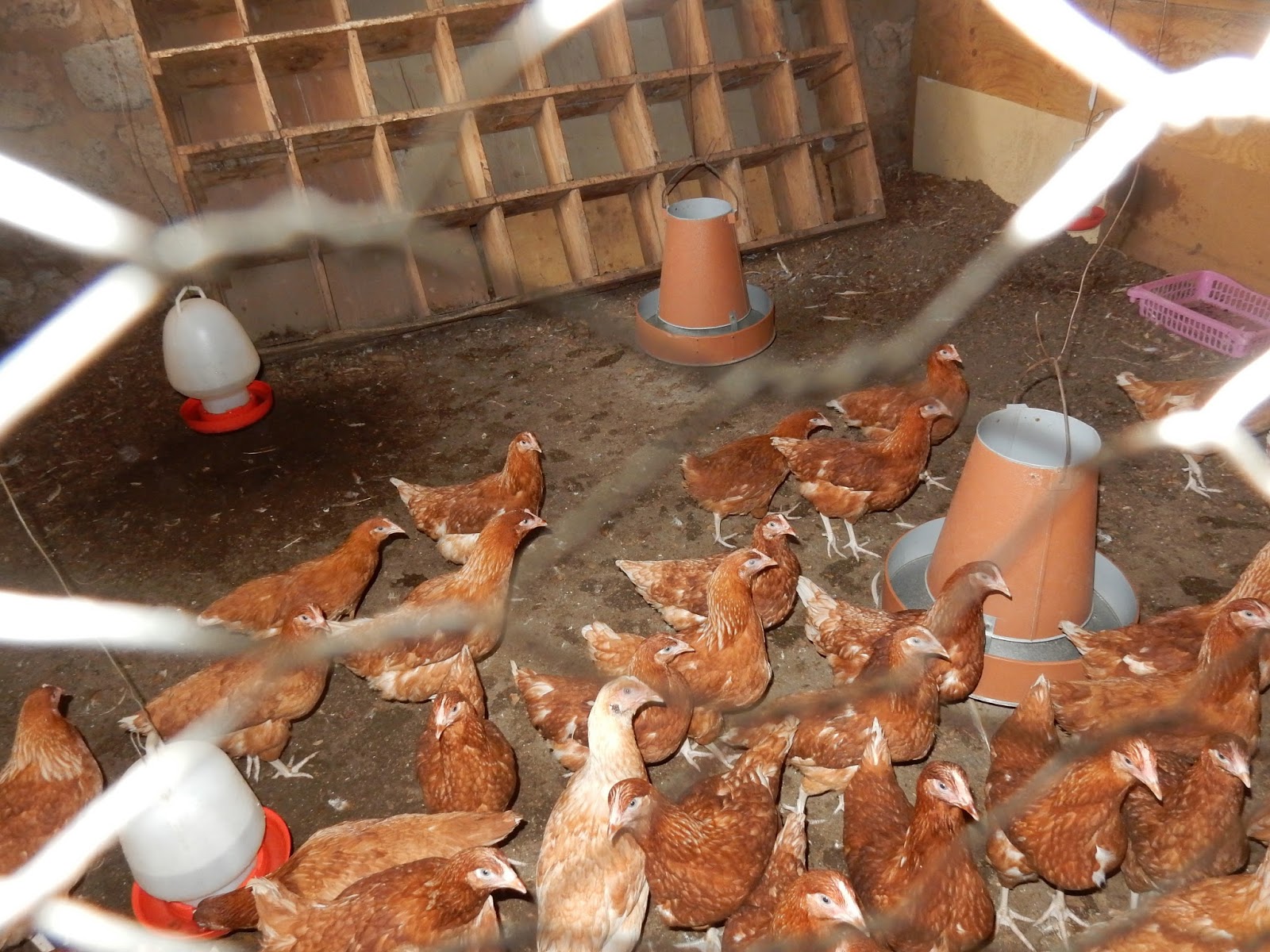
 And chickens provide eggs.
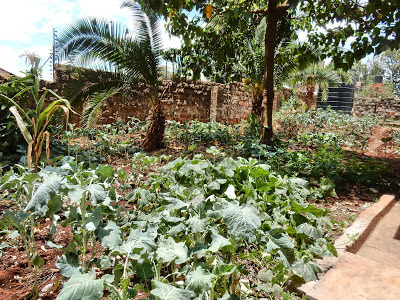
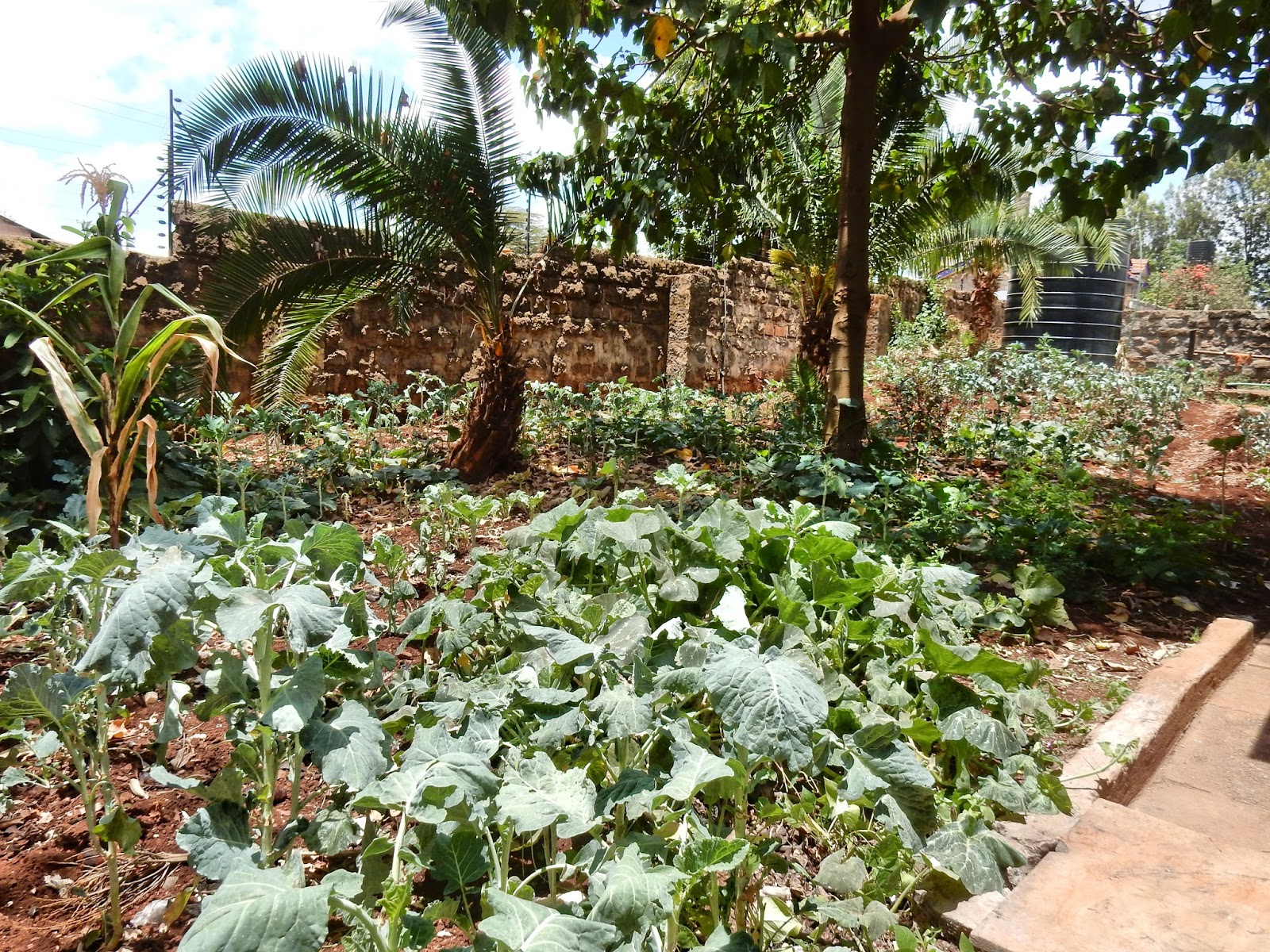
 A garden supplies the shelter with vegetables.
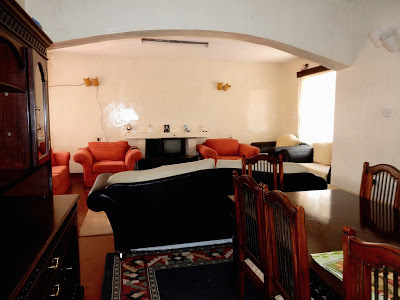
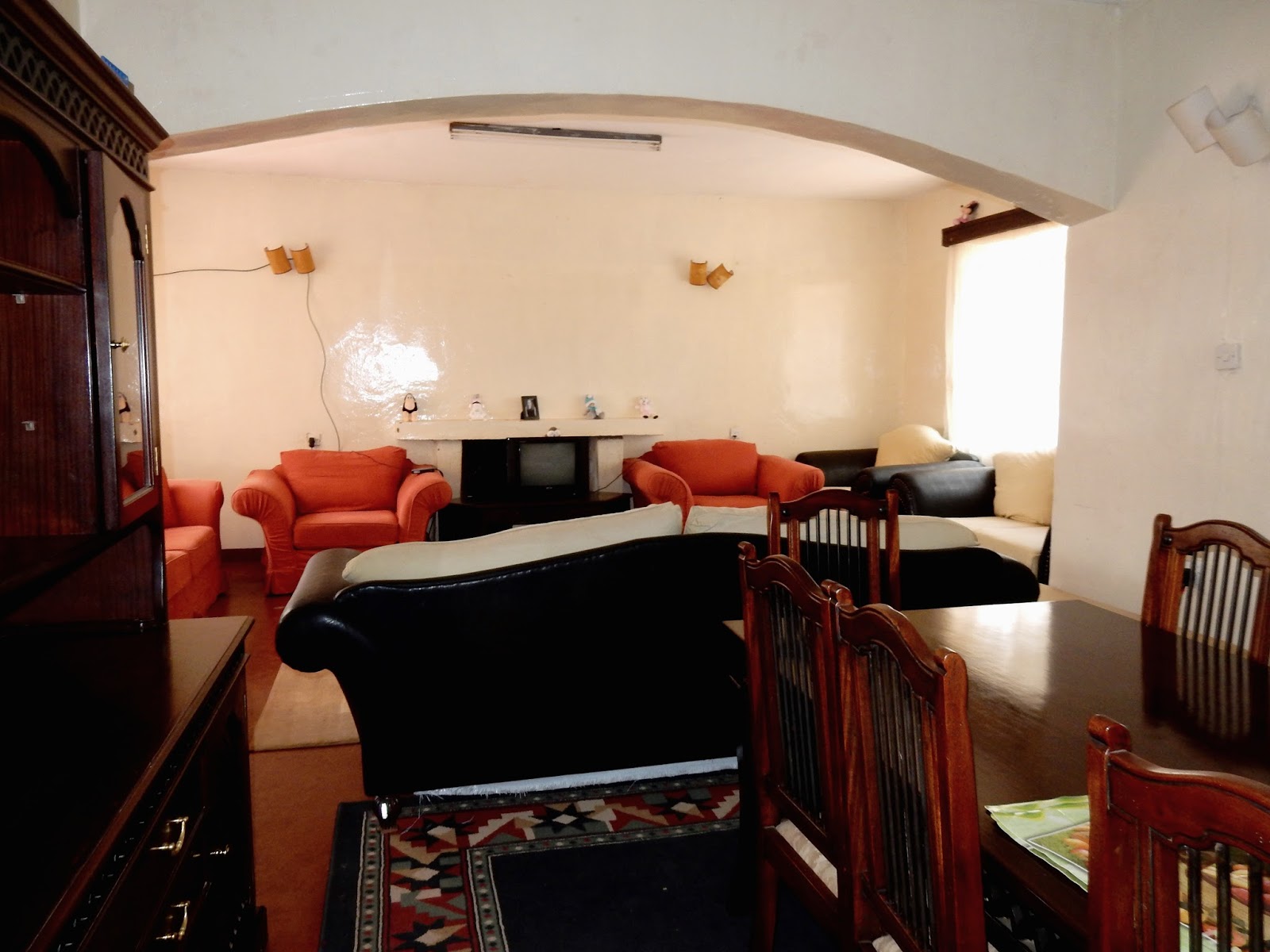
 The living room is a place to relax in the evening and learn what it is like to be a kid again.
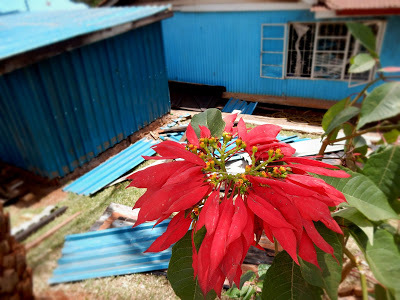
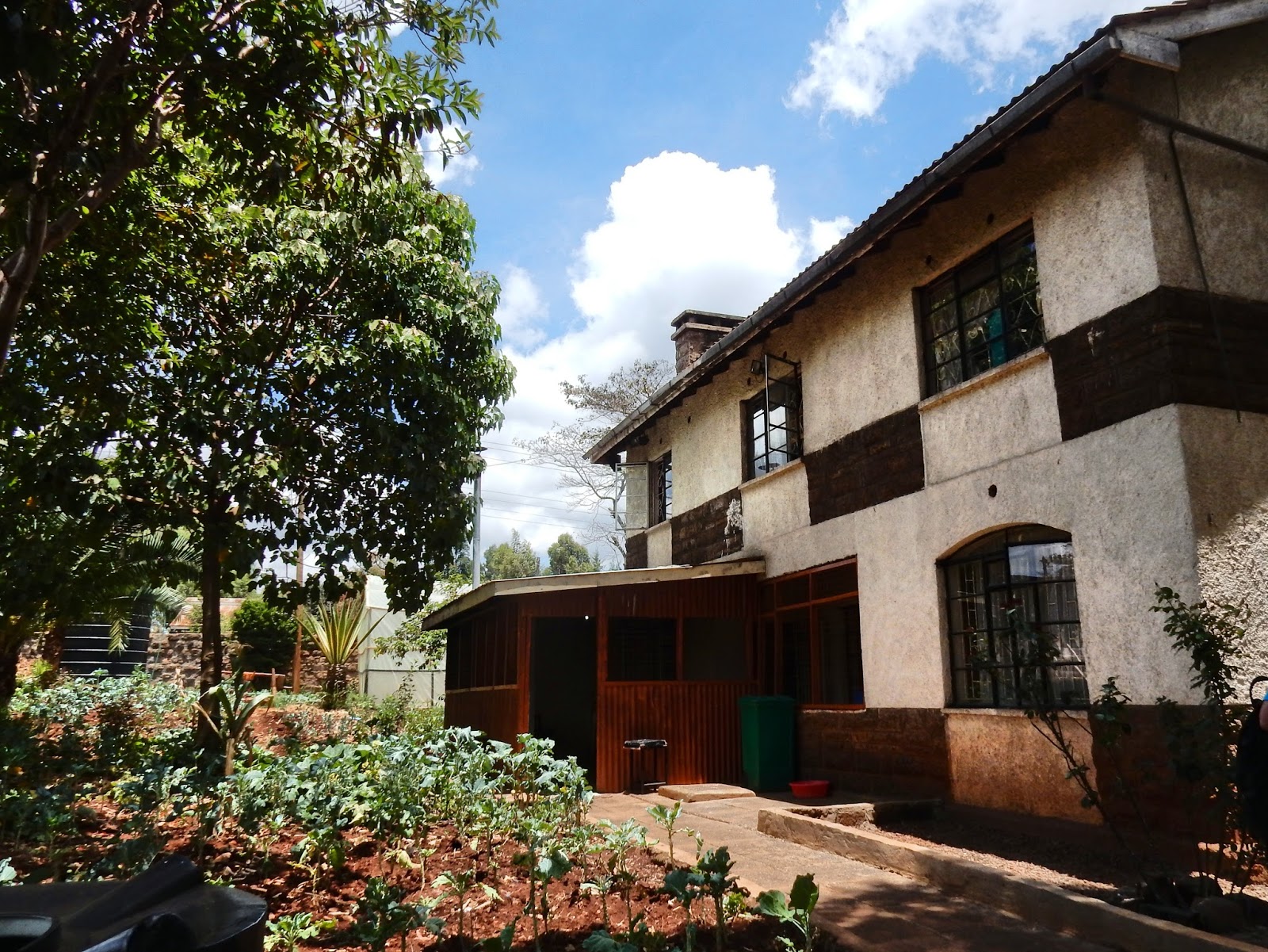
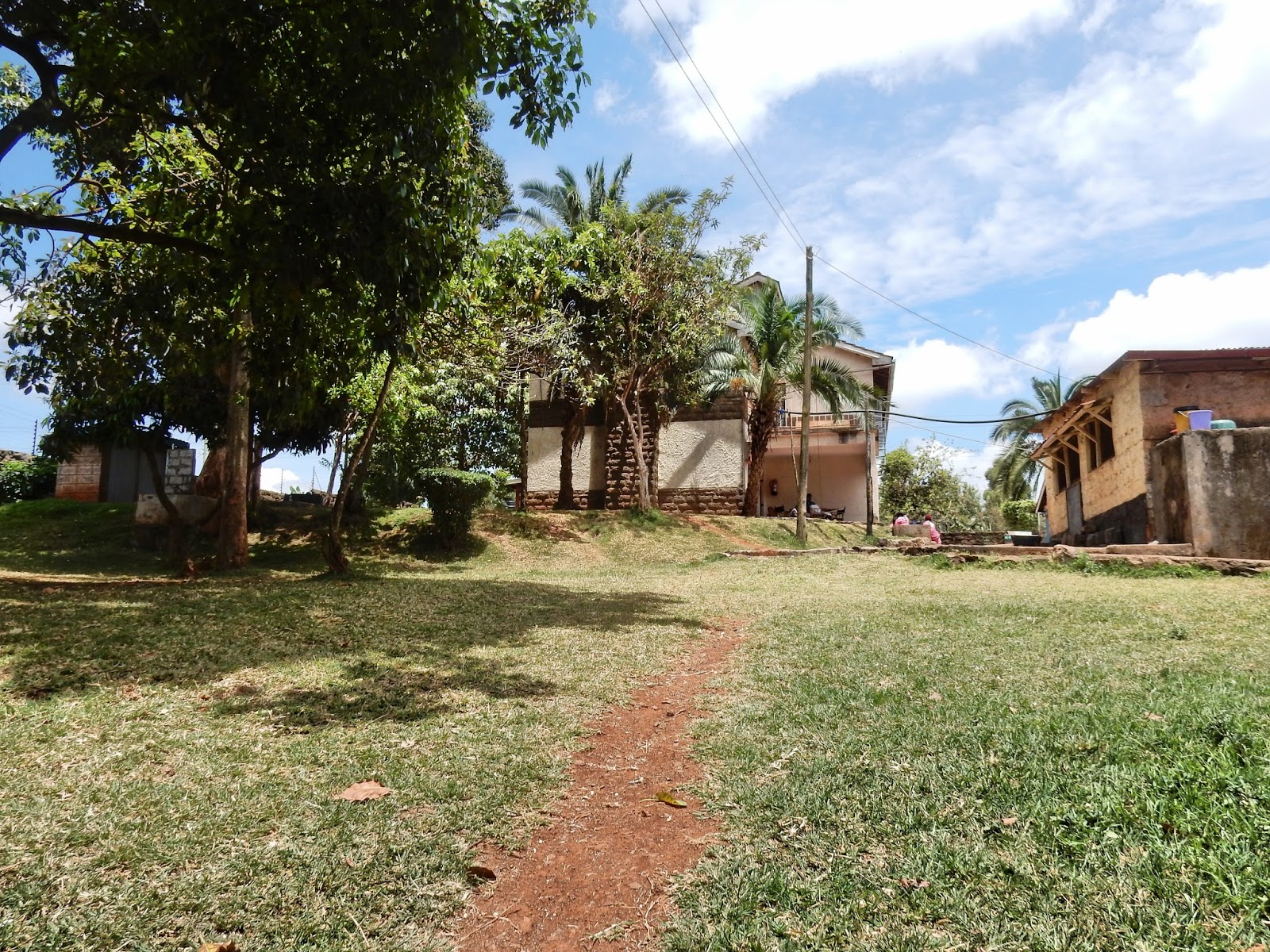
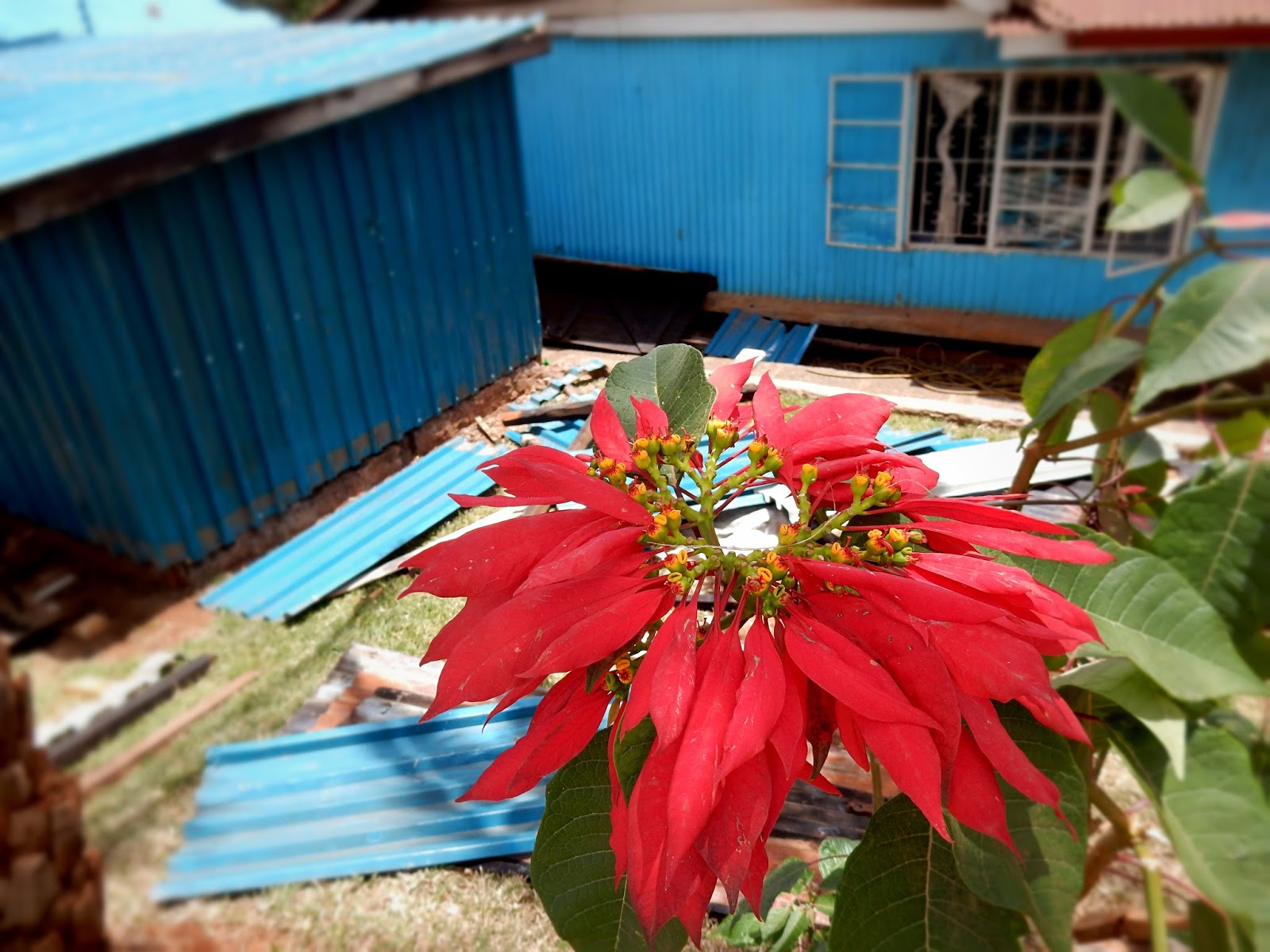
 The grounds surrounding this safe house are beautiful, right down to the over six foot tall poinsettia plant. A reminder that Christmas is always just around the corner.
Though they call it a women’s shelter, it actually is a safe haven for girls ages 8 to 20. Many of them are orphans. Many of the girls have been abused or exploited, and some of them came to the shelter pregnant and have since delivered their babies, raising them in the secure environment of the shelter. Some have parents but have run away and cannot return home. Because of all of these reasons, there are no pictures of the girls here or any details of where their haven is. Those who have aided in making their lives miserable have been known to try to find them.
 But like I said, it is a haven for these young ladies, a place where they can get an education and learn skills which will help them survive once they are back out in the harsh world.
 Two dairy cows provide milk.
 And chickens provide eggs.
 A garden supplies the shelter with vegetables.
 The living room is a place to relax in the evening and learn what it is like to be a kid again.
 The grounds surrounding this safe house are beautiful, right down to the over six foot tall poinsettia plant. A reminder that Christmas is always just around the corner.
November 8, 2015
A Day to Relax
Last time I posted here, we had visited the Kibera Slum, where it is believed that the largest concentration of people in the world may live. The very next day we drove down through the Ngong Hills out to the Maasai village of Saikeri. What a contrast between the two days!
My daughter Val volunteered here for a month when she was in Kenya for six months in 2010. She dragged me out there for several days in 2013 to stay with her friend Maggie and I immediately understood the draw. Maggie’s home has no electricity, but she has a few solar panels on the roof, enough to light a few lights in the house in the evening. She also has a nifty portable solar panel packet, the size of a tablet, which she uses to charge her cell phone and a flashlight. Her water comes from the large tanks which collect rain water from the roof, during the rainy season. The rest of the time, a water tanker truck makes the trek out to her home to fill her tanks.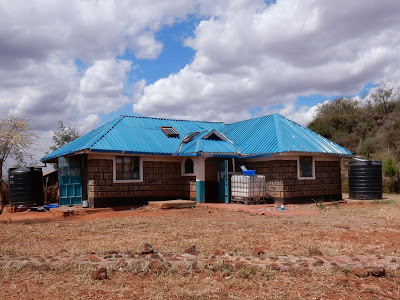
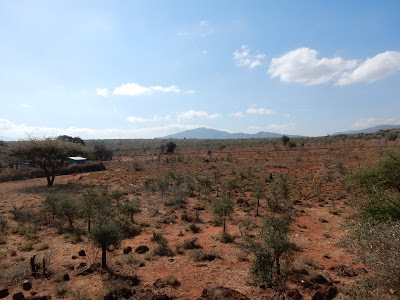
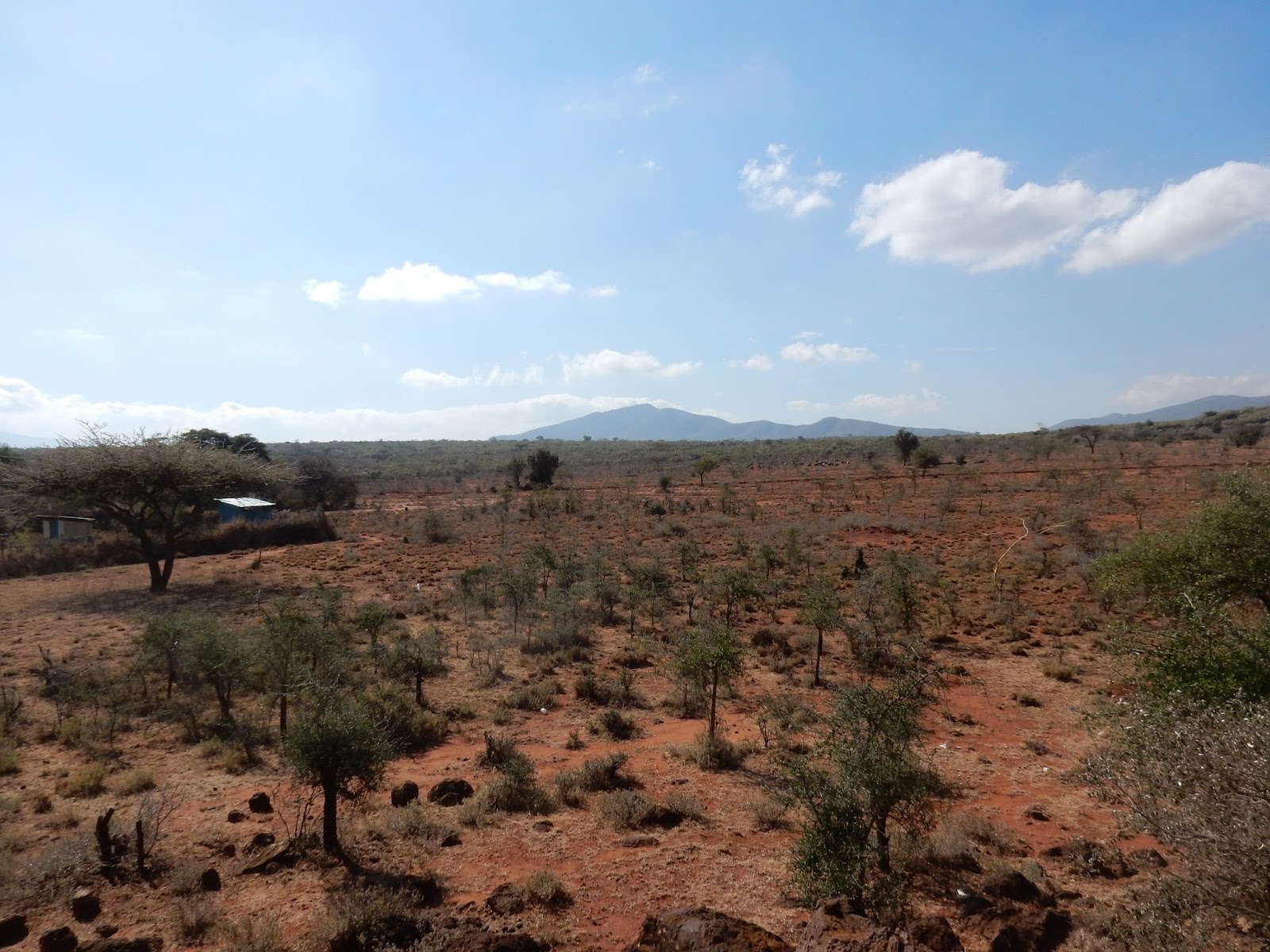
Oh, but first I should describe the ride there. Another typical Kenyan road filled with potholes, ruts, rocks and boulders, but worth it for the view.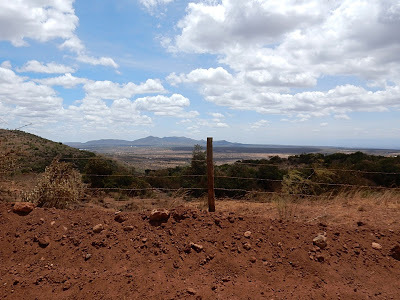
And cattle who know that they have the right of way.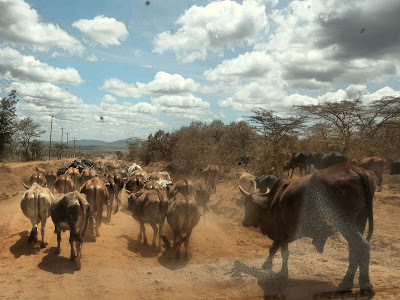
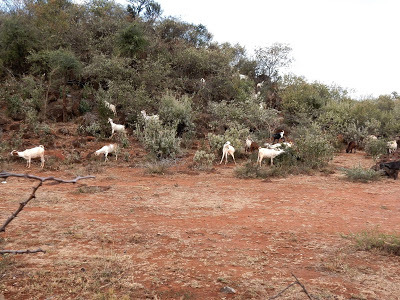
When we got to Maggie's house, the goats also seemed to think they had the run of the place.
As does Maggie’s son LeShan, but isn't he adorable.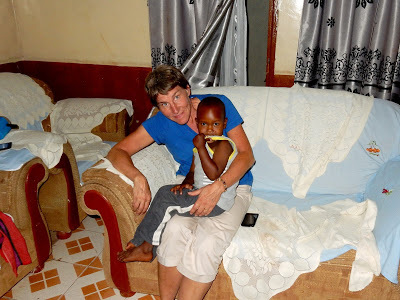
Though he is only three and a half and doesn’t know any English, he took us on a walk down the road and even visited with the neighbors.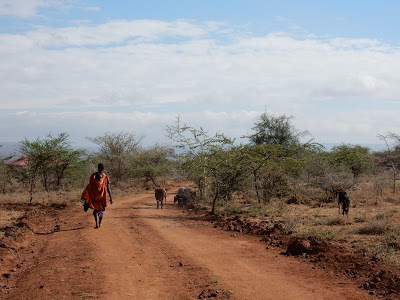
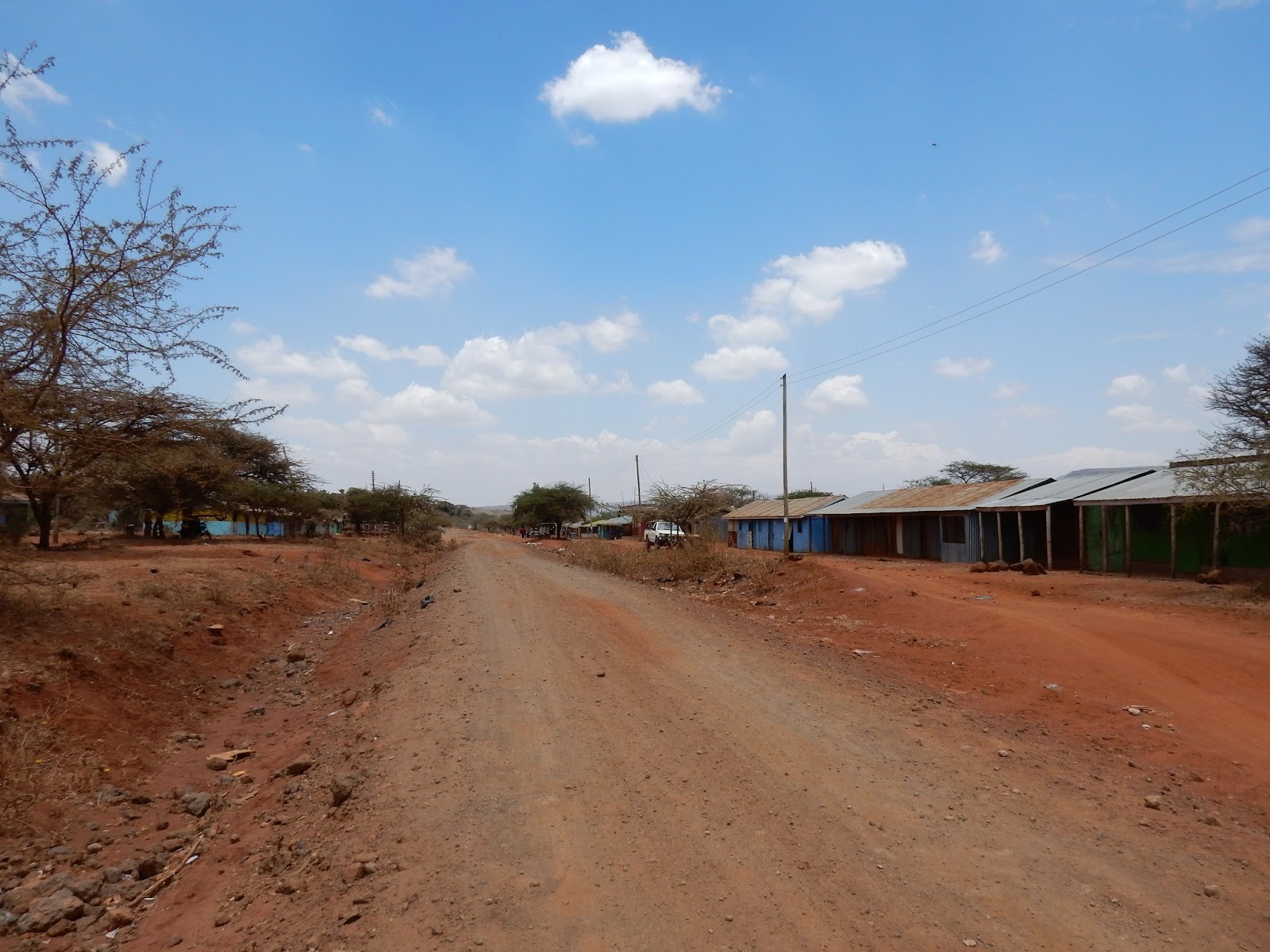
Downtown Saikeri, not exactly hopping that afternoon, but there were Maasai behind those doors watching us pass.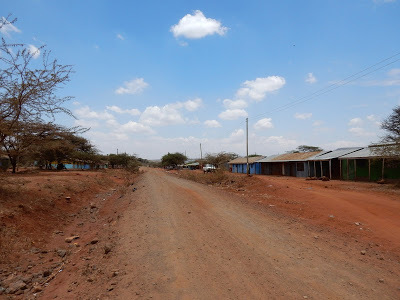
It was hard to leave.

My daughter Val volunteered here for a month when she was in Kenya for six months in 2010. She dragged me out there for several days in 2013 to stay with her friend Maggie and I immediately understood the draw. Maggie’s home has no electricity, but she has a few solar panels on the roof, enough to light a few lights in the house in the evening. She also has a nifty portable solar panel packet, the size of a tablet, which she uses to charge her cell phone and a flashlight. Her water comes from the large tanks which collect rain water from the roof, during the rainy season. The rest of the time, a water tanker truck makes the trek out to her home to fill her tanks.
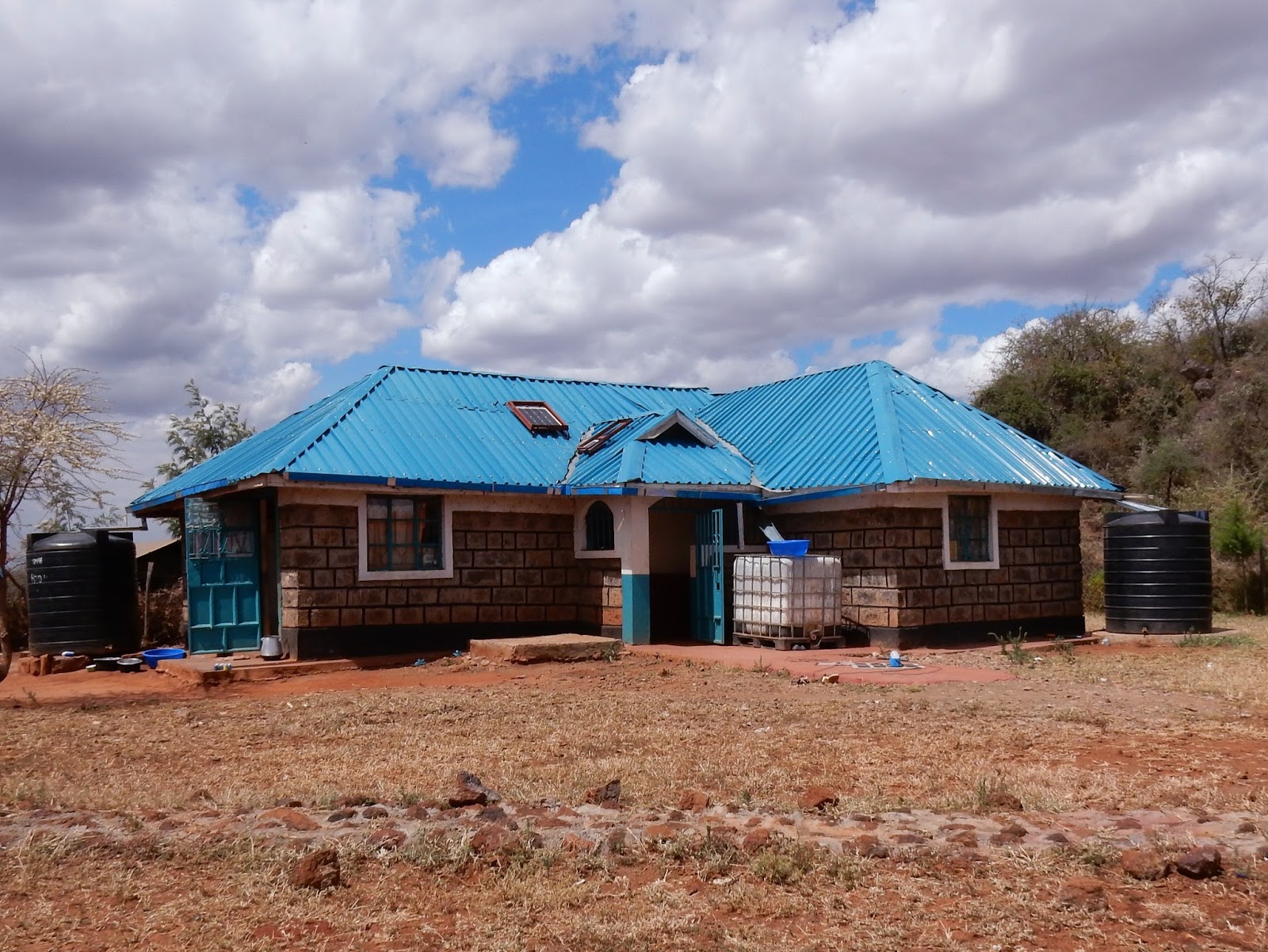
Oh, but first I should describe the ride there. Another typical Kenyan road filled with potholes, ruts, rocks and boulders, but worth it for the view.

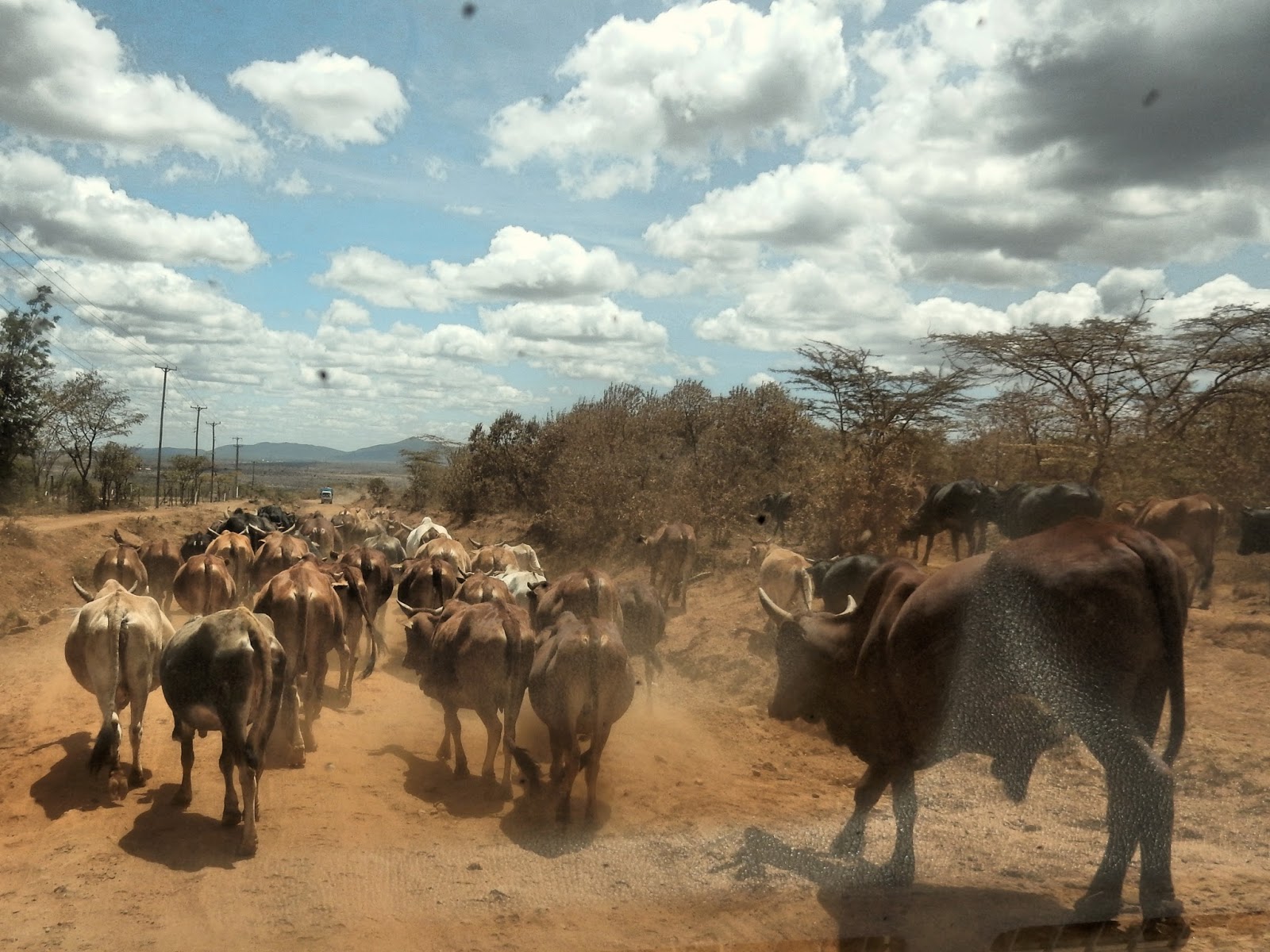
And cattle who know that they have the right of way.
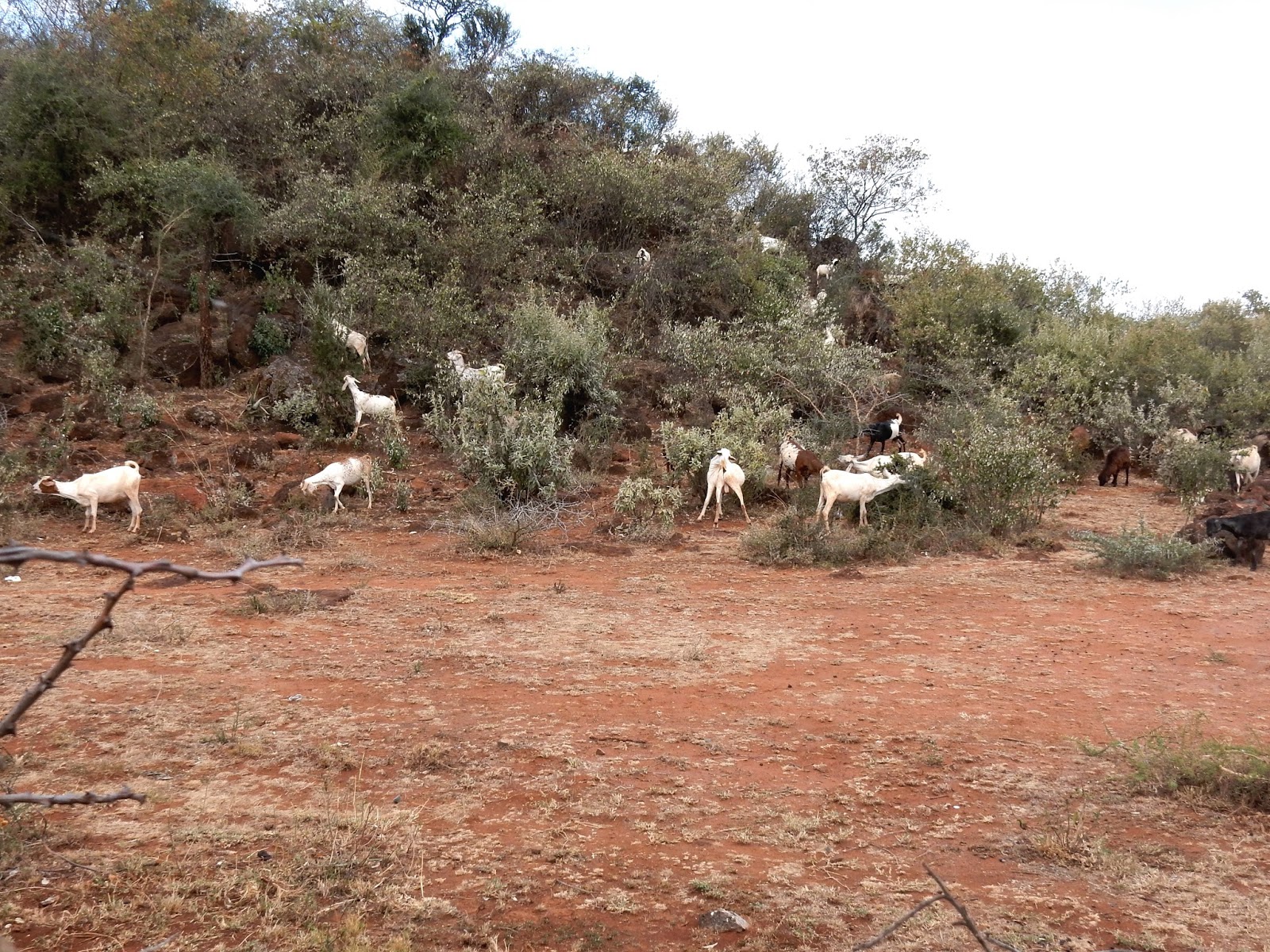
When we got to Maggie's house, the goats also seemed to think they had the run of the place.
As does Maggie’s son LeShan, but isn't he adorable.
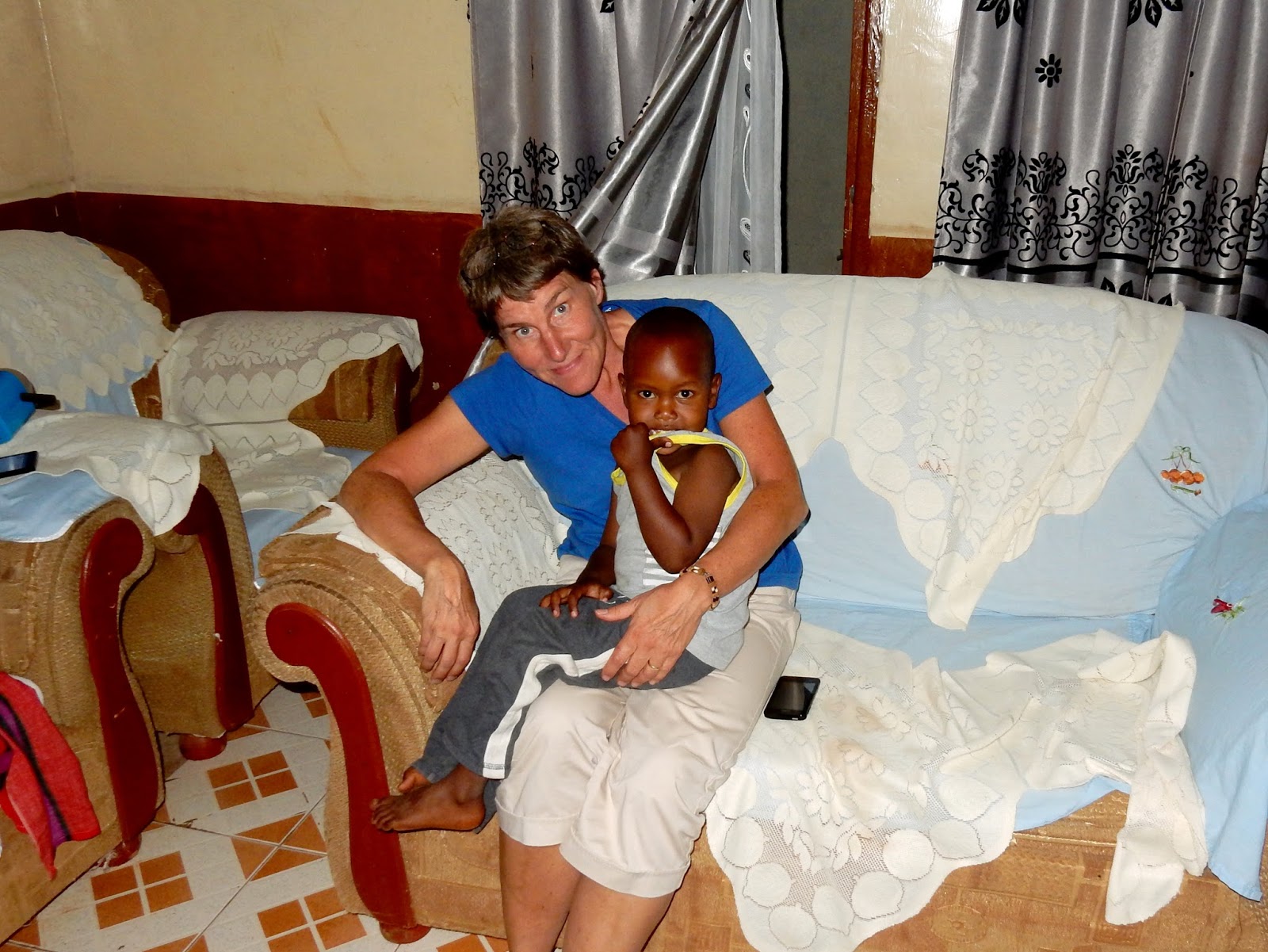
Though he is only three and a half and doesn’t know any English, he took us on a walk down the road and even visited with the neighbors.
Downtown Saikeri, not exactly hopping that afternoon, but there were Maasai behind those doors watching us pass.
It was hard to leave.
November 4, 2015
The Jungle
I don’t know if I am going to be able to find any words for today’s blog. Anyone who has lived in a big city in America thinks they know what a slum is. They think it is that rundown neighborhood where thugs and drug dealers hang out. Or where the government built subsidized housing, where the poorest of the poor would live, but those apartments only attracted rats and other lowlife. Or the working class section of town became the lower class section when industry in the city went belly up.
But travel to a third world country. Find out what a slum is there.
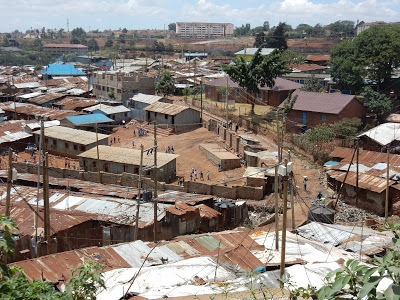
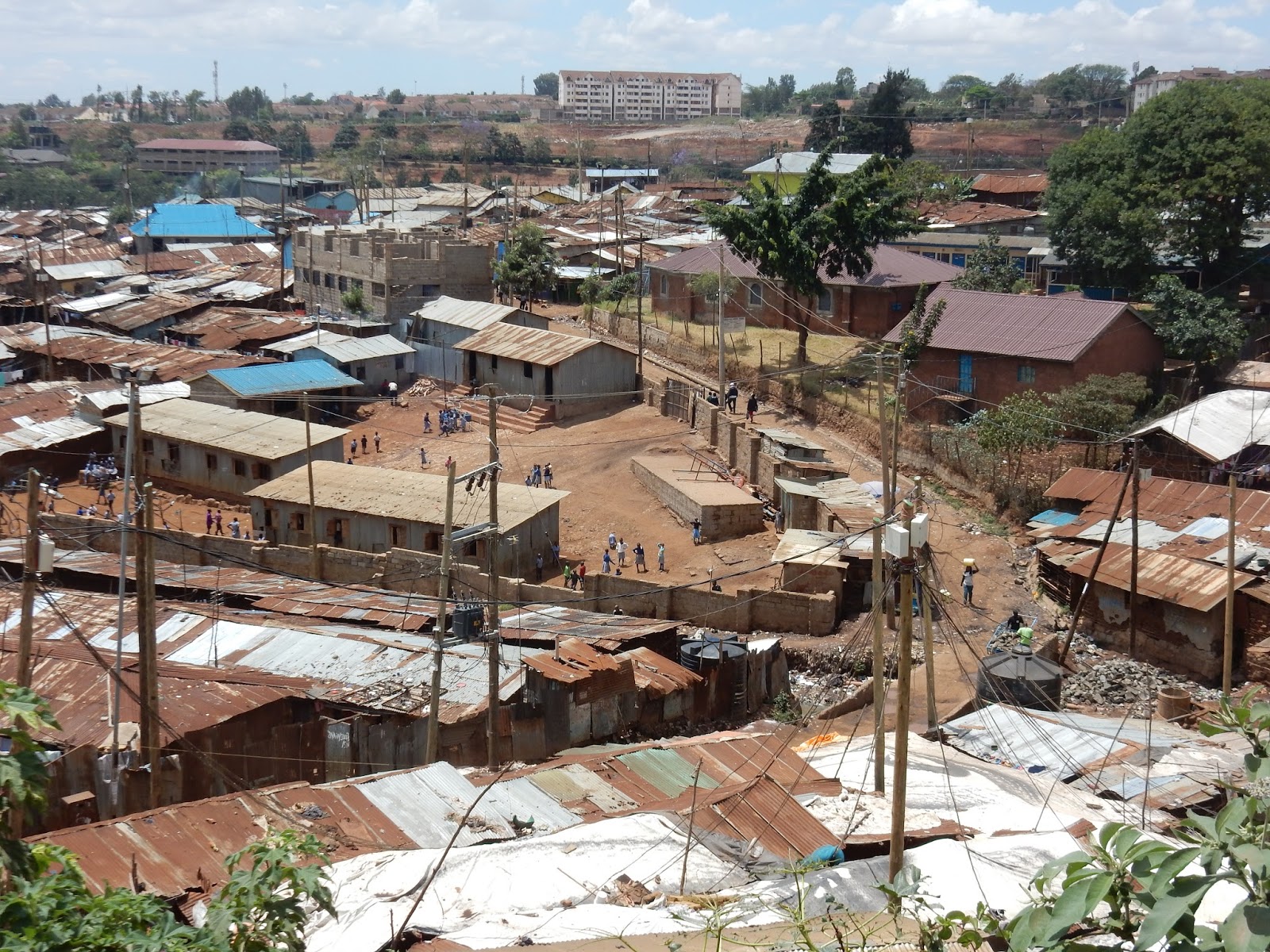
Welcome to Kibera Slum, the largest slum in Africa and one of the largest in the World. Home to anywhere between one quarter of a million to a full one million people, depending on who you talk to and what time of year it is.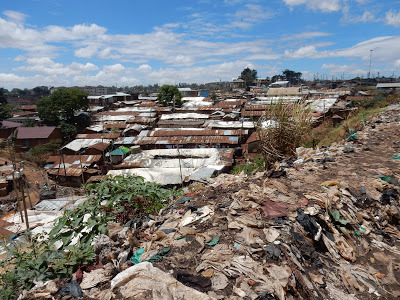
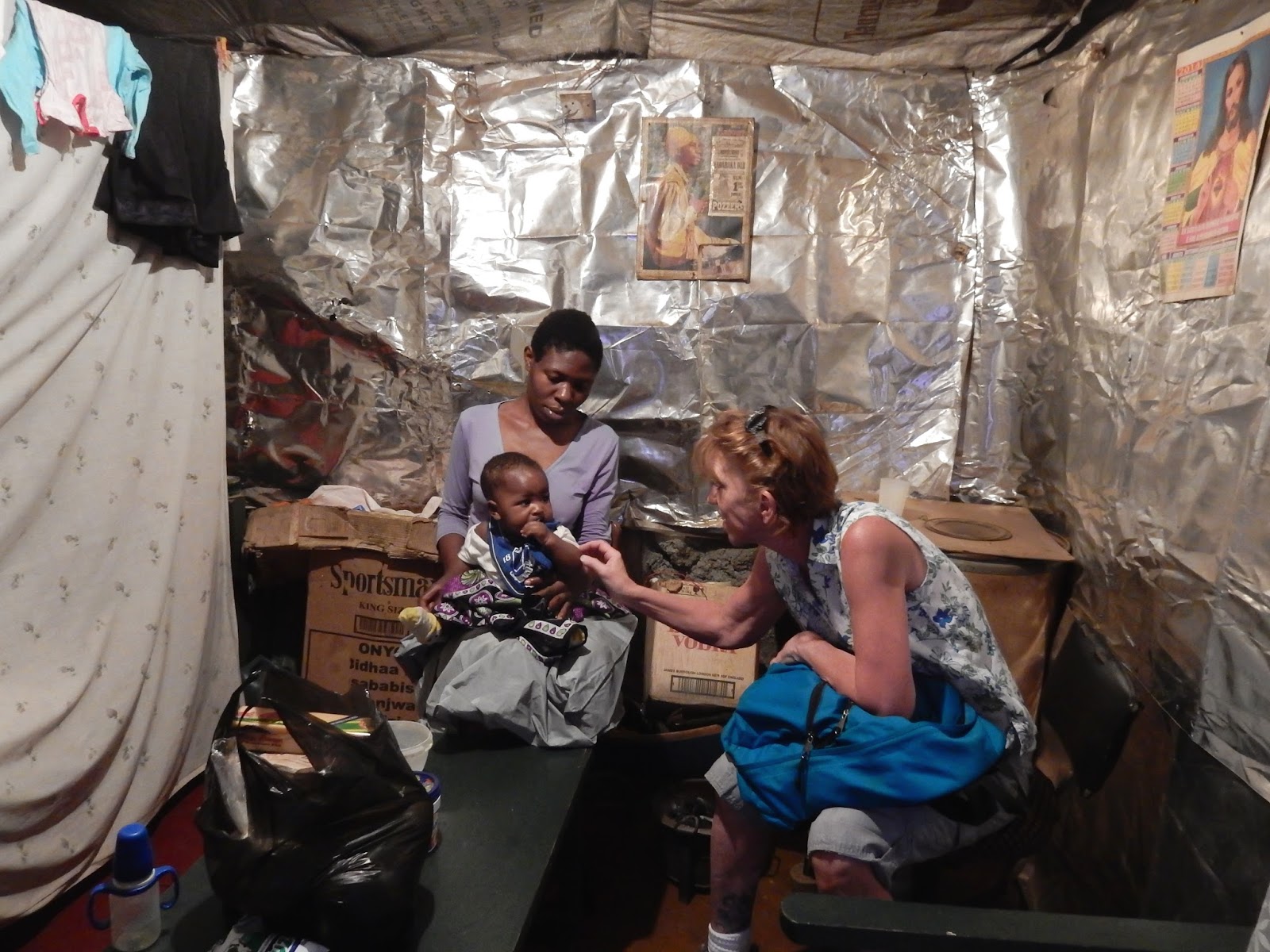
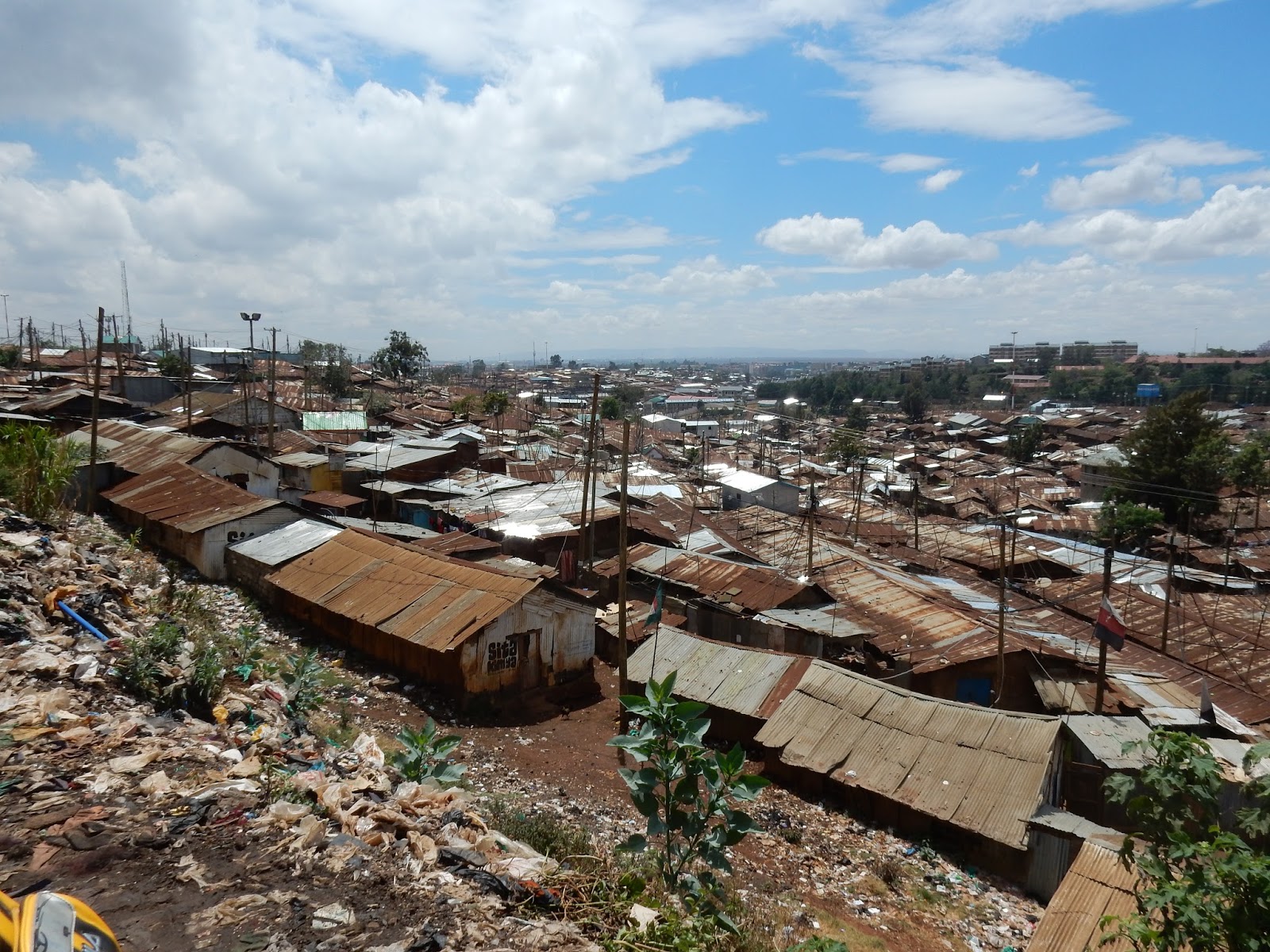
There are no real buildings. Homes and businesses are constructed of handmade bricks and corrugated tin and sheets of warped plywood and the sacks which 50 pounds of flour or cornmeal had come in or plastic shopping bags.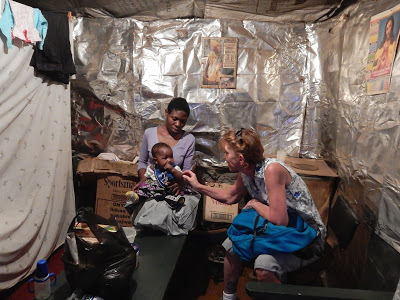
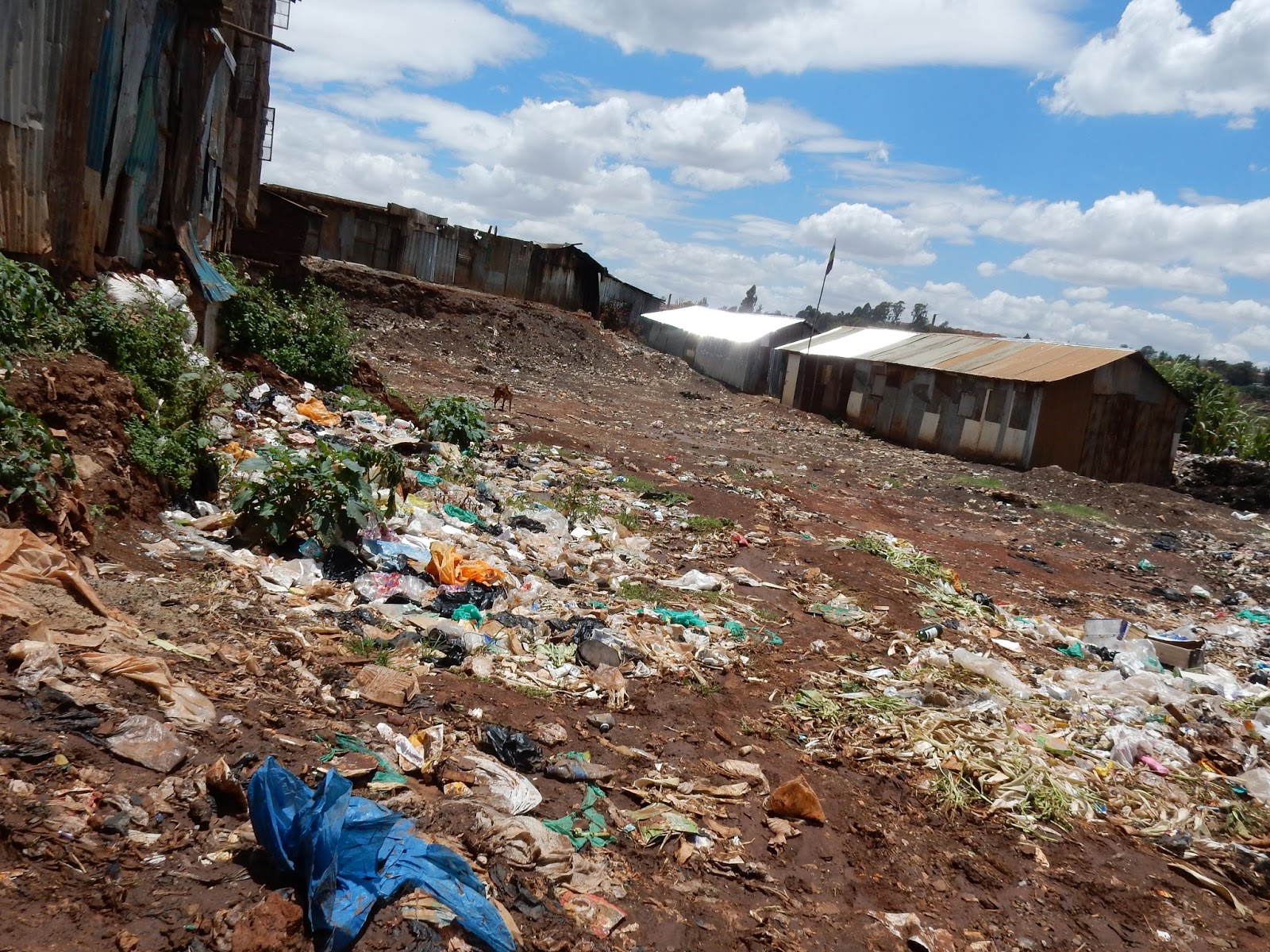
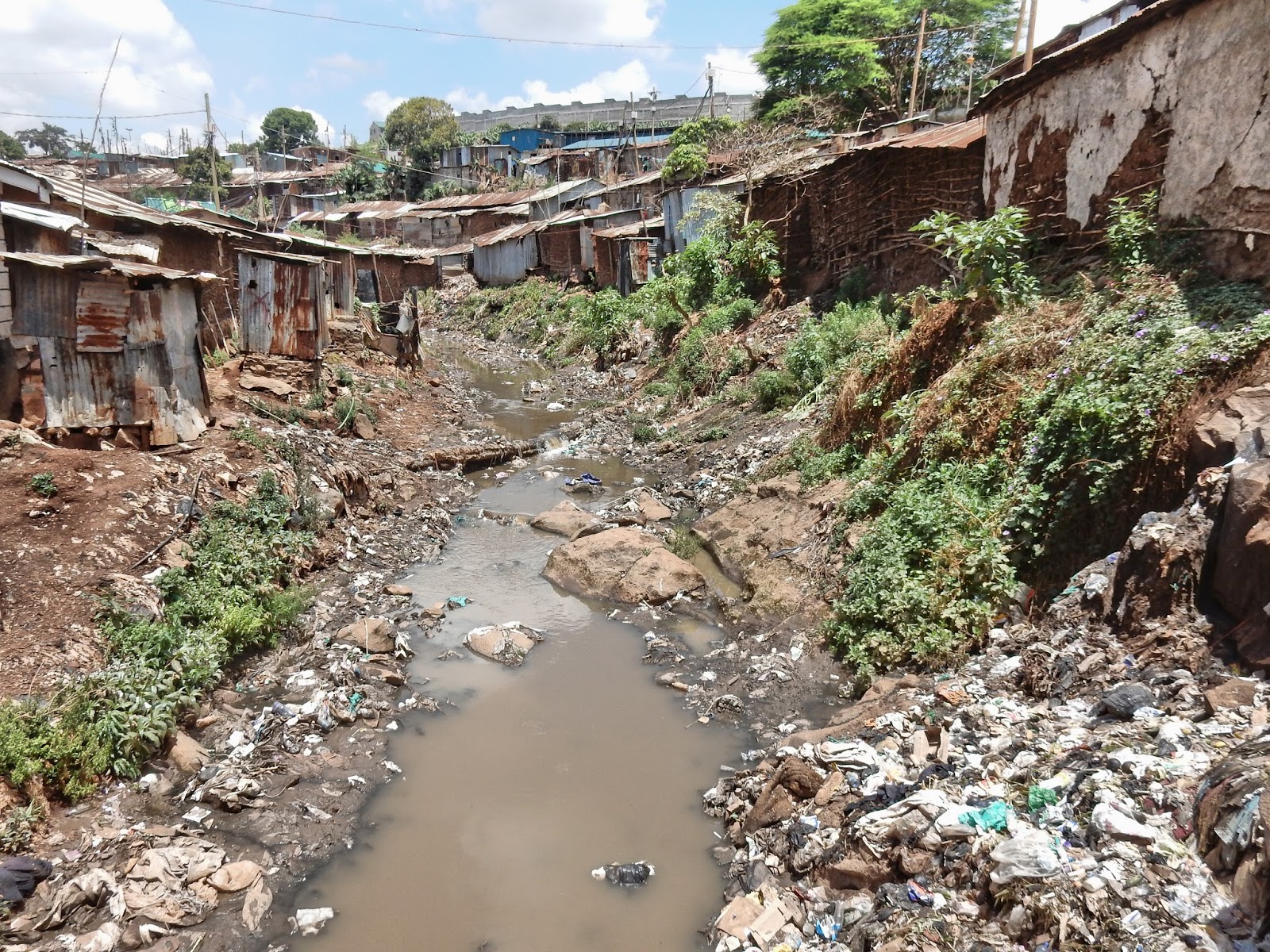
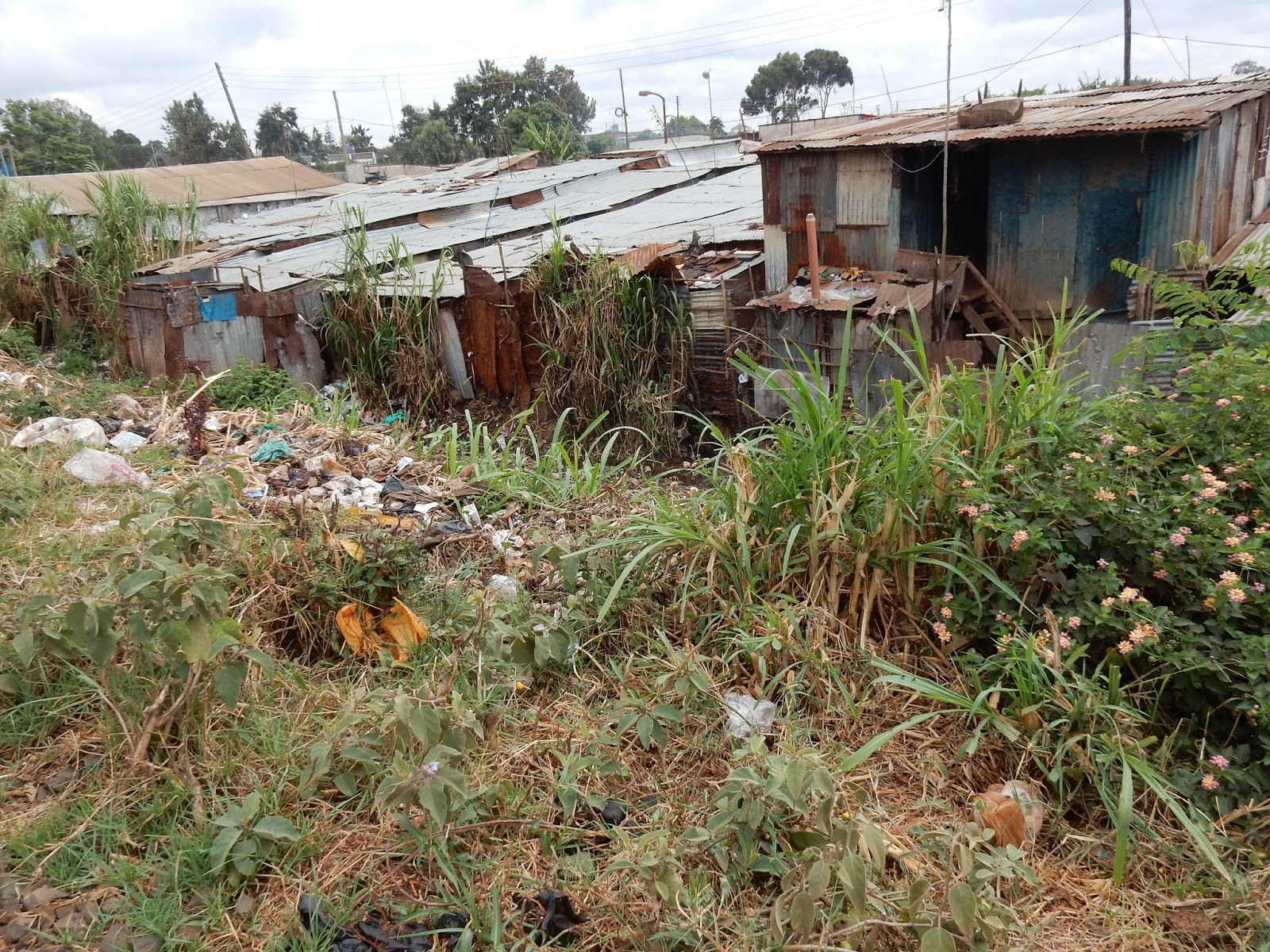
Welcome to a world where there is no sanitation system, no garbage removal.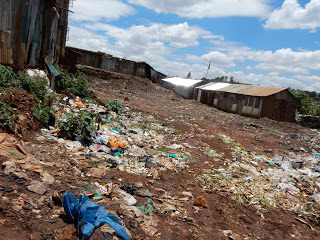
There are electric wires running into the slum, and resourceful people will splice into these wires for free electricity into their homes. Sometimes these wires are live, sometimes they aren’t. On any given day there won’t be any electricity going into the slum.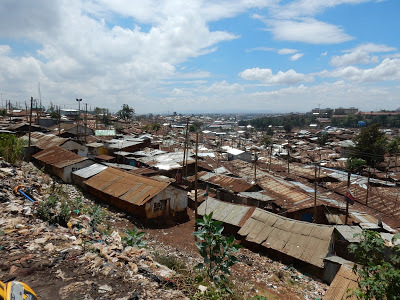
There are two water lines going into the slum. Two! For a quarter of a million people, or four times that many. Two water lines.
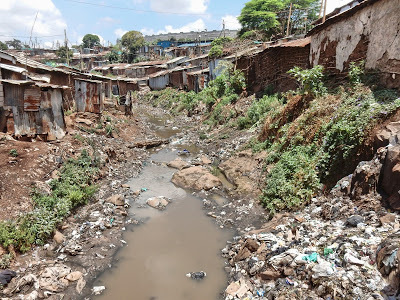 There are schools in the slum. Some even claim they are free to attend, but the children still need to wear uniforms, which their parents cannot afford, and supply their own supplies, which their parents cannot afford.
The few medical facilities in the slum are run by charitable organizations, organizations with limited funds and even more limited staff. The number of HIV residents is extremely high. ARV drugs are available but many people don’t get them.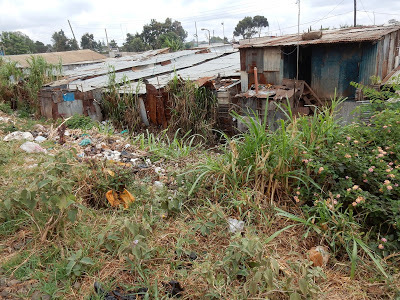
You can imagine the crime, the drugs, the unwanted pregnancies.
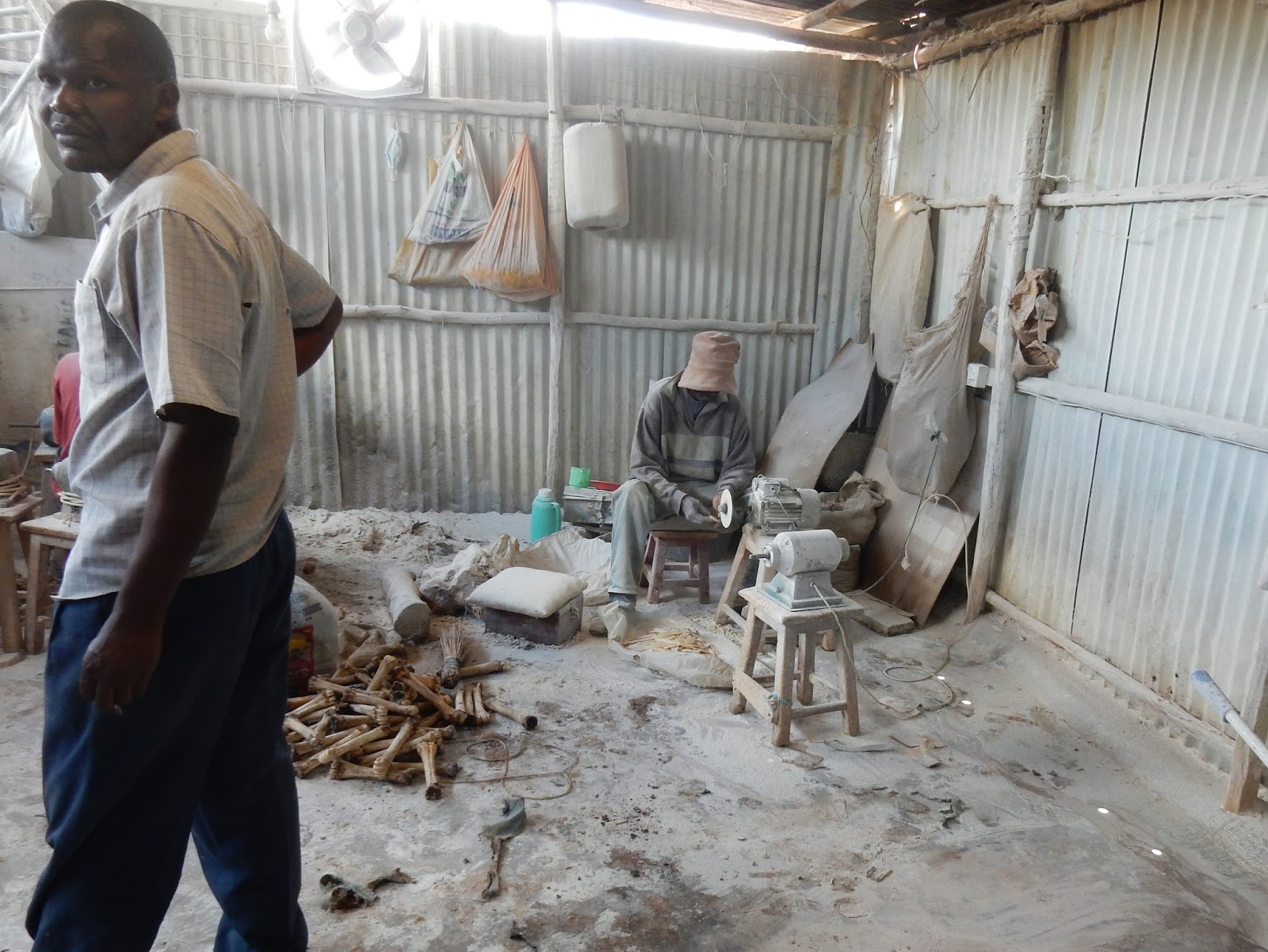
Somehow, the residents rise above all of this. One group of men run a business making jewelry from bone.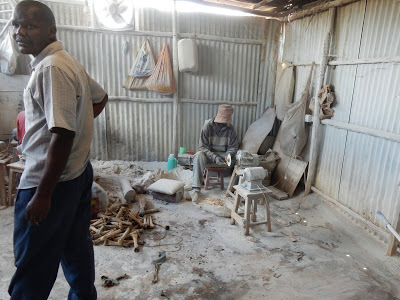
The name Kibera comes from the Nubian word for forest or jungle.
Seems appropriate.
But travel to a third world country. Find out what a slum is there.
Welcome to Kibera Slum, the largest slum in Africa and one of the largest in the World. Home to anywhere between one quarter of a million to a full one million people, depending on who you talk to and what time of year it is.
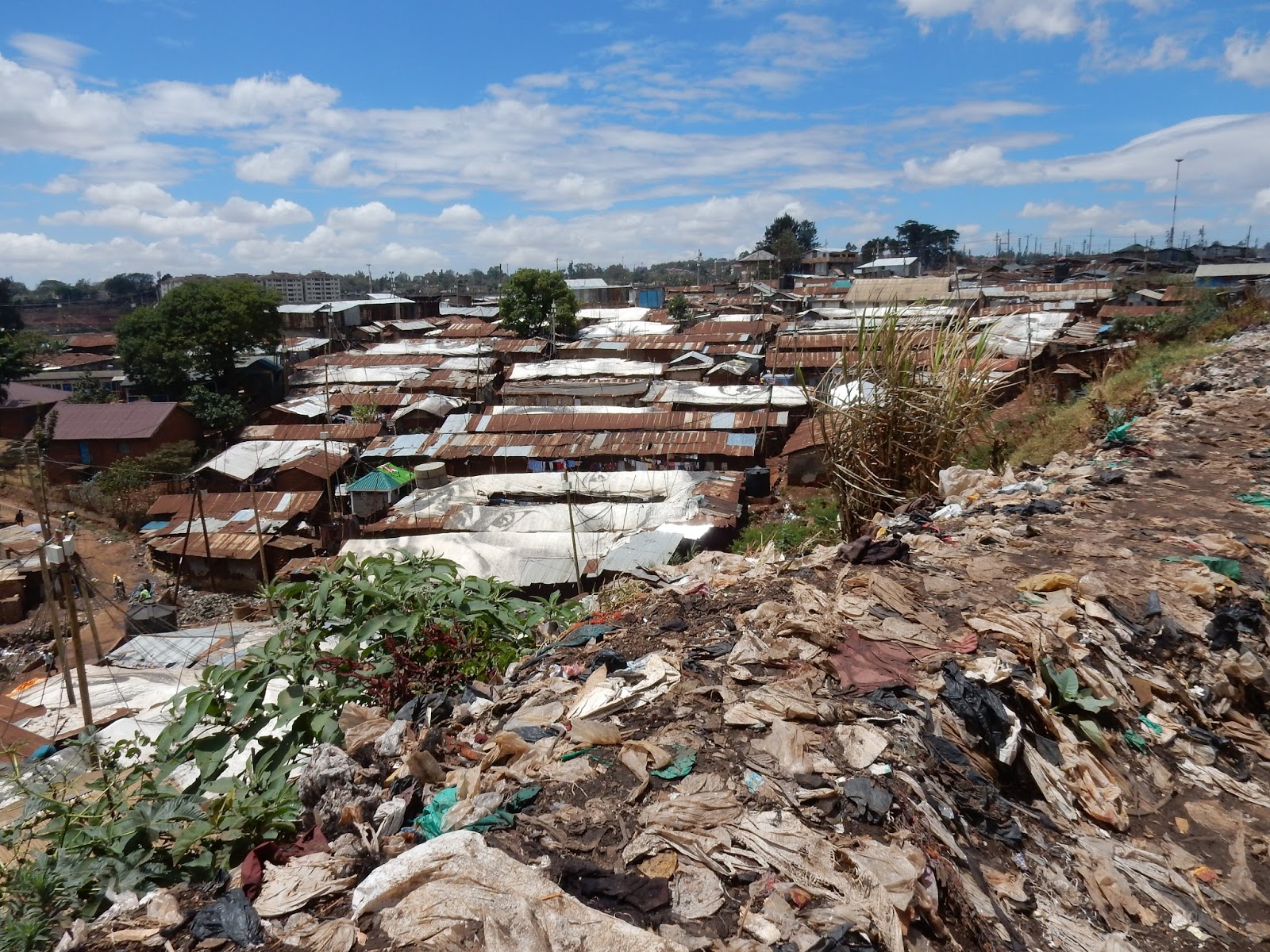
There are no real buildings. Homes and businesses are constructed of handmade bricks and corrugated tin and sheets of warped plywood and the sacks which 50 pounds of flour or cornmeal had come in or plastic shopping bags.
Welcome to a world where there is no sanitation system, no garbage removal.
There are electric wires running into the slum, and resourceful people will splice into these wires for free electricity into their homes. Sometimes these wires are live, sometimes they aren’t. On any given day there won’t be any electricity going into the slum.
There are two water lines going into the slum. Two! For a quarter of a million people, or four times that many. Two water lines.
 There are schools in the slum. Some even claim they are free to attend, but the children still need to wear uniforms, which their parents cannot afford, and supply their own supplies, which their parents cannot afford.
The few medical facilities in the slum are run by charitable organizations, organizations with limited funds and even more limited staff. The number of HIV residents is extremely high. ARV drugs are available but many people don’t get them.
You can imagine the crime, the drugs, the unwanted pregnancies.
Somehow, the residents rise above all of this. One group of men run a business making jewelry from bone.
The name Kibera comes from the Nubian word for forest or jungle.
Seems appropriate.
November 1, 2015
Humbled
Jesus sat down opposite the place where the offerings were put and watched the crowd putting their money into the temple treasury. Many rich people threw in large amounts. But a poor widow came and put in two very small copper coins, worth only a few cents. Calling his disciples to him, Jesus said, “Truly I tell you, this poor widow has put more into the treasury than all the others. They all gave out of their wealth; but she, out of her poverty, put in everything—all she had to live on.” Mark 12:41-44 (New International Version)
When I was at Lifest in 2005, as they were handing out packets of children to be sponsored through Compassion International, I decided that it was time to sponsor a boy or girl in a third world country and I took the next packet which was given to me. Randomly. The child was a scared, thin young girl from India. She was the one who God had chosen for me. I had always been fascinated with India, and before getting all wrapped up in Kenya, that was the first third world country I thought I wanted to go to.
Shortly after returning from Kenya in May of 2013, I received a letter from Compassion explaining that I might lose my child in India and that they would keep me up to date. (It’s a long story which I won’t elaborate on here, but you have to realize, stuff happens.) A few months later, one Friday evening Compassion called to say that due to circumstances beyond their control, my little girl in India was out of the program. Did I want another girl from India to sponsor?
“Well, I just got back from Kenya, so could I sponsor a little girl from there instead?”
“Sure,” the woman answered. “Let me pull up a random girl from Kenya.” She came back on the line a moment later. “I have a little girl for you and believe it or not, her birthday is next week. What an amazing birthday present for her.”
Well, when I got done crying, I thanked the woman and told her I would wait to get the information on my new child. And when her picture arrived, she looked just as small and scared as the girl from India.
Two years later, as I began planning this trip to Africa, I contacted Compassionabout going to see my child while I was there. A quite a few emails went back and forth, but the arrangements were made. At six o’clock in the morning on October 12, the Compassion representative who would be our guide for the day picked Denise and me up at our volunteer house. Five hours and many rough roads later, we arrived at the Compassion center which works with my child.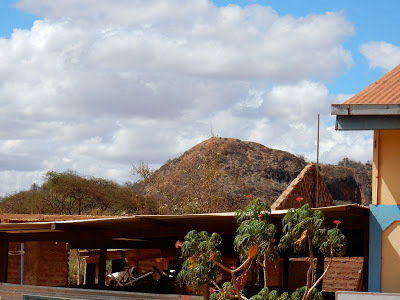
She is so beautiful. Beautiful beyond words, don’t you think? And more precious than anything.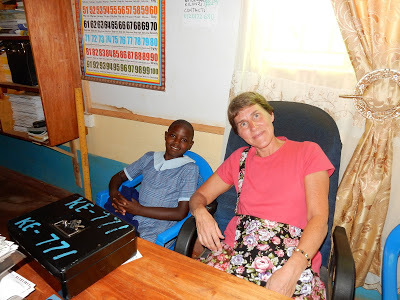 I’d been to two different Compassion centers when I was in Kenya in 2006, so I knew the drill. We met my child, toured her center, they fed us, we drove out to her home, met her family, gave them gifts, and then they gave me gifts. Which I knew was coming, but looking at the poverty they lived in, I thought, oh, honey, your family doesn’t have to give me anything.
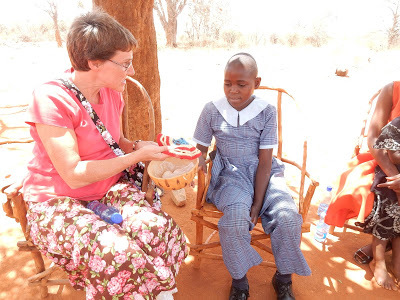
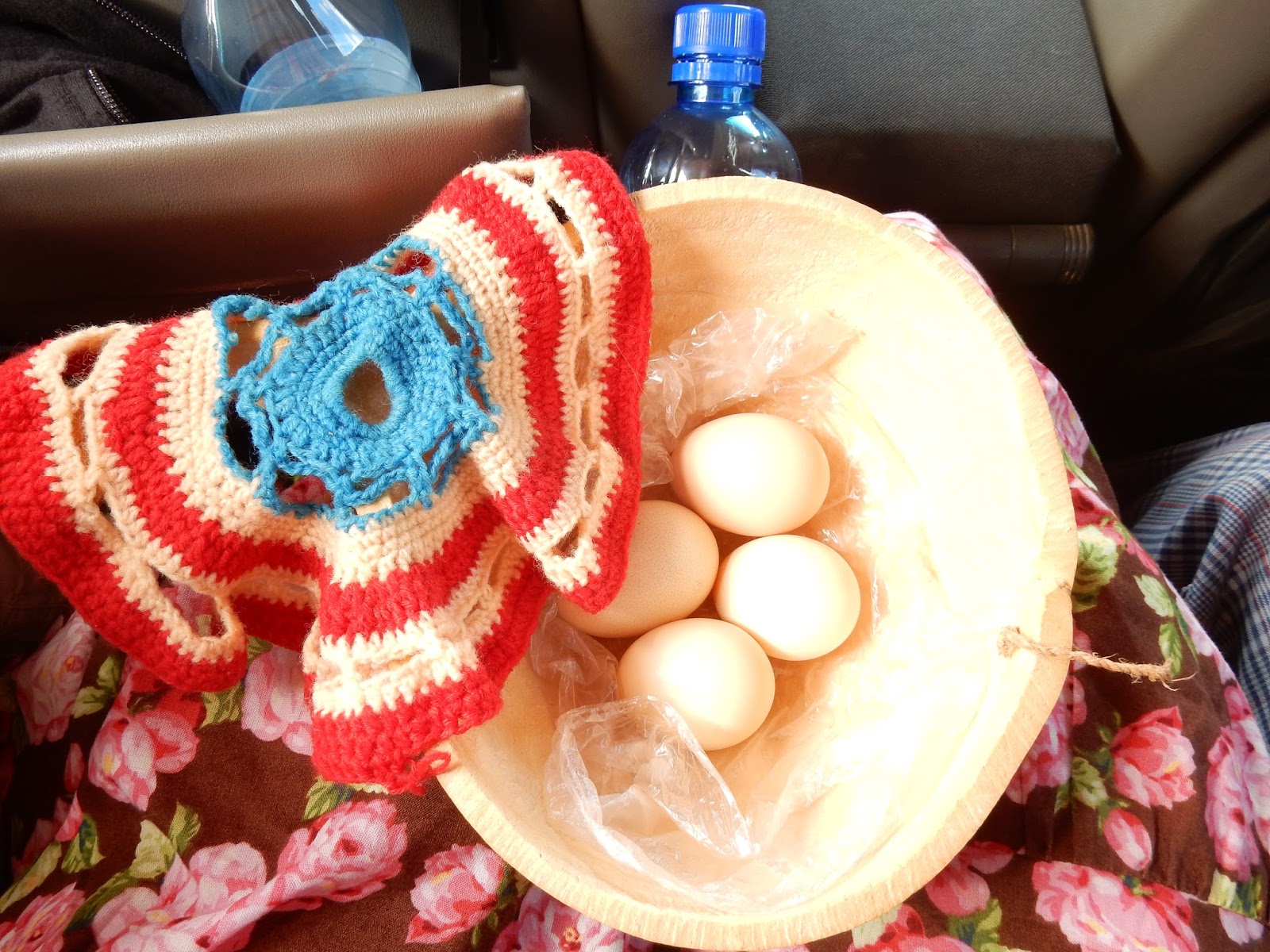
Just like the widow who gave her two mites, they gave me everything they had – a gourd, a hand-made doily and four small chicken eggs. Nothing, no gift I have ever received has ever meant more to me, or ever will. Ever.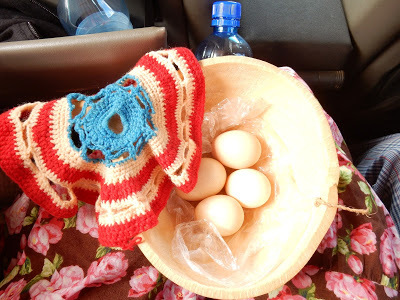
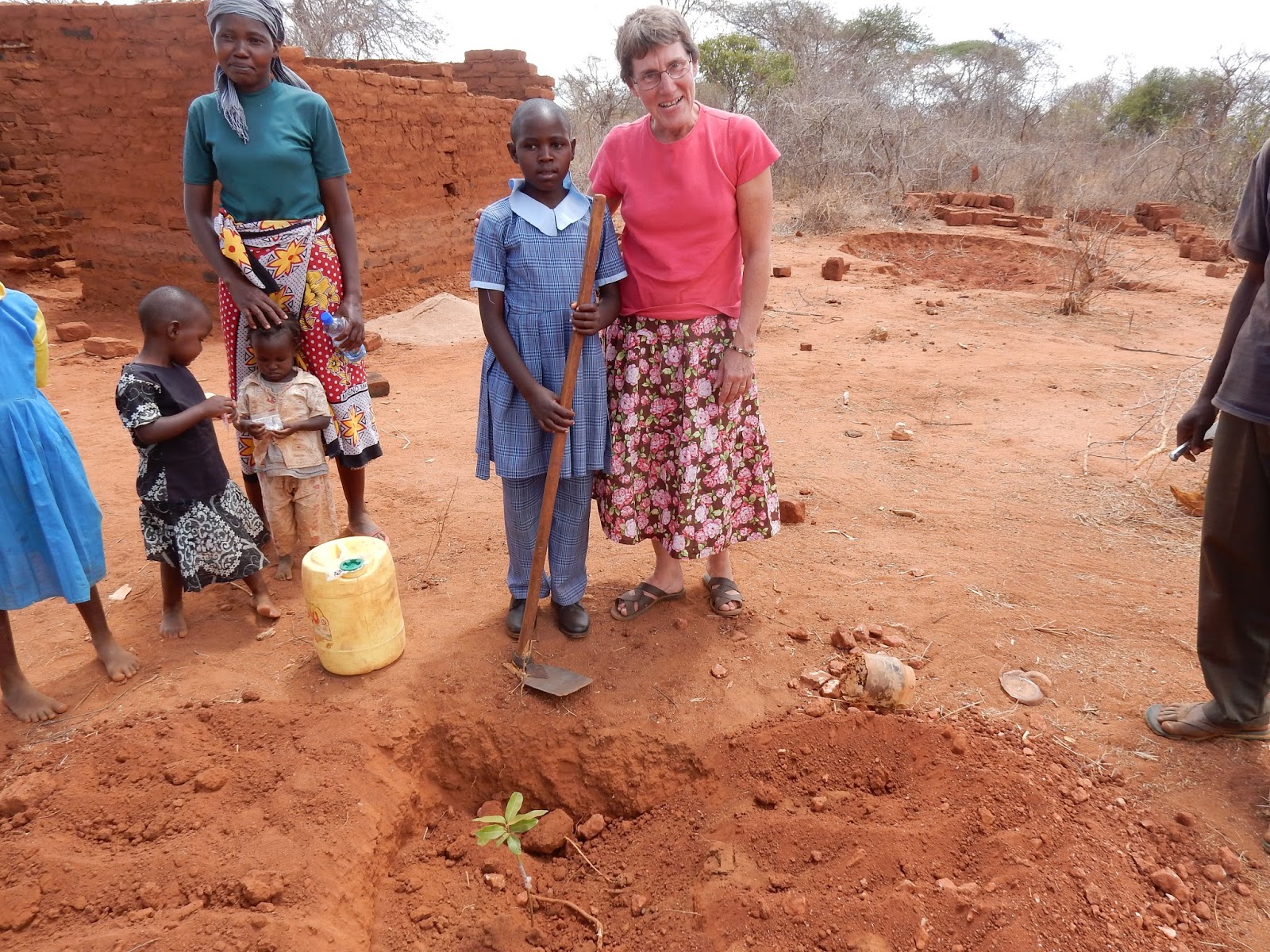
Then, to top that all off, we planted a tree to commemorate my visit (just as they did back in 2006). That was cool. A tree to grow and supply them with fruit and so that she can remember the day I came to meet her.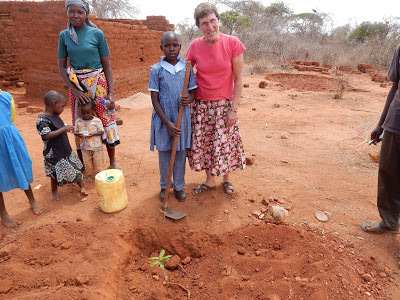
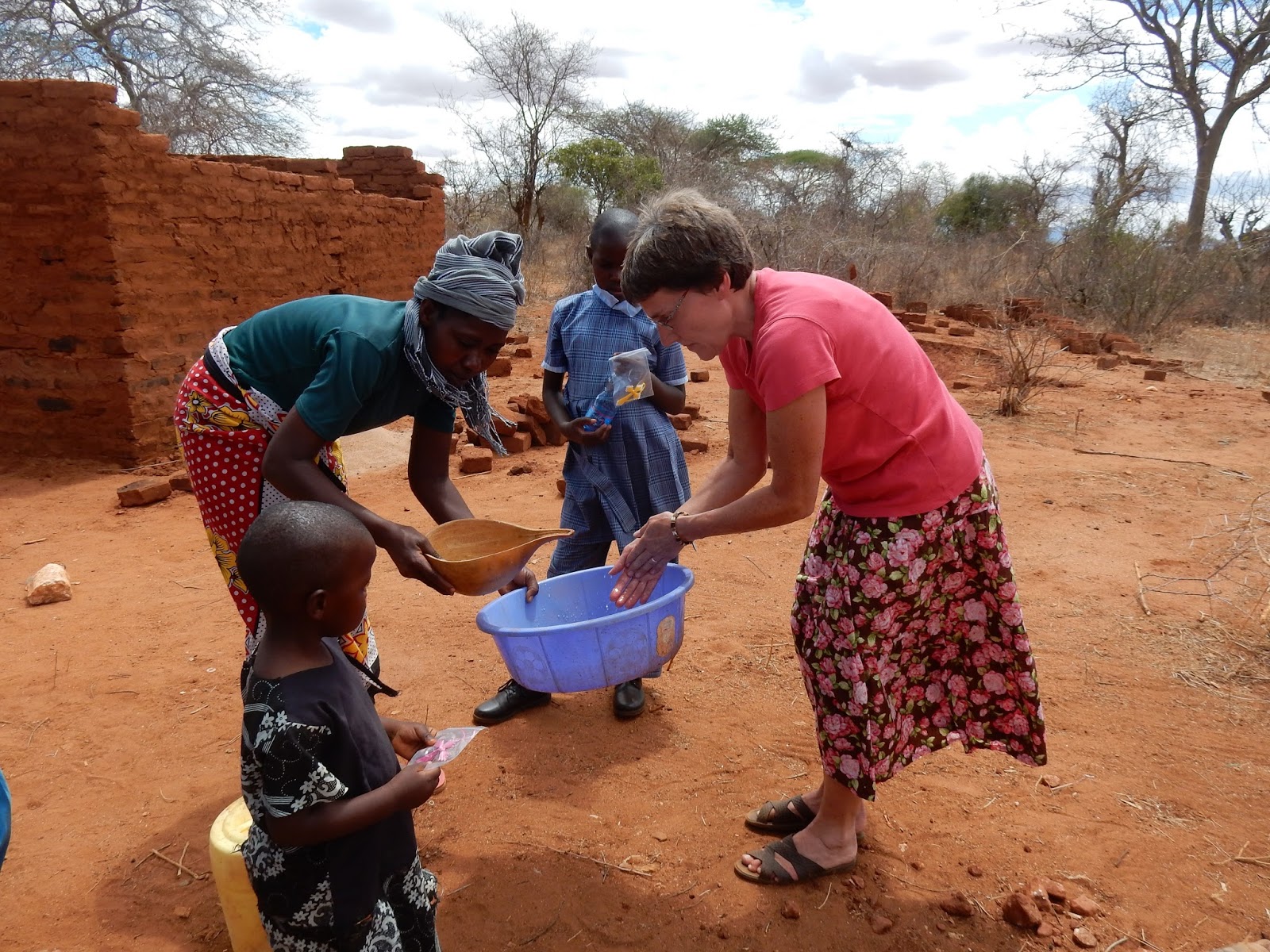
Then, her mom came over with THE most precious thing they have. Kenya has been going through a drought, but most places get at least a short rain shower every week or so. In this part of the country, though, they said that they hadn’t had a drop of rain in over a year. Not a drop.But yet her mom pours this clear, clean water out for me to wash my hands.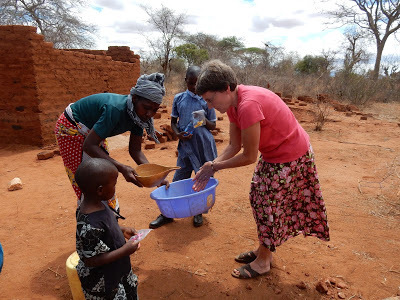
I have never been so humbled. I thought that I would give them something, but they gave me so much more.
Lord, God, Heavenly Father, thank You for allowing me to live a life of plenty and giving me the chance to share what I have, though my sacrifice is so insignificant. And please, Lord, let it rain in that part of the world so that this precious daughter of Yours and her family can have fresh water and so that their little tree grows. Amen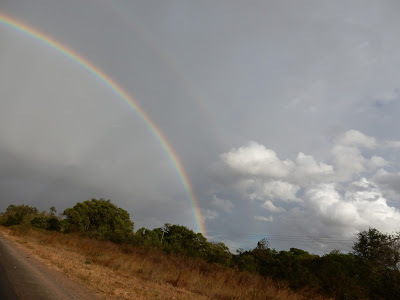 Several hours after leaving the center, as we were driving home, it started to rain. We looked back and wondered if it could possibly be raining back there as well. A rainbow appeared in the sky. God is good.
When I was at Lifest in 2005, as they were handing out packets of children to be sponsored through Compassion International, I decided that it was time to sponsor a boy or girl in a third world country and I took the next packet which was given to me. Randomly. The child was a scared, thin young girl from India. She was the one who God had chosen for me. I had always been fascinated with India, and before getting all wrapped up in Kenya, that was the first third world country I thought I wanted to go to.
Shortly after returning from Kenya in May of 2013, I received a letter from Compassion explaining that I might lose my child in India and that they would keep me up to date. (It’s a long story which I won’t elaborate on here, but you have to realize, stuff happens.) A few months later, one Friday evening Compassion called to say that due to circumstances beyond their control, my little girl in India was out of the program. Did I want another girl from India to sponsor?
“Well, I just got back from Kenya, so could I sponsor a little girl from there instead?”
“Sure,” the woman answered. “Let me pull up a random girl from Kenya.” She came back on the line a moment later. “I have a little girl for you and believe it or not, her birthday is next week. What an amazing birthday present for her.”
Well, when I got done crying, I thanked the woman and told her I would wait to get the information on my new child. And when her picture arrived, she looked just as small and scared as the girl from India.
Two years later, as I began planning this trip to Africa, I contacted Compassionabout going to see my child while I was there. A quite a few emails went back and forth, but the arrangements were made. At six o’clock in the morning on October 12, the Compassion representative who would be our guide for the day picked Denise and me up at our volunteer house. Five hours and many rough roads later, we arrived at the Compassion center which works with my child.

She is so beautiful. Beautiful beyond words, don’t you think? And more precious than anything.
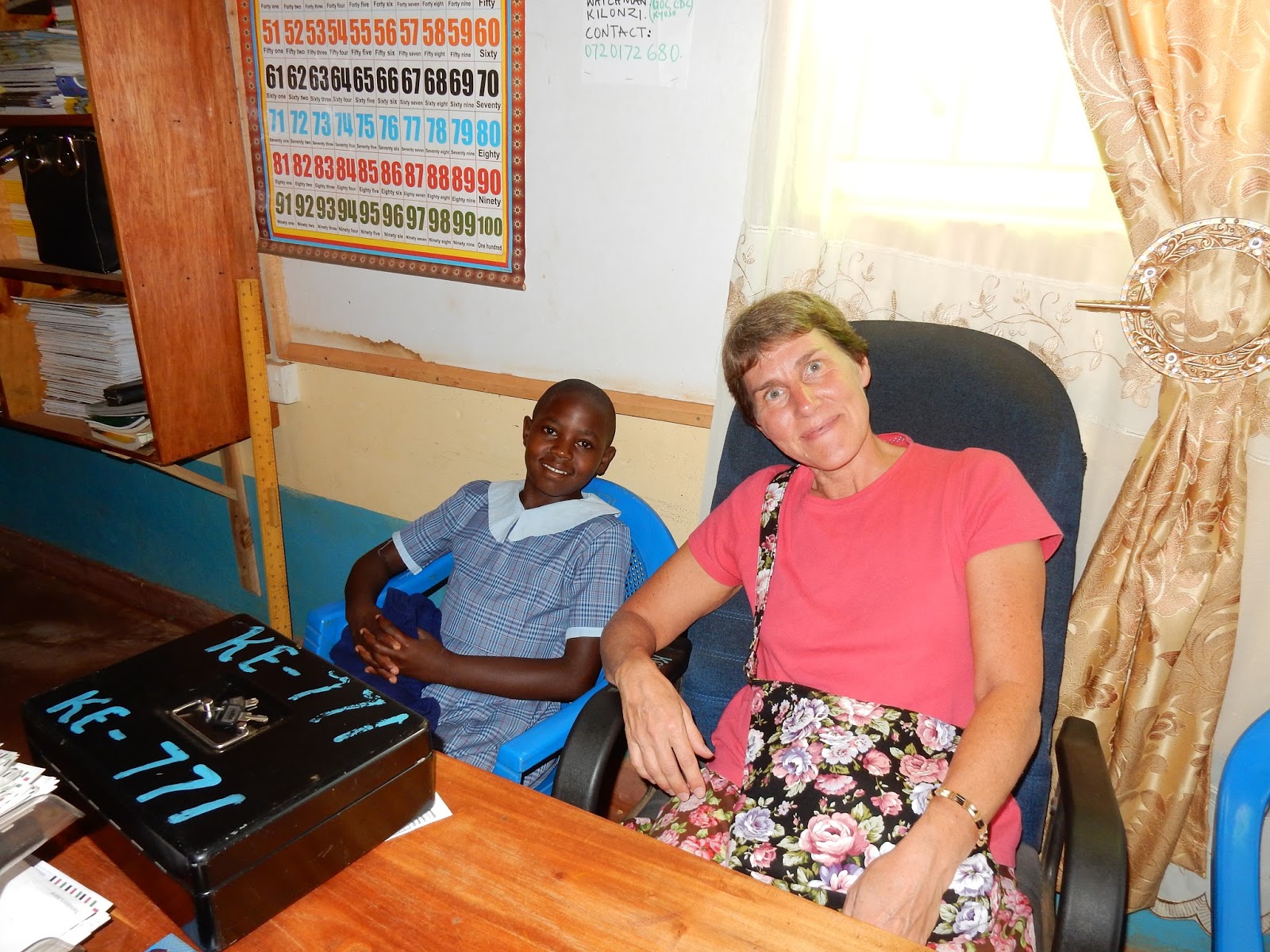 I’d been to two different Compassion centers when I was in Kenya in 2006, so I knew the drill. We met my child, toured her center, they fed us, we drove out to her home, met her family, gave them gifts, and then they gave me gifts. Which I knew was coming, but looking at the poverty they lived in, I thought, oh, honey, your family doesn’t have to give me anything.
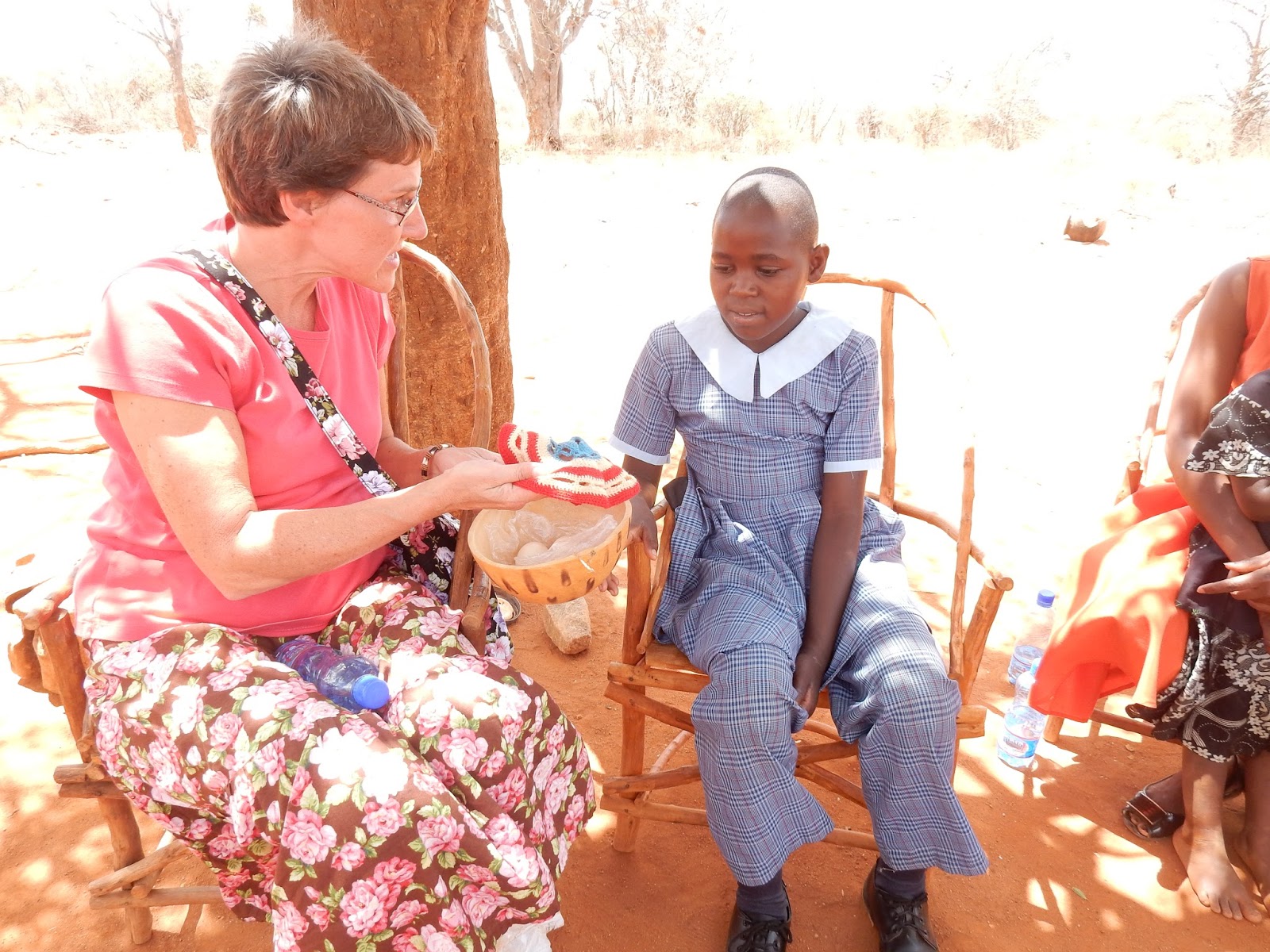
Just like the widow who gave her two mites, they gave me everything they had – a gourd, a hand-made doily and four small chicken eggs. Nothing, no gift I have ever received has ever meant more to me, or ever will. Ever.
Then, to top that all off, we planted a tree to commemorate my visit (just as they did back in 2006). That was cool. A tree to grow and supply them with fruit and so that she can remember the day I came to meet her.
Then, her mom came over with THE most precious thing they have. Kenya has been going through a drought, but most places get at least a short rain shower every week or so. In this part of the country, though, they said that they hadn’t had a drop of rain in over a year. Not a drop.But yet her mom pours this clear, clean water out for me to wash my hands.
I have never been so humbled. I thought that I would give them something, but they gave me so much more.
Lord, God, Heavenly Father, thank You for allowing me to live a life of plenty and giving me the chance to share what I have, though my sacrifice is so insignificant. And please, Lord, let it rain in that part of the world so that this precious daughter of Yours and her family can have fresh water and so that their little tree grows. Amen
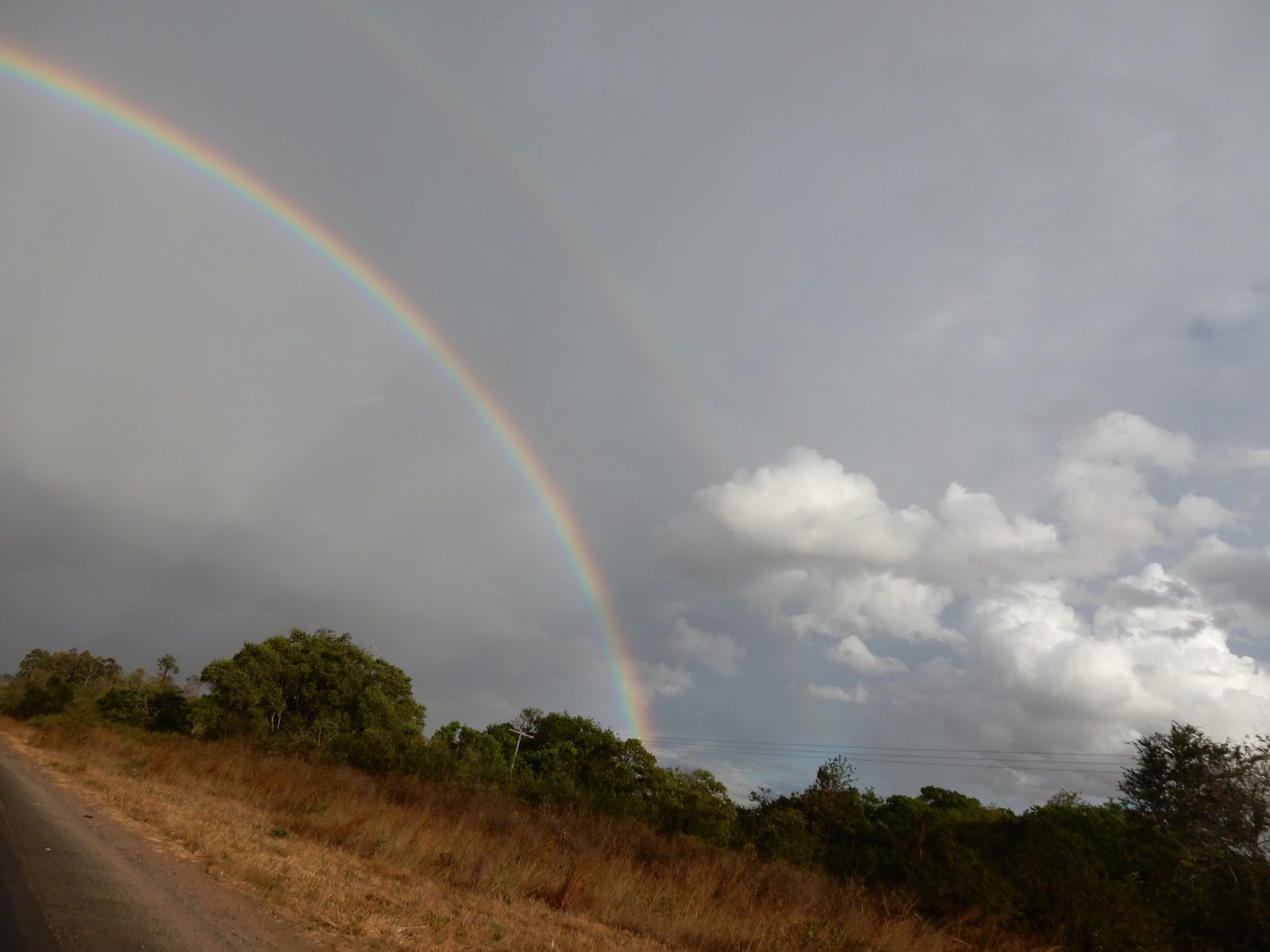 Several hours after leaving the center, as we were driving home, it started to rain. We looked back and wondered if it could possibly be raining back there as well. A rainbow appeared in the sky. God is good.
October 29, 2015
All in Their Places with Bright Smiling Faces
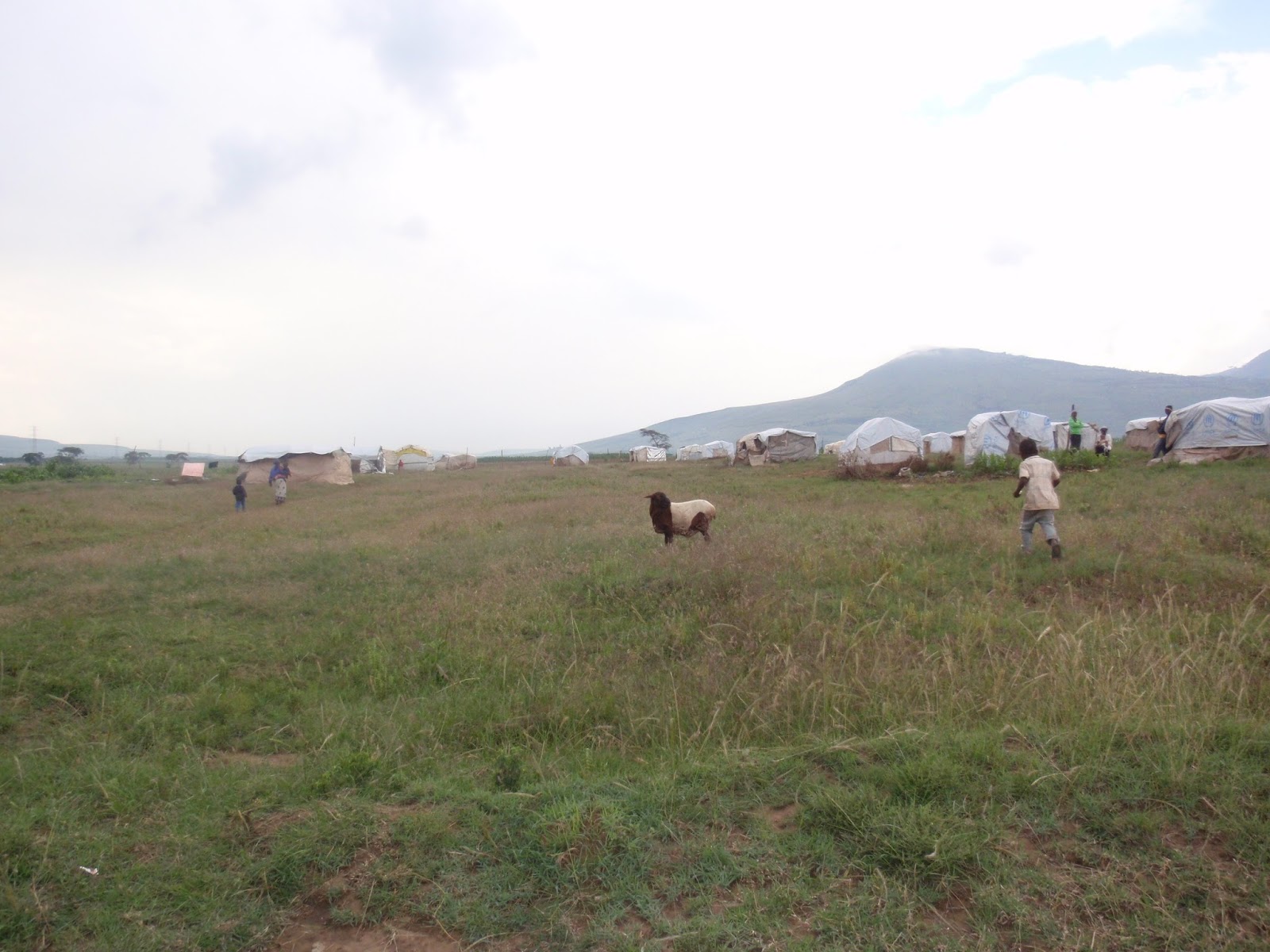
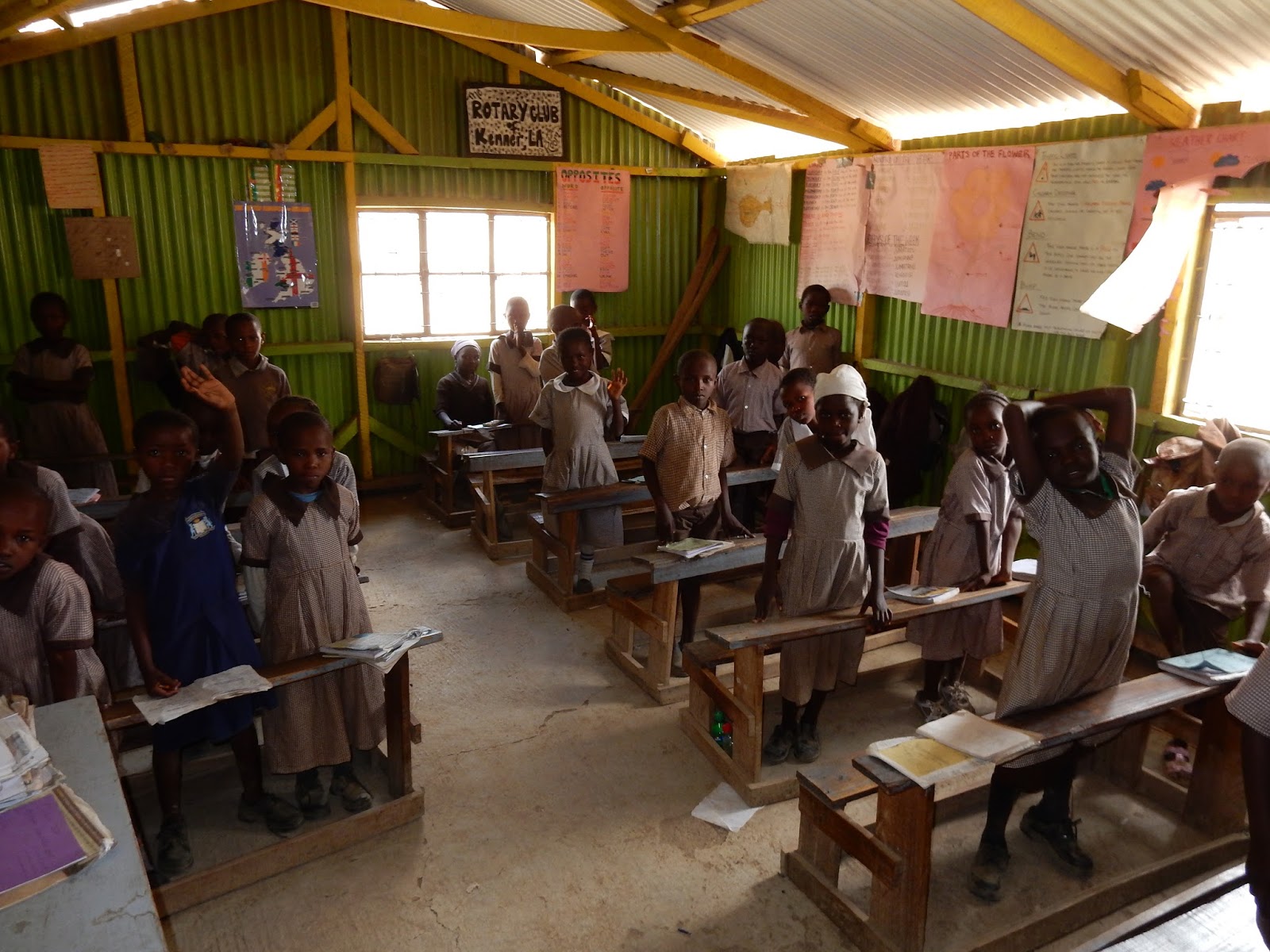
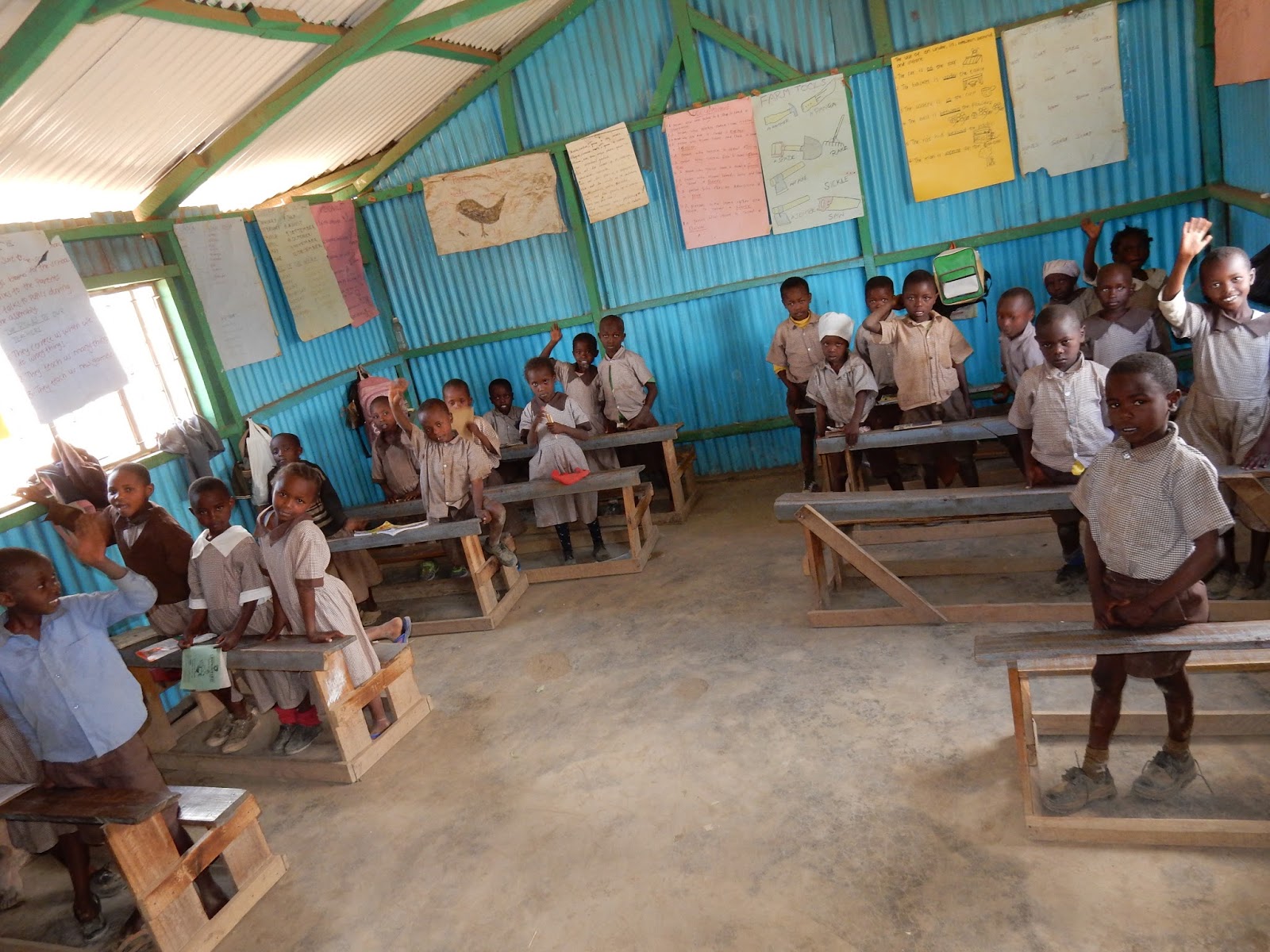
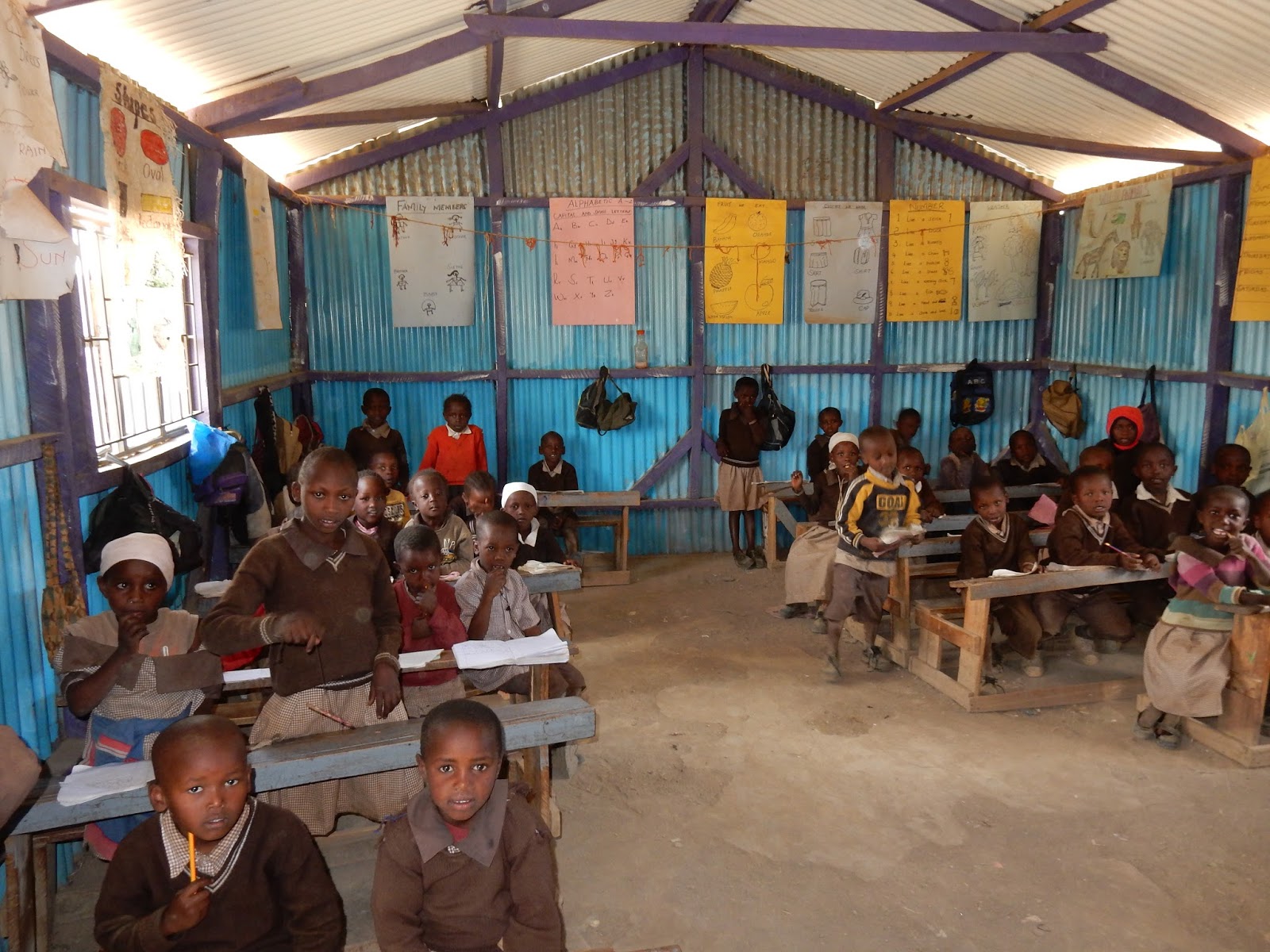
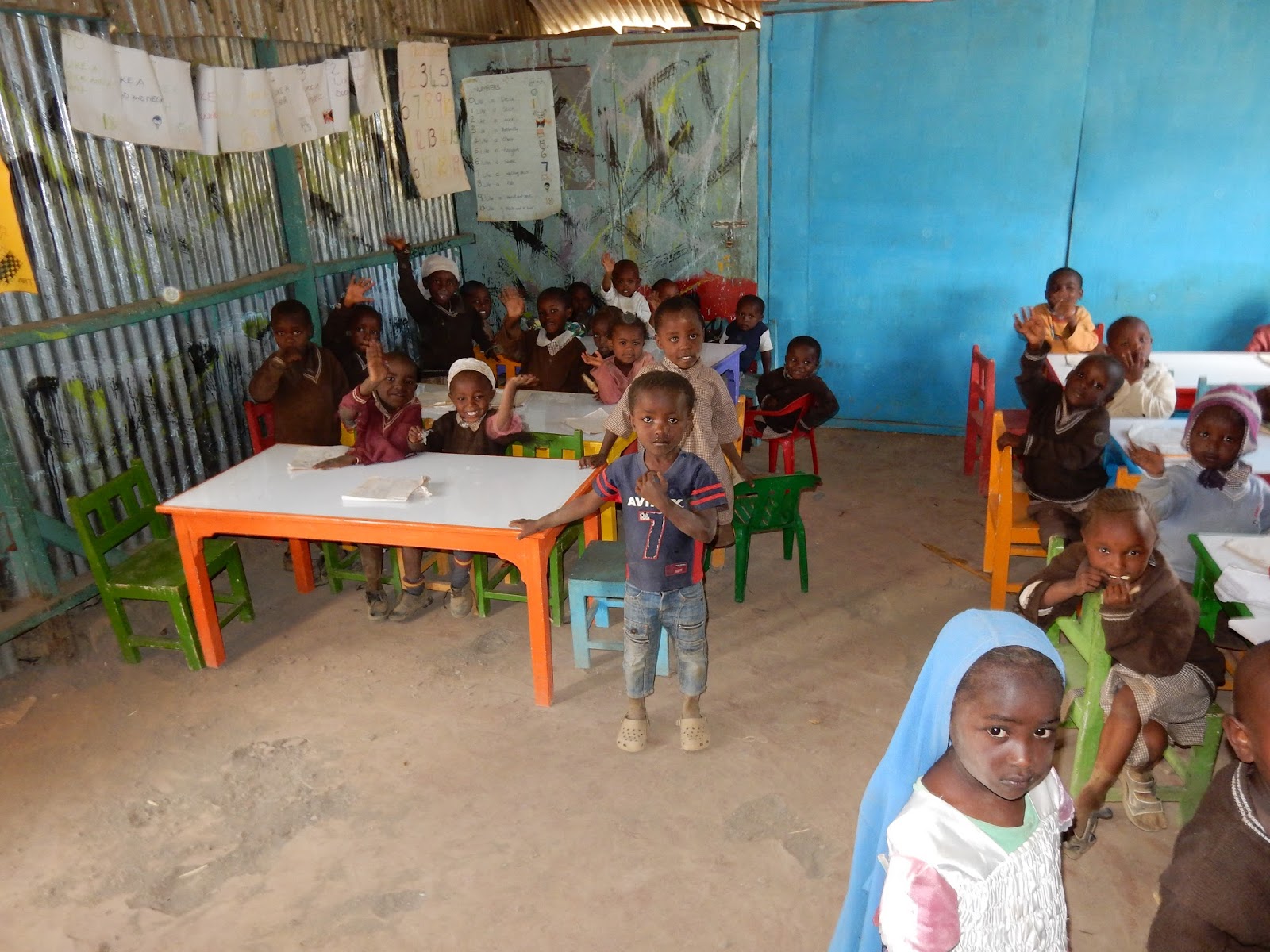
When my daughter Val volunteered in Kenya for six months in 2010, she spent time at the IDP (internally displaced persons) camp at Maai Mahiu. Most of the homes were still tents held together by sticks.
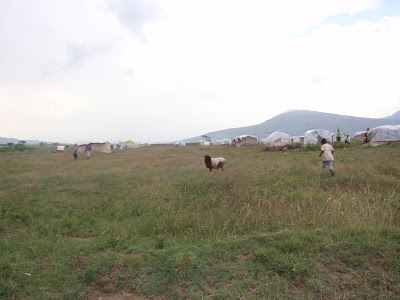
However she was able to witness the opening of Southern Cross Academy.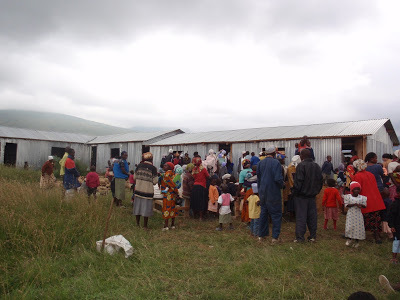 When she and I returned to Kenya in May of 2013, there had been many changes at the camp.
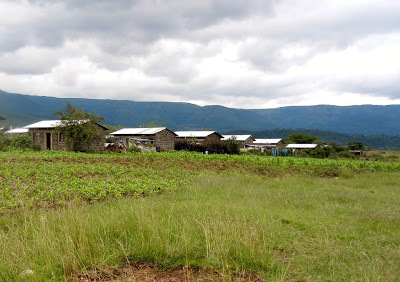 As well as at the school.
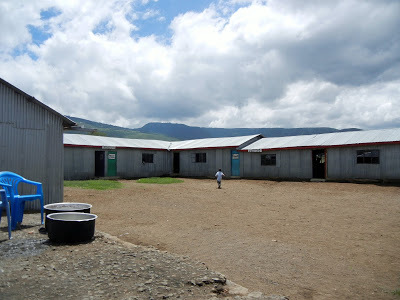
Here it is 2015 and improvements have continued.
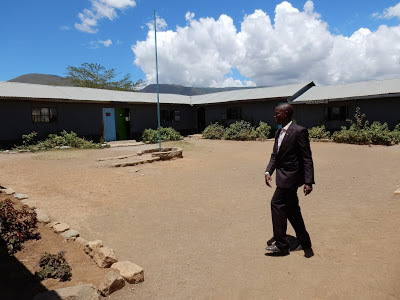
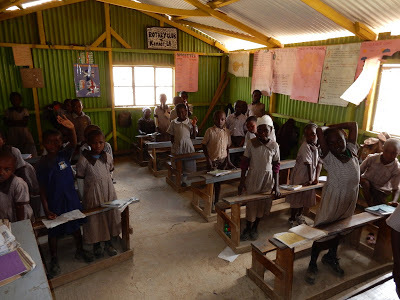
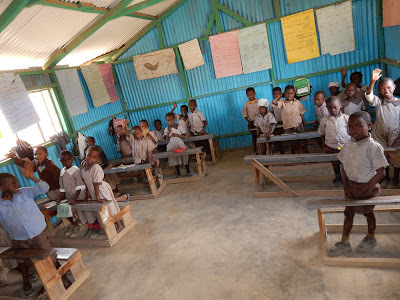
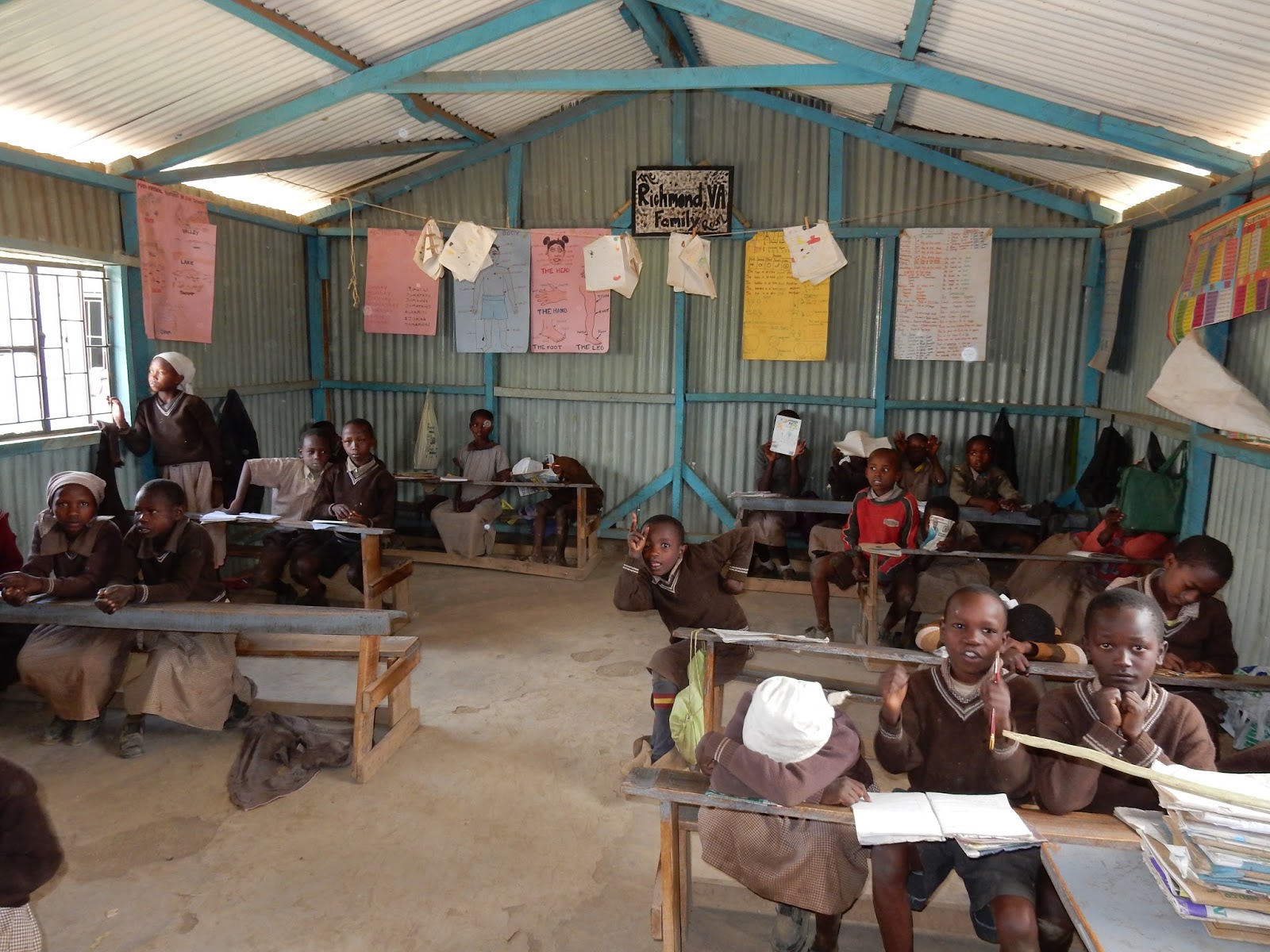
Through generous donations, the school has increased the number of classrooms it has. Still the need is great. One can’t look at these faces though and not be moved. Kids are kids no matter where they live or what their circumstances are. All any of them need is a chance.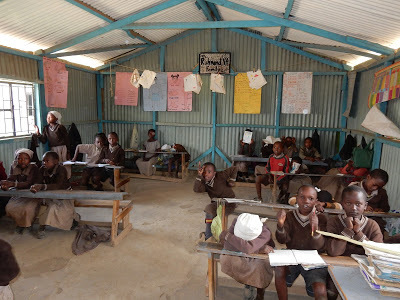
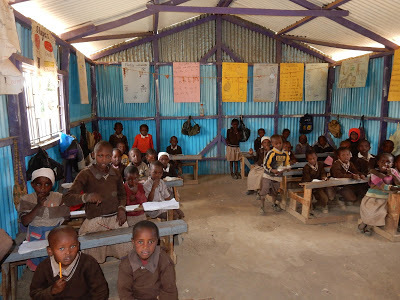
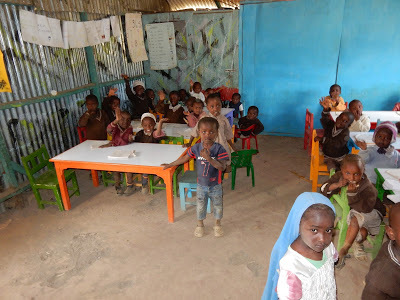
However she was able to witness the opening of Southern Cross Academy.
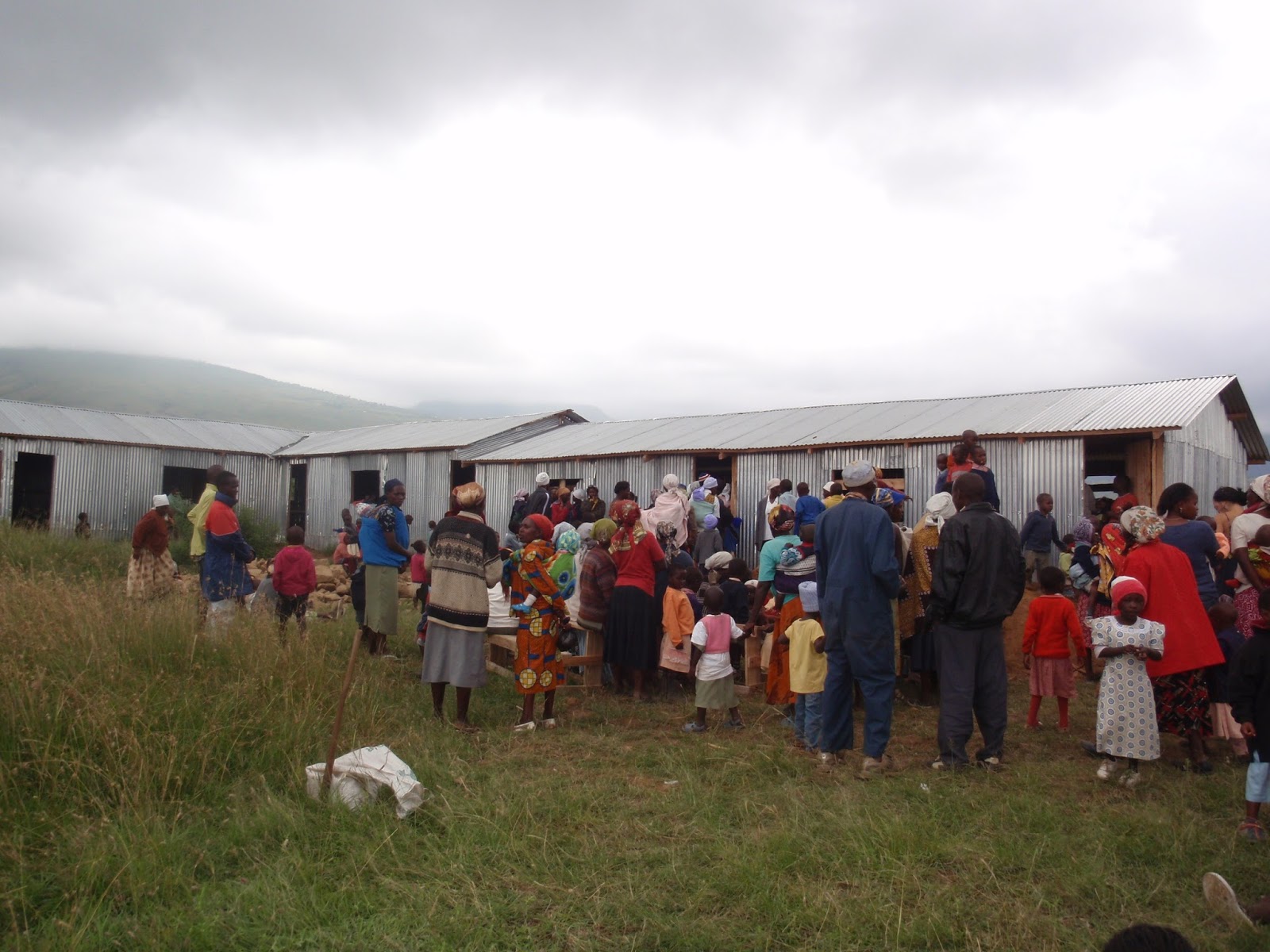 When she and I returned to Kenya in May of 2013, there had been many changes at the camp.
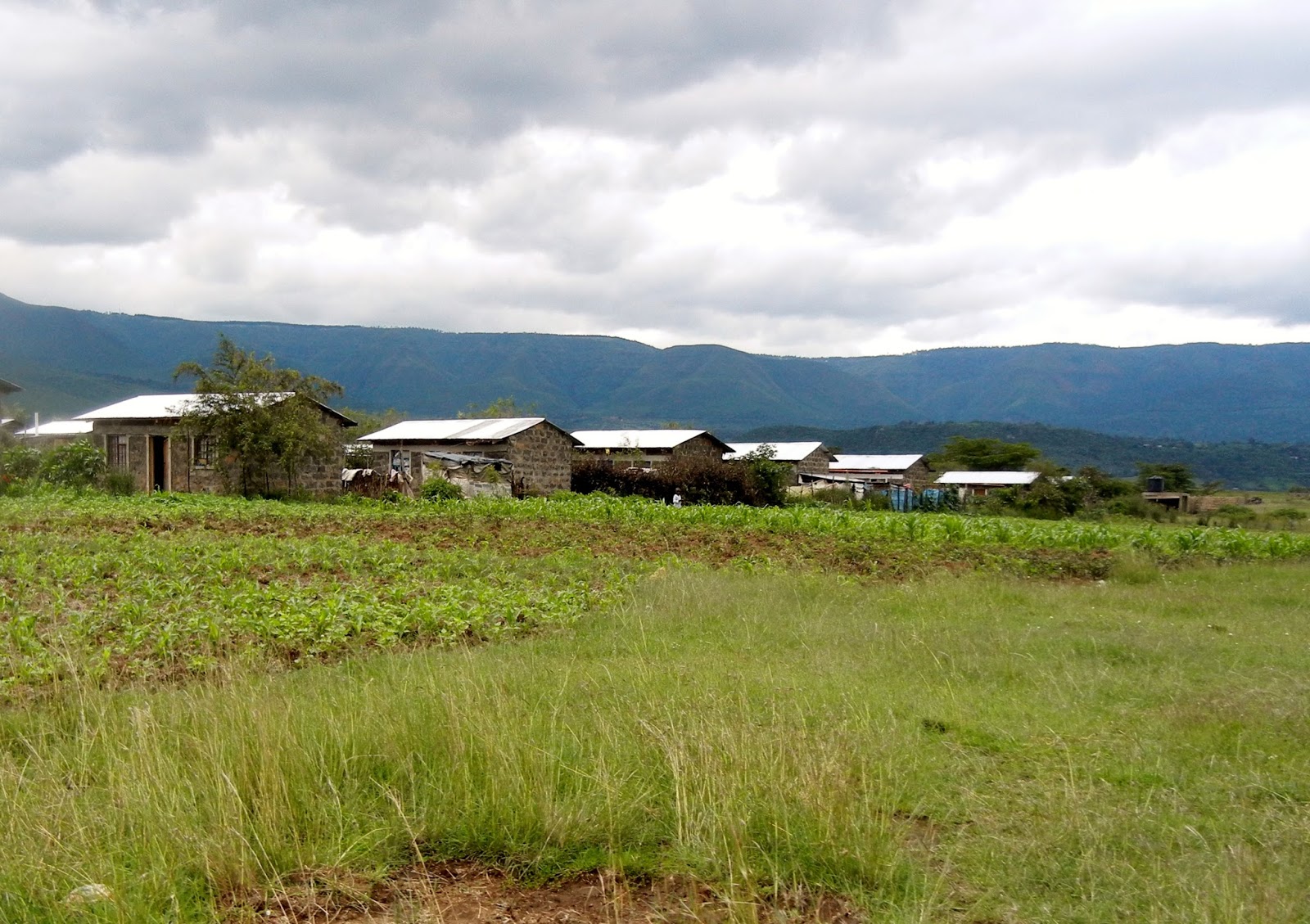 As well as at the school.
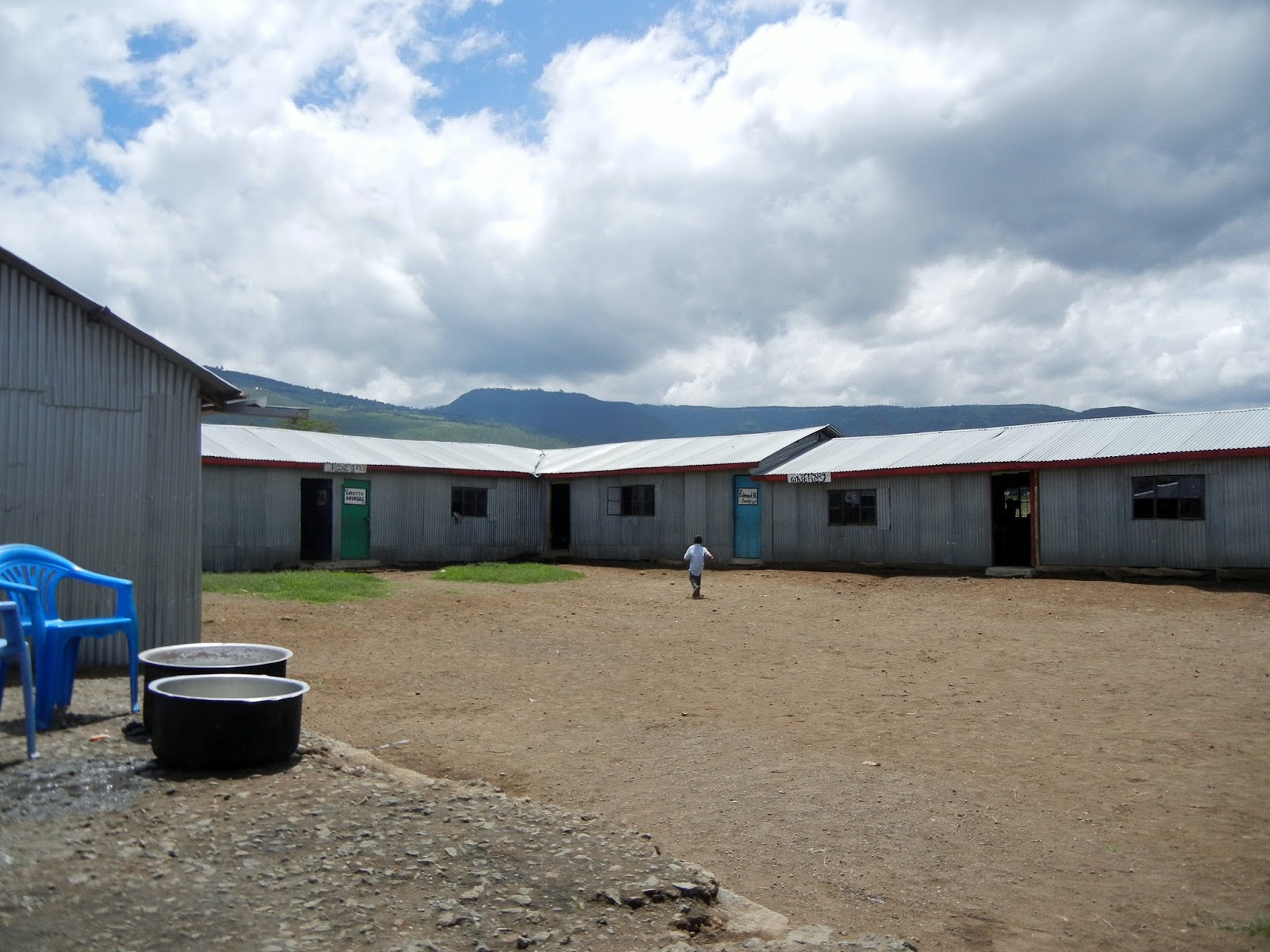
Here it is 2015 and improvements have continued.
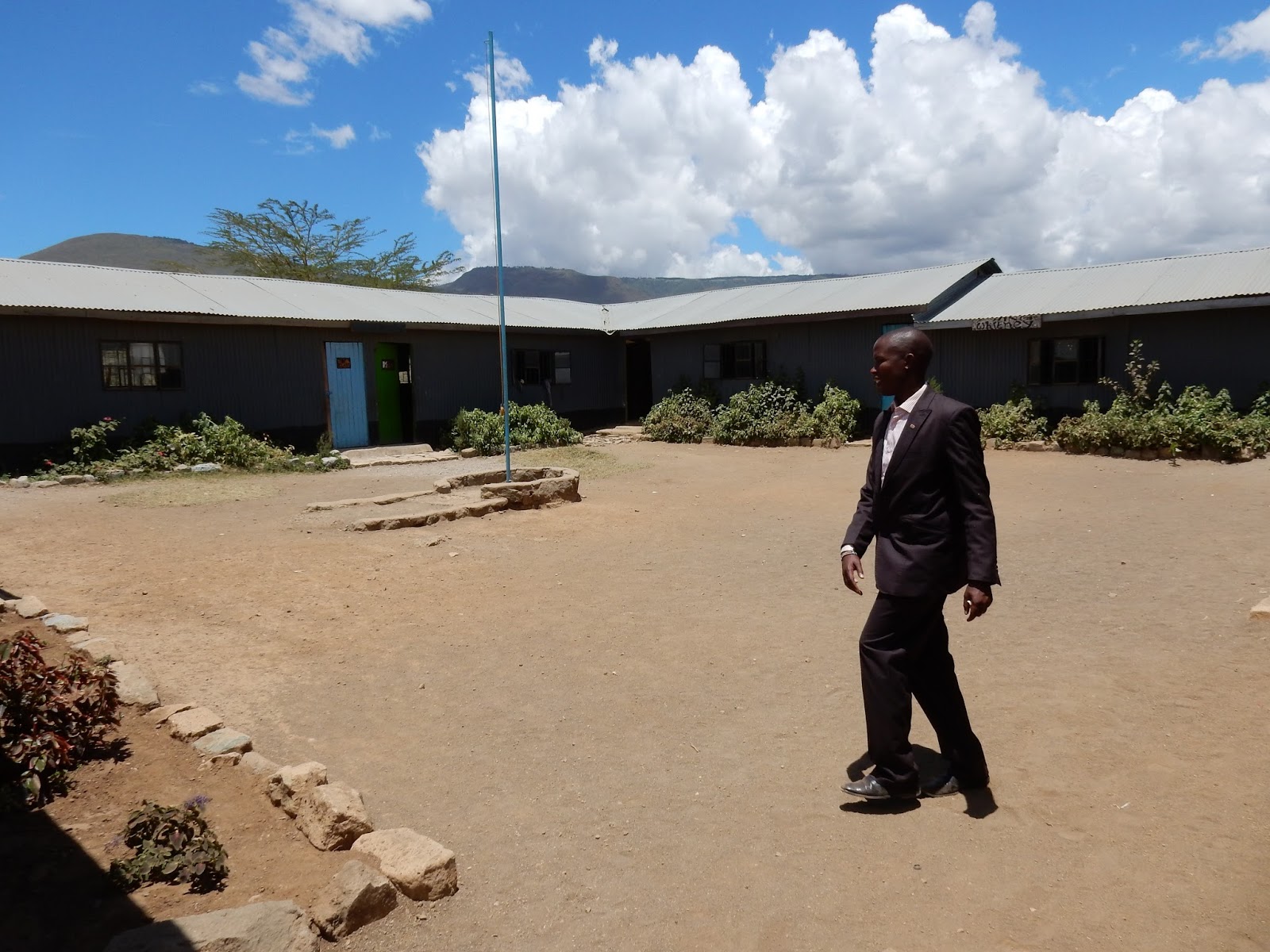
Through generous donations, the school has increased the number of classrooms it has. Still the need is great. One can’t look at these faces though and not be moved. Kids are kids no matter where they live or what their circumstances are. All any of them need is a chance.
October 27, 2015
Our First and Foremost Goal
The vision my daughter had when she formed Tumaini Volunteers was to take groups of volunteers to Kenya to work on specific projects which would provide sustainability. We started our nonprofit organization two years ago, and though we had lots of thoughts in our heads, we knew that someone would have to return to Kenya to find our initial project. After doing what research we could from across the seas and talking via the latest technology with our contacts in Kenya, we decided to research the feasibility of raising chickens.
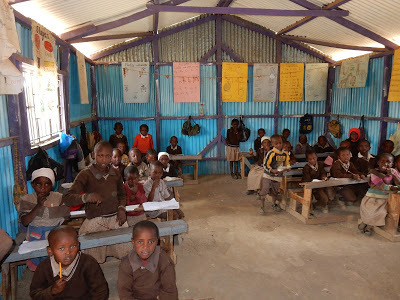
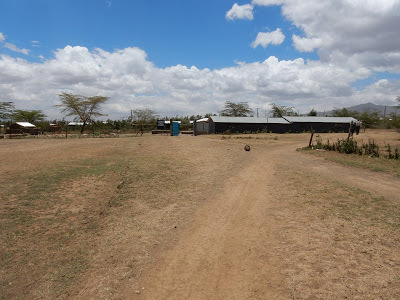
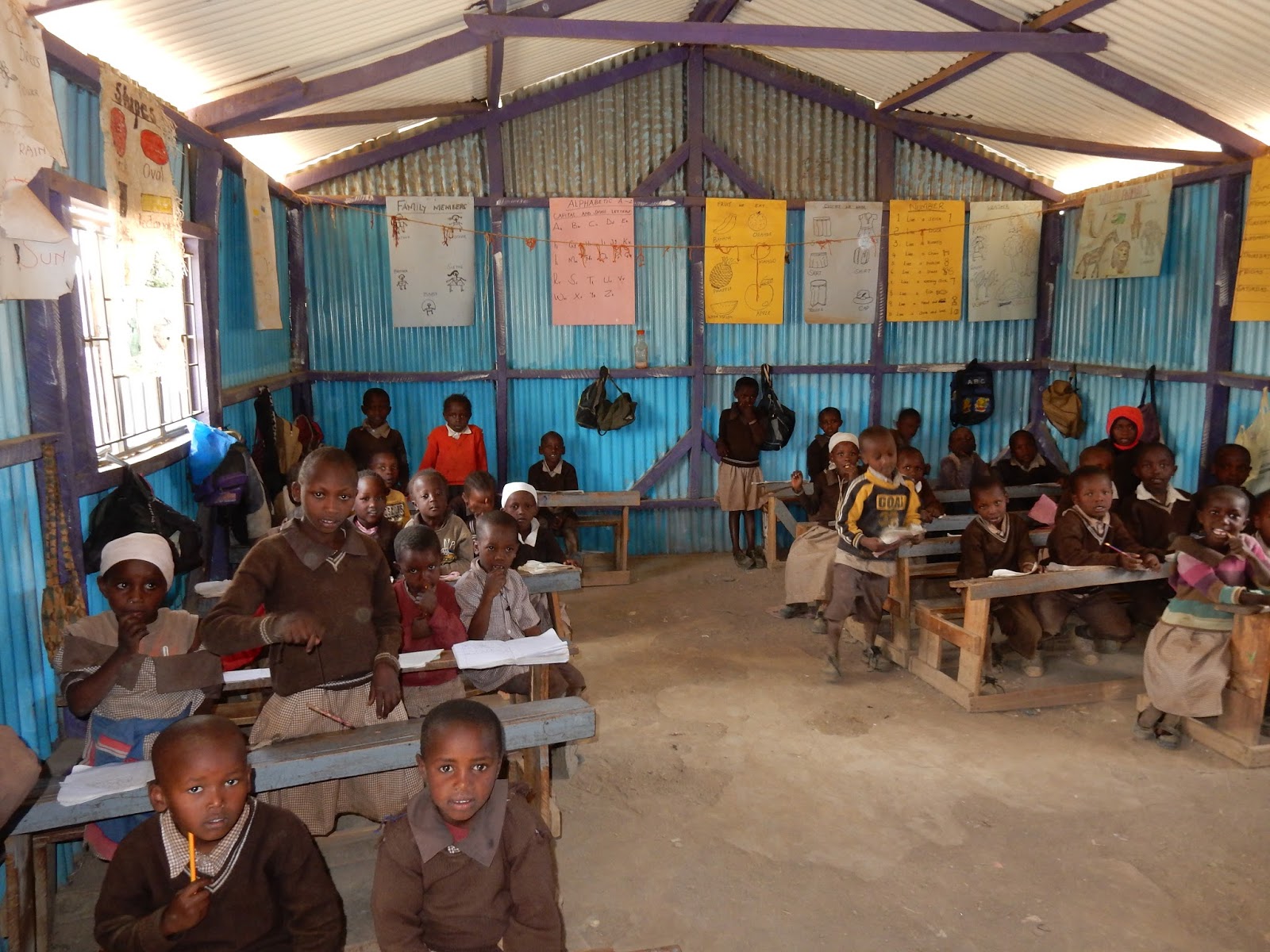
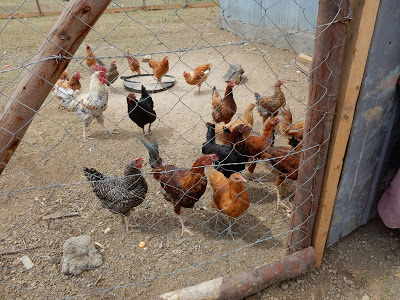 Southern Cross Academy at the IDP camp at Maai Mahiu was our target.
 Our third full day that we were in Kenya earlier this month, Denise (my partner in crime – I mean, fellow volunteer) and I headed out to Maai Mahiu.
 Because this is Kenya, there was no direct route. A reliable young man known as Madfish took us to Kikuyu via matatu.
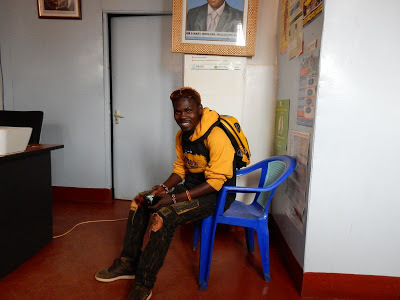 There we met David, a project manager I guess you would say, who works directly with the IDP camp, as well as dealing with government officials. He was the only person we worked with who wore a suitcoat and tie, at least at the beginning of the day.
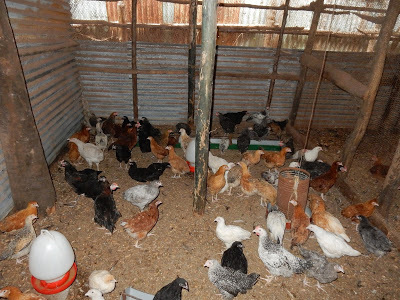
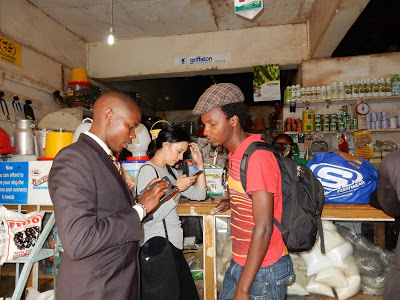 Entrusted to David’s care, we took a private car to look over a chicken production in Kikuyu. I felt bad for the chickens living their lives inside. I wanted a better life for our chickens at the school.
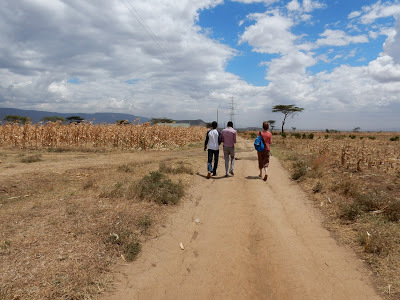
 We were soon on our way, via a city bus, to Maai Mahiu. Then we walked. And walked some more.
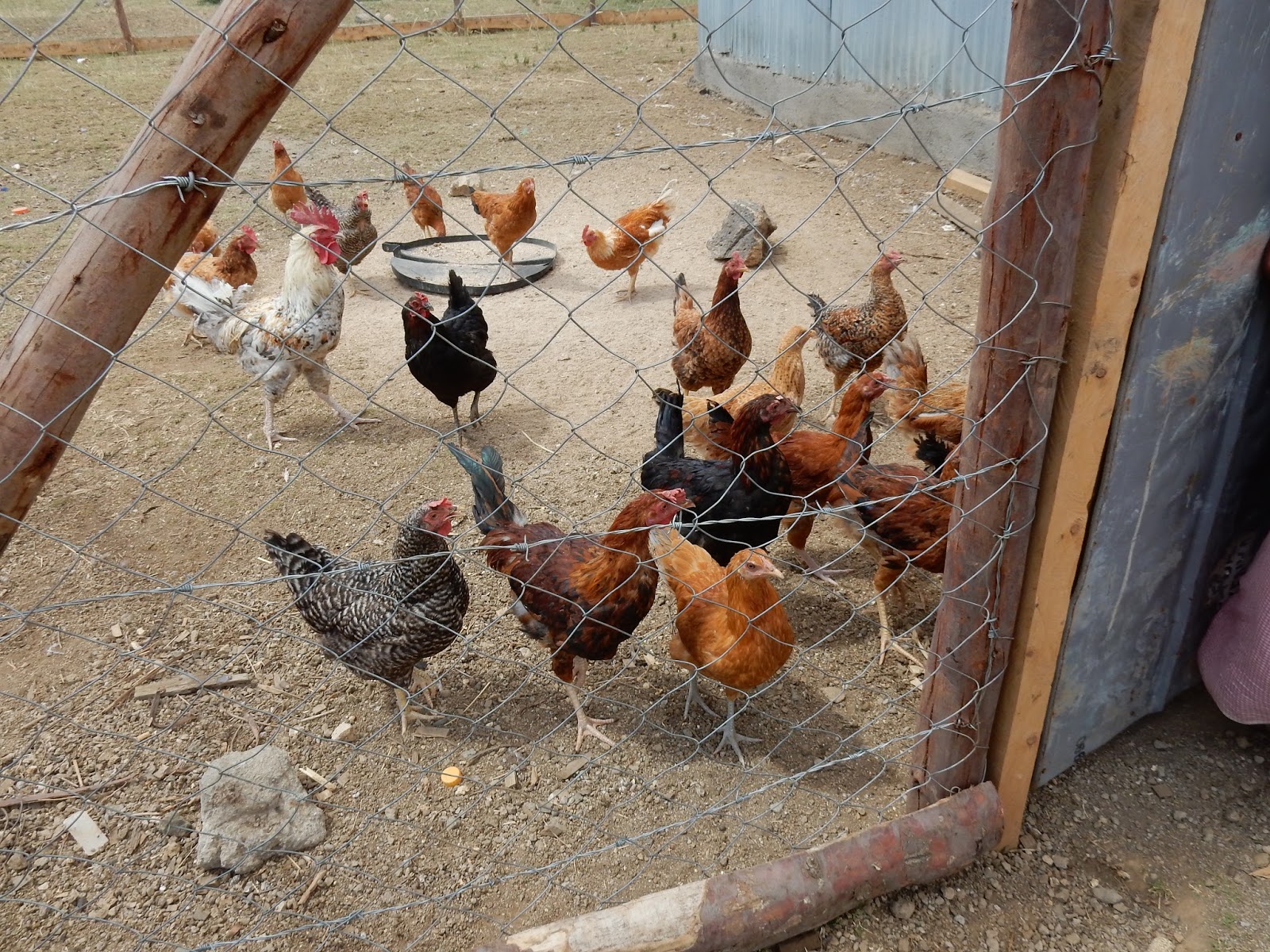
 Finally we made it to the school, Southern Cross Academy. I will write about that another time, but for more now I will tell you that I was pleased to see that they are already raising chickens. And that they got to have fresh air and sunshine. And a chicken’s favorite thing – ground to scratch on.
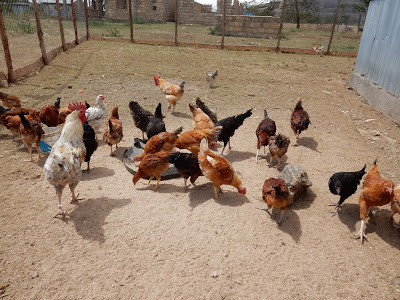 Currently, the eggs these chickens lay are being used at the school in the kids’ lunches.
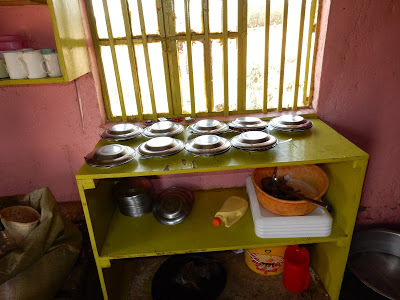 The hope – and the plan of Tumaini Volunteers – is to step up chicken production and get enough birds to lay enough eggs to sell at Naivasha, the next largest city down the road. The cook at the school is already taking care of these chickens and she is ready to take on more responsibility.
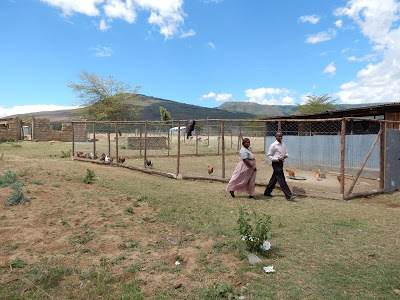 It sounds like a good place for Tumaini Volunteers to start their first project. Check out our website or Facebook page for more information.
 Southern Cross Academy at the IDP camp at Maai Mahiu was our target.
 Our third full day that we were in Kenya earlier this month, Denise (my partner in crime – I mean, fellow volunteer) and I headed out to Maai Mahiu.
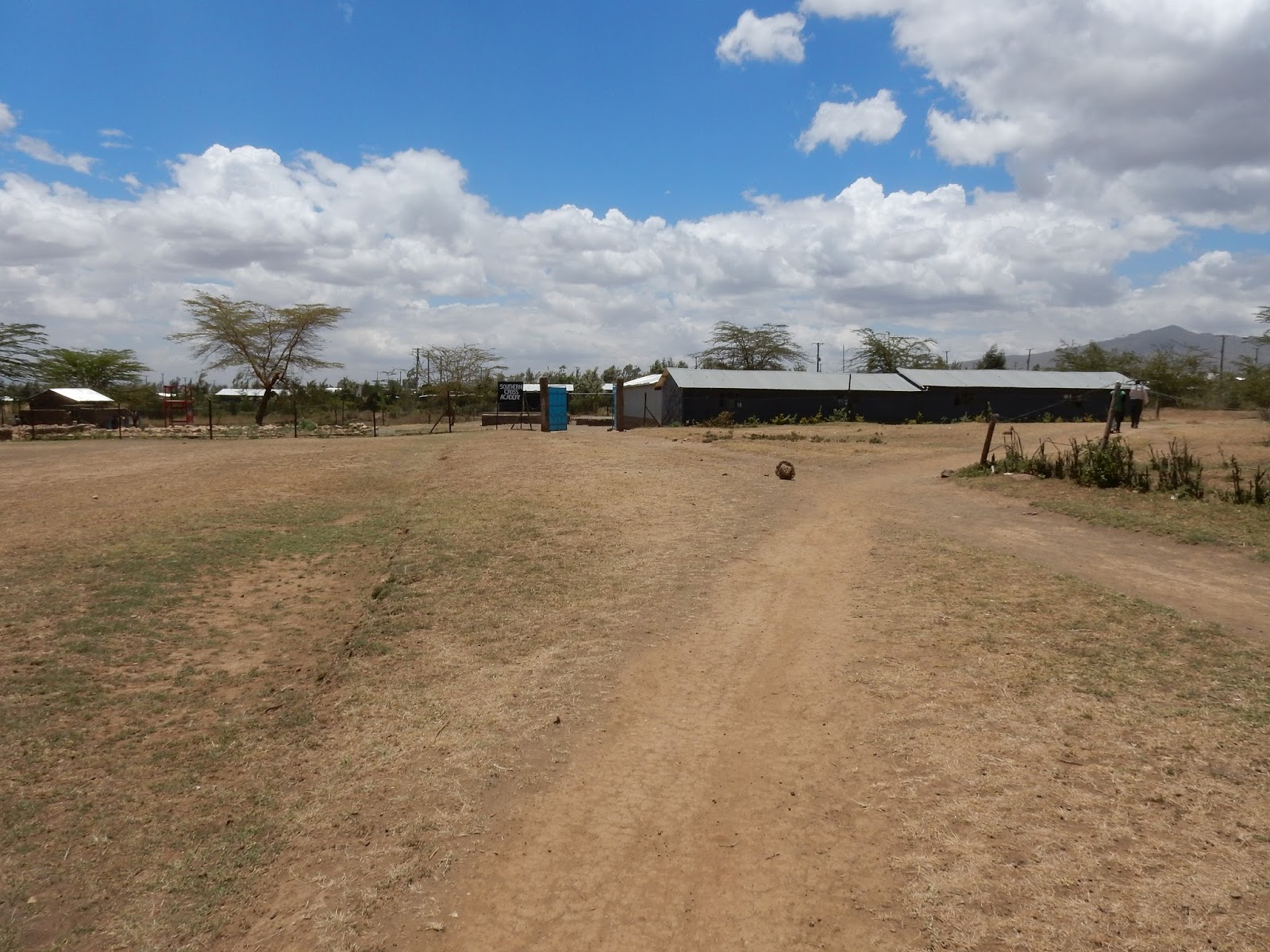 Because this is Kenya, there was no direct route. A reliable young man known as Madfish took us to Kikuyu via matatu.
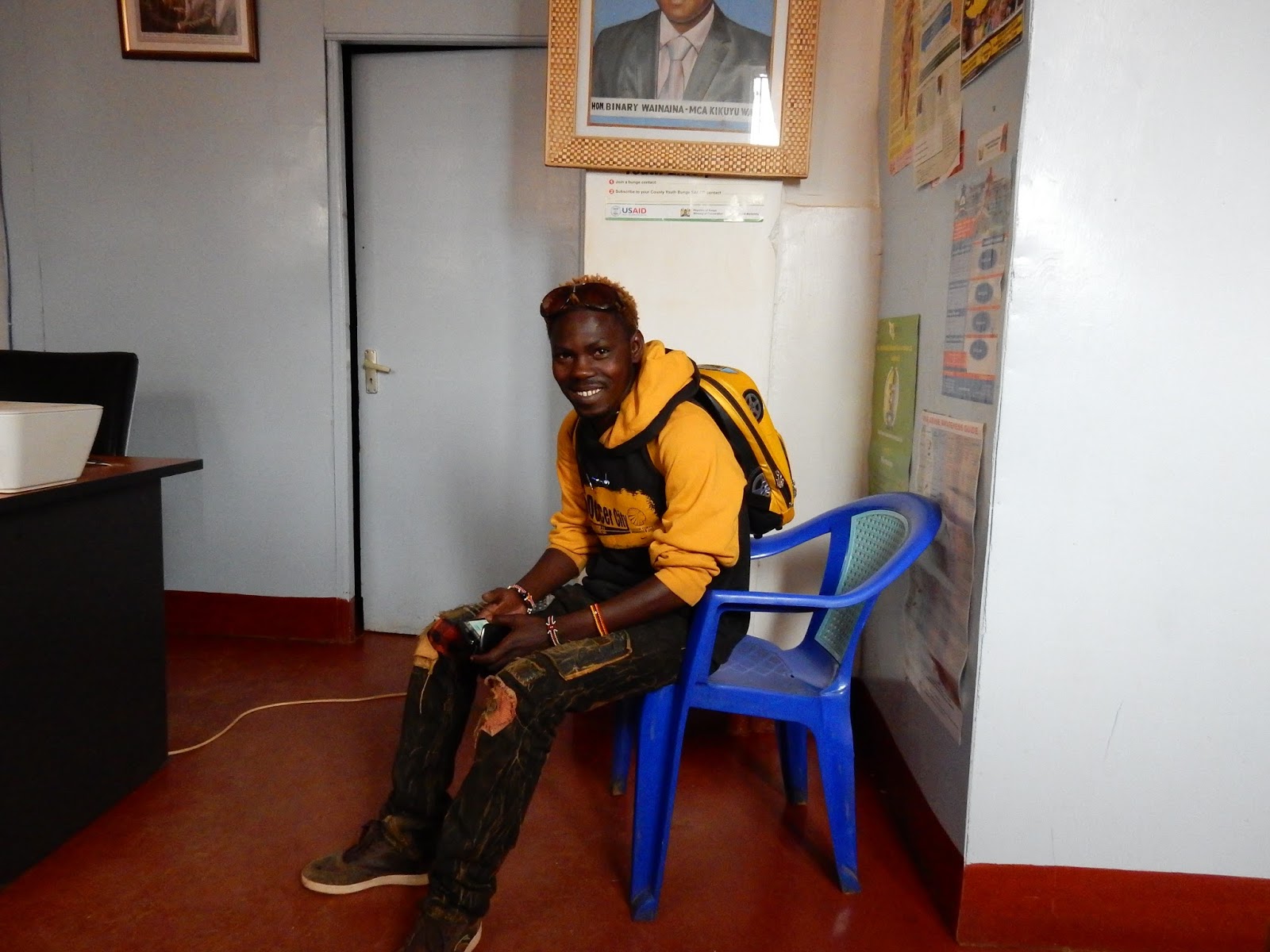 There we met David, a project manager I guess you would say, who works directly with the IDP camp, as well as dealing with government officials. He was the only person we worked with who wore a suitcoat and tie, at least at the beginning of the day.
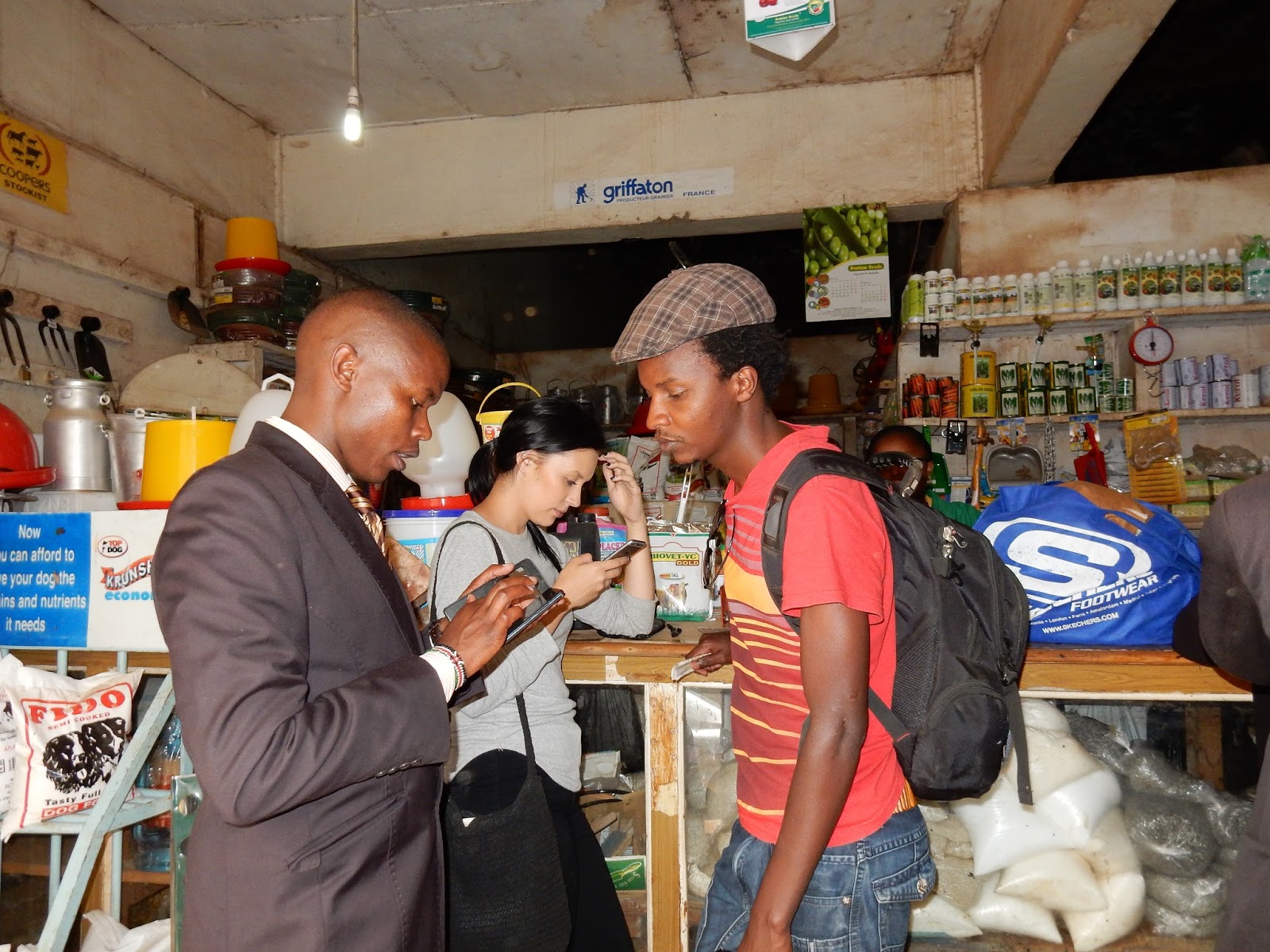 Entrusted to David’s care, we took a private car to look over a chicken production in Kikuyu. I felt bad for the chickens living their lives inside. I wanted a better life for our chickens at the school.
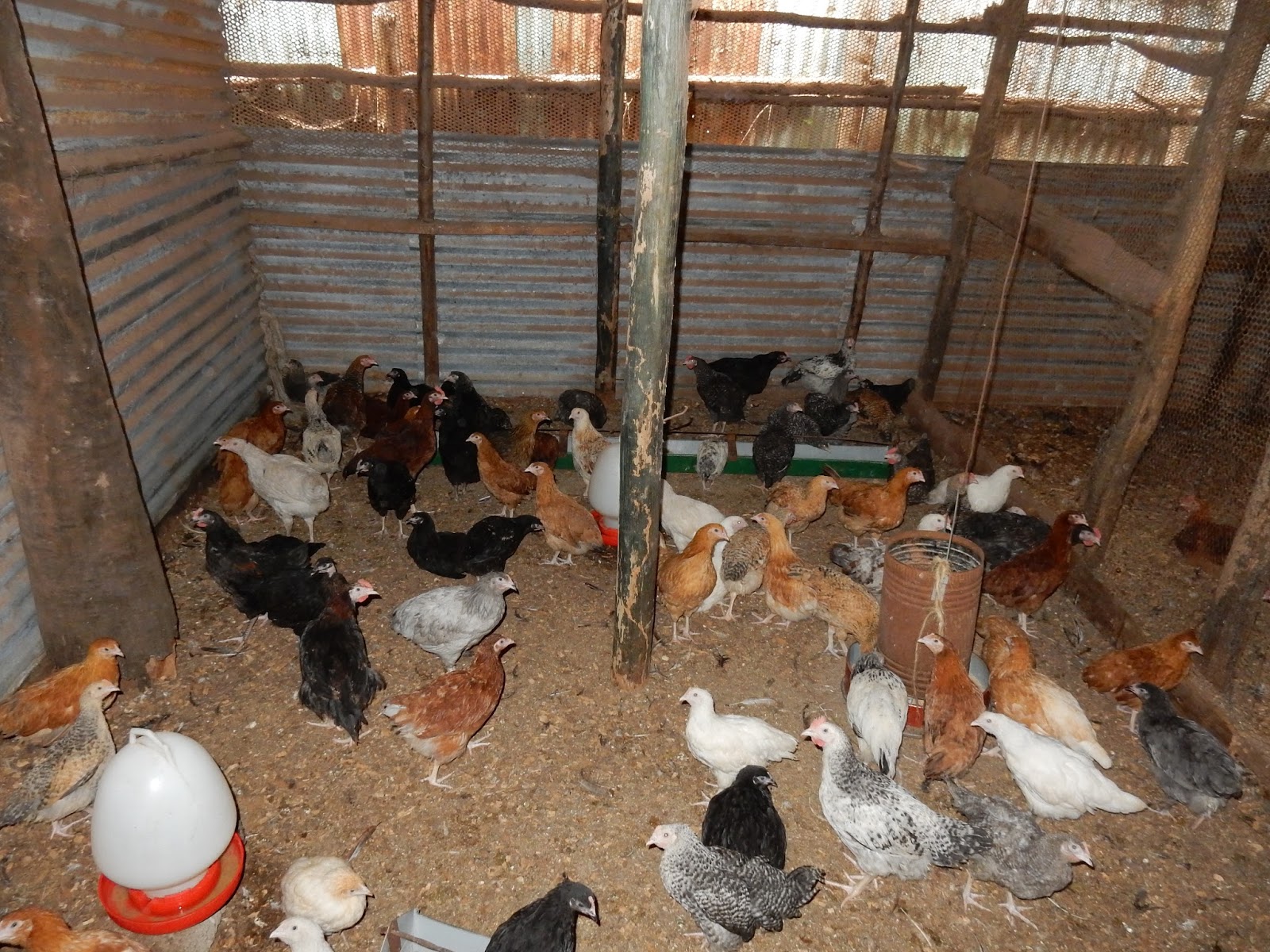 We were soon on our way, via a city bus, to Maai Mahiu. Then we walked. And walked some more.
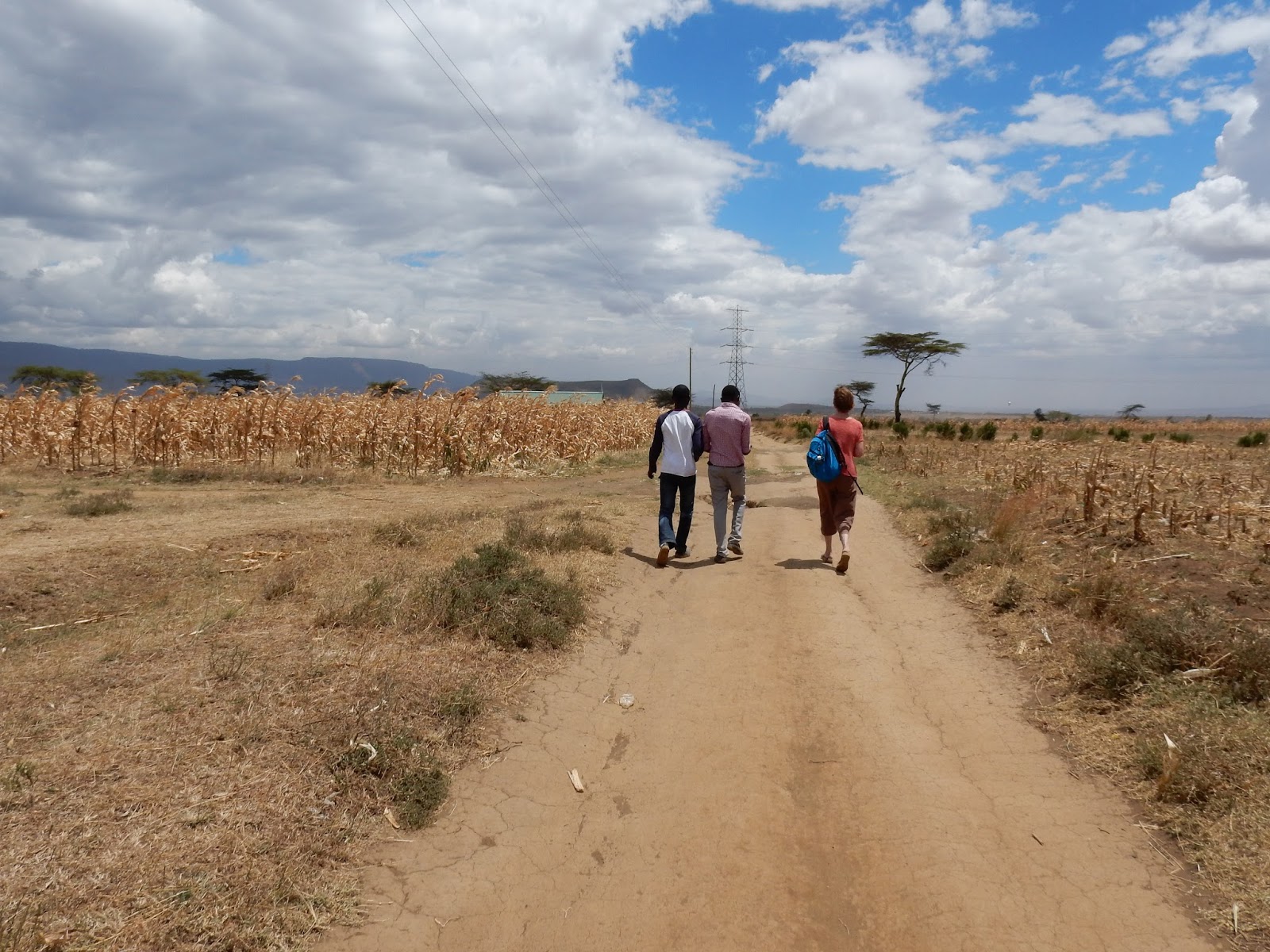 Finally we made it to the school, Southern Cross Academy. I will write about that another time, but for more now I will tell you that I was pleased to see that they are already raising chickens. And that they got to have fresh air and sunshine. And a chicken’s favorite thing – ground to scratch on.
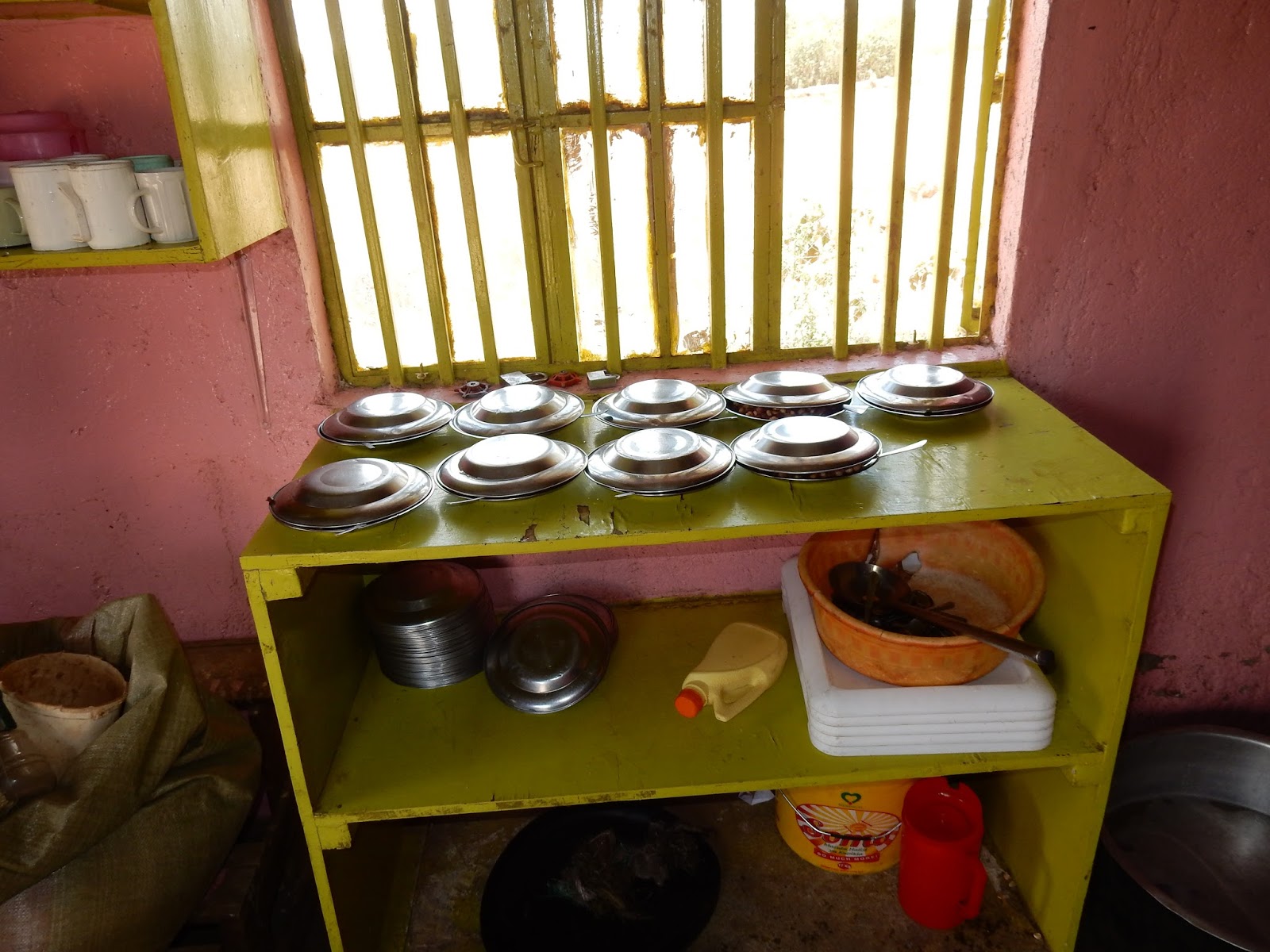
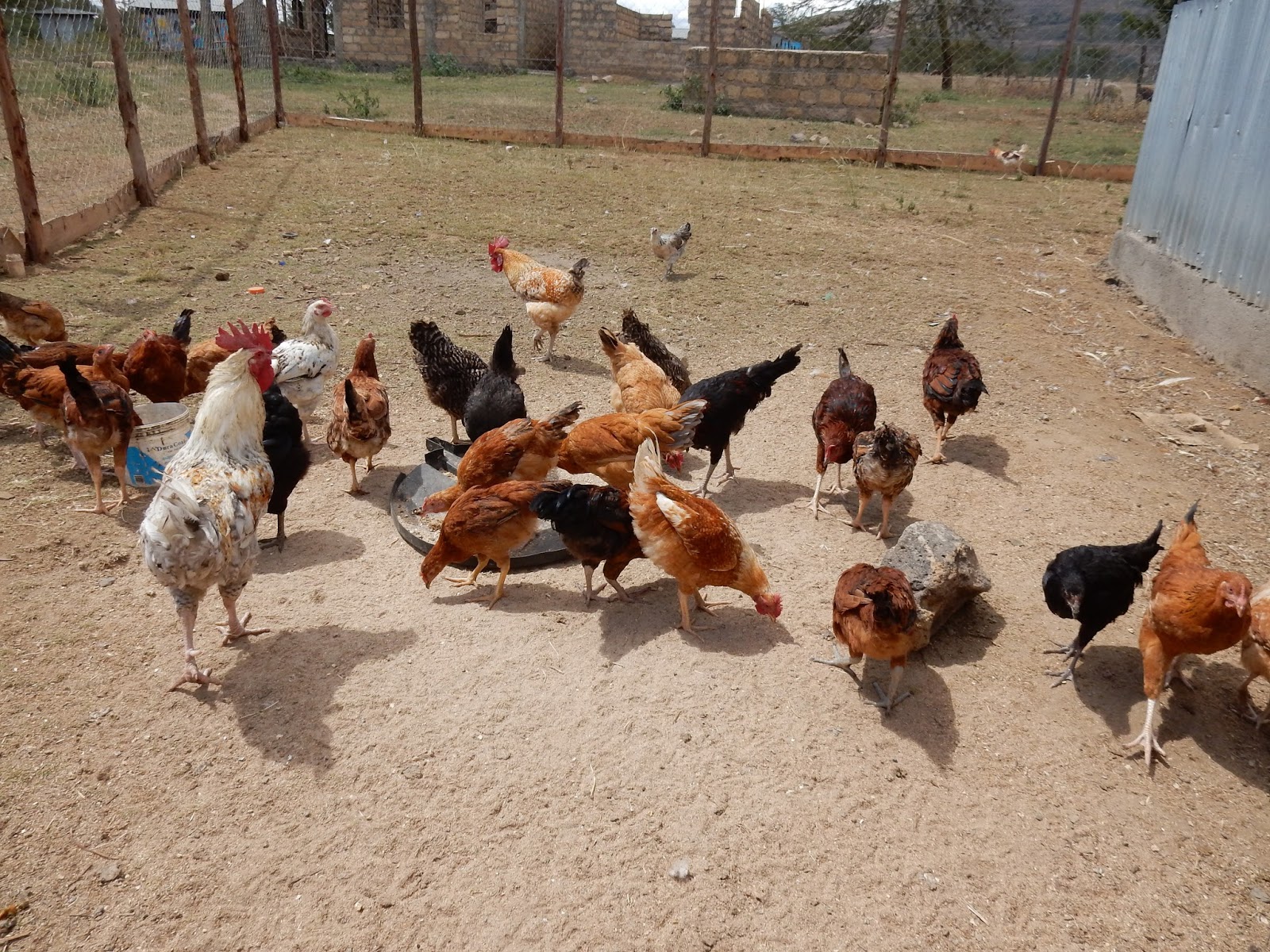 Currently, the eggs these chickens lay are being used at the school in the kids’ lunches.
 The hope – and the plan of Tumaini Volunteers – is to step up chicken production and get enough birds to lay enough eggs to sell at Naivasha, the next largest city down the road. The cook at the school is already taking care of these chickens and she is ready to take on more responsibility.
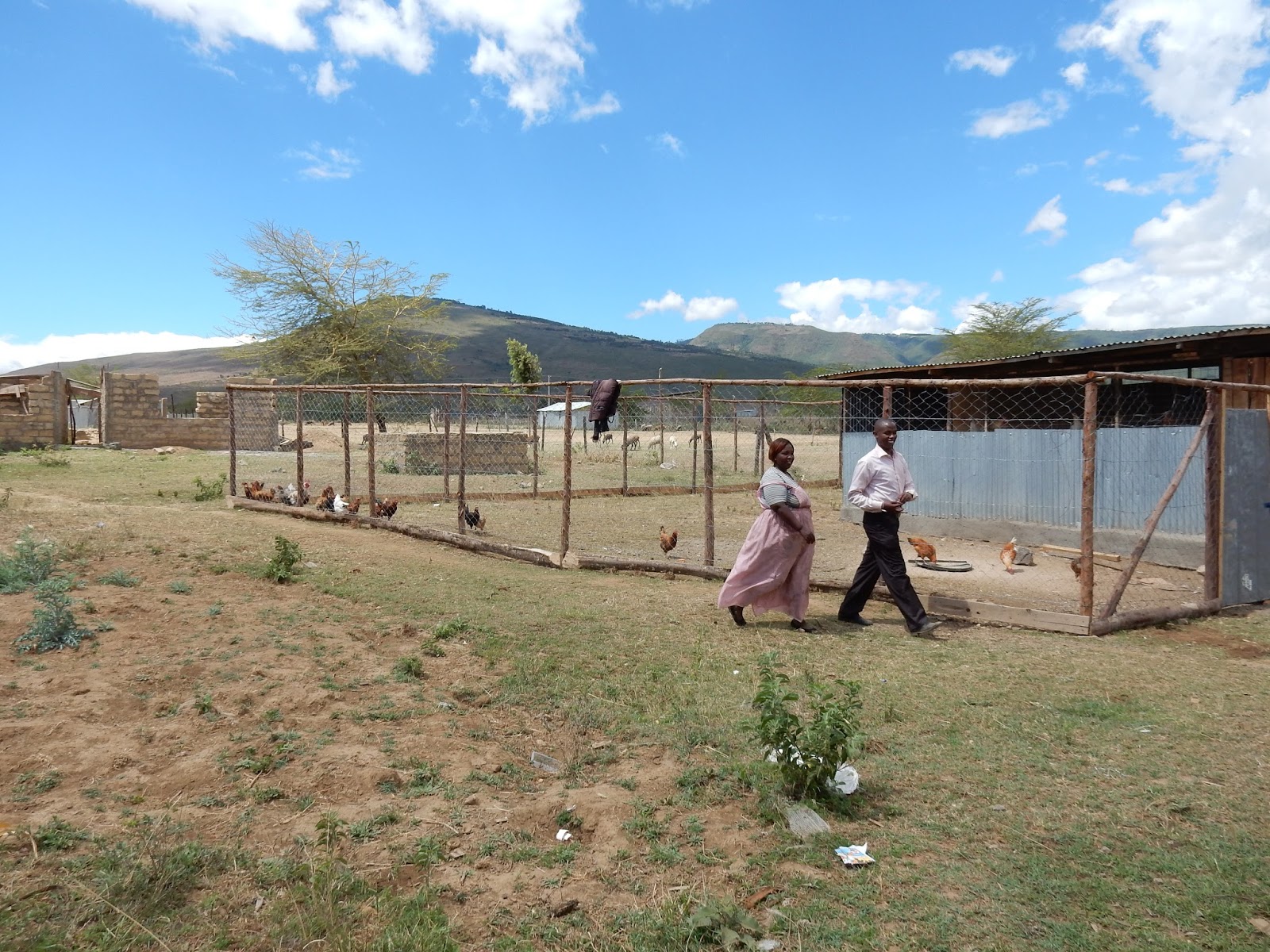 It sounds like a good place for Tumaini Volunteers to start their first project. Check out our website or Facebook page for more information.
October 25, 2015
The Brutal Plane Ride
I have been back from Kenya for a week. I already posted three days’ worth of safari stories, because it was so amazing. It’s not like the rest of the trip wasn’t just as amazing, it’s just that life and death on the Serengeti is what people want to hear about.
I read the posts I had written the weeks before I left on this trip and feel that I owe it to you to update you on my physical complaints.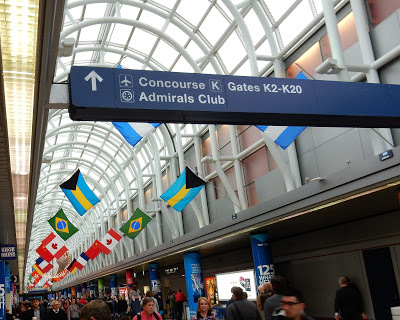 Heading to our gate at Chicago O'Hare The two eight-hour plane rides to get to Nairobi were brutal, as you can imagine. The first flight from Chicago to London was through the night and the flight wasn’t full, so I moved back a row so that Denise and I could each have two seats. The added space did not help me at all. The bursitis in my right hip screamed the entire night and no matter what I did I could not get comfortable.
We got into London in the morning and had only a two hour layover. Walking briskly through Heathrow airport loosened up my hip, but I really only wanted to stretch out on a couple benches and sleep for just five minutes.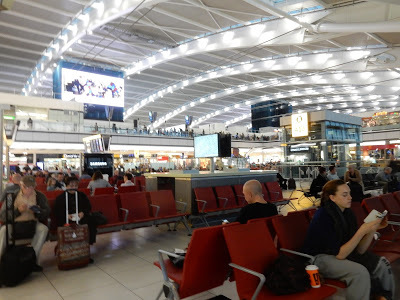 London Heathrow on the way home as who had time for pictures on the way there. By the time we were halfway from London to Nairobi, I was beginning to shut down mentally as well as physically. The lack of sleep was giving me a headache and making me sick to my stomach. The steward kept asking if he could get me anything but all I wanted was to get off the plane. Not happening at 30,000 feet.
Arriving in Kenya, I was on autopilot, following the crowd through the airport, customs and baggage claim. Denise, my partner in crime on this trip, kept me upright. I don’t think she realized how stressed I was and that I would have had a total meltdown if she hadn’t been along. Actually, honestly, I would have cancelled the whole trip at the last minute if it hadn’t been for her. So glad that didn’t happen.
Our ride, Tony, was waiting for us just outside and as late as it was, we were greeted with smiles at the volunteer house. I loaded up on ibuprofen, Benadryl and Zanax and crawled into what had to be the most comfortable bed in all of Kenya. Eight hours later, I was awake and feeling good. No more headache or stomach ache. An ache continued in my hip during the entire stay, but it wasn’t enough to slow me down. I could move better than I had in the past two weeks.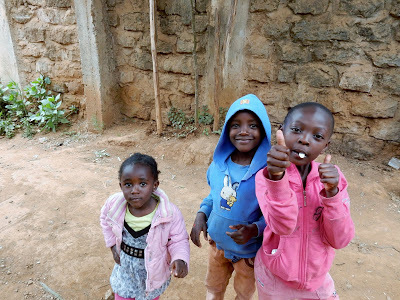 I loved being back in the neighborhood, where these faces greeted us every day.
Kenya was apparently all I needed.
I read the posts I had written the weeks before I left on this trip and feel that I owe it to you to update you on my physical complaints.
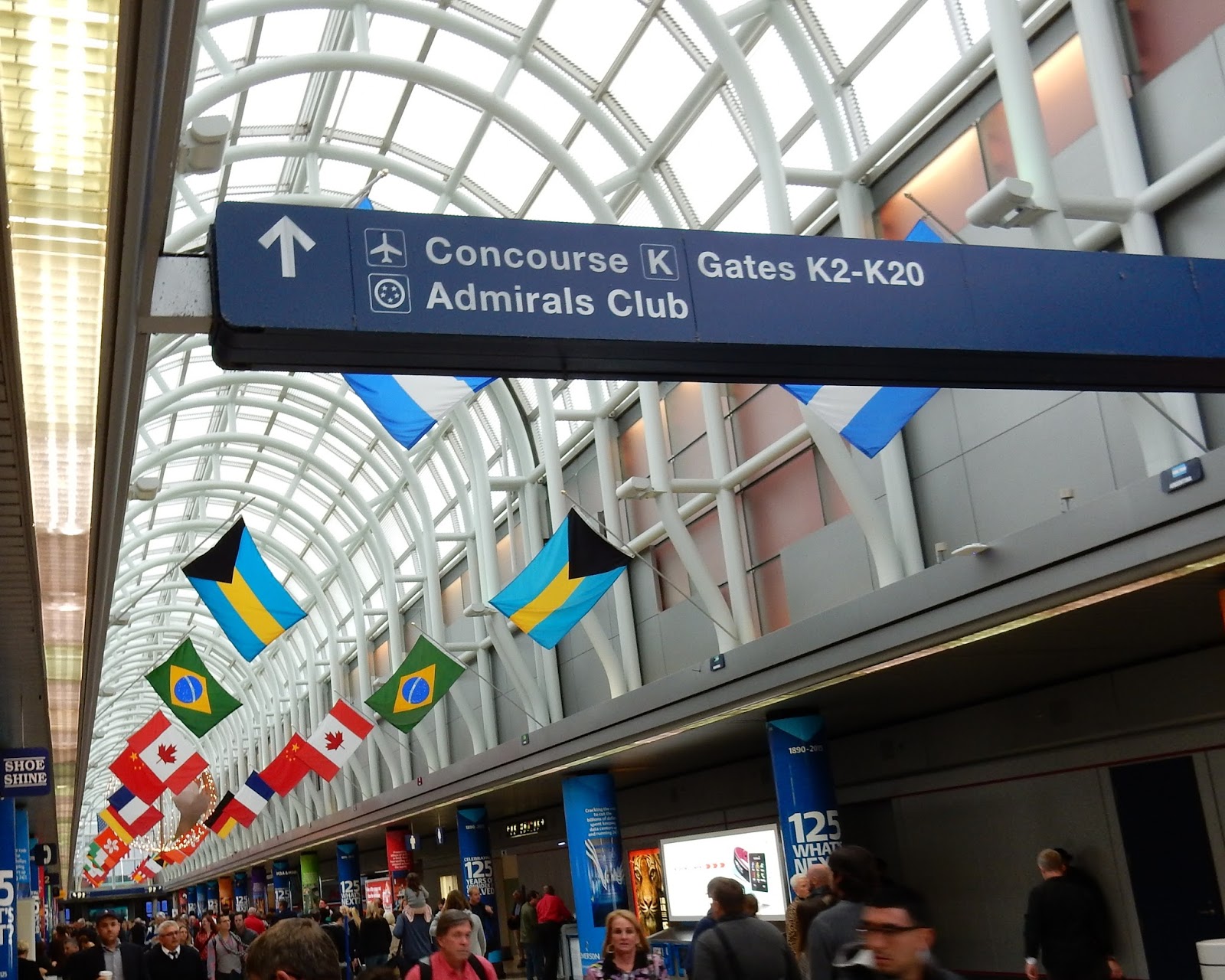 Heading to our gate at Chicago O'Hare The two eight-hour plane rides to get to Nairobi were brutal, as you can imagine. The first flight from Chicago to London was through the night and the flight wasn’t full, so I moved back a row so that Denise and I could each have two seats. The added space did not help me at all. The bursitis in my right hip screamed the entire night and no matter what I did I could not get comfortable.
 We got into London in the morning and had only a two hour layover. Walking briskly through Heathrow airport loosened up my hip, but I really only wanted to stretch out on a couple benches and sleep for just five minutes.
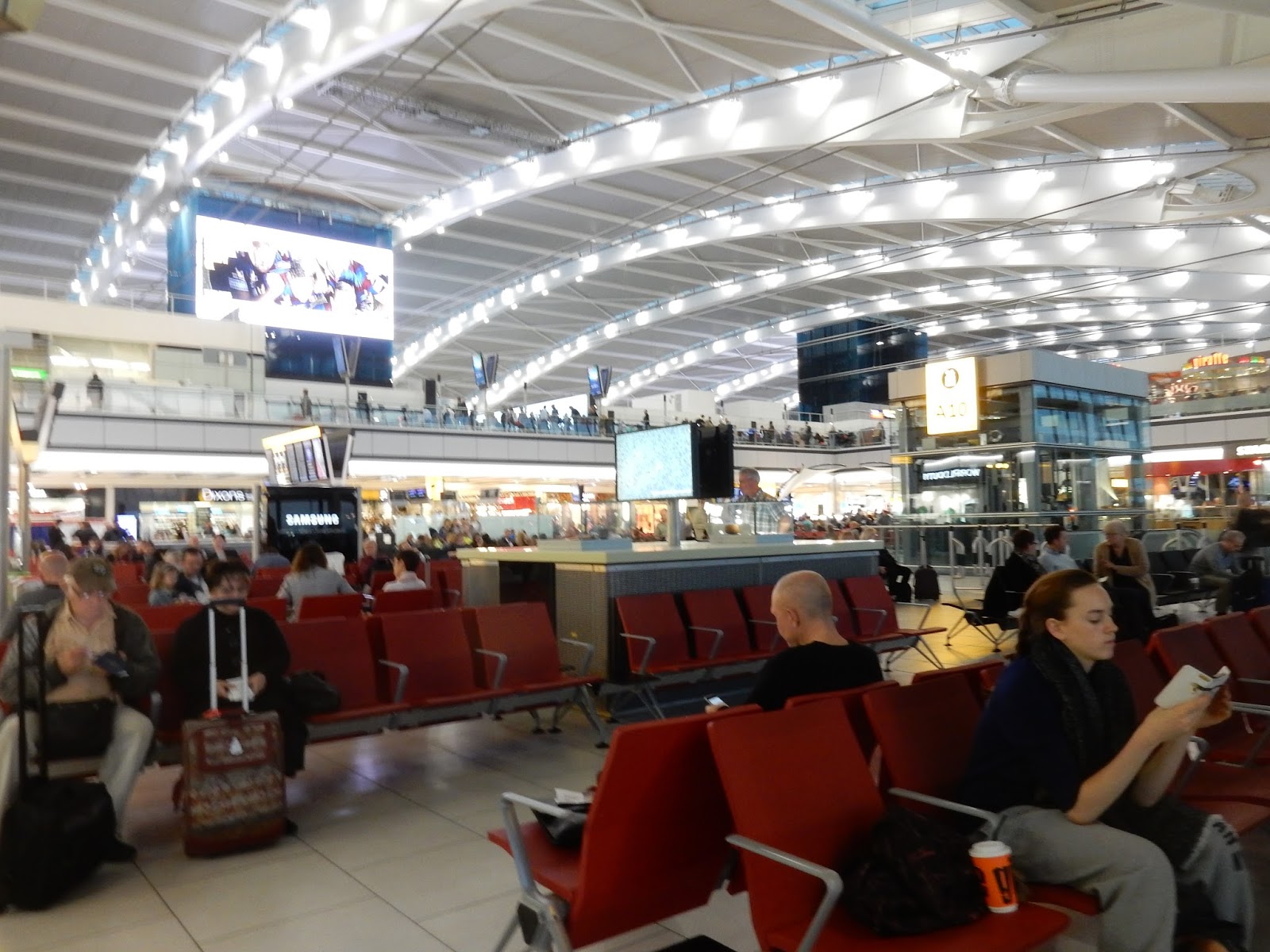 London Heathrow on the way home as who had time for pictures on the way there. By the time we were halfway from London to Nairobi, I was beginning to shut down mentally as well as physically. The lack of sleep was giving me a headache and making me sick to my stomach. The steward kept asking if he could get me anything but all I wanted was to get off the plane. Not happening at 30,000 feet.
 Arriving in Kenya, I was on autopilot, following the crowd through the airport, customs and baggage claim. Denise, my partner in crime on this trip, kept me upright. I don’t think she realized how stressed I was and that I would have had a total meltdown if she hadn’t been along. Actually, honestly, I would have cancelled the whole trip at the last minute if it hadn’t been for her. So glad that didn’t happen.
Our ride, Tony, was waiting for us just outside and as late as it was, we were greeted with smiles at the volunteer house. I loaded up on ibuprofen, Benadryl and Zanax and crawled into what had to be the most comfortable bed in all of Kenya. Eight hours later, I was awake and feeling good. No more headache or stomach ache. An ache continued in my hip during the entire stay, but it wasn’t enough to slow me down. I could move better than I had in the past two weeks.
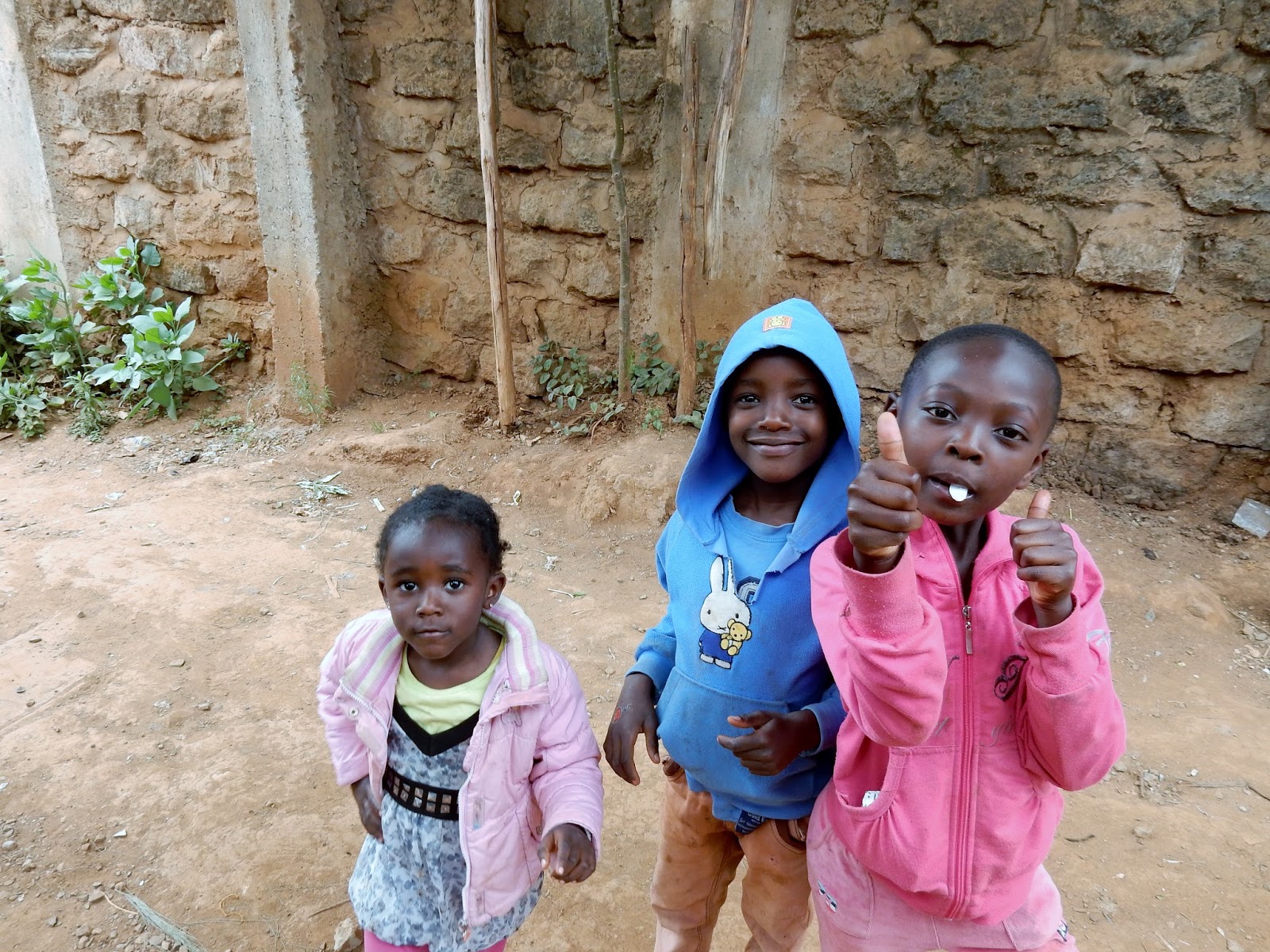 I loved being back in the neighborhood, where these faces greeted us every day.
 Kenya was apparently all I needed.
October 22, 2015
Drama at the Masa Mara, part 3
We had already had a tense afternoon, waiting for a river crossing, and then instead witnessing a kill, right under our noses. But one last drama unfolded before us that Saturday afternoon on Safari.
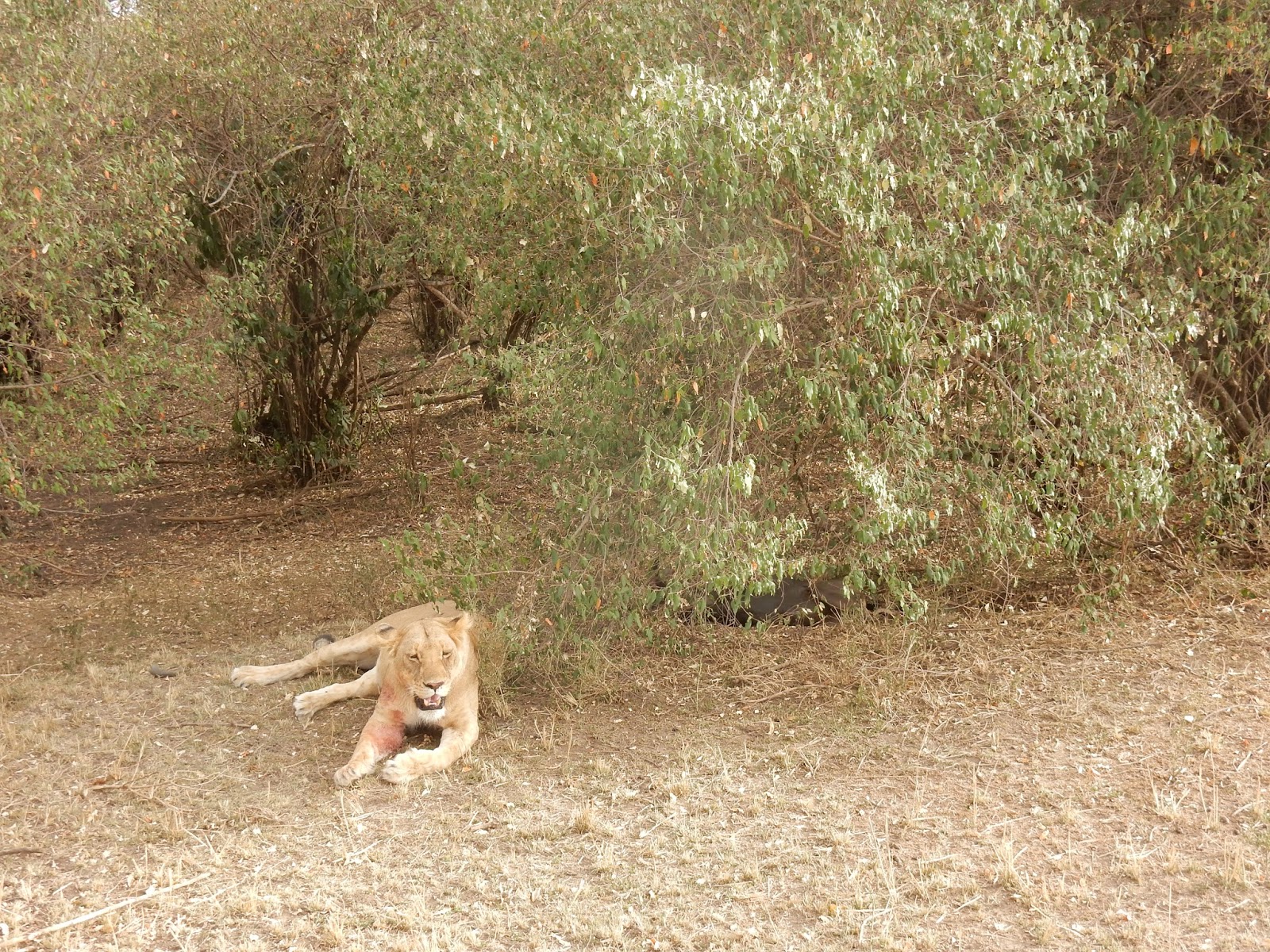
Tony, our driver, watched the lioness and confidently nodded, “she was just killing for fun.” Under another tree was a wildebeest she had no doubt killed earlier. With the easy pickings in the herd, she couldn’t resist taking down an easy kill.
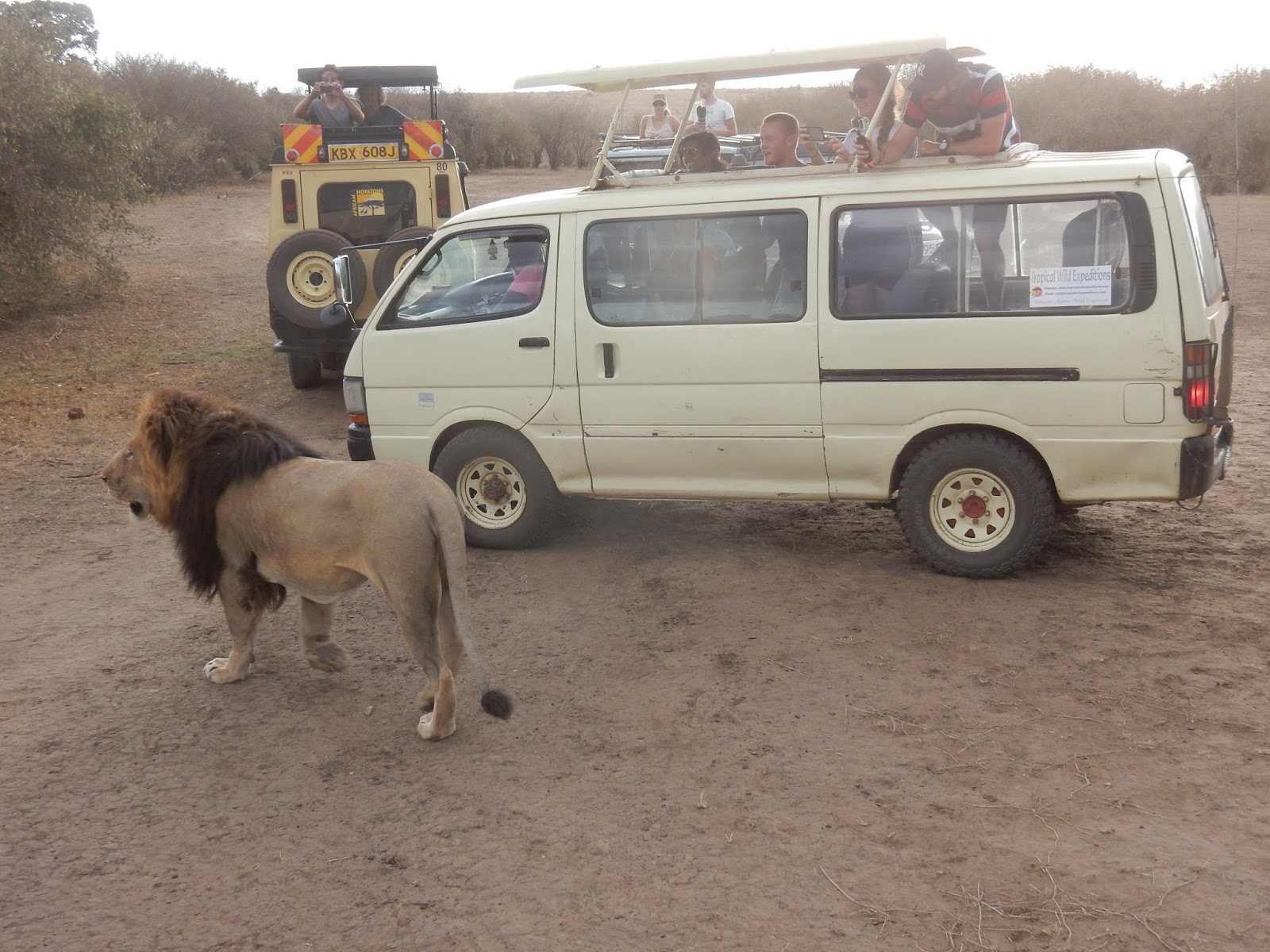
She rose and walked back across the plain. In the direction she was heading, a huge handsome male strutted towards her. Our safari van was in his direct path, but he treated it as though it were a rock that had always been there.
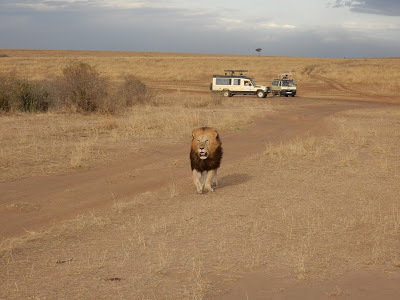
He didn’t veer from his course, passing so near to our van, that his hair may have brushed the fender. None of us inside looked that closely, because we were too busy freaking out.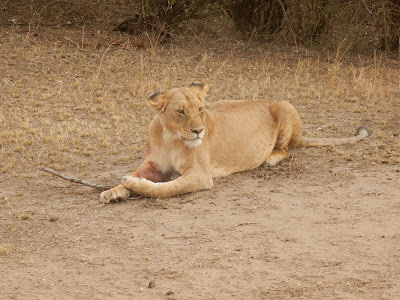
The male and female lions barely acknowledged each other as they passed, he continued into the bush where the young wildebeest lay and she flopped down on the plain, near the herd of dazed wildebeest.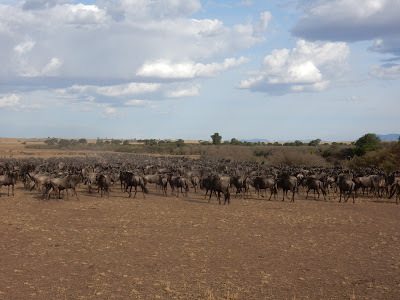
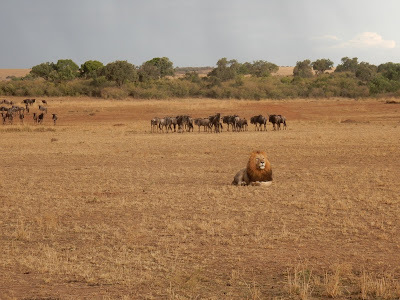
As the first male lion ate his afternoon treat, another swaggered into the picture. “Here we go,” Tony announced. “There will be a fight.”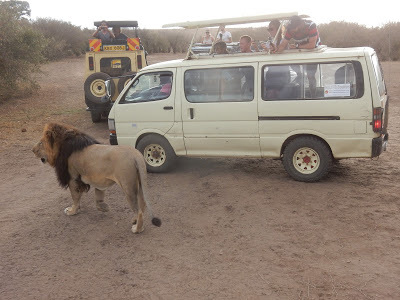
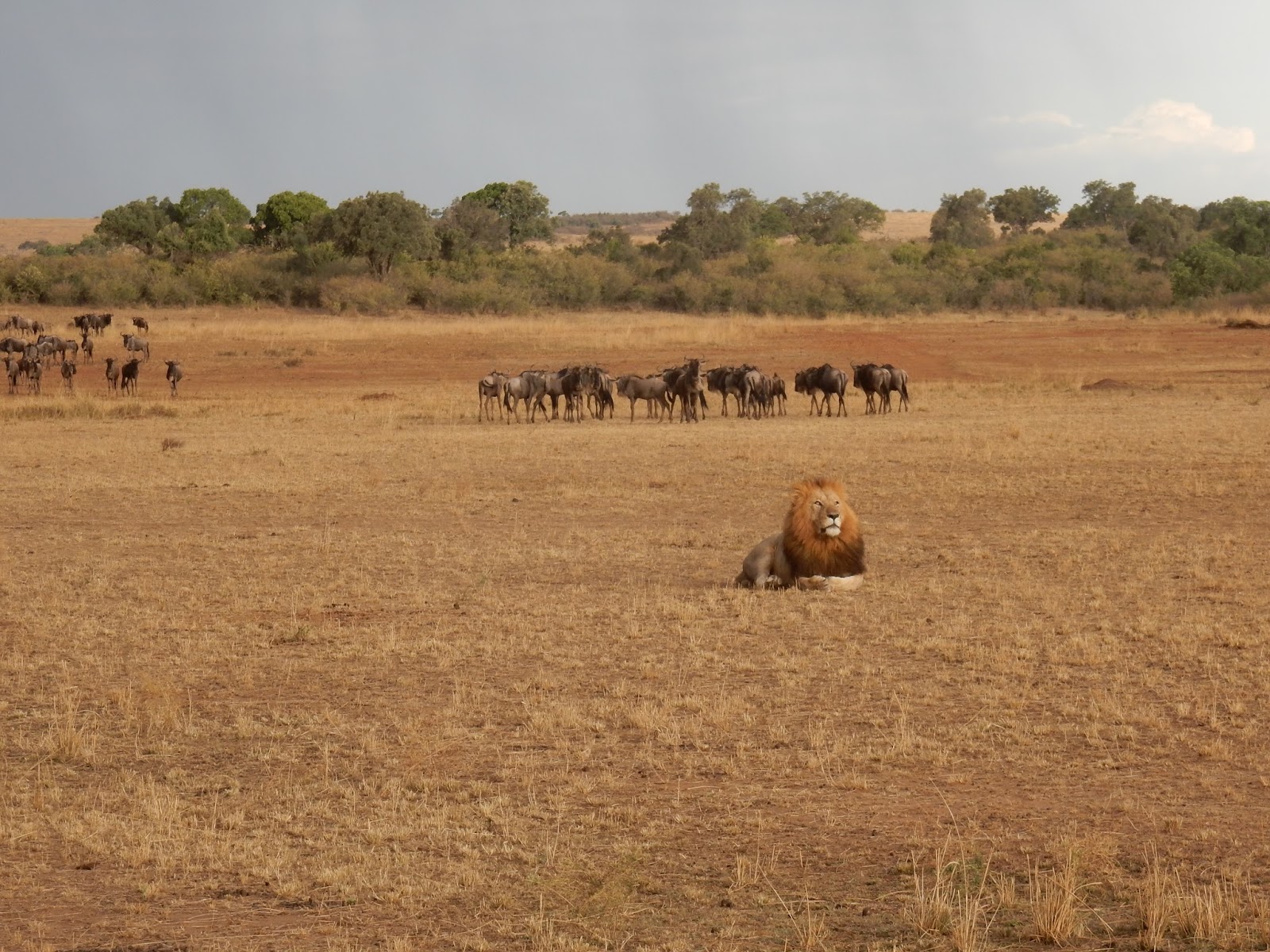
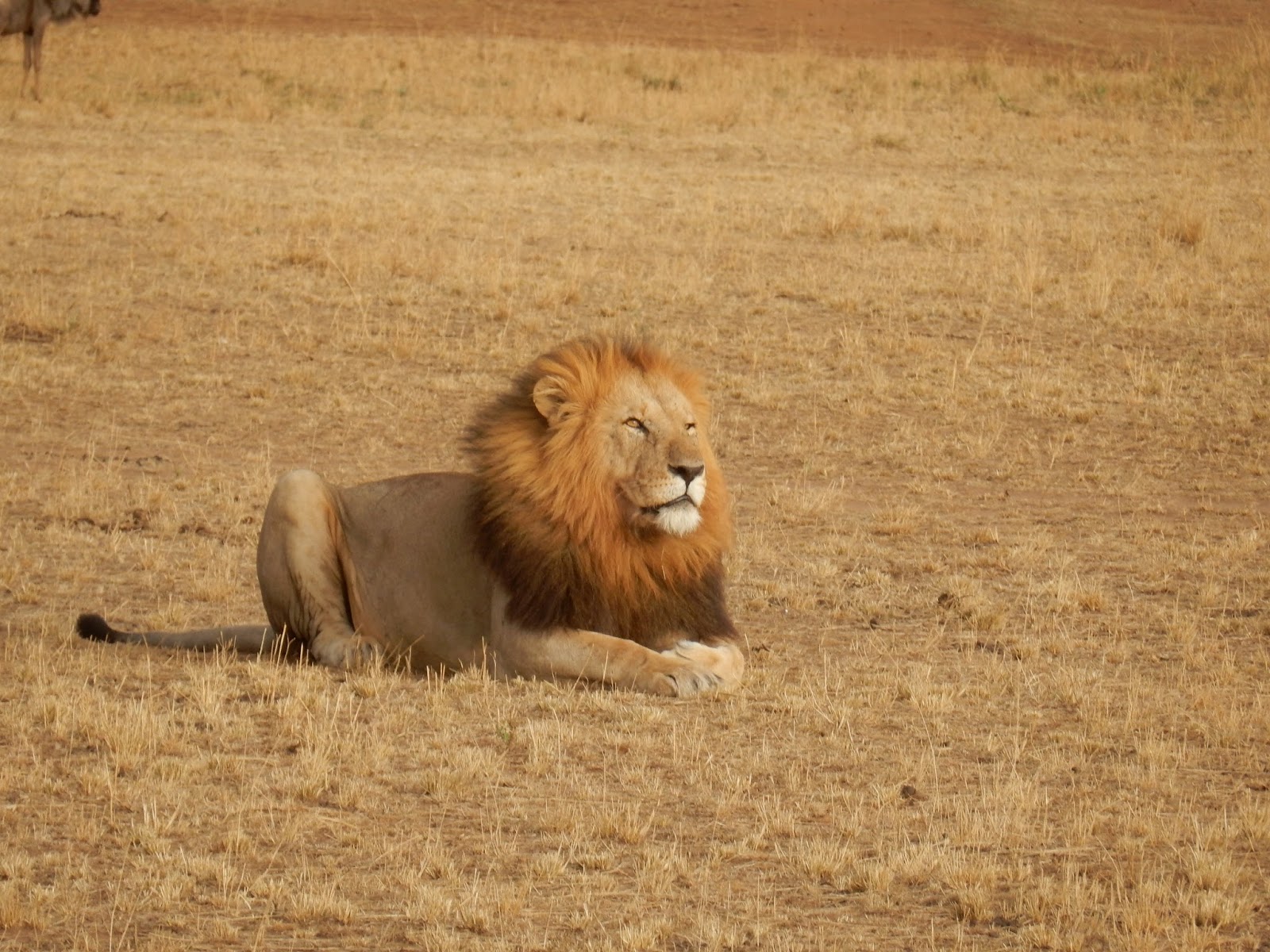
But no, the second lion must have already had his fill on the wildebeest smorgasbord. He laid down on his haunches a few hundred feet away, the late afternoon sun shining on his stunning face. And I swear, he shook out his mane, as if he were Fabio.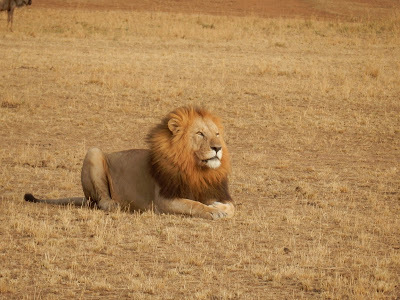 Whatever else happened on the Mara that afternoon, I don’t remember. We saw some more elephants and the rest of the grazers, even a hyena, but even though we had missed the drama of seeing a crossing, we were more than satisfied.
Tony, our driver, watched the lioness and confidently nodded, “she was just killing for fun.” Under another tree was a wildebeest she had no doubt killed earlier. With the easy pickings in the herd, she couldn’t resist taking down an easy kill.
She rose and walked back across the plain. In the direction she was heading, a huge handsome male strutted towards her. Our safari van was in his direct path, but he treated it as though it were a rock that had always been there.
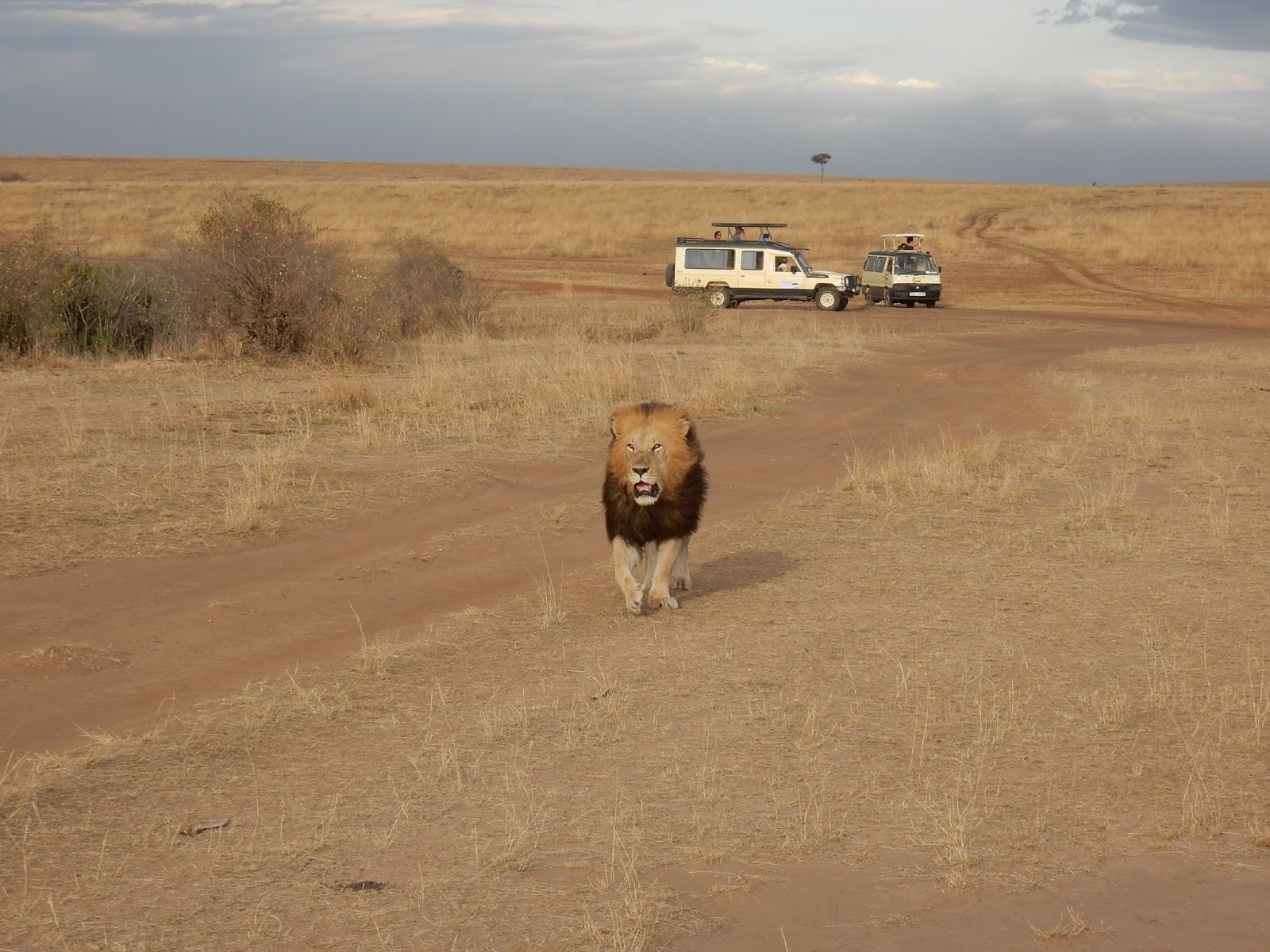
He didn’t veer from his course, passing so near to our van, that his hair may have brushed the fender. None of us inside looked that closely, because we were too busy freaking out.

The male and female lions barely acknowledged each other as they passed, he continued into the bush where the young wildebeest lay and she flopped down on the plain, near the herd of dazed wildebeest.
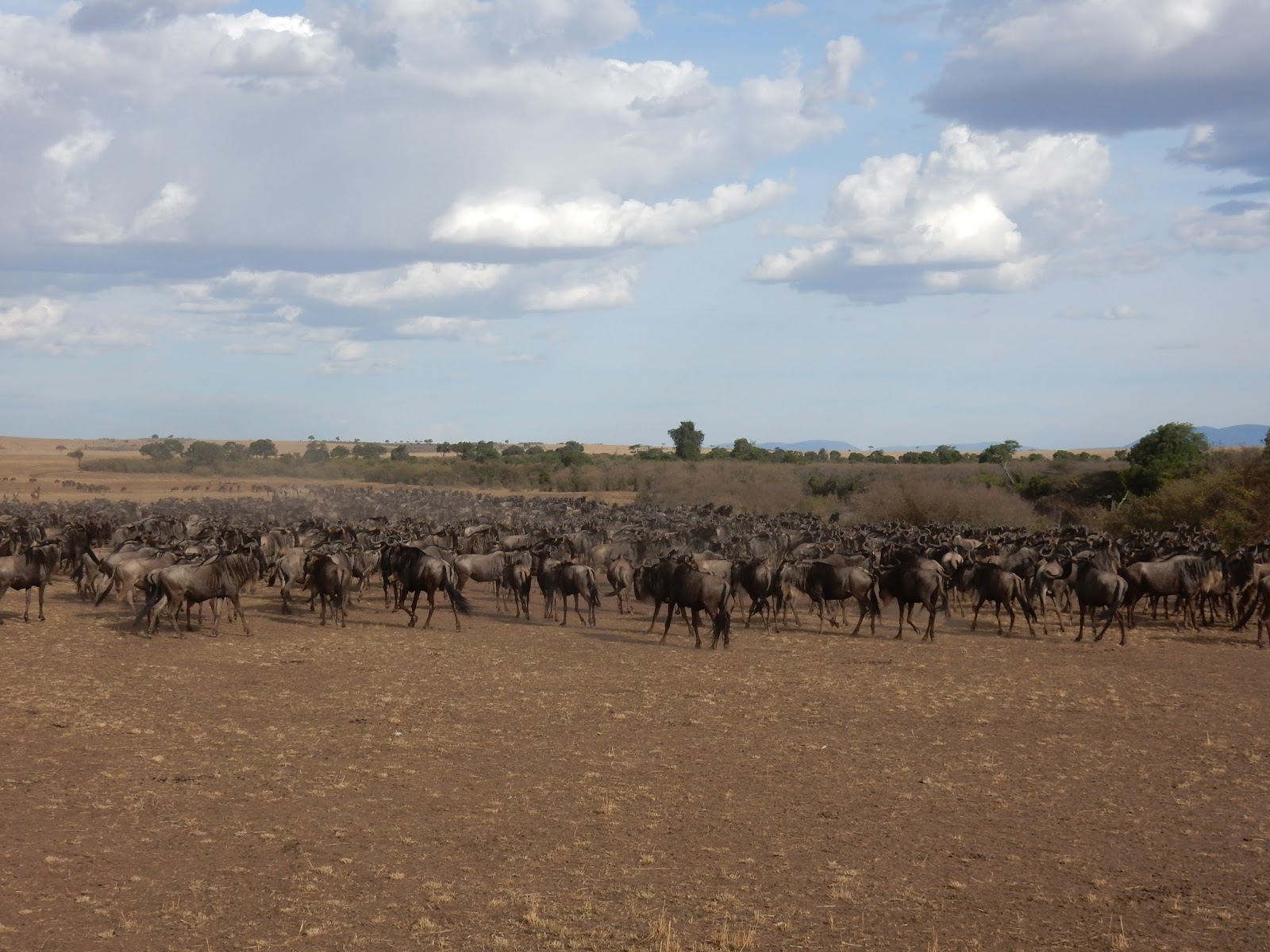
As the first male lion ate his afternoon treat, another swaggered into the picture. “Here we go,” Tony announced. “There will be a fight.”
But no, the second lion must have already had his fill on the wildebeest smorgasbord. He laid down on his haunches a few hundred feet away, the late afternoon sun shining on his stunning face. And I swear, he shook out his mane, as if he were Fabio.
 Whatever else happened on the Mara that afternoon, I don’t remember. We saw some more elephants and the rest of the grazers, even a hyena, but even though we had missed the drama of seeing a crossing, we were more than satisfied.