
Chris Loehmer Kincaid's Blog, page 107
September 29, 2017
Fall Vacation Entry # 4
Last Wednesday, we headed home after a few days of visiting with the Hubby’s brother and sister-in-law in Iowa. I seem to have lost track of how many times I have driven around in Iowa and I always find new and interesting things to see. So, I’m tellin’ ya – don’t knock Iowa. A person could take a week’s vacation there and not see it all.
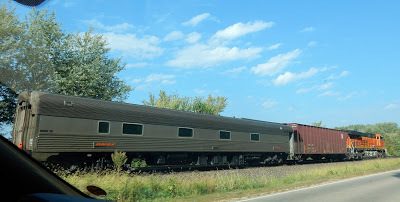 Anyway, we only had those few days there this year and it was time to head home. We drove north along the Mississippi River crossing into Illinois at Savanna.
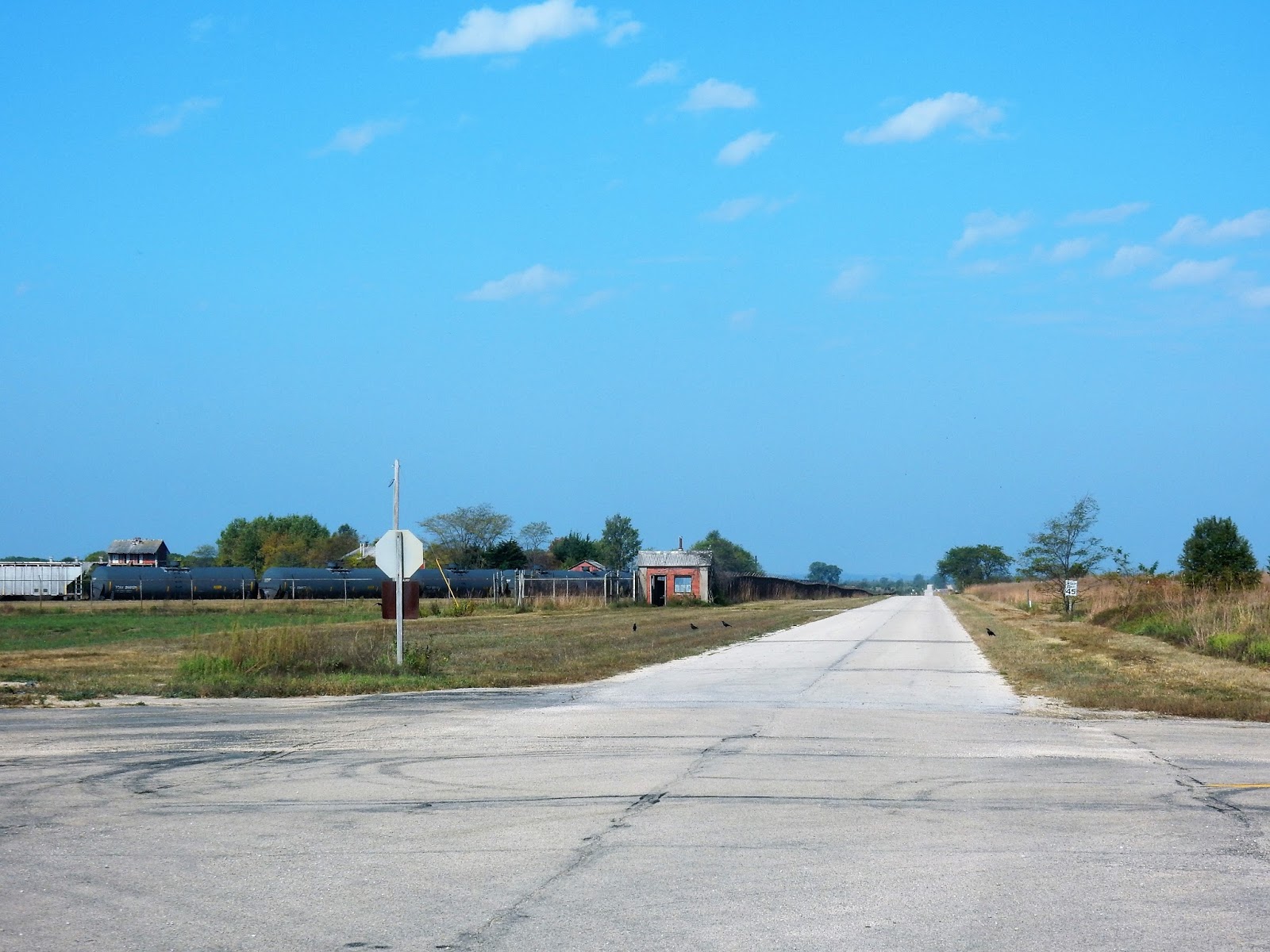
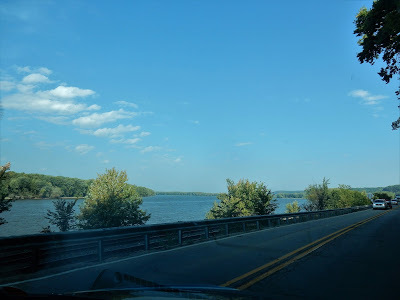 Following highway 84, a small sign for a scenic overlook caught my eye and I hollered at the Hubby to turn west down Army Depot Road. Little did I know where that was going to lead!
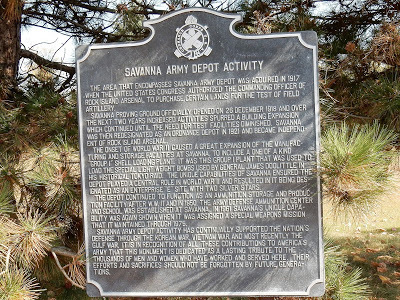 This place was totally fascinating to me.
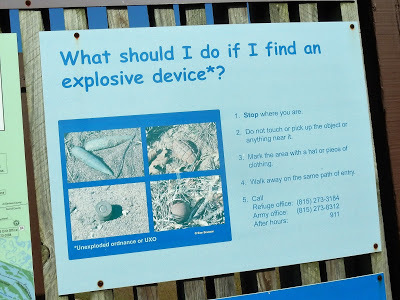
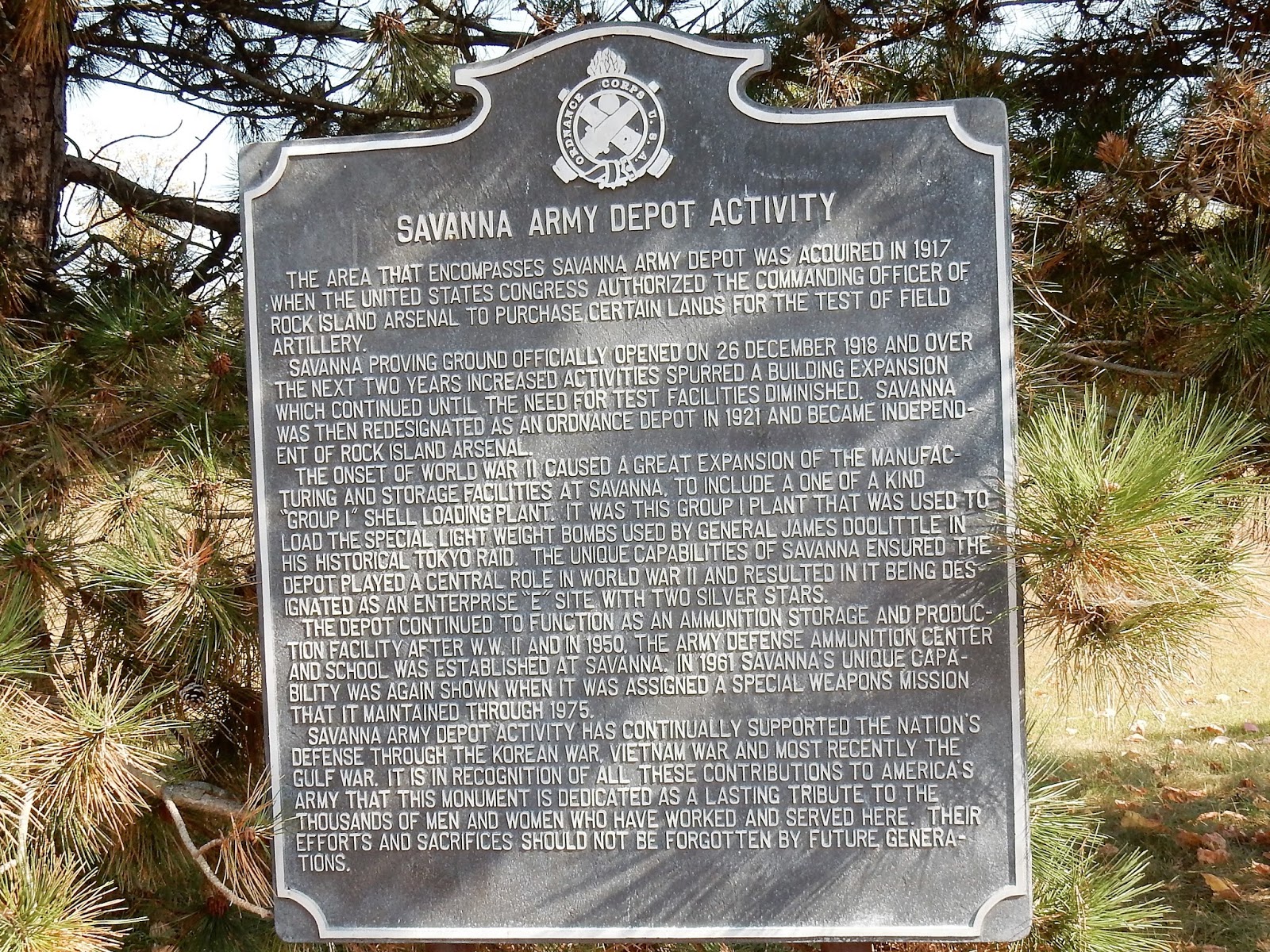
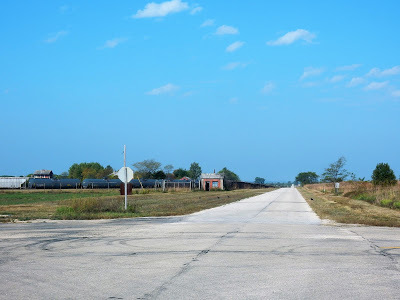 This sign alone wouldn’t have kept me from wandering off into the restricted areas. I had my responsible Hubby driving the car, so there would be no wandering, no arrests and no explosions this day.
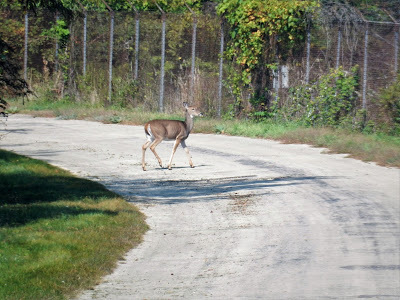
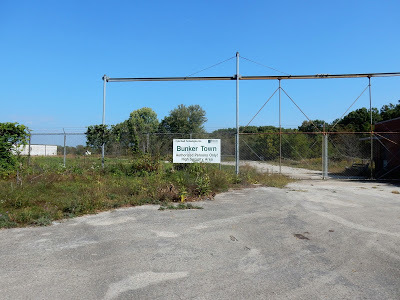 The only sign of life we saw, other than a few flocks of birds.
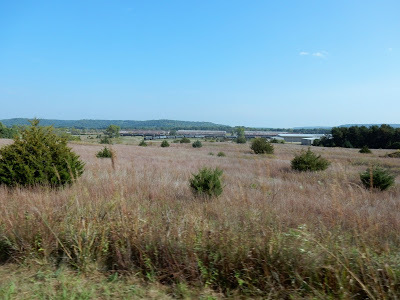
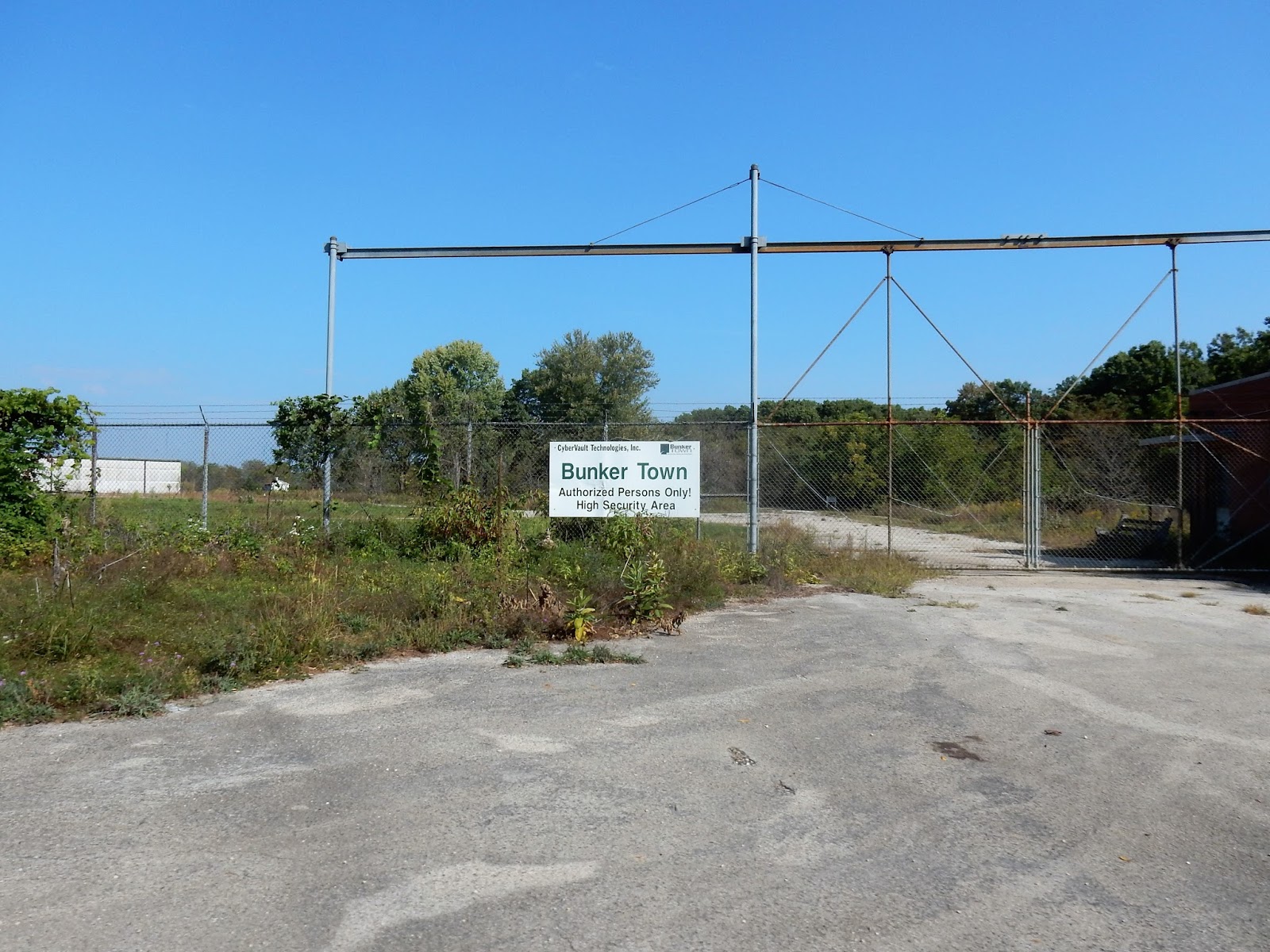
The Savanna Army Depot was a 13,000-acre site on the east bank of the Mississippi River just north of Savanna. Opened in 1917, first as a weapons testing facility, it later became an ammunition depot. After WWI, warehouses were built to store ammunition. The base really boomed during WWII, when employment there jumped from 143 to 7,195. A construction boom built several new warehouses, a new power plant and 407 “igloos” to store ammo and other volatile weapons like mustard gas.
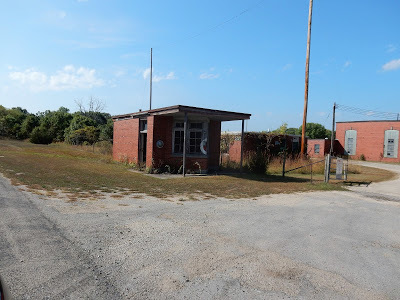
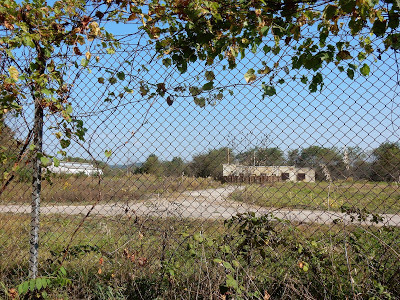
The base went through several changes over the years, but by 1995, the writing was on the wall. Five years later, the Depot officially shut down, transferring 9,400 acres of land to the Upper Mississippi River National Wildlife and Fish Refuge.
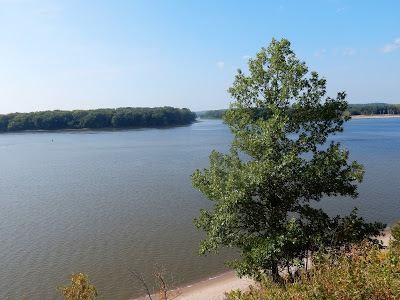
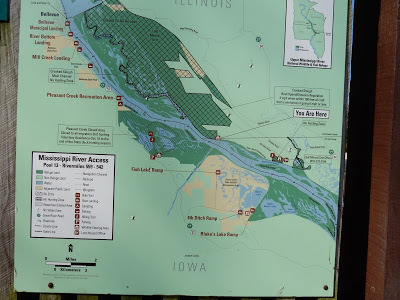 Made it to the scenic overlook.
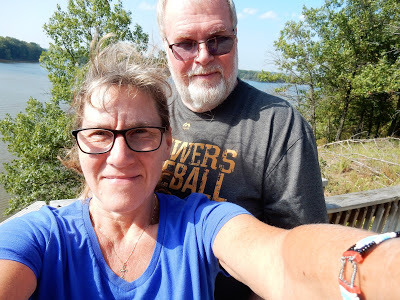 My imagination could still just go wild in a place like this.
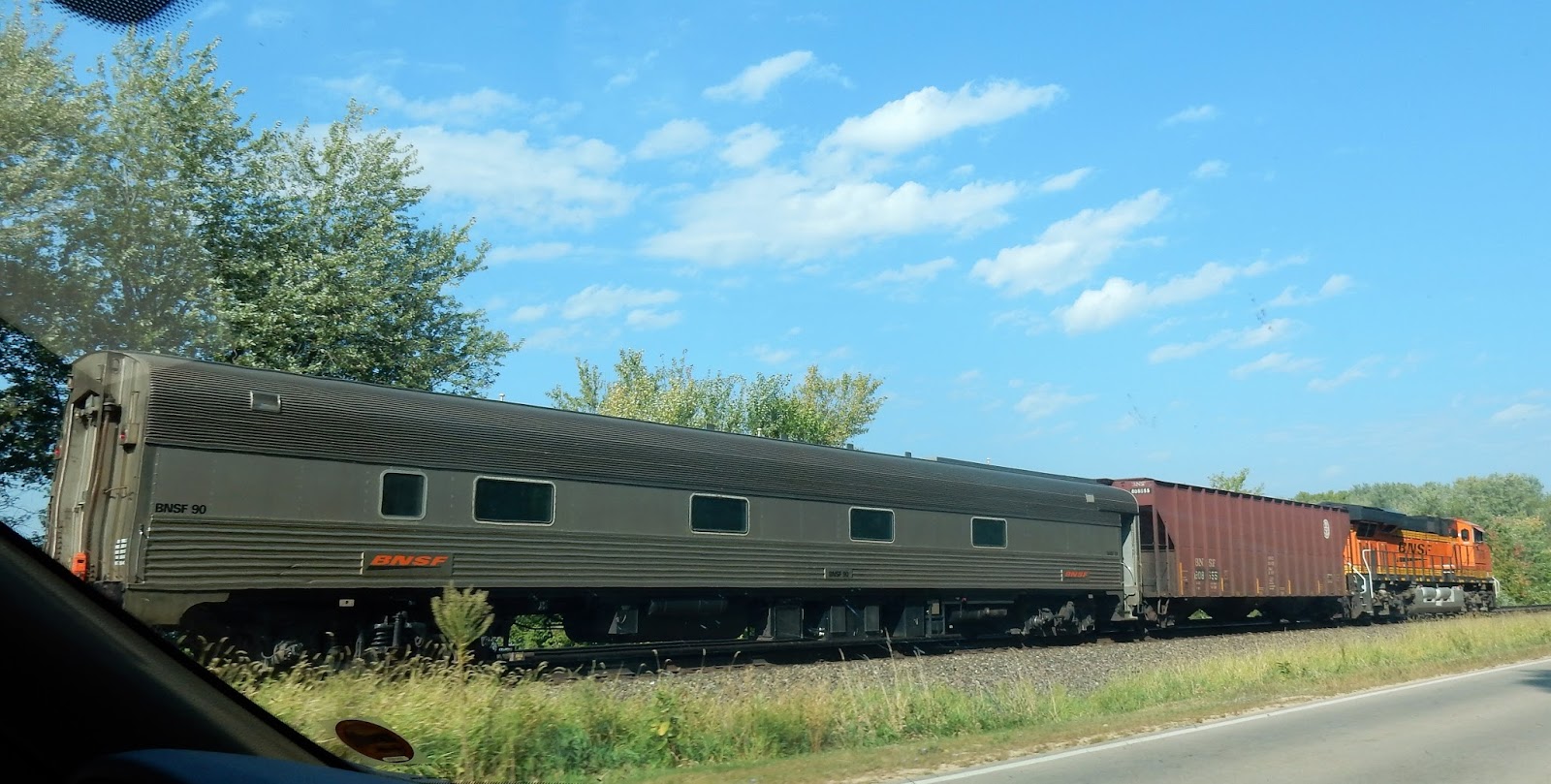 Anyway, we only had those few days there this year and it was time to head home. We drove north along the Mississippi River crossing into Illinois at Savanna.
 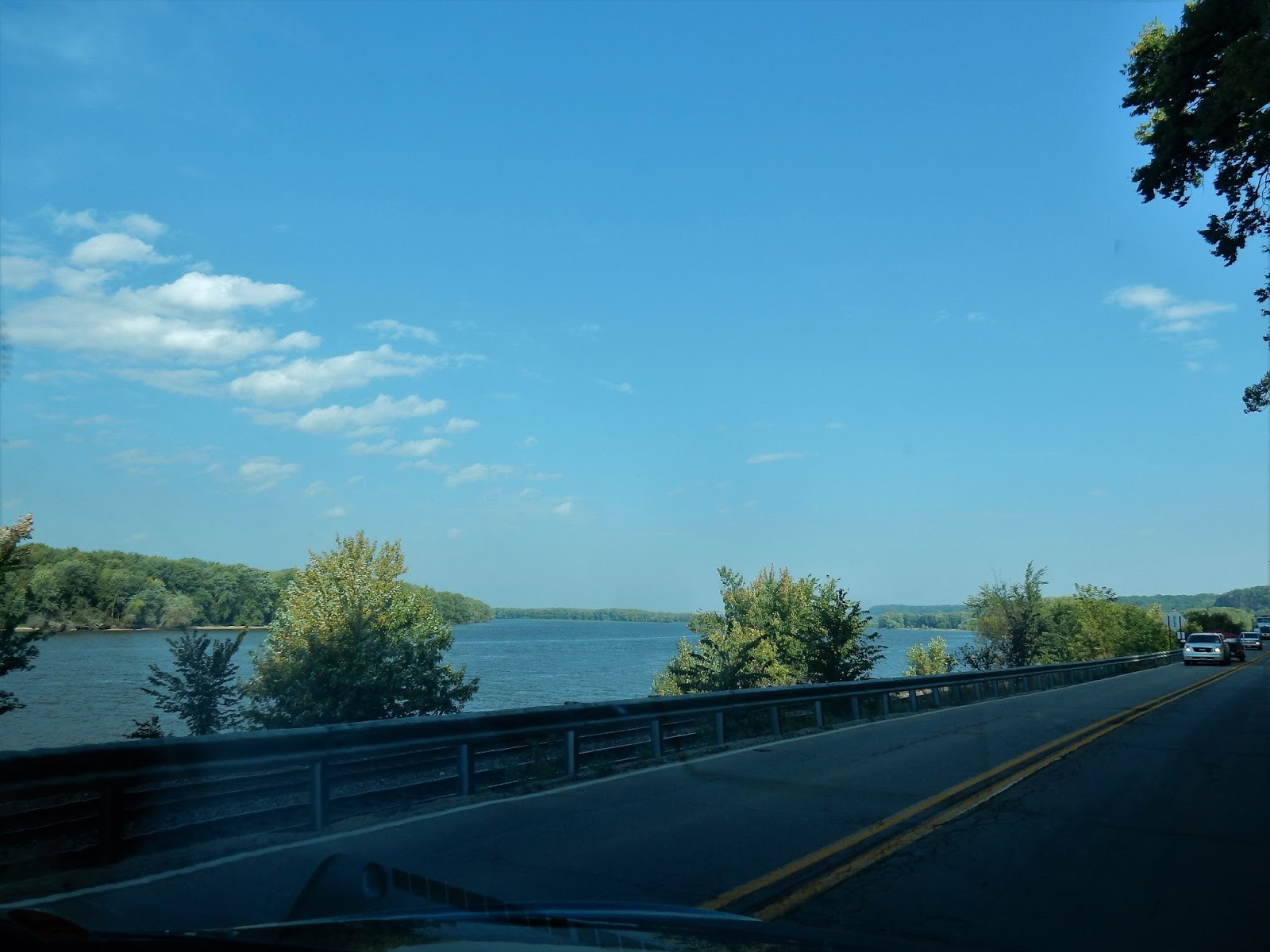 Following highway 84, a small sign for a scenic overlook caught my eye and I hollered at the Hubby to turn west down Army Depot Road. Little did I know where that was going to lead!
 This place was totally fascinating to me.
 This sign alone wouldn’t have kept me from wandering off into the restricted areas. I had my responsible Hubby driving the car, so there would be no wandering, no arrests and no explosions this day.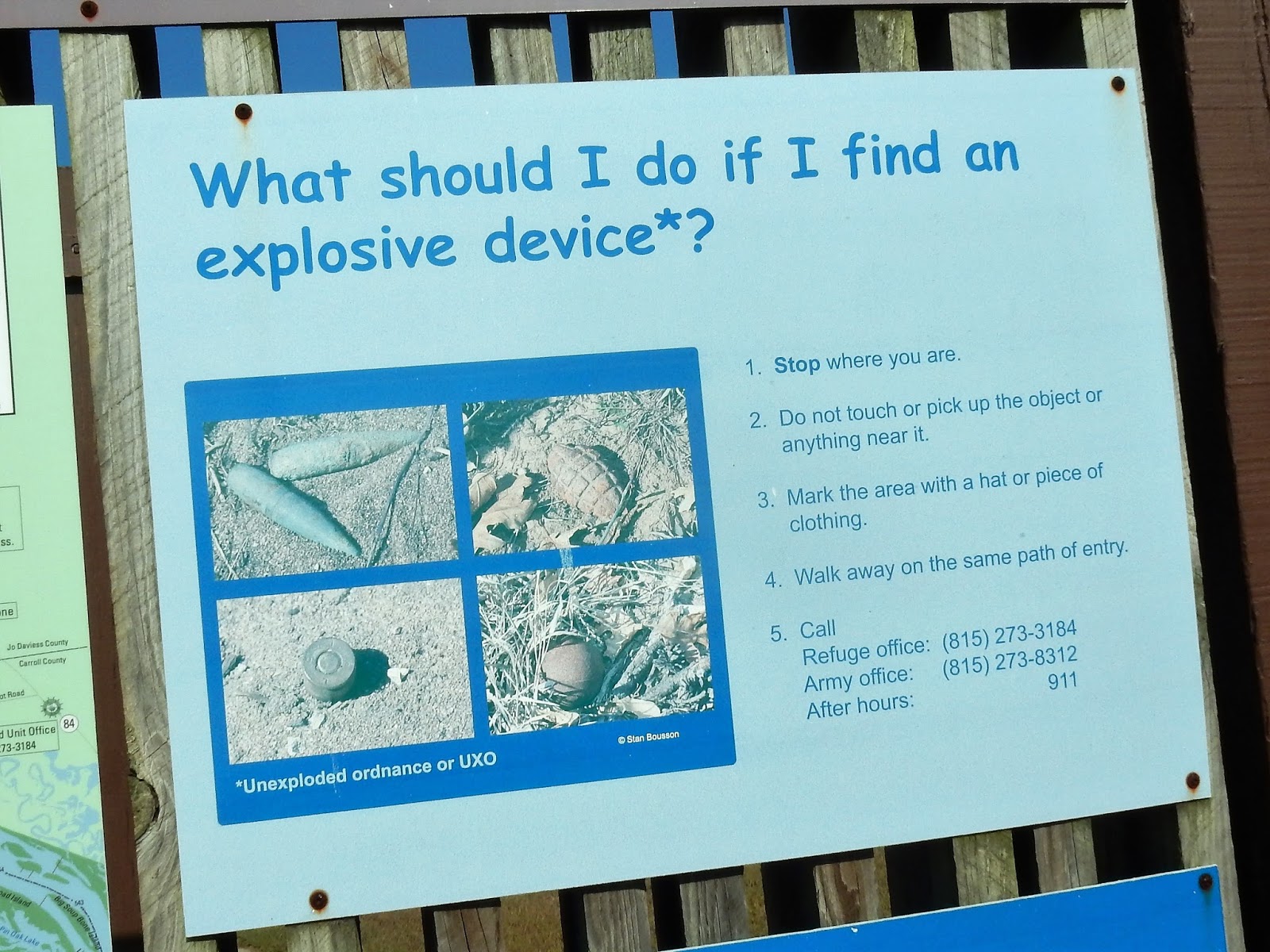
 The only sign of life we saw, other than a few flocks of birds.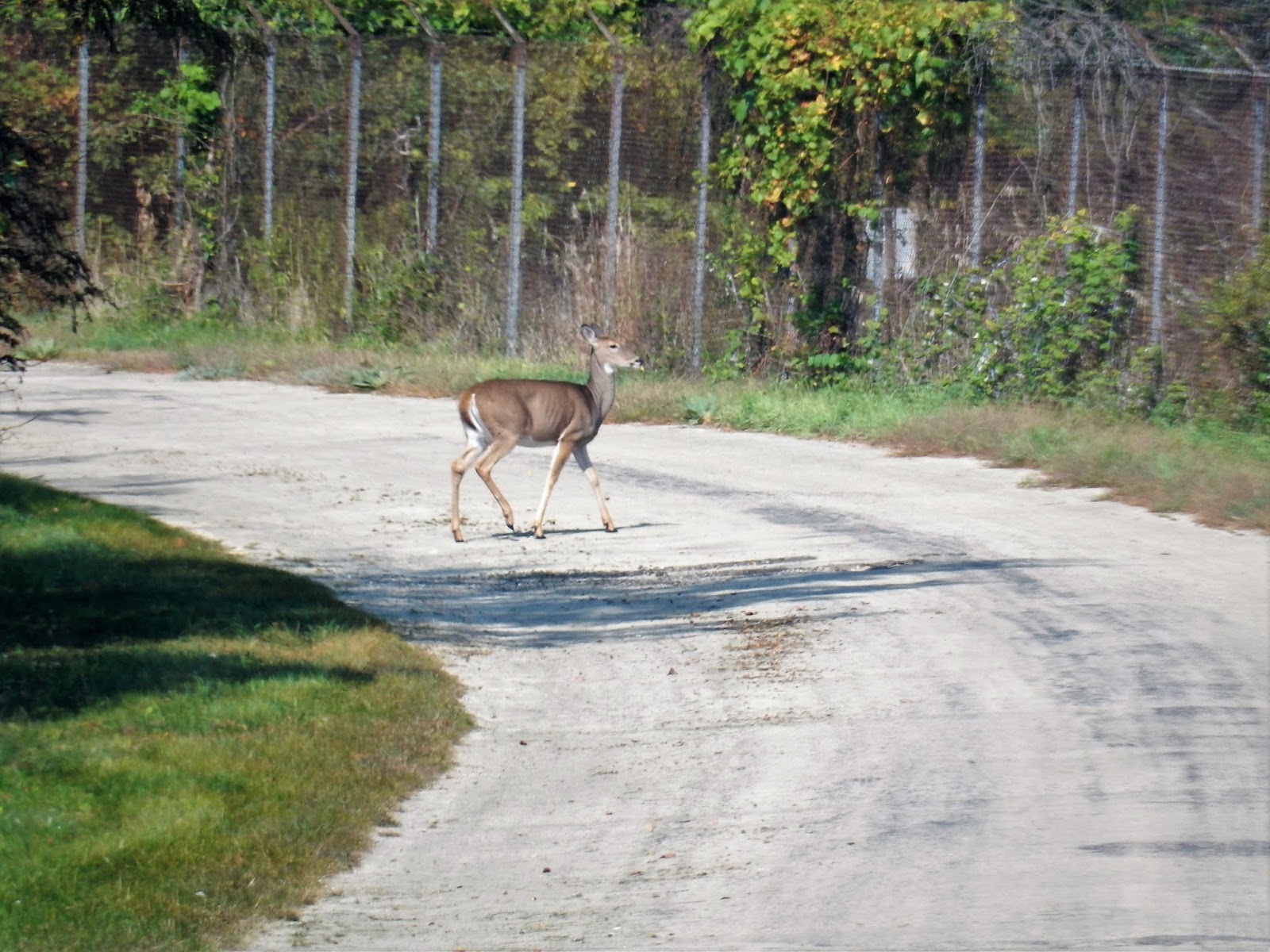
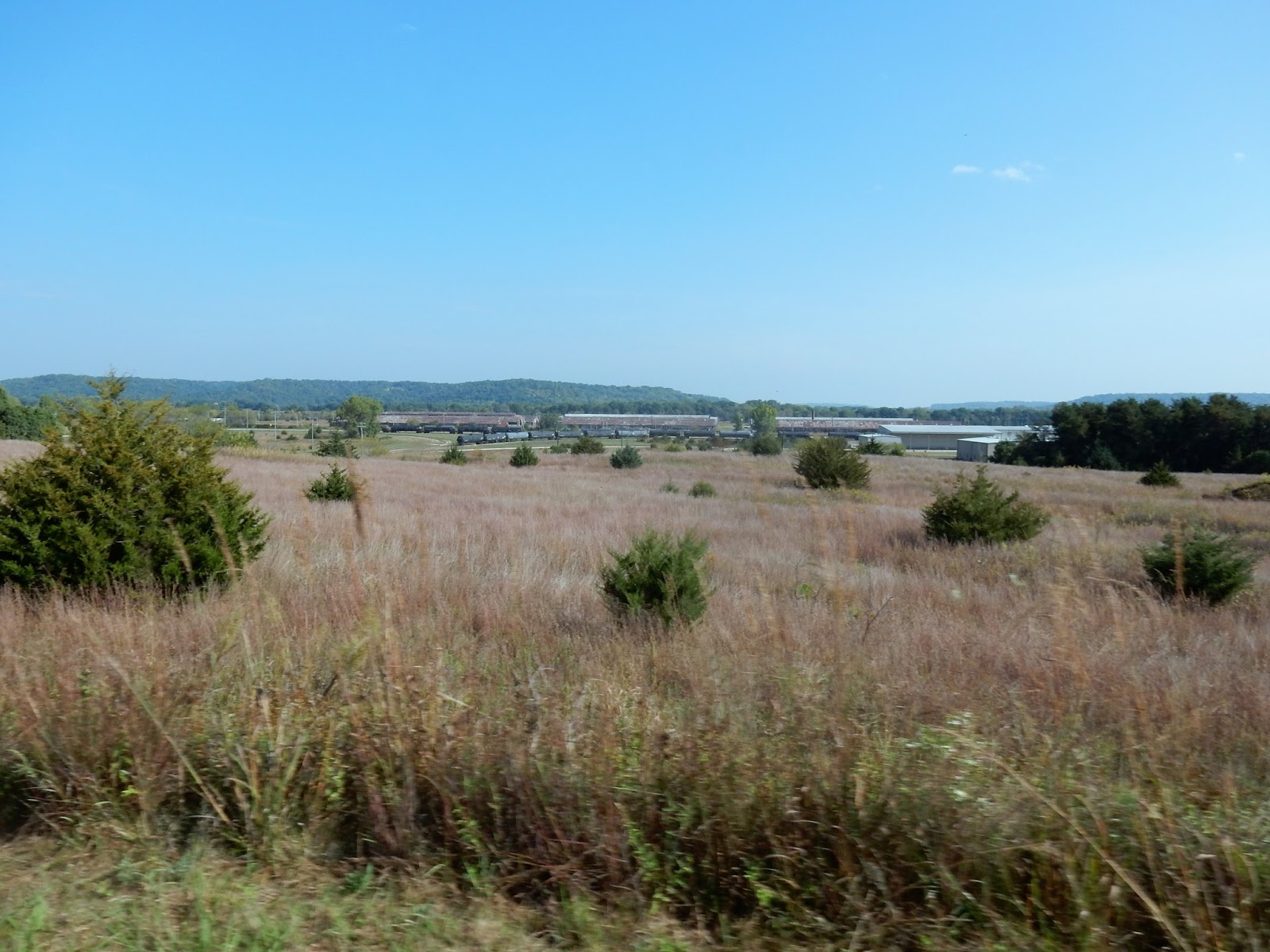
The Savanna Army Depot was a 13,000-acre site on the east bank of the Mississippi River just north of Savanna. Opened in 1917, first as a weapons testing facility, it later became an ammunition depot. After WWI, warehouses were built to store ammunition. The base really boomed during WWII, when employment there jumped from 143 to 7,195. A construction boom built several new warehouses, a new power plant and 407 “igloos” to store ammo and other volatile weapons like mustard gas.
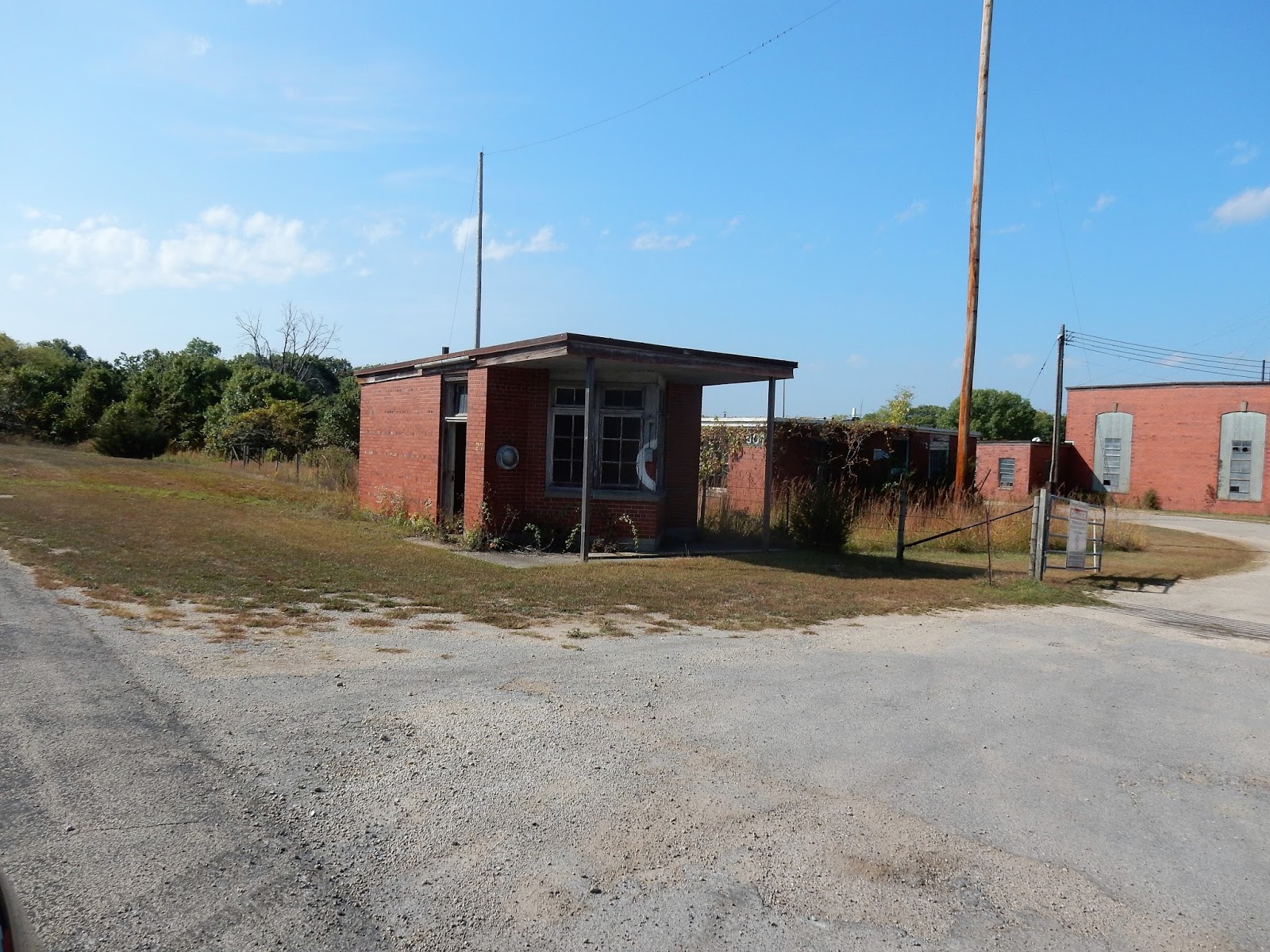
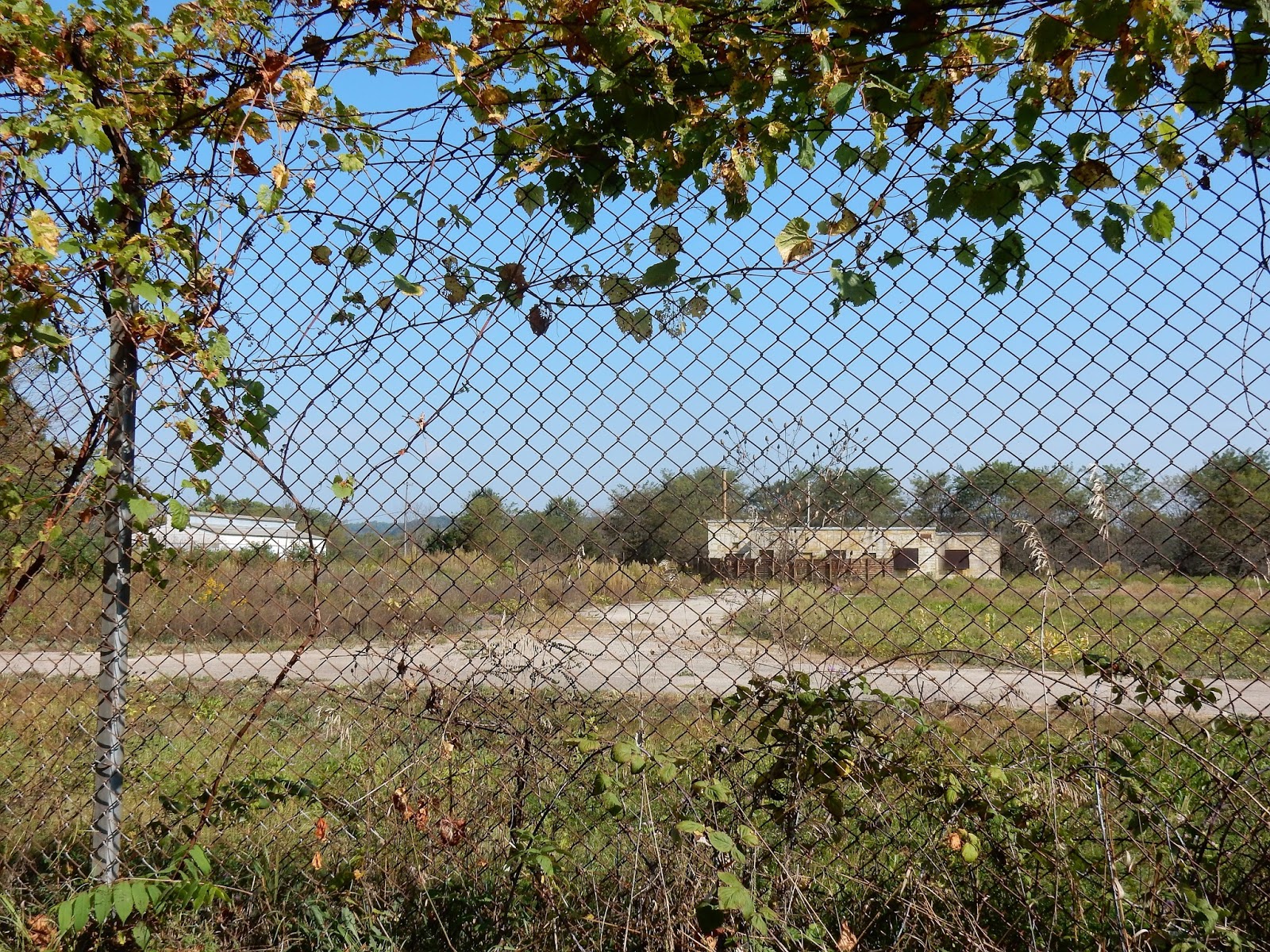
The base went through several changes over the years, but by 1995, the writing was on the wall. Five years later, the Depot officially shut down, transferring 9,400 acres of land to the Upper Mississippi River National Wildlife and Fish Refuge.
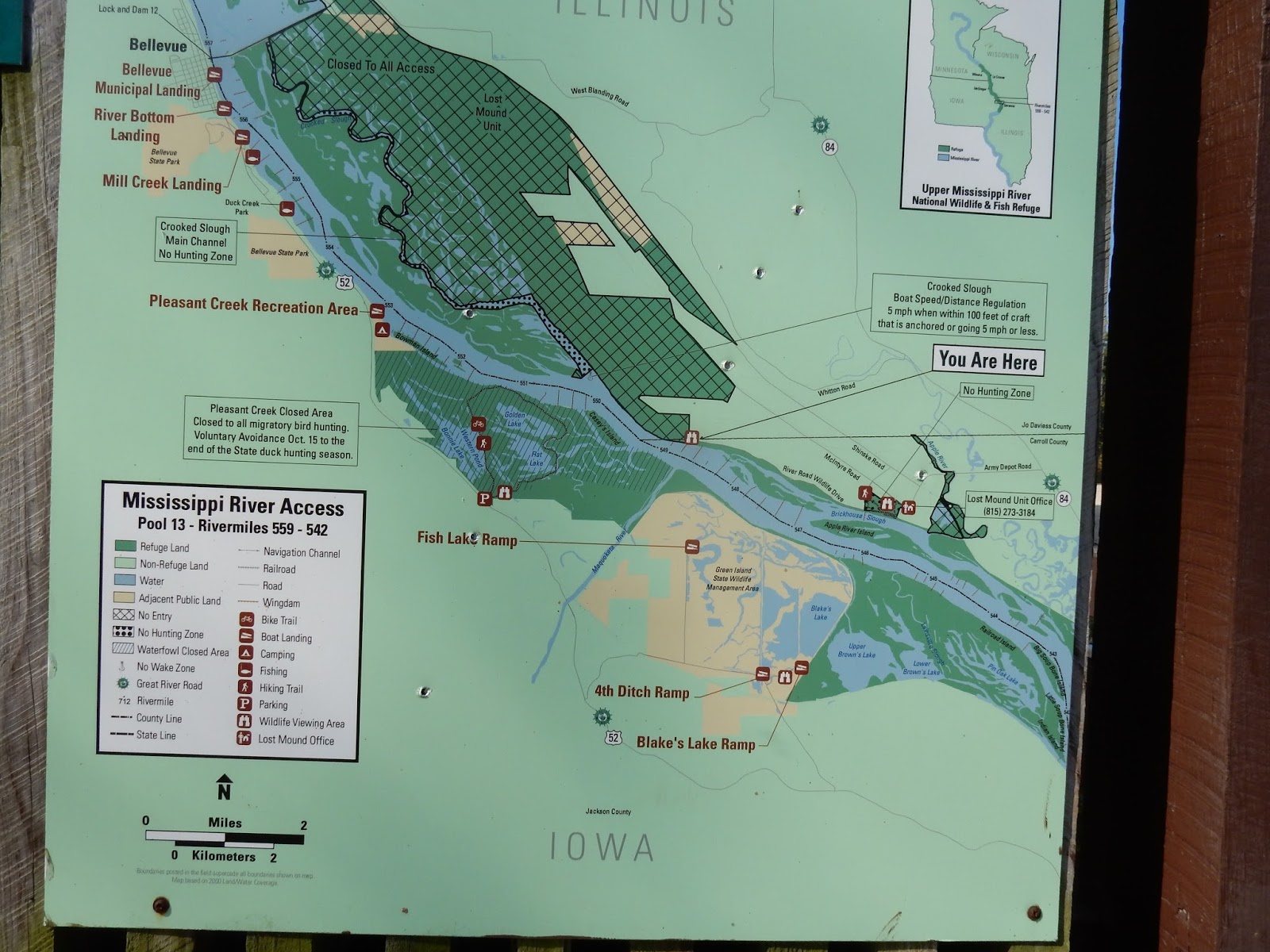 Made it to the scenic overlook.
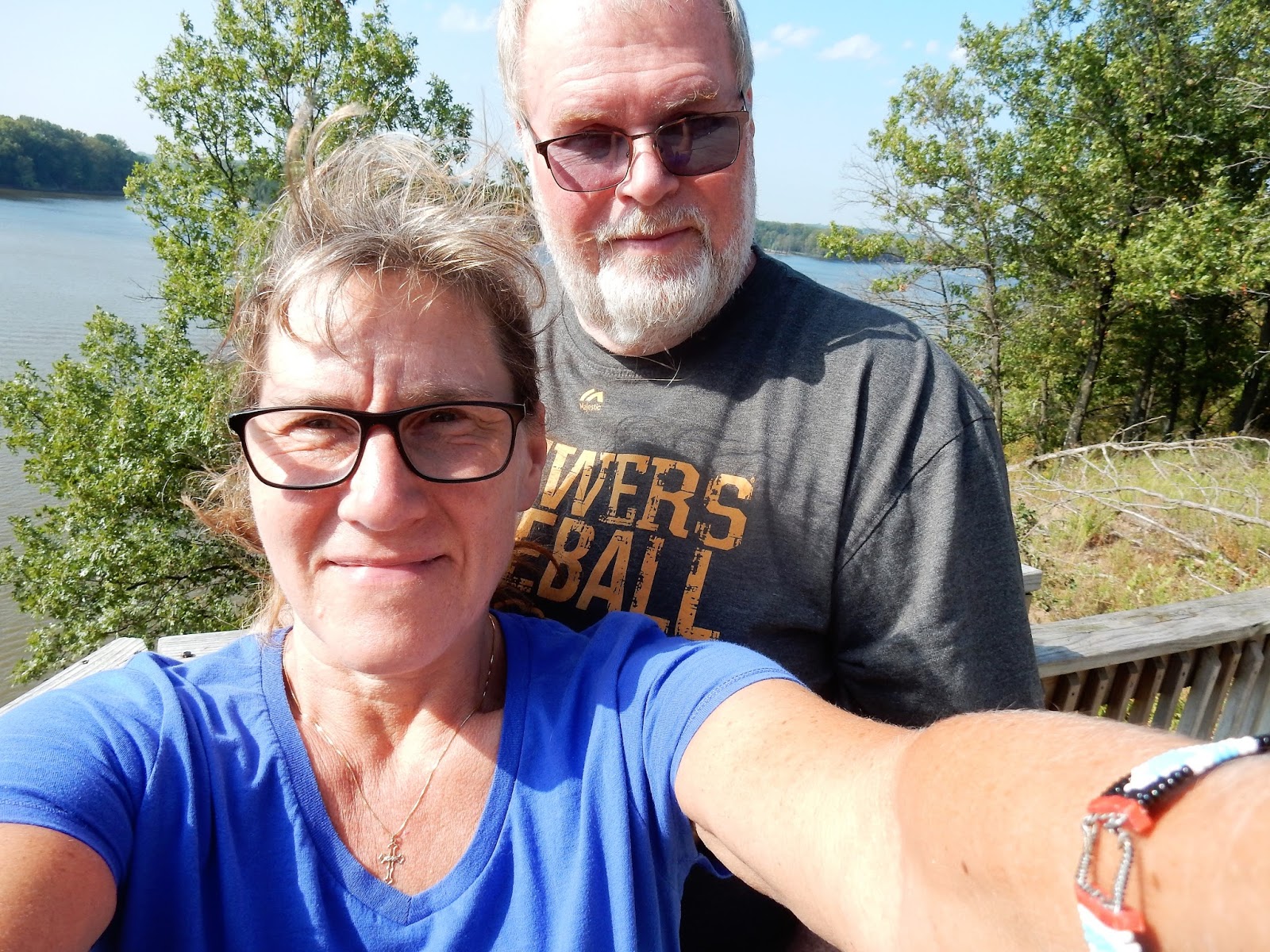 My imagination could still just go wild in a place like this.
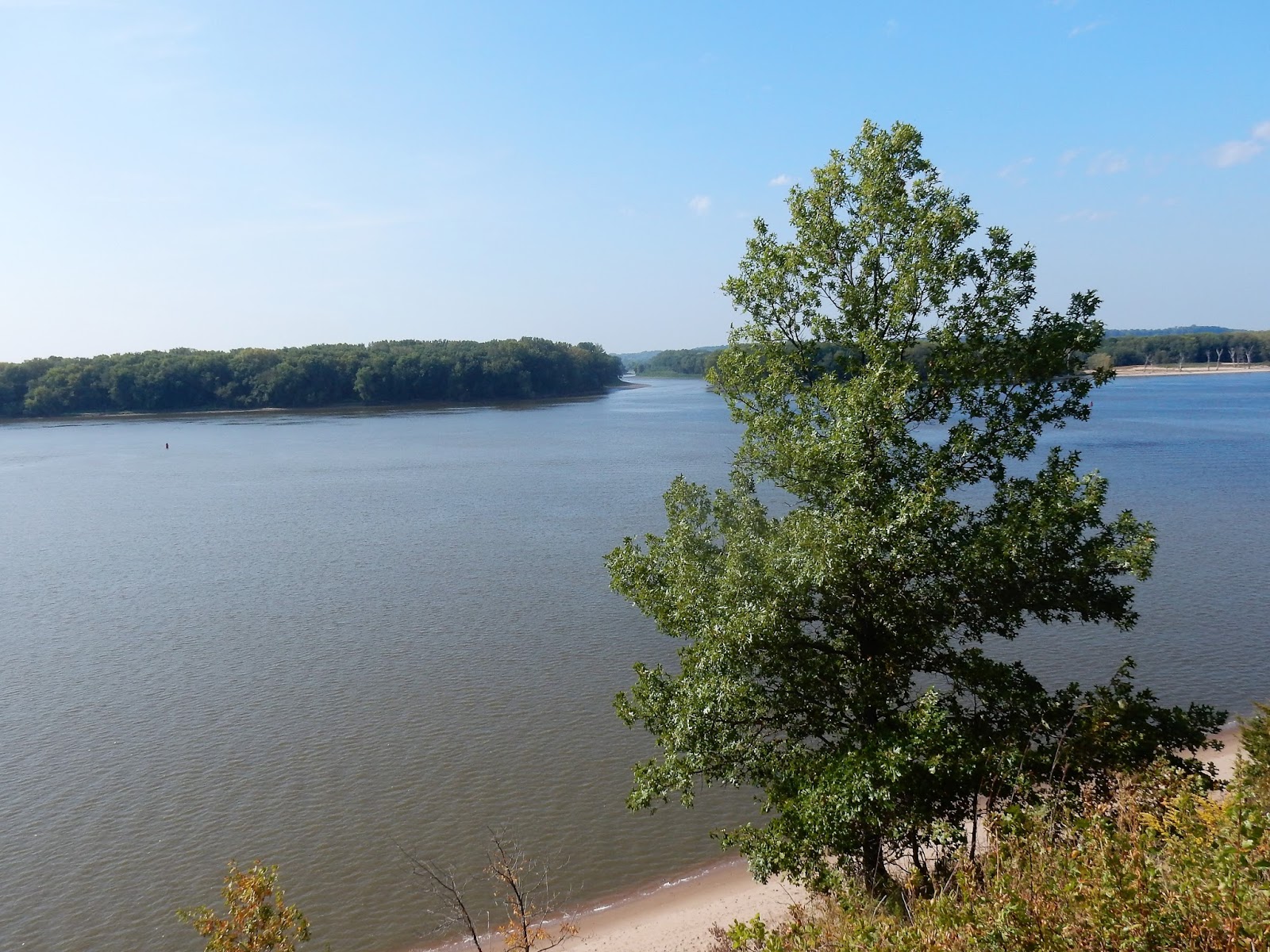


September 27, 2017
Fall Vacation Day 3
Twenty years ago, I was working with a nurse practitioner who told me about the Amana Colonies of Iowa, which she had frequently visited. I knew that someday I wanted to visit it as well. You would think, since the place is only a six hour drive from where I live, that I would get there some day. Well that someday finally happened last week.
Listed as a National Historic Landmark and one of America’s longest-lived communal societies, the story of the colonies began in 1714 in Germany, with a group of believers searching to renew their faith through reflection, prayer and Bible study. Though they sought to avoid conflict, they were persecuted for their beliefs.
This persecution, as well as an economic depression in Germany, forced the community to search for a new home. They left Germany in 1843-44, and the group, numbering 1,200 people, first settled near Buffalo, New York.
When it became apparent that they needed more farmland, the religious group bought 26,000 acres in a river valley of eastern Iowa. The land they moved to in 1855 supplied fertile soil, stone, wood and water enough to build the community of their dreams.
In all their endeavors, they wanted to remain faithful, so the name they chose for their new colony was Amana which means remain true. Six villages were eventually established, each a mile or two apart – Amana, East Amana, West Amana, South Amana, High Amana, Middle Amana and Homestead.
The residents received housing, medical care, meals, all household necessities, and schooling for their children. Adults were assigned jobs, but no one received a wage, or needed to, as all property and resources were shared. Farming, production of wool and calico, clock making, and brewing, along with other well-crafted products, supported the community.
In 1932, Amana was forced to abandon its strictly communal way of life. To keep up with the changing times, they created the Amana Society, Inc. a profit-sharing corporation to manage the farmland, the mills and the larger enterprises. Private enterprise was encouraged and the Amana Church continued.
“‘Today the seven villages of the Amana Colonies represent an American dream come true; a thriving community founded by religious faith and community spirit. Declared a National Historic Landmark in 1965, the Amana Colonies attract hundreds of thousands of visitors annually all of whom come to see and enjoy a place where the past is cherished and where hospitality is a way of life.
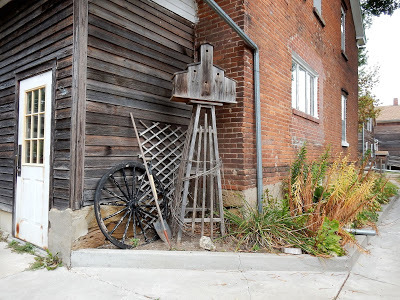
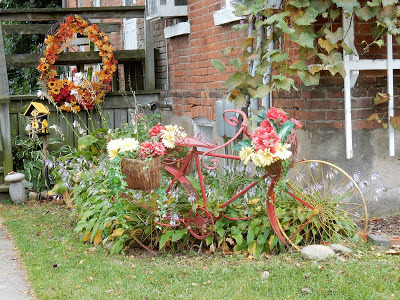
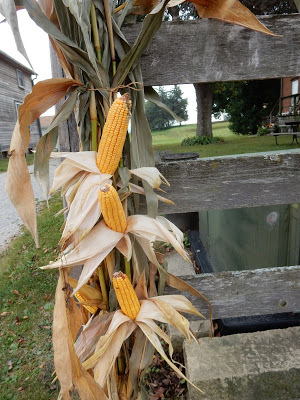
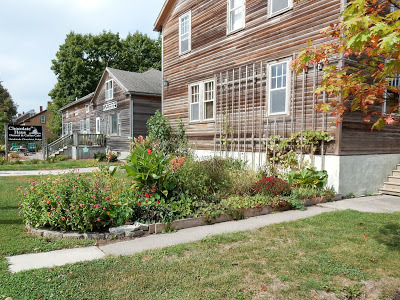
“Evocative of another age, the streets of the Amana Colonies with their historic brick, stone and clapboard homes, their flower and vegetable gardens, their lanterns and walkways recall Amana yesterday. But a vibrant community, celebrating both its past and its future, is here today for you to experience.” (taken from http://www.amanacolonies.com/history-of-amana)
I really didn’t spend nearly enough time there that one day last week. I am sure I will go back again, and this time won’t wait twenty years.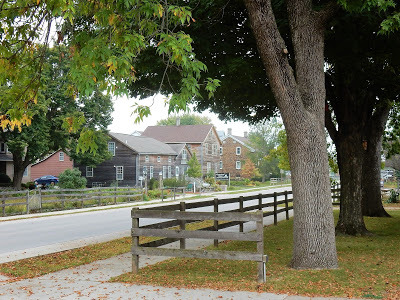
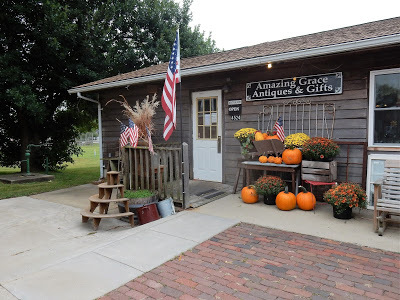
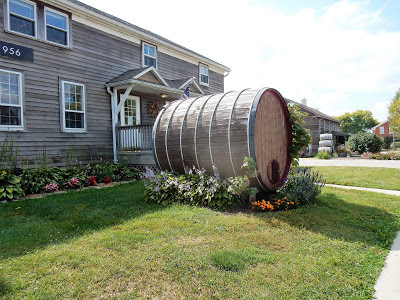
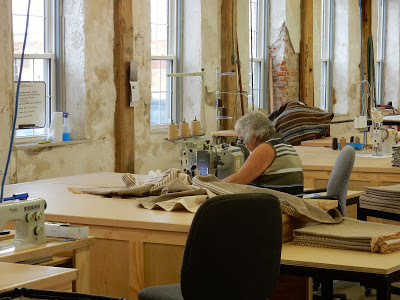
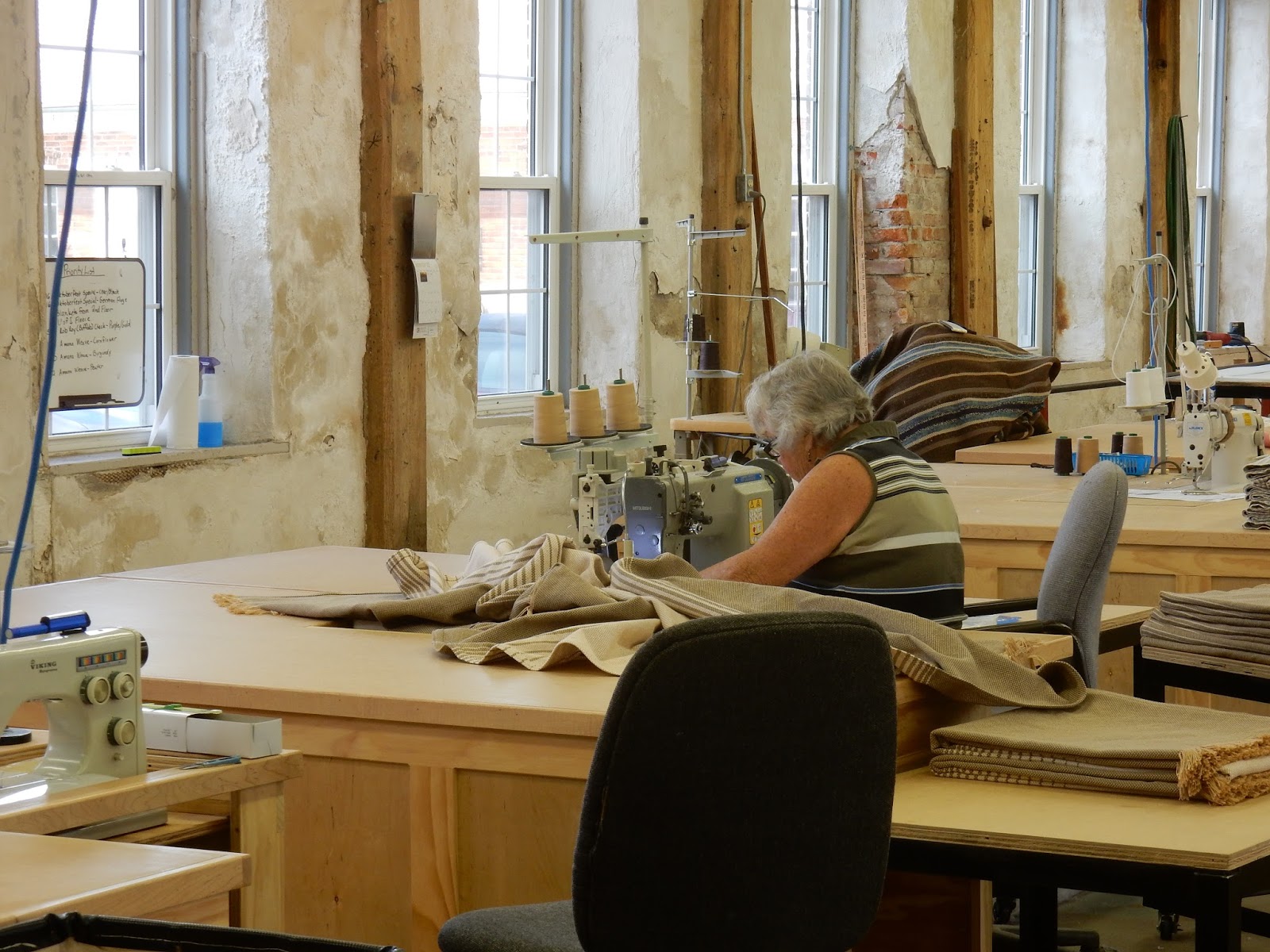
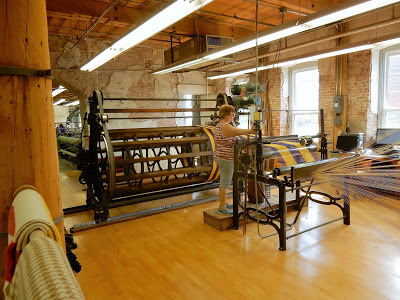 At Amana Woolen Mills
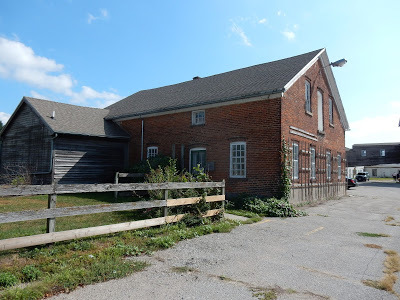
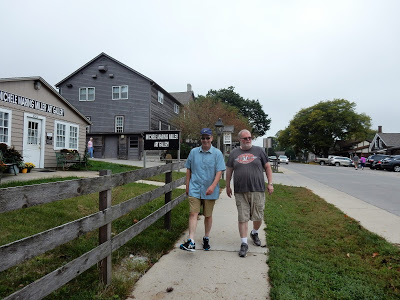 My husband and his brother, walking the streets
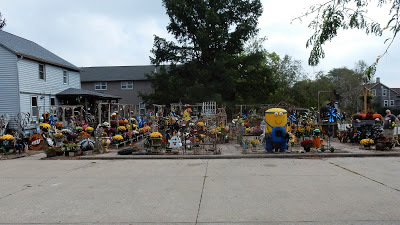
Listed as a National Historic Landmark and one of America’s longest-lived communal societies, the story of the colonies began in 1714 in Germany, with a group of believers searching to renew their faith through reflection, prayer and Bible study. Though they sought to avoid conflict, they were persecuted for their beliefs.
This persecution, as well as an economic depression in Germany, forced the community to search for a new home. They left Germany in 1843-44, and the group, numbering 1,200 people, first settled near Buffalo, New York.
When it became apparent that they needed more farmland, the religious group bought 26,000 acres in a river valley of eastern Iowa. The land they moved to in 1855 supplied fertile soil, stone, wood and water enough to build the community of their dreams.
In all their endeavors, they wanted to remain faithful, so the name they chose for their new colony was Amana which means remain true. Six villages were eventually established, each a mile or two apart – Amana, East Amana, West Amana, South Amana, High Amana, Middle Amana and Homestead.
The residents received housing, medical care, meals, all household necessities, and schooling for their children. Adults were assigned jobs, but no one received a wage, or needed to, as all property and resources were shared. Farming, production of wool and calico, clock making, and brewing, along with other well-crafted products, supported the community.
In 1932, Amana was forced to abandon its strictly communal way of life. To keep up with the changing times, they created the Amana Society, Inc. a profit-sharing corporation to manage the farmland, the mills and the larger enterprises. Private enterprise was encouraged and the Amana Church continued.
“‘Today the seven villages of the Amana Colonies represent an American dream come true; a thriving community founded by religious faith and community spirit. Declared a National Historic Landmark in 1965, the Amana Colonies attract hundreds of thousands of visitors annually all of whom come to see and enjoy a place where the past is cherished and where hospitality is a way of life.
“Evocative of another age, the streets of the Amana Colonies with their historic brick, stone and clapboard homes, their flower and vegetable gardens, their lanterns and walkways recall Amana yesterday. But a vibrant community, celebrating both its past and its future, is here today for you to experience.” (taken from http://www.amanacolonies.com/history-of-amana)
I really didn’t spend nearly enough time there that one day last week. I am sure I will go back again, and this time won’t wait twenty years.

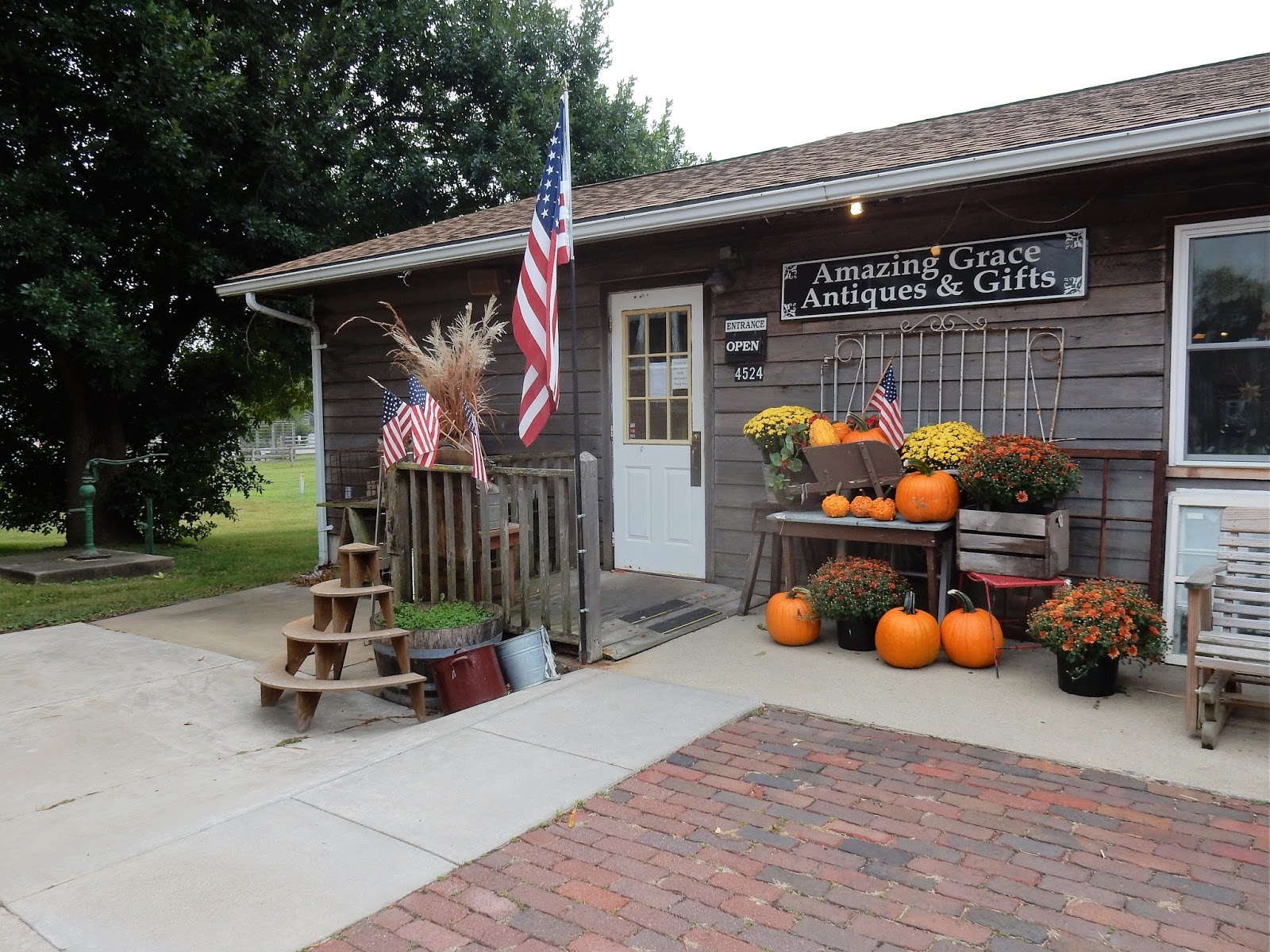
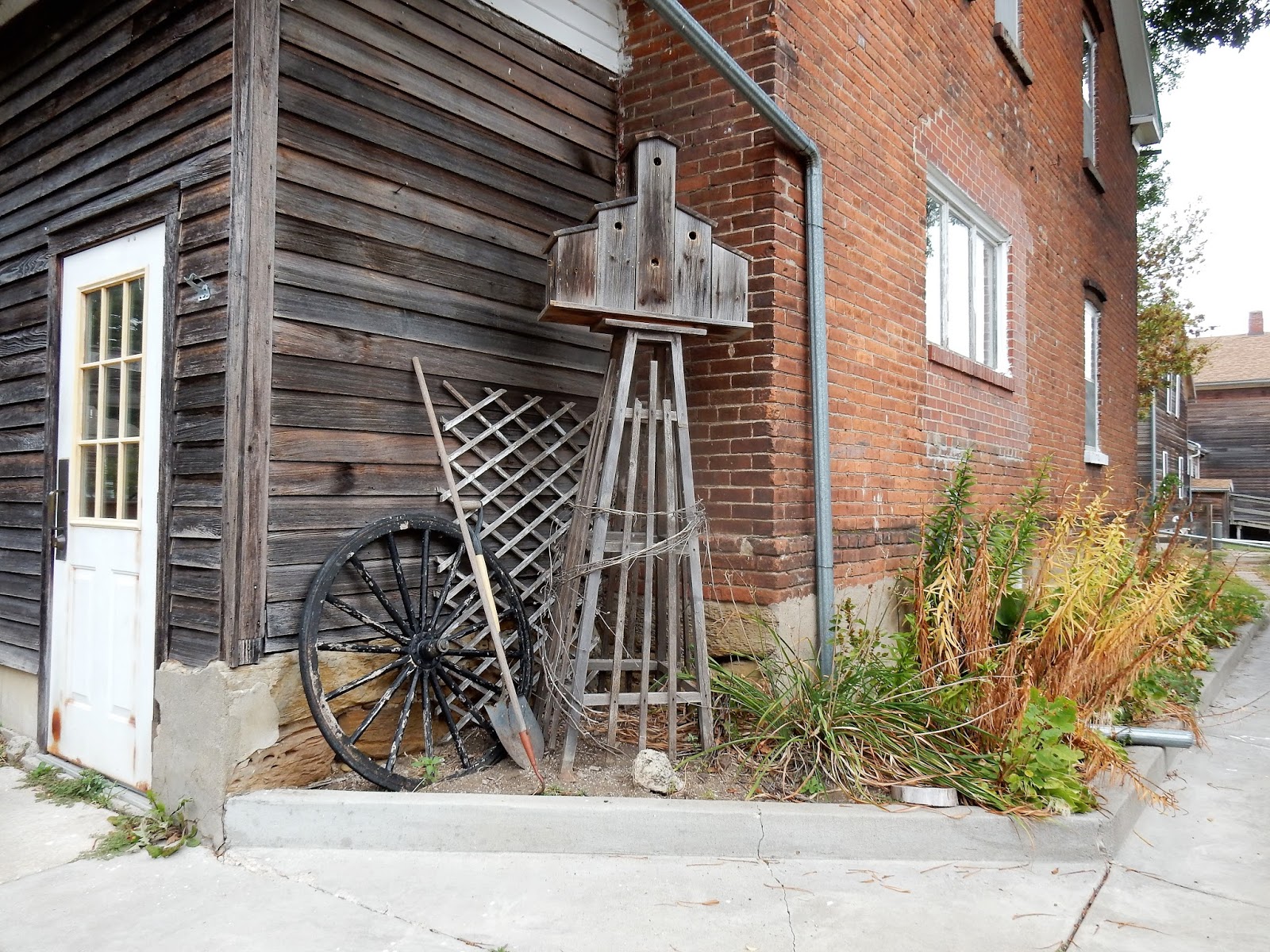
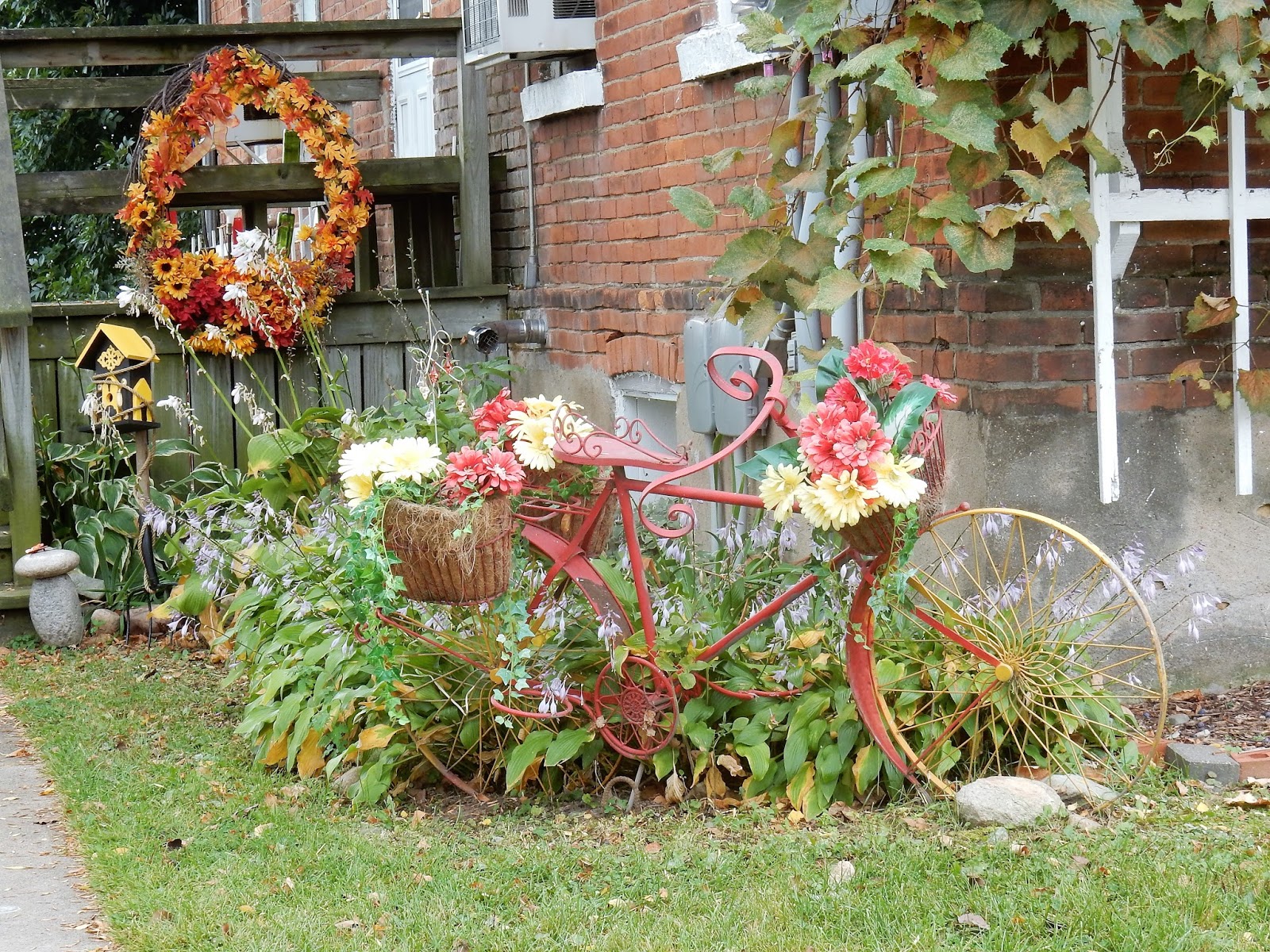
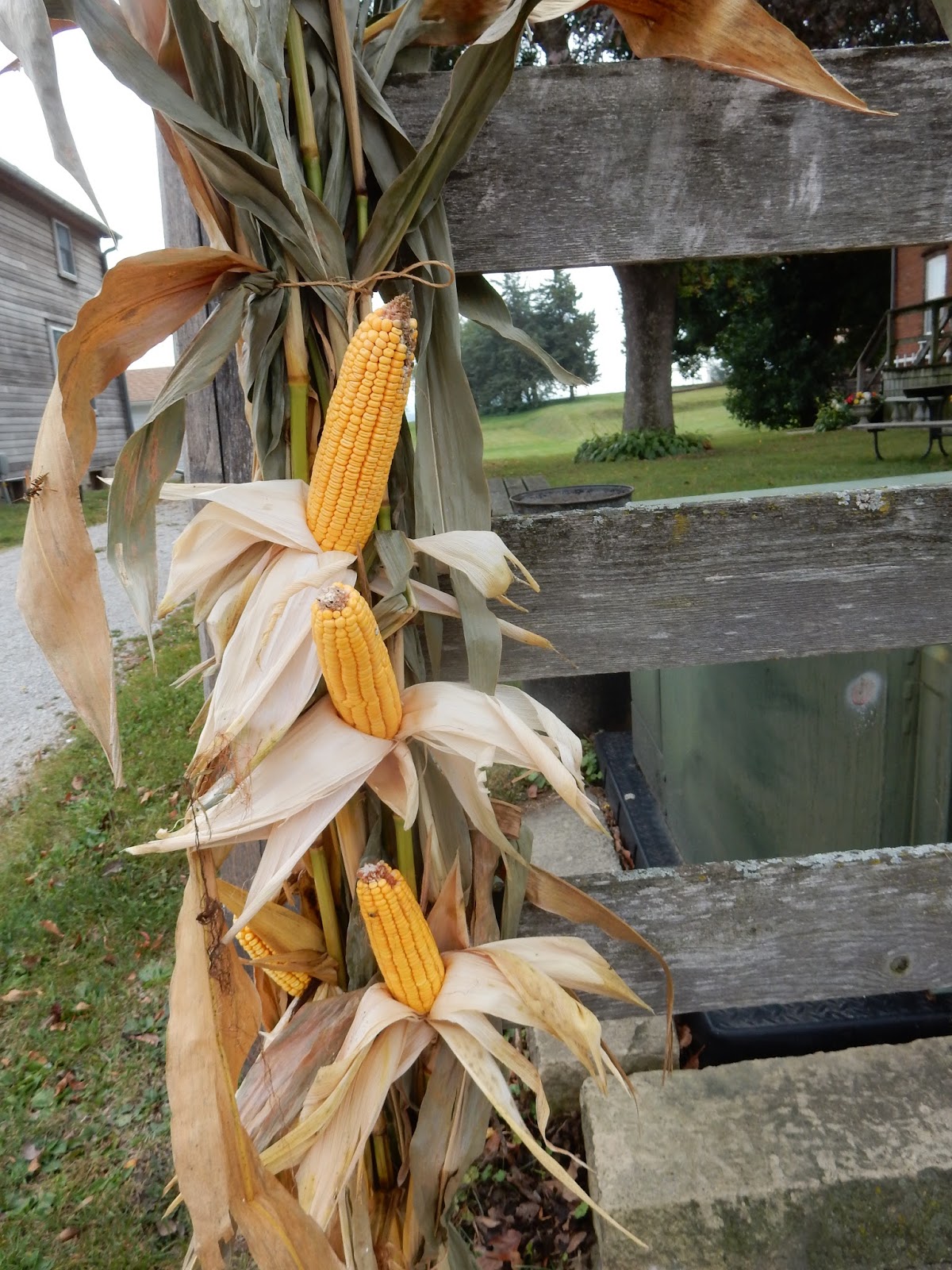

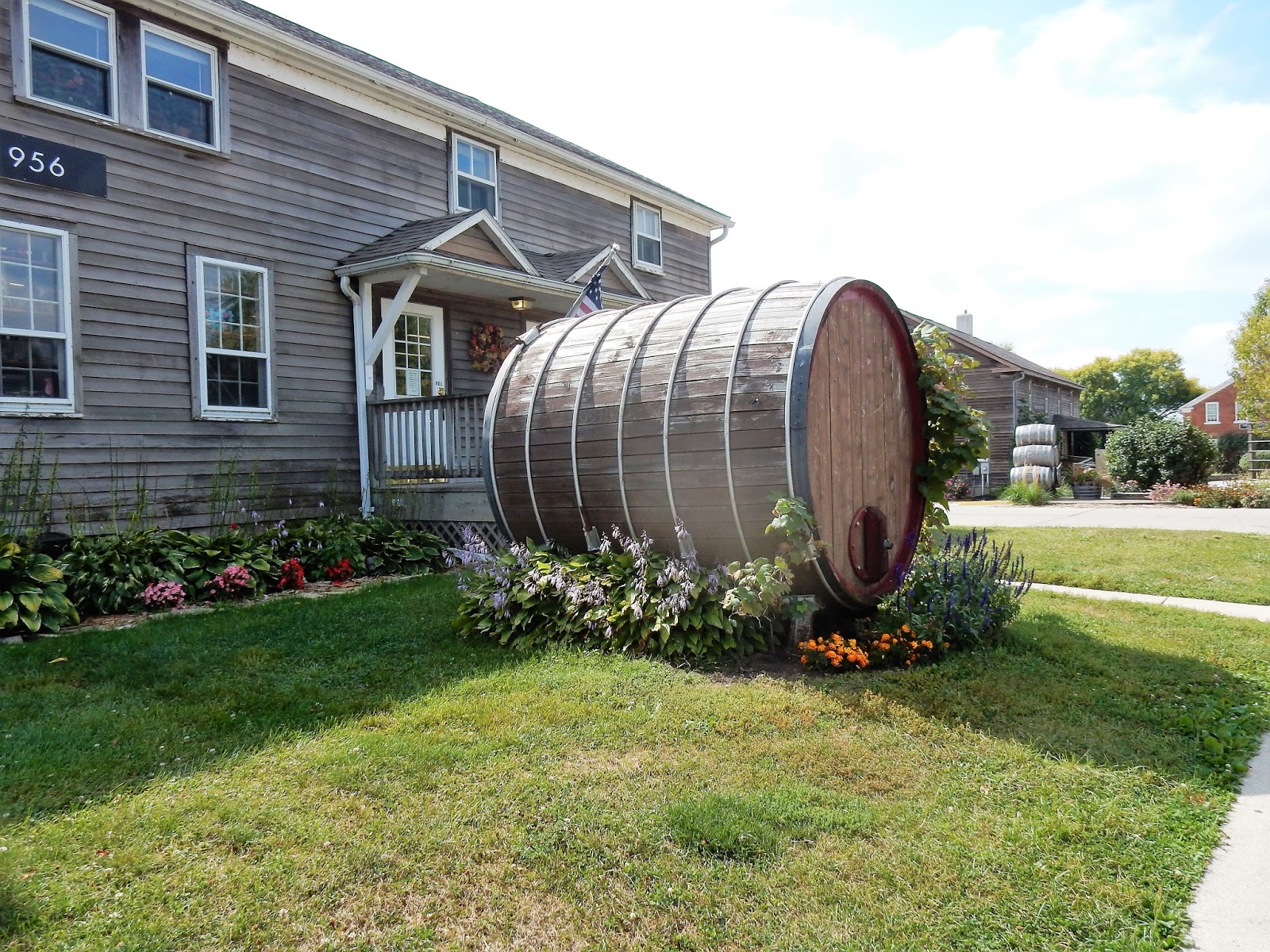
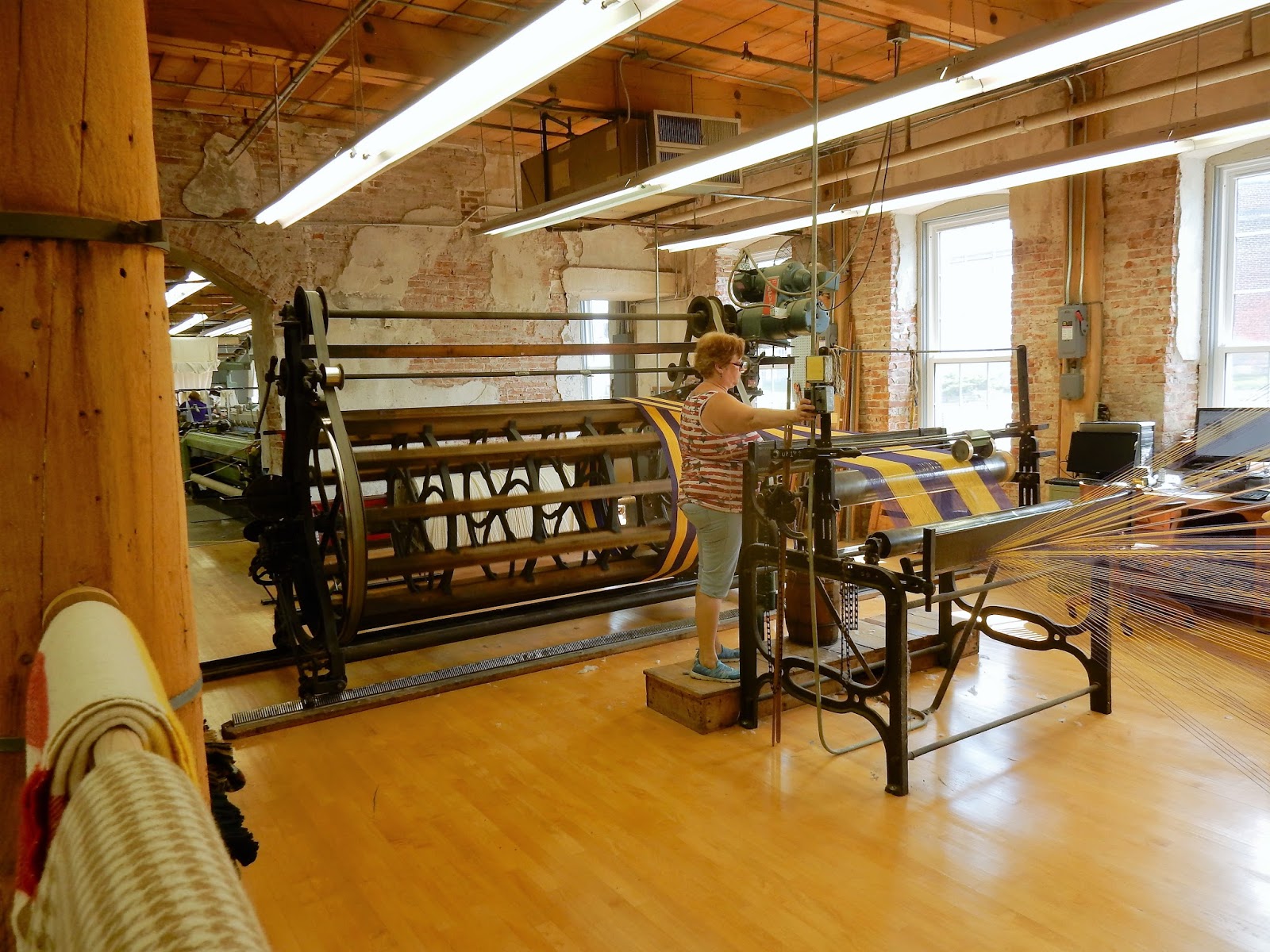 At Amana Woolen Mills
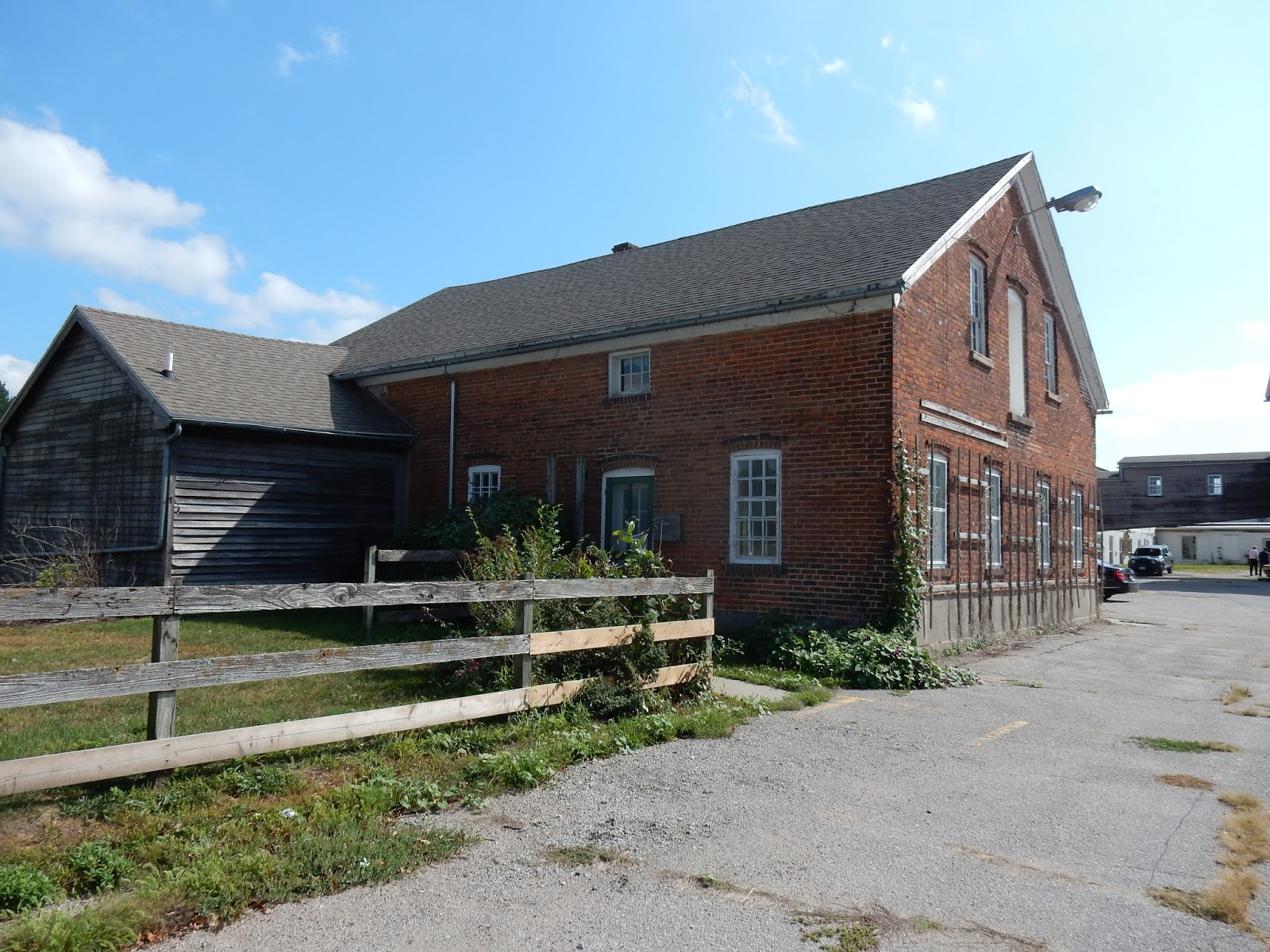
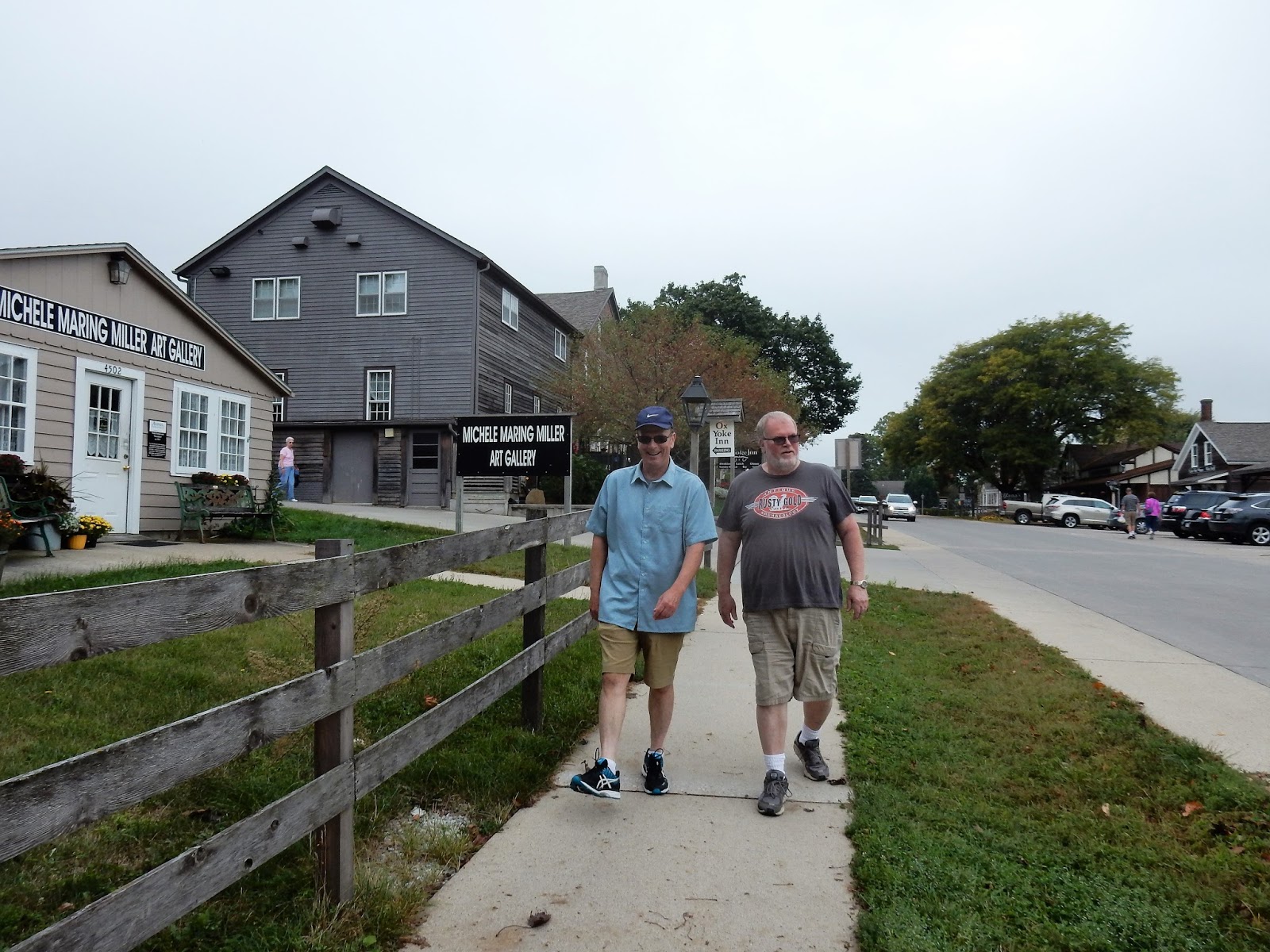 My husband and his brother, walking the streets
September 24, 2017
Fall Vacation Day 2
Whenever we leave the Renaissance Festival, tradition dictates that we stop at Jim’s Apple Farm (aka Minnesota’s Largest Candy Store) before we head to wherever we are going for the night. Last Sunday was no different.
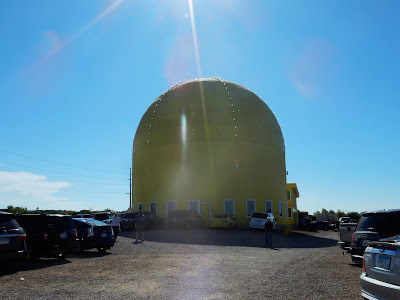 Unbelievably, they added on since last year.
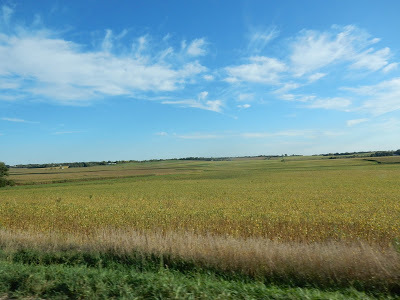
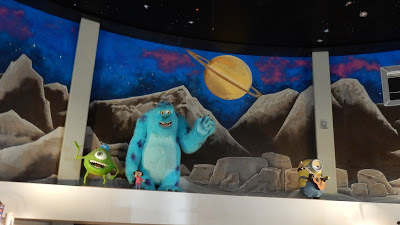 But even with all that stuff – aisles and aisles of candy and other treats – driving down the roads of America’s heartland is still more mouth-watering to me.
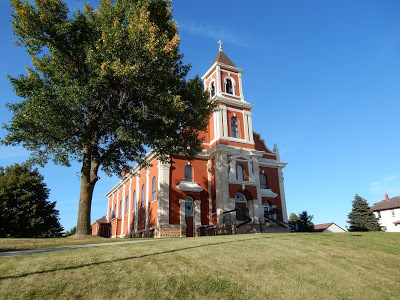
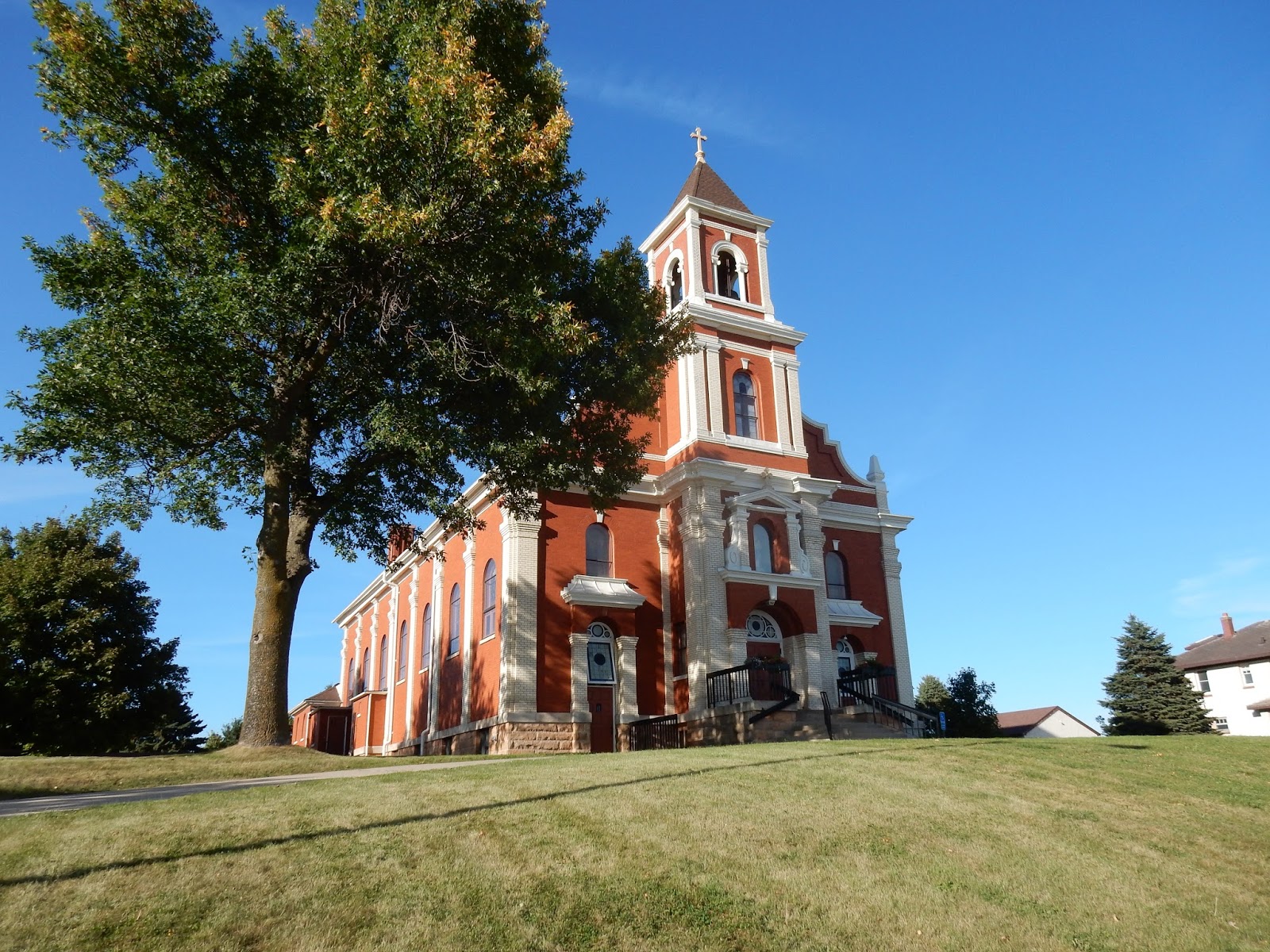
 St Mary’s Catholic Church in New Trier.
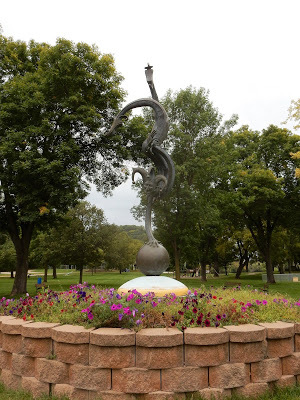
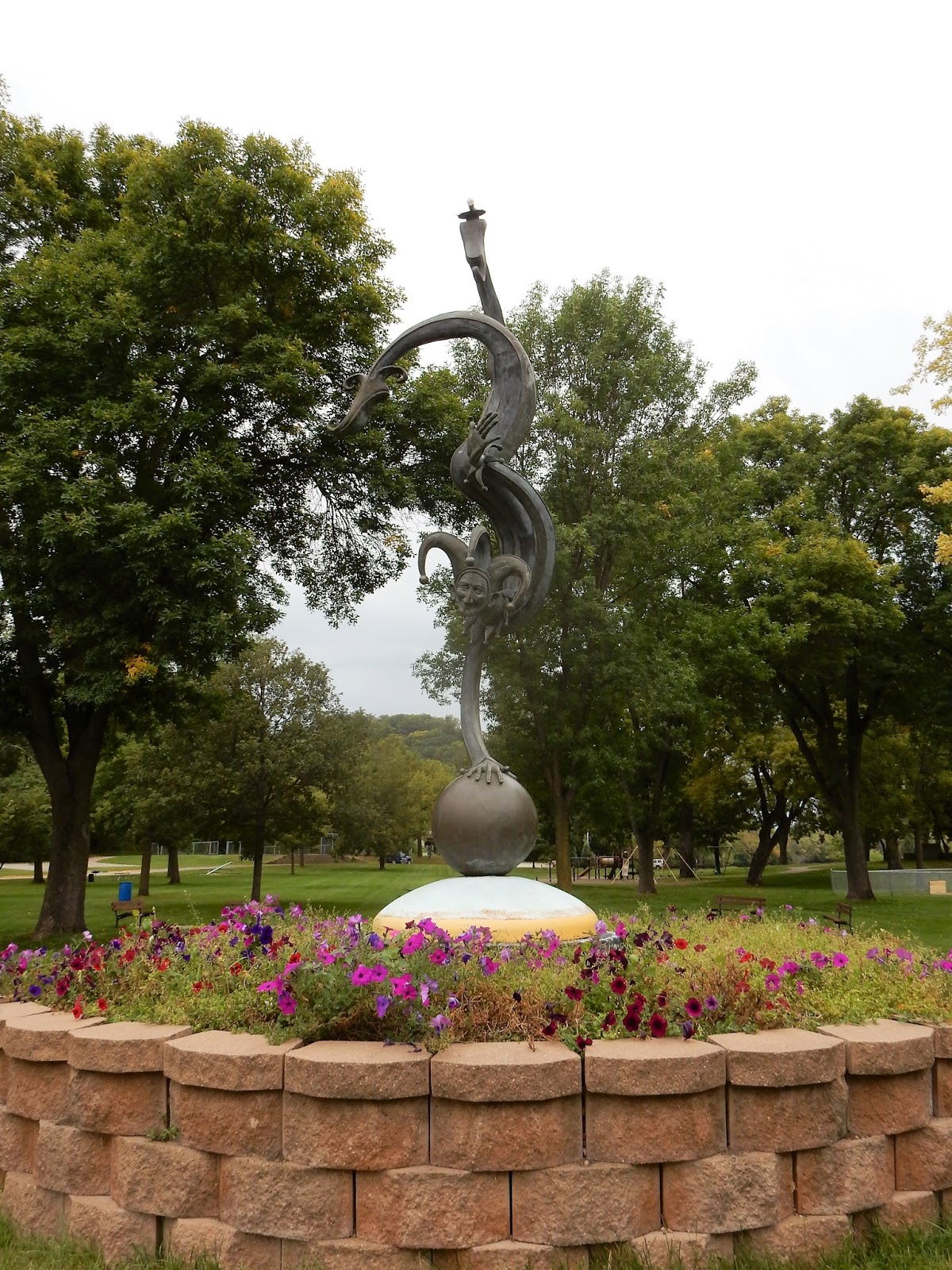
 We spent Sunday night in Red Wing and the next morning, explored Corvill Park before heading down along the Mississippi River.
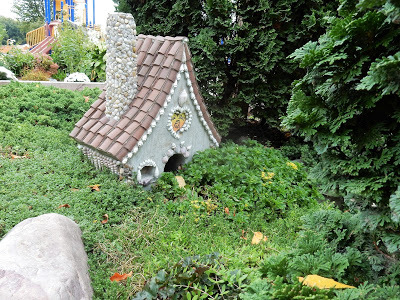
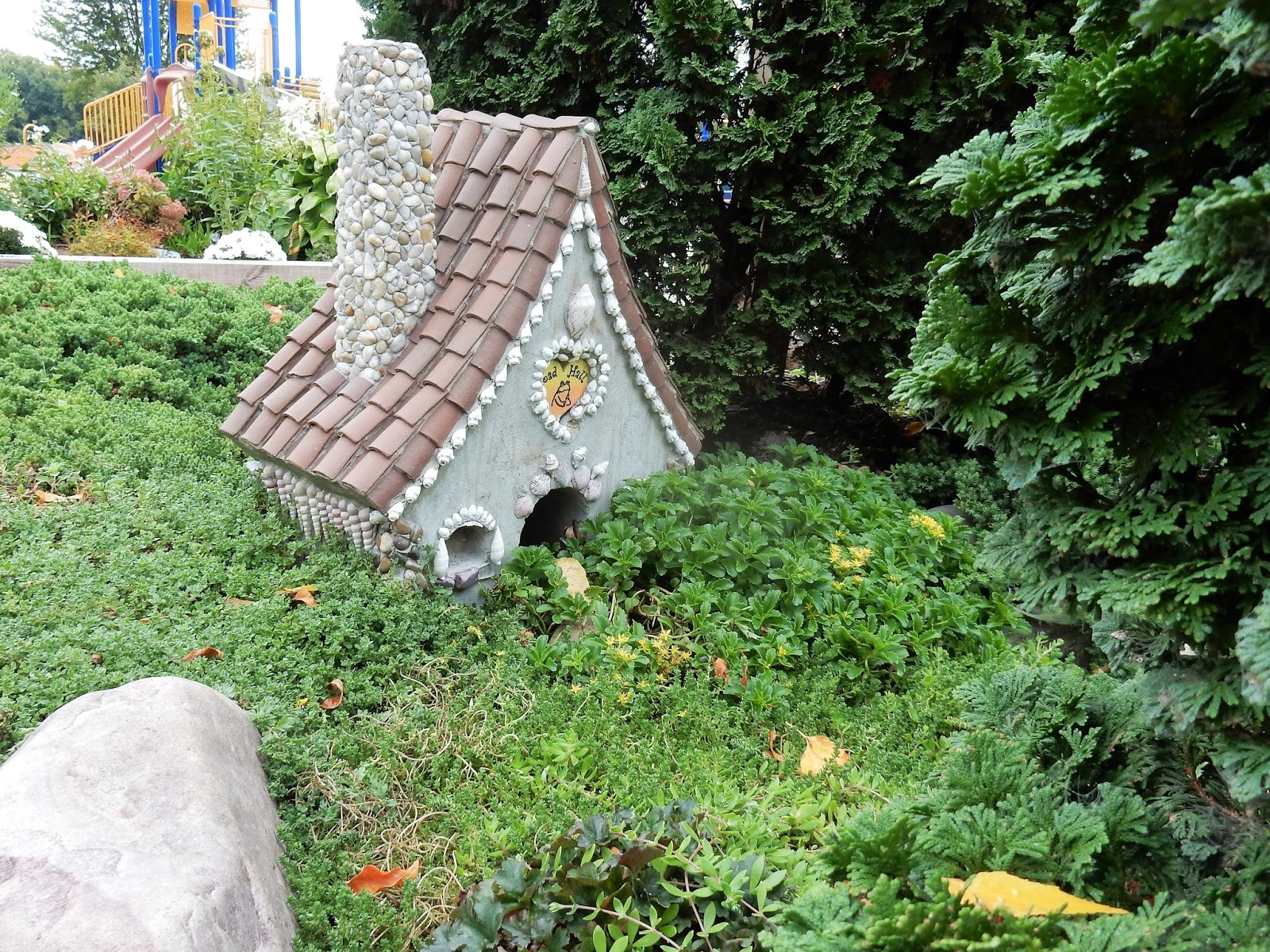
 Seems like these Fairy Houses can be found everywhere. I need to get some for my yard.
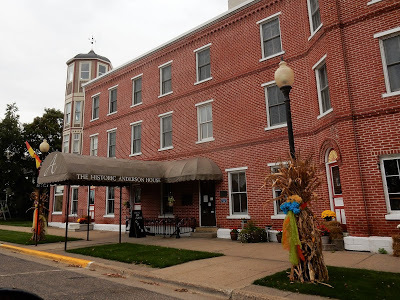
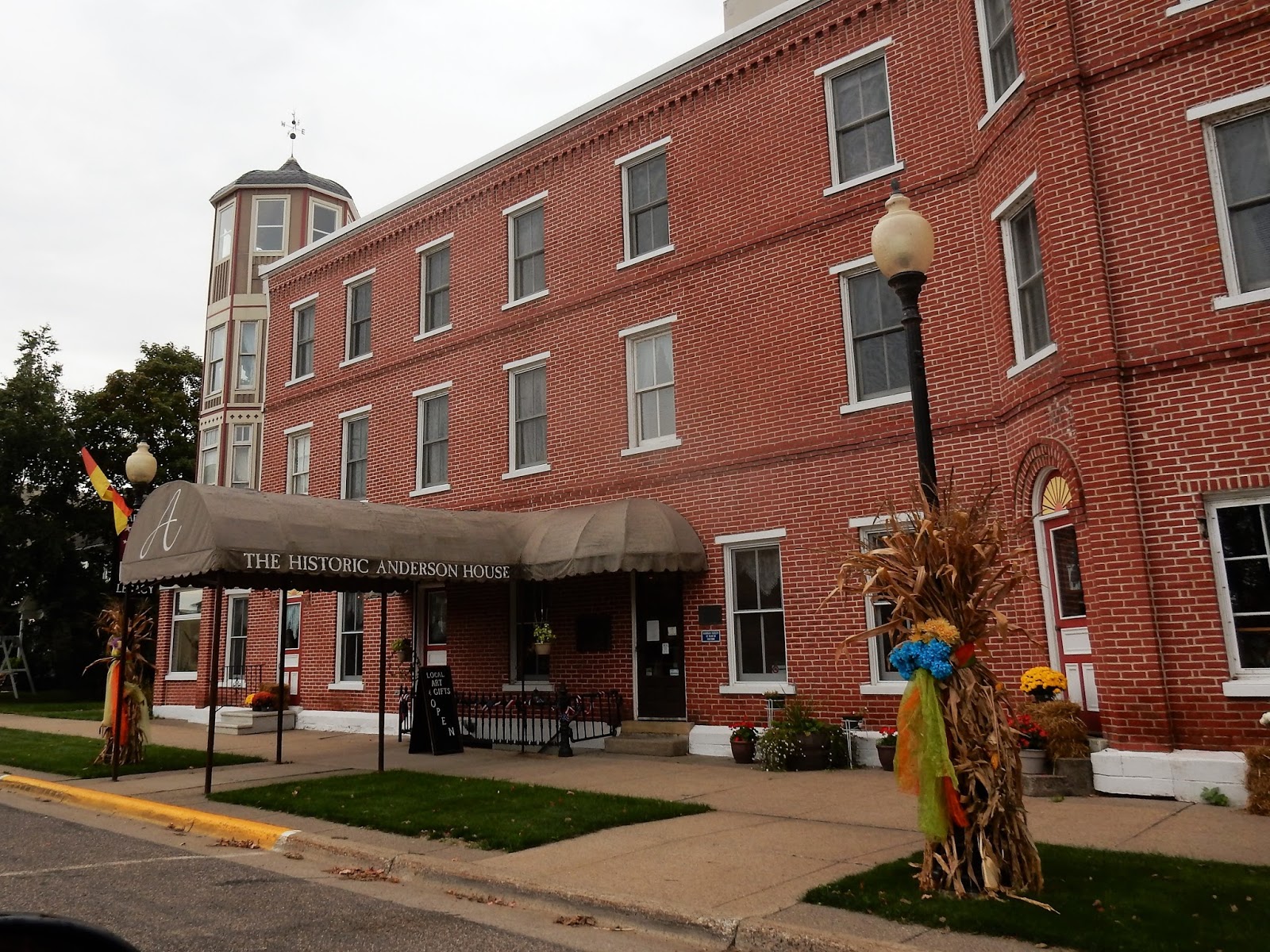
 The historic Anderson house in Wabasha. The whole town was filled with scarecrows and pumpkins for the fall. We drove around checking them out, but it was starting to rain. Then we ended up going the wrong way down a one-way street, so I just wanted to get out of town
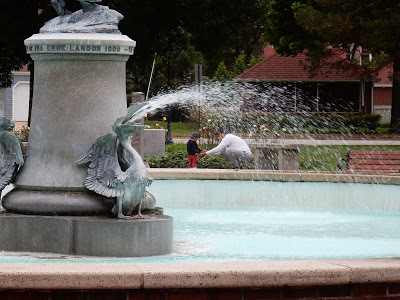
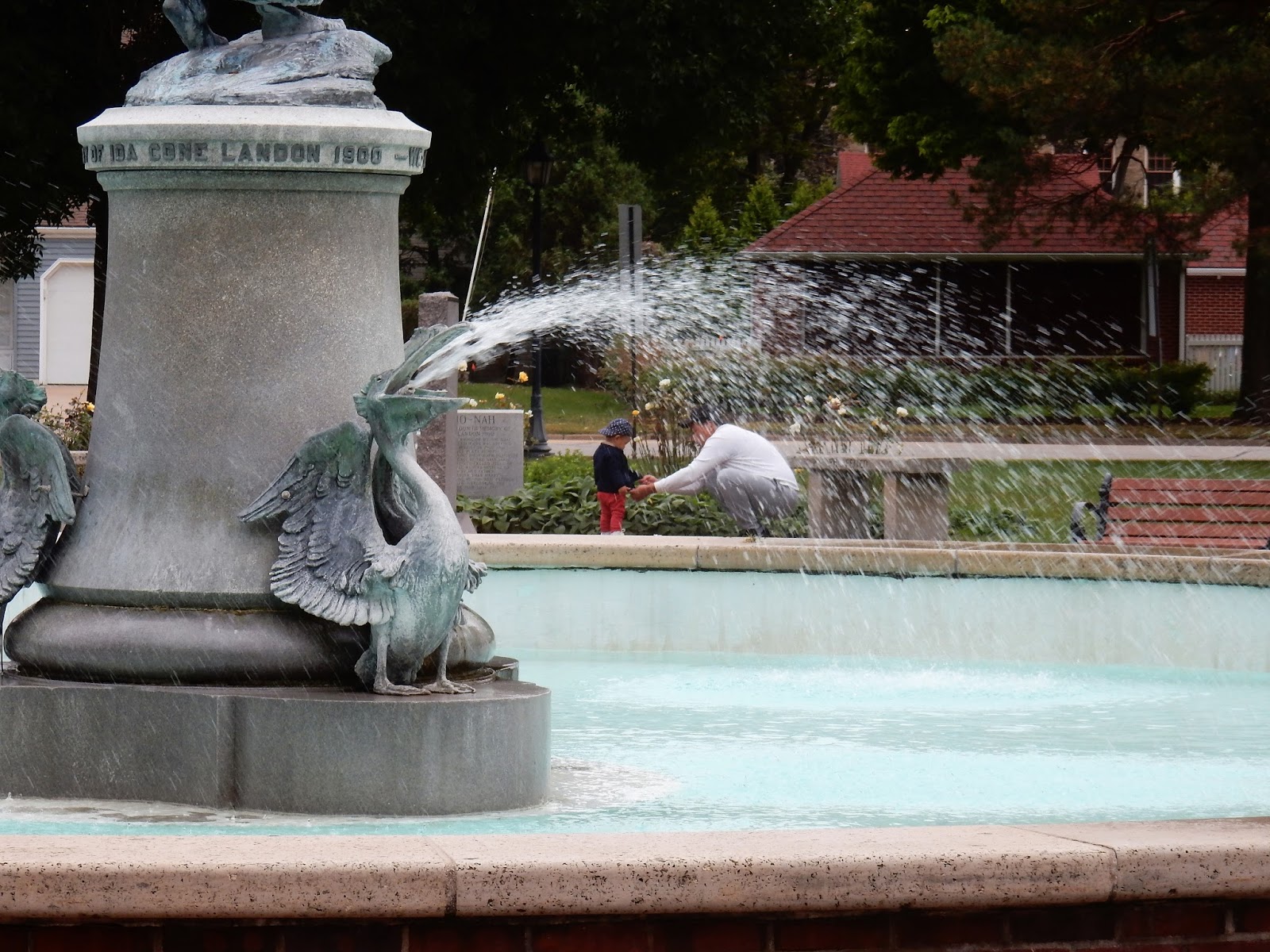
 There was just as much to see in Winona, but we were feeling pressed for time. A quick drive through town and a walk through Windom Park.This dad zipping his son’s jacket was too adorable to pass up.
Further down the Mighty Mississippi, we crossed the bridge back into Wisconsin as we came to La Crosse. I went to college here for one year back in my foolish youth. And unbelievably, never went to up to Granddad Bluff, overlooking the city.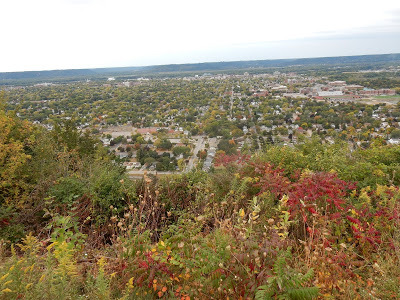 Beautiful views.
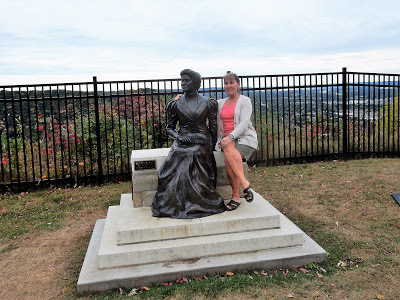
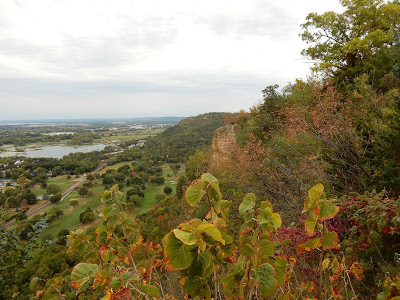 And I made another friend. Ellen Pennell Hixon. In the early 1900s, the bluffs overlooking La Crosse were being whittled away, the stone being used for home foundations and roadways in the developing river town. Mrs. Hixon couldn’t stand to have the beautiful Grandad Bluff destroyed. She started a fund to buy the piece of land and donated $12,00 to get the ball rolling. Only another $5,000 was needed to purchase the property and build a road to the top of the bluff. The funds were all raised by 1909 and in 1912, the bluff and surrounding land were turned over to the city of La Crosse.
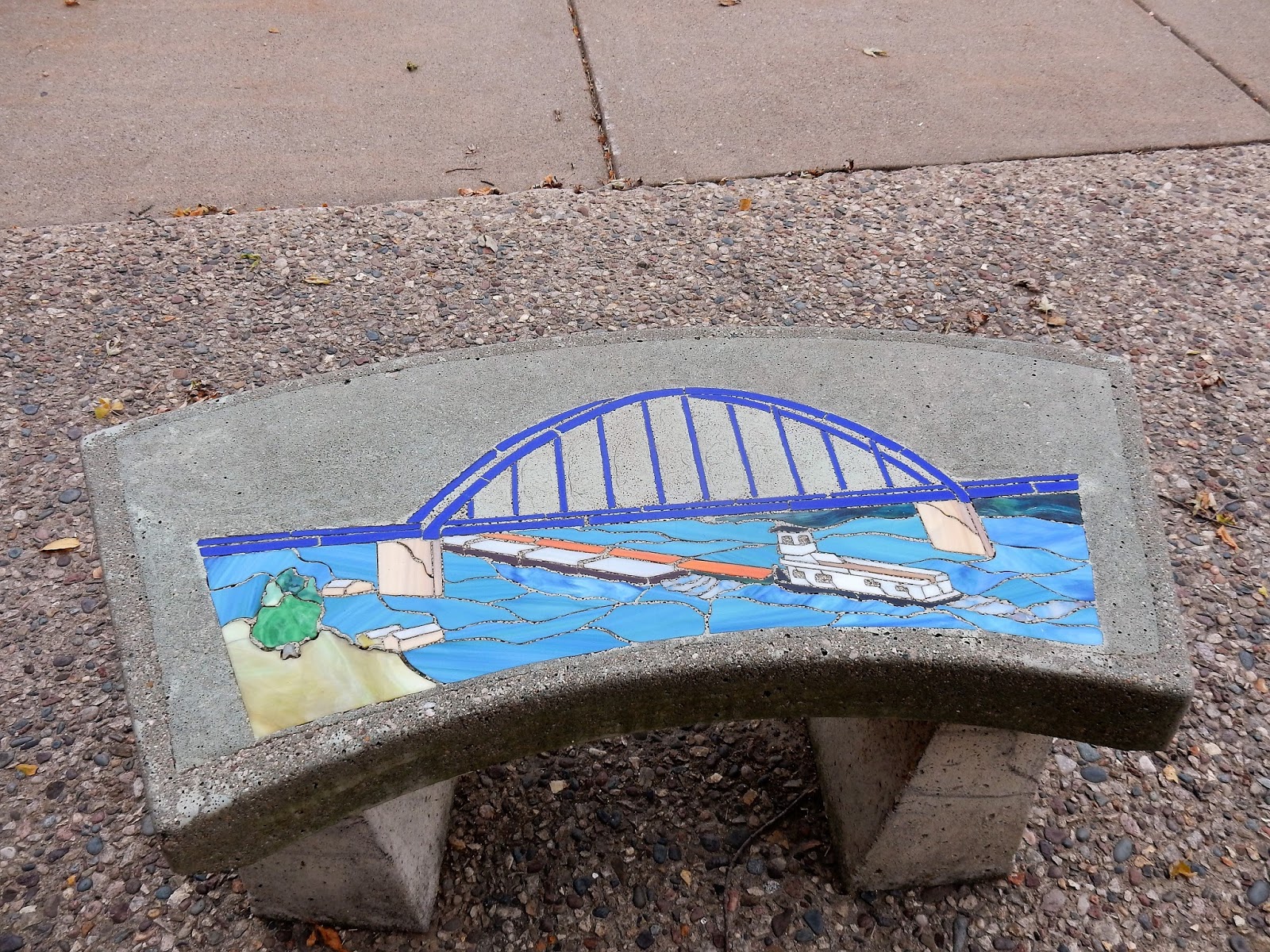
 I’m looking at the map now, trying to figure out where we went next, how many times did we cross the Mississippi. And how many times we went back and forth between Minnesota and Wisconsin and then Iowa. (We hit Illinois before we came home, but that’s for another day.)
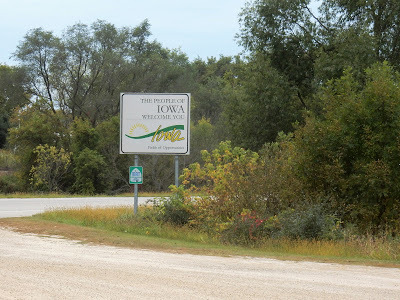 At Marquette, Iowa, before crossing back into Wisconsin.
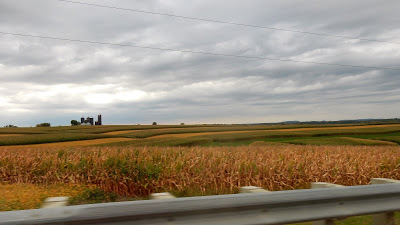
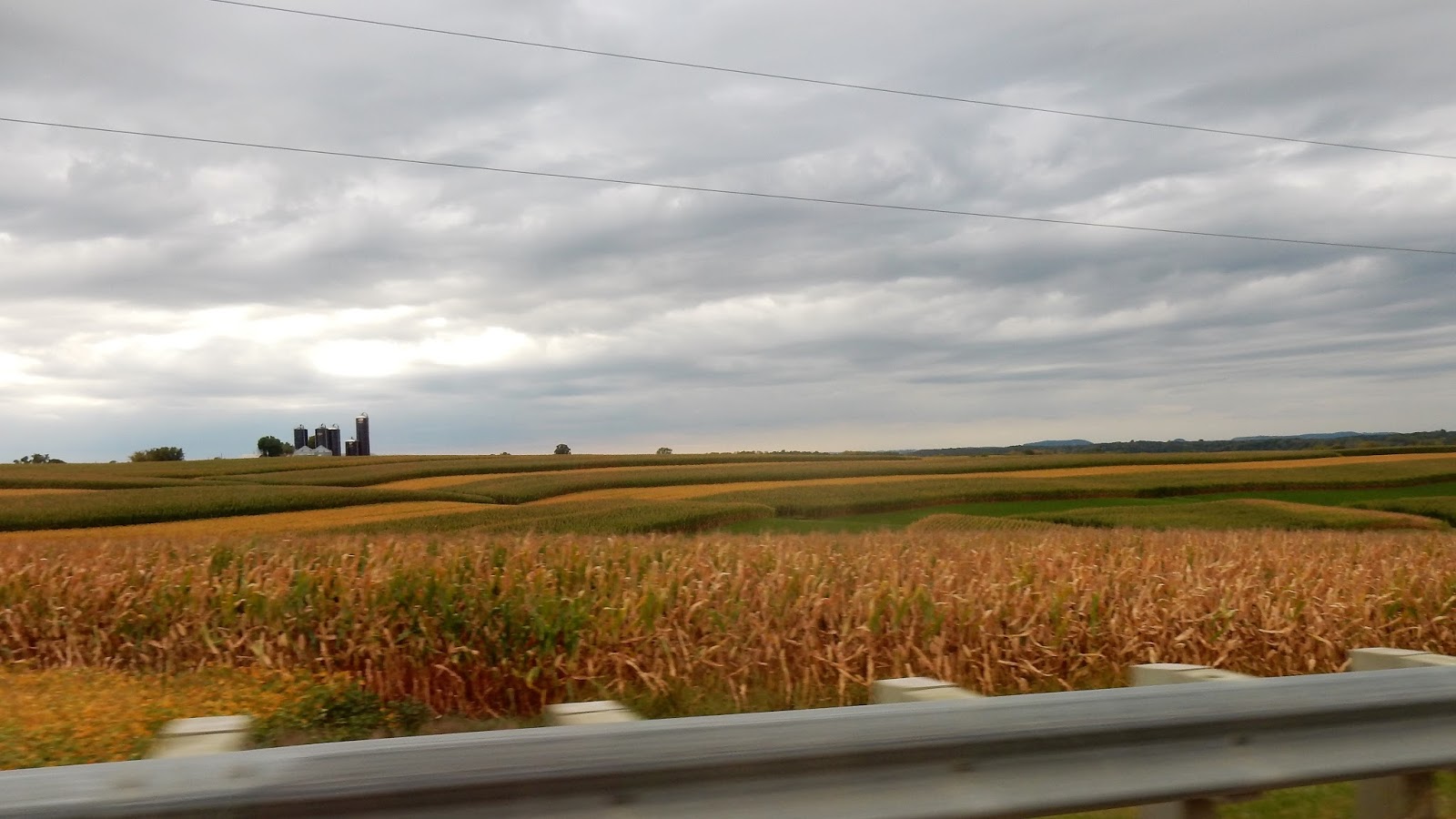
 No matter what, I still love the symmetric beauty of the farm fields the best.
 It's been suggested that I write a book of all my travels across America. If you saw the files on my computer, you would realize that I already have.
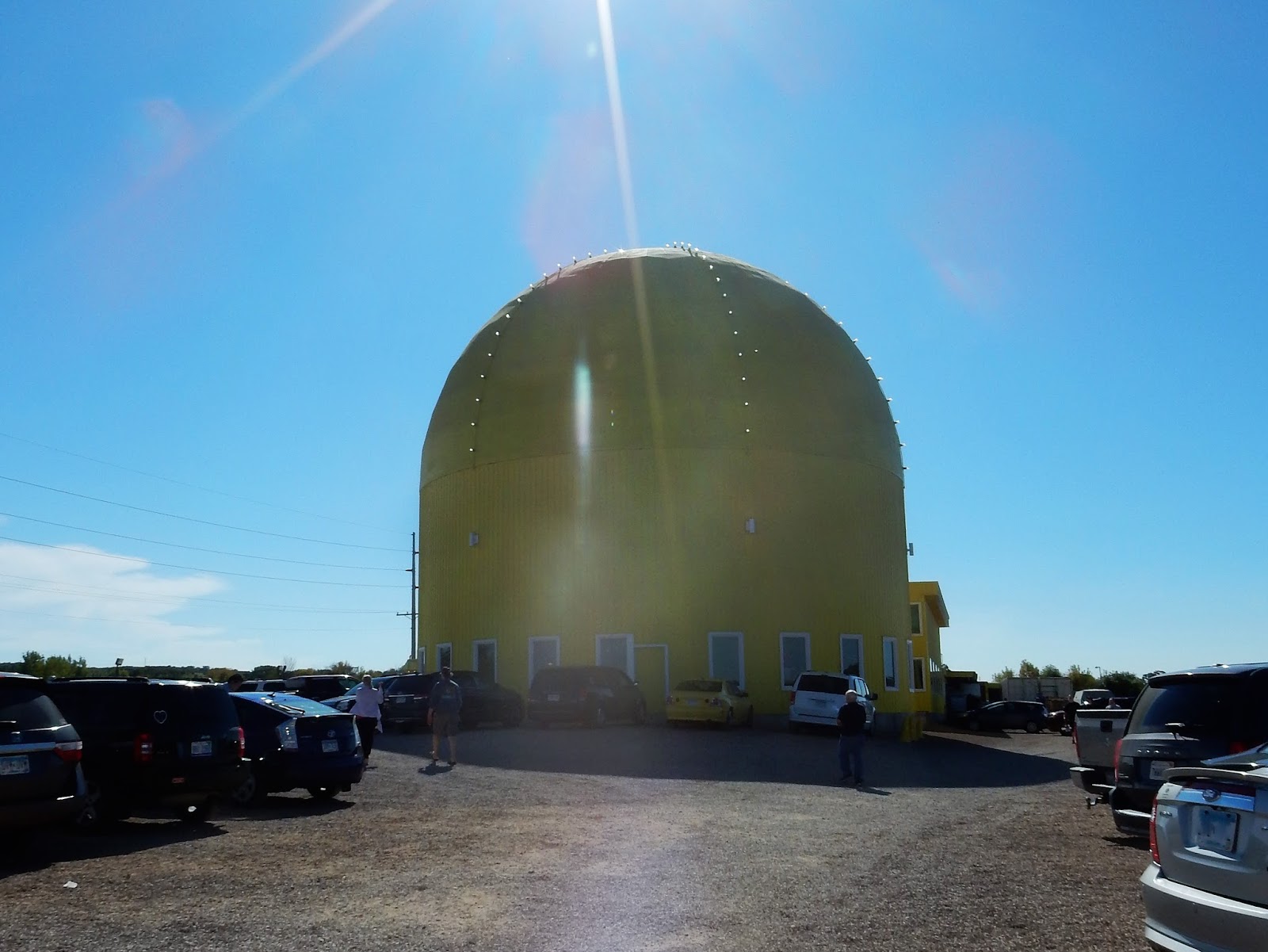 Unbelievably, they added on since last year.
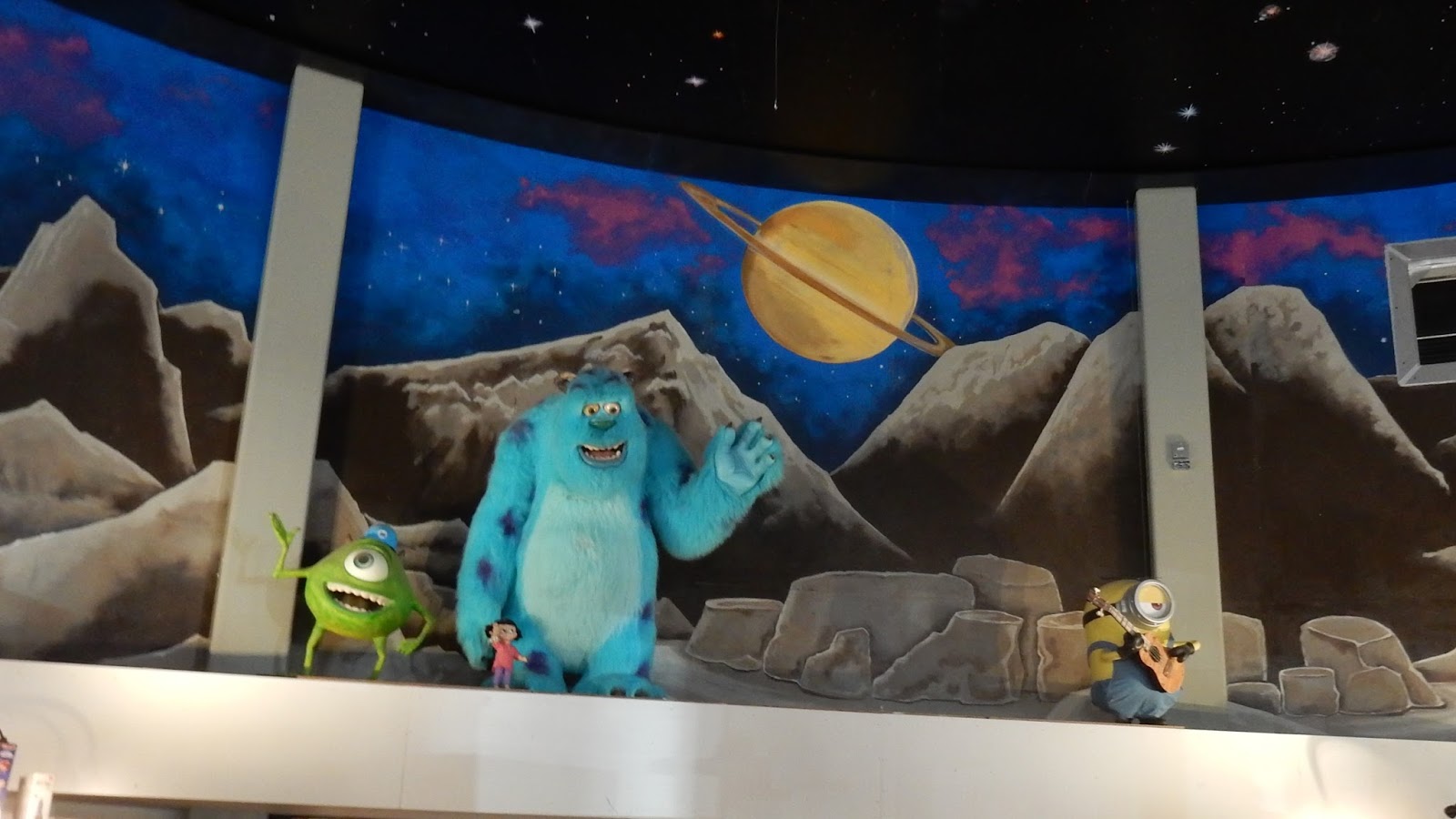 But even with all that stuff – aisles and aisles of candy and other treats – driving down the roads of America’s heartland is still more mouth-watering to me.
 St Mary’s Catholic Church in New Trier.
 We spent Sunday night in Red Wing and the next morning, explored Corvill Park before heading down along the Mississippi River.
 Seems like these Fairy Houses can be found everywhere. I need to get some for my yard.
 The historic Anderson house in Wabasha. The whole town was filled with scarecrows and pumpkins for the fall. We drove around checking them out, but it was starting to rain. Then we ended up going the wrong way down a one-way street, so I just wanted to get out of town
 There was just as much to see in Winona, but we were feeling pressed for time. A quick drive through town and a walk through Windom Park.This dad zipping his son’s jacket was too adorable to pass up.
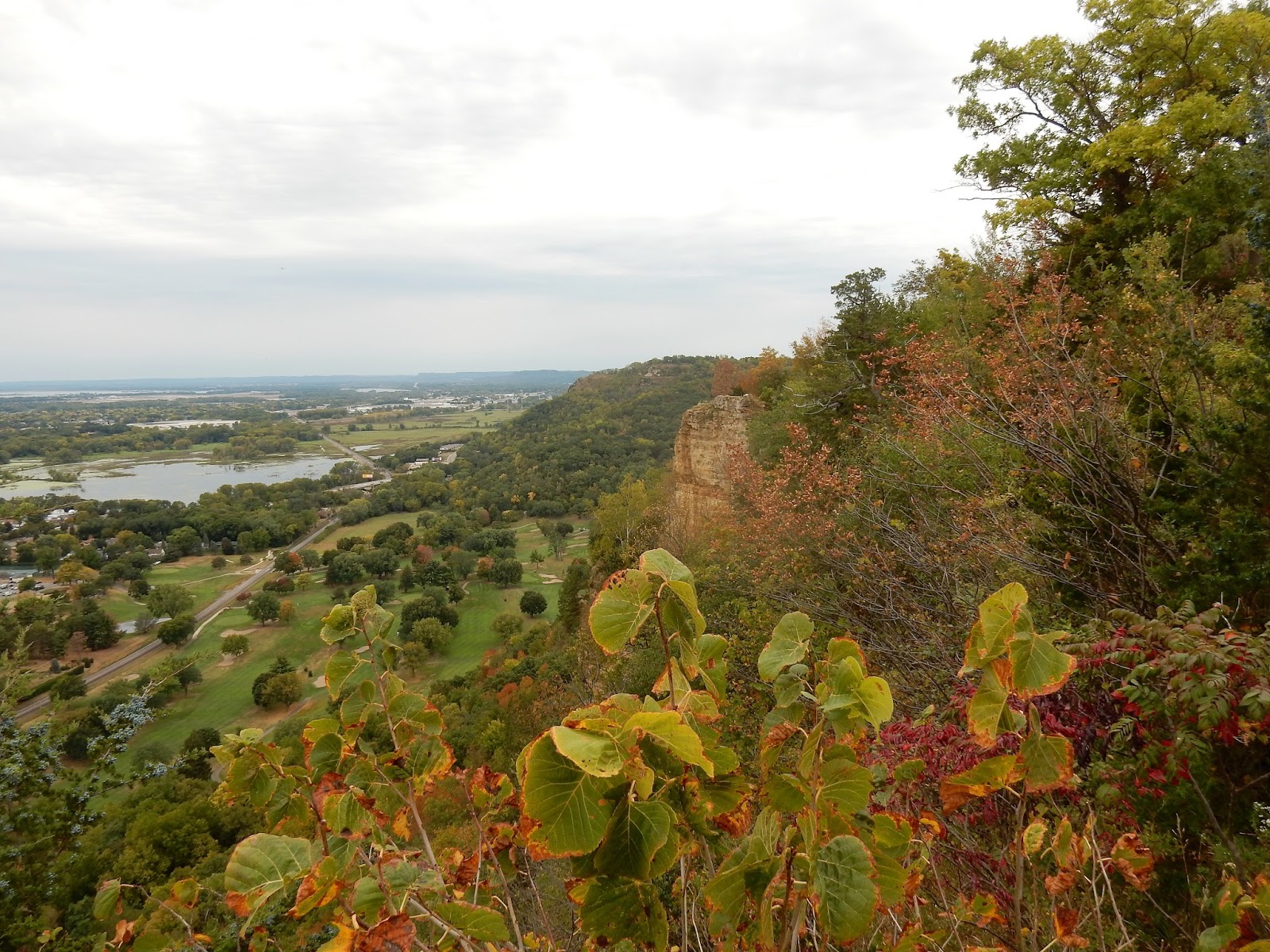
Further down the Mighty Mississippi, we crossed the bridge back into Wisconsin as we came to La Crosse. I went to college here for one year back in my foolish youth. And unbelievably, never went to up to Granddad Bluff, overlooking the city.
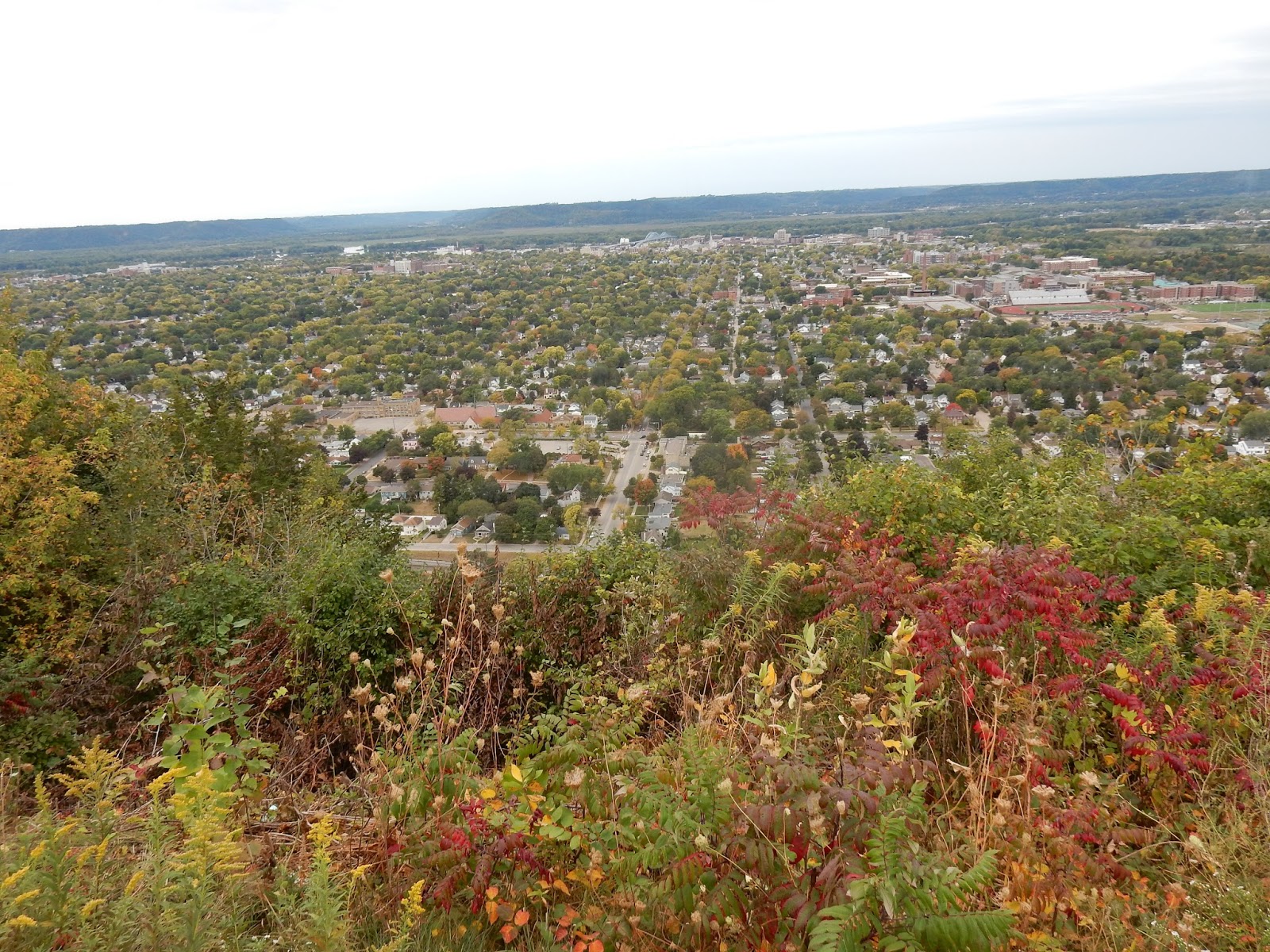 Beautiful views.
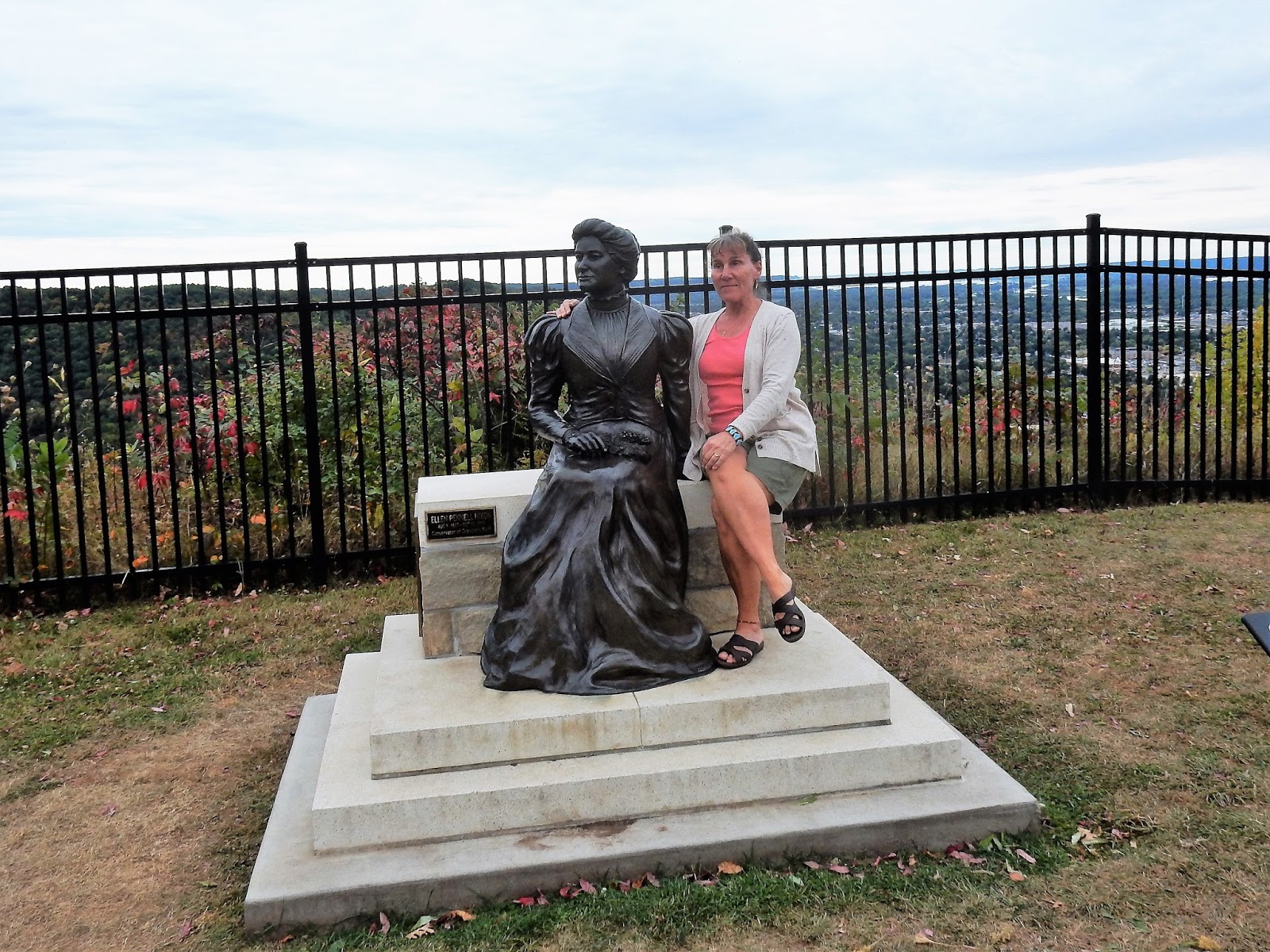
 And I made another friend. Ellen Pennell Hixon. In the early 1900s, the bluffs overlooking La Crosse were being whittled away, the stone being used for home foundations and roadways in the developing river town. Mrs. Hixon couldn’t stand to have the beautiful Grandad Bluff destroyed. She started a fund to buy the piece of land and donated $12,00 to get the ball rolling. Only another $5,000 was needed to purchase the property and build a road to the top of the bluff. The funds were all raised by 1909 and in 1912, the bluff and surrounding land were turned over to the city of La Crosse.
 I’m looking at the map now, trying to figure out where we went next, how many times did we cross the Mississippi. And how many times we went back and forth between Minnesota and Wisconsin and then Iowa. (We hit Illinois before we came home, but that’s for another day.)
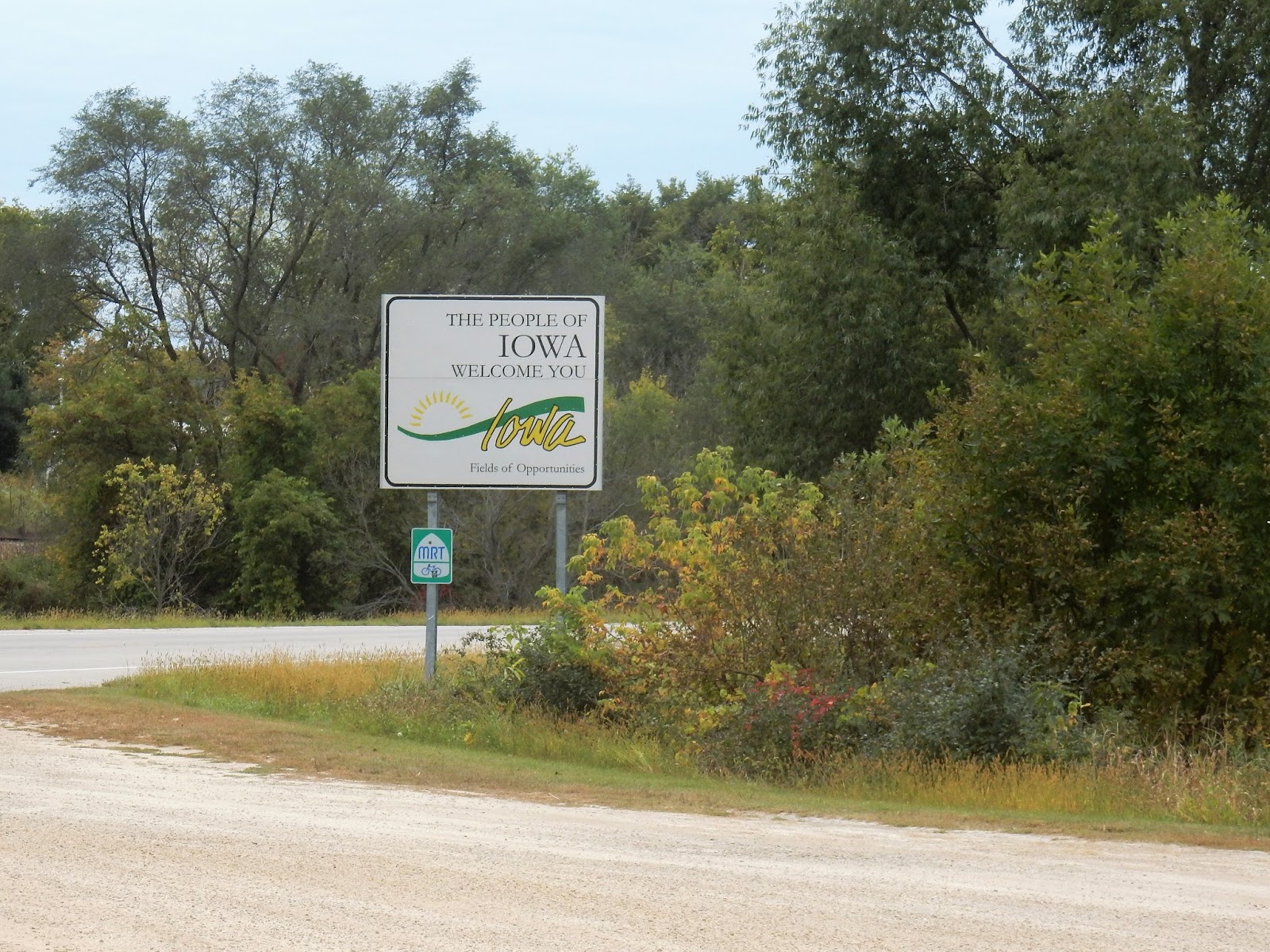 At Marquette, Iowa, before crossing back into Wisconsin.
 No matter what, I still love the symmetric beauty of the farm fields the best.
 It's been suggested that I write a book of all my travels across America. If you saw the files on my computer, you would realize that I already have.
September 21, 2017
Fall Vacation, Day 1
I’m so sorry that I haven’t blogged in so long. Other times, when I’ve been on vacation or out of town for more than a day or two, I plan ahead – and write ahead – so that my blogs can post even when I don’t have internet. This time, I even had internet access (most of the time at least), but I just didn’t get my act together before we left home last Saturday. I had decided that I was going to have an actual vacation for the first time in I don’t know how long and spend four days unconnected. It didn’t really turn out that way, but oh, well, some of me unconnected.
The good news is now I have lots of material to share. (Good for me at least, you will have to let me know if it works out for you or not.)
Saturday, Hubby and I headed off to Minnesota to attend the Renaissance Festival for the umpteenth time. I was going to look back through my records and see just how many times I’ve been there, but you’ll have to trust me – it’s somewhere between seven and twelve. I think I am going to have to keep going to it and continue writing about it until I remember how to spell it. Renasaince? No. Reneasunce? No. Renasanince? No. Didn’t you already try it that way? Don’t know what I would do without spell check.
Sunday morning we woke up bright and early in our dumpy hotel room in Chaska, Minnesota, jumped in the car and off we went. We hadn’t come up on the Festival Grounds from Chaska before, so as we were heading to the usual route a sign popped up pointing us in a different direction. I was naturally nervous, coz that’s what I do – fret over everything.
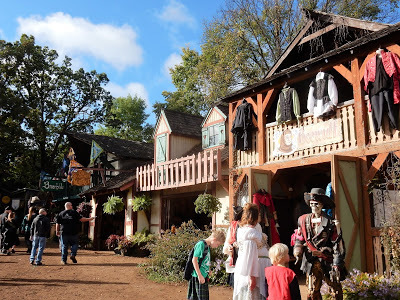
We ended up at the Queen’s Gate instead of the King’s Gate. Worked out all right I guess, as we parked three rows from the gate and there were easily a thousand less people waiting to get in this gate as opposed to the main gate. I love all the buildings throughout the grounds. So cool.
 Here are the King and the Queen, with their random servants. A little different from kings and queens of today, except maybe for the entourage.
 I love this picture of the Queen with this adorable little girl.
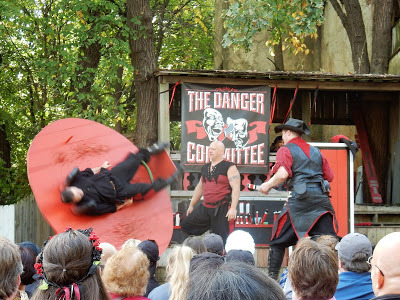
 These guys are the Danger Committee. Reynaldo, Bald Guy and Other Guy. Hysterical.
 And talented.
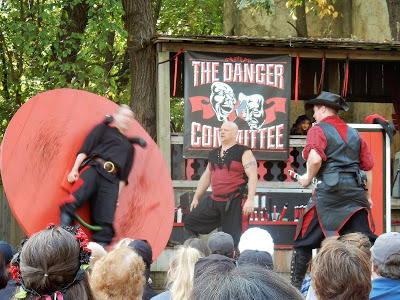 Crazy guys too.
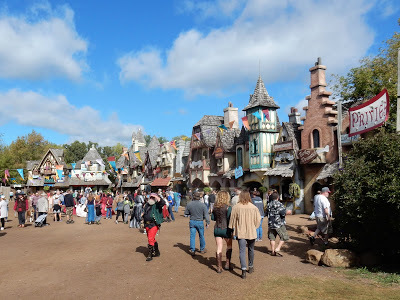
 More of the fascinating buildings.
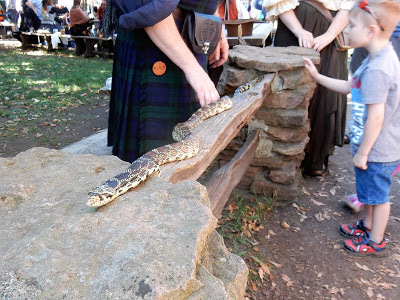
 Met a new friend. He is a native of Minnesota and quite a sweetie.
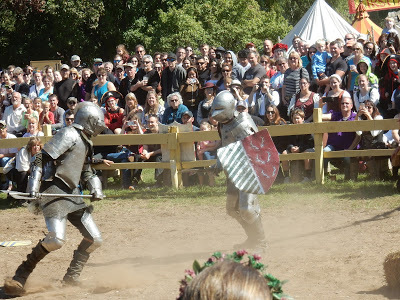
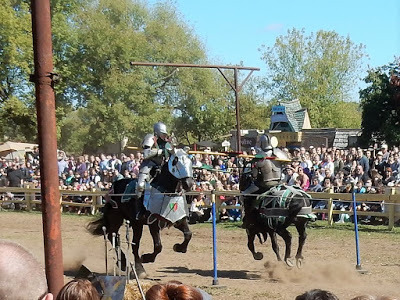
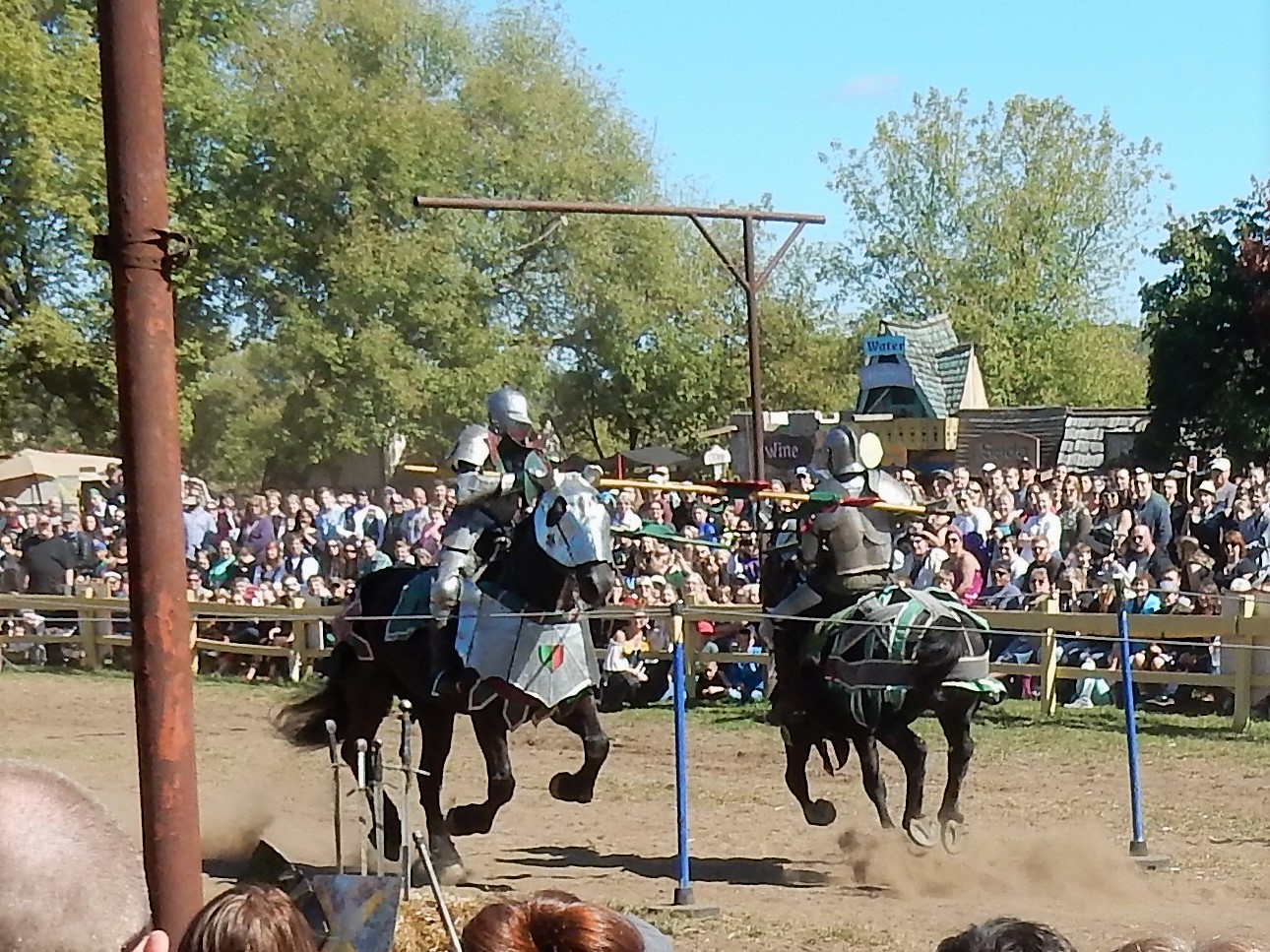
 The full-armor joust is always cool, even if it is totally staged.
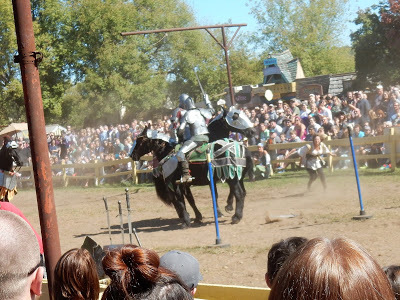 Whatcha gonna do. Try to get the best pictures you can, I guess.
 Like this one. Look at those horses’s hooves off the ground. Thank you again to the Hubby for my camera.
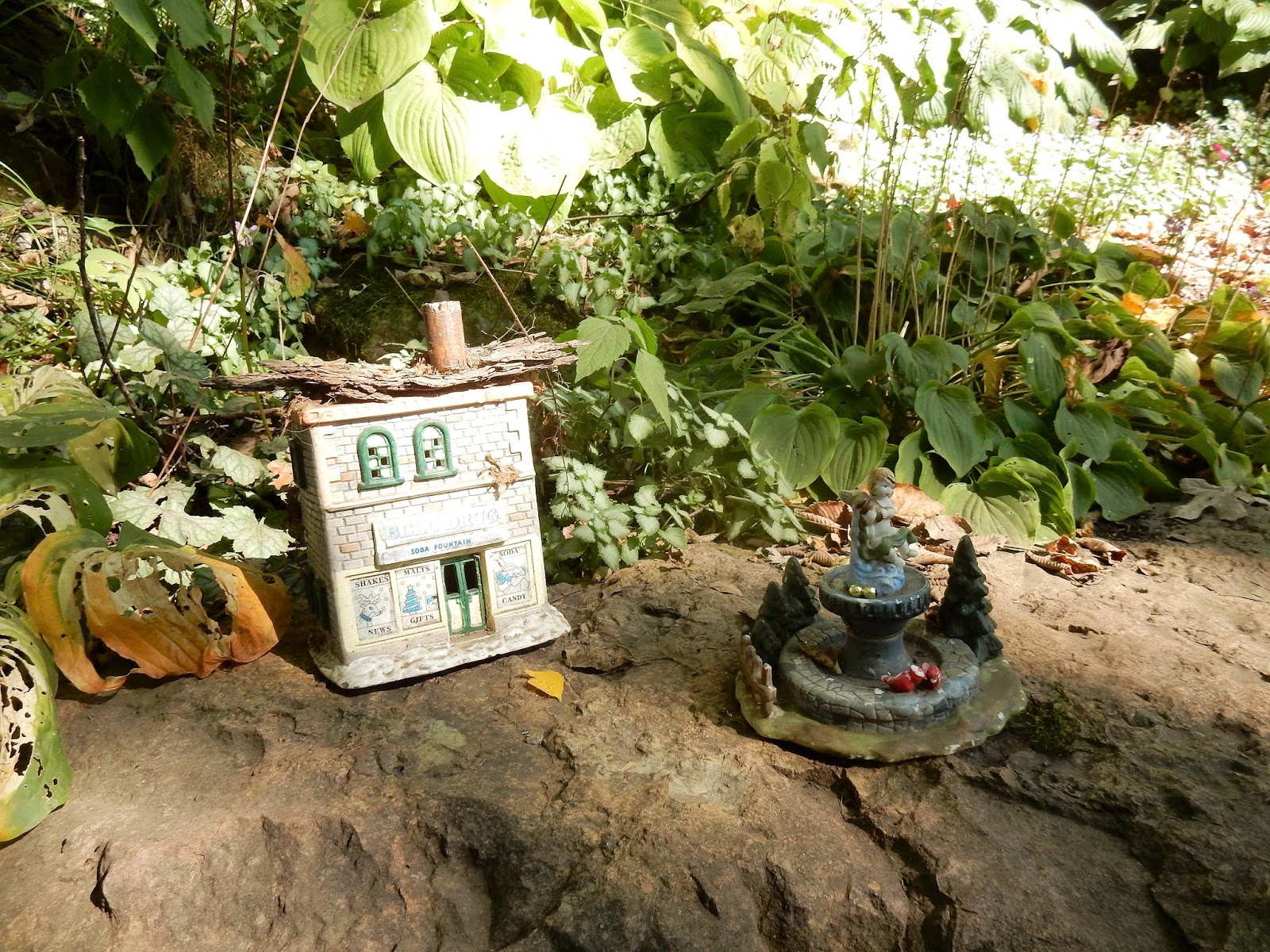
 Last thing before we left, we went through the Fairy Garden.
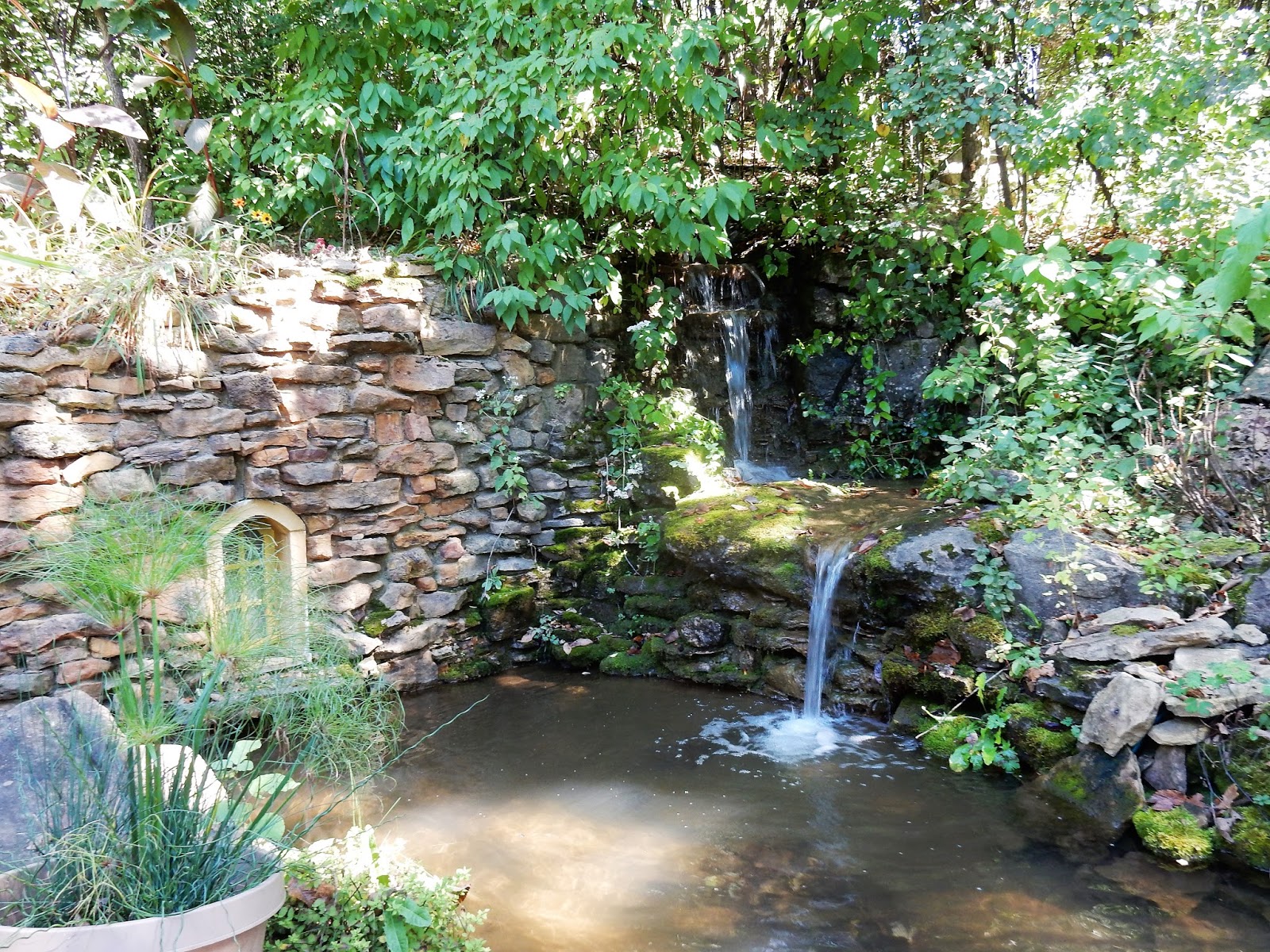
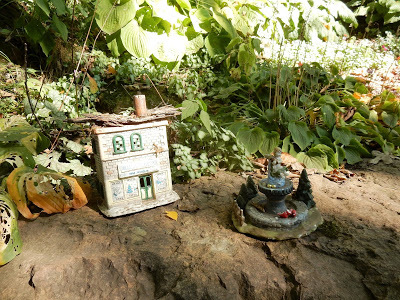 A calming place.
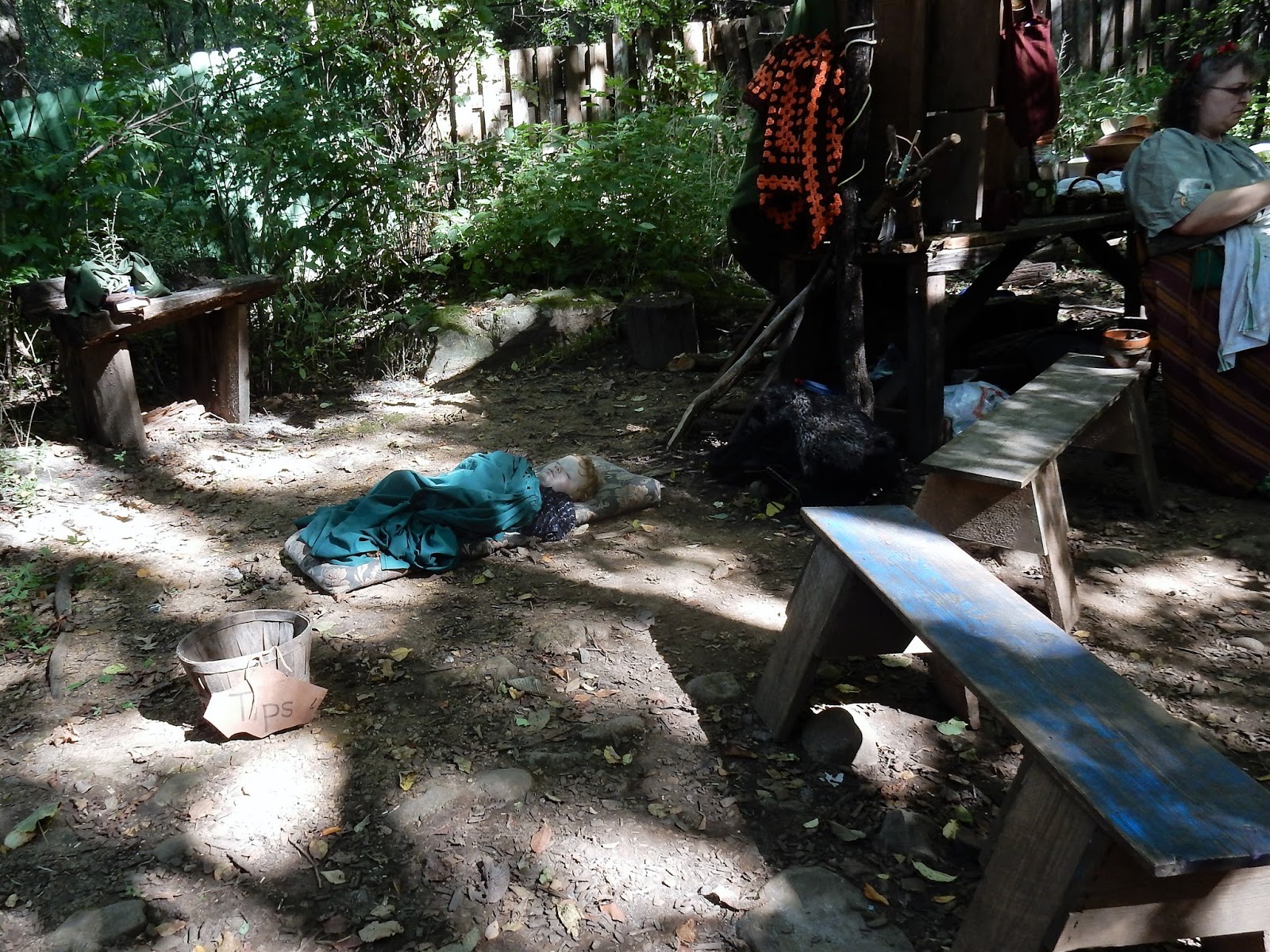
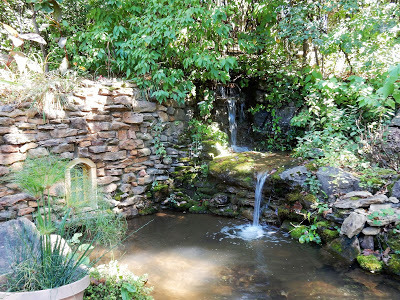 But didn’t relax me quite this much. But close.
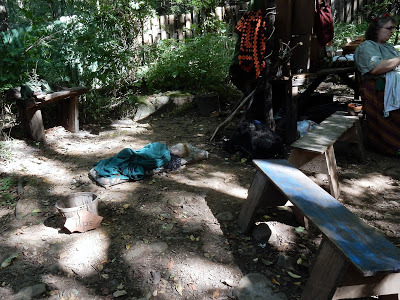 Next time, I’ll be posting here about our trip down the road from there.
The good news is now I have lots of material to share. (Good for me at least, you will have to let me know if it works out for you or not.)
Saturday, Hubby and I headed off to Minnesota to attend the Renaissance Festival for the umpteenth time. I was going to look back through my records and see just how many times I’ve been there, but you’ll have to trust me – it’s somewhere between seven and twelve. I think I am going to have to keep going to it and continue writing about it until I remember how to spell it. Renasaince? No. Reneasunce? No. Renasanince? No. Didn’t you already try it that way? Don’t know what I would do without spell check.
Sunday morning we woke up bright and early in our dumpy hotel room in Chaska, Minnesota, jumped in the car and off we went. We hadn’t come up on the Festival Grounds from Chaska before, so as we were heading to the usual route a sign popped up pointing us in a different direction. I was naturally nervous, coz that’s what I do – fret over everything.
We ended up at the Queen’s Gate instead of the King’s Gate. Worked out all right I guess, as we parked three rows from the gate and there were easily a thousand less people waiting to get in this gate as opposed to the main gate.
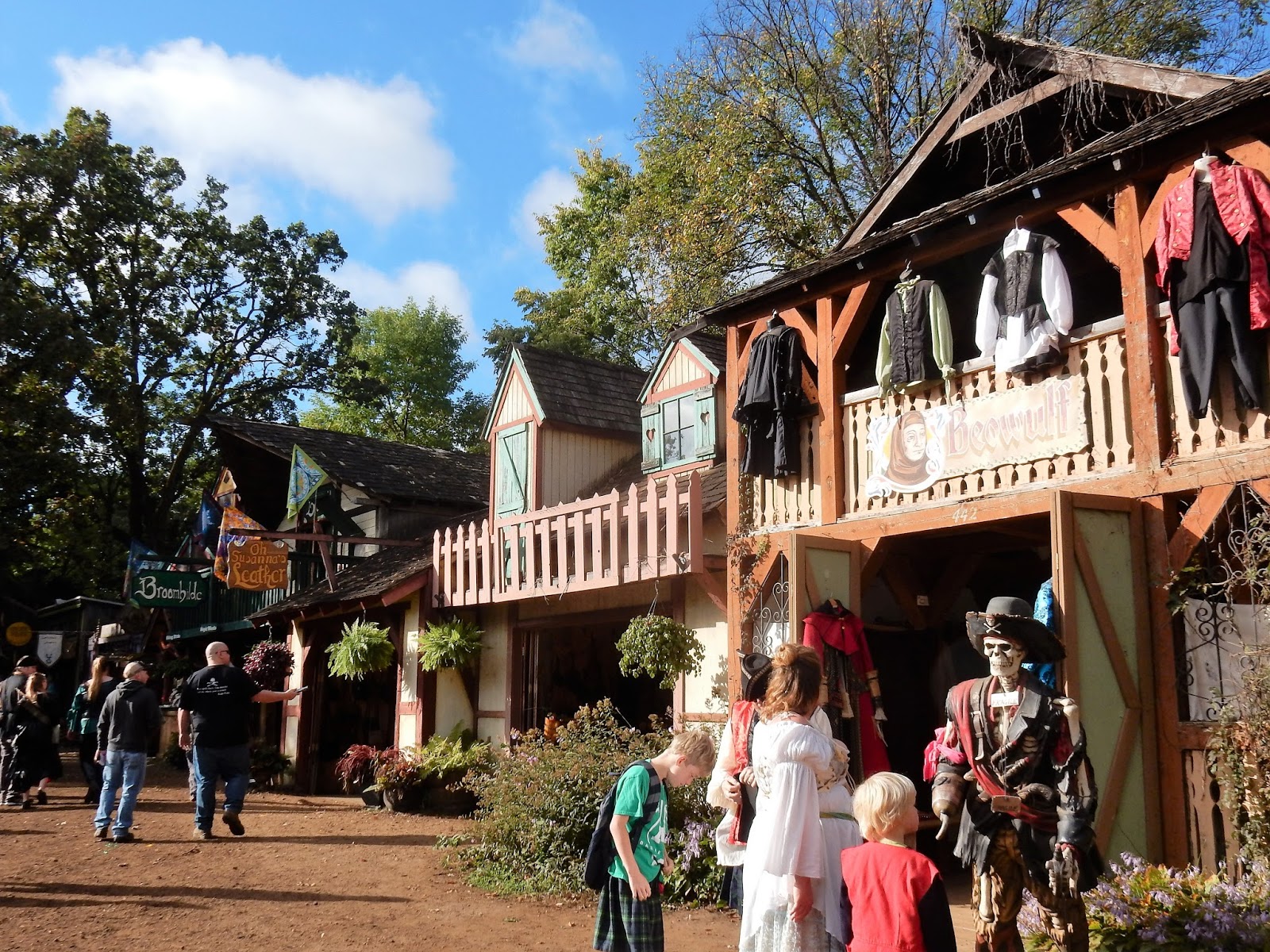
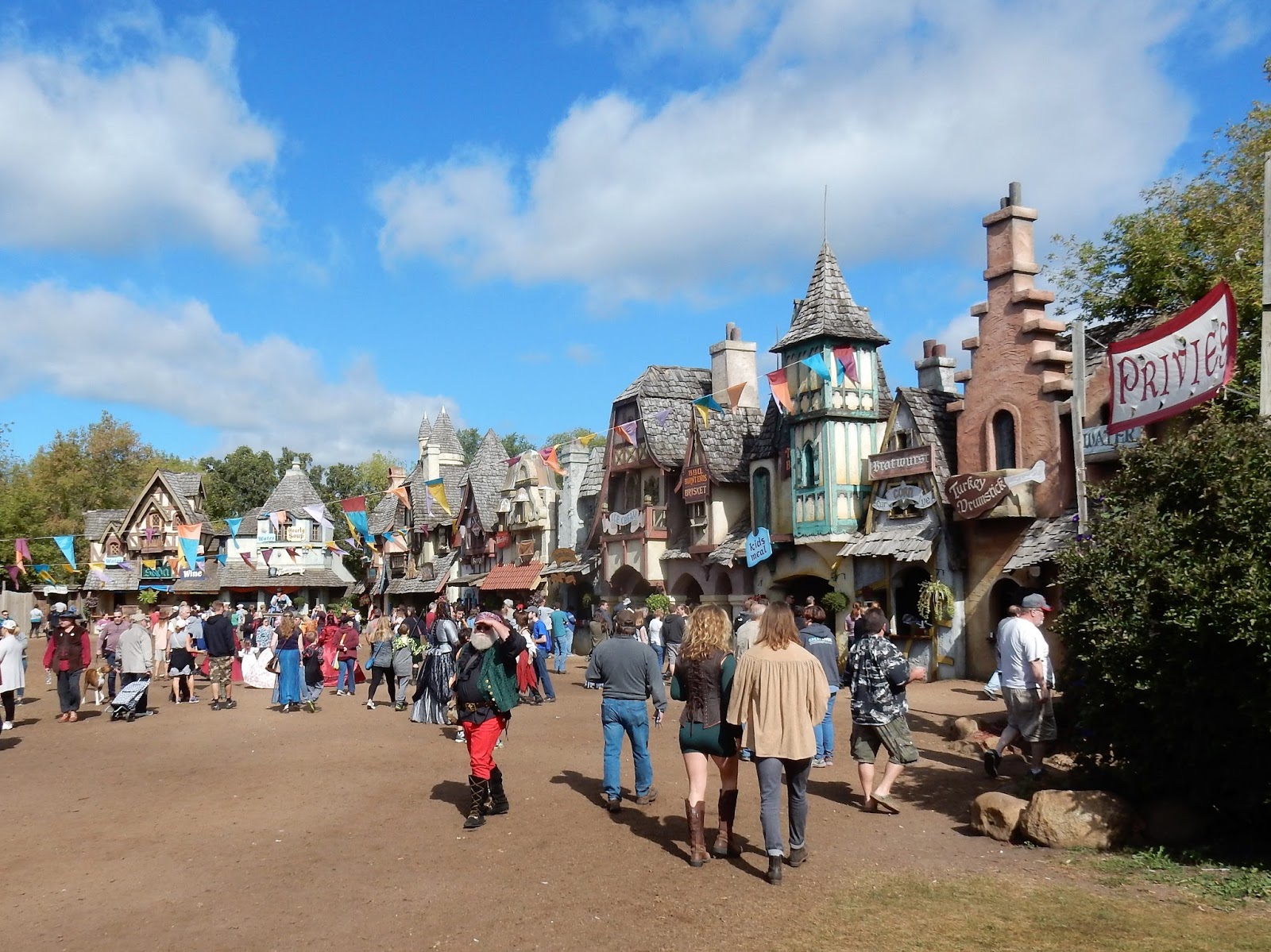
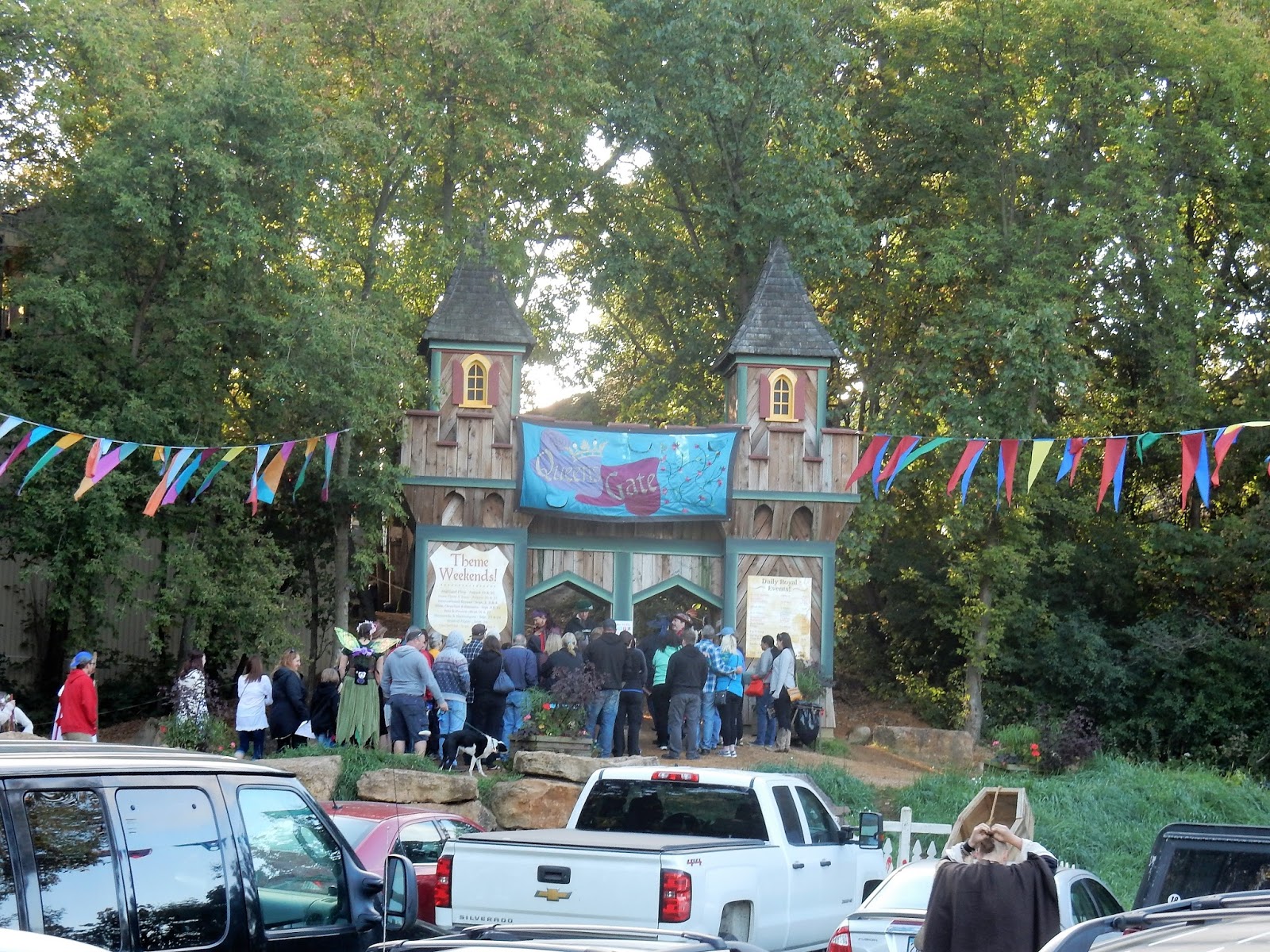 I love all the buildings throughout the grounds. So cool.
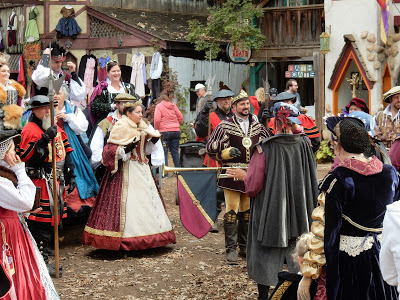
  Here are the King and the Queen, with their random servants. A little different from kings and queens of today, except maybe for the entourage.
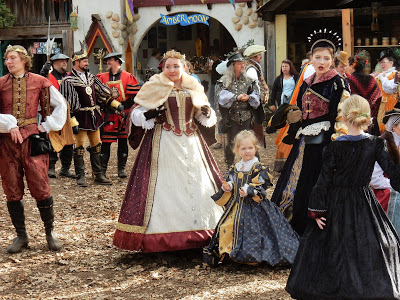
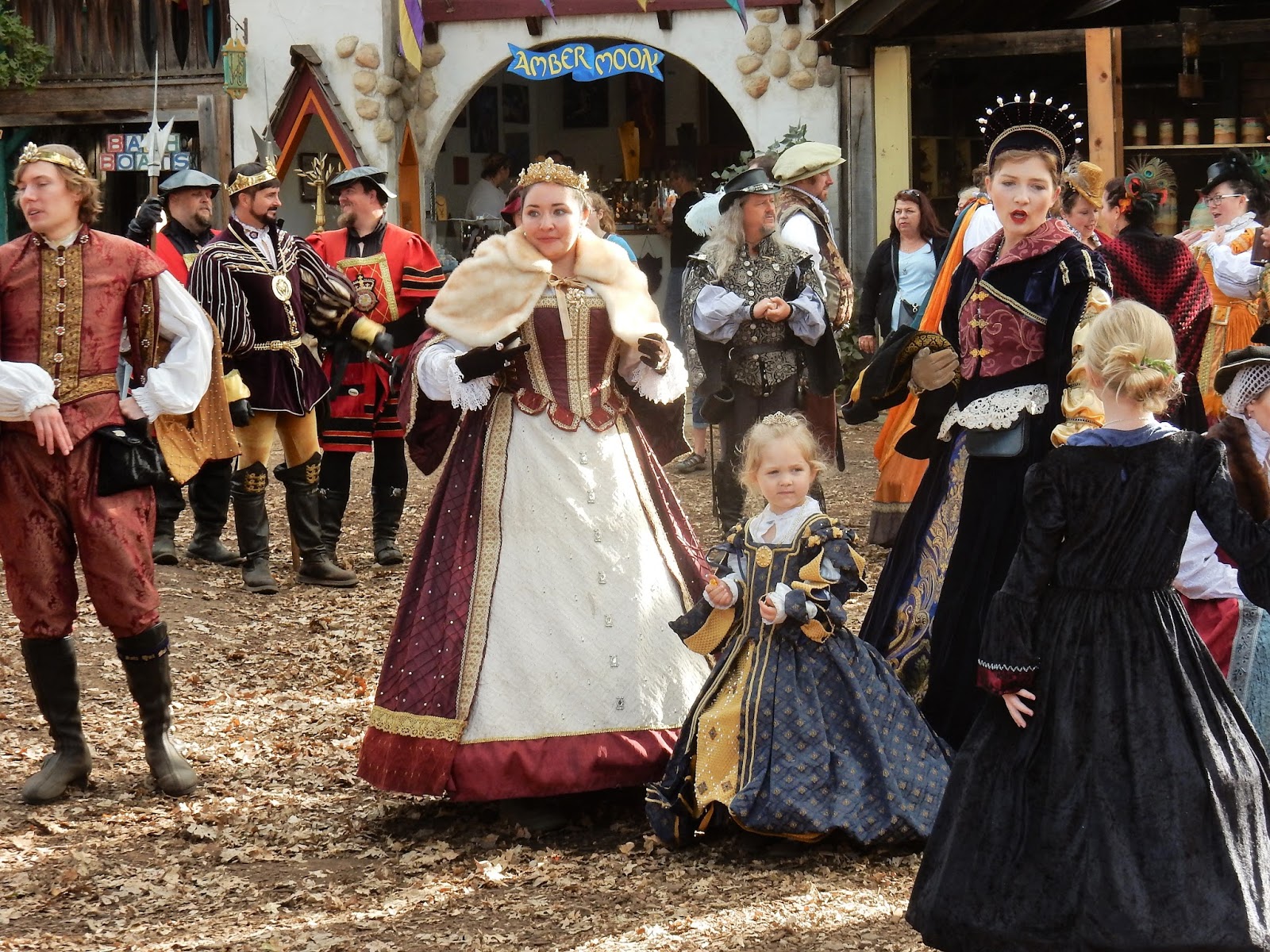
 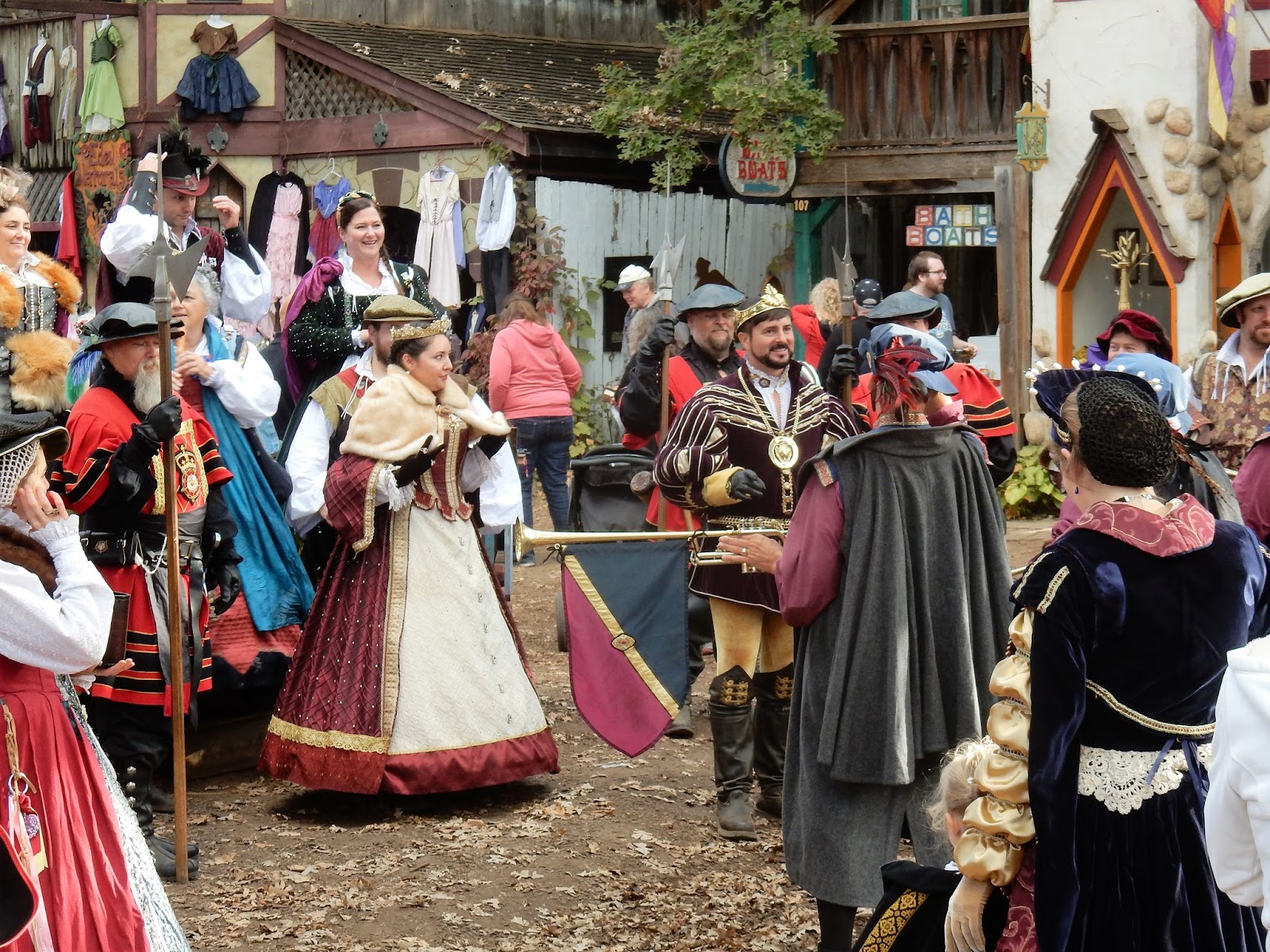 I love this picture of the Queen with this adorable little girl.
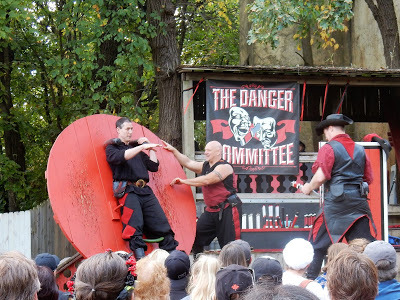
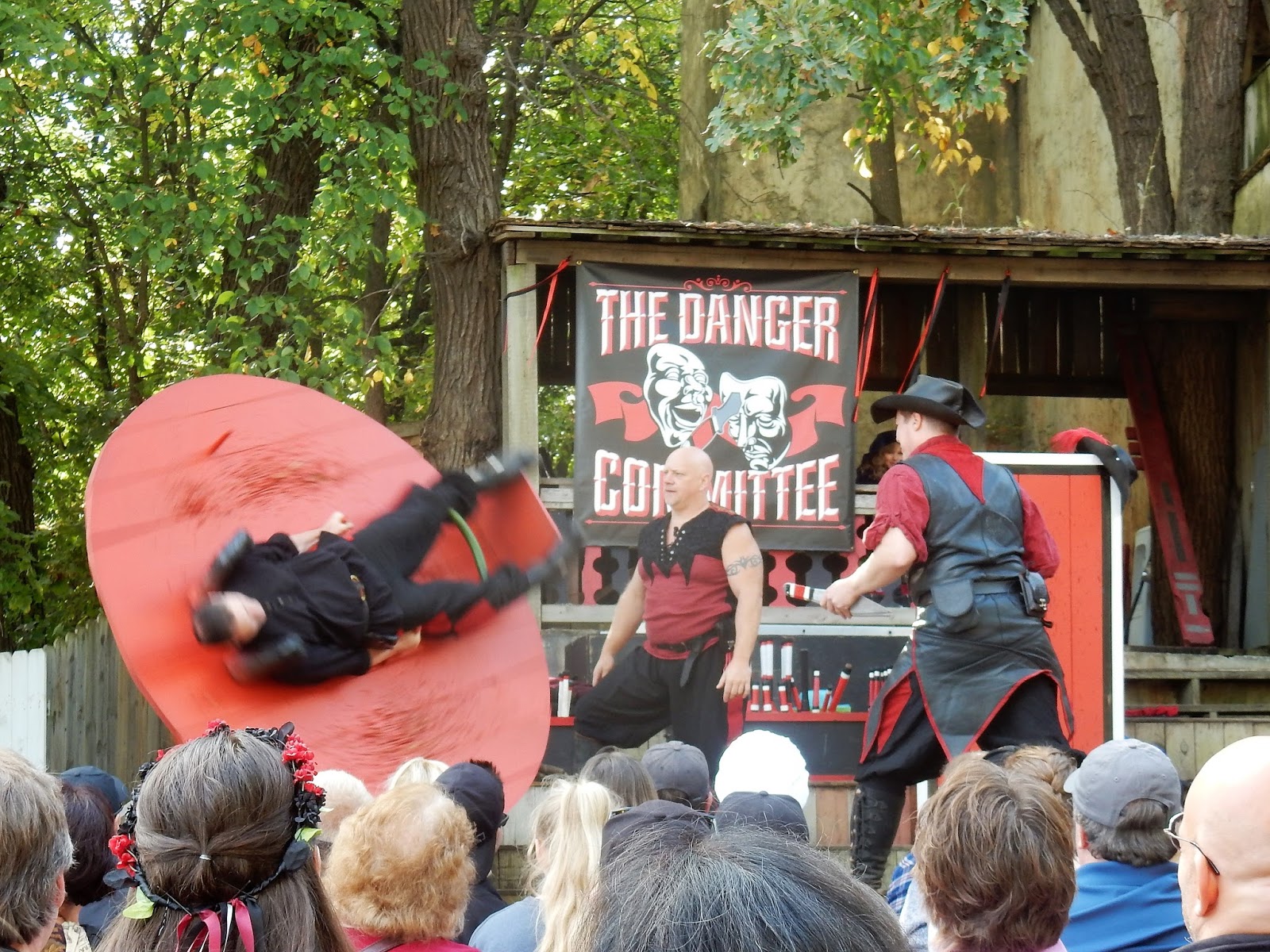
  These guys are the Danger Committee. Reynaldo, Bald Guy and Other Guy. Hysterical.
 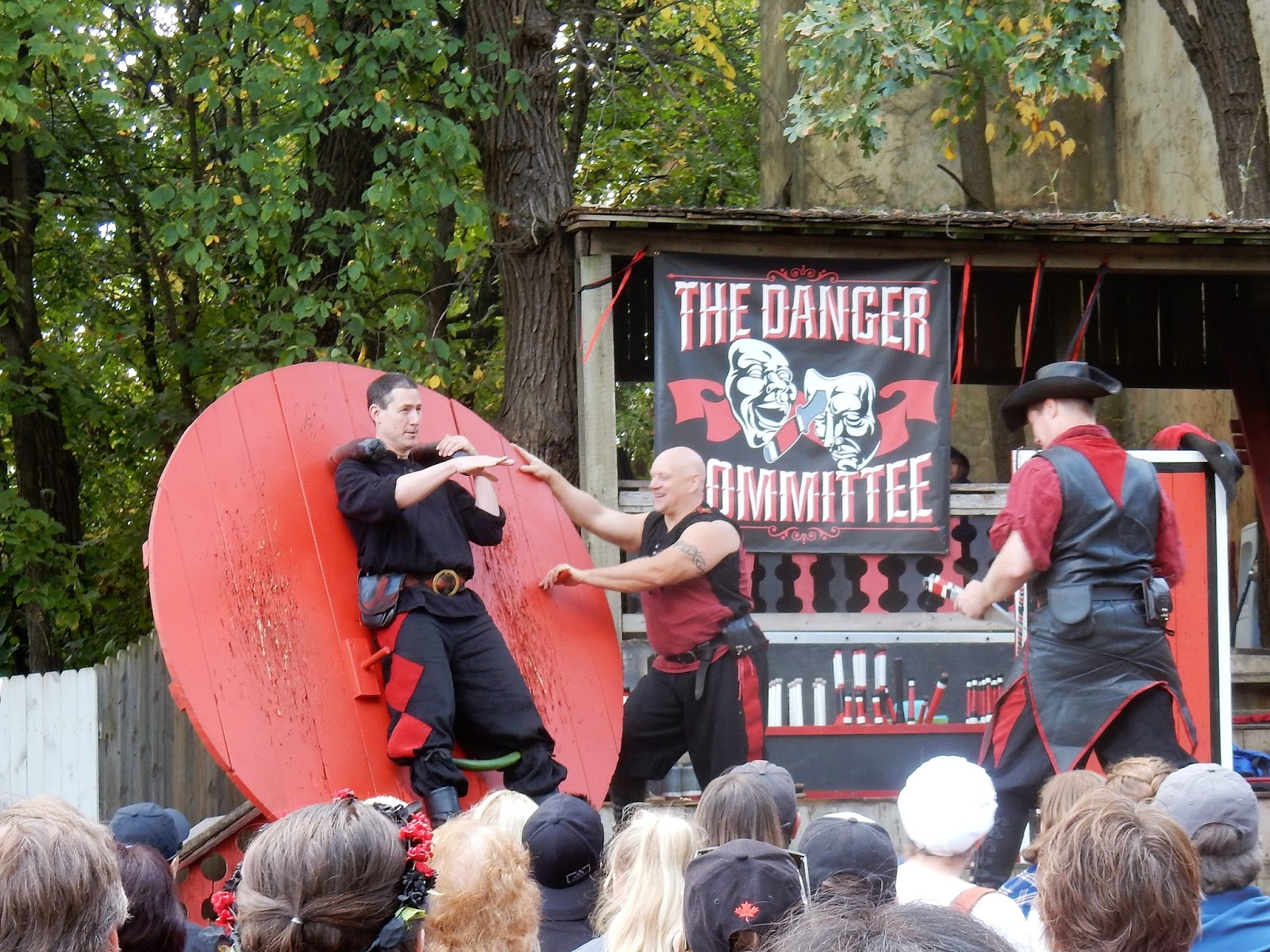 And talented.
 Crazy guys too.
 More of the fascinating buildings.
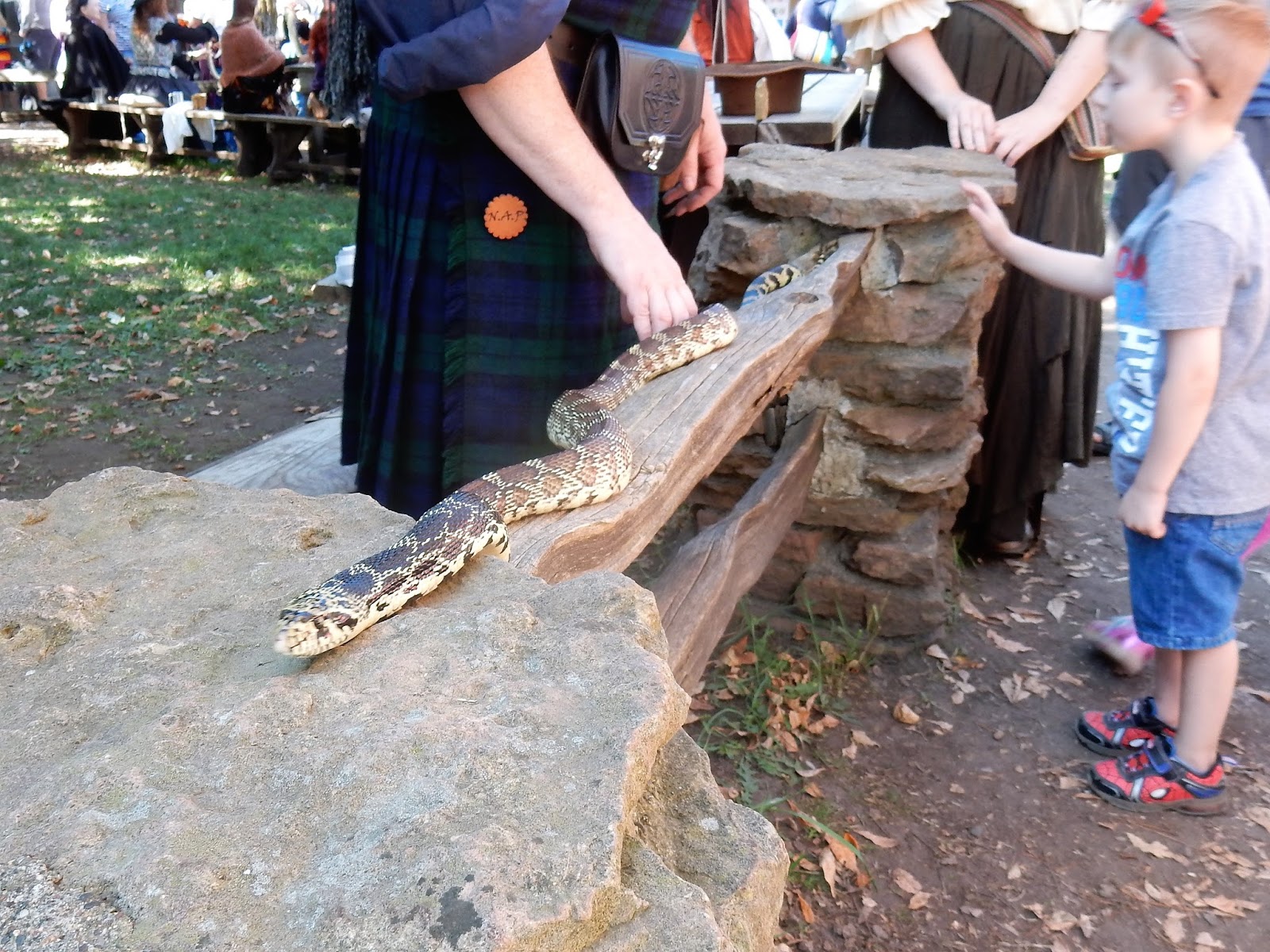
 Met a new friend. He is a native of Minnesota and quite a sweetie.
 The full-armor joust is always cool, even if it is totally staged.
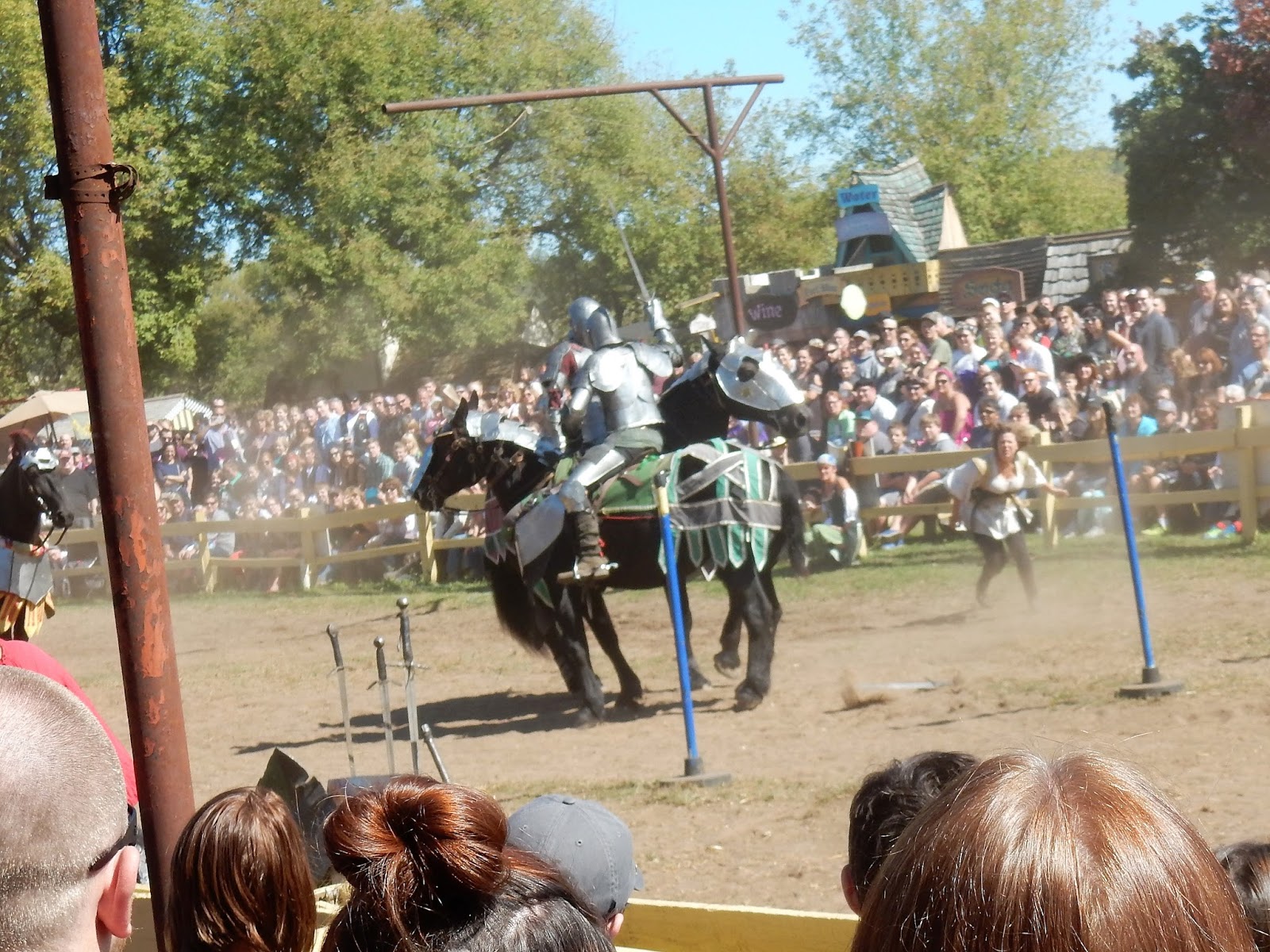 Whatcha gonna do. Try to get the best pictures you can, I guess.
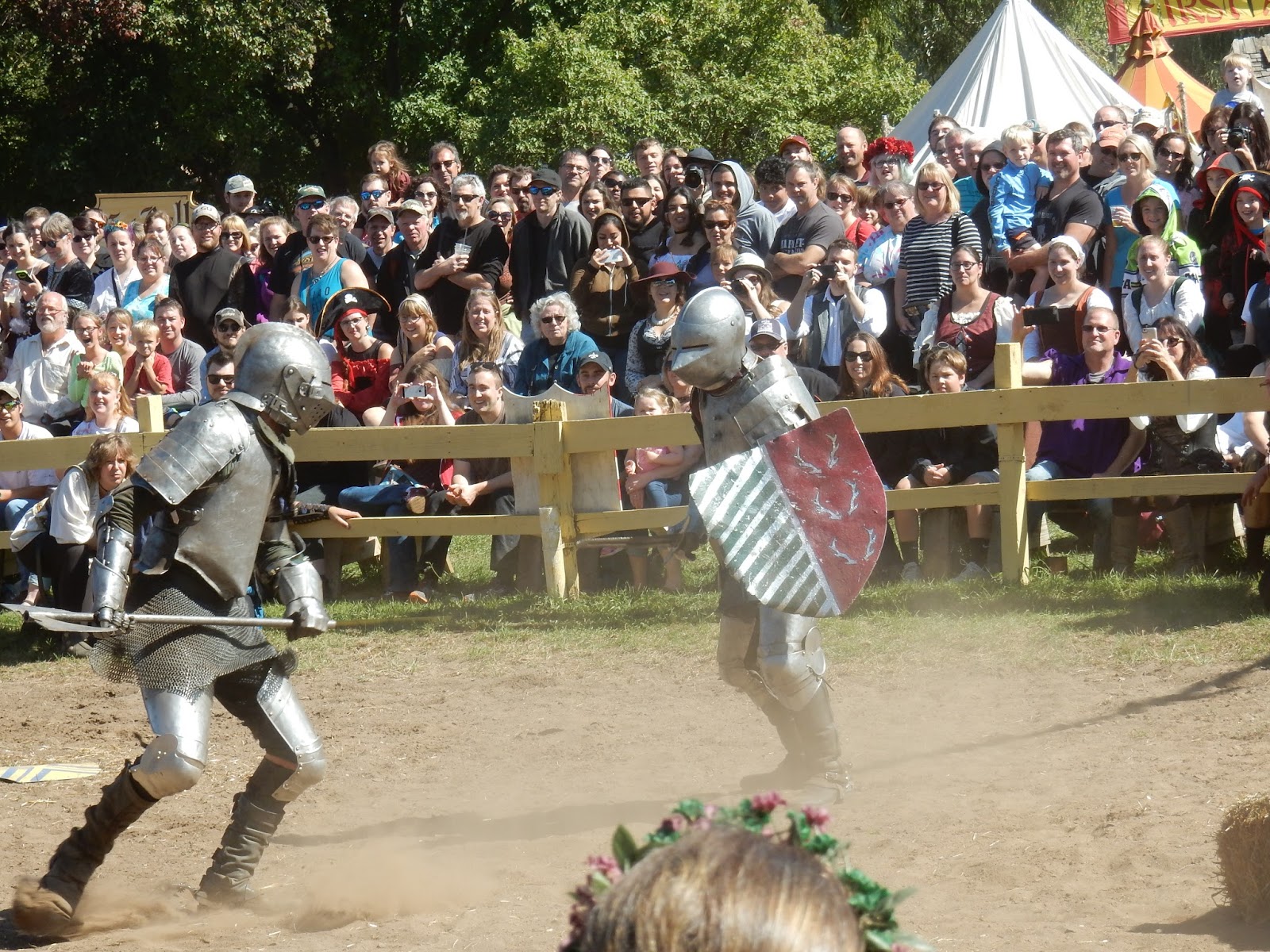 Like this one. Look at those horses’s hooves off the ground. Thank you again to the Hubby for my camera.
 Last thing before we left, we went through the Fairy Garden.
 A calming place.
  But didn’t relax me quite this much. But close.
 Next time, I’ll be posting here about our trip down the road from there.
September 16, 2017
When Life is Good
Since I didn’t post yesterday (I’ve been shooting for blogging on Wednesday, Friday and Sunday), I thought I would offer you a blog today and then skip tomorrow. As you can imagine, posting here three times a week is quite a commitment, and as much as I enjoy writing these posts and rarely run out of things to say, it still does cut into my day.
Over the last two months, I’ve been sharing here mostly anything I come up with in regards to my latest book, “Where the Sky Meets the Sand”. And I suppose that’s what I should be doing, but you might be getting sick of hearing about it. And I know it is stressing me out. Time to step away from the pressure.
Which is why the first picture I came across on my camera that I knew would be perfect is the Weiner Mobile. It was in my town a couple weeks ago. I snatched a picture as I was driving by on my way back to work. Anyway, other than promoting the book, I’ve been writing away on my second novel, working on stuff for the nonprofit, slaving away at the clinic a little under forty hours a week, and trying desperately to soak up the warm weather we have had the last week. Winter is barreling towards us, and I need to stock up on my vitamin D before that.
Oh, yes, and my other main activity has been passing that kidney stone. It has felt like it is just hanging out in my right kidney, playing a little kickball once in a while, in case I forgot it was there, but in general not misbehaving too much.
I saw a provider in urology today, who took an x-ray of my bladder and kidneys. She told me that both kidneys have lots of little stones, all of which should pass without incident, and that the large bugger which had been causing the pain has moved into my bladder. And that it should be able to pass on out my urinary track from there.
Yeah! Coz I’ve been planning in my head when I could go in and have it zapped or snagged or eradicated in whatever why the urologist thought would be the best. I am totally okay with all the fretting having been for nothing.
The only thing left to do is to try to catch the bugger when I pee it out. Then work on this never happening again.
Other than that, life is good. Hope it’s going good for you too.
Over the last two months, I’ve been sharing here mostly anything I come up with in regards to my latest book, “Where the Sky Meets the Sand”. And I suppose that’s what I should be doing, but you might be getting sick of hearing about it. And I know it is stressing me out. Time to step away from the pressure.
Which is why the first picture I came across on my camera that I knew would be perfect is the Weiner Mobile. It was in my town a couple weeks ago. I snatched a picture as I was driving by on my way back to work.
 Anyway, other than promoting the book, I’ve been writing away on my second novel, working on stuff for the nonprofit, slaving away at the clinic a little under forty hours a week, and trying desperately to soak up the warm weather we have had the last week. Winter is barreling towards us, and I need to stock up on my vitamin D before that.
 Oh, yes, and my other main activity has been passing that kidney stone. It has felt like it is just hanging out in my right kidney, playing a little kickball once in a while, in case I forgot it was there, but in general not misbehaving too much.
I saw a provider in urology today, who took an x-ray of my bladder and kidneys. She told me that both kidneys have lots of little stones, all of which should pass without incident, and that the large bugger which had been causing the pain has moved into my bladder. And that it should be able to pass on out my urinary track from there.
Yeah! Coz I’ve been planning in my head when I could go in and have it zapped or snagged or eradicated in whatever why the urologist thought would be the best. I am totally okay with all the fretting having been for nothing.
The only thing left to do is to try to catch the bugger when I pee it out. Then work on this never happening again.
Other than that, life is good. Hope it’s going good for you too.
September 13, 2017
More Lost Files and A Question Answered
My best friend has just finished reading my novel, “Where the Sky Meets the Sand”, and she is full of questions, all of which I have enjoyed answering. And which gave me the idea that maybe you have the same questions and I should give you the answers. So here’s our first question. Who is Tangwes? Was she inspired by an orphan you met while in Africa?Tangwes is a little girl who shows up late in the book, if you haven’t gotten that far. She is a little orphan living in Ruth’s village. In the first version of the story, part of the deleted files I’ve been sharing here, Ruth had a friend named Tangwa and a sister named Kangwes. Ruth’s Maasai name was Kasirimo (all Maasai names I found on the internet, but decided not to use because I didn’t feel I had enough knowledge of Maasai names to use them in the final book). Here is a scene from when Tangwa is in labor.
“Tangwa, I’m here,” Ruth knelt next to her friend and grabbed her hand. The small room seemed filled with women, some chanting quietly, a few doting on the young girl who was writhing in pain. “Ruth, it hurts so bad,” she cried, gripping Ruth’s hand with all the strength she had. “Don’t be afraid. The baby will come soon and the pain will stop.” She didn’t know what else to say or do. Someone reached over and mopped Tangwa’s forehead with a wet rag. “I’m so afraid.” “Don’t be. Don’t be afraid.” Tears started down Ruth’s cheeks. What else could she do? Why was her friend in so much pain? She had been around other women giving birth and they remained silent. Were they really so much more stoic than Tangwa or was there something wrong? She turned to the woman who was between the young girl’s legs. “Why does it hurt so much? Can’t you help her?” “Ahh, something is wrong, but there is nothing I can do. Baby will come when it is ready,” the old woman answered. Ruth had seen her deliver babies before and there had never been anything wrong. This was her best friend, someone had to do something for her. She looked around the dimly lit room in desperation. She counted four other women, besides the mid-wife and herself. The fire in the center of the room gave off just enough light to see by, but at the cost of extreme heat. She thought that she would pass out from it and couldn’t imagine how Tangwa could possibly not do likewise. “Please, you have to help her,” Ruth pleaded with anyone who would listen.“Maybe you should wait outside,” her mother ran her hand across Ruth’s cropped hair. “The others will help her. She’ll be ok.”Ruth tightened her grip on her friend’s hand. “I can’t leave her like this.”“Come, now,” her mother pulled on her arm. “Say good-bye. You can see Tangwa and the baby in the morning.”Tangwa’s screams had subsided and her body was still, exhaustion setting in. Her hand let go of Ruth’s.“Tangwa?”“It’s ok, Ruth. The pain is better now. I am so glad you are here. I’ll be ok.” She even began to smile, but it quickly turned to a grimace. “Really, I am ok. I will see you after the baby comes.”Ruth placed the back of her hand on her friend’s sweat-covered cheek. “In the morning.” "In the morning.”
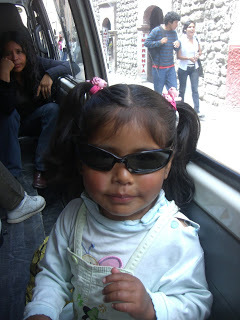
I guess if the orphan Tangwes was inspired by anyone, she would be a combination of two little kids I’ve met in my travels. The first one is Sandra who I met in Mathare slum on our first trip. Her mother had AIDS but was trying to work to support herself and Sandra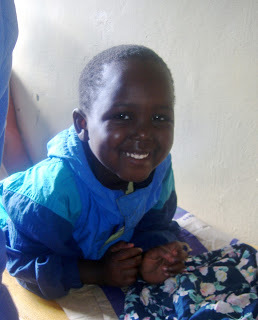 The other girl was from my trip to Peru, one of the little kids who lived in the prison with her mother. We took all the kids out of the prison for a day and the one little girl really bonded with one of the male volunteers who was with us, teasing him and loving to be teased back, hanging on his arm all day. So, yea, I guess she was Tangwes too.
 If you have any questions for me, shoot me an email, message me on facebook or post a comment here. Please don’t ask anything that would spoil the plot for someone who hasn’t read it, though. Such as, “in chapter 43, why does the earthquake have to kill the boy?” Don’t worry, there is no earthquake, but I can’t tell you what happens to the boy. You have to read it for yourself! And one last thing. If you have finished the book, I would really appreciate your honest review on Amazon.com, if you haven’t already written one. Thanks!
“Tangwa, I’m here,” Ruth knelt next to her friend and grabbed her hand. The small room seemed filled with women, some chanting quietly, a few doting on the young girl who was writhing in pain. “Ruth, it hurts so bad,” she cried, gripping Ruth’s hand with all the strength she had. “Don’t be afraid. The baby will come soon and the pain will stop.” She didn’t know what else to say or do. Someone reached over and mopped Tangwa’s forehead with a wet rag. “I’m so afraid.” “Don’t be. Don’t be afraid.” Tears started down Ruth’s cheeks. What else could she do? Why was her friend in so much pain? She had been around other women giving birth and they remained silent. Were they really so much more stoic than Tangwa or was there something wrong? She turned to the woman who was between the young girl’s legs. “Why does it hurt so much? Can’t you help her?” “Ahh, something is wrong, but there is nothing I can do. Baby will come when it is ready,” the old woman answered. Ruth had seen her deliver babies before and there had never been anything wrong. This was her best friend, someone had to do something for her. She looked around the dimly lit room in desperation. She counted four other women, besides the mid-wife and herself. The fire in the center of the room gave off just enough light to see by, but at the cost of extreme heat. She thought that she would pass out from it and couldn’t imagine how Tangwa could possibly not do likewise. “Please, you have to help her,” Ruth pleaded with anyone who would listen.“Maybe you should wait outside,” her mother ran her hand across Ruth’s cropped hair. “The others will help her. She’ll be ok.”Ruth tightened her grip on her friend’s hand. “I can’t leave her like this.”“Come, now,” her mother pulled on her arm. “Say good-bye. You can see Tangwa and the baby in the morning.”Tangwa’s screams had subsided and her body was still, exhaustion setting in. Her hand let go of Ruth’s.“Tangwa?”“It’s ok, Ruth. The pain is better now. I am so glad you are here. I’ll be ok.” She even began to smile, but it quickly turned to a grimace. “Really, I am ok. I will see you after the baby comes.”Ruth placed the back of her hand on her friend’s sweat-covered cheek. “In the morning.” "In the morning.”
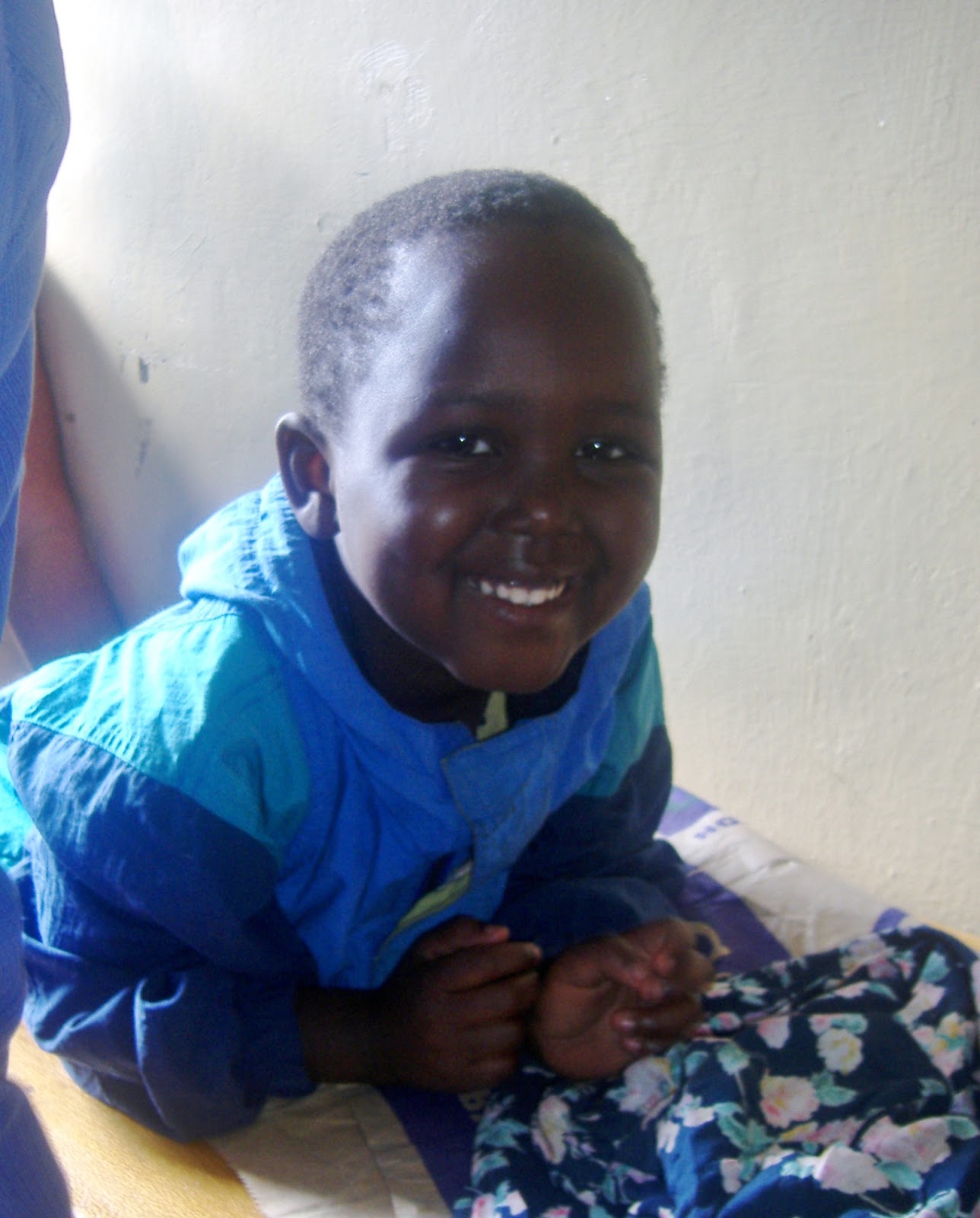
I guess if the orphan Tangwes was inspired by anyone, she would be a combination of two little kids I’ve met in my travels. The first one is Sandra who I met in Mathare slum on our first trip. Her mother had AIDS but was trying to work to support herself and Sandra
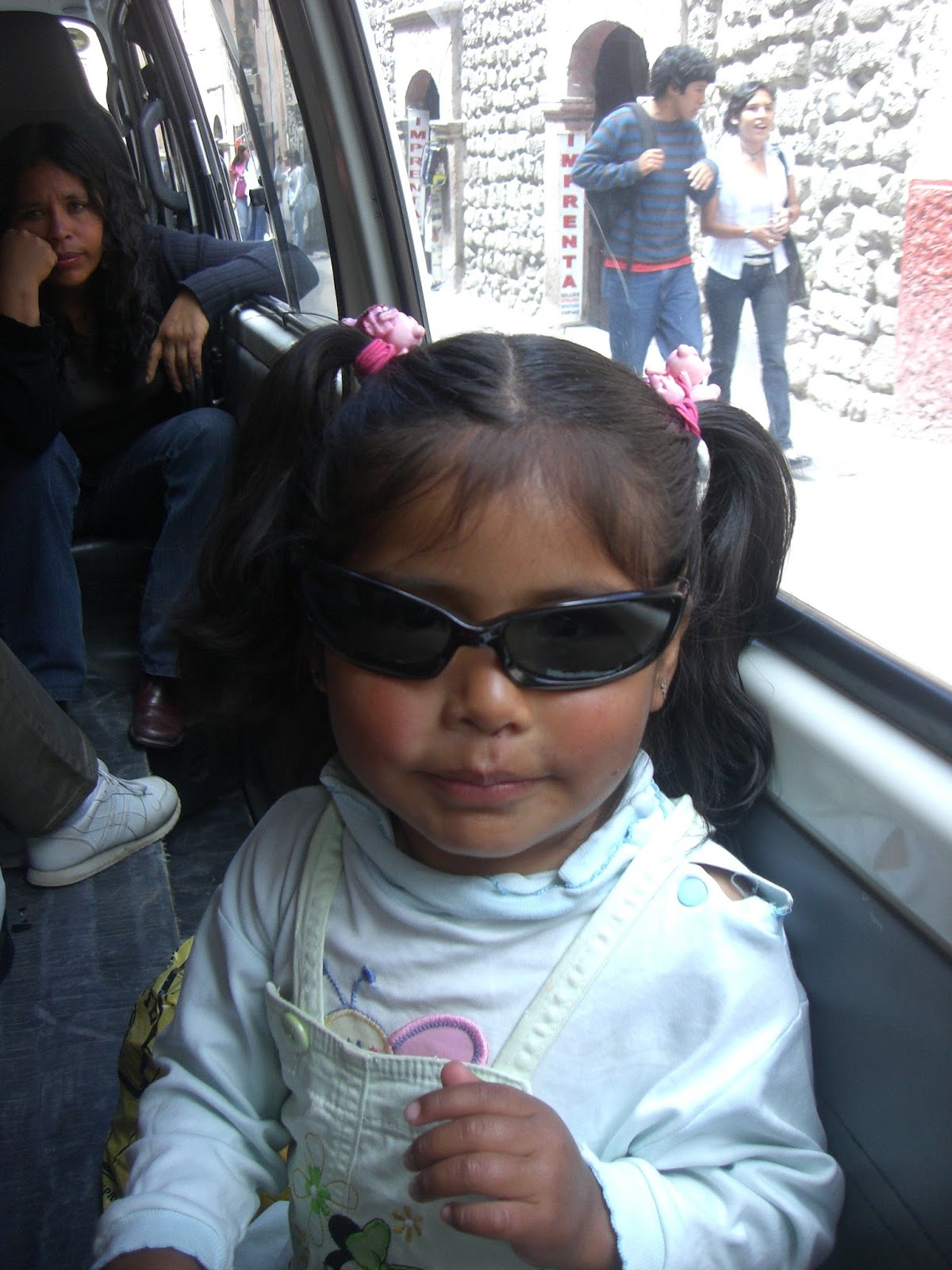
 The other girl was from my trip to Peru, one of the little kids who lived in the prison with her mother. We took all the kids out of the prison for a day and the one little girl really bonded with one of the male volunteers who was with us, teasing him and loving to be teased back, hanging on his arm all day. So, yea, I guess she was Tangwes too.
 If you have any questions for me, shoot me an email, message me on facebook or post a comment here. Please don’t ask anything that would spoil the plot for someone who hasn’t read it, though. Such as, “in chapter 43, why does the earthquake have to kill the boy?” Don’t worry, there is no earthquake, but I can’t tell you what happens to the boy. You have to read it for yourself! And one last thing. If you have finished the book, I would really appreciate your honest review on Amazon.com, if you haven’t already written one. Thanks!
September 10, 2017
Live Like You're Loved
So go ahead and live like you’re lovedIt’s ok to act like you’ve been set freeHis love has made you more than enoughSo go ahead and be who He made you to beAnd live like you’re loved. (Hawk Nelson)
A couple weeks ago, a co-worker shared a post on Facebook about knowing that you’re not good enough and you can’t do anything right and you’re just tired. I posted back “welcome to my world”. Another co-worker saw it and admonished us, writing “knock it off, live like you’re loved, cuz you are.”
I felt guilty, but sometimes life just weighs us down and we are so tired of it all.
The next morning, driving to work, the Hawk Nelson song “Live Like You’re Loved” played on the radio as I was pulling into the parking lot. God’s got that covered, huh?
Then when I got to my desk, that second co-worker had printed out the lyrics to the song for us. God’s not only got it covered, He is simply amazing.
Lord, God, help me to remember that when life gets me down, that You are there. You love us all unconditionally and You give us a reason to love life. Amen.
September 8, 2017
Flashback Friday - Life Back in the Day
 Last weekend, when I opened another one of the boxes of Mom’s old pictures, I was greeted with this old photo album. Inside were pages of snapshots from the thirties and forties. All very fascinating, some labeled and some not. I haven’t gotten all of them scanned into my computer yet, but they are all dear to my heart.
I chose these six photos today with the theme of life back in the day. The subjects aren’t posed or at least not in the conventional way. The people in these shots are just out living life, a sometimes-hard life at that time. But still they found time to have fun. And somehow found the resources to record their lives on film. Which I especially appreciate.
 This one was dated 1939. That's my grandma (my mom's mom) on the right. The back of the photo says the lady on the left was Della B. Not sure who that was, but she could put some meat on her bones. That's quite the stack of wood they are stacking wearing their dresses.
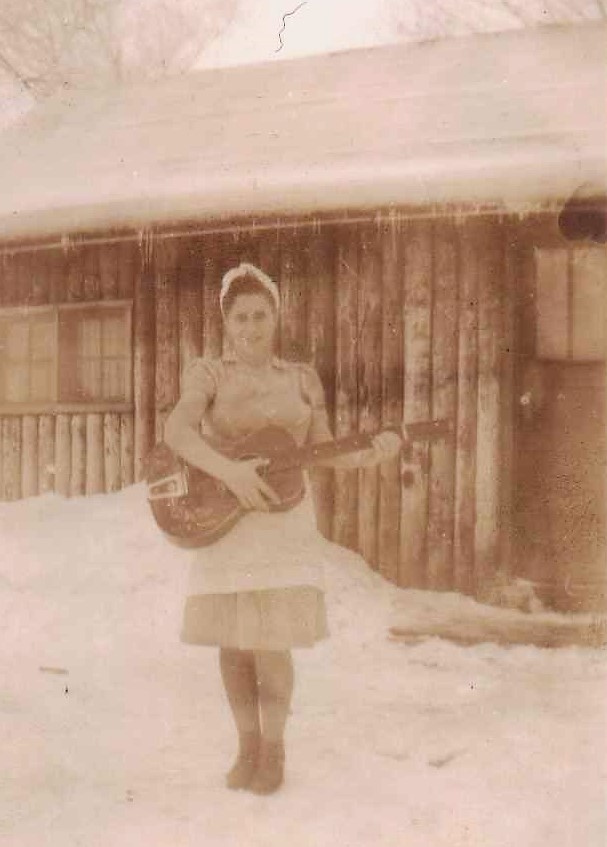 Not sure who this is either. Maybe some family member seeing this will recognize her. There was always musical talent on my dad's side of the family.
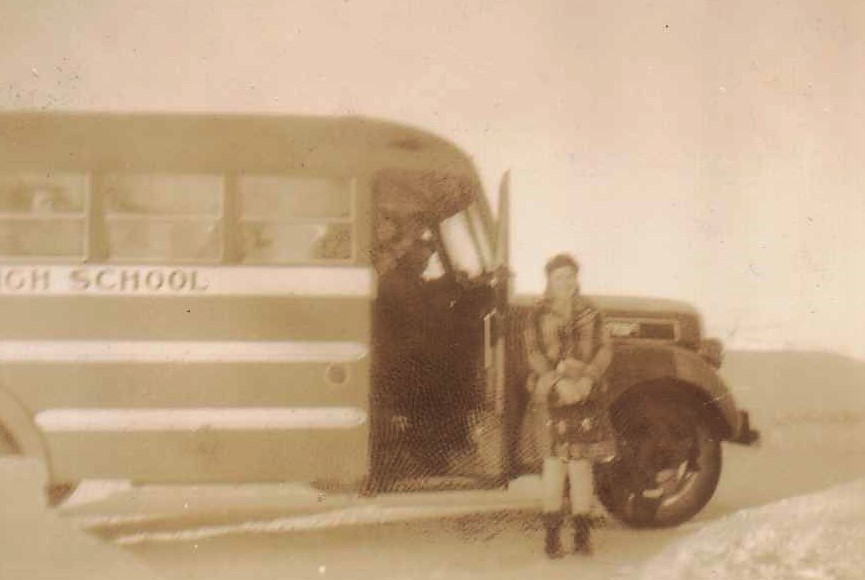 Also not sure who this was, but since my dad drove school bus in the 40s, I suspect that was him in the driver's seat.
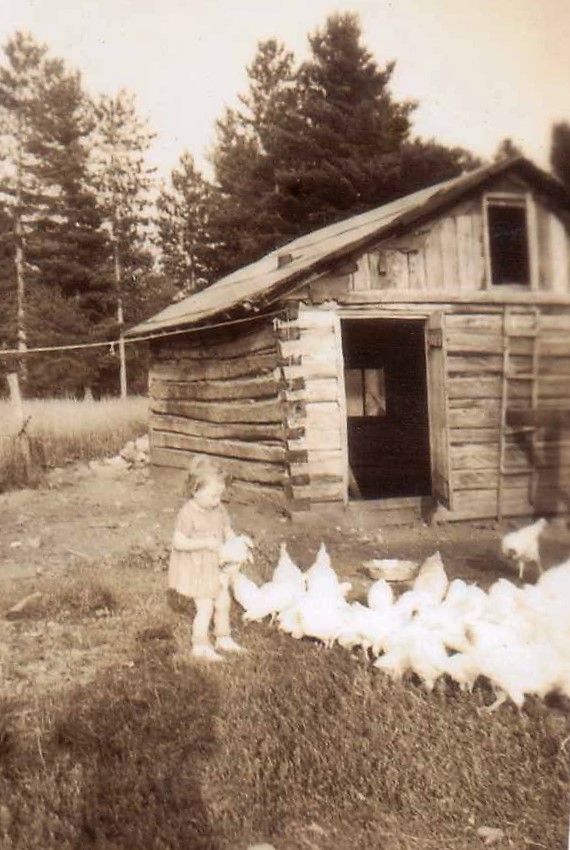 This was from around 1942 and features my cousin Florence feeding the chickens. Isn't that adorable?
 This one was dated 1942. Any of you from our old neighborhood remember when Hay Creek flooded many a spring? For those of you not from the 'hood, see the road going up the hill in the upper right hand corner? Our house was half way up that hill.
 That's my mom on the right, not sure who her friend is. Aren't they adorable?
September 6, 2017
The Elusive Cat
Here is yet another scene from the deleted files of “Where the Sky Meets the Sand”. I can’t believe how many of these passages I cut in my second edit of the book. Going back over them takes me right back to Kenya, and this scene especially reminds me of why I have to go back some day. On the two safaris I’ve been on, I’ve seen every animal I wanted to except for one. The one which the boy in this story falls in love with.
Far in the distance on the lowest branch of an acacia tree, a tan animal crouched. Ole thought it was the same leopard they had seen the week before. She was heavy with unborn cubs and had barely been able to get to this low branch. The Jeep took off in her direction. Even from his perch on the roof, Ole could hear the people inside. They chattered on as all of the guests seemed to, with no concern for the animals they stalked. Ole still could not picture what their lives were like. Lives where there are no wild animals. Lives where there are more buildings than grass. He took a sip from his water bottle as the Jeep lurched along. If there was anything he had learned here, it was how to drink without spilling as the vehicle tossed him about as James pursued the lions and elephants and warthogs. As James stopped the Jeep a short distance from the acacia tree, Ole was certain this was the same leopard. He figured that her den must be in the brush on the hillside behind the acacia. In his past life, he had never noticed the leopard much. She had been more elusive than the lion. The lion, knowing its great power and knowing that it was rarely without its pride, had nothing to hide. He knew he was king out here. The leopard though? Her beauty rivaled the lion’s. Her fascinating and varied spots, her patient eyes, her solitary life. Her ability to climb trees, even when she was carrying a freshly killed antelope. Ole was surprised that he saw so many animals travelling on the roof of the camp’s Jeep. So many animals that he rarely saw while herding his goats. Had the animals always been there, watching him? And he hadn’t been watching back? Were the people from his village right when they told him that he never paid attention? The leopard hung her huge paws over the branch of the tree. Ole promised himself that he would always pay attention from now on, especially if it meant watching a beautiful creature like her.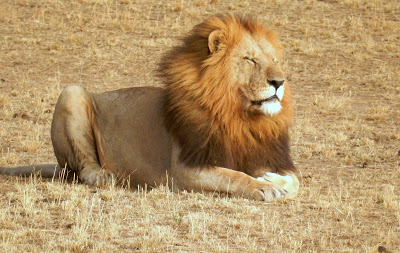 Yup, I've seen lots of lions.
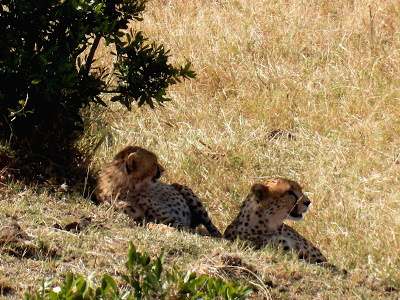 Lots of cheetahs, too.
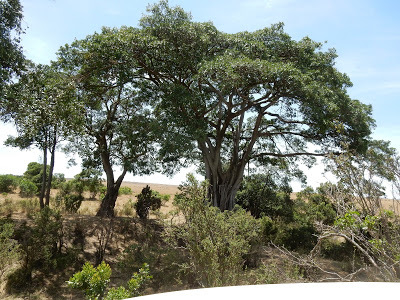 But the elusive leopard? Could she be hiding in that tree?
(No, she's not.) This may be the last of the "lost files" for a while. I have other things to write about, you know!
Far in the distance on the lowest branch of an acacia tree, a tan animal crouched. Ole thought it was the same leopard they had seen the week before. She was heavy with unborn cubs and had barely been able to get to this low branch. The Jeep took off in her direction. Even from his perch on the roof, Ole could hear the people inside. They chattered on as all of the guests seemed to, with no concern for the animals they stalked. Ole still could not picture what their lives were like. Lives where there are no wild animals. Lives where there are more buildings than grass. He took a sip from his water bottle as the Jeep lurched along. If there was anything he had learned here, it was how to drink without spilling as the vehicle tossed him about as James pursued the lions and elephants and warthogs. As James stopped the Jeep a short distance from the acacia tree, Ole was certain this was the same leopard. He figured that her den must be in the brush on the hillside behind the acacia. In his past life, he had never noticed the leopard much. She had been more elusive than the lion. The lion, knowing its great power and knowing that it was rarely without its pride, had nothing to hide. He knew he was king out here. The leopard though? Her beauty rivaled the lion’s. Her fascinating and varied spots, her patient eyes, her solitary life. Her ability to climb trees, even when she was carrying a freshly killed antelope. Ole was surprised that he saw so many animals travelling on the roof of the camp’s Jeep. So many animals that he rarely saw while herding his goats. Had the animals always been there, watching him? And he hadn’t been watching back? Were the people from his village right when they told him that he never paid attention? The leopard hung her huge paws over the branch of the tree. Ole promised himself that he would always pay attention from now on, especially if it meant watching a beautiful creature like her.
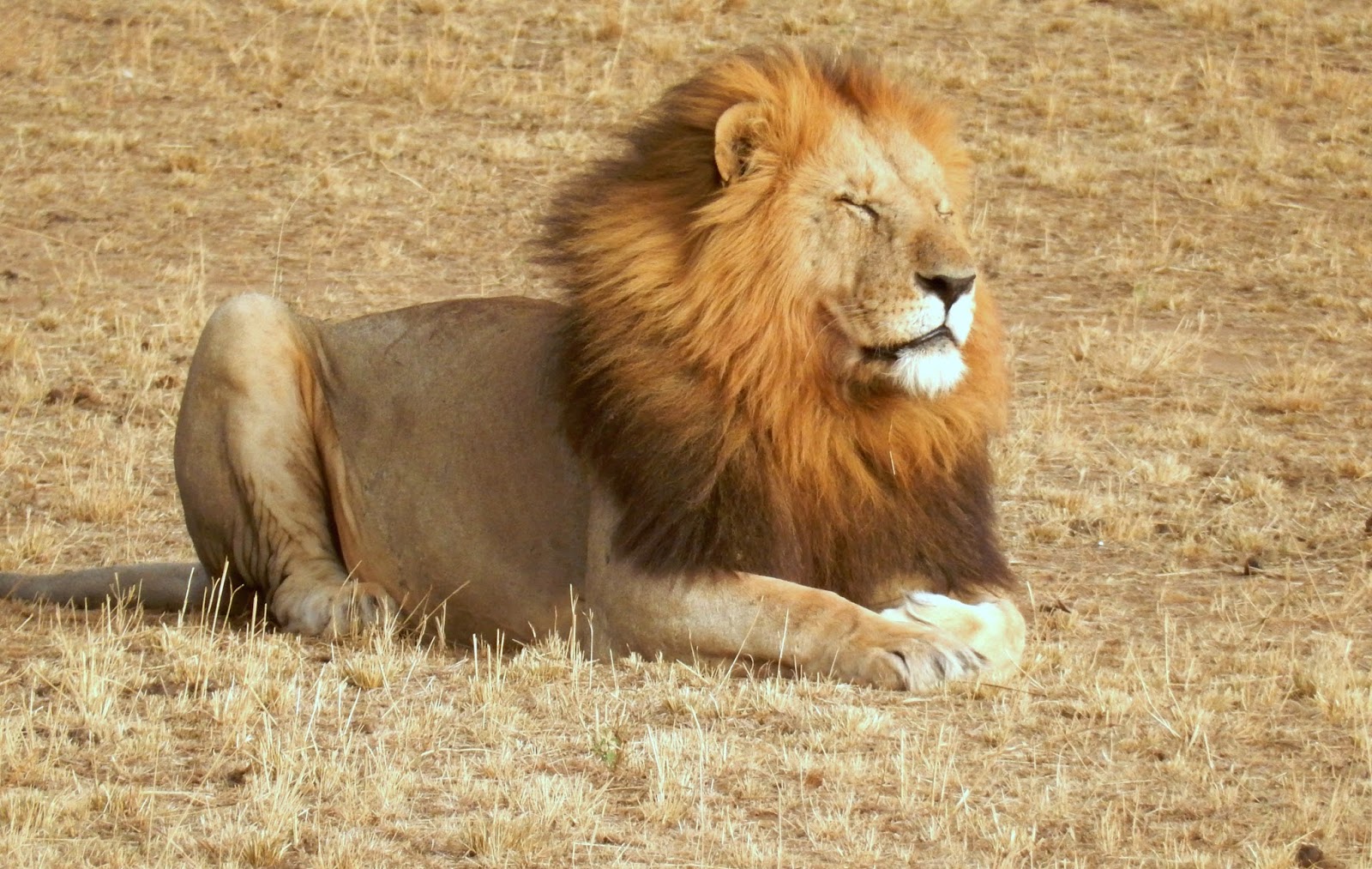 Yup, I've seen lots of lions.
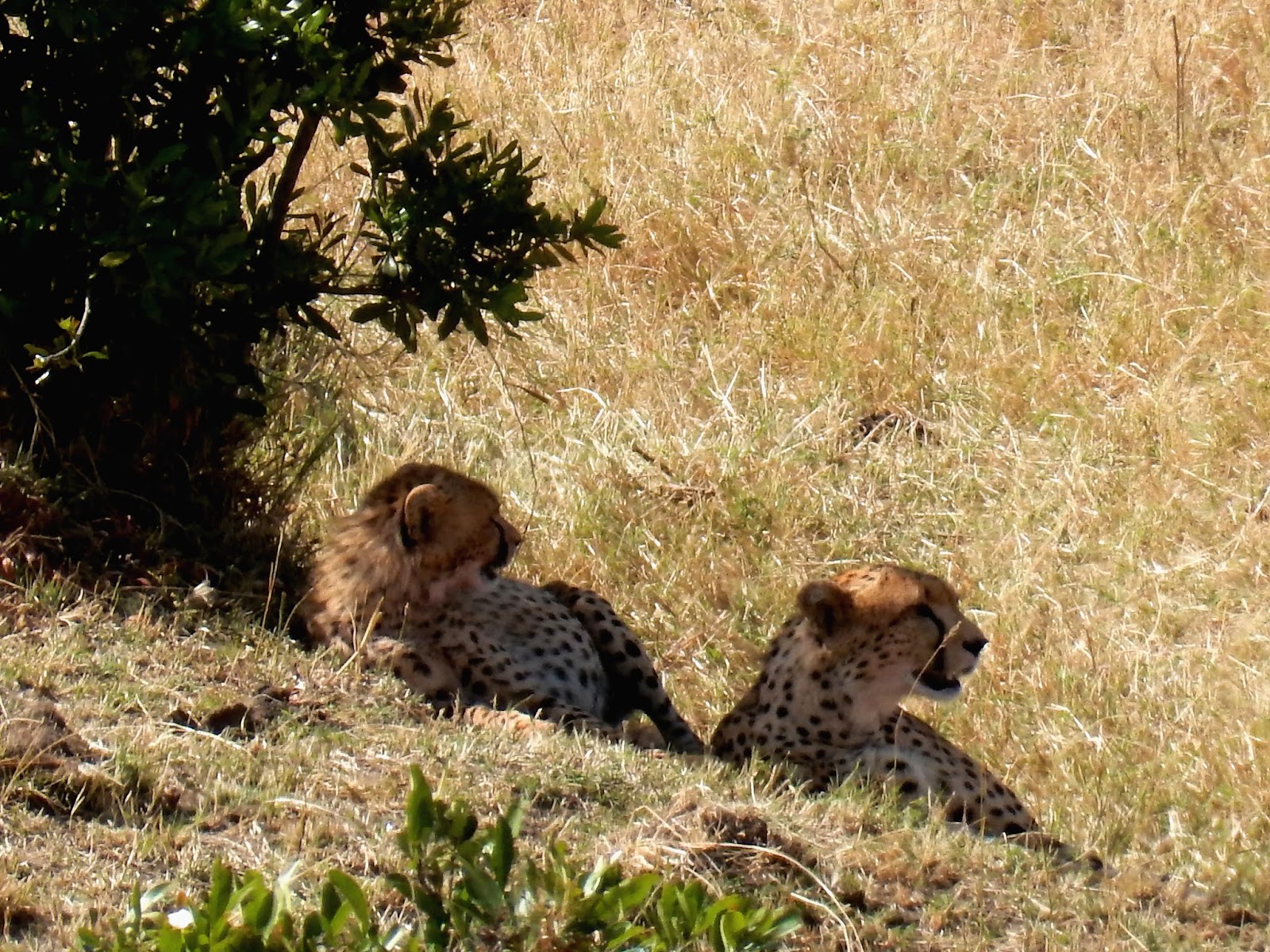 Lots of cheetahs, too.
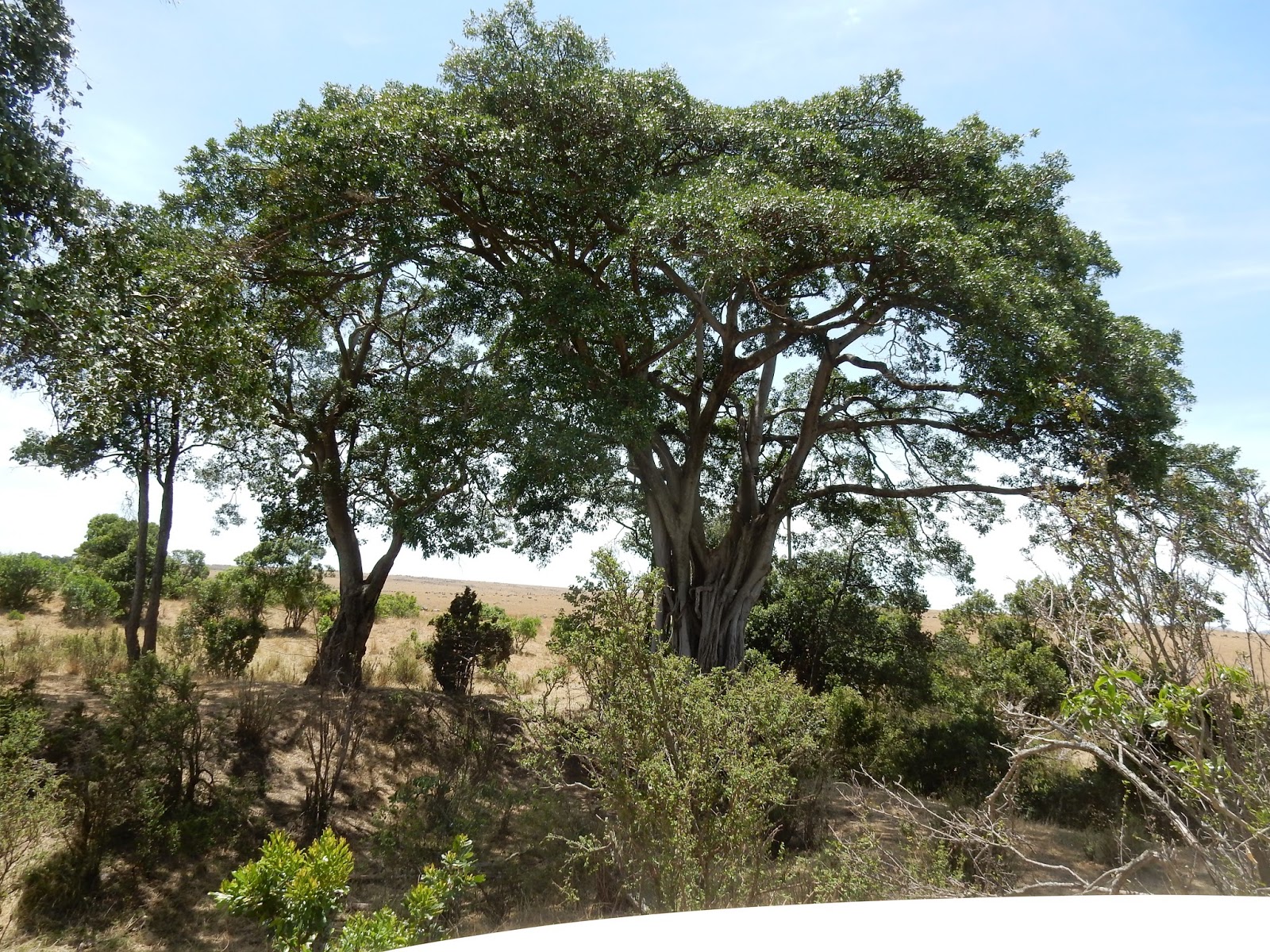 But the elusive leopard? Could she be hiding in that tree?
(No, she's not.) This may be the last of the "lost files" for a while. I have other things to write about, you know!
September 3, 2017
Let me introduce Rueben
Blog post #4 from the deleted files of “Where the Sky Meets the Sand”.
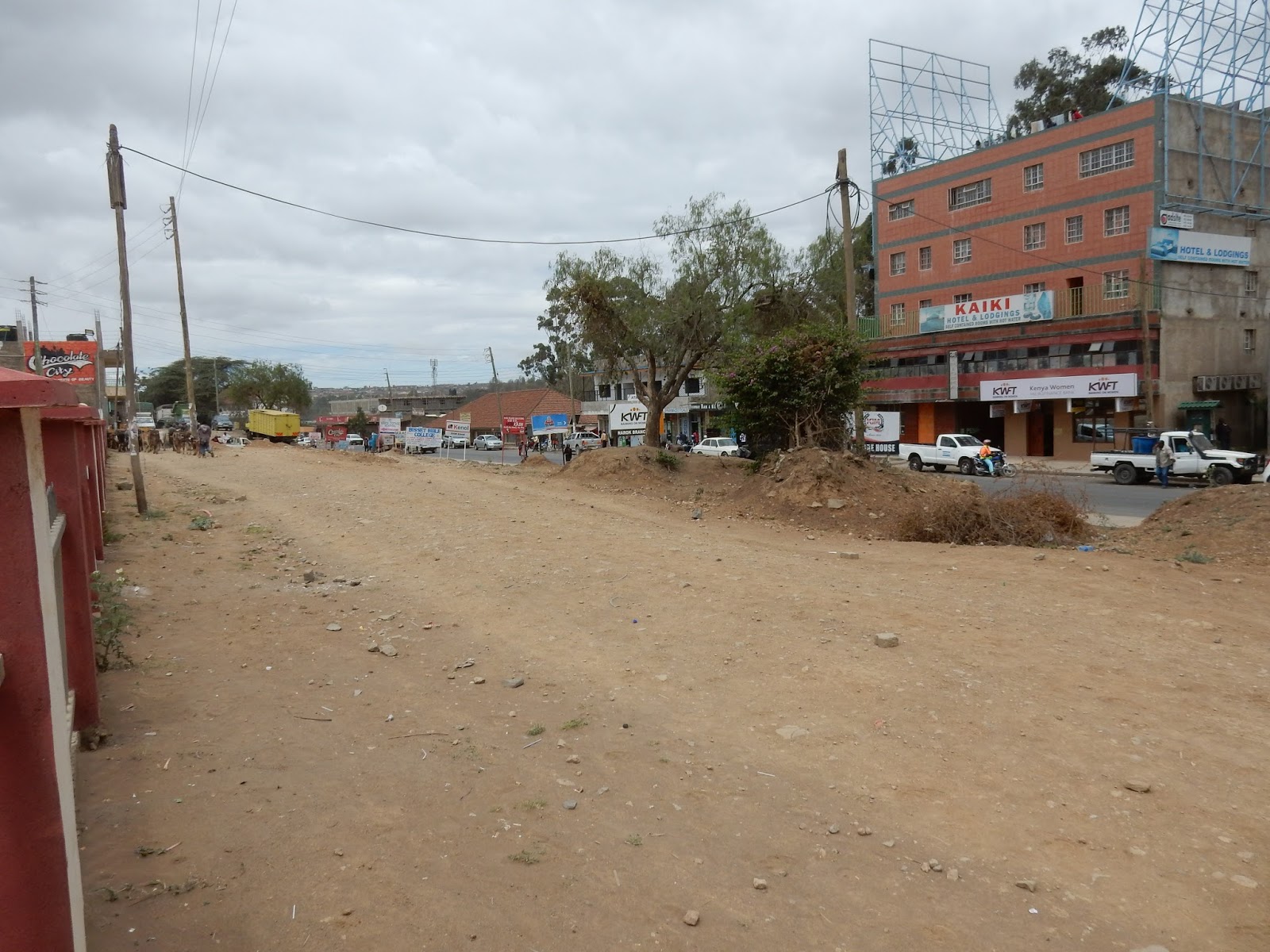
Today’s installment of the “lost files” occurs fairly late in the book, chapter 26. Rueben was the unsavory manager of the safari camp where the businesswoman befriended the lost boy. As I keep reading over all these deleted scenes, I start to wonder why I didn’t leave them in, make it work. Well, maybe it was so that I could share them all with you here. I haven’t gotten my supply of books to sell yet, but you can order “Where the Sky Meets the Sand” from Amazon.com and you’ll probably get it in the mail around the same time that I get mine. Or download it now and start reading today. Oh, and the picture is from Narok when I road through there in October 2015.
 Rueben crawled into his Jeep and took one last look up the street. People crowded the sidewalks, heading in every direction, a buzz of humanity. Where they were always going, he did not know.He thought about the many times he had visited this dirty busy town. The tourists heading out on safari, the locals taking advantage of as many of them as they could. The women looking to do anything they could for any money they could. He sighed. Even the thought of the brothel down the road did little for him. Maybe I really am sick. First no booze and now no women. He shook his head and tried to clear his thoughts. On the seat next to him were all of his possession, little though they were. A few changes of clothes and that was really all. He rubbed a hand across his rough hair. Where had his life gone? What had all the years of driving across the plains, showing the tourists a good time done to him? And why was he so alone after all of that?He started the engine of the Jeep and shifted into gear. As he turned the first corner at the end of the street, his pile of clothes shifted and slid to the floor. Left behind on the seat was the book he had taken from the abandoned hut at Red Rock Camp. Without looking where he was going, he pulled the jeep to the side of the road. That book. What was it even about and why now in the middle of Narok, in the middle of the street did he have to pick it up?He tentatively opened the first page. “This very day in David's town your Savior was born.”Rueben looked around him. The street had suddenly gone quiet. People still scurried about and vehicles of every shape and size drove up and down the road. But all noise seemed to have stopped. The only sound Rueben heard was the sound of his own words in his head. “You will find a baby wrapped in cloths and lying in a manger.”He studied the pictures on the page. A young woman, a tiny baby. He turned the page and beautiful men and women filled the page, dark-skinned men and women dressed in glistening white.“Glory to God in the highest heaven, and peace on earth to those with whom he is pleased!”He continued reading the book, studying each page, each picture, saying the words out loud. All around him people kept walking by and cars and trucks rumbled by, but Rueben didn’t hear any of them.
 Rueben crawled into his Jeep and took one last look up the street. People crowded the sidewalks, heading in every direction, a buzz of humanity. Where they were always going, he did not know.He thought about the many times he had visited this dirty busy town. The tourists heading out on safari, the locals taking advantage of as many of them as they could. The women looking to do anything they could for any money they could. He sighed. Even the thought of the brothel down the road did little for him. Maybe I really am sick. First no booze and now no women. He shook his head and tried to clear his thoughts. On the seat next to him were all of his possession, little though they were. A few changes of clothes and that was really all. He rubbed a hand across his rough hair. Where had his life gone? What had all the years of driving across the plains, showing the tourists a good time done to him? And why was he so alone after all of that?He started the engine of the Jeep and shifted into gear. As he turned the first corner at the end of the street, his pile of clothes shifted and slid to the floor. Left behind on the seat was the book he had taken from the abandoned hut at Red Rock Camp. Without looking where he was going, he pulled the jeep to the side of the road. That book. What was it even about and why now in the middle of Narok, in the middle of the street did he have to pick it up?He tentatively opened the first page. “This very day in David's town your Savior was born.”Rueben looked around him. The street had suddenly gone quiet. People still scurried about and vehicles of every shape and size drove up and down the road. But all noise seemed to have stopped. The only sound Rueben heard was the sound of his own words in his head. “You will find a baby wrapped in cloths and lying in a manger.”He studied the pictures on the page. A young woman, a tiny baby. He turned the page and beautiful men and women filled the page, dark-skinned men and women dressed in glistening white.“Glory to God in the highest heaven, and peace on earth to those with whom he is pleased!”He continued reading the book, studying each page, each picture, saying the words out loud. All around him people kept walking by and cars and trucks rumbled by, but Rueben didn’t hear any of them.


