
Simon Mustoe's Blog: Wildlife in the Balance, page 10
September 28, 2024
Elephant seal Sammy’s sudden reappearance celebrated with love by Portlanders
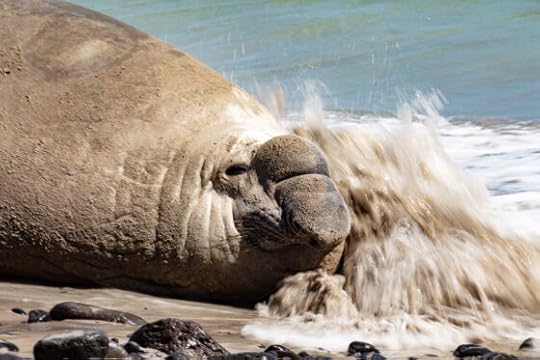
Today I stood on a beach in Portland, western Victoria, and photographed a Southern Elephant Seal lumbering up a beach. Elephant Seal Sammy’s sudden reappearance has made him a bit of a local celebrity. It appears as though he’s been coming back for a few years. It raises a lot of questions from locals though. Like, how old is he, what is he doing here, and how will he survive?
A history of Elephant Seals in Bass Strait
As recently as 1820 there were up to 17,000 elephant seals breeding on King ...


September 25, 2024
Making friends with magpies: let’s encourage it with care
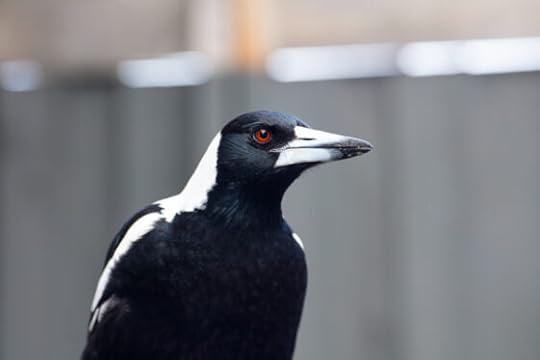
Australian magpies are such charismatic birds. Being fearless, curious and at times, intimidating, they strut about suburban streets like they own the place. They are also one of the continent’s most ubiquitous and sociable animals. Magpies have had a long time to become accustomed to people. Making friends with magpies is normal. When animals choose to be around humans too, that is perfectly natural. It’s a two way relationship. It’s a myth that we domesticated dogs and cats.
September 24, 2024
Bayside cormorants are important for our whole coastline
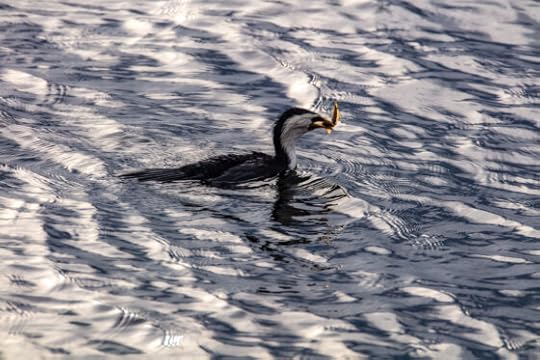
If you’ve been out this winter, you might have noticed an abundance of cormorants. Did you know, that Bayside cormorants are important for our whole coastline. Protecting and potentially building their populations, will boost fish abundance and improve reef health. If we are going to resore Port Phillip Bay to its former glory, our seabirds are of phenomenal significance, yet often ignored. There is very little information on their abundance and distribution in the Bay.
September 20, 2024
The importance of mudflats and why shorebirds matter
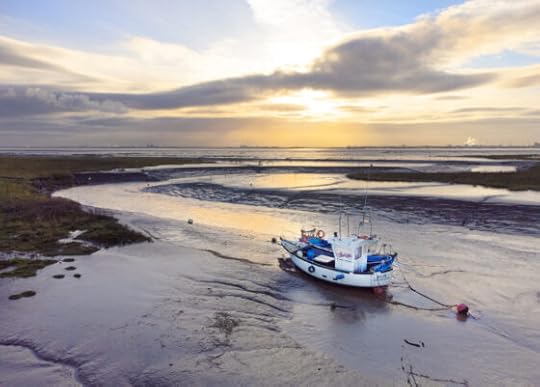
Mudflats store more carbon than forests
Mudflats may look empty and serene most of the time but they are a hotbed of ecosystem processes. These are driven by the animals that occupy the ecosystem. By focusing only on the physical and chemical properties, we can often overlook their true nature.
Overnight a landmark study dropped about the importance of mudflats. The Scottish Association for Marine Science (SAMS), on behalf of WWF, The Wildlife Trusts and the Royal Society for the Protection of B...
September 18, 2024
Film, books and special travel offer for Melbourne Snorkelers!
Hi there,
A few little updates from me as I haven’t spoken to you in a while (sorry).
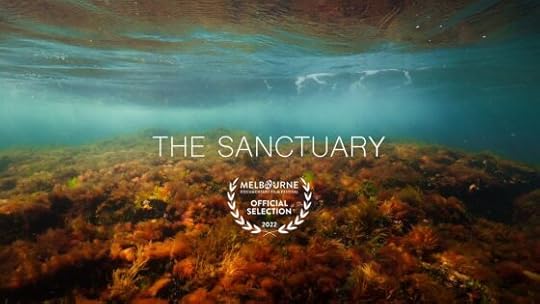
The Sanctuary
If you haven’t seen this already, you should watch this short, award-winning film, with the lovely Ray Lewis OAM of Ricketts Point. I was particularly struck by the statement that the sanctuary was ‘awful’ until it magically recovered after just seven years. Such is the power of nature.
Come say hi in Black Rock this weekend
If you’d like to swing by and say hi, I’ll be at Mantecado Cafe 593 ...
Linking wildlife decline to human health is rare
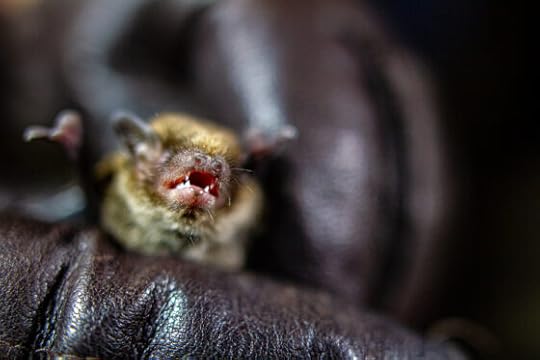
A study came out this week in Science magazine that connects bat decline and pesticide use to infant mortality. These kind of studies are rare: linking wildlife decline to human health. Rare, that is, compared to studies about impacts on animal health. It surprises me how easily we accept the inherent risks of our actions on other animals (even though we might do nothing about it), overlooking the fact that our own species is equally threatened.
August 29, 2024
Inside the Mind of a Dog, capturing life’s bark
Have you seen the Netflix documentary about ‘Inside the Mind of a Dog’?
I’m currently completing a second book which explores the connection we have with animals. It’ll be titled How to Survive the Next 100 Years: Lessons from Nature.
Without giving away too much of the secret, there is a momentous change happening right now. It’s altering the way our planet’s ecosystems are evolving. It’s giving human beings a greater role in our future and it marks a return to a way we used to behave.
August 16, 2024
Why are sharks important?
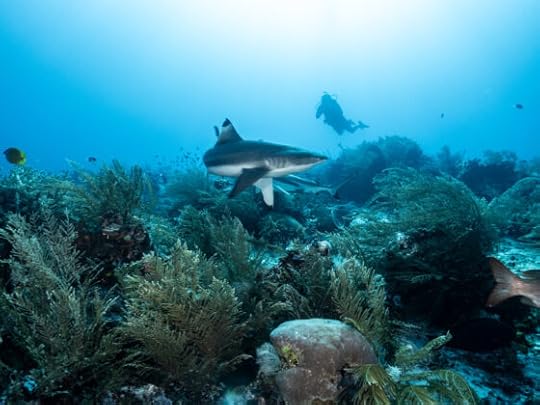
Why are sharks important? Is a question I put to the head of global conservation organisation a few years ago. They could not point to any scientific study that would show this. It forced me to write this paragraph in my book, Wildlife in the Balance:
‘Beth Fulton of Australia’s Commonwealth Scientific and Industrial Research Organisation said that ‘sharks are the glue that holds marine ecosystems together’. That without sharks, the house of cards falls down.
August 12, 2024
Komodo Expedition Trip Report, 29 July – 10 August 2024
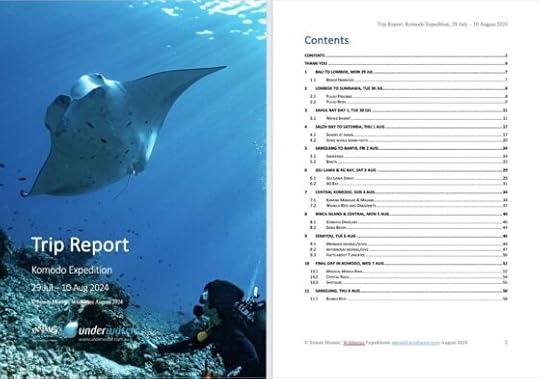
Every time I do these trips I get a thrill from showing people a new way to explore and learn about the ocean. This Komodo expedition trip was magic. Every day was an adventure. The larger ships can’t do what we do. The increasingly shiny and expensive cruise options don’t stop long enough to reach where we can. They travel too far and they simply don’t have the experience to find wildlife.
Click here to view the trip report online
View other trip reports
Our chief in-water guide Apé is renowned...
August 5, 2024
Komodo Expedition Cruise, Dragons and Dragonets
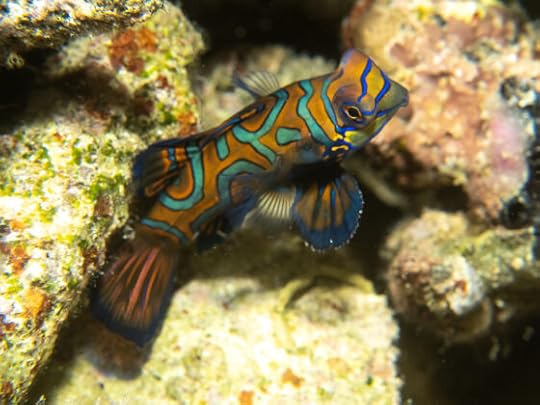
A quick interim report from our Komodo expedition cruise where we are currently cruising on board Pindito. It’s been a really nice week so far … it turns out, we’re following in the footsteps of Sylvia Earle and David Doubilet. Ocean Geographic are doing a film about their work and we keep seeing them pass by.
Our trip started in Bali and we went snorkelling with whale sharks before heading towards Komodo. Manta Rays have put on a bit of a performance and yesterday we went to see the Komodo Dra...
Wildlife in the Balance

- Simon Mustoe's profile
- 3 followers

