Debashis Dey's Blog, page 3
December 29, 2020
Staying Connected while Staying at Home
Staying connected was always easy – a meet up at a cafe or a pub or a mall was never out of bounds. Yes, the new normal is staying at home – so the question is how to stay connected while staying at home.
Amongst the many words bandied about this year, ‘pandemic,’ ‘unprecedented,’ ‘quarantine,’ ‘isolation,’ and ‘social distancing’ are some of the ones we’ve heard most. The last three have come about because of the Covid-19 pandemic and have resulted in the popular phrase ‘unprecedented times.’ A time when hugs, handshakes, and high fives are no longer the easygoing acts of affection they used to be. It’s even extended to the point where we sometimes can’t share the same space, and if we do, we need to maintain a distance of two meters.

Covid-19 doesn’t mean social interaction needs to come to a grinding halt and we cannot stay connected. If anything, it means we need to find more (and different) ways to interact in a time that is forcing us to stay physically apart. Now is the time to lean on activities and tools we may not have used much before and be creative in thinking of and finding new ones. Here are a few ideas for staying connected.
Video Call Family and Friends to Stay Connected
Work meetings may have us all Zoomed out, but don’t let that deter you from having the closest thing you can to a face-to-face chat with family and friends. And it can be so much more than just a catch-up. Organize a coffee date. Have a piece of cheese and wine pairing. Play a round of twenty questions. You might find yourself learning something new about people you’ve known for years. These calls don’t need to be limited to two people. Video calling apps (of which there are many to choose from) allow more than two users: so have family reunions, continue your book club, or host a quiz night for staying connected while staying at home.
Play Games to Stay in Touch
Staying home has made many of us unearth old card decks and board games while rediscovering the hilarity that follows a game of charades. Living alone doesn’t mean you need to lose yourself in endless rounds of solitaire or Candy Crush. Hop online and play with friends and family. You can set up your own games’ night using a video calling app or check out apps like House Party, Psych!, Boggle with Friends, and Words with Friends 2. Who knows? You may even make new friends along the way ! – a nice way for staying connected.
Share Memories While Staying at Home
Online platforms such as Facebook and Google throwback to previous posts and photos, reminding you where you were and what you were doing a year ago. It may make you miss merrier and more comfortable times, but find the silver lining by looking at it as a way of dreaming of a better future. It may be challenging to make plans right now, but that doesn’t mean you can’t have an optimistic outlook.
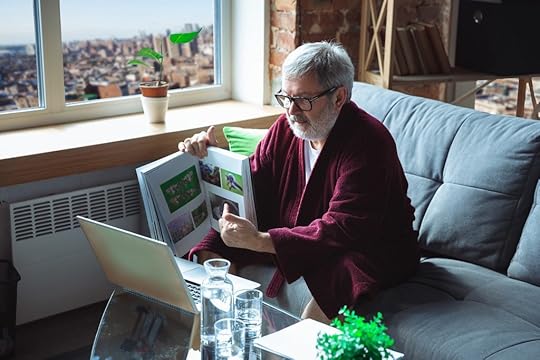
Don’t stick to online platforms either. Haul out photo albums (if you’re old enough or old-school enough to have them), then phone a loved one to reminisce over good times and recollect fond memories. You can also upload old photos and memories, tagging friends and family to let them know you’re thinking of them. A pleasant way for staying connected.
Learn Something New for Staying Connected
Our lives have changed so much in the last year, and it’s forced us to adapt our lifestyles and adopt new habits. It also means many of us to have more time on our hands. Take the opportunity to learn something new. Whether it’s learning to knit, baking bread, or speaking a new language, now is the time to tick it off your bucket list while staying at home.
Use your newfound skill to connect with others and stay connected. Knit scarves for your friends or baby booties you can give to an expecting friend. If you know someone who speaks the language you’re learning, call them up for a chat, and practice your vocabulary simultaneously. It might even be something you can add to your résumé.
Write, Watch, Record while Staying at Home
Keep track of your new skill by expanding your creativity even further. Keep a diary or start a blog, tracking your progress. You can even keep a pandemic diary for posterity’s sake. And when was the last time you wrote a letter with paper and pen? Write one every day to a friend or family member while staying at home. Hand deliver it when you see them again.
Apply an existing skill and take it to the next level. Start a blog, vlog, social media account, or even a podcast focusing on something you’re passionate about. Are you an avid photographer? Share your work for staying connected. Binge-watching your favorite TV show? Start a re-watch podcast and dissect the episodes.
Support Arts and Culture for Staying Connected
What are some of your regular lockdown or socially-distanced activities? There’s a good chance you spend a significant portion of your time binge-watching the latest hot series, exercising to your favorite music, or curling up with a good book. Due to the very nature of how this kind of work is created and delivered, arts and culture have taken a hard hit by the pandemic.

But the show must go on, and artists have found a way to bring their work to people despite the circumstances. By supporting arts and culture, you not only help people who rely on these industries for their livelihoods, but art is also known to have many individual and social benefits. In contrast, culture keeps us connected to our families and communities. We may not be able to attend the theatre, visit galleries, or go to movies the way we used to, if at all, but there are still many ways to support arts and culture. Watch a theatre performance online while staying at home. Support your favorite author and local bookstore in a virtual book launch. Visit virtual galleries and exhibitions or attend a live concert online – a great way to share thoughts and staying connected.
Exercise while Staying at Home
Exercise can increase energy levels, reduce the risk of chronic disease, improve memory, and aid sleep. And it makes you feel good! You may find it difficult to drag yourself to the exercise mat every day or put on those running shoes, but nothing beats the feeling of reaching the finish line. There are many apps and video channels available, offering various exercises. If you don’t fancy a gym-style workout, make it more fun by following dance videos, finding your balance with yoga, or metaphorically pummeling the pandemic with a kickboxing-inspired workout. This could be the best thing to boost your moral while staying at home.
Organize an exercise group to keep you motivated and exercise together online. If you attended classes pre-pandemic, stay in touch with the class and instructors to determine whether they’ve taken their activities online. Not only will you be able to continue your practice and stay connected, but you can support another industry heavily impacted by the pandemic while staying at home.
If you can exercise outside, take advantage of it, as being in nature or surrounded by green spaces has positive impacts on mental health. You can also connect with others during your daily routine. Miss your jogging buddy? Continue exercising together but stay a safe distance apart or run on opposite sides of the street – a healthy way to stay connected. Try out different routes simultaneously and compare notes about which ones are longer or more challenging.
Make Your Home Work For You
You’ve probably never spent so much time staying at home before, so you may be wearing out your sofa cushions or growing tired of sitting in the same place all day. Switch it up. Try a different spot on the couch or take the next step and move around the furniture for a new look. It’s also the perfect time to spring clean. You never know what you may find when you’re shuffling and shifting things around. Call family and friends for tips. Take a photo before you start and, upon completion, share your before and after photos.

Gardening is another great way of improving your home while getting a bit of sunshine and exercise too. Bring nature indoors by livening up your home and elevating your mood with house plants, fresh flowers, and herbs for your kitchen. This is especially helpful if you don’t have a garden.
If you’re working from home, create an office space for yourself. Whether it’s a separate room, workstation, or cozy corner, dress it up or down to make you feel ready and able to face that cluttered inbox. Try to keep your working space free from distraction and separate from leisure activities. Don’t set up next to the TV or within reaching distance of your snack horde. If you live in a small space and have no choice, find other ways of blocking distractions. Lock away your cellphone, put up a folding screen, or draw up a schedule. Stay in touch with colleagues, but make sure it’s about more than just talking shop. Ask how they’re doing, reach out to those in need, find out how they’re staying connected, or liven up a full and distanced day by pausing for a virtual coffee break together or choosing fun themes for your video call backgrounds.
Be Kind and Connect with Helping Organizations
We shouldn’t wait for a pandemic to let our good natures shine. But it is often in times of strife that the good, the bad, and the stupid breakthrough. Lean into your good side and practice small acts of kindness, not only as a way for staying connected but also as a means to reach out to those who are old, living alone, or may not have the support or means you or others do.
Support organizations or struggling businesses with a donation. Driving through town and noticed your favorite bookshop has closed down? Please don’t take it for granted that the business has folded. Search their site or social media accounts – for all you know, they’ve just taken their business online, and you can still support them. If you can’t do so financially, help them out by spreading the word.
Create New Social Spaces for Staying Connected
During the lockdown, while staying at home, many people around the world found creative ways for staying connected and interact with others. Balconies, terraces, rooftops, and gardens became safe spaces to talk with neighbors, exercise, hold impromptu musical concerts, and cheer on front-line workers. No matter the problems the pandemic poses, people will always find ways to create new social spaces, activities, and tools so we can keep on staying upbeat, staying focused, and staying connected.
The post Staying Connected while Staying at Home appeared first on Zen Lounge - Meditation & Stress Relief App.


December 27, 2020
Meditation for Kids | Why Should Kids Learn Meditation
Do you have questions about meditation for kids? Perhaps, its limitations, benefits, and how to do it? Are you confused and concerned that it might not be right for your kids? Here’s an in-depth view of everything you need to know about meditation and its vitality for kids.
Research shows, meditation for kids can make them more caring, understand their emotions better, and take control of life at an early age. Meditation for kids can be extremely helpful in building a positive outlook towards life. It helps build empathy, compassion and also cope with unwanted stress.
Our world today is filled with lots of extremes. There’s almost no time for boredom, stillness, relaxation. We are often in the alpha state, forever responding to one stimulus after another. Our kids are not left out, and so they are plagued with remarkably high levels of anxiety, stress, and restlessness. It’s no wonder kids today suffer from a wide range of chronic conditions often linked to their mental state. Meditation helps kids in proper focus, concentration, better health and much more. Meditation for kids sleep, helps them relax properly for better mental health and unwinding.
Why should kids learn meditation
Meditation is a mind-body practice that helps us have moments of calm to become self-aware and reconnect with ourselves. Meditation isn’t just about the mind, but it is focused on the whole self to reach the goal of a peaceful and energized state of mind.
Because meditation offers a space for them to take care of their minds, it should become an important practice. However, you might ask – how can meditation help my kids? Is it some magical gateway, or is there more to the picture than meets the eye? Let’s look at some critical advantages of why teaching your kids about meditation is a perfect idea.
We need to teach our kids to look after their minds, just as we teach them to care for their physical being.

Guided Visualization Meditation for Children
Benefits of Meditation for Kids
Meditation places all of us (kids and adults) in a calmer, quieter, and peaceful state. However, there are many other great benefits you wouldn’t want to miss:

Self Control
Teaching your kids self-control can help them learn to deal with unwanted emotions in a better way that is socially acceptable and therapeutic. Meditation can also help them manage their anxiety effectively. Meditation practice helps to reduce the levels of the stress hormone cortisol. Some Neuroimaging studies observed that meditation is effective in reducing brain matter density associated with anxiety. A 2014 research published in JAMA Internal Medicine on the analysis of transcendental meditation or mantra-based techniques and mindfulness-based stress reduction practices has shown that it does lead to positive outcomes in stress, depression, and anxiety.
Such coping skills they learn can even last a lifetime, although studies are still too early to prove the long-term effects of meditation for kids.
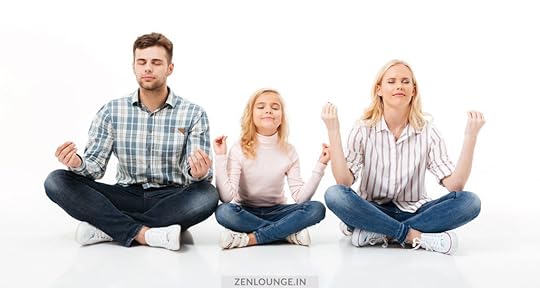 Happy family meditating together with kid
Nevertheless, many meditation practices can help kids acknowledge what makes them anxious and fearful. Meditation can gently push them into accepting that their emotions are simply a part of everyday life. If you begin early enough, you can harness these very specific and lifetime benefits for your kids.

Meditation for Kids help in Enhanced Focus
Our generation today deals with a lot of distracting elements. Our kids are now constantly surfing, be it the web, social media, video games. Technological gadgets have become extensions of their hands, instead of books, friends, and so on. And so they are consistently absorbing multiple sources of information at once. All of these have made it difficult for kids to focus and remain attentive. Studies show that meditation can help kids focus on one thing at a time. Some other behavioral studies show that it can decrease mind wandering and increase working memory. Meditation for kids sleep and proper relaxation is also helpful to bring their mind at a restful state.
Evidence also suggests an increasingly positive effect on cognitive performance, critical to their ability to focus. Neuroimaging studies show it increases brain matter density in areas connected to memory and learning. A 2014 review of over 24 studies also showed that mindfulness could improve cognitive performance, especially in disadvantaged kids. Many other studies, such as the review in 2014 and another review in 2017, show that mindfulness has small, positive therapeutic effects on areas like attention, introspection, and emotion regulation.

Empathy and Happiness
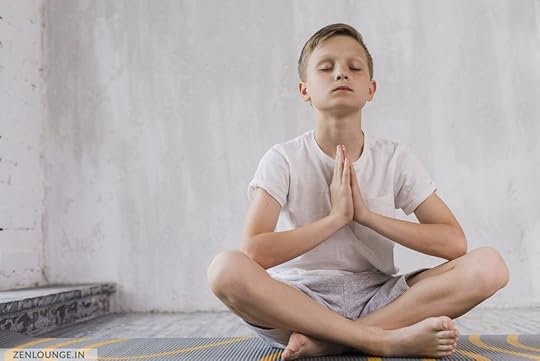 Kids can become more caring and giving with meditation
Children’s meditation can help them learn to understand their emotions, which also transforms how they interact with other kids. They will learn to be more patient, understanding, and giving. They will learn to listen more to others and empathize with one another. Loving kindness is one of the meditation types focused in building empathy.
A study cited in Slate Magazine, a mindfulness program introduced to over 400 low-income minority elementary schools, observed that students became more caring, participatory, and focused at the end of the five-week study.

Meditation for Kids Improve Self-esteem and Compassion
Meditation can help kids become self-aware, which in turn boosts their confidence and self-esteem. They will also learn to understand that some pressures and circumstances are sometimes beyond their control. Therefore, it helps them deal with challenging situations and even insecurities in their life. Consistent meditation can help them react better to such pressures and circumstances. It will also boost their feeling of empathy, security, and internal stability. And consequently will lead them to build inner joy and self-esteem. They will learn to develop a profound appreciation of life at the moment, ultimately making their resilience and ability to adapt.

Manage Diseases
Mindfulness meditation can also help kids deal with illnesses where their mental and emotional well-being plays a role. For instance, it can help kids with the autoimmune disease lupus process their feelings and manage their symptoms. It can also help other kids manage difficult conditions such as stress, ADHD, hyperactivity, and depression.
There are quite a few meditation apps for kids today – even any simple app with soothing music can be used to introduce basic meditation. Meditation for kids sleep and relaxation can easily help in stress relief and calm a hyperactive child.

Coping Skills and Academic performance
Practicing meditation can help children sleep better, become attentive, self-regulate their emotions, focus, retain information, and become more creative. Therefore, meditation improves their overall well-being to help them become more motivated and confident in their abilities. Which ultimately leads to more significant academic achievement and even better choices in life. One pilot study in San Francisco, involving some of the poorest schools in the area, provided mindfulness training to kids over four years. They found that academic performance increased and suspensions decreased by over 70% at the end of the study.
Teaching Kids to Meditate
There is no doubt that meditation offers many positive benefits for kids, but research is still in its early ages. Studies show its effects, but the reasons behind those effects and whether the results are specific to meditation and mindfulness instruction is still unknown. However, even as there is a lot to learn about meditation practice, you cannot dispute the unique ways it can help kids deal with the stress of living in our society today.
Now you know all about the benefits of meditation for kids, let’s look at teaching them. Typically, meditation requires; a quiet location, open attitude, focus of attention, and comfortable body position. You can start using any of the Youtube channels focused on kids meditation or story telling and introduce the process. For over active kids you can try specific meditation for kids sleep which utlizes nature sounds, calming music etc.
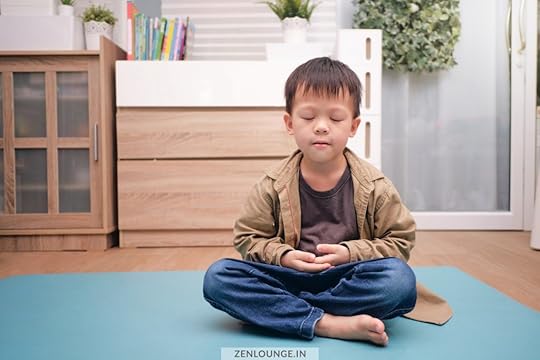 Teaching meditation to kids can be challenging and require expertise.
Teaching Kids to Meditate can be Challanging
However, meditation for kids and adults is an entirely different thing. Teaching kids to stay still can be challenging and requires special care. On the one hand, adults have more patience, capacity for self-reflection, and can be even for more extended periods. For kids, their ability to meditate will grow very slowly. When they finally get the hang of it, it will become easier for them to get into the meditation zone and connect within themselves. Therefore, kids are generally more receptive and willing. Their curiosity and willingness to embrace new things can be an excellent foundation for teaching them, but it isn’t a goal that comes soon, just like you would see with adults.
Nonetheless, timing can also help simplify things. According to Experts, age and time for meditation activity can allow kids to acquire the habit of meditation. Many Experts recommend that training can begin from ages 3 or 4 years, with breathing techniques to help them understand their bodies’ changes.
Mindfulness Meditation for Kids At School
Some schools have meditation practice sessions for kids. But, research is still in its early stage. So, there is no formal or national accreditation for schools’ instruction and practice. However, many schools have now adopted a proper path to helping kids enjoy meditation benefits.
In some schools, it has become an alternative to discipline. Therefore, when kids are unruly, they are sent to the meditation room instead of traditional detention. Some such schools have reported that meditation practices have helped reduce the number of suspensions. Other schools use mindfulness meditation to educate the Whole Child program to help kids learn stress management, breathing for physical awareness, nutritional knowledge for healthy eating, social and emotional skills for effective interpersonal connections, and many more. Therefore, meditation is a great addition.
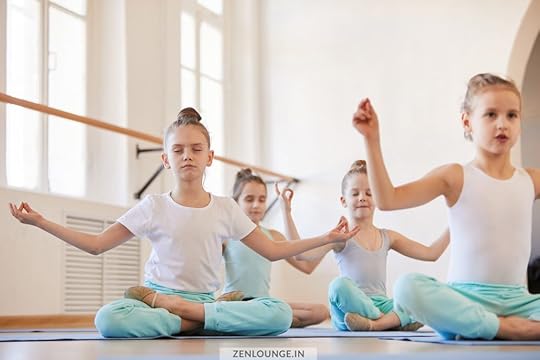 Meditation classes at school can help control behaviour and manage stress
However, it would help if you also asked questions when the training happens in the school setting. As echoed by Vox, here are some vital questions to ask at school to figure out if your child needs the programs at school or that your sessions as a family would be adequate:
Is mindfulness instruction taking over other valuable activities? For instance, is it taking over physical fitness or math instruction, or reading? School time is already often packed, so it’s essential to plan appropriately.
How much does the program cost? Where is the budget coming from?How well are the instructors trained? Teaching mindfulness to kids and youths requires more rigorous training than for adults.Are instructors using the techniques too? Experts say it can make a huge benefit.Will students learn about its real history or learn only about the secularized versions? Some parents might not want their kids to learn about their origins.Are there proper quiet spaces for the training? Without such an environment, it becomes a waste of time.Will the sessions focus on reducing anxiety and stress or controlling behavior?Overall, balance is essential in any school day. Therefore, if mindfulness offers a space for relaxation by merely taking the time of a busy school day, it is an excellent choice to make.
Basic Techniques To Teach Kids To Meditate
Besides meditation and mindfulness programs in school, meditation for the whole family is a great idea. However, it is equally important to boost their curiosity first. Again, it is not proper to force meditation on them. You should also teach them to be responsible, so they don’t see the sessions as some obligation. If you have teenage kids, you should focus on helping them build their independence. It is recommended to work with them by creating a space where they can practice on their own.
It would help if you also considered meditating in very short bursts ( 5 minutes or less), early in the morning, or as part of a bedtime routine. That way, it becomes less likely for your other responsibilities, and there’s to compete with it.
Meditating with Kids
Nevertheless, you may wonder – how do I teach meditation techniques to my kids? First, you need to start your practice to become an excellent example for them to emulate. Kids need adults to behave in the ways they want to model. They want to hear and feel that you know enough to help them adapt to their own needs and preferences.
But you don’t need lots of experience! Once you get the hang of it, you can start having sharing the experiences with them. Trust your intuition to help you create a practice that you can enjoy together with your kids. Make sure to keep things simple, and it just might be a way to help you connect deeply with your kids.
Meditation For Toddlers
Technically, meditation can begin from ages 3 or 4. However, it is pretty great to help them enjoy the process from as young as possible. For them, you should focus on teaching mindful movements. For instance, have discussions about things that make them happy or touch different parts of their body that feel happiness. You can also help them think of something that makes them unhappy and show where they feel such unhappiness. Help them learn to relieve those sad feelings by engaging in the sounds and fulfillment of taking a deep breath.
At this moment, you shouldn’t try to make them sit still. If the children fidget, it isn’t a bad thing. The idea is to help them recognize stress signals and learn practices that help them out of balance. Focus on keeping sessions for them as short as possible – even 30 seconds can be a great start.
Meditation for Ages 3-7
Consider teaching your kids meditation through stories, songs, yoga hand positions, and other fun activities. You can consider helping them imagine the scent of a flower and taking a deep breath of that flower. Help them imagine just how the flower’s aroma feels and how they feel after smelling it.
Using stories, consider featuring their favorite toy or pet to help them practice deep breathing. If they resist doing it, consider doing it yourself, a bit more, by focusing on the breath to become curious about the process. Many parents use meditation for kids sleep and proper resting to check on hyperactive behaviour.
It is also essential to help them start dialogues about their feelings and emotions to connect to their happiness, anger, and pain. Do note that kids may not know how they feel, and that’s normal. At this age, your goal is to help them connect with themselves and be fully present, even if they cannot fully express themselves due to their limited vocabulary.
Meditation for Children Ages 8 and Up
It is vital to teaching them the correct way to breathe at this stage, among other techniques. However, it would be best if you also let them make their preferences. Consider helping them understand the process of it all, especially the why’s to arouse their curiosity at using such strange techniques to become calm.
Calming guided meditative music and recorded meditation are also great tools at this stage. Your goal is to let them choose and create their own comfortable space and practice. Meditation works better when it is personal. It would help if you let them select the sounds or voice textures for their meditation practice. There are tons of meditation and music resources to try out for kids on our app. Many of these focus on short and fun-filled activities that can help them focus, become calmer, and even have a restful sleep.
Concluding Thoughts
Meditation for kids is a wholesome idea, but always remember that consistency is key to earning all of its benefits. Besides, it would be best if you were patient and committed to the process.
It might take some time to help your child become excited about the process. However, as they become committed and motivated, they will enjoy the benefits a lot more. Children don’t also learn by merely instructing them without practicing on their own. So, it would help if you led them.
Moreover, meditation for your entire family can help strengthen your family. Provide them the tools to practice, and join them from time to time. In the end, you can lay the foundations for your child to become successful and enjoy a fulfilling life all around.
The post Meditation for Kids | Why Should Kids Learn Meditation appeared first on Zen Lounge - Meditation & Stress Relief App.
December 25, 2020
Buddha, Buddhism and Religion
Buddhism is a philosophy or way of life-based on the teachings of Siddhartha Gautama. With about 500 million followers worldwide, Buddhism qualifies as a religion. It is a non-theistic religion, following the philosophical teachings and guidance of Buddha as opposed to a god or group of gods.
Buddhism’s roots back to more than 2 500 years ago. Gautama Buddha was born as Prince Siddhartha in Lumbini, what is today known as Nepal. He got married, had a son, and a life of luxury. Despite a life of comfort and luxury, the suffering he saw in the world moved him deeply. And this prompted him to give up his former life in search of more meaningful fulfillment.
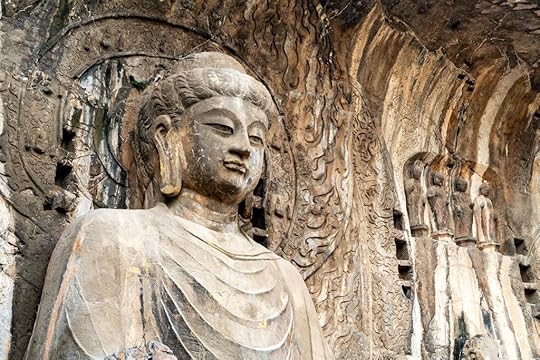
The Enlightenment of Buddha
After years of searching, he was found meditating under a Bodhi tree , in a place called Bodh Gaya, having reached enlightenment. He understood the cause of real suffering – in an ever-changing world, we humans always want to hold on to our positions, relations, and possessions. To put an end to suffering, we must surrender to and accept change. This realization freed him from ignorance and illusion, and he became enlightened or the Buddha.
Buddha - Four Noble Truths
After attaining enlightenment, he explained his belief on life in his Four Noble Truths:
Life is sufferingThe cause of suffering is desireThe end of suffering comes with an end to longingThere is a path that guides one away from desire and sufferingAs explained above, this path allows one to live a life free of desire and attachment, which can cause suffering. Also, to be noted that the path is an eight-fold path consisting of right view, right resolve, right speech, right manner, right livelihood, right endeavor, right mindfulness, and right focus and concentration.
Teachings of Buddha
After Siddhartha passed, his followers sought to organize his teachings into what would become Buddhism. Its most essential teachings are known as the four noble truths: dukkha (the truth of suffering); samudaya (the truth of the cause of suffering); nirhodha (the truth of the end of suffering); and magga (the truth of the path that frees us from suffering).
As Buddhism grew, it evolved, taking on new meanings and interpretations amongst its many followers. The three main branches that have evolved are Mahayana, Theravada, and Vajrayana. In the 3rd century B.C. Buddhism became the state religion of India. Today it is most prominently practiced in East and Southeast Asia but has gained popularity and following in the West.
Buddhism Vs Hinduism and Other Religions
Christianity, Islam, Hinduism, and Buddhism are the four most widely practiced religions in the world. One of the main differences between Buddhism and these religions is that it is non-theistic, meaning there is no belief in a supreme god or deity. Other religions such as Shintō, Sikhism, Judaism, and Cao Dai also differ primarily from Buddhism in that they are all theistic religions. The three largest theistic religions also deal with sin and forgiveness, whereas sin is not a Buddhist concept. There is also no hierarchy of power within Buddhism. It also shares commonalities with other religions, such as sacred texts and symbology, attending places of worship, and geographical prominence.
With more than two billion followers, Christianity is the world’s largest religion. Its following grew in number due in part to the work of missionaries and colonizers. Buddhism differs in this regard: although its teachings are open and available to all, it does not seek to evangelize. Islam is the second-largest religion in the world, spread by the Prophet Muhammad. While Siddhartha is a central figure in Buddhism, he was an ordinary man and not a prophet.
Hinduism, the third-largest religion, is practiced primarily in India, Nepal, and Indonesia – sharing geographical terrain with Buddhism. Siddhartha was a Hindu prince, and his search for enlightenment came when India was experiencing significant religious and philosophical change. Just as Buddhism has gained prominence in the West, aspects of Hinduism (such as yoga and the use of chakras) have become popular in the Occident.
Buddhism is different from other religions in having had no holy war, but there is a history of Buddhist extremism and violence, particularly in Sri Lanka. However, Buddhism practices non-violence. As with other faiths and religions, this violence is not a reflection of its spiritual tenets but rather a reflection of its misuse in the hands of purported followers.
What is Buddhist Meditation
Buddhism considers awareness, balance, kindness, and wisdom as essential tenets in Life. By developing these, one gains insight into the nature of reality, the cause of suffering, and ultimately enlightenment. One can only achieve this through meditation.
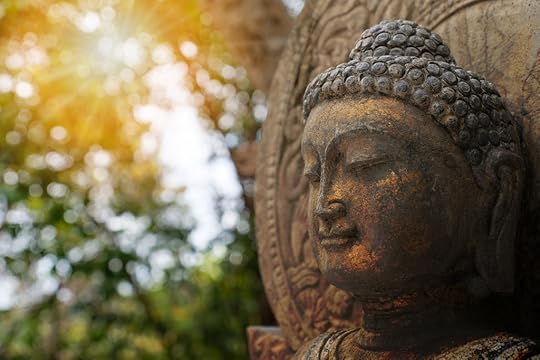
In Buddhism, to understand the world, one must be awakened. One of the tools used to achieve this is meditation. Siddhartha himself followed this practice, honing his skill under the tutelage of many teachers.
Practicing Buddhism is a process of change, which includes a modification of the mind or our thought process. Many things in life are beyond our control, but we have the power to change our minds. Meditation is a means of transforming the mind and achieving more positive states. Meditating takes on many different forms, but its ultimate goal is calm and positivity.
Meditation uses techniques such as visualization, loving-kindness, and mindfulness. Sitting comfortably on a chair or cushion and good posture and breathing techniques are central to the practice. There are many different forms, including Zen or Zazen, Vipassanā, and Shamatha.
Meditation is sometimes mistaken for prayer, but since Buddhism is non-theistic, meditation is not about reaching a higher power or being. Instead, it focuses on mind and body, reaching towards our potential and, ultimately, enlightenment.
Buddha Temple - Stupa
Worship can take place at home or in and around Buddhist buildings and structures. Like many religions, Buddhism is renowned for its aesthetic places of worship. There are three types of Buddhist structures: stupa, vihara, and chaityas. Stupas are places to hold sacred relics. They originated as mounds of clay but evolved into extravagant objects of reverence. Stupas also contain small offerings known as tsa-tsas – the more of these a stupa has, the stronger its energy.
Viharas are an early type of monastery with an open court and residence for monks. Chaityas are shrines or prayer halls, later known as temples. Pagodas refer to stupas and temples collectively but often refer specifically to Chinese and Japanese temples.

In many languages, the word for temple is the cave, and temples’ construction began with the hollowing out of rock faces. Gradually these temples became more complex and elaborate. The architecture of a country typically inspires the architecture of temples in that country. As a result, there are no two temples alike, but they sometimes differ significantly in style and design. Wat Benchamabophit in Thailand, Seiganto-Ji in Japan, Paro Taktsang in Bhutan, and Kye Gompa in India are examples of various Buddhist temples worldwide.
Temples usually contain objects such as Buddha statues, incense, fruit, and flowers. You may also hear bells tolling, especially around New Year and other special occasions. Temples face east or south, but never north or west as these are considered unlucky directions. The entrance is usually through the left door and the exit through the right. There is also the main hall with space for monks and other followers to worship. Temples have even become tourist attractions, and some have little shops selling religious souvenirs.the
Buddhism - Objects and Symbols
Just as Christianity has the Bible, Islam has the Qurʾān, and Hinduism has the Vedas scriptures, Buddhism also has sacred texts. These include Tipitaka (considered the earliest collection of Buddhist writings), sutras (sacred teachings), and, describing the stages of death, The Book of the Dead.
Important symbols include the lotus flower, representing a vision the Buddha had of the human race as a lotus flower bed. The unfolding of the petals represents each human being’s ability to unfold their potential and grow towards enlightenment.
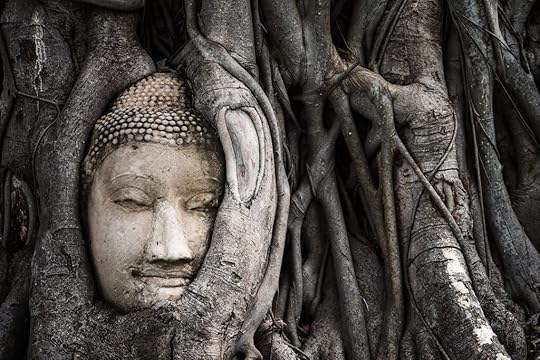
Bodhi Tree
The Bodhi tree is another important symbol, as it was under this tree, the Buddha achieved enlightenment. Bodhi tree is the Fig Tree also known as The Tree of Awakening – Ficus religiosa. The leaf of the tree signifies the potential that lies within each practitioner to awaken as well. Bodhi is also a word that means ‘awakening.’
We often see statues of lions at the entrances of shrines, monasteries, and temples. Lions have a history of symbolism across many cultures and religions. It is usually a symbol of royalty and strength, and this is no exception within Buddhism. The lion speaks of the Buddha’s royal origins and his power to assuage suffering and further his teachings.
Buddha Bowl
Buddha bowls are food bowls filled with vegetables, beans, and whole grains. They are more of a contemporary food trend, popularized by images on social media, than an actual Buddhist concept. However, these bowls represent the Buddhist principles of balance and, more literally, monks’ use of a bowl to accept food from the surrounding community.
The balance refers to the balanced nutrition offered by the ingredients in the bowl. They are also vegetarian or vegan, in line with Buddhist principles, which prohibit the killing of living things. However, not all Buddhists are vegan or even vegetarian, as some texts do not condemn meat-eating.

Although Buddha bowls are not Buddhist, they indicate Buddhism’s increasing representation in contemporary and popular culture and its growth as a global religion. In Western culture alone, we can see Buddhism in films, and T.V. shows many times over. In 1922, the German writer Herman Hesse published the novel, Siddhartha, following a man’s story of self-discovery in the time of the Buddha. And even further back, in 1903, Sir Arthur Conan Doyle was sending his famed detective Sherlock Holmes to Tibet to spend time with the head lama.
Buddha Quotes
Buddha quotes are illuminating and full of wisdom. As such many people frame Buddha quotes to keep at the office or at home. Below is a small collection of a few of his famous quotes with which we intend to end this article:
“To live a pure unselfish life, one must count nothing as one’s own in the midst of abundance.”
“What you are is what you have been. What you’ll be is what you do now. “
“Silence the angry man with love. Silence the ill-natured man with kindness. Silence the miser with generosity. Silence the liar with truth.”
“Health is the greatest gift, contentment the greatest wealth, faithfulness the best relationship.”
“You can search throughout the entire universe for someone who is more deserving of your love and affection than you are yourself, and that person is not to be found anywhere. You yourself, as much as anybody in the entire universe deserve your love and affection.”
The post Buddha, Buddhism and Religion appeared first on Zen Lounge - Meditation & Stress Relief App.
December 21, 2020
Visualization Meditation – How to Visualize and Condition Your Mind
Visualization meditation is an excellent way of relaxing your mind. Contrary to popular belief, you don’t need to visit a Spa or go on a vacay to unplug and relax your mind. Instead, you can practice visualization meditation.
Scientific studies show that visualization helps your mind create a robust and detailed mental image, helping you achieve deep relaxation. Besides, visualization can motivate you and propel you towards achieving your goals and dreams.
Visualization meditation is an excellent tool for alleviating stress, anxiety, depression, and cancer, among others. With that in mind, this article aims to give you insights into the meaning of visualization meditation, how to practice it, and its benefits.
What is Visualization Meditation?
Visualization Meditation is the process of imagining yourself doing something and picturing the consequences of your action. It is a cognitive process of reflecting or imagining how something will turn out before it happens. Visualization works by conditioning your mind to achieve success or achieve a future goal.
Visualization is one of the many types of meditation. A few call it a mental rehearsal or mental imagery. Visualization and meditation are not interchangeable because they involve using your imagination and the mind to influence your body. You combine meditation and visualization with helping you picture something positive during meditation.
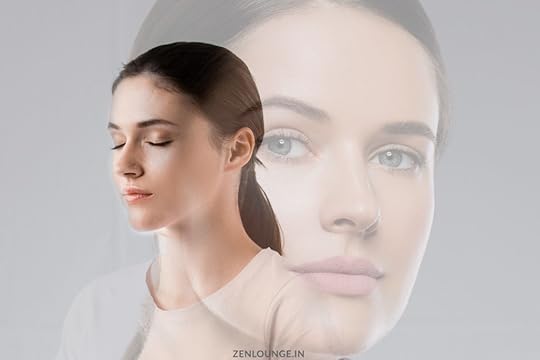 Visualization Meditation is the process of imagining yourself doing something
That said, visualization can be as simple as pausing for 10 seconds, just before jumping off the diving board, or as tricky as picturing yourself delivering a speech for the first time. Nonetheless, focusing on your deepest desires can help you develop the confidence to make your aspirations come true.
During the 1984 Olympics, Russians used visualization to help them improve their sports performance. That is when visualization gained its popularity. The famous athlete, Michael Phelps, still incorporates visualization in his day-to-day practice to help him win. If you visualize yourself winning a race or excelling in your dream career, you’re more likely to make the visualization come true.
How to Practice Visualization Meditation
If you want to reap the full benefits of visualization meditation, you must take time to reflect on your life. Practicing visualization meditation for a few minutes each day is beneficial.
However, if you want to gain deeper access to your inner self, you should increase your visualization sessions’ duration. During your initial sessions, you may not be able to concentrate for long.
You are likely to get distracted by your thoughts and feelings or noise from your surroundings. To reap the benefits of visualization and improve your capabilities, your practice should be frequent enough. Don’t give up.
Below are some insights on how to become better at visualizing during meditation:
Focused attention exercises
Sharpening your focused attention can improve your visualization meditation skills. A quick and controlled deep breathing exercise can help you remain calm and improve your alertness.
Focusing on your breath shifts your focus from unwanted or intrusive thoughts. You can also direct your full, undivided attention to one single object.
Pay attention to one crucial aspect of your life
If you intend to use visualization meditation to improve your life and make real changes, learn to focus on what’s essential in your life. Avoid focusing on several domains at once. For instance, you can choose to focus on your studies, relationships, or career.
Imagine it to make it happen
Your thoughts and feelings can shape your actions. Therefore, if you want something to happen, you need to visualize whatever you want to manifest and then make it happen.
For instance, you can visualize yourself living the kind of life you want as if it is real. If you do that, you will act to make your dreams come true or attract what you want over time.
Do not dwell on negative thoughts
Negative thoughts are likely to creep into your mind during your visualization exercises. However, you must downplay or ignore all your worries, fears, and arguments.
Do not allow negative thoughts to fill your mind because they can grow stronger and affect your life. Instead, teach your mind to think positive thoughts.
Meditate on a medium-term goal
Visualization can help you materialize your goal. If you set a two-month goal, what exactly do you want to achieve by the end of those two months?
Try to be specific about what your goal entails and picture yourself taking steps to propel you towards the success you want. It’s good to have a clear picture of what you want.
Picture your life when you achieve your goal
Try to imagine how your life will change when you accomplish your goal. What will your achievement feel like? How will your life be different because of achieving your goal? How will you feel, and what new experiences do you anticipate?
Take time to envision your progress
Visualizing yourself experiencing the exciting feelings of accomplishing your goal and sharing the good life can help you reach your goal. Therefore, take time to imagine and enjoy the moment. Try to see yourself in that place you want to be and enjoy been there entirely.

Make a plan for the path you want to follow
This step entails devising an action plan. What essential steps do you need to take to make your goal a reality? Whatever steps you come up with, ensure you set
SMART goals around them. Let the SMART goals guide you toward achieving your success.
As you end your visualization session, try to relax, and note all the sensations you experience in your surroundings.

Reflect on your goal regularly
Be sure to check whether you are making progress. Take time to reflect on the actions you’ve been taking toward accomplishing your goal. Remember, you can make significant changes by consistently taking a single step each day.
 Visualization Meditation has quite a few benefits
 Benefits of Visualization Meditation
Evidence-based research shows that meditation can reduce oxygen intake, lower blood sugar levels, lower blood pressure, and slow your heart rate. On the other hand, visualization can make your dreams and goals come true. It can help you attract success and prosperity.
For many years, athletes and dancers have been using visualization to improve their sports and physical performance. Also, research shows that people who practice visualization exercises tend to have more muscle strength than people who visit the gym
But, what benefits can you reap by combining visualization and meditation? Let us find out.
Help relieve stress
Visualization meditation helps to reduce the production of cortisol, which is a stress hormone. It also promotes the release of feel-good hormones known as endorphins.
That said, visualization helps to relax your body and mind. It helps to calm your nerves and boost your mood. Anytime you feel stressed, try to close your eyes and imagine great things happening.
Visualization meditation Improves athletic performance
Visualization meditation improves the performance of athletes and other professionals. It improves their ability to learn new skills, as well as their confidence during a game.
For instance, runners can boost their chances of winning by imagining themselves getting to the finish line first. This mental image tends to give them strength and confidence to perform at their best.
Some of the famous athletes who practice visualization include Tiger Woods, Michael Phelps, and Kerri Walsh, to mention a few.
Enhances your focus
Sometimes it’s more challenging to pay attention and concentrate. However, learning to visualize helps to strengthen your focus. For instance, taking time to imagine specific details of a goal you want to achieve encourages you to flex your brain’s muscles, and in turn, improve focus.
Helps you achieve your goals
Visualization meditation encourages you to stay focused on your goals. Visualizing your goals enables you to tap into your subconscious mind. When you visualize your goal, it tends to become more real, meaning you are more likely to achieve it.
Visualization meditation teaches your brain to identify the resources it will need to accomplish your goals. It motivates you to strive for your goals and stay on track by informing the actions you take each day.
Boosts energy and motivation
Practicing meditation tends to increase brain function and energy levels. During meditation, your mind and body tend to relax, which in turn decreases stress levels. As a result, your energy levels are likely to go up.
On the other hand, a consistent practice can help renew your motivation and enthusiasm.
Visualization meditation improves sleep
Visualization meditation helps you unwind and relieve stress. Besides, it enables you to stay away from fearful and anxiety-provoking thoughts. In other words, visualization allows you to focus on calming images or peaceful scenes. Therefore, you are likely to sleep better.
Increases your self-confidence
If you have low self-esteem, practicing visualization can make you feel better about yourself. Visualization meditation helps you realize that your potential is limitless, more so when you picture yourself accomplishing the goals, you hope to achieve.
It helps you realize that you have what it takes to achieve your goals. It boosts your confidence because it makes your goals more tangible.
Boosts your overall health
Besides stress management, visualization meditation is an excellent tool for improving your well-being. Visual thinking or the relaxation state you achieve while focusing on a particular image can have long-term health benefits.
For instance, when you reach a deep state of relaxation, you’re likely to gain greater mental clarity and strength. This experience can help you achieve better control over your mood and emotions. Visual thinking can significantly lower blood pressure, blood sugar, alleviate pain, and migraines. It can strengthen your immune system.
Visualization meditation increases happiness
Visualization meditation can boost your happiness. When you create a mental image of the life you want or a goal you want to achieve, you will feel elated.
Therefore, anytime you feel sad, angry, or depressed, close your eyes and picture yourself lying on a beach, for instance.
Getting Started with Visualization Meditation
Practicing visualization is easy because you need your body, mind, and attention.
Below are a few tips on how to get started with visualization meditation:
Find a calm place to meditate
It is essential to find a quiet place where you will not be disrupted or interrupted. Remember to put your phone away. If you decide to meditate with your phone on, put it on silent mode.
With enough practice, you will be able to practice visualization in a noisy environment.
Try to practice your visualization every day
Try to make visualization a daily habit. If you incorporate it into your day-to-day activities, you will be amazed at how much change you will see in your life. Don’t wait until you are in your serene space to visualize your goals, or wait until you get to the office to picture a great workday.
In other words, try to picture your goals and the life you want whenever you get a chance.
Be realistic while doing Visualization Meditation
Realism is a vital visualization skill. It is all right to have big goals and dreams about your future. However, try to give yourself a goal that is as realistic as possible. Your brain needs to believe that the mental images you are creating are from the real event.
A realistic goal is more likely to be successful than one that is unrealistic. Unrealistic goals can affect your mental well-being and affect your ability to set future goals. So, be sure to set achievable goals.
Incorporate loving-kindness exercise
You can also give the loving-kindness visualization exercise a try, which involves visualizing other people in your life. Try to sit in a quiet place and imagine receiving love from a person you admire.
Picture your friends and family sending you wishes for happiness and good health. Try to bask in that warmth and kindness for about 10 minutes. Finally, slowly bring your awareness back to the person that is sending you the love and send the love you feel back to that person.
Summing up Visualization Meditation
Visualization meditation involves creating a meaningful and realistic mental image. It can help you experience a state of deep relaxation and propel you towards your dreams and goals.
Visualization meditation can help you achieve success in all areas of your life. Athletes like Michael Phelps have been incorporating visualization in their physical training routines to boost their performance.
Besides improving sports performance, visualization meditation can boost your happiness, self-confidence, and overall well-being.
The post Visualization Meditation – How to Visualize and Condition Your Mind appeared first on Zen Lounge - Meditation & Stress Relief App.
December 18, 2020
Nature Sounds – Natural Sounds for sleep, relaxing and meditation
Nature sounds create a gentle but powerful experience that revitalizes our body, clears the mind, and heightens our meditative state. These sounds can help us become focused on the present moment, so we become calm and relaxed. Sounds have a way of changing our moods – from the heart-stopping, earth-shattering vibes that we can’t stop dancing to, to the gently undulating waves that relax us.
Are you feeling overwhelmed or distracted? Do you find yourself in a fitful state, tossing and turning with no sleep in sight? Then it would help if you had a medium that soothes your mind and places you in a mode of relaxation. How do you feel about sound meditation or, better still, the use of nature sounds to drop into a meditative state? Try any of the sounds below for a relaxing ambiance.
Many of us try working to the sounds of cabs running back and forth the street or the never-ending chatter and chaos in the office. That’s why controlling the sounds around you can help you get rid of stress. There are many sounds out there for this purpose, but nature sounds are so much better.
People across the world are listening to nature sounds for sleep, for relaxation either on Youtube or using any of the nature sounds app.
Nature Sounds Vs. Regular Meditation?
Regular meditation involves counting your breath, repeating a mantra, emptying your mind, and so much more. For some people with chronic stress, anxiety, or depression, it can be challenging to reach that deep state of relaxation. With nature sounds and meditation, you can heighten your focus and awareness, practice mindfulness meditation, in the present with ease.
Nature sounds is especially recommended for newbies to meditation. Think about it, merely sitting down in a natural environment, such as feeling the evening sun with sea waves breaking, while concentrating on your breath, can make it easy to feel that inner peace and happiness that meditation brings.
Close your eyes and play any of the nature sounds
Sea Waves
Imagine sitting on the rocks with sea waves crashing below.
Bird in a Forest
A forest hike with trees and birds and nature all around
Mountain Winds
Imagine watching a snow covered peak with winds blowing,
Waterfall
Enjoy the sound of a waterfall with water splashing
Even if you don’t have time to enjoy the actual natural environment, nature sound apps are just as effective. The sound and vibrations will detoxify your body, opening your emotions to aid healing and lull you into a calm and meditative state effortlessly in just minutes. Many of the nature sounds for sleep can easily help you fight insomnia and other sleep disorder issues.
Nature Sounds for Sleep
Perhaps the street traffic or party next door is ruining your beauty sleep. Yes, poor sleep incites that fight-or-flight response (autonomic stress) and leads to even inadequate sleep. Sleep troubles are challenging to conquer, primarily if the problem extends beyond the annoying sounds around you. But it would be best if you dealt with it and early enough.
A study by the University of Pennsylvania School of Medicine shows a direct connection between sleep deprivation and impaired cognitive function. The short story? Lack of sleep can make it difficult to focus on your tasks, can also lead to bouts of anxiety and depression. Poor sleep can even make us made terrible decisions. Below are a few examples of Nature Sounds for sleep.
Lake Ambiance
Forest at night
Flowing River
Campfire
Therefore you need to take steps to heal your body. Nature sounds for sleep can help. They relax you by helping you enjoy consistent noises on a pleasant pitch. This lowers the body’s flight-or-fight response, stress levels, and enables you to settle down to higher quality sleep.
Sure, you might already find comfort with easy-listening jazz music. However, nature provides a much slower sound that is subtle, non-threatening, and yet deeply powerful. It will also effectively mask other disruptive background sounds, maintain a fairly-steady noise level, and lull you off to sleep.
Studies also show that nature sounds are even more effective than artificial sounds or deep silence for sleep. In reality, many people find deep silence to be ‘deafening and disconcerting.’ A National Trust Research found that rustling leaves and birdsongs were much more useful than deep silence.
Your Brain and Nature
Research shows a strong connection between the time we spend in nature and reduced anxiety, stress, and depression. Although there are no clear indications yet, it’s already widely acknowledged that nature’s feel has a positive and wholesome mental effect. According to a 2015 study, healthy people, after spending 90 minutes in a natural setting, had lower activities in the prefrontal cortex of their brain region. This region is associated with negative emotions, so the researchers deduced that spending time in nature helps us focus on positive thoughts instead of the negative things we deal with. Even so, this same research found that a simple walkthrough of nature boosts our immune system because we inhale, phytoncides which trees release to protect themselves from insects and germs.
However, each type of sound has some variation and our choices are also different. It varies from person to person. As such one must try a few variation before deciding on which type of nature sound is most suitable for relaxation. Below is an example of four different rain sounds:
Drizzling rain
Rain behind window
Thunder shower
Rain on leaves
Another study in the 1980s shows that sick patients healed faster when they looked at natural (green) spaces from their windows.
More studies also showed that this interaction comes from the sight, feel, and sounds of nature, which calms our body’s fight-or-flight, reduces stress hormone levels, and lowers our blood pressure.
Many studies in neuroscience and psychology show that when we spend time in green spaces, we gain plenty of positive effects from our brain waves to protein markets and heart rate. A study in 2009 found lower incidences of over 15 diseases, including diabetes, heart disease, anxiety, depression, migraines, and asthma in people that lived within half a mile of a natural environment. Another study in Toronto involving 31 000 residents shows that nature helps to lower stress hormones and mortality.
Natural sounds are better than a deafening silence
So, when we immerse in the visuals, sounds, and feel of the natural environment, our thoughts become less filled with worry. Think about it: basking in the early evening sun or sitting at the banks of a river and watching the rushing water. Even walking slowly and aimlessly in nature can create a sense of comfort. Some studies have even shown that creating your own green space through arts or gardening can also bring soothing nature effects to your doorstep. Nature can be of great help in stress relief.
But you can amplify those results by using nature sounds recorded or artificially designed for use anywhere you like. Nature sounds can ease our stress and worry, restore our mood, rejuvenate, and fill us with energy and vitality. Studies also show that nature sounds apps induce relaxing activities in the brain.
The Benefits of Nature Sounds
According to a 2017 study, researchers used an MRI scan to measure brain activity in people using apps with nature sounds or artificial environments.
When these people listened to the sounds, their brain’s connectivity reflected on an outward focus, which is a process that occurs when we are daydreaming. In sharp contrast, those listening to artificial sounds have an inward-directed focus often associated with states of depression, post-traumatic stress disorder, and anxiety.
Nature sounds, as found by research, are much more effective for ill patients. Typical hospital environments have too many sounds, such as hallway noises, medical machines, and even certain smells that make a patient anxious. Therefore, nature sounds can help change their brain chemistry by masking the background sound. That way, they can relax, no matter where they are.
Therefore, visiting natural environments or using nature sounds appcan create almost the same effects in the brain.

Imagine walking in a forest with a river nearby – listen to the footsteps and the birds …
Nature Sounds App can help you choose the perfect natural sounds for creating a soundscape suitable for your mood. Most of the apps allow you to mix multiple sounds. However, for an optimum experience, we suggest mixing a maximum of three sounds at a time. You can also choose a few sounds outside nature like monks chanting, chiming bells, aircon, bubbles, drone, etc. Some apps also feature a collection of nature sounds for sleep. As such you can use nature sounds while working also to improve focus and concentration.
Imagine you are walking in a forest with birds and a river nearby. We have created a sample mix using three sounds to let you enjoy the feel. Play the sounds on the left with eyes closed.
All you need to do is find nature sounds that you would love. We all love different things, and so the nature sounds we might like are equally diverse. Some people enjoy the sounds of rain – but these can be of many different types. For instance, rain sounds might mean listening to the sounds of rain on the rooftop, gentle rain falling on the grass, or even the stormy night alight with thunder. For others, it’s the rustling of the wind through trees or the sounds of water. For many others, it’s listening to the sounds of birds and crickets. The piercing calls of the faraway bird. The fast rushing water down the waterfall. There are so many nature sounds out there to enjoy.
Take out time to find the perfect soundscape and enjoy it. Usually, it’s about beginning with familiar sounds. For instance, on occasion, people who have spent time around beaches will find sounds from the beach environment deeply satisfying.
Bring Nature at Home
We recommend that you find time to enjoy the natural environment, by taking walks, camping, exercising in nature, etc. But you won’t have to go outdoors to enjoy nature. Nature sounds are especially useful for sleeping or getting back your focus at work. For some people, nature sounds can transform the home’s ambiance, especially if you want that great mental boost at the end of the day’s work.
Now you might wonder? How much time with nature is enough? The truth – as much as you like! However, you can enjoy at least 20 to 30 minutes daily, three-days a week, or even at weekends. So you can go out to nature through the activities you love or use apps with nature sounds. It’s even more satisfying and enjoying nature sounds from meditation apps because they are specifically designed for a heightened state of awareness and substantial relaxing effects.
Whichever works for you, you can still enjoy the same calming effects. The bottom line is that you should make nature a part of your everyday lifestyle.
Nature Sounds App
Not sure where to get started? Here is an excellent nature sound app you can download via your app store and start enjoying their soothing nature sounds.
Zen Lounge offers 20 sounds with a mixing facility for any three sounds. You can choose from nature, machine sounds like aircon, drone, and even monastery sounds like chants, bells, and more. The app is totally music and sound-based, and you can even choose mood music to mix with the sounds. The free version allows you to sample six sounds. Create a nature ambiance at home.
Download Now:


Final Thoughts
Nature has a compelling and positive impact on our mental state. There are many ways to tap into it and bring those nature sounds into your home or personal space.
Take advantage of nature sound apps and stimulate that immerse yourself in the rejuvenating effects of nature. Enjoy those non-threatening noises and lower your stress levels. What’s more, you can enjoy them anywhere you are – in the office while traveling or sleeping. It’s a great antidote against stress, depression and improving your overall mental state.
The post Nature Sounds – Natural Sounds for sleep, relaxing and meditation appeared first on Zen Lounge - Meditation & Stress Relief App.
December 14, 2020
Benefits of Yoga – Body Mind and Spirit
Benefits of Yoga range from fitness, flexibility, firmness of both body and mind. Science has acknowledged almost all the benefits that we can enjoy from the practice of yoga, ranging from heart to overall health and balance. Yoga benefits also include awareness, clarity, focus, and an overall improvement in life quality.
When you come across yogis who wouldn’t stop talking about how yoga changed their lives, you might wonder if it’s worth the hype. Well, it is. The good news is anyone can do yoga regardless of age or size. And no…you do not have to be made of elastic fibers to begin like some might think. Most flexible poses you see done in yoga classes were learned and developed with constant practice.
Practicing yoga is less about trends or fancy poses and more about a real lifestyle shift and total wellbeing.
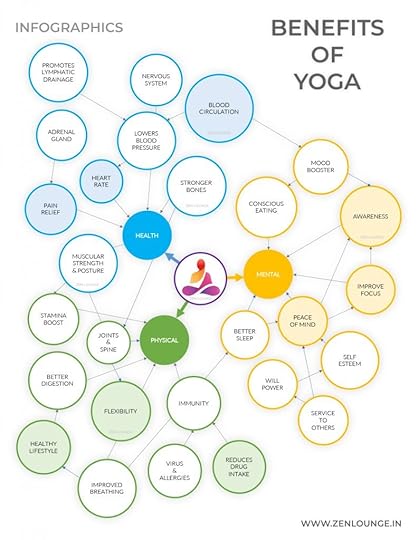
Here, we’ll be looking at 27 benefits of yoga, so read on to discover how incorporating yoga into your routine can turn out to be a life-changing and ultimately fulfilling experience.
INFOGRAPHIC - BENEFITS OF YOGA
1. Instant mood booster
Are you having a bad day? How about you turn on your feel-good button with some yoga therapy. Over time, yoga has proven to be a natural way to improve mood and happiness. Studies revealed that regular yoga practice helped serotonin imbalance by significantly increasing its levels while reducing monoamine oxidase. In his research, Richard Davidson discovered that yoga practitioners seemed to have more stimulation on their left prefrontal cortex. A well-conditioned prefrontal cortex increases feelings of happiness and positivity.
2. More flexibility
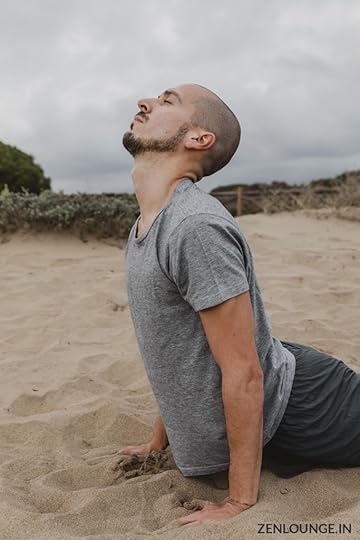
Being able to stretch a few more inches is one of the many benefits of yoga. Consistent practice helps you enjoy the benefits of yoga and loosens up the muscles and connective tissues allowing for more effortless and unrestricted movement.
Having a more flexible and supple body offers many physical benefits, including fewer aches, reduced muscle cramps, and the ability to withstand the strain of being in a particular position for a long time. Women can also enjoy the benefits of Yoga under proper guidance. But it doesn’t stop at a few inches. With courage and dedication, you might be the one with the jaw-dropping poses.
3. Improved muscular strength and posture
When you stand, sit or lie in unnatural positions, it puts a strain on the muscles and joints. This can lead to postural dysfunction. As you practice yoga, you can correct poor posture by learning to maintain the spine’s natural curves. The idea is for the skeletal structure to be perfectly aligned, which reduces tension on the postural muscles, among others, and optimizes functionality. Strong muscles help maintain balance as we age as well as prevent arthritis and back pain.
4. Benefits of Yoga for Stronger bones
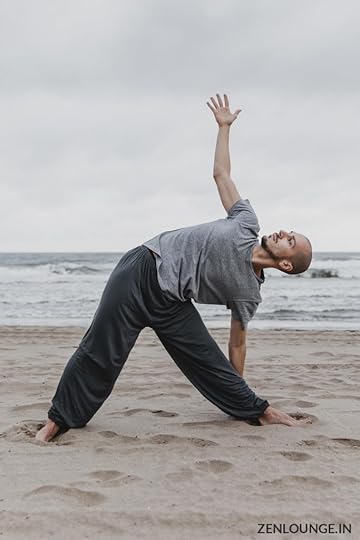
There is strong evidence that yoga plays a vital role in maintaining healthy bone density and preventing fractures. Resistance and weight-bearing exercises are known to be best for bone strengthening. Many yoga postures require that you use your body weight to hold a pose against gravity. The extended triangle pose (Trikonasana) and the half-moon pose can help prevent osteoporosis – a bone-thinning condition that could lead to fractures.
The benefits of yoga for men are mostly applicable to women also. However it is always advisable to take guidance from qualified Yoga instructor.
5. Improves blood circulation
If you have low blood circulation, yoga can be a quick fix. A sufficient blood flow circulates oxygen to every part of your body, which boosts physical and mental performance. Being in a relaxed state promotes blood circulation, so it’s a no brainer that yoga- having quite a good number of relaxation exercises, gets your blood flowing. A twist pose will temporarily seize circulation to your internal organs, causing a rush of blood when you untwist. The catch is that these critical systems get adequately stimulated with fresh oxygenated blood. Inversions like the Headstand and Shoulderstand cause reverse blood flow from the lower body to the heart. The heart pumps oxygen-poor blood into the lungs, where the blood gets refreshed with a new supply of oxygen. Also, yoga replenishes the red blood cells by providing sufficient amounts of hemoglobin. In turn, this helps prevent blood clots, which, in turn, reduces the risks of strokes and heart attacks.
6. Protects the joints and spine
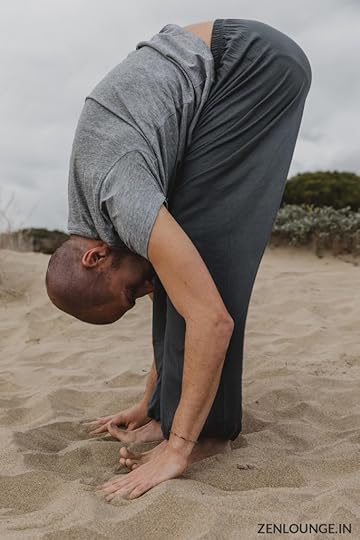
The movement and stretch that comes with yoga help keep the joint cartilage mobile and healthy. Immobilization may cause loss of cartilage. In that sense, engaging the joints in their full range of motion keeps your synovial fluid healthy. This helps prevent disorders, such as rheumatoid arthritis. Your spine needs as much attention and maintenance. Practicing yoga asana increases your range of motion, which awakens and energizes the spine.
There are many postures in yoga and each has a special function. A proper guide can tell you more about the various benefits of yoga.
7. Benefits of Yoga for Conscious Eating
For an increasing number of people, mealtime has become rushed affairs. Practicing yoga can help you pay more attention to your feelings while eating. Yoga can improve each bite’s taste and feel, your approach and response to different meals, savoring both your food and the eating experience. Being a conscious eater reflects your ability to appreciate the food you are about to eat-taking note of how the food was prepared, the different ingredients and flavors used, how eating it influences your mood and your reasons for having that particular meal.
8. It gets your heart rate up
Although yoga tends to be more about steady, low-intensity exercises, it can still be dynamic. When done with vigorous intensity, it ensures your heart rate increases steadily over a longer time frame. It results in a more healthy heart and a decreased risk of heart attack or heart disease. These heart-pumping exercises also improve cardiovascular health. Some studies show that yoga helps build a strong aerobic base, which means higher endurance levels and lower resting heart rate.
Scientific research has acknowledged the various health benefits of yoga both for men and women. Yoga can only change you for a better and healthy life.
9. Promotes lymphatic drainage
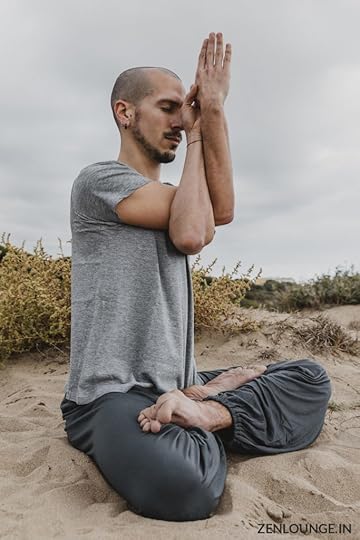
Exploring various yoga postures, flexing, and stretching muscles encourage a fluid called lymph’s natural drainage. Subsequently, it enables the lymphatic system to fight infections better while getting rid of toxins and bodily waste. Lymphatic drainage has proven beneficial to people with lymphedema and other conditions.
10. Prevents adrenal gland disorders
As a response to stress, the adrenal glands secrete the hormone cortisol. Which is your body’s way of reacting to a potentially life-threatening situation, as it comes with an immune boost. Usually, Cortisol levels stabilize once the situation returns to normal. But modern life makes it easy to remain in constant stress, and as a result, cortisol levels stay high longer than required, which can reduce the immune system’s effectiveness. Which again can cause rapid weight gain, high blood pressure, and mood swings.
Regular yoga practice helps you unleash the many benefits of yoga for the mind as it reduces cortisol levels by psychologically calming the body and putting you at ease.
11. Yoga Benefits in maintaining a healthy lifestyle
Following basic yogic principles will help promote a healthy lifestyle, which is one of the major benefits of yoga. Yoga motivates you to pay attention to your body’s needs. Continuous yoga practice engages your entire body while getting rid of calories. The spiritual and emotional elevation of yoga may be what you need to understand and deal with eating or weight disorders fully. The mindfulness that comes with yoga translates into making healthier choices when it comes to food consumption. One of the major benefits of yoga is effectively drawing away from non-nutritious meals and snacks. Maintaining a healthy diet is synonymous with low sugar and weight loss. When your blood sugar levels are down, your risk of having diabetic related issues go down with it.
12. Lowers your blood pressure
Investigative studies have shown positive effects of yoga on hypertensive patients. Researchers selected 10 people with first stage hypertension assigning five of them to take extended yoga classes 3 times weekly for at least 12 weeks. At the end of the exercise, those who participated saw an impressive drop in their average diastolic pressure, while those who did not take classes saw no changes.
Like diabetes, high blood pressure is the cause of many diseases. Apart from you heart a high BP can be harmful for your Kidneys as also other organs. The benefits of Yoga in controlling BP is well researched and documented.
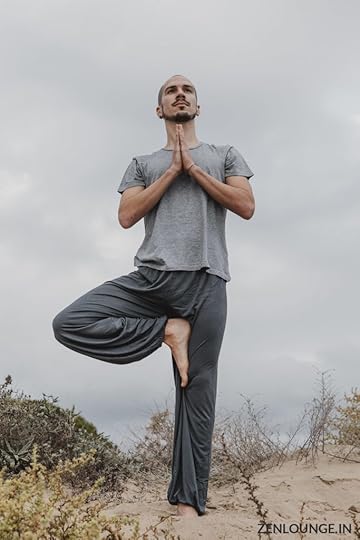
13. Benefits of Yoga in Boosting Stamina
An interesting study showed that yoga practice is linked to enhanced fitness. A group of individuals with no prior yoga experience began practicing yoga at least twice a week for a maximum of eight weeks. The participants developed more resilience and endurance.
14. Keeps you focused
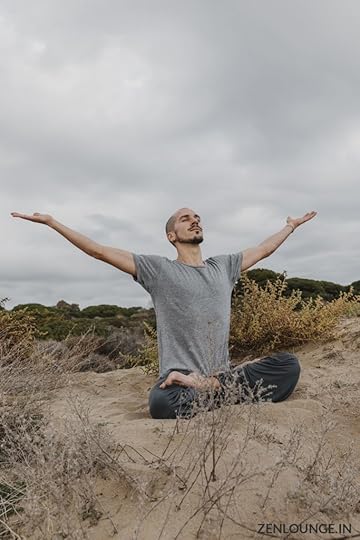
Do you find yourself steering off to wonderland every five minutes? Yoga practice is known to improve concentration and enhance brain power. People who do transcendental meditation have a more retentive memory due to their ability to be fully present in the moment.
Our mind remains ever active even when we are doing nothing. It has a constant opinion about everything we see, listen to, touch, or remember. The benefits of yoga are best realized along with meditation as it helps in calming the mind and focusing on the present. Yoga not only helps improve performance in the workspace but also in any form of creative pursuit.
15. Better sleep
Practicing some yoga poses will help relieve stress and anxiety after a long day. Balasana, Yoga Nidra, and meditation are known for their calming effects. Regular practice will ensure a good night’s rest and better sleep.
16. Yoga Benefits in Regulating your Nervous System
Remain consistent in yoga training, and you may find yourself being able to control your body remarkably. Some yogis are known for their ability to influence their heart rhythms, increase their hand temperature, and produce specific brain activity using the mastery of different yoga techniques. The rhythmic breathing during meditation or pranayama is known for balancing the nervous system.
One of the top benefits of yoga is that it stimulates the parasympathetic nervous system or the calming side. The opposite is the sympathetic nervous system is usually responsible for high BP, stress, and anxiety.
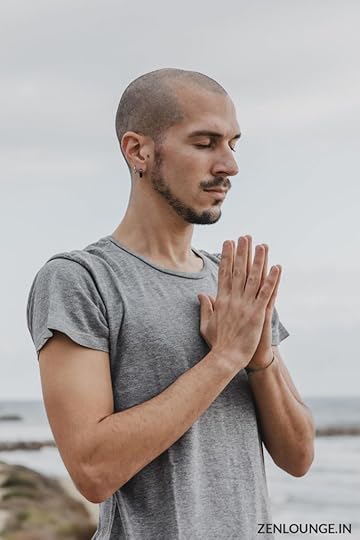
17. Helps you grow awareness
One of the significant yoga fundamentals is building awareness. As you practice yoga, you begin to cultivate awareness and mindfulness. Which incidentally helps in controlling impulsive emotions and reactions, especially when you have anger issues. Having uncontrollable rage leaves you prone to heart attacks. Yoga helps to control anger by promoting compassion and empathy. It enables you to make better decisions by taking a moment to think things through.
18. Helps with digestive problems
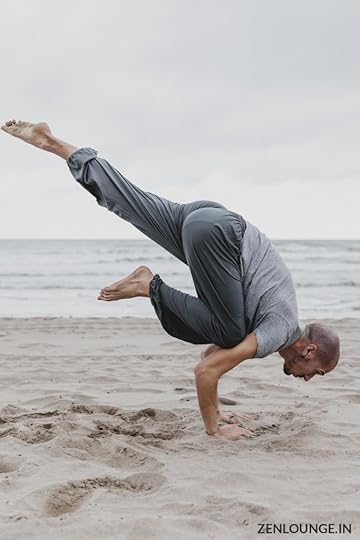
Regular bowel movement and a healthy gut are among the many perks that come with constant yoga practice. Yoga’s breathing techniques increase the flow of oxygen and reduce anxiety allowing proper digestive tract movement. Some yoga twists circulate energy to your digestive organs, which helps with gastrointestinal issues. So the next time you have gas, a simple forward fold might be the solution.
Some yoga postures might seem difficult initially. With practice everything is possible. As such one should start yoga early to master various posses and enjoy the various benefits of yoga.
19. Wards off viruses and allergies
In yoga, cleansing practices include fast breathing exercises to aid in intestinal detox. Regular practice of Jala neti facilitates breathing by keeping your nasal passage clean and free of infections. Though there is no scientific evidence, many Yoga masters suggest this practice to stay safe during the current pandemic and protect the body from viruses like Covid 19.
20. Helps you see your worth
If you struggle with self-esteem issues, rather than go on a downward spiral, immerse yourself in yoga. Gradually, you’ll begin to feel better about yourself, gain more confidence, and feel comfortable in your own skin. When you believe that you are a divine manifestation according to yogic philosophy, you start to appreciate your existence and feel more in control.
It is a common belief that our life has a purpose as the saying goes, everything has a reason. Often we spend too much time analyzing the past and events which does not allow us to enjoy the present to its full extent. One of the benefits of yoga is help you to let go and improve our focus on the present and overall awareness.
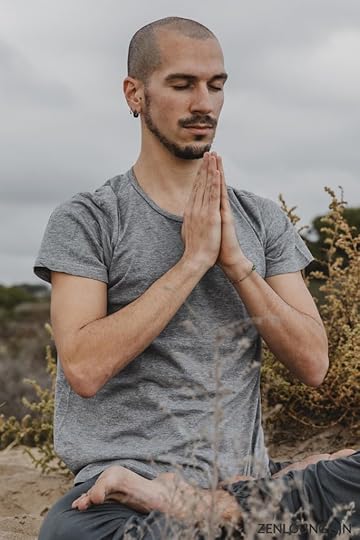
21. Benefits of Yoga in Developing a Strong Will Power
The phrase ‘old habits die hard’ may be on its way to becoming another cliché expression. Self-discipline developed from regular yoga practice can give us the inner strength we need to resist temptations and make better life choices. Which consequently results in positive changes in our lives.
22. Gives your lungs more space to breathe
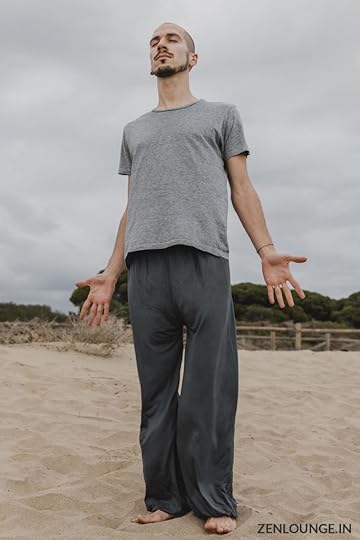
The practice of taking slower and deeper breaths is beneficial to those with lung problems. It strengthens the respiratory muscles and offers a significant decrease in sympathetic reactivity. And in the long run, it reduces stress and anxiety, thereby improving lung function.
Deep breathing is also a major practice in meditation. Focusing on our breathing helps us to keep away from distracting thoughts. Some people develop a practice of counting breath which each inhale and exhale which helps in quietening the mind. The true benefits of yoga require consistent practice and commitment to a schedule.
23. Yoga Benefits in Strengthening your immunity
In our everyday life, we are prone to different viruses and infections. Yoga helps the immune system build a more robust defense against infections. By doing asanas and pranayama breathing, we help our systems’ blood circulation process, strengthening our immunity.
24. Inner calm and peace
Yoga promotes peace in your mind and soul. Meditation exercises quiet down those constant voices in your head, keeping negative thoughts at a distance. The relaxation response helps you relax, be in the moment, and slow down your breathing. Being in a relaxed state loosens body and mental tension, reduces blood pressure, and promotes sufficient blood circulation to the reproductive system.
The benefits of yoga for men and women has been studied for ages. The recent scientific researches not only attest such observations but also found a few more. In summary, yoga keeps you going.
25. Service to others
Can you think back to a time you willingly gave up your seat to an older person or offered help to someone who needed it without expecting anything in return…and how that made you feel? Most people have admitted that they experienced a feeling of contentment and happiness. Karma yoga encourages selfless service to others, which could also be a form of self-care. At the University of Michigan, a study found that older people who engage in voluntary work tend to live longer than their counterparts. Selfless service to others can give you a sense of purpose. You are less likely to get caught up in your problems, seeing what other people are going through.
26.Relieves pain naturally
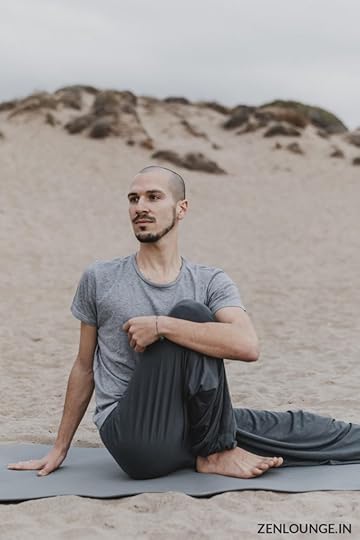
Continuous yoga practice may affect how you respond to pain, physically and emotionally. A combination of asana and meditation can help manage chronic pain, thus improving mobility and encouraging a positive outlook.
In a study among 313 people with chronic low back pain, a weekly yoga class increased mobility more than standard medical care for the condition. Yoga postures can be modified to accommodate your strength and experience, as well as any health conditions. As such it is always advisable to take guidance form a qualified yoga instructor to enjoy the various benefits of yoga.
27. Yoga Benefits by Reducing Your Drug Intake
No one wants to rummage over a drug-filled cabinet frequently, which is where yoga comes in handy. People experiencing OCD, asthma, hypertension, and type II diabetes were studied to see how yoga affected their health. Well, you guessed right. Starting a yogic lifestyle found them taking fewer trips to the pharmacy, improving their overall quality of life.
Concluding thoughts on Benefits of Yoga
If we list all the benefits of Yoga this article will run into thousand and more pages. Listed here are the major Yoga benefits which are also science-supported and practiced widely.
It is helpful that you identify your goals in yoga practice. Maybe you are looking to build healthier relationships, stay fit, or unwind. Yoga offers incredible benefits that can improve virtually every aspect of your life. With so many styles and variations of yoga, trying out different classes and trainers will help decide which best suits your needs as you go through different life stages.
DISCLAIMER: Medical conditions cannot be treated, cured, or diagnosed by the practice of meditation, yoga, exercises, or using apps. These things at best can be complementary to a health care plan monitored by a qualified health professional.
Zen Lounge helps create an ambiance for relaxing the mind and practicing Yoga. The app is simple and easy to operate and comes with mood music which can be mixed with nature and atmosphere sounds. Download an try the free version:
The post Benefits of Yoga – Body Mind and Spirit appeared first on Zen Lounge - Meditation & Stress Relief App.
December 12, 2020
9 Effective Healthy Ways To Relieve Stress
Healthy Ways to Relieve Stress
Healthy ways relieve stress as such habits prevent many health conditions associated with stress, such as stroke, high blood pressure, and heart disease. Healthy habits will also improve your physical appearance and improve your mental health giving you a positive outlook towards life.
Therefore, you must take care of yourself by maintaining healthy habits. These are easy to build in your daily routine and the benefits are tremendous. If you’ve not cultivated them yet, the pandemic provides an excellent avenue to start building on those habits. Here are nine vital, healthy bits you need to cultivate to reduce stress.
1. Slow down

Naturally, the extra time we now have in our hands can be tempting. Without care, we might try doing every little task, hobby, or other activity to pass the time. Although this seems like a great idea, it isn’t. To avoid depleting your mental stores, you need to slow down.
Sure, you must allow enough time for the most important things, but you don’t need to push yourself too hard. Make sure you set aside lots of ‘me’ time to recharge. Don’t let the hustle and bustle of life stop you from taking care of your needs, especially during these trying times. Take breaks from responsibilities and simply recharge.
2. Laugh it up

Laughter is a great way to build a positive and take-charge approach. It can help manage and protect you from the rampaging effects of stress. Laughter lightens your burdens, builds hope, and keeps you grounded. It can also help you connect to orders, heal and renew, boost your mood, and even strengthen your immune system. Laughter also triggers the release of endorphins, which boosts your overall sense of wellbeing and can provide temporary relief from pain. As such, laughter is one of the topmost healthy ways to relieve stress.
3. Get your Beauty Sleep

Adequate sleep is a great stress reliever. You need to get at least seven to nine hours of quality sleep every night to scale over. When you try carrying out tasks when you are tired, it only increases your stress, affecting your cognitive functions. Make sure you get as much sleep as possible. It is even better to build a consistent sleeping routine by going to bed and waking up at the same time.
There are ways and means to sleep better. Starting from your dinner time to a comfortable bed you can easily change for the a healthy way of living.
4. Exercise
Physical activity is a great stress reliever. So, you need to take conscious steps to move more. Do note that you don’t have to spend hours in the gym to reap all of its attractive benefits. You can take 30 minutes out of your day to exercise. Also, consider doing other things like dancing to some music, taking your dog for walks, using the stairs, cycling, running, dancing, running, swimming, and walking.
Don’t forget to add relaxation techniques such as deep breathing, tai chi, meditation, and Yoga to jumpstart the body’s relaxation and take you to a state of restfulness. All these are effective healthy ways to relieve stress.
5. Combat Stress with a Healthy Diet

When your body is well-nourished, it becomes better prepared to manage stress. Therefore, you need to be more mindful of what you need. Aim to eat more fruits, vegetables, and proteins to have your daily dose of nutritious ingredients that can reduce inflammation caused by stress.
Reduce the amount of sugar and caffeine you take to prevent the crashes associated with it. Don’t forget to get rid of alcohol, cigarettes, and drugs from your diet. All these only bring about temporary relief with intense crashes at the end that does you no good. When you equally reduce sugar snacks, chocolate, soft drinks, and coffee from your diet, you will more relaxed. In turn, it clears your mind, increases your resistance to stress.
6. Connect with others

The pandemic may have taken away our ability to have fun nights with our friends. But it doesn’t have to rob us of spending quality time with our friends. Modern technology has gone far enough to easily connect you with the rest of the world. Try social media like Facebook , Instagram or Reddit to stay connected but never overdo it. Take time to connect with others via calls, or even video chats.
Of course, it is more effective to have your friend close at hand. However, you can still maintain a great network of friends and increase your resilience to stress.
7. Help Others

There are many of us in the most vulnerable circumstances because of the COVID-19. You can help these folks and take the focus off yourself. Consider helping them pick up the groceries or making donations to the local charity. You can also consider gardening for others or creating green spaces in your local community. There are many more habits to form to anchor your day and give you a sense of purpose. This, in turn, gets rid of stress and anxiety.
Helping others like showing gratitude is one of the most healthy ways to relieve stress and enjoy a spiritual bliss.
8. Focus on Things You can Control

As the pandemic rages on, it is easy to give way to feelings of helplessness because certain things seem to be out of control. We all have heightened worry about ourselves, friends, neighbors, and family. Therefore you need to take out time to focus on things you can control. For instance, consider donating some clothes, cleaning up your home, or cultivating a garden. Now is also a perfect time to learn a new language, skill, or simply do something you’ve always wanted to do.
Learning new things with a creative mindset is another healthy way to relieve stress.
9. Live in the Moment
The COVID-19 pandemic has a lot of us worrying about the future. Therefore, you have to take the conscious step to let go of those feelings. One of the best stress management habits to build is living in the moment. There are many ways to do this. Mindfulness meditation is a great approach to help you appreciate the moment.
Consider taking a deep breath and focusing on it. When you practice mindfulness meditation regularly, you will watch your mental health take a positive turn for the better.
Before the coronavirus, life was different – we could go out anywhere, engage in any form of activity, from gym to outdoors, to hiking, trekking, and trips. Nature helps in stress relief in the best possible way. The current situation has restricted our life to a great extent. It has also caused a lot of anxiety and depression. It is of utmost importance to indulge in healthy ways to relieve stress – as stress can cause damage to both our physical and mental health. Healthy habits will boost your immune system and give you natural protection against this virus and many other diseases.
Zen Lounge helps create an ambiance for relaxing the mind and practicing mindfulness meditation. The app is simple and easy to operate and comes with mood music which can be mixed with nature and atmosphere sounds. Download an try the free version:
The post 9 Effective Healthy Ways To Relieve Stress appeared first on Zen Lounge - Meditation & Stress Relief App.
Stress Management – Overview of Activities and Techniques
Stress Management is essential for maintaining your physical, mental, and emotional health. Effective stress management can help you deal with anxiety, depression, fear, which otherwise affects your happiness, immune system, and overall quality of life.
The COVID-19 pandemic has profoundly affected our finances, relationships, jobs, and healthcare needs. We no longer have the freedom to go around, visit our friends, or travel wherever we want to. There’s also the added uncertainty around our jobs and businesses. Therefore, the untold hardship, uncertainties, reduced social support, and lack of normal routines have led to increased stress, fear, and anxiety.
We all crave a sense of normalcy and control in our lives. Without it, there is no sense of calm. It’s even worse for some of us have lost our loved ones to the virus, so we can no longer rely on others for anchor during this period.
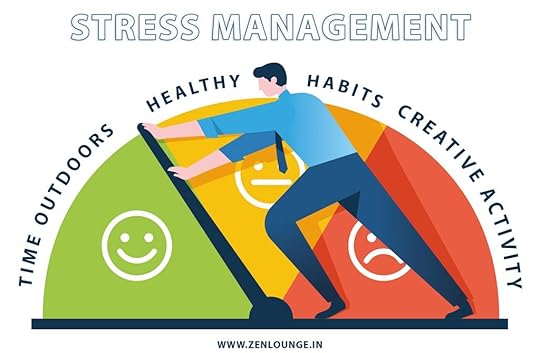
According to researchers, all these have led to chronic stress, which deteriorates the quality of life on a physical level. When we are more anxious, afraid, or depressed, our immune system goes down, which produces even more stress. All that leads to increased inflammation and reduces our immunity.
It also puts a strain on our productivity, relationships, and mental health. Therefore, we need to make a conscious effort to take care of our health, especially stress. Stress management is essential for our physical and emotional well being. It is crucial in these trying times, as the world deals with the pandemic’s realities.
For Effective Stress Management, We Must Focus On Things We Can Control.
First, we must not forget to adhere strictly to the recommended guidelines put in place by the Centers for Disease Control and Prevention (CDC). These guidelines include frequent hand-washing, physical-distancing, strict cleaning, and respiratory etiquettes. You can find more about these guidelines from the CDC website. These measures will help protect your health and those around you, especially vulnerable people in your community.
Beyond that, there are many other proven methods to control and reduce stress. In this article, we will discuss these fascinating and effective ways to manage stress during the pandemic.
1. Manage Stress with NatureNature has incredible power to heal the mind9 Activities with Nature to try out
1. Nature as your Anchor for Stress Management
Nature can be an incredible stress reliever, especially during these uncertain times. Studies show that even a 10-minute break in a natural setting can positively impact our physical, emotional, and mental health. Other studies also show that exposure to nature helps us breathe in phytoncides from plants, fighting off infections and diseases.
Nature can also reduce blood pressure, muscle tension, and heart rate. That shows just how powerful nature can deeply move us. It has such a calming and enchanting effect that brings about a deep sense of peace and happiness, even when our circumstances state differently.
Over 62 percent of adults in the UK are already finding relief from stress by going out of their way to connect with nature.
So, there’s no reason you should be stuck on the fence without reaping these fantastic benefits for yourself.
According to the Mental Health Foundation, exploring a relationship with the natural world can be just the dose of medicine we need to relax and improve our wellbeing. However, if you’re are glued to your computer, TV, or any screen, it might be challenging knowing how to commune with nature.
Check out nine fascinating nature activities you can try to transform your life for the better.
Stress Relief with Nature
2. Manage Stress with Creative ActivitesA Creative activity can provide you the right kind of distraction from anxiety9 Creative Activities to Relieve Stress
2. Creative Engagement for Stress Management
Connecting with nature is not the only way to manage stress. You can also consider expanding your creative abilities. Studies show that the effects of art on stress and mood are profoundly satisfying and joyous. These effects don’t rely on how talented you are, and most times, it has nothing to do with your creations’ quality. Indulging in creative activities relieves stress through the process and not the outcome.
Indulging your creative brain can provide the right distraction from stressful thoughts and experiences. It can also help you release difficult emotions and allow a specific ‘flow’ revitalizing and restorative. Plus, if you end up with a gorgeous outcome, your joy and happiness increase tremendously. Not sure what creative projects you can enjoy? Here are nine great ideas to try.
Check out nine fascinating creative activities you can try for stress and anxiety management.
Creative Activities for Stress Relief
3. Manage Stress with Healthy HabitsHealthy habits can help you both in physical and emotional wellness.9 Healthy Habits to Fight Stress
3. Build Healthy Habits in Your Daily Life to Fight Stress
Your habits can also either make or break your stress management routines. They can also help you prevent many health conditions associated with stress, such as stroke, high blood pressure, and heart disease. Therefore, you must take care of yourself by maintaining healthy habits. If you’ve not cultivated them yet, the pandemic provides an excellent avenue to start building on those habits.
Healthy habits will also improve your physical appearance and improve your mental health. And once you build these habits into your daily life, you can enjoy a much better perspective of the current happenings and appreciate the positive side of existance.
Here are nine vital, healthy habits you need to cultivate for stress management.
Creative Activities for Stress Relief
Concluding thoughts on Managing Stress during Covid 19
You must realize that sooner or later, the COVID-19 pandemic will become a thing of the past. This does not mean you have to ride it out with buckets of fear, worry, and anxiety.
Please take advantage of the different stress management techniques and get rid of all of them. It is essential to look to the future with a renewed perspective. All of that comes from revitalizing yourself by integrating great habits.
Avoid worrying about the future because such habits can distract you from focusing on what you can control. This, in turn, leads to chronic stress and anxiety. Make sure to take a deliberate step today to reduce and manage stress. Build healthier habits, expand your creative abilities, and reconnect with nature. We must take great care of our mental health to prepare for better days ahead.
DISCLAIMER: Medical conditions cannot be treated, cured, or diagnosed by the practice of meditation, yoga, exercises, or using apps. These things at best can be complementary to a health care plan monitored by a qualified health professional.
Zen Lounge helps create an ambiance for relaxing the mind and practicing mindfulness meditation. The app is simple and easy to operate and comes with mood music which can be mixed with nature and atmosphere sounds. Download an try the free version:
The post Stress Management – Overview of Activities and Techniques appeared first on Zen Lounge - Meditation & Stress Relief App.
Stress Relief with Creative Activity – 9 Easy and Effective Ways
Stress Relief with Creative Activity
Indulging in creative activity can provide the right distraction from stressful thoughts and experiences. Studies show that the effects of art on stress and mood are profoundly satisfying and joyous. These effects don’t rely on how talented you are, and most times, it has nothing to do with your creations’ quality. Creative activities relieves stress through the process and not the outcome.
It can also help you release difficult emotions and allow a specific ‘flow’ revitalizing and restorative. Plus, if you end up with a gorgeous outcome, your joy and happiness increase tremendously. Not sure what creative projects you can enjoy? Here are nine great ideas to try.
1. Journaling

Journaling is one of the most effective and proven stress management techniques. Journaling provides an avenue to pour out your emotions and serves as an escape from negative feelings and thoughts. It can also help you organize your thoughts, clear your mind, and broaden your perspective.
Journaling can also help combat depressive symptoms and as such a great activity for stress relief. Evidence also shows it can help with various chronic conditions such as lupus, fibromyalgia, and rheumatoid arthritis. In the end, it can improve your mental and emotional wellbeing.
2. Painting
Painting is also an excellent way to get rid of stress. Evidence shows that painting can help you find that emotional release. It can allow your mind to relax and let go of problems. This, in turn, reduces stress and can relieve mental strain.
Painting will also help you cultivate emotional growth and build your resilience towards the pandemic’s overwhelming impacts. When you create beautiful things through painting, it can release bursts of joy and happiness in you. Do realize that it doesn’t have to involve oil pastels. You can simply make charcoal sketches or even use regular colored pencils. Whichever is handy, you will enjoy the life-changing results.
3. Doodle away

If painting isn’t for you, then you can always try doodling. Doodling involves creating random pictures of little things, including flowers, smiling faces, hearts extra. You can create a journal for doodles or simply use whatever is handy. Although evidence is still in its early stages, Scientists say that random doodles can be a great stress reliever. Alternatively, coloring images can also help you deal with anxiety and negative thoughts.
There are cool coloring books on the market for all ages to try. Simply find one that interests you and start coloring. Doodle is one cool activity for stress relief.
4. Take an Art Class
Joining an art class is also a great way to enjoy the added benefit of social support. There are lots of options too. From painting to sculpting, pottery, jewelry making, there are many art classes you can take. Art is one of the long-standing and proven activity for stress relief.
Don’t hesitate to experiment as much as you like until you find the perfect match. Many art classes now occur virtually, which means you can fit them into your schedule effectively. You don’t also have to worry about your artistic skills while learning. Simply relax and go with the flow.
5. Craft with Kids

Crafts are great ways to use your hands and creative brain, which in turn alleviates stress. Consider having a fun time with your kids building fun crafts. This can help improve the quality of time spent with your kids and help them deal with their anxiety during these trying times.
It is also an excellent way to break down barriers and boost their self-confidence. Crafting is also a powerful activity for stress relief and also to strengthen your relationship with your kids.
6. Design a Mood Board

You can also consider creating mood boards or collages from old advertisements or magazines. This is a fun and simple exercise that will bring temporary but soothing relief. You can also create mood boards of great memories.
This offers a great way to appreciate the beautiful things you have achieved in the past. Research shows that when you regularly express gratitude, it lowers stress and depression and boosts overall happiness. Shortlist this one activity for stress relief and you will never regret it as it is a fun and engaging exercise.
7. Immerse in Photography
Are you considering building your photography skills? That is an excellent idea. Photography provides a great way to focus on positive life experiences. It can also help you express yourself better, reduce stress, and boost your self-worth.
What’s more, photography provides an outlet that doesn’t always have to be serious. You can take great photos merely for the relish of being able to capture memories. Overall, photography is a top activity for stress relief as it reduces your stress hormone levels, which reduces the possibility of developing certain diseases.
8. Seasonal Crafts

Evidence shows that holidays have a way of putting us in a happy mood. You can ramp it up by indulging in seasonal crafts. Consider decorating holiday ornaments, painting pumpkins, or even creating your own Halloween costume.
For Christmas, you can take your time decorating a great tree and your home. A Japanese study found that inhaling pine trees’ aroma can boost your mood and reduce stress and depression. As there are many occasions all year round you can always count on this activity for stress relief.
9. Create a Symbolic Mandala
Mandalas are circular designs with complicated symbols and patterns within them. Evidence shows that creating mandalas can help decrease trauma associated with PTSD. Other evidence shows that it can help release emotions living behind a soothing and calming feel. One reason why people love creating mandalas is that you can make them look, however you like. You can either enrich with shapes that have profound meaning or simply put together random bits to make something that looks fascinating. Whichever the path, just make sure you are having lots of fun creating. You can even take it a step further by coloring pre-printed mandalas.
There are many more creative activities to manage stress effectively. You can experiment with different ideas until you find the perfect creative activity for you. Art provides a way to learn a new skill or simply develop an amazing hobby. You can even turn some of these creative activities into money-making ventures, so it is a win-win for you.
Zen Lounge helps create an ambiance for relaxing the mind and practicing mindfulness meditation. Try a creative activity with any of the mood music which can be mixed with nature and atmosphere sounds. Download an try the free version:
The post Stress Relief with Creative Activity – 9 Easy and Effective Ways appeared first on Zen Lounge - Meditation & Stress Relief App.
Stress Relief with Nature – 9 ways
Stress Relief with Nature
Nature can be an incredible stress reliever, especially during these uncertain times. Studies show that even a 10-minute break in a natural setting can positively impact our physical, emotional, and mental health. Other studies also show that exposure to nature helps us breathe in phytoncides from plants, fighting off infections and diseases.
According to the Mental Health Foundation, exploring a relationship with the natural world can be just the dose of medicine we need to relax and improve our wellbeing. However, if you’re are glued to your computer, TV, or any screen, it might be challenging knowing how to commune with nature. Reconnecting with nature for stress relief can be the most beneficial experience during these difficult times. Here are nine fascinating nature activities you can try to transform your life for the better.
1. Enjoy the Scenery
There are little patches of nature around us that you can enjoy without living your home. For instance, you can sit in your kitchen and watch birds at a feeder outside your home. Sure, it looks as though you are doing nothing.
Such a small and almost insignificant activity can be remarkably soothing. It can also be transformed into a stay-at-home family fun affair. You can also wake at dawn and watch the sunrise, sit at the beach, lake, or waterway. All these simple experiences can set the pace for a beautiful day filled with joy and happiness.
2. Unleash your Green Thumb
You can also find other enjoyable ways to appreciate green spaces regularly. Consider cultivating a lush garden in your backyard. If you don’t have the space to do so, you can do it for your local community. Not sure how to go about it? Consider getting involved in the community gardens. Some people offer physical spaces to their neighbors to grow fruits, veggies, and even flowers. You can also get involved in creating a bicycle path or some other infrastructure that offers green spaces for everyone. In the end, you will not just enjoy the mood-boosting, stress-reducing benefits but gain that sense of belonging somewhere that many people have lost during the last few months. Your green thumb can become a great stress management technique for you and your family.
3. Take your Stress-relieving Stretches Outdoors
Do you enjoy Yoga every other day? Already Yoga offers amazing perks to your body, especially in building core strength. The best thing is to practice Yoga outdoors. Yoga and Nature has a special relationship – one is complimentary to the other. While Yoga helps us in keeping our body flexible and fit , nature heals and provides peace of mind. Together they can work wonders for you in relieving stress.
4. Take a Walk in Nature
You don’t have to hike up the mountains or big rugged landscapes. You can simply take a walk around your local woodland, or stroll in a city park. Walking, on its own, is a great way to de-stress. But taking a hike through the busy streets does not provide that great mental boost that you need at this time. Now is the time to take that walk to experience stress relief with nature. You don’t have to make it a big and challenge to cover the miles. You can walk aimlessly, and by so doing, immersing yourself in the natural world. So, by combining with the wonders of nature, you can ramp up the benefits and revitalize your life.
5. Get your Work Outside
Working at home is great, but soon the walls begin to cramp us. The lack of chatter from our co-workers can make it difficult to work in a happy mood. Consider setting up your working space in nature. If you’ve got a lovely garden, now is the time to enjoy it. If not, the local park can provide just that soothing atmosphere. Stress Relief with Nature is easy.
6. Sleep in Nature
If you have trouble sleeping, camping can be a perfect way to get back on your beauty sleep. Studies show that a week-long summer camping trip can reset your body’s internal clock, especially if you keep the electronics at home. This might just be the proper antidote for those with mild sleeping problems. Nature helps in stress relief through special healing power less understood by science.
7. Go on a Picnic

You can take the entire family on a picnic in a natural environment. It is a great way to reconnect with nature while spending quality time with your family. That way, you don’t have to feel isolated. You can easily socialize with people without breaking the rules of physical distancing. Picnics, in nature, provides the perfect space to build stronger relationships with your loved ones.
8. Study Outdoors
Are you studying for exams or learning a new thing? Then take your studies out to nature. Evidence shows that studying in the natural environment can help you retain your memory. This is as opposed to overhead fluorescent lights, which can hurt your eyes and be distracting. Read with the bright sky overhead, and you can watch your focus improve. Nature can equally help you eliminate distractions, relive stress while providing the ideal space to start ticking off those tasks with no struggles attached.
9. Immerse in the Virtual Natural World

You don’t have to enjoy nature in small doses. You can continue to surround yourself with it consistently in every other thing you do. Consider meditating with nature sounds. It can also provide soothing relief and a sense of calm. You can even enjoy nature’s positive mental health outcomes by looking at green spaces or going on virtual tours. Currently, there are many virtual tours to many hot destinations you can try. Zen Lounge can also provide a fascinating collection of nature sounds to immerse yourself and step away from the awful horrors of the pandemic.
Before the coronavirus, a good number of us were stuck in a merry-go-round of artificial environments. The strains of lock-down, isolation, fear, and grief can deteriorate our mental wellbeing if left unchecked. Go out to the natural space can stop stress from taking over your life. Overall, connecting with nature – even by looking out – can decrease mental distress, help you manage life tasks, and boost happiness.
The post Stress Relief with Nature – 9 ways appeared first on Zen Lounge - Meditation & Stress Relief App.