Ninette Swann's Blog, page 5
November 6, 2012
Break for Beauty, Elizabeth Hawksworth
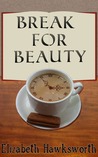 Break for Beauty by Elizabeth Hawksworth
My rating: 5 of 5 stars
If given the choice between poetry and prose, I gravitate toward the latter every time. It's not that poetry isn't amazing in its own right; I'm just one of those people who needs the words to surround me, build a picture, not with emotion and feeling, but with text. I feel prose more than I do poetry.
That is not the case with Break for Beauty by Elizabeth Hawksworth.
I picked it up, expecting the whole thing to go over my head and leave me cold. Instead, an intense and emotional narrative enveloped me.
Perfectly chosen pieces flow into each other as easily as each artistically chosen word beats meaning and life onto the page.
Here you will find raw and base emotion dissected into intelligent ideas and original thought.
The tortured pen paves the way for reader breakthroughs with each phrase.
And the upswing of poetry is that it's perfect for people who can't commit themselves to reading for long stretches of time, like moms and business people.
If you've got a few spare moments, you've got time to Break for Beauty.
View all my reviews


November 2, 2012
Romance Thesaurus - Part II
Okay, so we've covered penis and boobs. Next up? Well, let's continue to explore those two terms. Did you know that the parts of the penis and boobs are used so often they need their own entries?
Nipples:
Honestly? You're best bet is to use nipples.
When you can't, peaks also works as a term. You've also got nubs, tips, and buds.
On second reference, you can even use skin. Example: "He ran his tongue over the sensitive skin."
I will side-eye crests, and I will laugh out loud at pebbles.
Now, more important than the word itself are the adjectives that come along with the words.
You can go with color: Plum, rosy, reddened, pale...
You can go with physical sensations: quivering, trembling, aching, tightened, protruding, throbbing, tingling...
Or describe them in their current state: wet, moist, shivering, hard, pert, puckered (God, I hate that one...but, I mean, it's true. They do pucker)...
Then there are the actions that another character will carry out upon these poor nips.
He or she can: capture them with his mouth, run his tongue over them, suckle them gentley, tease them with his teeth, apply the slightest pressure to them, give them feathery kisses, breathe softly onto them, nibble them, rake his teeth over them (gently, of course), suck them hard, wet, lav, or lick them, roll them between his forefinger and his thumb, run his calloused hands over them, thumb them, swirl his tongue (or thumb) around them (sometimes hitting the sensitive nub), or flick them (with his tongue, his finger, whatever. I've yet to see someone try to flick a nipple with a penis. Maybe you can try that?)
Okay, let's move on to our male section of this helpful guide!
If you want to refer to a guy's junk, and you've already covered the peen itself, what do you use?
Balls:
You can just use balls or sac. Orbs and globes also work. (Usually these are paired with such adjectives as hairless, rosy, warm, hell, even perfect...obviously we've never seen balls. Either that, or we're reclaiming the word.)
And then there's the smell. How do you describe that in a sensual way, right?
I go with clean. That's simple and effective. Some authors go for earthy, spicy, dusky or like the ocean. Some go as far as salty musk. You know, whatever works.
Heroes or heroines can do several things with balls.
They can palm them, cup them, massage or knead them, lick or suck them, take them into their hot mouths, tease them with their feathery breath, etc.
Definitely do not pinch them or do anything down there with your teeth.
So, how about the peen tip?
Penis Head:
You've got tip, head, ridge, mushroom (which I don't like, at all), flared edge (flared tip also works).
The head can be: engorged, flared, hot, searing, glistening...then we get a little iffy.
A lot of people also use the words: seeping, weeping, moist...I hate all of these. I'll pass them through because they seem to be what's 'done,' but, in my opinion, anything that sounds like it should be checked by a doctor should be left out of your manuscript.
Just my two cents.
Anyway, stay tuned for the next addition. We have so much more eroticism to get through.
Anyway, you get the point. It's all in the action.
Nipples:
Honestly? You're best bet is to use nipples.
When you can't, peaks also works as a term. You've also got nubs, tips, and buds.
On second reference, you can even use skin. Example: "He ran his tongue over the sensitive skin."
I will side-eye crests, and I will laugh out loud at pebbles.
Now, more important than the word itself are the adjectives that come along with the words.
You can go with color: Plum, rosy, reddened, pale...
You can go with physical sensations: quivering, trembling, aching, tightened, protruding, throbbing, tingling...
Or describe them in their current state: wet, moist, shivering, hard, pert, puckered (God, I hate that one...but, I mean, it's true. They do pucker)...
Then there are the actions that another character will carry out upon these poor nips.
He or she can: capture them with his mouth, run his tongue over them, suckle them gentley, tease them with his teeth, apply the slightest pressure to them, give them feathery kisses, breathe softly onto them, nibble them, rake his teeth over them (gently, of course), suck them hard, wet, lav, or lick them, roll them between his forefinger and his thumb, run his calloused hands over them, thumb them, swirl his tongue (or thumb) around them (sometimes hitting the sensitive nub), or flick them (with his tongue, his finger, whatever. I've yet to see someone try to flick a nipple with a penis. Maybe you can try that?)
Okay, let's move on to our male section of this helpful guide!
If you want to refer to a guy's junk, and you've already covered the peen itself, what do you use?
Balls:
You can just use balls or sac. Orbs and globes also work. (Usually these are paired with such adjectives as hairless, rosy, warm, hell, even perfect...obviously we've never seen balls. Either that, or we're reclaiming the word.)
And then there's the smell. How do you describe that in a sensual way, right?
I go with clean. That's simple and effective. Some authors go for earthy, spicy, dusky or like the ocean. Some go as far as salty musk. You know, whatever works.
Heroes or heroines can do several things with balls.
They can palm them, cup them, massage or knead them, lick or suck them, take them into their hot mouths, tease them with their feathery breath, etc.
Definitely do not pinch them or do anything down there with your teeth.
So, how about the peen tip?
Penis Head:
You've got tip, head, ridge, mushroom (which I don't like, at all), flared edge (flared tip also works).
The head can be: engorged, flared, hot, searing, glistening...then we get a little iffy.
A lot of people also use the words: seeping, weeping, moist...I hate all of these. I'll pass them through because they seem to be what's 'done,' but, in my opinion, anything that sounds like it should be checked by a doctor should be left out of your manuscript.
Just my two cents.
Anyway, stay tuned for the next addition. We have so much more eroticism to get through.
Anyway, you get the point. It's all in the action.
October 28, 2012
BODY COMBAT WINNER!
Anna Campbell has won the novel up for grabs!
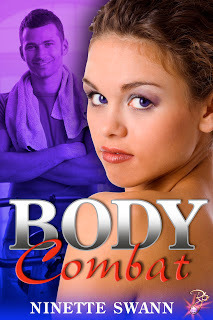
Stay tuned, though. Come next month, we'll do a giveaway for all three books in time for Christmas!
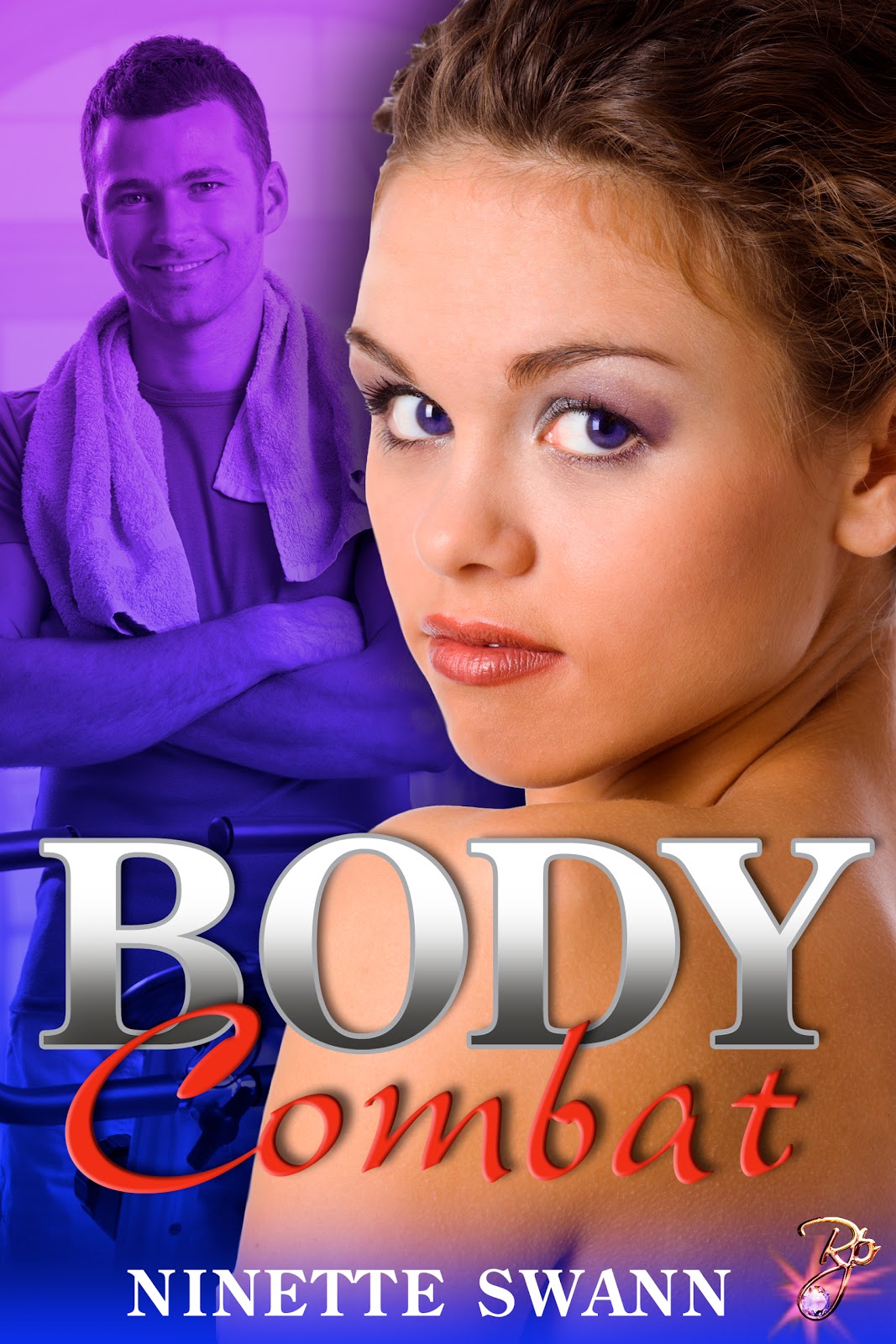
Stay tuned, though. Come next month, we'll do a giveaway for all three books in time for Christmas!
October 26, 2012
Romance Novel Thesaurus - Part I
As a romance editor and author, I come across many...flavorful words and descriptions of certain body parts, feelings, and sensations.
I thought I'd list a few euphemisms, adjectives and word choices...some good, some not, some just plain hilarious.
So, without further ado, let's get right to the gold, shall we?
Breasts: Bust, chest, breasts, cleavage are acceptable.
If you must use another term, soft orbs or mounds will get an eyebrow raise from me, but they're not bad enough that I'll stop reading.
Boobs are a no-no. I've never seen the word in a manuscript.
Stay away from from melons, hooters, bazookas, cans or any campy college-aged, high-fiving way to reference them. Obviously.
Jugs, knockers, 'the girls' all equal a big no.
Funbags is another inappropriate term. Hey, I'm just trying to save you from yourself, here.
On the opposite end, bosom only really works in historical romance, so keep that in mind.
Penis: This guy has so many euphemisms (including this guy). Most of them you really shouldn't use. Remember when you're writing to keep true to the tone of the piece. For instance, multiple references to cocks and dicks are seen more in m/m fiction than m/f. I don't make the rules, I just observe the patterns.
Acceptable terms: penis, cock, dick, erection, length, package, hard-on, bulge, and shaft.
Prick, rod, groin, hardness, and manhood are acceptable, but barely. Use sparingly.
Pecker, wiener and peter...you may as well be saying pee-pee. They're a no.
Baby-maker, twig and berries, fun stick...these are all terms I've seen and red-penned, because come on.
Dong was only acceptable for a short time in 1998 if you were under 15 or so. Keep it out of your book if you can help it. And that goes for schlong. Obviously.
Now, personally, I love meat injection. It's probably the funniest term I've ever seen used. Don't use it.
Pork sword? Really?
Please don't ever use heat-seeking moisture missile. I swear to God, people.
Now, I know, I know...you're like, well, what can I use? Remember, you can always not use them. Him and her can always work in a pinch, and usually work better.
Example: "She took him into her mouth."
Nipples, balls and penis-head will get their own entries later, along with a lot of other terms. There are also common actions to go through, like kissing, or phrases for the way hair falls around the shoulders. However, there's only so much of this stuff I can stomach at a time without laughing like a ten year old, you know.
I thought I'd list a few euphemisms, adjectives and word choices...some good, some not, some just plain hilarious.
So, without further ado, let's get right to the gold, shall we?
Breasts: Bust, chest, breasts, cleavage are acceptable.
If you must use another term, soft orbs or mounds will get an eyebrow raise from me, but they're not bad enough that I'll stop reading.
Boobs are a no-no. I've never seen the word in a manuscript.
Stay away from from melons, hooters, bazookas, cans or any campy college-aged, high-fiving way to reference them. Obviously.
Jugs, knockers, 'the girls' all equal a big no.
Funbags is another inappropriate term. Hey, I'm just trying to save you from yourself, here.
On the opposite end, bosom only really works in historical romance, so keep that in mind.
Penis: This guy has so many euphemisms (including this guy). Most of them you really shouldn't use. Remember when you're writing to keep true to the tone of the piece. For instance, multiple references to cocks and dicks are seen more in m/m fiction than m/f. I don't make the rules, I just observe the patterns.
Acceptable terms: penis, cock, dick, erection, length, package, hard-on, bulge, and shaft.
Prick, rod, groin, hardness, and manhood are acceptable, but barely. Use sparingly.
Pecker, wiener and peter...you may as well be saying pee-pee. They're a no.
Baby-maker, twig and berries, fun stick...these are all terms I've seen and red-penned, because come on.
Dong was only acceptable for a short time in 1998 if you were under 15 or so. Keep it out of your book if you can help it. And that goes for schlong. Obviously.
Now, personally, I love meat injection. It's probably the funniest term I've ever seen used. Don't use it.
Pork sword? Really?
Please don't ever use heat-seeking moisture missile. I swear to God, people.
Now, I know, I know...you're like, well, what can I use? Remember, you can always not use them. Him and her can always work in a pinch, and usually work better.
Example: "She took him into her mouth."
Nipples, balls and penis-head will get their own entries later, along with a lot of other terms. There are also common actions to go through, like kissing, or phrases for the way hair falls around the shoulders. However, there's only so much of this stuff I can stomach at a time without laughing like a ten year old, you know.
October 21, 2012
BODY COMBAT GIVEAWAY
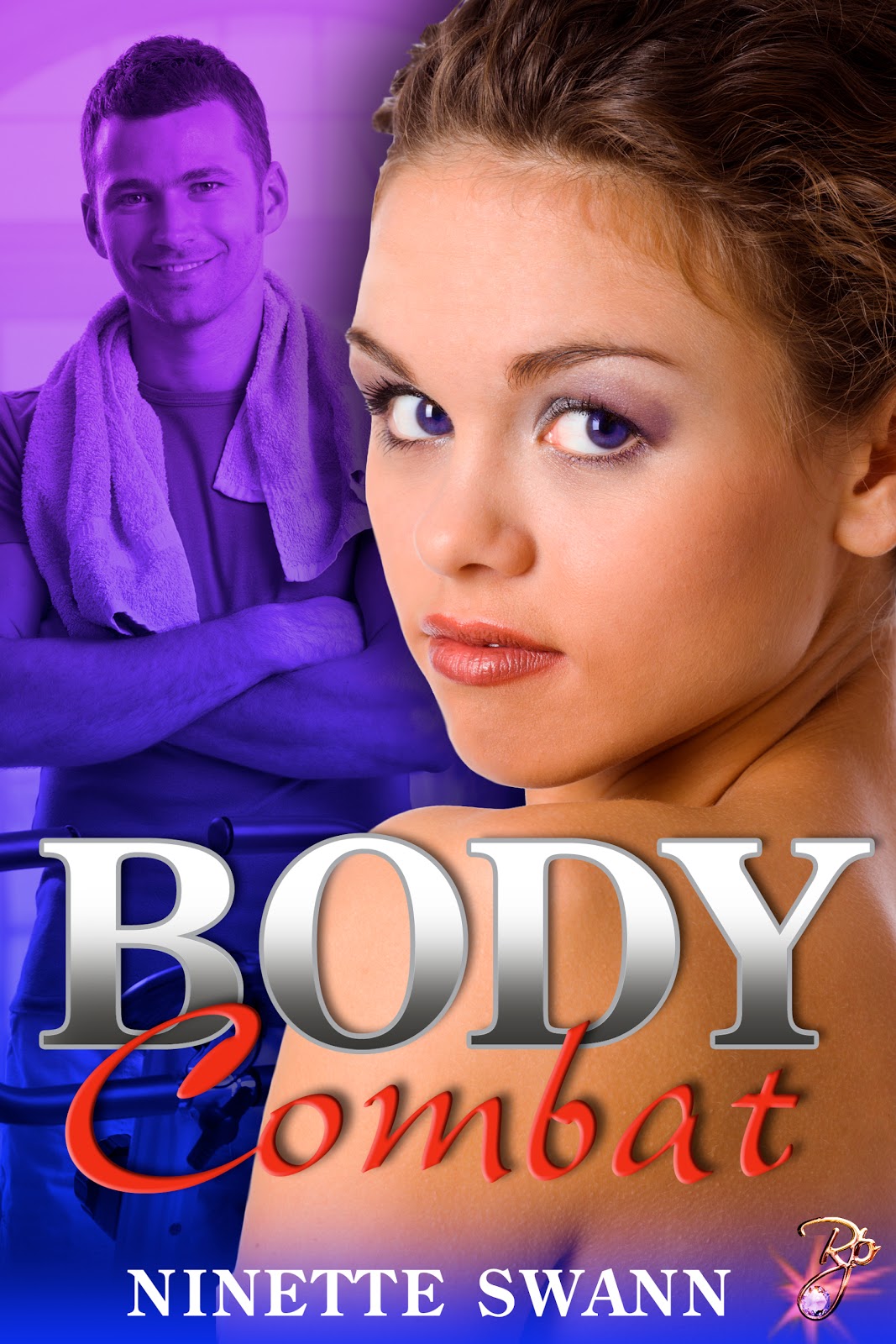
Body Combat just released last month, and I've been given license to give some copies away!
I thought I'd start right here with a giveaway. This is for an ebook copy, any format you would want or need!
So tell everybody! FREE BOOK, FREE EBOOK.

Sign up. It's wicked easy!
a Rafflecopter giveaway
I thought I'd start right here with a giveaway. This is for an ebook copy, any format you would want or need!
So tell everybody! FREE BOOK, FREE EBOOK.
Sign up. It's wicked easy!
a Rafflecopter giveaway
October 10, 2012
Find the Right Feedback for You
Editors, crit partners, beta readers...they all amount to the same thing: Someone who is going to rake over your manuscript, chop it up, mark it in red and throw it back to you with an email saying "Great job! Here are the billionity things I would fix!"
Are you ready for it? Can you handle it?
You must.
Authors shoot themselves in the respective feet by being too afraid to let an editor touch their work. Some don't want their words changed. Others have low self-esteem when it comes to their writing and don't think they could handle any blows. But if you won't let a beta reader take a look, how are you going to get an agent or publisher to take a look?
Here's an industry secret: Your first manuscript needs to be pretty damn perfect (unless you're very lucky) for anyone to even glance at it twice. Use the wrong its on the first page or use a sentence structure that goes off on tangents without backing up the original idea, and you're headed for the reject pile.
BUT
After that, you're golden. The more books you get out there, the less awesome they have to be. It gets to a point when you just have to type random words on a page that amount to nothing and you're just blindly accepted. Someone else gets to do the work of making it make sense and flow both grammatically and content-wise. (I'm not at that point yet, but I know a guy who knows a guy.)
Point being, as you agonize over the logical strength of your second paragraph, and you feel defeated because you have 45,000 more words to sift through that you thought you got right the first time, take heart. Do it well now, and you won't have to do it for long.
You only need to achieve perfection once (or just a few times). After that, they pay someone else to achieve it for you / help you achieve it.
So, how do you take that first step then? How do you find the right voice to edit your piece? Here's some advice.
1) Friends. Friends are tricky. If you're a writer, you probably have some fairly literate friends. They probably like to read. Use them. Ask them first. Anyone interested will let you know. But be wary. If you are the sensitive type, and you choose a blunt friend to look at your piece, you may get your feelings hurt. Editing ruins friendships. Before you embark on an editor / writer relationship with someone you know, make sure you are on the same page with the type of editing you want and the amount of criticism you can handle.
2) Figure out exactly what you are looking for and tell the beta reader up front. Some authors are looking for a quick readthrough just to make sure the major plot points fall into line and the text has consistency. If this is you, and your beta spends a week tightening your grammar and changing your specific words, you're both going to leave the table frustrated and angry. You wasted her time, and she didn't even give you the big picture, which was all you were looking for in the first place. If you want a partner who sees just the trees, sentence by sentence, say so. If you want a partner who sees just the forest, the piece as a whole, tell them. I've found the best editor is one who does both, but you've got to be willing to part with your genius phrasing and even some of your overarching themes and ideas if you choose that type.
3) Consider some kind of payment plan. I edit for money through a company. I edit for friends for free because, you know, friendship. I edit for my crit partner (who is now a friend) in an exchange program. She sends me her stuff, I send her mine. If the playing field is equal, you'll not have to worry about any feelings getting in the way of your stellar work.
4) There are two types of editors you can choose.
a) Choose a writer who writes like you do. These are good because you know you have a kindred spirit. This person will understand your turns of phrase. They enjoy your genre. They have a general knack for saying things in the way that you say them. Using them will preserve the purity of your work, in that they already 'get' you, so you won't have to waste time changing something for an outsider's opinion...someone who may or may not know what the readers of your work as a general audience will think.
b) Choose a writer whose style you admire. This is the tougher and, in my opinion, the better option. If you have an editor who writes as you aspire to write, they will make the sort of changes you wished you had thought of. They will improve your writing in the way you want it improved (whether you know it or not.) Your words might not stay the same, and you might have sweeping changes to make, and you might have to ignore some of it because the person just doesn't 'get' it, but overall, you'll get a thorough edit on things you otherwise wouldn't have seen.
5) Don't assume people know things. You would think it would be a common courtesy for an editor not to say something like, "wow, this character totally sucks, and I hate him." It's not. If you don't want that kind of language, or that negativity, tell your partner upfront. It probably wouldn't have been an issue, but in case it would have been, now you've covered it and no one gets hurt.
If you don't know where to find an editor, and you're looking for someone who does not know you personally, put out a signal. Join writing forums and groups. You can use Facebook, Tumblr, or even plain old google. Type in your genre and the word discussion. Goodreads is also great for this. Network among writers and readers and you'll find yourself a partnership before you know it.
Good luck and happy editing!
Are you ready for it? Can you handle it?
You must.
Authors shoot themselves in the respective feet by being too afraid to let an editor touch their work. Some don't want their words changed. Others have low self-esteem when it comes to their writing and don't think they could handle any blows. But if you won't let a beta reader take a look, how are you going to get an agent or publisher to take a look?
Here's an industry secret: Your first manuscript needs to be pretty damn perfect (unless you're very lucky) for anyone to even glance at it twice. Use the wrong its on the first page or use a sentence structure that goes off on tangents without backing up the original idea, and you're headed for the reject pile.
BUT
After that, you're golden. The more books you get out there, the less awesome they have to be. It gets to a point when you just have to type random words on a page that amount to nothing and you're just blindly accepted. Someone else gets to do the work of making it make sense and flow both grammatically and content-wise. (I'm not at that point yet, but I know a guy who knows a guy.)
Point being, as you agonize over the logical strength of your second paragraph, and you feel defeated because you have 45,000 more words to sift through that you thought you got right the first time, take heart. Do it well now, and you won't have to do it for long.
You only need to achieve perfection once (or just a few times). After that, they pay someone else to achieve it for you / help you achieve it.
So, how do you take that first step then? How do you find the right voice to edit your piece? Here's some advice.
1) Friends. Friends are tricky. If you're a writer, you probably have some fairly literate friends. They probably like to read. Use them. Ask them first. Anyone interested will let you know. But be wary. If you are the sensitive type, and you choose a blunt friend to look at your piece, you may get your feelings hurt. Editing ruins friendships. Before you embark on an editor / writer relationship with someone you know, make sure you are on the same page with the type of editing you want and the amount of criticism you can handle.
2) Figure out exactly what you are looking for and tell the beta reader up front. Some authors are looking for a quick readthrough just to make sure the major plot points fall into line and the text has consistency. If this is you, and your beta spends a week tightening your grammar and changing your specific words, you're both going to leave the table frustrated and angry. You wasted her time, and she didn't even give you the big picture, which was all you were looking for in the first place. If you want a partner who sees just the trees, sentence by sentence, say so. If you want a partner who sees just the forest, the piece as a whole, tell them. I've found the best editor is one who does both, but you've got to be willing to part with your genius phrasing and even some of your overarching themes and ideas if you choose that type.
3) Consider some kind of payment plan. I edit for money through a company. I edit for friends for free because, you know, friendship. I edit for my crit partner (who is now a friend) in an exchange program. She sends me her stuff, I send her mine. If the playing field is equal, you'll not have to worry about any feelings getting in the way of your stellar work.
4) There are two types of editors you can choose.
a) Choose a writer who writes like you do. These are good because you know you have a kindred spirit. This person will understand your turns of phrase. They enjoy your genre. They have a general knack for saying things in the way that you say them. Using them will preserve the purity of your work, in that they already 'get' you, so you won't have to waste time changing something for an outsider's opinion...someone who may or may not know what the readers of your work as a general audience will think.
b) Choose a writer whose style you admire. This is the tougher and, in my opinion, the better option. If you have an editor who writes as you aspire to write, they will make the sort of changes you wished you had thought of. They will improve your writing in the way you want it improved (whether you know it or not.) Your words might not stay the same, and you might have sweeping changes to make, and you might have to ignore some of it because the person just doesn't 'get' it, but overall, you'll get a thorough edit on things you otherwise wouldn't have seen.
5) Don't assume people know things. You would think it would be a common courtesy for an editor not to say something like, "wow, this character totally sucks, and I hate him." It's not. If you don't want that kind of language, or that negativity, tell your partner upfront. It probably wouldn't have been an issue, but in case it would have been, now you've covered it and no one gets hurt.
If you don't know where to find an editor, and you're looking for someone who does not know you personally, put out a signal. Join writing forums and groups. You can use Facebook, Tumblr, or even plain old google. Type in your genre and the word discussion. Goodreads is also great for this. Network among writers and readers and you'll find yourself a partnership before you know it.
Good luck and happy editing!
October 4, 2012
Feature Follow Friday (8)
It's time for another Feature Follow Friday!
The hop is hosted by Alison Can Read and Parajunkee...here are the rules!
First you leave your name here on this post, (using the linky tools — keep scrolling!) then you create a post on your own blog that links back to this post (easiest way is to just grab the code under the #FF picture and put it in your post) and then you visit as many blogs as you can and tell them “hi” in their comments (on the post that has the #FF image). You follow them, they follow you. Win. Win. Just make sure to follow back if someone follows you!
What sets this Hop apart from others, is our Feature. Each week we will showcase a Featured Blogger, from all different genres and areas. Who is our Feature today? Find out below. Just remember it is required, if you participate, to follow our Features and you must follow the hosts (Parajunkee & Alison Can Read) as a courtesy. How do you follow someone? Well, if you have a preference, state it in your #FF post. A lot of blogs are transitioning to WordPress in which they do not have the luxury of GFC, so an RSS subscription is appreciated or if you choose an email subscription. If you don’t have GFC please state in your post how you would like to be followed.
The question this week is about blogging. What do you hope to accomplish with your blog?
This blog is a place for me to review books I've read, keep people up to date with my own books, and give some insight into the background of the business. I also like sharing publishing opportunities and calls that I find for other aspiring authors. It's been a lot of fun so far!
Go ahead and link your blog below! This hop is worth it!

The hop is hosted by Alison Can Read and Parajunkee...here are the rules!
First you leave your name here on this post, (using the linky tools — keep scrolling!) then you create a post on your own blog that links back to this post (easiest way is to just grab the code under the #FF picture and put it in your post) and then you visit as many blogs as you can and tell them “hi” in their comments (on the post that has the #FF image). You follow them, they follow you. Win. Win. Just make sure to follow back if someone follows you!
What sets this Hop apart from others, is our Feature. Each week we will showcase a Featured Blogger, from all different genres and areas. Who is our Feature today? Find out below. Just remember it is required, if you participate, to follow our Features and you must follow the hosts (Parajunkee & Alison Can Read) as a courtesy. How do you follow someone? Well, if you have a preference, state it in your #FF post. A lot of blogs are transitioning to WordPress in which they do not have the luxury of GFC, so an RSS subscription is appreciated or if you choose an email subscription. If you don’t have GFC please state in your post how you would like to be followed.
The question this week is about blogging. What do you hope to accomplish with your blog?
This blog is a place for me to review books I've read, keep people up to date with my own books, and give some insight into the background of the business. I also like sharing publishing opportunities and calls that I find for other aspiring authors. It's been a lot of fun so far!
Go ahead and link your blog below! This hop is worth it!
September 26, 2012
Ten Things You Should Know About Editors
I'm an editor first and a writer second. Having spent the better part of three years editing manuscripts has made me a better writer for my genre. Not because I'm smarter or better prepared word for word, but because I understand the role of the person on the other end of my manuscript. I know, without a doubt, that what I thought I wrote is probably not what I actually wrote. Therefore, if I'm going to argue with my editor, I'm going to be damn sure I'm right.
I thought authors and writers might benefit from knowing a bit about the red pen on the other end of the internet.
Ten Things You Should Know About Editors:
10) They get paid nothing. Seriously. A full-time editor for a smallish shop couldn't afford a Starbucks habit with what she makes per manuscript. They don't do this for the money. They do it for you. You're the one getting paid for your good work. They're trying to make you more money while getting very little themselves.
9) They read manuscripts as a reader. So when they ask a question, they're not asking for notation clarification for them because they're dumb. They want you to clarify your words within the manuscript.
8) CAPITAL LETTERS DO NOT INTIMIDATE THEM INTO SEEING THE GENIUS OF YOUR FIRST TURN OF PHRASE. Copy editors can read in both upper and lower case, and the words mean the same.
7) They appreciate a learning author. There is nothing more disheartening than turning one hundred thens into thans, and then having to go through the new changes, and fix all the new thens into thans. Or whatever your grammar malfuction may be.
6) They appreciate a read-through before you hand in your script. Authors who are used to being accepted into houses tend to give the yellow-lined draft of their book. That's fine, but editors network, just like writers do. When you're ready to expand, you want to be known as the author who turns in pretty clean copy. Not the author with the crappy attitude and second-grade level spelling.
5) Most editors are also writers / authors. They do know what it's like to be you.
4) The longer they take with a manuscript, the better a job they are doing for you. Hounding them every two hours for your work back might get it back more quickly. But it won't be read as well. And your work could possibly suffer because of it.
3) They don't care. If you seriously insist on making that mistake in continuity in the backstory because the editor is simply not seeing your genius, go for it. It's not their book.
2) They hate most of the rules as much as you do. If you have a problem with the house guidelines, you'll have to look further up the chain.
1) They are making suggestions. They are not ripping into your character. They don't hate you. They don't get off on making you work harder. They are on your side. Better books get made when both parties realize that.
Good luck, and remember, try to cut your editor a break. They're working really hard mostly for the love of the business.
I thought authors and writers might benefit from knowing a bit about the red pen on the other end of the internet.
Ten Things You Should Know About Editors:
10) They get paid nothing. Seriously. A full-time editor for a smallish shop couldn't afford a Starbucks habit with what she makes per manuscript. They don't do this for the money. They do it for you. You're the one getting paid for your good work. They're trying to make you more money while getting very little themselves.
9) They read manuscripts as a reader. So when they ask a question, they're not asking for notation clarification for them because they're dumb. They want you to clarify your words within the manuscript.
8) CAPITAL LETTERS DO NOT INTIMIDATE THEM INTO SEEING THE GENIUS OF YOUR FIRST TURN OF PHRASE. Copy editors can read in both upper and lower case, and the words mean the same.
7) They appreciate a learning author. There is nothing more disheartening than turning one hundred thens into thans, and then having to go through the new changes, and fix all the new thens into thans. Or whatever your grammar malfuction may be.
6) They appreciate a read-through before you hand in your script. Authors who are used to being accepted into houses tend to give the yellow-lined draft of their book. That's fine, but editors network, just like writers do. When you're ready to expand, you want to be known as the author who turns in pretty clean copy. Not the author with the crappy attitude and second-grade level spelling.
5) Most editors are also writers / authors. They do know what it's like to be you.
4) The longer they take with a manuscript, the better a job they are doing for you. Hounding them every two hours for your work back might get it back more quickly. But it won't be read as well. And your work could possibly suffer because of it.
3) They don't care. If you seriously insist on making that mistake in continuity in the backstory because the editor is simply not seeing your genius, go for it. It's not their book.
2) They hate most of the rules as much as you do. If you have a problem with the house guidelines, you'll have to look further up the chain.
1) They are making suggestions. They are not ripping into your character. They don't hate you. They don't get off on making you work harder. They are on your side. Better books get made when both parties realize that.
Good luck, and remember, try to cut your editor a break. They're working really hard mostly for the love of the business.
September 20, 2012
Daring Greatly, Brene Brown - Book Review
 Daring Greatly: How the Courage to Be Vulnerable Transforms the Way We Live, Love, Parent, and Lead by Brené Brown
My rating: 4 of 5 stars
Daring Greatly. Do you dare greatly? Do you dare at all? This book by Brene Brown encourages us to take action in our own lives by first understanding ourselves and our motivations. It's a look inward to affect outward action, and it's important work.
This book came at a great time for me. Brene is a shame and vulnerability researcher. Scary business. Something I'd like nothing better than to scoff at.
But I can't.
Because she makes sense. And I like her. I'm not going to blather on about her book. I'm going to let her speak for herself. If any of this strikes a cord, I suggest grabbing her book. It's really been a great read for me.
"It is not the critic who counts; not the man who points out how the strong man stumbles, or where the doer of deeds could have done them better. The credit belongs to the man who is actually in the arena, whose face is marred by dust and sweat and blood; who strives valiantly; who errs, who comes short again and again, because there is no effort without error and shortcoming; but who does actually strive to do the deeds; who knows great enthusiasms, the great devotions; who spends himself in a worthy cause; who at the best knows in the end the triumph of high achievement, and who at the worst, if he fails, at least fails while daring greatly..." --Teddy Roosevelt
"When I look at narcissism through the vulnerability lens, I see the shame-based fear of being ordinary."
"We're afraid that our truth isn't enough--that what we have to offer isn't enough without the bells and whistles, without editing, and impressing."
"Vulnerability is about sharing our feelings and our experiences with people who have earned the right to hear them."
"You know that you are far more than a painting, an innovative idea, an effective pitch, a good sermon, or a high Amazon.com ranking. Yes, it will be disappointing and difficult if your friends or colleagues don't share your enthusiasm, or if things don't go well, but this effort is about what you do, not who you are."
"We are hard on others because we are hard on ourselves."
"We are a culture of people who have bought into the idea that if we stay busy enough, the truth of our lives will not catch up with us."
"Much of the beauty of light owes its existence to the dark."
"Using vulnerability is not the same as being vulnerable. It is the opposite."
"Cruelty is cheap, easy, and chickenshit."
"Don't try to win over the haters; you are not a jackass whisperer."
"Fitting in is one of the greatest barriers to belonging."
"Hope is a combination of setting goals, having the tenacity and perseverance to pursue them, and believing in our own abilities. Hope is plan B."
"Sometimes the bravest and most important thing you can do is just show up."
"Daring greatly is not about winning or losing. It's about courage."
Reading this book really helped me put a lot of my own life into perspective, and not just my present and future in terms of parenting, but also my past in terms of who I am as a person and why I've gone the path I've chosen. I wholly recommend it.
____
This review is paid for by BlogHer, but it is my own opinion expressed, good or bad.
View all my reviews

September 17, 2012
The Painted Veil, by Somerset Maugham
 The Painted Veil by W. Somerset Maugham
My rating: 5 of 5 stars
This is the best book I've read in a while. The story is a heartening tale of growth and perseverance, and the author makes no exception for the human condition along the way. The stark realism not only of the descriptions of the time, settings and characters, but also of the reactions those character would have to each other can be startling at times, and is always refreshing.
Maugham has a brilliance with words and ideas, and I was heartened that even when he seemed to lose his way 3/4 through the book, he found it again with adept precision. Read Maugham. Read the Painted Veil.
View all my reviews