
Sid Gustafson's Blog, page 2
August 9, 2022
Native Bloodstock, Sid Gustafson DVM
Native Bloodstock

Dr Gustafson is a thoroughbred bloodstock agent and a Doctor of Veterinary Medicine. The application of behavioral science to the development of racehorses enhances optimal health, performance, soundness, contentment, and longevity. Behavioral, social, locomotory, training, and nutritional strategies enhance the prosperity, vigor, and health of competition horses. Sid develops racehorses in deference to the horse's perspective, achieving willing and winning equine partnerships with humans.

Sid Gustafson DVM
Equine Behaviorist
Racehorse Welfare
I secure yearlings sound of wind and limb, captivated with the behavioral essence to prevail.
I help develop the willing partnerships between horses and humans, bonding necessary to prevail and win, all the while staying sound, happy, and healthy.

I offer purchasing and management services. Once your ideal horse is purchased, I guide your horse to the most appropriate farm, barn, or stable, one with knowing and sensitive human hands. Based on the horse’s development and physical maturity, the most behaviorally positive training situations are found. Once placed, I monitor the stabling and training on your horse's behalf.
I represent the health and welfare and drug-free training of your horse. In addition to monitoring the training, racing, and conditioning protocols, I monitor your horse's contentment, nutrition, socialization, daily locomotion, and happiness. My behavioral fulfillment strategies are designed and implemented to enhance your horse’s potential to train and win. Nurturing a willing partnership between horse and trainer/rider is essential to racehorse success, soundness, safety, and longevity. I promote drug-free racing, and educate and guide trainers with strategies to prevent injuries and bleeding issues.

To blend with caretakers and riders as herd is key to horse happiness. Each horse must be stabled, trained, and managed in a fashion that fulfills both their individual and herd behavioral needs. Abundant daily locomotion is essential for soundness. Grazing and communing with other horses is essential for welfare. Miles and miles of daily walking and jogging together are essential for digestive, hoof, joint, bone, muscle, pulmonary, metabolic and mental health.
I ensure that all horses under my management are stabled in a fashion that re-creates natural. Progressive racehorse management ensures behavioral health. Healthy horses become willing partners. Those who please racehorses, develop racehorses who please their owners, riders, and guardians.
Natural behaviors must be re-created in the training and stable setting. Near-constant movement and foraging, along with abundant daily socialization with other horses creates winners. A naturally fulfilled and behaviorally enriched racehorse is a willing partner, happy to train and win.

Utilizing sophisticated training-monitoring technology is now a premier strategy to ewin races. Additionally, monitoring assures owners that their racehorse is being trained properly. Welfare and health are easily tracked, reported, and monitored. Conditioning and stabling protocols are accurately adjusted. Problems are detected before they appear.
EKG, GPS, and stride length are monitored. Conditioning and distance preferences are determined for each horse. Soundness is maintained, both mental and physical, for each individual. This scientific monitoring enhances each trainer’s ability to train, place, and condition horses to sustain a long and safe career. Breakdowns are prevented. Welfare is monitored, along with medication use. Dr Gustafson reviews all suggested medication protocols. Horses under Dr Gustafson’s management are trained without medication, or with minimal medication. Never is medication allowed to facilitate training or racing by suppressing a problem or reducing pathological inflammation. Physical therapy, rubbing, swimming, walking, lounging, grazing, and socialization with other horses are the soundness-maintaining strategies that enhance endurance and longevity.

My experience as an attending veterinarian, regulatory veterinarian, and equine behaviorist supports my seasoned ability as a bloodstock agent and racehorse manager. I secure sound horses with animated movement. I find horses with the mental aptitude to readily blend with humans to condition, stable, and race successfully.
Pedigree is but half the equation. Horses evolved as social grazers of the plains moving and grazing together nearly 2/3 of the time in natural settings. Abundant daily locomotion is essential to maintain soundness, pulmonary, digestive, metabolic, and behavioral health. Dental health in growing horses requires daily attention and care.
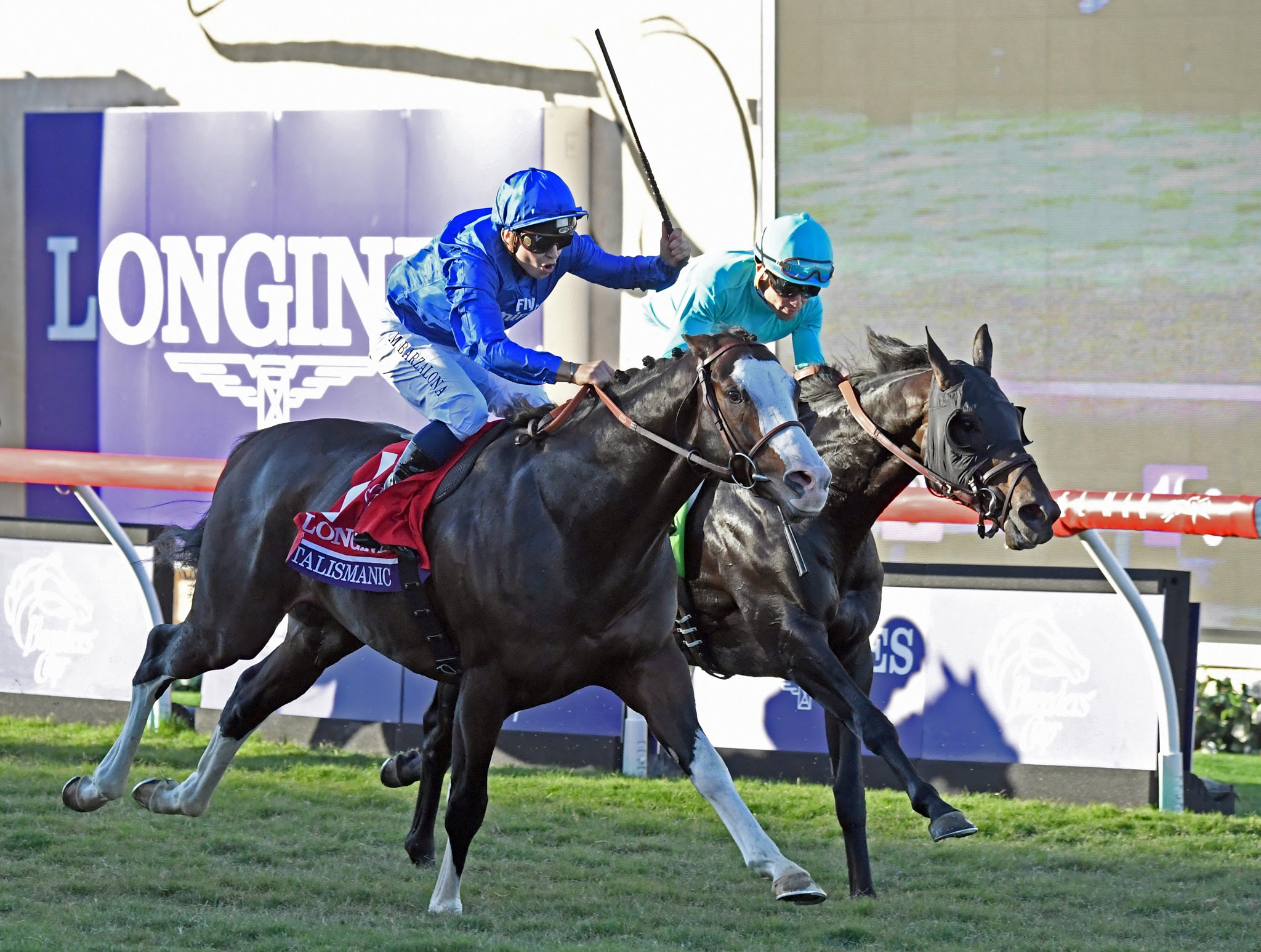
The Language of Horsemanship.Racehorse Advocacy. Native Bloodstock. Racehorse selection, acquisition, and welfare management.Securing yearlings sound of wind and limb with the behavioral essence to train up and prevail. Progressive racehorse monitoring utilizing sophisticated EKG and GPS motion monitoring technology. Enhancing welfare to maintain the soundness of wind and limb, while developing the will and stamina to prevail. Medication-free training and racing enhances welfare.

Dr Gustafson is a thoroughbred bloodstock agent and a Doctor of Veterinary Medicine. The application of behavioral science to the development of racehorses enhances optimal health, performance, soundness, contentment, and longevity. Behavioral, social, locomotory, training, and nutritional strategies enhance the prosperity, vigor, and health of competition horses. Sid develops racehorses in deference to the horse's perspective, achieving willing and winning equine partnerships with humans.


May 15, 2021
Free novel download today. Horseracing in America
Dr Gustafson graduated from Washington State University as a Doctor of Veterinary Medicine in 1979. He is a practicing veterinarian, animal welfare journalist, equine behavior educator, and novelist. The application of behavioral science to the husbandry of horses enhances optimal health, performance, soundness, contentment, and longevity. Behavioral, social, locomotory, and nutritional strategies enhance the prosperity, vigor, and health of stabled horses. Sid offers veterinary care, training, husbandry, and conditioning from the horse's perspective to achieve willing and winning equine partnerships with humans.
December 16, 2020
Horseracing in America, a novel: Book Review
Sid Gustafson offers us a powerful glimpse into a unique and unfamiliar world in his new novel, Horseracing in America (Sleipnir Publishing, $17). Seen through the eyes of a female Native American woman, the reader is taken on a behind-the-scenes journey into the scandalous realm of horseracing. Laced with themes of bribery and corruption, Gustafson unveils the not-so-glamorous side of a widely popular pastime. From the mistreatment of animals, to the injustice of the American political system, Gustafson grapples with concepts that apprise readers to check their moral compass. Expressively written, with exciting dialogue and compelling character development, Horseracing in America brings into question our society’s ethical animal principles, and is nothing short of an eloquent call to action.

Book Review: Horseracing in America
Dr Gustafson graduated from Washington State University as a Doctor of Veterinary Medicine in 1979. He is a practicing veterinarian, animal welfare journalist, equine behavior educator, and novelist. The application of behavioral science to the husbandry of horses enhances optimal health, performance, soundness, contentment, and longevity. Behavioral, social, locomotory, and nutritional strategies enhance the prosperity, vigor, and health of stabled horses. Sid offers veterinary care, training, husbandry, and conditioning from the horse's perspective to achieve willing and winning equine partnerships with humans.
August 19, 2020
Horseracing in America, a novel. Reviewed by Mary Scriver
"HORSE RACING IN AMERICA": A Review
Sid with his hand on a horse.
This book was not at all what I expected, though it is exactly what the title, “Horse Racing in America,” says. It is about the scandalous treatment — MIS-treatment — of race horses who are routinely destroyed because of running drugged on broken legs. Oddly, there is no single horse who is the focus — rather, the animal we follow and fear for is a dog. Not just any dog, but a rez dog. In fact, I’m sure I’ve seen “Cowboy” on Sid Gustafson’s websites. He and I are both in the small category of white writers closely associated with the Blackfeet reservation over decades. We crossed trails in the Sixties when Sid’s dad was our veterinarian. The story called “Smallpox” is in part drawn from Bob Scriver. http://www.sidgustafson.com/disc.htm#.Xr6W1C-ZNoQ Lots of photos here.
I’ve followed Sid’s writing for many years and reviewed previous books. I smiled to see he’d managed again to get Billy Big Springs into the story, a physically massive mentor of Sid’s whom I also knew, but not so closely. Consult https://sidgustafson.blogspot.com/2016/05/#.Xr6ReC-ZNoQ which is a previous review about a different book with the same internal story-drive. Writers work this repeat, trying to resolve the inexplicable again and again.
This time the reader is led through horse anatomy, particularly legs, and the drugs used on horses, not so different from the drugs we have all become familiar with these days because of human addiction. Encagements of horses’ heads with bits and tie-downs elaborated to control the horse have the ironic effect of making breathing near-impossible, especially when running. The cruelty and attempt to control made me think of a medieval woman who spoke too much, even as they led her to be martyred by being burned alive. When she continued to shout to the crowd, her captors screwed her tongue to the top of her mouth. These days Euros don’t use such methods, which have remained part of the American obsession with control.
Reading this book during current political developments means it echoes with bribery, mafia schemes, semi-legality, evasion of regulation, perversion of science, and pretensions of grandeur. But that’s not what shines through all this machinery. I’m not sure that even Sid realizes what he has written, as much in his subconscious as his intentions. It’s again as extraordinary as “Moby Dick,” the detail and passion of obsession so strong as to be seen as madness. In this version Sid names it “Dominion.”
“Dominion came to haunt me, much as it had come to haunt Vallerone. I despise the liberty man has taken with dominion over animals. His animals. Ha. Folk desire dominion over goodness, and absurdly, dominion over all living things.” It’s in the Bible. But in the novel it is tied to veterinarians specifically through Herriot’s use of a Bible quote for an epigraph of a book later than "All Things Bright and Beautiful", a book called "Every Living Thing":
“Be fruitful and multiply,
and replenish the earth and subdue it:
and have dominion over the fish of the sea
and over the fowl of the air,
and over every living thing
that moveth upon the earth.”
(Genesis 1:28 , repeated again and again)
Today this dictum has been thoroughly challenged, not least by women who defy domination, which is why the second veterinarian character, the protagonist, is a defiant idealistic female who has a daughter rather than a son. The two veterinarians share a happier plot line, but it is not about falling in love — rather the search for identity, the hunger for meaning. Often Sid repeats his horse mantra, which is freedom, foraging and friends, as true of people as animals, as natural to the rolling grasslands of the rez as to the sea. This is not abstract, told in jargon when necessary, slanting metaphor when that works.
Much of the plot plunges briskly through the chapters by means of repartee. Abandonment of quotation marks works here without confusion, easily visualized, which suggests a translation to a movie, except that such a move would lose the lyric passages about place, which are crucial to the sense and senses of the story. Memories of the Montana east slope stand in contrast with the shore of the New York Finger Lakes where Sicilians run casinos that make living animals into electronic signifiers, bookkeeping wealth too easily manipulated.
Locating Vallerone’s incarceration in a Veteran’s Hospital means that men are as much victims of national dominions as are women, as much destroyed by territorial industrial revolution war as animals are by distorted competition. But there’s little lecturing on the obvious. Just the overwhelming inner drive to understand what to do, to obey the compelling need to make the maimed whole again or at least give them dignity.
I looked up "Sleipner Publishing" and discovered that "In Norse mythology, Sleipnir (Old Norse "slippy" or "the slipper") is an eight-legged horse ridden by Odin. Sleipnir is attested in the Poetic Edda, compiled in the 13th century from earlier traditional sources, and the Prose Edda, written in the 13th century by Snorri Sturluson." In other words, a horse of the gods, ironically more pedestrian than Pegasus, but, wow, can he run! Sid doesn't forget he has a Norse thread.
Somewhere I once read an anthropological report on a Blackfeet woman's specialty as a "horse doctor." When the men came back from war or hunting, exhausted and possibly wounded themselves, the women took the horses to water and clean and a particularly skilled woman checked each one for wounds she would pack with healing herbs. I think Sid read it, too, but I don't have a reference for it.
Don't underestimate this book, but don't forget that Sid provides many nonfiction work on the same subject.
Posted by Mary Strachan Scriver at 8:25 AM [image error]
Sid Gustafson DVM said...
At 80, Mary’s eyes and ears are keener than anyone’s younger, a true champion of Indians and their animals, a hero for our times.
Dr Gustafson graduated from Washington State University as a Doctor of Veterinary Medicine in 1979. He is a practicing veterinarian, animal welfare journalist, equine behavior educator, and novelist. The application of behavioral science to the husbandry of horses enhances optimal health, performance, soundness, contentment, and longevity. Behavioral, social, locomotory, and nutritional strategies enhance the prosperity, vigor, and health of stabled horses. Sid offers veterinary care, training, husbandry, and conditioning from the horse's perspective to achieve willing and winning equine partnerships with humans.
May 15, 2020
Horseracing in America reviewed by Mary Scriver
This book was not at all what I expected, though it is exactly what the title, “Horse Racing in America,” says. It is about the scandalous treatment — MIS-treatment — of race horses who are routinely destroyed because of running drugged on broken legs. Oddly, there is no single horse who is the focus — rather, the animal we follow and fear for is a dog. Not just any dog, but a rez dog. In fact, I’m sure I’ve seen “Cowboy” on Sid Gustafson’s websites. He and I are both in the small category of white writers closely associated with the Blackfeet reservation over decades. We crossed trails in the Sixties when Sid’s dad was our veterinarian. The story called “Smallpox” is in part drawn from Bob Scriver. http://www.sidgustafson.com/disc.htm#.Xr6W1C-ZNoQ Lots of photos here.
I’ve followed Sid’s writing for many years and reviewed previous books. I smiled to see he’d managed again to get Billy Big Springs into the story, a physically massive mentor of Sid’s whom I also knew, but not so closely. Consult https://sidgustafson.blogspot.com/2016/05/#.Xr6ReC-ZNoQ which is a previous review about a different book with the same internal story-drive. Writers work this repeat, trying to resolve the inexplicable again and again.
This time the reader is led through horse anatomy, particularly legs, and the drugs used on horses, not so different from the drugs we have all become familiar with these days because of human addiction. Encagements of horses’ heads with bits and tie-downs elaborated to control the horse have the ironic effect of making breathing near-impossible, especially when running. The cruelty and attempt to control made me think of a medieval woman who spoke too much, even as they led her to be martyred by being burned alive. When she continued to shout to the crowd, her captors screwed her tongue to the top of her mouth. These days Euros don’t use such methods, which have remained part of the American obsession with control.
Reading this book during current political developments means it echoes with bribery, mafia schemes, semi-legality, evasion of regulation, perversion of science, and pretensions of grandeur. But that’s not what shines through all this machinery. I’m not sure that even Sid realizes what he has written, as much in his subconscious as his intentions. It’s again as extraordinary as “Moby Dick,” the detail and passion of obsession so strong as to be seen as madness. In this version Sid names it “Dominion.”
“Dominion came to haunt me, much as it had come to haunt Vallerone. I despise the liberty man has taken with dominion over animals. His animals. Ha. Folk desire dominion over goodness, and absurdly, dominion over all living things.” It’s in the Bible. But in the novel it is tied to veterinarians specifically through Herriot’s use of a Bible quote for an epigraph of a book later than "All Things Bright and Beautiful", a book called "Every Living Thing":
“Be fruitful and multiply,and replenish the earth and subdue it:and have dominion over the fish of the seaand over the fowl of the air, and over every living thingthat moveth upon the earth.”(Genesis 1:28, repeated again and again)
Today this dictum has been thoroughly challenged, not least by women who defy domination, which is why the second veterinarian character, the protagonist, is a defiant idealistic female who has a daughter rather than a son. The two veterinarians share a happier plot line, but it is not about falling in love — rather the search for identity, the hunger for meaning. Often Sid repeats his horse mantra, which is freedom, foraging and friends, as true of people as animals, as natural to the rolling grasslands of the rez as to the sea. This is not abstract, told in jargon when necessary, slanting metaphor when that works.
Much of the plot plunges briskly through the chapters by means of repartee. Abandonment of quotation marks works here without confusion, easily visualized, which suggests a translation to a movie, except that such a move would lose the lyric passages about place, which are crucial to the sense and senses of the story. Memories of the Montana east slope stand in contrast with the shore of the New York Finger Lakes where Sicilians run casinos that make living animals into electronic signifiers, bookkeeping wealth too easily manipulated.
Locating Vallerone’s incarceration in a Veteran’s Hospital means that men are as much victims of national dominions as are women, as much destroyed by territorial industrial revolution war as animals are by distorted competition. But there’s little lecturing on the obvious. Just the overwhelming inner drive to understand what to do, to obey the compelling need to make the maimed whole again or at least give them dignity.
I looked up "Sleipner Publishing" and discovered that "In Norse mythology, Sleipnir (Old Norse "slippy" or "the slipper") is an eight-legged horse ridden by Odin. Sleipnir is attested in the Poetic Edda, compiled in the 13th century from earlier traditional sources, and the Prose Edda, written in the 13th century by Snorri Sturluson." In other words, a horse of the gods, ironically more pedestrian than Pegasus, but, wow, can he run! Sid doesn't forget he has a Norse thread.
Somewhere I once read an anthropological report on a Blackfeet woman's specialty as a "horse doctor." When the men came back from war or hunting, exhausted and possibly wounded themselves, the women took the horses to water and clean and a particularly skilled woman checked each one for wounds she would pack with healing herbs. I think Sid read it, too, but I don't have a reference for it.
Don't underestimate this book, but don't forget that Sid provides many nonfiction work on the same subject.
15Settings
Dr Gustafson graduated from Washington State University as a Doctor of Veterinary Medicine in 1979. He is a practicing veterinarian, animal welfare journalist, equine behavior educator, and novelist. The application of behavioral science to the husbandry of horses enhances optimal health, performance, soundness, contentment, and longevity. Behavioral, social, locomotory, and nutritional strategies enhance the prosperity, vigor, and health of stabled horses. Sid offers veterinary care, training, husbandry, and conditioning from the horse's perspective to achieve willing and winning equine partnerships with humans.
May 2, 2020
Horseracing in America, the novel

Dr Gustafson graduated from Washington State University as a Doctor of Veterinary Medicine in 1979. He is a practicing veterinarian, animal welfare journalist, equine behavior educator, and novelist. The application of behavioral science to the husbandry of horses enhances optimal health, performance, soundness, contentment, and longevity. Behavioral, social, locomotory, and nutritional strategies enhance the prosperity, vigor, and health of stabled horses. Sid offers veterinary care, training, husbandry, and conditioning from the horse's perspective to achieve willing and winning equine partnerships with humans.
March 25, 2020
Free Dog First Aid ebook for those unable to access veterinary care.
Dr Gustafson graduated from Washington State University as a Doctor of Veterinary Medicine in 1979. He is a practicing veterinarian, animal welfare journalist, equine behavior educator, and novelist. The application of behavioral science to the husbandry of horses enhances optimal health, performance, soundness, contentment, and longevity. Behavioral, social, locomotory, and nutritional strategies enhance the prosperity, vigor, and health of stabled horses. Sid offers veterinary care, training, husbandry, and conditioning from the horse's perspective to achieve willing and winning equine partnerships with humans.
March 20, 2020
Horseracing in America
Dr Gustafson graduated from Washington State University as a Doctor of Veterinary Medicine in 1979. He is a practicing veterinarian, animal welfare journalist, equine behavior educator, and novelist. The application of behavioral science to the husbandry of horses enhances optimal health, performance, soundness, contentment, and longevity. Behavioral, social, locomotory, and nutritional strategies enhance the prosperity, vigor, and health of stabled horses. Sid offers veterinary care, training, husbandry, and conditioning from the horse's perspective to achieve willing and winning equine partnerships with humans.
March 10, 2020
California Horse Racing Board Fatalities Report
Fatalities Report CHRB
Dr Gustafson graduated from Washington State University as a Doctor of Veterinary Medicine. He is a practicing veterinarian, animal welfare journalist, equine behavior educator, and novelist. The application of behavioral science to the husbandry of horses enhances optimal health, performance, soundness, contentment, and longevity. Behavioral, social, locomotory, and nutritional strategies enhance the prosperity, vigor, and health of stabled horses. Sid offers veterinary care, training, husbandry, and conditioning from the horse's perspective to achieve willing and winning equine partnerships with humans.
December 7, 2019
Competition Horse Medication Ethics
Gustafson S, DVM
Appreciation of the evolved nature and behavior of horses provides the foundation for the ethical veterinary care of equine athletes. The establishment of a veterinary patient client relationship (VCPR) is instrumental in providing ethical care for the competition horse. Ethical veterinary practice supports the horse’s long-term health and welfare interests while avoiding pharmaceutical intervention in the days and weeks before competition.
Horses evolved as social grazers of the plains, moving and grazing in a mutually connected and constantly communicative fashion on a near-constant basis. Contemproary equine health and prosperity remains dependent on providing an acceptable degree of this near-constant movement, foraging, and socialization. When horses are confined to fulfill convenience and performance interests, the horse’s natural preferences need be re-created to a suitable degree to avoid exceeding the adaptability of the horse. As the adaptability of the horse is exceeded, welfare is dimished and the need for medical intervention to remedy behavioral, health, and soundness deficiencies is intensified. Contemporary practices regularly exceed the competition horse’s adaptability, resulting in the need for extensive veterinary intervention to sustain health and remedy training and competition injuries.The more medical care and pharmaceutical intervention required to sustain any population of animals the lower the population’s welfare.Healthy horses function and perform more consistently and predicatbly in an unmedicated state. Contemporary pre-competition medication practices remove the horse’s ability to protect their health and sustain soundness by masking pain and suppressing symptomology. Horses who require medication to alleviate medical conditions in order to compete are rendered vulnerable to injury and physical and behavioural dysfunction imperiling the safety of both horse and horseperson. Horses requiring medication to compete are not fit to compete safely. Horses and horsefolk are best served to compete free of short-term pre-competition pharmaceutical influence. Infirmities require appropriate medical care and rehabilition before competition is considered and resumed, rather than pre-competition medication to allay active medical problems. The equine practitioner should focus on post-performance evaluations and necessary therapies to sustain horse health on a enduring basis. An emphasis on fulfilling the medical, physical, and behavioural needs of the horse to prepare for the future competitions is the essence of ethical veterinary care of the competition horse. Pre-competition medication practices that replace or supplant appropriate health care are not in accord AVMA Principles of Veterinary Ethics.For human entertainment, convenience, and revenue, horses are bred, isolated, stabled, conditioned and medicated to perform competitively. Comtemporary pre-competition medication practices are often at the expense of the horse’s health, safety, and welfare. Many current medication practices violate the AVMA Principles of Veterinary Ethics, specifically the clause that states a veterinarian shall provide veterinary medical care under the terms of a veterinarian-client-patient relationship (VCPR).
The AVMA Principles of Veterinary Ethics state that it is unethical for veterinarians to medicate horses without a VCPR. Pre-competition pharmaceutical interventions to remedy insufficient attention and preparation for the horse’s long-evolved health requirements are seldom in the best interest of the horse. The medical and pharmaceutical practices which support equine competitive pursuits should be designed to enhance the health and soundness of the horse on a long term basis and should not be intended to enhance performance or permit training on infirm legs.
Pre-competition pharmaceutical intervention has been demonstrated to have an overall negative affect on the health and welfare of competitive horse populations. Where horses are allowed to be permissevely medicated with and without a VCPR, injuries and catastrophic injuries are more prevalent, as are jockey injuries. Horses are best served to be properly prepared to compete in a natural non-medicated state. Pharmaceutical intervention of the equine athlete should be avoided during training and in the weeks before competition, as pharmaceutical intervention impairs the innate pain barrier while increasing musculoskeletal fragility. Intense and widespread pre-competition medication practices correlate with catstrophic injury vulnerability and diminished welfare.Equine athletic pursuits have historicaly been designed to measure the natural abililty of horses and the trainer’s ability to bring out the horses’ natural ability. Performance enhancing drugs devalue and debase competetive achievements. Equine competition was designed to measure the natural abilities of horses, with trainers and riders honing those natural abilitities. Hoseracing was never intended to measure medicated ability, thus maintaining genetic integrity of the breed.Equine welfare is best supported when horses are properly prepared, physically and mentally sound, and fit to perform in an unmedicated state. Physically or behaviourally impaired horses who require medication to compete should not compete until they are able to compete without pre-competition pharmaceutical intervention. All sensation, behaviour, and proprioception should remain physiologically normal. Sensation and cognitive awareness should not be suppressed with pre-competiton medication. This inludes the use of sedatives, stimulants, and pain relievers of all sorts. Treatments should not interefere with functional physiology.
Sound horses properly prepared for competition have little need for pre-competition medication. Unsound or behaviorally dysfunctional horses should be medically and behaviorally rehabilitated in a fashion that restores soundness before training and competition are resumed. Medication is for infirm horses, and infirm horses should not compete. Horses who require medication to compete become increasingly unfit to compete safely. Rather than therapeutic intent, many pre-competition medication practices have become performance enhancing at the expense health and welfare of horse and rider.
It has been demonstrated through time that horses and their riders are best served to compete medication free. As a result, anti-doping laws have been established by all agencies that regualte equine competition. Veterinarians are required by both ethics and law to follow these regulations. Horseracing statisitcs support that the less medication horses receive the more favorably and safely horses compete.The safety of the competition horse is dependent on unimpaired neurological functioning. Unimpaired sensation and cognitive ability are necessary for a horse to compete safely and fairly. Any medications or procedures which negate or diminish sensation and awareness in the horse impair the ability of the horse to compete safely.The safety, longevity, and durability of the equine patient should considered before short term pre-competition medical solutions are implemented. Familiarity of the patient includes familiarity with stabling, genetics, behavior, and husbandry of the patient. Many if not most medical conditions are a result of human mismanagement of equine stabling and conditioning. When the adaptability is exceeded, horses become unsound. Assessment of stabling conditions and athletic preparation practices are essential components of ethical equine care. Healing must be allowed to progress before competition and training are resumed. Client education is essential to create a husbandry situation conducive to equine healing. Restoration strategies that recreate the horse's social grazing and locomotion preferences facilitate and potentiate horse healing. Appropriate healing of many equine maladies is encouraged when the veterinarian provides appropriate medical care and carefully facilitates a scenario to provide the horse with appropriate physical rehabilitation and behavioural fulfillment.
Despite domestication and selective breeding for docility and captivity, horse health remains dependent on locomotion. Locomotion is inherent to digestion, to respiration, to metabolism, to hoof health and function, to joint health, to bone health and durability, to resistance to limb failure, and to behavioral fulfillment. An interdependence exists between horse health and locomotion. Horses evolved to be near-constant walkers and grazers, depending on perpetual motion to sustain health of all systems. Horses did not evolve to be confined in stalls and stables, but to move on a continuous basis. Pulmonary health is dependent on abundant daily locomotion. Deprivation of adequate locomotion results pulmonary deterioration, resulting in an abnormal incidence of EIPH. By suppressing EIPH, Lasix perpetuates the substandard American training horsemanship that causes EIPH.
When horses are deprived of adequate and abundant locomotion, they develop strategies and unwelcome behaviors to keep themselves and their jaws in motion, as is their essential nature. Horses deprived of friends, forage, and locomotion are at risk to develop stereotypies to provide themselves with the movement they need to survive. The more stereotypies present in a population of equine athletes, the lower their welfare.
No longer is intense medical intervention prior to competetion a viable, ethical, or legal approach. It has been demonstrated that the more intensely horses are medicated to compete, the lower their welfare. The more medications required to sustain any population of animals, the further the deviation from their physical and behavioural needs. Rather than pre-race treatments, the ethical approach includes performance of exensive post-competition examinations to address any weaknesses or unsoundness as a result of the performance.
Alternatives to precompetition medication with non steroidal anti-inflammatory medication and steroids include fulfillment of the horse’s long-evolved nature. Musculoskeletal soundness is attained by proper breeding, development, husbandry, and conditioning practices. Management of exercise induced pulmonary hemorrhage is achieved by specific lifetime daily development of the horse’s pulmonary and cardiac function. As well, unwelcome and unsafe competition behaviors are best managed by fulfillment of the horse’s inherent behavioral needs, which include abundant daily socialization, locomotion, and grazing.
Recommended reading
Chyoke A, Olsen S & Grant S 2006 Horses and Humans, The Evolution of Human-Equine Relationships, BAR International Series 1560, Archeopress, England, ISBN 1 84171 990 0
Magner D 2004 Magner’s Classic Encyclopedia of the Horse Edison, New Jersey: Castle Books
McGreevy P 2004 Equine Behavior: A Guide for Veterinarians and Equine Scientists Philadelphia: Elsevier Limited. ISBN 0 7020 2634 4
Waran N, McGreevy P & Casey RA 2002 Training Methods and Horse Welfare in Waran N, ed The Welfare of Horses, Dordrecht, The Netherlands: Kluwer Academic Publishers, p151-180
Paul McGreevy BVSc, PhD, MRCVS. Equine Behavior, 2004, A Guide for Veterinarians and Equine Scientists. Second Edition, Elsevier; 2012, Chapter 13 Equitation Science
Budiansky, S. (1997). The nature of horses: Exploring equine evolution, intelligence, and behavior. New York: The Free Press.
Hausberger M, Roche H, Henry S, and Visser E.K. “A review of the human-horse relationship” Appl Anim Behav Sci 109, 1-24. 2008
Dr Gustafson graduated from Washington State University as a Doctor of Veterinary Medicine in 1979. He is a practicing veterinarian, animal welfare journalist, equine behavior educator, and novelist. The application of behavioral science to the husbandry of horses enhances optimal health, performance, soundness, contentment, and longevity. Behavioral, social, locomotory, and nutritional strategies enhance the prosperity, vigor, and health of stabled horses. Sid offers veterinary care, training, husbandry, and conditioning from the horse's perspective to achieve willing and winning equine partnerships with humans.



![[image error]](https://1.bp.blogspot.com/-nMOI9_T9wY0/Xr7c_S_XP0I/AAAAAAAAh3U/YIK7FbgsOxIv6HiWqkkt6nyJAzed2iv5ACLcBGAsYHQ/s1600/4dfbef724c30085cdd2ae640399ac3f4.jpg)
![[image error]](https://1.bp.blogspot.com/-wUjRQrrY2n0/Xr6h_gTQPEI/AAAAAAAAh3I/MFnokkQqvZwTq1t05DgSGHTV6yN01Z2dwCLcBGAsYHQ/s1600/iu-3.jpeg)