
Matthew Westfall's Blog, page 2
October 21, 2012
The General Summers Album – Manila, 1898
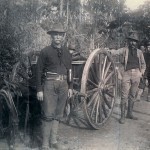
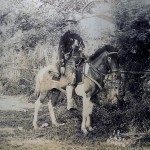
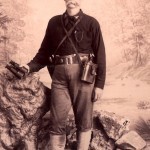
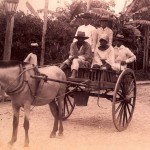
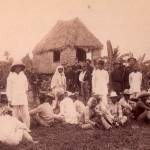
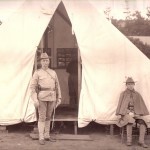
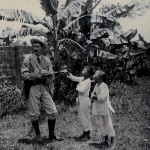
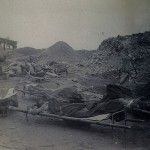
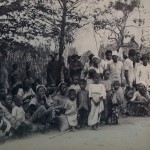
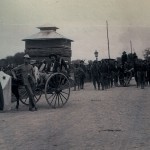
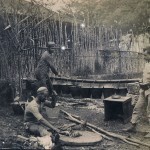
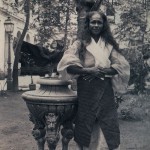
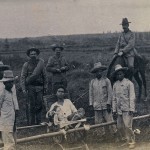
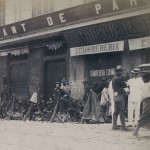
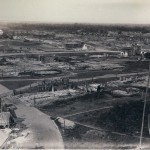
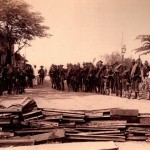
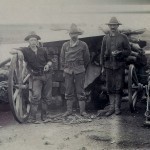
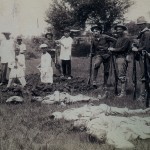
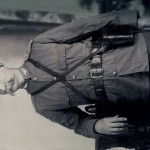
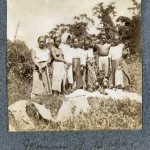
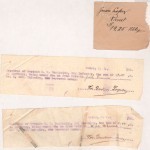
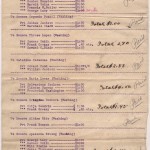
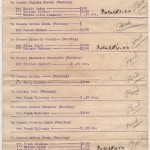
Another album from my collection of Philippine-American War photographs. This album was put together by Owen Summers, a Civil War veteran and prominent merchant from Portland who commanded the 2nd Oregon Volunteer Infantry. He arrived in Manila on June 30, 1898, received its surrender from the Spanish two months later, and was quickly promoted to brigidier general. After relations with Philippine forces deteriorated, the 2nd Oregon saw actions in the Battle of Manila and forty other engagements. Here is a selection of images from this wonderful album of images.


Corporal Kwiatkoski’s Album – Tayabas and Lucena, 1908
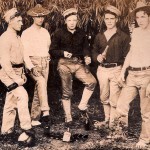
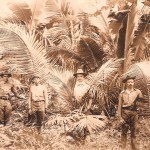
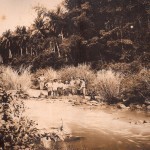
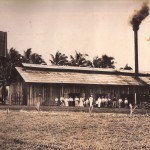
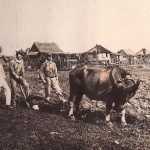
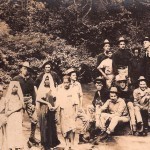
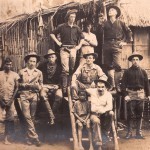
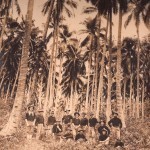
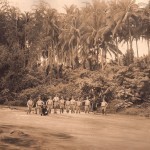
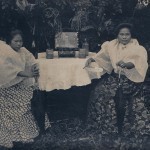
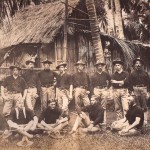
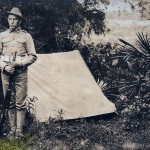
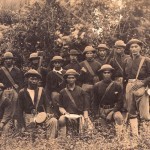
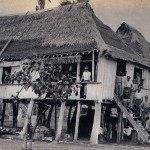
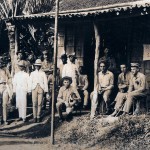
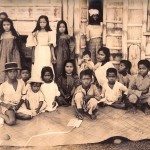
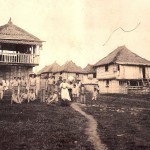
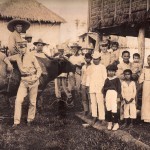
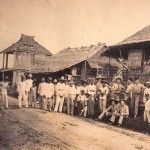
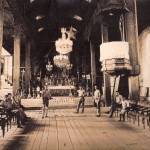
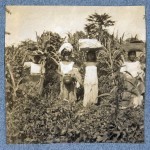
Presenting a few more selected images from my collection, these from an album assembled by Joseph W. Kwiatkoski, a corporal with Company D, 9th Infantry. Kwiatkoski enlisted at Fort Sam Houston, Texas on January 8, 1908, and sailed for the Philippines shortly thereafter. While the Kwiatkoski album dates outside the Philippine-American War era, it offers a series of stunning, a large format photographs taken in and around Tayabas and Lucena in southern Luzon some six years after the insurrection was officially declared over by the Americans.
A Soldier’s Souvenir Photo from the Philippines
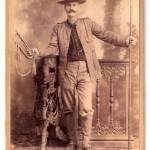
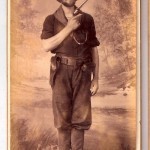
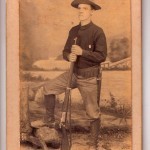
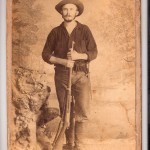
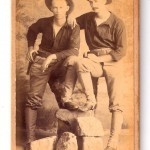
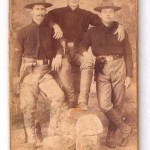
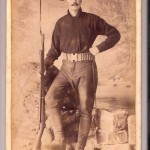
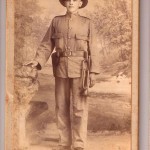
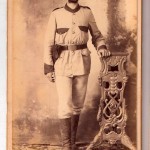
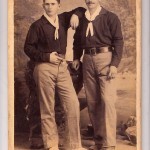
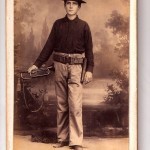
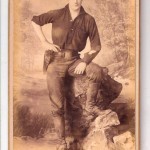
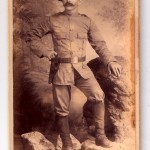
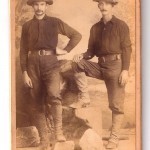
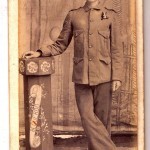
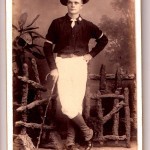
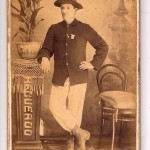
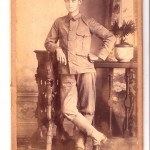
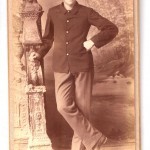
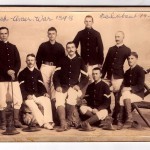
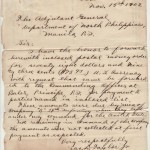
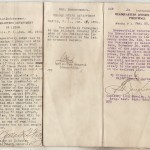
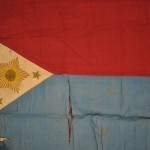
Keen to send pictures home to family from the exotic Philippines, many American soldiers and sailors visited the portrait studios found in Manila’s bustling commercial district. The more popular studios at the time included Centro Artistico at 9 Escolta and Fotografia Pertierra at 2 Carriedo Street. Here are a few selected images from my collection.

October 14, 2012























October 6, 2012
The Baler Petition – April 10, 1902
[image error]
[image error]
[image error]
[image error]
[image error]
[image error]
[image error]
[image error]
[image error]
During my research for The Devil’s Causeway, I was completely stunned to find this incredible document buried in the files at the US National Archives. As the war in the Philippines was drawing to a close, the US Army command for Northern Luzon asked the hundreds of military garrisons across the region to survey local residents as to whether a military force should be maintained in their respective areas of control. Dated April 10, 1902, this petition was initiated by Mayor Tomas Amasona and signed by all 249 men of legal age at the town of Baler, District of Principe, who unanimously expressed “their keen desire to have a detachment of soldiers stay in their town in order that the peace and tranquility which has marked it since the arrival of troops in this district may remain…” The wonderful signatures that follow are a priceless genealogical treasure trove for Balerians. By my count, the largest family name representation is Angara (14), followed by Sindac (8), Friginal (7), Gonzales (7), Morillo (6), Valenzuela (6) and Bitong (5), among others. We can also see the signature of Felisiano Rubio, the trusted translator and guide for the US Army garrison. How cool is this?
A 3rd Cavalry Officer’s Photo Album – The Philippines, 1899-1900
We stumbled across this great photo album at the US National Archives in Washington DC, assembled by an officer in the 3rd Cavalry. The album, covering his tour of duty in the Philippines from 1899 – 1900, documents his arrival in Manila, a number of local landmarks and people, and his unit’s movements into northern Luzon. Later images cover his arrival in Baler with General Funston. Fascinating stuff!
September 23, 2012
Parker Hitt’s Sketch of Venville’s Grave
A copy of the original sketch by 2nd Lieutenant Parker Hitt, 22nd Infantry, of the gravesite of Naval Apprentice Venville. After more than a year of searching for the remains of the murdered sailor, soldiers from the Baler garrison discovered the grave on September 5, 1901, located along the Diatt River in San Jose de Casignan (known today as Maria Aurora). The soldiers built an impromptu memorial of stones, marked it with a wooden cross, and carved an inscription into a nearby tree. Later, the sailor’s remains were disinterred and returned to Venville’s family in Sellwood, Oregon, where they rest today.
Laguna Lake’s Malahi Island Military Prison
It doesn’t look like much now, but this little goldfish cracker-shaped spit of land in the foreground, Malahi Island, was the site of a notorious US Army Military Prison during the Philippine-American War. Nestled off the tip of Talim Island in the middle of Laguna de Bay, the Malahi Military Prison Post served as a tropical Alcatraz of sorts for captured insurgents, hardcore criminals and other high-value detainees. After languishing in Manila’s Bilibid Prison for more than three years, Baler’s rebel leader, Teodorico Novicio, was transferred to Malahi in September 1904 to serve out his life sentence at hard labor. Within a month, Novicio had formulated his deadly plan of escape.



![[image error]](http://flyleaf.com/blog/wp-content/uploads/2012/09/Hitt-Grave-Sketch-enhanced.jpg)
![[image error]](http://flyleaf.com/blog/wp-content/uploads/2012/09/Malahi-Island-Close-Up.jpg)