
Matador Network's Blog, page 412
September 22, 2022
Georgia Is a Surprising Must-Visit Destination for Great Wine
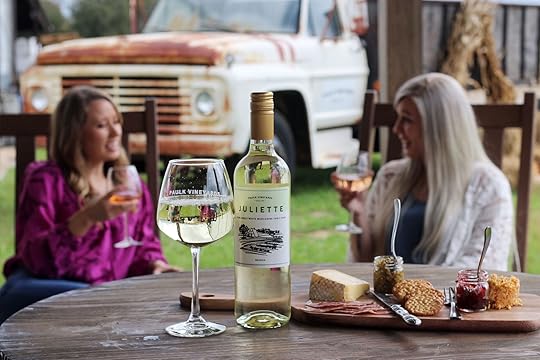
Most people don’t think of the South when they think of great wine, but there are so many incredible wineries and vineyards all over the state of Georgia.
Georgia is home to two AVAs (American Viticultural Areas): the Upper Hiwassee Highlands designated in 2014, which encompasses three northern Georgia counties and two western North Carolina counties; and the Dahlonega Plateau designated in 2018, considered the heart of Georgia’s wine country.
It’s the soil and elevation of the rolling hills at the foot of the Appalachian Mountains that make this area ripe for growing grapes – the features are comparable to that found in Italian wine regions and makes it possible to grow European grape varietals like Cabernet Franc, Cabernet Sauvignon, Chardonnay, and Merlot.
But cultivating vinifera is not without its challenges, and many Georgia wineries are embracing the muscadine grape. Muscadines are native to the Southeast, are hardier and more disease resistant, and need less care than European grapes. Muscadine wines are known for being sweet, often combined with other fruit flavors like peaches, but they can also be dry and crisp depending on the winemaking process.
The majority of Georgia’s wineries are located in the North Georgia Mountains, just a two-hour drive from Atlanta, and this is where you’ll find an array of American and European varietals you know and love. You can easily plan a weekend getaway full of wine tastings or a day trip from the city.
If you want transportation to each winery, you’re in luck – there are plenty of services that will pick you up from your cabin or hotel in the area or even from Atlanta to drive you from vineyard to vineyard.
Don’t sleep on the vineyards in South Georgia, though. While they are further away, they offer a more laid-back pace from the northern vineyards with just as unique styles of winemaking, typically more focused on muscadines.
Each of these award-winning Georgia wineries is worth a taste. And each one provides a special experience with activities like live music, vineyard tours, food, luxury lodging, and weddings.
The best Georgia wineries everyone should knowHabersham Vineyards & Winery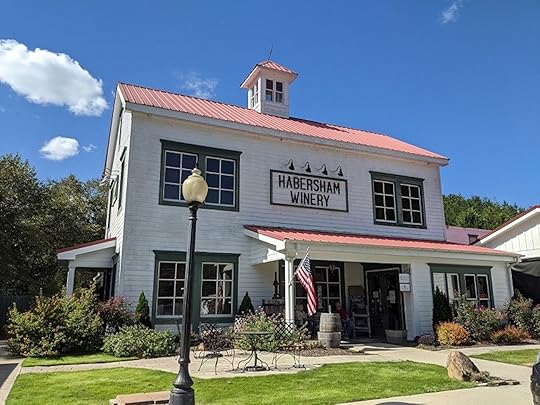
Photo: Paige Watts
Habersham Vineyards & Winery in Helen is one of the oldest and largest wineries in Georgia. They’ve been producing award-winning wines since 1983.
At their Stonepile Vineyard in Clarkesville, their original vineyard planted in the late 1970s, they have 30 acres of grapes including Chardonnay, Seyval Blanc, Vidal Blanc, Cabernet Sauvignon, Merlot, Chambourcin, Traminette, Aromella, and Chardonnel. Their newest Nacoochee Vineyard adjacent to the tasting room has over 10 acres producing grapes for their Habersham and Creekstone labels.
The North Georgia winery is open daily for wine tastings. You can try their Habersham and Creekstone labels of varietal vinifera wines and blended wines using vinifera and French-American grapes, as well as their Southern Harvest label of Southern Muscadine wines. Their tasting room also has a large gift shop full of wine gifts, gourmet foods, imported cheeses, and wine specialty items.
Where: 7025 S Main St, Helen, GA 30545
Tiger Mountain VineyardsTiger Mountain Vineyards began in 1995 as an attempt to save the farm land that has been in the family for five generations. It was the first vineyard in Georgia to successfully establish European vines. Today, its one of the longest running and most award-winning vineyards in the state, with more than 250 national and international awards since 2001.
At this North Georgia vineyard, you can taste grapes harvested by hand and wine made in the old-world style. Tiger Mountain offers luxury experiences like a VIP Tour & Tasting, a picnic for two, or food pairing flights. Reservations are required for specialty experiences, but you don’t need a reservation for wine tastings at the Wine Bar in the Red Barn or in the Cellar Tasting Room.
Where: 2592 Old 441 S, Tiger, GA 30576
Frogtown Cellars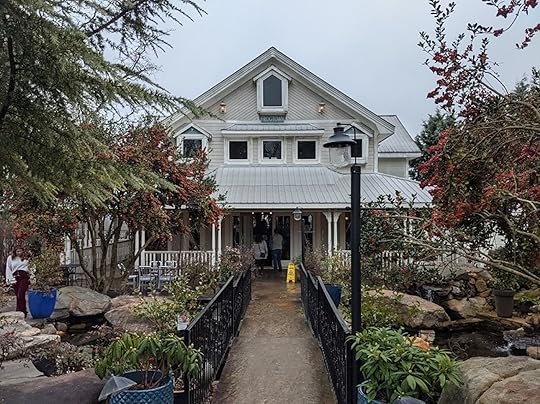
Photo: Paige Watts
Frogtown Cellars is in the heart of Georgia wine country in Dahlonega. It is one of the most awarded wineries in the region: Since 2010, they have been awarded 2 Platinum, 36 Gold, 82 Silver, and 92 Bronze Medals. They’ve even won four consecutive Double-Gold Medals at the 2016 San Francisco International Wine Competition and the 2017, 2018, and 2019 San Francisco Chronicle Wine Competition.
The winery’s wide open tasting room overlooks their 44 acres of vineyards and a pond. They plant 25 different grape varieties in their North Georgia vineyards as well as 25 acres of vineyards in South Georgia where they grow 14 different varieties of muscadines and bunch grapes known as Florida Hybrids. Frogtown does not add back any sugar to their dry wines.
While you enjoy your tasting, you can relax on Frogtown Cellars’ porches overlooking the vineyards and North Georgia Mountains. Order a hand-crafted pizza, panini, charcuterie tray, or try the Sunday brunch to go with your drink, all of which are made from scratch on-site.
Where: 700 Ridge Point Dr, Dahlonega, GA 30533
Engelheim Vineyards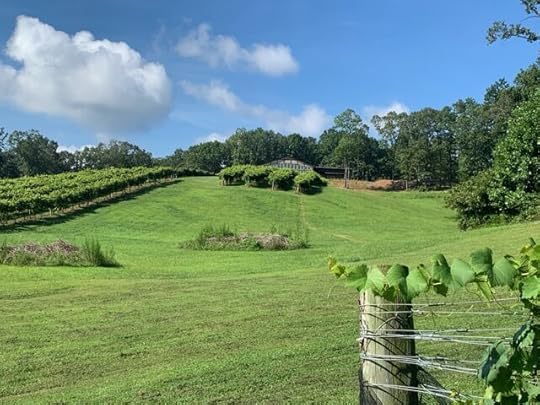
Photo: Engelheim Vineyards
Engelheim Vineyards planted its first grapes at the foothills of the Appalachian Mountains in Ellijay in 2009. By 2014, they had opened up their Bavarian-style tasting room as homage to the Engel family’s German heritage.
This North Georgia winery has won over 20 awards for their wines, including many double gold and silver metals from the San Francisco Chronicle Wine Competition. In 2018, they were named Georgia Winery of the Year.
You can enjoy Engelheim’s elegant tasting room 7 days a week and listen to live music on the weekends. Sample any of the vineyard’s 20 wines on a 4-wine flight board, no reservations required, while cozied up near the fireplace, sitting on the enclosed sunroom, or on their pet-friendly grounds.
Where: 120 Lakeview Rd, Ellijay, GA 30540
Wolf Mountain Vineyards & Winery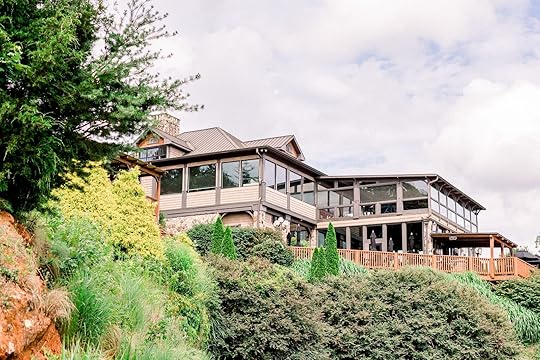
Photo: Wolf Mountain Vineyards
One of the state’s most popular wineries, Wolf Mountain Vineyards & Winery in Dahlonega was established in 1999. The vineyard gained prominence by winning Georgia’s first-ever Gold medals at the San Francisco Chronicle and Los Angeles International Wine Competitions.
The vineyard’s wines are made in the French style with an emphasis on blending European varietals. At their Estate Vineyard, they grow Cabernet Sauvignon, Malbec, Syrah, Mourvedre, Tannat, and Touriga Nacional which are blended to create their Reserve Estate Red Wines. And the winery invested in other local Dahlonega vineyards to grow Chardonnay, Viognier, and Merlow.
Grab a seat at this hillside vineyard and winery that offers winery tours, estate tastings, Sunday brunch, café lunches, and gourmet dinners. Wolf Mountain’s profile of wines include dry whites, dry rose and reds, semi sweet and port wines, and Méthode Champenoise Sparkling Wines.
Where: 180 Wolf Mountain Trail, Dahlonega, GA 30533
River’s Bend Winery & VineyardRiver’s Bend Winery & Vineyard is a family-owned winery in West Georgia near Columbus. They planted their first vineyard in 2016. The 10 acre vineyard also includes a small blueberry orchard with a U-Pick season. The wine list includes Georgia-grown fruit wines – like The Naked Apple, The Naked Blueberry, and Blanc du Bios – and a number of wines made from California grown grapes.
Enjoy the vineyard’s outdoor seating with a cheese platter made by a local Georgia creamery. Sit back with a glass, tasting, or bottle at their tasting room – you’ll likely be welcomed by River Bend’s beloved winery dog and door greeter, Zoey.
Where: 692 Adams Rd, West Point, GA 31833
Paulk VineyardsPhoto: Paulk Vineyards
Paulk Vineyards in the small town of Wray in South Georgia sits on land that has been family-owned for six generations. With over 600 acres, they are the largest muscadine vineyard in the world.
After decades of growing muscadines for use as fresh produce, juices, jellies, supplements, and wines for other wineries, Paulk Vineyards began making and bottling their own wines in 2017.
This winery has 11 award-winning muscadine and other fruit wines, as well as the Sweet Tree line of fruit-infused wines. It’s an out-of-the-way drive to the small tasting room, but you’ll be greeted with plenty of Southern Hospitality. Take a seat at the bar for a tasting of the Family of Wines named for family members, the Farm Wines named for the local area, and their Sweet Tree fruit wines.
Where: 1788 Satilla Rd, Wray, GA 31798 


This Sleeping Bag Liner Is Perfect for Fall and Winter Camping, and It’s 20% Off Right Now
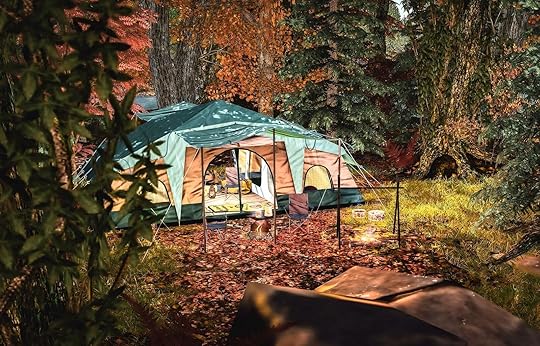
I’ll let you in on a little secret: I hate camping when I’m cold. It’s not the weather so much that bothers me, but my own lack of preparedness. I’ve spent many frigid nights curled into a semi-fetal position in my sleeping bag, cursing the rush I was in when I packed for the trip and hoping that morning comes quickly. Finally, a couple years ago, I alleviated this strain by purchasing a new Cocoon Silk Mummy Liner ($69.95) for my sleeping bag. I always have it with me in my camping supplies, and now, when the weather bites, I slide into the liner before tucking in for good and generally sleep as well as I do at home.
The mummy liner has revolutionized my year-round camping setup, and here I’ll break down exactly how that happened.
We hope you love the Cocoon Silk Mummy Liner. Just so you know, Matador may collect a small commission from the links on this page if you decide to book a stay. Listed prices are accurate as of the time of publication.
An extra layer when you need it most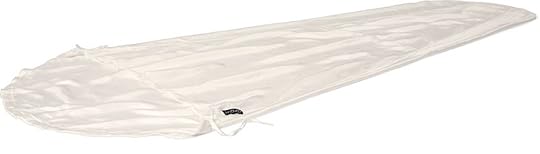
Photo: REI
The Cocoon Silk Mummy Liner is designed to boost your sleeping bag’s temperature rating by up to 8.4 degrees Fahrenheit. This makes a 0-degree bag warm enough for winter camping in many mountainous locations and makes a 30-degree bag suitable for nights like the one described above. No matter how durable or reinforced your tent is, it’s the temperature in your sleeping bag that really matters.
The liner weighs just 4.7 ounces and stuffs into a 3-inch by 6-inch sack. As such, it takes up next to no room in your backpack, and what I’ve started doing is keeping it inside my sleeping bag. That way, I always have the liner with me if I need it. At 95 inches long by 35 inches wide, it’s both tall and wide enough for just about anyone. I’m 5’7” and enjoy the lack of crowding when using the liner. In fact, on more than one occasion I’ve forgotten that it’s even there, and have exited and rolled up my sleeping bag with the liner still inside.
Another plus of the Cocoon Silk Mummy Liner is its durability. No matter your outdoor pursuits of choice, it’s there for you. The liner is great for canoe and raft trips when sleeping waterside makes for cooler nights. For overnight backpacking trips, it gives you the versatility to choose a wider range of campsites even if some are more exposed.
How the Cocoon Silk Mummy Liner performs in snowy conditions during winter campingThe first time I ever used my Cocoon Silk Mummy Liner was on an overnight splitboarding expedition in the Colorado backcountry in early March. We camped at 10,000 feet. It had just snowed unexpectedly, and as such, forecasts called for temperatures close to 0 degrees overnight. As I said goodnight to my fellow campers around the fire, I mentally prepared myself for a long night with frequent wakeups due to cold temperatures.
I slept in normal pajamas — including long cotton pants and a long-sleeve shirt — in a mummy sleeping bag rated to 15 degrees. Using the liner kept me much warmer throughout the night than I’d expected. The first time I awoke and checked the time on my phone, I was in disbelief — it was nearly 7:00 AM. I’d slept through the night without any of the hiccups I’d envisioned, and was warm enough that I easily found the motivation to get up and melt snow for coffee, to boot.
Cocoon Silk Mummy Liner: Decision-making factors on whether to buy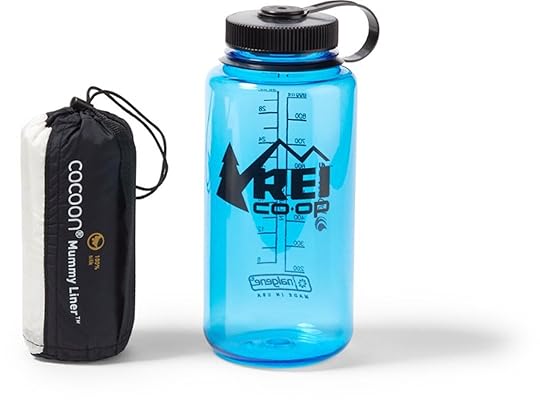
Photo: REI
In addition to its durability while camping and backpacking, the liner has a major perk for travelers. It’s ideal for when you’re staying in hostels or less-than-clean hotel rooms and want an extra layer of protection from the sheets. In warm climates, you can even use the liner in place of a comforter or linen, as its thin silk lining is enough to keep you warm and provide that familiar feeling of being tucked into bed, without getting too toasty.
Sleeping out under the stars is the best way to make use of the Cocoon Silk Mummy Liner during warm summer nights. I learned this on a clear July evening and can confirm that opening your eyes to the Milky Way is much more inspiring a view than the inside of a dark tent.
Downsides to the Cocoon Silk Mummy LinerThe one complaint I have about the Cocoon Silk Mummy Liner is that I’ve found it easiest to get myself into the liner first, and then into the sleeping bag after, which can be tricky in a tight tent. It’s never been impossible to do, and indeed this is more a personal gripe than a functional issue. What I now do on multi-night camping trips is leave the liner inside the bag from start to finish.
People Are Stowing Carry-On Bags All Wrong, According To United Airlines
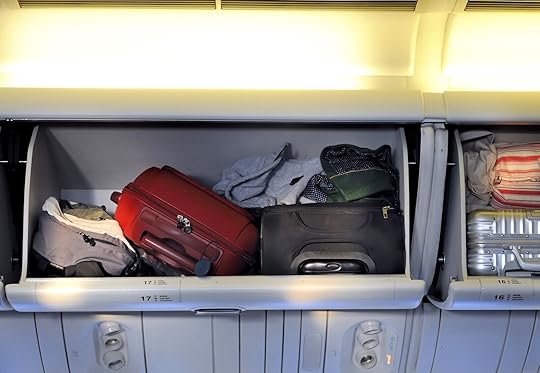
There are two types of travelers in this world: Those who pack as much into their carry-on luggage as they can, and those who prefer to always check a bag. Checked bag fees have understandably pushed people toward the former category, which often translates to a mad rush to board first and secure a spot in the overhead compartment. But there would be more room for everyone if people just put their bags in the bin correctly, according to a viral United Airlines TikTok.
@united Answer @im_siowei had to show our new overhead bins some love #travel #traveltiktok #luggage #comedy #unitedairlines ♬ Up and down girl – mik :-))
According to the airline, newer planes have larger overhead bins that allow carry-on size luggage to be put wheels first on their side instead of flat. Or, as it was put in a recent Wall Street Journal feature, like a taco.
Flight attendant Susannah Carr told the publication that people who don’t travel as much face a learning curve and push back and tell her things like, “That’s not how bags fit in the overhead bins.” Yet in what shouldn’t come as a surprise to anyone, flight attendants really do know how to fit bags into the overhead compartment, even if they’re technically not supposed to lift the bags themselves on some airlines.
The United Airlines video was originally posted in 2021 and was recently reposted as the brand’s most viral video of the year. Word is still out if this is reaching the right audience of carry-on-stowage offenders, but as the United social team put in a response to a comment on the video, “we’re doing our best to educate here.”
The 10 Best Fort Lauderdale Kayaking Spots, From the Ocean To Canals
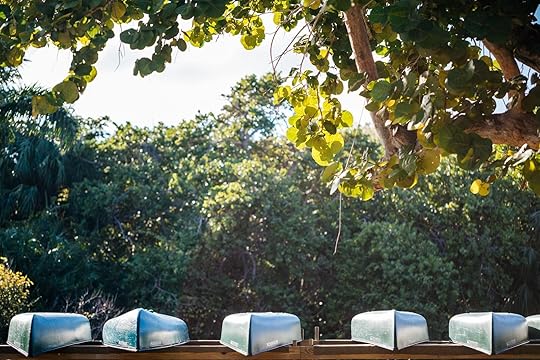
Fort Lauderdale has been dubbed the “Venice of the Americas,” and not just because tourists flock here for half the year and the pizza’s pretty good. It’s because Fort Lauderdale has over 165 miles of canals, running past stately Mediterranean revival mansions and some of the biggest yachts in the world. That makes the city ripe for exploring via kayak, whether you’re perusing the canals, the Intracoastal Waterway, or the Atlantic Ocean. Find the right spots, and you can also escape into mangrove tunnels full of native birds. Even if you don’t have a kayak, the city has no shortage of places that’ll rent you one right onsite, making kayaking Fort Lauderdale a breeze.
We hope you love the kayaking Fort Lauderdale experience we recommend. Just so you know, Matador may collect a small commission from the links on this page if you decide to book.
Dr. Von D. Mizell — Eula Johnson State Park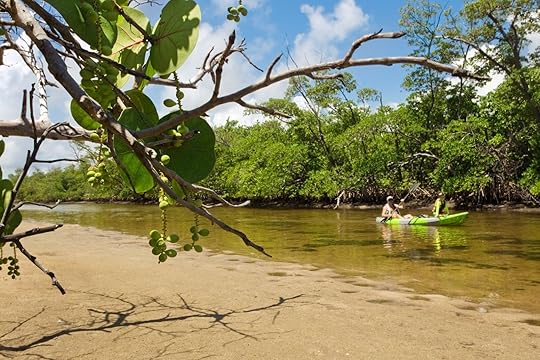
Photo: Matt Tilghman/Shutterstock
This is the last undisturbed stretch of coastal wetland in the county. It is located just east of the Fort Lauderdale Airport and Port Everglades. The best place for kayaking is shallow Whiskey Creek, a channel lined with mangroves that run through most of the park and out into the Stranahan River. It also passes by the Whiskey Creek Hideout, a breezy outdoor bar and café where you can reward yourself with a cold beer once you’re paddling is through. Rentals are available inside the park.
New River — Cooley’s Landing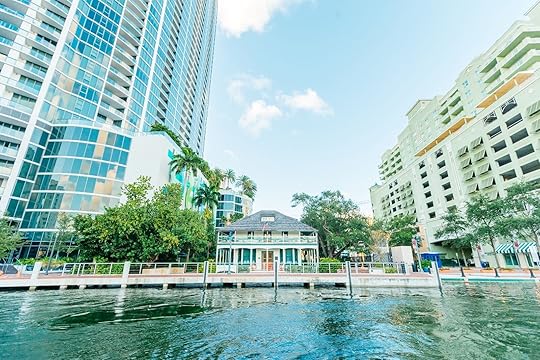
Photo: Visit Lauderdale
Plenty of motorized boat tours will take you through the glamorous islands near downtown Fort Lauderdale. But if you’d like to paddle it yourself, jump in just across from the Broward Center for Performing Arts at Cooley’s Landing. As urban kayaking goes, the city has some of the best in the US. From launching, you’ll travel down the New River, through the bustling shops and restaurants of Las Olas Boulevard, and out into Las Olas Isles.
On the way back, you may face some current, but you’ll be treated to a magnificent view of the Fort Lauderdale skyline and the bridges over the river. Just be prepared, this route is also popular among pleasure boaters who aren’t always paying close attention, so paddle with caution. If Cooley’s Landing is too busy, you can also put your kayak in at Riverland Wood Park, Lewis Landing, and Coontie Hatchee Landing, all of which are within a couple of miles.
Tarpon River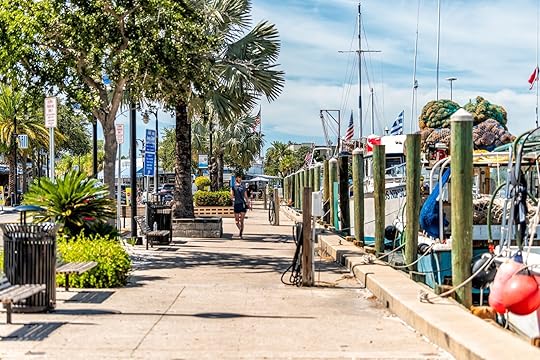
Photo: Kristi Blokhin/Shutterstock
Another route you can take from Cooley’s Landing brings you south and west down the Tarpon River. This smaller, far calmer channel runs through residential areas south of downtown, much of it shaded in tropical foliage. It feels a bit like a trip down the Amazon — albeit with million dollar boats and five-bedroom houses — and ends at a swinging bridge into the Sailboat Bend neighborhood. Find a spot to tie up and stop for a beer at Riverside Market, an old convenience store-turned-craft-beer-bar, where you’ll find an incredible selection of beers.
Victoria Park and Anne Beck Park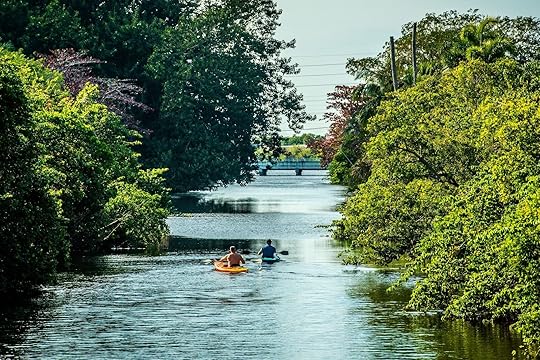
Photo: Rolando Otero/Shutterstock
If you’ve got your own kayak and a way to transport it, take it to either Victoria Park or Anne Beck Park — in the Victoria Park neighborhood. Both give you instant access to the canals around Nurmi Isles and Sunrise Key and will bring you out to the Intracoastal if you’re up for braving those busy waters. Along the way you’ll see everything from celebrity mansions to eight-figure mega-yachts, a calming way to observe the tropical lives of the rich and famous.
Hugh Taylor Birch State Park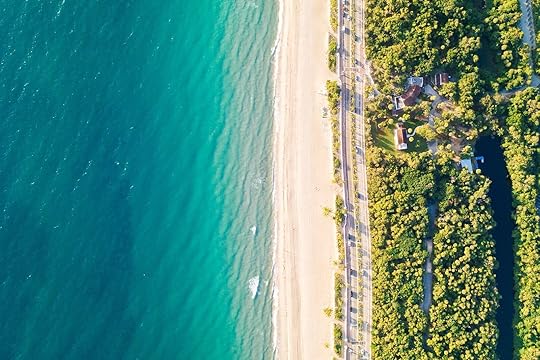
Photo: Visit Lauderdale
For beginning kayakers — especially those staying in Fort Lauderdale Beach — the best spot in Broward County is at this park just north of Sunrise Boulevard on A1A. The lush wilderness offers kayak rentals through its calm waters to Long Lake, and also provides easy access to the Intracoastal Waterway if you’re looking for something a little more challenging. For those who want to give back during their vacation, Friends of Hugh Taylor Birch offers regular clean-ups, where you’ll help clear trash from Long Lake as you paddle along.
Middle River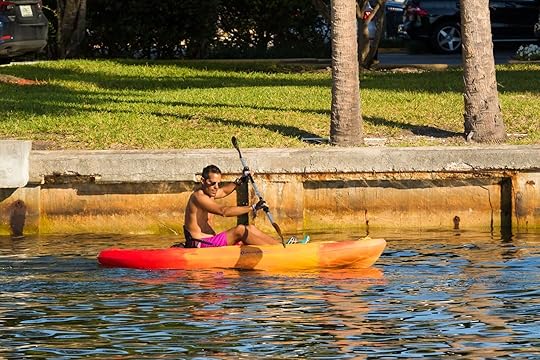
Photo: Harry Powell/Shutterstock
Fort Lauderdale’s suburb of Wilton Manors is surrounded by water, and you can kayak the entire seven-mile circle along the New River. The easiest place to begin and end your journey is the Colohatchee Park Boat Ramp, and while the scenery isn’t exactly time-traveling to Old Florida (the bulk of your views will be of people’s backyards and swimming pools) locals are friendly, greeting you with a wave and if you’re lucky, a cold beer. The route is lightly trafficked by other kayakers and paddleboards so that you won’t be contending with an armada of speedboats like you might in other parts of Fort Lauderdale.
Loggerhead Park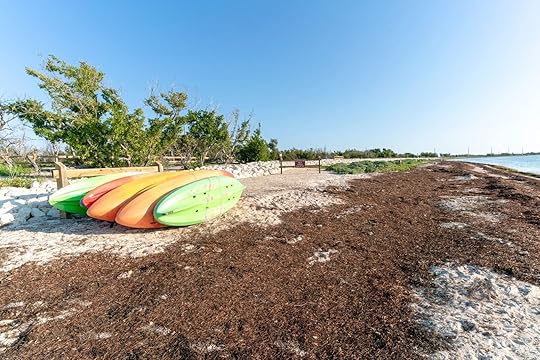
Photo: cindylindowphotography/Shutterstock
Ocean kayaking can be much easier in the calm Atlantic waters off South Florida than in, say, the Pacific Ocean. And though the turquoise waters are inviting, always remember kayaking in these currents is a different skill set than what you’ll find inland. That said if you catch a quiet day and want to get out on the ocean, bring your kayak to Loggerhead Park. Though it’s mostly known for shore dives, it also has easy access for kayaks and about a dozen parking spaces.
West Lake Park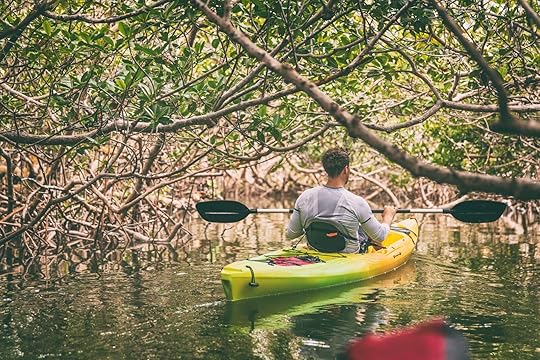
Photo: Maridav/Shutterstock
A little south of the canals and yachts of Fort Lauderdale, you’ll find an odd slice of natural Florida in the middle of Hollywood’s sea of subdivisions. This is West Lake Park, saved in the 1970s from rampant development. Today, you can rent a kayak and paddle through one of three well-marked mangrove trails, which take you under spidery canopies and out to the expansive lake. Marked Red, White, and Blue, the trails all feel far removed from the surrounding city, totaling about three miles of untamed wilderness. Two miles into your paddle, you’ll have the option of parking your kayak and exploring the boardwalks around the Anne Kolb Nature Center. Along the way, you’ll see herons, ibis, and even raccoons in their rare natural habitat.
Pond Apple Slough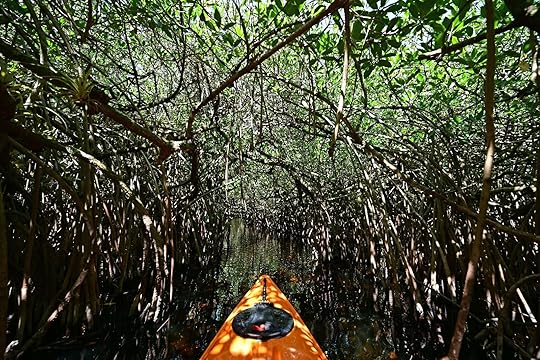
Photo: Francisco Blanco/Shutterstock
Another far-flung swath of old Florida nature sits just south of Interstate 595 at Pond Apple Slough. While you can’t really access the slough by land, you can start at the Bill Keith Preserve near Davie Boulevard and head away from the ocean. You’ll pass through a sea of over-the-top yachts as you paddle around Marina Mile, a sight that’s both impressive and quintessentially Fort Lauderdale. Continue upriver until you pass the Secret Woods Nature Center, then turn left under 595 at the Bradford Marine Boat Yard.
Once you’ve cleared the expressway, it’ll seem as if you were magically transported to a 19th-century Florida mangrove forest, where pristine wetland, birds, and lush vegetation provide an instant oasis. It’s not a quick trip, but certainly, the road — or canal — is less traveled, so like many places that take a lot of work to reach, you’ll rarely share it with others.
Glow Night Kayak
Photo: Airbnb
For something a little more adventurous, you might want to consider kayaking Fort Lauderdale at night with Glow Night Kayak. This experienced tour will take you through the basics of kayaking before launching and exploring the water and city in lights down the New River Canal and along Downtown Las Olas. Local kayaker, Carlos, leads the group and has superb knowledge of the waterways.
Micronation of Molossia in Nevada

“Beyond this point, you are no longer in United States territory.”
So reads the sign marking the entrance to the Republic of Molossia, in the middle of the Nevada desert.
Given the diverse range of cultures in the US, it wouldn’t be unreasonable to argue that our nation is actually composed of several mini-countries all rolled up into one. But beyond the obvious divisions that exist between states, and the societal differences that separate regions like New England, the Midwest, the Deep South, and California, there is another invisible border that few people know about. It doesn’t indicate the territory of a city or state, but another nation entirely, and it exists wholly within US borders.
Where is Molossia?The history of MolossiaDoes the US recognize The Republic of Molossia?Life in MolossiaThe population of The Republic of MolossiaCan you live in Molossia?Visiting MolossiaDo you need a passport to go to Molossia?Does Molossia have a military?Where is Molossia?The Republic of Molossia, located about 30 miles east of Carson City, Nevada, can be accessed right off Route 50 in the Dayton Valley. Situated in the remote Nevada desert, this 1.3-square-acre community is a self-proclaimed micronation, with its own currency, customs office, and president.The history of MolossiaThe Republic of Molossia was founded on May 26, 1977, by Kevin Baugh and James Spielman. Originally the country was located in Portland, Oregon, called the Grand Republic of Vuldstein, and under the rule of “King” Spielman. Succeeding Spielman, Baugh renamed the country the Republic of Molossia in 1999, declared himself president, and relocated it to the Nevada desert. The name Molossia itself is an adaptation of the Hawaiian word maluhia, which means “harmony in the world.”Does the US recognize The Republic of Molossia?Although Baugh has sought formal independence from the US through a petition, it failed to gather enough signatures for the micronation to receive formal recognition. Despite its lack of official sovereign status, the micronation is currently involved in a war with East Germany and has been since 1983. The root of the issue is a dispute over an uninhabited island in Cuba, which has been unclaimed since the fall of the Berlin wall.
It’s important to note that a micronation is not recognized by the international community. It is a piece of land claiming to be an independent, sovereign nation, with its own system of government and societal rules.
Technically, the micronation is a military dictatorship, with President Baugh regularly dressing in ceremonial uniform adorned with medals. The dictatorship, however, is not a brutal one, but a humorous allusion to the world dictators that were installed by the US around the world in the 70s and 80s.Life in MolossiaThe republic calls itself a “third-world nation” due to its lack of paved roads and infrastructure like a hospital, or an airport. But it’s not all bad. Located outside the jurisdiction of the US, Molossia does not pay taxes and even has its own currency, printed on poker chips, which is based on the value of Pillsbury cookie dough. There is a national anthem, unique language (Esperanto), bank, railroad, post office, war office, and kazoo-like official instrument. The main building in town is the Government House — Baugh’s private residence.The population of The Republic of MolossiaAccording to Travel Nevada, there are 30 people living in the micronation, as well as four dogs. Can you live in Molossia?Unfortunately for those wanting to relocate to this quirky nation, Molossia does not accept any new residents. The FAQ page on micronation’s website states that “you can’t [become a Molossian citizen]. Full residency in Molossia is a requirement of citizenship, and new residents are not allowed. There simply isn’t room in our tiny nation!”
More like thisLanguagesVisiting MolossiaVoir cette publication sur InstagramUne publication partagée par Kevin Baugh (@republicofmolossia)
Molossia isn’t like other countries with tourism boards encouraging year-round visitors. The micronation is open to visitors once a month, from April 15 through October 15, with specific visiting dates listed on the government’s website.
Even though you don’t need a special visa to visit Molossia, don’t expect to just waltz right into town — you should inform the government of your visit prior to arrival. According to the website, “Visitors to Molossia must not come unannounced. This is our home as well as our nation and we may be unavailable to receive you. Visitors cannot tour the nation unescorted, again because it is also our home.”
If you are considering a visit, you might want to shoot for May 26, the micronation’s Founder’s Day, which is widely considered one of the most festive days to visit. Founder’s Day celebrates the anniversary of the country’s birth and involves a tour of the community by the president himself, a rousing speech, and of course, a barbecue. Do you need a passport to go to Molossia?The micronation has a customs station, and your passport will be stamped upon entry. Even if you don’t want your passport stamped, bring it because it is recommended for identification. You don’t need a visa or any documentation to enter the micronation, however.
Does Molossia have a military?The micronation has its own navy: The Molossian Navy. It consists of five inflatable boats. The micronation’s website explains that that the goal of the Molossian Navy is “to explore those watery places that dot the western landscape like gems in the sand. There are actually quite a few lakes and reservoirs through the western desert, and we have set our sights to explore as many as possible. In addition, our Navy stands ready to defend Molossia whenever necessary, through the means of our valiant Naval Infantry.”
Voir cette publication sur InstagramUne publication partagée par Kevin Baugh (@republicofmolossia)
Like any ambitious nations, Molossia isn’t simply content with remaining inside its own borders. The micronation has an unofficial claim on a patch of sea 470 miles off the coast of Mexico, as well as nearly 50,000 square miles of land on the surface of Neptune. Indeed, Molossia’s intergalactic aspirations are one of its hallmarks. It even has its own space program. The Molossian Air and Space Agency periodically launches (mini) rockets, some with a payload of Mexican jumping beans.
San Francisco’s Umbrella Alley Is Instagram Bait, but We Love It Anyway
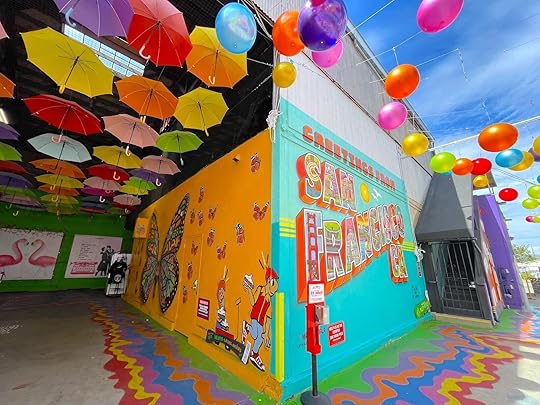
Umbrella Alley sounds like a place in London where Hogwarts students might go to peruse muggle paraphernalia. It’s actually an interactive mural exhibition in San Francisco, but the open-air art gallery does have a couple of things in common with the shopping lanes of the Potterverse. For one, you might not realize it’s tucked away in Fisherman’s Wharf unless you know to look for it. (Hint: Look for psychedelic sidewalk chalk and a ceiling of balloons.) Like the wizarding world, it’s also pretty darn magical.
Part of what makes Umbrella Alley San Francisco so magical is that most of the murals are designed to be posed with — readymade backdrops for your Instagram feed that also homage the Bay Area. Read on to find out where you can track down the whimsical artworks, what to expect when you get there, and how to make the most of your visit.
Where is Umbrella Alley San Francisco, and how do I get there?The coolest and most colorful murals at Umbrella Alley San FranciscoWhere to eat near Umbrella Alley San FranciscoWhere is Umbrella Alley San Francisco, and how do I get there?
Photo: Alex Bresler
Umbrella Alley is located at 757 Beach Street between Hyde and Larkin, smack in the center of some of San Francisco’s most iconic attractions. It’s across from Aquatic Park on the San Francisco Bay, a stone’s throw from points of interest such as Ghiradelli Square and Pier 39, surrounded by must-see museums including Madame Tussauds and Musee Mechanique, and wedged between two bike rental shops, one of which is San Francisco favorite Blazing Saddles.
Capitalizing on its attraction-packed location, Umbrella Alley has partnered with multiple local operators to double as a launching point for bike, segway, jeep, and tuk-tuk tours of the city if you’d like to see more than the murals. No need to arrange a tour in advance — excursions are bookable on site.
The coolest and most colorful murals at Umbrella Alley San FranciscoGreetings from San Francisco
Photo: Alex Bresler
A nod to the stylings of mid-20th century postcards, this Maxfield Bala mural is quickly becoming a San Francisco attraction in its own right, but it’s also a roadmap to the rest of the city’s greatest hits. Classic landmarks such as the Golden Gate and Bay Bridges, Palace of Fine Arts, Painted Ladies, Ferry Building, Alcatraz, Lombard Street, and Coit Tower are illustrated within each of the letters.
See the World
Photo: Alex Bresler
A collaboration by muralists 3Nolam and Brian Huber, this piece looks beyond the Bay Area depicting a giant pair of eyes surrounded by signs for global destinations in the shape of eyebrows and the bridge of a nose. It never loses sight of San Francisco, however, with the Golden Gate Bridge reflected in each of the irises.
San Francisco Homies
Photo: Alex Bresler
The work of street artist Yonmeister, Yon for short, this is one of the first murals you see when you enter Umbrella Alley. The cartoon-style portrait of San Francisco residents donning Bay Area-inspired headwear is spray-painted on the side of a purple staircase. Stand beneath the “I heart SF” pin to snap a photos as one of the homies.
Summer of Love Monarch Wall
Photo: Alex Bresler
This mural by Maxfield Bala and Jeremy Novy lets you wear the wings of a giant monarch butterfly — only instead of realistic black-and-white coloring, the monarch’s wings feature psychedelic designs. The patterns are reminiscent of street art you might see in Haight Ashbury, the epicenter of San Francisco’s counterculture movement in the 1960s and 1970s. The mural’s name, the Summer of Love, references the height of the Haight’s hippie days in 1967.
I Left My Heart in San Francisco
Photo: Alex Bresler
Originally, this piece by Brian Huber was presented like a bouquet of heart-shaped ballons that you could pretend to hold by the strings. Now, the individual hearts are clustered like a cloud next to a yellow GoCar, a type of three-wheeled rental vehicle that tourists are regularly spotted driving around Fisherman’s Wharf. The multicolored heart in the front was created by a different artist, Kate Tova, and matches a larger spray-painted version of the same design near the alley’s entrance.
Fisherman’s Wharf Honey Bear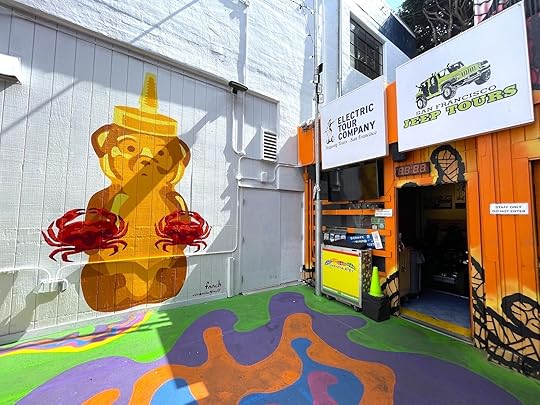
Photo: Alex Bresler
A few years ago, street artist fnnch’s honey bear swept the Bay Area. You’ll see the figure plastered in the windows of stores and homes, stenciled on city walls, and stickered to bumpers and signposts all over San Francisco. The honey bears might be wearing masks, painted rainbow, sporting Black Lives Matter merch, dressed in Ruth Bader Ginsberg accessories, or otherwise adapted to represent causes the Bay Area generally backs. In honor of Fisherman’s Wharf, Umbrella Alley’s honey bear has bright red Dungeness crabs for hands.
California Dreaming
Photo: Alex Bresler
Twelve muralists came together to create this massive mural on the back wall of the covered section of Umbrella Alley. Each letter in the word California was painted by a different artist.
Untitled
Photo: Alex Bresler
Oakland-based artist GATS (“graffiti against the system”) is behind this mask mural. In fact, it’s their signature design. Different versions of the all-seeing bearded figure appear all over the Bay Area, while other works by GATS have popped up everywhere from Palestine to the Philippines.
Where to eat near Umbrella Alley San Francisco
Photo: Daily Travel Photos/Shutterstock
Biscoff Coffee Corner: If you’re among the travelers who obsess over the Biscoff cookies that some American airlines serve during flights, you’re not going to want to leave Fisherman’s Wharf without stopping at this cafe at Pier 39. Every coffee drink comes with a complimentary Biscoff cookie — imported straight from Belgium.
Where: 213 Pier 39, San Francisco, CA 94133
Boudin at the Wharf: Boudin Bakery is touted as San Francisco’s oldest operating business. It’s also credited with originating San Francisco’s sourdough habit. The bakery has been churning out sourdough loaves since 1849 and still incorporates a piece of the original starter into every loaf made today. Part market, part cafe, part espresso bar, and part full-service restaurant, Boudin at the Wharf is the brand’s flagship store.
Where: 160 Jefferson St, San Francisco, CA 94133
Buena Vista Cafe: Legend has it that the former owner of Buena Vista Cafe was responsible for bringing Irish coffee to the United States in 1952. The cafe’s history can be traced back even further to 1916 when the first floor of the building, then a boardinghouse, was turned into a saloon called The Buena Vista. These days, you can stop by the cafe for breakfast, lunch dinner, and of course drinks.
Where: 2765 Hyde St, San Francisco, CA 94109
Ghiradelli: Walk to the end of Beach Street toward Larkin from Umbrella Alley and you’ll hit Ghiradelli Square, a local landmark that’s named for the chocolate company. There, you’ll find three different Ghiradelli storefronts — the original ice cream and chocolate shop, the chocolate experience, and an on-the-go shop — as well as a handful of unrelated shops and restaurants.
Where: Corner of Beach Street and Larkin Street
Gary Danko: Lo and behold, one of the least expensive Michelin-starred restaurants in California is just a block away from Umbrella Alley. Gary Dank has been operating in Fisherman’s Wharf for more than 20 years and has been a mainstay of San Francisco’s fine dining scene every since.
Where: 800 North Point St, San Francisco, CA 94109
In-N-Out: There’s not much to say about In-N-Out that hasn’t already been said, nor about California’s obsession with the fast food joint. But we’d be remiss not to mention the fact that one of the most convenient In-N-Out locations in San Francisco is located in Fisherman’s Wharf.
Where: 333 Jefferson St, San Francisco, CA 94133
Scoma’s Restaurant: Seafood restaurants are a dime a dozen in Fisherman’s Wharf, but Scoma’s stands out among the average tourist trap crab shack. Choose between a sit-down meal at the waterfront restaurant or a to-go option from the marketplace — either way, order something with Dungeness crab in true San Francisco fashion.
Where: 1965 Al Scoma Way, San Francisco, CA 94133
San Francisco Brewing Company: San Francisco Brewing Company doesn’t get as much press as other Bay Area brewers like Fort Point, but it’s a well-liked craft brewery with a beloved beer garden, complete with firepits and outdoor games. The 12,000-square-foot brewery is located within Ghiradelli Square.
Where: 3150 Polk St, San Francisco, CA 94109
September 21, 2022
The 13 Scariest Haunted Houses and Attractions You Can Go This Year

While some people look forward to fall for the pumpkin spice lattes and watching the leaves turn, others are excited about spooky season. Finding the perfect Halloween costume, decorating the house, watching scary movies, and, of course, finding the nearest frights are the perfect ways to celebrate. From visiting a haunted campground, hotel to checking out a haunted bar, there are plenty of ways to get your ghoul on. Hauntworld Magazine, the world’s largest directory of haunted houses and horror attractions, found the 13 best haunted houses in the United States. These frights are not the haunted houses in your neighborhood. Don’t be surprised if you have to sign a waiver to enter.
The third best haunted house in the ranking is HellsGate in Lockport, Illinois. This haunted house is located 57 miles outside Chicago, deep in the woods. The set uses 40 rooms and more than 150 actors, but this year, guests can expect a new skit that’s set in a haunted prison with characters that are sure to fright you.
In second place is 13th Gate in Baton Rouge, Louisiana. Guests wind through a maze of 13 haunted scenes with everything from a life-like pirate ship, to hidden passages filled with live snakes, to an old abandoned asylum, to a zombie-infested graveyard. This haunted house is known for getting bigger and better every year.
This year, Hauntworld Magazine has crowned the Pennhurst Asylum in Spring City, Pennsylvania, as the scariest place to be. Going just 45 minutes outside of Philadelphia will transport you to another world where you’re swarmed by monsters and killers, only to find your way into the Morgue. If you escape, you’ll find yourself in The Tunnels, where no one can hear you scream. Actors are allowed to touch you in this haunted fright, making for one of the most realistic horrors you’ll find.
The 13 most terrifying haunted houses and attractions in the USPennhurst Asylum in Spring City, Pennsylvania – opening on September 2413th Gate in Baton Rouge, Louisiana – opening on September 30HellsGate in Lockport, Illinois – opening on September 30The Darkness in St. Louis, Missouri opening on September 24Eloise Asylum in Westland, Michigan – opening on September 17The Dent Schoolhouse in Cincinnati, Ohio — opening on September 16Bennett’s Curse in Baltimore County, Maryland – opening on September 30Kersey Valley Spooky Woods in Archdale, North Carolina – opening on September 24Headless Horseman Haunted Attractions in Ulster Park, New York – opening on September 24Hundred Acres Manor in Bethel Park, Pennsylvania – opening on September 9Georgetown Morgue in Seattle — opening on September 23Salt Lake Fear Factory in Salt Lake City – opening on September 9Factory of Terror in Canton, Ohio – opening on September 23Or you could save yourself the nightmares and enjoy Hocus Pocus at home. It’s your decision, though.
Paddle, Hike, or Drive To These 6 Sites for Adirondacks Camping in New York

Designated as “Forever Wild,” New York’s Adirondack Park is the largest publicly protected area in the contiguous United States. A collage of forests, sprawling wetlands, serpentine rivers, and high peaks, the park was protected in 1892 – and today, encompasses more than 6 million acres, including 1 million acres of wilderness. The mammoth park is dappled with more than 300 lakes and ponds, and perforated by nearly 6,000 miles of rivers and streams. On dry land, the protected area is traversed by more than 2,000 miles of hiking trails, and crowed by 46 summits rising above 3,800 feet – known as the park’s High Peaks. But, it’s not all wilderness.
The region also has rich history of human habitation. Mahicans and Mohawks from the Iroquois Confederacy began exploring the Adirondacks following the end of the last ice age – and human exploration continued for centuries. By the early 1900s, the region was an escape for America’s wealthiest families, including the likes of the Carnegies, Rockefellers, and Vanderbilts, who constructed opulent lodges, referred to as “Great Camps.” Many of these retreats still remain, and today, the park is a mosaic of public and private land, dotted with more than 100 historic towns and hamlets.
The region’s hodgepodge of roadless wilderness, towering peaks, and expansive waterways, all interspersed with the occasional town, also means the Adirondack Park is loaded with unique camping spots. From offshore islands to far-flung backcountry sites to beachy campgrounds spread along the region’s glassy lakes, there’s something for every type of outdoor lover – including the unwavering car campers. Here are just a few of the best places in the park to sleep under the stars.
Saranac Lake Islands CampgroundPhoto: James Parascandola /Shutterstock
Site type: Paddle-in
Reservations and fees: $22 per night for New York residents, $27 for out of state visitors
When to go: Campground is open seasonally, from mid-May to early October
In the late 1800s, the village of Saranac Lake gained national notoriety as a retreat for tuberculosis sufferers, harboring one of the country’s first public sanatoriums, the Adirondack Cottage Sanatorium operated by Dr. Edward Trudeau. The infirmary hosted a catalog of celebrities afflicted with consumption, including novelists Robert Lewis Stevenson and Stephen Crane, and suffragist Madeline McDowell Breckinridge. At the same time, some of country’s wealthiest families – including the Guggenheims and the Rockefellers – were also building outdoorsy retreats on the chain of lakes.
These days, though, Saranac Lake is a paradise for paddlers, wedged between the High Peaks Wilderness and the Saranac Lakes Wild Forest. From the northern reaches of Upper Saranac Lake to eastern edge of Lower Saranac Lake, the chain of waterways serves up more than 17 miles of contiguous water – requiring only a single, half-mile portage. Even better, Lower and Middle Saranac Lake are peppered with 87 campsites catering just to paddlers, known collectively as the Saranac Lake Islands Campground, with spots spread along the lakeshore and interior islands. All the spots are offer fire rings and picnic tables – and the chance to drift to sleep to sound of crooning loons.
Forked Lake Campground
Photo: Malee Oot
Site type: Drive-up, hike-in, and paddle-in
Reservations and fees: $18 per night for New York residents, $23 for out of state visitors
When to go: Campground is open seasonally, from late May to early October
Engulfed by the Sargent Ponds Wild Forest, the Forked Lake Campground caters to all sorts of campers. Situated a few miles outside the hamlet of Long Lake, the campground features 80 waterfront campsites – all perfect for casting for resident bass, brook trout, and landlocked salmon. Three of the campsites are situated on the lake’s islands, requiring a short paddle, and all the remaining spots are scattered along the leafy lakeshore. Three of the campsites are also reachable by car – and can accommodate recreational vehicles up to 40 feet in length. All of the spots include fire rings, picnic tables, and bear-safe boxes for storing food, along with plenty of space for hanging a hammock. For on the water adventures, the campground also rents both canoes and rowboats.
Camp Santanoni Historic Area
Photo: BHamms/Shutterstock
Site type: Hike, bike, ski or snowshoe in
Reservations and fees: First come, first served. Sites are free.
When to go: Historic area is open year-round, including for snowshoeing and cross country skiing
Overshadowed by the Santanoni Range, the Camp Santanoni Historic Area is anchored by one of the first Great Camps built in the Adirondacks. Constructed in the late 1800s for banker Robert Pruyn and his wife Anna, the property spreads over 13,000 acres, with Newcomb Lake as the centerpiece. A rarity in the Adirondacks, the camp’s main lodge features distinctive Japanese influence inspired by Pruyn’s time in the country, while his father was serving as Abraham Lincoln’s envoy to Japan. Owned by the Pruyn family until 1953, the property hosted a string of notable guests, including the likes of Theodore Roosevelt. Now part of the Adirondack Preserve, today the estate is still a far-flung getaway, cradled by the High Peaks Wilderness, the largest wilderness in the state of New York.
While the lodge no longer caters to overnight guests, campers can still get a taste of the storied estate at one of eight primitive campsites scattered around the property – five along the Newcomb Lake Road Trail, and three situated beside Newcomb Lake. Just remember, reaching the main lodge area requires a 4.5-mile hike or bike ride from the trailhead on Route 28, courtesy of a historic carriage road. Of course, in a nod to the Gilded Age, visitors can also arrive in a horse-drawn carriage, with rides offered by Newcombe Farm (reservations are required).
Moose River Plains Camping Corridor
Photo: Malee Oot
Site type: Drive-up
Reservations and fees: First come, first served. Sites are free.
When to go: Open for recreation year-round, including for skiing, snowshoeing
Part of the Adirondack Forest Preserve, the Moose River Plains Complex provides plenty of opportunity to spot to park’s largest ungulates. Offering access to more than 60 lakes and ponds, the complex has almost unlimited fodder for browsing moose – along with black bears, river otters, and white-tailed deer.
There’s also plenty to lure hikers, cyclists, and anglers. More than three dozen trails traverse the complex, including the 133 mile Northville Placid Trail. For gravel grinders, the 22 mile Limekiln Lake-Cedar River Road is a popular seasonal cycling route – and the Moose River Plains Complex also provides the backdrop for the annual Black Fly Challenge, containing about half of the race’s 40 mile course.
Best of all, for campers hauling bulky gear – like bikes or kayaks – the complex offers 116 drive-up campsites, spread along the Moose River Plains Camping Corridor. Most of the campsites feature picnic tables, fire rings, and primitive privy pits. Eight of the campsites are also designed to be accessible to campers of all abilities, and the Moose River Plains Complex also offers a handful of accessible hiking trails and soft launches for paddlers.
Lake Champlain Islands Complex
Photo: BHamms/Shutterstock
Site type: Paddle-in
Reservations and fees: First come, first served. Sites are a free, but a permit is required.
When to go: Complex is open year-round for recreation, but state boat docks are removed from October to May (and historically, Lake Champlain freezes completely about every four years)
The lowest point in the Adirondacks, Lake Champlain forms the eastern edge of the park, shared by New York and Vermont. The sixth largest lake in the United States is akin to an inland sea speckled with more than 70 islands, and offering some of the more spectacular offshore campsites in the Adirondacks. In the park, Valcour Island and smaller Schuyler Island – atolls both associated with fiery naval battles during the American Revolution – are now sprinkled with secluded campsites just for paddlers.
Valcour Island offers 29 primitive campsites, and Schulyler Island features three – all part of the Lake Champlain Islands Complex. On dry land, Valcour Island is also etched with 12 miles of trails, including a nine-mile circuit around entire atoll. Both islands are also stops along the Lake Champlain Paddlers Trail, a paddling route linking destinations in New York and Vermont, including more than 600 waterside campsites. While sleeping beside the water, there’s also ample time to ponder the existence of the lake’s most illustrious resident – a storied leviathan nicknamed Champ, first reported in the early 1600s.
Tioga Point Campground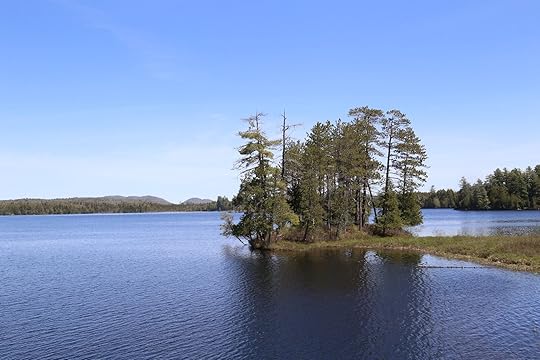
Photo: John Doe/Shutterstock
Site type: Paddle-in
Reservations and fees: $18 per night for New York residents, $23 for out-of-state visitors
When to Go: Campground is open seasonally, from late May to early September
A three-mile paddle from the boat launch in Raquette Lake, the Tioga Point Campground spreads over a peninsula used as a summer camp in the early 1950s. Now, the bunkhouses and cabins are long gone – and instead, the promontory is dotted with 25 primitive campsites, including 15 with wooden lean-tos. All the sites feature fire pits, picnic tables, and primitive privies. On land, the Tioga Point Trail connects campers to the Sargent Ponds Wild Forest, and the campground is also situated along the 90 mile Adirondack Canoe Route, a portion of Northern Forest Canoe Trail, a 740-mile paddling route stretching from New York to Maine.
The Ultimate Brewery Tour Across Michigan, One of the Best States for Craft Beer

Michigan is a complicated state. On one hand, it’s synonymous with water sports, romantic campfires, and the immortal melodies of Motown. On the other hand, it has experienced hardship in the form of collapsed industries and harsh winters. The result is that the people of Michigan are known for their hard working spirit and a stubborn local pride. One potential silver lining? The industrious nature of Michiganders has led to some of the best craft beer in the United States, and a tour of Michigan breweries is a necessity for beer enthusiasts everywhere.
Michiganders started brewing beer back in the 1800s. Small Michigan breweries supplied the state’s thirsty workforce with beer until the heavy hand of prohibition took them down. After prohibition, wars, changing social climates, and the desire for convenient food and drink all made the post prohibition brewing industry stagnate. That was until the so-called craft beer revolution of the 1960s and 70s. Amateur brewers started experimenting with brewing beer in their garages and sharing recipes and ideas, hoping to make better beer than the big name brands, and Michigan breweries started popping up all over the state.
Starting with Bell’s Brewery in 1985 and the opening of other small Michigan breweries soon after, Michigan was on the verge of craft beer stardom. Today, the state has just under 400 craft breweries, making it the sixth most brewery-concentrated state, just under Colorado and Washington. Many beer snobs and brewers argue that what makes Michigan’s craft beers so special is its water, productive hop farms, and its devoted population of expert brewers striving for perfection.
Going from north to south, here are some of the best Michigan breweries, one of the best states for craft beer.
Michigan breweries everyone should knowBlackrocks BreweryView this post on InstagramA post shared by Blackrocks Brewery (@blackrocksbrewery)
In Michigan’s rugged Upper Peninsula is the college town of Marquette. Here where Lake Superior’s icy squalls meet pristine forest is where Blackrocks Brewery started. Since its inception in 2010, Blackrocks has blossomed into one of Northern Michigan’s largest craft breweries. Co-founders Andy Langlois and David Manson turned their hobby of home brewing into a profession after the pair fell on desperate times during the 2008 recession. Today Blackrocks’ beers are sold throughout Michigan, led by its popular flagship 51K IPA.
The original nano brewery is located inside a two story former home in downtown Marquette. Here, customers can enjoy dozens of varieties, from classics like Grand Rabbits Cream Ale and Mykiss IPA to seasonal specialties like Willie O`Ree. At their popular brewery, live music and rustic fire pits complement the delicious beer. The company recently started hosting events including Sunday jam sessions where customers can grab a pint and take a seat next to the fire or relax on the outdoor swing set.
Where: 424 N 3rd St, Marquette, MI 49855
Short’s Brewing CompanyOne of craft beer’s hallmarks is its openness to experimentation. In 2002, the 22-year-old brewer Joe Short created his brewery intending to push the envelope with ingredients and bold flavors. Short and his team of friends converted a 120-year-old hardware store in downtown Bellaire into his brewpub.
Today, Short’s Brewery has expanded beyond the original brewpub to include a large combination brew pub and brewing facility in the town of Elk Rapids. Today, you can find its bottles and cans throughout the state, including some of its seasonal and experimental limited releases. However, nothing compares to sampling its beer straight from the source at the original brewpub in Bellaire.
Where: 121 N Bridge St, Bellaire, MI 49615
Silver Spruce Brewing CompanyWhat happens when two people with advanced brewing science degrees and years of brewing experience create a family and a brewery together in Northern Michigan? Pure magic. When Leah Tyrell and Scott Stuhr created their dream project in Traverse City, they looked at a former Blockbuster Video building in a rapidly developing part of downtown. The building was an iconic meetup point for locals for many years. Now Silver Spruce is a cherished addition to the already impressive lineup of world-class breweries in Traverse City.
From traditional European-style lagers, ales, and stouts to the brewery’s hugely popular IPA, both fans of good craft beer and those just getting into it can find something to love. The smell of wood-fired pizza and fermenting malt, along with the rustic outdoor ambiance makes it an appealing space. Even with recent road closures and a pandemic, Silver Spruce Brewing Company remains a fixture for local fans of craft beer.
Where: 439 E Eighth St, Traverse City, MI 49686
Stormcloud Brewing CompanyView this post on InstagramA post shared by Stormcloud Brewing Company (@stormcloudbrew)
Every year, intense storms batter the small fishing town of Frankfort, Michigan. Protruding into Lake Michigan, its jetty and sand dunes act like a catcher’s mitt for incoming storm waves, attracting surfers from all over the region, even in the depths of winter. Here in this weather hardened town is Stormcloud Brewing Company. It’s the place many local surfers, fishermen, and fans of Belgian style craft beer descend on after braving the elements.
Stormcloud has been producing a wide range of dependable and delicious beers since 2013. Currently, it has two locations: a lively downtown brewpub that serves excellent flatbread pizzas, sandwiches, and salads, and the taproom and brewery up the road. Co-founders Brian Confer and Rick Schmitt opened the taproom in 2018. The space is home to the Lakehouse Ales Project, an ever changing sour program that uses local cultures and seasonal ingredients to craft sour beers.
Where: 303 Main St, Frankfort, MI 49635
Cedar Springs Brewing CompanyView this post on InstagramA post shared by Cedar Springs Brewing Company (@cedarspringsbrew)
In the quiet central Michigan town of Cedar Springs, the lively and sometimes rowdy energy of Cedar Springs Brewing attracts locals and visitors looking for great beer and a good time. For people who love German staples like Bavarian pretzels and wiener schnitzels and a fun ambiance, Cedar Springs Brewing Company can’t be beat. However, its true claim to fame is its beer. Delicious German inspired pilsners, bocks, and weissbier poured fresh from the tap are consistently good.
Cedar Springs Brewing Company opened in 2013. Owner David Ringler’s vision was to bring traditional German beer styles to the palettes of Michigan’s growing craft beer fanatics. It’s apparent when visiting his brewery and tasting his beers that he believes wholeheartedly in his mission—his job title on LinkedIn says Director of Happiness. Inside and outside, there are long tables for communal seating..
Where: 95 N Main St NE, Cedar Springs, MI 49319
Grand Armory Brewing CompanyMichigan’s history is a story of industrial growth, dominated by the automotive, agricultural, and lumber industries. For much of the early 20th century, towns and cities built large industrial brick buildings throughout the state. In 2015, a team of ambitious brewers created one of Western Michigan’s standout craft breweries in a former Victorian Armory building in downtown Grand Haven. Today, guests enjoy a lively taproom featuring their delicious beers poured from 20 taps inside the historic building.
The brewery regularly hosts events inside their space like yoga classes and live music performances. It also sponsors charity events like the Special Olympics and the Grand River Clean Up.
Where: 7 S 2nd St, Grand Haven, MI 49417
The Mitten Brewing CompanyGrand Rapids may be Michigan’s premier beer city. Located in the iconic Victorian Engine house No. 9, The Mitten Brewing Company is a must visit for beer lovers. Co-founders Chris Andrus and Max Trierweiler opened their venture back in 2012. They set up their classic baseball themed microbrewery in one of Westside Grand Rapids’ most historic buildings. Their mission was to bring quality craft beer to their community. Sports fans and beer aficionados crowded into their brewery, and before long, it became one of the most popular craft breweries in the city.
Besides its popularity with locals, its beers have dominated the world of craft beer. In 2013, the Michigan media company MLive Media Group listed it as “Michigan’s Best New Brewery.” Then, in 2016, it won a silver medal in the World Beer Cup for its English Brown Ale. In 2022, for the same international competition, it took home the gold for the same beer and a silver for its imperial red IPA. With the momentum of its success, The Mitten has recently opened two new tasting rooms in Northport and Saugatuck to the delight of craft beer fans throughout the state.
Where: 527 Leonard St NW, Grand Rapids, MI 49504
Founders Brewing Co.View this post on InstagramA post shared by Founders Brewing Co. (@foundersbrewing)
The titan of Grand Rapids’ craft beer, Founders has become one of the state’s craft beer staples. It’s hard to find a party or event in Michigan without eying someone with a Founders beer in hand. Co-founders Dave Engbers and Mike Stevens started the brewery in 1997 by opening a 9800 square foot space in downtown Grand Rapids.
The brewery would spur a movement in craft beer by aging its strong ales in bourbon barrels. The critical response was significant. In 2004, The Beer Advocate rated their Bourbon Barrel Aged Stout as the second best beer in the world. In 2011 and 2012, Rate Beer named Founders the second best brewery in the world for two consecutive years. It has since expanded into a Detroit taproom and distributes its beer throughout the country.
Where: 235 Cesar E. Chavez Ave SW, Grand Rapids, MI 49503
Tenacity BrewingTenacity is Flint’s first microbrewery. Since its inception in 2015, Tenacity has staked its claim to success. Inside the old Grand Traverse Street fire station, the team keeps over a dozen beers on tap. Patrons crowd inside the brick building to enjoy games, live music and comedy, and a food truck. Tenacity brought great craft beer and beer culture to Flint and kept their commitment to the city, which has gained them a cult following among locals and Michigan beer fans.
Where: 119 N Grand Traverse St #5620, Flint, MI 48503, United States
Jolly PumpkinView this post on InstagramA post shared by Jolly Pumpkin Artisan Ales (@jollypumpkin)
Ann Arbor is a college town that drinks a lot of craft beer. In nearby Dexter, brewer and owner of Jolly Pumpkin Ron Jeffries has been crafting some of Michigan’s most celebrated ales, sours, and farmhouse ales since 2004.
Its beers are rustic and refined. Today, Jolly Pumpkin beers are sold throughout the United States and have won several awards over the years. Throughout Michigan, there are several Jolly Pumpkin restaurants and taprooms.
Where: 311 S Main St, Ann Arbor, MI 48104
Dragonmead BreweryView this post on InstagramA post shared by Dragonmead Brewery (@dragonmead_brewery)
Dragonmead Brewery is a peculiar among other Michigan breweries. In between the medieval decorations, knight statues, and house banners hang various accolades, including several gold medals from the World Beer Cup and other national competitions. Since its opening in 1997 by co-founders Larry Channell, Bill Wrobel, and Earl Scherbarth, it has become one of the most award-winning craft breweries in the United States.
The Dragonmead Brewery in Warren, Michigan isn’t just for fans of award-winning craft beer and medieval imagery, though. The brewery has become a favorite hangout for locals and visitors alike. The brewery has a laid back and friendly vibe with plenty of games and events to keep guests occupied. Along with good food, the brewery serves flights and pints of its world famous beer along with mead and wine.
Satélite location called dragons landing plus full kitchen from local sources. Highest quality for food.
Where: 4600 E Eleven Mile Rd, Warren, MI 48089
Bell’s BreweryNo Michigan craft breweries list would be complete without including Bell’s, the OG of Michigan craft beer. Since its humble beginnings, it’s become one of the most successful and award-winning brands of craft beer in the United States.
In 1985, expert home brewer and homebrew supply store owner Larry Bell opened Kalamazoo Brewery. What started as a small local operation changed its name and kept evolving thanks to its popular new releases, like the cherry stout and brown ale. These beers introduced Michigan’s consumers to new flavors that helped spawn a local craft beer revolution. In 1989, Bell’s began distributing its beer across the state. All this change culminated in the 1992 release of its most influential beer to date, Oberon Ale, which sent Bell’s into national stardom.
Where: 355 E Kalamazoo Ave, Kalamazoo, MI 49007, United States
A Culinary Trip To Israel’s Galilee Region Highlights the Country’s Past and Innovative Future
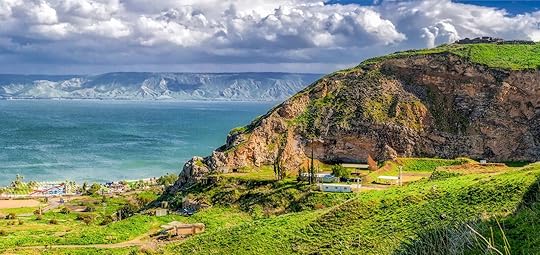
The village of Maghar, in the Northern District of Israel’s Galilee region, is an excellent – if unexpected – place to experience the country’s booming culinary scene. The town of 25,000 is surrounded by deep green farmland with desert mountains that cast a sandstone glow over Maghar’s neighborhoods. It’s 15 percent Muslim and 15 percent Christian. The majority of Maghar’s 25,000 residents are of the Druze faith. Through a determined belief in reincarnation and an allegiance to political powers that be, one must be born a Druze to die one. But Druze hospitality and friendship extend far and wide.
It was here in Maghar, at the home of a young couple named Miad and Snir, that I experienced one of the most memorable and impactful meals of my life, courtesy of both Miad and Galileat, a Galilee-based culinary tour operator founded by Paul Nirens. His business connects travelers to in-home traditional meal experiences hosted by local families.
On a sunny summer evening, Miad welcomed us with tea in her living room, the scent of mansaf, an upside-down chicken and rice pie cooked for centuries by Galileans and Palestinians, wafting in from the adjacent kitchen. Her well-kept two-story home was surrounded by a large garden and wouldn’t look out of place in an American suburb, save for the portrait of Ḥamzah ibn ʿAlī, a founder of the Druze faith, that hung on the living room wall. Though not deeply religious themselves, Miad and Snir pay homage to their cultural history as most Druze do, including by abiding by a code of peace, tolerance, and acceptance that extends across religious and cultural boundaries.
“In the village we all see each other as equals,” Miad told me through Nirens, who translated her Arabic into English. “We have our religious differences but we’re all part of the same community. Our neighbors are Christians and Muslims, too.”
Over a dinner of traditional Druze cuisine including mansaf and dolmas (rice rolled in grape leaves), Miad and Nirens explained the important role of culinary tourism in the Galilee, and how innovative founders and citizens are pushing their country and their families forward, regardless of geopolitics. The dinner was our first stop in the region, where visits to several kibbutzes over the following days would demonstrate a similar spirit of innovation.
We hope you love the spaces we recommend! Just so you know, Matador may collect a small commission from the links on this page if you decide to book a stay.

Druze cuisine includes a delicious take on dolmas. Photo: Tim Wenger

Mansaf is the best thing I ate in Israel. Photo: Tim Wenger
Bringing a historic model into the presentIsrael’s Galilee region stretches from the country’s northern Mediterranean coast to the inland empire surrounding the Sea of Galilee. We checked into the Nof Ginosar Hotel on Kibbutz Nof Ginosar, which is right along the sea and is the first and only full-scale resort hotel located on a kibbutz.
Kibbutz life is alive and booming here, though in a more modern form than how these collective communities were when they first started in Palestine in 1909. Kibbutzes originally operated as social communes to bring struggling agricultural workers together to help each other make ends meet and build community. Stable governments and economies were all but non-existent here at that time, and banding together under the umbrella of socialism provided a way to incentivize workers and provide support. Kids lived in kinder houses, visiting family for only a short period each day. Schooling was done communally, as were meals.

Benny Barak leads a kibbutz tour. Photo: Tim Wenger
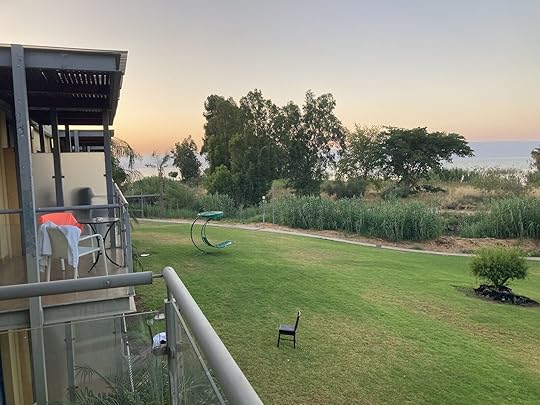
View of the Sea of Galilee from Nof Ginosar Hotel. Photo: Tim Wenger
Life for adults, though slightly more independent, followed similar patterns. Meals were shared in a great dining hall. Work tasks, largely agricultural but also including domestic, warehouse, and factory work, were performed for the benefit of the community. Profits were shared and pay was equal. Kibbutz workers developed Israel’s current water system around conserving the desert region’s sparse resources, allowing for the sprawling agricultural development that has been a backbone of the Galilee’s economy ever since and fulfilling David Ben Gurion’s pledge to “make the desert bloom.”
As Israel became an established country with infrastructure and a place on the global stage, the role of the kibbutz slowly waned. Workers became less incentivized by the set pay opportunities on the kibbutz and increasingly inclined to look elsewhere for their family’s future.
But the 21st century has seen a rekindling of kibbutz life. As kibbutzes became more efficient and modern, they effectively grew out of socialism and into capitalism regulated by labor unions. While some traditional elements remain, many are now hotbeds for tourism and small businesses. I found the spirit of innovation and community I’d experienced at Miad’s home to be commonplace.
Travelers can take the “Secrets of the Kibbutz Miracle” tour at Kibbutz Kfar Masaryk for a historical walkthrough of traditional kibbutz life. Throughout the 1900s, workers here produced porcelain, television sets, and cartons. Nowadays, tourism plays a major economic role for residents on this kibbutz.
“We are adapting to survive for another day’s life,” said Benny Barak, a community elder, as he led the tour.
To experience modern kibbutz life for yourself, you can sample Malka Brewing, Israel’s largest craft brewer, at a tap room on Yechiam Kibbutz, or spirits from the country’s first craft distillery, Julius, on Kibbutz Hanita. There are options for people looking for a sweeter taste, too. On Kibbutz Regba, Dr. Shlomit Zamir opened Odette Chocolate in 2017 to spread her passion for chocolate making (and optimize her honed skills as a chemist). Zamir worked as a materials engineer at Israel’s Defense Ministry for 18 years, but it was chocolate that drove her to start a business and a kibbutz founded in 1946 that provided the basecamp to bring her dream to fruition.
Innovation for the common goodKishorit Boutique Winery produces estate-grown wines in the Galilee. Its staff, however, take much more away from their jobs than a paycheck. Kishorit, its surrounding farm, and the onsite bakery serve as a purpose-based therapeutic center for adults on the autism spectrum and for those with other special needs. Kishorit blends kibbutz-style communal life with the mantra of a social NGO by providing a job, a community of friends, and housing for those who need it.
I have a sister with special needs, and walked away from Kishorit wishing she had a place like this to call home. While sampling the wines and touring the bakery, I spoke with a few residents who each shared their story of how living at Kishorit has changed their lives and helped them to find purpose in a world that largely seemed to have moved on without them. The wine is fantastic – I brought home a bottle of dry white – and being able to meet a few of those responsible for crafting it made it that much sweeter.

Baked goods at Toshar Bakery. Photo: Tim Wenger

Tomer Suissa getting deep about life and pastries. Photo: Tim Wenger
Farther north, just off the Mediterranean coast, I was equally inspired by what’s happening at Tosha Bakery. Opened by friends Shahaf Avraham and Tomer Suissa, the bakery is just a few minutes drive from Israel’s border with Lebanon. The countries do not get along, and the border is currently closed. But this doesn’t prevent a shared cultural influence of those on both sides of the wall.
Toshar specializes in both sweet and savory pastries, pulling from Jewish, Arab, and other regional recipes. Over a plate of his croissants, Suissa shared what it would mean for his family, his business, and the local community if the border with Lebanon were to open. To him and his family and friends, whose history stretches across the border, tolerance is learning and finding common ground. And, tolerance is asking questions and then accepting the answers you’re given, even if they’re less than perfect.
Suissa summarized what to me proved to be the most important reason to visit The Galilee, and indeed, Israel. Coming here allows you to be a part of that tolerance, and to cast your vote through your tourism dollars for a future that welcomes and accepts people no matter how many times a day one does or does not bow and pray.
“If the border opens, the influence will be great for both sides,” Suissa said. “A lot of my grandmother’s recipes have Arab influence. The Lebanese have incredible recipes, it will be a great thing for this region.”
Matador Network's Blog

- Matador Network's profile
- 6 followers

