
Matador Network's Blog, page 385
November 28, 2022
These Unique Abodes Showcase the Best of Airbnb’s Top of the World Category
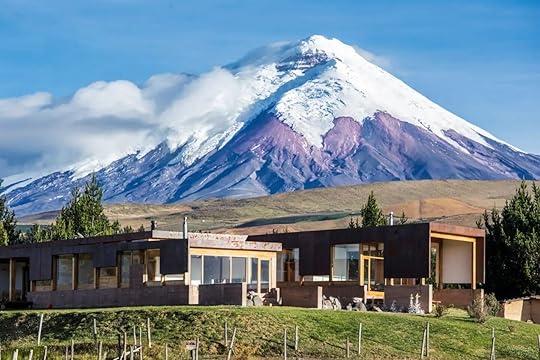
As if traveling to a new place didn’t already make you feel on cloud nine, Airbnb’s latest category will. Not one for those with a fear of heights, the platform’s winter release for the season includes Top of the World: rental properties sited at least 10,000 feet above sea level with exhilarating views. We’ve scoped out the most exciting Top of the World Airbnbs, from mountain domes in Peru to epic ski lodges in Colorado and art houses in the Indian Himalayas.
We hope you love these stays from the Airbnb Top of the World category! Just so you know, Matador may collect a small commission from the links on this page if you decide to book a stay. Listed prices are accurate as of the time of publication.
Luxurious lodge with incredible views – Breckenridge, Colorado, US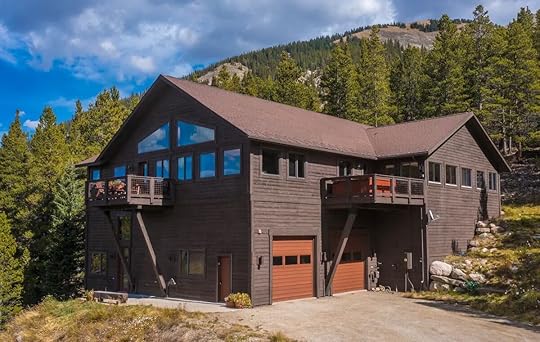
Photo: Airbnb
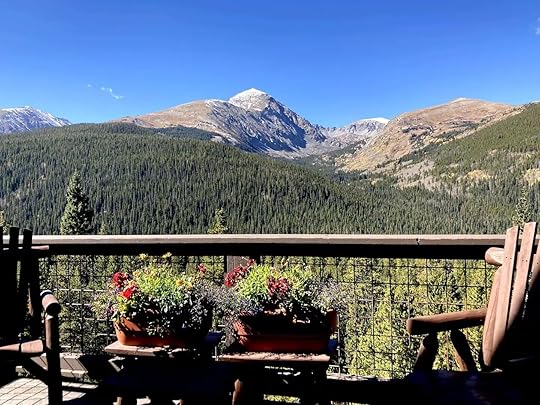
Photo: Airbnb
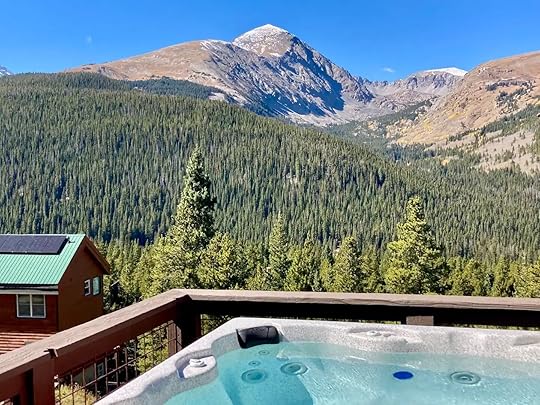
Photo: Airbnb
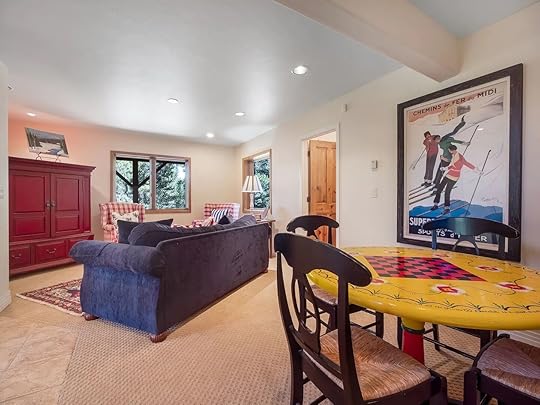
Photo: Airbnb
Homely yet luxurious, this high-altitude Colorado lodge opens out onto the best hiking and skiing in Summit County. Modeled on the traditional European chalets, internal spaces are warm and inviting with a gourmet kitchen making it easy to rustle up your own raclette. Spend chill evenings hopping between the hot tub and the fireplace. As if the lodge doesn’t already give you incentive enough: book six nights and the seventh is thrown in for free.
Ten guests, four bedrooms
Price: $836 per night
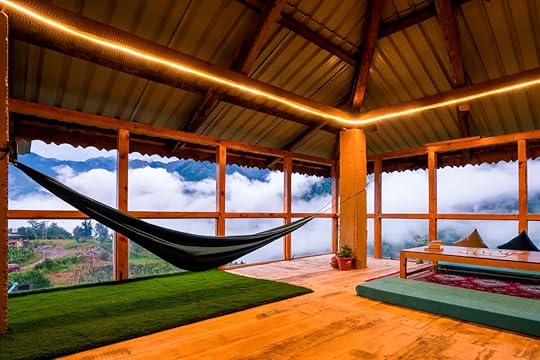
Photo: Airbnb
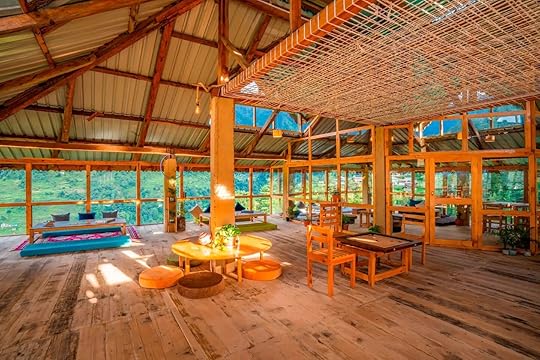
Photo: Airbnb
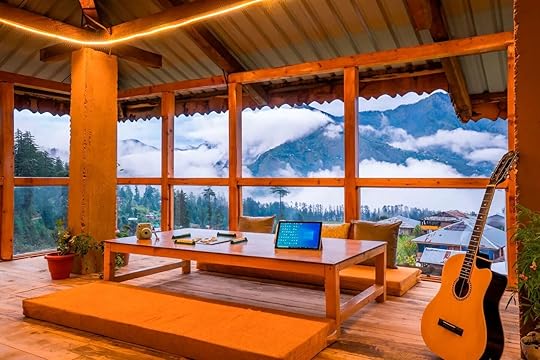
Photo: Airbnb
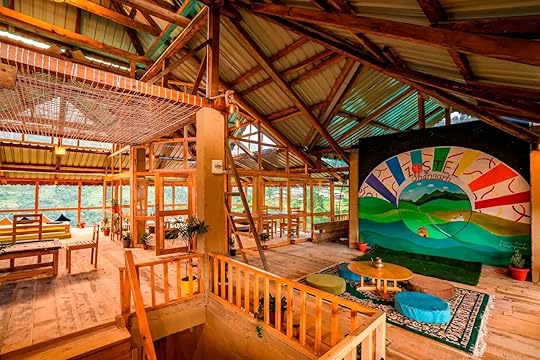
Photo: Airbnb
Drink up heart-stopping views and make friends for life at this Top of the World Airbnb hostel with private rooms in the Great Himalayan National Park. The rooftop common area is fully-equipped with board games, reading nooks, hammocks, and swings – yoga and meditation practice is strongly encouraged while you wait for the chef to rustle up a scrumptious family meal. Private rooms come with an en suite bathroom and a balcony at this backpackers’ retreat 12,500 feet above the clouds.
Two guests, one bedroom
$22 per night
Photo: Airbnb
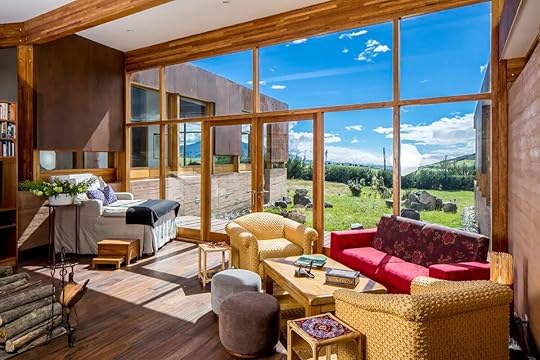
Photo: Airbnb
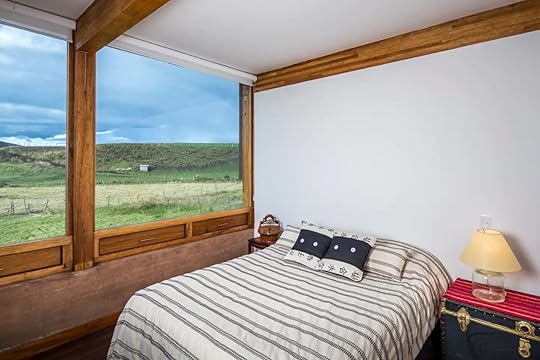
Photo: Airbnb
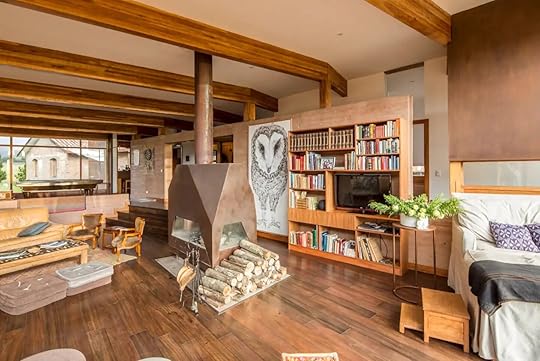
Photo: Airbnb
Encircled by five volcanoes a mere hour from the capital, Hacienda Rumilahua has a legacy of horse breeding. Novice and pro equestrians can book horseback riding excursions via the host – easily the best way to explore the region. Beautifully outfitted with a mix of old and new, the cozy lodge is perfect for sociable families and groups. Hang out in the billiards room, unwind in the hot tub, and gather around the wood burner for a game of cards.
Twelve guests, six bedrooms
Price: $414 per night
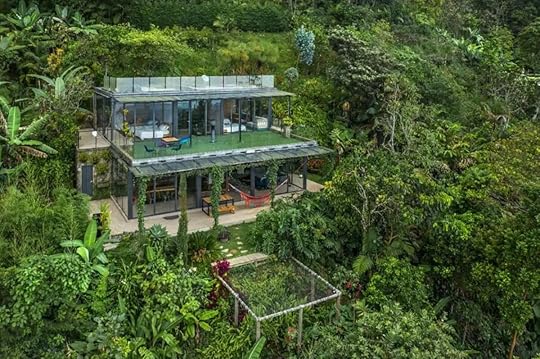
Photo: Airbnb
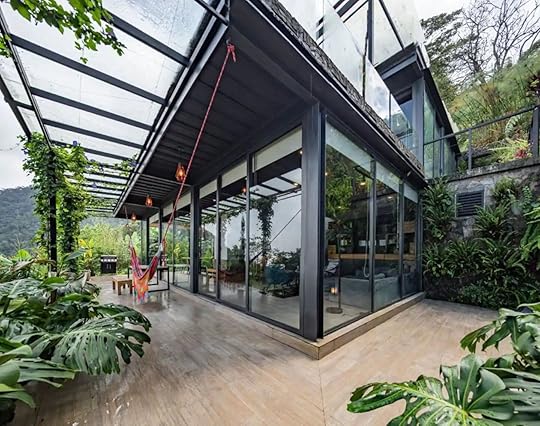
Photo: Airbnb
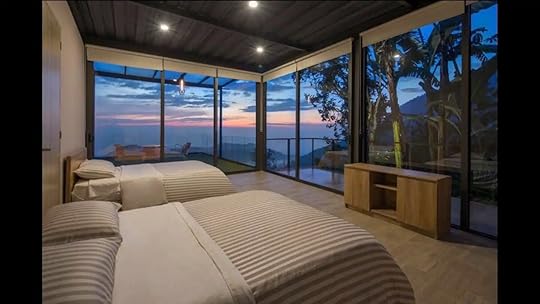
Photo: Airbnb
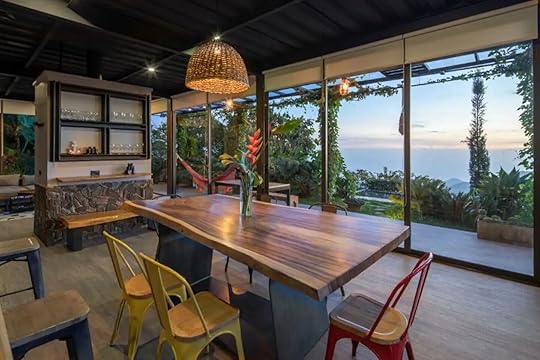
Photo: Airbnb
Maroon yourself in this breathtaking villa, peeking out from the lushest patch of vines and monstera in the national park with panoramic views from multiple decks. No-frills internal living spaces and bedrooms are outfitted with contemporary furnishings that enhance the spirit of the rainforest property. Sited on the world’s highest coastal mountain, this is a vacation home you’ll never forget.
Eight guests, two bedrooms
Price: $401 per night
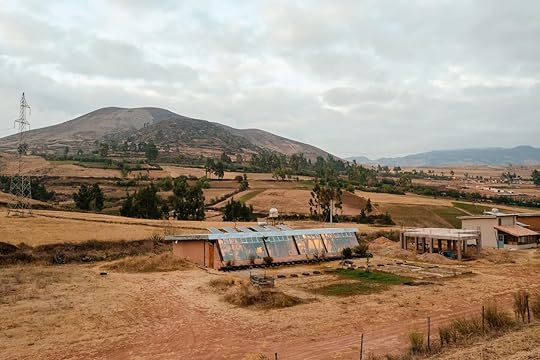
Photo: Airbnb
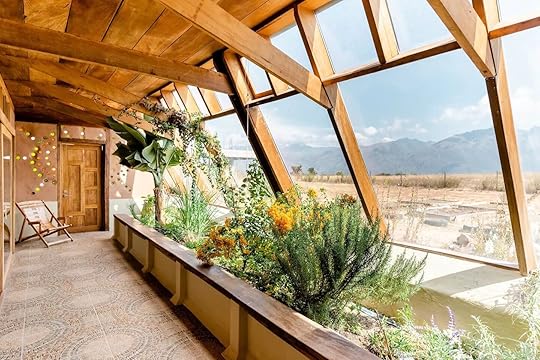
Photo: Airbnb
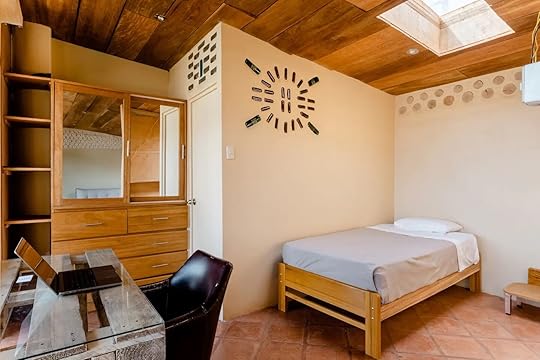
Photo: Airbnb
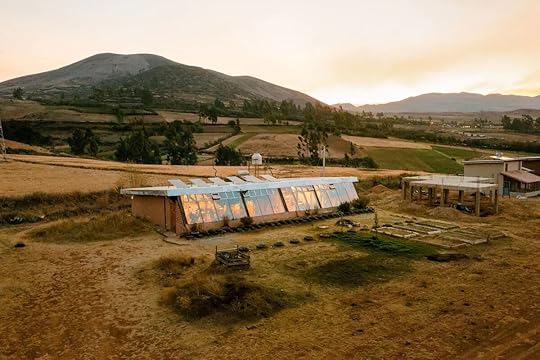
Photo: Airbnb
Constructed using recycled, natural materials, this eco-lodge runs off solar electricity and rainwater. Standing at 10,968 feet, the property overlooks the glaciers of the Sacred Valley with a covered terrace rich in vegetation sheltering you from all elements. Bedrooms and shared spaces also offer an eyeful of the ranges while you have the convenience of a full kitchen and two modern bathrooms.
Five guests, two bedrooms
Price: $65 per night
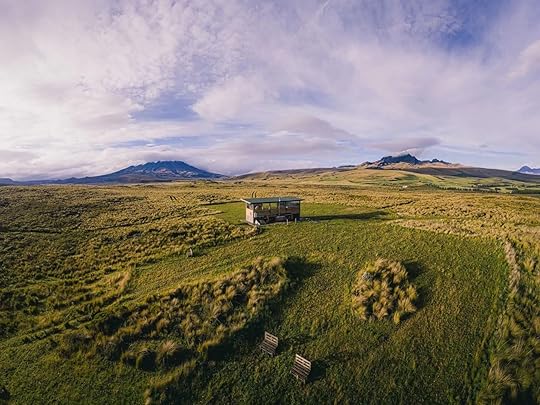
Photo: Airbnb
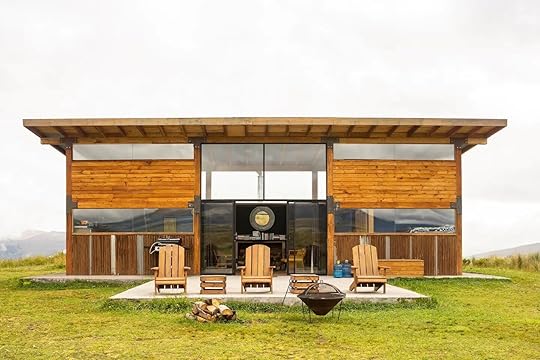
Photo: Airbnb
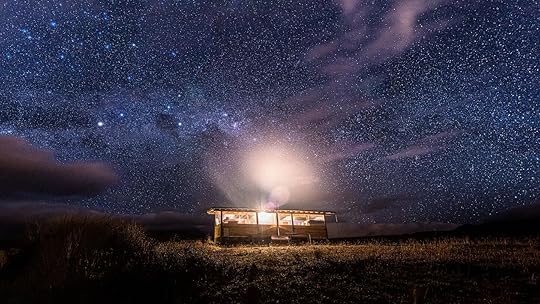
Photo: Airbnb
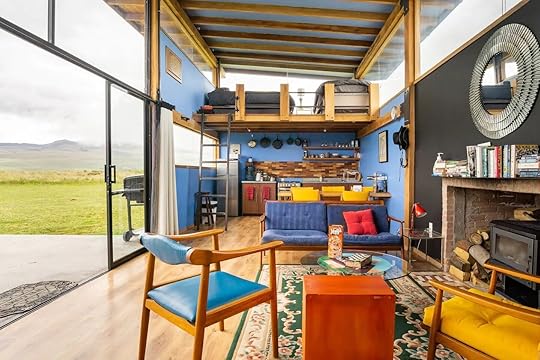
Photo: Airbnb
Located at a dizzying 12,020 feet within an exclusive 19-hectare reserve, this dog-friendly three-bedroom tiny house is a 10-minute drive to the Cotopaxi National Park. Floor-to-ceiling windows maximize views over the volcanic valleys with unmatched potential for star-gazing. A cozy open-concept kitchen and lounge leads into the cute mezzanine-style sleeping loft. A 4×4 is required to reach the Top of the World Airbnb vacation rental; once there, the host is available to arrange guides.
Seven guests, three bedrooms
Price: $228 per night
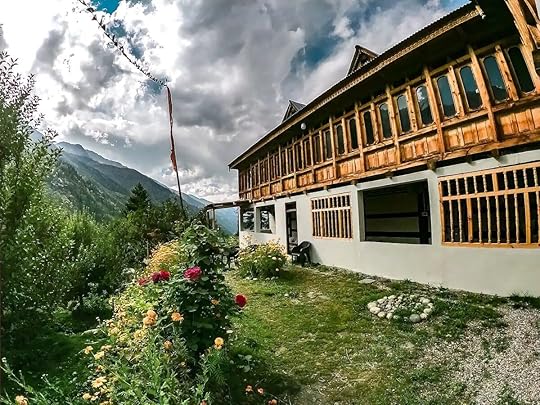
Photo: Airbnb
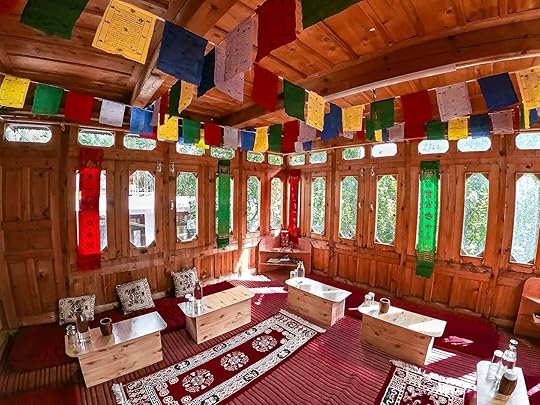
Photo: Airbnb
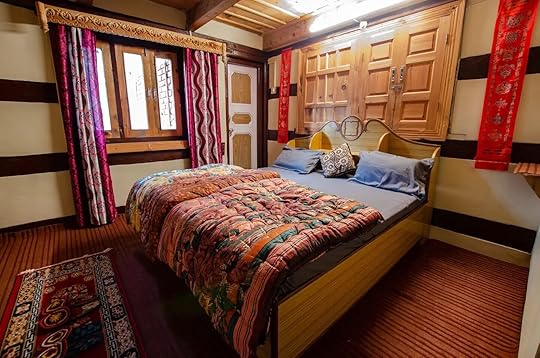
Photo: Airbnb
Photo: Airbnb
Situated 10,092 feet above sea level with vistas over the Baspa Valley and the peak of Shoshala, this traditional wooden house is banded by fragrant apple orchards. Bedrooms are comfortably prepared but it’s the wider house that’ll spike your curiosity with its secret book lairs, scenic patios, and art room. Himachali home-cooked meals are available.
Five guests, two bedrooms
Price: $25 per night
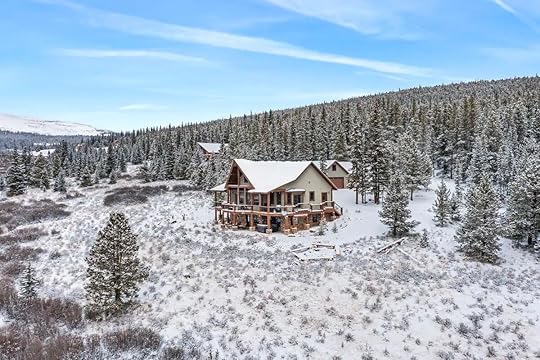
Photo: Airbnb
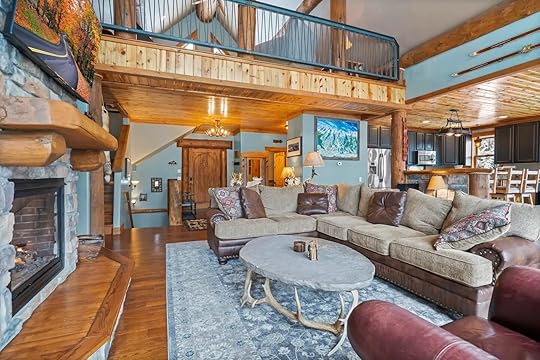
Photo: Airbnb
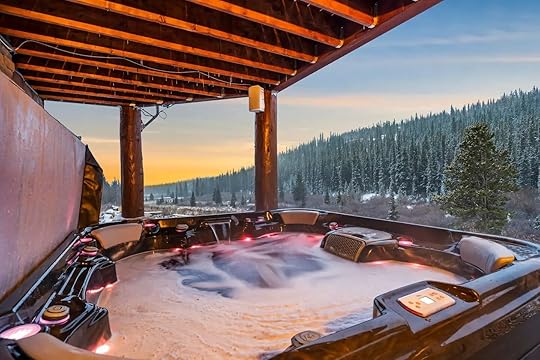
Photo: Airbnb
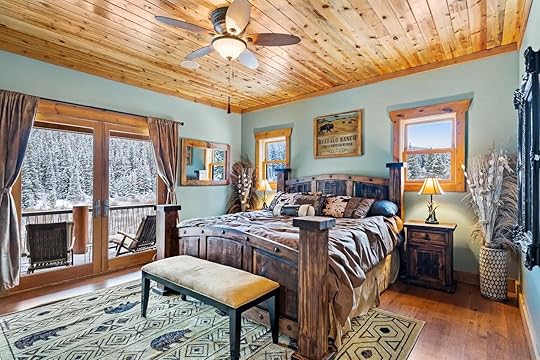
Photo: Airbnb
Dogs with a head for heights can share the fun at this pet-friendly Top of the World Airbnb cabin tucked away in a copse with views over Pike’s Peak and Pennsylvania Mountain. Interiors are outfitted with plush furnishings and lavish bathtubs. Soak up the scenery from the hot tub, shoot pool on the billiards table, and huddle up around the fire pit for evenings of s’mores and story-swapping.
Fourteen guests, five bedrooms
Price: $849 per night
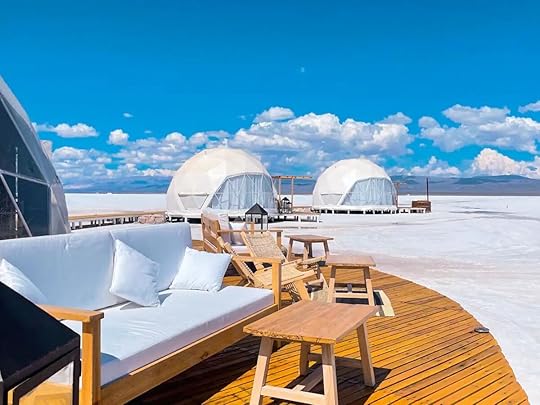
Photo: Airbnb
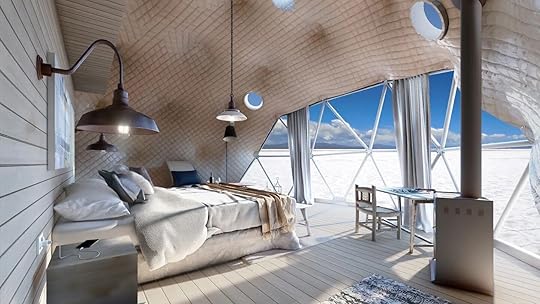
Photo: Airbnb
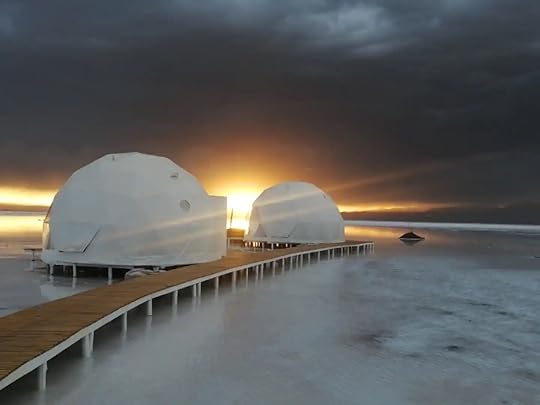
Photo: Airbnb
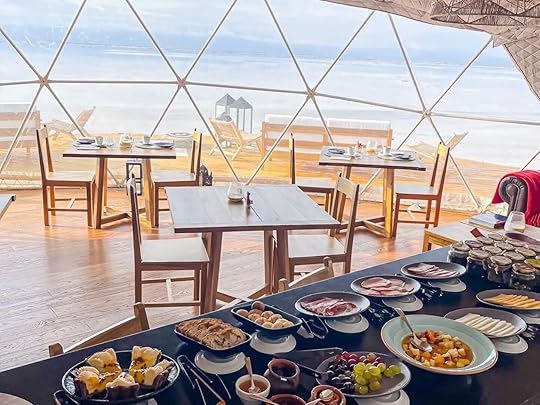
Photo: Airbnb
Sitting extremely pretty at 11,185 feet, this luxurious Top of the World Airbnb in Northern Argentina floats above the Great Salt Flats. Each deluxe dome is fitted with its own bathroom and terrace with views stretching across the blinding salt pans as far as the Andes. A full gastronomic and adventure experience, your reservation includes transfers in and out of the isolated camp and a gourmet breakfast.
Four guests, two bedrooms
Price: $1,644 per night

Photo: Airbnb
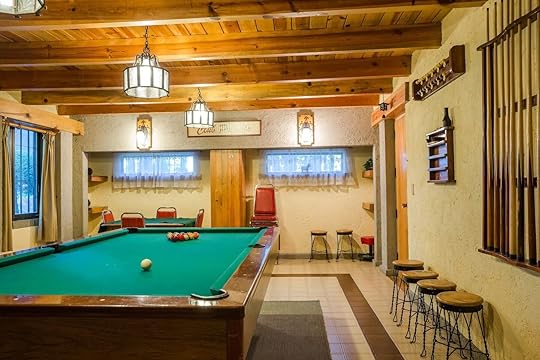
Photo: Airbnb
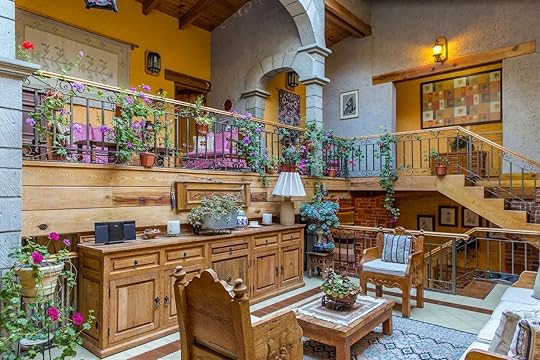
Photo: Airbnb
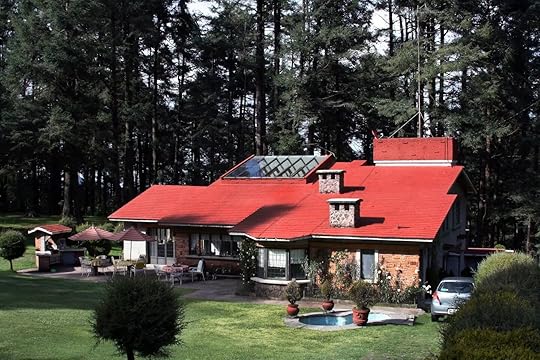
Photo: Airbnb
Slow the pace and catch your breath 10,830 feet above the dense swathe of forest rising west of CDMX. Interiors are cozily appointed with natural linens and lots of wood, creating that true ‘cabin in the woods’ vibe. A billiards table will keep the boredom at bay while you have a seemingly endless sprawl of private gardens and woodland to explore, complete with a barbecue with a terrace. 
Sixteen guests, five bedrooms
Price: $267 per night


Year-Round Whale Watching and Surfing Make Dana Point an Ideal Home Base for a California Road Trip
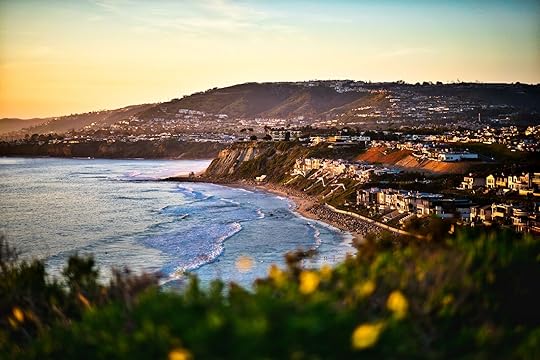
As someone born and raised in Southern California, it’s hard to imagine life without California beaches just a short drive away. And while there are plenty of beaches elsewhere in the United States, Southern California’s combination of perfect weather and rolling blue waves makes it clear why so many people come to the region.
One of the best ways to experience some of the best beaches state has to offer is a good old-fashioned road trip along the Pacific Coast Highway that starts or ends at Dana Point and Capistrano Beach. This home base is the perfect place to enjoy a luxurious, yet laid back, California beach town while getting in touch with nature before or after spending hours on the road.
The best things to do in Dana PointDana Point’s landscape is defined by cliffside views, and you can catch the best of them from up high on Bluff Top Trail. The trail is small — a 0.2-mile walk up a flight of stairs — but the reward is big. The view from the top is the perfect starting point for a stay in the area.
Whale watching and boat cruises at Dana Point@captdaveswhalewatching Thousands of #dolphins stampede off #danapoint ! #dolphin #sealife #optoutside #socal #wildlife #marinewildlife #naturebeauty #fyp ♬ original sound – captdaveswhalewatching
Dana Point is also one of the only places in the country that has excellent year-round whale watching. On a recent trip, I was up bright and early to explore wildlife on Captain Dave’s Dolphin & Whale Watching Safari (get there early to find the dock and parking so you boat doesn’t set sail without you). While I didn’t spot any whales on this trip, I saw hundreds of jumping dolphins on the three-hour excursion, and the boat’s underwater glass viewing pods allowed me to see the majestic creatures underwater. However, be forewarned that the catamaran moves a lot when the waves are choppy.
If you’re looking for a more relaxed sail around the harbor, there’s the sunset wine cruise with Dana Wharf Sportfishing & Whale Watching. This 90-minute evening excursion covers calm waters just around the harbor where guests can enjoy live music, wine tasting (I sampled six, with the option to buy a full glass or bottle of any favorites), basic small plate appetizers, and sunset views.
Surfing at Dana PointDana Point’s beaches are for more than afternoon lazing. Whether you want to interact with nature and wildlife or try your hand at surfing, boating, or water spots, the town is home to several beaches to take part. Surfing in particular is a huge part of Dana Point’s culture and history. The town is home to one of the first California surf shops, Hobie Surf Shop, which opened in 1954. And before the Dana Point harbor, surfers traveled far and wide to visit a surf break called Killer Dana that brought huge swells. Even though surfers can’t take advantage of Killer Dana anymore, there are still great place to catch waves at Doheney State Beach. If you want to learn how to surf, book a private lesson with Girl in the Curl surf shop right on Doheney State Beach.
Where to eat in Dana Point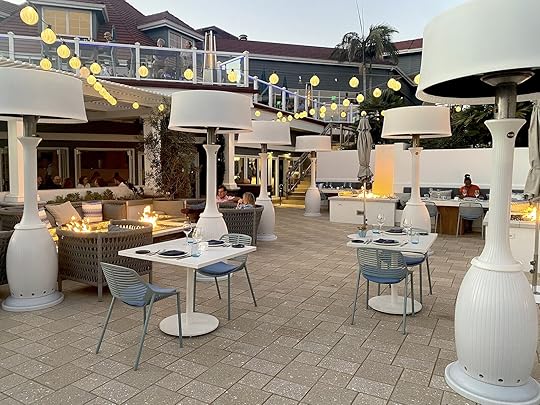
Photo: Olivia Harden
OverVue Lounge and Outer ReefTwo spots at Laguna Cliffs Marriott Resort and Spa offer a chance for coastal scenery and world-class food. The hotel’s OverVue Lounge is an indoor-outdoor space that’s perfect for gazing on the green lawns and Dana Point Harbor while listening to live music and taking in the warmth from heat lamps and the fire pit.
The culinary star on the property is Outer Reef. Chef John Tesar, a four-time James Beard nominated chef and two-time Top Chef contestant, brings a California coastal take on the traditional steakhouse. There were only three types of steak on the menu on a recent visit, but truthfully that’s all you need. The stand out is the 45-day dry-aged 32-ounce ribeye. If you prefer seafood over steak, opt for the kimchi-glazed pacific halibut, which is served with a Korean kimchi pancake, crispy pork belly, and an incredibly bright and delicious sauce.
WhataDish CafeWhataDish Cafe is in an unassuming shopping center about a five-minute drive from Laguna Cliffs Marriott. The quaint cafe serves organic and sustainable choices ranging from omelets and Benedict’s, to brunch bowls and chilaquiles, to sweet options like muffins and a twist on French toast that uses bread pudding.
Coastal KitchenWhether you spend your morning lazing away or exploring all Dana Point has to offer, Coastal Kitchen is a beloved lunch spot in the Lantern District that locals and tourists alike enjoy for an elevated take of the relaxed Southern California lifestyle. In-season heirloom tomatoes, burrata, trout dip, and kale and spinach dip are all menu highlights (and don’t forget to order an accompanying cocktail).
Where to stay in Dana PointView this post on InstagramA post shared by Laguna Cliffs Marriott (@lagunacliffs)
There are plenty of great campsites along the PCH, but if you’re looking for something more luxurious, Laguna Cliffs Marriott Resort and Spa is more than your typical beach hotel. It’s situated at the top of a cliff and has breathtaking scenery of the beach and surrounding golf course. A recent multi-million dollar renovation means the property feels brand new with modern (yet homey) rooms that pay homage to the resort’s hometown. Two outdoor pools, spa, bocce court, and ping pong means there’s never a shortage of things to do on the resort, while bicycle and surfboard rentals make it easy to get off the property. Yet even if you don’t take advantage of the various things on offer, there’s nothing like falling asleep and waking up to the sound of crashing waves.
The Best Time To Visit Alaska (and No, It’s Not Always Summer)

Alaska is the 49th state and is often called “The Last Frontier.” That’s probably because it’s in the furthest corner of North America, bordered by Canada to the east, the Arctic Ocean to the north, and the Pacific Ocean to the west and south, with Russia further west across the Bering Strait.
The climate of Alaska is typically subarctic with cold winters, and summer is usually cool, but not cold. The precipitation in Alaska mainly falls as snow during winter, and while it does rain often in the summer, it’s usually a light rain, rather than extended downpours.
As you may expect from a place so far north, most people think the best time to visit Alaska is summer, when there’s minimal risk of getting snowed on and the national parks, protected wilderness areas, towns, and forests are free of snow. But just because most people think the best time to visit Alaska is summer, that doesn’t make it true. Depending on what you’d like to do and see, a spring or early winter trip is better for you.
Transportation and logistics for Alaska
Photo: Travel Alaska
One of the reasons so many people think summer is the best time to visit Alaska is probably because getting around is so much easier. You can rent a car and drive just about anywhere without worrying about icy roads or getting caught in a snowstorm.
But winter travel is actually a lot easier than you may think. Alaska is the largest state in the United States at 664,268 square miles and is larger than all but 18 countries in the world. But it has a population of around 740,000, which means quite a lot of the state is undeveloped wilderness. Because of that, many of the state’s towns aren’t connected by roads, and domestic flights and bush/seaplanes are often the easiest way to get around. Planes can generally fly year-round, albeit with the occasional weather delay in the winter. But you may not be doing too much driving regardless of when you visit, so icy roads may be less of a problem than you’d think.

Photo: No Tracers/Shutterstock
Alaska also has yet another easy way to get around: the Alaska Railroad. It runs between Anchorage, Denali, and Fairbanks, as well as a few other side routes. The train isn’t weather-dependent and hitching a ride on the Alaska railroad offers some of the best views without any need for driving. The best time to visit Alaska to see snow-covered terrain you otherwise wouldn’t access is winter, especially if you get views of Denali as you travel between Anchorage and Fairbanks. And since most vacationers spend their time near those two cities, you may not have to drive in the snow at all.
Winter: the best time to visit Alaska for northern lights, skiing, and snow sports
Photo: Travel Alaska /Chris McLennan
In winter, Alaska becomes a place of extreme cold (and beauty), with snow and ice everywhere. If you are planning to visit Alaska in winter, dress warmly. You’ll be exposed to freezing temperatures, so layer up with jackets and thick fabrics, plus a face mask or scarf to protect your face from the cold. But if you don’t mind the cold, visit Alaska in the winter if you want to ski, see the northern lights, or try a more unique winter activity, like learning to mush with sled dogs or hiking with reindeer.
Northern lights viewingAlaska’s most famous natural wonder is the aurora borealis, also known as the “northern lights,” visible in various locations throughout the state.
The best time to visit Alaska to see the northern lights is during winter, from late November to early March. The best time to see them is in the middle of the night, as the darkness makes them look the brightest and most active (hence why it’s hard to see them in the summer, when daylight lasts until close to midnight). Alaska is far enough north that you can see the northern lights from almost anywhere in the state, but Fairbanks is especially well-known for aurora viewing, with specialty hotels focused on it, like A Taste of Alaska Lodge and Borealis Basecamp.
Go dogsledding
Photo: Travel Alaska/Chris McLennan
If you’ve never dogsledded, there’s no better place to try it than Alaska, land of the world-famous Iditarod. There are dog mushing camps throughout the state, but since they only mush on snow, you’ll need to go when there’s snow on the ground. You can find dog mushing camps near most large and small towns in Alaska, so the best way to plan a mushing trip is to ask your hotel what camps they recommend visiting. Usually, you can ride on a dog mush cart, do a meet and greet with the energetic huskies, or even take a mushing class if you’re up for some high-speed learning.
Enjoy winter sportsAlaska’s most famous resort may be Alyeska Resort near Anchorage, but you can ski and snowboard all over the state if you’re willing to head into the backcountry. There are also heli-ski resorts throughout the state like Majestic Heli Ski and Black Ops Valdez, and cross-country skiing and snowshoeing are practically requirements for travel on foot. So winter is definitely the best time to visit Alaska if you’re into high-energy winter sports.
Spring: the best time to visit Alaska for cruises
Photo: Travel Alaska/Brian Adams
Spring offers a hint of what’s to come during summer, but it’s still fairly snowy and cold. It’s mostly just an extension of winter.
However, spring is a great time for cruising, and many major Alaska cruise lines offer their lowest prices on trips during the spring. If you like small-ship cruising, check out Maple Leaf Adventures and Alaska Dream Cruises. Both offer small ships with usually only a few dozen people (or less) and itineraries are quite flexible, often detouring if there’s a great whale sighting or a fantastic hike along the route is melted out early.
For larger-ship trips, check out Princess and Holland America, both of which offer rather high-end and outdoorsy cruises. Princess is particularly known for their culinary programs, which lean heavily on Alaskan seafood. Both companies offer combo packages that include cruising and on-land adventures, which are ideal for spring when travel on your own on land may still be a bit snowy and cold.
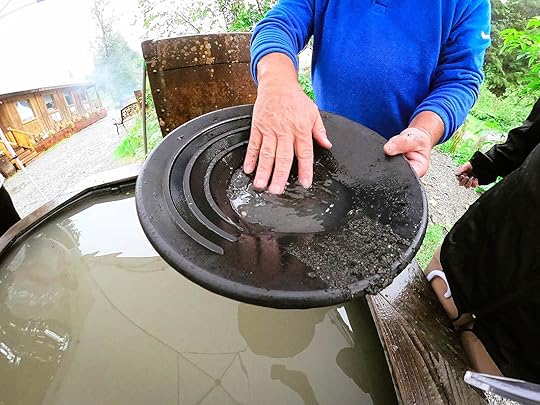
This is also a good time to try your luck at gold panning, since snowfall can break up rocks and piles of dirt, exposing any tiny flakes in the mountains and moving them into the streams.
Summer: the best time to visit Alaska for water activities, hiking and parks, and sightseeing
Photo: Suzie Dundas
Alaska has some of the most beautiful natural wonders in North America, and if you want to spend time in the wilderness, summer will be the best time to visit Alaska. The state is often called the “Land of the Midnight Sun” because of it’s extremely long days in the summer, making it ideal for any activity where you want warm weather and long days.
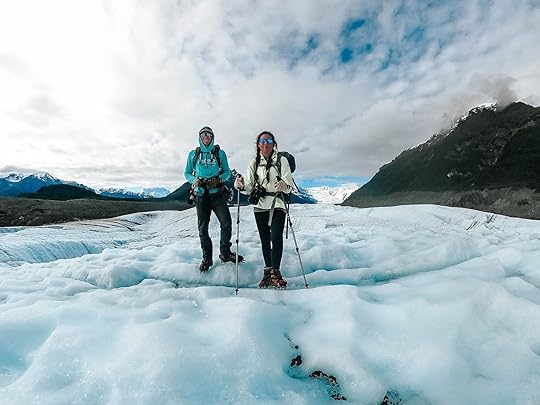
Visit national parksAlaska has eight national parks and summer is generally the best time to visit them for hiking, backpacking, camping, and any other activity in which you’d prefer warm weather and lots of sunlight. Several of the Alaska national parks also have massive glaciers, and glacier trekking is a popular summer activity. Summer is also the best time to visit Alaska if you want to do any sort of guided outdoor activity (like rafting and paddling, camping, or climbing), as many outdoor outfitters are seasonal, operating roughly between May and September.
Get on the water
Photo: Yongyut Kumsri/Shutterstock
Water is an essential part of Alaska’s culture and economy, and you can find boat tours for everything from fishing to glacier viewing to wildlife watching to fishing and attending coastal fish-fries. Most of these tour operators run between May and September. Summer is the best time to visit Alaska for options like kayak tours, combo river cruise and hiking tours, or private fishing charters (and yes, you can have your catch frozen and shipped to your home).
Explore seaside townsPhoto: SCStock/Shutterstock
Alaska’s seaside small towns are at their tourist peak in the summer, with the most options for dining, bars, activities, hotels, and more. And don’t worry — crowded in Alaska isn’t the same as crowded almost anywhere else in the US. Cool small towns to visit during summer include:
Seward: Seward is a coastal town known for seafood, beautiful scenery and a historic district. It has many quaint shops, galleries and restaurants, and serves as the jumping-off point for trips to Kenai Fjords National Park, as well as other whale-viewing trips.Homer: Homer is a coastal town that offers visitors a chance to experience Alaska’s natural beauty with its breathtaking views of the coastline, mountains, wildlife and glaciers. There are many activities to do in Homer such as fishing, kayaking or hiking, and the Homer Spit is the jumping-off point for trips to island lodges and Kachemak Bay State Park. The Spit is also super tourist-friendly and offers some of the best waterfront seafood restaurants on the Kenai Peninsula.Ketchikan: Ketchikan offers visitors an opportunity to experience Alaska’s natural beauty with its breathtaking views of the coastline, mountains, wildlife and glaciers , viewable from popular nearby hiking in Mount Edgecumbe Park or Tongass National Forest.Juneau: Juneau is a coastal town in the southern park of Alaska and is the best airport to fly into if you’re visiting that part of the state. It has great views of and access to mountains, wildlife and glaciers which can be seen from various locations around the city. One of the most popular outdoor attractions around Juneau is the Mendenhall Glacier National Monument, where you’ll find all manner of hiking, trekking, paddling, and sightseeing tours.Sitka is the former state capital of Alaska and has everything you’d expect from a city near the water, like fishing, paddling, whale-watching, and a cute downtown with small shops and restaurants. It’s also rich in Indigenous cultural activities and has some of the state’s best birdwatching. Flying to Sitka from Juneau only takes about 35 minutes.Autumn: the best time to visit Alaska for bears
Photo: Travel Alaska/Chris McLennan
If you know anything about grizzly bears, you probably know that they hibernate — and that they love salmon. Fortunately, Alaska is rich in salmon and rich in undeveloped places, which means it has a very healthy grizzly bear population. Salmon spawn between August and October, which makes autumn the best time to visit Alaska if you’re hoping to see the bears in action.
The best places to see grizzlies in Alaska are Denali National Park and Preserve, Lake Clark National Park, Katmai National Park, Kodiak Island State Park, and the Arctic Circle. Of course, bears live throughout the state, so you could see one just about anywhere, save in the middle of bigger cities (though it has happened).

Photo: saraporn/Shutterstock
If you don’t want to look for bears but want to go somewhere where they definitely are, take a helicopter or bushplane trip to Lake Clark or Katmai national parks. The bears in these parks are almost always in the exact same spots during feeding season, and there are even viewing platforms to watch them safely.
If you want a guaranteed way to see bears without any hiking, those are your two best bets. But those aren’t your only options. Admiralty Island has a whopping 1,600 grizzlies, and you can find both polar and grizzly bears in the arctic circle. Visit on the earlier side of fall or late summer if you’re headed that far north.
We Found an Epic Deal on GoPro’s 360-Degree Camera ($200 Off!)
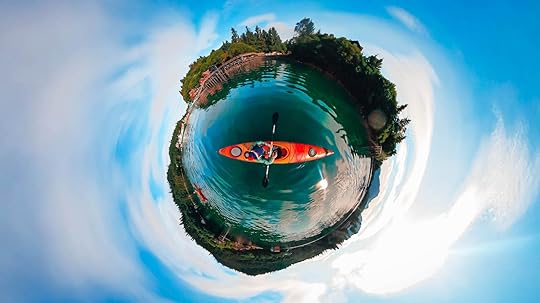
The GoPro 360 MAX is one of the coolest travel toys you can buy yourself this Cyber Monday season — and we found a huge discount on it if you buy it right now.
The tiny little camera shoots 360-degree video and photos, viewable on both a regular smartphone or a virtual reality headset. But it also shoots “Hero Mode” (i.e., non-360-degree) videos and photos, plus time-lapse, and you can pull multiple super-cool still images from a single 360-degree video or photo. By GoPro standards, it’s quite inexpensive, and considering it’s the tiniest GoPro to date, it’s a fun travel accessory to pick up while it’s on sale if you plan to up your social media or content creator game next year.
We hope you love the gear we recommend below. Just so you know, Matador may collect a small commission from the links on this page if you decide to make a purchase.Listed prices are accurate as of the time of publication.
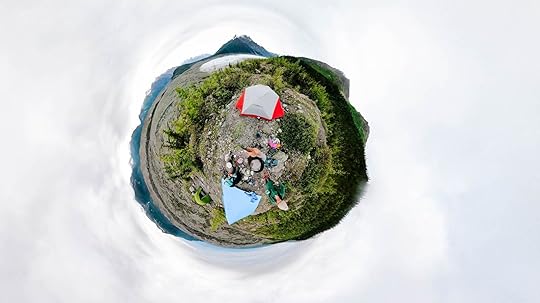
I got amazing GoPro 360 MAX photos without much effort. I took this one simply by holding a selfie stick above my head in the center of my campsite. And the result makes it look like we pitched our tent on the top of the world. Photo: Suzie Dundas
It’s normally $550, but is on sale for $399 — and comes with an app membershipThe GoPro 360 MAX is one of the less-expensive GoPro cameras, but it’s still $550. So it’s a screaming good deal that you can save $150 dollars if you buy it now. The camera alone is $399, though I’d recommend the accessory bundle (which is $219 dollars off), which comes with an extension pole, a compatible high-capacity memory card, a backup battery, and an enduro battery, which you’ll need if you want to do super-long video recording or time lapses.
The best part is they both include a GoPro Quik subscription. Honestly, I only have a few app subscriptions I pay for, but the Quik App is worth it. You get automatic cloud backup (worth it just for that), super-easy editing, and full-size storage of your photos — something quite useful as the large photos can quickly fill your computer’s storage.
Here’s why you may want to consider buying one.
What comes with the GoPro 360 MAX?I caught a bear with a time-lapse shotYou get dozens of photos from every 360-degree shotHero mode: the best for normal travel photosThe 360-degree videos are amazing for socialWhat could be betterConclusion and who should buy itWhat does the GoPro 360 MAX come with?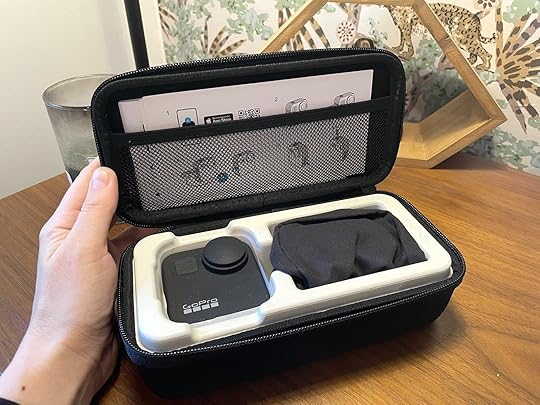
GoPro MAX 360 carrying case (with the storage bag on the left). Photo: Suzie Dundas
In addition to the actual camera, you’ll get a few other extremely useful items.
The GoPro Max 360 has fish-eye lenses, which means they’re bubble-shaped. Fortunately, unlike most other GoPros, it comes with lens covers and a protective carrying case. As long as you’re fairly diligent about putting the covers back on after your shots, the lenses should stay scratch-free, even with heavy travel.
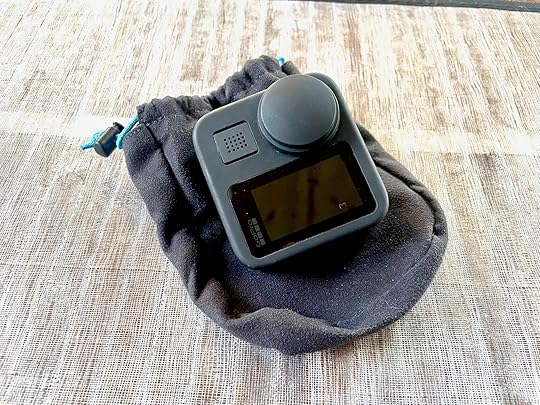
Photo: Suzie Dundas
The GoPro 360 MAX also comes with a small fabric carrying case (with pouches and two back-up lens covers). I’d recommend always keeping it in that bag except for when you’re actively shooting as the lenses, are a bit more delicate than on a standard GoPro (more on that below).
A time-lapse caught a bear snooping on my campOne of the best things about any GoPro is the time-lapse feature. I used it to take multiple time lapses and, in the coolest thing that happened to me in August, I used it in a national park in Alaska and caught a bear sneaking into my campsite. The only reason I was able to capture that is that I had the GoPro 360 MAX and the accompanying small selfie/tripod stick — I wouldn’t have been able to leave my cell phone or higher-end camera propped up on a rock, especially in a place like Alaska where rain is possible at almost any time.
You get dozens of photos from every 360 shotBecause the photos are 360, you can get just about any angle you want. You can turn the photos “inside out,” so to speak, zoom in from different angles, and get as close or as far as you’d like from the subject. Think of your photo as a physical sphere you can hold in your hands. You can spin it in any direction on any axis, then zoom in or out.
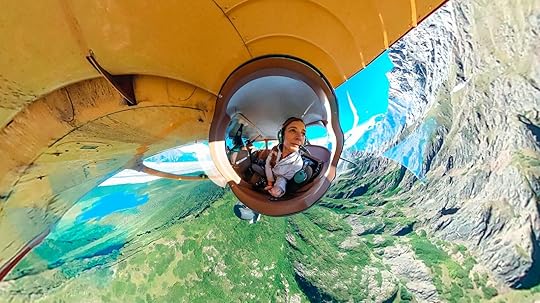
This shot of me flying in the backseat of a bush plane in Alaska may look like it required a drone — but nope! I just took a photo with the 360 camera near the plane’s window, then flipped the photo inside-out. In other words: yes, this was taken from inside a plane. Photo: Suzie Dundas
The GoPro Quik app has a feature called “OverCapture,” which makes it extremely easy to pull high-res stills from 360 photos. That creates the possibility for dozens of flat (or 2D) photos from every 360-degree photo, making the GoPro 360 MAX a phenomenal travel accessory for people who don’t know exactly what angle or shot they want.
It also means you can get some crazy angles, as with the photo above, where it looks like I took the shot from outside the plane (which I didn’t). And if you scroll through the gallery below, the last one looks like a straightforward photo, despite the other three before it. But they’re all from the same single 360-degree photo.
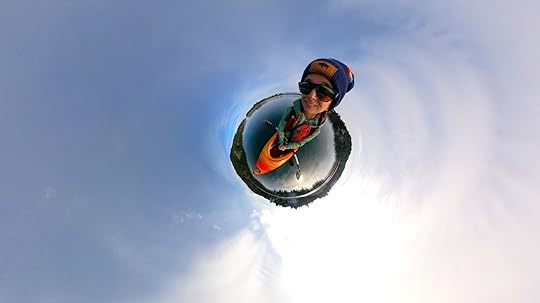
Photo: Suzie Dundas
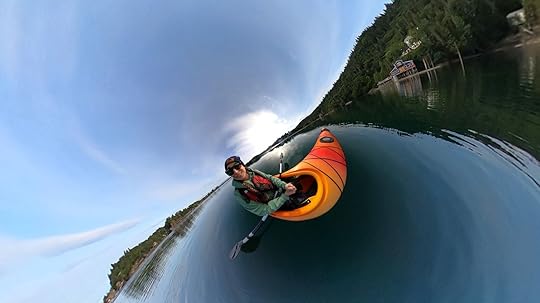
Photo: Suzie Dundas
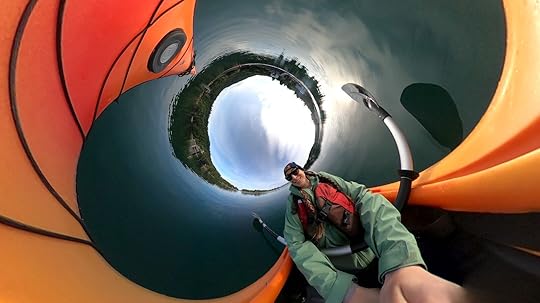
Photo: Suzie Dundas
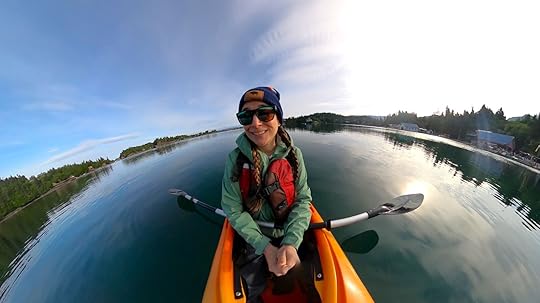
Photo: Suzie Dundas
Of course, this also means you’ll have to spend a lot more time editing and selecting your shots. Depending on the angle and level of zoom, you could end up with some rather horrifying shots that make you look like a bobblehead if you’re not careful.
Each of the photos above came from a single GoPro 360 MAX photo, which is pretty cool. I appreciated being able to get both stylized photos and fairly straightforward photos from one shot.
Hero mode with the GoPro 360 MAX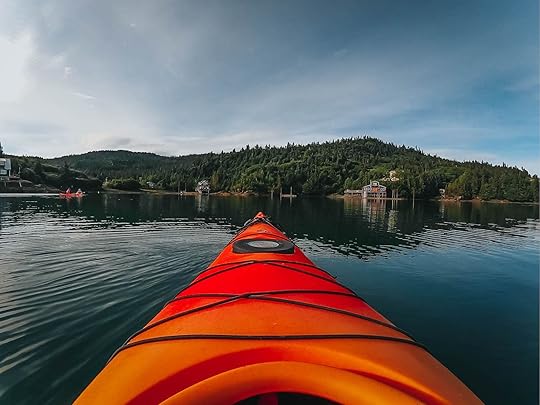
Taken with the standard camera at the same place as the 360 photo above. Photo: Suzie Dundas
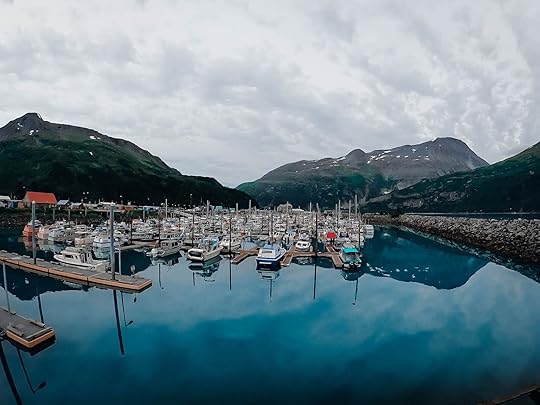
Photo: Suzie Dundas
A close-up photo with the GoPro 360 MAX in more of an editorial style. Photo: Suzie Dundas
The GoPro 360 MAX doesn't distort non-360 photos too much, making it an ideal camera if you also want "regular" photos from your trip. Photo: Suzie Dundas
The GoPro 360 MAX shoots 360-degree spherical photos or standard 2D photos (Hero Mode), the latter of which looks similar to cell phone photos and doesn’t have as much fisheye distortion as you may expect from a GoPro (unless you opt for a wider frame, which you can adjust on the menu). However, it’s still a huge frame (focal length: 8.9 mm), so you’ll need to be close to your subjects and probably do a lens correction in editing (which all editing apps and programs have). But you’re not going to end up with the fisheye-type photos you associate with GoPros if you don’t want them.
It’s a smart and budget-friendly option if you want your photos to look like those from a full-frame camera. I thought I got quite a few good photos from it, and I barely knew how to use it when I first started.
Photos in Hero Mode are around 6 MP. Not huge, but plenty large enough for digital and social media use — and even print, as long as you’re not making a wall-sized mural.
Make amazing social posts with 360-degree videoView this post on Instagram
A post shared by GoProで旅する photographer tamaki (@tamakiiiiii)
View this post on Instagram
A post shared by GoPro Moments | Community (@gopro.momentsofficial)
The GoPro 360 MAX shoots video in 6K resolution, which is simply bonkers. If you need a high-res 360 video, this should be your go-to camera. That functionality is especially amazing for scuba divers, skydivers, or anyone who goes into an environment most people never see. That’s because you can shoot a 360 video, then upload it to an Oculus (or any other virtual reality headset). Do that, and boom: you can suddenly see what was behind you on your last scuba dive or let your Mom experience what it looks like to skydive. It could be a great way to share extreme experiences with non-extreme friends and family.
The 360 video files are color-accurate and high-resolution, and GoPro’s Max HyperSmooth technology helps ensure against shaky video (and works quite well). Pro tip: shoot multiple short videos instead of one long one, or the file size will take up tons of storage space on your phone.
You can live stream from the GoPro 360 MAX, but you can’t live stream in 360. But considering that technology barely exists, and the apps people would use to watch your live stream don’t support 360 video, I’d hardly call that a do
The downsides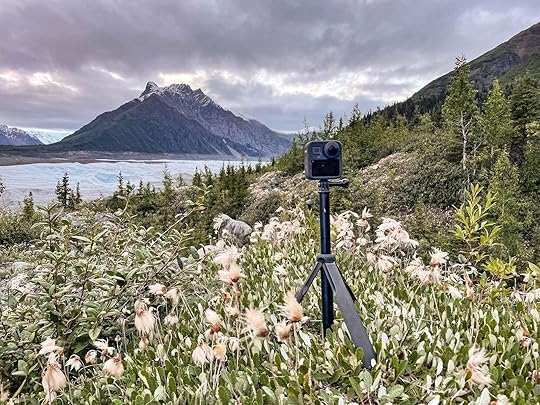
Like all GoPros, the GoPro360 MAX is a little awkward to hold, so the Shorty Mini Extension Pole is a no-brainer, especially for time-lapse shots. Photo: Suzie Dundas
For me, the biggest downside to the GoPro 360 Max was that I forgot to use it a lot. With my hands busy with cell phone photos and shooting on my 360, I often forgot (or was too lazy) to pull out my GoPro Max. However, I regret not taking more 360 photos during my first trip with it, so don’t be like me.
The other downside is probably the storage space. The GoPro Quik app takes up about seven gigs of storage space on your phone, and the 360 photos are large: about 18 MP or six MP for non-360 photos. Videos are large, too, with a 30-minute video taking up about 15 gigs of storage space. That means you’ll likely want an external hard drive or lots of space on your laptop or phone if you plan to transfer your content between devices or do heavy video and photo editing.
Oh, and as with all GoPros, it’s a bit awkward to hold without a tripod. I used the small, pocket-sized GoPro Tripod/Selfie Stock nearly all the time rather than carrying just the camera. The tripod is also a must-have for shooting time-lapse to keep your videos steady.
Conclusion: who should buy the GoPro 360 MAX?Pick up a GoPro Max 360 if you want to start getting more creative with your travel photos or just want a fun toy for an upcoming trip. It’s also a good buy if you want to start making video for social as the 360-degree functionality makes it easy to zoom in and out without a drone. I think it’s also a really smart buy for anyone who wants to share their travel experiences with people who couldn’t be there, be it extreme outdoor adventure or just walking through a colorful Christmas market.
Finally, if you’re a blogger, buying the GoPro 360 MAX is a no-brainer. Google’s ranking system prioritizes websites that have videos and interactive content, so including 360-degree videos or interactive 360-degree photos is a really easy way to instantly boost how high you appear on Google results.
More like thisTechnology + GearThese Power Banks Keep Your Gadgets Charged for Days While TravelingThe Best LGBTQ+ Bars in Boston

Boston has a deep-rooted history in the battle for same-sex recognition and rights in the US. The GLAD (GLBTQ Legal Advocates & Defenders) organization was formed in Boston in 1978 after a series of police raids targeting suspected gay men. In 1974, Elaine Noble joined the Massachusetts House of Representatives to become the first openly-LGBTQ+ candidate elected into her position in the US. Pressure coming from Boston’s LGBTQ+ community even moved Massachusetts into being the first state to declare same-sex marriage legal in 2003.
In the 1950s, Boston had an electric nightlife scene with an underground hub of gay and lesbian bars and dance halls. Now, Boston’s queer community has dropped dramatically as the city still struggles to rebuild safe spaces after decades of persistent raids. Many long-established gay and lesbian bars were shut down in the 60s and 70s, but new bars bring with them new energy and Boston is trying hard to revitalize itself into the gay capital of the East Coast. Up-and-coming queer neighborhoods in Boston include the historic Dorchester and South End districts, and the vibrant Back Bay and friendly Jamaica Plains. It is in these fabulous streets that you will find the best gay bars in Boston.
Club Café
Photo: henriqueruzzon/Shutterstock
Attracting the Boston party crowd since 1983, Club Café is easily one of the city’s most popular queer-friendly venues. Throughout the week, Club Café opens its doors between 4:00 PM and midnight to provide dinner and a show for every fun-loving visitor. From Karaoke Wednesdays with the Britney Beards and Drag Bingo Mondays with Mizery to the prize-packed Trivia Tuesdays, and the Latin-themed Discoteca every Thursday, it’s always an exciting evening in the Club Café.
On the weekends, the café opens at 11:00 AM. Come early for brunch or visit at the very end of the week to try out the Sunday Tea Dance. Most of the weekly events have no cover charge, however, special ticketed shows, events, and club nights are hosted throughout each month that may vary in price. It’s best to reserve your dinner or show in advance as everyone else also wants to spend an electric evening in Club Café.
Where: 209 Columbus Avenue, 02116
Cathedral StationCathedral Station is one of the best gay bars in Boston for sports fans. Hanging out in queer bars isn’t always about parties. Sometimes it’s about eating a Cathedral Burger and drinking a local draft beer as you relax on the outdoor patio or play a friendly game of pool. There’s not much in the way of shows and events at Cathedral Station unless you count game nights, but the cheerful atmosphere and home-cooked food draw in countless people of all orientations every afternoon.
Cathedral Station is a fairly recent addition to Boston’s LGBTQ+ nightlife scene, having only opened its doors in 2014. This is because Boston’s last gay sports bar shut down that same year. Faced with the prospect of having no local place for queer sports fans to gather, a small group of Bostonians came together and created Cathedral Station.
Since then, more sports bars have emerged, but Cathedral Station remains a vibrant place and a second home to many. The bar is open on weekdays from 2:00 PM to midnight, staying open until 2:00 AM on Fridays. On Saturdays, it’s open from 11:00 AM to 2:00 AM, and on Sundays, the bar is open from 11:00 AM to midnight. Free parking is available behind Cathedral Station.
Where: 1222 Washington Street, 02118
dbar
Photo: dbar
The rustic dbar is a great place to get high-quality New England food with a delicious fruity cocktail on the side. Situated in Dorchester, the LGBTQ+ heart of Boston, dbar is the perfect dinner spot from 5:00 PM to 9:00 PM on weekdays and to 9:30 PM Fridays and Saturdays.
After hours, though, dbar comes alive as it seamlessly transforms from a friendly restaurant to a dynamic queer-friendly lounge and nightclub. The closing times vary day by day, so check the website for exact hours. The evenings, known as “dbar After Dark”, combine Boston’s best DJs with weekly events, including Show Tunes Tuesdays and Karaoke Fridays. The neon-lit bar and intimate dance floor invite all to sing and sway along to the beat of the best songs in Boston.
Where: 1236 Dorchester Avenue, 02125
blendblend also transforms from a dinner hotspot to a dancefloor every evening (except Sunday) after 9:30 PM. You should definitely stop by for Taco Thursdays, complete with margaritas. Sundays at blend are reserved for brunch, running from 11:00 AM to 3:00 PM. The exciting Pop Star Brunch features the famous 21+ French Toast, made with Irish cream and bourbon maple syrup. The 2nd and 4th Sundays of each month have an added bonus: they’re Disco Brunches.
In addition to a steady stream of Top 40 hits, the blend nightclub hosts special events and concerts. The floor comes alive with Boston’s energetic gays who dance under a ceiling filled with disco lights. There’s also a regular group of LGBTQ+ supporters who gather on Thursdays to watch the latest Ru Paul Drag Race.
Where: 1310 Dorchester Avenue, 02122
Jacque’s CabaretJacque’s Cabaret is a historic Boston institution. It was opened in 1938 by Henry Vara, the owner of a local nightclub, as the first gay bar in the city. As time progressed and more gay bars appeared under the radar, Jacque’s shifted, becoming Boston’s leading lesbian locale. Having survived a massive effort to demolish the South End’s LGBTQ+ venues in the 60s, Jacque’s started welcoming a wider array of queer clientele. By the end of the 20th century, Jacque’s Cabaret transformed a final time into the dazzling drag bar we know and love.
Jacque’s Cabaret hosts drag shows and events seven nights a week. If you visit on Tuesdays at 10:00 PM, you have a chance to compete in the Sing For Your Supper karaoke buffet. At 8:00 PM on Wednesdays, you can have dinner and a show with the fantastic Drag on Broadway. Some shows are free, while others cost $7 or $15. We recommend booking a table in advance.
Where: 79 Broadway Street, 02116
Boudoir
Photo: Blue Planet Studio/Shutterstock
Boudoir isn’t so much a venue as it is a community. Styled as a “queer underground dance party,” Boudoir promotes concerts and raves where anyone, LGBTQ+ or otherwise, can let loose and enjoy a safe yet electric party. No two shows at Boudoir are the same, but all of them are guaranteed to be extra loud as queer and queer-friendly DJs take the center stage.
Boudoir usually hosts events in Somerville, which is situated very near Boston, just on the other side of the Charles River. You can also find packed raves at special events in Boston’s Boiler Room. If you are tired of the same old evening routines, join in for one of Boudoir’s crazy, themed costume parties.
Where: 345 Somerville Avenue, 02143
Midway CaféThe Midway Café is a warm, welcoming bar with great drinks and live music every night of the week. Groove in style with the friendliest crowd during Friday’s Hippie Hour or let loose at the monthly Burlesque Punk Rock Dance Party. There’s an eclectic mix of DJs, singers, bands, and styles at Midway Café. Most shows charge a small cover fee, often $5 or $10, which allows these indie events to continue rocking out at Midway.
Queeraoke is Midway Café’s feature show and it’s definitely worth the $8 cover to see it while you’re there. For over 15 years, Queeraoke has been slaying in Boston’s LGBTQ+ scene with karaoke tracks, special House DJ sets, and more, every Thursday. It’s a hotspot for anyone who wants to join in on a night of carefree Queeraoke fun.
Where: 3496 Washington Street, 02130
Harp + BardThe Harp + Bard is another quintessential gay bar in Boston. Although it’s not strictly a gay bar, it’s definitely a queer-friendly spot. The Harp + Bard is open all week for brunch, lunch, and dinner. Bar and kitchen opening times vary day by day, so check the website in advance to see when you can go. You can find a selection of classic American dishes alongside some cheeky-featured cocktails.
The Harp + Bard is a great place to sit with a friendly crowd and watch a game. You can come with your friends and soak in the relaxed atmosphere or visit alone and make some new connections among the locals. There’s also a small outdoor patio where you can enjoy a Sunday brunch with an Executive Mimosa, or one of seven other signature brunch drinks.
Where: 1099 Dorchester Avenue, 02125
LegacyA longstanding hotspot for Boston’s LGBTQ+ party scene, Legacy’s open spaces and atmospheric lights frame the perfect dance floor. The club is open seven nights a week and you’ll hear a pulsing mix of Top 40 hits and Legacy’s house music from local DJs.
Legacy also has a series of weekly events that promote crazy queer parties. Weekdays are filled with Latinx Wednesdays, Serve! Thursdays, and the freaky Bussdown Fridays. If that isn’t enough, come back on the weekend for the legendary Legacy Saturdays.
Where: 79 Warrenton Street, 02116
Skip The Small Talk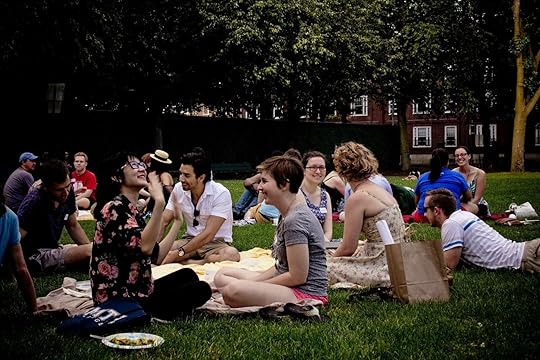
Photo: Skip The Small Talk
If you’ve had your fill of clubs and gay bars in Boston and want to actually stop and have a conversation with fellow LGBTQ+ folk, then check out Skip the Small Talk. This friendly association organizes regular queer-friendly events across Boston. Some sessions are free to join, while others cost $16.50.
Frequent events include the Small Talk LGBTQ+ meetups at different queer-friendly destinations, mainly at local brewing companies. You can also make real connections at one of Skip the Small Talk’s 21+ Poly or Monogamous, Bi, and Pan speed-dating events.
Where: Various locations, Boston
Honorable mentionsThe LGBTQ+ scene in Boston is found in more places than bars and clubs. To learn more about queer history and culture in Boston, go on a tour of the Gibson House Museum. Founded by Charles Gibson, born in 1874, the museum explores the early subcultures of the Boston queer community.
The gay-owned Dorchester Brewing Company pumps out craft beers to many Boston establishments, but you can visit the tap room to get an inside look at how it’s made. The company bar also hosts regular trivia and craft events. If you visit Boston in April, you should definitely check out Wicked Queer: Boston’s LGBTQ+ Film Festival, which promotes queer filmmaking and storytelling.
8 Tips To Plan a Confidence-Boosting Winter Travel Weekend in 2023
The start of a new year may be exciting for some people, but for others, it’s stressful, or even depressing. It’s another year where perhaps you haven’t achieved all you wanted, or maybe yet another year in which you didn’t make that career change you were thinking about or didn’t move across the country to the dream small town you’ve always wanted to live in.
But hey — that’s okay. If you spent the last year feeling like you were just “getting by,” give yourself a break. Finding happiness day-to-day, being a good and helpful person, and maintaining a job and friendships is no small feat. So if that’s “all” you accomplished in 2022, that’s still a huge success.
But let’s say you do want 2023 to be your year — the year where you are going to take a risk and make a big move. That’s going to be hard to with without something to push you to take that final step — and a super-active outdoor weekend focused on health, building confidence, and taking smaller risks may be just what you need to help you take a much bigger risk.
I planned a Banff winter wellness to kick off the new year last year, and it was super helpful for getting me excited and feeling good about the coming year. These are TK tips I learned about planning a long weekend totally focused on gaining the confidence and excitement needed to make 2023 the year of you.
Pick the right winter destination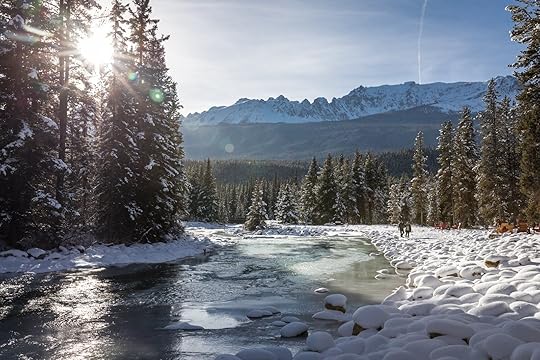
Photo: Banff Lake Louise/Noel Hendrickson
This part is tricky, since it depends on so many factors. I chose to do a Banff winter trip, because it ticked plenty of the boxes I was looking for: it’s relatively easy for me to reach, it was a place with intense weather that posed a bit of a new challenge, it has enough recreation that it was easy to find an activity I had never tried before, and it had a variety of indulgent experiences (like hotels, spas, and high-end restaurants) that it was easy to practice self-love — something else critical to feeling strong enough to make big changes.
If you don’t want to do a Banff winter trip, you could consider another Canadian town closer to you. You definitely want to go somewhere you haven’t been, and ideally, somewhere with a climate or geography that will force you to challenge yourself physically. Miami is quite nice in December, but it’s not exactly a challenge to sit on the beach all day. Personally, I think it’s best to choose a winter destination to show yourself that winter can be a time for big change and big decisions,instead of picking a warm-weather destination that may make you think “well, maybe I won’t bother making any big life changes until summer 2023 rolls around…”
Do something that scares you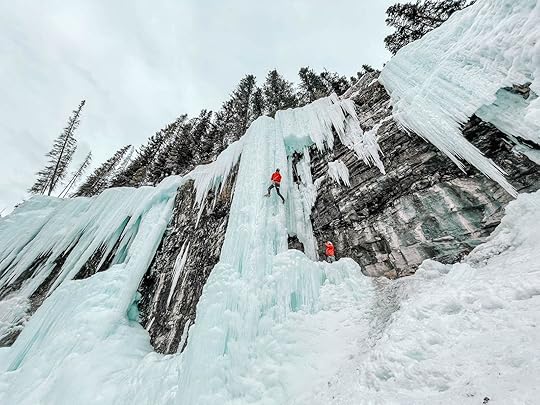
Photo: Suzie Dundas
Or if it doesn’t scare you, at least make sure it’s a challenge. For my challenging new adventure, I chose ice climbing. Though I’ve rock climbed plenty, I’ve never done it in freezing-cold weather, climbing up columns of ice using sharp, metal picks. It’s a physical challenge and is not for the faint-hearted. However, it can be an exhilarating experience for those who are up for the challenge.
The best part is that anyone can ice climb, and it’s really, really easy to tell when you’re making progress: each time you climb a foot higher or manage to stay on the frozen waterfall for a minute longer, you’re developing your skills. Ice climbing — one of the most popular Banff winter activities — is a really good way to show yourself that you can learn new skills in just a few hours, which will hopefully give you the confidence to feel successful about trying something new in 2023.
And even if you barely manage to climb at all, just putting yourself out there and signing up to do something that scares you will lead to a confidence boost. And that’s a fact: several studies have shown that overcoming fear boosts confidence. And fear is relative, so as long as you feel like you’ve done something outside of your comfort zone, you’re doing it right.
If you want to do a Banff winter ice climbing trip, go with Yamnuska Mountain Adventures. They can also recommend other guides and companies across Canada. If you’re doing a trip outside of Canada, looking for climbing schools or hiking guides in the area and ask them for recommendations. Companies like 57Hours can also help you find local guides for day trips.
Work in meditation or another brain exercise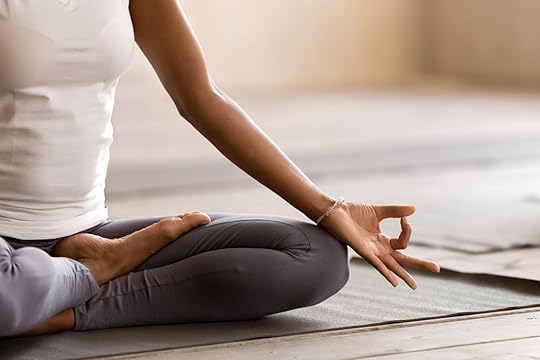
Photo: Fizkes/Shutterstock
Even if it sounds cheesy or non-scientific, it’s worth spending at least a few hours on your get-ready-for-2023 weekend strengthening your brain and learning to center your thoughts and focus — something especially helpful if it feels like you can never turn your brain off.
Meditation is a practice in which an individual trains the mind and body to be more aware of their thoughts and feelings. It has been proven to help with mental clarity, focus, anxiety, and depression, so it’s a really helpful practice for controlling your stress and negative thoughts as you go into 2023. There are many different types of meditation practices including mindfulness meditation, transcendental meditation, yoga nidra, and vipassana.
During my Banff winter trip, I took a yoga class at a new studio focused on controlling one’s ever-wandering brain. But I also considered a forest bathing walk which, while it does seem a little cheesy, is something many people swear by — and hey, trying something new was the point of the weekend.
Even if you normally scoff at yoga and mental wellness, put that aside during your weekend and force yourself to try something new. According to Yoga Journal, just five minutes of mediation a day in 2023 could give you the confidence and calmness to seize 2023 by the metaphorical horns.
Do something just because it’s fun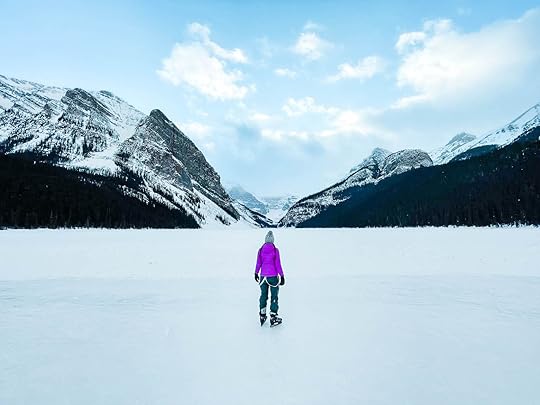
Photo: Suzie Dundas
During your weekend, be sure to do something fun you already know you’re good at. It’s important to make time for fun in 2023 and there’s absolutely no shame in doing an activity just because you enjoy it — not everything you spend your time on has to have a bigger goal. During my Banff winter wellness weekend, I spent a day snowboarding at Lake Louise, a resort I’d always wanted to go to, and stopped to go ice skating on frozen Lake Louise on the way home. There was no goal other than “have a good time,” which is an especially good goal to balance out the new, likely more challenging activities you’ll be packing into the weekend.
Have a guilt-free meal
Photo: Ekaterina Iatcenko/Shutterstock
You may think a wellness weekend means only eating organic, cutting out sugar, and detoxing with kale smoothies. But a big part of wellness is self-love, and that means loving yourself and not feeling bad if you have a high-calorie or unhealthy meal. While this is especially true for women, more than half of whom already feel bad about their bodies by age 13, it’s an important thought for everyone to keep in mind.
Yes, it’s good to generally eat healthy foods. But you don’t have to constantly deny yourself of everything that isn’t a leafy green. As long as you eat healthy most of the time, having a decadent meal once in a while is just fine. So on your winter wellness weekend, order whatever you want, and don’t feel bad about for one second. And if guilty thoughts start to creepy in, channel the meditation skills you just learned to quickly banish the thoughts.
If you happen to be doing a Canadian wellness weekend, I particularly loved Hello Sunshine Sushi (which has private karaoke rooms) and Farm & Fire (both in Banff), and Il Caminetto is one of the best Italian restaurants at any Canadian ski town (in Whistler).
Dedicated time to caring for your body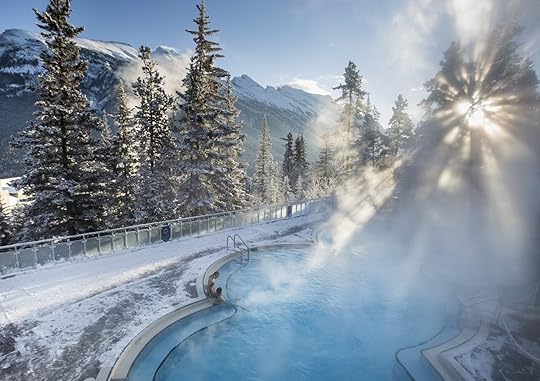
Photo: Banff Lake Louise/Noel Hendrickson
If you’ve had an active weekend, prioritize an activity to care for your body. After all, if you’re going to make big changes in 2023, you’ll probably encounter some stress and sleepless nights, which can be tough on your physical health. So practice prioritizing your body now, keeping it healthy and functional for the new year. As someone who is over 30 and leads an active lifestyle, I can tell you that having a pain-free body makes everything in life a lot easier, from sitting at a computer desk to running errands.
Depending on where you go, this activity could be different. Massages at upscale spas are always nice but often pricey, so alternate activities could include soaking in a hot spring, treating yourself to a lengthy aromatic bubble bath in your hotel, or trying something new, like reiki healing. Not to encourage Canadian travel too much, but if you do happen to choose a Canadian town for your trip, you be able to visit a nearby Scandinave Spa and try a nordic spa experience (usually under $100 US).
Leave time for nothing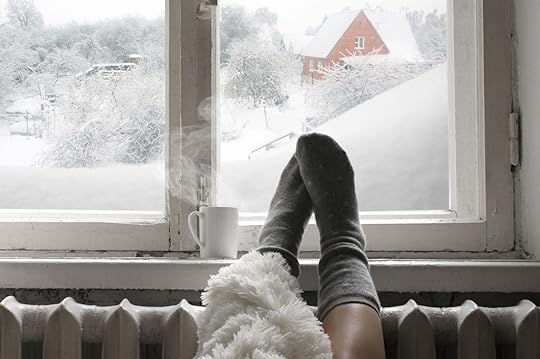
Photo: Svetlana Lukienko/Shutterstock
There’s a common misconception that doing nothing will make you lazy, unmotivated, and unproductive. However, it’s actually the opposite. By taking breaks and letting your mind wander, you can actually find new ideas, solve problems more effectively, and be more creative. So leave time for that on your trip. On my Banff winter weekend, I spent a few mornings just walking around town with a coffee, not particularly doing anything. I went to a local art museum, and found what I considered the best poutine food in Banff. None of that advanced my career, built my confidence, or even resulted in any real person gain — but it gave me time to physically and mentally wander in between the more active adventures.
Don’t forget that after you get back from your trip, you’ll still need to prioritize time for nothingness. It doesn’t really matter what nothing is, be it window shopping, walking your dog, or sunset walks around the neighborhood, as long as you have time to yourself for judgement-free thinking.
Pick the right dateIf you’re planning on seizing the day come January 1, plan your winter wellness /get-pumped-for-the-future weekend as soon as possible. But if there’s a specific date in the new year when something big is going to happen — for example, the day you’re going to move to a new city, the day you plan to quit your job, or the first day of you going back to school as an adult, plan your trip for about six weeks before that. That way, you’ll still have the trip fresh in your mind, but you’ll have a few weeks before the big jump to focus at home (or pack, if you’re moving). It’s best not to plan a busy trip full of new activities just before making a big life change (unless you love being stressed, that is).
By the way, picking the right date also means picking the right person. Either go by yourself (which can be challenge unto itself if you’re shy) or go with someone who has similar wellness goals in mind. Otherwise, it’d be too easy to get distracted and make it into more of a party weekend than a self-discovery weekend.
November 24, 2022
The Best Time To Visit Alaska (and No, It’s Not Always Summer)
Alaska is the 49th state and is often called “The Final Frontier.” That’s probably because it’s in the furthest corner of North America, bordered by Canada to the east, the Arctic Ocean to the north, and the Pacific Ocean to the west and south, with Russia further west across the Bering Strait.
The climate of Alaska is typically subarctic with cold winters, and summer is usually cool, but not cold. The precipitation in Alaska mainly falls as snow during winter, and while it does rain often in the summer, it’s usually a light rain, rather than extended downpours.
As you may expect from a place so far north, most people think the best time to visit Alaska is summer, when there’s minimal risk of getting snowed on and the national parks, protected wilderness areas, towns, and forests are free of snow. But just because most people think the best time to visit Alaska is summer, that doesn’t make it true. Depending on what you’d like to do and see, you may find that a spring or early winter trip is better for you.
Transportation and logisticsPhoto: Travel Alaska
One of the reasons so many people think summer is the best time to visit Alaska is probably because getting around is so much easier. You can rent a car and drive just about anywhere without worrying about icy roads or getting caught in a snowstorm.
But winter travel is actually a lot easier than you may think. Alaska is the largest state in the United States by area and, with an area of 664,268 square miles, is larger than all but 18 countries in the world. But it has a population of around 740,000, which means quite a lot of the state is undeveloped wilderness. Because of that, many of the state’s towns aren’t connected by roads, and domestic flights and bush/seaplanes are often the easiest way to get around. Planes can generally fly year-round, albeit with the occasional weather delay in the winter. But you may not be doing too much driving regardless of when you visit.
Photo: No Tracers/Shutterstock
Alaska also has yet another easy way to get around: the Alaska Railroad. It runs between Anchorage, Denali, and Fairbanks, as well as a few other side routes. The train isn’t weather-dependent and hitching a ride on the Alaska railroad offers some of the best views without any need for driving. The best time to visit Alaska to see snow-covered terrain you otherwise wouldn’t access is winter, especially if you get views of Denali as you travel between Anchorage and Fairbanks.
Winter: the best time to visit Alaska for northern lights, skiing, and snow sportsPhoto: Travel Alaska /Chris McLennan
In winter, Alaska becomes a place of extreme cold (and beauty), with snow and ice everywhere. If you are planning to visit Alaska in winter, dress warmly. You’ll be exposed to freezing temperatures, so layer up with jackets and thick fabrics, plus a face mask or scarf to protect your face from the cold. But if you don’t mind the cold, visit Alaska in the winter if you want to ski, see the northern lights, or try a more unique winter activity, like learning to mush with sled dogs or hiking with reindeer.
Northern lights viewingAlaska’s most famous natural wonder is the aurora borealis, also known as the “northern lights,” visible in various locations throughout the state.
The best time to visit Alaska to see the northern lights is during winter, from late November to early March. The best time to see them is in the middle of the night, as the darkness makes them look the brightest and most active (hence why it’s hard to see them in the summer, when daylight lasts until close to midnight). Alaska is far enough north that you can see the northern lights from almost anywhere in the state, but Fairbanks is especially well-known for aurora viewing, with specialty hotels focused on it, like A Taste of Alaska Lodge and Borealis Basecamp.
Go dogsleddingPhoto: Travel Alaska/Chris McLennan
If you’ve never dogsledded, there’s no better place to try it than Alaska, land of the world-famous Iditarod. There are dog mushing camps throughout the state, but since they only mush on snow, you’ll need to go when there’s snow on the ground. You can find dog mushing camps near most large and small towns in Alaska, so the best way to plan a mushing trip is to ask your hotel what camps they recommend visiting. Usually, you can ride on a dog mush cart, do a meet and greet with the energetic huskies, or even take a mushing class if you’re up for some high-speed learning.
Enjoy winter sportsAlaska’s most famous resort may be Alyeska Resort near Anchorage, but you can ski and snowboard all over the state if you’re willing to head into the backcountry. There are also heli-ski resorts throughout the state like Majestic Heli Ski and Black Ops Valdez, and cross-country skiing and snowshoeing are practically requirements for travel on foot. So winter is definitely the best time to visit Alaska if you’re into high-energy winter sports.
Spring: the best time to visit Alaska for cruisesPhoto: Travel Alaska/Brian Adams
Spring offers a hint of what’s to come during summer, but it’s still fairly snowy and cold. It’s mostly just an extension of winter.
However, spring is a great time for cruising, and many major Alaska cruise lines offer their lowest prices on trips during the spring. If you like small-ship cruising, check out Maple Leaf Adventures and Alaska Dream Cruises. Both offer small ships with usually only a few dozen people (or less) and itineraries are quite flexible, often detouring if there’s a great whale sighting or a fantastic hike along the route is melted out early.
For larger-ship trips, check out Princess and Holland America, both of which offer rather high-end and outdoorsy cruises. Princess is particularly known for their culinary programs, which lean heavily on Alaskan seafood. Both companies offer combo packages that include cruising and on-land adventures, which are ideal for spring when travel on your own on land may still be a bit snowy and cold.
This is also a good time to try your luck at gold panning, since snowfall can break up rocks and piles of dirt, exposing any tiny flakes in the mountains and moving them into the streams.
Summer: the best time to visit Alaska for water activities, hiking and parks, and sightseeingPhoto: Suzie Dundas
Alaska has some of the most beautiful natural wonders in North America, and if you want to spend time in the wilderness, summer will be the best time to visit Alaska. The state is often called the “Land of the Midnight Sun” because of it’s extremely long days in the summer, making it ideal for any activity where you want warm weather and long days.
Visit national parksAlaska has nine national parks and summer is generally the best time to visit them for hiking, backpacking, camping, and any other activity in which you’d prefer warm weather and lots of sunlight. Several of the Alaska national parks also have massive glaciers, and glacier trekking is a popular summer activity. Summer is also the best time to visit Alaska if you want to do any sort of guided outdoor activity (like rafting and paddling, camping, or climbing), as many outdoor outfitters are seasonal, operating roughly between May and September.
Get on the waterPhoto: Yongyut Kumsri/Shutterstock
Water is an essential part of Alaska’s culture and economy, and you can find boat tours for everything from fishing to glacier viewing to wildlife watching to fishing and attending coastal fish-fries. Most of these tour operators run between May and September. Summer is the best time to visit Alaska for options like kayak tours, combo river cruise and hiking tours, or private fishing charters (and yes, you can have your catch frozen and shipped to your home).
Explore seaside townsPhoto: SCStock/Shutterstock
Alaska’s seaside small towns are at their tourist peak in the summer, with the most options for dining, bars, activities, hotels, and more. And don’t worry — crowded in Alaska isn’t the same as crowded almost anywhere else in the US. Cool small towns to visit during summer include:
Seward: Seward is a coastal town known for seafood, beautiful scenery and a historic district. It has many quaint shops, galleries and restaurants, and serves as the jumping-off point for trips to Kenai Fjords National Park, as well as other whale-viewing trips.Homer: Homer is a coastal town that offers visitors a chance to experience Alaska’s natural beauty with its breathtaking views of the coastline, mountains, wildlife and glaciers. There are many activities to do in Homer such as fishing, kayaking or hiking, and the Homer Spit is the jumping-off point for trips to island lodges and Kachemak Bay State Park. The Spit is also super tourist-friendly and offers some of the best waterfront seafood restaurants on the Kenai Peninsula.Ketchikan: Ketchikan offers visitors an opportunity to experience Alaska’s natural beauty with its breathtaking views of the coastline, mountains, wildlife and glaciers , viewable from popular nearby hiking in Mount Edgecumbe Park or Tongass National Forest.Juneau: Juneau is a coastal town in the southern park of Alaska and is the best airport to fly into if you’re visiting that part of the state. It has great views of and access to mountains, wildlife and glaciers which can be seen from various locations around the city. One of the most popular outdoor attractions around Juneau is the Mendenhall Glacier National Monument, where you’ll find all manner of hiking, trekking, paddling, and sightseeing tours.Sitka is the former state capital of Alaska and has everything you’d expect from a city near the water, like fishing, paddling, whale-watching, and a cute downtown with small shops and restaurants. It’s also rich in Indigenous cultural activities and has some of the state’s best birdwatching. Flying to Sitka from Juneau only takes about 35 minutes.Autumn: the best time to visit Alaska for bearsPhoto: Travel Alaska/Chris McLennan
If you know anything about grizzly bears, you probably know that they hibernate — and that they love salmon. Fortunately, Alaska is rich in salmon and rich in undeveloped places, which means it has a very healthy grizzly bear population. Salmon spawn between August and October, which makes autumn the best time to visit Alaska if you’re hoping to see the bears in action.
The best places to see grizzlies in Alaska are Denali National Park and Preserve, Lake Clark National Park, Katmai National Park, Kodiak Island State Park, and the Arctic Circle. Of course, bears live throughout the state, so you could see one just about anywhere, save in the middle of bigger cities (though it has happened).
Photo: saraporn/Shutterstock
If you don’t want to look for bears but want to go somewhere where they definitely are, take a helicopter or bushplane trip to Lake Clark or Katmai national parks. The bears in these parks are almost always in the exact same spots during feeding season, and there are even viewing platforms to watch them safely.
If you want a guaranteed way to see bears without any hiking, those are your two best bets. But those aren’t your only options. Admiralty Island has a whopping 1,600 grizzlies, and you can find both polar and grizzly bears in the arctic circle. Visit on the earlier side of fall or late summer if you’re headed that far north.
These Power Banks Keep Your Gadgets Charged for Days While Traveling

Among the more frustrating aspects of travel is keeping your electronic devices charged while on the go. Sure, there are those cheap portable battery banks that can keep a phone alive during a long-haul flight or an overnight camping trip, but when you’re away from electricity for days at a time, most aren’t reliable even for keeping a smartphone alive. Let alone a laptop, satellite phone, and GPS device. Enter Goal Zero’s new Sherpa 100 power banks. Improved from earlier models, and built with enough power storage to keep your devices charged for multiple days, you don’t need to be stressed about remaining in contact.
Goal Zero Sherpa 100PD and AD specs
Specs of the Sherpa 100PD include 2 USB-A inputs. Photo courtesy of Goal Zero

Photo courtesy of Goal Zero

Photo courtesy of Goal Zero
Both the Sherpa 100PD and the Sherpa 100AC come with a 94.72wh battery. The smaller and more affordable of the two is the Sherpa 100PD, priced at $199.95. The primary charge port here is a USB-C PD port, capable of 100W of power distribution for charging and 60W intake on the recharge of the device. You’ll also find two USB-A ports an 8mm solar input, in case you have portable solar panels. Its power storage is generally enough for several phone charges or a couple of uptakes from near-empty to fully charged on a laptop (or tablet) and phone. The Sherpa 100PD also allows for wireless charging at 15W, and all you have to do is place your phone on top of the power bank.
The Sherpa 100PD weighs just over one pound, is 7.69 x 3.81 inches in diameter, and 1.02 inches thick. That makes it slightly larger than a smartphone but still able to fit into most backpack sleeves or packing cubes.
The Sherpa 100AC, retailing at $299.95, measures 7.69 x 5.51 x 1.02 inches and weighs two pounds. It’s quite a bit larger, but with that added heft you get a 110V AC outlet in case your devices can’t charge with the smaller inputs. You can also charge it from a vehicle’s 12V outlet. On both devices, input power comes from the USB-C port. A full charge takes just over two hours in most cases.
To help you fully grasp the power of these devices. I’m going to paint a scenario.
You’re on a four-night backpacking trip in the Rockies. In your pack, along with the necessities, is a Goal Zero Sherpa 100PD, a smartphone, a satellite GPS device, and a tablet. That rainstorm hits the second night and carries through noon the following day, leaving you plenty of tent time. The batteries on the tablet and phone are toast by the time you emerge, and there are still over 48 hours left in the trip. You’ve already charged the phone once, on night one.
In order to optimize the juice left in your Sherpa 100PD, the device allows you to manually control the amount of power delivered while charging, rather than go full-throttle for the fastest charge possible. This means you can charge both devices overnight on the third night. It delivers just enough power to make them usable throughout the next day while preserving enough in case of an emergency.

The larger Goal Zero Sherpa 100AC adds more options but is larger. Photo courtesy of Goal Zero

Photo courtesy of Goal Zero

Charging your phone wirelessly is simple with the Sherpa 100AC. Photo courtesy of Goal Zero
The display on the Sherpa 100PD and Sherpa 100ACThe Sherpa 100’s best feature, on both devices, is its display. On it are the basics — input and output wattage, battery life, a button to turn on wireless charging, and small bulbs illuminating active ports. You can see how many hours of charging at the current rate the bank can handle before power runs out, making it easy to budget for longer trips. Finally, each port is clearly labeled both by its input ability and wattage.
Overall, both devices are easy to learn and easy to use. The Sherpa 100AC is large and heavy, thus not as ideal for foot-powered backcountry excursions as its smaller cousin. Still, if you have room in a checked bag, there isn’t a more versatile or reliable portable power bank on the market. The Sherpa 100PD has become my go-to for most occasions – including both outdoors expeditions and air travel.
November 23, 2022
8 Nashville Bars Where You Can See the Next Big Country Star

Nashville is called Music City because this city’s musical legacy stretches back over a hundred years and has hosted all types of music, from gospel to jazz to, of course, country. And the best Nashville bars all honor that legacy.
Nashville’s music history starts in earnest with the Fisk Jubilee Singers, a touring group created in 1871 to generate financial support for Fisk University, an educational institution founded for formerly enslaved people right after the Civil War. The group performed for Queen Victoria who observed that they must hail from a “city of music,” bestowing Nashville with its now famous nickname.
Half a century later Nashville’s WSM radio station founded the Grand Ole Opry, the famous radio-stage show responsible for launching the careers of country’s biggest names (Johnny Cash, Dolly Parton, and Hank Williams, to name a few) and cementing the nickname “Music City” into the cultural vernacular. Spurred by the Opry’s success, Broadway bars and venues boomed with country music; at the same time, nearby Jefferson Street thrummed with the city’s rhythm and blues scene, further establishing Nashville as one of the South’s great music hubs.
Music continues to function as a huge part of Nashville’s culture and economy – several large record labels have major offices here (like Sony, Capitol Records, and Big Machine), and dozens of smaller outfits churn out tunes from local and indie artists. This means that country music hopefuls frequently hit local stages in hopes of landing on the radars of industry tastemakers, and both visitors and residents have a good chance of spotting country music’s next big talent.
Nashville’s bar scene plays an essential role in the local music industry, hosting songwriter nights, open mics, intimate concerts, and more. Today, Nashville is even a legendary bachelorette destination and the Nashville brewery scene is growing, too. Here’s a list of the best Nashville bars dedicated to rising country, roots, and Americana artists – get ready to say “I saw them before they were famous.”
The best Nashville bars to see a country music concert1. The Bluebird CafeView this post on InstagramA post shared by The Bluebird Cafe (@bluebirdcafetn)
Nashville’s original singer-songwriter showcase takes place in one of the best Nashville bars — this historic haunt located in a strip mall located on Hillsboro Pike. But don’t let its unassuming facade fool you – huge names like Garth Brooks, Keith Urban, and Taylor Swift got their starts here, and the stage continues to be one of the most coveted spots in the country music industry. Intimate and electric, The Bluebird and its talent deliver an essential rite of passage for any music-loving Nashvillian.
Where: 4104 Hillsboro Pike, Nashville, TN 37215
2. The Station InnNestled among the new glitz of the booming east Nashville neighborhood known as the Gulch, this humble bar has been home to the best bluegrass and roots acts in town since it moved to that location in 1978. The squat stone building has hosted everyone from Bill Monroe (the “Father of Bluegrass Music”) to Alison Krauss before she found stardom, and it’s a must-visit for anyone wanting a taste (or sound) of authentic Nashville music history.
Where: 402 12th Ave S, Nashville, TN 37203
3. Alley TapsView this post on InstagramA post shared by Alley Taps (@alleytapsnashville)
Tucked away from the hubbub of Broadway on the less-trafficked side of Printer’s Alley, Alley Taps is a cozy basement-style bar that prioritizes showcasing rising talent in the city. The bar proudly calls itself the “Home of the Future of Country Music” and it hosts acts every night of the week. Sip a whiskey at the stately wrap-around bar and let yourself be serenaded by some of Nashville’s most talented musicians.
Where: 162 Printers Alley, Nashville, TN 37201
4. The 5 SpotPerhaps Music City’s most eclectic bar and music venue, The 5 Spot in East Nashville is a local favorite – check out soul, funk, rock, and Americana acts on its signature red-curtain stage, all while sipping a cold beer. After the show, enjoy surprisingly satisfying bar food from the food truck out back. The 5 Spot thrives on audience engagement, so don’t be afraid to cut a rug on the small dance floor in front of the stage.
Where: 1006 Forrest Ave, Nashville, TN 37206
5. The Listening Room CafeView this post on InstagramA post shared by The Listening Room Cafe (@listeningroomcafe)
Originally founded in 2006 in nearby Franklin, the Listening Room Cafe has been a mainstay in the Nashville singer-songwriter circuit for some time. Today it’s housed in a spacious bar and restaurant in the downtown area known as SoBro and it continues to showcase original music every night of the week. Each night features two live shows; weekdays hone in on acoustic sets while weekends bring in larger bands.
Where: 618 4th Ave S, Nashville, TN 37210
6. Whiskey Jam at Winners Bar & GrillWhiskey Jam is a free music series that takes place every Monday and Thursday at Midtown’s Winners Bar & Grill. The big labels on historic Music Row use this series as a testing ground for their newest acts, and sometimes country A-listers make surprise appearances to try out their latest work on a local crowd. Whiskey Jam also hosts an outdoor concert series at the adjacent Loser’s Bar – check out the event calendar to find out when these large-scale events are happening.
Where: 1913 Division St, Nashville, TN 37203
7. American Legion Post 82Yes, this really is an American Legion post, and yes, the music really is worth a visit – the small bar keeps the drinks flowing while local acts hit the stage for their fellow neighborhood people with an affinity for boot scootin’. Show up on Tuesdays for Honky Tonk nights (and Texas Two Step classes), Wednesdays for bluegrass, Thursdays for songwriter nights, and Fridays for karaoke.
Where: 3204 Gallatin Pike, Nashville, TN 37216
8. Dee’s Country Cocktail LoungeView this post on InstagramA post shared by Dee's Country Cocktail Lounge (@deeslounge615)
Located just north of Nashville proper in the suburb-town of Madison, Dee’s is a relative newcomer with an old soul. The 70s-inspired bar welcomes skilled local and international acts . Dig into a Frito pie and enjoy the immaculate vibes – think dive bar with a little bit of sparkle.
Where: 102 E Palestine Ave, Madison, TN 37115
This Traditional Japanese Ryokan Offers A Luxurious Experience, No Tech Required

Japan sits at the crossroads of ancient tradition and cutting-edge technology. Its high-octane futuristic cities boast fully-staffed robot hotels, 24-hour conveniences, and above all else, efficiency. But technology has got us all wound up. More and more often, humans are turning to nature for some relief from this frenetic world, and as with everything else, Japan has a solution – traditional ryokans. These ancient inns previously catered to samurai and wealthy traders on the backroads of rural Japan. Today, Japanese visitors and tourists seek out the wooden historical refuges to disconnect, decompress, and experience omotonashi — wholehearted luxurious hospitality.
Ryokans are found throughout the country, even among the busy streets of Tokyo, and range in styles from bare-bones traditional to high-end modern hotels. But the most highly sought-after stays are nestled in the countryside and pay homage to their historical roots. They feature natural hot springs called onsens and serve Kaiseki-style meals to their guests. Kaiseki is trademarked by many small, intricately prepared, and delicately plated dishes using the finest seasonal and foraged foods from the region and the day. Only the choicest pieces make it to the table, and it’s typically an elaborate multi-course meal. This is the pinnacle of fine dining in Japan. While many travelers enjoy a Kaiseki meal in Kyoto, a ryokan is the most traditional setting for this culinary experience.
We hope you love the Fukuzumiro ryokan! Just so you know, Matador may collect a small commission from the links on this page if you decide to book a stay. Listed prices are accurate as of the time of publication.
Fukuzumiro: The Best Traditional Ryokan Stay in JapanPhoto: Booking.com
Fukuzimiro, a stunning, wooden traditional inn just off the winding scenic pass to Mount Fuji, is more than 130 years old and is one of the best traditional ryokans offering these all-inclusive amenities to travelers.
The massive but minimalist property hosts guests in its many tatami mat-covered rooms offering soaks in five separate, naturally fed onsen baths and fully catered Kaiseki-style private dining experiences. While many ryokans have moved toward more modern amenities, Fukuzimiro allows you to slip into a simpler time, sticking to low-tech rooms with roll-out futon-style bedding with the surrounding nature on full display. Panoramic windows reveal the spring blossoms, snowy hills, or fall colors. The sounds of the nearby road are drowned out by the gushing waterfall outside and trickling indoor water features bubbling with colorful koi. Even a single-night visit to the property will leave you feeling refreshed and more connected to traditional Japanese culture.
What to Expect During Your Stay at Fukuzumiro Ryokan
Photo: Booking.com

Photo: Booking.com
Just a few hours’ journey from Tokyo via bullet train and bus, Fukuzimiro sits riverside in the small resort town of Hakone. Upon arrival, you will be briefed on the etiquette of a traditional ryokan stay. You’ll trade your shoes for slippers to be worn on the old creaky wooden floors, two-toed socks for the woven tatami mats, and your clothes for striped cotton Yukata robes. You’ll be assigned a host to take care of your every need. They will shuttle your luggage to your room and show you around the property before serving a pot of green tea and a snack of gooey mochi before leaving you to relax.
Three of the five natural onsens are private, meaning you’ll sign up for a specific time slot to enjoy the healing waters. In these, you can soak with your partner or your whole family if you so choose. The other two onsens are public, which means you can enjoy them at any time, but each is gender separated with designated hours for men and for women. All five are fed by the natural hot springs of Hakone, but each is different in ambiance. Several are circular, wooden tubs with scenic outdoor views, while others have natural rock perches with hot indoor waterfalls. Onsens in Japan are fully nude, with no exceptions, and traditionally it is forbidden to have tattoos to use them. Tattoos in Japan are still very taboo as they are still strongly associated with Yakuza gang symbols. This stigma is slowly fading with the younger generation, but many onsens still conform to tradition. Fortunately, Fukuzimiro is one of the only traditional-style ryokans to allow guests with tattoos to soak freely.
Before each soak, it’s vitally important that you thoroughly wash before entering the bath with heavy scrubbing, as explained by your host, so as not to contaminate the crystal-clear fresh water.
Dining at Fukuzimiro ryokan
Photo: Booking.com

Photo: Booking.com
Photo: Booking.com
Sometime between 6 and 7 PM, you’ll be served your Kaiseki dinner. Exceptionally unique Japanese food is one of the main benefits of staying at Fukuzimiro. Great Kaiseki meals vary seasonally, regionally, and daily. While they can be tailored to your specific dietary requirements, you’ll have the best dining experience if you come prepared with an adventurous stomach. Plate after exquisite plate will be served in your room from a small dining table, where you’ll sit on traditional floor seating until you’re well beyond full. One of the trademarks of Kaiseki is that nothing ever tastes as you think it might. It’s the exploration of textures and tastes that make this such an incredible dining event. You can usually expect some bluefin tuna sashimi, Kamaboko — a fish paste cake, and handmade tofu. All washed down with housemade Umeshu plum wine and locally sourced sake from Hakone, of course.
Your evening at the Fukuzumiro ryokan will be spent soaking and relaxing, relishing in nature and disconnected from the busy outside world. Your host will prepare your room for sleep following dinner by rolling out the thick futon bedding onto the floor, and again before breakfast, fold it all away. Kaiseki-style breakfast can be a fishy affair, difficult for those with a more western palate, but adventurous eaters will be delighted by the diversity in dishes.
To get the most from your ryokan stay, it’s recommended that you visit for at least two or three nights so that you can leisurely soak in each onsen and enjoy the serene surroundings without hurry. Staying in a traditional Japanese inn like Fukuzimiro is a luxury experience worth adding to any Japanese itinerary. It’s also a great way to break up the monotony of busy city-hopping that most travelers to the country fall into.
More like thisEpic StaysStaying at a Ryokan Is a Must in Japan. Here’s What To Expect.Matador Network's Blog

- Matador Network's profile
- 6 followers

