
Matador Network's Blog, page 380
December 8, 2022
An Inside Look at Imam Ali Mosque, One of the Most Visited Holy Sites in the World

For millennia, faith has pushed people to build grand, extravagant structures to honor and worship their gods, including churches, synagogues, temples, mosques, and more. But you don’t need to be a believer to be awed by the beauty of religious buildings around the world. Case in point: the stunning Imam Ali Mosque.
@visitMagical Iraq
This is the Imam Ali Mosque, one of the most visited Islamic sites in the world that's famously known as the burial place of Imam Ali, a companion of the Islamic prophet Muhammad. A lovely place to meditate and self-reflect, this shows the praying area around the shrine.
How beautiful is this place?

Imam Ali Mosque, Iraq Ig: @seiftamer_

The Imam Ali Shrine complex (often known more simply as the Imam Ali Mosque) in the city of Najaf, Iraq, is one of the holiest sites for Shia Muslims all around the world. Built in honor of Imam Ali — Prophet Mohammed’s cousin and son-in-law — it attracts millions of pilgrims each year.
The Imam Ali shrine complex was built around 977, but has been reconstructed, extended, and renovated several times over the centuries, including after the 2003 invasion of Iraq led by the US.
The current exterior design of the complex includes an outer brick wall punctured with five highly decorated gates through which visitors enter the courtyard. Inside the courtyard is the shrine of Imam Ali marked by the immense golden dome and two golden minarets. Worshippers may enter the shrine through seven arched gates and access the mausoleum of Imam Ali. As a sign of devotion, many worshippers kiss and touch the doors of the gates by which they enter and leave, as well as the mausoleum of Imam Ali.
What is visible in the video above is the Ruwaq of Abu Talib, an area of prayer and reflection next door to where the mausoleum is kept. And much like the room where the tomb is located, the Ruwaq of Abu Talib is a feast for the eyes, with ornate domed ceilings, large glass chandeliers, marble columns, bejeweled walls, carved doors, and beautiful rugs to accommodate worshippers. The light bounces off all those shiny elements of decoration and the rooms sparkles brighly, giving the Imam Ali Mosque a magical appearance. 


The 32 Most Affordable Michelin Star Restaurants in New York City

As of November 2022, New York City has 72 Michelin-starred restaurants, one of the most highly decorated cities in the country, when it comes to restaurant accolades. While the coveted star can drive the price of a dinner out of the majority of New Yorkers and tourists’ reach (at Masa, the most expensive Michelin star restaurant in New York City, dinner costs nearly $600 per person), nearly half have tasting menus for under $200. There are even a few affordable Michelin star restaurants in New York City where you can enjoy the entire experience for under $100 (including the tip), as long as you are willing to skip wine and cocktails.
The distribution of affordable Michelin star restaurants in New York City is unevenly distributed throughout the five boroughs. The Bronx and Staten Island are not represented at all. 63 of NYC’s 72 Michelin-starred restaurants are located in Manhattan. Nearly all of those are below Central Park. Brooklyn has eight, while Queens (the borough that Andrew Zimmern claims would be the world’s greatest food city if it were not one of the boroughs) has just one.
Another noticeable trend is that the list is mostly populated by New American, French, Japanese and Korean restaurants. Most are dinner-only as well, with only a few offering takeout. Though they are affordable, relative to the most expensive Michelin restaurants in New York City, dinner at any of these restaurants might still require saving up or splurging for a special occasion. Either way, affordable Michelin star restaurants in New York City are still worth dressing up for.
The most affordable Michelin-starred restaurants to book for dinner1. ClaroClaro is where Oaxaca meets Brooklyn in the heart of Gowanus. This Southern Mexican restaurant is chef T.J. Steele’s love letter to the state where he spent years living part-time. With a $78 four-course dinner menu and three-course brunch at just $48, Claro is the most affordable Michelin-starred restaurant in NYC.
Price: $48 – $78
Where: 284 3rd Ave, Brooklyn, NY 11215
2. Oxalis
Photo: Oxalis
Oxalis, on the the most affordable Michelin star restaurants in New York City, has Sunday brunch for just $50. You can enjoy the $150 carte blanche menu in the dining room, while the prix-fixe option for $65 is available at The Bar. Reservations are encouraged but not required.
Price: $50 – $150
Where: 791 Washington Ave, Brooklyn, NY 11238
3. Red Paper ClipLocated in the heart of the West Village, Red Paper Clip is one of just seven affordable Michelin star restaurants in New York City with a tasting menu under $100. While the menu is subject to change, the focus is on Taiwanese and American flavors. Subtle twists to classic dishes include cavatelli with nori (seaweed) and a spicy sichuan carpaccio starter. Chef and owner Kevin Chen is a native New Yorker who grew up in the food business.
Price: $90
Where: 120 Christopher St, New York, NY 10014
4. 63 ClintonNamed after its location on the Lower East Side, 63 Clinton offers a seven-course seasonal menu for $92. Veteran NYC chef Sam Clonts chooses what goes on the modern American menu: You’ll find options like smoked corn and short ribs. Want to add a luxury twist to your meal? Order the caviar hand roll for $55.
Price: $92
Where: 63 Clinton St, New York, NY 10002
5. Batard
Photo: Daniel Krieger
The two-course tasting menu at Batard starts at $79. Located in the chic Tribeca neighborhood, the prices at Batard go up incrementally depending on how many courses you want (up to four). The menu incorporates Mediterranean flavors into fishes like venison, branzino, and poached halibut, with black burgundy truffles available for an additional $10-45.
Price: $79 – $105
Where: 239 W Broadway, New York, NY 10013
6. Dirt CandyAlso located on the Lower East side, Dirt Candy is famous for its vegetarian tasting menu for $95. While the menu changes with the seasons, you can always count on interesting options (like mustard greens sorbet) throughout your meal. Each dish showcases a different vegetable, from bell peppers to kale to mushrooms. The wine pairing is an additional $50.
Price: $95
Where: 86 Allen St, New York, NY 10002
7. Joomak BanjumAt Joomak Banjum, both tasting menus start at under $200. The standard four-course option starts at $95, and you’ll have a few choices for each course, including octopus and duck galbi. Caviar is an additional $30. For something less flexible but more elaborate, try the eight-course French, Japanese, and Korean-centric Ugly Duckling tasting menu, which highlights dishes like a beef tartare banh mi, and a raspberry and cashew eclair.
Price: $95 – $170
Where: 312 5th Ave, New York, NY 10001
8. The Four HorsemenThis Williamsburg wine bar has a $110 tasting menu, but you won’t get any hints about what it features on the website. If your group is less than five, you can also order from the a la carte menu where plates are mostly under $30. 20% gratuity is added regardless of the party size.
Price: $110
Where: 295 Grand St, Brooklyn, NY 11211
9. ContraAt Contra, most plates, from the caviar and tofu to the scallop, are under $30, but there’s also the “carte blanche” tasting menu option for $120. With the latter, options change daily; right now guests can enjoy a mushroom tart and monkfish, among other choices. And regardless of which option you choose, the combinations tend to be daring. Ever tried potato ice cream?
Price: $120
Where: 138 Orchard St, New York, NY 10002
10. The Musket RoomLocated in the trendy Nolita (once part of Little Italy) neighborhood, The Musket Room has a $125 tasting menu. There are two options: omnivore or vegan. Both come with seven courses, but the omnivore option has a handful of supplemental options. The dishes here are rich and luxurious – think ricotta mousse, quail, and foie gras.
Price: $125
Where: 265 Elizabeth St, New York, NY 10012
11. Sushi Ginza OnoderaWith the possible exception of French fine dining spots, sushi restaurants are the most well-represented when it comes to Michelin starred restaurants in New York. The seasonal omakase lunch menus at Sushi Ginza Onodera’s New York location are between $130-180, depending on how many nigiri you want to try. The 17-course chef’s selection will set you back about the same amount as a Midtown hotel during summer, and includes options like fatty tuna, barracuda, and king salmon.
Price: $130 – $450
Where: 461 5th Ave, New York, NY 10017
12. JuaJua is a Korean wood-fired grill restaurant located ten blocks south of Koreatown. The seven-course tasting menu is $135. You can see the options on the website, which includes caviar and smoked mackerel, but there are no more detailed descriptions. Uni and wine pairing are available for an additional $28 and $95.
Price: $135
Where: 36 E 22nd St, New York, NY 10010
13. KochiKorean for “skewer,” Kochi has a nine-course tasting menu of traditional Korean fare, each one of which is served on a stick. Drinks pairing is an additional $95. Courses include sweet pumpkin soup and crispy shrimp. While there’s no vegan-friendly menu, Kochi can accommodate vegetarians with at least one day’s notice.
Price: $135
Where: 652 10th Ave, New York, NY 10036
14. Mari
Photo: Dan Ahn
Also located in Hell’s Kitchen, Mari is chef Sungchul Shim’s second restaurant. The $135 tasting menu is focused on Korean handrolls with kimbap ingredients. Variations include pine mushrooms, snow crab, and duck hand rolls. Sool pairing is an additional $105.
Price: $135
Where: 679 9th Ave, New York, NY 10036
15. Family Meal at Blue HillA departure from the upscale tasting menu at Blue Hill at Stone Barns, Family Meal at Blue Hill in Manhattan charges $145 per person and serves family-style portions. There’s no set food menu, and the restaurant specifies that the atmosphere is casual. All the dishes are meant to be shared. You can get the wine and cocktail list from the website.
Price: $145
Where: 75 Washington Pl, New York, NY 10011
16. L’Abeille
Photo: Nicole Franzen
Located just south of the Holland Tunnel entrance, L’Abeille has a $145 discovery menu with an optional $95 wine pairing. The French restaurant, which opened back in March, also has a more extensive tasting menu for $195. This is decadent, complex French food: Grilled mackerel, roasted venison, foie gras in flan form are all featured on the tasting menu. There’s also a bar-only a la carte menu.
Price: $145 – $195
Where: 412 Greenwich St, New York, NY 10013
17. Sushi NakazawaSushi Nakazawa’s omakase menu includes 20 pieces of nigiri. It’s $180 to sit at the sushi counter, but you can save $30 by grabbing a table in the dining room. There’s also a DC location.
Price: $150 – $180
Where: 23 Commerce St, New York, NY 10014
18. Sushi YasudaFor indoor dining, the omakase menu isn’t available to preview online. The restaurant also offers affordable takeout options: There is an 18 piece omakase for $175 or a 12 piece for $110 – a steal if you consider that the fish is flown in from Japan. If you’re really on a budget and looking to sample, try takeout.
Price: $150 – $250
Where: 204 E 43rd St, New York, NY 10017
19. The ModernIf you’re willing to drink in moderation and forgo the optional white truffles from Alba, you can do lunch at The Modern for under $200. Chef Thomas Allan’s dinner menu is an upgraded version of the standard tasting menu with a few surprises for an extra $100. But it’s well worth the splurge: The restaurant is located in the Museum of Modern Art, with views of the museum’s gardens. Tasting menu options for lunch include crispy sea bass and roasted scallops.
Price: $150 – $250
Where: 9 W 53rd St, New York, NY 10019
20. Oiji Mi
Photo: Christian Harder
Oiji Mi’s has a five-course prix-fixe menu of contemporary Korean fare with a Japanese influence. Diners have three options for each course. Pork, sea urchin, and squid are all featured ingredients. Bingsu is one of the dessert options.
Price: $145
Where: 17 W 19th St, New York, NY 10011
21. Gabriel KreutherThis is the Strasbourg-native chef’s namesake upscale French restaurant across from Bryant Park. It’s on the first floor of the Grace Building, where 42 crystal storks hang from the curved, platinum-colored ceiling, representing the street. They point toward Alsace, where Kreuther is from. The prix fixe menu is $155 for three courses and $185 for four, and includes dishes like tuna tartare and yellowtail crudo.
Price: $155 – $255
Where: 41 W 42nd St, New York, NY 10036
22. Le PavillionLe Pavillion is Daniel Boulud’s restaurant at One Vanderbilt. The three-course tasting menu is seafood and vegetable focused, so expect cuttlefish, oysters, and tuna. There’s no additional cost for the views of Midtown.
Price: $135
Where: One Vanderbilt Ave, New York, NY 10017
23. One White StreetLocated around the corner from Ghostbusters Headquarters, this Tribeca restaurant has downstairs and upstairs menus. For the $168 tasting menu, you need to make a reservation for the latter. Wine pairing will set you back an additional $96. Simple, but satisfying, dishes like stuffed chicken and brussel sprouts are featured on this menu. Downstairs, the menu la carte.
Price: $168
Where: 1 White Street, New York, NY 10013
24. AquavitAquavit is unique among NYC Michelin-starred restaurants for a couple of reasons. First, the focus is on Scandinavian fare in a Nordic-inspired setting. Those flavors inspire dishes that feature cod, fennel, and fluke. It’s also located above 50th street. The standard tasting menu is $175. Add a Ben Franklin for the chef’s tasting menu.
Price: $175
Where: 65 E 55th St, New York, NY 10022
25. Caviar RusseOne may not expect to see a restaurant bearing the name Caviar on a most affordable list. But Caviar Russe’s Midtown location offers a three-course tasting menu for $175. The menu features all the greatest hits of upscale New York City dining: lobster, king crab, oysters, tuna – plus caviar, of course. The six and nine-course tasting menu options, however, are on par with overseas airfare prices.
Price: $175
Where: 538 Madison Ave, New York, NY 10022
26. HirohisaEchizen-born chef Hirohisa Hayashi is both a chef and certified sake sommelier. His restaurant united the concepts of kappo (which refers to a casual setting in which chef and diner are in close proximity) and kaiseki cuisine. The omakase menu is $180, with the optional sake pairing for an additional $95. In addition to sashimi, which depends on what is available that day, you’ll also enjoy a cauliflower puree, oyster, and crab gravy among other small bites. You can easily spend double that for lunch as the menu is a la carte.
Price: $180
Where: 73 Thompson St, New York, NY 10012
27. Torien
Torien is the sister restaurant to Tokyo’s Torishiki. It’s located just a couple blocks from 2nd Avenue, where Joey Ramone sang about eating chicken vindaloo. At Torien, you’ll be eating several different parts of the chicken during the 13-course tasting, which is priced at $180.
Price: $180
Where: 292 Elizabeth St, New York, NY 10012
28. Le Jardinier New York
Photo:
French for “gardener,” Le Jardinier‘s seasonal expression menu is $185 with an optional $95 wine pairing. The standard lunch and dinner menus are a la carte and will cost more than $185 for an appetizer, entree, and dessert. The dinner menu showcases fresh, vibrant vegetables and plants, from Asian pear to heirloom beets.
Price: $185
Where: 610 Lexington Ave, New York, NY 10022
29. FrevoAs long as you can avoid the tempting truffle supplements, Frevo’s tasting menu comes in at $186, with optional wine pairings ranging from $11 – $250. The restaurant also features an adjoining art gallery, where works are showcased and cna be viewed by the public for a few hours everyday, or by appointment. The tasting menu itself claims to focus on simplicity, showcasing ingredients like a sage butternut squash and wagyu accompanied by algae. The team is unable to accommodate vegetarian, vegan, seafood-free, fish-free, or lactose-free diets.
Price: $186
Where: 48 W 8th St, New York, NY 10011
30. The River CafeThe River Cafe is located a stone’s throw from the most iconic pizza street in New York City. And anyone who has taken the NYC Ferry to DUMBO has passed by this curious spot with arguably the best ground-level view in Brooklyn. The fixed price menu is $190. Jackets are required. Seafood is the star here, and the menu features tempting bites like wild shrimp, and sea scallop ceviche.
Price: $190
Where: 1 Water St, Brooklyn, NY 11201
31. Clover HillPicturesque Brooklyn Heights is not known for affordable dining options, but Michelin-starred Clover Hill has a $195 tasting menu. While the menu is seasonal and very short, you can expect high-end ingredients like truffles, caviar, and smoked sturgeon.
Price: $195
Where: 20 Columbia Pl, Brooklyn, NY 11201
32. KanoyamaLocated in the trendy East Village, Kanoyama has an omakase tasting menu for $195. The fish options change daily depending on what’s available from the fish market. Reservations are required.
Price: $195
Where: 175 2nd Ave, New York, NY 10003
Immerse Yourself in Nature at This New Luxe Wellness Resort in Sicily, Italy

With its innovative design and beautiful natural surroundings, Italy’s newest wellness resort, ADLER Spa Resort Sicilia, is the perfect place to indulge in a rejuvenating vacation. With cutting-edge architecture and eco-friendly practices, the resort blends into the stunning Sicilian coastline. The resort’s design and construction was a passion project of the Sanoner family which, along with their longstanding partner architect Hugo Demetz, created one of the most unique wellness destinations in Europe.
The resort is less than a quarter-mile from a private beach and sits atop grounds peppered with wildflowers overlooking the Mediterranean Sea and one of Italy’s most precious nature reserves — Torre Salina. The nature theme flows throughout the entire property, creating an instant sense of calm. Add on the ADLER group’s dedication to providing guests with five-star spa treatments, wellness facilities, and outstanding cuisine, and it’s impossible to leave not feeling rejuvenated.
How to get to ADLER Spa Resort Sicilia
Photo: ADLER Spa Resort Sicilia
The closest airport to ADLER Spa Resort Sicilia is Palermo, Italy, on the northern tip of the island of Sicily. It’s about an hour from the resort by car and guests can organize a transfer through the resort. The journey, through the countryside of vineyards, ancient temples, and pretty villages is a wonderful way to introduce yourself to the history and natural beauty of Sicily. If you’d rather travel via rail, you can opt for a train to Cefalù. From there it’s a short seven miles by car to get to the resort.
When you settle at ADLER, you might not want to leave. But if you do, there’s a huge amount of nearby attractions and daily excursions bookable through the resort. In keeping with ADLER’s dedication to being as sustainable as possible and protecting the local ecosystem, electric cars and bikes are available for guest use.
About ADLER Spa Resort Sicilia
Photo: Katie Scott Aiton

Photo: Katie Scott Aiton
I visited in November, the grandmother’s summer in Europe. It’s one of my favorite times of year to be on the continent. It’s still warm enough to sit outdoors in the fall sunshine in a t-shirt and only a light cardigan in the evening, and it avoids the summer crowds.
On arrival, I was struck by how understated the resort is. Vivid yellow, orange, and lilac wildflowers of lavender, fennel, and violets carpet the grounds, and a maze of stone pathways connect the pools, spa, eateries, reception area, and suites. The lavish and sprawling property was built with natural materials, and the liberal use of glass creates a seamless combination of sleek modern buildings that fit into the Sicilian coast. And that’s exactly what the Sanoner family had in mind.
“Everything we do is informed by a non-negotiable principle: our resort has to blend in with the landscape without altering its natural balance and beauty. Bio-architecture was the only way forward. We opted for a dispersive layout of single-story buildings alternating with botanical oases,” shares the family.
Unlike many large-scale wellness resorts, ADLER’s commitment to the environment means the business has, in my opinion, enhanced the wild cliffside area. The resort’s 90 suites are low in structure and sit above lawns with outstanding panoramic views.

Photo: ADLER Spa Resort Sicilia/Alex Filz
Huge, heavy sliding doors open out onto private terraces where guests can enjoy the view from plush day beds. The warmth of the Sicilian countryside is mirrored in the stylish decor of the open-planned suites. Brunt orange, mustard, and a juxtaposition between cedar wood panels, velvet, and rougher natural textiles are luxuriously understated. A king-sized bed sits in the center of the room and looks out onto the manicured gardens and the ocean beyond. Drifting off to a chorus of cicadas and waking to a warm fragrant Sicilian breeze is one of my most cherished memories of the property.
Wellness facilities at the resortSpa
Photo: ADLER Spa Resort Sicilia/Alex Filz

Photo: Katie Scott Aiton

Photo: Katie Scott Aiton
It might not come as a surprise that the spa is the heart of the resort. Sami Aglietti, general manager of ADLER Sicilia, expressed that having five-star facilities is one of the core principles of the hotel group.
The subterranean complex of 13 treatment rooms is built into the cliffside and all have sweeping views of the coastline. The journey down the wooden stairs is an experience in itself as guests are welcomed by the scent of pine, citrus, and lavender, paired with calming music, and soothing, natural decor.
The team of professionals at ADLER set the bar incredibly high, making this currently one of the best spa resorts in Europe. And although the group is famed for hiring local staff members to support the regional economy, the level of expertise is world-class. I can attest that I had one of the best massages of my life.
There’s a huge variety of treatments to choose from. In fact, the more-than-25-page spa menu is the most extensive I’ve come across at a resort. You can select individual therapies ranging from relaxing massages to facials, Ayurvedic offerings, body treatments, and hydrotherapy, or opt for a package. I indulged in the calming 50-minute “Essence of Sicily” massage with Sicilian almond oil, after which it took me an entire afternoon of lounging on my day bed to come back to my senses.
Saunas
Photo: ADLER Spa Resort Sicilia/Alex Filz
There are three Swedish saunas, all of which vary in temperature and humidity levels. The daily Aufguss (sauna ritual) is a highlight. A timetable for the experience is available outside the sauna tower, and the performance is not only relaxing and detoxing, but also highly entertaining.
Pools
Photo: Katie Scott Aiton

Photo: ADLER Spa Resort Sicilia/Alex Filz

Photo: ADLER Spa Resort Sicilia/Alex Filz
Water is another celebrated element. There are three pools, all of which offer very different experiences and healing benefits.
The Thalasso infinity pool is above the spa and is a must-do experience, especially at sunset when the pool water seems to drift into the crimson sky. The heated saltwater pool is a respite from muscle and joint aches and pains.
The larger of the three pools is split into three sections. Guests can enter the saltwater pool, housed within a dark, wooden structure, from a stunning relaxation room. Swim-up glass doors open automatically to the outside pool, which is warm and surrounded by palm trees. The final section of the pool is what ADLER call the “sweet water pool,” and is slightly colder than the saltwater pool.
The third pool is outside the fitness center and is a cold water lap pool. It’s ideal for those who want to do some cardio after a gym session.
Gym and fitness facilities
Photo: ADLER Spa Resort Sicilia/Alex Filz

Photo: ADLER Spa Resort Sicilia/Alex Filz
You might well never want to leave the resort, but if you would like to explore the region and enjoy the outdoors, there’s a huge range of activities on offer. From nature hikes and yoga on the beach to bike tours, guests can select excursions from the reception area’s large blackboard detailing the daily offerings.
The state-of-the-art gym has everything you need for a personal workout. There are cardio machines, slam balls, battle ropes, free weights, weight machines, you name it. The cardio machines have a superb view down the coast, making a morning run an absolute pleasure. Adjacent to the gym is a yoga and pilates studio with group exercise classes ranging, including full-body weight programs and various styles and levels of yoga. Classes run throughout the day and the packed schedule is posted at reception and inside the gym door.
Beach
Photo: ADLER Spa Resort Sicilia
Something I didn’t expect on arrival at ADLER Spa Resort Sicilia was the private beach. You can reach the beach on foot in 10 or 15 minutes, depending on how relaxed your pace is. The walk is a leisurely downhill stroll, and at the shoreline, you’ll be treated to a self-serve soft drinks bar, a beach towel, and a sun lounger. There’s a lifeguard on duty during the day, and staff on-site to make sure you’re as comfortable as possible. On the way back up the hill, you can hop on one of the electric buggies to the resort if you’d prefer to not break a sweat. Believe me, the resort has thought of everything.
Restaurants and dining options
Photo: ADLER Spa Resort Sicilia/Alex Filz

Photo: Katie Scott Aiton

Photo: ADLER Spa Resort Sicilia/Alex Filz
Photo: ADLER Spa Resort Sicilia/Alex Filz

Photo: ADLER Spa Resort Sicilia
It would be remiss for a resort in one of the most fertile volcanic regions on the planet not to take advantage of local produce, and ADLER did not disappoint. Herb and vegetable gardens provide a daily harvest and regional specialties pepper the well-thought-out menus for breakfast, lunch, and dinner. Giuseppe Schimmenti, head chef at ADLER Sicilia, is originally from Sicily and shared that he was overjoyed to come back to the region and celebrate the outstanding local ingredients.
“ADLER’s philosophy of sourcing regional produce is a perfect match for me,” shares Schimmernti. “This is my home, so I know these products and the people who work hard to cultivate the land.”
There are two restaurants; an outdoor Osteria for lunch and an extravagant two-storied bar and eatery.
The Osteria is on a decked area under a large umbrella and offers views of the gardens and coastline. The daily buffet-style lunch plates an array of fresh salads, local seafood (including Sicilian red prawns), pizzas, pasta, fresh local cheeses, and cured meats.
When the sun goes down, guests can feast in the beautifully lit, colossal, and somehow still-chic restaurant. The nightly buffet of Sicilian appetizers changes daily, after which guests can order from an a la carte menu. It’s here, on the restaurant floor, where the professionalism and level of knowledge of the staff truly stands out. Each ingredient has a story and every plate can be paired with a local wine. It’s a testament to ADLER’s dedication to hiring from nearby villages and towns and training its team to the highest of standards.
Attractions near ADLER Spa Resort SiciliaSiculiana
Photo: Katie Scott Aiton

Photo: Katie Scott Aiton

Photo: Katie Scott Aiton
One of the many excursions offered is a trip to the historic town of Siculiana. The town has grown into an important cultural and artistic hub in Sicily, with local artists regularly creating masterpieces adorning city walls and public spaces. Many of these masterpieces draw inspiration from Sicilian traditions and culture, showcasing the history and beauty of the area through art. A tour here will take you through centuries-old streets, passing baroque and Renaissance monuments and picturesque Sicilian gardens.
The Valley of the Temples
Photo: Katie Scott Aiton

Photo: Katie Scott Aiton
Another must-see historical landmark is the UNESCO World Heritage Site: The Valley of the Temples, or Valle dei Templi in Italian. It’s a short 40-minute drive from the resort and is one of the most impressive temples in the world.
The Valley is home to seven monumental Greek temples built between 510 and 430 BCE as part of a large-scale urban planning project by the local rulers of Akragas (Agrigento). All seven temples are dedicated to different gods, including Zeus, Apollo, Persephone, Demeter, Hera Lacinia, and Athena.
Today, the Valley remains an important archaeological site and the ancient remains are very well-preserved. We visited at night to experience the magnificent valley at sunset and adorned in light as the sun fell behind the towering stone structures.
This Tiny Peephole May Just Have the Best View in Rome

In Rome, Italy, magnificent views are a dime a dozen. You can’t swing a dead cat without hitting a beautifully preserved ruin, a sumptuous church, or a stunning fountain, and therefore, every street corner, every bridge, and every set of stairs provides opportunities for stunning photographs. But there’s one place in the Eternal City that will make your vacation shots stand out from the lot: the Aventine keyhole.
@matadornetwork @Tehi Wicks found this hidden gem in RomeIf you look through this keyhole you can see St. Peter’s Basilica perfectly framed by beautiful green hedges #romethingstodo #StPetersBasilica #italytravel #tiktoktravel ♬ original sound – Matador Network
The Aventine keyhole is located on the door of the historic Grand Priory of the Knights of Malta, now home to the Maltese embassy in Italy. The Grand Priory of the Knights of Malta (Villa del Priorato di Malta in Italian) is on the Aventine Hill, hence the name of the peephole.
The Aventine Hill is, as its name indicates, not flat, so you may have to break a sweat to make it to the peephole, but you won’t regret it.
The Aventine keyhole grants a captivating view of the dome of St. Peter’s Basilica in the Vatican framed perfectly by a long tree tunnel. But beyond its view of the most famous basilica in the world, the appeal of this peephole is that it allows curious travelers to see three countries at once: Italy, Malta, and the Vatican.
The Aventine keyphole used to be a secret, but it has become a popular tourist attraction (as the damage on the wooden door suggests) and you might even have to queue to be able to take a peek. Time your visit well, early evenings or very early mornings are best for thin crowds.
While it’s all good and well to see St. Peter’s Basilica from a distance, you can also visit it for free. Make your way to Vatican City and queue to admire this architectural wonder from the inside. You’ll go through a security checkpoint where your bags will be scanned and where authorities will make sure that your attire is appropriate enough to visit the most famous church in the world. While the line may be impressive, it moves fast and you can go usually get in in just 30 minutes. And it’s well worth the wait.
Address of the Aventine keyhole: Piazza dei Cavalieri di Malta, 400153 Roma RM, Italy
December 7, 2022
This Mexico Hotel Has Hands-Down the Coolest Outdoor Bed in the World

The town of Tulum, on Mexico’s Yucatán Peninsula, is divided more or less into two sections: Tulum Town and Tulum Beach. The former is where most locals live, while the latter is a strip of luxury resorts, beach clubs, restaurants, and shops along a strip bordering the Gulf of Mexico to one side and dense jungle on the other.
We hope you love the spaces and stays we recommend! Just so you know, Matador may collect a small commission from the links on this page if you decide to book a stay. Listed prices are accurate as of the time of publication.
It’s in Tulum Beach that you’ll find La Valise Tulum, a luxury hotel that exemplifies what the Tulum wellness scene is known for: natural materials, organic food and drink, wellness experiences like beachfront yoga, and a blending of indoor and outdoor spaces to connect travelers with nature. And perhaps no aspect of La Valise Tulum does that better than the resort’s Master Suite.
@visit Picture yourself waking up here: a private oasis between the jungle and sea of Tulum, Mexico.
It’s always okay to stay in bed a little longer when it looks like this! Tag someone you would visit with!
With tall ceilings, eco-chic furnishings, and an oversized soaking bathtub for two, it’s easy to take a look at the room and instantly hit the “book” button — it’s clear it’s one of the best hotels in Tulum. But the real pièce de résistance is the plush, king-size bed that anchors the room. The bed is mounted to a track, allowing it to roll through the room’s massive wall of doors and be fully outside on the covered, ocean-view deck. It allows guests to sleep outside, falling asleep to the sound of waves. It’s about as romantic as it gets.
Tulum Beach is approximately 90 minutes south of Cancun and offers guests access to jungle adventures. Popular activities in the area include touring Mayan ruins like Chichén Itzá, though there’s an impressive Mayan ruin at the Tulum Archaeological Zone at the north end of the beach. Aside from beach clubs, snorkeling, paddling, and other beach-based activities, Tulum is also known for its many cenotes: jungle sinkholes opened to the sky where guests can swim, snorkel, freedive, or even scuba dive. Some cenotes are dotted with underwater caves, while others are more open, with clear water, interesting rock formations, and even small fish.

Photo: Jess Kraft/Shutterstock
The adults-only La Valise Tulum is at the southern end of Tulum Beach, so it can be a little trafficky driving there on your own from further north. Fortunately, guests don’t need to drive at all as the hotel can arrange everything from five-day cultural itineraries (with visits to ruins and art classes) to spirit-focused escapes with sound healing, snorkeling, and a traditional cacao ceremony. Guests can also arrange visits to Vesica, an extremely high-end beach club built around a beautiful cenote with a menu of food and experiences based on health and wellness.
Rates for the Master Suite start around $550 a night in the off-season. Fortunately, La Valise Tulum offers a range of other lovely rooms, including second-floor options with woven hammocks or ground-floor bungalows with private plunge pools.
How To Swim With Leopard Sharks in La Jolla, California

Swimming with sharks is one of those experiences that people who thrive on adventure and risk taking add to their bucket list. But you don’t need to be an adrenaline junky to get face to face with some of the most interesting wild animals on our planet. You just need to head to La Jolla, California. This coastal city provides a perfect opportunity to observe these majestic creatures up close, while also learning about their behavior and habitat. Leopard sharks are harmless to humans, making an excursion to the turquoise waters where they peacefully swim, a safe and unforgettable way to interact with nature. Here’s what you need to know before taking the plunge.
@visit Leopard sharks in La Jolla, California. Don't worry, they're harmless to humans@trystan_and_zora #sharktok #sharkweek #leopardsharks #lajolla #socallife ♬ Sweet Disposition FeelingBlew – Feelingblew
The best time of year to swim with leopard sharks in La Jolla, California
While it’s possible to spot leopard sharks in La Jolla all year around, the best time of year to swim with leopard sharks in La Jolla is from June through October, when sharks seek shallow waters during mating season. Peak months are August and September, and around then the water temperature will be comfortable for humans, too.
A wetsuit can help keep you warm and protect you from any potential cuts or scrapes while snorkeling or diving. Make sure your wetsuit fits snugly so it doesn’t interfere with your movement or visibility under the water. It’s also a good idea to wear protective shoes like aqua socks or neoprene booties so you don’t injure yourself on any sharp rocks or coral reefs while swimming near shore.
Where can you find leopard sharksDuring the summer months, leopard sharks tend to congregate near La Jolla Shores beach, making them easier to spot. Beach goers can also take part in surfing, paddle boarding, snorkeling, and kayaking at this beach. The sharks gather in shallow waters at low tide, especially when the water is less crowded, which is the best place to swim with leopard sharks.
Tour companies, like La Jolla Kayak, offer guided tours to areas of the beach where leopard sharks congregate. Even kids as young as six (as long as they can swim are welcome on these excursions. Even though leopard sharks are not known to attack humans, tour guides can also recommend safety tips for interacting with them – which includes respectfully observing them from a distance.
If you’re an experienced swimmer (and brave) who admires the beauty and grace of sharks, a trip to San Diego in the summer or early fall is not complete without a swim with leopard sharks. If you’re looking for a safe adventure that can include the whole family in one of the most stunning locations in the world, you found it.
Arizona’s 80-Foot Rock Slide Is Basically a Natural Waterpark

Roughly six miles north of Sedona, Arizona, is Slide Rock State Park, one of the state’s most beloved outdoor attractions. From its stunning red rock formations to its natural water slides, the park is a popular outdoor summer destination for visitors who want to escape the heat of Arizona’s cities.
Slide Rock State Park is named for the natural waterslide formed by the slippery rocks in the park’s Oak Creek Canyon. The slide pours over 80 feet of slippery red sandstone into a shallow pool ideal for swimmers of all ages. The natural slide was formed by eons of water flowing over the canyon rocks, eventually eroding any sharp points and creating a naturally smooth slide.
@matadornetwork #SlideRockStatePark is one of Arizona’s best swimming spots. The natural water slide is about 80 feet long. It’s located just 15 minutes from Sedona or 40 minutes from Flagstaff ️ #naturalwaterslide #sliderock #traveltiktok #arizonalife ♬ Home – Speed songs
It’s not very wide — roughly about four feet across — but the algae on the rocks is slippery enough that it’ll keep you moving in the correct direction. You won’t get stuck between rocks, though it’s not such a powerful stream that you’ll feel out of control. And the ride only takes a few seconds.
The pool at the bottom is also a fabulous place to hang out in the summer, and it’s large enough for jumping and wading even if you don’t feel up for the slide. In the summer, it’s a popular place to hang out and picnic. Just be sure to follow Leave No Trace rules, and don’t bring any glass bottles.
From the main Slide Rock State Park parking lot, it’s only a .3-mile walk to reach the waterslide. The section where the waterslide is is the only section of the river open to guests, and it may be helpful to wear some kind of water sandal or even a quick-drying hiking shoe to protect your feel while walking around. Though the slide is pretty smooth, the rocks nearby can be slippery, so be careful when walking around and use your hands to steady yourself when climbing through the water. It can also be quite cold (definitely don’t confuse this with a hot spring) and use caution as there are no lifeguards on duty, especially if you’re with children.
Slide Rock State Park is open most days from 8 AM to 6 PM, and admission is $20 per car.
A Visit To Saxony-Anhalt Shows a Side of Germany Filled With Wine, Nature Reserves, and History

While larger cities like Berlin and Frankfurt may be top of mind when you think about traveling to Germany, there’s plenty to explore a few hours outside those bustling metropolises. Especially if you happen to be a fan of German wine regions, historic locales, and taking in the sights and sounds of the great outdoors. Saxony-Anhalt, Germany’s northernmost wine region and the home of five UNESCO World Heritage Sites, is where you can find all of those things in one region.
Things to do in Saxony-AnhaltExplore the Flusslandschaft Elbe biosphere reserve
Photo: Thorsten Schier/Shutterstock
Recognized as a UNESCO transnational biosphere reserve in 1997, Flusslandschaft Elbe is Germany’s largest inland reserve at 282,250 hectares. It stretches from Dessau-Roßlau to Magdeburg, and is the home of various flora and fauna along 400 kilometers along the Middle Elbe riverbanks. Some highlights include the Beaver Enclosure and Beaver Theater, where residents and visitors can learn more about the region’s conservation efforts that have not only helped bring beavers back to the area but have also helped other wildlife thrive as a result.
Go wine tastingA trip to Germany’s northernmost wine region isn’t complete without a visit to at least one vineyard with views of the surrounding area, glass in hand. Herzoglicher Weinberg is on the Unstrut River, and you can see Neuenburg Castle from the grounds. The vineyard was started in the 18th century and today grows pinot blanc, silvaner, and some pinot noir. People can visit for a tasting and to see Germany’s wine culture up close at the wine bar from April to October, or take a guided tour of the vineyard.
Herzoglicher Weinberg: Mühlstraße 23, 06632 Freyburg (Unstrut), Germany
Tour Naumburg Cathedral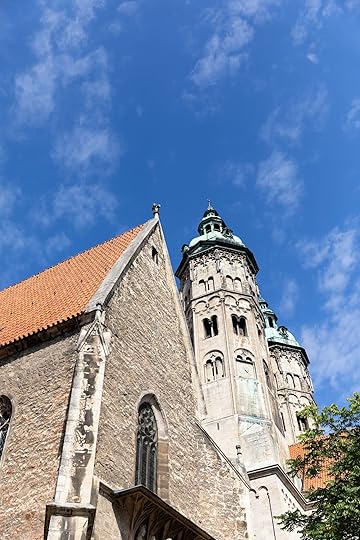
Photo: Josh Johnson
This UNESCO World Heritage Site has impressive grounds and architecture that everyone can enjoy. It’s also where you can see some truly one-of-a-kind sights? Naumburg Cathedral is the only church in the world to house two high-medieval choir screens. These choir screens separate the choirs from the nave and are adorned with images depicting events from the bible.
Naumburg Cathedral Domplatz 16, 06618 Naumburg (Saale), Germany
Ride the Harz narrow-gauge railwaysTake a step back in time and ride a coal-powered train up to the highest point of the Harz mountains at Brocken’s summit. Over the years, the Brocken has served many purposes including being a center for surveillance and espionage before the reunification of Germany and, in Faust, a gathering place for witches and devils. Now it welcomes thousands of visitors annually to admire the flora and fauna that call the mountaintop home and, of course, enjoy the breathtaking views.
Harz Narrow-gauge Railway: Unter den Zindeln 38855 Wernigerode
Take a gondola ride on Lake Wörlitz
Photo: Josh Johnson
The Garden Kingdom of Dessau-Wörlitz has a popular 18th century castle and five gardens surrounding Lake Wörlitz. But the real showstopper is the lake itself. I’ve enjoyed a lot of sunsets over the years, but nothing prepared me for enjoying a sunset while gliding along the water in Germany on a gondola. On the tour, enjoy tales of Prince Franz and the surrounding area while your gondolier takes you on a cruise through this UNESCO World Heritage site.
Where To Eat in Saxony-Anhalt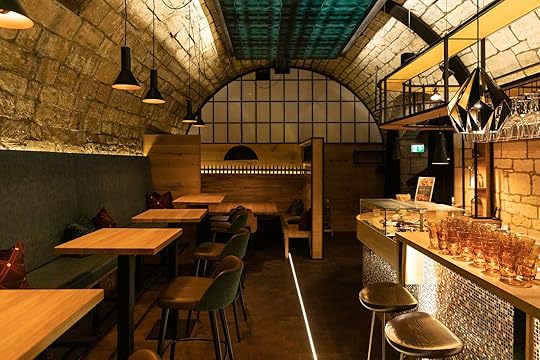
Photo: Josh Johnson
51°Restaurant & Weinbar in Freyburg: A wine bar and restaurant that’s appropriately located in an old wine cellar. From an impressive list of local wines made with pinot blanc, silvaner, and riesling, to a menu sure to make anyone’s mouth water, this is a must-visit spot for quality food and wine alike.
Where: Schützenstraße 9, 06632 Freyburg (Unstrut), Germany
Ratskeller in Naumburg: Tucked away in a quiet corner of Naumburg’s city center, Ratskeller offers plenty of options no matter what time of day you visit. Enjoy traditional German fare like currywurst and a stein of beer, or pop in for a quick coffee and something sweet in the morning.
Where: Markt 1, 06618 Naumburg (Saale), Germany
Schlosshotel Blankenburg in Blankenburg: If dining al-fresco is your jam, then plan on lunch or an early dinner on the wrap-around terrace at Schlosshotel Blankenburg. Take in the sites and sounds of the city around you while enjoying a changing menu that highlights food from the region.
Where: Schnappelberg 5, 38889 Blankenburg (Harz), Germany
Gothisches Haus in Wernigerode: Close out a busy day of sightseeing in Wernigerode by ducking out of the city center and stepping back in time for a meal at Gothisches Haus for meal that spotlights duck and pillow-soft gnocchi.
Where: Marktpl. 2, 38855 Wernigerode, Germany
Where to stay in Saxony-AnhaltView this post on InstagramA post shared by Ursprung Saale-Unstrut (@ursprungpunktde)
Winehotel Freylich Zahn
The Winehotel Freylich Zahn is surrounded by vineyards on nearly all sides for as far as the eye can see, and the theme continues upon entering the well-equipped hotel. From wine fridges in each room stocked with the best local wines to an impressive wine rack directly behind the reception area, this hotel is truly a wine lover’s dream come true. Not to mention, the hotel’s interiors leave nothing to be desired with their modern finishes and Instagram worthy decor. A lush, greenery filled patio welcomes wine-weary travelers just outside the main entrance, and I found it the perfect spot to unwind after a day of exploring.
Winehotel Freylich Zahn: Schützenstraße 9, 06632 Freyburg (Unstrut), Germany
Schlosshotel BlankenburgThis four-star hotel in Blankenburg, an 800-plus-year-old town in the Harz Mountains, expertly blends modern finishes with historic charm. Originally built in the mid-1800s, the building served as military barracks until it was converted into a hotel in 2010. Much care has been taken to ensure the historic structure maintains its charm with stone walls and grand entrances, while updated amenities to provide modern day comforts. The hotel’s commitment to sustainability includes using 100-percent green electricity, two in-house e-charging stations, and aiming to work paper-free. These efforts earned the hotel the GreenSign certification in 2015.
Schlosshotel Blankenburg: Schnappelberg 5, 38889 Blankenburg (Harz), Germany
How to get around Saxony-AnhaltSaxony-Anhalt is located in eastern Germany. It’s roughly three hours from Berlin by train system or two hours by car. Long distance trains that’ll help you traverse the country include ICE, IC, and EC, while Regional and S-Bahen trains connect the cities. Take full advantage of Germany’s train systems whenever you’re able. German Rail Passes can be purchased for three, four, five, seven, 10, or 15 consecutive days, making travel a breeze throughout the region.
Figuring out which train to get on is as simple as downloading the DB app, inputting start and end locations, and deciding which train and schedule best fits your travel plans for the day. While traveling by train may increase your commute times, they also allow you to observe the gorgeous countryside while on board.
These Are the Coolest Traditional Korean Homes in the New Airbnb Hanok Category

Constructed almost entirely from natural materials such as earth, wood, and rock, hanoks are traditional Korean houses. These eco-friendly dwellings are characterized by intricate columns, crossbeams, purlins, and rafters with clean lines creating a sense of balance inside and out. Dating back to the 14th century, the technique was originally used for palaces and temples before catching on as the go-to design for family homes. We’ve rounded up the most beautiful hanok Airbnb rentals in South Korea from Seoul to remote mountain towns.
Matador’s guides to the best of Airbnb Categories:10 Remote, Off-The-Grid Airbnbs Where You Can Get Away From It AllThe 11 Most Beautiful Converted Churches You Can Stay in Around the World on AirbnbAirbnb Just Made Windmills a Category, and These 9 Have Us Planning a TripAirbnb Now Has a Towers Category. These 9 Will Climb Your Bucket ListAirbnb Launched a Tiny Homes Category, and We’re Already Planning Trips Around These 1111 Properties in Airbnb’s New OMG! Category You Won’t Believe Are RealThese Are the Coolest Properties in Airbnb’s New Play CategoryThese Beautiful Accessible Properties Showcase the Best of Airbnb’s Adapted CategoryThese Are the Most Impressive Listings in Airbnb’s New Trending CategoryThese Unique Abodes Showcase the Best of Airbnb’s Top of the World Category
We hope you love these vacation rentals from the Airbnb Hanok category! Just so you know, Matador may collect a small commission from the links on this page if you decide to book a stay. Listed prices are accurate as of the time of publication.
Hanok Airbnbs in Seoul, South KoreaBest Hanok rental in Yangpyeong-gun, Gyeonggi Province, and Yangyang, Gangwon ProvinceHanok rentals in Jeolla ProvinceHanok Airbnbs on Jeju IslandHanoks for in Daedong-myeon, South Gyeongsang Province and Bonghwa-eup, North Gyeongsang ProvinceHanok Airbnbs in Seoul, South KoreaModern Hanok – an old alley next to Naksan Park
Photo: Airbnb

Photo: Airbnb

Photo: Airbnb
Newly renovated, this hanok is located in a quiet, residential part of Seoul near the hilly Naksan Park. Suitable for a couple or solo traveler who appreciates simplicity, the space comprises one bedroom, one bathroom, basic kitchen facilities, and a dining zone. The property opens out onto a restful yard with plants where you can linger over morning coffee and the sound of silence.
Two guests, one bedroom
Price: $132 per night

Photo: Airbnb

Photo: Airbnb

Photo: Airbnb

Photo: Airbnb
Right around the corner from Gyeongbok Palace in the Bukchon Hanok Village, this hanok Airbnb in downtown Seoul is convenient for seeing the sights of Jongno-gu, Seoul. Interiors are fully modernized with a kitchen, two bathrooms, and a roomy communal space. Occupying the upper level of the building, the unit comes with a wraparound balcony where you can soak up the buzz of the streets below.
Four guests, two bedrooms
Price: $277 per night

Photo: Airbnb

Photo: Airbnb

Photo: Airbnb

Photo: Airbnb
Escape the big city and unwind at this off-the-grid hanok on the outskirts of Seoul, as part of the Suhyangwon Hanok Healing Resort. Lit by a skylight and warmed by a modernized ondol heating system, the maru (main hall) represents the heart of the home, with space to socialize and eat. With a multitude of hiking trails right on the doorstep, this pet-friendly hanok Airbnb is a top pick for outdoor enthusiasts.
Six guests, two bedrooms
Price: $116 per night

Photo: Airbnb

Photo: Airbnb

Photo: Airbnb

Photo: Airbnb
Head to this two-bedroom hanok in northeast South Korea’s Gangwon Province to experience the region’s epic surfing, hiking, and golfing. Sited near Seoraksan National Park and crafted from pine wood and loess, the pension stays toasty warm year-round courtesy of two traditional ondol heating systems. Set within its own patch of garden with barbecue facilities, you can expect a botanical wonderland in summer and a chance of snow come winter.
Five guests, two bedrooms
Price: $129 per night

Photo: Airbnb

Photo: Airbnb

Photo: Airbnb

Photo: Airbnb
Standing for over 100 years, this beautiful hanok in the Jeonju Hanok Village, North Jeolla Province, has been meticulously renovated to cater to modern travelers. Accented by white walls and exposed wooden rafters, the space is divided across one bedroom and an open-concept kitchen-diner with external seating on the patio. Meanwhile, the bathroom is fitted with a whirlpool tub – exactly what you need after a day of sightseeing.
Two guests, one bedroom
Price: $270 per night

Photo: Airbnb

Photo: Airbnb

Photo: Airbnb

Photo: Airbnb
Surrounded by the green tea fields and valleys of Boseong County in South Jeolla Province, this pet-friendly hanok Airbnb is situated in a remote mountain village where you can experience countryside life. Interiors are traditionally dressed with the option to sleep in a western-style or Korean yo mattress bed. The host lives next door and offers reflexology and foot massage therapy.
Four guests, three bedrooms
Price: $90 per night

Photo: Airbnb

Photo: Airbnb

Photo: Airbnb

Photo: Airbnb
Overlooking a forest of cypress, pine, and oak trees, this hanok rental exemplifies all the characteristics of a traditional Korean home. The tiled roof is constructed from the traditional giwa while the wooden structure is warmed via an ondol. A highlight of this Samgye-myeon property is the tea room and the resident cat, who may well snuggle up beside you on your yo bed.
Four guests, two bedrooms
Price: $190 per night

Photo: Airbnb

Photo: Airbnb

Photo: Airbnb
Conveniently sited in Jeju City, Yugahun is a newly built hanok with a modern twist. The architect handpicked basalt stones and red pine woods from the island as the foundation, with a raised roof supported by wooden rafters adding a sense of space. Rice paper covers the windows to enhance the tranquility of the home. Rental includes the use of the courtyard, lawn, and outdoor dining area.
Four guests, two bedrooms
Price: $149 per night
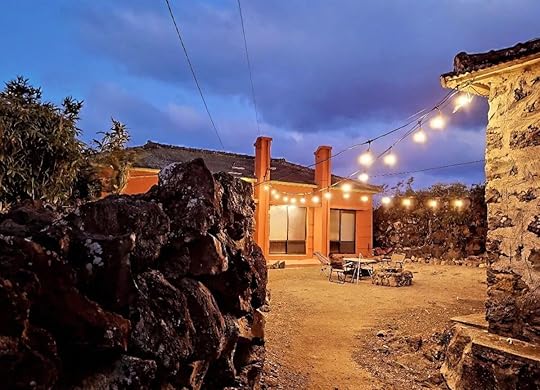
Photo: Airbnb

Photo: Airbnb

Photo: Airbnb

Photo: Airbnb
Located in western Jeju, this pet-friendly Airbnb hanok is a contemporary take on the traditional style. Designed with minimalism in mind, a perk of the unit is the vinyl player and generous supply of records. During your stay, you’re welcome to make use of the grill and barbecue in the yard.
Four guests, two bedrooms
Price: $147 per night

Photo: Airbnb

Photo: Airbnb

Photo: Airbnb

Photo: Airbnb
Situated within driving distance of Busan and the best beaches in South Korea, this hanok vacation rental is enveloped by dense foliage and mountains. Featuring the signature hanok jongbo beams and central maru, the property is as aesthetically pleasing as it is homely. Equipped with a full kitchen, a soaking tub with views, and a scenic veranda, you could spend days holed up here.
Eight guests, three bedrooms
Price: $577 per night
Photo: Airbnb

Photo: Airbnb

Photo: Airbnb

Photo: Airbnb
Buried in thick vegetation this hanok Airbnb is the perfect place to relax in the mountainous east of South Korea. The garden features a lotus pond and a porcelain firewood kiln which is made available to guests. Consisting of one bedroom with four comfortable Korean yo beds, the homestead can accommodate up to four guests. A light breakfast is included in the rate.
Four guests, one bedroom
Price: $139 per night
The Ultimate Guide To the National WWII Museum in New Orleans

The idea for a WWII-themed museum in New Orleans began in the 1990s when Stephen Ambrose wanted a permanent home for the artifacts and oral histories he’d collected while writing Band of Brothers. After opening as the National D-Day Museum, the idea evolved, and the scope grew. Then, in 2004 Congress designated it as America’s National WWII Museum — and the rest is history.
“The National WWII Museum is centered on real men and women telling real stories in their own words,” says Stephen Watson, President & CEO. Since opening, the museum has grown to six buildings across a six-acre campus and amassed a collection of 250,000 artifacts, including letters, oral histories, weapons, uniforms, vehicles, and aircraft.
I took a guided tour with Mike Bell, the Executive Director of The Jenny Craig Institute for the Study of War and Democracy, a national research center housed at the National WWII Museum. If you’re planning a trip to New Orleans, here’s how you can get the most out of your visit to the National WWII Museum.
How to get to the National WWII Museum and where to parkNational WWII Museum hoursHow much does it cost to go to The National WWII Museum?How long does it take to go through the National WWII museum?
The best times to visit the National WWII MuseumWhere to start your day at the National WWII MuseumGetting around the National WWII MuseumThe #1 piece of advice for visiting the National WWII MuseumThe five things you must do at the National WWII MuseumNight visits of the National WWII MuseumWhere to eat at the National WWII Museum?Where to stay near the National WWII Museum?How to get to the National WWII Museum and where to parkDriving to the WWII Museum
It’s easy to spot the museum from a distance — just look for the Bollinger Canopy of Peace, a giant steel lattice framework supporting white fiberglass panels 148 feet above the museum’s campus.
Conveniently located in the Warehouse District beside the Pontchartrain Expressway, it’s easy to get to the museum from I-10.
National WWII Museum parkingUse the parking garage across Magazine Street from the museum. Hourly rates vary the longer you stay, but expect to spend $20 for a full-day visit.
Does the New Orleans trolley go to the National WWII Museum?If you’re not driving, ride on one of New Orleans’ iconic streetcars. The St. Charles Street line stops at Howard Avenue, one block from the museum.
What are the National WWII Museum hours?The museum is open daily from 9 AM to 5 PM. Beyond All Boundaries and Final Mission: The USS Tang Experience, two different 45-minute 4D theatrical shows, begin at 10 AM daily, with the last show starting at 4 PM.
How much are the National WWII Museum tickets?General admission for adults is $31.50, seniors 65+ is $26.50, children in K-12 grades pay $19, and children enter for free. Active duty or retired military and their spouses pay $19 each for general admission, but WWII veterans and their companions get free admission.
But instead of going for the cheapest rates, which only includes admission to all permanent and special exhibits, go for the Museum Campus Pass Package. You pay $7 more, but you get to see the excellent Beyond All Boundaries show (and it’s worth it). An additional $7 fee is required for Final Mission: The USS Tang Experience.
Expressions of America tickets range from $32-$39 per person and include pre-show live entertainment, drinks and snacks, and admission to the nighttime sound and light show.
If one day is not enough, visitors can purchase a Second Day Pass for $7 per person. The pass must be purchased on the same day as general admission, and then can be redeemed anytime within the next seven days.
Save time during your visit to the museum by purchasing tickets online and picking them up at will-call in the Louisiana Pavilion, the main entrance to the museum. Note that there is a variety of packages available online to suit everyone’s interest, wallet, and bandwidth. How long does it take to go through the National WWII museum?“Our visitors are either skimmers, swimmers, or divers,” says Jennifer Sacks, the Associate VP of Marketing. So if you know what kind of museum-goer you are, here is how much time you should spend at the National WWII Museum.
Skimmers who casually walk through a museum, occasionally stop for short films, and who wish to see Beyond All Boundaries should expect to spend two to three hours in the WWII Museum.
Swimmers who enjoy the fully immersive experiences and see both 4D films should expect to spend four to five hours at the museum.Divers who want to visit every gallery on the six-acre campus, watch both 4D films, and get lunch at the American Sector Restaurant should plan to spend the whole day (seven to eight hours) at the museum.
The best times to visit the National WWII Museum“Nearly 80 percent of the 9 million people to visit the National WWII Museum [since it opened in 2000] were from out of state,” Watson notes. That’s why he recommends visiting on a weekday, particularly in the middle of the week. But not during Mardi Gras, he quickly adds.
The best times to visit New Orleans are late autumn, from October through November, and early spring, from March through April. These times feature moderately comfortable weather and smaller crowds.Where to start your day at the National WWII MuseumPhoto: Jason Barnette
It may seem obvious to say, “Start your day at the museum entrance.” But the National WWII Museum is spread across a six-acre campus on both sides of multiple roads. So, where exactly is the museum entrance?
The main entrance is in the Louisiana Memorial Pavilion on Andrew Higgins Boulevard, directly beneath the American Spirit Bridge. You’ll know you’re in the correct place if you see a C-47 suspended from the ceiling over a snaking line to the ticket counter. With pre-purchased tickets, you can skip the long line and proceed to will-call for quick admission. And be sure to pick up a complimentary campus map.Getting around the National WWII Museum
Photo: The National WWII Museum
The National WWII Museum is spread throughout five buildings on a six-acre campus. It’s easy to get around, but you need to know where you’re going.
The Louisiana Memorial Pavilion: When the museum opened in 2000, the Louisiana Memorial Pavilion encompassed the entire museum. Today, the three-story building houses The Arsenal of Democracy exhibit and the D-Day Invasion of Normandy, the museum’s original exhibit. The American Spirit Bridge is an enclosed pedestrian bridge allowing visitors to cross Higgins Boulevard to the Solomon Victory Theater.On the first floor of the Solomon Victory Theater building is where you can watch Beyond All Boundaries, a 45-minute 4D theatrical film taking visitors to the front lines of WWII that plays at the top of every hour. On the second floor is the Merchant Marine Gallery.Through another footbridge from the Solomon Victory Theater building is the Campaigns of Courage, a two-story building with two fully immersive experiences. On the first-floor explore the Pacific Theater on the Road to Tokyo, and on the second-floor take a walk through the European Theater on the Road to Berlin.The Hall of Democracy includes the American Sector Restaurant, the gift shop, and the Jenny Craig Institute for the Study of War and Democracy.The US Freedom Pavilion is the final building on the museum campus. The cavernous building features restored WWII-era vehicles on the ground floor and layers of aircraft suspended from the ceiling, including a B-17E.The galleries and buildings can be visited in any order, but you’ll want to plan your exploration around your scheduled time for seeing Beyond All Boundaries.The #1 piece of advice for visiting the National WWII Museum
Photo: Jason Barnette
“We have 12,000 oral histories told at the museum. Galleries are fully immersive. And we have great maps,” Bell explains. “The best thing visitors can do is give themselves enough time to see what they want.”
Far from being a traditional museum, the National WWII Museum is a technological wonderland of multimedia presentations, short films on 20-foot-wide curved screens, and galleries with special effects. It’s more than just reading about history — at this museum, you can hear it, see it, and feel it.You’ll spend more time at this museum than at other traditional history museums. Plan for that extra time.
The five things you must do at the National WWII MuseumSee Beyond All Boundaries at the Solomon Victory TheaterBeyond All Boundaries is a 4D theatrical experience narrated by Tom Hanks. The film jumps off the screen with teeth-rattling vibrations, chilly gusts, and giant set pieces moving through the theater like a marionette. The film squeezes World War II into thirty minutes by telling pivotal moments and heart-rending stories from the men and women who participated in the global war.
Visit the Arsenal of Democracy
Photo: Jason Barnette
“We want to tell three stories at The National WWII Museum: why it was fought, how it was won, and what it means today,” explains Bell. And that’s why he recommends everyone visit the National WWII Museum to explore the Arsenal of Democracy.
The museum’s newest permanent exhibit tells the story of how a reluctant United States was dragged into another world war and how the war was fought on the Home Front. The exhibit uses oral histories, informative graphics, and multimedia displays showing the incredible growth of the country’s armed forces from 335,000 members to an astounding 16.1 million in just a few years.
Walk the sky-high catwalks in the US Freedom Pavilion
Photo: Jason Barnette

Photo: Jason Barnette
I’m afraid of heights, but even I loved the thrill of the sky-high catwalks in the US Freedom Pavilion. The fourth-floor catwalk offers an up-close look at the six fully restored WWII aircraft suspended from the ceiling, especially the B-17E “My Gal Sal.” It’s a fascinating opportunity to see these vintage aircraft from a different perspective.
Visit fully immersive galleries in Campaigns of Courage
Photo: Jason Barnette

Photo: Jason Barnette

Photo: Jason Barnette

Photo: Jason Barnette

Photo: Jason Barnette
Walking into one of the galleries in the Campaigns of Courage building is like stepping into a chapter of World War II. The Road to Tokyo gallery begins on an aircraft carrier — floors painted like metal plates, riveted bulkheads for walls, and the ship’s bridge with custom-sized digital displays playing a video of aircraft taking off from the flight deck. In the Road to Berlin gallery, take a walk through a North African desert, the ruins of a French village, and a snowy European landscape. You’re guaranteed to forget you’re in New Orleans.
Listen to oral histories in the Medal of Honor GalleryThe Medal of Honor Gallery is a hidden asset of the museum tucked away on the second floor of the US Freedom Pavilion — it would be easy to miss if you didn’t know it was there. The exhibit tells the story of each branch of military service in World War II and about the 473 Medal of Honor recipients. One of the most interesting exhibits at the museum is the Oral History Station — a series of kiosks where visitors can hear oral histories from WWII veterans.Night visits of the National WWII Museum
Photo: Jason Barnette

Photo: Jason Barnette
In November 2022, the museum debuted Expressions of America, a 90-minute outdoor nighttime experience transforming the Parade Ground into a 90-foot-tall outdoor theater. State-of-the-art digital projectors turn the walls of the buildings into uniquely shaped high-definition screens for a thrilling light and sound presentation. Narrated by Gary Sinise, the show celebrates the stories of men and women impacted by the global conflict.
General admission to Expressions of America includes an a la carte menu at the American Sector Restaurant, cocktails, pre-show live entertainment, and a seat on the Parade Ground during the show. But Daren Ulmer, founder of Mousetrappe, the company that designed the presentation, has a suggestion for visitors, “We hope people will walk around the Parade Ground and look at it from different angles. That’s how we designed it.”Insider tip: Indulge yourself with a premium admission to Expressions of America that includes a three-course dinner and exclusive access to the second-floor balcony to watch the presentation.
Where to eat at the National WWII Museum?
Photo: Jason Barnette
The American Sector Restaurant is a testament to how much time visitors spend at the National WWII Museum. It’s a full-service restaurant with seating at comfortable tables, and there’s a bar in the middle for getting a drink. The menu includes appetizers, burgers, entrees, and desserts, and at the bar, you can order beer, wine, and cocktails. The restaurant is open daily from 11 AM until 4 PM.Insider tip: Don’t miss Bob Hope’s Lemon Meringue Pie, made from an authentic recipe in the 1940s USO Cookbook.
Where to stay near the National WWII Museum?We hope you love the Higgins Hotel! Just so you know, Matador may collect a small commission from the links on this page if you decide to book a stay.
The Higgins Hotel is the official hotel of the National WWII Museum — and the building looks the part. The 230-room Hilton property features Art Deco interiors popular in the 1940s. Get a drink at Rosie on the Roof, the rooftop bar with a view of the spectacular Bollinger Canopy of Peace looming over the museum. Order room service from the French-inspired menu at Café Normandie on the ground floor. Settle into a comfortable night with spacious guest rooms offering spectacular views of the city skyline.
Matador Network's Blog

- Matador Network's profile
- 6 followers

