
Matador Network's Blog, page 366
January 10, 2023
Pamukkale Thermal Pools
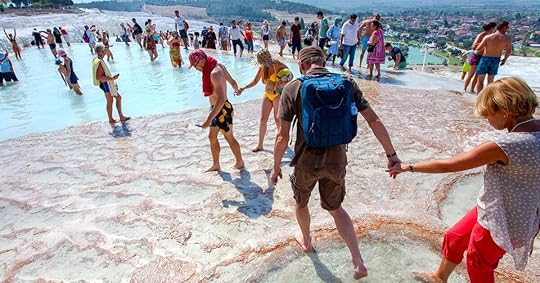
In the Denizli province of southwestern Türkiye, , there exists one of the world’s most extraordinary landscapes: Pamukkale. Translated as “cotton castle” in Turkish due to the bright white color of limestone landscape, Pamukkale features a series of thermal pools that fill the basins of cascading travertine terraces that were formed by centuries of calcite-rich water flowing down the hillside.
Otherworldly Pamukkale is one of the most popular attractions in Turkey outside of Istanbul’s worldly wonders and cosmopolitan neighborhoods. With that popularity comes significant crowds — one thing many of the viral videos and photos of the thermal pools fail to show. So if you plan on visiting the striking site anytime soon, be sure to get there early to avoid an Instagram-versus-reality-style letdown.
@matadornetwork When visiting #Pamukkale in #Türkiye go as early as possible to avoid the crowds#turkey #turkeytravel #instagramvsreality #vacation ♬ original sound – Rich Kids of London
Tips for visiting to the Pamukkale thermal pools
The nearest city to Pamukkale is Denizli — roughly 11 miles away — which has frequent minibusses running from the local bus station to the pools. If you’re staying elsewhere, you can either take a bus to Denizli or rent a car and drive all the way to Pamukkale. By car, the beach resorts of Kusadasi and Antalya are about 2.5 and 3.5 hours away, respectively, and the port city of Bodrum is roughly four hours away.
There are three entrances to the Pamukkale thermal pools: the Pamukkale town entrance, the North entrance, and the South entrance. The town entrance is the most scenic. If you rented a car, you can park in a lot by the entrance for a small fee of roughly $1 and then walk up the terraces in your bare feet — no shoes allowed — for 20 to 30 minutes.
Because of the crowds, the best way to experience the thermal pools is to spend the night in Pamukkale town and wake up early — the majority of the tours and day-trippers don’t arrive until later in the day. Pamukkale opens at 6:30 AM during the summer season (April 1 to October 1) and at 8 AM during the winter season (October 1 to April 1).
Before you leave the area, be sure to visit Cleopatra’s Pool, as well. While Cleopatra’s Pool, also known as the Antique Pool, is not part of the travertine terraces, it’s located within the Hierapolis-Pamukkale UNESCO World Heritage site, which includes ruins of the ancient Greco-Roman spa town of Hierapolis where this pool is located — legend has it that Marc Anthony created it for Cleopatra as a gift, hence the name. 


Exploring Flathead Lake and Its Colorful Pebbles
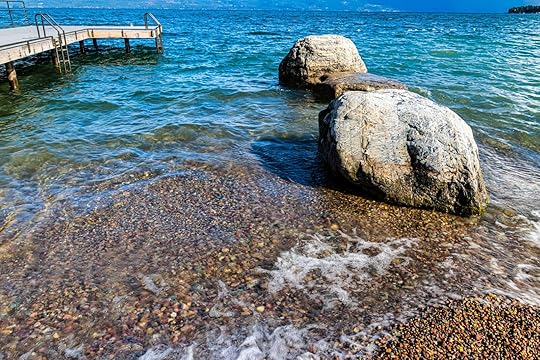
Flathead Lake, a beautiful glacial lake stretching 200 square miles, is nestled in the mountainous terrain of northwestern Montana. With its crystal blue waters, glimmering pebbles, and breathtaking views, this lake will mesmerize you with its beauty.
Flathead Lake is a natural wonder that cannot be missed. The terrain surrounding Flathead is diverse and varied; visitors can hike up a mountain peak, explore dense forests, and take a stroll along its crystal-clear shoreline. In addition to its breathtaking landscape, the lake also offers unparalleled sunrises and sunsets.
@matadornetwork Did you know #FlatheadLake in #Montana is filled with colorful pebbles?@James Cooper #montanamoment #beautifullakes #elfitup ♬ original sound – Sebastian
One of the lake’s most unique features is its unusual pebbles. The pebbles found here mainly comprise quartzite and chert, which come in various colors, including white, pink, red, and black. The colors are primarily due to the iron oxide present in the rock. These unique pieces of nature can be found around Flathead Lake, but they are especially abundant near the shorelines, where waves have deposited them over time.
In addition to their unique coloration, these pebbles also have an interesting texture thanks to being shaped by centuries worth of wave action. While on the beach, you might find some smooth stones here and there, and most pebbles are worn down into fascinating shapes with rounded edges.
Not only can you visit Flathead for its stunning scenery and unique pebbles, but there is also a multitude of activities such as water skiing, sailing, and fishing, or you can set up camp at the many campgrounds on the shorelines.
Flathead Lake is home to some truly stunning scenery—but there’s more than meets the eye when it comes to this remarkable destination. Whether you’re exploring Flathead Lake’s colorful array of pebbles, looking for an afternoon spent fishing, or a week-long camping trip under starry skies, this region has something special for everyone who visits it.
Dolphin Stampedes Are a Thing, and They’re Pretty Freaking Epic
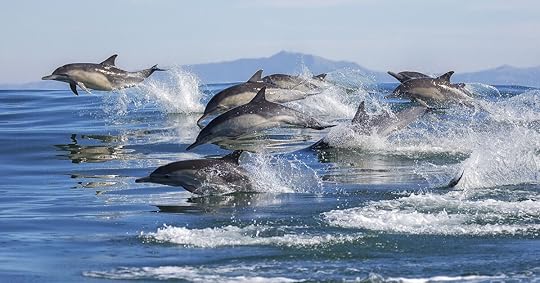
Dolphins aren’t the first mammals that come to mind when you think of stampedes, but dolphins do, in fact, stampede. And it’s one of nature’s most spectacular sights. There’s something magical about spotting hundreds of dolphins swimming in unison that just can’t be replicated anywhere else — just take a look at the video filmed in Southern California below. If you’re curious about what causes this mesmerizing and confounding behavior, read on to learn everything we know — and don’t know — about dolphin stampedes.
@visitSpectacular sighting of a long-beaked common dolphin “stampede” off the Southern California coast.

San Diego, California Ig: @taylor.parent / @legacywhalewatch

What are dolphin stampedes?
Dolphin stampedes are when dolphins swim side by side in large groups, usually numbering in the hundreds and possibly even thousands. It almost looks like they’re racing each other, occasionally leaping out of the water in a maneuver known as “porpoising” that allows them to gain incredible momentum. Dolphin stampedes typically happen relatively close to shore due to the presence of food sources like fish, which draw dolphins closer to land. They also occur when there are large schools of fish nearby, which become an irresistible snack for dolphins.
Why do dolphin stampedes happen?It’s still unclear why, exactly, large groups of dolphins stampede, but it could be related to the need for safety in numbers or because the dolphins are chasing prey together — or both. There have been many theories proposed over the years but no definitive explanation of the phenomenon. Whatever the reason may be, one thing remains true: Watching a huge group of dolphins swimming together in synchronicity is an experience that cannot be conveyed through words alone — you simply have to witness it yourself.
Where can you see dolphin stampedes?Dolphin stampedes can be witnessed pretty much anywhere there’s a body of water with abundant populations of dolphins and fish. However, some areas are better than others for viewing this amazing spectacle — in Southern California, for example, such as in the video above that captures a massive pod of dolphins stampeding off the coast of San Diego. While you might have luck in other popular dolphin-watching locales such as Australia and New Zealand, Southern California’s waters are said to have more dolphins per square mile than anywhere else on Earth — so that’s a pretty good place to book a dolphin cruise if you’re hoping to see a dolphin stampede in person.
Old Harry Rocks May Be the Coolest Place To Go Kayaking in England
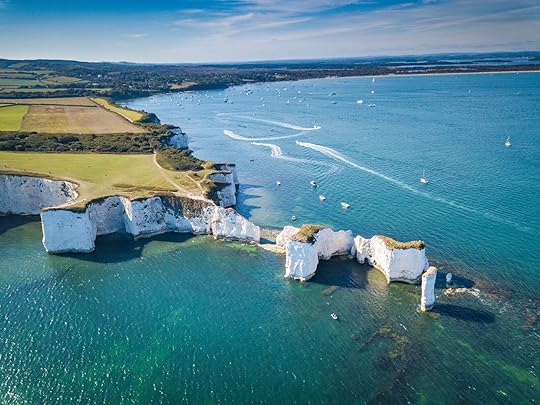
Old Harry Rocks is a natural landmark on the Isle of Purbeck in Dorset, England. It consists of tall, tower-like chalk formations subjected to several million years’ worth of erosion by powerful sea waves, which gives them their unique shape. They’re some of the most dramatic features along England’s southern coastline.
The rocks are visible from many miles away and form part of the Jurassic Coast World Heritage Site. Old Harry Rocks has become an important tourist attraction due to its unique geological characteristics and stunning views across the English Channel. Visitors can admire the views of the white cliffs, observe local wildlife such as seals and seabirds, go kayaking or coasteering (a mix of rock scrambling and cliff jumping), or explore nearby attractions including Corfe Castle and Swanage Beach.
Why are they called “Old Harry Rocks?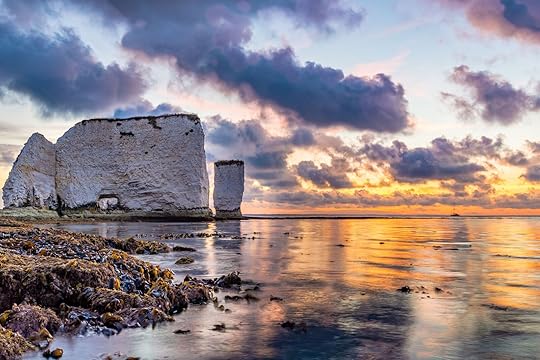
Photo: Andy Lyons/Shutterstock
You may think the name was originally “Old Hairy,” for moss or plants growing on the rocks. But it’s always been “Old Harry,” and no one knows why.
The name “Old Harry Rocks” has been attributed to various sources. It’s possible it was named after an old sailor who used to take refuge in the caves of Old Harry Rocks when the weather was too bad for sailing. It is also thought to be named after King Henry VIII, as old maps suggest he owned the area and had a hunting lodge nearby. And some people say it’s based on an even older legend: the grassy area just above the cliffs is called “Old Nick’s Ground,” because, according to some legends, the Devil himself (known locally as “Old Nick”) once took a nap there. Whatever the origin of its name, Old Harry Rocks will always remain an iconic landmark in Dorset, providing beautiful views and inspiring visitors from near and far.
Hiking, paddling, and tours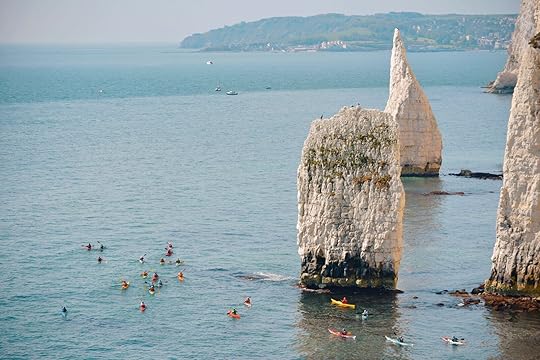
Photo: DavidYoung/Shutterstock
Old Harry Rocks is a great place for hikers of all levels. There are plenty of easy walks along the coast, as well as more challenging hikes up and around the rocks themselves. The views from these paths are spectacular and can be accessed year-round, although some routes may not be accessible during bad weather or high tides. Popular hikes include the South West Coast Path, the Old Harry to Studland Bay Walk, and the old smugglers’ route from Swanage.
For a unique way to explore the site, kayaking is an excellent option. Fluid Adventures runs six-to-eight hour tours for paddlers with prior kayaking experience, and H2O Adventures runs a similar half-day tour. On these tours, guides will take visitors to the best views and share insight into the cultural and natural heritage of the rocks. During these trips, you may be able to spot wildlife such as seals, seabirds and dolphins.
If you don’t have paddling experience, you can still take a boat tour from City Cruises. The one-hour tours start in the town of Poole and include narration from your skipper as you head out to the sea the rocks, only you don’t have to paddle, and there’s often a bar on board. It’s a bit more of a leisurely experience.
Namibia’s Sossusvlei Is Full of Skeleton Trees and Neon Orange Dunes
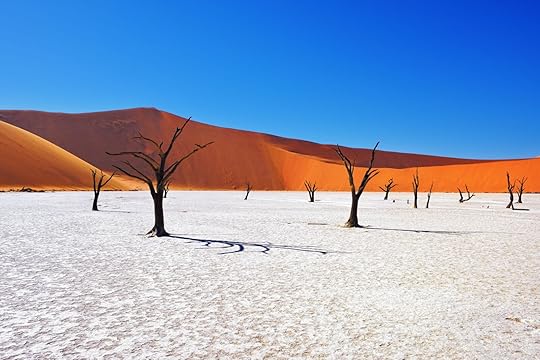
Sossusvlei is a salt–and-clay-pan (a section of desert covered in minerals) in the heart of Namibia‘s Namib Desert. It’s considered to be one of the most iconic and beautiful desert landscapes in all of Africa, with giant sand dunes that are some of the tallest in the world. Sossusvlei is also home to some of the oldest living plants on Earth, including over 2,000 year old Welwitschia mirabilis trees.
Visitors can witness the spectacular, bright-red-and-orange desert on foot or via four-wheel drive vehicles. With its unique combination of red sand dunes, dusty salt pans, ancient fossils and soaring mountains, the desert offers a chance to explore one of the most sweeping areas of the planet. And Hollywood agrees — you may recognize it from movies like Mad Max: Fury Road.
Famous sites in Sossusvlei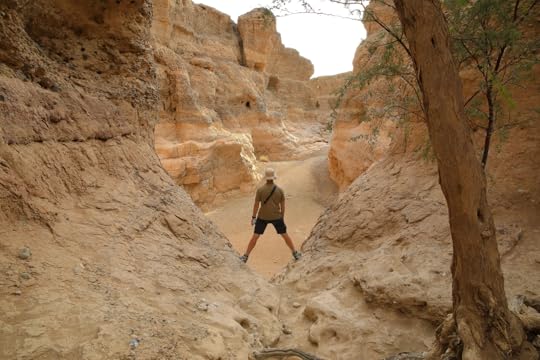
Photo: Beate Wolter/Shutterstock
Sossusvlei is home to many famous sites, including Sesriem Canyon, Deadvlei and Sossusvlei itself. Sesriem Canyon is a steep gorge carved by the Tsauchab River over millions of years. The canyon walls reach heights up to 100 feet and can be explored on foot or with a 4×4 vehicle. Deadvlei is an ancient clay pan filled with dead acacia trees whose white trunks stand out against the surrounding red sand dunes, and Sossusvlei itself is a sparkling clay pan surrounded by some of the tallest sand dunes in the world. (The whole desert area is referred to as Sossusvlei, by the way).
Visitors can climb these dunes for breathtaking views of the otherworldly landscapes, or take advantage of adventure activities like sandboarding and hot air balloon rides.
How did the desert form?
Photo: R.M.Nunes/Shutterstock
Sossusvlei was formed by the Tsauchab River which carved Sesriem Canyon, creating an isolated basin of salt and clay. Over time, winds blew sand over higher areas of land and deposited it at the bottom of the pan. As this happened, the area gradually became filled with sand dunes that are now some of the tallest in the world. Sossusvlei has also become home to numerous species of plants and animals, including 2,000 year old Welwitchia mirabilis trees that can only be found in this unique desert environment.
How to get to SossusvleiThe best way to get to Sossusvlei is by car or 4×4. Sossusvlei is inside Namib-Naukluft National Park, accessed via the B2 (main highway) from Windhoek or Swakopmund. The drive takes about five hours and visitors must pay an entrance fee at the Sesriem gate before entering the park. There are also guided tours available from various tour operators in Windhoek or Swakopmund that include Sossusvlei as part of the itineraries. Once at Sossusvlei, visitors can explore the area on foot, by vehicle, or by hot air balloon.
The Sossusvlei entrance fee is N$80 (about $7 US) per person, and there is an additional vehicle fee of N$30 if you’re driving in. The fees help to fund conservation efforts in Namib-Naukluft National Park, so visitors can be sure that their money is going towards a good cause. You also need to get a Sossusvlei permit from the Sesriem gate (the only way into the park) for any overnight trips into the park; this costs around N$100 ($9 US) per person.
The best time to visit Sossusvlei is between April and November, when temperatures are cooler and rain is rare. This will also yield the most vibrant colors in Sossusvlei’s unique desert landscape. During the summer months (December to March), temperatures can get very hot, so visitors should be sure to bring plenty of water and sunscreen and try to avoid the early morning or late afternoon. .
How To Visit Mexico’s Massive Tamul Waterfall
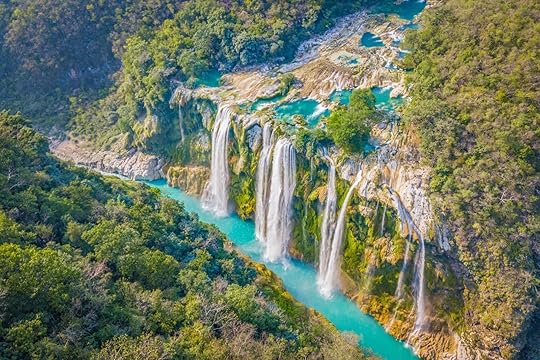
Tamul Waterfall is in Ciudad Valles, Mexico, and near some of the country’s best “magic towns.” It’s one of the most spectacular waterfalls on the Huasteca River and attracts visitors from all over the world. Visitors take boat tours to get close to the falls, though you can also hike to the base to get a closer look at the cascading waters. Or, you can take a helicopter tour and see the spectacular site from above.
Tamul Waterfall has been declared as a protected natural area due to its significant biodiversity and importance as a vital source of water for local communities. It’s a poopular tourist destination for canoeing, swimming, and cliff jumping near Ciudad Valles.
The best time to visitThough it may seem counterintuitive, avoid the rainy season. The river gets too high and roads too muddy, making a visit dangerous. The best time to visit is usually November through March. April and May are still good, though the falls may be a little less impressive than normal as that’s the end of the dry season.
How to reach Ciudad VallesCiudad Valles is located in the Mexican state of San Luis Potosi. The city is easily accessible by car and by plane. It’s a two-hour drive from San Luis Potosi or Tampico, and by plane, you can fly there from international airports in Mexico City or Monterrey. There are also domestic flights available from other cities within Mexico including Guadalajara, Durango, Chihuahua and more.
How was Tamul waterfall formed?Tamul Waterfall was formed millions of years ago by the constant erosion of the Huasteca River. Over time, water from the river carved out large canyons in the cliffs along its course, eventually creating the falls. The falls are an impressive sight, with a pool at the base and walls that reach over 850 feet high. It is an important source of natural beauty for the region and continues to be enjoyed by visitors from all over the world. Nearby are centotes and caves, plus Tamazunchale, a town first founded by indigenous populations more than 1000 years ago.
Tours to Tamul Waterfall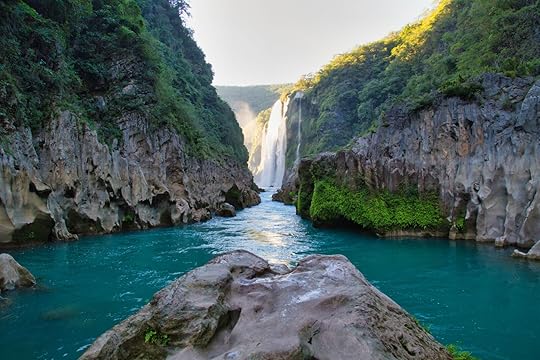
Photo: Nailol/Shutterstock
There are a few tour options for visiting Tamul waterfall. Companies like Huaxteca offer all-day tours where you’ll paddle to the falls and also get a chance to swim in the river and check out some nearby cenotes. They also offer rappelling tours in the canyon area. Most tour guiding companies in the area will offer a tour to the Tamul Waterfall, and booking via WhatsApp or Facebook is super common. So if you don’t want to plan a tour in advance, just ask your hotel or stop by a tourist office when you get to Cuidad Valles.
If you drive yourself to Tamul waterfall, you can just book your boat or hiking tour when you arrive.
Hiking to the waterfallIf you’d rather reach Tamul waterfall on foot, there are several tour operators that offer hikes to the base. You can book a guided tour from the town of Ciudad Valles, which will take care of all your transportation and logistics. However, you can also drive yourself to the falls and sign up for a hike at the falls info booth. The cost is usually about $50, so if you have more people, you’ll each pay less.
You’ll follow your guide down a road to reach the trailhead, then start the roughly 30-minute hike to reach a lookout point at the top of the falls. From there, you can climb to the bottom of the falls, but make sure you have good shoes and use the handrails mounted in some places. Always bring a life vest if you plan to do any swimming in the river.
Cost to visit Tamul WaterfallPhoto: Ruby Rodriguez Martinez/Shutterstock
The cost of visiting Tamul Waterfall depends on the type of tour and mode of transportation. Boat trips to Tamul are usually between $25-45 USD, depending on the number of people in the group. Guided hikes generally cost between $20-35 USD per person, while self-guided hikes typically cost around $10-15 USD for the entry fee. Tours leaving from further away with longer drives or more stops will, understandably, be more expensive.
This Is What It’s Like To Sleep Under the Stars in Wadi Rum, Jordan
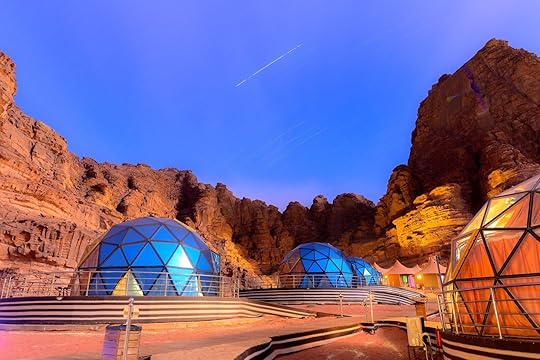
Wadi Rum is a stunning desert landscape located in the south of Jordan. It has been inhabited for thousands of years, and its ancient rock formations, towering sandstone mountains, and crystal-clear night skies have captivated visitors from all over the world. One of the best ways to experience this otherworldly landscape and traditional bedouin lifestyle is to camp overnight at Memories Aicha Luxury Camp.
As Wadi Rum is a protected area, but this glamping hotel makes sleeping overnight in the desert accessible. Located on the edge of Wadi Rum, Memories Aicha Luxury Camp offers visitors a luxurious experience surrounded by the natural beauty of the ancient land.
We hope you love the spaces and stays we recommend. Just so you know, Matador may collect a small commission from the links on this page if you decide to book a stay.
@epic.stays
Glamping at Memories Aicha Luxury Camp
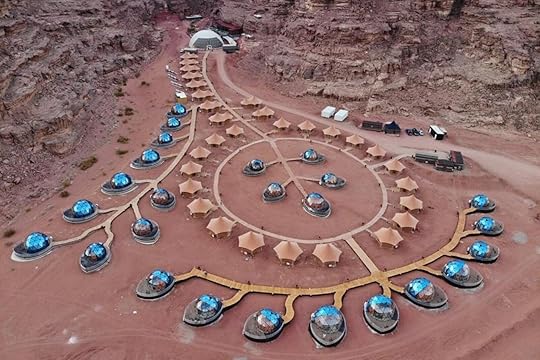
Photo: Booking.com
Glamping at Memories Aicha Luxury Camp allows guests to experience Wadi Rum in a unique and luxurious way. Guests can relax and unwind in the beautiful natural surroundings without sacrificing comfort or convenience.

Photo: Booking.com
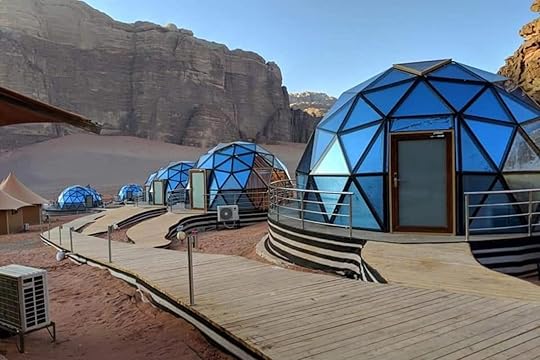
Photo: Booking.com
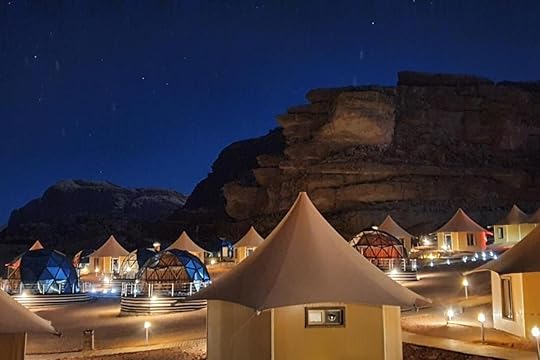
Photo: Booking.com
Every tent is individually designed, featuring stylish décor and comfortable beds. The outdoor spaces are perfect for enjoying Wadi Rum and some tents come complete with their own private terrace overlooking the valley. Or opt to stay in one of the luxurious glass domes where you will be surrounded by stars as you sleep.
The restaurant offers a range of international dishes such as steak, pasta, Arabian-style grilled meats, fresh salads, and desserts such as baklava. Guests can also enjoy themed dinners with traditional music and dancing, giving them an opportunity to experience authentic Bedouin culture in a unique setting.
What to do near Memories Aicha Luxury Camp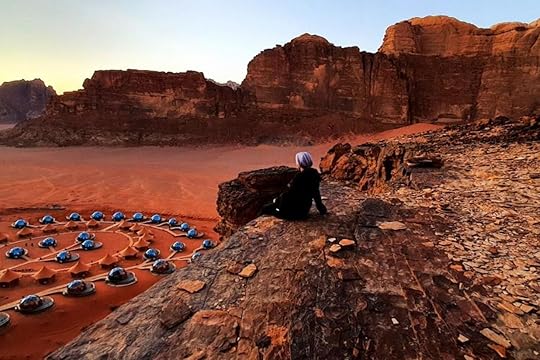
Photo: Booking.com
From its starring role in Lawrence of Arabia to the celebrated feature film, The Martian, Wadi Rum is renowned for its remarkable desert landscapes. For those looking to take a journey through this protected area it is recommended to plan ahead and take advantage of all that Wadi Rum has to offer.
Visitors can experience a range of activities such as camel trekking, sand-boarding, ATV quad biking, and stargazing under Wadi Rum’s dark night sky. For those who prefer something more relaxing, Memories Aicha Luxury Camp also offers yoga classes and guided hikes through Wadi Rum’s breathtaking sandstone mountains.
These Salty and Saucy French Fries Are the Best in the Netherlands

The Netherlands’ most famous culinary gift to the world may be the stroopwafel but that’s not the only tasty food the Dutch have come up with. From salty liquorice to kibbeling, there’s plenty of good things to eat in this small European country. Even their french fries are exceptionally yummy, and if you’re looking to try the best fries in Amsterdam (and in the whole of the Netherlands), you should pay a visit to Manneken Pis.
@foodwtf This restaurants prides itself with having the #1 fries in #TheNetherlands
Manneken Pis is an extremely popular chain of fast food restaurants located in the Netherlands. There are eight locations throughout the country, including four in Utrecht, two in Leidschendam, and two in Amsterdam. As any fast food chain worth its salt, Manneken Pis sells burgers and all sorts of fried food like croquette, fried fish, and, of course, the most famous of all oily foods, french fries.
Manneken Pis’ french fries (made from Dutch potatoes) are said to be the best in Amsterdam — actually, the best in the entire country of the Netherlands — and seeing how mouthwatering they are, it seems like a legit claim.
Manneken Pis serves its golden and salted-to-perfection “Flamish fries” (i.e. Flemish fries, as in “from Flanders”) in a paper cone and offers its customers a choice of 25 sauces to top them with. Ketchup is indeed one of them, but why go for something so common when you can have curry sauce, Amsterdam onion sauce, green pepper sauce, truffle mayonnaise, or even Manneken Pis sauce? If you can’t make your mind, don’t fret, you can combine a couple of them together.
And don’t be put out by Manneken Pis’ name and logo. The Manneken Pis is indeed a bronze sculpture of a little boy urinating located in Brussels, Belgium, and should have nothing to do with food at all. But Brussels was part of the historical county of Flanders, which included the Netherlands, and that’s where fries supposedly originated.
Manneken Pis in Utrecht:
Manneken Pis: Stationsplein 6, 3511 ED Utrecht, NetherlandsManneken Pis:Steenweg 2, 3511 JP Utrecht, NetherlandsManneken Pis Bakkerstraat: Bakkerstraat 1, 3511 JV Utrecht, NetherlandsManneken Pis Vredenburg: Vredenburg 154, 3511 BG Utrecht, NetherlandsManneken Pis in Amsterdam:
Manneken Pis Nieuwendijk: Nieuwendijk 222, 1012 MX Amsterdam, NetherlandsManneken Pis Damrak: Damrak 41, 1012 LK Amsterdam, NetherlandsManneken Pis in Leidschendam:
Manneken Pis Kornoelje: Kornoelje 112/113, 2262 AC Leidschendam, NetherlandsManneken Pis: Liguster 42B, 2262 AC Leidschendam, NetherlandsMore like thisDessertThe Sugar-Coated, Crispy-Fried, Deeply Comforting Guide To Dutch Winter Food
Ibiza Luxury Hotel Offers a Free Stay if You Sleep in a Glass Suite in Hotel Lobby

You’d be remiss if you wrote Ibiza, Spain off simply as a party island, packed with British tourists. Its natural beauty, stunning architecture, and art scene rival the main cultural hotspots in Europe. Although Ibiza has had a thriving community of artists for decades, it has become increasingly well-known as an important destination for contemporary art, attracting leading international artists and inspiring local talent. This is also mirrored the island’s boutique hotels. One of the most unique examples of this is Paradiso Ibiza Art Hotel. And you can stay here for free for one night in the Zero Suite. The only technical hitch is, you become the art, sleeping in a glass box in the lobby.
We hope you love the spaces and stays we recommend. Just so you know, Matador may collect a small commission from the links on this page if you decide to book a stay.
@epic.stays Would you spend a free night inside of the glass box room?
About the Paradiso Ibiza Art Hotel

Photo: Booking.com

Photo: Booking.com

Photo: Booking.com
Paradiso Ibiza Art Hotel is the perfect choice for those who are looking for a unique and sophisticated experience. This boutique hotel is located in the heart of Ibiza, surrounded by the city’s vibrant street art. The hotel features contemporary artwork from renowned local and international artists, giving guests access to pieces that they may not have been able to find elsewhere. The hotel also hosts an ongoing series of events and exhibitions throughout the year, where visitors can enjoy interactive experiences that bring the art to life.
The Zero Suite at the Paradiso Ibiza Art HotelThe Zero Suite is constructed from glass walls and sits in the middle of the hotel’s lobby. The room is basically a transparent box and you’ll be on show throughout your stay. Although the toilet is private, the hotel adds this disclaimer,
“A glass-walled room in the middle of Paradiso Art Hotel lobby where you can sleep one night for free. Not suitable for wallflowers. Also available for artistic performances, radio broadcasts, DJ sets…the possibilities are endless as long as you like being the center of attention.”
Other rooms at the Paradiso Ibiza Art Hotel
Photo: Booking.com
If you’d prefer a little more privacy, the hotel has a variety of rooms available, from standard double and twin rooms to luxury suites and penthouse apartments. All are exquisitely decorated with custom-made furniture and tasteful pieces that bring the artwork to life. Each room is also equipped with amenities such as air conditioning, complimentary WiFi access, and an en-suite bathroom.
January 9, 2023
6 Tips for Running Destination Marathons in 2023

We’ve all hit a rut – that spot where you’re not in bad shape, per se, but since you don’t have any kind of fitness goal, going to the gym is about as exciting as picking up dry cleaning (or even less exciting). And while running a marathon is a goal for hundreds of thousands of people, the thought of running 13 or 26 miles can feel overwhelming if your treadmill use is usually limited to the occasional 12-minute running interval.
But that goal seems a little more achievable if you’ve got views of a beautiful, tropical island to look forward to, or perhaps a vibrant, unfamiliar city – or a rugged wilderness area in the mountains. That’s why destination marathons make for such perfect fitness goals. The incentive to take a trip somewhere exciting is fantastic motivation for pushing through grinding hours of physical excursion.

Photo: Ingus Kruklitis/Shutterstock
Such was my thought when I’d hit a painful fitness rut in early fall of 2022, but soon received an invitation to participate in Run Barbados. It’s a weekend-long series of destination marathons and runs on the Caribbean island of Barbados, ranging from short walk-runs to a full marathon. With just over two months to train, and years since my last distance run, I opted for the 13.1-mile half marathon. It seemed like a good enough challenge but didn’t force me to go from my standard light cardio straight to 10-mile training runs.
In the process of preparing for my destination marathon, I learned a few things that helped make success a little more achievable. Here’s what to know if you’re also planning to tackle one or more distance marathons this year.
How to pick between destination marathons and training plans
Photo: Denis Belitsky/Shutterstock
The first thing to consider when running a destination marathon is, of course, the destination. The thought of going to some far-off, exotic country certainly is appealing, but jumping off a plane in Australia and running a marathon immediately afterward probably won’t result in peak performance. So unless you’ve got a couple of weeks to devote to your destination race, pick somewhere you can reach in a few hours. You’ll find fun races in warm places like Jamaica (the Reggae Marathon) and South Florida, and more far-flung places like Patagonia and China.
Once you’ve chosen a destination, you need to find a training plan. You can find training plans for destination marathons online, or grab a book or e-book on the subject. I picked an eight-week running schedule that started easy, but didn’t let up. You may want to select a plan based on how much time you have or what type of conditions you’ll be running in (or training in).

Photo: Shutterstock/Sasenki
The first week’s “long” run was only about 4.5 miles. But as I had only a quick six-week time frame, the long runs ramped up quickly, and my long run was eight miles just two weeks later. Then it became 10. Then 12. And in a period of only five weeks, I was already running close to the half-marathon distance.
If your race is somewhere warm, remember that heat and humidity make more of a difference than you might think. I happen to live in a perpetual stew of hot thick air called Miami, so I was able to train in weather similar to Barbados.
If you don’t live somewhere warm, make sure you account for the heat if you pick one of the many warm-weather destination marathons. If you choose a marathon in the mountains, remember that running at a higher elevation is going to be more difficult than training at sea level. And drink about three times as much water as you think you need, even when training in milder temperatures.
Stretching and eating are as important as running
Photo: GBJSTOCK/Shutterstock
Like most people in their 20s and 30s, I’d never been especially dedicated about stretching. It was kind of like eating vegetables – something you know you should be doing, but don’t do anyway. But as I attempted my first distance race over age 40, it became painfully evident why people had been telling me to stretch before a run for so long. By my third long run, which measured about eight miles, I started building in 10 minutes of stretching before the run and five minutes after.
In addition to warming up your muscles, stretching also eases your body into intense exercise, so you’re not going from zero to strenuous right away. Similarly, the post-run stretch became a reward for all my hard work.
During my younger endurance days, a night-before carb binge was a time-honored tradition. So before my first eight-mile training run, I ate a giant plate of pasta for dinner. However, when I woke up at 5 AM to run, it was still in my stomach, so I felt heavy and slow while running. Remember that your metabolism slows as you age, and the same meal you ate before a big swim meet in high school won’t power you the same way in your 30s or 40s. To properly fuel my runs, I ate a large lunch the day before a big run, then capped it off with something lighter, like a salad, for dinner.
The vacation starts after the race
Photo: Visit Barbados
Having Barbados as my goal helped immeasurably, especially as an experienced runner who’d already run several half-marathons and longer races. Doing something different and seeing a new place gave me the motivation I needed to feel like this marathon was different.
But when I arrived in Barbados, I realized I needed to treat it like a business trip. If I spent the days before the race posted up on the beach with a pina colada, all that training would have been for nothing. And I suspect that’d be the same case for most people running destination marathons.
So when you reach your destination, delay the vacation activities until after your race. Sure, I walked down to the beach near my hotel and took in the view. And took an island safari jeep tour to experience Barbados without much physical activity. But I didn’t drink at all and held off on more tiring activities like diving and hiking until after I’d run my race.
Pick a comfortable place to stay
Photo: Courtyard Marriott Bridgetown
Speaking of hotels: selecting a comfortable place where you can relax is critically important. Staying at a splashy resort full of vacation activities isn’t the move, nor is trying to save money and rolling the dice on somewhere unpredictable. What you want is somewhere perfectly comfortable enough to genuinely rest and sleep uninterrupted, and it shouldn’t have too many distractions (so skip the beach club hotel on the nights before your destination marathons).
A safe bet is usually to stay at the host hotel. I stayed at the Courtyard by Marriott Bridgetown, Run Barbados’s official host hotel. It offered a small pool deck with a view of the Caribbean, so I got a nice sense of place without a poolside rager. The hotel also had a private beach across the street, so I could relax in paradise without loud crowds. The Courtyard is also only a quarter-mile from Bridgetown’s boardwalk, so I was able to get in a three-mile run by the ocean two days before the race.
Don’t test your stomach too much
Photo: Visit Barbados
And when it comes to the days before the race, keep it safe, food-wise. While I’m a huge fan of roti, curry, and other Caribbean dishes, I made a point to stick to foods my stomach is used to in the days leading up to the race. While trying the local food is a must when traveling, it’s best saved for after the race. I’m not saying find the nearest Subway and make it your pre-race home, but I utilized the restaurant at the Courtyard and ordered simple dishes like light pasta and salad.
Let the rest of your vacation motivate you during the race
Photo: Evenfh/Shutterstock
The race was held in Bathsheba Park, on Barbados’s less-developed east coast. On the calmer western side of the island is where you’ll find most of the resorts and tourist beaches. The western side is also rather flat and, topographically, at least, didn’t look a whole lot different than Florida.
The eastern side, however, is stunning, with vistas of bright green limestone cliffs dropping into the crashing waves of the Atlantic Ocean. The park is a massively popular surfing spot and looks more like the volcanic islands of the Lesser Antilles than the flat, beachy Barbados most tourists see.
The race began at 5:30 AM. Though it was still dark when we started running, the sun began to rise over the island’s Atlantic shore soon after. Though I was huffing and puffing, it still felt like a vacation. I focused on a standard 11-minute mile pace for the first couple of miles, but as the sun came up and revealed the island’s beauty, a funny thing happened: I got the race-day adrenaline rush I’d heard about, but never experienced. Destination marathons offer a bit of extra excitement you may not get from a hometown marathon, especially since you’ll be dreaming of all the fun vacation activities you’re planning as soon as the race is over.

Let the idea of relaxing on the beach for the days after your race motivate you across the finish line. Photo: Lichtwolke/Shutterstock
The final two miles were painful, but the tropical scenery proved a welcomed distraction – having something interesting to look at makes the grueling parts of a marathon tolerable. And despite the extra pep in my step, I still stopped at every water station and had two cups of water, because you can’t hydrate too much during a tropical race.
The finish line, as it often is, was a little anticlimactic. It was more relief than excitement, and I was just happy to get another cup of water and retreat to the beach with my medal. And much as it was during training, the post-run stretch was a well-earned reward. Only this time, I stretched under a palm tree on the beach and let the ocean breeze cool me down.
Matador Network's Blog

- Matador Network's profile
- 6 followers

