
Matador Network's Blog, page 340
February 21, 2023
AI Meets Art at the MoMA’s Striking and Surreal ‘Unsupervised’ Exhibition

New York City’s Museum of Modern Art (MoMA) is one of the most famous museums in the world for good reason — it houses almost 200,000 precious artworks and brings in some of the most innovative and impressive exhibitions you’ll ever see. One such exhibition is currently on display through April 15. Titled “Unsupervised” by Turkish media artist Refik Anadol, the exhibition explores the intersection of art and artificial intelligence through vibrant and visionary digital installations created using a machine-learning model.
@matadornetwork Unsupervised by Refik Anado is on display at the #MoMA through March 5th! The Museum of Modern Art (MoMA) is undoubtedly one of the most famous museums in all of #NYC. Located in midtown Manhattan, the MoMA features a collection of over 200,000 classic and modern artworks spread out over six floors, including paintings, drawings, photos, sculptures, and performance #artpieces. Share this with someone who needs to see this stunning #workofart
@explorenyc_now
New York City, NY #artexhibit #nyctravel #visitnyc ♬ original sound – Matador Network
The MoMA’s website introduces the exhibition by posing the question: “What would a machine dream about after seeing the collection of The Museum of Modern Art?” To create “Unsupervised,” Anadol instructed a machine-learning model to study the MoMA’s current collection and output unique digital artworks based on its interpretation.
The museum’s collection includes artworks from around the world spanning roughly 150 years, providing plenty of data on modern art expressions for Anadol’s model to study. Anadol also used “site-specific input” such as lighting, motion, and sound inside the museum, as well as the weather outside, as data points that helped yield the collection’s changing audio and visuals. The result is striking and surreal installations displayed on an awe-inspiringly large scale.
On his inspiration behind the exhibition, the MoMA has quoted Anadol as saying, “I am trying to find ways to connect memories with the future and to make the invisible visible.”
Much as the foundation of “Unsupervised” relies on blockchain-encoded works, visitors to the exhibition will also be able to take home a free, limited-edition, blockchain-based souvenir of the experience that can be claimed via QR code. 


5 Guatemala Volcano Hikes for Beginners and Experts Alike

Scaling a gigantic volcano seems to rank fairly high on travel bucket lists for many adventurous travelers. It’s thrilling to be near something so destructive but also life-giving: the volcanic gasses released into the atmosphere eons ago helped form the current chemical balance in the ocean that helped many of Earth’s earliest living creatures survive.
It’s hard not to feel both invincible and like you’re flirting with danger as you walk on the edge of an active volcano. It almost seems like you can feel the volcano’s energy the higher and higher you climb. If that appeals to you, whether you’ve hiked near a volcano or not, there’s one destination you’ll want to add to your bucket list: Guatemala.
Guatemala is known for its vast wild beauty, Mayan culture, incredibly fresh produce (we’re talking about those oh-so-juicy fruits and crisp vegetables), and, of course, volcanoes. The Guatemala volcano hikes below aren’t just for expert hikers, so don’t underestimate your abilities or think they’re only for experts. Guatemala’s volcano hikes offer the chance to see unique perspectives of the country’s defining geographic features whether you’re a frequent hiker or not.
Some of the Guatemala volcano hikes below are best attempted with a guide, but others are easy to do on your own, so long as you’re armed with plenty of water and snacks. Below are five of the most beautiful volcanic hiking trails in Guatemala.
The five best Guatemala volcano hikesHow many volcanoes are in Guatemala?When is the best time to visit Guatemala?Where to stay in GuatemalaChicabal Volcano and Chicabal Lake
Photo: Inga Locmele/Shutterstock
Distance: 4.7 milesElevation gain: 2,120 feetGuide required?: NoThe trailhead for the quiet Chicabal Volcano is near the city of San Martín Sacatepéquez in southwestern Guatemala’s Quetzaltenango Department. The hike is accessible year-round and offers great views of the jungle as you climb toward Chicabal Lake, formed in the extinct volcano’s caldera.
At times the trail is easy, but the plethora of stairs quickly bump the rating for this Guatemala volcano hike up to moderately difficult. Expect to gain 2,119 feet in elevation as you scale the volcano. If you need a break, keep your eyes peeled for the mirador (lookout point), which is a great stopping place to grab some coffee and snacks. And if you happen to traverse through fog, don’t shy away from continuing. Instead, embrace the slightly mystical feeling and enjoy the gorgeous views of the lake peaking through the murky moisture.
Santa María Volcano
Photo: marako85/Shutterstock
Distance: 5 milesElevation gain: 3,950 feetGuide required?: NoSanta María is another popular Guatemala volcano hike in Quetzaltenango. It’s in the town of Quetzaltenango (it’s both a city and municipality) and is a five-mile, out-and-back trek with a steep incline. The trail begins with a gentle ascent beneath the beautiful canopy of the forest, then gradually picks up momentum, eventually leading to a rock scramble closer to the top. Given the elevation gain. It’s safe to say it’s one of the harder Guatemala volcano hikes, but the breathtaking views from the top are a worthy reward. Sometimes you’ll even see locals holding traditional Mayan ceremonies at the top.
This route takes about five to six hours to complete, depending on your hiking experience. You can hike it by yourself, but if you prefer a guide, there are plenty of available options to choose from, like Anywhere Guatemala or Quetzal Trekkers.
Acatenango VolcanoDistance: 8.5 milesElevation gain: 5,300 feetGuide required?: No, but recommended
@matadornetwork Hike up #AcatenangoVolcano in #Guatemala and you’ll have an amazing view of nearby #FuegoVolcano
Acatenango is one of the towering giants that sits just outside Antigua, a city known for being surrounded by volcanoes. It may be the most popular Guatemala volcano hike among travelers as it journeys through grassy farmlands, habitats for diverse fauna and flora, cloud forests, and more. A guide isn’t required, but it’s highly recommended as the hike and unpredictable weather make it very challenging.
Acatenango can be done as a day hike or overnight trip. If you decide to make it an overnight and camp, you’ll likely want a guide unless you have all your own equipment (including a tent, sleeping pad, and headlamp). Guiding companies can usually provide any equipment you’ll need (and often help carry it, if you’re worried about the extra weight during what’s already a tough hike). Nearly every trekking company offers guided trips up Acatenango.
Pacaya Volcano
Photo: Jose de Jesus Churion Del/Shutterstock
Distance: 3.5 milesElevation gain: 1,430 feetGuide required?: YesStanding guard near the city of Escuintla is Pacaya Volcano. Aside from the impressive views from the top, one of the most exciting things about this Guatemala volcano hike is that Pacaya Volcano is still active. Partially because of that, you’ll need a guide to accompany you on the hike.
While the trail is rated as difficult, it tends to be easier than other trails like Acatenango and Fuego since it has less elevation gain, and only takes about three hours to complete. Expect to begin your hike on soft volcanic sand, followed by rocky terrain. Along the way, you’ll see hot spots of lava flows and magma fields. If you’re lucky, your guide may even roast a marshmallow or two for you during a rest stop (and some people even cook pizza over the lava).
Entering the park and hiring a guide costs 200 Quetzal, or about $25 US, payable at the entrance. There are usually snack vendors along the way, so bring some extra cash. You can also go with a guiding company that will arrange all the details for you, like Guatemalan Adventure.
Fuego VolcanoDistance: 2.8 milesElevation gain: 1,540 feetGuide required?: No
@matadornetwork #FuegoVolcano in #Guatemala is one of the most active volcanoes in Central America. For the best view you can hike up the inactive Acatenango Volcano next to it
Fuego Volcano is another active Guatemala volcano hike near the city of San Miguel Dueñas in the department of Sacatepéquez. It shares the same base area as Acatenango Volcano but is an entirely different route. From the trailhead, it’s an out-and-back hike, which means it has a rather steep incline, gaining all the elevation in 1.4 miles. And it starts with a downhill. In other words, it’s an extremely strenuous hike.
While this Guatemala volcano hike is challenging, you can always hike only some of the way to admire the views and see the volcanic activity up close. Along the trail are dazzling wildflowers scattered throughout high-alpine meadows.
This is another route where you need to use a guide. You can take a day trip with companies like Fuego Expeditions or take an overnight hike with companies such as OX Expedition to witness the sun rising over the fiery volcano. If you’re up for it, you can even book a double hike, hiking both Fuego Volcano and Acatenango on a two-night adventure with Adventure Guatemala.
How many volcanoes are in Guatemala?
Photo: Mesa Studios/Shutterstock
You’ve likely heard it before, but there is an abundance of volcanoes in Guatemala. That’s because the country sits on the “Ring of Fire:” the term for the horseshoe-shaped outline of the Pacific tectonic plate. Along the edges, the Pacific plate rubs against other plates, like the Philippine and North American Plate. That friction and pressure create volcanoes.
Fortunately, when volcanoes erupt, the chemicals and ash nourish the surrounding soil, contributing to Guatemala’s rich agricultural scene.
Guatemala has three constantly active volcanoes: Santiaguito, Pacaya, and Fuego. But the country has 37 in total.
When is the best time to visit Guatemala?
Photo: Simon Dannhauer/Shutterstock
When it comes to the best time to visit Guatemala for a hiking trip, consider planning around the wet and dry seasons. Dry season starts around November and typically ends in early April. During that time, you can expect sunny and dry weather.
The wet season kicks off around late April or May and usually lasts until October. If you’re visiting during that time, expect rainy afternoons. However, you may experience a short break in the rain if you plan a trip sometime in July and August. These dry periods during the rainy season are called “canícula” and can be a great time to visit for outdoor enthusiasts. Keep in mind, however, that the exact time frame of canícula changes from year to year. So planning a trip during that time may work better for last-minute planners.
Where should you stay in Guatemala?
Photo: Galyna Andrushko/Shutterstock
Guatemala is filled with charming boutique hotels, beautiful eco-resorts tucked into the mountainsides, and cozy bed and breakfasts. If hiking Chicabal Volcano and Chicabal Lake is on your bucket list, Jenna’s River Bed and Breakfast offers spacious yurts with stunning views of Chicabal Volcano and tasty included breakfasts. It’s in Solola, and rates start around $97 a night.
Alternatively, if it’s your first time visiting Guatemala, Antigua is an excellent city to stay in since it’s close to three volcanoes (Fuego, Agua, and Acatenango). The historic town has several boutique hotels in the shadow of said volcanoes, including Camino Real Antigua (with an outdoor pool and super-cool stone bar room) or Meson Panza Verde, with rich and warm decor elements (and complimentary breakfast). Real Antigua starts around $139 a night, while Meson Panza is a bit more affordable, with base rates around $90.
If you’d prefer something more adventurous, check out the four-day Antigua to Lake Atitlán trek from Trek Guatemala. You’ll carry only a day pack while the porters carry the rest, the incredible guides will show you gorgeous places along the route, and you’ll sleep in comfortable safari-style tents each evening.
This Luxury Airbnb Has the Best Views of the Parliament in Budapest

Budapest is one of Europe’s most stunning cities, and its Parliament building is an iconic symbol of beauty, history, and culture. To experience the city to its fullest, why not consider staying in an Airbnb with a view of this grand structure? Located right in the heart of Budapest, this apartment offers travelers a luxurious and convenient stay.
This Budapest Airbnb with a parliament view is located in the Lipótváros neighborhood that is known for its Art Nouveau and Gothic Revival architecture.
@epic.stays This #airbnb has the best view of Parliament in #Budapest
We hope you love the Budapest Airbnb with the view of the Parliament! Just so you know, Matador may collect a small commission from the links on this page if you decide to book a stay. Listed prices are accurate as of the time of publication.
This spacious two-bedroom apartment is in the heart of Budapest’s city center and boasts magnificent views of the parliament building. The apartment comes fully furnished with all the amenities you need for an enjoyable stay—from a comfortable bed and linens to a spacious living room and a fully equipped kitchen. The parliament can be seen from the living room and the master bedroom, making it the perfect spot for sipping morning coffee or evening wine as you take in panoramic vistas of your surroundings.
The Airbnb is conveniently located close to many popular tourist attractions, including museums, galleries, churches, monuments, parks, restaurants, nightclubs, and more. It is also near plenty of shops and restaurants for those who want to explore local cuisine or buy souvenirs. Public transportation is easily accessible from here, so you can get around quickly and efficiently.
From its unbeatable location to its luxurious amenities and breathtaking views of Hungary’s capital city, this Airbnb offers an unforgettable experience that will make your trip to Budapest special. Budapest is an incredible city filled with stunning architecture and captivating culture that few cities can match. Staying at the Budapest Airbnb with a view of the Parliament building allows travelers to truly immerse themselves in everything that this amazing city has to offer.
Experience the Ultimate Getaway at the Nordland Cabin-A-Frame Airbnb in Romania

Are you looking for a unique place to stay for your vacation? Look no further than the Nordland Cabin Airbnb in Romania. This cozy and unique cabin is in the Apuseni Mountains, with panoramic views of the surrounding forest. It offers plenty of privacy and provides amenities to make your stay comfortable.
This rustic-modern cabin offers all the comforts of home along with some fantastic added extras. The Nordland Cabin Airbnb is an excellent choice for travelers seeking a secluded getaway. The cabin is on top of a hill, surrounded by lush forests and rolling hills. You can enjoy stunning panoramic views of the never-ending forest inside the cabin and on the front deck.
@epic.stays #Airbnb linked in bio Nordland Cabin-A-Frame in #Romania IG: @nordlandcabin #cabin #cabinlife #romaniatravel #romaniahotelguide #cabinstay ♬ its a wrap for you baby. –
We hope you love the Nordland Cabin-A-Frame Airbnb! Just so you know, Matador may collect a small commission from the links on this page if you decide to book a stay. Listed prices are accurate as of the time of publication.
Inside, you’ll find all the comforts of home – from three cozy bedrooms to a fully equipped kitchen, as well as a spacious living area perfect for relaxing after a long day exploring the area. Outside there is a large front deck with seating areas, a hot tub, a picnic bench with seating for eight, and a fire pit.
This charming Airbnb also offers plenty of activities to keep travelers busy. You can go hiking or biking through nearby forests. The cabin is nearby many attractions like the Măguri-Răcătău, Lake Tarnița Marisel Ski Resort, and Via Ferrata at Cheile Cutilor Cheile Turzii.
If you are looking for an unforgettable getaway, Nordland Cabin Airbnb in Romania is just what you need! With its stunning location surrounded by nature’s beauty and all its onsite amenities, activities abound, making it ideal for any traveler looking for an escape. So pack your bags today and head to Nordland Cabin A-Frame Airbnb in Romania for a tranquil experience.
These Beachside Airbnbs in Palm Beach, Florida, Offer a Relaxing Getaway

Palm Beach, Florida is a beautiful beachside city located in Southeast Florida. With its sunny skies and white sand beaches, Palm Beach has been long known as a premier vacation destination, as well as a place that attracts the rich and famous to posh beach estates. The city offers a variety of activities such as fishing, golfing, kayaking, boating, and more. In addition to its natural beauty, Palm Beach is home to some of the world’s most luxurious resorts, shopping centers, and restaurants. For travelers, one of the most affordable ways to stay on Palm Beach island is to book an Airbnb.
Traveling to Florida? Check out Matador’s Florida accommodations guides:15 beautiful Florida Airbnbs for every type of travelerThe best 11 Airbnbs near Universal StudiosThe 12 best Miami Airbnbs from South Beach to Little Havana8 of the coolest Airbnbs near Disney World, Florida15 beautiful Florida Airbnbs for every type of traveler6 Kissimmee Airbnbs for a multi-generational family Disney trip11 Key West Airbnbs to experience the best of the island11 gorgeous Florida Keys Airbnbs to catch the ‘Keys Disease’These New Smyrna Beach Airbnbs showcase the best of Florida’s central coast
We hope you love the Airbnb Palm Beach vacation rentals we recommend! Just so you know, Matador may collect a small commission from the links on this page if you decide to book a stay. Listed prices are accurate as of the time of publication.
Posh two-bedroom Palm Beach Airbnb for six in luxury hotel
Photo: Airbnb

Photo: Airbnb

Photo: Airbnb

Photo: Airbnb
This cozy, near-beachfront Airbnb in Palm Beach is the perfect spot for a getaway. Located just steps away from the beautiful beaches of Palm Beach, this Airbnb offers amazing views of both the ocean and the Intracoastal waterway. The Airbnb has two bedrooms and one bathroom, with space for up to six — and because it’s located in a high-end hotel, you can take advantage of the property’s amenities including a pool, concierge, and booking services to help you get the most out of the island.
Six guests, two bedrooms
Price: $659 per night

Photo: Airbnb

Photo: Airbnb

Photo: Airbnb

Photo: Airbnb
This Airbnb is a luxurious one-bedroom apartment located in the King Palm Beach complex, just steps away from the beach. Boasting stunning views of the sunrise and sunset over the ocean, this property offers everything you need to make your stay in Palm Beach truly unforgettable. The unit features ample living space and a kitchen so you can prepare meals oniste and lounge over an evening recounting your day. It’s also nearby to dining and nightlife, as well as the island’s best beaches (and the glitzy estates that line them).
Two guests, one bedroom
Price: $513 per night

Photo: Airbnb

Photo: Airbnb

Photo: Airbnb

Photo: Airbnb
This high-end Airbnb located just steps away from the beach in Palm Beach, Florida, offers guests a unique experience — one that seems taken from the 1920s. The terraced apartment boasts an expansive balcony with views of both the Atlantic Ocean and Intracoastal Waterway. With its two beds, it’s perfect for up to four people who want to enjoy a relaxing stay that comprises nothing in the way of amenities and over-the-top decor.
Four guests, one bedroom
Price: $599 per night

Photo: Airbnb

Photo: Airbnb

Photo: Airbnb

Photo: Airbnb
Bibi’s Guesthouse is the perfect Airbnb for a private getaway. Located near Palm Beach, Florida, this Airbnb features a large outdoor pool and patio that are perfect for relaxing by day or night and taking in the sun. The home has two bedrooms and two bathrooms, with space for up to four people — and those four can spread out and lounge. It’s pool terrace is uniquely Palm Beach, combining flare with practicality, and the entire place is incredibly convenient to everything.
Four guests, two bedrooms
$428 per night

Photo: Airbnb

Photo: Airbnb

Photo: Airbnb

Photo: Airbnb
The Palm Beach Hotel is acclaimed for a reason — no other property on the island offers the perfect combination of luxury and convenience with a flare of celebrity vibes. Located in the heart of the city, this vacation rental — that’s actually inside the hotel — provides easy access to shopping districts, restaurants, beaches, and more. Inside there’s a large penthouse with ample living space and modern amenities that will make your stay comfortable and enjoyable. With its one bedroom and large living room, the spot is perfect for small groups up to four.
Four guests, one bedroom
Price: $418 per night
Photo: Airbnb

Photo: Airbnb

Photo: Airbnb
This one-bedroom Airbnb on Covi Lane in the Historic Palm Beach Hotel is a perfect spot for small groups or couples looking to get away. With its airy second-floor bedroom, it’s ideal for two people but can fit up to four with the air mattress provided. The interior has been stylishly decorated and boasts plenty of natural light, while the exterior beckons the celebrity inside you. To top it off, the beach is a block away.
Two guests, one bedroom
Price: $390 per night

Photo: Airbnb

Photo: Airbnb

Photo: Airbnb

Photo: Airbnb
This airy, tropical-themed Airbnb is perfect for a couple looking to get away and relax in style. With one bedroom and a large living room, it comfortably sleeps up to two people. The airy interior features high ceilings and plenty of natural light while the outdoor amenities like hammocks and a pool provide an easy way to enjoy the Florida lifestyle popularized in movies like Donnie Brasco.
Two guests, one bedroom
Price: $412 per night

Photo: Airbnb

Photo: Airbnb

Photo: Airbnb

Photo: Airbnb
The Pineapple Pad is an airy and cozy one-bedroom Airbnb located in the heart of Palm Beach. This apartment features a fully stocked kitchen, air conditioning, and air-conditioned sleeping quarters, with plenty of natural light flooding every room. The Airbnb has been decorated with tropical accents that will whisk you away to a faraway place — actually, not that far, since the beach is right up the road.
Two guests, one bedroom
Price: $411 per night

Photo: Airbnb

Photo: Airbnb

Photo: Airbnb
The Palm Beach Hotel is home to many of the best Airbnbs in Palm Beach, and this unit makes it clear why the property succeeds on the home-rental platform: it’s beachy, straightforward, and close to everything. This chic one-bedroom condominium features air conditioning, a fully equipped kitchen, and plenty of space for four people to spread out. And, it’s more affordable than the other options on this list.
Two, one bedroom
Price: $221 per night
February 19, 2023
How To Explore Japan on the Country’s Bullet Trains

Japan is a paradise for train lovers. Roughly 18,600 miles of rail lines stretch across the island nation, carrying billions of passengers every year. And at the heart of the vast train system is the Shinkansen, Japan’s high-speed rail line, which lets travelers and locals alike travel throughout the country in record time.
Cruising on the Shinkansen at nearly 200 miles per hour will not only get you to your destination quickly, but also provide an intimate view of Japan. You’ll be able to relax and look out the window while sipping a cold Sapporo as you zoom by centuries-old temples, towering volcanoes, and natural landscapes that look straight out of a painting.
The Shinkansen system links significant cities across the islands of Kyushu (the southernmost island), Honshu (Japan’s main island), and Hokkaido (Japan’s northern island). Connected to these lines are other high-speed and local train networks that carry passengers to even the most rural corners of the country.

Photo: JRPass.com
Train travel in Japan is fast, punctual, and more popular than driving. Unlike in the United States, people in Japan rely on trains for local and long-distance commutes. Although the growth of remote work and the COVID-19 pandemic temporarily slowed the need for train travel, Japan has the third-highest percentage of conventional rail travel and the second-highest percentage of high-speed rail travel in the world (as per the International Energy Agency). That dependence on rail travel led to the continued development of one of the most advanced railway networks on earth: the Shinkansen.
What is the Shinkansen?
Photo: Joshua Davenport/Shutterstock
Japan’s Shinkansen trains are the pinnacle of the country’s rail industry and has become an iconic symbol of the country itself. In 1964, just in time for the first Tokyo Olympics, officials cut the ribbon on the first train of the high-speed Shinkansen, or “New Trunk Line.”
After the first line – the Tokaido Line, running from Tokyo Station to Osaka Shin Station – the Japanese National Railways and the private Japan Railways Group built eight more lines, spanning from the southern tip of Kyushu to Hakodate, on the northern island of Hokkaido.
Shinkansen trains use advanced engineering, wider and more aerodynamic body designs, and gently curved rail lines to push their speeds to the limit. And, of course, Shinkansen engineers have to factor in Mother Nature, as well. Japan is one of the world’s most active countries for earthquakes, volcanoes, and tsunamis, and Shinkansen trains also need to function in diverse climates, from the subtropical heat of the south to the bitter cold of Hokkaido.

Photo: Anotai Y/Shutterstock
The Shinkansen are not only fast, but also safe, sleek, and comfortable. Shinkansen trains have two main classes: the “ordinary class,” where cars have double rows of three seats each, and the “Green Car,” which offers passengers more legroom and soft, reclinable seats. Green Class cars only have two seats on each side of the aisle and are equivalent to first class on other train systems.
On the newest Shinkansen lines, there’s a “Gran Class” option with even more personal space, amenities like blankets and eye masks, more padded and luxurious seating, and a personal attendant. Some trains go a step further with their aesthetics, like the Hello Kitty Shinkansen, decked out in pink Hello Kitty designs, complete with pink seats.
How fast do Japan’s bullet trains go?
Photo: Steve Allen/Shutterstock
The Japanese press attributed the term “Bullet Train” to the early Shinkansen because of their top speed of 130 miles per hour. Today, thanks to decades of research and development in technology, the Shinkansen trains can reach a top speed of 200 miles per hour. Most trains run just under that number, though some trains have reached 275 miles per hour during test runs.
That may seem impressive, but the next generation of Maglev trains are set to bring that top speed even higher. Maglev trains use magnetic repulsion to levitate above the tracks, minimizing the drag caused by friction. In 2015, a Maglev train broke the world speed record by effortlessly hitting 375 miles per hour. Once these next-gen trains debut, they’ll cut travel times between Tokyo and Osaka – currently a 2.5-hour ride – by at least 30 minutes.
Other rail lines in Japan besides the Shinkansen
Photo: Travelpixs/Shutterstock
In the hierarchy of Japanese train travel, the Shinkansen is the most elite. But the country is connected by a vast web of private rail lines that tie even the most remote corners of the country with the big cities. More than 100 railway companies manage Japan’s railway infrastructure and trains, but Japan Railways, or JR, dominates by owning more than 70 percent of the lines.
In addition to the Shinkansen, four other lines that use a wide range of trains. The next fastest are the Limited Express trains, which travel between major stations and link cities in distant prefectures. Next up in terms of speed are the Express Trains that stop at smaller stations on their routes, making them slower. And at the bottom end for speed are the Local Trains and Rapid Trains that take passengers to the Japanese countryside.
While the Shinkansen may have international stardom, the other trains in Japan are beloved at home and essential to easily traveling throughout the country.
Shinkansen tickets and passes
Photo: YingHui Liu/Shutterstock
Buying tickets for Japanese trains is easy, but it can feel daunting for first-time visitors. For the subways, buses, Local Trains, and Rapid Trains, you buy an IC Card (a refillable ticket card) from ticket vending machines in almost any airport or train station in the country. The machines have an option for English and are easy to use. Once you get your card, you can add funds at convenience stores or via the app on your smartphone. The cost of your ride will be automatically deducted from the card when you scan it at the station entrances and exits (similar to many subway systems in the US).
While IC cards work for local lines, they aren’t valid for Shinkansen, Limited Express, or Express trains. For these lines, you’ll need to either purchase tickets at a train station ticket counter or buy the convenient JR Pass. A JR Pass covers all long-distance trains within the JR system and is only for foreign visitors. You can buy it online (in one-, two-, or three-week versions). But from there, you’re ready to go. If you’re making more than one or two trips on the trains while in Japan, a JR Pass will likely be cheaper than buying separate tickets.
The best day trips on trains in JapanExploring Kyoto
Photo: Sean Pavone/Shutterstock
Few train journeys can compete with a Shinkansen trip to Japan’s ancient capital, Kyoto. And once you’ve explored Kyoto, there are several local trains to epic places. The most popular and historically significant is the Kintetsu Line to Nara, Japan’s oldest capital city, where you can come face-to-face with inspiring temples, multiple UNESCO World Heritage sites, and dozens of deer that frolic through the parks.
You could also take the Sagano Scenic Railway. This journey runs from Saga Torokko Station (in the western suburbs of Kyoto) through sweeping landscapes of old-growth forests with dramatic views of the Katsura River. To make the most of the trip, visit during cherry blossom season (usually around the end of March), where you’ll be immersed in a sea of colorful pink flowers.
From Tokyo
Photo: Sean Pavone/Shutterstock
If you’re based in Tokyo, take the Yokosuka Line from Tokyo Station to reach the seaside city of Kamakura; it takes about an hour. Disembark at the Kita-Kamakura Station to walk around bamboo forests and temples like Tokei-ji. Nearby, you can hop on the Daibutsu Hiking Trail, a one-mile trail through dense forests, to reach the Great Buddha of Kamakura: Kamakura’s most famous landmark.
Alternatively, if you want to see Japan’s picturesque countryside and the famous Mt. Fuji, take the Odakyu Electric Railway line’s “Romance Car” from Shinjuku to the town of Hakone. The small community is just under 90 minutes from Tokyo and sits in the geothermally active mountains next to Mt. Fuji. Walk through the forested trails and small area villages, or take a dip in one of the many hot springs the area is famous for. From most hotels in Hakone, you can walk to the Hakone Railway to experience the most sought-after views of Mt. Fuji.
Tips for traveling by train in JapanJapan has somehow turned its massive labyrinth of lines and stations into a functional, safe, and highly efficient system. Fortunately for visitors and locals alike, it’s easy to use, especially since ticket machines and nearly all announcements are available in English. But to make it even easier, here are some important things to remember before hitting the rails.
Be on timeJapanese trains are punctual in the most extreme sense. Trains arrive and depart up to the scheduled second, and being just a few seconds late can make you miss your train.
Keep your ticketsAs technologically advanced as the country is, it still relies on paper tickets. So if you receive a paper ticket, hang on to it. If you lose it, you’ll most likely have to pay for your ticket again.
Make reservationsEven with a handy JR Pass, you’ll want to make reservations for popular routes during the tourist season (vaguely spring and fall in Tokyo). For the Shinkansen, go to the ticket desk a few days ahead of time to make a reservation. But there’s an app called the Tokaido Sanyo Kyushu Shinkansen app you can use to buy tickets for travel from Tokyo to Kagoshima (on Kyushu) online, up to a month in advance.
Eat and drink to your heart’s contentFinally, my favorite tip: Japan is one of the few countries on earth where you’d be hard-pressed to find a bad meal. Either grab your lunch or dinner in one of the many fantastic to-go meal (bento) stores in and around the train stations, buy on the train, or bring your leftovers. You’re allowed to eat on trains, and it’s nice to enjoy your meal while gazing at the marvelous scenery. And if you want to drink, go for it. Japan has some of the world’s most public drinking laws, which apply to trains. Sipping on a fine nihonshu (sake) or cold beer while enjoying your food is not only permitted, but encouraged.
Be respectfulLike anywhere in the world, being respectful and paying attention to local customs and behaviors is a must. People in Japan are polite, patient, and helpful, and it pays to return the favor. Respect people’s space, clean up after yourself, and be mindful of the volume of your voice. Respect goes a long way in Japan, and by showing it, you’ll have a better chance at meeting some cool locals to share your food and drinks with on the train.
February 17, 2023
Towers, Dress Codes, and Controversy: Everything You Need To Know Before Visiting La Sagrada Família

Arguably the most famous church in all of Spain and one the most celebrated religious buildings in the world, La Sagrada Família is not a landmark that travelers to Barcelona will want to pass on. Yes, it’s busy, and yes, you need to pay to get in, which is always a little disturbing in a church, but what you’ll find inside is much more impressive than what you’ve seen on pictures and videos. The highly praised and somewhat controversial UNESCO World Heritage church does not disappoint. But before you set off, there are a few things you’ll want to know about La Sagrada Família to make your visit a success.
Where is La Sagrada Família located?How to get to La Sagrada FamíliaWho designed La Sagrada Família and when?When will La Sagrada Família be finished?Why is La Sagrada Família so controversial?What does Sagrada Família mean in English?La Sagrada Família in numbersWhat is the best tower to visit in La Sagrada Família?What should I wear to visit La Sagrada Família?When is La Sagrada Família open to visitors?How much does it cost to visit Sagrada Família?Where to stay in Barcelona to be near Sagrada FamíliaWhere is La Sagrada Família located?Photo: username/Shutterstock
Unsurprisingly, La Sagrada Família, which takes up an entire city block and is still growing, has a whole neighborhood named after her. The Sagrada Família neighborhood is in the Eixample Dret district of Barcelona and is located a few blocks north of Avinguda Diagonal (Diagonal Avenue), the largest and main avenue in Barcelona.
How to get to La Sagrada FamíliaThe easiest way to get to the basilica is by riding the subway. Subway lines L2 and L5 (respectively colored purple and blue on metro maps) will get you to the Sagrada Família subway station, located right by the entrance (the Nativity Facade) to the basilica.
If you want to visit two of Antoni Gaudí’s most famous creations in one day, know that you can easily walk from La Sagrada Família to Park Güell. It’s about 20 minutes on foot, most of which is spent on the large Carrer De Sardenya (Sardenya Street).
Who designed La Sagrada Família and when?Construction of La Sagrada Família began in 1882 according to the plans of the initial architect of the project, Francisco de Paula del Villar. In 1883, architect Antoni Gaudí took over the project and changed the design of the structure entirely and dramatically. Gaudí exclusively worked on La Sagrada Família from 1914 until his death in 1926. Many architects have worked on the construction of the church since then, following Gaudí’s detailed drawings.
When will La Sagrada Família be finished?
Photo: Pelin Nathalia/Shutterstock
Slowly, but surely, construction on La Sagrada Família advances. In 2022, two towers were completed (the Tower of Mark and the Tower of Luke), and two more are expected to be finished by the end of 2023 (the Tower of Matthew and the Tower of John). The central tower of the basilica, the Tower of Jesus, is expected to be completed in 2026. This will mark the end of the construction of the basilica.
Why is La Sagrada Família so controversial?Over the years, La Sagrada Família has faced controversy:
For the first 137 years of its construction, unlike every other building in Barcelona, the basilica had no building license. A license was issued by the city in 2019 and it cost the Sagrada Família Foundation $5.2 million (4.6 million €) to obtain permission to keep the existing structure and complete the project.The completion of the basilica involves the destruction of several thousands of homes around the site and the eviction of up to 15,000 people from their houses.What does Sagrada Família mean in English?The full name of the basilica is “el Templo Expiatorio de la Sagrada Familia”, which translate as “The Expiatory Temple of the Holy Family”. While “sagrada” means “sacred”, a more natural translation in English is “Holy Family”.
La Sagrada Família in numbersThe construction of La Sagrada Família started in 1882, over 140 years ago.La Sagrada Família is expected to be completed in 2026 to coincide with the 100th anniversary of Antoni Gaudí’s death.The construction of the basilica was stopped for seven months during the COVID-19 pandemic, from March to October 2020.When completed, La Sagrada Família will reach a height of 566 feet. (the Tower of Jesus will be the tallest of all 18 towers.)According to a 2019 report, about 4.5 million people visit La Sagrada Família each year.What is the best tower to visit in La Sagrada Família?Visitors to the basilica can opt to climb one of two of the basilica’s towers: the Nativity Tower or the Passion Tower. Most visitors recommend choosing the Nativity Tower, but both towers provide great views of the city. That said, no matter the tower, many visitors don’t find the experience to be worth the money.
Note that there are elevators to take people up the towers, but that you must go down on foot and the stairs are narrow, dark, and very crowded.
What should I wear to visit La Sagrada Família?Visitors to the basilica must adhere to a simple dress code:
Hats are forbidden unless they are religion or health-related head coveringsWearing shoes is compulsorySee-through clothing and swimwear are not allowedShorts and skirts must reach at least mid-thighWhen is La Sagrada Família open to visitors?From November to February: Monday to Saturday from 9:00 AM to 6:00 PM; Sunday from 10:30 AM to 6:00 PM.From March and October: Monday to Saturday 9:00 AM to 7:00 PM; Sunday from 10:30 AM to 7:00 PM.From April to September: Monday to Saturday 9:00 AM to 8:00 PM; Sunday from 10:30 AM to 8:00 PM.December 25 and 26, and on January 1 and 6, from 9:00 AM to 2:00 PM.How much does it cost to visit La Sagrada Família?There are four packages available for purchase for future visitors to La Sagrada Família:
Visit of the basilica with an audio guide, tower visit not included: Adults pay $27.80 (26 €); seniors pay (21 €); people under the age of 30 and students pay(pay 24 €); children under the age of 11, and people with disabilities and their companion enter for free.Visit of the basilica with a tour guide, tower visit not included: Adults pay (30 €); seniors pay 22.50 (23 €); people under the age of 30 and students pay $29.95 (pay 28 €); children under the age of 11, and people with disabilities enter for free.Visit of the basilica with an audio guide, tower visit included: Adults pay $38.50 (36 €); seniors pay $29.95 (28 €); people under the age of 30 and students pay $25.70 (pay 24 €); children under the age of 11, and people with disabilities enter for free.Visit of the basilica with a tour guide, tower visit included: Adults pay $42.80 (40 €); seniors pay $34.20 (32 €); people under the age of 30 and students pay $40.65 (pay 38 €); children under the age of 11, and people with disabilities enter for free.It is strongly recommended to purchase your entry ticket to the basilica online in advance.
Where to stay in Barcelona to be near La Sagrada FamíliaWe hope you love the spaces and stays we recommend in Barcelona! Just so you know, Matador may collect a small commission from the links on this page if you decide to book a stay.
Radisson Blu 1882 Hotel
Photo: Booking.com
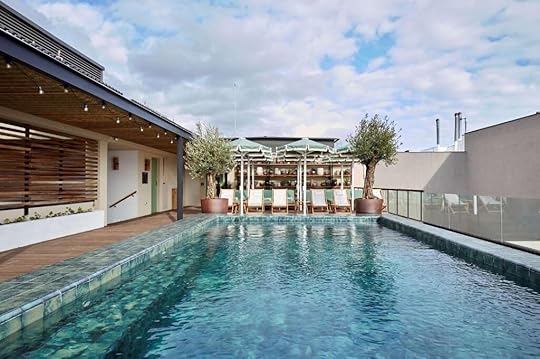
Photo: Booking.com

Photo: Booking.com
A six-minute walk to La Sagrada Família, the Radisson Blu 1882 Hotel is a four-star establishment that has an outdoor pool and a fitness center. The rooftop terrace at this hotel provide beautiful views of the basilica and sun loungers have been set up so guests can enjoy the vista while relaxing. The rooms all have air conditioning and their decor is sleek and elegant. The breakfast is also reputed to be delicious and there is a free airport shuttle for guests.
Ibis Barcelona Centro
Photo: Booking.com

Photo: Booking.com

Photo: Booking.com
The Ibis Barcelona Centro hotel is a five-minute walk to La Sagrada Família. The rooms are everything you’d expect from a chain like Ibis: they are simple and without any frills, but clean and comfortable. Some rooms have views on the basilica, so make sure you request one upon booking. The daily breakfast buffet offers a large variety of items, from cheese to cold cuts, bread, and pastries.
Sercotel Hotel Rosellon
Photo: Booking.com

Photo: Booking.com

Photo: Booking.com
The Sercotel Hotel Rosellon is the closest hotel to La Sagrada Família (a four-minute walk), which obviously translates into incredible views of the basilica, especially from the hotel’s rooftop terrace. Inside, the decor is modern and the rooms (some of them with views of the basilica) are simple and clean. There is a restaurant and bar on site, and a large breakfast buffet is available. If proximity to Antoni Gaudí’s masterpiece is what you want, the Sercotel Hotel Rosellon is the best value for your buck.
If you prefer a private rental to a hotel, check out Matador‘s selection of Airbnbs in Barcelona.
Inside the Traditional Ivory Coast Dance That’s Known as “the World’s Most Impossible Dance”

The Zaouli mask dance is an ancient ritual dance that has been performed by the Guro people of Cote d’Ivoire, West Africa for centuries. It’s a complex and mesmerizing form of masked performance art that tells the story of how men and women were created. It is also a way to bring people together in celebration, healing, and connection with their cultural heritage.
@matadornetwork The Guro people of central #IvoryCoast perform a traditional dance known as the #Zaouli mask dance, which is also referred to colloquially as "the most impossible dance in the world." This traditional #Africandance is characterized by energetic moves, colorful masks, and lively music. The masks are said to bring peace, joy and protection. Share this with someone who needs to see this!#traveltok #visitafrica #culturaldance ♬ original sound – Matador Network
The Zaouli mask dance has its roots in the Mossi people from the Upper Volta region, which is now known as Burkina Faso. This ancient tribal dance is believed to be more than 200 years old, and was traditionally performed for kings and chiefs at important ceremonies like weddings or funerals. Today, it’s still part of many festivities celebrated by the Mossi people and other tribes throughout West Africa.
The Zaouli mask dance involves three main characters: Mawu (the creator), Kponhinkon (the trickster), and Goli (the jester). The masks represent these characters, as well as other mythological figures from Guro culture such as the python spirit. The performers wear elaborate costumes and body paint to further enhance the effect of their characters. As they move around the stage, they act out various scenes from Guro mythology which are accompanied by drums and singing. The audience watches in awe as the performers create an unforgettable experience for all who attend.
The centerpiece of every performance is an intricately-carved wooden mask with exaggerated features—often featuring horns or feathers—that symbolizes power and strength. Up to twelve masked dancers will circle around the mask-bearer while chanting lyrics that tell stories about local legends or historical events related to their tribe or nation. The dancers are accompanied by musicians playing drums and other traditional instruments that create a rhythm that sets the tone for each performance.
At its core, the Zaouli mask dance serves to give thanks to Mawu for creating humans and show respect for her power over life and death. It also serves as a reminder of our shared humanity, as each character represents different aspects of human nature that we can all relate to in some way or another. It also serves as a way to bridge gaps between generations within Guro society—it brings people together across age groups in celebration and understanding of their culture’s history and traditions.
A Wild Boar Got Loose on the Slopes at a Japanese Ski Resort

Skiing is an outdoor sport where you don’t expect many wildlife encounters. You might see some birds or small woodland creatures like snow hares or squirrels. Your chances of seeing larger animals like fox, deer, or moose increase if you’re skiing in the backcountry, but when it comes gliding down groomers at a resort, encountering anything other than your fellow skiers and snowboarders would come as a surprise — particularly if that encounter is with a wild boar. But that’s exactly what happened at the Alpen Blick Snow Resort in Myōkō City, Japan.
@matadornetwork Four snowboarders got an unexpected surprise when a #wildboar barged in on their fun at the Myoko Ski Resort in Japan @joeyosoko #wildboars #snowboardingtiktok #japantok #snowboarding ♬ original sound – A – ✧A✧
Earlier this month, a local boot-fitting and snow-tuning shop called Joey’s posted footage of a boar charging a group of snowboarders at the base of a ski slope. One of the snowboarders was knocked over from behind while three others fled. A second snowboarder was then rushed by the boar before it sprinted away but shielded himself with his snowboard.
Alpen Blick Snow Resort, or Ikenotaira, is a ski resort on Mount Myōkō in the Niigata Prefecture of Honshu, Japan’s main island. It’s one of Japan’s oldest ski mountains and a popular destination for deep powder skiing and snowboarding.
Wild boars are native to Honshu and commonly spotted in the mountains and forests, although they’re no strangers to Japanese cities or suburbs. The country’s boar population has seen significant growth over the past few decades, which many people attribute to the fact that hunters are becoming more scarce as Japan’s human population ages. The abundance of wild boars has resulted in more frequent encounters, attacks, and occasional fatalities. The average adult Japanese boar weighs more than 200 pounds.
What to do if you see a wild boarThe likelihood that you’ll be charged by a wild boar while skiing in Japan is slim, but there are a few things to keep in mind if you ever do encounter a wild boar in any setting. According to NParks, Singapore’s National Parks Board, these are the steps to take:
Stay calm, back away from the boar slowly, and keep a safe distanceRefrain from provoking the boar by approaching it, trying to feed it, taking photos of it, or otherwise disturbing the animalTake extra caution around adult boars with their young as they can be extra aggressive in order to protect their piglets.More like thisOutdoorWhat To Do if You Encounter a Whale on a Kayaking Excursion
For Luxury Decor and Elevated Ingredients Try These 7 Singapore Restaurants

When it comes to cities with exceptional fine dining pedigrees, Singapore stands out. The Southeast Asian country with a population of just over 5 million people (less than the population of New York City) is home to three restaurants with three Michelin stars. Yet street food is one the most popular types of cuisine in the country. So called food centers where hawker stalls sell rice and roasted meats from walk-up windows should be at the top of the itinerary for anyone visiting Singapore.
The levels of food diversity don’t stop there: In Singapore, the diversity of the types of food served reflect this multicultural, multilingual country. Singapore’s population is composed of people of Chinese, Malay, and Indian descent and the food here reflects that rich mosaic of flavors, heritage, and traditions. Singapore is also a country that values luxury and elevated experiences – so expect upscale restaurants with elegant interiors and dishes to match.
In addition to restaurants, there are gorgeous parks in Singapore worth exploring, and of course everyone who visits Singapore needs to stop by Gardens by the Bay, the country’s legendary sculpture park. But going out to dinner is an unforgettable experience in Singapore, too. Here are the Singapore restaurants everyone who visits should try.
OdetteView this post on InstagramA post shared by Odette (@odetterestaurant)
Located inside the National Gallery Singapore, Odette is one of the most coveted reservations in Singapore. Named one of the World’s 50 Best Restaurants, Odette’s modern interiors, outfitted in a white and neutral-toned color palette, are striking. The menu is just as memorable: Crab and pigeon both make appearances,
Odette : 1 St Andrew’s Rd, #01-04 National Gallery, Singapore 178957
Price: $$$$
Restaurant IbidView this post on InstagramA post shared by restaurantibid (@restaurantibid)
The best place to sit at this restaurant is at the counter, where you can watch the food being prepared and interact with the chefs. Friendly service is a key component of the experience at Ibid, which serves a tasting menu with Chinese, Japanese, and other pan-Asian influences. You might even see MasterChef Asia winner Woo Wai Leong serving dishes himself.
Restaurant Ibid : 18 N Canal Rd, Singapore 048830
Price: $$$$
ArtichokeView this post on InstagramA post shared by Artichoke Singapore (@artichoke_sg)
Located in Singapore’s Arts and Heritage district, Artichoke is all about a fun and playful take on Middle Eastern-inspired dishes. You’ll find mezze platters and kebabs on the menu. The cocktails are inspired by Turkey, and 60’s soul and 90’s hip-hop music plays in the dining room.
Artichoke : 161 Middle Rd, Singapore 188978
Price: $$
ThevarView this post on InstagramA post shared by Thevar (@thevar.sg)
Located in the hip Keong Saik neighborhood, home to some of the best bars and restaurants in Singapore, Thevar serves modern Indian cuisine. Inspired by Indian and Malay flavors, the tasting menu includes dishes like chicken roti, uttapam (a savory pancake), pani puri, and lamb biryani. This thoughtful take on traditional Indian food earned the restaurant two Michelin stars.
Thevar: 9 Keong Saik Rd., Singapore 089117
Price: $$$$
Burnt EndsView this post on InstagramA post shared by BurntEnds.SG (@burntends.sg)
Run by an Australian chef and grill master, Burnt Ends is all about barbecue – and not only has it earned one Michelin star, but it’s also ranked number 41 on the Asia’s 50 Best Restaurants list. There’s a new menu everyday, but in the past the restaurant has served whole crab, uni, caviar, and other dishes all cooked in its custom oven or grills.
Burnt Ends : #01-04, 7 Dempsey Road, 249671, Singapore
Price: $$$
CandlenutView this post on InstagramA post shared by COMO Dempsey (@comodempsey)
This restaurant with one Michelin star celebrates Peranakan cuisine, that of people with Chinese and Malay or Indonesian heritage. Beautiful bamboo lanterns hang from the cavernous ceilings, and most menu offerings are 1-bite dishes. The 20 course tasting menu is the best way to experience the restaurant’s distinctive food.
Candlenut : 17a Dempsey Rd, Singapore 249676
Price: $$$$
Mustard SeedView this post on InstagramA post shared by Mustard Seed (@mustardseed_sg)
A Singaporean menu inspired by Japanese omakase style dining has made Mustard Seed one of the most popular dinner reservations in Singapore. Intimate counter seats – just 13 of them – at the wooden bar provide a front row seat to cooking process that almost feels like a private dining experience. The menu changes every two months, but prawns, noodles, and curries have been served in the past.
Mustard Seed : 75 Brighton Cres, Singapore 559216
Price: $$$$
Where to stay in Singapore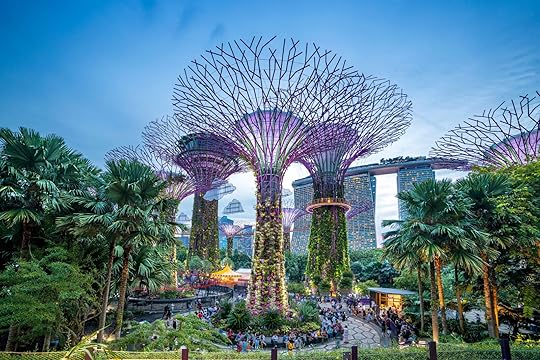
Photo: Sean Hsu/Shutterstock
Singapore is all about luxury, fine dining, and nightlife – and when you stay here you should enjoy all three. The Singapore hotels reflect the country’s love of upscale comfort. With rooftop pools, views that show off the city skyline, and proximity to Singapore’s famous shops and restaurants, these highly rated hotels are where you want to stay to experience the best of Singapore’s legendary hospitality.
We hope you love the spaces and stays we recommend! Just so you know, Matador may collect a small commission from the links on this page if you decide to book a stay. Listed prices are accurate as of the time of publication.
InterContinental Singapore
Photo: Booking.com
Located a five minute drive to the Central Business District, and within walking distance of the Raffles City Shopping Centre, the InterContinental Singapore gets extra points for its central location. But once you check in, you might not want to leave. The elegant, refined decor, outdoor pool, and rooftop garden offer space to relax in luxury. Stop by the Man Fu Yuan Chinese restaurant for dinner.
Shangri-La Singapore
Photo: Booking.com
Views of the Singapore river, the Shangri-La Singapore is one of the most beautiful hotels in the country. Close to the Singapore Botanic Gardens and the Museum of Contemporary Arts. The on site Cantonese restaurant, Shang Palace, has a Michelin star, and guests can also indulge in the hotel’s expansive outdoor pool and luxurious spa. There’s even a kid-friendly play space to keep the little ones entertained.
The Capitol Kempinski Hotel
Photo: Booking.com
Within the heart of Singapore’s civic district, The Capitol Kempinski Hotel is one of Singapore’s most modern and stylish hotels. Featuring an outdoor saltwater pool, soaking tubs, and terraces in some of the rooms, guests will be comfortable inside the hotel – but its the location that makes it stand out. Within walking distance of Asian Civilisations Museum and the National Gallery Singapore, and just 12 miles from the Changi Airport Singapore, puts it right in the center of all the action.
Matador Network's Blog

- Matador Network's profile
- 6 followers

