
Matador Network's Blog, page 281
July 2, 2023
8 Hikes in Whistler, BC, for the Best Mountain Views in Canada

Whistler, BC, may be known for world-class skiing — but it’s just as well-known among hiking (and mountain biking) communities for offering some of the best summer and fall trails in all of Canada.
Whistler is roughly two hours north of Vancouver. In the winter, most of the action takes place around the sprawling Whistler Village, but come summer, there are hundreds of miles of fire roads, mountain trails, and backcountry routes that open a world of access to fantastic Whistler hikes. Hikes in Whistler switchback across towering mountains to views of sprawling glacier fields, lead to bright blue alpine likes, and pass through lush, old-growth forests that look like an Ewok village. Add in the fact that the Whistler Village has dozens and dozens of places to sleep, eat, drink — plus more than a few amazing summer and fall festivals — and you can understand why so many people flock to the mountain trails.
Fortunately, because there are so many trails to choose from, so much space, and hundreds of mountain bike-specific trails that keep hikers and bikers (mostly) separated, it never really feels crowded. Sure, you may have a 15-minute wait for dinner in the village, but there’s no “waiting in line at Disney World” type of feeling when you’re hiking. Once you’re beyond the trailhead, you’ll definitely see other people, but it’s not like being in Yosemite National Park.
These are the 8 best hikes in Whistler, from a beginner stroll to a graffiti-covered train car to a massive one-day hike to one of the Sea-to-Sky Highway’s most famous peaks.
Whistler hikes trailhead map
The trailheads for all eight hikes are detailed on the map above. Remember, though, that many hikes have multiple routes and starting points, so these aren’t the only places you can begin most of these hikes. Be sure to research details like the road conditions to reach the trailhead, whether the trails are melted, permits and parking passes, and any wildlife of trail warnings before starting your hike.

Photo: BC Ale Trail
Distance: 1.4 milesElevation gain: 150 feetTrail type: Out and backIf you love quirky sites and local secrets, head to the relatively easy Train Wreck Hike. The train wreck is a collection of a few railway boxcars scattered along the Cheakamus River. It’s like a mix of a public art gallery, a bike playground, and a horror movie, combined into one super-cool hiking destination. It’s a cool spot for photos and a favored spot among graffiti artists. There’s a bridge near the train that connects it to the Sea-to-Sky Trail, so you can make it into a longer hike if 1.4 miles seems a little too short.
Ancient Cedars Trail
Photo: Tourism Whistler/Justa Jeskova
Distance: 2.7 milesElevation gain: 980 feetTrail type: Out and BackYou shouldn’t be surprised about the sights along the Ancient Cedars Trail: they’re cedar trees, and they’re ancient. The trail starts after about a 25-minute drive down a very bumpy forest service road, so make sure you have a high-rise vehicle with good tires.
The hike itself is considered fairly moderate; while it does have steep sections, the hike isn’t very long, distance-wise. It’s about one mile to the grove, which has a small lollypop loop. Some of the trees here are 800-900 years old and have never been logged, making it one of the best examples of an old-growth cedar forest along the Sea-to-Sky Highway. In the fall, this is a popular place for foraging, given the variety of mushrooms that grow in the area. Expect it to be buggy in the summer; sunscreen is recommended. Also note that the road to the trailhead isn’t plowed in the winter.
Parkhurst Ghost Town LoopDistance: 4.7 milesElevation gain: 790 feetTrail type: LoopView this post on Instagram
A post shared by Thomas Gaffney (@thomasgaffney)
The shore of Green Lake was once home to the town of Parkhurst, a former logging town. While the forest is quickly reclaiming the site, it wasn’t too long ago the town was active; it was abandoned in 1956. It’s one of the best Whistler hikes if you like abandoned places and history, or if you like not having many people around. It isn’t uncommon to have the trail mostly to yourself (so be sure to be bear aware).
While the Parkhurst hike itself isn’t very challenging, it’s not well-marked, so make sure you have a map to help you find the trailhead and the route itself. It can be very overgrown and buggy in summer. At the former townsite, there are several old pieces of construction equipment, an old car, a still-standing cabin, old train tracks, and a pretty waterfall. There are several different routes to reach the town, so be sure you’re following the correct directions while trying to find your way.
The Blackcomb Ascent Trails
Photo: Jing Zhong/Shutterstock
Distance: 4.2 milesElevation gain: 3,770 feetTrail type: Point to point (if you take the gondola down)The Ascent Trails start at the base of Blackcomb Mountain and deliver you to the top of the Blackcomb Gondola after some serious sweat equity. It’s for hikers who want to feel the burn in their legs almost immediately, and don’t mind if it continues for the next three hours. The trail is broken into three sections (Little Burn, Big Burn, and Heart Burn), so there are options to do parts of the trail without committing to the whole hike.
However, the reward if you finish beautiful views of all of Whistler Resort at the top (plus a beer and a snack, if you take advantage of the Rendezvous Lodge at the top). The trail on the way up is also quite lovely, especially if you like lush forests with moss-covered trees. This is a good hike if you’re keen to see black bears. If you are lucky enough to see one, just consider it a special sighting, and make a little noise if you feel the bear is getting too close. Black bears are general pretty docile and will almost always run away when they see you.
If you have a sightseeing lift ticket or ski pass for the following winter, you can ride the gondola back down the mountain. You also buy a $15 download pass at the bottom — but not at the top. So if you want to ride the gondola down, plan in advance.
Due to wildlife, no dogs are allowed on hikes at Whistler Blackcomb (except service dogs).
Lost Lake Loop
Photo: Destination BC/Blake Jorgenson/Shutterstock
Distance: 4 milesElevation gain: 670 feetTrail type: LoopJust a short walk from the Whistler Village is Lost Lake, with a relatively flat nature walk that hugs the lake’s shoreline. If you go clockwise, you’ll end near the main grassy beach area, where you’ll find people lounging in the sun and swimming in the lake (or relaxing on a few floating docks). Dogs are welcome, and there are restrooms near Lost Lake Park beach and the PassivHaus trailhead. There’s also a popular mountain biking trail system around the lake with relatively easy trails, making this one of the best Whistler hikes if some in your group want to hike while others give mountain biking a try.
You can make this loop as long or short as you’d like, either by starting closer to the beach or doing an out-and-back instead of a full loop.
The Brandywine Trail
Photo: ppa/Shutterstock
Distance: 3.6 milesElevation gain: 500 feetTrail type: Out and backThe Brandywine Trail is a great bang-for-your-buck option in Whistler, with a relatively easy route that passes a gorgeous waterfall before leading to a stunning viewpoint looking out on the mountains. It starts through a peaceful forested area and reaches the falls viewpoint in less than half a mile. This is a good turn-around spot for little kids or anyone with limited mobility. But if you keep going, you’ll meander past several lakes before arriving at a viewpoint (and bungee bridge) over the Cheakamus River.
This is one of the more popular Whistler hikes, so parking can get a bit tricky midday on the weekends. Dogs are allowed on leashes, parking is free, and there are restrooms at the trailhead.
Iceberg Lake (via 19-Mile Creek)Distance: 12.1 milesElevation gain: 3,300 feetTrail type: Out and backView this post on Instagram
A post shared by PIA
AUSTRALIA & BEYOND (@pianemec)
One of the best Whistler hikes for smack in the middle of summer is the challenging hike to Iceberg Lake (and yes, it usually has some floating icebergs). It’s a tough hike, with a consistently steady elevation gain. The route starts through a forested area, crossing several bridges over 19 Mile Creek and passing several waterfalls. From there, it opens to a section of hiking through meadows, usually populated by beautiful wildflowers. Then, it’s a steep few miles of hiking up a rocky ridgeline before reaching Iceberg Lake.
Fortunately, the lake is just as pretty as the name would imply, bearing that bright blue color of alpine lakes usually associated with Lake Louise and Moraine Lake. It’s usually still partially frozen in the summer, and between the difficulty of the hike and the rock piles around the shoreline, you can always find a spot to chill out and have lunch without feeling crowded.
Iceberg Lake is one of a few areas in Whistler with a known grizzly population, so pay attention to trail closures and warnings, and make sure you’re bear aware. You should make noise while hiking (especially around tight sections of trail), be able to identify a black bear vs. a grizzly bear, and know how to react if either gets too close. Bears don’t want to hurt you, and it’s unfair and harmful to treat them like an enemy — they live there, too. So just know how to be a safe visitor to bear country, and you’ll have a great time.
Black Tusk Trail
Photo: Bronwyn Davies/Shutterstock
Distance: 16.1 milesElevation gain: 5,780 feetTrail type: Out and backReaching the base of Black Tusk is one of the hardest Whistler hikes, and while it can be done in a single day, most people find it better suited to an overnight trip. You’ll need a day use pass if you want to park at the trailhead, which you should buy two days in advance online. You can start from a few different places, but the most popular is probably the Rubble Creek Trailhead, though Cheakamus Lake is also a good starting point if you’re doing it as an overnight.
The hike is in Garibaldi Provincial park and starts near Whistler, but takes travelers deep into the backcountry. Expect backcountry and potentially snowy conditions year-round, as well as some scrambles and risky sections of exposure. Don’t begin the hike unless you’re confident you can finish — it’s one of the more challenging Whistler hikes you’ll find. However, if you are an experienced hiker with the skills to do it, you’ll find it worth the effort. There’s not much you won’t find along the route when it comes to views, from lush forest to wildflower fields to dramatic cliff lines and ridgeline singletrack that affords views of the many glaciers of the Sea-to-Sky region. 


June 30, 2023
The Festivals in Hanoi, Vietnam, You Should Plan Your Travels Around

Vietnam’s capital city is known for its bustling Old Quarter, charming French Quarter, Bourdain-approved street food, and many landmarks that sum up the city’s rich history, from its centuries-old architecture to its more modern museums and mausoleums. Hanoi is always vibrant, but it’s never more exciting than when there’s a major festival taking place. Visiting Hanoi during a significant annual festival provides a fantastic opportunity to immerse yourself in Vietnamese culture and traditions, as well as travel to the outskirts of the city to see important Buddhist and historical sites at their liveliest. It’s worth noting that while Vietnam is officially an atheist state, more than half of the population identifies as Buddhist, which has a big impact on the Hanoi festival scene. These are the festivals you won’t want to miss.
Tết Nguyên Đán
Photo: phuong10902/Shutterstocl
Tết is the most important traditional festival in Vietnam. A time for family reunions and honoring ancestors, Tết is celebrated at the beginning of the lunar new year, which usually falls between late January and early February. Celebrations typically last three days to a week, with preparations beginning weeks in advance to clean and decorate homes. Yellow mai blossoms feature heavily as a symbol of prosperity, along with banners, lanterns, and other decorations. In Hanoi, people flock to Hoan Kiem Lake to see the bright blooms of the yellow mai tree. Preparing and sharing auspicious foods such as banh chung (square glutinous rice cake), mut (preserved fruits), and xoi (sticky rice) is another important aspect of the Tết festival, which also features temple and pagoda visits, lion dances, fireworks, folk games, and more.
Buddha’s Birthday
Photo: Vietnam Stock Images/Shutterstocl
Buddha’s Birthday (Phật Đản) is celebrated in May or June on the 15th day of the fourth lunar month to commemorate the birth, enlightenment, and death of Buddha. In Vietnam, Buddhists celebrate by visiting temples and pagodas to offer flowers, incense, and prayers. Some release birds and fish as a symbolic act of liberation and compassion. Many participate in a bathing ceremony that entails pouring water over Buddha statues to bring purity and prosperity, as well as engage in acts of charity by donating food, clothes, and money to those in need. In Hanoi, the Ngọc Sơn Temple and Quán Sứ Pagoda are popular gathering places to celebrate Buddha’s Birthday. The city streets also lend themselves to a parade that sees participants dress up in colorful costumes and carry statues of Buddha, dragons, etc.
Gióng FestivalVietnam’s Gióng Festival commemorates Saint Gióng, a warrior so greatly respected that the festivities are held twice: once in the Sóc Sơn district about 30 minutes north of Hanoi during the first lunar month and later in Hanoi during the fourth lunar month, which falls between April and May. Centered on the Phù Đổng Temple, Hanoi’s festivities are the livelier of the two, with dragon and lion dances, performances of traditional folk songs and dances, martial arts demonstrations, competitions such as tug-of-war and rice cooking, and other revelry. Two highlights of the festival are the procession where people carry a statue of Saint Gióng on a palanquin while performing traditional song and dance and the reenactments of the battles during which the national hero earned renown defending Vietnam from foreign enemies.
Mid-Autumn Festival
Photo: Vietnam Stock Images/Shutterstock
The Mid-Autumn Festival is celebrated on the 15th day of the eighth lunar month (September or October) in many Asian cultures, including Vietnam. During the festival, people in Hanoi decorate their homes with colorful lanterns and prepare traditional foods such as mooncakes. Children parade through the streets carrying lanterns and singing traditional songs, as well as participate in folk games. Two highlights of the festival are the dragon dance, which involves performers dressed in dragon costumes dancing to the beat of drums and cymbals, and the lion dance, which is believed to ward off evil spirits and bring good luck. Lion dancers visit homes and businesses throughout the city to perform the dance and collect offerings.
Vietnamese Independence Day
Photo: Tony albelton/Shutterstocl
Vietnamese Independence Day, also known as National Day, celebrates the day Vietnam declared its independence from French colonial rule on September 2, 1945. In Hanoi, the main celebration takes place at Ba Dinh Square, where former president Ho Chi Minh read the nation’s Declaration of Independence. The event begins with a flag-raising ceremony, followed by a parade featuring military troops, schoolchildren, and cultural groups. People gather to watch the parade, waving flags and singing patriotic songs. There are also cultural and art performances throughout the city, and many museums and historical sites offer free admission to encourage people to learn more about the country’s history and culture. Firework displays are also common during Vietnamese Independence Day, adding to the festive spirit.
Reunification DayReunification Day is celebrated annually on April 30 to honor the reunification of North and South Vietnam in 1975 and the end of the Vietnam War. Commemorations take place across the country. You’ll know it’s happening in Hanoi when you see more-than-usual Vietnamese flags, Reunification Day banners, and flowers plastered across the city. You might also see parades, exhibitions, street performances, and other patriotic displays. Ho Chi Minh City hosts one of the biggest Reunification Day parades in Hanoi, but Hanoi also stages one in Ba Dinh Square, near the Ho Chi Minh Mausoleum. Typical features of the parade include military marches and song and dance performances, followed by fireworks over Hoan Kiem Lake. If you’re in town at the end of April, it’s a nice time to visit historical sites that are particularly relevant to Vietnam’s liberation, such as the Ho Chi Minh Museum and Hoa Lo Prison.
Lim Festival
Photo: Luong Led/Shutterstock
Vietnam’s Lim Festival celebrates the arrival of spring and showcases the unique culture of the Red River Delta. In Hanoi, people gather to watch the colorful dragon boat parade, during which boats decorated with flowers and lanterns take to the water and sail down the Red River while performers sing and dance on board. There are also other cultural activities, including art exhibitions, food fairs, traditional games, and a fireworks display. Yet it’s the rural Tiên Du district of the Bắc Ninh province, roughly 45 minutes outside of the city, that celebrates best, with a unique ritual called quan họ in which traditionally dressed men and women serenade each other from dragon boats. The Lim Festival is held on the 12th and 13th day of the first lunar month in late January or early February.
Perfume Pagoda Festival
Photo: Tony Duy/Shutterstock
The Perfume (Hương) Pagoda Festival takes place annually around 40 miles from Hanoi in the Hương Sơn commune of the Mỹ Đức district. The festival usually takes place from the sixth day of the first lunar month to the end of the third lunar month, around February or April. The festival centers on a pilgrimage to the Perfume Pagoda, Vietnam’s most significant Buddhist pilgrimage site, which is a complex of temples and shrines built into the limestone cliffs of the Hương Tich mountains. The journey involves crossing the Yen Stream, hiking through the karst landscape, and crossing rice paddies, as well as facing a series of steps to reach the top of the Thien Tru Pagoda. Another key site for pilgrims is the Huong Tich cave, which is said to be the most sacred spot in the pagoda complex.
Le Mat FestivalThe Le Mat Festival is an annual cultural event that celebrates the traditions and heritage of the Le Mat Village, located in the suburbs of Hanoi. The festival usually takes place on the 23rd day of the third lunar month, which typically falls in April. It involves a range of cultural activities, including a water procession from the village well, carp catching and offers, and a snake dance performance. The carps and snakes are highly symbolic and hold significant cultural value in the Le Mat village. During the festival, locals dress up in traditional costumes and participate in the various activities. If there’s one thing worth seeing, it’s the snake dance, which involves performers dancing with live snakes, a tradition that’s been passed down for generations.
Hung King Temple Festival
Photo: thi/Shutterstock
The Hung King Temple Festival, also known as Giỗ Tổ Hùng Vương, honors the Hùng Kings who are said to have founded Vietnam in 2879 BC. The festival is celebrated annually during the third lunar month, which typically falls in April, with the main event taking place on the 10th day, which is considered the official anniversary of the Hùng Kings’ death. The festival is held at the Hùng Temple in Phú Thọ province, located approximately 50 miles northwest of Hanoi. People visit the temple complex to offer incense and flowers and perform traditional rituals, including procession of palanquins that carry offerings to the Hùng Kings. The procession is accompanied by drummers, dancers, and performers dressed in colorful traditional costumes.
Wandering Souls FestivalThe Wandering Souls Festival, also known as the Vu Lan Festival, is a traditional Vietnamese festival that honors the souls of ancestors. It’s celebrated in Hanoi and throughout the country on the 15th day of the seventh lunar month, usually in August or September. During the festival, people visit temples and pagodas to pray for their ancestors and offer them food, flowers, and incense. It’s believed that during this time, the gates of hell are opened, allowing wandering souls to return to Earth to visit their living relatives. Traditional performances such as quan họ folk songs and lion dances are also conducted during the festival. In addition, people light floating lanterns on the river to guide the wandering souls back to the afterlife, which is a particularly special sight for visitors to witness as part of a traditional Hanoi festival.
Where to stay during Hanoi’s festivalsHanoi’s festivals tend to take place across the city, but like most of the action in Hanoi, some of the biggest displays concentrate in busy, central areas where the most comfortable hotels also tend to be. No list of accommodations in Hanoi would be complete without the landmark Metropole hotel, which is considered one of the most iconic buildings in the city. Otherwise, hotels near Ba Dinh Square and Hoan Kiem Lake like the two below are guaranteed to give you a good glimpse into Hanoi’s festival life — or you could always book a Hanoi Airbnb.
We hope you love these Hanoi hotels! So you know, Matador may collect a small commission from the links on this page if you decide to book a stay. Listed prices are accurate at the time of publication.
Sofitel Legend Metropole Hanoi
Photo: Hotels.com
The Hotel Metropole Hanoi opened near the Old Quarter in 1901 and became the first Sofitel Legend hotel in 2009. Notable figures such as Charlie Chaplin and global ambassadors have all stayed in the prestigious hotel — the hotel itself is an ambassador for luxury in Hanoi.
Where: 5 P. Ngô Quyền, Street, Hoàn Kiếm, Hà Nội 100000, Vietnam
Price per night: From $265

Photo: Hotels.com
Located in the Hoan Kiem district, a 10-minute walk from the lake, the Peridot Grand Luxury Boutique Hotel has everything you need for a comfortable stay (and then some). From the spa, pool, and rooftop terrace to the airport shuttle service that ensures you arrive there safely.
Where: 33 Đường Thành, Cửa Đông, Hoàn Kiếm, Hà Nội 100000, Vietnam
Price per night: From $120

Photo: Hotels.com
This InterContinental hotel picked a prime location on Westlake, Hanoi’s largest lake and a popular destination for viewing temples and pagodas, experiencing restaurants and cafes, and finding accommodation, whether you’re a tourist or an expat. Stay here to be close to Ba Dinh.
Where: 05 P. Từ Hoa, Quảng An, Tây Hồ, Hà Nội, Vietnam
Price per night: From $125
Soar Between Islands by Zipline in the Philippines

The Philippines, an archipelago of over 7,000 islands, offers plenty of thrilling activities for adventure seekers. One such experience is ziplining from one island to another, starting at the picturesque Las Cabanas Beach on Palawan Island. Las Cabanas is located just a short drive from the bustling town of El Nido, and it’s the perfect starting point for your ziplining adventure. With its pristine white sand, swaying palm trees, and inviting turquoise waters, this idyllic beach offers a taste of paradise before you embark on your adrenaline-pumping journey.
As you prepare to launch off from Las Cabanas Beach, anticipation builds while you’re securely harnessed and given a safety briefing by experienced guides. Then, it’s time for takeoff. Feel the adrenaline as you soar through the air at exhilarating speeds, suspended high above the sparkling ocean below. The breathtaking views of Palawan’s coastline and neighboring islands will leave you in awe.
After a white-knuckle (yet undeniably scenic) ride, you’ll touch down on the beautiful Depeldet Island, a secluded oasis surrounded by crystal-clear waters. This island — not as frequently visited by tourists — offers a serene escape from the more crowded islands spots, allowing you to truly connect with nature. Take some time to explore the island, snorkel in the vibrant coral reefs, or simply relax on the pristine sandy beach.
Other places to go ziplining in the PhilippinesZiplining between islands is an experience that’s tough to top, but there are plenty of other places to go ziplining throughout the philippines. The Lake Sebu Seven Falls Zipline in South Cotabato, for example, offers an awe-inspiring ride above the majestic Seven Falls of Lake Sebu. As the highest zipline in Southeast Asia, this 590-foot-high and 2,420-foot-long ride boasts unparalleled views of waterfalls, rainforests, and the serene lake below. There’s also the Sandbox at Alviera in Pampanga, which features the Giant Swing, a special zipline adventure designed to replicate the sensation of swinging on a massive scale. With two 32-foot-high ziplines running parallel to each other, you and a friend can race through the air, experiencing the adrenaline rush together while taking in the picturesque views of the Alviera landscape.
How To Enjoy Barcelona’s Parc de la Ciutadella Like a Local

Parc de la Ciutadella in Barcelona, Spain, seems at first like any other European green space, serving as an artistic and energetic gathering place for locals. But if you spend a little more time there than most tourists do, you’ll realize how much it truly represents the city. It’s a historical treasure, but it’s managed to balance that legacy with modernization and a social spirit. Just like Barcelona itself, Parc de la Ciutadella has plenty to see and do, revealing more and more details of the famed green space with every visit.
The park is the largest green space in Barcelona’s city center (which includes the Ravel, Gothic, and Born neighborhoods). The 77-acre park is home to the city’s Parliament building, a lake, gardens, fountains and art, walking paths, a museum, and even the city zoo. Parc de la Ciutadella is an excellent stop if you need a break after wandering the city’s famously narrow streets or just want to relax in the sun for a quick sightseeing break.
Fortunately, it doesn’t take long to feel a connection with the energy and history of the park, especially if you find a space to relax on the grass next to locals and ex-pats. Here’s how visitors can feel the allure of the buzzing green space without the need to start looking up visa requirements.
History of Parc de la Ciutadella
Photo: Myroslava Bozhko/Shutterstockb
The name of Parc de la Ciutadella (a.k.a. Ciutadella Park, or Park of the Citadel) comes from the space’s first iteration: it was a citadel (fortress) built under the direction of King Philip V in 1715 to defend the city after an extensive European-wide conflict to determine control of Spain. Historically, citadels were built to protect cities and provide a place for residents to gather and shelter for defense.
However, King Philip used tax revenue to build the citadel and displaced thousands of locals to get the land, so the project wasn’t very well-received among people of the city. In the 1860s, a general looking to gain political favor with locals mostly destroyed the citadel, and the land was soon returned to the people to become a public space. It flourished because it symbolized the power of residents to change something they hated about the city and never wanted in the first place, not because it was so successful or significant as a military defense.
The park, as it more or less stands today, was designed for the 1888 Universal Exhibition — the World’s Fair. It brought global attention to the Catalan capital and drew more than two million people to the area. Most of the park’s most famous buildings and monuments were constructed during that time, including the Castle of the Three Dragons and Barcelona’s Arc de Triomf, which served as the fair entrance.
Since then, Parc de la Ciutadella has continued as a public space. It’s where the Catalonian Parliament meets and is a frequent site for events on public holidays and during festivals.
What to see at Parc de la Ciutadella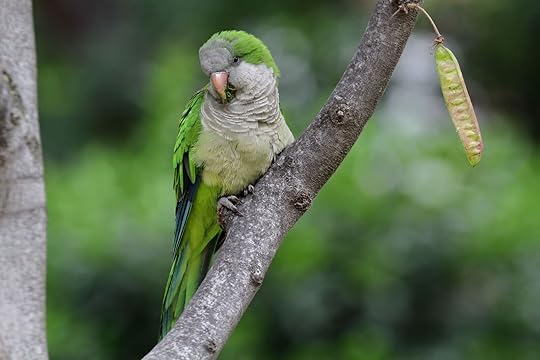
Photo: Mark Caunt/Shutterstock
The first thing most visitors notice about Parc de la Ciutadella is how lush and green it is, much like other great European green spaces. More than 100 tree species call the park home, including some river oaks and Mexican white oak trees dating to the late 1800s. The most unusual and intricately shaped ones are near the park’s boating pond.
Close to the pond is also where you’ll find the Cascada Monumental, with a design loosely based on Rome’s Trevi Fountain. Unsurprisingly, it’s become an Instagram hot spot and a point of interest for anyone interested in art: Antoni Gaudí was a member of the engineering team behind the fountain’s dramatic details and imposing facade. It’s sometimes just called “Gaudí’s Fountain.” It’s usually busy, but if you visit late morning on the weekend, you may be lucky enough to catch locals tango dancing on the top of the stairs.
One of the most popular attractions in Parc de la Ciutadella is the small pond. It doesn’t have the grandeur of larger lakes like El Retiro in Madrid, but it’s surrounded by shady greenery and palm trees. It’s an ideal place to relax, perhaps with a portable speaker and bottle of Spanish wine or snacks. In the park, you can rent a rowboat for 30 minutes for around 6 to 10 Euros ($7 to $11).
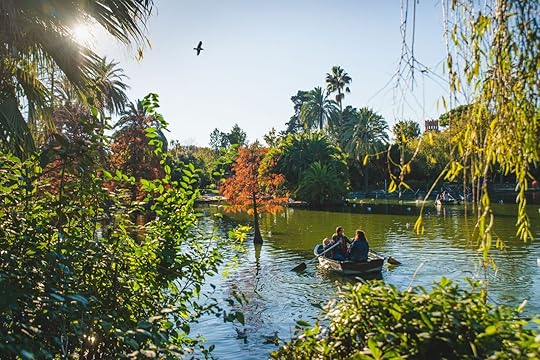
Photo: Ioana Catalina E/Shutterstock
Between the lake and the Parliament building is the Plaça de Joan Fiveller, gloriously restored in 2021. The project brought the surrounding gardens back to their original glory of 1916 and included the addition of thousands of new trees and plants. It’s gorgeous, but it’s still not fully accessible to the public to allow the plants to establish firm roots.
However, the benches surrounding this area are one of the least busy spots in the park, which is probably why the park’s resident parakeets like the area. Whether you view them as a noisy nuisance or a colorful addition to the city, they’re commonplace year-round in Barcelona. To see them up close, lean against the protective railings of the landscaped gardens. Look around, and you’ll spot two fixed chairs and a table around a small tree in the area. If empty, they’re an ideal place to relax with some privacy (and with some parakeets).
When to visit Ciutadella Park
Mornings are usually the best time to see the park without large crowds. Photo: lorenzobovi/Shutterstock
There are two good times to visit Ciutadella Park: the early morning or a midweek summer afternoon. Both have their unique charms.
Pre-9 AM, Barcelona is still waking up. That’s true for most parts of the city, other than the Gothic Quarter, where tourists usually start early. Ciutadella Park and neighboring Born are a treat to meander through without the crowds, which is possible in the morning, even in the high season.
Parc de la Ciutadella is a thing of beauty before the humans take over, with birds and ducks owning the park, as well as a few dogs and their owners competing for space. Morning are also when gardeners work to keep the park pretty, and there’s something almost secretive in watching the work that goes into keeping the large park in check. It’s especially relaxing to watch the rowboat that heads out on the lake every morning to collect debris on the water; it’s a very calm job in the middle of a bustling city.
However, citadels were meant to be a central meeting place in cities, and there’s no better time to see how busy and busy Parc de la Ciutadella can be than on a buzzing summer afternoon. From freestyling yogis and acrobats to musicians and birthday parties, it’s impossible not to feel like you’re part of the community when the park is loud and lively. Whether you’re a local or tourist, you’re welcome if you’re there to celebrate nice weather, relaxing with good company, and enjoy a few days off work. If you’re into yoga, look for outdoor community classes in the park, usually found listed on apps like Meetup.
Eating and drinking by Parc de la Ciutadella
Photo: davide bonaldo/Shutterstocl
Few places in Barcelona are as well suited to an outdoor picnic as Parc de la Ciutadella (though there are a lot of great parks in the city). You can grab a bottle of wine or cold drinks and small snacks from any of the basic shops around the park. If you want something more substantial, stop at Boheme Cafe on Carrer de la Princesa. It’s a grab-and-go fresh cafe with sandwiches and picnic items, pastries, and various coffees and teas.
For a more substantial pre- or post-park meal, head north of the park (in the direction of the Arc de Trimof) to Passeig de Pujades to find a row of bars and restaurants with plenty of outdoor seating to continue to soak up the relaxed vibes of Parc de la Ciutadella. Popular Flora Cafe is a lovely spot for an Aperol spritz. And if you’re looking for the best patatas bravas in the area, it’s worth the slightly longer stroll to La Señorial for the finest crispy, skin-on potatoes you’ll find in the city.
How To Have the Perfect Day in Bonito, Brazil’s Ecotourism Paradise
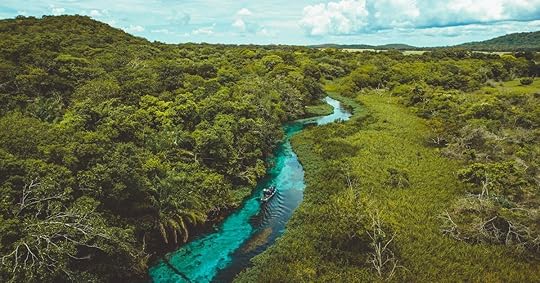
Bonito, a hidden gem in the state of Mato Grosso do Sul, Brazil, is a well-recognized destination for ecotourism enthusiasts. It’s only a matter of time before it becomes more widely-known among general travelers. Renowned for its crystal-clear rivers, lush forests, and abundant wildlife, this charming town offers visitors a variety of thrilling activities to enjoy.
@visit Check out these incredible lush river springs at#Bonito in #Brazil
With crystal clear turquoise waters, this place is perfect for snorkeling to see marine life and underwater gardens

IG: @eduardoalvesz #visitbrazil #travelbrazil #hiddengem #traveltiktok #traveltok ♬ princess diana x hatchback – norman
One of Bonito’s most famous attractions, the Gruta do Lago Azul (Blue Lake Cave) is a mesmerizing natural wonder. Venture into this ancient cave adorned with impressive stalactite formations and marvel at the striking blue lake that lies within. With sunlight filtering through the cave’s entrance, the water’s vibrant color creates a surreal atmosphere that feels almost prehistoric.
Next, head to Rio da Prata (or Silver River), considered to be a snorkeler’s paradise. Drift along its crystal-clear waters, which boast incredible visibility, and appreciate the diverse array of fish and aquatic plants that inhabit this pristine river. The calm current makes it an enjoyable experience for both beginners and seasoned snorkelers alike.
You can’t visit Bonito without paying its most famous eco-reserve a visit. Estância Mimosa offers visitors the opportunity to hike through lush forests, swim in natural pools, and admire stunning waterfalls. Follow well-maintained trails as you explore this verdant paradise, keeping an eye out for the diverse wildlife that calls this reserve home — especially its over 250 different bird species. You can also observe the local wildlife at Buraco das Araras, or Macaw’s Hole, a massive sinkhole that serves as a sanctuary for vibrant red-and-green macaws. Watch as these magnificent birds soar through the sky and nest in the surrounding cliffs. The area is also home to toucans and monkeys.
To cap off your trip with a dose of adrenaline, head to Abismo Anhumas. This underground cave, accessible only by rappelling 236 feet down a vertical shaft, is a hidden world waiting to be explored. Once inside, visitors can snorkel or scuba dive in the crystal-clear lake, marveling at the ancient rock formations and subterranean beauty.
Lake Como Is the Deepest Lake in Italy and Its Shore Is Dotted With Centuries-Old Villas
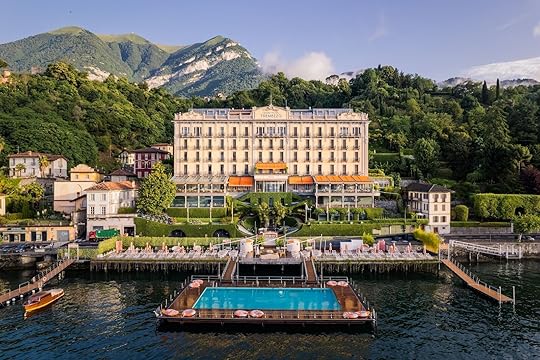
Lake Como, or Lago di Como, is what the Riviera is to France: An area of the country that is so beautiful and serene it has attracted the rich and famous for centuries. (It is no secret that George Clooney has a swanky villa along the lake.) All these wealthy celebrities have managed to create a bubble of luxury around this magnificent part of northern Italy by building immense and luxurious villas along the lake’s shore, but if you’re a non-millionaire traveler who wants in on the action, worry not, there are ways to have a good and affordable time on the shore of Italy’s most famous lake.
Where is Lake Como?How far is Lake Como from Milan?How far is Lake Como from Venice?How far is Lake Como from Florence?How far is Lake Como from Rome?What is the nearest airport to Lake Como?What is the nearest train station to Lake Como?What is the best way to get around Lake Como?Can you swim in Lake Como?How deep is Lake Como?What to do in Lake Como?How many days do you need in Lake Como?Where to stay in Lake Como?Where is Lake Como?Lake Como is located in Lombardy, a region of northern Italy that borders Switzerland. The Lake is shaped like an upside-down Y and is surrounded by the Italian Alps.
How far is Lake Como from Milan?Milan is only around 30 miles from the city of Como. The city of Como is located at the very south end of the western arm of the lake. You can easily travel from Milan to Como by train. The quickest, most direct, and cheapest train ride is between Milano Centrale station and Como S. Giovanni station which takes 37 minutes and costs $5.50 (5 €).
The city of Lecco, located on the eastern bank of the eastern arm of the lake, is 36.2 miles from Milan. You can reach Lecco by direct train from any train stations in Milan. It takes between 40 minutes and one hour and 40 minutes, and costs as little as $5.50 (5 €).
How far is Lake Como from Venice?Venice is around 193 miles from the city of Como (located at the very south end of the western arm of the lake). By car, the rides takes 3.5 hours and there are tolls along the way. You can travel from Venice (either S. Lucia station or Mestre station) to Como (S. Giovanni station) by train, but the journey involves at least one connection (in Milan) or two connections (in Verona and Milan). The one-connection train ride takes around 3.5 hours.
The city of Lecco (located on the eastern bank of the eastern arm of the lake) is 165 miles from Venice, i.e. a nearly three-hour car ride with tolls on the way. You can reach Lecco by train from any train stations in Venice. All train journeys between Venice and Lecco require at least one connection (in Milan). The journey takes between three hours and 45 minutes and four hours and 15 minutes.
How far is Lake Como from Florence?Florence is a four-hour, 225-mile drive from the city of Como (located at the very south end of the western arm of the lake), with tolls along the way. You can travel from Florence to Como by train. All the train journeys between Firenze S. M. Novella station and Como (S. Giovanni station) require at least one connection in Milan. The one-connection train journeys take between three and 3.5 hours.
Florence is 228 miles from the city of Lecco (located on the eastern bank of the eastern arm of the lake), i.e. a nearly four-hour drive (with tolls). You can travel from Florence to Lecco by train. All the train journeys between Firenze S. M. Novella station and Lecco require at least one connection in Milan. The one-connection train journeys take between three and four hours.
How far is Lake Como from Rome?Rome is a 6.5-hour, 390-mile drive through Florence, Bologna, and Milan from the city of Como, and there are tolls along the way. The easiest way to travel between the Italian capital and the city of Como (located at the very south end of the western arm of the lake) is the take the train. The quickest train rides from Rome to Como (S. Giovanni station) require one connection in Milano Centrale station and take between four and 4.5 hours.
Rome is six hours and 40 minutes from Lecco (located on the eastern bank of the eastern arm of the lake) by car, i.e. a 387-mile journey. The quickest train rides from Rome to lecco require one connection in Milano Centrale station and take between four and five hours.
What is the nearest airport to Lake Como?There are three international airports near the lake:
Milano Malpensa (MXP). There is a 55-minute shuttle (Malpensa Express) from Milano Malpensa to Milano Centrale station. From Milano Centrale station, you can take a direct train to the cities of Como (S. Giovanni station) or Lecco.Milano Linate (LIN). There is a 25-minute shuttle (LinateShuttle) from Milano Linate Airport to Milano Centrale station. From Milano Centrale station, you can take a direct train to the city of Como (S. Giovanni station) or Lecco.Bergamo Airport — Orio al Serio Airport Milan (BGY). There is a 50-minute non-stop shuttle (Orioshuttle) from Milano Bergamo Airport to Milano Centrale station. From Milano Centrale station, you can take a direct train to the city of Como (S. Giovanni station) or Lecco. Alternatively, you can take a shuttle bus from the airport to Bergamo’s train station and catch a train to Lecco from there.What is the nearest train station to Lake Como?The lake covers an area of 56 square miles with dozens of small cities and towns along its banks, many of which have train and bus stations. That said, the getaway to the lake from the rest of Italy is either the city of Como (located at the very south end of the western arm of the lake) or the city of Lecco (located on the eastern bank of the eastern arm of the lake), both of which have train stations with trains coming from Milan very frequently. From there you can travel north to many locations around the lake very easily by train with Trenord or TILO, or by bus with ASF.
What is the best way to get around Lake Como?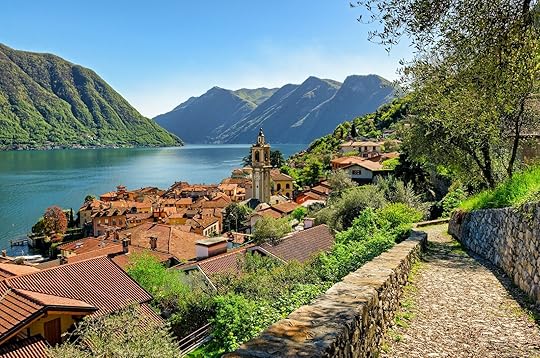
Photo: Marco Saracco/Shutterstock
If you don’t feel like renting a car, you can still see a lot of the towns along the banks of the lake by using public transport.
From the city of Como, the best way to get around the lake is by bus with ASF. From the city of Lecco, you can easily travel with train operators Trenord or TILO.
From both Como and Lecco, you can catch a boat to go further up the lake to the towns of Bellagio, Menaggio, Varenna, and more. Just walk to the dock and you’ll see various ferry, hydrofoil, or other boat companies offering affordable rides.
Can you swim in Lake Como?You can certainly swim in the beautiful turquoise water of the lake, but don’t expect it to be warm. There are lovely beaches and lots of beach clubs (lidos) offering lounge chairs, umbrellas, and more along the lake. Some of the lidos even have outdoors pools for those who can’t deal the low temperature of the water.
How deep is Lake Como?At its deepest point, the lake is 1,394-foot deep, making it the deepest lake in all of Italy.
What to do in Lake Como?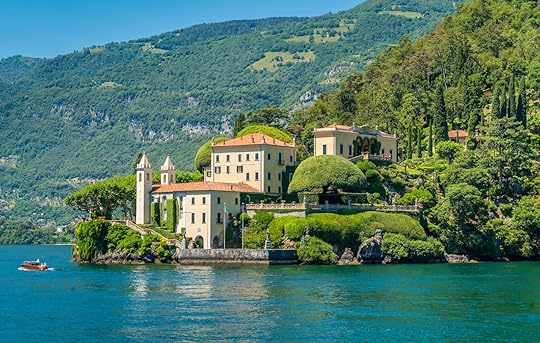
Villa del Balbianello along the shore of Lake Como in Italy. Photo: essevu/Shutterstock
Lake Como is a destination for those who wish to relax. Unlike Rome or Venice where there are big ticket monuments and museums to visit, in Lake Como, you can spend your day wandering around the little towns on the banks of the lake or relaxing on the beach. For those who don’t know how to take a day off, visiting the many luxurious villas-turned-museums (and their gardens) built along the lake should do the trick. Villa del Balbianello (where scenes from Star Wars: Episode II – Attack of the Clones and Casino Royale where filmed) next to the town of Lenno; Villa Carlotta near the town of Tremezzo; the gardens of Villa Melzi in Bellagio; and Villa Monastero in the town of Varenna are some of the most popular. The Cathedral of Como, in the city of Como, is also worth a stop.
How many days do you need in Lake Como?A minimum of two nights and three days is recommended to get a feel for the place, take a boat to get from one shore to the other, check out a villa or two, and sunbathe on the beach. There’s no limit to how long you should stay, however. Lake Como is magnificent and you could spend weeks enjoying yourself traveling around its small towns and visiting villas after villas.
Where to stay in Lake ComoFor rentals around the lake, check out Matador’s selection of the best Airbnbs near Lake Como to live out your Italian dream.
We hope you love the spaces and stays we recommend! Just so you know, Matador may collect a small commission from the links on this page if you decide to book a stay.
Grand Hotel Villa Serbelloni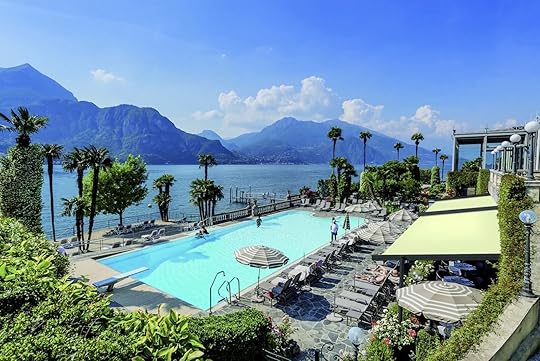 Photo: Expedia
 Photo: Expedia
 Photo: ExpediaSee more photos
The Grand Hotel Villa Serbelloni is a five-star property located in the famous town of Bellagio, at the intersection of the three arms of the lake. Built as a private villa and completed in 1854, the property became the Grand Hotel Bellagio in 1873. The charm and decor of the 19th century are very intact today in this luxurious hotel that faces the water of the deepest lake in Italy. All the rooms and suites are decorated differently and with exquisite taste — and they are also all fitted with air conditioning, a flat-screen TV, minibar, and WiFi. Breakfast is included and there are two restaurants and bars on site. There is also a private beach, a tennis court, an outdoor pool, and an indoor pool. There is also a fitness center fully equipped with pilates reformers and weight-lifting machines.
Book NowMandarin Oriental, Lago di Como Photo: Expedia
 Photo: Expedia
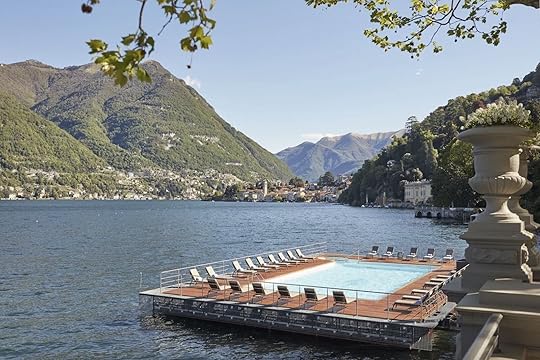 Photo: ExpediaSee more photos
The Mandarin Oriental, Lago di Como is located in the small town of Blevio on the east shore of the western arm of the lake. The five-star property is a renovated 19th-century villa named Villa Roccabruna that sits on the bank of the lake. The property consists of 75 guestrooms, suites, and private villas, as well as two gourmet restaurants and one café. There is a full spa and a fitness center on site, as well as a heated pool that floats on the cold water of the lake.
Book NowHilton Lake Como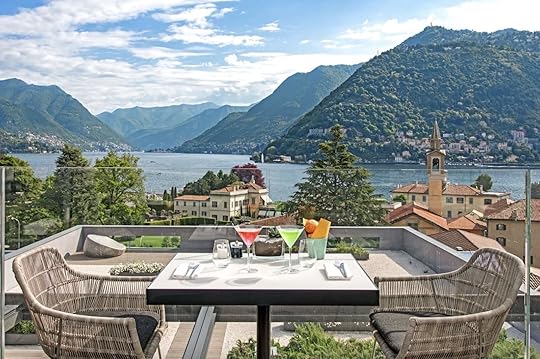 Photo: Expedia
 Photo: Expedia
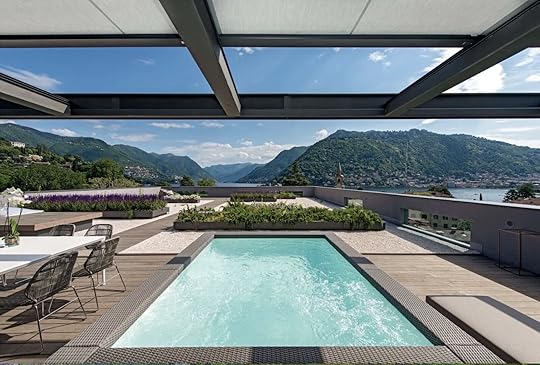 Photo: ExpediaSee more photos
The Hilton Lake Como is located only 16 minutes on foot from the S. Giovanni train station in Como (a seven-minute car ride). This affordable property is not a villa, but a modern structure with modern decor; it is also not facing the lake, but is a few minutes away from it on foot. The rooftop has a pool, a bar, and panoramic views of the lake. There is a restaurant, spa, and fitness center on site.
Follow the River: A Sustainable Travel Guide To Reno and Lake Tahoe
 Follow the River: A Sustainable Travel Guide to Reno and Lake TahoeText: John Garry | Photo: Reno Tahoe
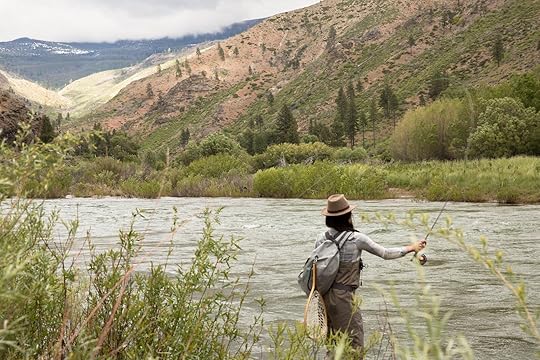
Traveling along the Truckee River is like following an outdoor adventure park. From the pine-studded peaks along Nevada’s western border to the wide-open desert north and east of Reno, the 121-mile waterway and the landscape through which it courses offer opportunities for hiking, biking, floating, and fishing.
But this rambling river is more than a recreation destination — it’s a life force for the entire Reno Tahoe region. The Truckee contributes 80% of the municipal water supply for Reno and surrounding towns. It’s home to the Lahonton cutthroat trout, a threatened species, and feeds into Pyramid Lake where you can find cui-ui fish, a species endemic to the lake. It’s the raison d’etre for many small businesses, bolstering the region’s economy. The health of the Truckee directly impacts the health of its communities — and for us travelers, helping care for the river is imperative to protecting everything along its path.
Luckily, acting as an environmental steward in Reno Tahoe is also the best way to experience its treasures. Paddle down whitewater rapids. Pedal through a Sierra Nevada canyon. Shop at creative mom-and-pop stores. Follow the Truckee, and sustainable travel becomes a pleasure cruise. At the same time, make sure to follow the Seven Principles of Leave No Trace to minimize your impact.
Armed with this knowledge and these travel goals, you can embrace the way of the river. Let’s get started.

This post is proudly produced in partnership with Reno Tahoe and Leave No Trace.
Lake Tahoe Paddling Lake Tahoe Kayaks and clear water Hiking Lake Tahoe
The Truckee River begins its journey as an outflow of Lake Tahoe, a topaz jewel glistening in the Sierra Nevada along the California-Nevada border. With 72 miles of scenic shoreline, this is North America’s largest alpine lake, sitting 6,245 feet above sea level and surrounded by peaks that climb more than 4,000 feet higher.
Throughout the year, Lake Tahoe’s four seasons inspire roughly 15 million annual visitors to strap on skis, trek through flower-filled meadows, and hop in watercraft to float across the water. To combat the threat of over-tourism, plan outings that promise to leave the region even more beautiful than you found it.
Paddle Lake Tahoe’s ultra-clear shorelineOne of the most enjoyable ways to keep Lake Tahoe’s waters pristine is by swapping a gas-powered boat for a kayak or paddleboard. The Lake Tahoe Water Trail follows the lake’s entire 72-mile shoreline, with 20 marked trailheads making it an easy way to enjoy the tranquility of the lake, whether you want to tackle single or multiple sections.
For a solo exploration of the northern granite-boulder beaches, try a portion of the 15.9-mile Sand Harbor Route as it floats above underwater rock gardens near Incline Village. Clearly Tahoe Rentals, a kayak-and-paddleboard company, leads guided expeditions where experts teach travelers how to protect the local ecosystem all while soaking up the endless, natural beauty.
Leave No Trace tipsDispose of waste properly. While paddling Lake Tahoe, the only thing left behind should be your boat’s wake. Be prepared to carry trash until you find a proper receptacle. Also be sure to leave those plants, rocks, and archaeological artifacts as you find them so the next person can enjoy them, too.
Seek out whitewaterFrom May to September, the Truckee lets its hair down with Class 2 and 3+ rapids that can be experienced on guided whitewater expeditions. Everyone from first-time rafters to paddle pros can appreciate the river’s power while racing through the volcanic canyons of the High Sierra as the river descends from Lake Tahoe to the Great Basin.
One of the most exhilarating sections is a 7-mile stretch starting in Boca, where calm swimming holes give way to Floriston Gorge’s raging waters. Tributary Whitewater Tours and Tahoe Whitewater Tours lead half-day trips along this section of the Truckee.
Leave No Trace tipsAfter working up an appetite, refuel at one of the area’s farm-to-table restaurants. Old Granite Street Eatery offers delicious burgers and sandwiches made from locally sourced beef patties. They also have a market for takeout and grocery items like cage-free eggs and oat milk. Mari Chuy’s Mexican Kitchen is all about using ingredients from local farmers. Try out some of their amazing chile relleno, tacos, and margaritas.
But if you’re cooking onsite, minimize the effects of your campfire by using an existing ring, making sure there is abundant wood in the area, and putting the fire out with water, not dirt. Better yet, use a camp stove.
Hike through meadows ringed by mountainsCraggy mountains circle Lake Tahoe like a crown, crisscrossed with trails for all types of hikers. In North Lake Tahoe, the easy 1.7-mile Stateline Lookout trail leads to splendid lake views. For something more strenuous, try the 5-mile hike through boulder fields and summer wildflowers to Shirley Lake – a half-day adventure.
If you’re searching for an epic quest, consider the 170-mile Tahoe Rim Trail, which covers six counties and two states while skirting through four national forests, three wilderness areas, and hopping over the Truckee River. Short segments can be hiked or biked in a day, while backpacking the entirety takes roughly two weeks.
Leave No Trace tipsThe Lake Tahoe region has some of the nation’s tastiest tap water. Fill a reusable bottle to enjoy the award-winning H2O while protecting the planet from plastic waste.
Stay on designated trails as much as possible. Using multiple routes can scar the beautiful landscape. If you do need to go off-trail (perhaps for a bathroom break), consider the durability of the natural surface. Rock, sand, and gravel are highly durable, most vegetation is not.
Photo credits: topseller/Shutterstock, topseller/Shutterstock, Tommy Larey/Shutterstock, Jessica Ruscello/Shutterstock, and Reno Tahoe. Downtown Reno Reno and Truckee River Reno Downtown Truckee River FunAs the Truckee River snakes northeast from Lake Tahoe, it leaves the mountains for Nevada’s sun-drenched desert valleys and flows through downtown Reno.
You might think you’d lose sight of the river as it passes through the urban environment, but nothing could be further from the truth. Reno has made a point of embracing this regional lifeblood, and visitors can stroll, bike, or kayak along the Truckee River through the heart of downtown. It’s a truly unique way to discover all the art installations, quirky shops, and inventive restaurants packed into the “Biggest Little City in the World.”
Shop, dine, and play in downtown RenoTo see some of the city’s top sights, stick to the paved trail paralleling the Truckee as it meanders from Idlewild Park to Wingfield Park. Known as the Reno Riverwalk, this pedestrian path passes a healthy helping of restaurants, boutiques, and bars. For an escape into nature just minutes from downtown, take a stroll through Oxbow Nature Study Area. The accessible .8-mile loop trail takes you through native flora along the banks of the river.
Start or end your journey by grabbing grub at the West Street Market, a collection of eateries dedicated to the city’s local and organic food movement. Supporting small businesses like Thali (sustainably sourced North Indian cuisine) and the Pizza Collective (pies topped with farm-fresh ingredients) is a tasty way to boost the local economy while reducing carbon emissions from chain restaurants that import food from far away.
If you’re raring to get on the water, consider putting in at the Truckee River Whitewater Park, a half-mile course along the riverwalk where people kayak, canoe, and tube through Class 2 and 3 rapids. Another popular option is to jump in upstream at Mayberry Park or Crissy Caughlin Park, then float into downtown to enjoy the amenities along the river.
Leave No Trace tipsHowever you traverse the Truckee, be considerate of others. Don’t let your unleashed pet or excessive noise diminish the appeal of the great outdoors.
In the market for eco-friendly threads? Check out downtown Reno’s Patagonia Outlet to support a company dedicated to protecting the earth, or buy gently used designer duds from Labels Consignment Boutique.
See the Truckee River from a scientist’s point of viewDive deep into Truckee environmentalism by visiting the Terry Lee Wells Nevada Discovery Museum – a science-centered exploration center with 67,000 square feet of interactive galleries.
Truckee Connects, a hands-on display that mimics the river’s path, offers opportunities to learn about recreation, hydroelectric power, and wildlife habitats along the waterway. For an immersive introduction to Nevada’s water cycle, kids can ascend the Cloud Climber – a 45-foot-tall jungle gym that looks like a modern art sculpture.
Leave No Trace tipsContinue teaching children about environmental stewardship with at-home lessons from Take Care Tahoe, which covers everything from identifying local flora to understanding the impacts of climate change.
Practice quiet observation of wildlife with your children, too. Protect yourself, your children, and your pets by keeping your distance from animals so they’re not scared or forced to run.
Photo credits: Reno Tahoe, Elizabeth A. Cummings/Shutterstock, and Hank Erdmann/Shutterstock. Pyramid Lake Tufa Rock Formations Trout Fishing Pyramid Lake at nightPyramid Lake, a remnant of ancient Lake Lahontan, is the Truckee River’s terminus, located 35 miles north of Reno on the Pyramid Lake Paiute Tribe Reservation. Its rippling waters cover roughly 125,000 acres, making it Nevada’s biggest natural lake and one of the largest desert lakes in the world. Wrapped by beaches and sprinkled with mesmerizing tufa rock formations, this magnificent body of water is a prime destination for cyclists (who can ride the Tahoe-Pyramid Trail), campers, boaters, and especially anglers, who come to catch cui-ui fish, found nowhere else on the planet.
The lake’s natural resources have been vital to regional Indigenous communities for centuries, and today, the Paiute people act as its safekeepers. Follow their lead to respect this fragile ecosystem.
Visit a museum that honors Indigenous heritageLong before white colonizers moved west across North America, the Paiute practiced fishing along Pyramid Lake’s shores. The Pyramid Lake Paiute Tribe Museum recounts the culture’s sacred origins while chronicling the unsettling history of how the United States stole and degraded local land.
Indigenous artifacts and crafts give visitors space to appreciate Paiute culture and consider how colonization and industrialization negatively impacted the region.
Leave No Trace tipsProtect the land by following the Pyramid Lake Tribal Code and Regulations, which include purchasing permits for activities like swimming, camping, boating, and fishing. More generally, planning ahead and preparing for your trip helps ensure your safety and helps to minimize resource damage.
Fish for trophy-worthy trout and cui-uiCasting a line at Pyramid Lake can lead to some of America’s most exciting freshwater catches. In addition to the endangered cui-ui fish, anglers arrive with hopes of netting Lahontan cutthroat trout — a native species from the Pleistocene Era that can grow well over 20 pounds.
Fishing trips led by Pyramid Fly Co. help make the most of big-catch ambitions by providing top-notch gear, fly fishing lessons, and assistance once visitors finally hook a colossal specimen. Another excellent option is Kooyooe Pa’a Guides, which is run by Autumn Harry, the first Pauite woman to become a guide at Pyramid Lake.
Leave No Trace tipsOverfishing by white settlers decimated cutthroat trout populations by the 1930s. Today, after decades of successful recovery efforts, anglers must follow local laws to prevent it from happening again, which includes releasing catches that don’t match Paiute size regulations. You should also be sure to clean up used fishing line and dispose of it properly.
Follow the Truckee River on a cycling tourSlow down to see the entire Truckee River along the Tahoe-Pyramid Trail, a network of hike-and-cycle paths that will eventually cover 114 miles while descending 2,500 feet in elevation. The trail system is over 80% complete, linking a combination of dirt and paved paths, historic roads, and bridges that whiz from Tahoe City to the Pyramid Lake Paiute Tribe Reservation.
Cyclists traveling without a set of wheels can find bike rentals in Reno and around Lake Tahoe. Portions of the trail, split into five sections that range from 10 to 24 miles, occasionally close for poor weather or maintenance. Check the Tahoe-Pyramid Trail website for the most up-to-date information. For a guided biking tour along the river, hit up Tahoe Adventure Company.
Leave No Trace tipsBurning fossil fuels in vehicles with internal combustion engines contributes to our warming climate and threatens the river’s future. Whether you bike, hike, or paddle, see how much of the region you can explore without pressing down on a gas pedal.
And remember: Being considerate of other visitors includes staying in control while mountain biking and yielding to hikers and equestrians. Announce your presence when passing and always proceed with caution.
Photo credits: Neil Lockhart/Shutterstock, CSNafzger/Shutterstock, Reno Tahoe, Kris Wiktor/Shutterstock, Reno Tahoe, and aaronj9/Shutterstock. Go Further Black Rock Desert Fly Geyser Fly Ranch WetlandsWith so much to do around Lake Tahoe, Reno, and Pyramid Lake, it’s possible to stay in one destination and never get bored. But part of the Truckee River’s appeal is watching how quickly its surroundings change. Travel between all three destinations to see pine forests peppered with glacial boulders give way to cottonwood thickets that spring from desert playas.
North of the Truckee lies the 315,000-acre Black Rock Desert, the sand-swept remnant of Lake Lahontan — an ancient body of water that once included Pyramid Lake. Although best known as the annual site of Burning Man, the gateway to this semi-arid region is a year-round playground for outdoor escapades…featuring some curious water features.
Ooo and ahh over gushing desert geysersDrive an hour north of Pyramid Lake, and you’ll eventually end up at the sustainably minded Fly Ranch – a 3,800-acre parcel of land on the Black Rock Desert’s southern border. The dry landscape contains a surprising amount of aquatic features, including 800 acres of marshland, 150 pools, and rainbow-hued geysers that spurt geothermal water.
Join a 2.5-hour guided walking tour provided by the Burning Man Project and Friends of Black Rock-High Rock to learn about the area. The 3-mile trek travels from wildlife-filled wetlands to Fly Geyser, a 6-foot mound of calcium carbonate that shoots boiling water into the air and forms natural hot springs from its runoff.
Leave No Trace tipsFly Ranch is an essential habitat for everything from nesting birds to jackrabbits and coyotes. Respect local fauna by keeping a safe distance and practicing quiet observation. This land is their sanctuary – don’t displace them by making it seem unsafe.
This post is proudly produced in partnership with Reno Tahoe and Leave No Trace.
The 6 Best Hotels Near the Entrances of Joshua Tree National Park
Spanning across more than 800,000 acres, Joshua Tree National Park is where two distinct desert ecosystems, the Mojave and Colorado, meet, resulting in an incredibly diverse array of flora and fauna. The Southern California park takes its name from the Joshua Tree, a peculiar and beautiful species of yucca that dots the landscape with its spiky, outstretched branches. But the trees are just the beginning. Joshua Tree National Park is also renowned for its striking rock formations, carved over thousands of years by harsh winds and rains. The special landscape is best enjoyed at a leisurely pace. There’s a lot to see here, so opting for a hotel nearby offers you easy access first thing in the morning and at night too. It’s worth noting that the region is a magical place for stargazing and you can drive into the park when the sun goes down to join a tour, or simply enjoy the night sky independently. There are various accommodation options from outstanding Airbnbs and a handful of hotels near Joshua Tree National Park.
The best time to visit Joshua Tree National Park is from March to May and October to November, when daytime temperatures are most comfortable. However, lodging can fill up quickly during these peak seasons, so early booking is recommended. If you’d prefer the comfort and reliability of a hotel, here are some of the best within easy driving distance.
We hope you love the hotels near Joshua Tree National Park we recommend! Just so you know, Matador may collect a small commission from the links on this page if you decide to book a stay.
Sacred Sands Photo: Expedia
 Photo: Expedia
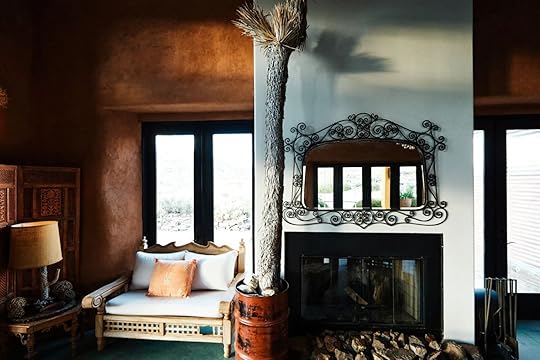 Photo: Expedia
Sacred Sands is located in the coveted Monument Manor neighborhood, just a mile from the West Entrance of Joshua Tree National Park. This ideal location makes it a perfect base for exploring the park and nearby attractions, such as the Joshua Tree Music Festival Grounds and the Noah Purifoy Outdoor Desert Art Museum. The hotel has an interesting history. It was meticulously designed and built to blend seamlessly with the surrounding desert landscape, incorporating elements of local artistry and culture. Every detail of the property reflects the beauty and serenity of the desert, making it one of the most special hotels close to the park.
The hotel offers two suite options — Onyx and Jade — each with private patios with panoramic views of the desert and mountains. In addition to the luxurious rooms, guests can enjoy amenities like a private soaking tub under the stars, an outdoor shower, and a cozy fireplace. Although there’s no restaurant on-site, the hotel provides a gourmet breakfast and is located just a short drive from several local dining options.
Sacred Sands : 63155 Quail Springs Rd, Joshua Tree, CA, 92252
Price per night: $384
Book NowThe Spring Resort and Spa Photo: Expedia
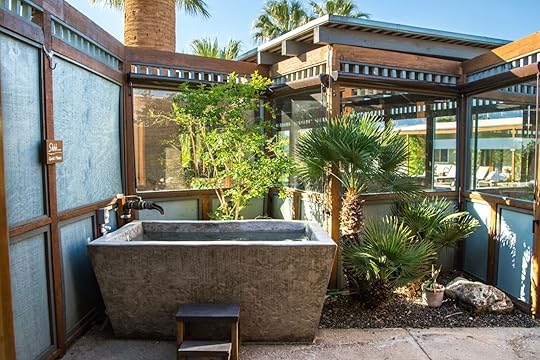 Photo: Expedia
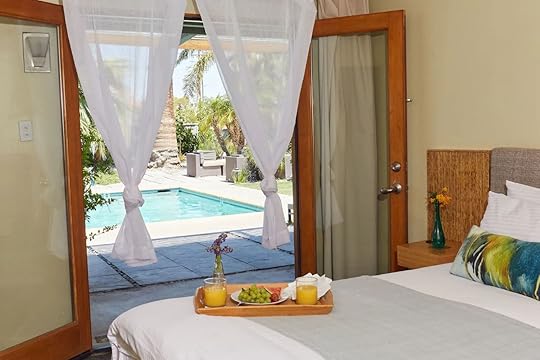 Photo: Expedia
Tucked into a hillside neighborhood of Desert Springs, The Spring Resort & Spa offers not only a luxurious stay but also a holistic wellness experience. It’s the perfect base for exploring the natural beauty of Joshua Tree National Park and the surrounding areas. The resort is located about 30 miles away from the West Entrance of Joshua Tree National Park. The journey typically takes around 40 minutes by car, making it an accessible day trip. After a day hiking and exploring, you can hop between three pools of naturally heated waters rich in beneficial minerals. The on-site spa also offers a variety of treatments, including massages, facials, and detoxification programs. While the resort doesn’t have an on-site restaurant, each room features a fully equipped kitchenette, and there are several dining options in Desert Hot Springs.
The Spring Resort and Spa : 12699 Reposo Way, Desert Hot Springs, CA, 92240
Price per night: $259
Book NowThe Good House Photo: Expedia
 Photo: Expedia
 Photo: Expedia
The Good House isn’t just a place to stay — it’s a destination in itself. With its comfortable rooms, therapeutic hot springs, and prime location in Desert Springs, it offers a memorable experience for those wanting proximity to the park. The Good House is around a 30-minute drive from the North Entrance. This entrance provides easy access to some of the park’s most popular trails and attractions. There are seven deluxe rooms, each thoughtfully designed to provide a comfortable and tranquil stay. Room amenities include plush bedding, modern bathrooms, and private patios with stunning views. The highlight is undoubtedly its outdoor hot springs pool and jacuzzi, fed by the area’s naturally hot well water.
The Good House : 12885 Eliseo Rd, Desert Hot Springs, CA, 92240
Price per night: $250
Book NowAutoCamp Joshua TreePhoto: Expedia Photo: Expedia
 Photo: Expedia
This boutique hotel designed with the outdoor enthusiast in mind. Near the West Entrance, this hotel offers an unforgettable blend of comfort, adventure, and breathtaking natural beauty. The park’s visitor center is just a short drive away, offering educational exhibits and guided tours.
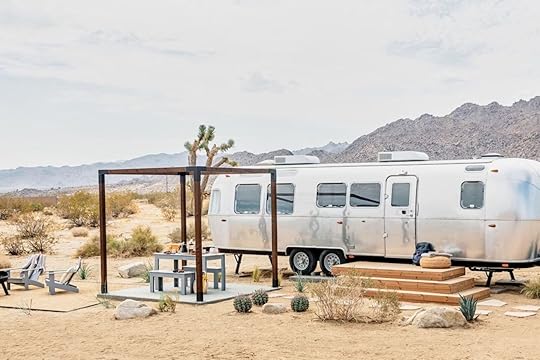
AutoCamp Joshua Tree, part of the AutoCamp brand known for its luxury outdoor accommodations, is inspired by the classic American road trip, with each suite housed in a custom Airstream trailer. The hotel offers several types of accommodations, including Classic Suites, X Suites, and Accessible Suites. Each features a plush queen-size bed, a modern bathroom, a kitchenette, and a private patio. The resort offers a host of services and facilities designed to enhance your stay. Guests can take a dip in the heated outdoor pool, gather around the communal fire pit, or stargaze from the hotel’s viewing deck.
AutoCamp Joshua Tree : 62209 Verbena Rd, Joshua Tree, CA, 92252
Price per night: $242
Book NowFairfield Inn & Suites Twentynine Palms Photo: Expedia
 Photo: Expedia
 Photo: Expedia
Fairfield Inn & Suites is conveniently located approximately six miles from the North Entrance, making it one of the closest hotels to the park. The drive to the park’s gates takes about 15 minutes, allowing guests to maximize time exploring the park’s stunning terrain. The Fairfield is owned by Marriott, so although you should not expect any fills, the standard is good for the price point. This is somewhere you’d opt to stay if you are looking for reliability, but plan on spending a lot of your time outside, as it is somewhat cookie-cut.
Fairfield Inn & Suites Twentynine Palms : 6333 Encelia Avenue, Twentynine Palms, CA, 92277
Price per night: $143
Book NowDesert Hot Springs Inn Photo: Expedia
 Photo: Expedia
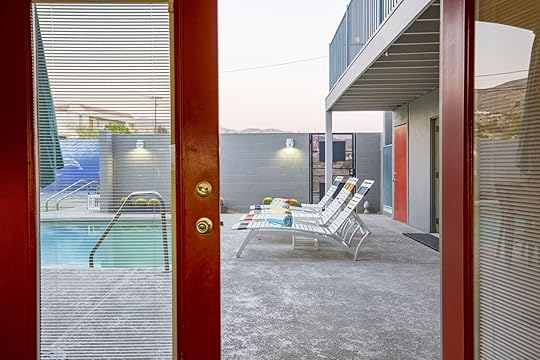 Photo: Expedia
Desert Hot Springs Inn is built atop natural mineral springs, providing access to 140-degree mineral water well. There’s also an outdoor pool and hot tub that are maintained at ideal temperatures for year round use. There are six rooms available with plush bedding, private bathrooms, and access to a shared patio overlooking the pool. This is a highly rated and affordable option close to the park, so keep in mind that with only a small selection of rooms, the inn will book up quickly, especially in peak season. Apart from exploring Joshua Tree National Park, there’s a range of activities near the inn such as The Cabot’s Pueblo Museum that offers fascinating insights into the area’s history.
Desert Hot Springs Inn : 67840 Hacienda Avenue, Desert Hot Springs, CA, 92240
Price per night: $109
Book NowMore like thisEpic StaysThese Yellowstone Airbnbs Near Each Entrance Make for the Perfect Gateways To the ParkJune 29, 2023
The Perfect One-Week Itinerary in Morocco
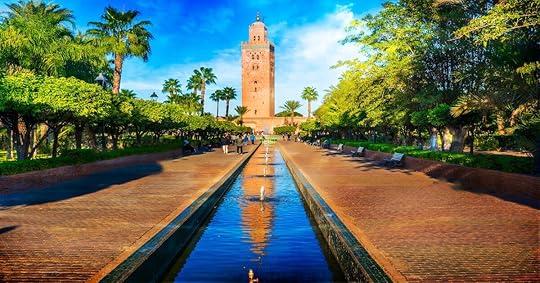
Morocco, known for its vibrant colors, rich history, and diverse landscapes, has so much to offer travelers seeking adventure and culture. Ideally you’d have a month or more to explore all this country has to offer, but realistically, most travelers will find themselves with little more than a week. That’s okay. Here’s how to get a taste of Morocco’s magic in just one week.
Explore MarrakechUpon arriving in Marrakech, begin at the iconic Jemaa el-Fnaa square, where you’ll find snake charmers, henna artists, and street food vendors. Wander through the colorful souks, picking up souvenirs and immersing yourself in the lively atmosphere. Dedicate a second day in Marrakech to visiting some of the city’s most beautiful landmarks. Start with the serene Majorelle Garden, an enchanting oasis designed by the French painter Jacques Majorelle. Next, head to the Bahia Palace, a masterpiece of Moroccan architecture adorned with intricate tilework and vibrant gardens.
Round out your time in Marrakech by indulging in a luxurious hammam experience. Visit a traditional Moroccan spa for a rejuvenating steam bath, followed by a body scrub and massage. Afterward, join a Moroccan cooking class to learn how to prepare delicious local dishes using fresh ingredients from the market.
Journey to the Agafay DesertVenture 45 minutes from Marrakech to the Agafay Desert. This rocky lunar landscape offers a desert experience many never get to see. Embark on a guided camel trek or a thrilling quad bike adventure through the stunning terrain. As the sun sets, relax at a luxury desert camp and enjoy a traditional Moroccan dinner under the stars.
The UNESCO city of EssaouiraSpend the second half of your trip day six discovering the streets and sites of Essaouira. Wander through the UNESCO-listed Medina, visit the Moulay Hassan Square, and explore the Skala de la Ville, a historic seafront fortress. Don’t miss the opportunity to browse the local artisan shops, where you’ll find exquisite handcrafted items such as wood carvings, textiles, and jewelry. Spend the evenings strolling along the picturesque harbor, admiring the vibrant blue fishing boats and historic city walls.
The Perfect 1-Week Itinerary To Morocco
Morocco, known for its vibrant colors, rich history, and diverse landscapes, has so much to offer travelers seeking adventure and culture. Ideally you’d have a month or more to explore all this country has to offer, but realistically, most travelers will find themselves with little more than a week. That’s okay. Here’s how to get a taste of Morocco’s magic in just one week.
Explore MarrakechUpon arriving in Marrakech, begin at the iconic Jemaa el-Fnaa square, where you’ll find snake charmers, henna artists, and street food vendors. Wander through the colorful souks, picking up souvenirs and immersing yourself in the lively atmosphere. Dedicate a second day in Marrakech to visiting some of the city’s most beautiful landmarks. Start with the serene Majorelle Garden, an enchanting oasis designed by the French painter Jacques Majorelle. Next, head to the Bahia Palace, a masterpiece of Moroccan architecture adorned with intricate tilework and vibrant gardens.
Round out your time in Marrakech by indulging in a luxurious hammam experience. Visit a traditional Moroccan spa for a rejuvenating steam bath, followed by a body scrub and massage. Afterward, join a Moroccan cooking class to learn how to prepare delicious local dishes using fresh ingredients from the market.
Journey to the Agafay DesertVenture 45 minutes from Marrakech to the Agafay Desert. This rocky lunar landscape offers a desert experience many never get to see. Embark on a guided camel trek or a thrilling quad bike adventure through the stunning terrain. As the sun sets, relax at a luxury desert camp and enjoy a traditional Moroccan dinner under the stars.
The UNESCO city of EssaouiraSpend the second half of your trip day six discovering the streets and sites of Essaouira. Wander through the UNESCO-listed Medina, visit the Moulay Hassan Square, and explore the Skala de la Ville, a historic seafront fortress. Don’t miss the opportunity to browse the local artisan shops, where you’ll find exquisite handcrafted items such as wood carvings, textiles, and jewelry. Spend the evenings strolling along the picturesque harbor, admiring the vibrant blue fishing boats and historic city walls.
Matador Network's Blog

- Matador Network's profile
- 6 followers


