Eric C. Sheninger's Blog, page 50
December 20, 2015
Turn today’s classrooms into #InclusiveSpaces
Students spend an average of 12,000 hours in the classroom in their lifetime, and these hours are important. Not only does time spent in the classroom impact student learning, but studies show that the physical layout of those classrooms (variables including use of light, color and wall space) have a significant impact on student behavior, motivation and achievement. For example: did you know that students who are exposed to more daylight in the classroom score up to 26% higher on math and science than students who less exposure to light? Design sure does empower learning.
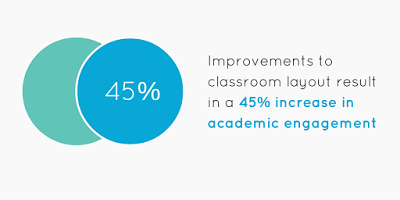
However, there is a gap between what studies say make a successful classroom and what teachers are able to do within their walls. Constraints such as budget, classroom size, number of students and district access to resources all play a part in whether or not teachers are able to design their classrooms to meet the needs of all students.
USC Rossier School of Education’s online teaching degree is shining a light on that gap, calling on teachers and members of the education community to demonstrate what today’s classrooms need to become inclusive spaces.
#InclusiveSpaces: Classroom Design for Every Learner is a grassroots campaign running throughout 2016 that encourages teachers to show how their classroom either a) meets the needs of all students or b) how their classroom could be more inclusive. Do you have a 1:1 iPad ratio for your classes? Do you have more students than desks? The first step in having equal access to resources is to demonstrate the real resources in today’s real classrooms.
How you can participate:
Write an original op-ed for your personal blog, local newspaper or professional organization's publication. Your article should address the following question: How can today's classrooms become inclusive learning environments?Share your inclusive space on Facebook, Twitter and Instagram. Take a picture of your classroom (without students) and include the tag #InclusiveSpaces. Show how your classroom meets the needs of your students — or, tell us what you'd like to change about your space to make it more inclusive. Tag USC Rossier Online on Twitter, Facebook and Instagram.Email a link to your story to michelle.manno@usc.edu for your Inclusive Space to be shared on the university’s blog.

However, there is a gap between what studies say make a successful classroom and what teachers are able to do within their walls. Constraints such as budget, classroom size, number of students and district access to resources all play a part in whether or not teachers are able to design their classrooms to meet the needs of all students.
USC Rossier School of Education’s online teaching degree is shining a light on that gap, calling on teachers and members of the education community to demonstrate what today’s classrooms need to become inclusive spaces.
#InclusiveSpaces: Classroom Design for Every Learner is a grassroots campaign running throughout 2016 that encourages teachers to show how their classroom either a) meets the needs of all students or b) how their classroom could be more inclusive. Do you have a 1:1 iPad ratio for your classes? Do you have more students than desks? The first step in having equal access to resources is to demonstrate the real resources in today’s real classrooms.

How you can participate:
Write an original op-ed for your personal blog, local newspaper or professional organization's publication. Your article should address the following question: How can today's classrooms become inclusive learning environments?Share your inclusive space on Facebook, Twitter and Instagram. Take a picture of your classroom (without students) and include the tag #InclusiveSpaces. Show how your classroom meets the needs of your students — or, tell us what you'd like to change about your space to make it more inclusive. Tag USC Rossier Online on Twitter, Facebook and Instagram.Email a link to your story to michelle.manno@usc.edu for your Inclusive Space to be shared on the university’s blog.


December 13, 2015
What Matters Most
“Forcing teachers and students to use tech because you have it will never get the results you want. Integrate when appropriate.” – Eric Sheninger
I love technology. Now most of you are not shocked by that statement so let me explain it with some more detail. I love technology for its ability to transform lives and professional practice. The formation of a Personal Learning Network (PLN) has opened my eyes and mind to an array of ideas, strategies, and tools to support and enhance learning through the assistance of technology. Society, the landscape in our schools, and the learners who we serve continue to change as our digital world evolves. This not only presents a fantastic opportunity to implement transformative practices, but it also represents a distinct call for action.
The possibilities are quite endless, but the wrong focus can and will result in disaster. Forcing students and educators to use technology just for the sake of using it will never transform teaching and learning. There are no quick fixes for the many prevalent issues in our education system. Viewing technology as a silver bullet or cure is misguided at best. As I continue to watch districts, schools, and classrooms infuse technology at a surface level, in most cases I am seeing no distinct changes in teaching, learning and leadership. This is what matters most.
 Image credit: http://cvsteps.com/wp-content/uploads...
As adult learners there should be emphasis on improving instructional design and pedagogical techniques that will develop students into critical thinkers and problem solvers. There is also a glaring need to create better means to assess and provide feedback to students as to whether or not they are meeting the higher standards that educators are now tasked with addressing. The key to learning success resides in always focusing on building a strong instructional foundation.
With this in mind, technology does not become an add-on or gimmick just to engage students. Its role becomes integral to the instructional process through support and enhancement of learning outcomes aligned to more rigorous standards. Technology in itself promises nothing. It is what you and your students do with technology aligned to sound pedagogy that will make all the difference. In the end technology initiatives will either flourish or flounder. The outcome is in your hands. Lessons, projects, initiatives, and culture should never be built around technology. Focus on learning first and foremost and the possibilities of technology are endless. That’s what matters most. This is, after all, the primary role of education.
I love technology. Now most of you are not shocked by that statement so let me explain it with some more detail. I love technology for its ability to transform lives and professional practice. The formation of a Personal Learning Network (PLN) has opened my eyes and mind to an array of ideas, strategies, and tools to support and enhance learning through the assistance of technology. Society, the landscape in our schools, and the learners who we serve continue to change as our digital world evolves. This not only presents a fantastic opportunity to implement transformative practices, but it also represents a distinct call for action.
The possibilities are quite endless, but the wrong focus can and will result in disaster. Forcing students and educators to use technology just for the sake of using it will never transform teaching and learning. There are no quick fixes for the many prevalent issues in our education system. Viewing technology as a silver bullet or cure is misguided at best. As I continue to watch districts, schools, and classrooms infuse technology at a surface level, in most cases I am seeing no distinct changes in teaching, learning and leadership. This is what matters most.
 Image credit: http://cvsteps.com/wp-content/uploads...
As adult learners there should be emphasis on improving instructional design and pedagogical techniques that will develop students into critical thinkers and problem solvers. There is also a glaring need to create better means to assess and provide feedback to students as to whether or not they are meeting the higher standards that educators are now tasked with addressing. The key to learning success resides in always focusing on building a strong instructional foundation.
With this in mind, technology does not become an add-on or gimmick just to engage students. Its role becomes integral to the instructional process through support and enhancement of learning outcomes aligned to more rigorous standards. Technology in itself promises nothing. It is what you and your students do with technology aligned to sound pedagogy that will make all the difference. In the end technology initiatives will either flourish or flounder. The outcome is in your hands. Lessons, projects, initiatives, and culture should never be built around technology. Focus on learning first and foremost and the possibilities of technology are endless. That’s what matters most. This is, after all, the primary role of education.
December 6, 2015
Implementing Mobile Devices With a Focus on Learning
The following post is a modified excerpt from Uncommon Learning.
“Mobile learning provides enhanced collaboration among learners, access to information, and a deeper contextualization of learning. Hypothetically, effective mobile learning can empower learners by enabling them to better assess and select relevant information, redefine their goals, and reconsider their understanding of concepts within a shifting and growing frame of reference (the information context).” — Marguerite L. Koole (2009)
No one will deny the impact that mobile is having on the world. All one has to do is take a look at how mobile devices are changing everyone’s perception of computing as it is more accessible and personal than ever. Over the years I have written extensively on the topic, including a chapter in my new book Uncommon Learning. As a principal I quickly saw the potential in mobile learning and as a result our school became the first to embrace Bring Your Own Device (BYOD) back in 2010.
Mobile devices offer a new and exciting avenue to engage students and promote learning while increasing academic achievement. Research by Cristol and Gimbert (2013) found that students utilizing mobile learning devices scored, on average, 52.34 points higher on the state assessments than their peers who did not use them. Students are more connected than ever with their devices, and it is necessary for teachers to capitalize on this opportunity to drive student learning and outcomes. With any initiative, especially BYOD or 1:1, the focus has to be on learning.
Koole’s (2009) Framework for the Rational Analysis of Mobile Education (FRAME) model provides a more holistic framework for mobile learning. In this framework, mobile learning is a combination of the interactions among learners, their devices, and other people. Koole provides a useful checklist that schools and educators can refer to when looking to integrate mobile learning effectively as part of a BYOD or 1:1 initiative.
 Image credit: https://mobilelearninginfokit.pbworks...
Have you considered the following in your mobile learning ecosystem?
How use of mobile devices might change the process of interactions among learners, communities, and systems How learners may most effectively use mobile access to other learners, systems, and devices to recognize and evaluate information and processes to achieve their goals How learners can become more independent in navigating through and filtering information; how to prepare them for that change
Be aware of the many pitfalls that are associated with educational technology. Access alone will not translate into enhanced student learning outcomes. At the International Center for Leadership in Education (ICLE) my team and I work with schools and districts to get mobile learning initiatives right before an all out rollout. It is critical to plan well ahead of any major BYOD or 1:1 initiative at least a year in advance to ensure that all the necessary elements are in place to support student learning. These elements are listed below, but I encourage you to read this post that provides more detail on each:
InfrastructureShared VisionStrategic PlanPolicy DevelopmentProfessional DevelopmentStudent/Parent ProgramsBudget Allocations
I encourage you to take a critical look at the mobile learning initiatives in your district and determine what can be done to improve them. In education there is no such thing as perfection and as such we must always look for opportunities to improve existing initiatives, not just new ones to be implemented.
Cristol, D., & Gimbert, B. (2013). Academic achievement in BYOD classrooms. Proceedings from QScience 12th World
Conference on Mobile and Contextual Learning. mLearn, 15.
Koole, M. L. (2009). A model for framing mobile learning. In M. Ally (Ed.), Mobile learning: Transforming the delivery of
education and training (pp. 25–47). Edmonton, AB: Athabasca University Press.
“Mobile learning provides enhanced collaboration among learners, access to information, and a deeper contextualization of learning. Hypothetically, effective mobile learning can empower learners by enabling them to better assess and select relevant information, redefine their goals, and reconsider their understanding of concepts within a shifting and growing frame of reference (the information context).” — Marguerite L. Koole (2009)
No one will deny the impact that mobile is having on the world. All one has to do is take a look at how mobile devices are changing everyone’s perception of computing as it is more accessible and personal than ever. Over the years I have written extensively on the topic, including a chapter in my new book Uncommon Learning. As a principal I quickly saw the potential in mobile learning and as a result our school became the first to embrace Bring Your Own Device (BYOD) back in 2010.
Mobile devices offer a new and exciting avenue to engage students and promote learning while increasing academic achievement. Research by Cristol and Gimbert (2013) found that students utilizing mobile learning devices scored, on average, 52.34 points higher on the state assessments than their peers who did not use them. Students are more connected than ever with their devices, and it is necessary for teachers to capitalize on this opportunity to drive student learning and outcomes. With any initiative, especially BYOD or 1:1, the focus has to be on learning.
Koole’s (2009) Framework for the Rational Analysis of Mobile Education (FRAME) model provides a more holistic framework for mobile learning. In this framework, mobile learning is a combination of the interactions among learners, their devices, and other people. Koole provides a useful checklist that schools and educators can refer to when looking to integrate mobile learning effectively as part of a BYOD or 1:1 initiative.
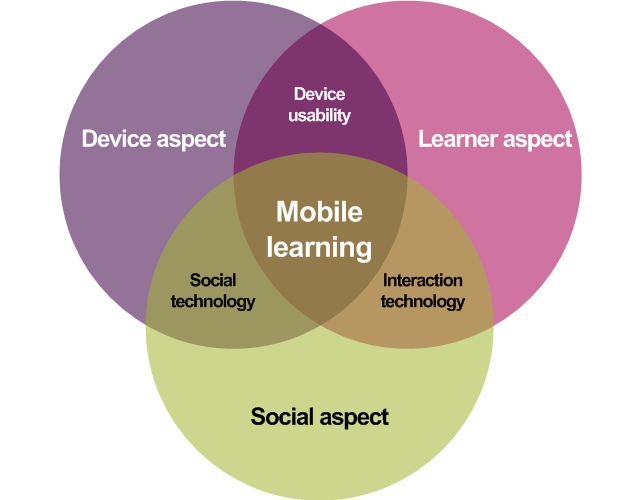 Image credit: https://mobilelearninginfokit.pbworks...
Have you considered the following in your mobile learning ecosystem?
How use of mobile devices might change the process of interactions among learners, communities, and systems How learners may most effectively use mobile access to other learners, systems, and devices to recognize and evaluate information and processes to achieve their goals How learners can become more independent in navigating through and filtering information; how to prepare them for that change
Be aware of the many pitfalls that are associated with educational technology. Access alone will not translate into enhanced student learning outcomes. At the International Center for Leadership in Education (ICLE) my team and I work with schools and districts to get mobile learning initiatives right before an all out rollout. It is critical to plan well ahead of any major BYOD or 1:1 initiative at least a year in advance to ensure that all the necessary elements are in place to support student learning. These elements are listed below, but I encourage you to read this post that provides more detail on each:
InfrastructureShared VisionStrategic PlanPolicy DevelopmentProfessional DevelopmentStudent/Parent ProgramsBudget Allocations
I encourage you to take a critical look at the mobile learning initiatives in your district and determine what can be done to improve them. In education there is no such thing as perfection and as such we must always look for opportunities to improve existing initiatives, not just new ones to be implemented.
Cristol, D., & Gimbert, B. (2013). Academic achievement in BYOD classrooms. Proceedings from QScience 12th World
Conference on Mobile and Contextual Learning. mLearn, 15.
Koole, M. L. (2009). A model for framing mobile learning. In M. Ally (Ed.), Mobile learning: Transforming the delivery of
education and training (pp. 25–47). Edmonton, AB: Athabasca University Press.
November 29, 2015
Pay Attention to Your Digital Footprint
“Your digital footprint paints a portrait of who you are as an educator, leader, school, or district. Make sure it conveys your true values and work.” – Eric Sheninger
In the age where billions of people have taken both their personal and professional lives online you better be cognizant of your digital footprint. With each Facebook post, email, Instagram photo, comment on a blog, YouTube video, Skype call, etc. you are leaving a trail that can be seen, searched, or tracked. Basically all of your activity on the Internet leads to the creation of a digital identity and footprint. Check out the short video from Common Sense Media below that nicely sums up the facets of a digital footprint.
In some cases you might think that you have everything under control, right? Wrong! Your digital footprint is not only formed by what you post, but also what others put online about you. As Wikipedia explains there are two main classifications for digital footprints: passive and active. A passive digital footprint is created when data is collected without the owner knowing, whereas active digital footprints are created when a user for the purpose of sharing information about oneself by means of websites or social media deliberately releases data. Educators who have embraced a brandED mindset understand how important their digital footprint is to him/her.
It can seem daunting to not only keep tabs on the digital footprint that you are actively crafting, but also on what other people are creating at times unbeknownst to you. Here are some free tools that you can begin to use right away to track both your active and passive digital footprint.
Google Alerts
This free tool allows you to monitor the web for content that you specify. My advice is to set up alerts for your name as well as that of your school and/or district. When I was a principal I had an alert set up for New Milford High School so that anytime content was shared specific to my school on the web I could either read or react if necessary. Now I have alerts set up for different iterations of my name including Eric Sheninger, Mr. Sheninger, and Principal Sheninger. Each day I receive an email with news of what people write about me on the web from Google. Set up your Google Alert(s) today using these simple steps or refer to this simple video tutorial.
Mention
Mention is a solid alternative to Google Alerts and in my opinion is much better. It allows users to monitor any keywords related to you, your professional brand, your schools/districts, or anything else you want to monitor. The alert settings are much more robust than that of Google Alerts. Not only can you set it up to monitor the Web (news, blogs, videos, forums, images), but you can also have it monitor mentions on Facebook, Twitter, or an array of other social media services if you want. What is even better about Mention is the variety of ways you can access and be notified of new alerts (website, Google Chrome extension, desktop application, apps for iOS and Android). Check out the Mention site or this brief tutorial to get started.
Tweetdeck and Hootsuite
These applications not only enhance your Twitter experience, but they also allow you to create different columns or categories in your respective dashboard. Each column or category in a sense becomes a search based on the keywords you identify (i.e. Twitter username, your real name, hash tags, school/district name, etc.).
The above tools will greatly assist you in tracking your digital footprint, especially in terms of what other people post about you. A brandED strategy not only employs these tools, but also some common sense tips to help you actively create a positive digital footprint. When posting content online always:
Keep it professional and focus on your workRemember your role within the school and/or professional communityThink before you postBe consistentDon't be afraid to engage
For a few more bonus tips check out the image below.

In the age where billions of people have taken both their personal and professional lives online you better be cognizant of your digital footprint. With each Facebook post, email, Instagram photo, comment on a blog, YouTube video, Skype call, etc. you are leaving a trail that can be seen, searched, or tracked. Basically all of your activity on the Internet leads to the creation of a digital identity and footprint. Check out the short video from Common Sense Media below that nicely sums up the facets of a digital footprint.
In some cases you might think that you have everything under control, right? Wrong! Your digital footprint is not only formed by what you post, but also what others put online about you. As Wikipedia explains there are two main classifications for digital footprints: passive and active. A passive digital footprint is created when data is collected without the owner knowing, whereas active digital footprints are created when a user for the purpose of sharing information about oneself by means of websites or social media deliberately releases data. Educators who have embraced a brandED mindset understand how important their digital footprint is to him/her.
It can seem daunting to not only keep tabs on the digital footprint that you are actively crafting, but also on what other people are creating at times unbeknownst to you. Here are some free tools that you can begin to use right away to track both your active and passive digital footprint.
Google Alerts
This free tool allows you to monitor the web for content that you specify. My advice is to set up alerts for your name as well as that of your school and/or district. When I was a principal I had an alert set up for New Milford High School so that anytime content was shared specific to my school on the web I could either read or react if necessary. Now I have alerts set up for different iterations of my name including Eric Sheninger, Mr. Sheninger, and Principal Sheninger. Each day I receive an email with news of what people write about me on the web from Google. Set up your Google Alert(s) today using these simple steps or refer to this simple video tutorial.
Mention
Mention is a solid alternative to Google Alerts and in my opinion is much better. It allows users to monitor any keywords related to you, your professional brand, your schools/districts, or anything else you want to monitor. The alert settings are much more robust than that of Google Alerts. Not only can you set it up to monitor the Web (news, blogs, videos, forums, images), but you can also have it monitor mentions on Facebook, Twitter, or an array of other social media services if you want. What is even better about Mention is the variety of ways you can access and be notified of new alerts (website, Google Chrome extension, desktop application, apps for iOS and Android). Check out the Mention site or this brief tutorial to get started.
Tweetdeck and Hootsuite
These applications not only enhance your Twitter experience, but they also allow you to create different columns or categories in your respective dashboard. Each column or category in a sense becomes a search based on the keywords you identify (i.e. Twitter username, your real name, hash tags, school/district name, etc.).
The above tools will greatly assist you in tracking your digital footprint, especially in terms of what other people post about you. A brandED strategy not only employs these tools, but also some common sense tips to help you actively create a positive digital footprint. When posting content online always:
Keep it professional and focus on your workRemember your role within the school and/or professional communityThink before you postBe consistentDon't be afraid to engage
For a few more bonus tips check out the image below.

November 22, 2015
Developing a BrandED Strategy
Here is a reality check for everyone that does not believe in the value of branding in education. Your brand is what stakeholders and others say about you as well as your district/school. Social media has changed the landscape and broadened the concept of branding to education whether you like it or not. Your digital footprint is not only crafted by what you create and post, but also what other people and organizations create and post about you. Just do a simple Google search and see for yourself. You might very well be surprised what’s out there in regards to you and your school/district.
Now more than ever educators, leaders, schools, and districts need to begin to think about a brand strategy. This is essential to not only control the narrative, but to also be proactive in order to deal with negative content that can tarnish an image while influencing the perception of key stakeholders. It is important to differentiate between a brand in the business sense and one in education. A brand in business is meant to sell. On the other hand, a brand in education is meant to build support, admiration, and respect for the honorable work you do each day for kids.
 Image credit: http://themarketingnutz.com/
The foundation of a BrandED mindset is focusing on sharing valuable content related to the mission, vision, and values of your school/district or what you embrace as an educator. It requires a focus on strategies and ideas that are being successfully implemented to positively impact student learning. Here are some specific reasons why a BrandED mindset matters:
Your brand will attract others to your work and that of your school. This can result in more qualified candidates applying for jobs, greater stakeholder support, or parents deciding to move to your district. It can also result in building a more vibrant learning network.It promotes recognition of amazing work that takes place in schools each and every day. With social media anyone can now craft an accurate narrative of how our schools are preparing students for success.A positive brand presence motivates and inspires your staff/co-workers as well as colleagues across the globe in terms of what is truly possible. Success is amplified in a way that others can then replicate it. Your brand tells stakeholders about your school DNA. From logos, mascots, tweets, and hash tags a positive brand presence helps you tell the real storyA positive BrandED presence clearly articulates to stakeholders what to expect from your district, school, or you as a professional. This promise not only builds precious support, but also invaluable relationships.A clear BrandED strategy helps you stay focused on your mission, vision, and values related to your work to ensure the success of all students.By reaching people at an emotional level, stronger relationships will be built with key stakeholders. There is no better way to do this than consistently sharing ways that you are making a positive difference in the life of kids each day.
It is important to understand that a BrandED mindset is a natural part of being a digital leader. When you communicate consistently with social media and use it for public relations to tell your story, a brand presence will manifest itself. It will also form just by posting your own work, ideas, and thoughts across a variety of platforms. Whatever is the case keep these tips in mind to develop a mindset for a successful BrandED strategy:
Be consistentKeep the message focused on work (school, district, your own) to provide value to stakeholdersEngage in two-way communication to build and strengthen relationshipsMaintain a presence across a variety of platformsBuild around logo, mascot, name, etc.Review analytics and adapt when needed by embracing new toolsFocus on transparency through honesty and sharing accurate informationMonitor your brand presence using Google Alerts, Mention, and/or columns in Tweetdeck or HootsuiteDeveloping a BrandED mindset and strategy in the digital age just makes plain sense. It begins and ends with the amazing work you and your staff is doing with students or to advance the professional of education. That's the hard part. The easy part consists of creating and then sharing content using a blend of traditional and new age (i.e. social media) tools.
I am excited to announce that I will be expanding on the topic of BrandED in my new book that I will be co-authoring with Trish Rubin for Jossey-Bass. Trish opened my eyes up to the concept of BrandED way back in 2009. Look for the book to be available at the end of 2016.
Now more than ever educators, leaders, schools, and districts need to begin to think about a brand strategy. This is essential to not only control the narrative, but to also be proactive in order to deal with negative content that can tarnish an image while influencing the perception of key stakeholders. It is important to differentiate between a brand in the business sense and one in education. A brand in business is meant to sell. On the other hand, a brand in education is meant to build support, admiration, and respect for the honorable work you do each day for kids.
 Image credit: http://themarketingnutz.com/
The foundation of a BrandED mindset is focusing on sharing valuable content related to the mission, vision, and values of your school/district or what you embrace as an educator. It requires a focus on strategies and ideas that are being successfully implemented to positively impact student learning. Here are some specific reasons why a BrandED mindset matters:
Your brand will attract others to your work and that of your school. This can result in more qualified candidates applying for jobs, greater stakeholder support, or parents deciding to move to your district. It can also result in building a more vibrant learning network.It promotes recognition of amazing work that takes place in schools each and every day. With social media anyone can now craft an accurate narrative of how our schools are preparing students for success.A positive brand presence motivates and inspires your staff/co-workers as well as colleagues across the globe in terms of what is truly possible. Success is amplified in a way that others can then replicate it. Your brand tells stakeholders about your school DNA. From logos, mascots, tweets, and hash tags a positive brand presence helps you tell the real storyA positive BrandED presence clearly articulates to stakeholders what to expect from your district, school, or you as a professional. This promise not only builds precious support, but also invaluable relationships.A clear BrandED strategy helps you stay focused on your mission, vision, and values related to your work to ensure the success of all students.By reaching people at an emotional level, stronger relationships will be built with key stakeholders. There is no better way to do this than consistently sharing ways that you are making a positive difference in the life of kids each day.
It is important to understand that a BrandED mindset is a natural part of being a digital leader. When you communicate consistently with social media and use it for public relations to tell your story, a brand presence will manifest itself. It will also form just by posting your own work, ideas, and thoughts across a variety of platforms. Whatever is the case keep these tips in mind to develop a mindset for a successful BrandED strategy:
Be consistentKeep the message focused on work (school, district, your own) to provide value to stakeholdersEngage in two-way communication to build and strengthen relationshipsMaintain a presence across a variety of platformsBuild around logo, mascot, name, etc.Review analytics and adapt when needed by embracing new toolsFocus on transparency through honesty and sharing accurate informationMonitor your brand presence using Google Alerts, Mention, and/or columns in Tweetdeck or HootsuiteDeveloping a BrandED mindset and strategy in the digital age just makes plain sense. It begins and ends with the amazing work you and your staff is doing with students or to advance the professional of education. That's the hard part. The easy part consists of creating and then sharing content using a blend of traditional and new age (i.e. social media) tools.
I am excited to announce that I will be expanding on the topic of BrandED in my new book that I will be co-authoring with Trish Rubin for Jossey-Bass. Trish opened my eyes up to the concept of BrandED way back in 2009. Look for the book to be available at the end of 2016.
November 15, 2015
The Change Revolution
"We must learn how to unlearn and relearn in order to create schools that work for kids." - Eric Sheninger
Change is a word that is spoken about in education circles more and more each day. Herein lies the problem. Talk and opinions get us nowhere. The fact of the matter is that education has to change dramatically, but how this is initiated should no longer be a contentious topic for discussion or debate. We need to stop talking and spend more energy acting. It is relatively agreed upon that the structure and function of the majority of schools across the globe no longer meet the needs of students in the digital age. There is a quiet revolution that is gaining steam as more and more educators and students push back against the very policies and mandates that have been forced upon them. You need to decide if it is worth it to conform or to carve out your own path to provide your students with the education and learning experiences they deserve.
 Image credit: http://www.changefactory.com
Meaningful change has and always will begin at the individual level. This is also where it is sustained to the point that it becomes an embedded component of school or district culture. It does not rely on someone being in a leadership position in a traditional sense but more so on a desire to want to change professional practice. This is the point where all educators and students must realize that they have the capacity to lead change. School leaders need to remove barriers to the change process, eradicate the fear of failure, provide autonomy, and empower teachers to drive change at the classroom level.
These successes can then be promoted within the school and district to serve as a catalyst for cultural transformation. The same holds true for both teachers and administrators when it comes to students, who happen to be our number one stakeholder group. Schools should be designed to meet the needs of our students, but if they are not given a seat at the table and allowed to be a focal point of change efforts that ultimately impact them, a golden opportunity is missed. Never underestimate the power that you have to make your school, district, and the entire education system better. Be the change that you wish to see in education, and others will follow. After all, real change comes from colleagues modeling expectations to others, not from those with titles.
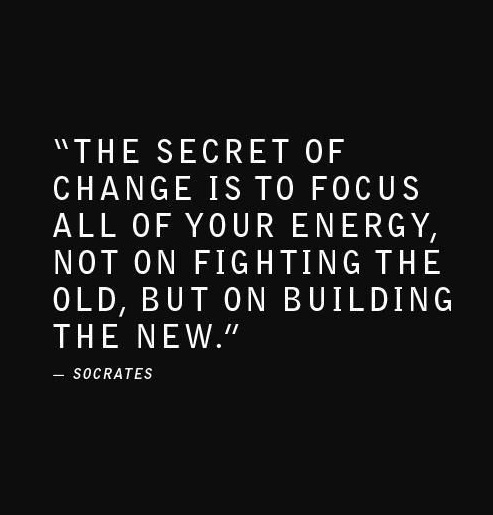 Image credit: http://www.louisreed.com/
The whole premise of my book Uncommon Learning is it to provide relevancy, meaning, and authenticity in the teaching and learning process. It hinges upon our ability to provide an environment and activities that unleash our students’ passion for learning and allows them to create artifacts with the tools of their choice to demonstrate conceptual mastery. Additionally, it relies on a bold vision to grant students and educators the autonomy to take risks, learn from failure, and then adapt as needed. Meaningful change will happen only if we begin to give up control and establish a culture built on trust and respect.
If we truly want to prepare the next generation of thinkers, doers, inventors, and change agents, we must give up control, trust students and educators, and work to develop a better system that will produce desired outcomes. Educators must acknowledge the real challenges that they are faced with each day and work to develop solutions to overcome them. Challenges should not be seen as insurmountable obstacles to change but rather opportunities to do things differently and better. There also has to be a desire to embrace new thinking and strategies that not only address higher standards, but also prepare students for the real world as opposed to the school world. The end result will be the proliferation of uncommon learning strategies that in time will become common.
Will you be a part of the change revolution?
Change is a word that is spoken about in education circles more and more each day. Herein lies the problem. Talk and opinions get us nowhere. The fact of the matter is that education has to change dramatically, but how this is initiated should no longer be a contentious topic for discussion or debate. We need to stop talking and spend more energy acting. It is relatively agreed upon that the structure and function of the majority of schools across the globe no longer meet the needs of students in the digital age. There is a quiet revolution that is gaining steam as more and more educators and students push back against the very policies and mandates that have been forced upon them. You need to decide if it is worth it to conform or to carve out your own path to provide your students with the education and learning experiences they deserve.
 Image credit: http://www.changefactory.com
Meaningful change has and always will begin at the individual level. This is also where it is sustained to the point that it becomes an embedded component of school or district culture. It does not rely on someone being in a leadership position in a traditional sense but more so on a desire to want to change professional practice. This is the point where all educators and students must realize that they have the capacity to lead change. School leaders need to remove barriers to the change process, eradicate the fear of failure, provide autonomy, and empower teachers to drive change at the classroom level.
These successes can then be promoted within the school and district to serve as a catalyst for cultural transformation. The same holds true for both teachers and administrators when it comes to students, who happen to be our number one stakeholder group. Schools should be designed to meet the needs of our students, but if they are not given a seat at the table and allowed to be a focal point of change efforts that ultimately impact them, a golden opportunity is missed. Never underestimate the power that you have to make your school, district, and the entire education system better. Be the change that you wish to see in education, and others will follow. After all, real change comes from colleagues modeling expectations to others, not from those with titles.
 Image credit: http://www.louisreed.com/
The whole premise of my book Uncommon Learning is it to provide relevancy, meaning, and authenticity in the teaching and learning process. It hinges upon our ability to provide an environment and activities that unleash our students’ passion for learning and allows them to create artifacts with the tools of their choice to demonstrate conceptual mastery. Additionally, it relies on a bold vision to grant students and educators the autonomy to take risks, learn from failure, and then adapt as needed. Meaningful change will happen only if we begin to give up control and establish a culture built on trust and respect.
If we truly want to prepare the next generation of thinkers, doers, inventors, and change agents, we must give up control, trust students and educators, and work to develop a better system that will produce desired outcomes. Educators must acknowledge the real challenges that they are faced with each day and work to develop solutions to overcome them. Challenges should not be seen as insurmountable obstacles to change but rather opportunities to do things differently and better. There also has to be a desire to embrace new thinking and strategies that not only address higher standards, but also prepare students for the real world as opposed to the school world. The end result will be the proliferation of uncommon learning strategies that in time will become common.
Will you be a part of the change revolution?
November 8, 2015
The Challenge of Change is Not You
“The hardest challenge you will face is not changing yourself, but convincing or empowering your colleagues to embrace change.” – Eric Sheninger
If you are reading this blog, trying out new ideas, implementing innovative strategies, or attending meaningful professional learning opportunities then chances are you embrace change. Additionally, you are more than likely to be using social media for your Personal LearningNetwork (PLN) to push your thinking like never before. It is an exhilarating feeling to be exposed to an array of knowledge, resources, and ideas that can be used almost immediately to improve professional practice. In all of the examples mentioned above, or others that I have failed to list, the desire to change is clearly evident to you.
The fact of the matter is that change is desperately needed in the majority of our schools and districts. Employing the same old thinking will continue to result in the same old results. A major point of frustration that I had as a principal and what I see now in my work with educators all over the world is the unwillingness of others to embrace change. Many of us have now been exposed to the work of innovative thought leaders and practitioners that has shown us what is truly possible in our schools. What tends to be more or less demoralizing is when we travel back to our districts, schools, and classrooms and continue to see a narrow focus on the same initiatives, programs, and practices that are not in the best interests of our learners. This reality is brought up in virtually every workshop or presentation I facilitate.
 Image credit: http://inquentia.com/
Changing perception and behavior in your colleagues who either have their heads in the sand or possess the ultimate fixed mindset could possibly be the hardest task you ever take on. Change is hard. It is even harder for people that are stubborn, unwilling to overcome fears that they might have, burnt out from excessive reform, or really have no passion for working with kids. Regardless of the reason, the question becomes what are you willing to do about it? Every student in every classroom and school deserves excellence. A true testament to an exceptional leader, regardless of position, is his or her ability to convince, persuade, or inspire others to change, especially those who do not want to. It’s not now about trying to get buy-in, but moving others to see the value in the change through embracement.
The hardest, but most gratifying, work you might ever engage in is empowering your colleagues to change. Consider trying the following strategies to assist your colleagues to begin the process of changing their professional practice. Real change comes from colleagues modeling expectations for others. Lead by example even when initially it might be a lonely place.Share current research and practices that support the change you are championing.Encourage colleagues resistant to change to attend professional learning opportunities with you, especially administrators. Get him/her involved in quality professional development related to the change effort. Beg, barter, or plead to get your colleague to attend and learn with you. If that doesn’t work make sure you present what you learned at any recent learning experience either during a faculty meeting or one on one.Tackle fears head on to alleviate concerns.Help others see the value of the change on their own.Clearly articulate how the change will improve professional practice resulting in improved student learning and achievement outcomes.Be patient. Treat your colleague like a student and remember how satisfying and rewarding it was when you helped that student succeed.Get your students involved. There is no better way, in my opinion, to convince others to change when educators can see firsthand the impact it has on kids.Work on building better relationships. By doing so this could open the door to embracing change that otherwise might have been resisted.Keep in mind that the context of each suggestion above can be adapted to your respective position. Always remember that the hardest work involved with the change process involves moving the masses to scale the initiative for the betterment of all students. It also requires the right mindset. If you are willing to put in the time and work while acknowledging some of the aggravation and stress that naturally comes with dealing with difficult people, a potential positive outcome will be that much sweeter.
If you are reading this blog, trying out new ideas, implementing innovative strategies, or attending meaningful professional learning opportunities then chances are you embrace change. Additionally, you are more than likely to be using social media for your Personal LearningNetwork (PLN) to push your thinking like never before. It is an exhilarating feeling to be exposed to an array of knowledge, resources, and ideas that can be used almost immediately to improve professional practice. In all of the examples mentioned above, or others that I have failed to list, the desire to change is clearly evident to you.
The fact of the matter is that change is desperately needed in the majority of our schools and districts. Employing the same old thinking will continue to result in the same old results. A major point of frustration that I had as a principal and what I see now in my work with educators all over the world is the unwillingness of others to embrace change. Many of us have now been exposed to the work of innovative thought leaders and practitioners that has shown us what is truly possible in our schools. What tends to be more or less demoralizing is when we travel back to our districts, schools, and classrooms and continue to see a narrow focus on the same initiatives, programs, and practices that are not in the best interests of our learners. This reality is brought up in virtually every workshop or presentation I facilitate.
 Image credit: http://inquentia.com/
Changing perception and behavior in your colleagues who either have their heads in the sand or possess the ultimate fixed mindset could possibly be the hardest task you ever take on. Change is hard. It is even harder for people that are stubborn, unwilling to overcome fears that they might have, burnt out from excessive reform, or really have no passion for working with kids. Regardless of the reason, the question becomes what are you willing to do about it? Every student in every classroom and school deserves excellence. A true testament to an exceptional leader, regardless of position, is his or her ability to convince, persuade, or inspire others to change, especially those who do not want to. It’s not now about trying to get buy-in, but moving others to see the value in the change through embracement.
The hardest, but most gratifying, work you might ever engage in is empowering your colleagues to change. Consider trying the following strategies to assist your colleagues to begin the process of changing their professional practice. Real change comes from colleagues modeling expectations for others. Lead by example even when initially it might be a lonely place.Share current research and practices that support the change you are championing.Encourage colleagues resistant to change to attend professional learning opportunities with you, especially administrators. Get him/her involved in quality professional development related to the change effort. Beg, barter, or plead to get your colleague to attend and learn with you. If that doesn’t work make sure you present what you learned at any recent learning experience either during a faculty meeting or one on one.Tackle fears head on to alleviate concerns.Help others see the value of the change on their own.Clearly articulate how the change will improve professional practice resulting in improved student learning and achievement outcomes.Be patient. Treat your colleague like a student and remember how satisfying and rewarding it was when you helped that student succeed.Get your students involved. There is no better way, in my opinion, to convince others to change when educators can see firsthand the impact it has on kids.Work on building better relationships. By doing so this could open the door to embracing change that otherwise might have been resisted.Keep in mind that the context of each suggestion above can be adapted to your respective position. Always remember that the hardest work involved with the change process involves moving the masses to scale the initiative for the betterment of all students. It also requires the right mindset. If you are willing to put in the time and work while acknowledging some of the aggravation and stress that naturally comes with dealing with difficult people, a potential positive outcome will be that much sweeter.
November 1, 2015
Free Resources to Support Your Makerspace
The embracement of the maker movement is being seen in K-12 schools and districts across the world. As a result, makerspaces are being instituted to allow students to tinker, invent, create, and make to learn. A makerspace can best be defined as a physical place where students can create real-world products/projects using real-world tools in a shared work space. With natural connections and applications to STEAM areas as well as a focus on self-directed, inquiry-based, and hands on learning, it is difficult not to appreciate and admire the positive impact that makerspaces can have on all students. In times when many schools and districts have cut programs such as wood/metal shop and agriculture, makerspaces provide a 21st Century alternative to meet the learning needs of our most at-risk students.
 Image credit: http://www.digitalharbor.org
There is no need to reinvent the wheel here, as there are many resources available. For a curated list of online resources related to makerspaces check out this Pinterest board. To learn more in depth about the concepts associated with making be sure to purchase the book World’s of Making by Laura Fleming and check out her website. It has everything you need to get started, including suggested items to outfit the space. She also has generated a step-by-step flow chart that will assist you in your makerspace planning.
Initially, planning will cost some money and that is unavoidable. However, once you have established your makerspace and outfitted it with key items and tools there are many free resources available for you to take advantage of. Below I will briefly describe some of the key makerspace items to purchase and then free resources that will help you and your students maximize the expense. The items include Raspberry Pi, littleBits, MaKey MaKey, Arduino, and MinecraftEdu. Descriptions have been pulled from the respective website of each product.
Raspberry Pi
This is a low cost, credit card sized computer that plugs into a computer monitor or TV, and uses a standard keyboard and mouse. It is a capable little device that enables people of all ages to explore computing, and to learn how to program in languages like Scratch and Python. Teach, learn, and make with Raspberry Pi’s free learning resources.
littleBits
This is a platform of easy-to-use electronic building blocks that empower you to invent anything from your own remote controlled car to a smart home device. The Bits snap together with magnets - no soldering, no wiring, no programming needed. These magnets are great for prototyping and learning. littleBits provides an array of free lessons (beginner, intermediate, advanced) for different grades and subject areas.
MaKey MaKey
I love MaKey MaKey and so will your students! It is an invention kit for the 21st century that allows you to turn everyday objects into touchpads and combine them with the Internet. The simple Invention Kit is perfect for Beginners and Experts doing art, engineering, and everything in between. Each kit comes with a MaKey MaKey, Alligator Clips, USB Cable. Be sure to check out these free lesson plans
Arduino
This is an open-source prototyping platform based on easy-to-use hardware and software. An arduino is commonly referred to as a microcontroller that can be used for building digital devices and interactive objects that can sense and control the physical world. This has been the brain of thousands of projects, from everyday objects to complex scientific instruments. HERE is a fantastic tutorial that will assist you and your students create maker projects using arduino. For even more information visit Arduino Classroom.
MinecraftEdu
To put it bluntly, Minecraft is overtaking the world and the game is beloved by students of all ages. I commonly refer to it as “Legos on steroids.” It is a sandbox independent video game where players dig (mine) and build (craft) different kinds of 3D blocks within a large world of varying terrains and habitats to explore. In schools it is being used to teach all kinds of skills and subjects from math to foreign languages to social justice to fair trade. Getting a MinecraftEdu license and making it available on computers in the makerspace is a fantastic addition to the area. The MinecraftEdu Wiki has tons of resources ranging from lesson examples, worksheets/handouts, alignment to curricula and standards, and many other nuggets of awesomeness.
I hope you enjoy these free resources and ideas as your makerspace evolves or if you are beginning the process of creating one. If you have any other free resources please provide them in the comments section below.
 Image credit: http://www.digitalharbor.org
There is no need to reinvent the wheel here, as there are many resources available. For a curated list of online resources related to makerspaces check out this Pinterest board. To learn more in depth about the concepts associated with making be sure to purchase the book World’s of Making by Laura Fleming and check out her website. It has everything you need to get started, including suggested items to outfit the space. She also has generated a step-by-step flow chart that will assist you in your makerspace planning.
Initially, planning will cost some money and that is unavoidable. However, once you have established your makerspace and outfitted it with key items and tools there are many free resources available for you to take advantage of. Below I will briefly describe some of the key makerspace items to purchase and then free resources that will help you and your students maximize the expense. The items include Raspberry Pi, littleBits, MaKey MaKey, Arduino, and MinecraftEdu. Descriptions have been pulled from the respective website of each product.
Raspberry Pi
This is a low cost, credit card sized computer that plugs into a computer monitor or TV, and uses a standard keyboard and mouse. It is a capable little device that enables people of all ages to explore computing, and to learn how to program in languages like Scratch and Python. Teach, learn, and make with Raspberry Pi’s free learning resources.
littleBits
This is a platform of easy-to-use electronic building blocks that empower you to invent anything from your own remote controlled car to a smart home device. The Bits snap together with magnets - no soldering, no wiring, no programming needed. These magnets are great for prototyping and learning. littleBits provides an array of free lessons (beginner, intermediate, advanced) for different grades and subject areas.
MaKey MaKey
I love MaKey MaKey and so will your students! It is an invention kit for the 21st century that allows you to turn everyday objects into touchpads and combine them with the Internet. The simple Invention Kit is perfect for Beginners and Experts doing art, engineering, and everything in between. Each kit comes with a MaKey MaKey, Alligator Clips, USB Cable. Be sure to check out these free lesson plans
Arduino
This is an open-source prototyping platform based on easy-to-use hardware and software. An arduino is commonly referred to as a microcontroller that can be used for building digital devices and interactive objects that can sense and control the physical world. This has been the brain of thousands of projects, from everyday objects to complex scientific instruments. HERE is a fantastic tutorial that will assist you and your students create maker projects using arduino. For even more information visit Arduino Classroom.
MinecraftEdu
To put it bluntly, Minecraft is overtaking the world and the game is beloved by students of all ages. I commonly refer to it as “Legos on steroids.” It is a sandbox independent video game where players dig (mine) and build (craft) different kinds of 3D blocks within a large world of varying terrains and habitats to explore. In schools it is being used to teach all kinds of skills and subjects from math to foreign languages to social justice to fair trade. Getting a MinecraftEdu license and making it available on computers in the makerspace is a fantastic addition to the area. The MinecraftEdu Wiki has tons of resources ranging from lesson examples, worksheets/handouts, alignment to curricula and standards, and many other nuggets of awesomeness.
I hope you enjoy these free resources and ideas as your makerspace evolves or if you are beginning the process of creating one. If you have any other free resources please provide them in the comments section below.
October 25, 2015
It's Not a Technology Issue
Technology still gets a bad rap in many education circles. Perception and lack of information influence the decision making process. This ends up resulting in the formation of rules and policies that severely restrict or prohibit student use of mobile technology and social media as tools to support and/or enhance learning. Even with the proliferation of technology across all facets of society, we still see schools moving at a snail’s pace (if at all) to adapt, or better yet evolve, to a digital world. In my opinion, sheer ignorance is to blame. From this ignorance a plethora of excuses arise. Educators and administrators are quick to point to technology as the main culprit for an array of issues.
 Image credit: http://image.slidesharecdn.com/
Case in point. Over the summer I was working with a couple hundred school leaders on digital leadership. As the presentation began to focus on mobile learning initiatives a hand immediately went up. In a polite tone the school leader expressed his apprehension with allowing students to bring or use their own devices in school. His main fear was a concern that students would be constantly off task texting or checking their social media accounts. I paused for a moment to decide on an appropriate response. Herein lies some irony. For the majority of my presentation this school leader had been disengaged himself with his technology. As the majority of the group intently listed or participated in planned activities to apply what had been learned this individual and his buddies checked their email, surfed the web, and accessed their own social media sites.
The off-task behavior in the example above was glaring. I seized the opportunity to not only call the group out tactfully and with respect, but to also hammer home a few points. Adults can be just as bad, if not worse, than our students when it comes to technology. How can we as adults set expectations for device use for kids if we ourselves are not willing to abide by those same expectations? This is quite hypocritical don’t you think? Change in mindset hinges on our ability to challenge certain assumptions that we have in terms of mobile technologies. When we do, the end result is that every one of us has been guilty of the same types of behaviors that students are chastised for.
Stay with me on this as we take a walk down memory lane. I want you to think back to your days as a student before the proliferation of mobile technology. Through a series of questions I am going to not only ask you to reflect on what you did, but also in the process challenge some firmly entrenched assumptions regarding technology. Here we go!
Did you ever write a note and pass it? Today’s students text or communicate via social media.Were you ever so bored in class that you doodled or daydreamed? Well, now kids check their social media accounts or use apps to engage themselves.Did any of you ever see someone with a cheat sheet or answers written on their hand? Now I know as educators you never did this, but I think you get my point. Obviously kids can use technology to do this now as well.Did you ever break any school rules that you didn't agree with? Students do this all the time when dictator-like policies and rules govern technology use.The point here is that it is not a technology issue, but many people make it one. The behavior argument that many make is flawed. It is first and foremost a school culture issue, which falls on the shoulders of leaders. Schools and districts that have embraced technology through a shared vision and resulting plan focused on learning reinforce appropriate use. The other issue is a classroom management one. It goes without saying that if lessons are not authentically engaging and there is a lack of monitoring, students will at times go off task. With any learning activity, with or without technology, effective pedagogy is key.
The process of effectively integrating devices begins with our ability to model appropriate use while reinforcing student expectations for the role of mobile devices. Make sure the essential elements are in place to ensure that devices afford students the opportunity to:
Support and/or enhance their learningConduct better researchImprove personal productivityDevelop and model digital responsibility and citizenshipAcquire and apply critical digital literacies
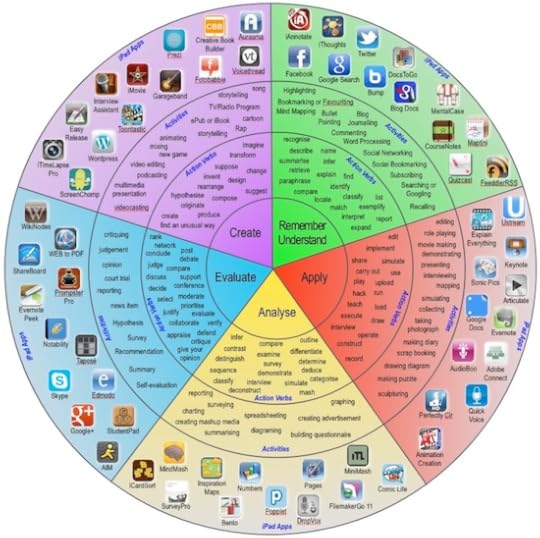 Image credit: http://www.educatorstechnology.com/20...
It is time to not only perform the job that we signed up for, educating kids, but also do so in a way that prepares them to harness the learning power of mobile technologies. Excuses plague education systems around the world. Stop making it about the adults and focus on what’s best for learners today.
 Image credit: http://image.slidesharecdn.com/
Case in point. Over the summer I was working with a couple hundred school leaders on digital leadership. As the presentation began to focus on mobile learning initiatives a hand immediately went up. In a polite tone the school leader expressed his apprehension with allowing students to bring or use their own devices in school. His main fear was a concern that students would be constantly off task texting or checking their social media accounts. I paused for a moment to decide on an appropriate response. Herein lies some irony. For the majority of my presentation this school leader had been disengaged himself with his technology. As the majority of the group intently listed or participated in planned activities to apply what had been learned this individual and his buddies checked their email, surfed the web, and accessed their own social media sites.
The off-task behavior in the example above was glaring. I seized the opportunity to not only call the group out tactfully and with respect, but to also hammer home a few points. Adults can be just as bad, if not worse, than our students when it comes to technology. How can we as adults set expectations for device use for kids if we ourselves are not willing to abide by those same expectations? This is quite hypocritical don’t you think? Change in mindset hinges on our ability to challenge certain assumptions that we have in terms of mobile technologies. When we do, the end result is that every one of us has been guilty of the same types of behaviors that students are chastised for.
Stay with me on this as we take a walk down memory lane. I want you to think back to your days as a student before the proliferation of mobile technology. Through a series of questions I am going to not only ask you to reflect on what you did, but also in the process challenge some firmly entrenched assumptions regarding technology. Here we go!
Did you ever write a note and pass it? Today’s students text or communicate via social media.Were you ever so bored in class that you doodled or daydreamed? Well, now kids check their social media accounts or use apps to engage themselves.Did any of you ever see someone with a cheat sheet or answers written on their hand? Now I know as educators you never did this, but I think you get my point. Obviously kids can use technology to do this now as well.Did you ever break any school rules that you didn't agree with? Students do this all the time when dictator-like policies and rules govern technology use.The point here is that it is not a technology issue, but many people make it one. The behavior argument that many make is flawed. It is first and foremost a school culture issue, which falls on the shoulders of leaders. Schools and districts that have embraced technology through a shared vision and resulting plan focused on learning reinforce appropriate use. The other issue is a classroom management one. It goes without saying that if lessons are not authentically engaging and there is a lack of monitoring, students will at times go off task. With any learning activity, with or without technology, effective pedagogy is key.
The process of effectively integrating devices begins with our ability to model appropriate use while reinforcing student expectations for the role of mobile devices. Make sure the essential elements are in place to ensure that devices afford students the opportunity to:
Support and/or enhance their learningConduct better researchImprove personal productivityDevelop and model digital responsibility and citizenshipAcquire and apply critical digital literacies
 Image credit: http://www.educatorstechnology.com/20...
It is time to not only perform the job that we signed up for, educating kids, but also do so in a way that prepares them to harness the learning power of mobile technologies. Excuses plague education systems around the world. Stop making it about the adults and focus on what’s best for learners today.
October 18, 2015
The Will and Courage to Lead
Over the past couple of weeks I have been either keynoting conferences or facilitating workshops focusing on digital leadership and learning. I relish the fact of being able to talk about creating schools that work for kids and leadership in the digital age. The main goal is to inspire current and future leaders to reflect on professional practice in order to become more effective and efficient. The primary target audience has been building and district level administrators with the hope of providing them with the ideas and strategies to improve their leadership. After all, if these leaders don’t get it the chances of innovative change being initiated and sustained is greatly reduced.
 Image credit: http://www.blr.com/html_email/images/...
Here in lies the issue though. The primary audience at each event has been teachers, which by no means is a bad thing. However, the teachers in attendance have been quite open with me in voicing their frustration that their building and district leaders have not been in attendance. This is equally frustrating for me as I was once the leader who had his head in the sand as a result of a fixed mindset. As a result, my school focused on the same nearsighted goals that were more about what was good for the adults and the system as opposed to our students. Many educators see the value in change, but a wake up call is needed for the individuals in power that do not see the value or have the time to improve professional practice.
I have written quite extensively over the past couple of months about how leadership is more about action than position. However, the purpose of this post is to stir the pot and target those leaders who have chosen to pursue administrative positions in schools across the world. Many of these leaders talk about how they will, or want to, always do what’s best for kids, but their actions (or lack thereof) speak otherwise. These individuals wield a great deal of power just by the mere fact of having a title. With this power comes a greater responsibility to act accordingly to not only challenge the status quo, but also in many cases make bold decisions to transform traditional school cultures.
Times are changing and the mantra that this too shall pass has to be challenged. The will to lead means those who have accepted greater responsibility have the courage to constantly move schools forward. In a world where technology continues to advance at rapid rates this means developing an understanding of how it can support and enhance the work already being done. It also means understanding and accepting that you will not have all the answers, nor do you need to. This requires a mindset to learn how to unlearn and relearn to be in a better position to make meaningful decisions that will lead to sustainable change.
 Image credit: http://www.drwilmink.com/blog/2014/12...
It is time to reflect. Leaders should begin by asking themselves these questions:
How can technology help me do what I do better?Does this policy, procedure, or rule impact student learning?How well does our school/district prepare students for life and jobs that don't exist yet?Am I more of a manager or an instructional leader?Is the investment in technology having an impact on student learning?Can I do a better job engaging and building better relationships with all stakeholders? If technology can help with this why am I not embracing it?Do I model the expectations I have set for others?Does the physical school environment reflect the real world?Do educators in our school/district feel comfortable to take risks without the fear of failure?Will I make the commitment to learn alongside my staff?
Let the questions above serve as a gut check. Districts need real leaders. Schools need real leaders. Most of all, students need and deserve real leaders. We can no longer afford to have people in power run schools to the ground, protect the status quo, and sustain outdated practices that negatively impact our most precious resource – students. It is an honor and privilege to be in a leadership position. With this must come the will and courage to lead accordingly. Accept this challenge or move on to another position and/or profession so that students and staff can experience their full potential.
 Image credit: http://www.n2growth.com
 Image credit: http://www.blr.com/html_email/images/...
Here in lies the issue though. The primary audience at each event has been teachers, which by no means is a bad thing. However, the teachers in attendance have been quite open with me in voicing their frustration that their building and district leaders have not been in attendance. This is equally frustrating for me as I was once the leader who had his head in the sand as a result of a fixed mindset. As a result, my school focused on the same nearsighted goals that were more about what was good for the adults and the system as opposed to our students. Many educators see the value in change, but a wake up call is needed for the individuals in power that do not see the value or have the time to improve professional practice.
I have written quite extensively over the past couple of months about how leadership is more about action than position. However, the purpose of this post is to stir the pot and target those leaders who have chosen to pursue administrative positions in schools across the world. Many of these leaders talk about how they will, or want to, always do what’s best for kids, but their actions (or lack thereof) speak otherwise. These individuals wield a great deal of power just by the mere fact of having a title. With this power comes a greater responsibility to act accordingly to not only challenge the status quo, but also in many cases make bold decisions to transform traditional school cultures.
Times are changing and the mantra that this too shall pass has to be challenged. The will to lead means those who have accepted greater responsibility have the courage to constantly move schools forward. In a world where technology continues to advance at rapid rates this means developing an understanding of how it can support and enhance the work already being done. It also means understanding and accepting that you will not have all the answers, nor do you need to. This requires a mindset to learn how to unlearn and relearn to be in a better position to make meaningful decisions that will lead to sustainable change.
Image credit: http://www.drwilmink.com/blog/2014/12...It is time to reflect. Leaders should begin by asking themselves these questions:
How can technology help me do what I do better?Does this policy, procedure, or rule impact student learning?How well does our school/district prepare students for life and jobs that don't exist yet?Am I more of a manager or an instructional leader?Is the investment in technology having an impact on student learning?Can I do a better job engaging and building better relationships with all stakeholders? If technology can help with this why am I not embracing it?Do I model the expectations I have set for others?Does the physical school environment reflect the real world?Do educators in our school/district feel comfortable to take risks without the fear of failure?Will I make the commitment to learn alongside my staff?
Let the questions above serve as a gut check. Districts need real leaders. Schools need real leaders. Most of all, students need and deserve real leaders. We can no longer afford to have people in power run schools to the ground, protect the status quo, and sustain outdated practices that negatively impact our most precious resource – students. It is an honor and privilege to be in a leadership position. With this must come the will and courage to lead accordingly. Accept this challenge or move on to another position and/or profession so that students and staff can experience their full potential.
 Image credit: http://www.n2growth.com