Sangay Glass's Blog, page 2
July 23, 2025
Here's Where Thing Get Wild
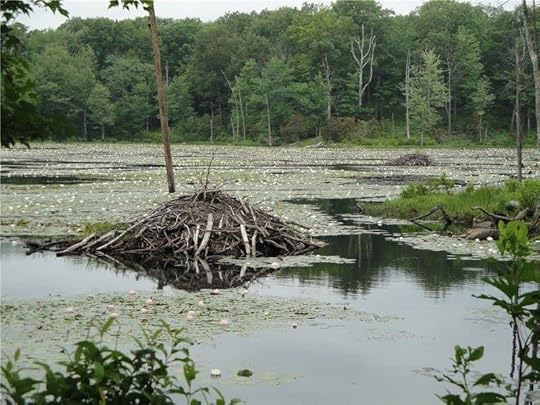 Let's talk wildlife coexistence. It’s the holy grail of conservation, and the one I keep chasing, even when it feels just out of reach.
We talk a lot about “saving wolves,” but honestly? What I want is space. For all of it. The wolves. The prey. The rivers. The people. That delicate tension where everything gets to exist, not perfectly, but enough.
And here’s the wild part: sometimes, it’s not the apex predators that show us the biggest shifts. It’s the little ones, like rodents and dam-builders.
Last week, I checked our data and nearly cried. Out of necessity, our small, fictional pack had to shift its diet. Fewer moose and deer. More beaver.
That may sound minor, but it’s everything. It means they’re adapting. Just like the wolves in Voyageurs.
And if they keep choosing beaver? That could mean fewer livestock complaints. More deer and moose left for sustenance hunters, the kind who live here, not fly in.
It’s a glimpse of longer-term balance. It’s proof that wolves don’t have to be painted as villains to survive.
And beavers? They go both ways, ecologically, I mean.
So, calm down and open your mind.
Beavers reshape land one stick at a time. They slow streams. Create ponds. Invite frogs and birds and all the things we forget we’re losing.
And when they move out? Open meadows return, hosting a whole new cast of plants and animals. They’re ecosystem drivers in both directions.
But here’s the part I love most: Beaver shifts don’t spark lawsuits or headlines. No panic. No propaganda. Just quiet resilience that ripples out like water behind a dam.
This kind of shift is rare. It’s hopeful. It’s proof that when we step back and let nature do its thing, sometimes, it figures out how to live alongside us.
~ Jess Taylor~ The Wolfer's Daughter
The Wolfer's Daughter is available for free on digital in preview, starting 7/24 for the weekend.
The paperback on coming July 25
Set in the remote Adirondacks, where wolves have returned after a century-long absence, "The Wolfer's Daughter" is a chilling and darkly humorous story rooted in real-world conservation, identity, and the blurry lines between what we love and what we fear.


July 22, 2025
Wolves Don’t Hook Up. They Lock In.
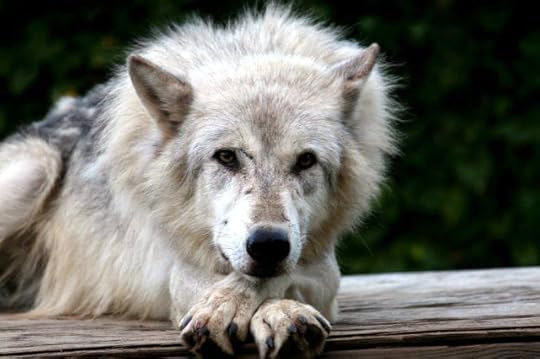 When wolves mate, it’s not casual. It’s primal, hormonal, and strategic. They don’t just breed, they bond.
First comes the chase. She tests him, makes him prove his worth with play, patience, and persistence. If he’s too eager? She puts him in his place. Too lazy? He’s out.
But if he respects her timing and reads her right, she lets him closer. And when they finally lock up—yes, literally—they’re tied together, back to back, until it’s done.
It’s awkward. It’s intense. And it works.
Because for wolves, sex isn’t just about pleasure. It’s about partnership, territory, and survival.
So next time someone calls themselves your “alpha,” ask if they’ve ever earned it the wolf way. Through restraint, respect… and a little well-timed growl.
— Jess Taylor
(The Wolfer’s Daughter)
Coming July 25th. Set in the remote Adirondacks, where wolves have returned after a century-long absence, The Wolfer's Daughter is a chilling and darkly humorous story rooted in real-world conservation, identity, and the blurry lines between what we love and what we fear.
July 19, 2025
Fear in Wolves
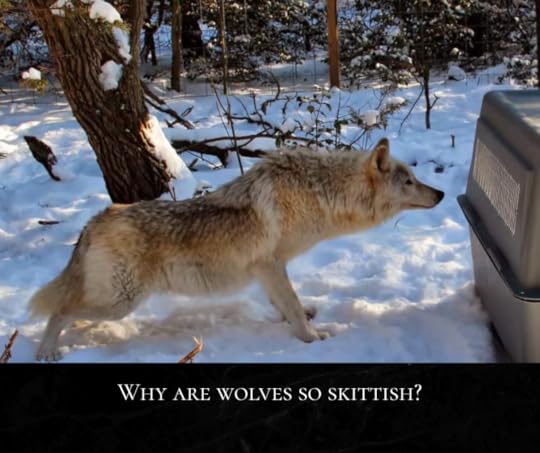 When Your Amygdala acts like it’s the size of a grapefruit and someone sneezes 200 yards away... you might be a wolf.
You ever wonder why wolves seem to disappear before you even spot them?
It’s not magic. It’s biology. Specifically, a little almond-shaped part of the brain called the amygdala. The amygdala’s job is simple: detect danger, trigger fear, keep you alive.
In wolves? It might be the loudest voice in the room.
Unlike domestic dogs, wolves haven’t been bred for trust. They’ve been hunted, trapped, shot from helicopters, poisoned, demonized for centuries.
So what survives? The wolf with a hyper-tuned fear response. The one who flinches fast and doesn’t stop to second-guess.
We don’t have full scans of wild wolf brains, but studies on dogs and foxes show this pattern: domestication softens the amygdala.
Wildness sharpens it. That means wolves likely carry generations of neurological vigilance, and they’re still learning from every trap, bullet, and betrayal we offer. It’s not cowardice. It’s survival. A wolf that bolts at the crack of a branch is a wolf that lives to warn the others.
So the next time someone calls a wolf “skittish,” maybe remember this: It’s not a flaw. It’s an ancestral alarm bell, still ringing.
And honestly? I think they’re smart to listen.
— Jess Taylor
(The Wolfer’s Daughter)
Coming July 25th. Set in the remote Adirondacks, where wolves have returned after a century-long absence, "The Wolfer's Daughter" is a chilling and darkly humorous story rooted in real-world conservation, identity, and the blurry lines between what we
love and what we fear.
July 15, 2025
Conservation and Cash: Not All Green Means Give
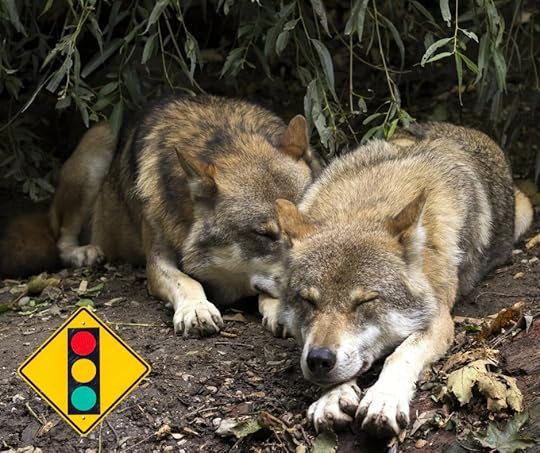 You learn early in my line of work that wolves don’t lie. They snarl when they mean it. They run when they’re scared. They don’t slap a “Save the Ecosystem” sticker on a truck full of traps.
People? Whole different story.
I’ve spent enough time with “green” organizations to know that the color doesn’t always mean go, grow, or good.
Sometimes, it means money. Sometimes, it means control. And sometimes, for organizations, like the fictional Northern Apex Initiative (NAI), it means camouflage.
See, you get these slick operations that throw words like “conservation,” “balance,” and “public trust” around like seed bombs. But look a little closer and you’ll find those seeds don’t sprout because they're weighed down by politics, corporate ties, and a quiet hatred of wild things that refuse to be managed.
NAI claims to support wolf recovery. They fund habitat mapping, population monitoring, and public education campaigns. Sounds great, right?
Until you realize they’re also lobbying for sterilization over relocation, quiet lethal management, fencing off migration corridors, and selling fear as science. I should know. I took their money. I used their collars. And for a while, I believed the story they were selling: that we were restoring balance.
But balance isn’t sterile. It’s chaos, reactive, and alive. Wolves aren’t numbers in a model. They’re individuals with roles, instincts, and consequences.
You can’t tame wildness and call it stewardship.
So here’s the truth: just because a group says they’re green doesn’t mean they aren’t built on gray intentions.
Ask who benefits. Follow the funding. Watch how they talk about predators—do they sound like allies, or like landlords annoyed that the tenants bite?
And if someone tells you they’re protecting wolves by controlling them, remember this: Sometimes management is just a slow kill with better PR.
If you’re laying your money down, pick your side with your eyes wide open. The wolves don’t get second chances.
—Jess Taylor, Wildlife Biologist
Set in the remote Adirondacks, where wolves have returned after a century-long absence, The Wolfer's Daughter is a chilling and darkly humorous story rooted in real-world conservation, identity, and the blurry lines between what we love and what we fear.
July 10, 2025
The Things We Carry: Hunting, Heritage, and When We Let Go
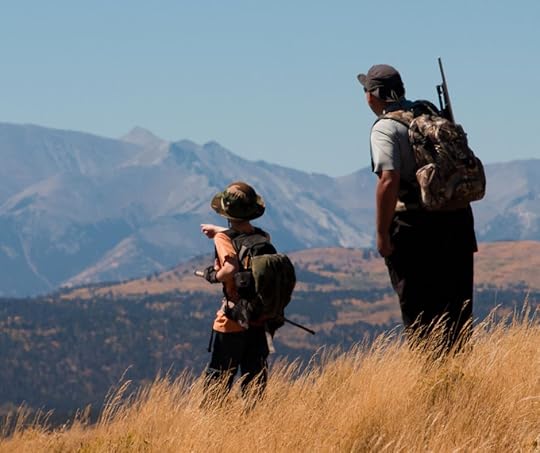 Jess Taylor grew up in a culture where hunting and trapping weren’t just pastimes, they were tradition, skill, survival, and legacy.
 Like Jess in "We Weren’t Meant to Be Wolves", many of us learn these things at the side of someone we love. For Jess, it was her dad.
There’s honor in providing for your family. There’s wisdom in knowing the land. But there also comes a time, sometimes quietly, sometimes painfully, when we start to question what we’ve inherited. Not because we’re ungrateful, but because we’ve changed. Or the world has. Often both.
Jess never set out to betray her roots. But when science, emotion, and instinct collide, she starting asking hard questions:
Why do I keep doing this if it's not to put food on the table? And how can I honor family traditions without rejecting my family or their lifestyle? How do I tell them I've changed?
This story isn’t anti-hunting. It’s not anti-anything. It’s about growing up. Waking up. Making peace with where you come from, even if that peace looks a little wild.
If you’ve ever carried a legacy you weren’t sure you believed in, you’ll understand.
Set in the remote Adirondacks, where wolves have returned after a century-long absence, We Weren’t Meant to Be Wolves is a chilling and darkly humorous story rooted in real-world conservation, identity, and the blurry lines between what we love and what we fear.
July 9, 2025
Raise Your Alpha, Without Raising Your Voice
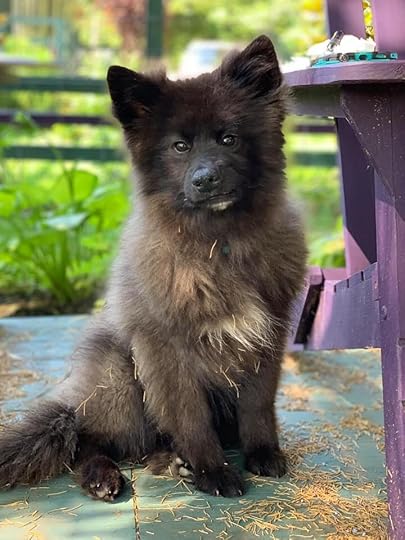 What’s a Alpha in the Human World?
In wolf packs, the so-called “alpha” isn’t the loudest or most aggressive. It’s just… Mom and Dad. The breeding pair. The leaders aren’t dominant through force, but through stability, experience, and calm control.
So, what makes a true alpha personality?
Not the one who yells the loudest or wins the most fights.
Examples of real alphas:
They walk away when the noise gets old.
They move with purpose.
They lead by example.
They don’t need to posture, they state their case once, and mean it.
They protect more than they control.
In “We Were Meant to Be Wolves”, several characters reflect this kind of quiet strength:
Jess, with her grit and grief-hardened resolve.
Tucker, who leads through patience and principle.
Professor Miller, whose authority comes from wisdom, not ego.
Jess’s dad, a flawed but steady loving and guiding presence.
Even Floyd, crude, cranky Floyd has his alpha moments when it counts.
Being an alpha isn’t about domination. It’s about responsibility. But not every alpha in the story walks on two legs.
One has fur, fangs, and a mission to finish.
Meet this otherworldly soul in “We Were Meant to Be Wolves”
~Jess Taylor~Check out my story July 25th in paperback and Kindle
Set in the remote Adirondacks, where wolves have returned after a century-long absence, We Weren’t Meant to Be Wolves is a chilling and darkly humorous story rooted in real-world conservation, identity, and the blurry lines between what we love and what we fear.
July 8, 2025
How Anthropomorphism Helps and Hurts Conservation
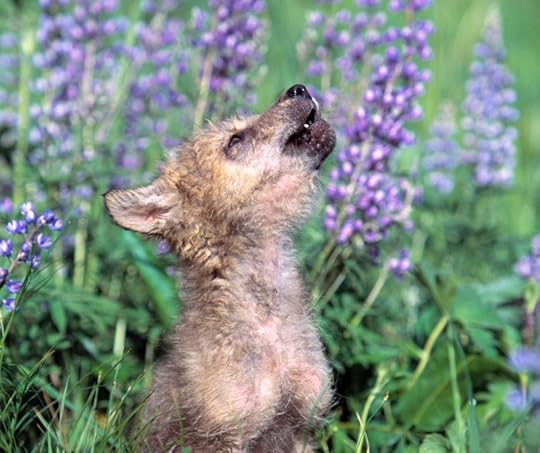 From Jess’s Journal: Wolves with Bows
People love to slap human emotions onto wild animals.
Wolves get it the worst. One minute they’re soulmates howling at the moon. The next, they’re bloodthirsty demons dragging children into the dark.
Pick a fairy tale. Either way, they’re not allowed to just be wolves.
Here’s the thing; the stories somewhat help.
The cute wolf cub with the tragic eyes gets donations. The noble pack leader who sacrifices himself for the good of the group? He gets a documentary. And maybe, just maybe, someone votes to protect their habitat.
But there’s a cost.
When we make wolves too human, we stop seeing what they are. They don’t live by morals. They don’t have revenge plots. They’re not here to teach us life lessons. They’re just trying to survive, like they’ve always done, through teeth, timing, and terrain.
And when they get too familiar, people start expecting them to behave.
To stay where they’re told.
To not eat the calf someone left unguarded.
To act grateful for being allowed to exist.
Wolves don’t do gratitude. They do balance.
And they’re damn good at it, if we’d just get out of the way.
So yeah, anthropomorphism gets people to care.
But if we’re not careful, it also gets wolves killed.
Let them be wolves.
Want to know what happens when science and story collide in the woods? Read We Were Meant to Be Wolves. Coming July 25th! Follow me for updates and free books.
July 6, 2025
Divide Design: How Wolves Got Dragged Into Our Culture War
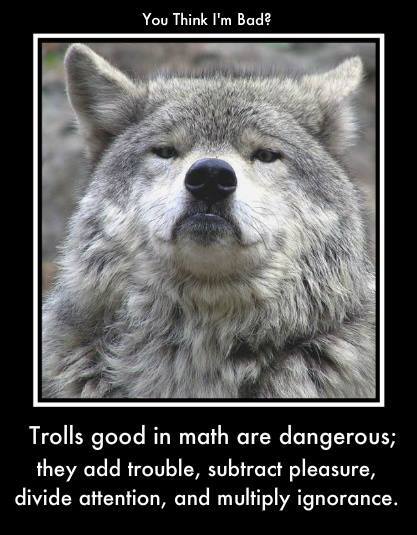 Not every meme is just a joke. Some are weapons. And somehow… wolves got pulled into the crossfire.
Wolves are just predators trying to survive. But mention them online? Suddenly you’re accused of hating ranchers… or hating wildlife… even hating America.
Why? Because propaganda—foreign and domestic—loves a good wedge issue. Wolves are perfect.
Wolves are emotional. Symbolic. Easy to spin.
One side posts: “Wolves are majestic. Let them live.”
The other posts: “Wolves are killing livestock. Stop the madness.”
Both sides go viral. No one checks the data.
Meanwhile? On the ground?
Wolves are being trapped, shot, or mismanaged.
And the people who actually live with them—biologists, ranchers, Indigenous communities—get drowned out by internet rage and clickbait.
So why use wolves?
Because they stir up identity.
Rural vs. urban. Cowboy vs. conservationist.
It’s not really about wolves.
It’s about division by design.
Want to resist? Don’t just pick a side.
Pick truth. Pick science.
Pick dialogue. Even when it’s messy.
Wolves don’t know they’re political symbols.
They’re just trying to make a living.
Same as the rest of us.
Set in the remote Adirondacks, where wolves have returned after a century-long absence, We Weren’t Meant to Be Wolves is a chilling and darkly humorous story rooted in real-world conservation, identity, and the blurry lines between what we love and what we fear.
July 5, 2025
Spin vs. Science: Colorado Wolves in the Crosshairs
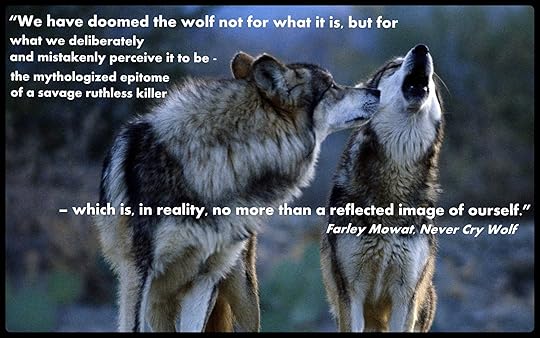 Here’s how media spin works:
Colorado reintroduces wolves, a huge win for restoration and ecological balance. The goal? Let them do what they’ve done for thousands of years: regulate prey, restore landscapes, bring back the balance.
But what makes headlines? Not “Wolves Released, Ecosystems Begin to Heal.”
Instead:
“Wolves Killed After Release.”
“Cattle Losses Blamed on Wolves.”
“Program Under Fire.”
They skip the part where it’s one or two wolves.
They skip the fact that some die because that’s how wild works.
They skip the dozens still thriving, hunting elk, avoiding humans.
Because fear sells. Because outrage clicks. Because “balance” doesn’t make front page.
Wolves aren’t political. But people sure are.
~Jess Taylor~Check out my story July 25th in paperback and Kindle
Set in the remote Adirondacks, where wolves have returned after a century-long absence, We Weren’t Meant to Be Wolves is a chilling and darkly humorous story rooted in real-world conservation, identity, and the blurry lines between what we love and what we fear.
Don’t let someone else’s headline rewrite what’s actually happening on the ground.
This goes for everything you see in the media today. Always take a second look.
July 4, 2025
Independence Day
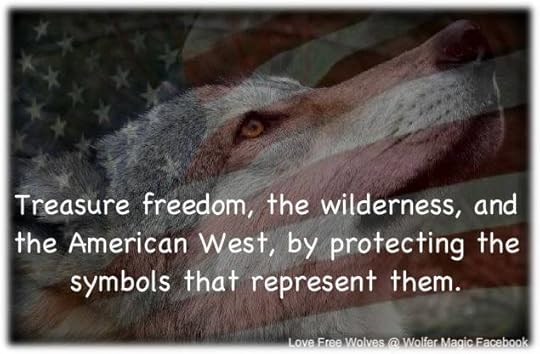 A wild land is a free land.
Protect both.
Happy 4th of July.