Brainard Carey's Blog, page 65
March 12, 2020
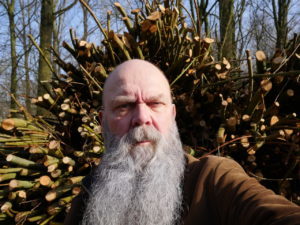
Frans van Lent
 Frans van Lent
La Biennale de Momon- about the solidity and continuity of the physical world as opposed to the human temporary presence. July – November, 2020.
The initiative:
La Biennale de Momon project was set up by Frans van Lent, a Dutch artist, based in Dordrecht, the Netherlands. His recent projects include the Unnoticed Art Festival, the ConceptBank and the ParallelShow. There is no clear distinction between his practice as a performance artist and his curatorial projects. He often invites other artists to participate on an equal basis. Frans van Lent studied at MaHKU, Utrecht (MA Fine Arts). He tutors at the Willem de Kooning Academy, Rotterdam (since 2000).
The project:
Maumont is a small village in the Perigord in France. It consists of 15 houses, around 30 inhabitants and there is no church, shop, café or other public facility. Only a few original residents are still living in the village; many died over the years, others left to live elsewhere. Today most inhabitants are newcomers and pensioners, often from other countries.
Twenty years ago you could still smell the farms everywhere. Herds of cows and sheep were led through the village every day. The village has changed, from a place where all was related to soil, growth and the seasons, to a place where the inhabitants mainly stroll, relax and dream.
Momon is the old name of the village, no longer in use since the name Maumont was introduced. Momon stands for the village as it exists in the mind. It is no longer physically linked to the location, it is linked to memories and coloured by nostalgia.
La Biennale de Momon starts from the village, but it will only be that starting point. Nothing will be changed but, on the contrary, it will remain the way it is.
The artists:
Eight artists are working in this project:
Sarah Boulton (GB), Marc Buchy (FR/BE), Joan Heemskerk (NL), They all have a certain preference for creating work without a material body, without physical traces. Their ultimate works might consist of texts, scores, images or sounds, everything that can live online without actually touching the physical ground.
During one week in the first half of this year, every artist will individually stay in a small house in the village. She/he will use this time to get familiair with the village, with its surroundings, its inhabitants. And they will of course prepare and create.
LaBiennaleDeMomon.org:
Finally La Biennale de Momon can only be experienced online. The will be no physical traces left in the village to find. The project will officially be presented at LaBiennaleDeMomon.org on July 15, 2020.
You can of course always choose to visit the location, but do not expect to see something different than what it always was: just a small village in the Perigord.
And finally:
In November 2020 we will organise a public conference in the Dordrechts Museum in Dordrecht, the Netherlands.
In this conference all artists will talk about the meaning of this project and about their works.
There will also be other speakers with a professional relation to the subject: actors, journalists, scientists.
Financing the project:
We are very happy that the city of Dordrecht, the Netherlands, funded part of this project. It ensures us of the means to realise many aspects as intended.
One of the things that is still missing is a fee for the artists. The project is very much dependent of their efforts and I would really want to value this by offering them a fair fee.
To realize that we set up the crowdfunding.
The book mentioned in the interview is Underland of Robert Macfarlane.
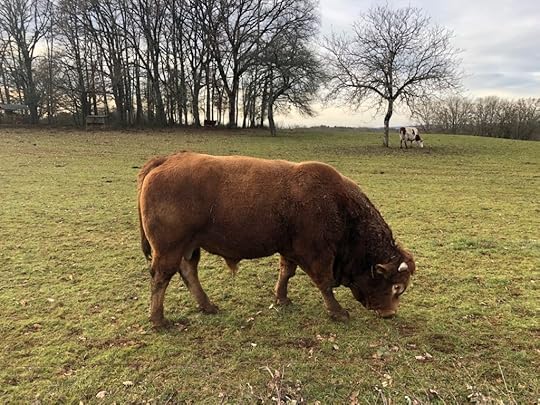 Bull (Limousin)
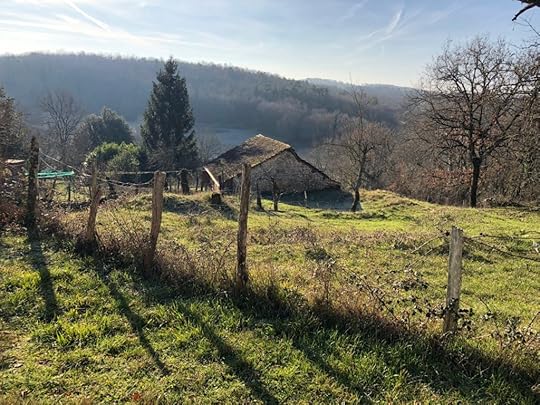 View from the village of Maumont


March 4, 2020
Sarah Stolar
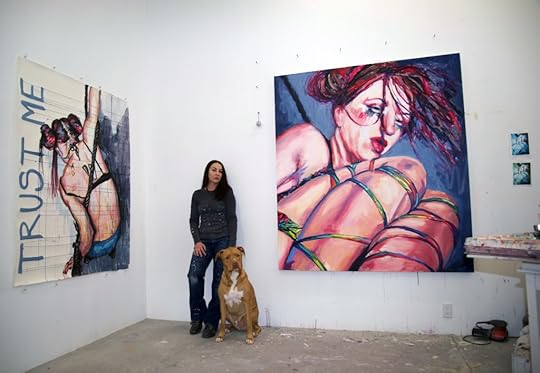 Sarah Stolar in the studio with her pit bull Gabriel and work in-progress for her new project The Grief Club photo credit Jeff Medinas
Sarah Stolar (b. 1974, Chicago, IL) is an interdisciplinary artist who lives in Santa Fe, New Mexico. Working from a vast technical perspective, the breadth of her work includes painting, drawing, multi-media installation, film, video and performance art. Rooted in a 20-year investigation of the female psychological narrative, common threads in her work include coming of age, loss of innocence, sexuality, beauty, power, death, spirituality, and identity. Sarah is the daughter of artist and educator Merlene Schain, and in the family lineage of 19th-century German painter Adolph von Menzel and Rookwood Pottery master potter John von Menzel of the American Arts and Crafts Movement. She grew up in her mother’s art studio and award-winning art school Schain Studios in Cincinnati, OH, received a BFA in Painting from the Art Academy of Cincinnati, and an MFA in New Genres from the San Francisco Art Institute. Sarah’s visual art, performance, and collaborative work have exhibited across the United States and in Argentina, Spain, Germany, Austria, Finland, Italy, and Cuba with solo exhibitions at the New Mexico Museum of Art, Harwood Museum of Art, and BGMoCA in Montevideo, Uruguay as well as awards and honors from international film festivals, et al. Her work has been featured in multiple publications including The Nation Magazine, LandEscape Art Review, Nomos Journal, and Hyperallergic. A committed educator for over fifteen years, Sarah Stolar serves on multiple boards and academic committees, and is currently the Chair of the Art Department at the University of New Mexico – Taos.
The book mentioned in the interview was The Power by Naomi Alderman.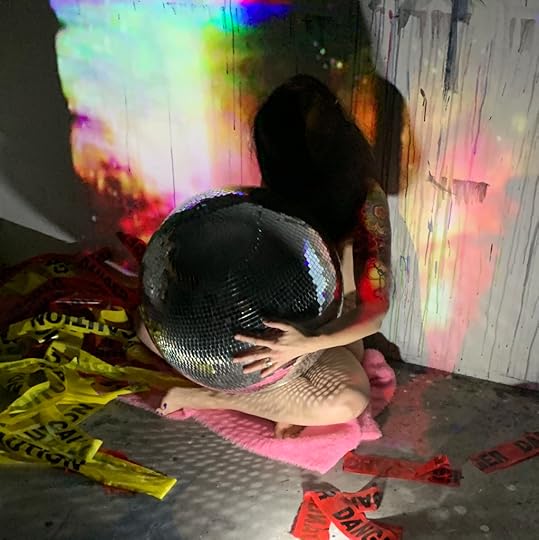 The Grief Mother / The Grief Club performance for video 2020 photo credit Audrey Valentine
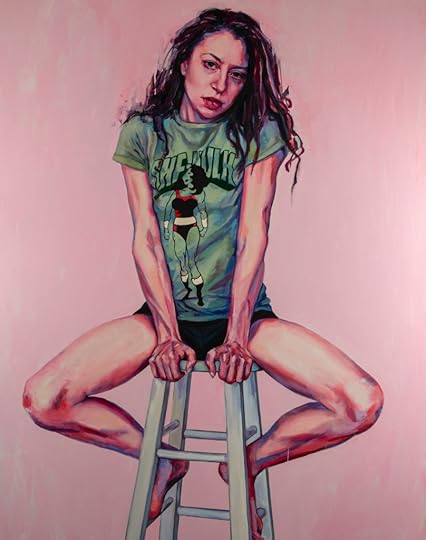 She-Hulk, oil on canvas, 60×48”, 2018, photo credit Jeff Medinas (exhibited in most recent solo exhibition Alcoves 20/20 at the New Mexico Museum of Art)
February 26, 2020
Mireia c. Saladrigues
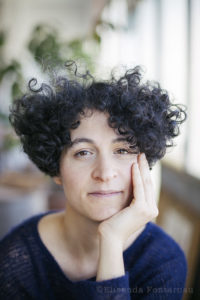 Mireia c. Saladrigues (Terrassa, 1978) is a researcher and visual artist at the Doctoral Program of the Finnish Art Academy, University of the Arts Helsinki.
Via her research Behaving Unconventionally in Gallery Settings. Alteration in Cultural Practices for Rearticulating Relations among Makers, Objects, Audiences, and (Virtual) Museums, she documents and fosters human and non-human cases of alteration and strangeness in cultural practices by proposing an artistic and theoretical re-reading of nonconformity. It also experiments with implementing occasions for misrepresented behaviours that, within the (conceptual) architecture of display, are considered traditionally unacceptable. The research is being supervised by Jan Kaila, Julie Harboe and punctually by Hito Steyerl.
Her work participated the 2nd Research Pavilion in occasion of the 57th Venice Biennale (2017). She has also exhibited at: Espai 13 in Joan Miró Foundation (2011), Antoni Tàpies Foundation (2014), La BF15 in Lyon (2014), Centre d’Art Le Lait in Albi (2015), Videonale.13 in Bonn (2011), Centre Cultural Caja Madrid (2011), National Museum of Photography in Copenhaguen (2010), Kiasma Museum in Helsinki (2009), DIA Art Foundation (2008), Art Museum in Pori (2008), Onomatopee in Eindhoven (2015 i 2012), Midway Contemporary Art in Minneapolis (2010).
She has lectured at the 9th Annual Conference of the Society of Artistic Research in Plymouth, 104th Annual Conference by CAA in Washington DC, the EARN Symposium at GradCAM@DIT in Dublin, KuVA Research Days in Helsinki, as much as others.
She has received numerous awards, which the most recent are KuVA Research Position (2020-2021), Kone Publication Grant (2020), Kone Foundation Research and Art Production Grant (2016-2019), KuVA Grants (2019-2014), ETAC – Artistic Research Residency (2014), OSIC- Research and creation grant (2012).
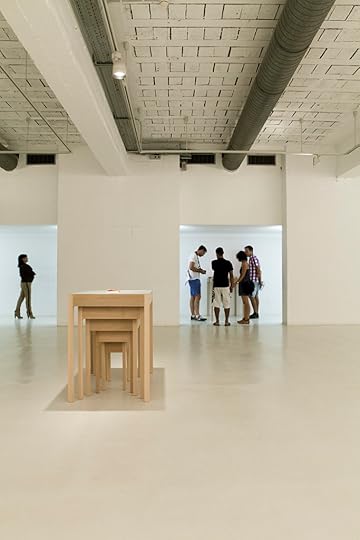 Her Museum, in Joan Miro Foundation, Mireia c. Saladrigues, 2011
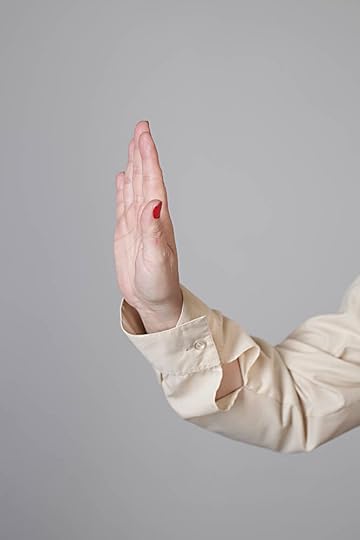 Mind your Manners, Mireia c. Saaldrigues, 2011
February 25, 2020
Bob Holman
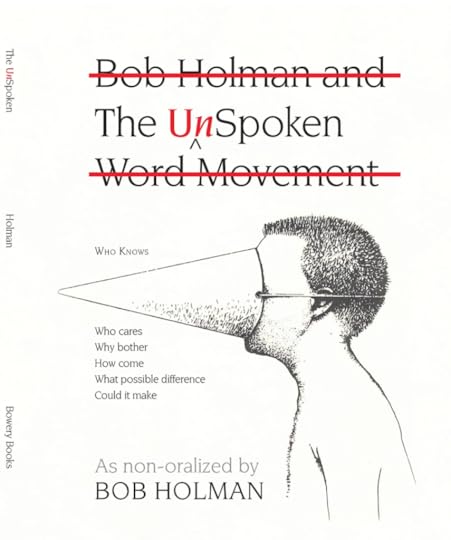
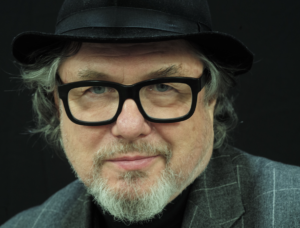 Featured in a Henry Louis Gates, Jr. profile in The New Yorker, crowned “Ringmaster of the Spoken Word” by the New York Daily News, Bob Holman has performed his poems with a punk band in Kiev, a griot in Timbuktu, a ballet company in San Francisco. As the original Slam Master of the Nuyorican Poets Cafe, creator of the world’s first spoken word record label, Mouth Almighty/Mercury, and the founder of the Bowery Poetry Club, Holman has played a central role in the spoken word and slam poetry movements of the last several decades.
He is the author of 17 poetry collections, A Couple of Ways of Doing Something (Aperture, a c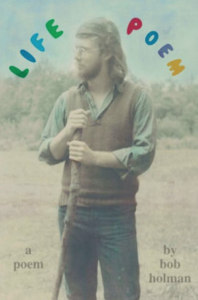 ollaboration with Chuck Close), and has taught at Princeton, Columbia, NYU, Bard, and The New School. A co-founder of the Endangered Language Alliance, Holman’s study of hip-hop and West African oral traditions led to his current work with endangered languages.
He is the producer/host of films including “The United States of Poetry” and “Language Matters with Bob Holman,” both nationally broadcast on PBS.
February 18, 2020
Mary Dinaburg
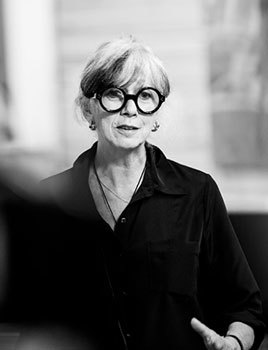 Mary Dinaburg has over 30 years of art industry experience, with extensive knowledge of the Asian art market. She is the founder of DinaburgArts LLC, providing curatorial advice and consultation for galleries, museums, institutions, and corporations, with a focus on business development and cultural branding. Her expertise also includes acquisition and de-accession of Post-Impressionist and Modern masters as well as established and emerging international Contemporary artists.
Having recently returned to New York, Mary is now involved in a variety of projects both in the United States and abroad.
During the 1980s, Mary served as the director of Jack Shainman Gallery. In 1993, she founded the art agency, DinaburgArts, where she not only continued her work in exhibitions and sales but also deepened her involvement in acquisitions and de-accessions.
DinaburgArts was one of the first agencies to bring fine art to the fashion industry. This started with Saks Fifth Avenue when Mary developed the “Saks Project Art” program, making contemporary art an integral part of the corporation’s identity and branding. Since then, DinaburgArts has worked with other brands like Hermès, and Firmenich. Additionally, Mary has consulted the Kirov Theatre in St Petersburg Russia on their cultural marketing; worked with CEC-Artslink on marketing strategies for nonprofit organizations; instituted a corporate art collection at 14 Wall Street; provided management consulting to Maison Gerard; and for three years curated Gallery W52. Mary also served as advisor and curator to the international law firm, Clifford Chance; establishing a comprehensive curatorial program intended to motivate both employees and clients, as well as broaden the firm’s cultural branding. This was achieved through revolving exhibitions, an acquisitions program, educational lectures, tours, events, and the law firm’s three-year sponsorship of The Armory Show.
From 2000 onwards, Mary expanded her services into the Asian art market. Focusing her attention in South Korea and China (Shanghai, Nanjing, Beijing, and Hong Kong), Mary connected major international art galleries and artists – including Michael Werner, Sperone Westwater, Julian Schnabel, Sigmar Polke and William Wegman – with key collectors in Asia.
From 2006 to 2016, Mary partnered with Howard Rutkowski to create Fortune Cookie Projects. The company played two cross-cultural roles: introducing major international artists – spanning from Impressionism and Modernism through Contemporary practitioners – to the Asian market and to bringing established and emerging artists from the Asiatic region to the West. Fortune Cookie Projects also worked with the Royal Academy of Arts (London) to establish the Encounter exhibitions in Asia and the Middle East.
DinaburgArts continues to have an active presence in Asia and Europe, and having recently relocated to New York, Mary is currently working on a number of US based projects.
February 17, 2020
Mary Mattingly
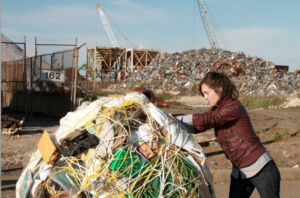 Mary Mattingly is a visual artist. She founded Swale, an edible landscape on a barge in New York City to circumvent public land laws.
Swale helped co-create the “foodway” in Concrete Plant Park, the Bronx in 2017. The “foodway” is the first time New York City Parks is allowing people to publicly forage in over 100 years. Mattingly recently completed a sculpture “Pull” with the International Havana Biennial with the Museo Nacional de Bellas Artes de la Habana and the Bronx Museum of the Arts. In 2018 she worked with BRIC Arts to build “What Happens After” which involved dismantling a military vehicle and deconstructing its mineral supply chain. Mattingly is currently artist in residence at the Brooklyn Public Library and is working towards an Ecotopian Library, a learning center for art and creativity in the face of climate change. Her work has also been exhibited at Storm King, the International Center of Photography, the Brooklyn Museum, and the Palais de Tokyo. Her work has been featured in Aperture Magazine, Art in America, Artforum, Sculpture Magazine, The New York Times, New York Magazine, Le Monde Magazine, New Yorker, and on BBC News, NPR, on Art21. Her work has been included in books such as MIT Press Documents of Contemporary Art series titled “Nature”, and Henry Sayre’s A World of Art, published by Pearson Education Inc.
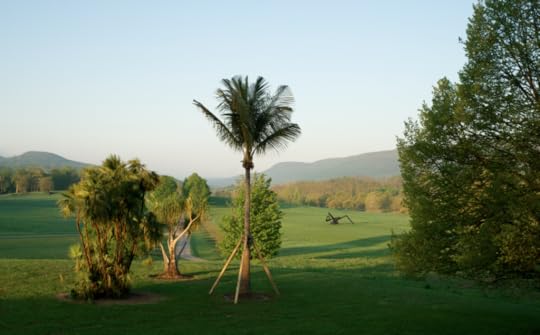 Along the Lines of Displacement, Storm King, 2018
 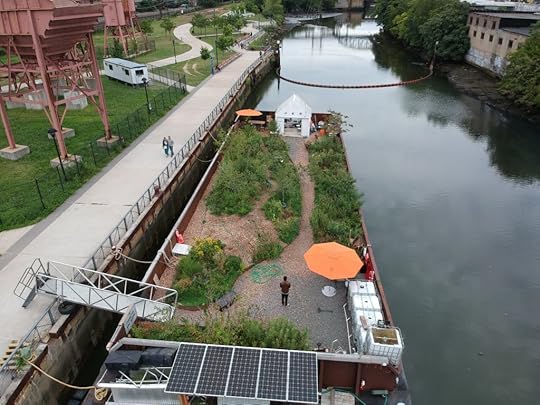 Swale, Concrete Plant Park, Bronx, 2017
February 13, 2020
Ya La’ford
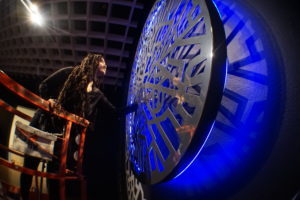 Ya Levy-La’ford is an artist, educator and foremost a transporter working between the visual and our community through a wide range of mediums including paint, sculpture, installation, video and sound. La’ford is known for her site-specific installations of her bold, geometric paintings to explore themes of transformation and transcendence. She builds each work with a unique vocabulary of intersecting lines and gestural repetition that create distinctive visual impact. Her labyrinth patterns are both an exploration of self and place, as well as a reflection of her Jamaican background. Complex yet minimal, La’ford’s work emphasizes contrasts between light and dark, positive and negative space and draw connections between interconnectivity and human neutrality.
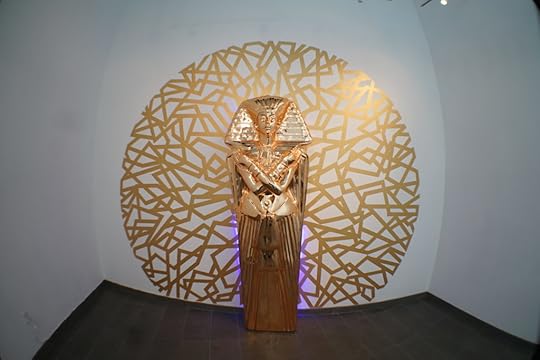 The Monument, Metal Sculpture, 10 foot
 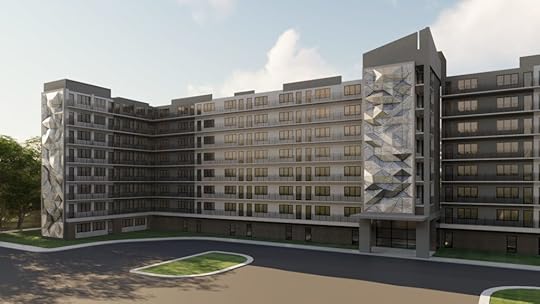 Tied, Environmental Facade Tampa, Metal Facade, 24 x 75 feet
February 12, 2020
Violeta Ospina
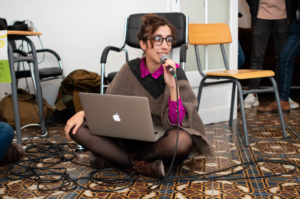 Algers, Jiser, 2019 (photo: Hichem Merouche).
font-size: large;”>Interdisciplinary artist who operates at the crossroads of visual, education and living arts. She has spent most of her life in Bogotá, where art can be found in a hole in the asphalt.
She lives and works in Barcelona since 2015, and she speaks from migrant body on the borders of multiply body, overturning technology to imaginative and micro-political ways of learning. Her work is about listening time: how perception of time operates within a people and the city and how we can change the function of everyday objects, monuments and also, institutions. With her video, sound and radio performances, she has been recently exploring the disruption of language and the social meaning of using ‘our voice’. Listen to that project here.
She is Radio Cava-ret, with Samuel Céspedes, since 2016, a living arts and radia collective. Recently, she made a ‘solo exhibition’ in Alalimón Galería (2019), called ‘So happy together & altres covers’, where she has invited Radio Cava-ret to the gallery space. In Barcelona, she has co-founded Radioactius Poble-sec with Pla Comunitari (2017), an online radio community. She works with several projects in Jiser Reflexions Mediterrànies, like the radio program Taula, and she has been also collaborating with Ràdio Web MACBA.
During her career she has been awarded the Otto de Greiff Award (2010), New Names of the Bank of the Republic of Colombia (2011), National University Postgraduate Scholarship (2011 – 2013), Master in Theater and Living Arts and ICETEX (Young Talents) Scholarship to study sound art at the University of Barcelona (2014- 2015). She has made some grants in Barcelona with collective projects like Beca de creación La Escocesa in 2018 and Sala d’Art Jove in 2019, with Radio Cava-ret.
The book mentioned in the interview was Listening in Dreams : A Compendium of Sound Dreams, Meditations And Rituals for Deep Dreamers.
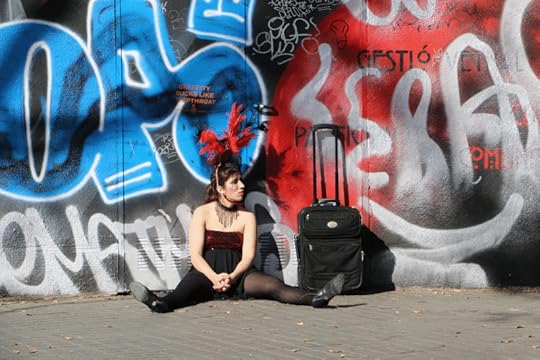 Trampa para monumentos (Eclipse), 2010, videoperformance, photographer: Lucía Huertas.
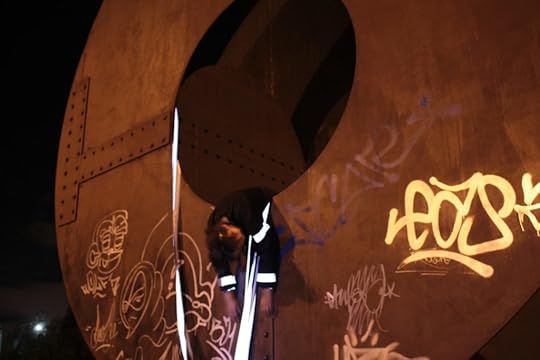 La vuelta al mundo en 80 teatros, 2017, videoperformance, photographer: Daniel Authier.
Graeme Williams
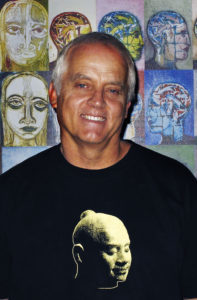 I grew up in the whites-only suburbs of Cape Town, South Africa during the apartheid era, when South African law decreed that 92% of the population were regulated to the status of second-class citizens.
My interest in photography began at the age of twelve, but I soon realized that a Kodak Instamatic was never going to produce the results that I wanted. I worked for three years in a bookshop and eventually bought myself a Fujica ST701. It was a real thing of beauty; a single reflex camera with a basic zoom lens, that provided me with the means to control how light formed itself onto the surface of the silver halide film. Sunsets and silhouettes held my attention for a few months, but I had already begun to explore the complex tradition of photographic expression. Life Magazine was for me, at that time, the Holy Grail. Over the years, my enthusiasm for exploring the photographic medium has never diminished.
My photographic momentum was temporarily diverted after school by parental pressure to obtain a ‘proper’ qualification. In my final school year I was both the Dux scholar as well as a first team sportsman, which resulted in me being offered a De Beers bursary to study Geology and Statistics at the University of Cape Town. After graduating, I broke the news to my unnerved parents that I was giving up this career path and instead becoming a property photographer at the local newspaper. In the hierarchy of photographic jobs this is very close to the bottom. My immediate aim was to gain access to unlimited amounts of film and the time to work on my own projects.
In 1987 I began photographing a conscientious objector and medical doctor, Ivan Toms, who refused to comply with the apartheid government’s military service requirements. He was sentenced to 21 months in prison. The essay, highlighted the absurdity of the political system. Renowned photographer, David Goldblatt , took an interest in this work and this interaction led to a three-decade relationship in which he became both a mentor and a friend. The rights to my essay on Ivan Toms were bought by Life magazine the following year.
Much of my work during this period was motivated by the desire to expose the social inequalities and racial divisions within my country. I eventually joined the strongly anti-apartheid collective, Afrapix and later became a founding member and manager of documentary collective, South Photographs.
In 1989, the beginning of the end of apartheid was evident. I was eager to situate myself in a position that would afford me the best opportunities to witness the transition to democracy. I joined Reuters News Agency as permanent stringer and for the next five years, I became immersed in the events, both violent and momentous, that led up to the inauguration of Nelson Mandela as president in 1994. Many of my photographs from this period have taken on a life of their own. The image of Nelson Mandela walking out of prison with his wife, Winnie, has been exhibited and published worldwide. In 2008, as Barack Obama fought John McCain for the presidency, Newsweek magazine ran a story asking each candidate to choose an image that best personified their world view. Obama’s team chose an image that I photographed in Thokoza township in 1991. Last year the same photograph became central in a high profile image-appropriation dispute between myself and New York artist, Hank Willis Thomas. There was a massive groundswell of support from colleagues and media from around the world. An amicable settlement was reached.
Since 1994 I have concentrated on producing personalized and contemporary bodies of work that reflect this complex country and the continent as a whole. These essays have been shown in solo exhibitions in New York, London, Paris, Cape Town and Johannesburg as well as numerous photo festivals around the world. (Including China, Singapore, Brazil, Cambodia, France, and the USA). I have been privileged to have been included in major international exhibitions showcasing contemporary South African photography; including Figures and Fictions at London’s Victoria and Albert Museum, Apartheid and After at Huis Marseille in Amsterdam, Earth Matters at the Smithsonian in New York, The Rise and Fall of Apartheid at the ICP in New York and Being There, at the Louis Vuitton Foundation in Paris. Awards include the CAP Prize for Contemporary African Photography (Basel) in 2013, and the Ernest Cole Award (South Africa) in the same year.
I have continued working on commissioned assignments and traveling to over fifty countries. My photographs have appeared on the cover of Time magazine twice, and have been published in The New York Times Magazine, National Geographic, Newsweek, Stern, and many others.
Whilst working on my long-term projects, I try to bear in mind how the work will be exhibited and published. So therefore, during the planning and photographing stages, I attempt to create a broad context for my essays, that includes a general look and feel, while creating the space for each image to convey its individual complexity. This need to develop a dual awareness in my personal work has benefitted from a long-term interest in designing and producing photobooks. I have created over 20 publications, some of them winning awards and many being shortlisted in dummy book competitions. (See List document).
During the past five years I have felt a need to shift my attention from South Africa to the America social, political and physical landscape. Some of my motivations for this change in direction have been outlined within the ‘Plan’ document. In 2016 I was granted a residency in the US by the Ampersand Foundation, giving me an opportunity to develop a body of work that interrogated the social strata within the greater community of Harrisburg, Pennsylvania. I designed and produced a book called, Diverging Dreamlines that included, portraits, urban landscapes as well as multi-image, digital, illustrations. The publication was chosen as “best of show” in the Annual Photobook Exhibition at the Griffin Museum of Photography in Winchester, Massachusetts. The work was also included in the Unmasked exhibition at Axis Gallery, New York in 2017.
Earlier this year (2019) I co-presented a paper, Over Time, at the International Psychoanalytical Association (IPA) Congress held in London. Four of my personal essays were incorporated into the presentation, allowing a psychoanalytical exploration into the parallels between this photographic record and South Africa’s dynamics and process of change.
I have participated in various mentorship programs, supporting students from South African photographic institutions: Tierney Fellowship winners from the University of the Witwatersrand (2018/2019) and the Market Photo Workshop (2015/2016). As well as candidates from the Photographer incubator Program in 2016.
In 2019 I embarked on an exploratory journey in order to compare my youthful perceptions of the United States of America with my personal experience. The resulting body of work, America Revisited, can be accessed via this link.
My website is here.
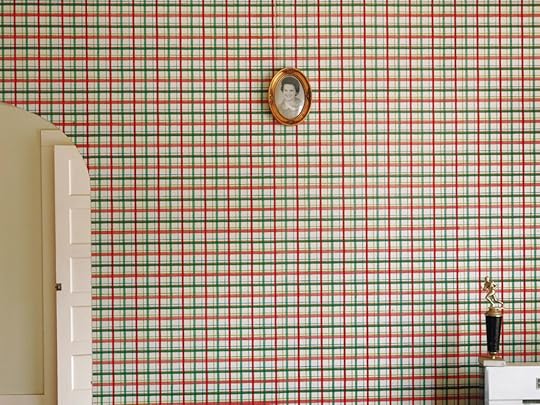 America Revisited 02: Feel free to condense: Mineral Wells, Texas. Ruin porn, is the description that is sometimes given to the work of photographers who document the decay or discarded structures within communities and cities that have been hit by hard times. Mineral Well’s Baker Hotel built in 1929, was one of the country’s most glamorous resorts for about 25 years and is now a boarded up monument to the past. A block or two away, I came across an abandoned apartment. Each room was decorated with care and it still retained the character of a family home with a strong sense of belonging. Although I was aware of my voyeuristic interest, I explored it with reverence and when leaving, I closed the front door gently as if I had been an invited guest.
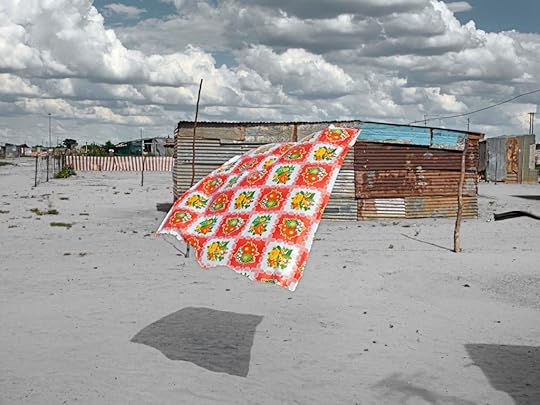 America Revisited 01: A torn plastic table cloth dries outside a corrugated shack in Phutanang township. Kimberley, South Africa. 2011.
M. Evelina Galang
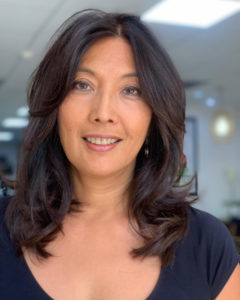 M. Evelina Galang is the author of the story collection Her Wild American Self (Coffee House Press, 1996), novels One Tribe (New Issues Press, 2006) and Angel De La Luna and the Fifth Glorious Mystery (Coffee House Press, 2013), the nonfiction work Lolas’ House: Filipino Women Living With War (Curbstone Books, 2017), and the editor of Screaming Monkeys: Critiques of Asian American Images (Coffee House Press, 2003).
Among her numerous awards are the 2004 Association of Writers & Writing Programs (AWP) Prize for the Novel, the 2007 Global Filipino Literary Award for ONE TRIBE, the 2004 Gustavus Myers Outstanding Book Awards Advancing Human Rights, and a 2002 Senior Research Fellowship from Fulbright. Galang teaches in the MFA Creative Writing Program at the University of Miami and is core faculty and President of the Board of Voices of Our Nations Arts Foundation (VONA/Voices).