
Sara Tucker's Blog, page 5
January 13, 2016
Daryl Grout: Two Weeks in Tuscany
 The town of Portovenere, in Cinque Terre, is a stopover on this self-drive itinerary, which begins and ends in Florence.By Daryl Grout
Susan and I land in Florence on Saturday morning, October 9, two days after celebrating our 32nd anniversary. Arriving at the Hotel Monna Lisa on the narrow Borgo Pinti, the first thing we notice is the immaculate streetscape—new paving blocks designed to match seamlessly with the water-worn stone of medieval times. After checking into our palatial room in the Renaissance-era mansion, we are soon wandering in a light rain the glistening streets of this magnificent UNESCO World Heritage city center. We are immediately drawn to the dominant Cattedrale di Santa Maria del Fiore with its iconic Brunelleschi Duomo. Guidebook photographs have only hinted at the splendor of this structure (reinforcing the maxim that travel is a necessary). After circling the neo-gothic exterior, we merge with the tourist flow and find ourselves at the symbolic center of the medieval Italian Renaissance—Piazza della Signoria and the adjacent Loggia dei Lanzi, Palazzo Vecchio, and Galleria degli Uffizi.
 Sabinae Raptae by Giambologna, Loggia dei Lanzi. Following the path of Lucy from Forster’s A Room With a View, we cross the Arno River on the Ponte Vecchio with its famous Corridoio Vasariano (where Medici would travel unseen between Palazzo Vecchio and their Palazzo Pitti residences). Turning right on Borgo San Jacopo, we stumble upon delightful Ristorante Mamma Gina for the first of many delicious meals featuring fresh pasta and the colorful cuisine of Tuscany. Sunday dawns sunny, prompting us to avoid weekend museum crowds and hike into the hills above town. We arrive first at the Giardino delle Rose, then climb higher to take in the views at San Miniato al Monte with its statuary-filled hilltop cemetery. After strolling a surreal cypress glade, we fall in with an American student out on a day-hike. She persuades us to keep walking past the Torre del Gallo, where we find another amazing meal and spectacular views at
Trattoria Omero
. Feet aching, we meander along villa-lined lanes to the Forte di Belvedere entrance to vast Giardino di Boboli before stumbling home to an early dinner and a jet-lagged bedtime. Tuesday is Chianti day. We splurge on a driver, leaving early in a black Mercedes for UNESCO-favorite San Gimignano, famous for its 14 surviving medieval towers. Our driver, Francesco, smartly dressed in tie and Euro-cut jacket, is worth every penny, correcting our pronunciation and filling our heads with information at every stop. We stop in Castelinna for lunch at the subterranean Via delle Volte, then move on to scenic Radda with wine tastings at Volpaia and Castelvecchi. Dinner at Antinori’s
Badia di Passignano
is a mindfulness moment, best meal of our lives, each course accompanied by amazing Tuscan wine culminating with a sublime Solaia 2012. Our final day in Florence begins with early reservations at Galleria dell’Accademia to view Michelangelo’s David. Afterward, I run excitedly over to Paolo Sacchi Libreria Antiquaria to pick up souvenir books: an 1869 edition of Dante’s Divina Commedia—Inferno, Purgatorio, Paradiso. While Susan attends a cooking class, I tour the Uffizi Gallery enjoying the classics—Michelangelo’s Doni Tondo, Botticelli’s Birth of Venus, and Titian’s seductive and daring (in 1538) Venus of Urbino. A Walking Tour of FlorenceNo trip to a famous city is complete without some flânerie. Here’s a walk through the heart of the city that avoids motor traffic and pesky tourist bottlenecks: Borgo Pinti south to a right at the piazza onto Borgo della Albizi. Street names will change but stay straight through the massive arch at Piazza della Repubblica until the charming square at Via de’ Tornabuoni. Take a slight left onto Via della Vigna Nuova past the Paolo Sacchi bookshop (Dante) to a left onto (so appropriate) Via del Purgatorio. At the dark intersection of (lol) Via dell'Inferno, pass through the archway, then left into paradiso at the magnificent Piazza Santa Trinita. Enjoy the piazza, then look to the left of the Roman Colonna della Guistizia for Borgo Santi Apostoli, a classic stretch of shops, restaurants, and medieval alleyways, emerging finally on Via Lambertesca at the Uffizi. At the northern center of the now familiar Piazza della Signoria, find the narrow alley to Via dei Cerchi to a right onto Via del Corso and home.
Sabinae Raptae by Giambologna, Loggia dei Lanzi. Following the path of Lucy from Forster’s A Room With a View, we cross the Arno River on the Ponte Vecchio with its famous Corridoio Vasariano (where Medici would travel unseen between Palazzo Vecchio and their Palazzo Pitti residences). Turning right on Borgo San Jacopo, we stumble upon delightful Ristorante Mamma Gina for the first of many delicious meals featuring fresh pasta and the colorful cuisine of Tuscany. Sunday dawns sunny, prompting us to avoid weekend museum crowds and hike into the hills above town. We arrive first at the Giardino delle Rose, then climb higher to take in the views at San Miniato al Monte with its statuary-filled hilltop cemetery. After strolling a surreal cypress glade, we fall in with an American student out on a day-hike. She persuades us to keep walking past the Torre del Gallo, where we find another amazing meal and spectacular views at
Trattoria Omero
. Feet aching, we meander along villa-lined lanes to the Forte di Belvedere entrance to vast Giardino di Boboli before stumbling home to an early dinner and a jet-lagged bedtime. Tuesday is Chianti day. We splurge on a driver, leaving early in a black Mercedes for UNESCO-favorite San Gimignano, famous for its 14 surviving medieval towers. Our driver, Francesco, smartly dressed in tie and Euro-cut jacket, is worth every penny, correcting our pronunciation and filling our heads with information at every stop. We stop in Castelinna for lunch at the subterranean Via delle Volte, then move on to scenic Radda with wine tastings at Volpaia and Castelvecchi. Dinner at Antinori’s
Badia di Passignano
is a mindfulness moment, best meal of our lives, each course accompanied by amazing Tuscan wine culminating with a sublime Solaia 2012. Our final day in Florence begins with early reservations at Galleria dell’Accademia to view Michelangelo’s David. Afterward, I run excitedly over to Paolo Sacchi Libreria Antiquaria to pick up souvenir books: an 1869 edition of Dante’s Divina Commedia—Inferno, Purgatorio, Paradiso. While Susan attends a cooking class, I tour the Uffizi Gallery enjoying the classics—Michelangelo’s Doni Tondo, Botticelli’s Birth of Venus, and Titian’s seductive and daring (in 1538) Venus of Urbino. A Walking Tour of FlorenceNo trip to a famous city is complete without some flânerie. Here’s a walk through the heart of the city that avoids motor traffic and pesky tourist bottlenecks: Borgo Pinti south to a right at the piazza onto Borgo della Albizi. Street names will change but stay straight through the massive arch at Piazza della Repubblica until the charming square at Via de’ Tornabuoni. Take a slight left onto Via della Vigna Nuova past the Paolo Sacchi bookshop (Dante) to a left onto (so appropriate) Via del Purgatorio. At the dark intersection of (lol) Via dell'Inferno, pass through the archway, then left into paradiso at the magnificent Piazza Santa Trinita. Enjoy the piazza, then look to the left of the Roman Colonna della Guistizia for Borgo Santi Apostoli, a classic stretch of shops, restaurants, and medieval alleyways, emerging finally on Via Lambertesca at the Uffizi. At the northern center of the now familiar Piazza della Signoria, find the narrow alley to Via dei Cerchi to a right onto Via del Corso and home.  The village of Barga in the province of Lucca.Cinque TerreDay 6–9. On Thursday, we say good-bye to Florence and rent a diesel Audi for the remainder of our exploration. First stop is Lucca, known for its preserved Renaissance fortifications encircling the old town. With ramparts converted to bike paths and parkland (Florence tore down their walls to make a ring road), I’m surprised that Lucca is still waiting on the UNESCO tentative list. North of Lucca begin the Apuan Alps, our next destination. We pass the famous Ponte della Maddalena on our way to the lovely (and pleasantly deserted) village of Barga. Running late, we don’t stop in gritty Garfagnana but opt to navigate the winding Parco Alpi Apuane route to the coast in daylight. Our final destination today is
Grand Hotel Portovenere
in the Cinque Terre region, and we manage to score Room 214 (terrace with harbor view) for Susan's 55th birthday weekend. Remnants of Hurricane Joaquin are hitting Europe this week, and high winds cancel Friday water taxis to the Cinque Terre villages. Instead we relax and spend the day eating fresh seafood and exploring the cliffside village of Portovenere. Water taxis resume on Saturday to northernmost Monterosso. We manage to backtrack on a crowded train for a spectacular lunch atop wave-battered cliffs at Vernazza, but by afternoon Cinque Terre transit systems have been overwhelmed by an influx of pushy cruise-ship passengers seemingly determined to selfie all five villages in under four hours. Unfortunately, the worst is yet to come. The next morning we arrive early in Pisa, parking in a massive bus lot pockmarked with grimy facilities. Unfriendly trolley drivers herd us toward the UNESCO sites. At the far corner of the Field of Miracles a large crowd has gathered, nearly everyone jockeying to get illusion-photo selfies holding up the leaning tower. A clever group has assembled on the opposite corner to push over the leaning tower. Needless to say, we can't flee Pisa fast enough! Thank the Etruscan gods for Volterra, our next stop. A quiet and carefully preserved mountaintop village, the town might want to reconsider its UNESCO petition (or perhaps the UNESCO committee should rethink Pisa’s designation). Regardless, we enjoy the Porto dell’Arco, Etruscan museum, and Roman amphitheatre, leaving us in a much better mood for our upcoming week in Tuscany’s Val d’Orcia.
The village of Barga in the province of Lucca.Cinque TerreDay 6–9. On Thursday, we say good-bye to Florence and rent a diesel Audi for the remainder of our exploration. First stop is Lucca, known for its preserved Renaissance fortifications encircling the old town. With ramparts converted to bike paths and parkland (Florence tore down their walls to make a ring road), I’m surprised that Lucca is still waiting on the UNESCO tentative list. North of Lucca begin the Apuan Alps, our next destination. We pass the famous Ponte della Maddalena on our way to the lovely (and pleasantly deserted) village of Barga. Running late, we don’t stop in gritty Garfagnana but opt to navigate the winding Parco Alpi Apuane route to the coast in daylight. Our final destination today is
Grand Hotel Portovenere
in the Cinque Terre region, and we manage to score Room 214 (terrace with harbor view) for Susan's 55th birthday weekend. Remnants of Hurricane Joaquin are hitting Europe this week, and high winds cancel Friday water taxis to the Cinque Terre villages. Instead we relax and spend the day eating fresh seafood and exploring the cliffside village of Portovenere. Water taxis resume on Saturday to northernmost Monterosso. We manage to backtrack on a crowded train for a spectacular lunch atop wave-battered cliffs at Vernazza, but by afternoon Cinque Terre transit systems have been overwhelmed by an influx of pushy cruise-ship passengers seemingly determined to selfie all five villages in under four hours. Unfortunately, the worst is yet to come. The next morning we arrive early in Pisa, parking in a massive bus lot pockmarked with grimy facilities. Unfriendly trolley drivers herd us toward the UNESCO sites. At the far corner of the Field of Miracles a large crowd has gathered, nearly everyone jockeying to get illusion-photo selfies holding up the leaning tower. A clever group has assembled on the opposite corner to push over the leaning tower. Needless to say, we can't flee Pisa fast enough! Thank the Etruscan gods for Volterra, our next stop. A quiet and carefully preserved mountaintop village, the town might want to reconsider its UNESCO petition (or perhaps the UNESCO committee should rethink Pisa’s designation). Regardless, we enjoy the Porto dell’Arco, Etruscan museum, and Roman amphitheatre, leaving us in a much better mood for our upcoming week in Tuscany’s Val d’Orcia.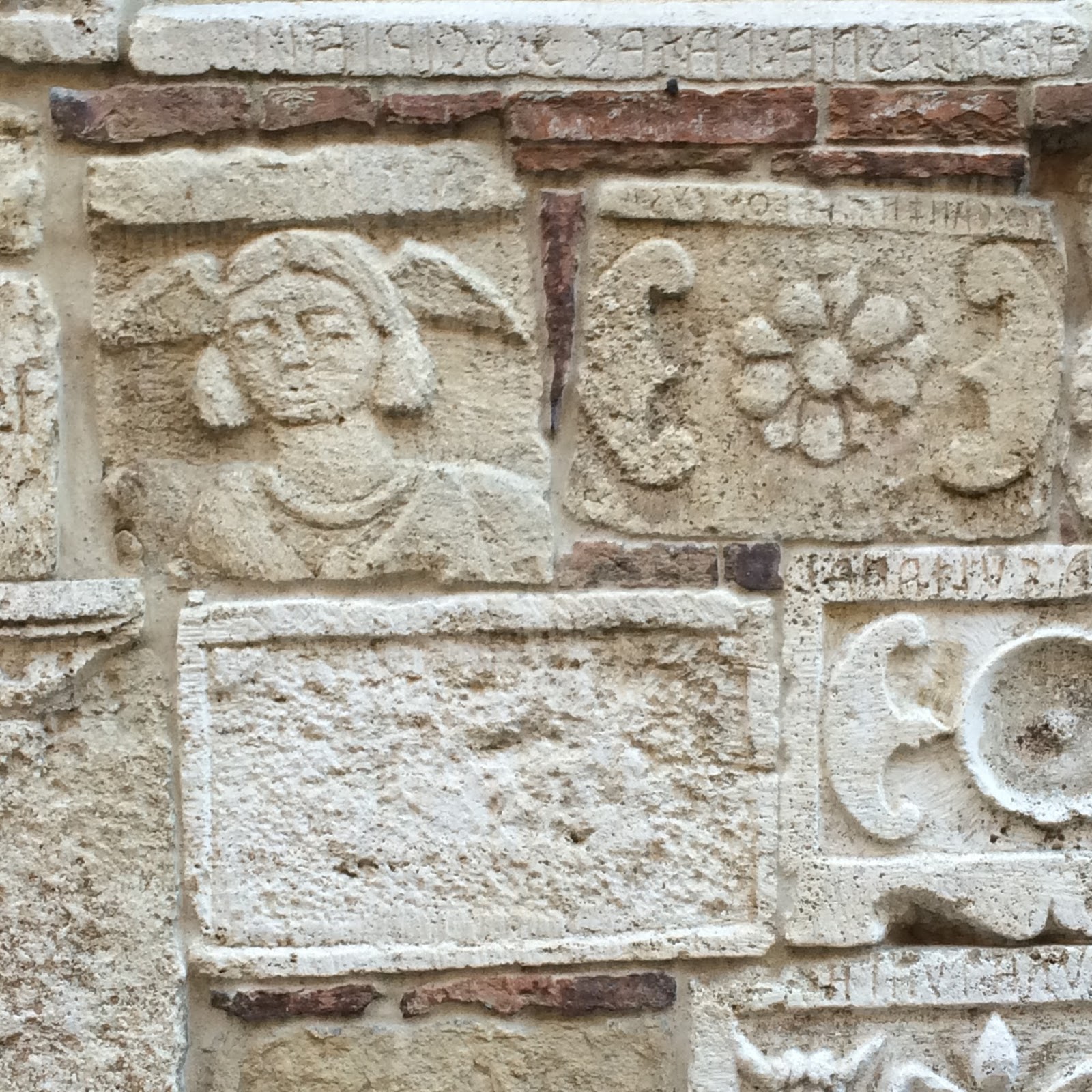 Etruscan tombstones, Montepulciano.Val d’OrciaWeek 2. Arriving in the rural town of Pienza, we’re a bit nervous about what we’ll find at the
Agriturismo il Macchione
, but our fears are unfounded. We’re given a huge suite on the upper floor of a restored farmhouse amidst some of the most spectacular scenery on the planet. Francesco, the young proprietor, runs an olive oil business just down the road, and Susan is thrilled to get a tour and some fresh-pressed Fattoria Fregoli 2015 harvest. Agriturismois the perfect word to describe Pienza’s appeal—the old town is a fifteenth-century UNESCO gem, but tourists can still find farm-town politeness while shopping for groceries or filling up with diesel. Residents’ biggest concern is that a movie starring Dustin Hoffman filming this week in the Pallazzo Piccolomini will spotlight the town for more bus tours next year. Our first day-trip takes us just down the road to San Quirico d’Orcia, a via Francigena pilgrimage town with hilltop gardens hidden behind well-preserved ramparts. Next stop is Montalcino, an Etruscan hilltop town best known for Brunello di Montalcino wine. We love this town! Or should I say, We love Brunello (brownish, smallish Sangiovese grape). After tasting several Brunellos at Drogheria e Locanda Franci, Susan orders a case on the spot. Later we have great fun climbing the fortress ramparts enjoying the best views and prettiest town of our entire trip. Or has the wine influenced our opinion? We must revisit soon to clarify!
Etruscan tombstones, Montepulciano.Val d’OrciaWeek 2. Arriving in the rural town of Pienza, we’re a bit nervous about what we’ll find at the
Agriturismo il Macchione
, but our fears are unfounded. We’re given a huge suite on the upper floor of a restored farmhouse amidst some of the most spectacular scenery on the planet. Francesco, the young proprietor, runs an olive oil business just down the road, and Susan is thrilled to get a tour and some fresh-pressed Fattoria Fregoli 2015 harvest. Agriturismois the perfect word to describe Pienza’s appeal—the old town is a fifteenth-century UNESCO gem, but tourists can still find farm-town politeness while shopping for groceries or filling up with diesel. Residents’ biggest concern is that a movie starring Dustin Hoffman filming this week in the Pallazzo Piccolomini will spotlight the town for more bus tours next year. Our first day-trip takes us just down the road to San Quirico d’Orcia, a via Francigena pilgrimage town with hilltop gardens hidden behind well-preserved ramparts. Next stop is Montalcino, an Etruscan hilltop town best known for Brunello di Montalcino wine. We love this town! Or should I say, We love Brunello (brownish, smallish Sangiovese grape). After tasting several Brunellos at Drogheria e Locanda Franci, Susan orders a case on the spot. Later we have great fun climbing the fortress ramparts enjoying the best views and prettiest town of our entire trip. Or has the wine influenced our opinion? We must revisit soon to clarify!
 The view from Castello Vicchiomaggio, in Chianti. We next visit Montepulciano (of Vino Nobile wine fame) and Siena, but both towns disappoint; they feel surprisingly gritty and jaded by tourism. We do the necessary tower climbs and take some pictures, then add the towns (alongside Pisa) to the been-there-done-that list. Our final day in Val d’Orcia takes us south to where Dickens wrote about a lovely road between the towns of Sarteano and Cetona. Our driver, Francesco, has also recommended a “Slow Food” restaurant in Sarteano. Well, the views do not disappoint, the hilltop towns are charming, and our lunch at
Osteria da Gagliano
becomes a keepsake memory of traditional decor and cuisine. With some daylight remaining, we opt for one last guidebook town and head out for Radicofani at the base of Monte Amiata, climbing to the windswept Fortezza di Radicofani. The drive home along tree-lined SP53 to enter Pienza from the south completes our loop with possibly the most classic of Val d’Orcia scenic routes. Friday finds us closer to Florence (for an early Saturday flight) in Greve, after stopping again in Radda for gifts and travel-wall souvenirs. Our hotel, the hilltop Castello Vicchiomaggio, has a Shangri-La quality about it, leaving us with one final magic moment before returning home.
The view from Castello Vicchiomaggio, in Chianti. We next visit Montepulciano (of Vino Nobile wine fame) and Siena, but both towns disappoint; they feel surprisingly gritty and jaded by tourism. We do the necessary tower climbs and take some pictures, then add the towns (alongside Pisa) to the been-there-done-that list. Our final day in Val d’Orcia takes us south to where Dickens wrote about a lovely road between the towns of Sarteano and Cetona. Our driver, Francesco, has also recommended a “Slow Food” restaurant in Sarteano. Well, the views do not disappoint, the hilltop towns are charming, and our lunch at
Osteria da Gagliano
becomes a keepsake memory of traditional decor and cuisine. With some daylight remaining, we opt for one last guidebook town and head out for Radicofani at the base of Monte Amiata, climbing to the windswept Fortezza di Radicofani. The drive home along tree-lined SP53 to enter Pienza from the south completes our loop with possibly the most classic of Val d’Orcia scenic routes. Friday finds us closer to Florence (for an early Saturday flight) in Greve, after stopping again in Radda for gifts and travel-wall souvenirs. Our hotel, the hilltop Castello Vicchiomaggio, has a Shangri-La quality about it, leaving us with one final magic moment before returning home.
Daryl Grout and his wife, Susan, grew up in Randolph, Vermont. They are now grandparents and live in Brooklyn.


Two Weeks in Tuscany
The town of Portovenere, in Cinque Terre, is a stopover on this self-drive itinerary, which begins and ends in Florence.By Daryl GroutSusan and I land in Florence on Saturday morning, October 9, two days after celebrating our 32nd anniversary. Arriving at the Hotel Monna Lisa on the narrow Borgo Pinti, the first thing we notice is the immaculate streetscape—new paving blocks designed to match seamlessly with the water-worn stone of medieval times. After checking into our palatial room in the Renaissance-era mansion, we are soon wandering in a light rain the glistening streets of this magnificent UNESCO World Heritage city center. We are immediately drawn to the dominant Cattedrale di Santa Maria del Fiore with its iconic Brunelleschi Duomo. Guidebook photographs have only hinted at the splendor of this structure (reinforcing the maxim that travel is a necessary). After circling the neo-gothic exterior, we merge with the tourist flow and find ourselves at the symbolic center of the medieval Italian Renaissance—Piazza della Signoria and the adjacent Loggia dei Lanzi, Palazzo Vecchio, and Galleria degli Uffizi.
Sabinae Raptae by Giambologna, Loggia dei Lanzi. Following the path of Lucy from Forster’s A Room With a View, we cross the Arno River on the Ponte Vecchio with its famous Corridoio Vasariano (where Medici would travel unseen between Palazzo Vecchio and their Palazzo Pitti residences). Turning right on Borgo San Jacopo, we stumble upon delightful Ristorante Mamma Gina for the first of many delicious meals featuring fresh pasta and the colorful cuisine of Tuscany.Following in the path of Lucy from Forster’s Sunday dawns sunny, prompting us to avoid weekend museum crowds and hike into the hills above town. We arrive first at the Giardino delle Rose, then climb higher to take in the views at San Miniato al Monte with its statuary-filled hilltop cemetery. After strolling a surreal cypress glade, we fall in with an American student out on a day-hike. She persuades us to keep walking past the Torre del Gallo, where we find another amazing meal and spectacular views at Trattoria Omero . Feet aching, we meander along villa-lined lanes to the Forte di Belvedere entrance to vast Giardino di Boboli before stumbling home to an early dinner and a jet-lagged bedtime. Tuesday is Chianti day. We splurge on a driver, leaving early in a black Mercedes for UNESCO-favorite San Gimignano, famous for its 14 surviving medieval towers. Our driver, Francesco, smartly dressed in tie and Euro-cut jacket, is worth every penny, correcting our pronunciation and filling our heads with information at every stop. We stop in Castelinna for lunch at the subterranean Via delle Volte, then move on to scenic Radda with wine tastings at Volpaia and Castelvecchi. Dinner at Antinori’s Badia di Passignano is a mindfulness moment, best meal of our lives, each course accompanied by amazing Tuscan wine culminating with a sublime Solaia 2012. Our final day in Florence begins with early reservations at Galleria dell’Accademia to view Michelangelo’s David. Afterward, I run excitedly over to Paolo Sacchi Libreria Antiquaria to pick up souvenir books: an 1869 edition of Dante’s Divina Commedia—Inferno, Purgatorio, Paradiso. While Susan attends a cooking class, I tour the Uffizi Gallery enjoying the classics—Michelangelo’s Doni Tondo, Botticelli’s Birth of Venus, and Titian’s seductive and daring (in 1538) Venus of Urbino. A Walking Tour of FlorenceNo trip to a famous city is complete without some flânerie. Here’s a walk through the heart of the city that avoids motor traffic and pesky tourist bottlenecks: Borgo Pinti south to a right at the piazza onto Borgo della Albizi. Street names will change but stay straight through the massive arch at Piazza della Repubblica until the charming square at Via de’ Tornabuoni. Take a slight left onto Via della Vigna Nuova past the Paolo Sacchi bookshop (Dante) to a left onto (so appropriate) Via del Purgatorio. At the dark intersection of (lol) Via dell'Inferno, pass through the archway, then left into paradiso at the magnificent Piazza Santa Trinita. Enjoy the piazza, then look to the left of the Roman Colonna della Guistizia for Borgo Santi Apostoli, a classic stretch of shops, restaurants, and medieval alleyways, emerging finally on Via Lambertesca at the Uffizi. At the northern center of the now familiar Piazza della Signoria, find the narrow alley to Via dei Cerchi to a right onto Via del Corso and home.
The village of Barga in the province of Lucca.Cinque TerreDay 6–9. On Thursday, we say good-bye to Florence and rent a diesel Audi for the remainder of our exploration. First stop is Lucca, known for its preserved Renaissance fortifications encircling the old town. With ramparts converted to bike paths and parkland (Florence tore down their walls to make a ring road), I’m surprised that Lucca is still waiting on the UNESCO tentative list. North of Lucca begin the Apuan Alps, our next destination. We pass the famous Ponte della Maddalena on our way to the lovely (and pleasantly deserted) village of Barga. Running late, we don’t stop in gritty Garfagnana but opt to navigate the winding Parco Alpi Apuane route to the coast in daylight. Our final destination today is
Grand Hotel Portovenere
in the Cinque Terre region, and we manage to score Room 214 (terrace with harbor view) for Susan's 55th birthday weekend. Remnants of Hurricane Joaquin are hitting Europe this week, and high winds cancel Friday water taxis to the Cinque Terre villages. Instead we relax and spend the day eating fresh seafood and exploring the cliffside village of Portovenere. Water taxis resume on Saturday to northernmost Monterosso. We manage to backtrack on a crowded train for a spectacular lunch atop wave-battered cliffs at Vernazza, but by afternoon Cinque Terre transit systems have been overwhelmed by an influx of pushy cruise-ship passengers seemingly determined to selfie all five villages in under four hours. Unfortunately, the worst is yet to come. The next morning we arrive early in Pisa, parking in a massive bus lot pockmarked with grimy facilities. Unfriendly trolley drivers herd us toward the UNESCO sites. At the far corner of the Field of Miracles a large crowd has gathered, nearly everyone jockeying to get illusion-photo selfies holding up the leaning tower. A clever group has assembled on the opposite corner to push over the leaning tower. Needless to say, we can't flee Pisa fast enough! Thank the Etruscan gods for Volterra, our next stop. A quiet and carefully preserved mountaintop village, the town might want to reconsider its UNESCO petition (or perhaps the UNESCO committee should rethink Pisa’s designation). Regardless, we enjoy the Porto dell’Arco, Etruscan museum, and Roman amphitheatre, leaving us in a much better mood for our upcoming week in Tuscany’s Val d’Orcia.
Etruscan tombstones, Montepulciano.Val d’OrciaWeek 2. Arriving in the rural town of Pienza, we’re a bit nervous about what we’ll find at the
Agriturismo il Macchione
, but our fears are unfounded. We’re given a huge suite on the upper floor of a restored farmhouse amidst some of the most spectacular scenery on the planet. Francesco, the young proprietor, runs an olive oil business just down the road, and Susan is thrilled to get a tour and some fresh-pressed Fattoria Fregoli 2015 harvest. Agriturismois the perfect word to describe Pienza’s appeal—the old town is a fifteenth-century UNESCO gem, but tourists can still find farm-town politeness while shopping for groceries or filling up with diesel. Residents’ biggest concern is that a movie starring Dustin Hoffman filming this week in the Pallazzo Piccolomini will spotlight the town for more bus tours next year. Our first day-trip takes us just down the road to San Quirico d’Orcia, a via Francigena pilgrimage town with hilltop gardens hidden behind well-preserved ramparts. Next stop is Montalcino, an Etruscan hilltop town best known for Brunello di Montalcino wine. We love this town! Or should I say, We love Brunello (brownish, smallish Sangiovese grape). After tasting several Brunellos at Drogheria e Locanda Franci, Susan orders a case on the spot. Later we have great fun climbing the fortress ramparts enjoying the best views and prettiest town of our entire trip. Or has the wine influenced our opinion? We must revisit soon to clarify!
The view from Castello Vicchiomaggio, in Chianti. We next visit Montepulciano (of Vino Nobile wine fame) and Siena, but both towns disappoint; they feel surprisingly gritty and jaded by tourism. We do the necessary tower climbs and take some pictures, then add the towns (alongside Pisa) to the been-there-done-that list. Our final day in Val d’Orcia takes us south to where Dickens wrote about a lovely road between the towns of Sarteano and Cetona. Our driver, Francesco, has also recommended a “Slow Food” restaurant in Sarteano. Well, the views do not disappoint, the hilltop towns are charming, and our lunch at
Osteria da Gagliano
becomes a keepsake memory of traditional decor and cuisine. With some daylight remaining, we opt for one last guidebook town and head out for Radicofani at the base of Monte Amiata, climbing to the windswept Fortezza di Radicofani. The drive home along tree-lined SP53 to enter Pienza from the south completes our loop with possibly the most classic of Val d’Orcia scenic routes. Friday finds us closer to Florence (for an early Saturday flight) in Greve, after stopping again in Radda for gifts and travel-wall souvenirs. Our hotel, the hilltop Castello Vicchiomaggio, has a Shangri-La quality about it, leaving us with one final magic moment before returning home.
Daryl Grout and his wife, Susan, grew up in Randolph, Vermont. They are now grandparents and live in Brooklyn.
January 2, 2016
How Not to Make a New Year's Resolution
 Rotary phone with earpiece. The thing that looks like a tiny
condom is to put on your finger so you don't break a nail.When it comes to self-improvement, I am a maniac. My efforts take the form of resolutions, which I make not only on New Year's Eve but daily, hourly, constantly. Last week, I resolved to whittle down my in-box from 16,000 emails to zero. The first day I made great progress, reducing the total to 777, mostly by diverting the stream into folders, including one labeled "Reading stack," which is, of course, a form of procrastination, since I am really just shuffling things around and will eventually have to dive into the reading stack and start reading. Or not. This morning, I eliminated one email. Here's what happened.
January 2, 2016, 8 a.m. Before tackling my in-box, I compose a top-priority email to my friend Sian, apologizing for missing our planned New Year’s Day walk in Fontainebleau Forest. I didn’t forget that we were supposed to walk; rather, I got my days confused. I was in Paris, on my way to my in-laws to eat oysters (more on that in subsequent post), when I said to Patrick “What day is it?” and he said “Friday,” and I said, “Shit. I was supposed to walk with Sian today and I’m an hour late.” “Call her,” he said. We were at the Gare de Lyon, on our way to the metro. He handed me his phone, since mine was at home, on a shelf in the kitchen, where it always is. After much fumbling with my American-issued smartphone, which I only use as a camera (I wanted to photograph the oysters), I managed to locate Sian’s number, a miracle. My smartphone isn't smart enough to call anybody in France, however, so I read the number to Patrick, who dialed it on his phone and handed the phone to me. By now we were on the subway, speeding toward Issy-les-Moulineaux and the oysters, and I could hear nothing. Was that a voice on the other end? “Hello?” I said, tentatively. Still nothing intelligible, so I ended the call.
Back to this morning, the day after the missed rendezvous. In my apologetic email to Sian, I use the word “phonedicapped.” Then I pause, and in that split-second pause, my to-do list gets hijacked.
Phonedicapped, I say to myself. Is that a word? Hmmm. I google it. One result. Google is puzzled: “Did you mean handicapped?” Is phonedicapped not a real word? This could make me famous. I google “new words 2015” and check the Oxford English Dictionary. Not there. I scan the OED list of new words for 2015: crowdsource (hmm, the prissy OED is a bit late on that one), hyphy (what’s that?). The OED website won’t let me look up words because I'm not a subscriber, so I google "hyphy." Suddenly I am reading the lyrics of Keak da Sneak’s “Super Hyphy.” "Something went off in my head on my strap/But I'm smoking purple sipping 'yac." I am in way over my head.
On the positive side, I have just increased my vocabulary and a door has opened to a foreign world, the world of Oakland rappers. On the sinister side, I am blowing an entire morning on stupid shit.
But there is hope. Maybe I can turn “phonedicapped” into an essay and post it on my blog, which is, I must admit, sadly neglected, owing to many mornings such as this one. (Another resolution: revive blog). Then the next person who googles phonedicapped will find Sadie & Co., and pretty soon I will be famous.
I suddenly remember a family artifact that my husband showed me the other day, when he was rummaging in a drawer in his mother’s apartment, where we now live. “Can you guess what this is?” he asked, offering me a pearly stick about three inches long with an emerald-colored stone embedded in one end. I couldn’t. "It’s for dialing a rotary phone. It was my mother’s. So she wouldn’t break her fingernails. She kept it in the rotary dial."
I take a picture with my smartphone of the rotary dialer. Then I wonder what it is called. Back to Google. I discover Wikihow instructions on how to dial a rotary phone (really? instructions? maybe it's only logical if you're over 60), but nothing resembling the artifact in question. Now I am deep in the land of getting nothing done, the land where resolutions get derailed.
I call to my husband, who is in the next room: “Come look at these images of French telephones from the 1950s; they’re on my computer screen.” He does. “Which one most closely resembles the one you used to have?” He identifies one with a funny appendage, which he explains is an extra earpiece, “so that you can listen in stereo.” Fascinated, I ply him with questions, and he tells me that his parents got their first phone in the 1950s and that the number was POR-2438. I write it down.
I now have 776 emails in my in-box. My accomplishments for the morning: unearthing my husband's childhood phone number from the burial pit of memory, composing one email, deleting one (Bernie needs more money), and reviewing my Facebook page, where I discover a very interesting video about dance therapy that makes me want to be a dance therapist. It would be a good way to counteract all these hours of sitting at a computer keyboard, which is unquestionably bad for my health. Why not? Most of my clients would be at least as old as I am, probably older. I have enough contacts in the acting world so that I might even, with hard work and a little luck, become a famous dance therapist. A dance therapist to the stars, one with her own reality TV show. Something to add to my to-do list.
December 30, 2015
Why Writing Is Like Time-Lapse Photography
In 1999 the Dutch artist Frans Hofmeester started filming his newborn daughter for a few seconds every week, usually on a Saturday morning. Struck by how fast she was changing, he "was desperate to keep the memories intact." The result is Portrait of Lotte, a 4.5-minute film that became an Internet sensation after Hofmeester uploaded it to YouTube. When I saw the film this morning for the first time, I was reminded of the advice I so often give to my students: Write for 10 minutes every day and you will see results. The key, of course, is the "every day" part of the equation. Portrait of Lotte is for me a striking example of what can happen when an artist dedicates himself to a subject and pursues it with discipline. It seems so simple: film a few seconds of video of your growing child each week, then put the bits together to make a film. But it's the discipline--the sticking with it--that counts. When you apply discipline to your work, something magical and unexpected happens. Hofmeester's film is not just about his daughter, it is about the two of them, father and daughter, the invisible photographer and his subject, and the relationship between them. Each segment of Lotte is composed of a few seconds of video shot against a white backdrop, framing the girl's head and shoulders. There is no sound other than a musical sound track, but often she is in conversation with her father, the invisible photographer. "Each week, it gave me an opportunity to talk to my kids," Hofmeester told The Guardian . "People are touched by it because it conveys a feeling of the soul. They've written to me about their own children. The film makes you realize what life is about, in a direct way."
November 15, 2015
Happy Anniversary, Monsieur Texier
 The Texier Family, Lake Eyasi, Tanzania, April 2001.“Then Mr. Happygod Matoi made a little speech: ‘Marriage in Tanzania is meant to be for life. Sometimes things don’t work out, and then, if necessary, the marriage may be tuh-minated, and you have dee-vuss. But for that, you don't come here, not to this office. That's another office.’ He waved his hand toward the clattering street. ‘Here, we concern ourselves only with marriage, and we tell the people that marriage is supposed to last forever.’ ” —Our House in Arusha
September 13, 2015
Good-bye, House
 The living room and, beyond it, the piano room sans piano, which I wrote about in An Irruption of Owls.I began photographing my childhood home in the summer of 2012, shortly after my mother died. My mother left the house to my sister and me, and we didn't know what we would do with it. It is a big old Victorian-style house with six bedrooms, an antiquated kitchen, and an attic filled with family memorabilia stretching back to the Civil War. Although Patrick and I have been living in the house for the past eight years, it is not a practical house for a couple our age, so to make a long story short, my sister and I have decided to sell it. To let go of it is heart-wrenching. Over the next few weeks and months, I will be posting my pictures of the house and its contents here. My mother was the kind of person who held onto things, and I have pictures, for example, of baby clothes that were worn literally a hundred years ago. Because I am moving to France, I will take very little with me. A few keepsakes that will fit into a suitcase, and these photographs, will be all that remains for me of my childhood home.
August 26, 2015
Being a Writer versus Being an Author
 Joan Didion, by Jill Krementz, 1972.Being an author is a full-time job, and anyone who tells you otherwise is a liar. I'm making a distinction here between being a writer and being an author--that is, someone who has published a book. As a writer, I get to sit down with my morning coffee in my cozy little den and write. As an author, I have another job, which is to engage with readers (or more accurately, try in every way possible to get them to engage with ME). This morning, I am trying to decide whether to bid on an actual paying job as a writer for an online travel magazine. It's a job that I could do from my home in France—a dream come true! There's only one problem: I am a very slow writer. Slow like a salmon climbing Machu Picchu. So while the job is supposedly part-time, it could easily take over my life, leaving me with a smidgeon of time for writing my next book and a driblet for selling the current one. My dilemma du jour. Come back to see how it pans out. And if you have any advice, post it here.
P.S. In the process of writing this post, which took my most of an entire morning—that's how slow I am—I found the perfect person to commiserate with. Her name is Laura Bogart and she is the composer of an essay entitled The Price I Pay to Write, published by Dame magazine. ("The best thing that ever happened to my writing life," Laura's essay begins, "was breaking my ankle.") What's disturbing is that I have never before heard of either Laura Bogart or Dame magazine, which tells me that they, too, are laboring in obscurity. But wait—I eventually found them, didn't I? What led me to the discovery was my search for a photo of Joan Didion, one of my literary heroes, to accompany this posting. Why Joan? Because she is the first person who ever told me that I would have to spend at least one full year "doing publicity" for my book after I finished writing it. Perhaps in my next post I will share the thank-you letter I wrote her a few months ago.
August 20, 2015
Hans Silvester: A Photographer Whose Work I Love
 For over half a century, Hans Silvester has been photographing our world. Google his name and see what pops up. I guarantee you will be amazed. The photograph above is from his book about the people of the Omo Valley in Ethiopia, who have developed a tradition of body art that incorporates mineral-based face paint and elaborate floral headdresses. An artist in my hometown of Randolph, Vermont, introduced me to the book when Patrick and I owned a little art galley on Merchants Row. Today another Randolph artist posted a slideshow of Silvester's Omo Valley photographs on Facebook. It reminded me how much I love his work. Go ahead, google him. Please.
August 13, 2015
Beatrix Potter, Vladimir Nabokov, and Me
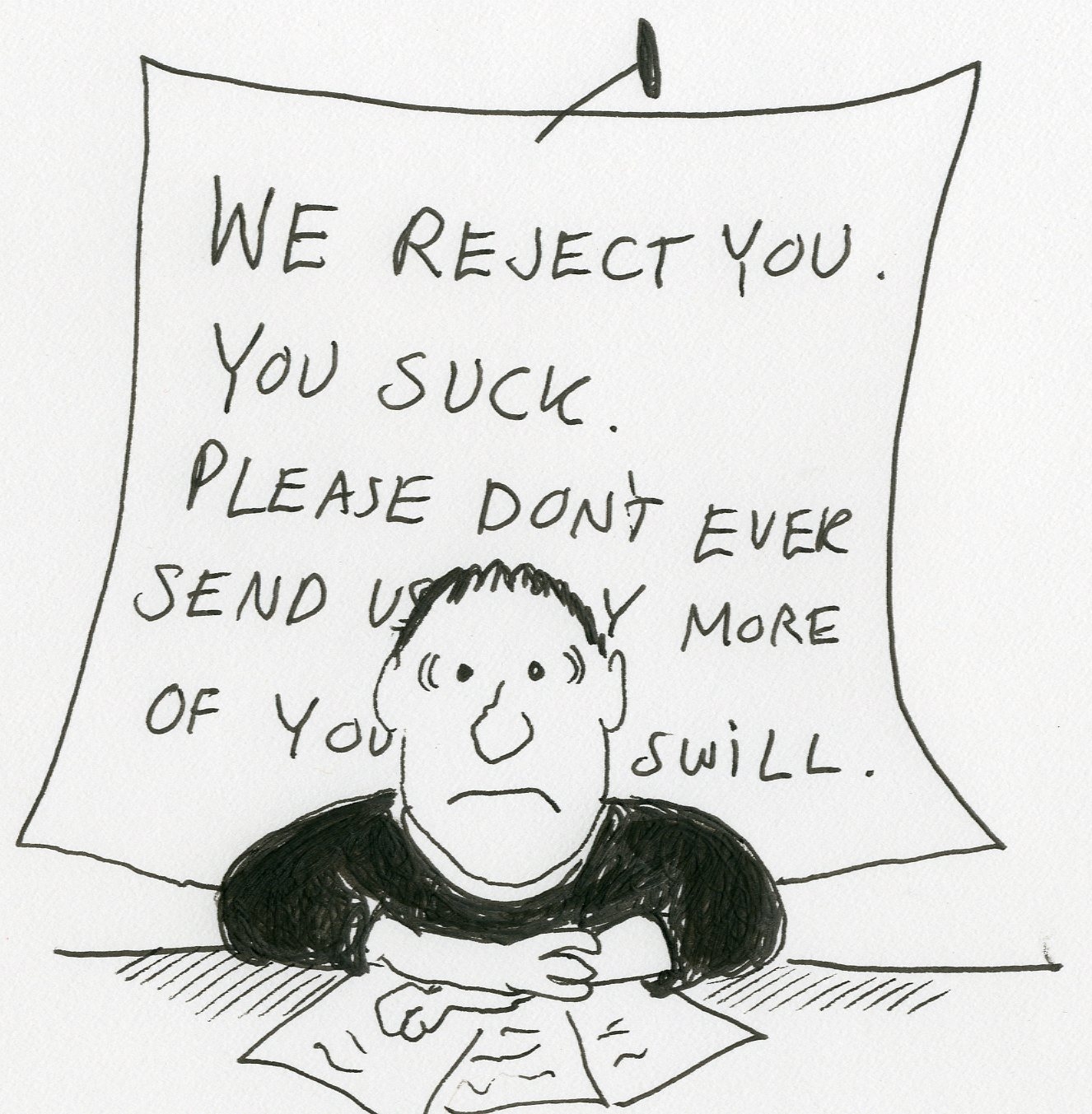
“Dear Sara: I have been reading your ms with interest and admiration. I think you are a splendid writer! Your prose is smart and tight and colorful and I am enjoying this project chapter by chapter. BUT—alas this is a big But—I am not clear on what is the premise of this book. . . .”
—email from Gail Hochman, literary agent, received yesterday
Just because I am a proud indie author doesn't mean I don't occasionally go knocking on agents' doors. This is the second book of mine that Gail Hochman has rejected. The first time around, my mother was on hand to issue a loud harrumph ("I don't think she knows what she's talking about" were her exact words). This time, I cheered myself by reading some of the editorial comments that have accompanied other writers' rejected manuscripts. Here are some of my favorites:
20 "I recommend that it be buried under a stone for a thousand years." (Lolita, by Vladimir Nabokov)19 "Nobody will want to read a book about a seagull." (Jonathan Livingston Seagull, by Richard Bach)18 "We feel that we don't know the central character well enough." (Catcher in the Rye, by J.D. Salinger)17 "Undisciplined, rambling, and thoroughly amateurish writer." (Valley of the Dolls, by Jacqueline Susann)16 "The girl doesn't, it seems to me, have a special perception or feeling that would lift the book above a 'curiosity' level." (The Diary of Anne Frank)15 "A long, dull novel about an artist." (Lust for Life, by Irving Stone)14 "An irresponsible holiday story that will never sell." (Wind in the Willows, by Kenneth Grahame)13 "An absurd and uninteresting fantasy which was rubbish and dull." (Lord of the Flies, by William Golding)12 "Too radical of a departure from traditional juvenile literature." (The Wonderful Wizard of Oz, by L. Frank Baum)11 "Unsaleable and unpublishable." (The Fountainhead, by Ayn Rand)10 "Frenetic and scrambled prose." (On the Road, by Jack Kerouac)9 "An endless nightmare. I think the verdict would be 'Oh don't read that horrid book.' " (The War of the Worlds, by H.G. Wells)8 "Our united opinion is entirely against the book. It is very long and rather old-fashioned." (Moby-Dick, by Herman Melville)7 "I haven't the foggiest idea about what the man is trying to say. Apparently the author intends it to be funny." (Catch-22, by Joseph Heller)6 "We are not interested in science fiction which deals with negative utopias. They do not sell." (Carrie, by Stephen King)5 "The American public is not interested in China." (The Good Earth, by Pearl S. Buck)4 "It's Poland and the rich Jews again." (Satan in Goray, by Isaac Singer)3 "This will set publishing back 25 years." (The Deer Park, by Norman Mailer)2 "I wrack my brains why a chap should need thirty pages to describe how he turns over in bed before going to sleep." (Remembrance of Things Past, by Marcel Proust)1 "Anthologies don't sell." (Chicken Soup for the Soul)
Beatrix Potter's story about a bunny was rejected so many times, she finally decided to self-publish and printed 250 copies. The Tale of Peter Rabbit has now sold over 45 million copies.
August 10, 2015
Learning to Drive
 Aunt Ruth and the car (an Austin) she drove as an itinerant music teacher in rural Vermont, late 1930s.Last week I got an email from Mrs. Jane Currier of Randolph, Vermont. Mrs. Currier is the wife of Ken Currier, who taught me how to drive a car. She was writing to thank me for coming home to live with my mother in 2007; in passing, she mentioned that she thought she had ordered my new book online but she wasn’t 100 percent sure because she and Mr. Currier are 86 and the Internet is not in their DNA. My strongest memory of learning to drive involves the drivers-ed car coming to a sudden stop on Main Street, where the cars are parked at an angle to the curb, with their rear ends sticking out into the street. The stop took me by complete surprise, being the result of Mr. Currier’s foot coming down hard on the instructor’s brake as I blithely cruised within inches of somebody’s rear bumper—a bumper that was invisible to me until Mr. Currier calmly pointed it out as the drivers-ed car, now motionless, blocked all northbound Main Street traffic. In our family, we had two cars, a Chevy Malibu and a Volkswagen Beetle. I was terrified of the VW, which had an ill-tempered clutch and which used to stall every single time I tried to make it go up a small hill on Central Street, at the top of which was a stop sign. The Currier house was a few doors down from that intersection, and I used to imagine Mr. Currier standing at his front window and shaking his head as I drove by in the wrong gear, engine roaring, my mother white-knuckled in the passenger seat. My mother was a gifted teacher, but her effort to teach me to “drive stick” ended in failure. I was so traumatized by the whole experience that I moved to New York City and rode the subway for the next 12 years. Then I moved to Louisville, Kentucky, bought a Toyota Corolla with a stick shift, and learned to drive it in city traffic. I even had a stick shift in L.A., which is where I finally learned to parallel park—a skill that I, and the Vermont Motor Vehicles Department, thought I had already mastered. What I learned in L.A. was how to park a Honda Civic in a space the size of a toaster oven. In 2007 I moved back to Vermont, bought a Subaru with a stick shift, and became my mother’s chauffeur. Thanks in large part to Mr. Currier’s lessons in defensive driving, I have, at age 61, a spotless driving record, despite having lived for several years in Tanzania, where I drove on the left and shared the road with cows, lorries, wheelbarrows, and potholes the size of swimming pools.


