
Gayle Irwin's Blog, page 11
June 19, 2019
Take Your Pet to Work - But Ask Permission First!
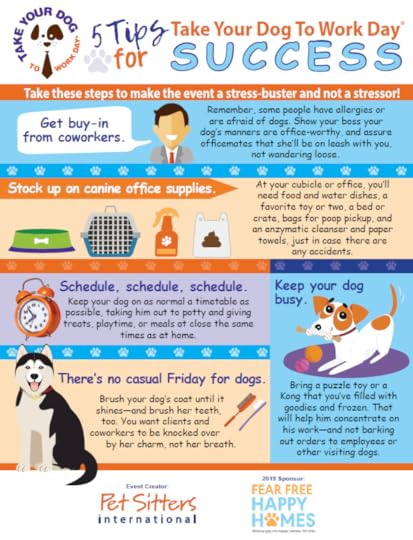
 The third week of June is known at Take Your Pet to Work Week, developed by Pet Sitters International, the creators of Take Your Dog to Work Day. Researchers have proven the companionship and comfort derived from pets benefit people physically and emotionally. Therefore, many companies now allow workers to bring furry friends to the office, even if only one day a year.
A list of the top 10 businesses that are pet-friendly comes out each year; here is a link to this year’s companies that allow pets at the office: https://www.wellnesspetfood.com/our-community/wellness-blog/americas-10-most-pet-friendly-companies-2019. Another list, created by Rover.com, can be found here: https://www.rover.com/blog/best-dog-friendly-companies/.
Two companies found on both lists are Amazon and Trupanion, both based in Seattle. That city was voted the most dog-friendly city in America earlier this year.
Whether you live in Seattle or not, take advantage of this special week. This Friday, June 21, is Take Your Dog to Work Day, and there’s still time to ask the boss if your Fido or Fluffy can accompany you to the office. My pets Bailey, Murphy, and Jeremiah and I will be thinking of you on Friday as we spend time together in my home office while I polish up some articles and continue editing my novel!
No matter where you are, honor the faithfulness of your furry friend by being faithful to spend time with him or her, not just this week but always!


June 11, 2019
be aware of these 6 household pet toxins
 We humans take pride in our residences. We clean, we mow, we paint, we cook, we garden, we tinker. Some find these endeavors painful, others challenging, and still others enjoyable. Whatever your thoughts are about cleaning house, planting and maintaining gardens, tidying up the garage, or trimming the yard, keep in mind some of the items we use for those jobs can help our dogs and cats.
Throughout our homes, garages, and yards there are hazards. Below are six toxins found around our homes that are harmful to dogs and cats:
Lilies, azaleas, and other flowersInsecticidesHousehold cleanersPrescription drugsChocolate, onions, and other human foodsMouse and rat poisons
Securing these items, whether on shelf, behind a locked door, or fenced off, will help prevent dire illness, even death, of your furry friends.
The American Society for the Prevention of Cruelty to Animals (ASPCA) maintains an extensive list of pet toxins. They also service a pet poison hotline; that number is (888) 426-4435. And, they provide a mobile app.
As summer arrives and we spend more time sprucing up our homes, yards, garages, and outbuildings, may we keep in mind the safety of our beloved animals.

June 5, 2019
adopting a pet can add fun to your summer
 Schools are dismissing, temperatures are rising, and the sun is shining, combining to chorus that summer is here! If you’re looking for a companion to share the longer days, warm nights, and great adventures that come with this season, look no further than your local animal shelter or rescue.
Adopting a four-legged friend can add fun to your summer! Hiking, camping, basking in the warm of your patio or deck, relaxing with an engaging book, beach combing, traveling to a state or national park or seashore, visiting family and friends – all of these adventures can be even more enjoyable with a dog or cat at your side (or on your lap!). The soft purrings from a feline friend; the excited woofs from a new canine companion, the joys of running, playing fetch, wading in water, or simply relishing the quiet of your own back yard, all with a new-found buddy, adds flavor of contentment and joy to summer season.
June is National Adopt-a-Shelter-Cat Month. Cat or dog, rabbit, hamster, horse, whatever animal delights you and adds joy, love, and friendship to your life, take to the internet and find that perfect companion for yourself and/or your family. Millions of dogs and cats are housed in animal shelters every year in America, and thousands more are cared for by volunteer foster families helping animal rescue groups. Horses, birds, rabbits, and other creatures also go into rescue; therefore, a person has a plethora of animals from which to choose.
Before adopting any animal, however, keep these tips in mind:Don’t adopt on a whim. Taking an animal into your home is serious business – adoption should be for life, not just for the summer. Animals depend on us for their care, and lack of interest or becoming “too busy” means abandonment to them. So, be sure you’re ready and committed to caring for the animal for the rest of its life.Choose the right type of animal for your lifestyle. If you’re not an active person, don’t get a border collie or a lab. Cats are low maintenance, but that doesn’t you shouldn’t interact or play with them; they just don’t require the level of activity of a dog, especially those of the hunting, working, or herding breeds. Learn more about the various breeds of dogs from the AKC website here: https://www.akc.org/dog-breeds/ and learn more about the needs and breeds of cats here: https://www.petfinder.com/cat-breeds/.Pets cost money so plan wisely. Adoption fees, medical bills, food, treats, litter, water and food bowls, etc. are all part of the expense of having a companion animal. Even “Free to a Good Home” pets are not really free.Plan to spend time with your pet. Yes, summer offers wonderful opportunities to be outdoors, to travel, to play – but remember, fall and winter slide in and life can get busy with school for the kids (even for yourself), and maybe more work projects, but don’t neglect your pet! Your furry friend will always need you for care and companionship, so think beyond the thrill of summer and plan to make time for your buddy no matter the season of the year.
For resources and further information about adopting a pet, visit these websites:
https://www.petfinder.com/pet-adoption/dog-adoption/the-pet-adoption-guide/
https://www.petco.com/shop/en/petcostore/c/new-pet
http://mentalfloss.com/article/546088/expert-tips-adopting-cat
https://yourdogadvisor.com/adopting-a-dog/
Even if adoption of a pet is not an option for you at this time, there are many ways you can help homeless animals – find a valuable resource with a list of ideas here:
https://yourdogadvisor.com/help-homeless-pets/
Enjoy your summer with your furry friend or by helping animals in need at your local rescue or shelter!

May 29, 2019
Lyme Disease – Important Things to Know to Protect You and Your Pet
 Last week, I highlighted some of the pesky pests that can harm our pets. With summer on its way and our anticipation of spending more time outdoors, I thought it good to focus on one of the most prevalent tick diseases that affects both people and pets: Lyme disease.
Lyme disease in humans
According to the CDC (Centers for Disease Control), about 30,000 cases of Lyme disease in humans are reported annually by health departments in each state and the District of Columbia. However, the CDC believes as many as 10x that number (or 300,000) could actually be infected.
The most prevalent areas for this illness are the New England and Mid-Atlantic states as well as the Upper Northern area of America, including Michigan, Wisconsin, and Minnesota. However, nearly every state has had at least one case in recent years.
Black-legged ticks, also known as deer ticks, are the culprits of infecting someone with Lyme disease. Symptoms of this illness include fever, rash, facial paralysis, and arthritis.
Lyme disease in pets
This bacterial disease gets into the bloodstream through the bite and attachment of a tick. The bacteria often travels to various parts of the body, causing problems in organs, joints and other areas.
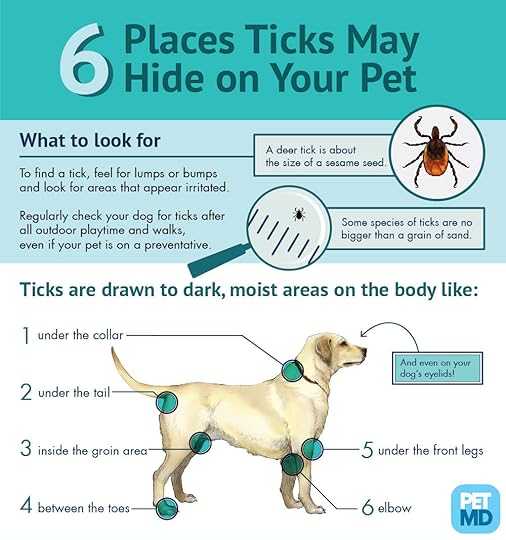
Veterinarians recommend pet owners check their pets for ticks every time the animals are outdoors and remove the tiny, pesky creatures as soon as they are found. Preventative care is also advised. There are many anti-tick products available, so please talk with your veterinarian about the best choice for the area in which you live.
According to the ASPCA (American Society for the Prevention of Cruelty to Animals), symptoms of the disease in pets include fever, swollen lymph nodes, fatigue, loss of appetite, and lameness. Our animals, however, may not show symptoms for two to five months.
Veterinarian use two different blood tests to confirm Lyme disease. Treatment for the illness includes use of antibiotics for at least 30 days. Some experts believe 50 to 75 percent of dogs in New England test positive for Lyme disease.
Although Lyme disease is not common in cats, if they roam outdoors for any length of time in tick-infested areas, felines can become infected if ticks are not removed. Lameness is a common symptom cat owners may notice, but sometimes cats don’t exhibit problems if they are infected.
Can people get Lyme disease from their pets?
According to the CDC, “Although dogs and cats can get Lyme disease, there is no evidence that they spread the disease directly to their owners. However, pets can bring infected ticks into your home or yard. Consider protecting your pet, and possibly yourself, through the use of tick control products for animals.”
There are other illnesses spread by ticks to humans and animals, depending on the area where they live and the type of ticks that inhabit those areas.
These are serious diseases for people and animals. Therefore, do your best to protect your beloved furry friends and yourself this summer from blood-sucking, disease-bearing ticks!
May 23, 2019
protect your pets from tiny pests
 As warmer, wetter weather of spring wiggles its way into the season of summer, pet parents need to be more wary of the pesky pests that can harm our beloved pets. Fleas, ticks, and mosquitoes carry diseases that are not only harmful, but can be deadly.
Fleas
These tiny creatures are believed to be the most common external parasite found on dogs and cats – and they can invade your home if not controlled. Fleas cause itching and are known to be the most common cause of pet skin disease. According to Web MD, though tiny, these irritating pests can eat 15 times their own weight in blood, causing anemia in a dog or cat. Fleas can also cause tapeworms. Therefore, keeping these little pesky critters at bay is well worth the time and investment.
Ticks
There are many types of ticks found in the United States. Although some are more confined to specific regions of the country, the Centers for Disease Control notes the spread of ticks is increasing. Different species cause different diseases. For example, the brown dog tick, which is found throughout the country, causes Rocky Mountain Spotted Fever, to which humans are susceptible, and the black-legged tick causes Lyme disease, which also affects humans. Our pets can also become sick from these and other tick-borne diseases. Check yourself and your dog thoroughly for these blood-sucking critters anytime you’ve been outside and learn to remove ticks properly to protect yourself and your furry friend.
Mosquitoes
Mosquitoes also transmit diseases, some of which are deadly. One of the worst for our pets, especially dogs, is heartworm. Your dog may be infected but shows no symptoms at first. Cough and fatigue are the first notable signs. This disease, once discovered, is difficult to combat and some dogs don’t survive. Therefore, prevention is critical to keep your furry friend safe. West Nile Virus is another terrible disease animals and people can contract from mosquitoes. Fur provides some protection from mosquitoes, but ears and noses are vulnerable. Living and spending time near a water source makes you and your furry friend more susceptible to swarms of these tiny pests.
Preventatives
Protection from fleas, ticks, and mosquitoes is critical to keeping your pet safe and healthy. You can purchase preventive products from your vet directly or from a local pet supply store. You can find a good resource on such products here:
https://www.certapet.com/best-flea-tick-treatment-dogs/
You may also want to consult the Pet MD website for more information on fleas and ticks, which includes a Flea and Tick Survival Guide: http://www.petmd.com/flea-tick-survival-guide#.
Spring and summer bring more outdoor activities for both people and their pets; those seasons also birth the onslaught of the tiny critters that seek the fur and skin of both human and animal. Therefore, take the needed precautions to protect yourself and your pet to better enjoy these warmer months.
May 14, 2019
firing up the grill? 5 outdoor cooking safety tips for pet lovers
 With Memorial Day weekend fast approaching, the onset of summer is soon to follow. The holiday weekend and upcoming outdoor season often lead to outdoor cooking and eating.
From gas and charcoal grills to picnics in the park, the enjoyment of cooking and eating outdoors is not lost on people or their pets. Sizzling steaks and burgers, hotdogs over the campfire, and fresh fruits and veggies on the table make everyone’s mouths water … including those belonging to our furry friends.
However, before you step out during the next few weeks to fire up the flames, here are five tips to keep your beloved four-footed companion safe during outdoor cooking ventures:
Be attentive when using citronella torches. Although we want to keep bugs at bay while outside, the fluid commonly used in citronella torches can harm pets. Therefore, if fluid spills, keep your pet far away. Ingesting the fluid can cause gastrointestinal upset or worse, and if your dog or cat walks through the liquid or rolls in it, skin irritation or chemical burns can result.Guard your grill. Dogs especially can barely resist the opportunity to snatch a steak, burger, or hotdog. Some of the spices and rubs we humans like to put on our meats can be bad for our pets. There are many types of human foods our pets should not eat; for a list of these, visit this ASPCA.com website: https://www.aspca.org/pet-care/animal-poison-control/people-foods-avoid-feeding-your-pets. Also, grill cleaners, lighter fluid, and charcoal briquettes can gravely harm our furry friends if these are accidently ingested.Make sure there’s plenty of water and shade. Both people and pets need to stay hydrated, and the best way to do so is by drinking plenty of water. Ensure your pet’s bowl is filled throughout the time s/he is outdoors and that s/he has a shady place to rest and get out of the heat. Pets can fall victim to heat exhaustion and heat stroke, just like people.Be mindful of sunscreen. Although sunscreens for pets are available, ones made for people should not be used on our furry family members. If your dog or cats licks or eats such products, s/he can become very ill.Don’t let the dog (or cat) out – and ensure your pet’s ID is up-to-date. When spending time in the backyard, make sure the gates of your fence are secure and/or that your back door is tightly closed. Pets can easily slip through open doors and gates, get out to the street, and … well, none of us wants to think about lost pets (or worse). However, in case your pet does get away during a backyard barbecue, your chances of him/her returning are much better if s/he is wearing a collar and ID tags with current information (microchip is also a good idea, and again, ensure your contact information is current).
Enjoy the onset of summer and spending time outside but remember these tips to have a good, less worrisome time when it comes to outdoor cooking and pet safety. See more on the infographic below, created by Petfinder.com.

May 8, 2019
be kind to animals - adopt your next pet!
 I vividly remember the first day I saw him – tawny brown eyes staring at me through the kennel fence. He’d been brought in by someone who thought she’d rescue him from a backyard breeder, but her two already-adopted dogs wouldn’t accept a still-intact male. So, the woman brought the 10-year-old cocker spaniel into the local animal shelter, hoping he’d find a new home quickly. However, the shelter manager told me, despite his pedigree as a purebred cocker spaniel, his age might keep him from being adopted very quickly. It didn’t. Cody came home with me three days later, after a neutering, bath, and groom. We traveled together, shared time on the couch together, and enjoyed walks and dog park adventures together. He lived more than seven more years after I adopted him; Cody was nearly 18 years old before he passed away in my home. He was a wonderful companion for me and for the blind dog also living in my home at that time.
Kindness Counts
Some animal welfare groups estimate nearly 25 percent of dogs that enter animal shelters and humane societies are purebred. Several groups also estimate that only 2 percent of stray cats brought in to such facilities are reclaimed by their owners. I’ve adopted both dogs and cats from animal shelters and pet rescue organizations since I became an adult. Adoption saves lives and provides individuals and families with a wonderful furry friend. Adoption is kindness in action.
This week is known as Be Kind to Animals Week, a time set aside by animal welfare organizations to remind us all that just as people need kindness in their lives, so do animals. Every year, nearly 1.5 million dogs and cats die in shelters across the United States because not enough people adopt; that number translates to nearly 2,000 EVERY SINGLE DAY. Kindness + compassion = adoption.
Pets and People Help Each Other
Pets not only bring joy to the lives of their human caregivers, but they also benefit people in many other ways: they help reduce blood pressure and weight, they help keep our cholesterol low, and they provide us with love and devotion like no other. Pets help us be more social – ever gone to a dog park where no one talks to each other? We laugh more, we exercise more, and we dote on our “fur-kids” with toys, treats, and costumes, bringing more smiles to our faces when they pose for us, lick our faces, and beg for belly rubs. In short, animals our good for our minds, bodies, and spirits. How can we NOT be kind to them?
Yet, every day, dogs and cats (as well as rabbits, hamsters, guinea pigs, horses, and others) await loving, kind people to give them a forever home. Could that person be you?
Kindness = Adoption
It’s been about a month since our 13-year-old springer/cocker mix, Mary, passed; my husband and I are considering adopting another dog not only as an extra companion for us, but also for our beloved Shih Tzu, Jeremiah. Pets grieve the passing of other household members, and I’m sure Jeremiah would enjoy once again having a four-footed companion as much as we would. This week is an ideal time to get more serious about adopting another pet.
I hope you’ll also take time this week to consider adding a new pet to your household. By being kind to a pet in need you could be saving not just one life, but two: the animal you adopt and the one waiting to take its place at the shelter or rescue. You can find your next furry friend at your local animal shelter, humane society, or pet rescue organization, through Best Friends Animal Society or the ASPCA, through a breed rescue group, or at Petfinder.com, ShelterPetProject.org, and AdoptaPet.com.
Resources for Adopters
There are many wonderful resources for people who adopt animals. Below you’ll find three, two for being better prepared to add that four-footed companion to your household, and the other listing several great reasons to adopt a pet:
https://www.cleartheshelters.com/Steps-to-Take-Before-During-and-After-Adoption-Save-the-Shelter-pets-311281511.html
https://www.selflender.com/blog/pet-parent-checklist
https://yourdogadvisor.com/adopting-a-dog/

April 30, 2019
pet obesity: a major health problem
 Our 13-year-old cat Bailey has a pooch – and I don’t mean a dog friend. Weighing in at nearly 15 pounds, our aging feline is chubby; in other words, she is obese.
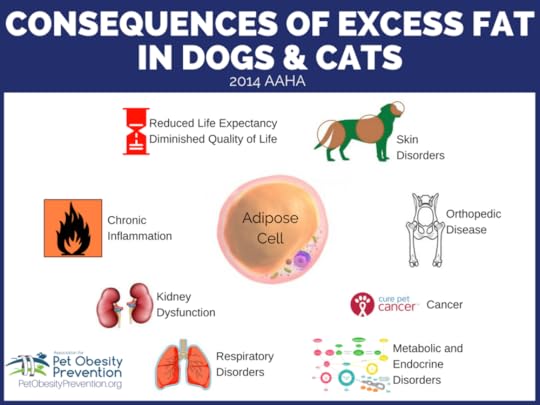
Like many humans, pets can pack on the pounds as they age. And that extra weight can cause health problems.
According to the Association for Pet Obesity Prevention, nearly 60 percent of pets in the United States are overweight or obese, a statistic that hasn’t changed much in the past few years.
According to veterinarians and other pet experts, there are several causes of obesity in pets. Those include:
Bad labeling on pet food. People may follow feeding directions on pet food labels, which is not always the best advice, according to Dr. Nancy Kay, DVM. She recommends pet parents talk with their veterinarian about how much to feed their furry friend(s), and also calculate the number of calories for the animal’s size as well as evaluate your animal’s breed, size, and activity level.Feeding too many treats – and the wrong type. Small dogs don’t need to eat as many treats as larger breeds; in fact, for small pets, feed only a portion of a treat, or give them tiny amounts. Many types of treats are filled with wheat and corn, considered filler and of no nutritional value. Research treats and food before giving your pet whatever is available (and cheap) at the store.Lack of exercise. Many pets, especially cats, are not exercised regularly. Cats are known to sleep many hours a day, but that can be nipped in the bud, along with being overweight, simply by engaging your kitty in games. The same is true with dogs. Some ball-tossing and fetching in the backyard and walks around the neighborhood will help keep your furry friend more lean and trim – and healthy.Breeds pre-disposed for obesity. Some pet breeds seem more prone to becoming overweight than others. For example, among cats, the Persian and Domestic Shorthairs often become chubby on a greater level than other felines, and in dogs, Labrador retrievers, basset hounds, and pugs are susceptible to being overweight.
Being cognizant of your pet’s weight will ultimately help manage health problems, such as diabetes, cardiac disease, and arthritis, among others. Sometimes pet parents have to put their furry family members on a diet; oftentimes, adding extra exercise can help; and many times, cutting down on the number of treats produces healthy weight. Perhaps a mixture of all three.
Talk with your veterinarian about how to slim down your overweight pet – or about how to keep him/her leaner and healthier before s/he becomes obese.
For further guidance on managing a pet’s weight, visit these websites:
https://yourdogadvisor.com/dog-obesity/
https://petobesityprevention.org/pet-weight-check
https://www.nomnomnow.com/obese-dog-weight-loss#causes-and-culprits
April 23, 2019
four-footed healers: animals help people in many ways
 For many people, dealing with life is difficult. Just like a batter in a baseball game, curve balls come our way – we may take a swing and miss. Or, we may stand there, not sure whether we should move the bat at all.
In the United States alone, anxiety, depression, and PTSD (post-traumatic stress disorder) affect millions of people. According to the Anxiety and Depression Association of America, anxiety disorders are one of the most common illnesses in the United States, affecting 40 million adults. More than 17 million people in the America are affected by depression, and depression is most prevalent in young people and women. Depression and anxiety can go hand-in-hand.
In addition to counseling and medication, there is another help for people affected by anxiety and/or depression. Many studies have shown animals, like dogs and cats, help people dealing with anxiety, depression, and other mental health issues. Pets encourage exercise, like walking and playing with toys. The simple act of petting a dog or cat can reduce stress and lift someone’s mood.
Mental health providers see a positive result when patients obtain emotional support animals. These animals help alleviate symptoms of an emotional or mental disability through their companionship and affection. Although not service animals, like guide dogs, ESAs do receive some protections under federal law. Learn more here: https://www.certapet.com/emotional-support-animal/.
Therapy animals visit hospitals, nursing homes, assisted living facilities, libraries, schools, and other places, bringing comfort to people during times of crisis or loneliness. For example, the Lutheran Church Charities K9 Comfort Dogs visit places where natural or human-caused tragedies occur and Read-to-the-Dog programs at libraries bring comfort and confidence to children who struggle with reading and socialization. The elderly in nursing homes and assisted living facilities may feel lonely or rejected; therapy animals (which can be cats, rabbits, dogs, even guinea pigs) ease those feelings. People in hospitals may feel anxious or fearful as well as physically ill; a therapy animal can uplift their spirits and put their minds upon something else. Many school districts embrace the use of therapy and/or comfort dogs in public schools as a way to inspire and assist students. The studies which support pets as healers and comforters have impacted the way medical, mental health, and educational professionals view animals, especially dogs and cats.
Lowering stress and blood pressure are some of the benefits of dogs and cats, whether they’re our pets or they are trained as therapy and/or emotional support animals. Animals provide affection and companionship, and they help soothe the soul. They are helpful in human’s healing processes, whether in their own people or within a stranger.
Consumer Advocate offers a wonderful resource and blog post about pets and their ability to help people with mental or physical ailments. You’ll find that here:
https://www.consumersadvocate.org/features/four-footed-healers-join-team.
If you experience depression or anxiety, or if you are feeling lonely or fearful, consider adding a pet to your home. If you already have one, take more time with your furry friend – you both will enjoy the extra attention and companionship.
How does your pet help you? Leave a comment below.

April 17, 2019
do animals grieve?
 Do dogs and other animals feel pain and grief?
For decades, researchers have noted the mourning various animal species seem to experience when a family member dies. Elephants, for example, have been documented appearing to mourn the loss of a family member, whether an elderly matriarch or a stillborn calf. Chimpanzees and orcas have also been observed in mourning-like behavior.
What about pets?
As I write this, my husband and I are grieving the death of our beloved springer/cocker mix, Mary. We adopted her in 2013 when she was nearly seven years old. Although we didn’t spend her entire lifetime as her guardians and caregivers, Mary touched our hearts and lives in special ways. Sensitive, friendly, and kind, Mary was trained as a therapy dog, and her sweet disposition generated friends, both human and animal, during the years she lived with us. I wrote two children’s books about her, including A Kind Dog Named Mary, by which Mary reminds children that kindness is a great virtue. She exuded kindness and made impacts wherever she went.
That positive impact included the other pets in our house. From the aging Cody, who lived three extra years after Mary came to live with us, to puppy mill survivor Jeremiah, Mary was a true friend.
Now that Mary is gone, Jeremiah, especially, notices her absence. One day he didn’t eat at all. He is somewhat more lethargic, and he doesn’t play with his toys quite as much. He cuddles with my husband and I more. All of these are indicators, according to pet experts, that Jeremiah is mourning Mary’s death.
Well-known veterinarian Dr. Karen Shaw Becker states that dogs and cats “can experience sadness and grief at the loss of a beloved human or animal companion.” She cites the example of a military dog lying near the casket of its beloved human comrade (the television show, NCIS created an episode “Seek” which showcased a similar experience). Dr. Becker also states that behavior changes are common when pets grieve, so Jeremiah’s lack of appetite and desire for closer human companionship are not rare when a pet is mourning the loss of a beloved friend.
Before Mary, my husband and I had a blind springer spaniel named Sage. Like Mary, Sage developed cancer, and on the last night at home, as her breathing labored and her death drew closer, so, too, did the animals in our household. Cody, the cocker spaniel we’d adopted four years earlier, laid beside Sage in the living room. Our two cats also came into the room and stayed close by. They seemed to sense Sage’s near-demise and seemed to come to say goodbye to her. For several days thereafter, Cody seemed depressed. My husband and I took him on short drives and engaged in several walks a day. Keeping the surviving pets engaged and keeping a steady routine are highly recommended by pet experts after the passing of a beloved animal companion.
Perhaps you, too, have experienced the death of an animal companion – did you notice changes in the behavior of your surviving pets? Did they appear to mourn the loss? I’d be interested in hearing of your own experiences – feel free to leave a comment.
Getting another dog buddy is likely on the horizon, as Jeremiah probably needs another companion (as my husband and I). But, as many animal experts agree, doing so right away is not recommended. We will know when the time is right.
Meantime, we will share our grief as a family, and my husband and I will dote on the pets Mary left behind. Afterall, that’s what families do – help each other during difficult times.
Here are links to some articles on animal grief should you be interested:
https://healthypets.mercola.com/sites/healthypets/archive/2018/11/17/grieving-pets.aspx
https://healthypets.mercola.com/sites/healthypets/archive/2018/01/13/helping-grieving-pet.aspx
https://www.petmd.com/dog/behavior/5-tips-help-pets-deal-grief
https://www.thesprucepets.com/dogs-and-grief-1118470?utm_source=emailshare&utm_medium=social&utm_campaign=shareurlbuttons


