
Monica Saigal Bhide's Blog, page 21
April 7, 2014
Of Rice And Zen
This year my book, Modern Spice, celebrates five years! In honor of the book, I will be posting a few recipes over the year. This is a great way to use left over rice.

Of Rice and Zen
This recipe uses previously cooked plain basmati rice, which really does need to be cold for this stir-fry. So if you want to make this dish, make the rice the day before and let it sit in the refrigerator overnight. You can also make this dish without the chicken, or substitute cooked pork, beef or diced tofu.
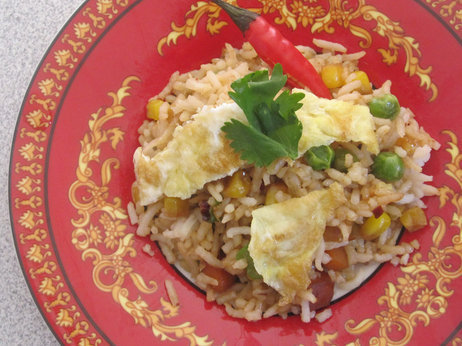
Makes 4 servings
1 1?2 cups frozen mixed vegetables, such as peas/corn/green beans
2 tablespoons vegetable oil
1 egg, lightly beaten
1-inch piece fresh ginger, peeled and cut into fine matchsticks
2 garlic cloves, peeled and sliced
2 whole cloves
1 cinnamon stick
1 black cardamom pod
1?4 cup soy sauce
1 tablespoon vinegar
1?2 teaspoon red chili flakes
2 scallions, white and pale green parts only, finely chopped
1 cup cooked boneless chicken cut into 1?2-inch dice
3 cups cold cooked white rice, preferably basmati
1 tablespoon chopped fresh cilantro
Cook the frozen vegetables in the microwave according to directions on the package. Drain and set aside.
Meanwhile, in a large nonstick skillet, heat the vegetable oil over medium heat. When the oil shimmers, pour in the egg and rotate the pan to spread it thin. Cook until set on both sides but not browned. Transfer to a plate and cut into thin strips.
Raise the heat to high. Add the ginger, garlic, cloves, cinnamon stick, cardamom and mixed vegetables. Saute for about 1 minute, until fragrant. Add the soy sauce, vinegar and chili flakes, and mix well. Add the scallions and chicken, and saute for another 2 minutes or until the chicken is completely heated through.
Add the rice and mix well. Saute for 2 to 3 minutes, until the rice is completely heated through.
Serve hot, topped with the egg strips and cilantro.
The post Of Rice And Zen appeared first on Monica Bhide | Indian Recipes, Cuisine, Cooking with Spices.


Healthy French Cuisine? Why, yes!
I recently received a gorgeous cookbook written by a French chef. The book, Eat Well Stay Slim, is written by Chef Michel Guerard. The photos and the recipes were gorgeous but what really caught my attention was the book’s claim – healthy French food. I guess, as a bad stereotype, I have always associated French food with being very rich. (I guess I should know better, right? Indian food is NOT all about heat!)
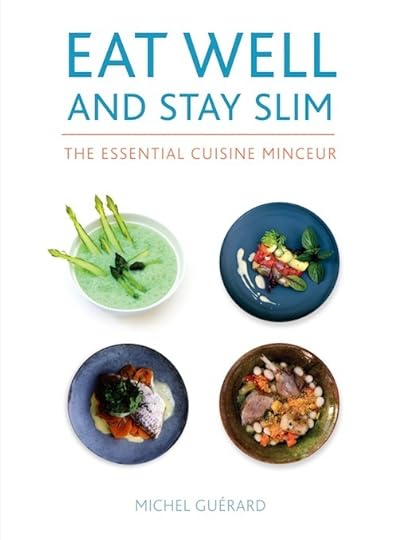
I wrote to the chef and asked him a few questions about this lovely book and also to provide us with a few tips on how we can make our food healthier. I adored his answers and I hope you will as well.
BUY NOW - Eat Well Stay Slim,
1. Chef, I am really enjoying your book. Can you talk a little bit about the premise on which this book is based?
I am glad you’re enjoying it! I hope you will have the chance to cook some recipes. As you may know, we’ve been specializing in healthy and slimming-down cuisine for the past 40 years at Les Prés d’Eugénie. This book holds some of the results of our research and experimentation that we’ve been conducting in our kitchen for this cuisine. It is a sort of bible on healthy cooking that we published in France, in 2012, because we were opening a cookery school for cooking and health professionals teaching them healthy cooking. Part of the training program of the course is based on the book. We wanted to spread around this knowledge as much as we could in order to draw people’s attention to this matter of public health, that is eating.
2. Can you talk about where you used to cook and now how you andy your wife own a restaurant in the south of France devoted to healthy French cuisine. And why did you decide to do that, especially in light of the French Women Don’t Get Fat books.
We settled down in Eugénie in 1974. Before that, I was working in Paris. I had my own restaurant called the Pot au Feu, which had 2 Michelin stars. I met Christine, my wife, in 1972 and we moved to the southwest where her father had bought a hot-spring resort that she was already managing.
I starting thinking about developing a healthy and slimming-down cuisine in 1975. Eugénie les Bains is a hot spring resort, and is used to welcoming overweight or obese people, thanks to the chemical features of the hot spring waters (it is considered a medical treatment in France). Their stay in Eugénie is generally combined with a diet. When I discovered, in 1974, they were eating boiled vegetables and unseasoned carrot salad, I decided it was high time to do something. I wanted to create for them, a light, flavorful and delicious cuisine that was good for the health.
3. Do you think that traditional French cooking is fattening? How have you changed some of the traditional methods of cooking to make them healthier.
French cuisine is definitely fattening as is every other cuisine in the world. There are two things responsible for that. First, the size of the servings, even if we are far from measuring up to the Americans on that subject. So, we put a lot of care in weighing everything we serve in order to abide by dietary balance recommendations (carbs, proteins, fat), and our servings are designed to to fulfill the right level of hunger. French meal structure is helping us because the three courses extend the duration of the meal which allows the eater to feel satiated (this feeling starts happening about 20 minutes after beginning the meal).
The second thing that makes a cuisine fattening is, of course, the ingredients that are used. What is the most emblematic in French cuisine are the sauces, which are exquisite but also full of butter or oil in their traditional versions. Our research has consisted in finding ways to make these sauces healthy: we replace oil with broth, butter with whisked concentrated milk, we changed our cooking methods, etc. Those healthy recipes bring as much as pleasure as the traditional ones, and sometimes more as they are more in sync with our way living now.
4. What are a few ingredients that a healthy cook should have in their kitchen — ingredients that provide great flavor without the fat.
There are no miracle ingredients unfortunately! But what is sure is that anyone can cook without the fat, and keep great flavors. When cooking meat or fish, it is easy to choose the right cooking methods (in a pan with a dash of oil or broth that produces a delicious sauce, in the oven en papillote). What is the most important is the seasoning and this is why the composition of the sauces matters a lot. Aromatic herbs and spices are great helps. You may find a lot of options in the book for dressings that can be used cold for salads and hot to accompany meat, fish or vegetables. I strongly suggest you use a rainy week end to produce a large batch, that you can put in the freezer and tap into the following weeks or months.
10 Tips for Healthy French Cuisine from Chef Michel Guerard.
Cut the fat of rich sauces: Instead of using a lot of oil (even olive oil is still oil!) in vinaigrette sauces, replace ¾ of what you would use with a broth that you thicken (with corn starch for example) in order to give it an oily consistence. If you have time, you can even infuse oil with fresh herbs (rosemary, verbena, thyme, etc). This will bring a very complex and aromatic feature to your sauces without the superfluous calories. When you are making mayonnaise, replace ½ the oil with fat free yoghurt. Do the same for béarnaise sauce: instead of butter, use whisked concentrated milk.
Go crazy for vegetables: You can have them everywhere. Again in sauces, replace the traditional butter and flour with a thinly mixed blend of different vegetables (try potatoes, leeks, celery and Parisian mushrooms, it’s great for a blanquette….. or other combinations, the sky is the limit!). You can also use these great purées and make gratins, mixing even fruit for a bit of sweetness. Your children will ask for more. You can also prepare a fantastic risotto and replace half of the rice with mixed cauliflower or celery to give it the shape of rice. Your guests won’t see a thing.
Take out the fat off of the meat: It takes a few more minutes than usual but it is worth it. It won’t be possible for some pieces you are using to make a sauce dish (like a beef burgundy, navarin of lamb, etc), but if you prepare it in advance, you can put it in the fridge when it’s cooked. Once cold, the fat will fix and come up at the surface and you will be able to take it all out.
Choose the right cooking method: There are plenty of ways to cook meat or fish that are very easy. Steaming, poaching, or making delicious papillotes with your kids… If you prefer roasting or grilling, use the adequate utensil, in terms of size, in order to limit the fat you use, and when you can, always apply the fat directly onto the meat with kitchen paper. You will use so much less!
Don’t over salt your dishes: Eating too much salt can cause or worsen arterial hypertension. In order to use less, you can cook with broth, use spices or aromatic herbs; it will even be better. And take as a rule to taste before adding salt on your plate.
Let the meat rest: The secret for tender, juicy meat is that its resting time should equal its cooking time. Wrap the piece with foil; this way, the blood that flowed to the centre of the meat when it was seared can flow back to its extremities and your piece of meat will be perfect.
Don’t burn the fat: When fat (butter or oil) is cooked at very high temperatures, it burns and transforms into toxic matter (that is why the renowned stripe in black butter is now forbidden). To prevent that, you may add water to cool down the oil during cooking which will become delicious syrup. You need to be careful with butter that burns faster: you can either start cooking with oil which is less delicate, then add butter if you want to use some for the taste at the end; or mix butter and oil at the same time.
Eat healthy fries: The reason why fries are so full of oil is because they undergo two oil baths: the first one to make them poached where they will pump all the fat, then the second to make them golden and crunchy. You may replace the first bath with a more sanitary method like steaming or poaching in the water. You may also use the specific kitchen appliance that allows you to cook a large quantity of fries with only one oil spoon!
Don’t oversweet your desserts: There are now a large number of sweet products you can use instead of sugar. You would rather choose the natural kind of course, such as agave syrup, fructose, and xylitol. Don’t forget that fruits contain sugar and you may as well not add any. And remember, the less you eat sweet, the less you’ll crave sugar.
Use whisked egg whites: Replace ¾ of cream or whipped cream you would normally use with whisked egg whites that you will delicately blend with the remaining cream. It will make your desserts light, aerial and exquisite. It is how we manage to make the famous Paris-brest for 150 calories!
The post Healthy French Cuisine? Why, yes! appeared first on Monica Bhide | Indian Recipes, Cuisine, Cooking with Spices.
April 4, 2014
One Simple Change

I have excitedly been awaiting my dear friend Winnie Abramson’s new book, One Simple Change, which showcases the mantra that small changes add up.
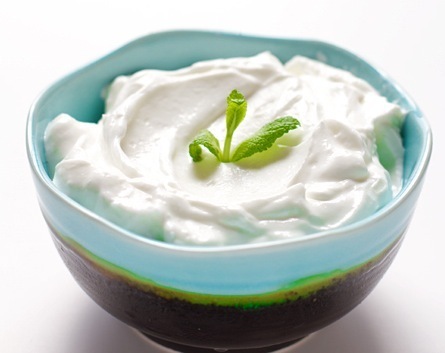
Because we all want to look and feel better, One Simple Change shows us how. In this wellness guide, Healthy Green Kitchen blogger Winnie Abramson compiles 50 small changes that readers can easily make to improve their everyday well-being. Abramson—who has a doctorate in naturopathic medicine—throws fad diets out the door in favor of age-old culinary wisdom, green living tips, cutting-edge nutrition information, and 15 simple and easy recipes, like one for yogurt. Yogurt is made with live cultures is high in protein, calcium, and probiotics–and all that is so excellent to keep the digestive system on track.
The response has been fantastic too with good reviews all over the place and MindBodyGreen featuring the book in their 7 Best Books of 2013 list. I’ve learned so much–like how coffee is a perfectly acceptable accompaniment to a healthy diet (but re-hydrate with a glass of water in the morning before that first cup of coffee), how dark leafy greens are best absorbed in our body with the addition of fat, and to toss those fad diets out the door in favor of real food.
The post One Simple Change appeared first on A Life of Spice.
April 1, 2014
Indian Chicken Wings
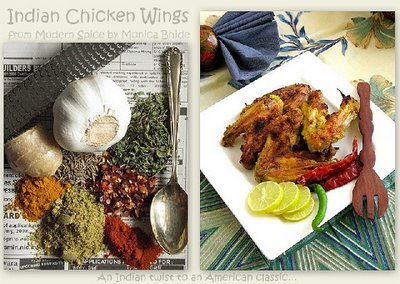
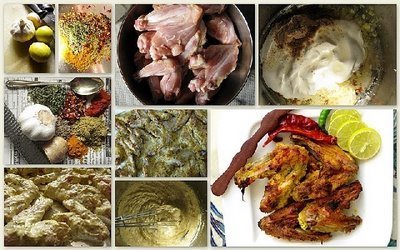
This year my book, Modern Spice, celebrates five years! In honor of the book, I will be posting a few recipes over the year. I think this became one of the most popular recipes in the book — chicken wings ala monica!
This photos here are courtesy Deeba Rajpal
INDIAN CHICKEN WINGS
Here’s an American classic with a twist. These grilled wings provide all the flavor yet are healthier than their deep-fried cousins. I make these in bulk, as they freeze well. When you are ready, just throw them on the grill and get ready to party.
Serves 6 to 8
Prep/Cook time: about 25 minutes, plus 3 hours marination
Ingredients:
1 cup heavy cream
1 tablespoon store-bought ginger-garlic paste
½ teaspoon ground turmeric
½ teaspoon ground cumin
1 ½ teaspoon ground coriander
2 teaspoons red chile flakes
2 tablespoons fresh lemon juice
1 ½ teaspoons dried fenugreek leaves, crushed
1 teaspoon dried mango powder
2 tablespoons vegetable oil
1 ½ teaspoons table salt
¼ teaspoon freshly ground black pepper
2 ½ pounds chicken wings (about 20 wings), tips cut off
Nonstick cooking spray
Store-bought chaat masala for garnish
Directions:
1. In a large bowl, combine the cream, ginger-garlic paste, turmeric, cumin, coriander, chile flakes, lemon juice, fenugreek, mango powder, vegetable oil, salt, and pepper.
2. Add the chicken wings and toss to thoroughly coat them. Refrigerate, covered, for at least 3 hours.
3. Turn on the broiler to high. Line a baking sheet with foil and spray it lightly.
4. Place the wings on the baking sheet. Pour any remaining marinade on top of the wings.
5. Broil the wings about 4 inches from the heat until cooked through, about 12 minutes on each side or until they begin to brown well. Turn the wings once.
6. Serve sprinkled with chaat masala.
The post Indian Chicken Wings appeared first on A Life of Spice.
March 29, 2014
Behind the book: Gluten-free Pasta
Nobody does healthy food like Robin Asbell! Don’t take my word for it… take a look at her books:
Gluten Free Pasta, More Than 100 Fast and Flavorful Recipes with No-and Low-Carb Options (Running Press) Spring 2014
Juice It! Energizing Juices for All Times of Day (Chronicle Books) Spring 2014
Sweet and Easy Vegan Treats Made with Whole Grains and Natural Sweeteners (Chronicle Books, Fall 2012)
Big Vegan (Chronicle Books)
New Vegetarian (Chronicle Books)
and The New Whole Grains Cookbook (Chronicle Books)
I have cooked from Big Vegan and The Whole Grains book. Robin has a terrific understanding of ingredients and how to pair them so that the end result is not just a nutritious dish but a delicious one!
I asked Robin to tell us a little bit about her gorgeous, new gluten-free pasta book.. Robin shared such a heartfelt essay.. I loved it and I think you will as well:
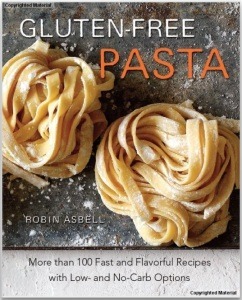
** BUY NOW – Gluten Free Pasta, More Than 100 Fast and Flavorful Recipes with No-and Low-Carb Options ***
Behind the book
By Robin Asbell
It was one of those moments that lodges in your memory, for no apparent reason.
I was in my Mother’s kitchen, we were cooking and drinking wine, and she was telling me about a dinner party she had attended.
“All I can say,” she said, “Is that I NEVER want to be one of those people with a wheat allergy.” She shuddered visibly. “I got stuck sitting next to a woman who talked about her wheat allergy all night. I nearly died of boredom.”
It must have been in the mid-80′s, and I was already making my living in the natural foods biz, baking and cooking. We always made a few wheat free cakes and muffins, and the customers who bought them were kind of desperately grateful.
Maybe it struck me because my Mother was usually so patient and compassionate with people.
” I hope she didn’t talk about her digestion. Did you try to change the topic?” I said, slathering some pesto on a hunk of whole wheat baguette.
She sighed dramatically. “It was all she could think about. It’s happened to me before, I get stuck listening to someone talk about how miserable they are without bread.” she said, bracing herself with a sip of wine. “Just shoot me if I ever become that person.”
We laughed, we drank wine, we ate bread. It all seemed funny at the time.
Of course, my Mother had a number of health problems that plagued her. Like a frog in a pot of cold water set on a stove, she had learned to live with the itching of her skin, as the eczema got worse every year. She coughed alot. She smiled and soldiered on, and didn’t want to talk about it. I went vegan, and nagged her to give up dairy. She laughed at the idea of it and ate bread and cheese.
I got married and moved to Minnesota, so I didn’t see her as often, but we talked on the phone frequently. Life was fine, until I woke up to find a message on the answering machine. Mom was in the hospital. Emergency surgery, no details.
Now that I was a 9 hour drive from home, I had to work the phone to try to find out what was going on, pre-cell phones. By the time I found her, she was still unconscious, but the surgery had gone well.
It turned out that my Mom had been getting monthly cortisone shots for her skin, and her immune system was weakening. Her skin often became infected, and her doctor pushed antibiotics. That fateful weekend, she felt crummy and went to bed, thinking that she had the flu. By Monday, she had lost the feeling in her hands and feet.
Her local doctor was able to see her, put her in an ambulance, and rush her to a hospital in a bigger city. The infection inside her spine would have killed or paralyzed her, if left untreated.
In the hospital, doctors finally set to find out the source of all her problems, and it was a good thing that she was heavily medicated when they gave her the verdict.
Her allergy tests showed that she was allergic to wheat. Wheat, dairy, eggs, beans, at that time, she was reacting to just about everything.
She read me the list of what she could eat over the phone. “Beef, chicken, potatoes, carrots, green beans, black coffee. They always put black coffee on there. Jello, too.” she said, mustering a little laugh at the absurdity of it.
“Mom, we will figure it out, don’t eat a bunch of artificially colored jello,” I said, distraught. “I can find you some food here in Minneapolis, and mail it to you.”
Her voice was weak. “Now I’m one of those people. I’ll be like the women in ‘The Potato Eaters.”
It was a relief that she could still crack a joke that referenced an early Van Gogh painting. A horribly bleak painting, in which starving, gnarled peasants eat plain boiled potatoes.
“Oh, Mom, it isn’t a death sentence. At least you’ll feel better.” I said, reeling as my mind raced to all our family’s favorite meals. All built on bread, drenched with dairy, and buttressed with stacks of wheat flour cookies.
It was my first experience with the emotional side of food allergies. For my Mother, this was almost like a death in the family. She would have to go through a period of grief. I wondered, thinking of that conversation all those years earlier, whether some part of her knew, but just didn’t want to find out.
And so began my career as a gluten-free cook. Before Tinkyada, Asian groceries were my go-to, and I packed boxes full of rice noodles and springroll wrappers, bags of tapioca and sweet rice flour, and toted them to the Post Office to mail home. I worked on my muffin recipes, I tried to perfect my biscuits and breads.
20-plus years later, I’ve made a career specialty out of creating gluten free recipes, teaching gluten free classes, and cooking for people with food allergies and other special diets. My latest book, Gluten Free Pasta, More Than 100 Fast and Flavorful Recipes with No-and Low-Carb Options (Running Press) hit bookstore shelves in February.
Oh, and my Mom? Still going strong. She recovered and gradually was able to eat many of the foods that were on the banned list. In fact, she can tolerate ancient wheats, like kamut and spelt. She knows she is one of the lucky ones.
But don’t ask her to talk about it at a dinner party.
** BUY NOW – Gluten Free Pasta, More Than 100 Fast and Flavorful Recipes with No-and Low-Carb Options ***
The post Behind the book: Gluten-free Pasta appeared first on A Life of Spice.
March 27, 2014
Red Hots and Apples

I remember seeing Red Hots used as a seasoning in “White Trash Gatherings: From-Scratch Cooking for Down-Home Entertaining” (Ten Speed Press, 2006) by Kendra Bailey Morris and wanted to try them in my kitchen.
The following recipe for Granny Smiths in a Blanket has been adapted from Kendra Bailey Morris’ cookbook, “White Trash Gatherings: From-Scratch Cooking for Down-Home Entertaining.”


G RANNY SMITHS IN A BLANKET
1 ½ cups sugar, plus more for topping
1 ½ cups water
¼ teaspoon ground cinnamon, plus more for topping
¼ teaspoon ground nutmeg
20 Red Hots candies, plus more for garnish
2 tablespoons butter (divided)
2 (9-inch) unbaked refrigerated pie crusts
6 Granny Smith apples, peeled and cored
Vanilla ice cream, for serving
Preheat the oven to 400 degrees. Lightly butter the inside of a 9-by-13-inch baking pan.
In a medium saucepan, combine sugar, water, cinnamon, nutmeg and Red Hots. Bring to a boil over medium-high heat, then immediately remove from heat and stir in 1 tablespoon of the butter. Stir until candies have dissolved. Set aside in warm spot.
Cut each pie crust into 3 wedges. Wrap each apple almost entirely, except for the fruit’s hollowed top. Place the apples in the prepared pan.
Place a dab of the remaining butter atop each apple, then sprinkle sugar and cinnamon over each fruit. Pour the hot syrup over the apples. Bake for about 50 minutes, basting with the hot syrup every 15 minutes or so. If the liquid gets too thick, add 1 or 2 tablespoons of hot water to thin it.
Serve the apples warm, topped with ice cream. Garnish each serving with a few Red Hots. Makes 6 servings.
The post Red Hots and Apples appeared first on A Life of Spice.
March 26, 2014
Where in the world is Monica?
Hello, friends!

I hope to see you all at one of these fun events!
Sharjah Children’s Reading Festival – I am so delighted to let you know that I was invited by the government of UAE to come and present my love of spices and cooking to kids in Sharjah. I will be there from April 13-20. I hope to see you all there. I will be doing live demos throughout the week.
Food Bloggers Connect 2014 - I am so honored to be invited to teach several workshops in London this year. A dream come true for me! I will be teaching there from June 6-8 at the fantastic Food Blogger Connect conference. Come join us!
Mid-Atlantic Food Writers Symposium - So happy to be asked to be a part of this terrific symposium in Richmond this year. I will be on several panels speaking about food writing. Event starts June 20. I hope to see you there! Thanks to Patrick Evans Hylton for inviting me.
Food and Wine conference - I will be in Orlando July 18-20 teaching workshops at the wonderful Food and Wine conference. So thrilled about this! Florida, here we come!!
Watch this page for more events!
(photo from iSTOCK)
The post Where in the world is Monica? appeared first on A Life of Spice.
March 24, 2014
Behind the Book: My Rio de Janeiro Kitchen
So I have a girl crush on Chef Leticia Moreinos Schwartz - she is gorgeous, she is talented, she is generous, her Brazilian recipes rock my world.. and oh, did I mention she is gorgeous?!

Her lovely new book is out – My Rio de Janeiro Kitchen. I ordered my copy right away and have really been enjoying reading it and cooking from it. Sometimes I get intimidated by cookbooks from another culture as I worry about finding ingredients, making sure I cook the dish the right way etc. But with Leticia’s books, I always know I am in good hands.
I asked Leticia to tell you about her book in her own words, but I wanted to tell you about the recipes I made and loved from her book. From a very delicious (and easy to make) Papaya orange smoothie to a stunningly scrumptious garlic and cilantro soup with poached eggs and croutons, the book has something for every taste. It is divided by the regions of Rio and, of course, I jumped straight to Copacabana when I got the book! It is my dream to visit Brazil someday… in the meantime, this book takes me there via my taste buds!
*** BUY THE BOOK - My Rio de Janeiro Kitchen ***
How a book is born
By Chef Leticia Moreinos Schwartz

I am horrible with dates, but one date I don’t ever forget is February 17, 1997, the day I moved to New York to study culinary arts and devote my life to cooking. I am usually very emotional, and looking back at that date, I am surprised at my big smile while my family was bursting into tears at the airport farewell. In retrospect, I knew that day that this book was somewhere in my future—and the reason for my big smile.
It took me over a decade to turn my passion for cooking into a career. I went to cooking school, worked in restaurants, studied food journalism, and soon enough I was the proud author of The Brazilian Kitchen, my first cookbook.
After the book came out, I started my blog.chefleticia.com, which documents my discoveries around Brazil. With blogging, I integrated writing and photography into my cooking life. While I am not a professional photographer, I took many of the photos featured in this book.
Throughout my travels (thought there is so much I still have to see!), I began to realize that my love for Brazil is as big as the country—but my heart belongs to Rio. I also realized that my life was shaped by the foods in Rio, and that much of what I do today is linked to something in Rio. From the juices I drink every morning, like Limonada Suissa, and the sandwiches I eat for lunch, like Chicken Carrot Sandwich to the foods I serve at my kids’ birthday parties, like Brigadeiro—it’s all about Rio. A book was born!
*** BUY THE BOOK - My Rio de Janeiro Kitchen ***
Dadinhos de Tapioca
Tapioca and Cheese Fritters
From: My Rio de Janeiro Kitchen (Kyle Books) by Chef Leticia Moreinos Schwartz
Recipe and photo (by Kate Sears) used with permission.
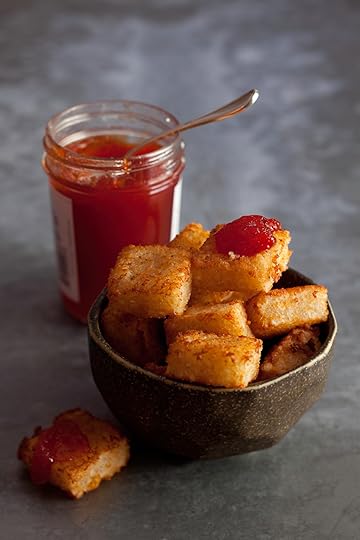
You can use small tapioca pearls, but if you can get your hands on the Brazilian granulated tapioca from Yoki brand, which you can easily find at Amazon, then these will taste ultra extraordinaire. The same goes for cheese; I have played with the cheese trying Parmesan, cured and grated Minas cheese, Brazilian Coalho cheese, and Greek Haloumi. They all work, and they all produce a great fritter. My favorite is Parmesan, but feel free to use any of these. The cheese needs to be grated very finely. You can bake these, but frying brings the best crispness to the plate.
Serve with store bought red pepper jam if you like a side to complement this recipe.
Makes about 45 Tapioca Cheese Fritters
1 1/3 cup (135g) finely grated fresh Parmesan
1Ž2 cup + 1 tablespoon (125g) small tapioca pearls
1 cup (250 ml) whole milk
Kosher salt
Freshly ground pepper
Freshly ground nutmeg
Pinch of Paprika
2 cups vegetable oil for frying
Equipment: one 6 X 9 1/4–inch (14.5 X 2.4 cm) baking dish, lined with plastic film hanging on all sides
1- In a medium bowl, mix the cheese and tapioca.
2- In a small saucepan bring the milk to a boil. Pour hot milk over tapioca and mix with a rubber spatula; tapioca will immediately start to release starch and dough will become thick and pasty but still malleable. Season with salt, pepper, nutmeg and paprika. Pour onto the prepared pan and spread evenly with an off set spatula. Cover immediately with plastic wrap to help hydrate the tapioca and prevent a skin from forming. Let cool at room temperature for at least 1 hour, then chill in the fridge for at least 2 hours or overnight. At this point, you can prepare the recipe up to 5 days ahead of time.
3- Pour the vegetable oil into a heavy-bottomed pot or casserole and heat the oil to 350?F, as measured with a deep-fat thermometer.
4- Lift the plastic and unmold the tapioca dough onto a cutting board. Using a long knife, trim the edges and cut the dough into neat 1-inch cubes.
5- Fry the tapioca cubes in batches; only add as many as will fit without touching each other. Turn them occasionally basting with oil with a long slotted spoon, preventing them to stick together during the frying process, and making sure it’s browned evenly on all sides, about 3 minutes. Remove from the oil and transfer to a half sheet pan covered with paper towels. Continue working in batches until all the cubes are fried. Serve hot.
*** BUY THE BOOK - My Rio de Janeiro Kitchen ***
The post Behind the Book: My Rio de Janeiro Kitchen appeared first on A Life of Spice.
March 23, 2014
A Life of Spice on Wattpad

I am so delighted to share this news: Wattpad invited me to share my non-fiction food writing on their lovely site. My series titled, A Life of Spice, debuts today. First up is my essay – A Question of Taste.
(The cover shot is by Stephanie Stiavetti and the cover design is by my fourteen-year-old son)
The post A Life of Spice on Wattpad appeared first on A Life of Spice.
March 22, 2014
Behind the Book: Zucchini Fritters from the Veggie Cure

Zucchini Fritters
I have always been a fan of the Nutrition Twins and have interviewed them many times for stories. Their work is just superb. I love their new book and I invited them to tell us a little bit about how the book came about and, of course, if they could share a recipe with us.
Behind the book: The Nutrition Twins’ Veggie Cure
By Tammy Lakatos Shames RDN and Lyssie Lakatos RDN
As authors of The Nutrition Twins’ Veggie Cure, it probably comes as no surprise that we’re huge fans of veggies and have witnessed their powers for quite a while. And we’re well aware that each and every vegetable has incredible and different benefits than any other one—from the ability to fight different cancers to the ability to make your skin glow. However, even we, V-Queens (yes, that’s what we call our friends, family and other vegetable loving leading ladies) must admit that we are guilty of falling into the same veggie patterns and using the same dozen vegetables on a regular basis.
However, while writing our book, we started to delve into the research and we found ourselves including a wider range of veggies in our daily repertoire. For instance, Lyssie added two faves, fennel and turnips to her daily intake, while Tammy added broccolini and jicama to hers. Although we already were quite well-versed in the healing powers of vegetables, we learned about even more of the fascinating benefits and we were enamored by the different benefits of each part of the plant and the health-promoting or beautifying properties found in various sections So while people may be aware that stalks and stems like those on broccoli, cauliflower and chard have different benefits: Broccoli stalks contain more fiber, vitamin C, and calcium than the florets, while Swiss chard stems are rich in glutamine, an immune-boosting amino acid; this is the case with all veggies. Whether it is the leaves, the stalks, or the flowers, they possess different health benefits.
We have always snacked on the veggies as we cut and prepare them for dinner; they tide us over until our dinner is ready. One night, while doing our research for The Nutrition Twins’ Veggie Cure, Lyssie was chopping one of her usual veggies—kale. She got to thinking, “Hey, I eat the stalks of broccoli, celery, and lettuce, and they offer different benefits, why don’t I eat kale stalks too? After all, kale is now recognized for providing support for both phases of the liver’s detoxification system (and who doesn’t want to rid toxins from their body?) So she decided that she didn’t want to waste the precious kale stalks. So as she washed the kale’s leave and separated them from the stalk, she munched on the stalk, eating it like Bugs Bunny would a carrot. It tasted good, but it was a bit tough and stringy too. She was enjoying it though and wondered why she hadn’t done it before.
And then, it happened. One very tough fibrous piece of kale didn’t quite make its way down her throat. It instead lodged itself in her windpipe. She panicked for a few moments as the kale blocked her throat. Fortunately Lyssie’s boyfriend raced over, just in time to give her the Heimlich—and just like you see in the movies—the large kale stalk shot out from her mouth and right into the wall!
Lesson learned—Eat Your Veggies—cut ‘em, cook ‘em, eat ‘em raw, but not need to go to extremes, eat them as you would expect to eat them—you’ll still reap all the benefits and rewards—no Heimlich required! In honor of a delicious and safe way to eat your veggies, here is our recipe for Zucchini Fritters.
Zucchini Fritters
Sunday mornings were all about our mom making fritters for the family, so for us they are a com- fort food. However, no need to feel guilty indulging in these for breakfast, lunch—or dinner! These good-size fritters will warm your insides and give you a mood boost for just about 100 calories each.
Serves 4 (two 4-inch fritters per serving)
2 cups coarsely grated zucchini
1/2 cup coarsely grated white onion
1 egg
2 tablespoons chopped parsley
1 cup cornmeal
1 teaspoon baking powder
1/4 teaspoon fresh cracked pepper
2 teaspoons canola oil, divided
Honey, maple syrup, or apple- sauce for serving
salt to taste (optional)
1. Preheat the oven to 200°F.
2. Place the grated zucchini over 3 layers of paper towels in a thin layer. Let sit for at least 30 minutes to lose some excess moisture. (Make sure the grated onion sits as well, for at least 5 minutes before using, to activate its powerful phytonutrient compounds.)
3. After 30 minutes, change the paper towel for new sheets and squeeze the zucchini a little to lose more moisture.
4. In a bowl, whisk together the egg and parsley. Add the zucchini, onion, cornmeal, baking powder, and pepper. Stir well to combine. The batter will be thick and chunky. Let rest 10 minutes.
5. Add 1 teaspoon of oil to a large nonstick pan over medium heat. When the pan is hot, drop in a scant 1?3 cup of the batter, flattening it into a 4-inch fritter. Cook for 2 to 3 minutes or until the top of the fritter looks slightly bubbly and dry. Turn and cook for another 2 to 3 minutes on the other side. Use the remaining teaspoon of oil as necessary to cook the remaining fritters.
6. Keep fritters warm in the 200°F degree oven until all are cooked. Serve with a little honey, maple syrup, or applesauce.
The post Behind the Book: Zucchini Fritters from the Veggie Cure appeared first on A Life of Spice.


