Lauralee Bliss's Blog, page 3
September 15, 2022
To Honor the Finish
One hears a great deal about creating, envisioning, working, but one cannot overlook the importance of the finish. Fifteen years ago, I planned for a trip that began when I was a teenager. That is, hiking the entire Appalachian Trail from end to end. Our family would venture to Shenandoah National Park and join some of the ranger-led hikes which included this famous trail. When a ranger pointed out to me as a curious child that this trail with white blazes went from Georgia to Maine, I told myself that’s what I want to do. Hike this trail. We’ve done lots of traveling in our camper. We first started with a tent that went to a tent camper then finally an RV that we affectionately called Bessie. But I never walked state to state by foot power.
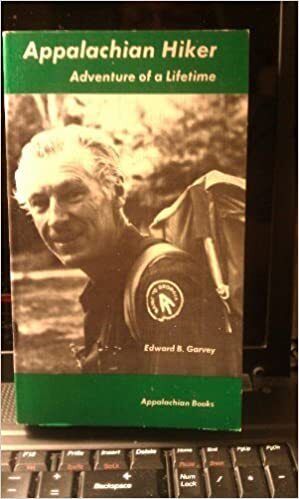 The very first book I read on the AT. I’ve probably read it dozens of times
And so, from the time I was an impressionable teenager, I envisioned hiking this entire trail, some 2,195 miles. I bought a book on it with my babysitting money, mailed away for literature from the then Appalachian Trail Conference (now called the Appalachian Trail Conservancy) that included a trail data guidebook. Any time I saw the sign for the trail, I’d stop and get my picture.
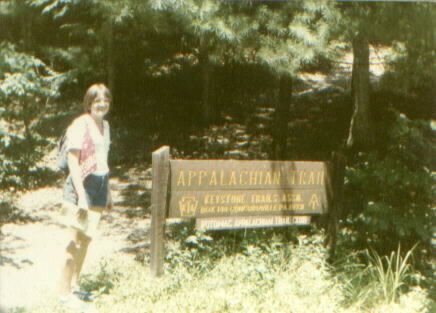 I am fifteen here. And dreaming. This is the trail in Pennsylvania
Finally, the dream came to pass in 2007 when I undertook a precarious and interesting venture to hike the entire trail with my then 16-year-old son. Why he decided to go remains a little bit of a mystery, but he will tell you to this day that he’s glad he did. It became a six-month hike going through fourteen states. We finished on September 18th, and this year marks the fifteenth anniversary.
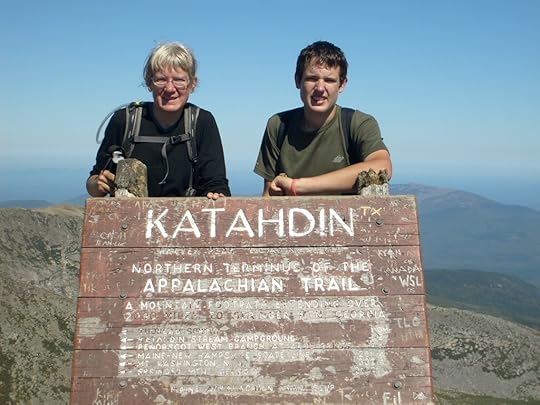
I chronicle the adventure in my book Mountains, Madness and Miracles – 4000 miles along the Appalachian Trail. Why 4000 miles? Because I did the trail fifteen years ago and then three years after that did it again the other way. And I am still endeavoring to finish for the third time.

There are always adventures to be had and finishes to relish and goals to accomplish. You may still have some big goals in your life waiting to be achieved. Do the best you can to seek it, plan for it, and make it happen with the time and resources given to you. This is the only life we have to live, so live it well.


September 10, 2022
A Day Never Forgotten
One terrible, nightmarish journey. September 11, 2001. A day wrought in tragedy and death. Can anything good come of it?
September 11, 2001, a little after 9 AM. It had become a usual routine for me to do some work before turning on the TODAY show and eating my breakfast around 9 AM. Today was no different. I had just done some cleaning, we were going to have a friend come over in the afternoon to look at my husband’s computer. I settled down as usual in my chair with a bowl of Raisin Bran. The TODAY team had just joked about something. Then Katie Couric came on to say that there was an incident at the World Trade Center. A small commuter plane had hit it, they were saying, and switched live to the scene. I sat there eating my cereal, thinking what a terrible thing to have happened once again (I recalled the bombing there about seven years back). I told my son who was in the back getting ready for school to come see the burning building. As I was watching this live, I saw a huge jetliner careen across the screen and into the second World Trade Center building, followed by a tremendous fireball. I nearly dropped my bowl but managed to put it on the table. This was history unfolding before his eyes and mine. I knew we were under attack and a terrible event was happening. And it went on for hours. More planes. More explosions. Buildings collapsing. The innocent dying. It was an event from hell.
My parents used to talk about the Day of Infamy when Japan bombed Pearl Harbor. They were kids back then. I had been to the Arizona memorial in Hawaii and was moved. But I never thought I would witness an attack in my lifetime. Until September 11, 2001 when our own airplanes and US citizens were used against us. It was a horrifying thing.
What good can possible come from something so awful? I do know that for the first time, everything stopped. No one cared about money or politics. People came together and prayed. People hung the flag, put it on their cars instead of college alma maters, burned candles, sung patriotic songs. USA shirts and hats were worn everywhere and were hot ticket items. People were Americans. We grieved as a nation. We were family.
Dear God, I pray nothing like this will have to happen again to make us realize who we are as a nation – one nation, under God, indivisible, with liberty and justice for all.
What were you doing on 9/11, and how did it affect you?
August 31, 2022
Jan Hagel Cookies
As part of the online Facebook gathering for the release of Escape from Amsterdam, the author made a Dutch Christmas butter cookie in the shape of diamonds. The delightful cinnamon flavor and pretty decoration with sliced almonds and an egg wash gleam will look great for any occasion. Dutch cookies like this are favorites during “Pakesjavond” or the exchanging of gifts and during the arrival of Sinterklass when his assistants toss cookies to the eager children. Enjoy making and eating a Dutch cookie with loved ones. Check out the author notes at the end to see the variation used in this recipe.
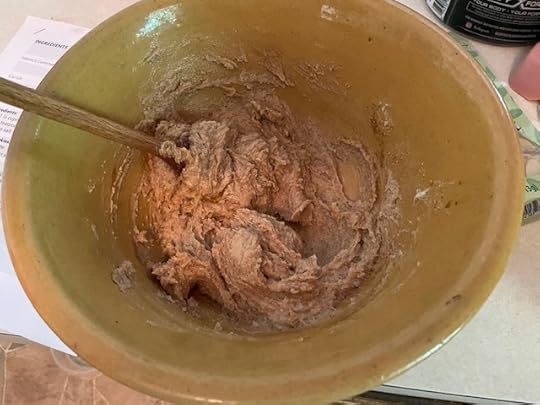
Creaming the first ingredients. The color is because I substituted the sugar for a mix of cane syrup crystals and coconut sugar.
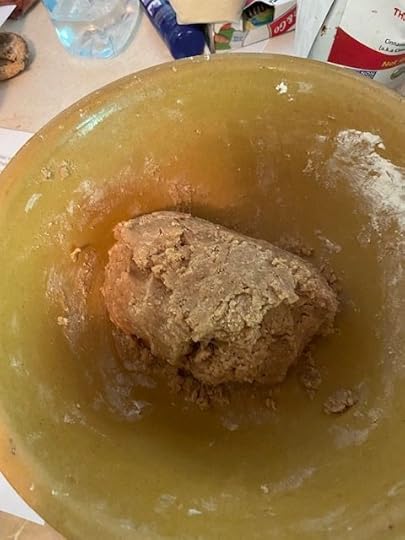
Gather the dough together as it will be crumbly.
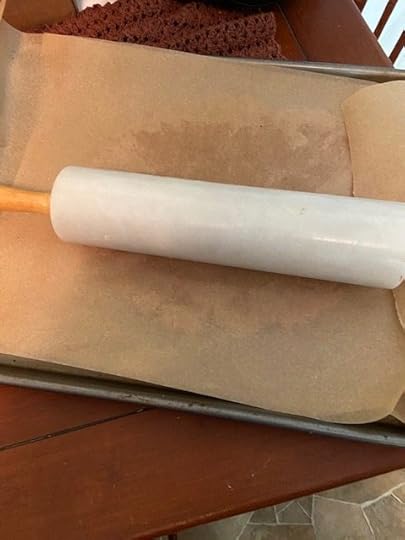
Rolling between two pieces of parchment makes it easy. And clean-up is easy after baking
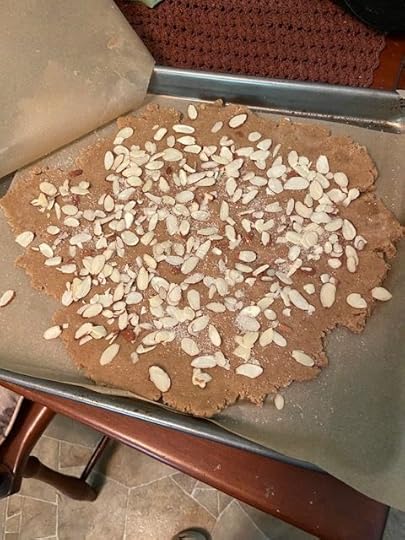
Sprinkled the surface with sliced almonds and coarse sugar
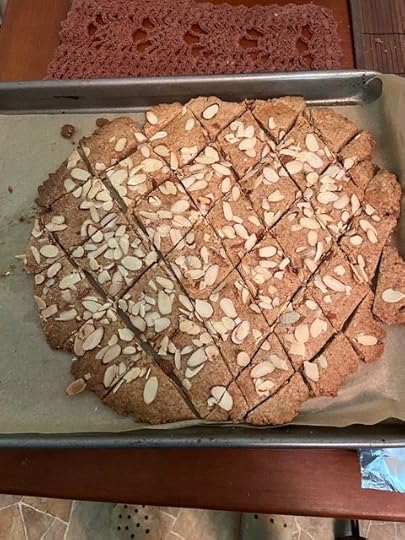
When they come out of the oven, let the pan cool a few minutes then cut into desired shapes while still warm. I cut them into diamonds. Or tried too!
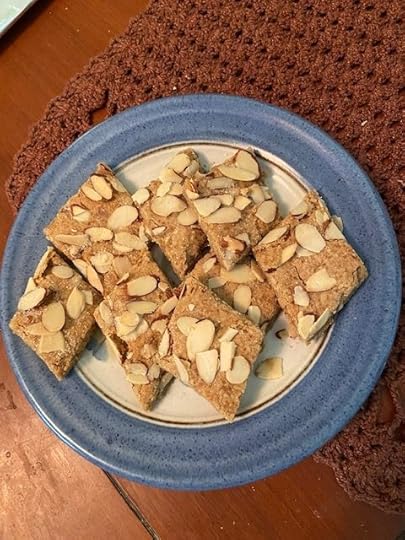
Ready!!
Jan Hagel Koekjes (Cinnamon Almond Dutch Cookies)Ingredients
8 oz unsalted butter softened1 cup sugar1 egg yolk1/2 tsp vanilla (optional)2 ¼ cups flour ½ teaspoon cinnamon (I used 3/4 teaspoon. I love cinnamon)¼ tsp saltFor brushing cookies:
1 egg white1 tablespoon waterFor decorating cookies:
½ cup sliced almonds coarse sugar or granulated sugarInstructions
Set out butter for at least 30 minutes to let it soften. Preheat oven to 350F. Cream the first four ingredients.Combine the dry ingredients into another mixing bowl. Gradually add this mixture to the butter and mix until combined. The mixture will be crumblyLine a sheet pan with one parchment paper, or you can lightly grease the pan. Spread the crumbly dough on top and cover with another sheet of parchment paper. Use a small rolling pin to press the dough and spread it evenly into the pan (parchment paper is a must when baking!)Beat the egg whites with one tablespoon of water until frothy. Brush this on top of the pressed dough (you will use just a bit of this)Sprinkle dough with the sliced almond and coarse sugar. Bake for about 20 minutes until golden brownLet rest for 5 minutes. Use a sharp knife to cut the cookies into shapes like diamonds immediately. Do this while the cookies are warm or they will break when you try to cut themContinue to cool in the pan another 10 minutes. Transfer to a cooling rack to let them cool completely(Adapted from What to Cook Today)
Author Notes
To make it healthier, I substituted 1/2 cup cane syrup crystals and 1/2 cup of coconut sugar.
The original recipe does not call for vanilla, but I added a 1/2 tsp
The original recipe calls for 1/2 tsp cinnamon but I used more
I substituted whole wheat white flour for the flour
August 21, 2022
Birth of a Book – Heroes and Heroines
For the final blog in this series, I honor a hero and heroine of my book, Escape from Amsterdam. As a fiction writer, the main hero and heroine are often working madly to overcome obstacles and trials in their lives while also cultivating their relationship. So it is in Escape from Amsterdam with Helen and Erik. But instead of focusing on the fictitious, I want to focus on the real-life hero and heroine within its pages –
Professor Johan van Hulst and Miss Henriette Pimentel.
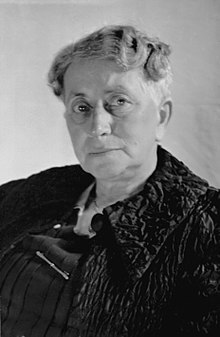 Henriette Pimentel, Director of the crèche. She made sure each child had their own table, chair, and vase of flowers
Each of these remarkable people performed incredible feats during the Nazi invasion of the Netherlands during World War II. One was the president of a teacher’s college, the other the director of a nursery or crèche as it was called. Both found themselves thrust into difficult circumstances as their institutions lie within the Jewish Quarter. The area became cordoned off by the Nazis and eventually led to the deportation of the Jews in a theater across the street from their establishments.
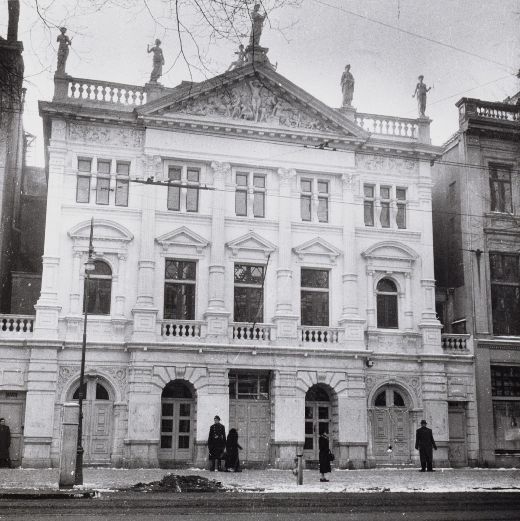 The theater
At the theater, however, there was a third team player mentioned briefly in the book, Walter Suskind. He was responsible for creating lists of the Jewish people that came into the theater. In his capacity, he was able to destroy the cards of Jewish children. Why was this important? Because without the card the Germans would not know to call the child back to the theater from the crèche once the family was summoned to be deported. So when a child ended up with Miss Pimentel whose card had been destroyed with the parent’s permission, those in the Resistance and others in secret organizations were able to take the child away to farms and safe places in the country. Over 600 children were saved in this way. Miss Pimentel and Professor Von Hulst often worked together to help take children away. Because they shared an adjoining wall between their respective buildings, little children were hoisted over the wall into the college backyard where the professor kept them until people could take them to safe places.
When the Nazis finally discovered the plan, raids were conducted. Miss Pimentel and her staff were arrested and eventually sent to Auschwitz where they died.
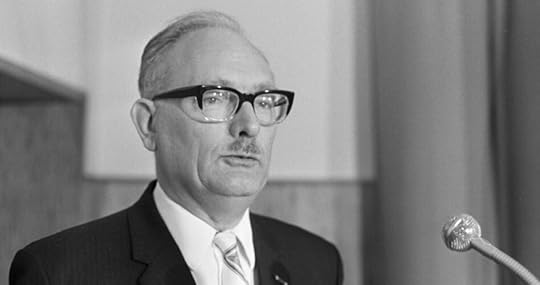 Professor van Hulst
For Professor van Hulst, he decided to take children with him and flee. He already had many to care for and that final day proved the most agonizing of his life. That day, he could only select 12 to take with him. He knew those children left behind would face certain death. And he was quoted as saying, “I took 12. Why not 13?”
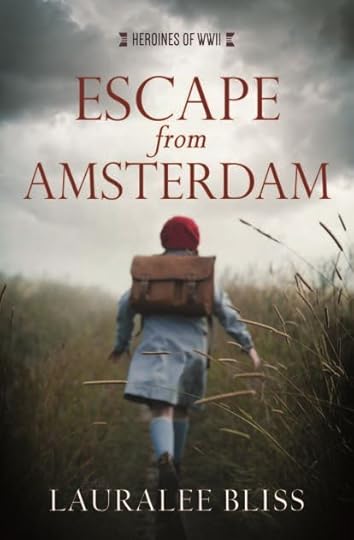
Escape from Amsterdam immortalizes the words and actions of these heroic people and countless others unnamed who saved so many children from the death camps in Poland. May we never forget their sacrifice.
August 17, 2022
Birth of a Book – the Final Product
For the last few weeks, you’ve been following a series of blogs on the creation of a historical novel set in the turbulent times of World War II. Now we see a book arrive by mail, the completed book that took many months to research and write.
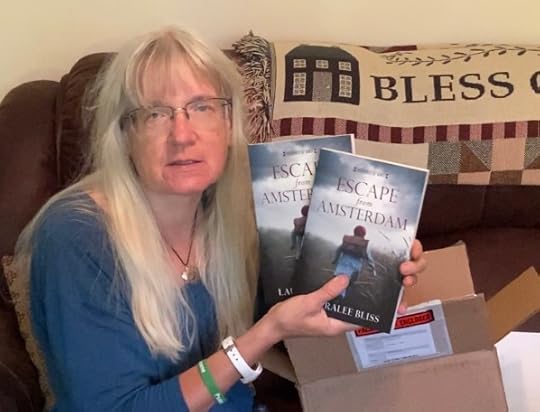
As you can tell from the blogs, the story began with a journey to Amsterdam several years ago, through research and writing and several edits, to fruition in the form of a book. It’s hard to imagine that the footsteps I took long ago in Amsterdam and the Dutch countryside would lead to this moment. It attests to the miracle-working of God in our lives, knowing that step-by-step one is brought to a goal or conclusion. And sometimes it’s in a way that we would never expect.
For instance, I never knew when I visited the resistance museum in Amsterdam or went to the memorial that now stands in the place of the converted theater that once served as a deportation site, or walked alongside the canals of Edam, that this would be remembered in a book several years later. Especially as an author, I had not had a book contract in a number of years. I never would’ve imagined it back then. But sometimes it’s those experiences in life that lead us to where we need to go and what we need to do. Escape from Amsterdam was born from a trip and from that experience, it is shared with others through the gift of storytelling.
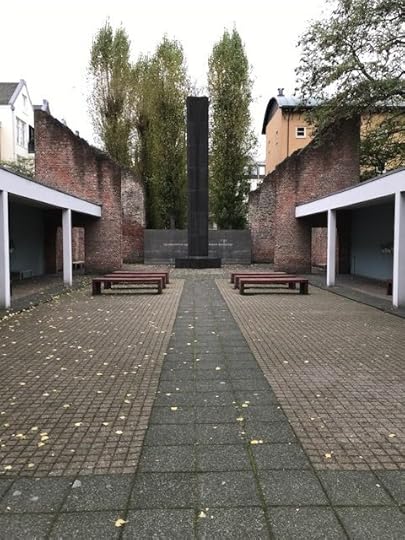 Holocaust Memorial at the theater site
It’s hard to imagine what will become of the very ordinary things we do, the trips we take, the ways we live our lives day by day, and where those experiences will lead us in the end. But all things work together for good (Romans 8:28). We are to walk the walk of life and the path God made for us, and allow Him to lead us and use those experiences for His glory.
Leave yourself open to any and all opportunities. This is the only life you have to live, so live it to the fullest and allow Him to use it and your gifts.
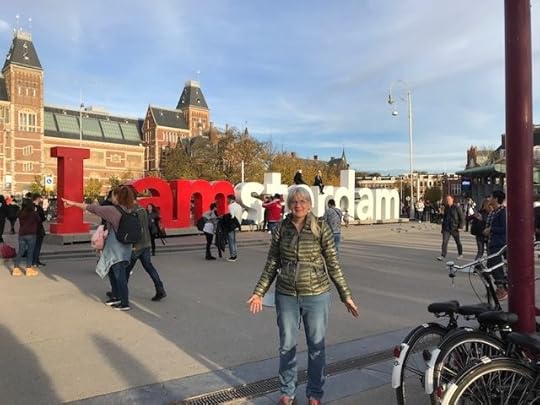
Follow this link to see me reveal a special arrival by mail. And feel free to join my page on Facebook.
August 10, 2022
Birth of a Book – The Netherlands in WWII
To better understand the storyline of Escape from Amsterdam, the author shares a very brief history of the German invasion of the Netherlands and its aftermath.
The Netherlands managed to stay out of World War I by claiming neutrality. At the outbreak of World War II when Germany began invading other countries, the Dutch believed the same principle would apply. Before that time German Jews and others persecuted in their homeland were welcomed by the Netherlands. The Dutch never dreamt that Nazi Germany would invade and seek to annex their country as part of a new society they wished to form. The Germans saw the Dutch as their brethren and were determined to make the country a part of them.
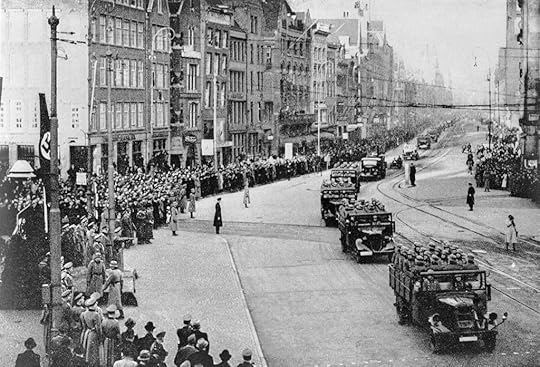
When the Germans invaded, they did so with swift brutality, bombing Rotterdam to dust and sending troops to occupy the streets.
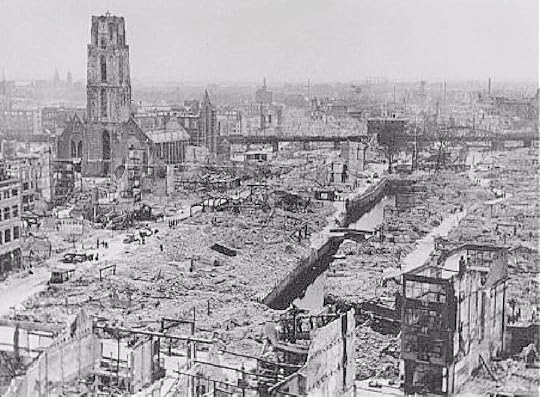 A crushed Rotterdam. The country surrendered a few days later and the queen fled to England.
Amsterdam was not bombed but suffered the invasion tactics with the arrival of the Green Police. In the months that followed, the occupying German forces would conduct secret raids and gather and send off young men to work in the German factories. More edicts followed as well as rationing of goods. A wall was built along the North Sea. The country was changing day by day.
People tried to fight back by forming resistance groups and instituting a strike where they closed many businesses to protest the German occupation and its ruthless practices. It did little.
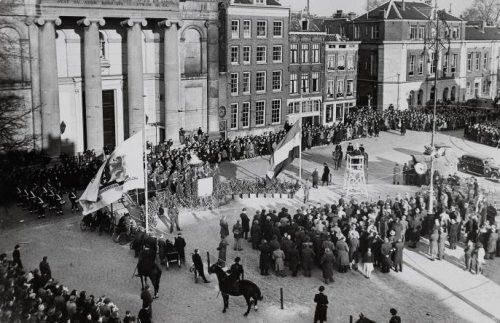 The Strike
The German stranglehold continued by removing those they deemed weak from the society in the Netherlands—including the physically challenged, the mentally challenged, and the Jewish people. It began very subtly with small ordinances and mandates that came down. Public officials let go. New IDS ordered. But the grip tightened and Jewish people were quartered into a Jewish district, forbidden to be out on the streets or even to ride public transportation. They were not allowed in public schools, most grocery stores, and cafes, or to hold any jobs of significance within the Dutch government. Later came the yellow stars and finally, deportation.
What made it more difficult is that many Dutch government officials and localities enforced the new rules of their occupiers. The Germans offered bounties for betraying Jewish people and others. It made it difficult for the Netherlands to fight the tactics. That and their continued belief that they would be all right if they did what the occupiers said. These beliefs led to the highest concentration of Jewish deaths in any nation. It was difficult for the author to watch black and white videos with Jewish families boarding trucks and trains without resistance. Like lambs led to slaughter. 
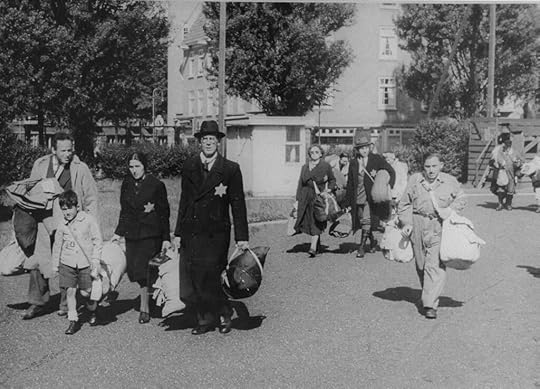 Jews in Amsterdam walking away from their homes
Escape from Amsterdam celebrates those few in the Netherlands who gave their lives to safeguard Jewish children and others, but it also shows the progression of the German invasion and occupation of the nation through the eyes of two commoners. While a focal point of the book is the saving of the children, the author believed it necessary to show the German stronghold within the nation and how it progressed to the point that even children and their parents were taken from their homeland. The author endeavored to share this history in the pages of the book in the hopes that it may never be repeated.
August 3, 2022
Are You Ready to Hike? A Step by Step Process
July 29, 2022
Birth of a Book – The Research
When writing a historical novel, research is paramount. Of course, one usually flocks to Wikipedia to do research, but that can be a vague starting point. It’s vital to find good sources and confirm the information you receive (I was told by a good writing friend to confirm with at least three sources). Hence it became important for me to do adequate research on a country such as the Netherlands that I had only visited for a few days but decided to write a book spanning many years during World War II. Not only did I have to research the culture (which I describe in the previous blog) but the German invasion during World War II, the series of events that occurred during the occupation of the Nazis in the Netherlands, what happened leading up to the Jewish deportations, and other facts to make the storyline as realistic as possible.
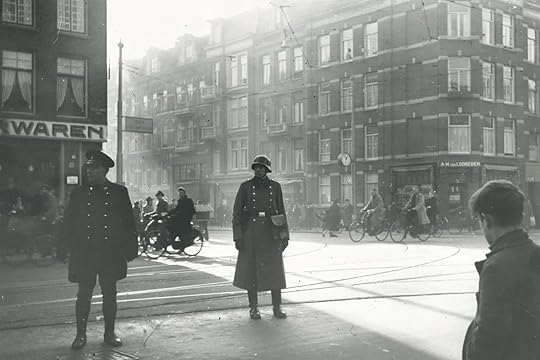 German occupiers in the Netherlands
Errors inevitably occurred though, and I was glad to find some of them over the course of the editing process, such as the timing of the initial bombings (I had depicted it as a daytime event, but discovered it actually occurred at night).
Then of course the story requires Dutch customs and the Dutch language to give the story flavor. All of it needed careful research and documenting of facts. Whenever I found some excellent sources, I would print out those pages. I kept a running file in a Word document of good research links I could revisit as needed.
I also watched YouTube videos of survivor interviews during the time period of the deportation of the Jewish people at the theater in Amsterdam. It was difficult to decipher as they were done in Dutch with English subtitles, but I got the gist of what was being said.
Books also became necessary research tools, as I took out a few at the local library (the lending capabilities of a local library with ties to universities and other places work well) and reread parts of The Diary of Anne Frank.
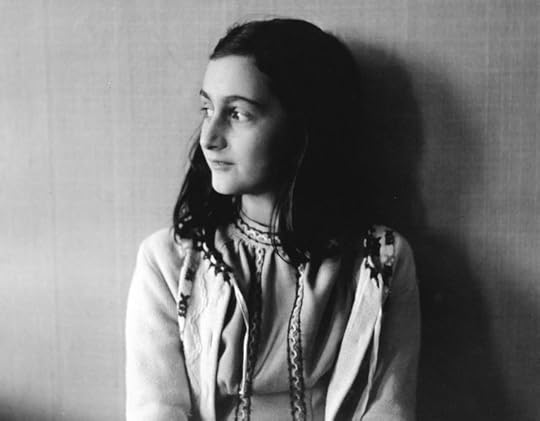 Anne Frank’s account helped greatly as did Corrie Ten Boom’s Hiding Place of which I visited both
On-site visitation helps to bring another dimension to the book that can’t be done otherwise. I visited many locations depicted in the book, including central Amsterdam, Edam, Volendam, and the surrounding landscapes. I also toured both Anne Frank’s Secret Annex and Corrie Ten Boom’s Hiding Place.
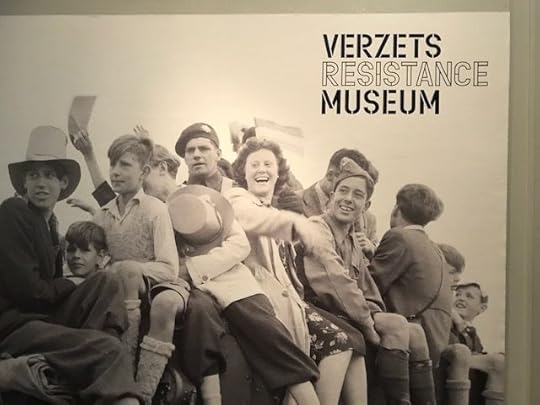 I visited this museum and gleaned a great deal about the Resistance
I tried my utmost to provide adequate and accurate historical research in Escape from Amsterdam. But like all books, there could be some errors in it and for that, I apologize. But I sincerely hope that the realism portrayed in the book will shine through and allow you to be transported into a time of tremendous difficulty but also a time of determination and spirit to overcome evil with good.
July 20, 2022
Birth of a Book – Symbols of a Culture
In this blog, I explore some of the symbols of the novel which I enjoyed on my trip to the Netherlands. When an author sets a novel in a foreign country as I did, it requires a good deal of research, not only in the setting and the language arts but also in the cultural aspects of the country. Visiting the country and bringing back gifts of the culture to introduce in “Escape from Amsterdam” brings the Netherlands to the reader within the pages of the story.
First are the delightful tulips and wooden clogs carved out of wood and then painted. Wooden shoes and tulips were prominent in the small fishing village of Volendam, north of Amsterdam, as is finding native Dutch dress.
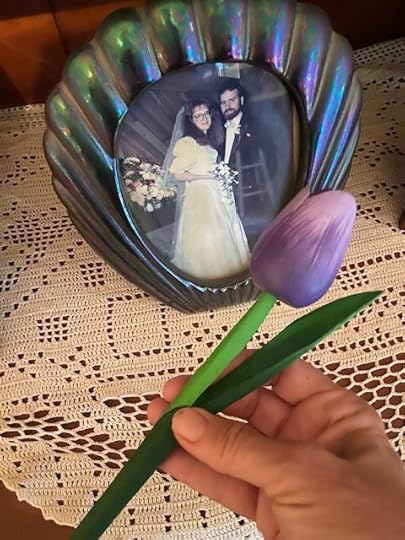 A wooden tulip from the Netherlands graces the author’s wedding photo
 People at times still wear wooden clogs, and the clogs are featured in the Sinterklaas festival every December where children leave food in the clogs for Sinterklaas’s horse and receive gifts in return. Tulips themselves are iconic symbols of Holland with vast fields of color that bloom every May.
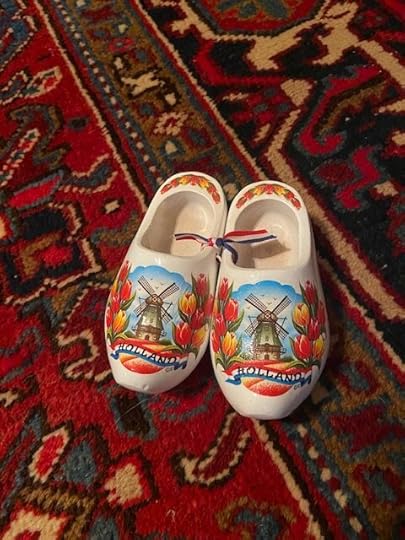 Wooden clogs from Volendam
Delftware is another pretty symbol of Dutch craftsmanship. The pottery with its classic blue and white pictures symbolizes not only Dutch culture and life but the creativity and skill of the people.
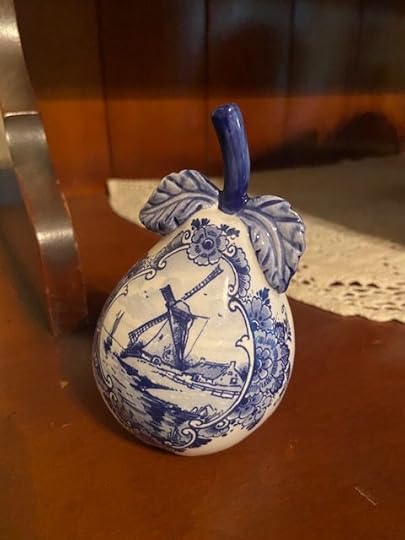 Life by the windmills, as depicted on this delftware in the shape of a pear
Then of course there are the sweets of Dutch life including stroopwafels which this unique tin contained.
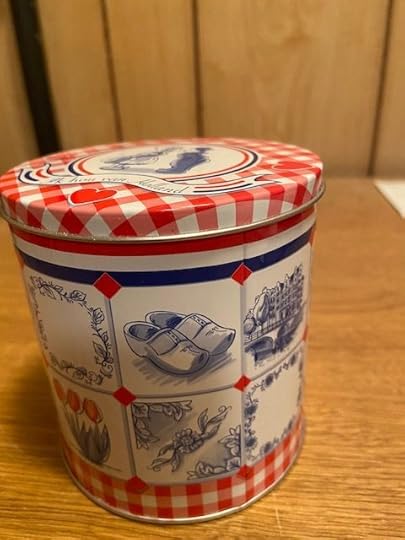
I incorporated many of these symbols of Dutch life into the book, as well as native foods, of which I share a recipe for a classic Dutch comfort food of a beef and onion stew that appears in “Escape from Amsterdam”.
Enjoy!
Hachee
(recipe copied from The Daring Gourmet)
2 pounds stewing beef (e.g. chuck), cubed in 1/2 in. pieces, blotted dry with paper towel and lightly seasoned with salt and pepper3 tablespoons butter2 pounds yellow onions (about 4 large), finely chopped1/4 cup all-purpose flour4 cups good quality beef broth or stock3 large bay leaves4 cloves4 juniper berries10 black peppercorns2 tablespoons red wine vinegar3/4 teaspoon salt1/4 teaspoon freshly ground black pepperMelt the butter in a Dutch oven over medium-high heat. Brown the beef, working in batches. Transfer to a plate and set aside. Leave the brown bits in the pan for flavor. Add the onions and some more butter if needed and cook until caramelized, about 25 minutes. Add the flour and stir until combined. Add the beef to the onions, stir to combine, and cover with the beef stock just until covered. Add the seasonings and red wine vinegar, and stir to combine.
Increase the heat and bring the stew to a boil. Reduce the heat to low, cover, and simmer for 2 1/2 hours. Uncover and simmer for another 30 minutes to further thicken the stew. Add salt, pepper and red wine vinegar to taste. Discard the juniper berries, cloves, and bay leaves. Leave in or discard the peppercorns.
Serve with mashed potatoes and braised red cabbage.
July 15, 2022
The Birth of a Book…How It Came Into Being
Welcome to a series of blogs as I count down the days to the release of “Escape from Amsterdam”.
Wherever I travel, I think about my writing. And I wonder in the travel if there’s a way I can write a book about what I experience. So it was when my husband earned a trip to the Netherlands while working with a foreign exchange student hosting service. We decided we were going to be tourists in this country and ended up becoming explorers of history that revealed a severely depressed and damaged nation. At first we relished the quaint Dutch countryside – the windmills, the lazy boats on the canals, the hundreds of bicycles.
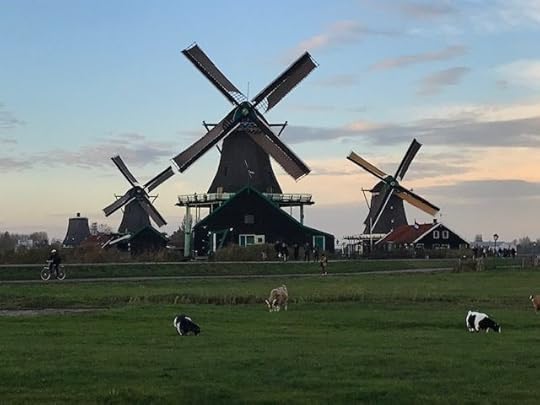
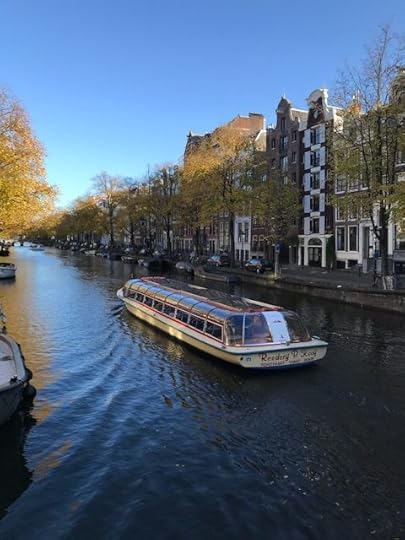
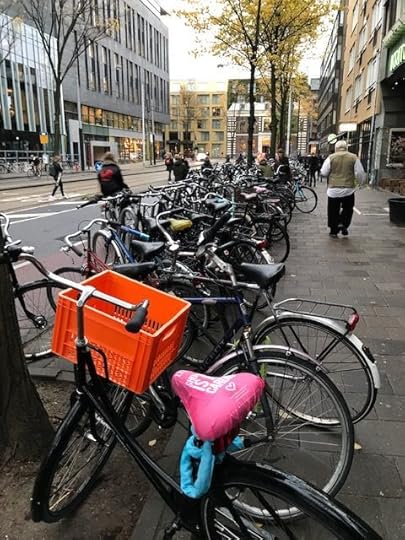
On the second day of our trip to Amsterdam, we explored the Jewish Quarter area and learned the dark secrets of the Nazi occupation and the Holocaust that began there in the Netherlands during World War II.
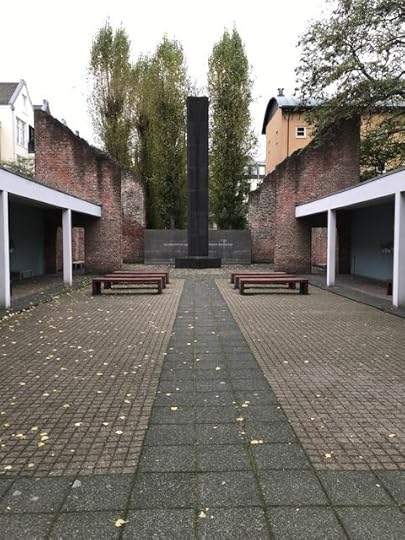 A monument now occupies the place where the theater once stood
It was humbling to step into the theater area that once served as a deportation center for the Dutch Jewish people and is now a memorial. From there many eventually went to Auschwitz, and most never returned. They were families with children, couples, old men and women, and singles. Across from the theater stood a nursery and a college. It was from these visitations that the essence of “Escape from Amsterdam” began to take root. With a little investigation, I discovered how deeply involved the college was in helping rescue Jewish children from deportation, as was the nursery through the efforts of staff workers and those on the inside in the theater. Many were involved in the plot, and some gave their lives. It became a very humbling experience and one that eventually led to the creation of this book. Today, monuments and museums now replace these institutions, but their supreme sacrifice will not be forgotten.