
Pamela Carey's Blog, page 14
March 17, 2015
The Little Brother/Sister Syndrome
This blog post is by friend, mystery writer, and pharmacist Don Weiss.
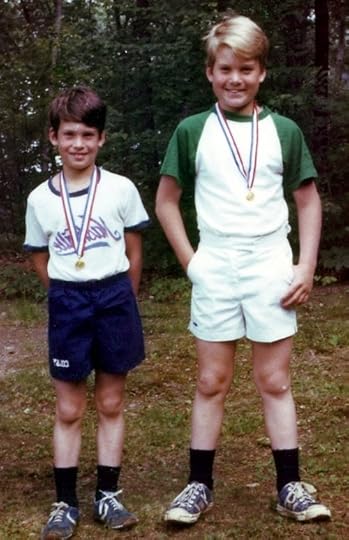 They say the two unavoidable constants in life are death and taxes. There is however a third, which I call the little brother/sister syndrome.
No matter how old one gets, if you’re the last to emerge from your mother’s womb, you are forever tarred with the stigma of being the little brother or sister. My 102-year-old aunt still refers to her 94-year-old brother as her "little brother." My own brother will be 69 years old. I will forever and always be his "little brother," even though I’m three inches taller and fifteen pounds heavier.
The first born is the experimental child. Mother and father are learning how to be parents. By the time the last one comes around, they’ve practiced enough on the first born so that (and I quote from older siblings) “you got away with murder.” As a little brother, I don’t think I got away with murder - maybe involuntary manslaughter.
Of course you also suffer from the sin of comparison, especially when you're just young enough to have some of the same teachers as your older sibling. And if you’re not quite as good in arithmetic or science and you have a tendency to have notes sent home from school, well, you really suffer from the sin of comparison.
It’s not all bad being a little brother or sister. You tend to compartmentalize the negative and "accentuate the positive": the countless Saturday matinees, the visits to the science museum, the time he helped you paint your model Corvette or protected you from a neighbor hood bully. These outweigh the multiple times he jumped out from behind a doorway and scared the hell out of you, especially after you just watched Boris Karloff in the movie "Frankenstein." You remember the time he saved you from choking on a piece of licorice, which far outweighs the number of times he conned you into cutting the grass and doing the dishes when it was really his turn.
Little brothers and sisters also serve other purposes. Having a cute little brother who has lost his two front teeth is almost as good as having a puppy when it comes to your teenage big brother trying to charm a teenage girl into making out with him at the movies. The cardinal rule for little brothers is to keep your mouth shut and you'll get as much popcorn and soda as your seven year old bladder can hold.
As you grow older, some of the big brother—little brother gap closes. You share a beer together when you turn sixteen. You stay up late reminiscing into the small hours of the morning on the night your big brother’s daughter is born. Or two years later you rescue your niece from a house fire and for one brief shining moment little brother becomes a hero. Sometimes the roles reverse, like when your mother dies and you have to assume total charge of everything, including the eulogy.
All my first cousins have lost at least one brother. Me—I’m pretty lucky. In my sixties I still have a big brother alive and well, for whom I will forever and always remain—his little brother.
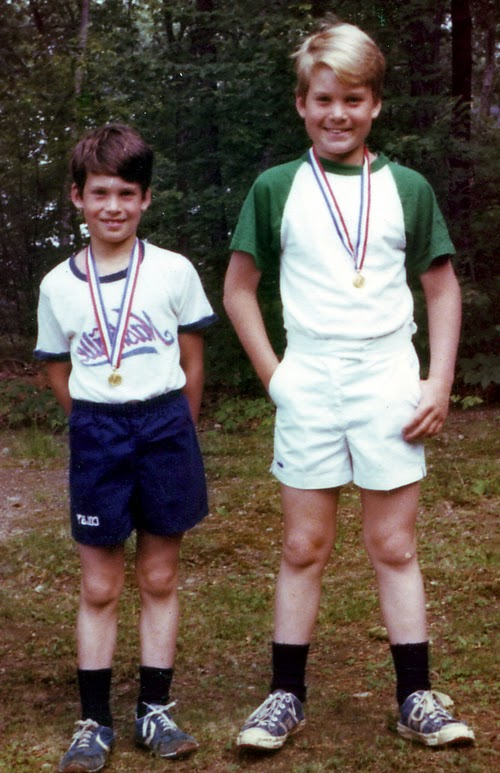 They say the two unavoidable constants in life are death and taxes. There is however a third, which I call the little brother/sister syndrome.
No matter how old one gets, if you’re the last to emerge from your mother’s womb, you are forever tarred with the stigma of being the little brother or sister. My 102-year-old aunt still refers to her 94-year-old brother as her "little brother." My own brother will be 69 years old. I will forever and always be his "little brother," even though I’m three inches taller and fifteen pounds heavier.
The first born is the experimental child. Mother and father are learning how to be parents. By the time the last one comes around, they’ve practiced enough on the first born so that (and I quote from older siblings) “you got away with murder.” As a little brother, I don’t think I got away with murder - maybe involuntary manslaughter.
Of course you also suffer from the sin of comparison, especially when you're just young enough to have some of the same teachers as your older sibling. And if you’re not quite as good in arithmetic or science and you have a tendency to have notes sent home from school, well, you really suffer from the sin of comparison.
It’s not all bad being a little brother or sister. You tend to compartmentalize the negative and "accentuate the positive": the countless Saturday matinees, the visits to the science museum, the time he helped you paint your model Corvette or protected you from a neighbor hood bully. These outweigh the multiple times he jumped out from behind a doorway and scared the hell out of you, especially after you just watched Boris Karloff in the movie "Frankenstein." You remember the time he saved you from choking on a piece of licorice, which far outweighs the number of times he conned you into cutting the grass and doing the dishes when it was really his turn.
Little brothers and sisters also serve other purposes. Having a cute little brother who has lost his two front teeth is almost as good as having a puppy when it comes to your teenage big brother trying to charm a teenage girl into making out with him at the movies. The cardinal rule for little brothers is to keep your mouth shut and you'll get as much popcorn and soda as your seven year old bladder can hold.
As you grow older, some of the big brother—little brother gap closes. You share a beer together when you turn sixteen. You stay up late reminiscing into the small hours of the morning on the night your big brother’s daughter is born. Or two years later you rescue your niece from a house fire and for one brief shining moment little brother becomes a hero. Sometimes the roles reverse, like when your mother dies and you have to assume total charge of everything, including the eulogy.
All my first cousins have lost at least one brother. Me—I’m pretty lucky. In my sixties I still have a big brother alive and well, for whom I will forever and always remain—his little brother.


March 9, 2015
The Most Important Conversation You're Not Having
A friend of mine recently told me this story about her mother, age 97. My friend said she hadn't yet discussed the subject of whether her mother wanted to be buried (and where) or cremated. To bring it up in a roundabout way, my friend said, "Mom, I've decided I want to be cremated. What do you think of that?"
To which her mother said, "Write down everything you want or I'll never remember."
Most of us think we'll live forever. Or our parents will. Although death and estate planning can be a sensitive topic for families, not having a plan in place can become a nightmare.
Does your family know where your wallet is? Who your primary care doctor is and his phone number? Where your financial accounts are and their numbers? Where your safety deposit box and key are? Where your will is located and who your attorney is? Where your power of attorney, living will, and medical proxy are? And finally, what your burial or cremation wishes are? A list on the refrigerator helps.
"There's a big misunderstanding that estate planning is for wealthy people," says Matthew McClintock, an estate planning attorney and spokesperson for EstatePlanning.com. "But it's about making sure whatever you own goes where you want it to go in the most efficient way possible with the minimal amount of stress on the family."
Keep copies of all legal and financial documents! Five essentials you need to prepare are listed below. Please consult pages 121-147 of my book, Elderly Parents with All Their Marbles: A Survival Guide for the Kids, for descriptions of documents.
1. An updated will or trust.
A will ensures your wishes are carried out after you die.
Everyone of legal age should have a will. Without one, the courts
can't know what your intentions are for your possessions.
A trust is an entity holding assets until a later date. It allows
the beneficiary to bypass probate.
2. Durable power of attorney for property.
This gives someone authority over your financial matters or
specified legal affairs, in the event you're hospitalized, disabled,
or incapacitated while you're alive. Power of attorney dies with you.
Usually people choose a close family member they can trust with their money.
Forms giving powers of attorney are state-specific,
unless a universal form has been authorized. Free printable forms
are available at www.LegacyWriter.com.
3. Power of attorney for medical care.
This legal form gives someone the authority to act on your
behalf regarding health-care decisions, if you become incapacitated
or unable to communicate. This form is specific by state.
Free printable forms are available at www.LegacyWriter.com
or found via an internet search for "medical power of attorney."
4. Updated beneficiary forms
Beneficiary forms for accounts will, in most cases, over-
ride your will. If you've experienced a major life change
such as a birth, death, marriage, or divorce, fill out a
new form and keep a copy.
5. Living will.
This legal form documents your health-care preferences, in
the event you are unable to speak or communicate your wishes.
In general, it delineates the terms for use of, or elimination of,
life support. This form is specific by state and not valid for EMS.
Free printable forms are at www.HCDecisions.org or do an
internet search for "living will" to find state-specific forms.
To which her mother said, "Write down everything you want or I'll never remember."
Most of us think we'll live forever. Or our parents will. Although death and estate planning can be a sensitive topic for families, not having a plan in place can become a nightmare.
Does your family know where your wallet is? Who your primary care doctor is and his phone number? Where your financial accounts are and their numbers? Where your safety deposit box and key are? Where your will is located and who your attorney is? Where your power of attorney, living will, and medical proxy are? And finally, what your burial or cremation wishes are? A list on the refrigerator helps.
"There's a big misunderstanding that estate planning is for wealthy people," says Matthew McClintock, an estate planning attorney and spokesperson for EstatePlanning.com. "But it's about making sure whatever you own goes where you want it to go in the most efficient way possible with the minimal amount of stress on the family."
Keep copies of all legal and financial documents! Five essentials you need to prepare are listed below. Please consult pages 121-147 of my book, Elderly Parents with All Their Marbles: A Survival Guide for the Kids, for descriptions of documents.
1. An updated will or trust.
A will ensures your wishes are carried out after you die.
Everyone of legal age should have a will. Without one, the courts
can't know what your intentions are for your possessions.
A trust is an entity holding assets until a later date. It allows
the beneficiary to bypass probate.
2. Durable power of attorney for property.
This gives someone authority over your financial matters or
specified legal affairs, in the event you're hospitalized, disabled,
or incapacitated while you're alive. Power of attorney dies with you.
Usually people choose a close family member they can trust with their money.
Forms giving powers of attorney are state-specific,
unless a universal form has been authorized. Free printable forms
are available at www.LegacyWriter.com.
3. Power of attorney for medical care.
This legal form gives someone the authority to act on your
behalf regarding health-care decisions, if you become incapacitated
or unable to communicate. This form is specific by state.
Free printable forms are available at www.LegacyWriter.com
or found via an internet search for "medical power of attorney."
4. Updated beneficiary forms
Beneficiary forms for accounts will, in most cases, over-
ride your will. If you've experienced a major life change
such as a birth, death, marriage, or divorce, fill out a
new form and keep a copy.
5. Living will.
This legal form documents your health-care preferences, in
the event you are unable to speak or communicate your wishes.
In general, it delineates the terms for use of, or elimination of,
life support. This form is specific by state and not valid for EMS.
Free printable forms are at www.HCDecisions.org or do an
internet search for "living will" to find state-specific forms.
February 24, 2015
A Birthday in School
In the late 70's when our older son celebrated his birthday in school, I stayed up the night before baking for the class. I suppose I could have run to the only bakery in town and bought two dozen cupcakes or cookies or a sheet cake. They certainly weren't available in the grocery store. But I didn't return to the work force till our older son turned ten and enjoyed exchanging recipes with the neighbors.
 For one birthday, I made a sheet cake shaped like a rocket ship. For another, a baseball diamond in honor of his Little League team. Another was a hockey rink to celebrate his love of ice hockey. There were also Mickey Mouse cookies. I only used chocolate recipes, since that was his favorite flavor. If the other kids didn't like chocolate...well, they could pass. Our younger son's birthday was during the summer, so he was out of luck in school.
Yesterday one of our granddaughters celebrated her birthday. In her school there were no cakes, cupcakes, or cookies for the celebration.
There were too many allergies: dairy, citrus, nuts, eggs, soy, cocoa, lactose, gluten. We didn't even know such things existed in the '70's! We discovered our sons' allergies when one was bitten by a bee and both sneezed uncontrollably on newly-mowed ball fields.
Yesterday our granddaughter dressed in her favorite shirt with a big star on the front. She had kept five pigtails in all night so her straight hair would curl. She wore a new Peace necklace and a new starfish bracelet, both gifts. She couldn't sit still during breakfast.
"How will you celebrate in school today?" I said.
"I get to sit in the teacher's chair at her desk," she said. "And spin."
"Will it make you sick?"
"No, I'll do seven slow spins."
"Why seven?"
"Because that's how old I am today, silly grandma! And I get to lead the class in a game."
"What game?"
"The clapping game, and then they all sing to me."
"Sounds like fun! Will you eat anything?"
"No. I don't like sweets anyway. It's more fun to spin."
At least her mother didn't have to stay up baking. And there wouldn't be any kids bouncing off the wall from a sugar high.
 For one birthday, I made a sheet cake shaped like a rocket ship. For another, a baseball diamond in honor of his Little League team. Another was a hockey rink to celebrate his love of ice hockey. There were also Mickey Mouse cookies. I only used chocolate recipes, since that was his favorite flavor. If the other kids didn't like chocolate...well, they could pass. Our younger son's birthday was during the summer, so he was out of luck in school.
Yesterday one of our granddaughters celebrated her birthday. In her school there were no cakes, cupcakes, or cookies for the celebration.
There were too many allergies: dairy, citrus, nuts, eggs, soy, cocoa, lactose, gluten. We didn't even know such things existed in the '70's! We discovered our sons' allergies when one was bitten by a bee and both sneezed uncontrollably on newly-mowed ball fields.
Yesterday our granddaughter dressed in her favorite shirt with a big star on the front. She had kept five pigtails in all night so her straight hair would curl. She wore a new Peace necklace and a new starfish bracelet, both gifts. She couldn't sit still during breakfast.
"How will you celebrate in school today?" I said.
"I get to sit in the teacher's chair at her desk," she said. "And spin."
"Will it make you sick?"
"No, I'll do seven slow spins."
"Why seven?"
"Because that's how old I am today, silly grandma! And I get to lead the class in a game."
"What game?"
"The clapping game, and then they all sing to me."
"Sounds like fun! Will you eat anything?"
"No. I don't like sweets anyway. It's more fun to spin."
At least her mother didn't have to stay up baking. And there wouldn't be any kids bouncing off the wall from a sugar high.
February 10, 2015
A Twelve-Year-Old's Decision
I was standing in line at the lighting store behind a white-haired gentleman who was waiting for a cord replacement on his lamp.
"How long you been down here?" the salesman said, cutting off the old lamp cord.
"Thirty years in Florida," the gentleman said. "And every day's a gift."
"Every day we wake up is a gift!" said the salesman.
"Speaking of gifts, I'm old enough to remember when there was one gift under the Christmas tree for each of us. It was right after the Depression, and we were happy to get it, believe me!
"I still remember when I was twelve years old - the best Christmas of my life. My parents gave me the choice - either a new bike or a puppy. I chose the bike.
"I got a shiny red Schwinn with a banana seat, a big bulb horn, and balloon tires. I was THE MAN!
 "I'd hop on that bike and honk that bulb every time I reached a buddy's house. We went 'cross town in a pack, with me out front. Nobody had a bike like mine, and they were all jealous. Heck, we didn't come home till supper. Best decision I ever made, except for marrying my wife.
"Course, after I had a family, my wife wanted pets for the kids. We ended up with two dogs and three cats and nobody took care of them but me.
"Should have given the kids bikes!"
"How long you been down here?" the salesman said, cutting off the old lamp cord.
"Thirty years in Florida," the gentleman said. "And every day's a gift."
"Every day we wake up is a gift!" said the salesman.
"Speaking of gifts, I'm old enough to remember when there was one gift under the Christmas tree for each of us. It was right after the Depression, and we were happy to get it, believe me!
"I still remember when I was twelve years old - the best Christmas of my life. My parents gave me the choice - either a new bike or a puppy. I chose the bike.
"I got a shiny red Schwinn with a banana seat, a big bulb horn, and balloon tires. I was THE MAN!
 "I'd hop on that bike and honk that bulb every time I reached a buddy's house. We went 'cross town in a pack, with me out front. Nobody had a bike like mine, and they were all jealous. Heck, we didn't come home till supper. Best decision I ever made, except for marrying my wife.
"Course, after I had a family, my wife wanted pets for the kids. We ended up with two dogs and three cats and nobody took care of them but me.
"Should have given the kids bikes!"
February 3, 2015
Ear Hair
For a lighthearted look at aging from a man's perspective, I turned to my friend, mystery writer, and pharmacist, Don Weiss, for a guest blog.
Today’s essay can be summed up in two words—ear hair. Of all the bodily changes that come with the aging process, why has God in his infinite wisdom granted us the curse of ear hair and its companion plague, nose hair? I mean come on! Sure we’ve gotten used to our hair gradually turning gray, our bodies sagging where they never sagged before, but really God— ear hair! What did we do to deserve that? As teenagers we coped with acne, gawkiness of limb, hormones going off the charts, girls becoming women before our very eyes, the promise and freedom of driving, and rebellion from authority. But we were uncertain about so many things, and we felt free to test the waters. We were becoming self aware like no other time in our lives When we were young and part of the youth culture, the whole world lay before us. Now a good portion of that world lies behind us.
In our twenties we were embarking on our careers and beginning to raise our families. We had a path and a direction and we were still young. We were learning how to be grown-ups.
In our thirties and forties, we were in the thick of our careers. Our children were going through their own teenage angst, and we were thinking about approaching middle age. That’s when we started to notice some gray in our hair.
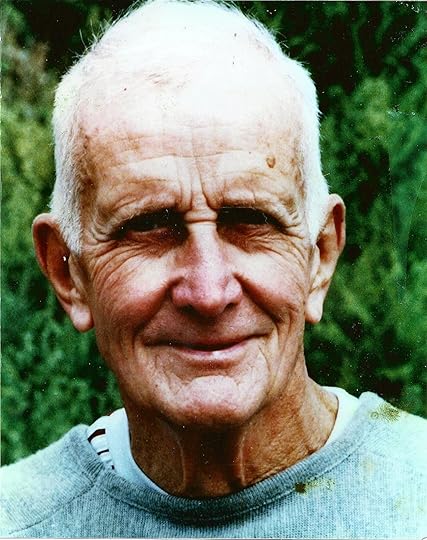 Pam's father, Walter PlumbBy our fifties those gray hairs may have outnumbered the brown, black, red or blond hair that we grew up with, and for many of us men, our hair had begun to thin. Our children were grown, and if we were lucky, were out of the house. For some of us, the first grandchildren had made their appearance.
In our sixties, the uncertain certainty that we felt as teenagers returned with a vengeance. All of a sudden, nothing makes sense and the inmates are running the asylum. We find ourselves seeking out the early bird special at restaurants, we have absolutely no understanding of the music that our kids listen to, and our bodies are changing as dramatically as they did when we were teens.
Then one morning while performing our daily ablutions, there it is—ear hair. ARRGGGG!
Today’s essay can be summed up in two words—ear hair. Of all the bodily changes that come with the aging process, why has God in his infinite wisdom granted us the curse of ear hair and its companion plague, nose hair? I mean come on! Sure we’ve gotten used to our hair gradually turning gray, our bodies sagging where they never sagged before, but really God— ear hair! What did we do to deserve that? As teenagers we coped with acne, gawkiness of limb, hormones going off the charts, girls becoming women before our very eyes, the promise and freedom of driving, and rebellion from authority. But we were uncertain about so many things, and we felt free to test the waters. We were becoming self aware like no other time in our lives When we were young and part of the youth culture, the whole world lay before us. Now a good portion of that world lies behind us.
In our twenties we were embarking on our careers and beginning to raise our families. We had a path and a direction and we were still young. We were learning how to be grown-ups.
In our thirties and forties, we were in the thick of our careers. Our children were going through their own teenage angst, and we were thinking about approaching middle age. That’s when we started to notice some gray in our hair.
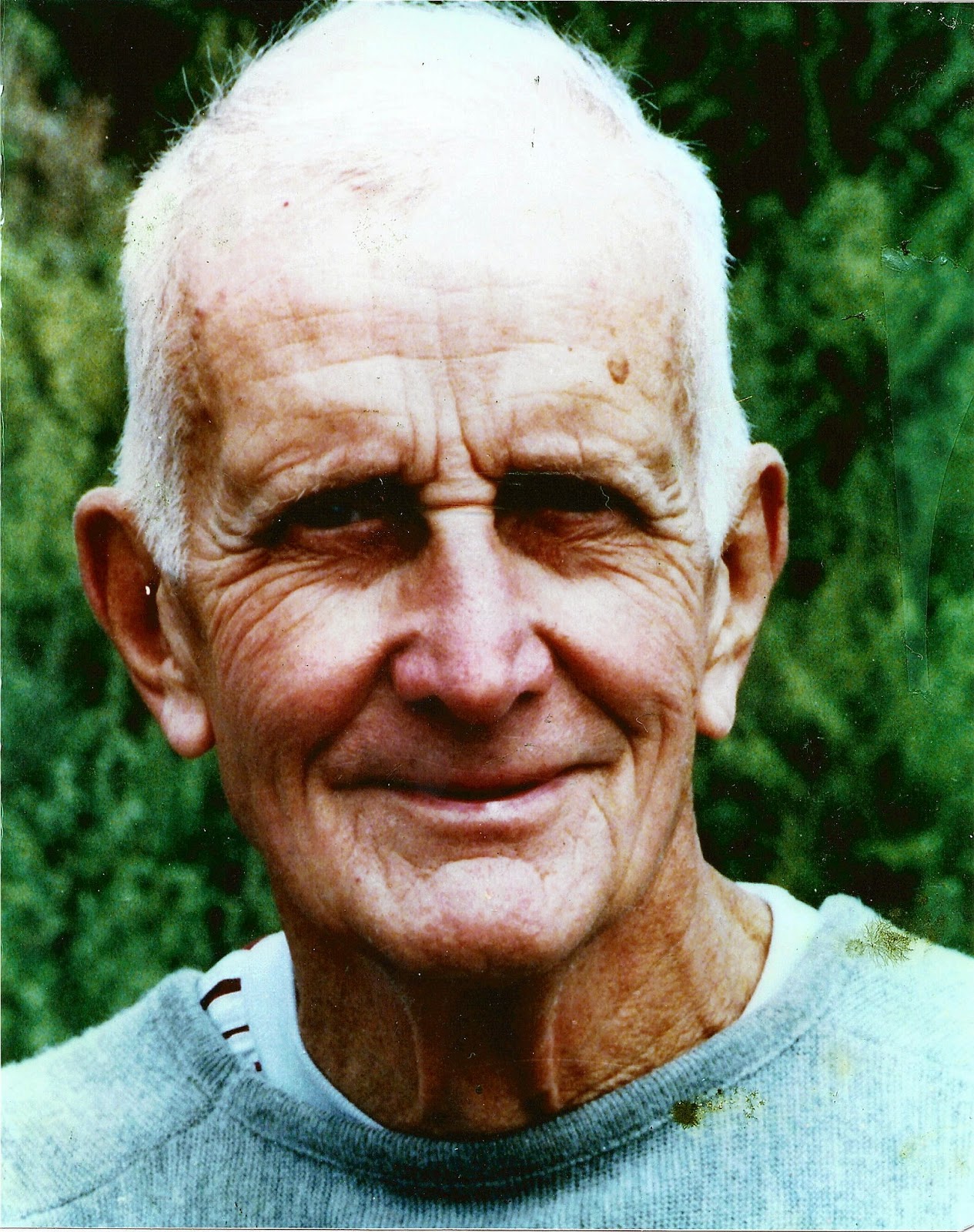 Pam's father, Walter PlumbBy our fifties those gray hairs may have outnumbered the brown, black, red or blond hair that we grew up with, and for many of us men, our hair had begun to thin. Our children were grown, and if we were lucky, were out of the house. For some of us, the first grandchildren had made their appearance.
In our sixties, the uncertain certainty that we felt as teenagers returned with a vengeance. All of a sudden, nothing makes sense and the inmates are running the asylum. We find ourselves seeking out the early bird special at restaurants, we have absolutely no understanding of the music that our kids listen to, and our bodies are changing as dramatically as they did when we were teens.
Then one morning while performing our daily ablutions, there it is—ear hair. ARRGGGG!
January 27, 2015
Want Teamwork? Enlist Women. Want a Caregiver? Enlist a Daughter.
Almost every decision of consequence today is made by a group. Some groups make smart decisions and others make horrible decisions.
In an article by Woolley, Malone, and Chabris in the Sunday NY Times ("Why Some Teams Are Smarter Than Others," Jan. 18, '15), they discuss their study to find out why some groups are smarter than others. Groups in their study that did well on one task, such as logical analysis, brainstorming, group co-ordination, planning, and moral reasoning, did well on other tasks, too.
The smartest teams, they found, were distinguished by three characteristics:
- Their members contributed more equally to the team discussions, rather than
letting one or two people dominate the group.
- Their members scored higher on a test called "Reading the Mind in the Eyes,"
which measures how well people can read complex emotional states from
facial images with only the eyes visible.
- Teams with more WOMEN outperformed teams with more men. Women,
on average, were better at mind reading than men.
Tested both online and off-line, the most important ingredients for a "smart" team remained constant, whether a team was face-to-face or not. What made a team "smart," the researchers concluded, was not just the ability to read facial expressions, but a more general ability to consider and keep track of what other people feel, know, and believe. The women just did it better.
Draw your own conclusions!!
The NY Times published a book review on January 8, '15 by Marcia Angell titled "A Better Way Out."
Ms. Angell was reviewing a book by Atul Gawande titled Being Mortal: Medicine and What Matters in the End. She cited the changes in dealing with old age in this country, as a result of the ballooning geriatric population; the necessity for both husband and wife to work (resulting in fewer daughters and daughters-in-law to care for the elderly); and family members moving out-of-town or out-of-state.
Then Ms. Angell quotes Mr. Gawande: "Your chances of avoiding the nursing home are directly related to the number of children you have, and, according to what little research has been done, having at least one daughter seems to be crucial to the amount of help you will receive."
But since daughters are now working to help support their own families, they have little time for elderly parents. Hence the growth, beginning in the 1980's, in the number of assisted living facilities. The term today describes a full range of facilities with vibrant, active communities all the way to watered-down skilled nursing facilities.
My husband and I don't have daughters. But it sounds as though our aging population is all in the same boat.
In an article by Woolley, Malone, and Chabris in the Sunday NY Times ("Why Some Teams Are Smarter Than Others," Jan. 18, '15), they discuss their study to find out why some groups are smarter than others. Groups in their study that did well on one task, such as logical analysis, brainstorming, group co-ordination, planning, and moral reasoning, did well on other tasks, too.
The smartest teams, they found, were distinguished by three characteristics:
- Their members contributed more equally to the team discussions, rather than
letting one or two people dominate the group.
- Their members scored higher on a test called "Reading the Mind in the Eyes,"
which measures how well people can read complex emotional states from
facial images with only the eyes visible.
- Teams with more WOMEN outperformed teams with more men. Women,
on average, were better at mind reading than men.
Tested both online and off-line, the most important ingredients for a "smart" team remained constant, whether a team was face-to-face or not. What made a team "smart," the researchers concluded, was not just the ability to read facial expressions, but a more general ability to consider and keep track of what other people feel, know, and believe. The women just did it better.
Draw your own conclusions!!
The NY Times published a book review on January 8, '15 by Marcia Angell titled "A Better Way Out."
Ms. Angell was reviewing a book by Atul Gawande titled Being Mortal: Medicine and What Matters in the End. She cited the changes in dealing with old age in this country, as a result of the ballooning geriatric population; the necessity for both husband and wife to work (resulting in fewer daughters and daughters-in-law to care for the elderly); and family members moving out-of-town or out-of-state.
Then Ms. Angell quotes Mr. Gawande: "Your chances of avoiding the nursing home are directly related to the number of children you have, and, according to what little research has been done, having at least one daughter seems to be crucial to the amount of help you will receive."
But since daughters are now working to help support their own families, they have little time for elderly parents. Hence the growth, beginning in the 1980's, in the number of assisted living facilities. The term today describes a full range of facilities with vibrant, active communities all the way to watered-down skilled nursing facilities.
My husband and I don't have daughters. But it sounds as though our aging population is all in the same boat.
January 14, 2015
The Physician's "Squeeze"
 As a person outside the medical community, I want to mention a couple of scenarios I've read about that are emerging in this country affecting physicians. Much of this information is based on a report by Dr. Sandeep Jauhar (author of Intern: A Doctor's Initiation, 2009) in SaturdayEveningPost.com (Jan.-Feb.'15, pgs. 34-38, 78).
Let's start with where the U.S. ranks in life expectancy among developed nations - #45 - according to a report by The Commonwealth Fund, a healthcare research group.
If you live in Miami, Medicare will spend $8414/person/year versus $3341/person/year in Minneapolis. Why? A large supply of doctors in Miami means more per capita utilization of services and testing, hospitalizations, and intensive care stays.
Doctors in this country are reimbursed for whatever they bill. They're paid separately by insurers for patient visits. As long as their patients are in the hospital, doctors can bill and be paid for each visit. In our healthcare system, "if you have a slew of physicians and a willing patient, almost any sort of terrible excess can occur."
(SaturdayEveningPost.com, Jan.-Feb., '15, p. 36).
Volume counts. Fear of lawsuits creates volume in terms of services (some unnecessary) and referrals. Better-informed patients might be the most potent restraint for over-utilization.
Here's the other side of the coin. According to Dr. Jauhar, he was under pressure
at Long Island Jewish Medical Center to reduce the length of stay of patients
hospitalized with heart failure. The shorter the patient's stay, the more the hospital's costs were reduced (associated with less use of hospital resources during a shorter stay).
It's a physician's squeeze.
The result?
Doctors are trying to sell their practices; uncompensated care is growing; admissions and elective procedures (money makers) are declining; and hospitals are cutting costs, staff, and services.
Dr. Jauhar suggests several options:
- Hire doctors as employees and put them on salary, removing incentives to
overtest
- Use bundled payments for packages (an entire hospitalization, for example),
rather than discrete services
- Move to an "accountable care organization" in which teams of doctors would
be responsible (and paid) for patients' clinical outcomes. Most doctors have
performed poorly in such situations. (pg. 38)
A recent Time magazine article by Steven Brill (Jan. 19, 2015) suggests another option:
- The University of Pittsburgh Medical Center's model (Brill also cites the
Cleveland Clinic's model, a 75-facility enterprise)
in which hospitals, doctors, clinics, AND INSURANCE COMPANY would be
under one roof. Tight regulations for these conglomerates, mostly through
use of
federal anti-trust laws and state regulatory authority, would ensure their
accountability. The in-house insurance company
would have the incentive to control the doctors' and hospitals' costs
AS WELL AS the means to do so. There would be less incentive to
inflate costs or overtreat, because the in-house "boss" would get the bill
through the insurance company.
January 7, 2015
How Not to Get Sick(er) in the Hospital
This is a recap of a Consumer Reports article of the same title, February, 2015, pages 32-37. The information reinforces the experiences I relate in my book, ELDERLY PARENTS WITH ALL THEIR MARBLES: A SURVIVAL GUIDE FOR THE KIDS. In a future blog I'll discuss the physician's "squeeze."

TO INCREASE THE ODDS OF A GOOD HOSPITAL EXPERIENCE:
- Check infection rates at local hospitals before surgery.
Go to www.LeapFrogGroup.org to check
hospital performances on
patient safety, high risk procedures, and intensive care.
- Pick a medical team that will involve you in decisions
about your care and respect your capacity to make
those decisions.
- Make clear to the staff you want to be treated with patient respect and dignity.
Among 1,200 recently hospitalized people surveyed by Consumer Reports,
29% said they rarely received respect from the medical staff. Those patients were
2 1/2 times more likely to experience a hospital-acquired infection, a wrong
diagnosis, an adverse drug reaction, or a prescribing mistake.
Respectful treatment includes:
Doctors minimizing use of medical jargon or explaining it
Staffers introducing themselves before doing anything else
Doctors and staff listening to your concerns, answering questions, honoring your
wishes
Medical teams acknowledging mistakes and treating you like a person
If a patient doesn't think the staff is listening or his wishes aren't
being met, he'll hesitate to ask questions, point out mistakes, or communicate
in ways that could improve his situation.
"The safest hospitals," according to a group of Harvard Medical School doctors and
researchers as reported in Academic Medicine (journal), "share core values of
transparency, accountability, and mutual respect."
"Every day almost 2,000 people on average pick up an infection in the hospital and
about 1,100 preventable drug errors occur. Hospital medical errors are linked to
440,000 deaths annually."
The greatest danger for a patient in the hospital is NOT
infection or drug error.
It's REMAINING SILENT!
Patient (or advocate) engagement
has been nicknamed
"the blockbuster drug of the century."
IF YOU'RE A PATIENT IN A HOSPITAL:
- Let a nurse know the extent of your pain.
- Find out what tests and procedures are for.
- Ask about drug side effects and interactions.
- Be a person to the staff, not a diagnosis. Talk about your family or personal details about your life.
- Invite doctors to have a seat and look at them in the eye to initiate direct
eye contact away from an electronic device or clipboard.
- Bring an advocate with you (family member, friend, health care proxy, health care manager) to make sure you're comfortable, to get information from the doctor written down, to help you make decisions, to speak for you if you aren't able. The advocate should meet the head nurse, attending physician, therapist, and aide.
- Have an advocate with you when the most hospital errors occur (shift changes and care transitions).
- Keep a journal and pen or e-device for questions and notes.
- Make a list of questions for the doctor when he makes his rounds.
- Ask your questions but try not to alienate the doctor or staff.
- Ask a doctor to repeat himself if you don't understand.
- If you don't see your doctor or nurse wash his/her hands, make a respectful request that he does so. Gloves don't necessarily stop the spread of infection.
Many thanks to my friend Al West for passing this article along to me!
TO INCREASE THE ODDS OF A GOOD HOSPITAL EXPERIENCE:
- Check infection rates at local hospitals before surgery.
Go to www.LeapFrogGroup.org to check
hospital performances on
patient safety, high risk procedures, and intensive care.
- Pick a medical team that will involve you in decisions
about your care and respect your capacity to make
those decisions.
- Make clear to the staff you want to be treated with patient respect and dignity.
Among 1,200 recently hospitalized people surveyed by Consumer Reports,
29% said they rarely received respect from the medical staff. Those patients were
2 1/2 times more likely to experience a hospital-acquired infection, a wrong
diagnosis, an adverse drug reaction, or a prescribing mistake.
Respectful treatment includes:
Doctors minimizing use of medical jargon or explaining it
Staffers introducing themselves before doing anything else
Doctors and staff listening to your concerns, answering questions, honoring your
wishes
Medical teams acknowledging mistakes and treating you like a person
If a patient doesn't think the staff is listening or his wishes aren't
being met, he'll hesitate to ask questions, point out mistakes, or communicate
in ways that could improve his situation.
"The safest hospitals," according to a group of Harvard Medical School doctors and
researchers as reported in Academic Medicine (journal), "share core values of
transparency, accountability, and mutual respect."
"Every day almost 2,000 people on average pick up an infection in the hospital and
about 1,100 preventable drug errors occur. Hospital medical errors are linked to
440,000 deaths annually."
The greatest danger for a patient in the hospital is NOT
infection or drug error.
It's REMAINING SILENT!
Patient (or advocate) engagement
has been nicknamed
"the blockbuster drug of the century."
IF YOU'RE A PATIENT IN A HOSPITAL:
- Let a nurse know the extent of your pain.
- Find out what tests and procedures are for.
- Ask about drug side effects and interactions.
- Be a person to the staff, not a diagnosis. Talk about your family or personal details about your life.
- Invite doctors to have a seat and look at them in the eye to initiate direct
eye contact away from an electronic device or clipboard.
- Bring an advocate with you (family member, friend, health care proxy, health care manager) to make sure you're comfortable, to get information from the doctor written down, to help you make decisions, to speak for you if you aren't able. The advocate should meet the head nurse, attending physician, therapist, and aide.
- Have an advocate with you when the most hospital errors occur (shift changes and care transitions).
- Keep a journal and pen or e-device for questions and notes.
- Make a list of questions for the doctor when he makes his rounds.
- Ask your questions but try not to alienate the doctor or staff.
- Ask a doctor to repeat himself if you don't understand.
- If you don't see your doctor or nurse wash his/her hands, make a respectful request that he does so. Gloves don't necessarily stop the spread of infection.
Many thanks to my friend Al West for passing this article along to me!
December 30, 2014
My Father's Voice
This guest post is by pharmacist, author of murder mysteries, and friend, Don Weiss.
My father died on August 8th, 1982. I was 30 years old. The day of his funeral dawned hot and sunny. I was amazed at the number of people who showed up at the cemetery. People whom I knew and people who were perfect strangers. The common denominator, my father had touched these people’s lives in some way. Enough so that they wanted to honor the man they knew in life.
My dad was a member of Tom Brokaw’s “greatest generation.” He served honorably in World War II as a combat field medic, earning a purple heart and a bronze star at the age of 24.
What I remember about my dad was his sense of humor, his humility, and how he had the ability to make you feel safe when he was around. He was completely dedicated to his sons and his wife, and worked twelve hours a day for as long as I can remember. I can still remember the sound of his car pulling into the driveway and how good that felt.
Going with dad to see the Phillies play at old Connie Mack Stadium and going with him to watch the Eagles play, and the day he took my brother and me to the zoo (to give my mother a break). Trips to the Franklin Institute and the Academy of Natural Sciences and never protesting when my mother would plan a family outing on my dad’s only day off.
When I was a rebellious fifteen year-old, I mouthed off to my father. He smacked me across the face at something faster than the speed of light. It wasn’t a hard slap; it was more for the shock value, but boy did it get my attention. It was the first and last time it happened and with the exception of a brief spanking when I was little, it was the only other time that my father laid a hand on me.
My dad would never come to the table unless he was showered, shaved and dressed and I never saw him get something from the kitchen without asking my mother if he could get her anything.
When I was seventeen and still rebellious, my dad suffered his first of three heart attacks. Two years earlier he was diagnosed with Parkinson’s disease. Both began to rob dad of his vitality and I had to grow up fast to help my mother care for him.
He recovered well enough to go back to work, but he wasn’t the same guy. On the eve of his second heart attack, I was home when it happened. With dad in the backseat, I drove the car to the hospital. Again dad recovered enough to go back to work but three years later at the age of 60, he retired on disability. He cooked meals and did other work around the house as much as his physical condition would allow. On rainy days, he would wait at the bus stop for my mom holding an umbrella. Three years later he succumbed to his third heart attack. Parkinson’s had taken a huge toll on him as well, and he was only a shell of the man that I knew.
My huge regret in life is not spending more time with my dad during those last years. I had moved away seven years earlier and only got to see my folks two or three times a year. I wish that I could have talked with him more. The last words I spoke to him were “Hi dad, how are you?” All he said was “I’m fine; I’ll put your mother on.”
Now that I’m going through my own period of self doubt, I can only guess at what advice father would give me. All I can hope for is that I’m as good a man.
December 22, 2014
Happy Holidays to All!
May your blessings be many,May your worries be few, Happy Hanukkah, Merry Christmas, And a bright New Year too!
Take strength from a smile, a hug, or some zest,
Return it and see why you'll feel at your best!
Thank you for reading my blog and my book,This silly rhyme also,With photos they took!
 Wishing everyone a healthy 2015 with some laughs thrown in! Fondly, Pam

Take strength from a smile, a hug, or some zest,
Return it and see why you'll feel at your best!
Thank you for reading my blog and my book,This silly rhyme also,With photos they took!
 Wishing everyone a healthy 2015 with some laughs thrown in! Fondly, Pam


