
Jonathan Harnum's Blog, page 21
January 11, 2019
Song Exploder: From Yo-Yo Ma to Fleetwood Mac and beyond: artists deconstruct their music.
Song Exploder is one of the best music podcasts out there, IMO, in which musicians take apart their songs, and tell the story of how they were made. The guests are wide-ranging, and their insights are fascinating and valuable to one’s own practice. Go subscribe.
[image error]Song Exploder: Host Hrishikesh Hirway lists his 10 favorite episodes
This amazing podcast first came to my attention through John Roderick’s breakdown of his song, The Commander Thinks Aloud by The Long Winters, a moving song about the Columbia Shuttle disaster. Most fascinating was the reverence Roderick had for the drummer, Matt Chamberlain, and how he recorded the 5 drum tracks with one microphone.
Also in that interview is a fascinating take on practice that I hear and see all the time (chapter 2 in The Practice of Practice), especially with pop and folk artists. You don’t want to overpractice, because that will damage the authenticity, the heart, of the music. Interesting idea.
So, I just listened to this Song Exploder episode with Yo-Yo Ma on the Bach Cello Suites, one of my favorite pieces and his recording also a fave. Didn’t know he re-recorded it. Woot! Also, considering a trip back to Chicago to catch his free concert at the Pritzker Pavillion (Millenium Park) on June 20, performing this amazing music.
Source: Song Exploder


January 4, 2019
Speaking of Public Domain: Yellowstone’s Copyright-Free Audio/Video Clips
Sweet!
Yellowstone National Park release massive catalogue of ambient sounds into public domain for your sampling pleasure
(Some F-bombs in the article, so if you’d rather skip it and go straight to the clips, go here.)
So, What Songs Are Now In the Public Domain? These.
If you aim to record an album of cover songs on the cheap, you’ll want to rifle through the resources below.
For the first time in twenty years, a whole year’s worth of copyrighted works entered the public domain in the U.S. on January 1, 2019. Under the terms of the Sonny Bono Copyright Act, works first published in 1923 will enter the public domain, meaning anyone can re-publish them, or chop them up and use them without asking permission or paying the old rights holders.
Want to find the “new” old songs? Go here: 1923 in music – Wikipedia
(NOTE: It’s the written music that is now in public domain, not a recording or video–unless it was recorded in 1923 or earlier–so you can’t use video/audio without paying the rights holder)
Want to get PDFs or video/audio references? There’s a handy site that will sell you the PDF of a song for $5, but the real handy tool is the links to video and/or audio of these public domain songs. It’s at the Public Domain Information Project. A huge list of music with the above-mentioned links.
Enjoy!
Want a stellar examle of an album of public domain tunes? Look no further than fingerwizard Charlie Hunter’s album Public Domain. Here it is below:
buy the album here: https://amzn.to/2SAEUII
December 30, 2018
December 21, 2018
Forget Prodigies. What Can We Learn From Late Bloomers?
 As a society, we tend to focus on prodigies — the young stars in their fields. But what if we looked at the people at the opposite end of the timeline instead? By studying them, network scien…
Source: What can we learn from people who succeed later in life? |
It’s-Not-Too-Late-Gifts: Best Music Books: 2018
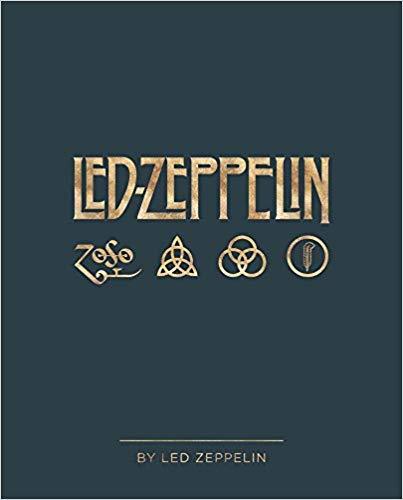
Hardcover – Illustrated. by Led Zeppelin (Artist)
 https://amzn.to/2rRj085
A massive, 400-page coffee table tome, filled with glossy, high resolution shots of the band at their decadent, high-flying best, with annotations written by Jimmy Page, Robert Plant, John Paul Jones, and quotes from the late, great John Bonham. (Corbin Reiff Uproxx)
A photographic journey through the band’s entire career, featuring rare and exclusive images, many that have never been seen before. (Andy Burns Sirius XM)
This is the story of the band who defined rock and roll, as seen by the band themselves. (PDN)
 https://amzn.to/2R8X3Ql
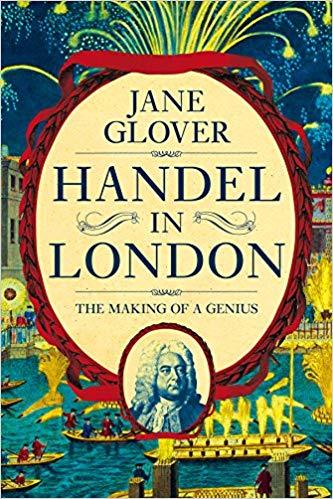
“A biography of such gusto and brilliance that it is as pleasurable as informative. Glover illuminates every aspect of Handel’s work and describes the plots and musical distinctions of most of the operas and oratorios so fetchingly that the reader itches to hear and see them. She also brings Handel’s times and most constant collaborators, sponsors, and antagonists to vivid life as she keeps the rather-elusive maestro, who wrote almost nothing about himself, firmly in focus.”
– Booklist (starred)
“One of the most intriguing aspects of this biography is Handel’s relations with members of the British monarchy, who offered continuing financial support for his musical aspirations. Another strength is its description of the cultural and political setting in which Handel worked. Recommended for readers who wish to know more about Handel as an empresario for his own works.”
– Library Journal
 https://amzn.to/2Bz96fU
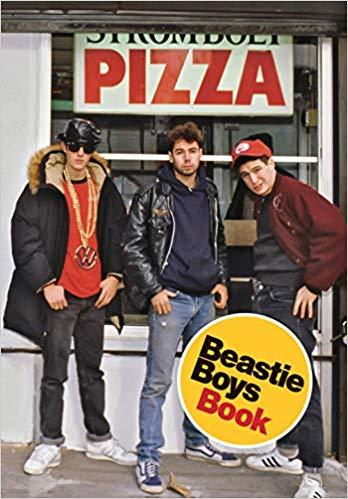
An Amazon Best Book of November 2018: Guys, the Beastie Boys wrote a book (or maybe conjured is a better word), and it’s a piece of work. Michael Diamond and Adam Horovitz, otherwise known as Mike D and Ad-Rock, present Beastie Boys Book, a rambling and unruly stream-of-consciousness trip through more than three decades of uncensored memories—records, rashes, tours, graphic novels, and playlists. Madonna’s here, as is Guns N’ Roses, Dolly Parton, Johnny Ryall and the Egg Man.
Lest you think this is frivolous, disreputable stuff, Amy Poehler, Wes Anderson, Jonathan Lethem, and National Book Award- and Pulitzer Prize-winner Colson Whitehead stop by with their own contributions. Beastie Boys Book is uncountable things, but overall it’s a box full of love letters to fans, founding member Adam Yauch (who passed away in 2012), the early days of hip-hop, and dirty old New York. It’s a book that can’t, won’t stop giving.
 https://amzn.to/2EJEign
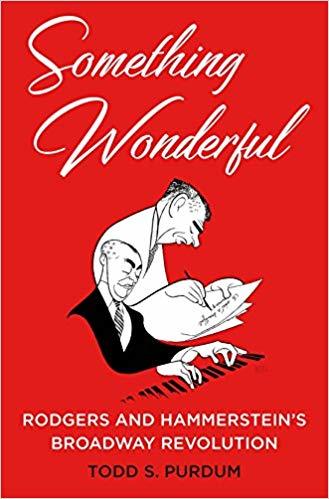
Named a Best Book of the Year by The Christian Science Monitor and Playbill
Sarasota Herald-Tribune Holiday Book Guide
“Affectionate and richly researched. . . . Something Wonderful offers a fresh look at the milieu and circumstances that contributed to the creation of some of the musical theater’s greatest and most enduring treasures. . . . In giving us access to the world that gave birth to them, Purdum’s authoritative and ultimately moving book brings these masterpieces to life with bracing clarity.”―The New York Times Book Review (Editor’s Choice)
 buy it
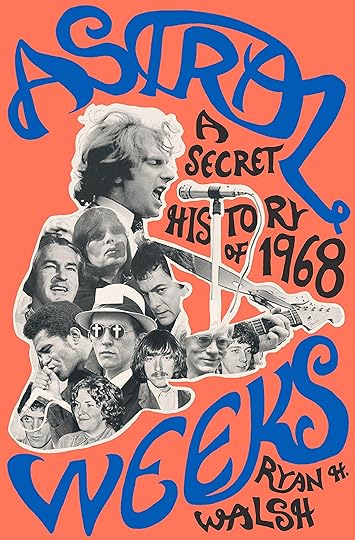
 Walsh weaves the stories of luminaries who had crucial experiences in Boston—Morrison, Lou Reed, Timothy Leary, James Brown—around the forgotten and often astonishing history of the city when it was old, weird, and grimy.”—Boston Magazine
“Astral Weeks unearths the time and place behind the music. . . . A book full of discoveries. . . . A fantastic chronicle.”—Rolling Stone
“Ryan H. Walsh’s new book, Astral Weeks: A Secret History of 1968, takes up Morrison’s sui-generis masterpiece and unearths the largely forgotten context from which it emerged. . . . In documenting the milieu out of which the album came, Walsh also argues for Boston as an underappreciated hub of late-sixties radicalism, artistic invention, and social experimentation. The result is a complex, inquisitive, and satisfying book that illuminates and explicates the origins of Astral Weeks without diminishing the album’s otherworldly aura.”—Jon Michaud, NewYorker.com
“Wonderfully oddball.”—Janet Maslin, The New York Times Book Review
 https://amzn.to/2LxvMBH
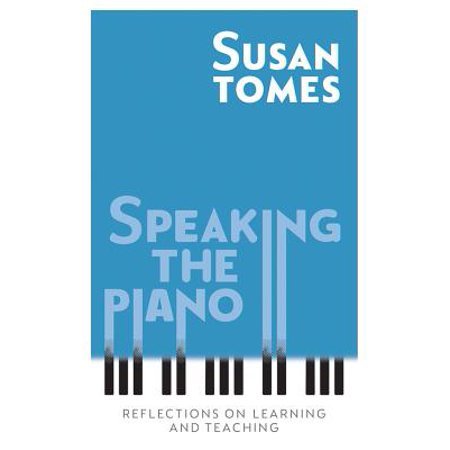
In Speaking the Piano, renowned pianist Susan Tomes turns her attention to teaching and learning. Teaching music encompasses everything from putting a drum in a child’s hands to helping an accomplished musician unlock the meaning and spirit of the classics. At every stage, some fundamental issues keep surfacing. In this wide-ranging book, Susan Tomes reflects on how her own experience as a learner, in different genres from classical to jazz, has influenced her approach to teaching. She tells us how her performing career has given her insight into what young performers need to know, and how discussions with students have fed into her own practice. She describes the brilliant and intriguing teachers whose masterclasses opened her ears to the many ways in which music can be brought alive and communicated. This is a book to appeal to a wide range of readers – pianists of every level from beginner to professional, piano teachers, musicians of all kinds, and the broader community of music-lovers. In a passionate contribution to the ongoing debate about the place of music in education, Susan Tomes argues that this most inspiring of arts can play a unique role in personal development.
This is a lovely, wise, elegantly written book, filled with tips and anecdotes which could be helpful and encouraging for any pianist, whether a beginner or a professional. Above all it is a book in which one senses constantly the deep love the author has for music itself, for its ability to inspire, touch and, indeed, change lives. STEPHEN HOUGH
Learning to play the piano well is about more than getting the notes right. Drawing on a career in chamber music and teaching, Susan Tomes casts her eye over everything from classic TV comedy to Japanese cherry blossom in an all-embracing exploration of how to make music come alive.
 https://amzn.to/2GBkYUt
The Ohio poet/critic digs deep into what it means to be American in our moment — and how much music has to do with it. His book meditates on Nina Simone, Marvin Gaye, Migos, loving Springsteen, being the only black kid at the emo punk show, death and grief. (One section is called, “On Black Grandmothers and the Art of Dying on your Own Terms.”) He sees his idol Springsteen in Jersey — the night after visiting Michael Brown’s grave in Ferguson. He reaches rapture in his ode to Prince’s Super Bowl performance in the rain: “Dearly beloved, when the sky opens up, anywhere, I will think of how Prince made a storm bend to his will.”
[image error]
This (literally) secret history of the (literally) revolutionary 1980’s East German punk rock scene is a both a cultural revelation and a thrilling read. Drawing on interviews with dissident musicians and unearthed files from the Soviet-backed Stasi police force, author Tim Mohr charts a movement triggered by teens (foremost a fifteen year old girl called Major) that was radicalized by its mere existence in a repressive regime. The music very directly helped foment the mass resistance that felled the Wall, while the collectivist dedication seeded the nascent German EDM club scene, still a subcultural beacon. Inspirational, illuminating, and in terms of fighting totalitarianism with art, timely as hell.
December 19, 2018
How to Read, Write, and Understand Written Music: Part 1 (Free Video Lessons)
Here’s Part One of the video series Basic Music Theory: How to Read, Write, and Understand Written Music.
Get the course for 50% off!
Or, get a copy of the best-selling book.
December 15, 2018
Learn to Read Music: Video Course 50% OFF UNTIL 2019
Get a jump start on your New Year’s resolution to read music, and get it for the introductory deal: 50% off until the end of the year.
A new video course based on the best-selling book, Basic Music Theory: How to Read, Write, and Understand Written Music, is 50% off for the rest of 2018.
Check out the preview below, or see more details and other free lessons from the course HERE.


