Izaic Yorks's Blog, page 4
March 28, 2025
Echoes Beneath Las Coronas: 5e TTRPG Encounter


March 22, 2025
Izaic Yorks: Writer, Worldbuilder, and Your Guide to Epic Fantasy
March 20, 2025
Madness at the Red Stag: A Dungeon Master’s Level One Encounter in Aithos
March 15, 2025
Lore to the Score: How Sports Echo the Hero’s Journey
March 3, 2025
A Bold New Adventure: Gabriel and the Guardians
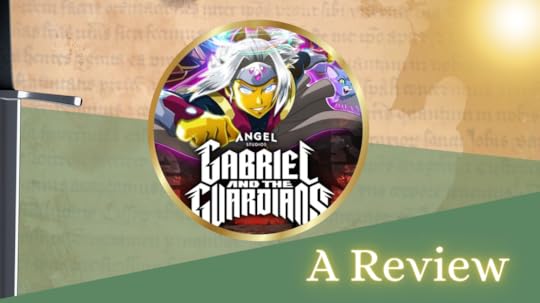
The world of animated storytelling just got a new contender. Gabriel and the Guardians - the latest faith-based epic from Angel Studios, reimagines biblical storytelling with high-stakes action and emotional depth. This isn’t just another animated series—it’s a full-scale adventure where angels and giants clash, redemption is hard-won, and hope fuels the fight against darkness.
From the moment it was announced, I was pumped because Gabriel and the Guardians promised something different: a fusion of faith and fantasy that doesn’t just retell old stories but breathes new life into them. And it delivers.
Great animation thrives on great performances, and this show brings together some of the best. Fans of The Clone Wars will instantly recognize Matt Lanter, best known as Anakin Skywalker, as he steps into the role of Nok the Giantkiller—a former cleric haunted by his past. James Arnold Taylor, the voice behind Obi-Wan Kenobi, takes on both the celestial being Dionel and the sinister Malachros, showing off his full vocal range. Danica McKellar, famous for her role as Miss Martian in Young Justice, joins the series later, adding even more depth to an already impressive cast. These aren’t just voices—they’re the heartbeats of characters who feel real from the first episode.
At its core, Gabriel and the Guardians is a character-driven story. Gabriel, the angel-like warrior, wields immense power but chooses to live as a gardener, believing that “everything has the potential to be mended.” His quiet optimism contrasts sharply with Nok, a warrior shaped by loss, who carries a deep grudge against the chaos giants. Namay’ah, an alchemist who views the giants as gods, adds tension and moral complexity to the story.
Then there’s Malachros, a villain whose presence is more than just a looming threat—he’s a real, formidable force standing in the way of hope. Each character is layered, driven by their own fears, ambitions, and beliefs, making their journey all the more gripping.
Visually, the series strikes a perfect balance between classic and contemporary. The animation, led by Tiger Animation, blends the bold, crisp style of Young Justice with the fluid movement and world-building of Avatar: The Last Airbender. Fight scenes aren’t just visual spectacle—they serve the story, revealing character depth, history, and high-stakes conflict. Every location, from lush utopian gardens to war-torn battlefields, is rich with detail, making the world of Ara feel alive and immersive.
What makes Gabriel and the Guardians stand out isn’t just its animation or voice cast—it’s the depth of its storytelling. It draws from biblical themes but reshapes them into something fresh and relevant. The series explores big questions about redemption, power, and the nature of good and evil without feeling heavy-handed. The world of Ara is meticulously crafted, with its own history, magic, and conflicts that make it feel less like a setting and more like a living, breathing universe.
This isn’t just another animated series—it’s an experience. Gabriel and the Guardians doesn’t just tell a story; it invites you into a world where faith, adventure, and breathtaking animation collide. It’s bold, it’s different, and it’s exactly what animated storytelling needs right now.
A must-watch show that both kids and their parents will enjoy!
Thank you Angel Studios for bringing back those Saturday cartoon feels!
February 26, 2025
The Price of Curiosity and Adventure: Remember to Live Your Own Stories

There is always a price for curiosity. That first step past the garden gate, the moment we heed the call of the unknown—it changes everything. In my short story "The Enchanted Forest," our protagonist’s journey begins with a simple, innocent act: chasing a bird. A game, a moment of wonder. And yet, as in so many tales, the smallest of curiosities leads to the greatest of consequences.
This pull of curiosity and consequence into the web of adventure is the heart of fantasy. We see it in Tolkien’s Bilbo, who only wished for a quiet life and yet found himself standing before a dragon. In Robin Hobb’s, Fitz, whose childhood choices entangled him in a fate he never imagined. Curiosity is the spark of every grand adventure. But it’s also a double-edged sword. There is danger in adventure. Time lost. Innocence traded for wisdom. A world both larger and more terrifying than we ever expected.

And that is why stories matter. They remind us that the world is vast and full of doors. But here’s the thing: if we only ever read about them, we become prisoners of our own making. The fey world our protagonist stumbles into is timeless, beautiful, and yet stagnant. Without the forward march of change, there is no true life—only an illusion of it. And that is the great paradox of fantasy readers, of dreamers and seekers alike. We turn the pages and lose ourselves, but if we never step beyond our own walls, if we never take our own first steps into the unknown, we become trapped in a realm where time only moves with the flip of a page.
One of my favorite bloggers Seth Godin would tell us that to live boldly means to do more than just consume stories—we must create our own. To engage with the world, to risk something real. It’s easy to believe we are adventurers when we have lived a thousand lives in books. But if we never put pen to paper in the story of our own lives, we have only lived through echoes of others.
Go. Explore. Make mistakes. Find your enchanted forest. Remember to live your own stories.
Otherwise, you may wake one day to realize that you have spent a lifetime reading about adventure but forgot to live the most important one. . . your. And that would be a tragedy.
Because in the end, no story is ever written in the absence of life.
February 19, 2025
The Power of the Standalone Novel in Epic Fantasy
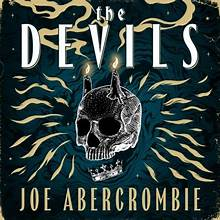
The epic fantasy genre is a landscape of towering sagas, sprawling across multiple books, sometimes over decades. Readers dedicate themselves to long-running series, investing in labyrinthine plots, character arcs that span generations, and the deep, immersive world-building that defines the genre. But sometimes, a breath of fresh air is needed—something self-contained yet vast, something that delivers the weight of an epic in a single volume. Enter Joe Abercrombie’s The Devils, a standalone novel that still dares to hint at something larger.
And that? That is something to be excited about in a bookish landscape where pillars like George R.R. Martin don't finish their epics and leave us with series fatigue.
Fantasy thrives on the long game. Authors like Tolkien, Jordan, and Sanderson have trained readers to expect commitment, to sign an unspoken contract that they will see a world through to its bitter (and often distant) end. But the magic of a standalone novel is different. It demands efficiency. It carves a world in bold strokes, delivering depth without demanding years of your life in return.
Abercrombie’s The Devils promises exactly that—a novel that stands on its own, complete and satisfying, while still offering the tantalizing possibility of future stories. This is the best of both worlds: the immersive depth of epic fantasy without the overwhelming weight of a ten-book obligation. For readers who love the genre but hesitate before diving into a massive series, this is a rare gift.
 The Art of Building a World in a Single Book
Some argue that sprawling series are necessary for building rich, textured worlds. That may be true, but a skilled writer can make a world feel alive in a single book. Standalone novels sharpen an author’s craft, forcing them to show rather than tell, to weave history, culture, and mythology into the bones of the story itself rather than saving it for later volumes.
With The Devils, Abercrombie is poised to remind readers and indie-authors alike that world-building doesn't need endless sequels to be impactful. Instead of dragging readers through excessive lore dumps or side plots meant to set up future books, a standalone novel distills only what matters. Readers will get a complete picture—one that breathes, moves, and demands to be explored—without the frustration of unfinished threads stretching into an uncertain publishing future.
This is why I’m excited for my two stand-alone novellas this fall. Like The Devils, they embrace the challenge of standalone storytelling within an epic fantasy framework. They promise a world that feels vast but is delivered in a single, satisfying book—an experience that doesn’t demand a multi-year investment but still lingers long after the final page.
Fantasy is evolving, and standalone novels are proof that we don’t always need to sign up for a lifetime commitment to experience something grand. For my fellow writers, they are the pilot to test and discover your audience. If something is received well enough you can always expand. The magic of a single book can be just as powerful as an entire series. And for those willing to take that journey, the reward is waiting.
Learn more about my semi-standalone novel
November 4, 2024
The Eternal Struggle of Light and Darkness: A Journey Through Epic Fantasy and Christian Allegory
In the realms of epic fantasy literature, the themes of light and darkness have long been utilized as powerful symbols of the eternal battle between good and evil. These two forces often represent not just the grand struggle between heroes and villains but also the internal conflicts within individuals—where light signifies hope, truth, and goodness, while darkness embodies fear, deceit, and evil. This dichotomy resonates with the human experience, as our lives are often marked by moments of joy and triumph as well as struggle and despair. In the world of fantasy, this interplay allows readers to connect with characters in deeply personal ways, reflecting on their journeys through life's complexities.
Christian themes are notably prevalent in many epic fantasy works. Authors like J.R.R. Tolkien and C.S. Lewis wove moral truths, redemption arcs, and the exploration of faith throughout their stories, often using allegory and symbolism. Tolkien's The Lord of the Rings, for example, is steeped in Christian motifs, even though it is not explicitly labeled as a Christian fantasy series. The themes of sacrifice, the triumph of good over evil, and the light of hope prevailing in the darkest of times all reflect the Christian worldview of salvation and redemption.
Not only do these themes of light and darkness resonate with Christian values, but many epic fantasy novels explore them in nuanced ways, blending magic, adventure, and faith to tell stories of redemption and moral growth. Here are a few standout examples:
The Lord of the Rings by J.R.R. Tolkien: This epic saga set in Middle-earth follows a group of heroes on their quest to destroy a powerful ring that threatens the world. The story’s exploration of light and darkness mirrors the Christian struggle between good and evil, with characters like Frodo and Gandalf representing hope, courage, and self-sacrifice.
The Chronicles of Narnia by C.S. Lewis: A series that seamlessly blends Christian themes with magical adventures. The battle between the forces of good and evil in Narnia echoes the eternal struggle of light against darkness, while the character of Aslan serves as a Christ-like figure who sacrifices himself to save the land.
By Darkness Hid by Jill Williamson: This novel follows a protagonist with hidden powers in a world where light and dark magic are in constant conflict. As the story unfolds, themes of redemption, sacrifice, and faith take center stage, with characters grappling with their destinies and the choices that define them.
Dragons in Our Midst by Bryan Davis: This series merges fantasy with Christian allegory, exploring themes of redemption, identity, and the battle between good and evil. The narrative incorporates dragons and other mythical creatures, but at its heart, it delves into the personal struggles of its characters as they seek to reconcile their faith with their powers.
The Wingfeather Saga by Andrew Peterson: A beautifully written series that focuses on the Igiby family as they navigate their way through a world ravaged by darkness. The saga explores themes of family, sacrifice, and the search for truth, all while highlighting the tension between light and darkness.

In the chapter excerpt from Aithos we are introduced to Ezhno Gamello, a character who embodies the themes of light and darkness in his journey. Ezhno, disfigured both physically and emotionally, has spent much of his life hiding in the shadows of society. Born an "invalid," he has lived with the stigma of being different and has struggled to find his place in a world that values appearance over inner strength.
Yet, in a pivotal moment during a storm at sky, Ezhno makes a powerful declaration: "Bring the pain and the joy. Ezhno would not hide, for what sort of life was that?" In this simple statement, Ezhno chooses to embrace both the light and the darkness of his existence. He refuses to be defined by his disfigurement, choosing instead to face the challenges before him with courage and resolve. In a world that has long seen him as monstrous, Ezhno finds the strength to confront the unknown and seek his own redemption.
As Ezhno embarks on his journey into the skies, he is accompanied by Sherina, a Corpse—essentially a reanimated body programmed to serve him. Sherina's very existence symbolizes the tension between life and death, light and darkness. She is both a tool and a companion, a reminder of the sacrifices and moral complexities that come with the pursuit of knowledge and discovery. Her loyalty to Ezhno, despite her nature, reflects the idea that light can still be found in the most unlikely of places, and that redemption is possible even in the most dire circumstances.
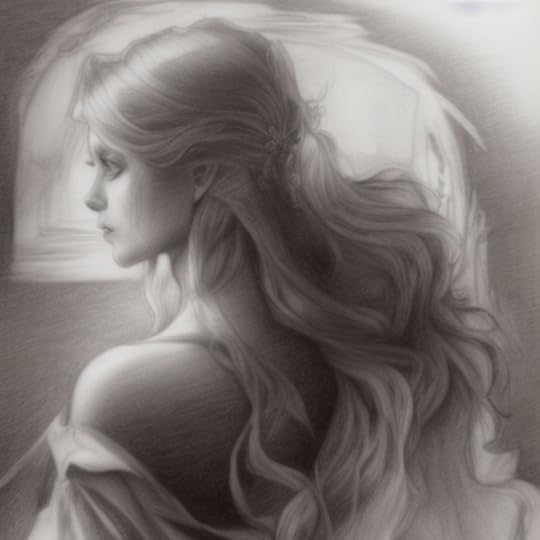
The storm that Ezhno faces is more than just a physical battle; it is a metaphor for the internal storms that rage within him. As he rises through the clouds, Ezhno sheds his fears and doubts, finding a new sense of freedom and purpose. The storm, with its violent winds and tumultuous forces, represents the trials of life that can either break or shape us. For Ezhno, the choice is clear: he will not remain in the shadows any longer.
The stories we encounter in epic fantasy are not just about heroes slaying dragons or embarking on quests. They are about the internal battles we all face—our struggles with fear, doubt, and the desire for meaning. In these tales, light and darkness serve as metaphors for the forces that shape our lives. Just as in the Christian faith, where salvation and redemption are intertwined with the concepts of light and darkness, so too in fantasy literature we find characters grappling with their own need for redemption.
In Aithos, Ezhno’s journey is not just a physical one, but a spiritual one as well. His refusal to hide in the face of danger mirrors the Christian belief in embracing one’s identity in Christ, no matter the darkness that may surround us. Whether through the magical lands of Narnia or the storm-tossed skies of Aithos, these stories remind us that the light will always shine brightest in the darkest of times.
As we continue our own journeys, may we all find the courage to face our storms, embrace both the pain and the joy, and rise above the shadows to find the light.
Need a story that dives into the heart of light and darkness? Indulge in "Aithos" the epic fantasy you deserve and the adventure
What Is Aithos? Exploring the Heart of an Epic Christian Fantasy
If you’re wondering what Aithos is all about, you’re not alone! This unique title draws its roots from the Greek word for heat or fire, and it perfectly encapsulates the themes woven throughout this epic Christian fantasy. With an alchemist as one of our main characters, the connection to fire becomes even more significant as the story unfolds.

As my friend Christo aptly described it, “Aithos is like Treasure Planet meets the Renaissance and Magellan.” While I agree with this imaginative comparison, to me, Aithos represents a deeper journey—my evolution as an author. This story marks a pivotal moment, not just for me but for the entire Anchorverse.
Aithos is the cornerstone for the magic and narrative that will flourish in every book within the Anchorverse, including Ascendant. For keen readers, you might even catch early glimpses of these connections in the Walktall Novella.

At its essence, Aithos is an epic fantasy that delves into profound themes such as mercy, forgiveness, and the inherent worth of every soul—regardless of the state of one's body. The story sets the stage for a fantasy apocalypse, where unexpected victories emerge from mending broken relationships.
One of the standout characters in Aithos is an alchemist, and as the narrative progresses, the significance of this role becomes increasingly apparent. The title itself—Aithos—intertwines beautifully with these themes. In the alchemical tradition, heat and fire are represented by an upward-pointing triangle, symbolizing love, passion, compassion, and even anger—essentially, the "fiery" emotions that define the human experience.
Alchemy embodies a mystical duality, merging the material and spiritual realms. The upward-pointing triangle represents the aspirational energy that drives humanity towards the divine. As the characters in Aithos navigate their emotional struggles, they are challenged to transcend these fiery passions through acts of mercy and forgiveness, ultimately working towards healing a fractured world.
Interestingly, Aithos also relates to the "third declension" in Greek, hinting at more complexities that influence the book's namesake. While a detailed exploration of this etymological aspect could be extensive, I'm always happy to share more if you're intrigued!
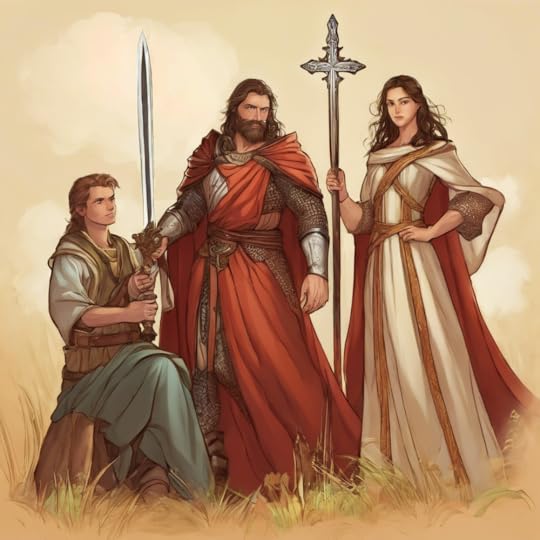
Crafted for enthusiasts of epic fantasy, Aithos is filled with flying ships, floating islands, enigmatic magic, and, of course, dragons! However, it's not tailored for those who prefer straightforward narratives or neatly defined magic systems. This story invites readers into a richly woven tapestry of adventure and emotional depth.
Aithos is available for preorder on Amazon! Be sure to secure your copy now, as prices will rise a week after launch. Join us on this extraordinary journey and discover the magic that awaits in Aithos!
October 5, 2024
Where Did the Magic Go? Exploring the Heart of Soft Magic in Christian Epic Fantasy
In the vibrant world of fantasy literature, the magic system can significantly shape the narrative's depth and impact. Renowned author Brandon Sanderson has ignited passionate discussions about hard and soft magic, each with unique characteristics and storytelling potential. As we explore these concepts, we’ll also reflect on how soft magic can convey profound messages of hope, particularly within the context of Christian epic fantasy.
Every fantasy reader has encountered the terms hard magic and soft magic. Here’s a brief breakdown of these concepts:
Hard Magic: This system thrives on clarity, rules, and structure. It allows for intricate plots and strategic uses of magic, empowering readers to engage intellectually with the narrative. Hard magic enhances believability and immerses readers in a well-defined world when executed effectively.
Soft Magic: In contrast, soft magic leans into mystery and emotional depth. It creates an atmosphere of wonder and exploration, often lacking strict definitions. This ambiguity can beautifully mirror the mysteries of life and faith, resonating with readers on an emotional and spiritual level.
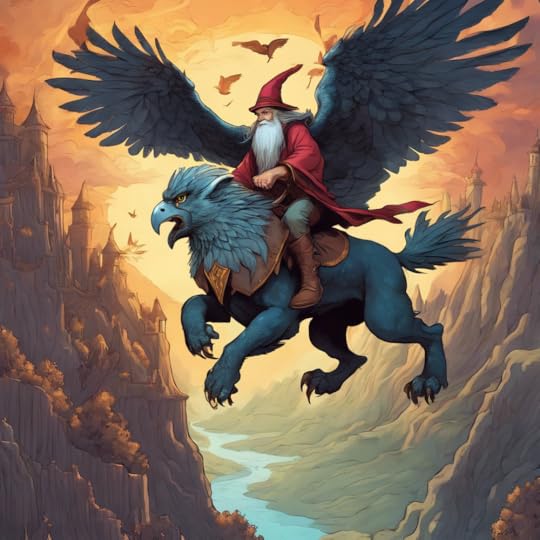
As I developed my own craft, I initially gravitated toward hard magic, influenced by contemporary masters in the field. However, a longing for the softer side of magic persisted. It became clear that what truly captivated me was not merely the rules but the wonder itself—the enchanting possibilities that a soft system presents.
In a modern world often marred by despair and nihilism, stories infused with soft magic can serve as a remedy, offering hope and upliftment. For instance, consider the growing issue of assisted suicide—a troubling trend driven by pain and loneliness. While soft magic alone cannot heal these wounds, the narratives we weave with a soft system can profoundly impact culture and thus individuals, highlighting the value and sanctity of life.
When soft magic intertwines with goodness, it not only captures the mystery of existence but also underscores its solemnity and worth. It transforms magic from a mere plot device into a vessel for exploring human growth and the preciousness of life. This perspective is at the heart of my own work, particularly in the creation of Aithos.
In the Anchorverse, I intentionally crafted a deliberately vague magic system. The source of magic remains undefined, symbolizing hope—hence the name Anchor. In Christianity, an anchor represents hope, a powerful metaphor for the steadfast healing we find in faith.
Ultimately, the most compelling stories, especially in Christian epic fantasy, should lead to messages of hope. Soft magic, with its inherent mystery and emotional depth, allows us to explore the beauty and complexity of life, inviting readers to reflect on their own journeys of faith.

What are your thoughts on the role of magic in fantasy literature? Do you prefer hard magic with its structure or the mystery of soft magic? Share your insights in the comments below, and let’s engage in this magical conversation!