Rachael Huszar's Blog, page 2
January 22, 2022
Unlikely Masterclass: Fraggle Rock
YOU GUYS. HAVE YOU HEARD. FRAGGLE ROCK IS BACK!!!
If I were to make a pie chart of my brain’s local storage, I’d say 15% is dedicated to normal functions, 60% is dedicated to obscure musicals, and the remaining 25% is Fraggle Rock lore and knowledge. I’m not even kidding.
Its original airing was a bit before my time, but I’ve been a lifelong Muppet fan, and Fraggle Rock was my first true obsession. My first binge (thanks to random lots of DVD-Rs on eBay). It was my gateway to the internet. Fraggle Rock fanfiction was part of what got me into writing. I’m serious. I RP’d as Boober on a fan forum for a LONG time. Which is probably a huge reason why I love D&D and RPGs now.
(If you haven’t figured it out, I’m massively nerding out during this blog post, so buckle up.)
I really love this show. The characters, the humor, the message, THE MUSIC. It’s such a big part of my foundation. I did the waiting for the DVD releases, I flipped out when the whole series started being available to stream. I never even imagined the series would be rebooted.
Reboots of something you love can be hard to get excited for. Time changes everything, and changes to a creative team can be huge for a piece of media. But I have to say, I just finished devouring all of Back to the Rock today, and it felt so true to the original show. Heck, it’s great to see puppetry again. It’s such a wonderful expressive art form.
My biggest question when I heard about this series being a reboot, not a spin off or continuation, was how were they going to cover the story beats without carbon copying each episode of the original show? How do you quickly convey to both an old and new audience each of the Fraggle Five’s characteristics and establish their relationships with each other? And after rewatching the first episodes, I have to say, I think they did a wonderful job. The dialogue and physicality help define the characters so well. The way they talk to each other, you immediately get that they’re friends without needing much of any exposition. A few lines is all it takes to establish who they are, what they care about, and their potential growth and conflicts.
Established within minutes. In a puppet show.
Then Came the Fire is off at the formatters, and I need a pretty big break before I start taking a look at Three Willows Book 3, so I’m at the start of a brand new WIP, caught in the exposition balancing act. I’ve been starting lots of scenes, but not been able to find their endings, which is not an uncommon problem for me, I’m awful with endings. I’ve tried to take a step back and identify some of the trouble spots.
It’s a fresher idea, meaning I haven’t been able to let the plot simmer for 3 years like I did with Three Willows.
There’s a contemporary element, and switching away from 1860s speech is harder than I thought.
A very large part of Thunder is the fact that Sam is new in town, and is meeting all the other characters for the first time, helping the reader meet them too. Now, I’m trying to write an opening scene with a group of characters who have a pre-established relationship, which is very different.
Last time I had some writing time, I went to my ol’ standby technique and only wrote dialogue and vague stage directions, and honestly, I think it helped a little bit? Focusing on one part of a scene at a time tends to be better for me in general than trying to figure out everything at once. It’s helping me peg down the dynamic of how two siblings and a good friend talk to each other. When I know how they talk, I can figure out what needs to be said, and what can be established later. And as I’m learning from Fraggle Rock, dialogue is just the start. People who have known each other for a long time have a natural way of moving around each other and anticipation of the other’s movements as well. I’m excited to work those kinds of things in, in order to quickly orient the reader with who they’re going to hang out with for 200-some pages.
And I can’t say it enough. If you have access to Apple TV, watch some Fraggles. I bet you’ll have a good time. You can find me tearing up over the legacy songs.


November 14, 2021
Conflicted
My initial draft of the Three Willows trilogy happened in 2017. Like I've mentioned before, the books were originally a script, so all I was working with was the story itself and the dialogue, and I had years to let the plot solidify before I made the jump to turning the scripts into books.
Now, I'm attempting to plot out something entirely new and I'm feeling a bit at sea. It's been a while. I'm out of practice. I spent some time at Wayward today to do some character sketches, because it's hard to know what people will do if I don't understand who they are. It's helping a little.
A few weeks ago, I attended DFW Con, and even though it was all virtual, the classes were still illuminating. During a class that specifically talked about plot and story structure, the speaker kept bringing up the notion that "you don't want your book to feel episodic." That was the word he used. "Episodic." And for some reason, that really stood out to me, because isn't episodic the perfect way to describe a book? Characters are faced with a series of challenges, each mounting in scale until the season finale? Learning lessons, building relationships, and revealing backstory along the way? I would say that storytelling media apart from books (movies, TV, podcasts, D&D campaigns) use the episodic structure with a great deal of success. Maybe the word sticks out for me because I think about my book plot events as episodes. I know where to cut to the credits, how much time passes between chapters, what the camera is panning over when the next episode starts. I believe "acts" or "beats" is more typically used in book world, but I can't help it. I really like "episodes."
I think what the presenter meant was more along the lines of "repetitive." Which, yes, I agree, no one wants that. It can be hard to balance, though, I'm finding. You need the story to progress, but you can't have the characters win every single time. There has to be struggle. There has to be conflict.
But now I'm thinking... does there?
I came across this quote from Ursula K. Le Guin recently, and it's really struck a chord with me.
Modernist manuals of writing often conflate story with conflict. This reductionism reflects a culture that inflates aggression and competition while cultivating ignorance of other behavioral options. No narrative of any complexity can be built on or reduced to a single element. Conflict is one kind of behavior. There are others, equally important in any human life, such as relating, finding, losing, bearing, discovering, parting, changing. Change is the universal aspect of all these sources of story. Story is something moving, something happening, something or somebody changing.
I'm also coming off the tail of finishing Iron Widow, which was thrilling. All conflict, unapologetic, fierce, raw, painful, with incredibly high stakes. A book that makes you forget to breathe.
And now I’m thinking about the reverse. I'm scrubbing my brain for a story without conflict, and weirdly enough, I'm coming up with Kiki's Delivery Service. A young witch moves to a new town. That's the plot. Events happen, the story advances, but since it's a much more character driven than plot driven piece, the pace is slower. In fact, lots of Ghibli movies have big moments that give the audience the role of observer. Two young girls clean a house. A girl explores an antique shop. A woman is on a train thinking about her childhood. It's about them, not the action. How they change, develop, react, relate. I love that.
I'm not sure what I'll be able to take away from this musing into my writing. There's something really fun about the idea of writing a story where nothing happens. Where human existence is enough conflict. Love and routine and small emotions. Comfort media. Thunder has had several positive reviews now complimenting the characters and how emotionally real and relatable they are. Maybe all of this is coming from a place of worry about trying to do all that again in a brand new work. But that's the challenge, right? And when I figure it out, it will be time for the next episode. Roll credits.
October 17, 2021
Then Came the Thunder Playlist
It’s finally ready! Since the revision stages of Then Came the Thunder, I’ve been working on compiling a playlist to accompany the book and its characters. I’ve talked before about the way music can influence my thinking, and vice versa, and it feels so good to be able to share it! The playlist is now available on Spotify. I thought I’d take a moment here to go into more detail regarding the songs and who and why they fit.
SPOILER WARNING!! Reading on from here will 100% spoil the plot of Then Came the Thunder for you. BEWARE! (You could grab a copy here, if you wanted!)
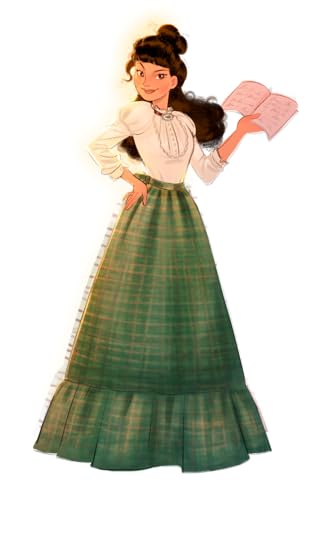 Jessalyn Joy
Jesse - Joan Baez: Replace “Jesse” with “Amos” and this song is almost an exact description of Jessalyn’s feelings at the beginning of the book. Every place she goes, everything she touches, all day, every day, reminds her of him. She’s been waiting for Amos to come home since he left for the war, and it’s hard to face that he never will.
I Could Write a Book - Rex Fowler: Grief has a horrible way of tainting your whole world. Despite the blue skies and signs of something better, you just can’t see it. For Jessalyn, everywhere she looks is raining.
Lest We Forget - The Brothers Bright: The only person Jessalyn blames for her loneliness is herself. She believes it’s the judgement she earned. She doesn’t seek help, because she doesn’t believe anyone would offer it.
Sad and Deep As You - Dave Mason: Jessalyn is a very reserved person, and the death of her husband has made her even more so. The majority of the town can see that she’s suffering a deep sadness, and to her dismay, she doesn’t hold herself together as well as she thinks she does. It’s one of the first things about her Sam is able to unearth.
Steel Eyes - Shawn Phillips: “And we talk of the things that we wish to know, But she’s really not around” was a line that perfectly encapsulates Jessalyn’s demeanor in Chapter 11 when Jessalyn shares a bit more about herself with Sam. She’s there, but her memories and intrusive thoughts get so consuming when her stress rises, that she’s only there physically, her mind is elsewhere.
It’s Never Too Late - National Parks Radio: By the end of the book, Jessalyn has broken through so much of the grief and doubt that was keeping her trapped inside herself. By allowing Samuel in, she was able to realize that it’s not too late for her, and that she can choose to move forward.
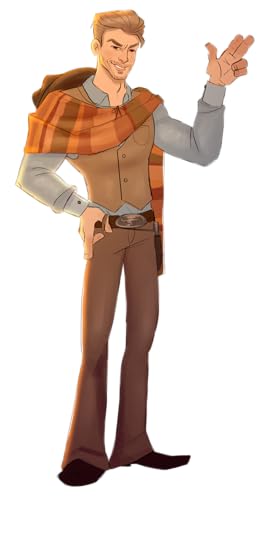 Sam Brooks
No Glory in the West - Orville Peck: Sam has been making his own way in the world since he was 19, and those years haven’t been the easiest. As good tempered as he is, there were certainly times when life wore him down. He stopped looking for glory and just looked for ways to get by.
Another Friday Night - David Ackles: The traveling wears on you after a while. Sam would often make a point of not getting attached to people of places, preferring to wait until something “felt right.” Despite the monotony, he’s dreaming of a good life for himself somewhere. Someday.
Shadow of a Man - Neulore: I like imagining this as a point-counterpoint song between Sam and Amos on the night they part ways. (If this were a musical, of course, haha) Sam watched Amos lose his innocence, and Amos watched Sam lose his potential. Were things different, both of them would probably love to rewind to that moment and make a different choice, burn the boats. But time doesn’t work that way.
If You See Me Getting Smaller - Jimmy Webb: A more upbeat approach to Sam’s departure from the army. Out of fear, Sam finds it all too easy to revert to his old ways of fading away when things get tense. He’s convinced himself it’s his right.
Angry Eyes - Loggins & Messina: Again, if the book were a musical, this would be the song for Chapter 6. Sam finds Jessalyn’s anger towards him upon their first meeting incredibly amusing, and isn’t hesitant about poking fun at her.
Mademoiselle (Voulez-vous danser) - Lennie Gallant: Little bit of a hint at things to come. Just as much as Sam helped Jessalyn, she helped him, too. Past the charm and sarcasm, he’s a gentle and caring man. She’s what convinced him to stay, after all.
 Lilah Templeton
Nothin’ Up - The Robber Bridegroom: Lilah’s life in Three Willows is best described as “a regular run of nothin’ up.” School, chores, school, chores, school. It’s part of why she loves reading so much, each book brings her something different.
Wasn’t Born to Follow - The Byrds: When Lilah thinks about her future, she dreams of something much, much bigger than Three Willows, and she’s almost desperate to escape her mother’s clutches and see what else is out there in the world. It has to be better, if not more beautiful, than her imagination.
I Won’t Let Go - The Brothers Bright: Lilah has incredible amounts of determination, whether she’s pursuing academics, fighting for her family, or solving a mystery, she doesn’t give up. Not to mention, she has a hot temper, so screaming, shouting, and treading until she bleeds are often perfectly sensible solutions for her.
Hamar Promenade - Jorma Kaukonen: “The world keeps spinning, and I can’t wait.” Lilah feels as though she’s ready to take on the world and find the adventure that’s waiting for her beyond the territory. Much of her inner fire is fueled by impatience. She clings to the encouragement she gets from Jessalyn, because she sees it as a way out.
Traction in the Rain - Crosby & Nash: As the book’s events progress, Lilah feels caught between wanting to leave Three Willows and the strong connection she has to her family, particularly her siblings. As soon as he momentum gets going, the road gets slick, and she finds herself back home. Even at 16, the cycle is wearing on her. For Lilah, it feels as though things are approaching now or never.
[image error] Roger ShawHazel’s House - Richard Shindell: For reasons that will be revealed later in the series, Roger has no ties with his family. The majority of his fantasies are simple, domestic ones. Coming home to someone. Being looked after, and being able to care for someone else the same way. Connection. Love. There have been several times when he’s wondered if Miss Joy could be that person. His visits to her house have been a kind of heaven, after all.
Yesterday’s Rain - Spanky & Our Gang: On a good day, Roger could be described as nervous. His thoughts are always running on overdrive, and when they turn darker, his paranoia and anxiety can really ramp up.
We Are Not Helpless - Stephen Stills: Roger’s religious studies were a large part of what helped him conquer a lot of his fears and start to see more of the people and world around him. That spark of humanity that makes us all different, and yet the same, is an inspiration to him, and something he strives to teach to his congregation.
Nature’s Way - Spirit: In addition to his religious beliefs, Roger finds great joy in researching folklore and spirituality and respects the beliefs of other cultures. He’d never say no to a good myth. He’s a big believer in signs, from nature, from the universe, from God, it’s all the same in the end. If the world tells him to watch out, Roger will listen.
God Is God - Joan Baez: For Roger, religion is all about inclusivity. As mentioned above, connection is what he desires the most, so it’s also what he offers to those who listen to him, whether he’s preaching God’s word, or his own mind. As anxious a person as he is, his own beliefs are something that never shakes, even during his darkest doubts.
September 19, 2021
A moment of calm
For the past several months, I’ve been structuring my weekends in a very particular way. Friday nights, I attend (and now host!) a Shut Up & Write session. Saturdays are for errands, appointments, and socializing. Sundays I write. Unless I’m really hankering for it, I rarely write during the week. There’s just no time!
However. I think, since I’ve been sticking to this routine for so long, it might be time for a little break. I’ve been going through my beta reader feedback for Three Willows Book 2, and there are a few structural things I need to rework, I think, as well as adjusting my marketing approach to make sure I’m attracting readers who are interested, and that I’m clear about the type of book it is up front, as well as considering my writing style, and who it appeals to. Lots of big thoughts. I’ve been revisiting this manuscript much more than I did with Then Came the Thunder, and I think I’m at a point where a little distance might help me see things clearer, or more like a reader, the next time I take a look. Like good dough, I’ve got to let it rest.
So I find myself here, on a Sunday, trying to let myself experience some calm. Slept in. Still wearing the comfy clothes. Had a donut. I AM, however, thinking about what I can turn my attention to the next time I’m setting up to write. Even the side stories I’ve been working on are too close to the Three Willows Universe. The question (a very scary an intimidating question) is, what’s next?
I have 3 Next Projects™ that are all at the 75%-100% stage of their outlines (two of them don’t have endings. I’m so bad at endings) that have the potential to become the one I turn to. And I really just can’t decide. For simplicity’s sake, we’ll call them Ghosts, Birds, and Hex. I love the characters that have developed from these potential plot lines and dialogue sketches I’ve done. What’s giving me the most pause, I think, are the settings. Ghosts is a contemporary/historical with paranormal elements that would require some research. (If any one knows any resources that would teach me specifically about passenger ships and 1924 mental health practices, I would be extremely grateful). Birds and Hex are both fantasies. And fantasies need worldbuilding.
I’m a very impatient researcher. It’s one of my flaws, for sure. I like to get right down to the story meat and handwave details when I can. Which is a really bad habit that I need to break. On the other hand, worldbuilding is pretty intimidating in that I really have no clue where or how to begin beyond the basics of what I know to be true in each respective story. It’s the details that will kill me, so it’s the details I must defeat.
As of right now, I’m looking into two different systems to add to my arsenal. They’re games, because of course they are. The first, which I think would apply to the world of Project Hex, is The Quiet Year, a game focused on creating the community of a world after a large societal collapse. Each card gives you two questions/situations to apply to your community. It’s not so much an RPG as it is, well, a worldbuilding game. I’ve watched a few streams of it being played, and I think it might be the perfect tool for helping me fill in the gaps of what I don’t know about Project Hex’s history and how it became the way it is.
The second, which I just learned about today, is Mappa Imperium. This one focuses more on the map, the geography, the factions and resources of a world, and the changes it undergoes as things expand. Project Birds is a more epic-ish fantasy that will need thinking and lore on this scale, so I’m pretty excited to give it a try. Also, there’s an element of random, since I believe some things are determined by dice rolls. I, as a person who hates making decisions, LOVE THIS. Best way to get me to buy something? Offer it as a mystery pack. Make it so I don’t have to choose. Surprise me. In my opinion, nothing gets the creative juices flowing like restrictions.
I may play around with one of these in the near future and will be sure to report my findings! Stay tuned…
Video for today. This has become my go to channel whenever I need something to throw on the TV for background noise/focus/escapism. Because I’d love to be in a fancy hotel while it rains.
August 16, 2021
Character creation workshop
(Featuring Ace Attorney)
I owe a considerable amount of who I am to the Ace Attorney series of video games. I’ve been entertained by these games, made connections and friendships through these games, tangentially ended up learning about audio engineering because of these games. Ace Attorney releases remain one of the only things that will get me to upgrade my game systems. (Proud new owner of a Switch, right here!) The first time I played Justice for All, I stayed up all night to finish it, and going to bed during that sunrise at the end of that story was so satisfying. That’s a memory that’s staying with me forever.
For the uninitiated. In the Ace Attorney games, you are a lawyer, tasked with saving the life of your client by investigating crime scenes, interrogating witnesses, and using all your evidence and logic to win the courtroom battle.
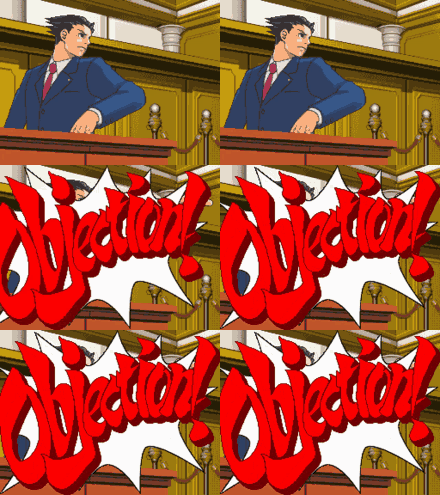
Just like that.
I don’t think most people play Ace Attorney for the gameplay mechanics, however. They play it for the story and characters. I know I do. My last blog post was about the constricting boundaries of genres, and I actually think the Ace Attorney games played a huge part in how I plan my stories, as well as my desire to incorporate elements of mystery, humor, drama, tragedy, and everything in between. And always, ALWAYS with strong driving character motivations and actions. Because where these games excel is making you understand who the character is within seconds of them appearing on screen for the first time. As well as the process of peeling back their layers to find out what makes them tick. Or what makes them guilty. Of course, video games are a visual medium, and with writing, we’re limited to what we can describe. But I’m theorizing that character introductions in the Ace Attorney games are actually a brilliant model for working with characters in writing.

Allow me to present Exhibit A: Furio Tigre. Take a minute. Check him out. There are so many interesting things happening visually in his design, it almost makes it easy to put prose to them.
‘The red of his suit nearly matched his sunburnt skin, his chest on full display beneath his jacket. His shoulders hung low, primed for pouncing like the large cat that was his namesake. A prime example of which was emblazoned devouring a dragon on his suit front. It was unclear which was sharper; the ends of his coiffure, or his canine teeth. From the wild look in his eyes, to the wads of cash in his hands, it was clear he meant business. And he was mad.’
Description is not my strong suit as a writer, it’s something I know I need to work on. Small experiments like this help me to hone how to build with details, rather than simply list out a list of physical traits. I think being an avid audiobook listener also helps out with this. I’ve learned to trust my own imagination. If you tell me a scene is set in a library, I can probably fill in most of the details about what that room looks like, leaving space on the page for details that may not be obvious, or that will power the characters.
His first line of dialogue is, and I quote: “Gwoaaaaaaaaaaaaaaaaaaaaaaaaaaaaaaaaaaaaaaaaaaaaaaaaaaaaaaaaaaaaaaaaaaaaaaaaaaaaaaaaaaaaaaaaaaaaaaaaaaaaaaaaaaaaaaaaaaaaaaaaaaaaaaaaaaaaaaaaaaaaaaaaaaaaaaaaaaaaaaaaaaaaaaaaaaaaaaaaaaaaaaaaaaaaaaaaaaaaaaaaaaaaaaaaaaaaaaaaaaaaaaaaaaaaaaaaaaaaaaaaaaaaaaaaaaaaaaaaaaaaaaaaaaaaaaaaaaaaaaaaaaaaaaaaaaaaaaaaaaaaaaaaaaaaaaaaaaaaaaaaaaaaaaaaaaaaaaaaaaaaaaaaaaaaaaaaaaaaaaaaaaaaaaaaaaaaaaaaaaaaaaaaaaaaaaaaaaaaaaaaaaaaaaaaaaaaaaaaar!“
I love it. I love it so much.
That roar is quickly followed by: “Whad are youse two snoopin' around in my office for!? Gwoaaaaaaaaaaaaaar! My precious carpet! Youse got ash on my rug! You' gonna wish your ugly feet never came through my door! Youse wanna argue with me!? Is that what you' doin'? You dink youse can take me on!? I'm gonna flatten youse two into pancakes and turn youse into my new rugs!”
Accent aside (I admit, it’s a little distracting and unnecessary, but hey), you get an immediate sense of who this guy is and how interactions with him are probably going to go. He’s quick tempered, aggressive, intimidating, and, to quote the wiki with a word I just learned tonight, obstreperous. A few lines of description, a bit of dialogue, and an action, and a character has been established. Of course, as with any good character, who they are on the surface is certainly not all that makes them up, but that’s what the rest of the story is for.
With the Three Willows trilogy drafted and in those not-really-creating stages of work, I’m teetering on the edge of new ideas, and having to create all new casts. It’s certainly hard to leave behind the characters I’ve spent years with now, but I know I want to challenge myself. I want to create visually interesting characters with words and bring them to life for my readers quickly. I know that Ace Attorney will continue to be an inspiration. Thank you, Shu Takumi.
Closing statement: Just, play these games.
July 17, 2021
I Hate Genres
You may have noticed a lack of blogging in the past few months.
I’ve run out of thoughts. There’s nothing left. Head empty.
No, no, jokes, of course. The real reason is between working on marketing for THEN CAME THE THUNDER, as well as continuing to edit THREE WILLOWS BOOK 2, I just haven’t had time. My fingers can only take so much.
But speaking of marketing, I wanted to take some time and vent. Learning about the background of running ads and selecting categories on Amazon has been super illuminating and super frustrating at the same time. Illuminating, because seeing how unique and detailed some of these keywords can get is actually really amazing. For example, one of the keyword phrases for THUNDER is “forced proximity friendship.” Which, yes, is a thing that happens in the book, and it never occurred to me that people might go looking for stories containing that kind of plot element specifically. That’s amazing. The line between legit book sales and AO3 tags is literally nonexistent.
Frustrating because after all the market research, I still feel like my book doesn’t fit into a clear genre. Historical fiction works, but it feels so broad. And I feel like one of the key selling points for historical fiction is period accuracy, and while I did do a heck of a lot of research on frontier life in 1862, there’s also some fantasy elements, which I’m not sure the typical Historical Fiction reader would necessarily want.
I’m also looking ahead at the other ideas I’ve got in the hopper after the THREE WILLOWS trilogy is complete, and they are likewise, kind of genre mashups. I’m so eager to write them, but dreading describing them. Gaaaaaah.
I know for sure I’m not alone in this, and I’m trying to find a way to make things sit comfortably in my head. There are some lines that shouldn’t be crossed. You wouldn’t find magical spells in a legal thriller, for instance. (UNLESS YOU DID!!) I think a ton of it, in the end, boils down to simple personal preference. I used to be a hardcore almost exclusive fantasy reader. It would be the shelf I’d go to, it was what I was into, and I really didn’t consider other genres at all. I want to say GONE GIRL was the first time I actively picked up a book outside the fantasy genre because I happened to read the blurb and felt intrigued. And at the time, it felt like a risk! Imagine that! Dangerous book reading! I’m a lot older now, and my shelves are much more diverse. There’s still plenty of fantasy, but there’s some classic sci-fi on there too, as well as contemporaries, historical mysteries, and my quarantine purchased box of vintage romance paperbacks. I think reading more widely has only helped me develop as a writer.
But I can also blame reading more widely for making me want to incorporate elements of everything into what I write. Not to mention putting mystery solving in pretty much everything.
I don’t have a solution. But I found this article to be a source of comfort and a different way to look at things. In the words of the Mary Poppins musical, “anything can happen, if you let it,” but by opening your book, a reader has offered their trust to you, the author.
Casey McQuiston: For me, it’s about finding the sweet spot between suspension of disbelief and punching up. A lot of romance stories take place in settings or under conditions that we may want to challenge in the real world—monarchies, for example—and I like committing to the bit while also subverting the tropes that come with it and inviting the reader to examine them with me.
Does every romance novel need to have a happy ending?
Jasmine Guillory: Not every love story does, but every book called a romance does. When readers are specifically looking for a romance, they want a book with a happy ending.
Helen Hoang: When readers trust that everything is going to be O.K. in the end, they open their hearts to experience a wider range of emotion, because they’re not protecting themselves from pain. This is something special to the genre.
Onjuli Datta: The most important thing is to leave your characters in a place where the reader can say goodbye to them, even if they don’t want to.
May 26, 2021
Fear & Fever
We’re back, baby!
The biggest piece of news, (if you take nothing else away from this post, please do take this) is that Then Came the Thunder, my first book, is now available for preorder! Click here !
In behind the scenes news, here’s the truth. I haven’t written in a while. As I’ve mentioned before, writing is not my full-time gig. Also, I recently moved to a new home, so much of my time has been spent on getting the house set up. Equally important, yes, but sometimes it’s hard to see time I do anything else AS anything else but “time I’m not writing.” That’s when the jealousy kicks in.
That’s not the only reason, though. With Then Came the Thunder almost out in the world, it means I need to rewind myself and begin the Long Work on Book 2 of the Three Willows series. Which I haven’t done since I finished its initial draft. There are so many things I love about Book 2, it introduces characters and ideas that really influence everyone’s arcs. But there are parts of it that aren’t working as well as they could. And I’ve been pretty reluctant to face it.
A piece of writing advice you hear pretty often is “don’t worry about your first draft, your first draft can suck.” We’re encouraged to think that edits only make things better. Some writers will even throw first drafts out completely and start from scratch. I get the logic, and yes, revision and edits often do improve a story, but I worry that some people hear that advice, and are afraid to think anything they write is good enough on a first go.
I try to exist someplace in the middle. With Book 2, there are certainly some scenes I have no intention of changing, and the narrative flow is ironed out well enough that I feel strong enough to stand by that decision. But that leaves me with the parts that aren’t working, and it just feels like I’m sticking my hand into a box of jigsaw pieces and stirring until something happens. And not being able to figure out problems that exist within something I made up, to be honest, frightens me a little. Almost like, what hope is there for me in the Real World if I can’t even fix Book World? It seems silly typed out…
On the flipside of the Fear is the Fever. I had an epiphany click into place on my drive into work this morning, spurring me to immediately make a bunch of near-indecipherable notes once I got to my desk. From that one change will come a huge amount of ripples that are going to be both better for the story, but more painful to write and wrangle and make sure sense is being made. It came out in a frenzy that left my skin crawling and my eyes a little unfocused and filled with absolutely no other desire than to run home and write. Which, of course, was not an option. Lately, the Fever has been building up each week. I know myself well enough to know that I just don’t have the time or ability to write during the week, but I do allow myself to plan and outline. Sometimes it works in my favor, other times, it can still feel like too much.
I suppose what I’m trying to say is that the return of Fear & Fever means I’m starting to swing back towards feeling ready to write again, and if my brain is in problem solving mode, then that’s also a good sign. A part of my personal mental health plan is making sure I take note of these cycles and continue working to balance them. Also, I could probably stand to pay more attention while driving. Just to be safe. I have no idea if this is a relatable feeling to anyone out there, but all I can do is describe as best as I’m able.
One of the central characters of the Three Willows series is a rambunctious bookworm named Lilah Templeton, who I”m very excited for y’all to meet. The moment I heard this song, I knew it was undoubtedly her theme. I think I need to harness a little of that spirit now. Godspeed.
April 11, 2021
Slinky Brain
Allow me to start with some general writerly updates.
As of two weeks ago, I completed the first draft of the third book in my debut series. Which is a pretty big Wow. Book 3 is the longest by far, but it might be my favorite.
Last week, I received the copy edits back from my editor, Michelle. A very big landmark! And aside from some weird exporting error turning all my quotation marks into double primes, there weren’t that many changes. Book 1 has gone through so much redrafting and rereading and revision that I’m always expecting the worst when things return to me, but going through the manuscript again, I’m actually starting to feel pretty confident? Hooray?
In a few weeks, the manuscript will be sent to the formatters to do the fun part, make it look pretty. I’m very excited to be working with Enchanted Ink Publishing and am definitely looking forward to the end product.
So while all those machinations are afoot in the background, what am I actually writing?
Books 2 and 3 of the series will need work, of course, and I do look forward to jumping into those again, but as of right now, I don’t think I’m quite ready. I’m at a point where I’m turning to writing instead of consuming other media as a way to occupy my time, and I want to ride that wave as long as I can, because I know that impulse isn’t going to last forever.
One of my favorite things to muse about is what characters are up to when they’re off screen. I can always tell which of my characters I’m favoring by who has the longest and most complex backstory. It’s a great way to flesh out a character in order to figure out how they became the person they are once the story begins. It also feels really indulgent.
While writing the series, I settled on 4 extra stories, detailing some off screen events that happened before and during the events of the main books. Two of them I already have “scripted,” meaning I’ve written all the dialogue, the same process I used for the main books. But the one I’m picking at now, is one I’m starting fresh, detailing the life of one of my favorite new characters who is introduced in Book 3.
This story is the first time I’m attempting to draft the entire thing all at once, not just the dialogue, and I’m finding it a little challenging. Focusing only on dialogue forces me to use the things characters say as the primary tool of defining who they are, as well as keeping much of the story progression to exchanges of dialogue. I love that. For this story, it hasn’t been as possible/easy to do that. The character in question is on her own for a good portion of the events, and even when she does speak, she’s pretty succinct. But I’m embracing the challenge, and having fun as I go.
Even though I have a general outline for this story and know the main events, I’m still working with Slinky Brain. I’m highly envious of writers who can jump to different scenes at different places of a story and work that way to keep themselves unstuck. I am not like that. I have to start at the beginning, and end at the end. Linear all the way through. I’ve tried to jump forward or draft test scenes before, but the anxiety takes over. “What if this scene no longer works when I get there in the plot? I don’t really know these characters yet, how do I know what they want at this moment?”
AND EVEN WHEN I do know exactly what is happening in the scene, I still can’t consider the following scene until the current one is written. I call it Slinky Brain. It stretches out to a point, before the tension is too much, and it has to gather itself back at the start. For me, each scene is a stretch of the slinky, and I can’t begin to formulate what next until all my rainbow coils are gathered up again.
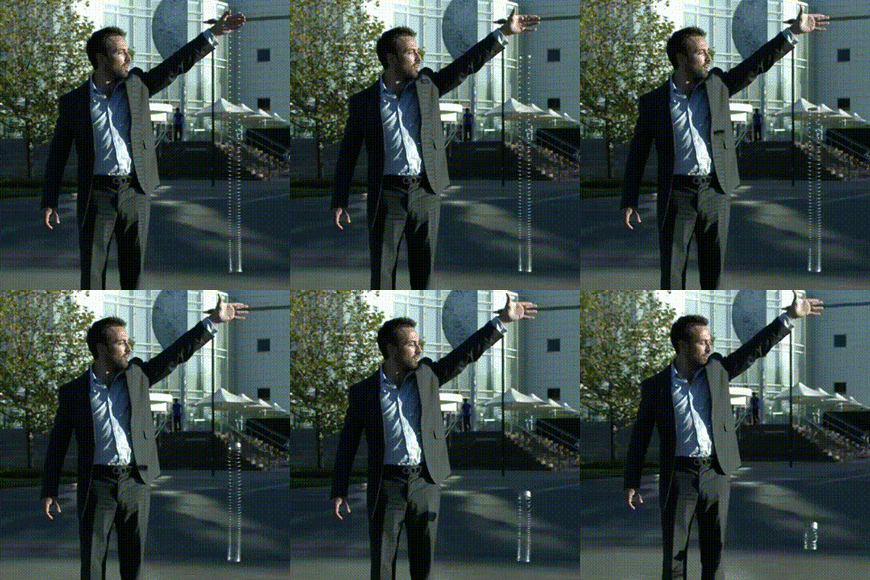
It has its pros and cons. The Fear of the Unknown can be pretty intimidating, and as a writer, that kind of dread can often cast shadows over the entire work. “If I can’t see how this comes together now, maybe it never will,” etc.
Anecdote: When I was re-learning how to drive after a good decade of living in a city where I didn’t need a car, I would essentially be on anxiety-fueled autopilot whenever I was behind the wheel, white knuckles, no blinking, the works. When I get to where I’d been going, sometimes it felt like I had blacked out for the past 20 minutes in the car.
Writing can sometimes be like that. You walk away from a sprint feeling like you have no idea what you just put down and certain you’re going to have to get rid of it all and you just wasted an hour.
But that feeling fades. I promise. After moments like that, when I go back and read my work, I’m almost always able to find something I like.
That cycle has calmed down somewhat the more and more I do this, but Slinky Brain remains. And I’m coming to terms with the idea that that may just be the type of writer I am. It’s much easier to embrace it than fight it, I can tell you that.
Now, I fear I must be going. I’ve got characters to name!
April 3, 2021
The Rule of Cool
Because I’m a person who spends a great deal of my time doing something or other with books, I tend to get lots of book articles in my news feeds. Lots of “## best/unknown books in X genre” from Tor, BookRiot, etc. And I ALWAYS look through them, because “you haven’t heard of this” is a surefire way to get me interested. Ask anyone who knew me in high school how big my obscure musical soundtrack collection was. Go ahead. Ask.
It was one of these lists that led me to Sibyl Sue Blue, by Rosel George Brown. I was immediately on board because of the cover alone.
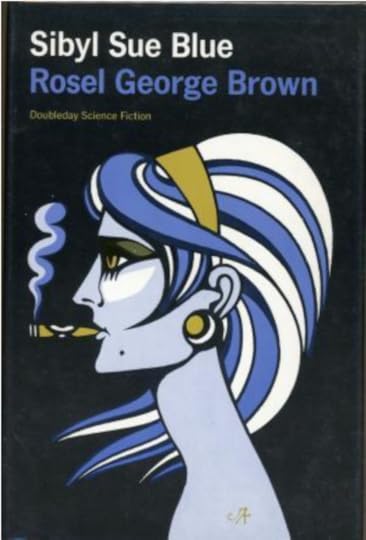
How can you walk through another person’s life and not break things?
They pushed their way through the crowd to Kally, who sat on the floor sunk in his black corduroy overalls as though they were a house in which he lived alone.
She remembered how when she was a teen-ager she always used to think she was in love before dinner, and found out after a good meal that really she’d only been hungry.
I tend to run hot and cold on vintage books. Which is surprising, seeing as my crazy quarantine purchase was a mystery lot of 20 vintage historical romance novels, which is not a genre I regularly read. I’ve read 2 of the 20 so far, and they are a lot of fun. But even comparing the 90s to today, writing styles and reader styles have changed so much. Maybe I’m the only one, but I often have a hard time following older books. Something about the pacing, they often seem to go faster than my slug brain is ready for.
Which brings us back to Sibyl Sue Blue. It was short, hectic, and quite a bit of fun, despite some dated language here and there. Which is to be expected in a book published in 1966. Sergeant Sibyl Blue is a 40 year old, smokes cigars, loves gin, and works to juggle raising her teenage daughter while tracking down the source of a mysterious virus from another planet. The very first paragraph has her punching an alien where it hurts, which as luck would have it, is the same place it is for human males. Needless to say, I was sold.
A premise like this, to me, is a prime example of the Rule of Cool. As defined by TV Tropes: The limit of the Willing Suspension of Disbelief for a given element is directly proportional to its awesomeness. The cooler an idea is, the more willing we are to buy into it.
Rule of Cool is a big factor for me when looking at books. (This does come with the caveat, “cool” is subjective, and what I love may not be what you love.) If I read a summary and my first thought is “Oh that’s cool,” consider me in. Things that might have annoyed me about a story will annoy me less if the premise is cool. Anime is great at this, particularly sports anime. Viewers may go into a series knowing nothing about volleyball/karuta/ballroom dancing, but the show makes it all so COOL that you’re binging your way through a season in one sitting.
Some of my favorite recent Rule of Cool reads:
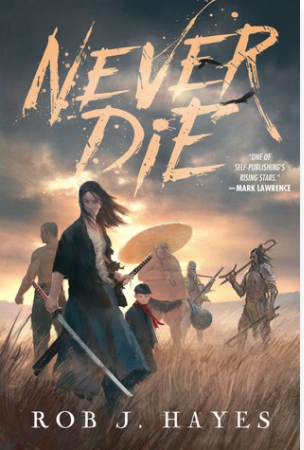
A young boy granted a power from a death god must bring back fallen heroes from the grave to fight for him against the emperor.
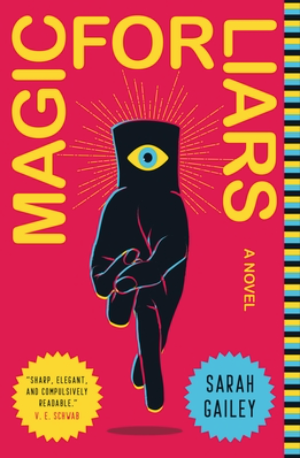
A private detective investigates a murder at a magic school where her sister teaches.
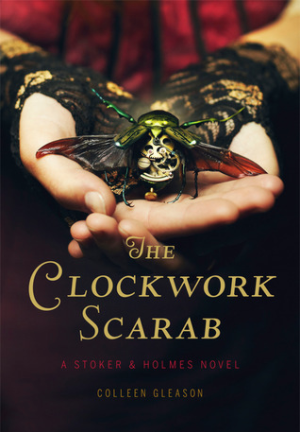
Sherlock Holmes’s niece and Bram Stoker’s younger sister team up to solve mysteries in steampunk London.
For me, these concepts just scream of COOL. I’m very hopeful that one day, I’ll be able to write something that will have Rule of Cool charm on readers. My upcoming trilogy might, but I’m still unsure if that’s the right way to pitch it? Something I’ll figure out down the road!
** air guitars away on a skateboard **
February 20, 2021
Let’s actually talk about writing.
I don’t like to write with music playing, personally. I’ve always been the type who needs near silence to think and sort out the overly loud voices that are already happening in my brain. However, when I’m not writing, I am CONSTANTLY picking through song lyrics to see if any of them match the thoughts/emotions/relationships/story of any of my characters. More often than not, I have to force it to make sense, but it can still be a satisfying discovery when you hear that song that just… *chef’s kiss* fits perfectly.
If you get nothing else out of this blog, at least give my music recommendations a chance.
I promised I’d talk more about the book, didn’t I? Here goes. The steps I’ve completed so far include:
Had the idea. Crucial. Can’t skip this one.
Wrote the draft. Remind me to talk more about drafts later.
Gave the draft to my parents to read for some much needed moral support.
Gave the draft to an anonymous beta reader for some feedback. If I’m being honest, this is one of the most pivotal steps in the whole process for me. I am 100% team Write What You Love and Write For You, but there’s still such a strong tidal wave of nerves when it comes to wondering if someone else will like what you like. Especially when you pitch the thing you’re sharing as “Dr. Quinn Medicine Woman meets Monster of the Week, cozy paranormal historical.” They don’t teach you how hard sharing can be when you’re a kid.
Worked with a developmental editor. I shipped off the manuscript and had it appraised. Judged at the county fair. Graded meat. If you’re unfamiliar, a developmental editor’s job is to review all the elements of the story (plot, pacing, story structure, characters/motivations) and let the author know what’s working, what’s not, and suggestions for improvement. This process was pretty life-changing, I will admit. Not only did I learn a lot about my own ticks and habits as a writer (coughrhetoricalquestionsasfillercough), I learned what was working in my favor. I also learned about interiority, and now I’m seeing it EVERYWHERE while reading, and I love it. And I want to get better at writing it.
Cover design! Because at this point, I needed some visuals. Hours of gazing at my story-themed Pinterest boards is one thing, I wanted to have the real thing.
Rounds and rounds and rounds of revision later…
Had my mom read the new version. Which she did in less than 24 hours. Because she’s a force to be reckoned with when it comes to reading.
Copy Editing. This is where I currently am! As of a few days ago, I sent the new manuscript over to a copy editor who will begin the process later in March. “The process” being checking for spelling and grammatical errors, repetition, voice or plot inconsistencies, etc.
After that, the book will be formatted, because no one likes reading Word Documents for fun.
And after that… marketing. The most cryptic of steps for me. Because I know nothing about the process, which is why I’m sure I’ll be getting LOTS of help. But, you know what comes after this, right?
Launch Day, babyyyyyyyyy.
There! Now you are all up to speed on where this book has been and where it’s going. It’s one of those things where it feels like it’s taken a ton of time, and yet no time at all. I’ve got such a better grasp on the whole process than I did when I was starting out. And of course, I’m sure the journey is different for everyone, but this has been mine. And I’m having a good time.
As in the aforementioned pitch, categorizing this book, Book 1, TCTT, has always been tricky, since for a Western setting, it’s quite light on grit, and thus, finding appropriate music has always been a struggle. That’s why I’m happy every day I stumbled across National Park Radio, especially this song, which is so on theme, it’s crazy. Give them a listen for some Grade A Americana.
“Every day is started with a choice
To be the one who hears or be the voice”