Martha A. Cheves's Blog, page 81
March 3, 2012
Cara Cara Smoothy
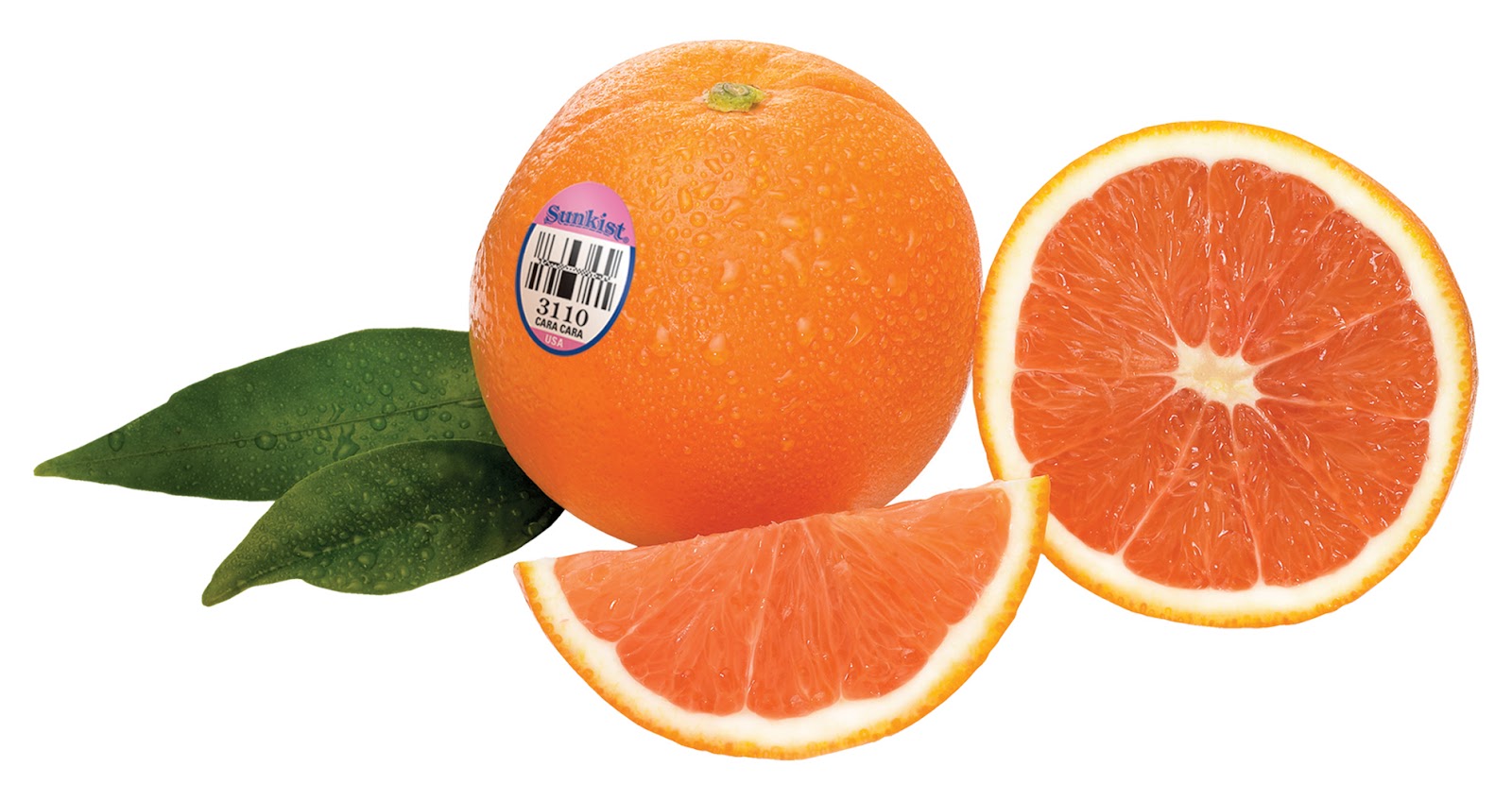
On February 27, 2012, Sunkist® held its first Cara Cara Cooking Class at Sur La Table at the Original Farmer's Market in Los Angeles. Guests rolled up their sleeves alongside renowned Chef Danhi to chop, grill, juice and candy Sunkist® Cara Cara oranges. Want to know what they cooked? Visit Sunkist to view a recap of the event.
The Cara Cara orange, also known as the "Power Orange®", is packed with vitamin A and C, fiber, folate and potassium, and lycopene: the disease-fighting antioxidant. It is a seedless orange with a tangy-cranberry like zing and it's delicious! The coloring has a slight red tint making your finished dish even more appealing.

I went to the Sunkist site to check out their recipes and decided to come up with one of my own. To do this, I enlisted the help of 3 of my grandkids and a friend. We created the Cara Cara Smoothy and boy is it good! If you don't believe these 4 kids, try it yourself.
Cara Cara Smoothy
3 Cara Cara Oranges, peeled and cut into pieces
1 1/2 cups Vanilla Yogurt
2 Tbsp. Coconut Cream
1 cup Ice
Place everything into a blender. Blend until smooth. Serve!


March 1, 2012
Roasted Brussels Sprouts
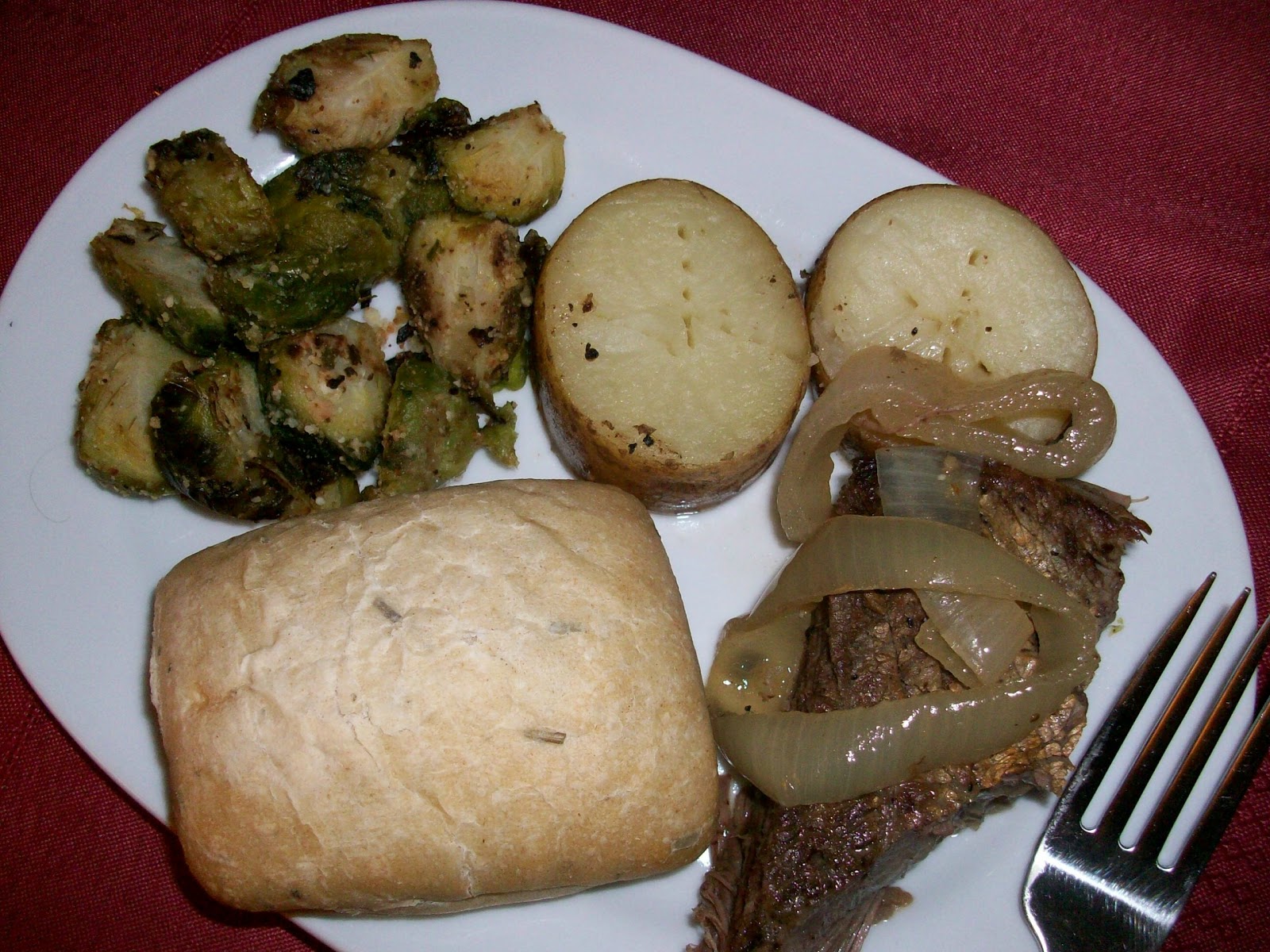
The original recipe did not include the cheese. That was my idea. You can also use Parmesan cheese instead of the Romano. You might even want to try this with broccoli instead of the Brussels sprouts. See this simple recipe by going to Martha's Recipe Cabinet.

February 28, 2012
Caramel Walnut Pie
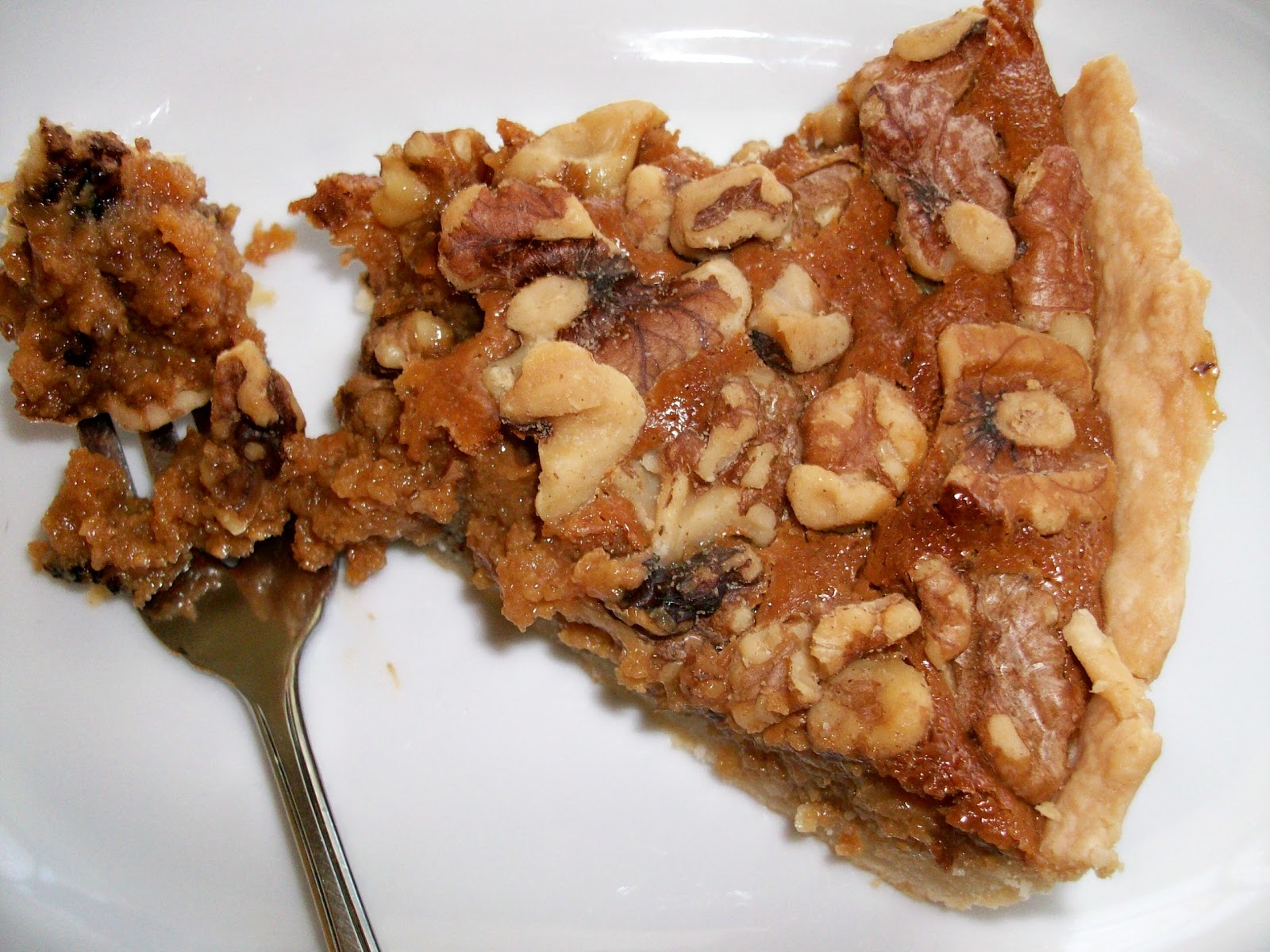
The original recipe had a different pie shell recipe. I used this crust recipe because I had used it with pecan tarts and it's wonderful! The flavor from the butter and cream cheese really accents the flavor of the pie. The original recipe also called for unsweetened chocolate to be sprinkled on the bottom of the crust before adding the filling. I omitted that ingredient. The texture of this pie is a little firmer than what you normally find in a pecan pie making it easier to cut. For changes, add the chocolate, use pecans or even peanuts instead of the walnuts. Or add some coco to the crust mixture making it a chocolate crust. One tip, I cooked my pie about 35 minutes so your cooking time will vary depending upon your oven. Also, it's important to use a thermometer to know when your filling reaches 245 degrees. See the complete recipe by going to Martha's Recipe Cabinet.

February 25, 2012
Ground Beef Dirty Rice with Shrimp

I had found a Dirty Brown Rice with Shrimp recipe that I wanted to try but when I went to cook my rice I discovered I didn't have enough brown rice to complete the dish. That's when I spotted the Vigo Saffron Yellow Rice. The original recipe called for onions and bell pepper but when I read the ingredients on the Vigo package I discovered they were already included. As I did what I tell everyone else to do 'Think With Your Taste Buds' I decided my version of the original recipe would work perfectly. Well it was almost perfect. When I tasted my dish I noticed a flavor that was missing. Since it's made with ground beef instead of sausage I knew exactly what that ingredient was - SAGE! After adding that last ingredient I had a really delicious Dirty Rice with Shrimp. One of my food testers was sure I had slipped sausage in instead of ground beef because he could taste the sage. The only thing he suggested was to add more red pepper flakes to heat it up a bit more. For me it was perfect. Find my recipe by going to Martha's Recipe Cabinet.

February 24, 2012
Martha White Blueberry Cheesecake Muffin Mix

If you've tried this product, how did you rate it? See my rating by going to The Good, The Bad, The Maybe.

February 21, 2012
Green Giant Valley Fresh Steamers

On a scale of 1 - 10 I have to give this product a 10. Want to know why? Go to my site The Good, The Bad, The Maybe and see if you agree.

February 20, 2012
Hummus Deviled Eggs
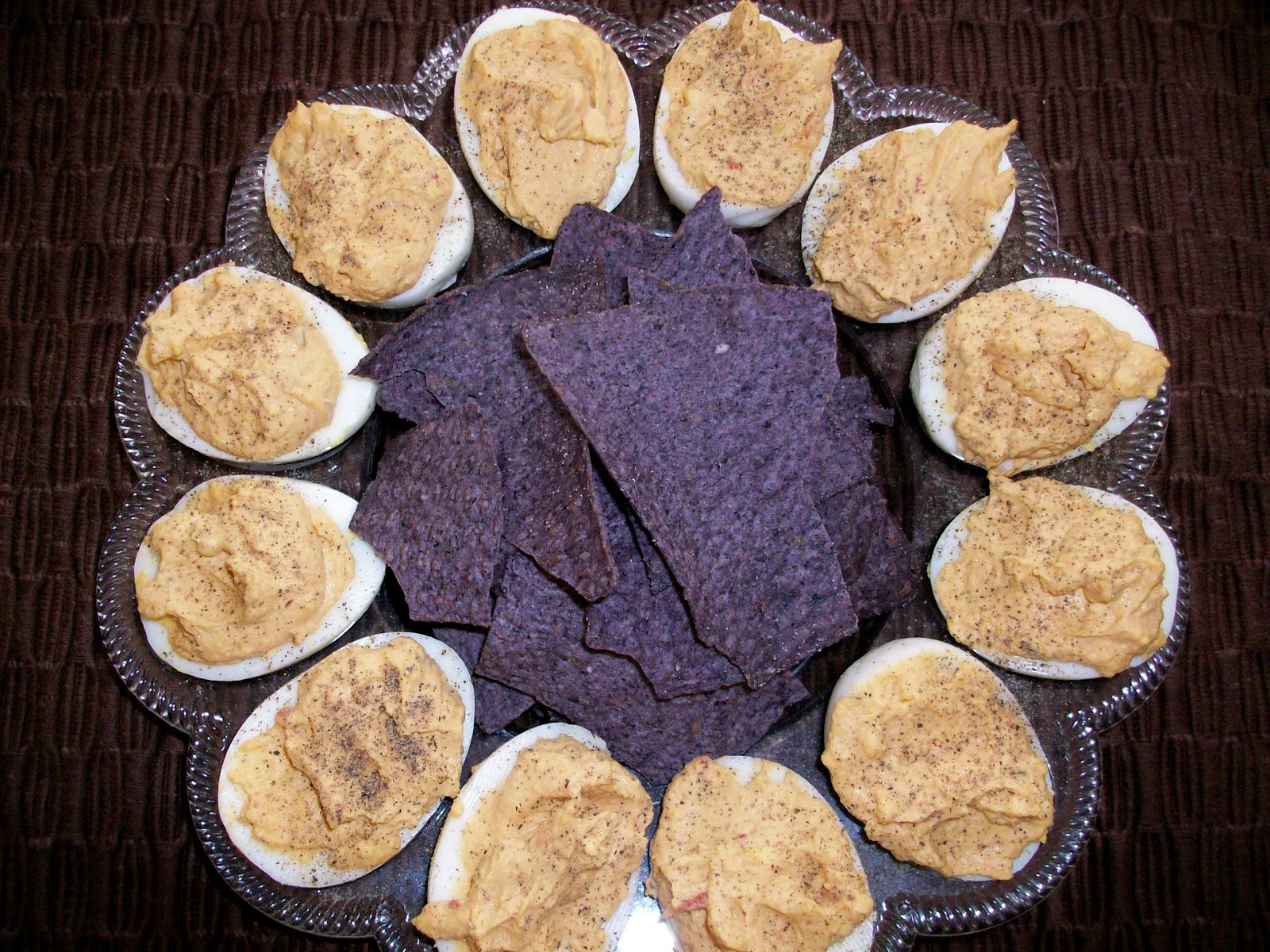
There is a simple way to change up deviled eggs. After boiling, peeling and slicing your eggs, instead of mixing the yolks with mayo, use hummus.
For 6 boiled eggs I used about 1/2 cup of smoked paprika hummus. With all the different flavors of hummus, the flavors of your deviled eggs have just been broadened. These are so easy to make and the taste is delicious! I served mine with blue corn chips. Ummmm good!

February 19, 2012
Mini-Pecan Pies
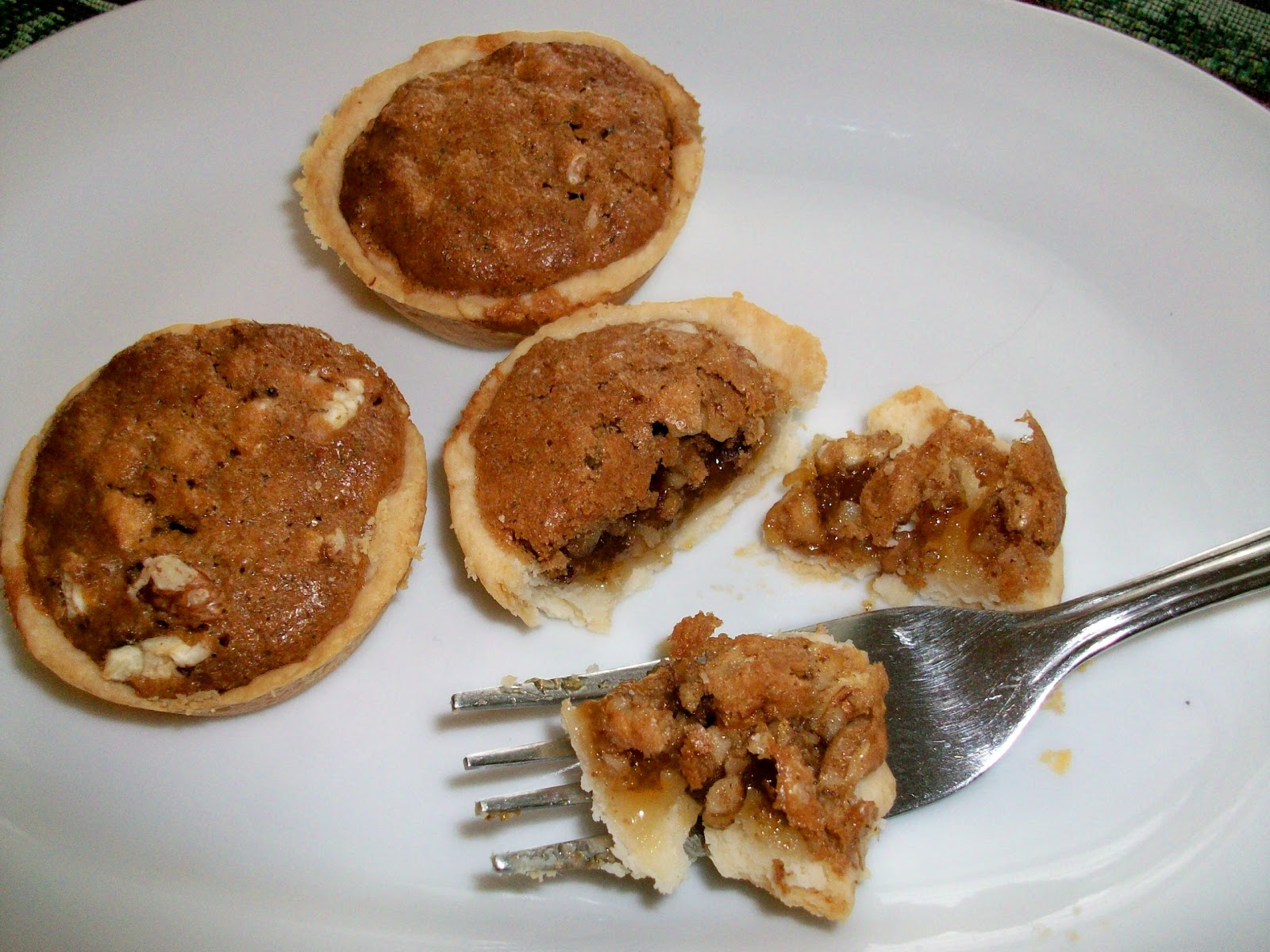
I found this recipe in a magazine and knew it had to be delicious and it is. I did delete and change a couple of ingredients. I omitted the salt in both the crust and filling. I also omitted the cornmeal that the original recipe called for in making the crust. I also increased the amount of cinnamon from a pinch to 1/8 tsp. Changes. I want to make this recipe using dried apples instead of pecans. I feel sure it will be delicious! View the full recipe by going to Martha's Recipe Cabinet.

February 18, 2012
Dressed Up Brownies
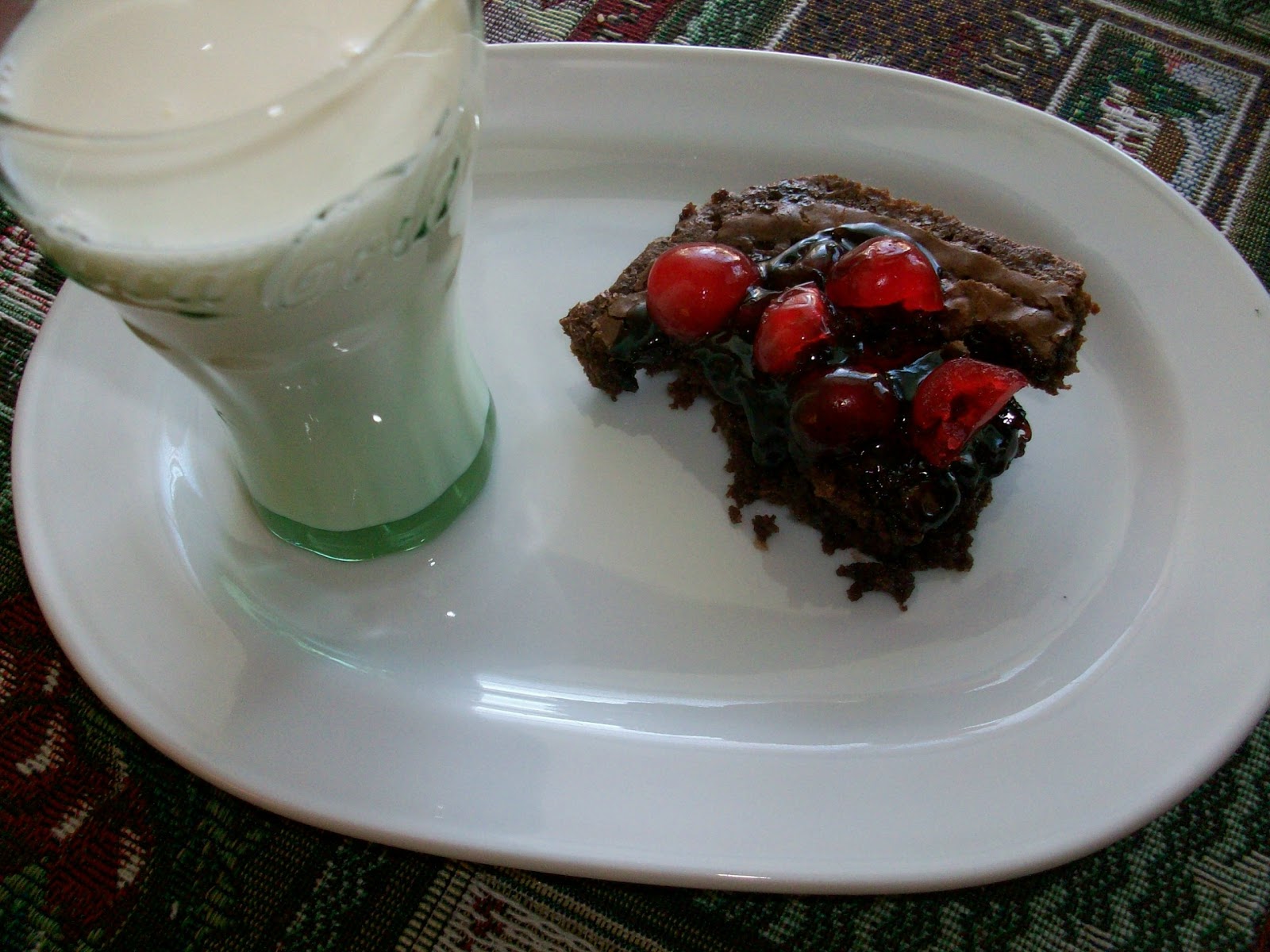
Need something just a little dressed up to serve your guests? Keep it simple. I mixed up and baked a box of brownies according to the package directions. While they were warm, not hot, I squeezed some of Duncan Hines' Amazing Glaze - chocolate. Topped them with sliced cherries and let them cool. The glaze works perfectly in holding the cherries in place. As it cools, it firms up just enough to still be moist but not runny. So, dress up your brownies with this really handy product from Duncan Hines! It also comes in vanilla which would work beautifully with the cherries or my favorite, coconut.

February 16, 2012
Rice 101 by Uncle Ben's
I've mainly eat the good old "Southern Long Grain", at least I think that's what I eat. Hopefully after reading Uncle Ben's Rice 101 I think I can now shop for rice with a little more knowledge.
Southern Long Grain Rice:
Several varieties of this rice indicate that this type of rice is grown in Arkansas, Mississippi, Missouri, Louisiana, and Texas. It's the most common type of table rice consumed in the world. It is a long slender kernel, four to five times longer than its width, and is firmer and not as sticky as medium grain varieties.
California Medium Grain Rice:
California medium grain japonica rice is also known as calrose rice and requires a temperate climate and is only grown in Japan, Korea, parts of northern China, Australia, and some countries around the Mediterranean Sea. Shorter and wider than long grain, the kernel is two to three times longer than its width, and tends to be on the softer, sticky side.
Southern Medium Grain Rice:
Southern medium grain rice is not as white, not as sticky, and not as clean tasting as japonica varities. There are consumers in places like the southern United States and Puerto Rico who like this type of rice, but they enhance its natural flavor with spices, beans, meats, and sauces.
California Mochi Rice:
Mochi rice is slightly sweeter than conventional rice, but even so, most palates would not detect any sweetness. Mochi is a specialty variety, with a small number of acres in California dedicated too growing it.
Thai Jasmine Rice:
Jasmine Rice from Thailand has a strong aroma and taste. Looking much like southern long grain rice before and after cooking, its sticky texture is much like California medium grain and will harden and lose aroma with time. Many varieties grown in the U.S. imitate this unique type of rice, but so far no one has matched it.
Indian Basmati Rice:
Grown in the northern Punjab region of India and Pakistan, this aromatic rice commands the highest price of any variety grown in the world. The raw kernel starts long and slender, but increases in length by more than three times when cooked. Indian Basmati is aged at least one year to increase the firmness of cooking texture and elongation.
Arborio Rice:
An Italian variety commonly used in risotto dishes, arborio rice is close to California medium grain in appearance and texture but is a bigger kernel with a distinct chalky center. When properly cooked, arborio rice develops a unique texture with a starchy creamy surface and a firm bite in the center.
Wild Rice:
Wild rice is a type of grass that grows a long stalk and thrives in deep water. Traditionally grown wild in the lakes of northern United States and southern Canada, it is still grown this way in Minnesota and other northern areas. All wild rice is sold with the bran on the kernel (like brown rice), giving it its black appearance.
Specialty Varieties:
In the U.S., specialty rice varieties are being grown for niche markets. There are several varieties that have been developed to perform like Thai Jasmine and Indian Basmati, as well as several varieties that have unusual bran colors like Wehani, red rice, and black rice. In California, several Japanese short grain varieties - like Akita Komachi and Koshi Hikari - are being grown.