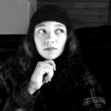
Abigail Carlysle's Blog, page 4
May 2, 2025
The Lantern I Carry: A Note from the Writer
“Even in haunted halls, there are quiet corners meant for healing.”
Lately, the ink in my pen has felt different.
Still dark, still a little eerie, but touched with something gentler. Something slower. Maybe it’s the shift in season. Maybe it’s the aftermath of quiet heartbreaks. Or maybe it’s just the natural tide of being a writer with a soul that listens when the wind changes.
For the month of May, I’m stepping slightly off the beaten path—the one lined with shadowy figures and Gothic doorways—and wandering a quieter trail. Don’t worry, the horror hasn’t left me (It never truly does, does it?). But this time, the stories I’ll be telling are a bit more inward. Less blood, more heart. Less monster, more mirror.
This May is for reflection.
For stillness, questions, healing, and honest conversation. It’s for peeling back the curtain a little and letting you see the writer behind the words. The girl with ink on her fingers and a few bruises on her heart, who believes even ghosts have lessons to teach us.
I’ll still be sharing the eerie, the mysterious, and the moody. But I’ll also be sharing what haunts me and what helps me heal. I’ll be posting a bit more of my heart this month than I’ve typically been doing, so watch out.
If you’re walking through something right now—grief, confusion, uncertainty—maybe we can sit together in the dark a while. Maybe our shadows can keep each other company.
Thanks for being here. I’m glad you are.
With candlelight and quiet courage,
Abigail 
“Sometimes, the bravest thing we can do is name the ghost and offer it tea.”


April 30, 2025
The Importance of Editing Your Novel
Writing a novel is a labor of love. Every word carefully chosen, every scene meticulously crafted. But if you think typing “The End” means you’re done, think again! Editing isn’t just about fixing typos and grammar mistakes; it’s the unsung hero of the writing process. It’s what takes your manuscript from “promising” to “polished masterpiece.” Without editing, even the most brilliant stories can end up buried under clunky sentences, repetitive descriptions (trust me, I know from experience), and plot holes big enough to swallow your protagonist whole.
The Benefits of Thorough Editing1. Improved Clarity and ReadabilityEditing is like cleaning a foggy window—suddenly, everything is clearer. It helps identify confusing or ambiguous sentences and makes sure your ideas flow smoothly. Clear, concise writing is essential for keeping your readers engaged (and preventing them from rereading the same paragraph three times, trying to decipher what you meant).
2. Enhanced Credibility and ProfessionalismNothing says “rookie mistake” like a manuscript riddled with typos and inconsistencies. Readers (and publishers) take writing more seriously when it’s polished. A well-edited novel shows that you respect your craft and your audience. After all, would you trust a chef who serves you a half-baked cake? Nope. And you don’t want your novel to be that cake.
3. Stronger Impact and EngagementA strong edit ensures your pacing is tight, your dialogue is snappy, and your plot twists hit just right. When every scene serves a purpose and every sentence is fine-tuned, your novel becomes impossible to put down. Readers will be too engrossed to notice they’ve stayed up way past their bedtime (the ultimate writer’s goal).
4. Increased Confidence and SatisfactionEditing might feel like a chore, but it’s also a confidence booster. Knowing you’ve refined your novel to the best of your ability is incredibly satisfying. Instead of cringing at past mistakes, you’ll marvel at how far your story has come. (And trust me, nothing beats the feeling of finally smoothing out a scene that’s been bugging you for months.)
Key Steps in the Editing Process1. Content Editing (a.k.a. The Big Picture Fix)This is where you focus on structure, plot holes, character arcs, and overall flow. Ask yourself: Does every scene serve a purpose? Is the pacing right? Are there any glaring inconsistencies? It’s like rearranging the furniture in a room—sometimes, you need to move things around for everything to feel just right.
2. Line Editing (a.k.a. The Sentence Surgeon)Once the big-picture elements are solid, it’s time to refine your prose. This step polishes sentence structure, word choice, and overall readability. Here’s where you catch unnecessary repetition (guilty as charged). When editing From the Ashes, my third WIP, I realized I describe things a lot—sometimes, to the point where my poor beta readers were drowning in adjectives. “We get it, Abigail, the sky is ominous.” Editing helped me rein in my tendency to overwrite while still keeping my voice intact.
3. Proofreading (a.k.a. The Final Touch-Up)This is the final polish: checking for grammar errors, typos, and formatting issues. It’s the last line of defense before your book ventures into the world. Think of it as making sure your novel doesn’t walk out the door with its shoelaces untied.
Tips for Effective Editing1. Take a BreakAfter finishing your draft, step away for a bit. Coming back with fresh eyes makes a world of difference in spotting issues you’d otherwise miss.
2. Read AloudHearing your words helps catch awkward phrasing and weird sentence flow. If something sounds off to your ears, it’s probably off for your readers, too. Also, I like to use Natural Readers to have the program read back my chapters to me. Sometimes you might even miss something with your own eyes, so it’s helpful to hear your work read back to you.
3. Use Editing Tools (But Don’t Rely on Them Completely)Tools like Grammarly and ProWritingAid are great for catching small errors, but they’re no substitute for human judgment. Your voice matters more than what an algorithm thinks is “correct.”
4. Get FeedbackBeta readers, critique partners, and editors can provide fresh perspectives. Sometimes, you’re too close to your work to see its flaws, and an outside eye can make all the difference.
ConclusionEditing isn’t just an annoying extra step, it’s the step that elevates your writing to the next level. It ensures your story is clear, engaging, and professional. So, don’t rush the process! Take your time, embrace the revisions, and watch your novel transform into the best version of itself.
Now, tell me—what’s your editing process like? Do you love it, dread it, or a little bit of both? Let’s chat in the comments!
April 25, 2025
Manipulation, Mystery, and Mayhem: I Am Her Revenge Book Review
Some books lure you in with a whisper of intrigue, a touch of mystery, and a protagonist you can’t quite figure out. I Am Her Revenge by Meredith Moore is exactly that kind of novel—a dark, psychological thriller that plays with themes of control, identity, and vengeance.
From the moment we meet Vivian, we know she’s different. Raised in near-isolation by a mother obsessed with shaping her into the perfect weapon, she’s been molded for a single purpose: one that remains a mystery as the story unfolds. She’s calculating, composed, and at times, difficult to connect with. And yet, that’s what makes her so compelling. Unlike the typical young adult heroine, Vivian doesn’t fit neatly into a box. She’s not here to make friends or find love (though romance does weave its way into the story). Instead, she’s on a mission, and watching it unravel is as unsettling as it is fascinating.
Moore’s writing is atmospheric and immersive, casting a Gothic-like haze (eee!) over the elite boarding school setting. Every interaction, every seemingly small moment feels layered with hidden intent. There’s a slow-burn tension that keeps you turning the pages, trying to piece together the full scope of Vivian’s past and what she’s truly capable of.
However, this book won’t be for everyone. Some readers may struggle with Vivian’s detached, sometimes cold demeanor. But if you enjoy psychological thrillers that explore complex characters, manipulation, and deep-seated revenge, I Am Her Revenge is a gripping read that will keep you questioning everything until the very last page.
Final Thoughts:
This novel isn’t just about revenge—it’s about the cost of it. How far can someone go before they lose themselves? What happens when the lines between victim and villain blur? Meredith Moore crafts a haunting, mind-twisting journey that lingers long after the final chapter.
Recommended For: Fans of dark psychological thrillers, unreliable narrators, and books with an eerie, slow-burn intensity. If you liked Gillian Flynn’s Sharp Objects or Holly Black’s The Coldest Girl in Coldtown, you might just love this one!
April 18, 2025
A Chilling Descent into the Unknown: The Murmurings Book Review
Carly Anne West’s novel, The Murmurings, is a chilling and captivating thriller that will keep you on the edge of your seat. The story follows the protagonist, Sophie, as she grapples with the tragic loss of her sister, Nell, who seemingly took her own life after succumbing to auditory hallucinations.
However, Sophie refuses to accept the official narrative. Convinced that there’s more to Nell’s death, she embarks on a perilous journey to uncover the truth, unraveling a web of deceit and uncovering a sinister conspiracy. As Sophie delves deeper into the mystery, she begins to experience unsettling hallucinations herself, leading others to believe she’s following in her sister’s tragic footsteps.
As a writer, The Murmurings offered me more than just an engrossing read. It provided a lesson in atmosphere and psychological tension. West’s ability to craft an eerie, unsettling mood is something I deeply admire. The descriptions are vivid yet restrained, allowing the horror to seep in gradually rather than overwhelming the reader all at once. It’s a technique I aspire to use in my own writing, letting fear creep in at the edges before it fully takes hold.
West skillfully builds suspense throughout the novel, weaving intricate foreshadowing that keeps readers guessing until the very end. The characters are complex and relatable, and their emotional journeys are deeply affecting. The delicate romance thread adds a touch of tenderness to the otherwise dark and suspenseful narrative, never overshadowing the main plot.
Another standout aspect of this novel is its unreliable reality. Sophie’s experiences blur the line between the supernatural and psychological, making the reader question what’s real and what’s imagined. This ambiguity enhances the suspense and keeps the tension high throughout the book. It’s a brilliant example of how uncertainty can be just as terrifying as the monsters lurking in the dark.
Final ThoughtsThe Murmurings is truly an immersive reading experience. I found myself completely engrossed in the story, staying up late into the night to discover what would happen next. The ending is both satisfying and thought-provoking, leaving a lasting impression.
Highly recommended for fans of psychological thrillers and YA fiction! If you love stories that blend mystery, horror, and emotional depth, this book is a must-read.
Have you read The Murmurings? I’d love to hear your thoughts!
April 9, 2025
A Haunting in Stitches: A Short Horror Story
The house exhaled around Zoe, a low, unsettling sigh that seemed to seep from the very walls. Shadows stretched and recoiled, alive in the dim light. Restless, she slipped out of bed, the floorboards groaning a soft protest beneath her bare feet.
A sliver of moonlight, sharp and cold, sliced through the hallway, casting elongated silhouettes that wavered and danced like phantoms. She paused, heart hammering, straining to listen.
There it was again.
A faint, rhythmic clicking echoed through the stillness, burrowing into her subconscious. Steady. Deliberate. Two thin needles clicking together in a familiar cadence. Her breath hitched.
She knew that sound.
A chill, sharper than the night air, nipped at her skin as she descended the stairs. The living room was bathed in a dim, amber glow from a single lamp, its weak light stretching shadows into grotesque forms. And there, in the heart of the room, sat the rocking chair.
It was old, the worn velvet a testament to years of gentle use. It was Damaris’ chair—always her chair. Zoe remembered the way her grandmother’s hands would grip the carved wooden arms, the soft creak as she rocked, a comforting rhythm that filled the house.
But tonight, the creak was different. Lower. Darker. A guttural groan that resonated deep within Zoe’s bones.
And there was something else.
The scent of stale lavender curled in the air, clinging to the edges of memory. Under the clicking needles, a faint hum. Off-key. Uneven. Like a voice trying to remember a tune.
Damaris sat in the chair, her back to Zoe. She was knitting, the needles flashing like tiny silver teeth in the dim light. She looked almost like she had in life. Almost. Her posture was too rigid. Her movements, too precise. The clicking of the needles was a metronome in the silence, each tick a tiny hammer against the inside of Zoe’s skull.
A terrible pressure coiled around her ribs.
I should’ve stayed. I should’ve—
Zoe swallowed hard, her throat dry.
“Grandma?”
The needles paused mid-stitch. The silence stretched between them, thick as fog. Then, slowly, agonizingly slow, Damaris turned.
Zoe’s breath hitched. Her grandmother’s face was eerily pale, her skin waxy under the dim light. But it was her eyes that sent a lance of ice through Zoe’s spine.
Dull. Vacant. The hollow gaze of a porcelain doll.
Unseeing. Yet piercing straight through her.
Damaris didn’t speak, but the unspoken words hung heavy in the air: Why didn’t you come back?
Zoe’s knees nearly buckled. A flood of memories surged forward—Damaris’ slow decline, the hospital visits, the sterile beeping of machines. And then their last conversation. A petty argument. A slammed door. The cruel sting of the words she had shouted in anger: I hate you.
She had never come back.
A lump formed in her throat, thick and suffocating. “I—” Her voice cracked, barely a whisper. “I’m sorry.”
Damaris watched her, unmoving. Then, as if in answer, she lifted the knitting in her hands.
Zoe’s stomach twisted.
A long, dark scarf. The texture rough and uneven, riddled with gaping holes and frayed edges. The thread trailed from the needles, winding down to the floor, slithering toward Zoe like an inky tendril.
She took an involuntary step back.
Damaris reached out, her fingers curling, beckoning Zoe closer. The air grew colder, thick with something unseen, pressing down on Zoe’s chest. The shadows in the room deepened, coiling along the walls. The rocking chair groaned again, its sound warping into something more human—a sigh, a whisper, a lament.
Zoe wanted to run. To scream. But her feet remained rooted to the spot. She wanted to apologize, to beg for forgiveness, but the words caught in her throat like barbed wire. The thread from the scarf slithered closer, wrapping around her ankle with a delicate pull.
It was so cold. So impossibly cold.
Then, she was gone.
The chair rocked once more before settling into stillness. The knitting needles clattered to the floor, and the scarf—unfinished, unraveling—lay limp at Zoe’s feet.
It twitched.
Zoe staggered back, her pulse hammering in her ears. The thread coiled slightly, as if drawing breath, before stilling once more.
The only sound was the soft sigh of the wind outside.
Zoe sank to her knees, her hands trembling as she reached for the scarf. The wool was coarse beneath her fingers, the holes and loose stitches telling a story of something abandoned. Something left undone.
Tears blurred her vision as she clutched it to her chest.
The weight of regret was heavier than any ghost.
The house, silent once more, seemed to hold its breath
April 7, 2025
Back for Seconds: A Bad Girls Don’t Die Book Review
As a writer, reading books isn’t just about entertainment. It’s about learning, dissecting, and appreciating the craft. My experience rereading Bad Girls Don’t Die: From Bad to Cursed reaffirmed why YA horror captivates me so much. The balance between psychological tension and dark humor is something I aspire to incorporate into my own work.
One of the biggest takeaways from this book is character development. Alexis isn’t just a protagonist thrown into a supernatural whirlwind; she’s a real, flawed teenager. Her struggles with identity, belonging, and friendship feel genuine, making the horror elements even more impactful. This reminds me how essential it is to ground the extraordinary in the ordinary. Real emotions make supernatural threats hit harder.
What truly sets this story apart is Alender’s ability to blend horror and humor. The sarcasm and witty exchanges between her characters provide much-needed levity amidst the supernatural dangers. The relatability of the characters honestly inspires me to make my own characters relatable to readers, too!
Alender also excels at pacing. The novel flows effortlessly, keeping the reader engaged with just the right amount of suspense and eerie imagery. As a writer, I admire how she builds tension without overwhelming the reader, something I plan to keep in mind for my own storytelling.
This review marks the beginning of my journey into analyzing books with a writer’s eye. I hope to not only share my thoughts on stories I love but also learn from them to strengthen my own craft. If you’ve read Bad Girls Don’t Die: From Bad to Cursed, I’d love to hear your thoughts! And if you haven’t—what are you waiting for?
March 26, 2025
From Personal Struggles to Page: Unveiling My Novella, Midnight Chase
“There was a time when I thought surviving was the same as suffering. Now, I understood that surviving was a rebellion, a way of telling the darkness it didn’t win.” ~ Daniella Torres, Midnight Chase
Writing Midnight Chase has been a deeply personal journey. It’s more than just my fourth WIP and first novella. It’s a psychological horror story interwoven with surrealism, reflecting my own experiences with emotional abuse, loss, and self-discovery. Through the fictional lens of my protagonist, Daniella Torres, I explore the aftermath of a toxic relationship, the grief of losing a beloved pet, and the struggles of addiction. This book is not only a work of fiction; it is a reflection of pain, healing, and catharsis.
The Inspiration Behind Midnight ChaseAt its core, Midnight Chase is rooted in real, personal experiences. It’s a story shaped by my own journey through trauma, emotional abuse, and heartbreak. I’d been open about my past relationship: the manipulation, the control, and the slow unraveling of my sense of self. Daniella’s struggles mirror that experience, not just in the wounds inflicted by someone else, but in the process of reclaiming her identity and strength.
Grief is another major theme. My family and I lost our first dog, Myla, when she was ten years old. She had cancer, and we had to make the heartbreaking decision to put her to sleep. That moment, sitting in the veterinarian’s office and knowing there was nothing more we could do, has stayed with me. My ex-fiancé didn’t understand the depth of that grief, and that lack of empathy only deepened the pain.
Although I haven’t personally struggled with alcohol addiction, I have faced the temptation to use it as an escape. Daniella’s battle with addiction in Midnight Chase is a reflection of that internal conflict—the desire to numb the pain versus the fight to stay in control. Writing this novella became my way of processing all of these emotions, allowing me to gain clarity and perspective. It reminded me that strength isn’t about avoiding the pain but about facing it head-on, which I’m learning to do.
Themes and MessagesBeyond its horror elements, Midnight Chase carries themes that resonate deeply with me:
Overcoming adversity – No matter how dark things seem, there is always a way forward.Finding hope and resilience – Even in our lowest moments, we have the power to rise again.The importance of self-care and mental health – Healing is a process, and seeking support is not a weakness but a strength.Breaking free from the past – Letting go doesn’t mean forgetting; it means choosing to move forward without allowing the past to define you.My hope is that readers who have experienced toxic relationships, loss, and/or personal struggles will find a piece of themselves in this story. That it reminds them they are not alone, and that survival is not just about enduring—it’s about reclaiming your power.
The Writing ProcessWriting Midnight Chase was both cathartic and emotionally demanding. One of the most challenging scenes to write was Daniella’s visit to the veterinarian’s office—the moment she learns there is nothing more that can be done for her dog. It mirrors my own experience with Myla, and reliving that pain while writing required me to take several breaks before I could continue.
Music played a huge role in my writing process. Sia’s Colour the Small One album was one of my biggest inspirations. I had listened to it before, but after my breakup, the songs hit differently. They became a soundtrack to my healing process, and in many ways, to Daniella’s journey as well.
Interestingly, I never really experienced writer’s block while working on this novella. There was so much I wanted—needed—to pour into this story. The real challenge was stepping away when the memories became too overwhelming. But through that, I learned that writing was not just an escape; it was a way of reclaiming my own narrative.
A Note to ReadersMidnight Chase is deeply personal, but I know I’m not the only one who has faced these struggles. If you have ever endured emotional abuse, suffered the loss of a beloved pet or loved one, or felt like you were drowning in the weight of your past, I hope this story speaks to you. I hope it reminds you that survival is not just about getting through the pain but about standing up and declaring that the darkness did not win.
I would love to hear your stories, your experiences with resilience, healing, and finding hope. We all have battles, but we don’t have to fight them alone. I’m not alone and neither are you, dear reader ♡
Stay ConnectedIf you’d like to follow my writing journey, stay updated on Midnight Chase, or simply connect with me, I invite you to follow along on my Instagram and Threads accounts. Let’s navigate this journey of storytelling, healing, and self-discovery together.
Thank you for being here. Your support means more than you know ♡
March 19, 2025
Moonlit Hunger: A Short Horror Story
Everyone thinks I’m normal, but no one’s ever seen me at midnight.
They see me during the day, walking the quiet streets, waving politely at neighbors. They know me as the girl who works at the bookstore, the one who never stays out too late, the one who smiles just enough to be polite but never enough to invite further conversation.
But at night? When the sky darkens, and the world turns quiet?
That’s when I go.
The moon calls me, and I go, to refresh what remains of myself and live like I’m alive again.
1.It starts with a hunger. Not the kind that gnaws at your stomach, but something deeper, more primal. It sits beneath my ribs, curling around my bones, stretching thin my patience. The craving wakes with the sunset, growing stronger as the stars appear.
By eleven, I’m restless. By eleven-thirty, my hands shake.
By midnight, I go.
I slip from my house, barefoot, silent. The wind moves through the trees, whispering secrets, rustling the dead leaves along the road. The air is cool against my skin, but I don’t shiver. I’ve forgotten how to feel cold.
My feet take me beyond the town limits, past the shuttered gas station and the old railroad tracks. No one comes out here anymore. Not since the disappearances. Not since people started whispering about the woods, about the things that move within them.
I know what waits in the dark.
I know because I am one of them.
2.The trees stretch high above me, their branches clawing at the sky. Moonlight filters through in scattered beams, illuminating the path I always take. It’s the only light I need.
The others are waiting. I smell them before I see them—earthy, damp, tinged with something sharp and metallic. Like blood dried into the roots of the forest floor.
A figure emerges from the trees, moving in the unnatural, liquid way of something that was once human but no longer remembers how to be. Its skin is pale, its eyes black pits that reflect no light.
“You’re late,” it murmurs.
“I know.”
My voice is different out here. Rawer. Closer to what I used to be before I learned how to walk among the living.
The others step forward, four of them tonight, their faces stretched into something that resembles hunger, or perhaps longing. Their names are lost to me, but their presence is familiar. They are like me.
Or, at least, they were.
We move together, deeper into the woods, where the trees grow thicker, where the air is heavy with the scent of damp earth and rot. My pulse quickens, my breath coming faster. The hunger sharpens, coils tighter.
It’s almost time.
3.We reach the clearing, the place where the moonlight spills onto the ground like silver fire. The remnants of an old house sit in the center—only the foundation remains, a circle of stone barely visible beneath the overgrowth.
This is where it always happens. Where we refresh.
The others drift forward, their bodies moving with unnatural grace, their limbs bending in ways that would shatter a human form. I let myself do the same, shedding the last remnants of the careful, calculated posture I wear during the day.
My fingers elongate, my nails sharpen. My mouth stretches wide, splitting at the corners.
I have waited all day for this.
A sound shatters the silence—the snap of a twig.
We freeze.
A heartbeat later, the scent reaches us: human.
Alive. Warm. Breathing.
A boy stands at the edge of the clearing, eyes wide, breath ragged. He couldn’t be older than seventeen. His hoodie is too thin for the cold night air, and his sneakers are caked in mud. He wasn’t meant to be here.
But now that he is, he won’t leave.
The others shift, their bodies tensing in anticipation.
I step forward first.
The boy takes a shaky step back, but he doesn’t run. I wonder if he even realizes he should.
“You shouldn’t be here,” I tell him. My voice is wrong now, too many layers, too much hunger laced between the words.
“I—I heard voices,” he stammers. “I thought—”
“You thought wrong.”
The air is electric, the tension so thick I can almost taste it.
I could let him go. I could tell him to turn around, to run, to never come back.
But I won’t.
Because I’m so hungry.
And now that he’s here, I can be alive again.
4.It’s over quickly.
He tries to run, but he doesn’t make it far. The others are too fast. We are on him before he can even scream.
His warmth floods me, fills me, revives me.
For a few moments, I remember what it is to be real. To have a heartbeat that means something, to breathe air that doesn’t feel stolen.
I close my eyes and let it wash over me.
When I open them again, the body is already unrecognizable. The others have finished their part. Soon, there will be nothing left to find.
We never leave anything behind.
The hunger fades, satisfied—for now. My skin smooths, my fingers shrink, my mouth returns to its normal shape. I take a deep breath, stretching, relishing the feeling of being whole again.
Around me, the others are already slipping away, returning to the shadows. They will rest now. Until the hunger returns.
Until tomorrow.
5.By morning, I am normal again.
I brush my hair. Dress in warm clothes. Walk to the bookstore as the sun rises.
The town will hear about the missing boy soon. They will whisper, wonder, worry.
They will never suspect me.
Because everyone thinks I’m normal.
But no one’s ever seen me at midnight.
March 14, 2025
Building Haunted Houses: History and Atmosphere
A house can be more than walls and windows—it can breathe, whisper, and remember. Some of the most terrifying stories in horror revolve around haunted houses, where the very structure holds secrets, tragedies, and entities that refuse to leave. Think of The Shining’s Overlook Hotel, the malevolent spirits of Sinister, or the claustrophobic dread of The Others. These places linger in the reader’s mind because they aren’t just haunted; they are the horror.
A well-crafted haunted house isn’t just a backdrop. It’s a character in its own right, shaping the fear, atmosphere, and psychological descent of those who dare to enter. In this post, we’ll explore how to build a haunted house that lingers long after the final page.
The Foundation: Setting the StageHistory & Lore: Every House Has a StoryA haunted house is more than its ghosts; it’s a place marked by tragedy, mystery, and time. To create a chilling setting, consider its backstory: what happened here that left a scar?
Tragic Events: Murders, suicides, disappearances, or family secrets buried beneath floorboards.Ancient Curses & Dark Rituals: Perhaps someone invoked something they shouldn’t have.Historical Significance: A former asylum, an abandoned boarding school, a war-torn battlefield—places where pain lingers.Weaving this history into the narrative makes the haunting feel grounded. In my novel From the Ashes, Hill Manor is a house layered in history, its past stretching between the Victorian era and the Salem Witch Trials. The manor isn’t just haunted. It carries generational guilt, betrayal, and an entity seeking retribution. Readers uncover its past through whispered legends, unearthed journals, and chilling discoveries, much like real haunted houses that leave behind fragments of their past.
Atmosphere: Dread in Every DetailA haunted house must feel unsettling before anything overtly supernatural happens. Here’s how to set the mood:
Isolation & Remoteness: A house at the edge of town, a decaying mansion in the woods, or an abandoned estate no one dares to visit.Decay & Neglect: Peeling wallpaper, broken chandeliers, mold creeping up the walls—decay mirrors the house’s haunted soul.Unsettling Sounds: The groan of shifting wood, wind whispering through cracks, faint laughter from an empty room.Eerie Lighting: Candles that flicker without wind, shadows that stretch too far, an ever-present dimness that swallows color.The trick is subtlety. Let the unease build before revealing the true horror.
Haunting Elements: Bringing the House to LifeSupernatural Entities: Who (or What) Haunts It?What kind of presence lingers in the house? Understanding the entity’s motivation adds depth to the horror.
Revenge: A spirit wronged in life, now seeking justice—or blood.Despair: A lost soul, trapped by sorrow or unfinished business.Possession: A malevolent force, using the house as a hunting ground.In From the Ashes, the entity isn’t just a ghost. It’s something more insidious, fueled by betrayal and the echoes of an ancient curse. One of my characters, wronged during the Salem Witch Trials, is neither fully victim nor villain. They are bound to the place where they once lived by rage and sorrow, their presence growing stronger through each generation.
Paranormal Activity: The Unseen TerrorThe best hauntings don’t rely on jump scares—they seep into the mind. Use subtle, escalating occurrences:
Unsettling Sounds: Whispers in an empty room, footsteps overhead when no one is upstairs.Objects Moving: A rocking chair swaying on its own, a doll appearing in different rooms.Apparitions: Fleeting figures in the corner of the eye, shadows that move without cause.Strange Occurrences: Clocks stopping at the same time every night, cold spots with no explanation.Each event should make the characters (and readers) question reality. Is it the house, or is it all in their minds?
Psychological Haunting: The Mind is the True BattlegroundThe most chilling haunted house stories aren’t just about ghosts. They’re about how the house changes those who enter. A truly terrifying experience includes:
Paranoia: Characters begin questioning what’s real.Isolation: The house cuts them off from the outside world.Loss of Sanity: The lines between past and present, living and dead, blur.A haunted house isn’t just about what lurks in the dark—it’s about how the darkness creeps inside them.
Crafting the Perfect Haunted House ExperienceSensory Details: Let the House BreatheGreat horror engages all the senses:
Sight: Shadows stretching across walls, old portraits whose eyes seem to follow.Sound: A child’s laughter echoing in an empty corridor, a piano playing itself in the middle of the night.Smell: Musty air, rotting wood, the faint scent of something burning.Touch: The icy brush of fingers on the back of the neck, the sticky feel of cobwebs against skin.Taste: Dust in the air, the metallic tang of fear.These details immerse the reader, making them feel trapped in the house too.
Symbolism: The House as a Reflection of Its OccupantsA haunted house can be more than just a setting. It can mirror the protagonist’s fears, guilt, or unresolved trauma.
A house falling into decay could represent a character’s crumbling mental state.A locked door could symbolize a buried memory waiting to resurface.A never-ending hallway could represent a character’s feeling of being trapped in their past.In From the Ashes, Hill Manor embodies lingering generational wounds. The house remembers its past, its corridors holding whispers of betrayal and loss.
Pacing & Tension: The Slow Creep of FearThe best haunted house stories don’t start at full speed. They build, layering unease before delivering terror.
Start Small: A flickering light, a door left open that was just closed.Increase the Uncertainty: Disembodied whispers, missing time, shadows moving wrong.Deliver the Horror: Full-bodied apparitions, violent poltergeist activity, the realization that something has always been watching.Let the reader feel the characters’ growing dread—make them hesitate before turning the page.
Haunted House ExamplesHill House from The Haunting of Hill House by Shirley Jackson: This iconic Gothic novel explores the psychological and supernatural terrors experienced by a group of people invited to spend time in the notoriously haunted Hill House. The house itself becomes a malevolent entity, playing on the fears and insecurities of its inhabitants.The Overlook Hotel from The Shining by Stephen King: This sprawling hotel, isolated in the Colorado mountains, is a character in its own right. Its grandeur and isolation amplify the descent into madness of Jack Torrance, the caretaker, who is slowly corrupted by the hotel’s dark history and supernatural forces.The Grudge House: This Japanese horror film franchise centers around a cursed house where a vengeful spirit (Kayako Saeki) resides. Anyone who enters the house is doomed to be cursed and ultimately meet a grisly fate. The house itself is a character, a malevolent entity that actively seeks out and claims new victims.These examples demonstrate how haunted houses can be more than just spooky settings; they can be active participants in the story, driving the plot and influencing the characters’ fates.
ConclusionA haunted house isn’t just a place—it’s an experience. Its history, atmosphere, and supernatural elements work together to create a story that lingers, much like the ghosts within its walls. Whether your house is ancient and crumbling or sleek and modern with dark secrets, it should feel alive in its own right.
In From the Ashes, Hill Manor is a place where history refuses to rest, where past and present collide, and where the hauntings are more than just spectral—they are deeply personal. But every haunted house has its own story, waiting to be unearthed.
Now it’s your turn: what would your perfect haunted house look like? Share your thoughts in the comments below!
One More Thing…If you’re interested in researching more about how to write the perfect haunted house, I’ve included some suggested reads and resources here:
The Haunting of Hill House by Shirley Jackson: A classic haunted house story that explores psychological horror and the power of suggestion.The Turn of the Screw by Henry James: A chilling novella about a governess who believes she sees ghosts in the house where she works.Danse Macabre by Stephen King: While not solely about haunted houses, this non-fiction work delves into the nature of horror and how it affects us.Bird by Bird by Anne Lamott: Offers valuable advice on the writing process in general, including overcoming fear and finding your voice.On Writing by Stephen King: Another classic from King, this memoir shares his insights on the craft of writing, including plotting, character development, and overcoming writer’s block.Articles on Haunted Locations
America’s Most Haunted Places by Ranker: This website has a vast list of allegedly haunted locations across the United States, with accompanying photos and stories.The 10 Most Haunted Places in the World by Travel + Leisure: This article explores some of the most famous haunted sites globally, offering brief histories and intriguing details.Haunted Houses: A Brief History by History.com: This article provides a historical overview of the concept of haunted houses and their cultural significance.March 7, 2025
The Power of Community for Writers
Writing can be a solitary pursuit, but it doesn’t have to be. While the image of a writer hunched over a desk, lost in their own world, is a familiar one, the truth is that storytelling thrives in connection. Some of the greatest authors, from Tolkien and Lewis to the Brontë sisters, surrounded themselves with other writers who inspired and challenged them. Having a supportive community can make all the difference in a writer’s journey.
Whether you’re looking for motivation, feedback, or simply a place where people get you, building a writer’s community is one of the most valuable things you can do for your craft. Let’s explore why it matters and how to create your own space for support, learning, and growth.
The Benefits of a Writer’s CommunityMotivation and AccountabilityLet’s be honest. Staying disciplined with writing can be tough. Life gets in the way, self-doubt creeps in, and suddenly, that project you were so excited about collects dust. A writing community helps by providing:
Writing sprints – Friendly timed challenges to boost productivity.Accountability partners – Someone to check in with, making sure you stay on track.Peer feedback – A fresh set of eyes to help strengthen your work.Knowing you have people rooting for you (and expecting progress updates!) can keep you moving forward.
Learning and GrowthNo writer is an island. We grow by sharing knowledge, receiving feedback, and learning from others. Some of the best ways to do this include:
Workshops and critique groups – Perfect for honing your skills.Mastermind groups – Small, focused gatherings where writers share strategies and challenges.Online forums – Places like Reedsy, Scribophile, and Goodreads offer discussions, resources, and critique opportunities.Every conversation, critique, or piece of advice you receive can shape your writing in unexpected ways.
Inspiration and SupportWriting is an emotional process. It’s exhilarating and exhausting, fulfilling yet frustrating. Having a community means you don’t have to navigate the highs and lows alone. Imagine having people to:
Celebrate your wins – Whether it’s finishing a chapter or landing an agent.Encourage you through setbacks – Because rejection and self-doubt are part of the process.Share experiences – Realizing other writers face the same struggles makes the journey feel less isolating.Your writing family can be a lifeline on tough days.
Networking OpportunitiesConnections can open doors. A strong writing network can lead to:
Collaborations – Co-writing projects, anthologies, or guest blog opportunities.Publishing deals – Learning about opportunities or getting referrals.Speaking engagements – Sharing your insights at events or panels.Sometimes, the right community can lead you to unexpected (and incredible) opportunities.
Strategies for Building a Writer’s CommunityOnline PlatformsThe internet makes it easier than ever to connect with fellow writers. Some great places to start:
Social Media Groups – Facebook, Instagram, and Threads are great for finding like-minded writers.Online Forums – Reddit (r/writing, r/destructivewriters), Goodreads writing groups.Writing Communities – Reedsy, Scribophile, and even MasterClass (which I vow to try soon!).In-Person GroupsSometimes, nothing beats face-to-face interaction. If you thrive in real-world settings, try:
Writing workshops – Many libraries and bookstores host them.Local writing groups – Meetup.com or word-of-mouth can help you find them.Cafés and co-working spaces – If you’re in Georgia, I highly recommend Atlanta Bread in Smyrna—it’s like a cozier Panera Bread, and they even have rooms for meetings and get-togethers.Online EventsVirtual communities can be just as engaging with:
Writing sprints – Live-streamed or hosted in private groups.Virtual conferences – Many writing organizations host online summits and Q&A panels.The key is to find (or create) a space where writers engage and uplift each other.
Tips for Maintaining a Healthy CommunityRespectful CommunicationA thriving community is built on kindness and constructive feedback. This ties into my blog post from January about the power of words—what we say can build someone up or tear them down. When offering feedback, be honest but encouraging. Constructive criticism should help, not harm.
Active ParticipationA community isn’t just about joining—it’s about engaging. Keep your group active by:
Encouraging discussions.Organizing events.Checking in on each other’s progress.Celebrate SuccessesEvery writer’s journey is different, and so are their milestones. Whether someone lands a book deal or simply finishes a tough scene, take the time to celebrate.
Be Patient and PersistentCommunities don’t form overnight. It takes effort, consistency, and time. But the rewards? More than worth it.
ConclusionWriting doesn’t have to be a lonely pursuit. A strong community offers motivation, inspiration, and invaluable opportunities. If you haven’t found your writing family yet, take that first step—join a group, start a conversation, or even create your own.
And if you already have a community? Engage with it, nurture it, and watch how it transforms your writing journey.
I’ve recently joined a couple of online writing communities and they’re currently small groups, but I will say they are the best groups I’ve been in. I’m surrounded by not only other writers, but also poets, artists, and even indie filmmakers. It’s truly amazing seeing all these creatives coming in support of each other and I couldn’t be prouder to be a part of these wonderful writing communities.
What’s your experience with writing communities? Drop a comment below. I’d love to hear your thoughts!