Gregory Charlop's Blog, page 4
May 3, 2020
Depression and the retired athlete
It's happening more often. You walk into your kitchen and rifle through the utensil drawer. Frustrated, you stare at the spatula in your hand. What is this thing? You just used it yesterday, and now you can't remember the name.
Later that afternoon, your friends call and invite you to play golf. Hitting the links used to be your favorite retirement activity, but now it holds little interest. Why bother going? You'll probably have a terrible game and friends don't want you there anyway. Better to stay home and sit on the couch.
----
Our retired athletes are struggling. They left everything on the field, and now they're paying the price. Far too many suffer from depression, memory loss, and apathy. Here's the grim data.
Former pro football players
The results are in. Retired pro football players, particularly those with repeated head trauma, battle depression and cognitive impairment later in life. One study found that retired pro football payers aged 30-49 experienced memory problems 19-times more often than age-matched controls. Memory loss in retired players can range from embarrassing forgetfulness to major career and life impairments. It can be challenging to find a new job, maintain a family, or care for yourself if you forget names, plans, or where you left the car keys.
Brain scans reveal that former professional football players often endure a loss of brain matter and decreased brain blood flow. These changes make it harder for former athletes to find words and recall names. Their brains appear aged.
Beyond football
It's not just football. Retired athletes throughout the sports world should worry about their long-term brain health. Ice hockey, soccer, and rugby players are subjected to repeated head trauma. Many go on to develop chronic traumatic encephalopathy (CTE).
These injured former athletes have to deal with sleep disturbances, depression, anxiety, and distress. Things get worse with each concussion. Symptoms of CTE were 50% more common in athletes with more than three concussions.
Regardless of the sport, head injuries take a toll. After the final whistle is blown, athletes of all stripes often spend their retirement dealing with chronic pain and musculoskeletal problems. The combination of repeated head trauma with physical injuries increases the risk that a former player will suffer from depression and psychological distress. Combined with the lingering impact of CTE, these former players face many challenges.
Depression
Beyond brain fog and memory loss, many former football players battle depression. Injured retired players struggle with pessimism, guilt, loss of pleasure, indecisiveness, decreased energy, lower sex drive, and difficulty concentrating. These injured athletes are eight times more likely to feel sad and are twice as likely to have a sleep disturbance than the general population.
The risk of depression appears to be related to how often former players experienced a concussion. Those with no concussions had a 3% risk of depression, while more than one in four players with 10+ concessions were depressed. Another study found that those with three or more concussions had triple the risk of depression compared with controls.
Depression is a devastating and misunderstood illness. Since there is no blood test or x-ray for depression, it is often misdiagnosed. Well-meaning friends and relatives don't understand how it feels to have depression. They can't relate to the sufferer's constant feelings of sadness, hopelessness, and guilt. That's why people with depression often struggle alone.
All former college athletes are at risk
The problems aren't limited to professional sports. Concussions harm our college athletes. We know that college athletes who sustained concussions are more likely to struggle with depression, impulsiveness, and aggression. As a result, they'll have a harder time forming meaningful relationships, holding down jobs, and securing their financial future.
Concussions aren't the only problems for our former college athletes. Injury, declining athletic performance, and involuntary termination from the sport put our college athletes at the greatest risk for long-term problems with mental health.
As supporters of retired athletes, we must do better. We need to be vigilant for signs of depression, including sadness, guilt, hopelessness, and loss of interest in formerly enjoyable activities. If you spot signs of possible depression, brain fog, or forgetfulness, encourage the former athlete to visit their doctor or mental health professional.
The good news is that there is hope. We have a variety of treatments for depression and CTE, and new ones are developed by the day. Together, friends, family, coaches, trainers, and physicians can support and protect our athletes.
Gregory Charlop, MD is the author of Why Doctors Skip Breakfast: Wellness Tips to Reverse Aging, Treat Depression, and Get a Good Night's Sleep. He runs a telemedicine wellness clinic for athletes and elite performers in Beverly Hills, CA. You can reach him at www.GregoryCharlopMD.com


April 17, 2020
10 things not to do during the coronavirus
I was featured in this useful article by The Spokesman-Review
April 6, 2020
Five Reasons You Should Use Telemedicine
You have a question for your doctor. You don't want to ignore it, but you're afraid to go into the clinic during the coronavirus pandemic. What should you do?
The answer may rest in the palm of your hand. Thanks to modern technology, you can now visit your doctor via a secure connection from your phone or computer. The demand for telehealth is exploding. Discover five reasons why telemedicine is so popular and why this is the perfect time for you to hop online.
Your life will be easier:
Let's face it, visiting the doctor is a hassle even in the best of circumstances. Securing an appointment often takes weeks. On the day of your visit, you need to miss work, battle traffic, and still wait an hour to be seen. Not so with virtual visits. Skip the freeways, parking lots, and stale magazines in the waiting room. See the doctor from the comfort of your home. If you need labs or medications, the doctor can order them online. Very convenient!
You'll save money:
Medicare and multiple insurance companies will reward you if you use telemedicine. Many programs offer telemedicine visits with no out of pocket costs. Why spend a bunch of cash to see your doctor in person when you can visit them online for less? Be sure to check with your insurance provider about their telehealth policies.
Telehealth is perfect for many conditions:
While you should probably avoid a virtual visit for emergencies like trauma or chest pain, a telemedicine doctor can treat a variety of conditions online. You'll find telehealth great for medication refills, COVID-19 questions, psychiatric health, birth control, erectile dysfunction, dermatology, diarrhea, colds, postoperative followups, preoperative discussions, arthritis, general questions, wellness visits, and most chronic disease management. It's even possible to have monitoring devices at your home (blood pressure, glucose, EKG) that communicate directly with your doctor! Consult with your physician to see whether your needs can be managed online.
Direct access to primary care docs and specialists:
There's a shortage of specialists, particularly in rural areas. Even in major cities, it can be tough to make an appointment with the right doctor. Telehealth benefits patients across the country by increasing access to physicians and helping primary care doctors coordinate with specialists. Wherever you live, a telemedicine doctor is available to help.
Telemedicine will help protect you and others from catching COVID-19
Folks spray coronavirus all over the doctor's office every time they sneeze. Clinics are dripping with germs. If you can, you want to avoid medical centers. If your need can be solved online, you'll save yourself from the dangers lurking behind every stethoscope, pen, and piece of office furniture. Telemedicine will keep you out of harm's way. You'll also help others by staying home, as you'll free up your doctor's and nurse's time to see sick patients in urgent need of care.
These are challenging times for doctors and patients alike. Our medical heroes risk their lives every day to protect us. Let's do our part by staying home and visiting our physicians online.
Gregory Charlop, MD, is a physician and wellness medicine expert based in Beverly Hills, CA. He owns a telemedicine clinic for elite performers. Contact him directly at www.GregoryCharlopMD.com.
March 31, 2020
How real estate agents can stay safe from Coronavirus
In a major policy reversal, California joined other municipalities and classified real estate services as essential. That means that real estate agents can work. But, how can they stay safe?
These five tips will help protect you.
Wait at least three hours before viewing a house. According to the New England Journal of Medicine, COVID-19 can remain airborne for at least three hours. On most surfaces, the virus is even more durable. It appears to survive up to three days on plastic and stainless steel. If you’re showing a home to multiple people or examining a property to monitor construction and repairs, schedule time for the virus to clear the air. Consider wiping down plastic and steel surfaces, and use gloves.
Ask your clients if they have symptoms. While you’d hope that your clients would avoid you if they’re sick, don’t count on it. Be direct and ask if they have fever, cough, or shortness of breath. Consider checking them for a fever. In either case, hold most or all of your client meetings as a videoconference. Where allowed, you might want to follow Redfin’s approach and offer live video tours instead of in-person meetings.
Encourage your clients to view homes themselves. There are some great new tools like Kleard Now that allow screened homebuyers to tour homes on their own. Buyers to spend all the time they need viewing a home while maintaining social distancing from you and other shoppers.
Share these safety tips with your friends and colleagues. We’re all in this together.
Understand viral hotspots. Some areas are more dangerous than others. Real estate company TLCengine created a useful page that tracks the areas most impacted by Coronavirus. If you’re in an active hotspot, you should stay home. It isn’t worth the risk. Hopefully, the cases in your area will soon peak and decline. Better to be safe.
Remember, you’re still human. Real estate agents are people too! Beyond social distancing and all the precautions mentioned above, do what you can to strengthen your immune system. Despite your best efforts, you’re likely to be exposed to the virus. Therefore, you want to be as robust as possible so the virus doesn’t make you sick. Sleep at least 7-8 hours a night, eat a healthy diet, and enjoy moderate, regular exercise.
Gregory Charlop, MD, is a physician and wellness expert based in Beverly Hills, CA. He’s the author of the upcoming book Why Doctors Skip Breakfast: Wellness Tips to Reverse Aging, Treat Depression, and Get a Good Night’s Sleep. Find him at www.GregoryCharlopMD.com.
March 27, 2020
Coronavirus Isn’t Going Anywhere
While parts of the world are celebrating a flattening of the curve of COVID-19 cases, there are ominous signs on the horizon. One of the big unanswered questions is, what will happen when quarantines are lifted? Once we stop social distancing, will the virus return?
Unfortunately, the answer might be yes. Take China, for example. As the threat of the coronavirus appeared to recede, they created a plan to reopen their movie theaters. Now, THR reports that China reversed its policy - they’re shutting the theaters back down. According to THR:
"This second closure will not be a one or two-week issue," an executive at a major exhibition company told The Hollywood Reporter, asking not to be named because of the sensitivity of commenting on government policy related to the coronavirus. "They are going to be even more cautious when they attempt to reopen again — and this will set us back a long time."
Mainland China isn’t alone. Hong Kong and South Korea are reporting an increase in coronavirus patients - likely due to people returning home with the disease and infected people leaving isolation.
The trouble is, there’s still a lot about the virus that we don’t understand. We don’t know whether people without symptoms can spread it, whether it will decline in the summer, or how long someone with coronavirus remains infectious.
In short, we don’t know how long to maintain social distancing, and we have no idea whether the virus will start roaring back once we allow people to leave their homes.
At this point, it would be wise to assume that we will maintain some degree of social isolation for a long time. Levels of the virus may ebb and flow for months or years. As best as you’re able, plan your businesses, education, and lifestyle around a prolonged period of uncertainty.
Dr. Gregory Charlop is an anesthesiologist and wellness expert based in Beverly Hills, California. Learn more at www.GregoryCharlopMD.com.
March 26, 2020
Coronavirus and the Real Estate Market of the Future
The novel coronavirus is devastating the economy. The stock market is tanking, and the three million unemployment claims this week shattered records. People are suffering.
What about the real estate market?
According to Zillow, the news isn't good. Home sales are likely to dip, and the mortgage business is dysfunctional.
Here are my predictions about the real estate market over the next year:
Open houses will never recover. Even before the coronavirus, experts were questioning the value of open houses. Only four percent of buyers visited open houses. It will take months or years before people are willing to congregate together to look at a home when they can just as easily view it online or schedule a private showing.
Virtual reality will take over. As discussed in the audiobook Real Estate at a Crossroads, virtual tours are essential in the modern real estate marketplace. They expand the pool of potential buyers, and most people decide whether they're interested in a home based on their online search. Meet buyers where they are - online.
More people will work from home. After people enjoy a taste of the apple and work from home during the COVID-19 pandemic, many will be reluctant to return to the office. The way people work will change. Telecommuting will take over, and new technology will emerge to make working from home more accessible than ever. As a result, home offices will make a comeback, and proximity to work and freeways will recede in importance. Everyone will demand powerful, high-speed internet.
Recessions forever change society, and the coronavirus downturn will be no different. A savvy real estate professional must adapt to our new reality.
Gregory Charlop, MD is a physician, author, and real estate expert. Read more at www.GregoryCharlopMD.com
March 23, 2020
Strengthen Your Immune System: Get More Sleep
The novel coronavirus is ravaging the globe, overwhelming hospitals and governments. We’re practicing social distancing, washing our hands, and staying home while sick. But, is there anything more you can do to keep safe from COVID-19?
Strengthen your immune system.
Here’s the problem. Even with the best social distancing, we’ll still have some contact with other people. We need groceries, gas, and medical care. Even the best of us will have some contact with others. With a robust immune system, you’re less likely to fall ill from the virus once you’re exposed.
Sleep is one of the best ways to turbocharge your immune system. Researchers from UCSF found that people who sleep less than six hours per night are more than four times more likely to develop an illness similar to coronavirus than those who sleep at least seven hours.
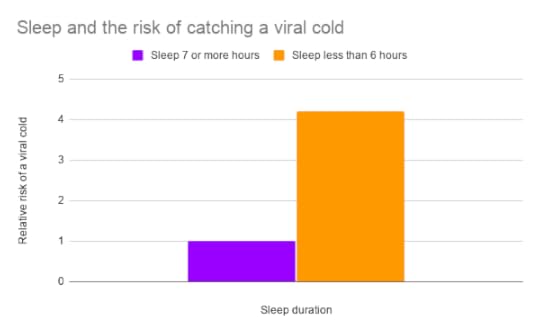
Extra sleep improves our overall immune function and response to vaccines.
By adding a good night’s sleep to social distancing, we help protect ourselves and our communities from the dangers of the coronavirus.
Gregory Charlop, MD is a physician and wellness medicine expert based in Beverly Hills, CA.
March 17, 2020
Coronavirus Quarantine Harms People With Depression
Social distancing and home isolation are the cornerstone strategies to defeat COVID-19. The fewer contacts we have with each other, the slower the disease spreads. Unfortunately, social isolation is particularly tough for the depressed.
Quarantine separates people with depression from their emotional support. They're unable to visit friends, family, or counselors. It is harder to participate in uplifting activities like athletics, playing with children, or enjoying a nice meal.
Separating people with depression from their support systems may increase their risk of alcoholism and suicide.
Even for people without baseline depression, quarantine can trigger depressive symptoms and post-traumatic stress disorder (PTSD). In a study of Canadians isolated for SARS, nearly a third of people developed PTSD or depressive symptoms due to the separation. For those already depressed, the trauma of isolation can be severe.
If you know someone with depression, please reach out to them. Call them, video chat, or send them a care package. Show them that you're there to help. Support them, even if you're separated by distance. If you are depressed, contact your mental health professional. Many offer phone on online visits. We must all come together as a community.
Don't suffer in silence.
Gregory Charlop, MD, is a wellness and ketamine expert. Learn more at www.GregoryCharlopMD.com
March 16, 2020
Most People Should Work From Home. Shocking Update From the CDC
If your workplace has fifty or more people (including customers, vendors, etc), you should suspend operations and work from home. According to the CDC, “mass gatherings can contribute to the spread of COVID-19.” Here’s the CDC:
“cancel or postpone in-person events that consist of 50 people or more throughout the United States.”
The United States appears to be in the viral explosive growth phase, similar to the situation in Italy a couple of weeks ago.
Hospitals are underresourced, we lack testing equipment, and we likely won’t have enough ventilators. Our best bets to stay healthy are social distancing and strengthening our immune systems with extra sleep.
Dr. Charlop is a nationally-recognized expert on wellness and aging. Read more about how to improve your immune system, reverse aging, and stay safe from the coronavirus in his upcoming book, Why Doctors Skip Breakfast. Available for preorder from Amazon
March 15, 2020
Younger adults are not safe from the coronavirus!
We keep hearing that the coronavirus is dangerous only for the elderly or ill. That simply isn’t true. More than half of the people in the intensive care unit in France are UNDER age 60. Young adults are not immune to COVID-19.
I urge you to follow all recommendations about social distancing, staying home if you’re sick, and frequent handwashing.
While the elderly need to be especially careful, we must all take precautions.