Susan E. Greisen's Blog, page 3
December 24, 2024
No Gifts Opened at Christmas
In recent months Israel and Hezbollah in Lebanon bombed each other only a few miles from my Lebanese family. At this moment there is a ceasefire agreement.
This is a Christmas Story that happened in December 2022 during a peaceful time in Lebanon with its struggling economy. I found a safe window of travel to visit my recently acquired surrogate family. This includes the 5 children of Sami Saad, the Lebanese friend and merchant who became like a brother to me in my Liberian village in 1971. I dedicated 2 chapters to him in my memoir. I tell how his family adopted me in an earlier blog called Unfettered Love Part I.
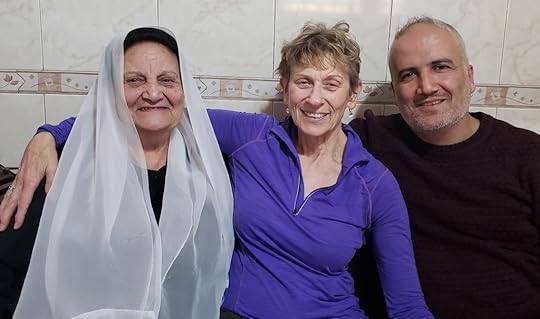
Sami’s family is of the Druze faith of which the country is predominantly Muslim. The Druze do not celebrate holidays that many of us are accustomed to. Here I am with Sami’s wife, Ciham, and his eldest son, Samer.
Despite the Muslim culture, my 12-day stay over Christmas and New Year, found holiday lights in some homes, decorations downtown and the main plazas, and a Santa Claus at the only big mall in Beirut. However, this holiday season with Sami’s family had nothing to do with materialistic gifts. It was all about love and family that surrounded me during my visit. Despite the holiday opulence that we saw everywhere in the mall as depicted below, little Sami left the mall with only Alissa in the cart. No gifts.
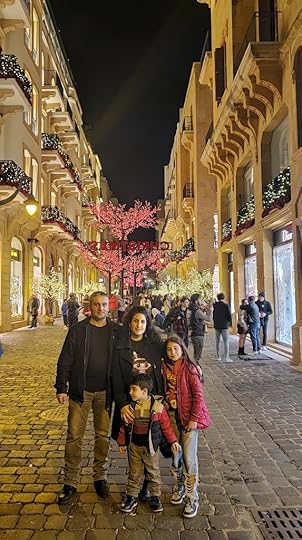

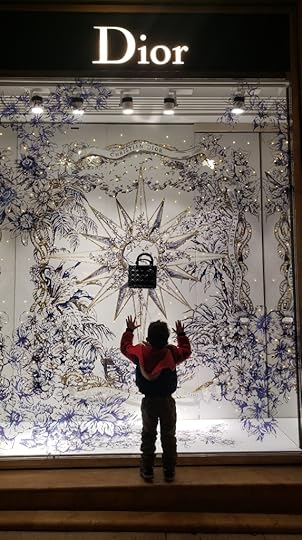
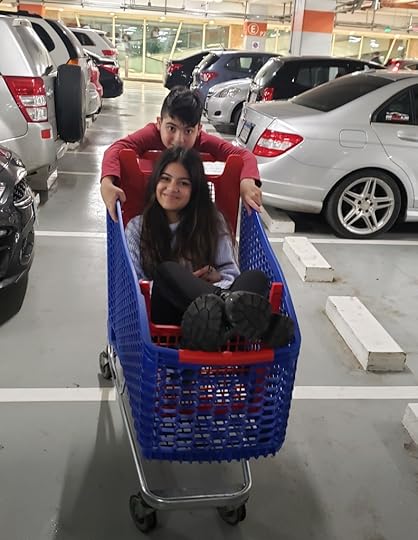
Instead of gifts, we ate, danced, and celebrated Christmas. I was elated with this wonderful tradition as a fake miniature Christmas tree twinkled in the corner of each family home.
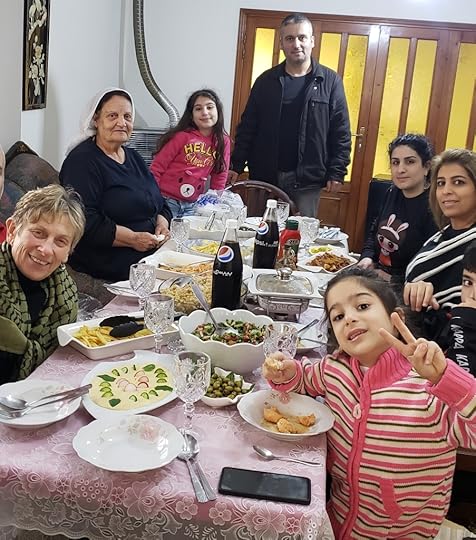
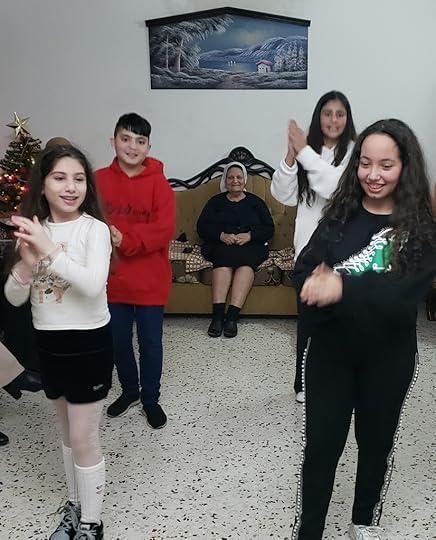
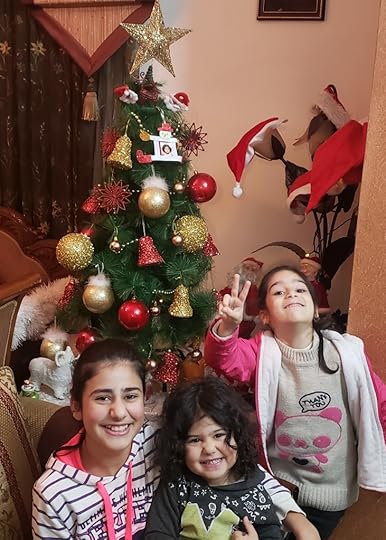
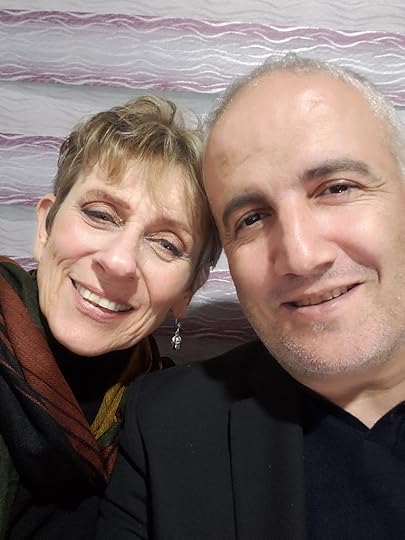
All of the family except Sami’s wife (Ciham) spoke various proficiencies of English, but we communicated without a problem. The beauty of not understanding the Arabic language allowed me to observe. Here I am with Samer.
I have never experienced anything like this middle-class family and their life in Lebanon. It reminds me more of Liberia than the U.S. Life is hard there, yet the smiles, hugs, and kisses kept coming.
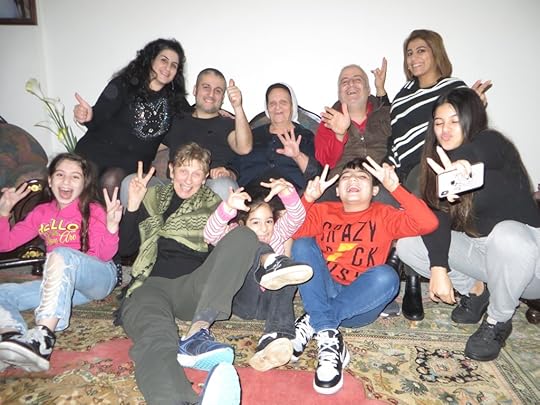
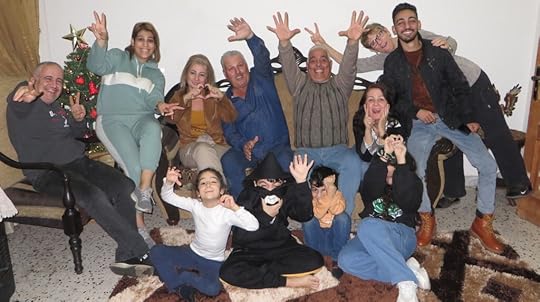

Hugs not only to me as the novelty visitor, but to each other. Here I am with Susan, my namesake, and Ciham.
The photos show the stark contrast between the 1% and the 99%. The 1% can afford anything at the mall in the photos above. The 99% are like my Lebanese family with only three hours of electricity per day and living paycheck to paycheck. During the day we all gathered in the kitchen with a wood-burning stove, the only source of heat in the house in the winter. My bedroom room was 55 degrees at night. One evening 17 of us sat around the warm stove in this small kitchen visiting and having coffee and snacks.
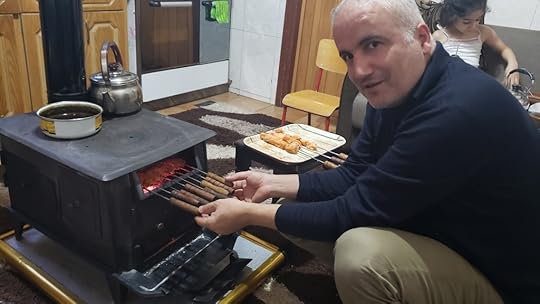
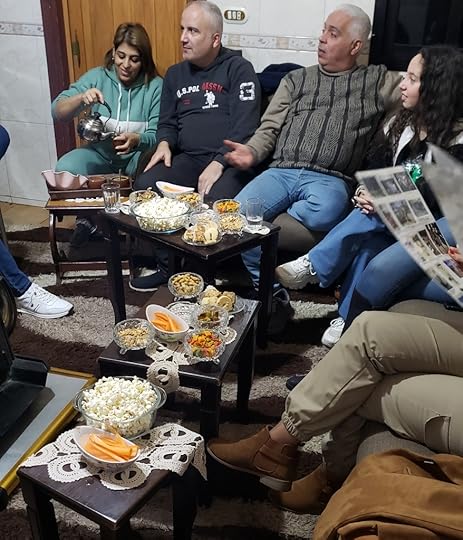
From me and my wonderful Lebanese family, we wish you a happy holiday season to those around the world. Send peace and love to the people in Lebanon and around this war-torn region.


November 30, 2024
2024 Holiday Book Special
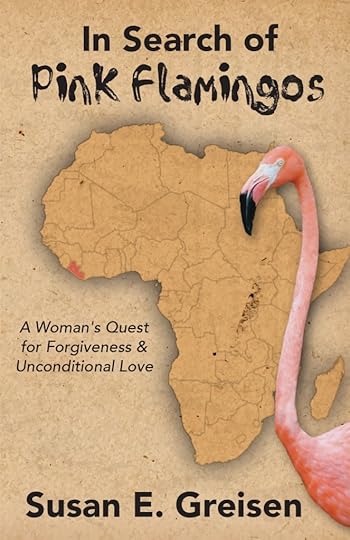

In Search of Pink Flamingos was published over four years ago and its reception is still going strong. Over 30 book clubs have hosted my book and I attended most of these as the guest author, in person or virtually, with no fee. I offer a slideshow with videos from Liberia followed by a robust discussion. I would love to attend a book club event in your country via Zoom. Why not?

I am offering a Holiday Discount through 12/20/24 for the hard copy. Now, only $10.95 plus shipping. The eBook is also available internationally. This book makes a wonderful gift. Click HERE to order or use this QR code.
Wishing you a wonderful and peaceful holiday season wherever you are.
November 10, 2024
Honoring & Reuniting Veterans

This US Memorial Day Holiday (a day we honor and remember all of our veterans), I want to include a story written in 2008 about my former husband’s 86-year-old uncle Truman.
Truman enjoyed reminiscing about the past. When he spoke of being in the war, I assumed he was speaking of World War II. (Truman was not far in age from my deceased father who had been a veteran of that war.) But as he elaborated about his story of training in Korea I began to listen with more discriminating ears.
“Why were you in Korea?” I naïvely asked.
Truman’s Story: He had been drafted to serve in the Korean War in 1950. My knowledge of that war was that my younger 19-year-old brother had served there to defend the DMZ in 1979. Truman did not seem surprised at my ignorance. He said, “It is often called the Forgotten War where 5,800 American soldiers lost their lives”.
Fortunately for Truman, he did not fight long on the frontlines as he was moved to the Intelligence Services. He described how they picked qualified candidates back then. Truman being a bright, untainted, inexperienced country farm boy was the military’s best chance of finding someone with a clean slate.
Others in regular combat were ill-prepared for what they had to encounter. One of his buddies from his hometown of Martin, Kentucky, John Wess Baldridge was one 19-year-old old, who by all rights, should not have lived. Truman expressed hope that he was still alive now being about age 83 with a 500% disability.
With wide-eyed ignorance, I queried, “How does one get a 500% disability?”
Truman’s voice trembled, “100% for disability of the body and 100% for each limb lost. You see, John was a 4-limb amputee from frostbite.”
With his speech sometimes slurred and difficult to understand I listened with astute ears as he told me the rest of the story. “I had not seen John since the war, 65 years ago, but he visited my clothing store in Kentucky last year. Unfortunately, I was not present and John did not leave any contact information, only that he lived in Orlando.”
“Truman, would you like me to locate him since you are wintering only one hour from Orlando?” I asked.
Truman replied, “I’d like to talk to him but I’m not certain if I have the emotional strength to pay a visit.”
I eagerly responded, “I’m certain I could locate him via the Internet, particularly since John was a Purple Heart recipient.”
Truman consented.
The Search for John: I pulled my iPad from my luggage and began to Google some keywords starting with his name and Korean War + 4 amputee. Within about 20 minutes and a few hiccoughs of name misspellings, not only was his correct name located but an entire LIFE magazine article about his heroics and a photo of him at 19 years of age.

Here is a photo of John Wess Baldridge in the military hospital in Battle Creek, Michigan.
Click here for an article and more photos in LIFE magazine from February 5, 1951, pages 82 to 84. Below is the excerpt from that article about John Wess Baldridge from page 84.
Frozen During Hungnam Retreat, a Young GI Recovers in the U.S.
Like most of the young patients slowly recovering under Percy Jones’ intensive treatment, 19-year old Pvt. John Baldridge came to the hospital with extreme injury to both hands and feet. Like most of them, he got his injury during the early part of the retreat in Korea. Baldridge was cut off with two battalions north of the Changjin reservoir. Supporting artillery had been annihilated, and the men fought for three days with small arms. On the fourth day, they began to fight their way south toward the Marines at Hungnam. “We were walking along, firing all the way,” Baldridge said. “You could see them on either side of the road and sometimes they’d be right next to you. About noon I got hit in the leg. It didn’t hurt so much but I got weak sometimes. Blood was squirting out of the top of my boot. It was about 25 degrees below zero.”
At 10 p.m. they hit a road block and the GI’s decided to try to ram through with their trucks. “I held onto the side of the first truck with one hand and held my gun in the other,” said Baldridge. As the trucks roared ahead into the darkness, he fired with his free hand. “Where my left hand was bent around the post I couldn’t open it. I knew it was freezing,” he said. A mortar exploded. Baldridge came to at 4 a.m. just as the Reds were starting their attack he managed to crawl away through heavy machine gun fire. Next day he draped himself in a Korean sheet and made his way through the enemy lines to the Marines. “It took them 30 minutes to get my boots off,” he said. “They were froze stuck to my feet.” Back in Japan they operated on his leg and told him that he would lose most of both feet. But lying in his bed at Percy Jones, holding up his black, shriveled fingers, Pvt. Baldridge was able to smile. “They’ll cut off my toes,” he said, “but they’ll save the balls of my feet. I’m glad of that.”
Like it was yesterday, Truman recognized his photo image and the article description was an exact match. He confirmed with 100% certainty, “Yes, that’s him.”
What the article did not say was that John had given up his gloves to a fellow comrade because he thought he was going to die from his gunshot wound to the leg. The story seemed too incredulous for me to even comprehend. This provided more determination for me to locate John. If John could survive those odds, we were sure to find him using the Internet.
John is Found: With a few more clicks Susan searched for a way to locate him in Orlando and within 10 more minutes an actual phone number and information that he was married with two sons were revealed. As Truman was told this news, relief came across his face to know that he had married and had a family despite his disability. Now 7:30 PM, Truman gave us permission to call him.
Within four rings, a feeble-sounding man’s voice echoed through the phone. Truman explained quickly who he was; his face became solemn, and sadness brushed over his eyes. John acknowledged that he remembered him and his voice but the two were having difficulty hearing each other. Within a short time, John’s son came to the phone and he and I spoke. We were saddened to learn that John was quite frail and living alone but had daily care from his two sons. John’s wife had passed away six years ago.
The son asked if we could schedule another time to talk the following day. Truman agreed. The next day Truman declined to contact John and I offered again in the three following days to assist him with the phone call and even to take him to visit John in Orlando.
Wounds Reopened: Truman’s mood seemed to shift physically and emotionally. It was as if the energetically told war stories were no longer just stories but the reopening of festering combat wounds in his soul. Hearing John’s voice also may have painted a new reality of a comrade nearing the end of his life. Truman not only nearing his end but he had also lost his spouse 16 years earlier.
The story seemed incomplete without the two veterans sharing their war memories and eventually meeting. However, this was neither my mission, nor my story to complete. This was Truman’s story. His goal may have been simpler than mine. He may have just wanted to find John and find him alive…which he did.
With the refreshed images and stories from the LIFE magazine article about the Korean War, Truman may need time to heal his newly opened wounds. We never spoke again of the war during my visit. I hoped he had some relief knowing that his comrade had lived a similar life…a full life with a spouse and family of his own.
For now, this chapter is closed.
Postscript: Truman passed away three years after this story was written.
October 19, 2024
Whirling Dervishes of Turkey: “Ritual of Sema”
Some of us have heard of these mesmerizing men who twirl for hours in long white skirts. I wanted to learn more. My OAT (Overseas Adventure Travel) to Turkey in 2023 included a demonstration of this dance; a Sufi tradition (Muslim religious figures akin to monks) that involves spinning faster and faster to summon the divine. This form of whirling meditation or Sema ritual and worship is meant to help the dancer get closer to God and achieve truth. The Semazens, or the Whirling Dervishes, carry out a sacred ritual that combines prayer, music, and dance to express their faith and love. Here is my video of a segment of the performance at a monastery in Cappadocia, Turkey.
The camelhair hats represent tombstones and the wide white skirts symbolize shrouds, the parting of the veil between this world and the next.
Below is a CNN video of more history, information, and the inclusion of women in the ritual.
All religions or cultures have rituals that instill meaning. I’ve seen these in every country I lived in or visited. One could summarize that some of this diversity is archaic and bizarre. Whether it be the Catholics who seek out the confessional to cleanse their souls; Tibetans who prostrate for miles to reach their Buddhist temples to obtain enlighenment; Muslims who fast during Ramadan to come closer to Allah; or the open fire cremation ritual in Hinduism to release the soul to the afterlife, they are all searching for the same end goal: The Divine.
I welcome your comments below.
October 5, 2024
Camel Caravans in Turkey
I traveled to Turkey for the first time in June 2023. So many fascinating experiences caught my fancy. But this one stood out as the cousin to our interstate truck stops or roadside inns in America. Camel caravan rest stops –caravanserais– were created before gasoline, diesel, big-rig trucks, and motor homes.
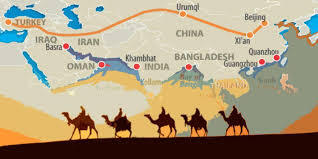
The journeys of merchants and their animal caravans along the Silk Road trade route through the Middle East, Central Asia, and North Africa would have been much more difficult if not for the caravanserais. Built at regular intervals, 32-40 kilometers (20–25 miles) apart—about a day’s journey, merchants spent the night to rest and reduced their exposure to the dangers of nighttime bandits on the road.
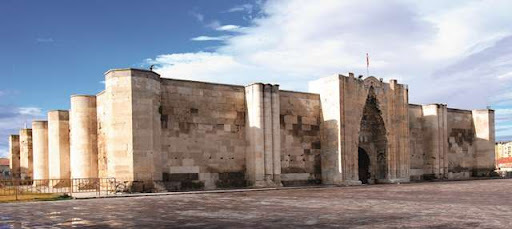

The facade of the one I visited had a palace-type appearance with 30-40 foot stone walls surrounding a complex of more than an acre. Once entering through the massive gate, a more rustic nature revealed itself. On the left were the stables for the camels, donkeys, and horses. On the right were walled quarters for travelers to sleep on their mats and blankets. Larger caravanserais had prayer rooms, bathhouses, and cookfires.
I imagined the smell of incense and myrrh, cook pots wafted with spices, herbs, and dried camel meat. Voices of Arabic, Chinese, and Russian intermingled in the air. The commotion of pack animals settled in for the night. What a fascinating place this must have been.

The front gate was locked with a massive chain when night approached. No one was allowed to leave or enter. Before the gate opened in the morning, everyone would account for their possessions; akin to the safety box in hotels today. The precious cargo included silk, spices, tea, ivory, cotton, wool, gold, ebony, salt, textiles, and jewelry.
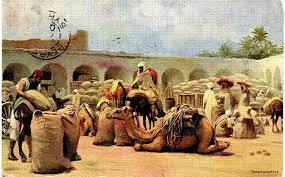
Travelers from East and West spoke many languages and traded stories, news, merchandise, and ideas while mingling at these trade hubs. They sampled local cuisine and observed foreign etiquette and religious practices from Christianity, Islam, Judaism, and Buddhism, as well as from missionaries and scholars passing through.
When they continued onward, their newfound knowledge traveled with them. Caravanserais made the economic and cultural exchanges possible with far-reaching effects seen today in the various languages, faiths, and cultures co-existing in this region.
Hence the quote from Mark Twain: Travel is fatal to prejudice, bigotry, and narrow-mindedness.
Happy travels to all of you . Your comments are always welcomed below.
September 14, 2024
Maternal Mortality Among Black American Women
I recently read some alarming statistics and want to share them with you. After my Peace Corps assignment as a health education volunteer during the early 70s in Liberia, West Africa the topic of Maternal and Child Health became near and dear to my heart. The maternal mortality in the country at that time was 40%. My memoir, In Search of Pink Flamingos, describes that experience.
While it is heartening to learn that maternal mortality has decreased across Africa in the past decades with improved training and healthcare access, the disparity of U.S. maternal deaths between white women vs non-Hispanic black women is a tragedy. The deaths among non-Hispanic black women are 2.6 times more likely than white women. Here is what the 2021 CDC research has found.
[image error]The reasons lie in three major categories:
*Guidelines for caring for expectant mothers vary between states in the U.S. and often reflect social and political factors in each state. (note that some states do not report mortality by race)
*Mothers in rural areas are almost twice as likely as mothers in urban areas to experience maternal mortality, so states with larger rural populations are often at risk.
*States with higher percentages of at-risk populations, like Black mothers, may have higher mortality rates.
Multiple factors are believed to contribute to racial disparities in maternal mortality.
These include access to affordable quality health care and healthcare comorbidities that disproportionately affect Black mothers which may contribute to their maternal mortality risk, including chronic heart disease, hypertension, obesity, and diabetes. It can be suggested that these women have more of these conditions due to a lack of access to affordable quality health care… And the vicious cycle continues.
Societal stress, insurance status, unhealthy eating, lack of physical activity, and limited access to prenatal education also may contribute to the crisis. This correlates to my blog about Healing Generational Trauma which states that the trauma of slavery can affect the health of this population for generations.

I encourage you to discover more including what can be done to improve the lives of pregnant women and their babies via this MAYO clinic article.
My blog is only the tip of the iceberg. Much research has been done and many articles have been written on this topic. The above Mayo Clinic article can guide you on how to act locally to bring equitable healthcare to all.
A new documentary called American Delivery will be released in October 2024. I encourage you to view this in your area. PRESENTED BY NORTH SOUND ACH, here is the movie summary:
More women in the United States die in childbirth than any other wealthy nation, a statistic that has worsened over time, despite medical advancements and improved maternal mortality across the world. And for Black women in the United States, the reality is even more stark. Enter nurses and midwives, who are trying to turn the tide of maternal mortality by listening to and advocating for pregnant women, bringing not only safety, but also joy back to what has been an unnecessarily painful and traumatic experience for too many.
Nursing and midwifery are at the core of successful childbirth.
Maternal Mortality: Disparity Among Black American Women
I recently read some alarming statistics and want to share them with you. After my Peace Corps assignment as a health education volunteer during the early 70s in Liberia, West Africa the topic of Maternal and Child Health became near and dear to my heart. The maternal mortality in the country at that time was 40%. My memoir, In Search of Pink Flamingos, describes that experience.
While it is heartening to learn that maternal mortality has decreased across Africa in the past decades with improved training and healthcare access, the disparity of U.S. maternal deaths between white women vs non-Hispanic black women is a tragedy. The deaths among non-Hispanic black women are 2.6 times more likely than white women. Here is what the 2021 CDC research has found.
[image error]The reasons lie in three major categories:
*Guidelines for caring for expectant mothers vary between states in the U.S. and often reflect social and political factors in each state. (note that some states do not report mortality by race)
*Mothers in rural areas are almost twice as likely as mothers in urban areas to experience maternal mortality, so states with larger rural populations are often at risk.
*States with higher percentages of at-risk populations, like Black mothers, may have higher mortality rates.
Multiple factors are believed to contribute to racial disparities in maternal mortality.
These include access to affordable quality health care and healthcare comorbidities that disproportionately affect Black mothers which may contribute to their maternal mortality risk, including chronic heart disease, hypertension, obesity, and diabetes. It can be suggested that these women have more of these conditions due to a lack of access to affordable quality health care… And the vicious cycle continues.
Societal stress, insurance status, unhealthy eating, lack of physical activity, and limited access to prenatal education also may contribute to the crisis. This correlates to my blog about Healing Generational Trauma which states that the trauma of slavery can affect the health of this population for generations.
I encourage you to discover more including what can be done to improve the lives of pregnant women and their babies via this MAYO clinic article.
My blog is only the tip of the iceberg. Much research has been done and many articles have been written on this topic. The above Mayo Clinic article can guide you on how to act locally to bring equitable healthcare to all.
A new documentary called American Delivery will be released in October 2024. I encourage you to view this in your area. PRESENTED BY NORTH SOUND ACH, here is the movie summary:
More women in the United States die in childbirth than any other wealthy nation, a statistic that has worsened over time, despite medical advancements and improved maternal mortality across the world. And for Black women in the United States, the reality is even more stark. Enter nurses and midwives, who are trying to turn the tide of maternal mortality by listening to and advocating for pregnant women, bringing not only safety, but also joy back to what has been an unnecessarily painful and traumatic experience for too many.
Nursing and midwifery are at the core of successful childbirth.
September 2, 2024
Paralympic Athletes | Triumph Over Adversity
I love the summer Olympics and watch them religiously every four years as I did this summer (2024). I tear up as their life stories are told or when they win and achieve their goal. I have never watched the Paralympics, but this year I did. The competitions were jaw-dropping. How did the woman with just one left arm, one left leg, and diminished vision win the Gold medal in the 100-meter swim against others with two arms and handicapped legs? Then there was the man without arms and grossly deformed legs, who won a Gold medal in the breaststroke swimming against apparently less physically challenged competitors. Watch this video of his determination and grit.
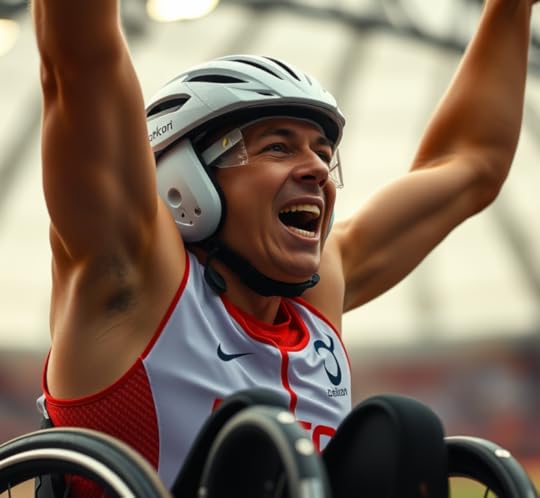
The Paralympics are the modern-day athletic competition that has grown to be more inclusive, welcoming athletes from around the globe, including those with disabilities. Wheelchair basketball, wheelchair rugby, triathlons, table tennis, wheelchair fencing, and more are part of the competition – every sport is modified for the various disabilities and appropriately placed in the unique ability categories.
On days when I feel sorry for myself or think life isn’t fair, I will think about those proud and accomplished athletes who have been bullied and mocked in life, stared at in public, and cast away as having no value, and then I can remember, that I too can achieve my goals if I put my heart and mind to it.
I encourage you to watch the remaining days of the Paralympics or view videos of their achievements and efforts including the staff who have supported this most amazing athletic event. May you, too, find inspiration.
June 22, 2024
Healing Generational Trauma: Insight, Coping, and Recovery
Here in the USA, we are fortunate. In many of the 50 countries I have lived or traveled to, the recent history of war is part of their human fabric. Either people can recall the wartimes, have a family or friend killed or maimed, or the remnants of past bombings dot the landscape today. Yes, we have had the Revolutionary War and the Civil War in the U.S. Some of us include Pearl Harbor or 911 because they were acts of War. (However, the latter two did not encompass the entire country. )

Most of us never heard the explosions or experienced the devastation of war unless we were deployed in wartime. Those who have, may still be healing those wounds from the destruction, lives lost, or PTSD.
In the past 18 months, I traveled in Egypt, Lebanon, Rwanda, South Africa, and Turkey where the tension of past wars and conflict was palpable. While the people, culture and landscape were incredible, I also saw the strain of war in the vacant mortar-shelled buildings, refugees from neighboring war-torn countries scraping a living, and impoverished communities from a stagnant or recessive economy. The vision was humbling.
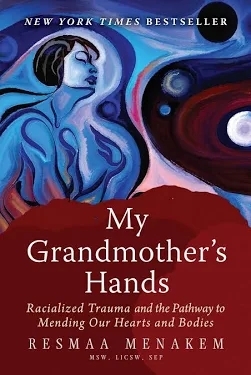
I recently read the book, My Grandmother’s Hands: Racialized Trauma and the Pathway to Mending our Hearts and Bodies by Resmaa Menakem. This is a book about generational trauma in the Black American Culture. Even though it focused on Black Americans, generational trauma transcends all people. Not having a past interest in history, I learned so much from this book.
My Grandmother’s Hands caused me to reflect upon my surrogate family in Lebanon. War has impacted that country for centuries. Sami from my village in Liberia returned to his home in Lebanon when one of its brutal civil wars began in the 70s. As I write this today, bombings are occurring between Israel and Lebanon. Some civilians have died and villages along the border have been evacuated. I called Sami’s son to check on his status. The conflict is exactly 60 miles from their home. To my amazement, he was calm and reassured me, “All was OK”. Suddenly I realized I never knew or experienced war. Here is a question for you: How would you feel if your neighboring country was bombing you 60 miles from your home?
Here is where generational trauma comes in. Sami’s children, about 50 years of age, have only known war, post-war, or on the edge of war. Sami, now deceased – all he knew was war. Their psyche and bodily reactions have adapted to cope. I could see and feel the underlying tension during my visit to Lebanon in 2023. Their health was impacted in several ways.
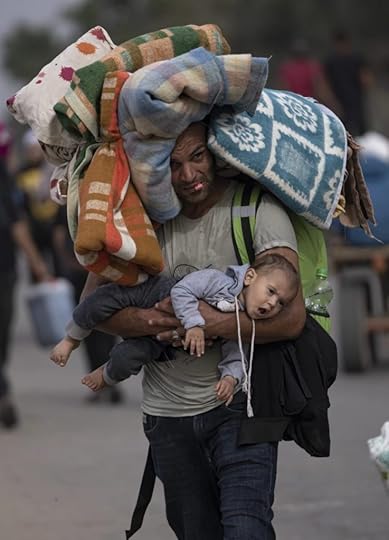
Generational trauma is not only war-related, but can include chronic family illness, physical and/or emotional abuse, conflict, displacement, homelessness, estrangement, incarceration, and many more across the world. Some of this trauma could have happened before we were born. But its underlying effects are in our genes and can be passed on through our DNA down through the generations.
The takeaway from Manekam’s book is to work at healing your past trauma and he gives guidance on how to do just that.
My favorite quote to contemplate by Menakam:
*Trauma decontextualized (out of context) in a person looks like personality.
*Trauma decontextualized (out of context) in a family looks like family traits.
*Trauma decontextualized (out of context) in people looks like culture.
I look forward to your comments or check Like if this blog meant something to you.
What are your observations of generational trauma?
Both books: In Search of Pink Flamingos and Never the Same Again talk about the wars in Liberia.
Healing Generational Trauma: Insight, Coping, and Restoration
Here in the USA, we are fortunate. In many of the 50 countries I have lived or traveled to, the recent history of war is part of their human fabric. Either people can recall the wartimes, have a family or friend killed or maimed, or the remnants of past bombings dot the landscape today. Yes, we have had the Revolutionary War and the Civil War in the U.S. Some of us include Pearl Harbor or 911 because they were acts of War. (However, the latter two did not encompass the entire country. )
Most of us never heard the explosions or experienced the devastation of war unless we were deployed in wartime. Those who have, may still be healing those wounds from the destruction, lives lost, or PTSD.
In the past 18 months, I traveled in Egypt, Lebanon, Rwanda, South Africa, and Turkey where the tension of past wars and conflict was palpable. While the people, culture and landscape were incredible, I also saw the strain of war in the vacant mortar-shelled buildings, refugees from neighboring war-torn countries scraping a living, and impoverished communities from a stagnant or recessive economy. The vision was humbling.
I recently read the book, My Grandmother’s Hands: Racialized Trauma and the Pathway to Mending our Hearts and Bodies by Resmaa Menakem. This is a book about generational trauma in the Black American Culture. Even though it focused on Black Americans, generational trauma transcends all people. Not having a past interest in history, I learned so much from this book.
My Grandmother’s Hands caused me to reflect upon my surrogate family in Lebanon. War has impacted that country for centuries. Sami from my village in Liberia returned to his home in Lebanon when one of its brutal civil wars began in the 70s. As I write this today, bombings are occurring between Israel and Lebanon. Some civilians have died and villages along the border have been evacuated. I called Sami’s son to check on his status. The conflict is exactly 60 miles from their home. To my amazement, he was calm and reassured me, “All was OK”. Suddenly I realized I never knew or experienced war. Here is a question for you: How would you feel if your neighboring country was bombing you 60 miles from your home?
Here is where generational trauma comes in. Sami’s children, about 50 years of age, have only known war, post-war, or on the edge of war. Sami, now deceased – all he knew was war. Their psyche and bodily reactions have adapted to cope. I could see and feel the underlying tension during my visit to Lebanon in 2023. Their health was impacted in several ways.
Generational trauma is not only war-related, but can include chronic family illness, physical and/or emotional abuse, conflict, displacement, homelessness, estrangement, incarceration, and many more across the world. Some of this trauma could have happened before we were born. But its underlying effects are in our genes and can be passed on through our DNA down through the generations.
The takeaway from Manekam’s book is to work at healing your past trauma and he gives guidance on how to do just that.
My favorite quote to contemplate by Menakam:
*Trauma decontextualized (out of context) in a person looks like personality.
*Trauma decontextualized (out of context) in a family looks like family traits.
*Trauma decontextualized (out of context) in people looks like culture.
I look forward to your comments or check Like if this blog meant something to you.
What are your observations of generational trauma?
Both books: In Search of Pink Flamingos and Never the Same Again talk about the wars in Liberia.