Michael Levitt's Blog, page 113
October 1, 2020
Things Your Business Can Learn From The Best Instagram Accounts

Photo by freestocks.org from Pexels
On Instagram, visuals are everything. Your images should be high-fidelity and shot in exciting ways that immediately appeal to people. For each photograph, try to create a compelling subject, and approach it interestingly.
Once you’ve collected the images that you want, edit them before posting them. Remember, you can always save them to your computer later using an Instagram image download tool.
Make Your Feed CohesiveIndividual influencers also put a lot of effort into making their feeds as cohesive as possible. The reason for this is simple: you want to stand out from your competitors and create a theme that users understand. You want them to take one look at your content and say to themselves, “aha! That’s brand Z!”
Creating a consistent feed is a challenge and something that usually requires the help of a graphic designer and somebody who really understands the content. Simple ways to develop themes are things like applying filters consistently across all your images or focusing on a particular way of arranging your products.
Include HashtagsThe best Instagram accounts almost always include hashtags.
On Instagram, you can use hashtags in multiple locations, including within captions and below in the comments section.
Use Live StoriesLive Stories is a tool that Instagram now offers that lets you describe your brand in more detail. The idea is to take your audience behind the scenes, show them what you do, provide helpful tips and get creative. Many brands like to do this because it helps break up their feeds and improves SEM. Doing this instantly creates more interest.
Engaging CaptionsAnother thing you can learn from the best Instagram accounts is the fact that they all have engaging captions. The moment users read the text; they feel instantly connected to the image, making them more willing to engage.
Captions should ideally pull on your audience’s heartstrings. You want to say something that grabs their attention and makes them want to sign up to your feed or purchase something from your brand. Where possible, be emotional in your appeals. Don’t focus solely on the costs and benefits of whatever you’re selling.
Spend Time EngagingFinally, all of the top Instagram accounts spend lots of time engaging with their audiences. They’re not afraid to answer questions (or ask them for that matter). And they collect feedback on the type of content users want. It would help if you did the same.


Under The Knife: Understanding The Dangerous Parts Of Your Surgery

Photo by Piron Guillaume on Unsplash
The idea of having to go in for surgery can be daunting for a lot of people. Even with a surgeon that has performed countless procedures without once making a mistake, the thought of having someone working inside your body can be quite an unpleasant one. Of course, though, in reality, it’s very unlikely that something bad will happen as the result of this sort of work, and most of the problems that are faced come before or after the main event. Let’s take a look at the most dangerous elements of a surgical procedure before, after, and while it’s being done.
Before SurgeryThe time you spend before surgery is very important. The food you eat and exercise you do will change the way that the medical professionals deal with you, making it crucial that you take the right approach. Eating right before surgery is a bad idea, as this can cause your anesthesiologist to misjudge your body mass, resulting in too high or low a dose. Companies like Premier Anesthesia work extremely hard to make sure that their clients don’t go through issues like this, though patients also have to do their part. The idea of waking up halfway through surgery is a nightmare to most people, though this is extremely rare.
During SurgeryMost routine surgical procedures can be handled without any real danger, especially if you have an experienced surgeon working with you. There are always several people working in a theatre during surgery. This means that mistakes are easily spotted, with a host of professional experts around to fix them. Power cuts, natural disasters, and other issues used to be a major problem for hospitals, though tools like redundant power supplies and cleverly constructed buildings have lessened this in the modern age. Of course, there is always a chance that complications will occur that are out of the hands of your surgeon, but they will be able to warn you about issues like this before you go under.
After SurgeryThe time shortly after your surgical procedure is one of the most crucial and potentially dangerous. Hospitals around the world have issues with infections like MRSA, increasing the risk that you will develop one yourself if the right steps aren’t taken. Cleaning wounds, avoiding contact with others, and following the advice of your nurses and doctors is the best way to avoid issues like this. This used to be a lot worse in the past, with a lot of patients spending more time in the hospital with issues like MRSA than they were for their original issue.
While going into surgery can be scary, it’s worth keeping in mind that you can trust your surgeons to do a good job. They are used to handling this sort of issue and will have a lot of experience with the procedure you’re going through. This makes it nice and easy to feel comfortable once you’ve wiped out the other issues you can face.
Four Ways To Increase The Efficiency Of Your Business

Photo by bongkarn thanyakij from Pexels .
Efficiency is an important priority for many businesses today. The focus essentially revolves around maximizing how productive a business and its employees are in relation to time and money. If a company creates the right type of working environment, focusing on efficiency can completely optimize regular functions, ultimately leading to an increase in profits.
When making efforts to maximize the use of their resources, business management can be easily overwhelmed. Deciding what strategic decisions to make can be difficult. In the digital era, we are constantly bombarded with information and solutions on how to improve operations.
One of the most important things to remember when making a plan to increase efficiency is to keep things as straightforward and as simple as possible. Concentrate on key areas that are linked to various aspects of the business.
Optimize your remote sector2020 has been the year of the remote workforce. Due to the COVID-19 pandemic, millions of people around the world have been forced to work from home. Although this was never seen as a permanent solution, remote working has been hugely successful for many businesses.
Whether or not it’s by choice, a lot of businesses will be continuing to keep certain staff members working remotely. If this is the case for your organization, it’s vital that your employees have an optimized remote set-up. This could involve hiring I.T. staff to organize their home office, or sending equipment to establish the ultimate working from home hub.
Failing to optimize your remote staff for the long-term is unwise and unfair. A comfortable and highly functioning home office will enable your team to work more efficiently and productively.
In-office organizationMuch like with a home office, your company office needs to be organized too. A well structured and organized office increases productivity and reduces work-related stress among staff. This saves a lot of time, leading to increased efficiency.
Optimize your cabling system, utilize your technology, and focus on planning and organization to establish a clear structure.
Managed I.T. servicesModern businesses are becoming much more reliant on technology. It’s vital to have qualified I.T. experts on hand to maintain, analyze and fix any technology-related issues.
What’s more, businesses today are much more vulnerable to hackers and data breaches. Hiring professional managed I.T. services can provide your business with the best possible network security.
By offloading I.T. management, you can concentrate on improving the efficiency of your business in the peace of mind that your data and information is safe.
Consider automationDue to the widespread access to resources and information, companies of all sizes are now looking to automation to improve the efficiency of their operations. Combining the latest technology with human intuition can have a profound impact on the success of a business.
Processes that involve repetition or that are overly time-consuming should be the first areas to consider automating. Alternatively, look into functions that frequently suffer due to human error.
Choose one operation at a time and learn to increase efficiency using automated or semi-automated processes.
If you’re looking for new ways to increase the efficiency of your business, here are four great approaches to consider.
September 30, 2020
What is the HBD Sale of Balance Flats?

Photo by PhotoMIX Company from Pexels
For many people looking to make their first steps onto the property ladder, getting a Build to Order (BTO) flat is a common route. One problem with going down this route is that the waiting time for picking up the keys can be about 3-4 years. For those who don’t want to wait that long before being able to settle into their new home, they can apply for the HBD Sale of Balance Flats (HBD SBF).
What is the HBD Sale of Balance Flat?The HBD sale of balance flats Scheme is housing sales exercise that brings together unsold properties from past BTO launches, leftover flats from Selective En-bloc Redevelopment Scheme (SERS) projects and any other flats repurchased by HBD.
What are the differences between Sale of Balance Flats vs Build-to-order? HDB Sale of Balance Flats have a shorter waiting timeThis is the main difference between the two schemes. The construction of BTO flats will only start after two thirds of the plots are booked- this is why the process can often be roughly 3-4 years. HDB SBF flats are the sale of leftover flats that are either completed or that are further along the construction phase. This means that getting the keys and moving into the flat much more quickly- great news for those looking to buy their first home who don’t want to waste money on renting along the way.
HDB’s SBF offers you more locations to choose from BTO launches tend to happen in 3-4 estates per year, and may not be in areas you wish to live in. They also offer unsold flats in various areas, so while there are less flats available, you will have more choice in the location when going through the application process.3) You’re less likely to find a HBD balance flat that you likeSince HBD flats are leftovers from other schemes, by taking part in this scheme, you’re up for a ballot to be able to pick the best flat from what’s left for you. These leftover flats may also be considered undesirable to buyers due to their location- for example, those on the ground floor that have high foot traffic or that are close by to garbage disposal units, or those with obstructed views. This isn’t the case for every unit, though- some may have had previous buyers who were picky or had changed their minds due to the long waiting period.
What is the eligibility criteria?From 2020, unmarried parents can now apply to buy two or three room flat in newer estates if they are able to prove that they have stable employment or the available funds-- they will be considered for public rental if they have insufficient finances.
First-time, single applicants looking to buy an HDB SBF Flat will need to fulfil additional criteria:
They must be at least 35 if unmarried or divorced, or at least 21 if widowed or orphaned
Must meet the EIP or SPR quota for the flat for the area it is in
Monthly income must not exceed $7,000
Must be a citizen of Singapore
Once HDB announces unsold flats sales, you can begin to submit your application online, provided you need all of the eligibility criteria and that the application is made before closing.
Get your finances in orderIf your application is successful, you will be shortlisted through a ballot on the computer- results tend to take around three weeks to come out. While waiting for the results, you will need to get your finances organized to prepare for an exchange on the flat. For those getting an HDB loan, you will need to apply for your HDB Loan Eligibility letter. And those applying for a bank loan will need to have proof of this with an Approval-in-principle letter from the bank.
Book your HDB flatOnce all of this is in place, you will need to book your flat according to your allocated queue number and the availability of units. When you go to the HDB Hub for your appointment, you will be shown what’s available and if you like them, you can book them following paying a fee- ranging from $500-$2000, depending on your unit size.
Collect keys and move in!
For flats that have already been built and completed, you can collect the keys and move in within 12 weeks. For those who are waiting on the completion of the build, you will have to wait until they are built before being able to collect the keys.
5 Top Resources For Aspiring Business Owners

Photo by Andrea Piacquadio from Pexels
Starting a business is a key aspiration for many professionals, and there are plenty of opportunities available for those who are willing to take the leap. When you’re in the initial stages of planning, you’ll want all the resources you can get to learn and plan your ideas. Whether it’s education, organization or opportunities, these resources have got plenty to offer the aspiring entrepreneur.
1 . Pocket
Pocket is an app that lets you save web content to read later. It’s useful when you're browsing for research purposes, and don’t have time to read everything there and then. You can use Pocket to save social media posts, videos and articles. The dashboard neatly arranges any content you save by topic, and allows you to access it offline as well as online. With Pocket you can sync your saved articles across all of your different devices. Pocket also offers personalized content suggestions which have been saved by editors and other users. As an aspiring business owner, you can use Pocket to educate yourself on start-up best practices and discover new ideas.
2. SCORE
SCORE is a large organization of volunteer business mentors and business experts. The organization works to support start-ups and small businesses to succeed and reach their goals. SCORE is closely linked with the U.S Small Business Administration and is made up of over 10,000 passionate business volunteers. SCORE offers mentoring services, where aspiring entrepreneurs can access one-to-one business mentoring. These services are offered both in-person and online. As well as this, SCORE offers a library of entrepreneurial resources and plenty of webinars.
3. National Business Association
The National Business Association is a non-profit company, working to help small businesses and self-employed individuals to achieve their goals. The NBA provide plenty of top quality resource materials, along with support programs for members. When you become a member of the NBA, you’ll receive various financial benefits across the areas of health, business, and education. To make a start on your business dreams today, be sure to check out the website. If you’re considering becoming self-employed the NBA has plenty of advice to make the transition.
4. Franchanada
Perhaps you like the idea of running your own business but don’t necessarily have a starting idea? If so, it may be worth considering a franchise. When you buy a franchise, you’ll have access to a solid business plan, an established brand, marketing services and more. To browse a franchise directory, Franchanada is an excellent resource. Here you’ll find plenty of excellent franchising opportunities to give you the head start you’re looking for.
5. Wrike
Wrike is a project management app. It’s the perfect tool to create a plan for your start-up and get things off the ground. You can use Wrike to create and carry out projects, manage tasks and staff, and organize workflows. Using this software, you can also organize business files, allocate resources and collaborate with your team. Wrike also offers some great analytics features, customized reports, and can be integrated with Dropbox and Google Docs.
September 29, 2020
Here's How To Tell If Your Ego Is Killing Your Business

Photo by Pressmaster from Pexels
Business owners have a lot on their plates, from managing teams to ensuring that resources are spent correctly. Therefore, your sense of self-importance is probably the last thing on your mind. Even if it is, how detrimental to success can it be?
Tons of entrepreneurs have contemplated the impact of their ego on their business and come to the same conclusion, which is telling. To be successful, you must believe in yourself because nobody else will, yet if your self-importance spirals out of control, it will kill your pride and joy.
The trick is to spot the signs before they escalate, and you can find the usual suspects below.
You Don’t Listen To New InfoThe reason you dismiss new information as insignificant or unimportant is that you connect learning with weakness. As the person in charge, you have to understand everything or else it makes your position vulnerable. Of course, this isn’t leadership. To lead is to be comfortable in your weak spots as it encourages you to plug the holes by delegating to more informed professionals. Plus, it cements the relationship between knowledge gaps and training, something employees require if they and the company are going to grow.
You’ll Focus On YourselfHumans are designed to view the personal achievements of single people are more significant than they are. Take Apple. Instead of seeing the integral processes that led to their market dominance, you will concentrate on Steve Jobs and his “genius.” The managers are at the top of the tree for a reason, but it isn’t the one you assume. According to a study, 87% of the best leaders focus on others and their skills. By doing this, you encourage natural, all-round progression, as opposed to patting yourself on the back and monopolizing power and plaudits.
You’ll Take Needless RisksRisks and success are inextricably linked. Without the ability to push the gamble button when others wouldn’t, you can’t seize the opportunities that set the great organizations out from the good and mediocre. However, some threats are easy to avoid if your ego is in check. After all, all you need to do is recognize certain hazards are difficult to prevent and buy business liability insurance coverage from a certified provider. Then, you’re protected no matter what happens. Unfortunately, nearly half of SMEs have never had insurance, while the figure for companies with the wrong coverage is higher.
Your Definition Of Success Is ExtrinsicDo you make decisions based on how the results will impact you? Are you in a job you don’t like that pays well? Do awards mean more to you than your employee’s happiness? To answer yes to these questions is to have an outdated and irrelevant measurement of success. Your ego leads you to do things that aren’t in the company’s interests, and it’s an unsustainable strategy. The key is to consider the holistic effects of your decision, as just because you’re the boss doesn’t mean you’re the most important person.
Everyone and everything in the company is essential. Don’t you agree?
Do You Know Your Company's Hidden Assets?

Photo by Kaique Rocha from Pexels
As an entrepreneur, you may judge your company's success based on its assets. If you have a fleet of vehicles and plenty of liquidity, you probably see these as positives, which they are. However, there is more than one way to skin a cat, so it's wrong to base the short and long-term future of your business on the things you can see.
In the corporate industry, the things you can't see or touch are as essential because they are assets. You can buy them, sell them, and leverage them to make your organization better. But, what are they and how do you make the most of your hidden assets?
Carry on reading to learn more.
Intangible BonusesThe reason you should think outside of the box is that assets are tangible and intangible. The former is easy to spot - cars, office space, etc. - whereas the latter is more challenging to collate. Still, it doesn't mean you can't use them to your benefit when you're in a pinch. For example, you can sell IP addresses you don't use. All you need is an IPv4 broker you trust. On the flip side, you will want to keep hold of things such as patents, trademarks, and intellectual property since they give the company an edge over the competition.
DebtsYes, the arrears that you assume are bad for business are potentially lucrative sources of cash. As an SME, it's tough to track down unpaid invoices and money owed to you by customers and clients as you don't have the resources. The total amount in unpaid invoices across all U.S. is estimated at $825 billion, which is a ton of money to leave on the table. This is why enterprises with experience in the industry and the resources to funnel into debt collection will buy your balances. When you sell, you receive a cash injection that you would have otherwise forfeited.
Human ResourcesIt's wrong to class your employees as hidden assets because they are the lifeblood of every organization. However, there's no doubt that they don't get the credit they deserve, which is problematic. Firstly, staff turnover is a leading cause of drops in productivity and output, with the expense of replacing a worker at one-and-a-half to two times a person's salary. Secondly, you lose your company culture as a creative and diverse team is the answer to originality problems. Thankfully, offering workers more than money, such as flexible working times and medical insurance, can be the difference between losing employees and encouraging them to stay.
Products & ServicesYou may offer quite brilliant products and services, yet this doesn't mean that you've mastered the art of selling. If anything, understanding your strengths often leads to weaknesses as you slack off, causing the feature to become a hidden asset. If your company sells plenty, it could easily unload more. Therefore, it's vital to invest in suitable technology and funnel more resources into advertising and research and development to cement your improve your market position.
Hidden assets are everywhere. Can you spot them?
September 28, 2020
Tough Questions To Ask Before Going Self-Employed

Photo by Andrea Piacquadio from Pexels
Self-employment sounds like an exciting idea that can be amazing for your career. Surely you've heard all the various success stories of people who have gone self-employed and made a fortune? It can be such a beneficial way of living your life, particularly if you have big ideas and big aspirations. Being stuck in a dead-end job with your boss hounding you from 9-5, is always a pain. Obviously, this makes loads of people consider moving into the self-employed lane. But is this the right choice for you? Is it as amazing as you might think? It could be, but it makes sense to consider some of the main concerns before you take the plunge.
With that in mind, here are a few tough questions to ask yourself before you go self-employed. They should help you figure out whether or not this is the right choice in your life!
Why do you want to be self-employed?What is your motivation for becoming self-employed? Do you want to do it because you're sick of working for other people? Are you annoyed at your current job and want to make a switch? While these sound like good reasons, they're often the worst reasons to go self-employed. How do you know that it's not just your current job and boss that's the problem? What if you moved to another company? How do you know if that's not the best answer to your issue?
Realistically, the best reason to become self-employed is that you have ideas and talents that you're keen to profit from. A traditional job doesn't unlock your potential, and you feel like you're being held back. Here, it makes a lot of sense to break free and go at it alone. But, if you have no idea what you want to do - and no specific services to offer - you should rethink whether or not self-employment is the right path. As mentioned earlier, a switch to a different job might be better for you.
Is there a demand for your services?So, you have a particular talent, but will people pay for it? This requires a great deal of market research as you check to see if there's a demand for what you offer. If there is, then self-employment can be a very profitable move for you.
Naturally, if your research suggests that it will be hard to find clients for your service, you may want to reconsider this move. It could still be possible to make money with a niche idea, but it will be a challenge. This is something to keep in mind as you prepare your endeavor - budget and manage your finances, knowing that the demand is quite low. In an ideal world, you should have a high demand for your product/service if you want to see success.
Can you manage your taxes?I would say the biggest drawback of being self-employed is that you have to manage all of your taxes. This is such a complicated process as you have loads of factors to consider. For one, you need a business account where all of your money gets paid into. Then, you need a system for managing all of your payments and keeping track of them. Typically, you will use something like the DocuWare invoice processing solution to keep everything in one place. An invoice processing system lets you avoid loads of paper receipts and provides a clear breakdown of all the payments made into your accounts. Then, you need a similar solution to track all of the payments out of your accounts! From here, you have to add things up and calculate how much tax to pay.
Additionally, you've got business expenses to consider and all the other ways of saving money on tax payments. You also have to figure out if you've paid too much, meaning you could be entitled to a tax rebate. By now, this should already trigger a headache as you read through all of this! Now, imagine having to deal with it every single year. It's a significant pain, and you might want to consider if you can be bothered to deal with it. For some, it's more appealing to stay in full-time employment and get all of your tax handled by your employer.
How will you get paid?Following on from the last point, you need to think about how you'll get paid. Digital invoices were suggested, but this isn't the only option. Some people will get paid cash-in-hand, others use paper invoices, etc. It's important to consider how people will pay you, as this can play a significant role in how successful you are. Namely, what rules will you impose to ensure you get paid on time? When you're self-employed, you can find it hard to get people to make payments by a certain point. This can mean you send an invoice and don't get paid for a few weeks. Naturally, this has massive cash flow problems as you may spend a lot of money and not get any payments into your accounts until the next month. So, you may not have the funds to pay your rent or other bills!
Clearly, this isn't an issue when you're in regular employment. You get paid on a set date every month, while self-employment is more sporadic. My advice is to consider the best payment methods possible to ensure you get paid on-time after all of your jobs.

Photo by bongkarn thanyakij from Pexels
How will you fund your new career?
A common misconception is that it costs no money to be self-employed. People assume they can quit their jobs and find work right away. Fair enough, you can find lots of freelance websites that help you find work. So, you could get some jobs right away without doing anything. Nevertheless, most self-employed individuals need to invest money to get their careers off the ground. This includes spending money on resources to help you conduct your work and things like marketing.
Consequently, how will you fund your new career? Where will you get the money from? This is a massive decision as it basically determines if you can be self-employed or not. If you've got no money in your savings and a poor credit score, the chances are you can't fund this idea. If you have lots of savings, is it a wise move to use them to fund your career? Should you get a business loan and end up in debt? There are so many different questions within this question! Consider all the other options until you figure out how you will fund this movement. It may transpire that you have no way of financing your self-employment, meaning it's not the right decision for you.
This sounds like a similar question, but there's a subtle difference. Previously, we looked at ways to fund your career. Now, we're thinking about if your current situation allows you to take the financial risks involved in being self-employed. For instance, do you have children and bills that need to be paid? If you do, can you take a chance and leave a full-time job with decent pay? Even if your self-employment is a success, it could take a few weeks/months until you start making money. This can put you and your family under massive financial stress as you miss payments and end up in debt.
Realistically, self-employment is only a good idea when you're in a strong financial position to take this risk. If you have savings that you can fall back on, then you have less to worry about. Therefore, the smart approach is to spend a few months saving money before you jump into self-employment. This may mean sticking it out at your current job for longer than you want, but it helps you avoid financial problems. You could even continue your full-time job while starting self-employment, then quit your job and go for self-employment straight away.
Finally, is it worth it? I mainly want to look at this from the perspective of all the things you miss out on when you go self-employed. We've already touched upon regular payments, as that is a huge benefit. Also, you've got employee benefits offered by companies. This includes things like pensions, health insurance, and so on. You don't get any of this when you're self-employed - you have to go out and get them yourself.
With that in mind, weigh up whether or not you gain more than you lose when going self-employed. Some of you may think it's worth the risk, while others will realize it's worth staying in a full-time job.
Overall, these questions will help you understand if self-employment is the right move to make. They should get you thinking about the different nuances when being self-employed. Of course, there's no correct answer to the underlying question - self-employment is perfect for some people and bad for others. The important thing is that you think things through as thoroughly as possible!
September 25, 2020
A Guide to SEO Strategy for New Businesses
Whether your new business is online or offline, it is essential that you have a website and a stellar online presence in today's digital world. In recent times there has been a massive surge in online business and enterprise, which is excellent for opportunities but brings with it more competition.
Online competition in almost every sector is fierce these days, so making the most of your online presence is crucial if you want to kick start a new company. It's not enough to have a website; you need to make sure it is effectively optimized for search engines to increase your visibility. There are many working parts in an effective SEO strategy; below are a few of them to help you get started.
SEO is mostly about keyword strategy. You need to identify the best keywords for your product or outsourced business services and utilize them in the most efficient way. There is no point in creating an excellent keyword list if you're not going to make the most of them.
Firstly, conduct keyword research and target keywords that are relevant to your product or service. Your keywords should also have a large enough search volume so that you are targeting a worthwhile audience. For this, you will need to draw on your experience in the business area. Factors such as region, product, and seasonality become important.
Effective keyword research can be conducted using a range of tools, such as Ahrefs Keyword Explorer, Google Trends, Answer the Public, and Google Search Console. All of these tools offer a variety of ways to locate relevant keywords, search for the latest trends, and analyze search volume for particular keywords.
Major search engines such as Google and Bing use spiders and bots to scan the Internet looking for the highest quality and most relevant content for a product, service, or subject. The algorithms are kept top-secret, but we know they are interested mainly in relevance and quality. To make your website visible to search engines, you will need to optimize your web pages with this in mind – what's called On-Page SEO.
Firstly, ensure that your Page Title is clear and relevant to the content contained on the page. Also, ensure that your title is under 60 characters, so it doesn't get chopped off on the search results page. Secondly, include a Meta Description (short summary of the page content). This Meta Description also needs to be limited to a maximum of 160 characters. Finally, use H1 heading throughout your page and ensure they contain keywords.
After you've optimized your On-Page SEO with your latest keyword list, chances are you will rank highly on the search engine results page. But that may not last forever. You might find that after a while, you drop down in the rankings for some unknown reason. It's important to keep track of your SEO performance in general.
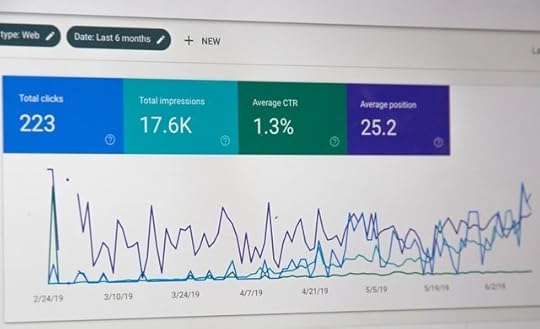
Photo by Stephen Phillips - Hostreviews.co.uk on Unsplash
Regularly Spot Check your main keywords to check if search engines are still ranking them in the same position; you can check your average position in the Google Search Console, which gives you the average ranking for the website as a whole as well as the performance of various keywords. Rank Trackers, such as STAT, are also useful. Enter your list of keywords and click 'run.' When the program is finished, you will receive the performance of your keywords over a set period of time.
If your keywords are underperformed, there are several things you can do. To make sure that search engines are able to find your site, check robots.txt and site maps – this will be included in a tech audit. A technical SEO audit is a good idea to source the issue. It will give you detailed information on any technical issue that may be affecting your rankings. There are many other troubleshooting options at your disposal. For a better idea of what you have available, check here.
The user experience of your website has become a key factor in the success of your SEO strategy. Customers have come to expect a slick and easy interface when they visit websites, along with efficient and straightforward payment facilities. There is a very low tolerance now for even the smallest inconvenience, and so your website needs to be on-point.
There is no automatic tool, as yet, to identify the issues of poor user experience on your site. You just have to use the site yourself and base modifications on your personal judgment. It may be useful to perform a little survey or marketing audit with trusted customers to find out what they like and what feels out of line with their expectations.
Other ways to optimize your site include a speed comparison with competitors, which can be done using Crux, understanding how users navigate your site using HotJar, and monitoring customers click behavior with Google Tag Manager. The more information you have, the better you can make use of it. Change your content layout if users find it difficult to navigate, update old blog posts, and ensure all your metatags are relevant to the page and are the right length.
Paid advertising is excellent if you have a budget and know how to spend it efficiently. Google Ads can help you with this. However, it is still strongly advised to improve your organic search results as much as possible. It will not only teach you the basics of how to compete at the top of the ranking with your near-competitors, but it will also save you precious advertising revenue, both in the short and long term.
Again, there are lots of great ways to do this, including improving your backlinks, writing longer content, and taking advantage of low-hanging opportunities. Backlinks are almost certainly in the top three ranking factors for Google and play an important role in improving your organic result – so work your backlinks. Longer content will help too; it keeps users on your page for longer and allows you to use more relevant keywords.
September 24, 2020
Tips To Improve Your Warehouse Operations

Running a warehouse is not an easy job, and it’s even harder to operate your warehouse in a highly efficient manner. The quality of your warehouse operations hugely affects your business, which is why it’s crucial to get it right. With a high performing warehouse, you’ll improve customer satisfaction and increase your ROI. So how exactly can you improve your warehouse operations? For starters, try taking on board these three simple tips.
1 . Use Lean Principles
Lean principles focus on the idea of reducing waste; according to lean practices, there are seven different types of waste, including inventory, transportation, overprocessing, waiting, motion, defects, and overproduction. To improve your warehouse operations, you should focus on using waste in all of these areas. Lean principles usually adhere to the following stages:
1 . Define Value: To put lean principles in place, you must have a clear understanding of the value of your materials, products, and processes.
2. Value Stream: The value stream considers your product lifecycle; you should focus on preventing waste at all stages.
3. Pull: The ‘pull’ stage essentially means products should not be physically made until they have been ordered. Sometimes this is referred to as JIT manufacturing.
4. Consider Flow: The concept of flow means that the value stream should continuously be moving forward; all activities should operate in sync.
5. Perfection: Processes should be reviewed ongoing to improve continually.
Reducing waste is of crucial importance to run an efficient warehouse.
2. Warehouse Management Software
Next up, to improve your warehouse management, there are plenty of software options that you can use. For a few starting ideas, try the following:
NetSuite WMS: With this great piece of warehouse management software, you can manage all your inventory needs, including bin tracking and cycle counting. NetSuite WMS offers features such as wave management, kitting, integrated barcoding, and dynamic replenishments. Using NetSuite software it’s possible to automate your business operations.
Fishbowl Inventory: Using Fishbowl inventory, you can take advantage of features such as asset tracking, order generation, and inventory tracking. It’s simple to manage your shipping, packing, and picking activities. Those who have multiple warehouses can manage them all using the app.
When you are seeking to improve your warehouse operations, the right software is crucial. In addition, you might like to look into a Mobile, AL warehouse, and distribution facility to improve the quality of your processes. With convenient solutions like these, you can take your warehouse management to new heights.
3. A Warehouse Audit
If you want to improve your warehouse processes, it’s essential to run a warehouse audit. An audit should cover every single aspect of your operations. You might look at your stock organization, your packing inventory, your order picking strategies, and your lead times. Once your audit is complete, you’ll have plenty of areas to focus on for continuous improvement.
Above all, it’s useful to review your performance again and again. It’s only by defining your weak points that you can develop effective growth strategies.