
Daley Downing's Blog, page 15
November 3, 2019
A Stiefvater Appreciation Post
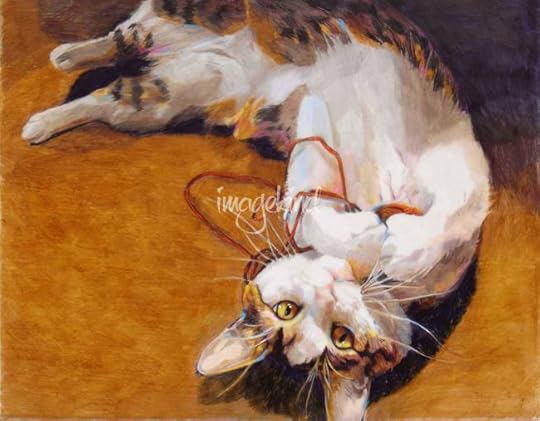
“What’s this?!” I hear you all asking. “A blog post — after the start of NaNo?!”
Yes. I feel pretty good about where my word count is, and where it is likely to be by bedtime tonight. And this is something I need to share.
Number one: All this art was drawn by Ms. Stiefvater herself. She is an amazing artist, not just a unique and talented author. I like to use photographs of her originals when singing her praises, and giving credit where credit is absolutely due.
Number two (but really also part of Number one and what spurred this post): A few weeks ago, I read an essay via a link on Maggie Stiefvater’s personal Twitter account that got me thinking. For very good reason. It was a detailed, private journey of how she spent years living with an undiagnosed, serious illness. There’s no way the decision to put all of that into text and release it to the internet was made quickly. She was brave, to share the intimate moments — how devastating her symptoms were, how many doctors brushed her off, how some of her fans panned books she’d struggled to complete while terribly sick.
Number three: Not only was I in intense admiration of Ms. Stiefvater’s courage, but I was also struck (how could I not be??) by the flat-out awfulness she went through before receiving proper treatment (she has an adrenal gland defiency). And I realized something personally — I was indeed one of those fans who was unfairly judging the books released between 2014 and 2017. I remembered, sharply, almost painfully now, acquiring them from the library and reading them, and thinking that they were okay, maybe even pretty good, but that they didn’t feel “like a Maggie Stiefvater novel.”
And after finding out why I got this impression, I felt guilty.
The sticky truth about the relationship between authors and readers is this: Sometimes, your favorite author will write something you just don’t care much for. It could be for a myriad of reasons. Maybe the subject matter just isn’t your jive; or you and the characters didn’t click all the way. It is all right not to be dancing down the street about every new publication.
However. Having said that, I’m going to stress the importance of distinguishing between: This one just didn’t do it for me, and What the hell happened to this author?
As a reader, I have done it myself. Including with The Raven Cycle and All the Crooked Saints. And now that I know she was hoping to avoid literally dying while writing some of those titles, I do feel ashamed.
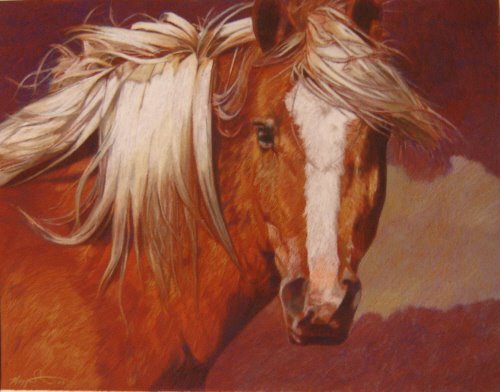
A relevant aside:
I didn’t know until pretty much everybody else did that Terry Pratchett had Alzheimers’ disease. Once I found this out, I wanted to avoid whatever books he published in the last few years of his life, for fear of them not resonating in the same way as the early Discworld canon that changed my life. Yes, this is the truth. Terry Pratchett was an author that made me want to write again, during a dry spell after becoming a first-time parent and moving abroad. To have that shattered, to have that robbed of me by a stupid, invading illness, would have been utter rubbish.
“Hey, moth, how do you think he felt? He was the one with the life-altering circumstances and crappy diagnosis that stole his words.”
No, you don’t have to say that now. Yes, I caught on to that, a while back.
I have read a few of the final Discworld books, suspending judgement and disdain. I was able to pick out the golden nuggets of the-heart-of-Pratchett, still within the paragraphs his co-writer must have worked hard on, so that the stories would at least somewhat click with the fans. And it does feel that they stayed true to the characters, and the general premise of the world.
The last title in the series, The Shepherd’s Crown, includes a scene that made me cry for about 3 hours straight. It killed off a major character, and did so in a way that made it clear: this was a moment of Sir Terry coming to grips with his own impending mortality.
And you can tell, by the style, by how it made you feel in your soul, that the writing was all him.
After reading some of Ms. Stiefvater’s live tweets regarding The Raven Cycle, leading up to the release of her next trilogy, it occured to me — I had given this series an unfair slam. I’d had no idea what she was going through; and despite the saying “ignorance is bliss,” ignorance really just makes for some embarrassing gaffs.
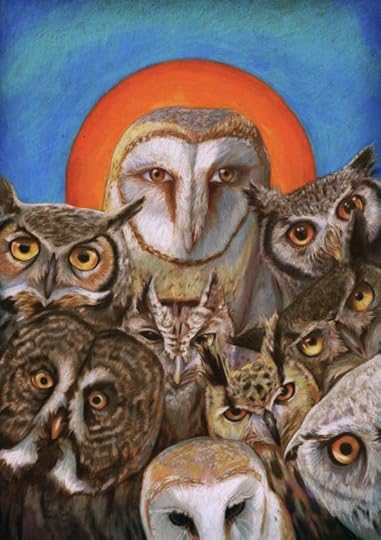
At the moment, I am re-reading The Scorpio Races. When I finish, I’ll be starting afresh on All the Crooked Saints and The Raven Cycle. Now the moments that didn’t quite strike me or seem “Stiefvater-y” will make sense. It will feel like reading these books for the first time, because my preconceptions have been stripped away, and my eyes are fresh.
I don’t want to close off my heart to an author that had it so completely after The Wolves of Mercy Falls. The idea of totally missing what so many others adore about “her other series” unsettles me.
To a point, is it all a subjective matter of taste? Well, yes. And I shouldn’t feel the need to apologize for my own taste.
But not having the whole story before I make a final determination is an action that goes against the very grain of who I am.
In the end, I may not like the ravens and dead Welsh king more than the temperature-controlled werewolves and water horses. The owls and confused saints and lost pilgrims in the desert may still not be somewhere I revisit frequently. But I will know the whole truth of it all, and my conscience can be clear.
And then, I’ll be ready to proceed to Call Down the Hawk, the first in a new trilogy, spinning off from, but not based on, The Raven Cycle. And I may be very excited about it. Even if I’m not thrilled, I won’t feel this awkward distance between me and, quite honestly, one of my favorite authors.
I’ll want to read it — simply because she wrote it.
That’s the best every fan — and every artist — can hope for.
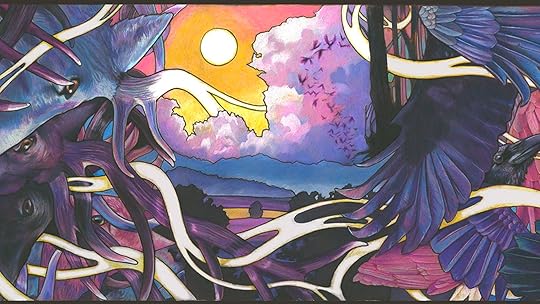


October 27, 2019
Can Fandoms Go Too Far?
I’ve been thinking about this a lot lately. Fandoms are great; many of us avid readers belong to ones that focus on our favorite books and movies. We love being able to connect with like-minded individuals, flail over our shared passions, and know where our people are. And fandoms show an author or a franchise that their work is absolutely appreciated, and valued.
But there are instances, I firmly believe, when fandoms cross a line. I personally don’t approve of fan fiction, but I know others won’t agree with me that fanfiction is doing anything wrong. Some authors are thrilled to discover fanfiction of their work appearing online. But many of us only see the theft of intellectual property, and some pretentious knucklehead claiming to know our own books better than we do. When they wouldn’t have anything to fan about if we hadn’t written it to begin with. To say this is a controversial matter is definitely an understatement.
There are also all the now-millions of conferences and festivals that celebrate various franchises and their fandoms. Some of them (like the official Comic Cons) encourage us to throw around copyrighted material — branded costumes and merchandise are everywhere, no legal consequences. However, many fan-run events have been ordered, by lawyers employed by big, powerful entertainment companies, to shut down, because they took way too much liberty with producing trademark-item-inspired inventory to make their own profit.
Then there’s the epidemics of harsh critiques authors and filmmakers personally receive on social media, when fans are disappointed or angered by the turn a series took. If you don’t like the way something ended, you are absolutely entitled to your opinion — but the creator is just as entitled to believe that ending worked well for what they made. So, while I one-hundred-and-ten-percent stand behind fans being allowed to post negative, even disparaging, reviews, I also stand behind not tagging the creator to the link.
So, what marks the line fandoms shouldn’t cross? I think it’s when fans start acting like they somehow own the content created by someone else.
It does not matter how much you love a franchise; that does not give you the right to try to make yours something that already belongs to another individual or group. When you consider that the creator willingly shared their work with you, via publication or making the film or broadcasting the program on TV, then it seems doubly ungrateful to behave as if you suddenly are due this fictional world for your own purposes.
Attitudes like this also contribute to book piracy, which causes major problems for artists and fans who follow the rules. It happened to me. While looking into releasing e-book versions of my fantasy series on Amazon, I discovered unauthorized copies of the paperbacks listed on Amazon, and Walmart.com. Despite both websites saying those products were out of stock, I went ballistic. I immediately contacted customer service.
Within days, Walmart.com had apologized for the occurence and removed my titles from their inventory. Amazon, on the other hand, refused to believe that I owned the copyrights, even when I gave them all my ISBN-purchase information from Barnes and Noble. Hence, I am now boycotting Amazon, not using them as an author, and not ordering anything from them. But this means no e-books from me for the moment, and I’m not able to support more indies who only sell on that platform.
And have my own sales suffered as a result of this decision? Yes, they have.
The other thing that concerns me about people becoming too immersed in fandoms is the lack of originality that’s already starting to affect especially the fantasy market. If everyone’s so fixated on coming up with the next Harry Potter, Hunger Games, Percy Jackson or Game of Thrones, rather than taking what inspired them in a new direction, the genre will very quickly stagnate.
One of the reasons I love fantasy is the possible width and depth and breadth of ideas to be explored, and the number of ways in which to do so. Whether the bent is futuristic or in the past, based on traditional legends or contemporary culture, we can have expansive character arcs and worldbuilding while discussing relevant social and moral issues. Not many genres manage to pull that off.
Why would we risk losing that by compromising for popularity…and then mediocrity?
Maybe fandoms need to start drawing more of their own lines, before it’s done for them.
October 12, 2019
The Obligatory NaNoWriMo Post
It’s that time of year again! No, I don’t mean autumn — I mean…dun, dun, dun…the approach of NaNo!
I’ll give you a moment to scream into the void.
For those of you who don’t know what NaNo is, grab a pillow.
Okay. For anybody who’s participating, I have laid out 7 types of cake and tea with milk, sugar, honey, and lemon. To everybody else — staring blankly at us and wondering why they aren’t invited to partake of the treats — NaNo is short for National Novel Writing Month, and every year crazy writers dive into it, temporarily abandoning sanity. Every year we wonder why we’re doing this yet again…but we strive to push through, and complete the task.
The goal of this endeavor is to write 50,000 words on one project within 30 days. In theory, you could have most of a whole novel drafted (or an existing draft really whipped into shape) before the month is over. If you write/type at least 1700 words a day, you’ll have it done in approximately 4 weeks.
However… There are theories, and then there’s reality. Hence, cue the screaming.
In reality, you will have the time and opportunity to get down about 856 words before your toddler turns off your computer (yes, that was me), or the sink gets clogged, the delivery guy arrives with new bookmail, a co-worker calls and needs you to cover their shift, or there’s a Marvel marathon on TV.
Do we start November with the best of intentions? Oh, my, yes. Do those intentions get derailed hella fast? OH, MY, YES.
So, why do we do it? Repeatedly?
It’s the writer’s equivalent of climbing Mt. Everest and conquering the behemoth. When we, on November 29th, upload our daily word count with bloodshot eyes and take a cold swig from our 4th cup of coffee, and see the chart shoot up from 48,770 to 50,011, and we realize I’VE DONE IT, this is the biggest rush since the first time we ever finished a project. The elation that rushed through us the very first time we typed “THE END” is replicated. We have clambered onto the summit and planted our flag.
So, how do you survive NaNo, and maybe even finish on top? From my participation in previous NaNos, here are some strategies I’ve acquired from literal blood, sweat, and tears:
Don’t set ridiculous goals. Aim to write about 1500 words a day. If you can’t hit the goal you did set, don’t beat yourself up. If after 2 hours your numbers are somewhere around 1026, rejoice. Many people dream of writing a novel and don’t get any further than the first page of the first chapter. Embrace whatever progress you make.
Don’t be finnicky about quality. This is absolutely a matter of quantity. You can go back and edit later. As a habitual edit-as-I-go writer, this was an extremely difficult notion to wrap my head around. It’s how I’d get down to the last week and still need at least 5,500 words to make the ultimate goal. This year, I have already decided: As long as it at least kind of makes sense and I didn’t do something terribly stupid (like suddenly change a character’s name), I’m going to let it slide.
Take care of yourself. (Or I will hunt you down and force vitamins and vegetarian curry down your throat.) You will get nowhere fast if you’re sleep deprived and not drinking water and putting off eating a rejuvinating, healthy meal. A daily word count of 4438 is incredible…and also potentially deadly. Your family needs you to be around after November. So be good to the physical you, not just the creative you.
Know how you write best. What’s your preferred way to draft? Type? Handwrite? Outline? Pantser it? Whichever is your comfort zone, stay there and make no excuses for not leaving. Outlining is how I kill a previously great concept, so I no longer force myself to play at it. While I do have plenty of little notes on relevant stuff I really should remember for the sake of continuity, and I stick to that, I am not going to spend 2 weeks on a detailed outline I will scrap by November 3rd. And my method works for me. No apologies required. There is no perfect or mandatory way to attempt NaNo.
There are lots of reasons to avoid participation as well. Last year I opted out because there was too much else going on in my life, and I figured I’d make it to the halfway point by Thanksgiving, and was not in the mood to “fail.” Here’s the secret about NaNo, though: If you decide to quit, that’s totally okay. It’s free to enter, and the only loss if you don’t finish is…well, yes, you “wasted” some time and weren’t “successful.” But even that doesn’t measure up against closer examination. The fact you got several thousand words down on a new project, or put in effort on revising something that was giving you grief, is a success, and was worth it. Don’t toss that aside just because you didn’t “win.”
Because here’s the unfortunate truth about NaNo: Our prizes are not actual gifts or currency. The reward is mostly the satisfaction, and the street cred, of scaling the summit. Which is part of why many opt out; and I get that, too. There’s also no shame in deciding to NaNO.
And don’t for one second underestimate the importance of having a support network. When you sign up on the official NaNoWriMo website and create your profile, you can make buddy requests. Do that. Find out which of your friends are also torturing themselves — ahem, diving in, and build that buddy list with familiar faces. When it’s November 15th and you’re starting to wonder if you can make it, your friends will cheer you on. There were instances I almost threw in the towel somewhere around 35,000 words, but really would’ve kicked myself later for it, and getting the flood of support on social media did rev up the remaining creative juices.
But true friends will also congratulate you on what level you reached before you quit, if you announce you’re done. And there won’t be berating or yelling; only stuffed animals and copious cups of tea and biscotti.
And there is always next year. Or 2023.
Remember, there is no perfect way to NaNo.
October 6, 2019
What It’s Really Like to Work in a Library

You think you know libraries. They’re quiet, calm, tranquil places of wisdom, learning, a corner of the world where you can hide away and lose yourself in someone else’s fictional creation.
None of this is actually untrue; but there’s more to the story than the common image. Also gone are the days of librarians being 100-year-old ladies with blue hair and huge glasses who threateningly shush you if you dare to whisper a reference question to a fellow patron. We tend to be moms with kids still at home, politely checking out whatever materials you pass our way, no judgment, only shushing you if you’re really pushing the limit.
And we are busy. You wouldn’t believe how much we have to do to complete the supposedly simple tasks that result in you having those coveted books and discs in your hands. It isn’t just scanning the barcode and placing it on a shelf or in a bag. Oh, no. It’s not more complicated, but the process is more time-and-energy-consuming than many realize.
For example: We begin our day with collecting all the items people returned the evening before, or early in the morning, when we weren’t open. Most libraries have a “dropbox” outside the building, which does just what it says on the tin. And we go out in whatever sort of weather to toss into bags and haul inside the realistically several dozen returns.
Then we can begin processing which returns are going back on our shelves, to other libraries, or are going on hold for someone else who has requested that title. When you need to scan the barcode and find where an item is going…at least 50 times…all in the half hour before the library once again opens to the public for the day… You get the idea.
And when people start arriving, they bring more returns with them. And they need things (how dare they). They need to collect their holds, and check more stuff out, and print or copy or fax things, and…
And when the printer is down and the IT guy is forbidding you to get near a single computer, even to make the literal 3-foot-high stacks dwindle quicker… Yeah, you get it.
Being a library clerk is a position that requires patience, and flexibility.

And if you thought that working in a library would be a bookworm’s paradise… Well, not quite.
The fact is, we simply don’t have the time to peruse all the interesting new titles that cross our paths. Even when we’re not at work. And there are days when you go home and the thought of handling another book just…isn’t appealing.
But there absolutely are bookworm perks to this position, too. Free ARCs, and first shot at brand new releases. Not being charged to use the copier, fax, or printer. Not having to wait in line to check out your selections, because you can glide right behind the desk and do it yourself!
You also never have to wonder what next month’s book club pick is, since you’ve just been discussing it with your co-workers (and you get a copy early, too). If there are extras in giveaway piles (leftover from programs and events), you may not even have to ask for those.
One thing that definitely has not changed about libraries since I was a kid is: They are positively overflowing with books. And not just regular fiction and nonfiction; there’s also large print and paperbacks, audiobooks and movies and TV series, plenty of YA and MG and picture books, not only currently bestselling authors, but plenty of great writers you’ve never heard of. One of the joys of the job remains seeing readers (and watchers) find their next favorite.
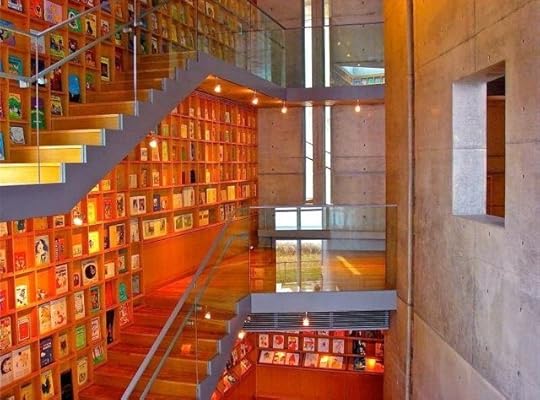
I also have a new appreciation for the community services libraries provide nowadays. Yes, I’ve been taking advantage of sending White Fang to the kids’ programs for free for years. But since being “on the other side of the desk,” I’ve begun to realize just how important a library can be, as a fixture in a small town where many residents have few resources when it comes to technology and extracurricular activities. Until the means catches up to the vision of how people are supposed to be living in the 21st century, we’ll be here.
And I’m sure even long after that. The general public being literate is a relatively new concept in the world. We librarians still have a lot of work to do.
And some complications or frustrations or obstacles aside, most of us really enjoy what we signed up for.
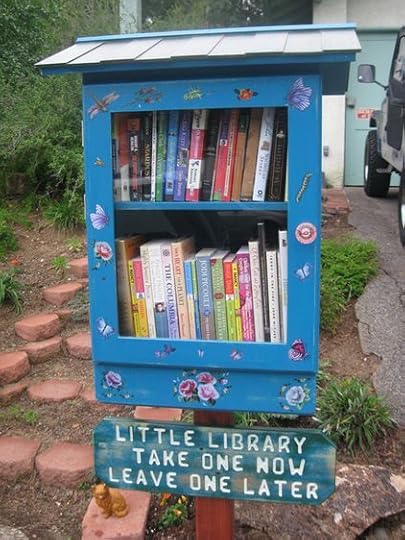
September 29, 2019
Third Quarter Wrap-Up: How Does Time Keep Moving Forward
Good morning! Considering that I apparently abandoned monthly reviews at some point in the distant past, but there is still plenty to announce or cover in the wrap-up department, and how we’re on to a new season, I figured this was a good track to take today.
This calendar year has been a very tumultuous one for us, unfortunately. These days, however, the changes have been good (and filling a desperate need for the positive). What the new stuff has meant in other ways than impacting our schedules and frame of mind, is how it’s rearranged our energy and ambitions for our spare time.
In my case specifically, I’m finding that — despite now working in a library — I read less, and am even watching movies less (my go-to form of entertainment after reading). And, because of having less free time and less expendable energy, I am writing less.
And you know what? For the first time in a looong time, I don’t mind.
Yes, there are ideas left to explore, plot threads to cultivate, character arcs to, er, arc. But at the moment, I am just taking it bit by bit, and not feeling the pressure to complete editing and produce more finished, polished content. I will get there when I get there.
It’s interesting, because I worked so hard to establish myself as an author, and while I absolutely am, suddenly it doesn’t feel like the end of the world if I can’t release more than one new book a year. This mental attitude actually results in ensuring that when I do complete a project, I will feel better about it, and less likely to beat myself up over imagined flaws. Yes, constructive criticism can be valuable to a creative career. But slamming yourself over a mediocre second draft — especially one written during an extremely stressful period — will never turn you into a more successful author, or person.
Anyway, so while my progress on Fire and Wind is still limping along, I’m done making “excuses” for it. I’m still going with it, which is what counts the most.
And here’s some new entertainment I have made time for, and either enjoyed or felt I learned something.
WATCHED:
Uglydolls:
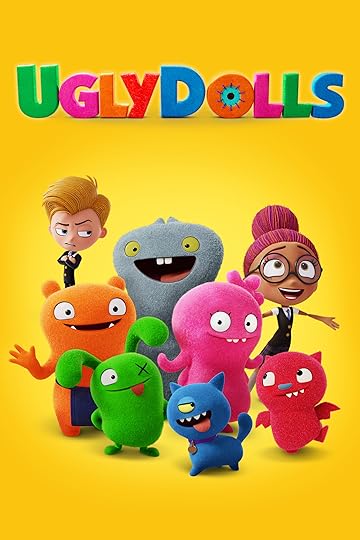
Okay, this is the most amazing animated film I’ve seen in a while, and considering how much I enjoy Dreamworks movies, this is saying something. Uglydolls is very much a story of our times, a reflection of the “beauty culture,” but not an endorsement of it. The cast comes from this culture, but, again, doesn’t necessarily support it. And when we live in a society that frequently tells us our looks matter so much more than anything else, the message of Uglydolls needs to be heard.
Godzilla, King of the Monsters:
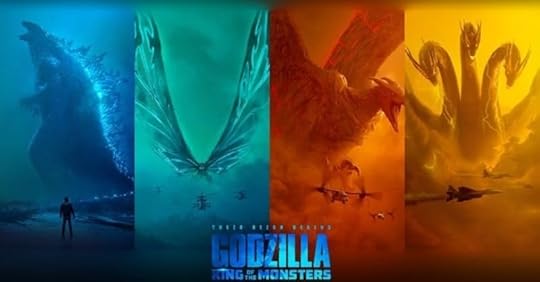
Basically, we spent all of last weekend watching this. First, White Fang couldn’t wait to watch the rental disc; then Muffin found out we had it; then the whole household got into the action. So in about 72 hours, I saw it 3 times. But I didn’t mind. There are many little aspects that give this movie so much heart, and make it more than just another monster flick. The special effects are downright awesome, but it’s the more subtle touches that really inspired my reactions.
Secret Life of Pets 2:
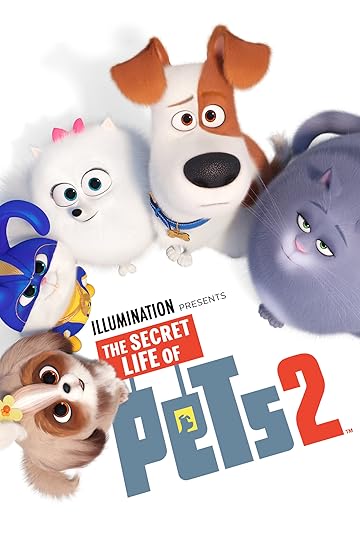
Heartwarming in a more obvious way, this is the charming and poignant sequel to (clearly) The Secret Life of Pets. Muffin fell in love with these characters the first time around, so there was no question we’d be watching the follow-up. This plot has (luckily) less pushing-believability elements than the original, and still plenty of magic, and humor that works both for kids and adults. And personally, I appreciated the more down-to-earth approach, and what this story reflects about the many forms family comes in.
READ:
Nevermoor:
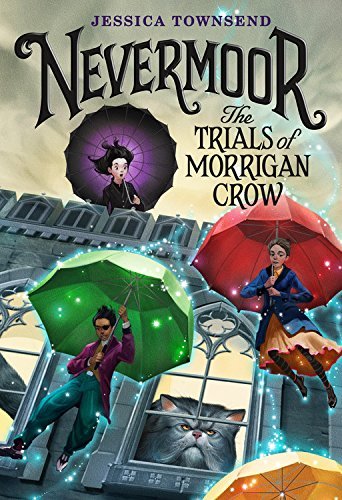
I had read some conflicting reviews for Nevermoor, and now I understand why. On the surface, Nevermoor is quite enchanting — it’s a frolicking sort of fun, packed with magic and mischief and mythical creatures. BUT. Unfortunately, it is a big BUT. The characters are mostly archetypes, with little going for them beyond their expected role. The deeper mysteries of the plot are hinted at, and not really dug into. The book is a slightly intimidating length for an MG novel, and while it trips along pretty quickly, it seems to just keep pushing forward, conveniently ignoring particular issues.
The tricky part for me, though, was that I had the “big twist” guessed easily 150 pages before any “secret” was revealed. Maybe it’s because I was reading it as an adult, and this book is aimed at ages 10-14. Or maybe it was just the style — one I’ve encountered in many other MG/YA novels, that doesn’t pull the reader in the way it used to.
Willa of the Wood:
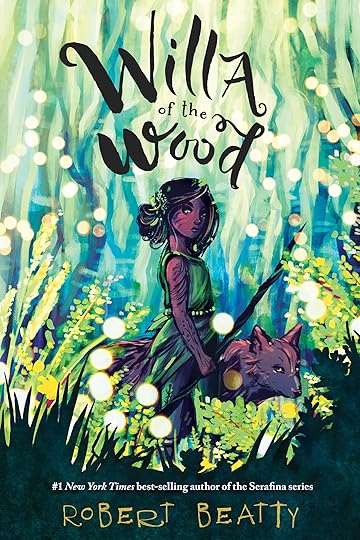
Willa of the Wood showed me that I am definitely beyond social justice authors. Don’t get me wrong; I am a big proponent of social justice, and feel it absolutely has a place in literature. However: When you’re reading a novel, and it’s just crammed with soapbox agenda writing, as opposed to subtle undercurrents or meaningful dialogue that actually makes you think… Well, that’s when I bottom out, and lose any enjoyment in the story itself. Unfortunately, this author has definitely taken the soapbox route in his newer publications, and that means I will make other choices.
OTHER THINGS:
I have two new jobs! One is as a dance teacher at an arts center that I’ve known about for a long time, and they finally had an opening for a ballet instructor! This came to be over the summer, so I’d been looking forward to starting fall classes.
The other is a position I had applied for twice before…and now my turn has come! I’m sure being a library clerk isn’t most people’s dream job, but I feel competent and confident in the duties, and the environment is generally not overstimulating. As much as I genuinely enjoy working with children, having too many regulations for simple daycare, as well as no limits on noise in most preschool settings, get to me way too easily these days.
Muffin has started kindergarten (!!!), and White Fang is content at his new school (!!!). It’s a much longer commute for White Fang (at least half an hour, depending on traffic or construction) than he had, but the academic and social atmosphere certainly makes up for it. Muffin now only spends about 20 minutes on the bus (he had a long ride to preschool), but he’s being challenged by the new learning standards, so he’s still tired at the end of the day.
And fall does seem to be on its way! With all the other new stuff going on lately, I don’t know how many “typical” autumn activities we’ll participate in. Every year, though, the changing leaves and the crisp scent to the air makes me feel cozy and crave fuzzy socks and pumpkins on the front step, and I can’t see that changing now.
Have a great day, everyone!

September 22, 2019
Things That Don’t Go Bump In The Night
So, two weeks ago, one of my first tasks as a library clerk was to create a new display for the evening book club, reflecting next month’s theme. Since it will be October, the theme is spooky, ghost story, or horror, basically ye old “things that go bump in the night.”
This is one of the few literary genres I tend to avoid at all costs.
I have tried it. And I couldn’t handle it.
At least I am brave enough to admit it.
Unfortunately, seeing as I belong to this book club, I had to choose one of these selections for my own reading. And the covers alone freaked me out.
Here was me arranging the display: “No, no, no, NO, nope, nah, no way…GAH…ehhhh, no, no…Hey, HP Lovecraft, maybe I can do that?…A manga of Edgar Allen Poe? What the heck…No, no, no…”
Just putting up the books almost gave me a heart attack. That’s about how much scare I can take.
But, despite my better judgement, I checked out and actually attempted to read some Stephen King and HP Lovecraft.
Yes, you got that right: Attempted. I am officially throwing in the towel. Wimps R Us.
So be it. I finished Dracula years back. That counts. (Yes, it does, dang it.)
I am not a fan of fictional things that go bump in the night. Maybe it’s because I prefer to have a healthy fear of stuff that does, in fact, bump, and might get us. There is more than enough of that, between rare diseases, crime, natural disasters, and tiny creatures hanging out in your basement. We don’t need to add ghosts, demons, monsters, vampires, werewolves, and whatever else horror authors have dreamed up in the last 50 years to the list.
But for some reason, lately I’ve been thinking (a lot) about a book I read as a tween that knocked my socks off — so much, in fact, that I returned it to the library after a sudden jump scare scene, and it took me nearly 2 years to go back to that spot on the shelf and retrieve it to finish.
The story behind that is this: The book was called Urn Burials by Robert Westall, and it was a YA thriller. I honestly didn’t realize the category when I first checked it out. I was intrigued by the premise — the notion that ancient monuments, that Middle Age farmers probably wouldn’t have had the tools or knowledge to construct, were built by aliens — as I was in middle school and had yet to hear of this long-running niche theory. In the novel, it turns out the aliens are real, and they’re upright-walking-and-talking cats and dogs from rival races, and there’s a mystery plague involved. Now, for someone who had generally only read Beverly Cleary and EB White up to that point, this was a radical departure.
I was actually doing fine with Urn Burials until the chapter when the narrator is doing something incredibly normal, like washing dishes, and looks up at the nearest window…and there, staring at him through the dark of night, is an alien animal face.
The sun had set outside while I was reading, and as I looked up from the book, to my window with the curtains still wide open, that image was all I could picture.
I slapped the book shut, ran to the window — turning my head to the side, eyes down — and yanked the curtains closed.
The very next day, the book went back to the library. And it took me literal years before I could look out a window at night without feeling the hairs rise on the back of my neck.
So, seriously, explain to me why I keep thinking about Urn Burials and am honestly considering re-reading it.
I did my online research, and am pretty sure it’s out of print; so I’ll need to either acquire it secondhand or as a library discard. This means more time and effort on my part, and possibly more money. (I already checked, and it doesn’t seem to be in my local library system.)
All of this could indicate that this endeavor may not be an advised one.

The major thing driving this idea is curiosity: Now that I know what’s coming, would I still be as afraid? Would my age and experience since the first time I read those words mean I don’t have the same reaction and feelings?
How important is it to prove this to myself?
Because the other side of the coin is: It’s worse than I remember. And I won’t sleep for a week, patrolling the house from dusk to dawn, carrying White Fang’s katana and shoving it past dramatically-whipped-open closet doors. In case of, you know, upright walking and talking feline and canine aliens about to unleash a mystery plague.
Um, yeah.
What’s the scariest book you’ve ever read? Did you get over it or not?! Share your terrified thoughts in the comments below!

September 13, 2019
Literary Snobbery Bites
Just what is literary snobbery, and why does it make us say ouch, and want to avoid it? Well, most of us who are avid readers, or writers and readers, are aware that there are some people in the world who simply feel one type of literature is “better” than all the rest. This perspective ranges from demeaning certain genres, styles, and/or authors, to being downright nasty on social media or in real life socializing, to concretely boycotting and encouraging boycott of particular titles, or — again — authors or genres.
Just like any other kind of snob, literary snobs are just eewww. And like other kind of snobs, literary ones feel they are absolutely right, no matter what, why can’t you see that, and, no, you aren’t going to change their perfect and complete minds.
A-hem. Okay, let’s temper this salt just a little.
The biggest reason literary snobs get under the skin of those who just plain like to read what we like to read is their superiority attitude. Bookworms — and especially bookdragons — are always going on about how much their favorite titles mean to them, and how everybody they know should read immediately, and love them just as intensely. However, what makes us not-a-snob is the fact that, if someone doesn’t like our favorite book, we may be disappointed or even miffed, but we will not proceed to formulate plans to hunt down these individuals in the night and…
Oh, right, less salt.
Unfortunately, we have probably all had an experience (more than one?) where we either got into a heated argument or a very uncomfortable debate with somebody based on literary snobbery. I know it’s happened to me. But what’s really the best way to deal with it? Other than passionately defending your dear papered loves…particularly when the party opposite refuses to be swayed, even a tiny bit?
And really, what’s our end goal? To get them to admit our favorite book is the best ever? Or just to get off their stupid soapbox and admit something that simply isn’t to their taste still has value?
For most of us, it’s the latter.
So, how do we do this constructively? While retaining our own sanity?
Maybe there are reasons literary snobs are this way. Let’s start with that.
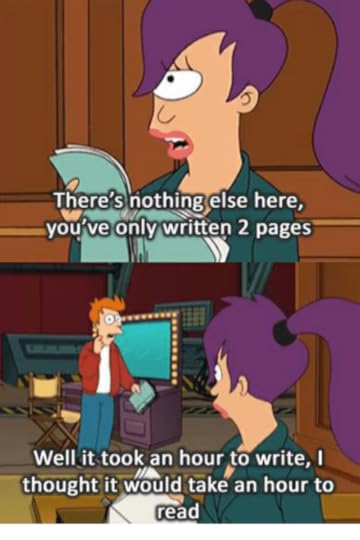
Do they genuinely realize how hard it is to be a writer? A lot of enthusiastic readers probably don’t. This may be surprising, but since becoming a self-published author, I’ve come across a monumental amount of misconceptions or misinformation among readers about writers. One is this notion that if you’re talented and trained, or at least educated via academia or the school of life, about doing a thing — such as writing a book — that it should come easily. Very intelligent people can have no concept of how the creative brain operates.
There’s also the fact that society tends to decide what’s “mainstream” and what’s “fringe.” Science fiction and fantasy, graphic novels, horror, speculative religious or spiritual fiction, tends to be seen in our society as “fringe.” The reason romances and mysteries and biographies of politicians and celebrities are in bookstores and libraries everywhere is because they’re more conforming, more generalized, easier to get ahold of (for sellers or distributors), and more people consider them acceptable to read — and be seen reading.
Changing people’s minds about what’s “acceptable” can be a hard road. There are lots of people I know passingly in my area that find fantasy and juvenile fiction to be “beneath” authors, and readers. Because this is what I write, I am not always appreciated wherever I go as a card-carrying author. This gets tedious, but also, I get used to it.
Not that I like it. So, again, what’s the solution?
Maybe there isn’t one when it comes to taste?
Or maybe we can at least try to encourage broadening horizons? What if someone reads a book in a genre or style they swore they’d never try…and they enjoyed it? This does happen, and not as infrequently as we might believe. It’s a step forward…
How do you make sure you don’t accidentally turn into a literary snob yourself? My advice is to always have a variety of authors, in at least two different genres, that are your go-tos for new titles/releases, and don’t be afraid to try suggestions. Generally I read YA and MG fantasy, but there are a handful of adult fantasy or adult romance novelists I return to now and again. Sometimes I shake it up with a biography or memoir or a title I haven’t read since about 1998. It’s all good.
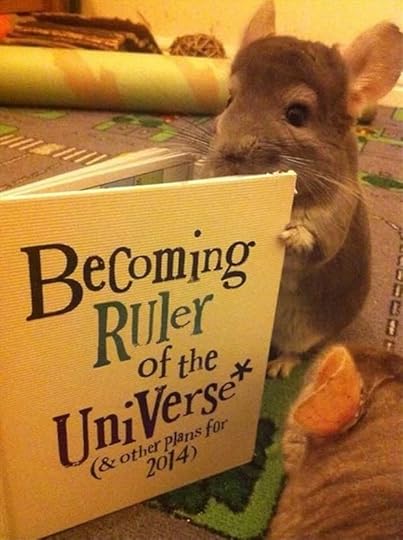
If someone will never agree with your recommendations, learn to let it go. Live and let live. Peace (and your sanity) is more important.
What to do if you’re surrounded by literary snobs?
Well…is there any way to change your circumstances? I mean, if your co-workers fit this category, but you’re more open-minded, but can’t just quit your job, there are always online communities where you can find those sharing your interests and views.
If it’s something you don’t have to be involved in — like me and a certain book club I mentioned recently — then just remove yourself from it, and be glad of the escape.
What if pushing forward with your own intention to broaden is the way it has to be — because the literary snobs are your family, students, or you’re — for example — the head of the book club?
I know someone who refuses to give up. She’s making a bunch of retired grandmothers (who are very picky on their reading selections) get through Stephen King’s Bag of Bones in October.
And if you are well-read, please be kind to those who may not be. You could unintentionally turn somebody off from reading a certain genre or author, depending on your reaction to their lack of knowledge.
And there are many reasons why people either don’t have the time or inclination towards reading something you feel they should’ve finished years ago.
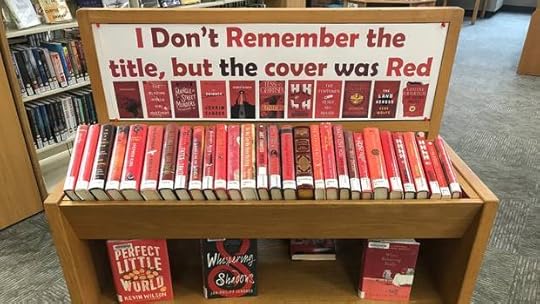
Since we all love reading, we want to encourage others to pursue it. If we make it feel like reading for pleasure is something that’s unreachable or unrelatable, our passion won’t get much past us.
Let’s grow the flock.
September 8, 2019
An Autistic Author’s Struggles
So, most of you are aware that I’m a self-published author, and an autistic everything. While having autism doesn’t automatically mean there are occupations I’m not cut out for, writing does present certain particular hurdles.
You can’t write because the faucet is dripping too loudly. Most people on the autism spectrum are extremely sensitive to external stimulation — such as noise, light, texture, taste, and smell. Just one of many examples I could come up with is a leaky faucet that results in torturing you right out of creating a sensible plot point or engaging dialogue. It may seem silly to some, but if you’re already having trouble figuring out a character’s witty next line, or what the code to the secret door should be, and that relentless drip-drip-drip feels like it’s leaking straight into your brain…
We tend to hear/see/feel life on a scale of 11. Everything is heightened to our senses. And it’s not something we can just learn to ignore or turn off. We can find coping mechanisms (sometimes we just have to, if we want to ever leave the house), but our bodies will simply never stop taking in physical information at these increased measures.
So we may need to wear noise-cancelling headphones, or carve out a time to write when no one else is around, or go somewhere like a library where people are encouraged to be quieter.
Unfortunately, exiting your familiar environment can throw off your regular method for keeping the creative juices flowing…
You can’t write because you don’t know who may come through that door, or if this chair wobbles, or when a bat might land in the toilet.
In my case, being surrounded by a common atmosphere and objects — and all of the blessed predictability this entails — really helps me remember where the heck I was going with that scene or plot thread. Also, one’s stress is lessened by the freedom of being able to get up and go make a cup of tea whenever, and not worrying about someone taking your spot (which is a real concern in a cafe or library or bookstore). And the bat in the toilet may sound extreme and totally invented, but this actually happened in my local library a couple of weeks ago. If I’d been around during that incident, it would’ve meant not a single sentence got written for about a week.
And your productivity suddenly grinding to a halt is a valid concern…
You can get too easily distracted from what you were writing, or intending to write. Many authors admit they have ideas for about 14 new books all swirling around their heads at once. Whenever I’m in the middle of a project, I can guarantee a new and astoundingly brilliant idea will pop up from the ether…and proceed to take over my entire soul.
My mind and heart will immediately become consumed with the fervor for tackling this sudden notion. It may be utterly out of my usual genre, setting, or time period; it may require research that I really won’t do until much later (if ever!); it will definitely take me away from what I had been devoting myself to.
And then I will either abandon the new thing (after approximately 2 days to 2 weeks), or the new thing will turn into my usual thing, and the previous usual thing will…just sit there…until…the end of the world?
At the moment, I am on the third draft of Volume 4 of my fantasy series. Guess when I started it? June 2018. Guess when I last worked on it? May 2019. Yup…
You may be kind of rubbish at time management. Being autistic often means we get caught up in dedicating large chunks of time to one certain task or endeavor. We’ll feel satisfied, after a 6-hour binge of reading up, that we now know everything there is to know about how 17th century castles were built. But our families or friends may be rather miffed that we didn’t do the errands/chores/socializing we had already promised to do in those 6 hours.
And we honestly were not being selfish or intentionally avoiding other responsibilities. Some of us are simply “time blind”: We just don’t realize how long it takes to accomplish an objective, or how quickly time is passing while we’re engrossed in whatever.
There are several ways to learn time management: set a timer, stick to a strict schedule, keep a daily planner or constant bullet lists and check items off as they’re completed. These strategies can work on your writing, too.
One of the benefits of self-publishing is that I set my own deadlines, and can always push it back if I need to. And “need” comes in a variety of shapes and sizes…
You just don’t feel like writing today. Or next month. Or anytime this year. I’ll confess: I am in awe of authors who sit down and just write the next chapter, get up in the morning and repeat…until the piece is simply finished. While my time management skills are pretty good, there will always be instances when the inner motivation to knuckle down on a project just doesn’t exist.
And this could be because:
I didn’t sleep well last night.
When I went to the grocery store this morning, someone gave me a weird look as I muttered my shopping list to myself.
The last time I tried sharing part of this WIP with others, I got laughed at — not in a good way.
I absolutely cannot imagine what would push my character forward when all I feel like doing is hiding under the covers with my cat.
Anyone who claims part of ASD is “not having feelings” is an idiot. We experience so much of life so strongly, and emotions are no exception. Tiny, unintended offenses committed by people who look down on us because of our stimming or the intellectual defects they imagine we have affect us deeply. Neurotypical individuals who show blatant shock at our “juvenile” preferences or “delayed” coping methods will make us second guess ourselves all day…or until the next decade.
The last time I tried sharing some of my writing with people who said they wanted to know more about my process, they were surprised I was writing fantasy, surprised even more that I was writing YA fantasy, and the combination seemed to lead directly to them no longer wanting my advice. That fact was not only heartbreaking and devastating, it meant that Volume 4 pretty much came to a dead stop. That was over a year ago, and…well, I admitted it’s just sitting in a drawer.
Which brings me to…
You may feel like you’ll never measure up to “other” authors. This can be the biggest single hurdle. The imposter syndrome can hit anybody; but autists are already prone to feeling inferior, and if we hit resistance from people who professed interest in our work, until some little switch was flipped, it hurts. A lot. It can derail our entire purpose in writing to begin with.
There are moments when I have to give myself a pep talk. Concrete stats: 5 books published in two and a half years. Several positive, even glowing, reviews. A devoted Twitter tribe. Consistent traffic on the blog. Hundreds of comments of appreciation and encouragement.
Remembering that the naysayers can go stick it to the land of no sunshine feels like the tallest wall.
September 7, 2019
What To Read Next?
So, recently I’ve been complaining a whole bunch about literary genres/styles that have let me down, and made me realize how much published fiction I actually don’t want to read.
The next logical question then becomes: What will I read instead?
It took me a little bit to figure out (I blame stress for getting in the way of such an important decision), but the answer came at last: Switch to a genre I haven’t been near in a long time.
Since I unofficially “gave up” Middle Grade a couple of years ago (because I was “too old” for it), I decided this was a good time to reacquaint myself.
The Morrigan Crow series by Jessica Townsend:
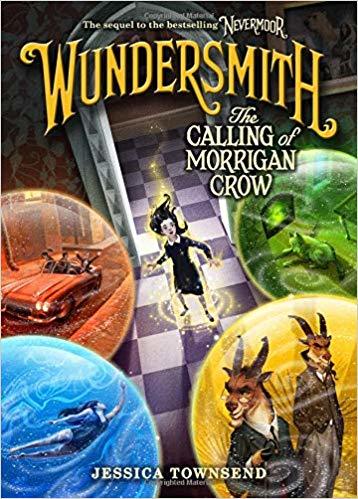
I’m only about 40 pages into Nevermoor and already am hooked. I really want to know more about this world and what will happen to the characters. I’ve heard some conflicting reviews of this series, but I’m keeping an open mind. Because it’s aimed at ages 10-12, the writing is super simple and easy to read pretty quickly, but not feeling like you rushed through it and didn’t grab the plot points.
(For me, this is a major downside to adult fiction; there are too many authors that write such long, drawn-out descriptions and background that I’ll just skip ahead 20 or 30 pages at a time to get to the part where something actually happens. And usually by then, I’m not invested anymore in trying to care about the characters. I really need a concentrated focus not only to get my attention but also my sympathy. Sorry, adult fic authors.)
Hopefully I’ll have a positive review of Nevermoor to post later!
Willa of the Wood by Robert Beatty:
I loved this author’s debut, Serafina and the Black Cloak. While the sequel unfortunately didn’t do it for me, I was very pleased to hear Beatty has a start on a new series. I like the setting and premise of Willa of the Wood, and it seems to have a more magical atmosphere than Serafina in general, which I can get behind, since American-based fantasy worlds/systems are in rather short supply lately.
(And as much as I love the wave of Harry Potter and Lord of the Rings inspired fandoms, I feel like it’s time the fantasy lit community as a whole branched out more. That could be an entire post unto itself.)
Pax by Sara Pennypacker, The Train to Impossible Places by PG Bell, and Dragon Pearl by Yoon Ha Lee:
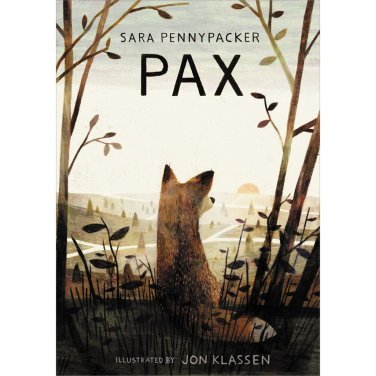
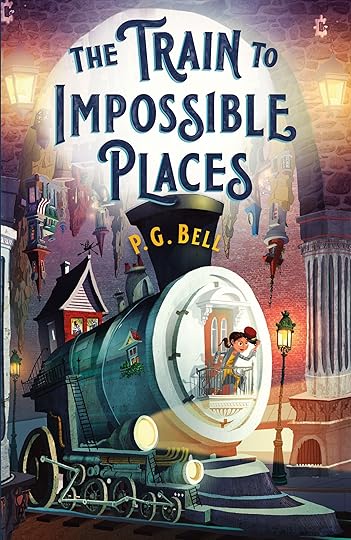
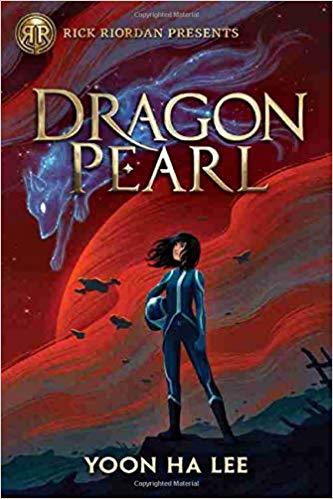
Are adding these to my list technically cheating since I got them for White Fang? Well, not necessarily, because realistically I will read at least one of these. The Train to Impossible Places and Dragon Pearl especially have this sense of good old-fashioned adventure and friendship that’s been sorely lacking in many of my recent choices.
White Fang has been in a real reading slump lately, so I decided to throw some MG at him as well. A few years ago, he “outgrew” the MG he had been reading, so we tried some more lighthearted YA SFF, and that worked well for most of middle school and ninth grade. But then, about 8 months ago, every single title I brought back from the library would just sit…and sit…and sit on his dresser, until it was due, no more renewals, and not even opened.
So I stopped checking the YA section for him, and began passing on the picture books I selected for Muffin after I’d read them at the little guy’s bedtime. It worked. Before the summer was over, he was ready to give The Train to Impossible Places a shot; even this spring, I think he would’ve turned it down. My method is a testament to the power of shaking up your TBR.
Have you read any of these? Have you ever thrown in the towel on a genre or style in favor of something completely different? Let’s get some comments going on this!
September 1, 2019
Books of 2019: What Lives Up to the Hype (Or Not!)
[image error]
Good morning! We’re not yet addressing the fact that summer is vanishing before our very eyes. Apart from that one sentence. Ahem. (And we’re also going to ignore the quandary of it being the first of the month and me not yet tackling my newsletter, an impending hurricane in the southern Atlantic, or the new school year nipping at our heels. A-HEM.)
Anyway, I know that I haven’t read many of this year’s most hyped books; partly because I’ve been reading less personally, but also since most of what I’ve read in the last 8 months were published in previous years, and I’m just now getting to them, or I read them only for book clubs. So, for now, I’m going to focus on 2019 releases that I did actually read in 2019!
The Gilded Wolves by Roshani Chokshi:
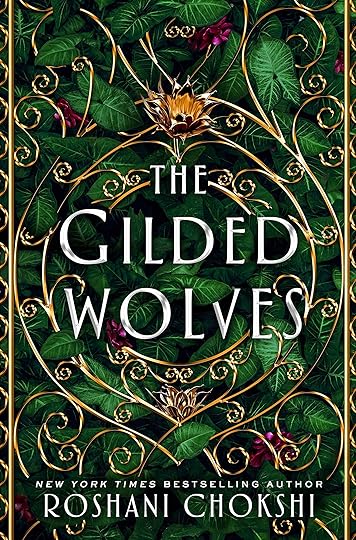
This was my first ever Owl Crate book! So honestly, I will always think of it fondly in those terms. I wrote a whole review on the conundrums with this text, but for the sake of space in this post, suffice it to say that while the characters were mostly charming and the style lovely, this just felt too fluffy and intangible. I had a massively hard time understanding the characters’ motivations, or why the plot was going the direction it was. And since I’m generally a persnickety reader, I wondered if I was just being a bit too harsh. But after some discussion with other bloggers earlier in the year, it looked like this title is part of a new trend in YA: The trend of not explaining anything to the readers and confusing the bananas out of them, therefore pulling away their full enjoyment of the story. (And that in itself is an entire separate conversation…)
So, this one fell flat for me, sadly.
On The Come Up by Angie Thomas:
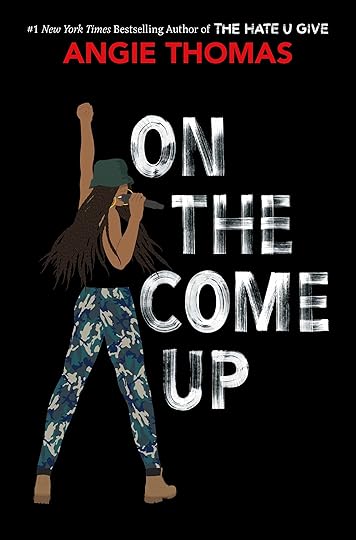
After being extremely disappointed by this author’s debut, the much acclaimed The Hate U Give, I picked up her sophomore release after setting aside a huge amount of skepticism. And I am so glad I did. You can find my full review of this in a separate post as well, but I’ll happily highlight On The Come Up again. It’s a novel that rings true with regards to racism and poverty and the inner city struggle. The characters didn’t feel like cliches, and despite being a middle-class white girl who isn’t into rap at all, I completely related to Bri and her family and wanted them to succeed. This is how you write contemporary fiction that addresses relevant issues without being preachy, folks.
Go read it (if you haven’t already).
Wicked Fox by Kat Cho:
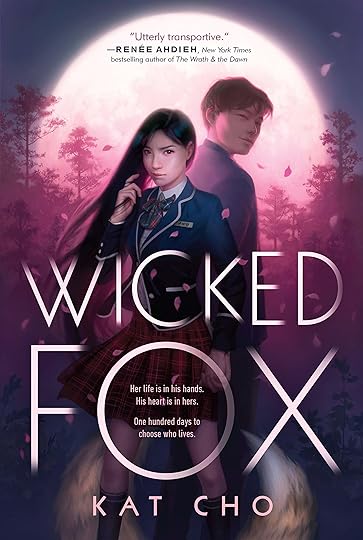
Unfortunately, here I am drowning in the sorrows of loss, for what could have been and definitely was not.
About 16 months ago, I started noticing that every new publication seemed to be fitting a hidden requirement: Somewhere, there was now an unadvertised rule among publishers, that all books have to be at least 350 pages long, and around 40% of that needs to include drawn-out, angsty, unrealistic subplots that distract the MC, and the readers, from the actual point. A little bit of this, I don’t mind, and can even be fun, if written right. However, now it’s become an epidemic. Wicked Fox absolutely falls victim to it.
Pages 1-150 of this debut novel were fun, cute, interesting, even briefly terrifying. The MC and her love interest were precious, together and as individuals. I felt for their respective concerns, and hoped that there wouldn’t be too much trauma before it was all over. And then…the derailment of useless subplots kicked in.
I literally skimmed the rest of the book, guessed the big “twist,” and hit what should have been a satisfying ending with a whole lot of, “Well, that took waaaaaaay too long to get to what I knew was going to happen, anyway.”
It’s become too tedious for me to read this sort of novel, several times in a row, being let down every single round. Wicked Fox felt like some kind of last straw. It’s certainly contributed to my decision of swearing off YA for a while, and trying to find adult or MG fiction that isn’t too tropey or irritating.
(Si-gh.)
But, I will end this post on a more positive note…
The Boy Who Steals Houses by CG Drews:

This is not a warm and fuzzy book, and don’t expect for a minute that your heart won’t be ripped to shreds, because it totally will. But The Boy Who Steals Houses accomplishes what too many YA contemporaries fail in — it realistically, poignantly, and with an ending that gives you hope portrays how some kids are simply forgotten about, tossed aside, or put in last place in society for being different than the majority. It’s also about grief and loneliness, how you can heal, and what family can really mean. I don’t recommend starting this without a box of tissues and half a chocolate cake by your side; but as long as you’re armed, have at. This is a title I had the privilege of beta reading a while ago, and had been looking forward to seeing in its final form. If you read contemporaries, and don’t mind tearjerkers, definitely grab your copy. In fact, even if the genre isn’t your usual, try this one. CG’s unique and heartfelt style will draw you in from the first page.
And I did write a feature post on TBWSH as well, if you’re inclined to look it up in the blog.
All right, I’ll step off my shameless-self-promotion-box, and leave you all to hopefully a safe and happy holiday weekend!
[image error]
Daley Downing's Blog

- Daley Downing's profile
- 36 followers

