
Ray Harmony's Blog, page 10
June 30, 2022
Steven Wilson: Don't Structure Songs Like This
Steven Wilson: Don't Structure Songs Like This
"One of the hallmarks of so-called progressive rock is that it doesn't conform to the conventional way that tracks normally would unfold. A piece of progressive rock can go in very unpredictable directions, in terms of song structure. It doesn't just have to be: verse, chorus, verse, chorus, bridge, chorus." –Steven Wilson (Porcupine Tree)
WELCOME
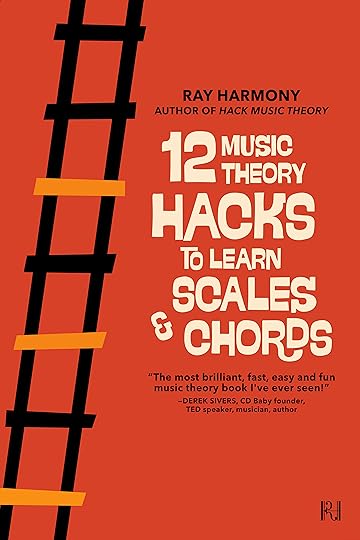
Hello revolutionary music makers, we are Kate and Ray Harmony (AKA Revolution Harmony), and welcome to Hack Music Theory, the fast, easy and fun way to make music! If you’re new to theory, or if you just want a refresher, then read our free book "12 Music Theory Hacks to Learn Scales & Chords". It’ll give you a super solid music theory foundation in just 30 minutes. The free download is below. Enjoy!
MORE
Subscribe for upcoming Steven Wilson videos on specific Porcupine Tree songwriting techniques. Also, the new Porcupine Tree album CLOSURE / CONTINUATION is out now, so be sure to check that out, cos it's awesome! Until next time, thanks for being here in the Hack Music Theory community, you are truly valued, and we're excited to hang out with you again soon.
Free Book
Wooohooo!!! You’re a mere 30 minutes away from being even smarter than you already are. Just head on over to your inbox now for your free download.
There was an error submitting your subscription. Please try again.
“The most brilliant, fast, easy & fun music theory book I’ve ever seen!” DEREK SIVERS, CD Baby founderWe use this field to detect spam bots. If you fill this in, you will be marked as a spammer. DOWNLOAD FREE BOOK /* Layout */ .ck_form { /* divider image */ background: #EAE9EA url(data:image/gif;base64,R0lGODlhAQADAIABAMzMzP///yH/C1hNUCBEYXRhWE1QPD94cGFja2V0IGJlZ2luPSLvu78iIGlkPSJXNU0wTXBDZWhpSHpyZVN6TlRjemtjOWQiPz4gPHg6eG1wbWV0YSB4bWxuczp4PSJhZG9iZTpuczptZXRhLyIgeDp4bXB0az0iQWRvYmUgWE1QIENvcmUgNS41LWMwMTQgNzkuMTUxNDgxLCAyMDEzLzAzLzEzLTEyOjA5OjE1ICAgICAgICAiPiA8cmRmOlJERiB4bWxuczpyZGY9Imh0dHA6Ly93d3cudzMub3JnLzE5OTkvMDIvMjItcmRmLXN5bnRheC1ucyMiPiA8cmRmOkRlc2NyaXB0aW9uIHJkZjphYm91dD0iIiB4bWxuczp4bXA9Imh0dHA6Ly9ucy5hZG9iZS5jb20veGFwLzEuMC8iIHhtbG5zOnhtcE1NPSJodHRwOi8vbnMuYWRvYmUuY29tL3hhcC8xLjAvbW0vIiB4bWxuczpzdFJlZj0iaHR0cDovL25zLmFkb2JlLmNvbS94YXAvMS4wL3NUeXBlL1Jlc291cmNlUmVmIyIgeG1wOkNyZWF0b3JUb29sPSJBZG9iZSBQaG90b3Nob3AgQ0MgKE1hY2ludG9zaCkiIHhtcE1NOkluc3RhbmNlSUQ9InhtcC5paWQ6MUQ5NjM5RjgxQUVEMTFFNEJBQTdGNTQwMjc5MTZDOTciIHhtcE1NOkRvY3VtZW50SUQ9InhtcC5kaWQ6MUQ5NjM5RjkxQUVEMTFFNEJBQTdGNTQwMjc5MTZDOTciPiA8eG1wTU06RGVyaXZlZEZyb20gc3RSZWY6aW5zdGFuY2VJRD0ieG1wLmlpZDoxRDk2MzlGNjFBRUQxMUU0QkFBN0Y1NDAyNzkxNkM5NyIgc3RSZWY6ZG9jdW1lbnRJRD0ieG1wLmRpZDoxRDk2MzlGNzFBRUQxMUU0QkFBN0Y1NDAyNzkxNkM5NyIvPiA8L3JkZjpEZXNjcmlwdGlvbj4gPC9yZGY6UkRGPiA8L3g6eG1wbWV0YT4gPD94cGFja2V0IGVuZD0iciI/PgH//v38+/r5+Pf29fTz8vHw7+7t7Ovq6ejn5uXk4+Lh4N/e3dzb2tnY19bV1NPS0dDPzs3My8rJyMfGxcTDwsHAv769vLu6ubi3trW0s7KxsK+urayrqqmop6alpKOioaCfnp2cm5qZmJeWlZSTkpGQj46NjIuKiYiHhoWEg4KBgH9+fXx7enl4d3Z1dHNycXBvbm1sa2ppaGdmZWRjYmFgX15dXFtaWVhXVlVUU1JRUE9OTUxLSklIR0ZFRENCQUA/Pj08Ozo5ODc2NTQzMjEwLy4tLCsqKSgnJiUkIyIhIB8eHRwbGhkYFxYVFBMSERAPDg0MCwoJCAcGBQQDAgEAACH5BAEAAAEALAAAAAABAAMAAAICRFIAOw==) repeat-y center top; font-family: 'Montserrat'; line-height: 1.5em; overflow: hidden; color: #000000; font-size: 16px; border-top: none; border-top-color: #666666; border-bottom: none; border-bottom-color: #3d3d3d; -webkit-box-shadow: none; -moz-box-shadow: none; box-shadow: none; clear: both; margin: 0px 0px;}.ck_form, .ck_form * { -webkit-box-sizing: border-box; -moz-box-sizing: border-box; box-sizing: border-box;}#ck_subscribe_form { clear: both;}/* Element Queries — uses JS */.ck_form_content, .ck_form_fields { width: 50%; float: left; padding: 5%;}.ck_form.ck_horizontal {}.ck_form_content { border-bottom: none;}.ck_form.ck_vertical { background: #fff;}.ck_vertical .ck_form_content, .ck_vertical .ck_form_fields { padding: 10%; width: 100%; float: none;}.ck_vertical .ck_form_content { border-bottom: 1px dotted #aaa; overflow: hidden;}/* Trigger the vertical layout with media queries as well */@media all and (max-width: 499px) { .ck_form { background: #fff; } .ck_form_content, .ck_form_fields { padding: 10%; width: 100%; float: none; } .ck_form_content { border-bottom: 1px dotted #aaa; }}/* Content */.ck_form_content h3 { margin: 0px 0px 0px; font-size: 0px; padding: 0px;}.ck_form_content p { font-size: 14px;}.ck_image { float: left; margin-right: 5px;}/* Form fields */.ck_errorArea { display: none;}#ck_success_msg { padding: 10px 10px 0px; border: solid 1px #ddd; background: #eee;}.ck_label { font-size: 14px; font-weight: bold;}.ck_form input[type="text"] { font-size: 16px; text-align: center; margin-top: 20px; margin-bottom: 0px; padding: 8px 8px; width: 100%; border: 1px solid #d6d6d6; /* stroke */ -moz-border-radius: 4px; -webkit-border-radius: 4px; border-radius: 30px; /* border radius */ background-color: #fff; /* layer fill content */ height: auto;}.ck_form input[type="email"] { font-size: 16px; text-align: center; margin-top: 0px; margin-bottom: 15px; padding: 8px 8px; width: 100%; border: 1px solid #d6d6d6; /* stroke */ -moz-border-radius: 4px; -webkit-border-radius: 4px; border-radius: 30px; /* border radius */ background-color: #fff; /* layer fill content */ height: auto;}.ck_form input[type="text"]:focus, .ck_form input[type="email"]:focus { outline: none; border-color: #aaa;}.ck_checkbox { padding: 10px 0px 10px 20px; display: block; clear: both;}.ck_checkbox input.optIn { margin-left: -20px; margin-top: 0;}.ck_form .ck_opt_in_prompt { margin-left: 4px;}.ck_form .ck_opt_in_prompt p { display: inline;}.ck_form .ck_subscribe_button { width: 100%; color: #fff; margin: 0px 0px 0px; padding: 8px 8px; font-size: 18px; background: #c83232; -moz-border-radius: 4px; -webkit-border-radius: 4px; border-radius: 30px; /* border radius */ cursor: pointer; border: none; text-shadow: none; }.ck_form .ck_guarantee { color: #626262; font-size: 12px; text-align: center; padding: 5px 0px; display: block;}.ck_form .ck_powered_by { display: block; color: #aaa;}.ck_form .ck_powered_by:hover { display: block; color: #444;}.ck_converted_content { display: none; padding: 5%; background: #fff;}/* v6 */.ck_form_v6 #ck_success_msg { padding: 0px 10px;}@media all and (max-width: 403px) { .ck_form_v6.ck_modal .ck_close_link { top: 30px; }}@media all and (min-width: 404px) and (max-width: 499px) { .ck_form_v6.ck_modal .ck_close_link { top: 57px; }}
Podcast
Listen below, or on any podcast app.


June 23, 2022
Steven Wilson: Make Music Like This
Steven Wilson: Make Music Like This
"Accentuate the things in what you do that are unusual, and that a big record company guy would probably tell you you shouldn’t be doing!" –Steven Wilson (Porcupine Tree)
WELCOME
Hello revolutionary music makers, we are Kate and Ray Harmony (AKA Revolution Harmony), and welcome to Hack Music Theory, the fast, easy and fun way to make music! If you’re new to theory, or if you just want a refresher, then read our free book "12 Music Theory Hacks to Learn Scales & Chords". It’ll give you a super solid music theory foundation in just 30 minutes. The free download is below. Enjoy!
MORE
Subscribe for upcoming Steven Wilson videos on specific Porcupine Tree songwriting techniques. Also, the new Porcupine Tree album CLOSURE / CONTINUATION is out 24 June 2022, so be sure to check that out, cos it's awesome! Until next time, thanks for being here in the Hack Music Theory community, you are truly valued, and we're excited to hang out with you again soon.
Free Book
Wooohooo!!! You’re a mere 30 minutes away from being even smarter than you already are. Just head on over to your inbox now for your free download.
There was an error submitting your subscription. Please try again.
“The most brilliant, fast, easy & fun music theory book I’ve ever seen!” DEREK SIVERS, CD Baby founderWe use this field to detect spam bots. If you fill this in, you will be marked as a spammer. DOWNLOAD FREE BOOK /* Layout */ .ck_form { /* divider image */ background: #EAE9EA url(data:image/gif;base64,R0lGODlhAQADAIABAMzMzP///yH/C1hNUCBEYXRhWE1QPD94cGFja2V0IGJlZ2luPSLvu78iIGlkPSJXNU0wTXBDZWhpSHpyZVN6TlRjemtjOWQiPz4gPHg6eG1wbWV0YSB4bWxuczp4PSJhZG9iZTpuczptZXRhLyIgeDp4bXB0az0iQWRvYmUgWE1QIENvcmUgNS41LWMwMTQgNzkuMTUxNDgxLCAyMDEzLzAzLzEzLTEyOjA5OjE1ICAgICAgICAiPiA8cmRmOlJERiB4bWxuczpyZGY9Imh0dHA6Ly93d3cudzMub3JnLzE5OTkvMDIvMjItcmRmLXN5bnRheC1ucyMiPiA8cmRmOkRlc2NyaXB0aW9uIHJkZjphYm91dD0iIiB4bWxuczp4bXA9Imh0dHA6Ly9ucy5hZG9iZS5jb20veGFwLzEuMC8iIHhtbG5zOnhtcE1NPSJodHRwOi8vbnMuYWRvYmUuY29tL3hhcC8xLjAvbW0vIiB4bWxuczpzdFJlZj0iaHR0cDovL25zLmFkb2JlLmNvbS94YXAvMS4wL3NUeXBlL1Jlc291cmNlUmVmIyIgeG1wOkNyZWF0b3JUb29sPSJBZG9iZSBQaG90b3Nob3AgQ0MgKE1hY2ludG9zaCkiIHhtcE1NOkluc3RhbmNlSUQ9InhtcC5paWQ6MUQ5NjM5RjgxQUVEMTFFNEJBQTdGNTQwMjc5MTZDOTciIHhtcE1NOkRvY3VtZW50SUQ9InhtcC5kaWQ6MUQ5NjM5RjkxQUVEMTFFNEJBQTdGNTQwMjc5MTZDOTciPiA8eG1wTU06RGVyaXZlZEZyb20gc3RSZWY6aW5zdGFuY2VJRD0ieG1wLmlpZDoxRDk2MzlGNjFBRUQxMUU0QkFBN0Y1NDAyNzkxNkM5NyIgc3RSZWY6ZG9jdW1lbnRJRD0ieG1wLmRpZDoxRDk2MzlGNzFBRUQxMUU0QkFBN0Y1NDAyNzkxNkM5NyIvPiA8L3JkZjpEZXNjcmlwdGlvbj4gPC9yZGY6UkRGPiA8L3g6eG1wbWV0YT4gPD94cGFja2V0IGVuZD0iciI/PgH//v38+/r5+Pf29fTz8vHw7+7t7Ovq6ejn5uXk4+Lh4N/e3dzb2tnY19bV1NPS0dDPzs3My8rJyMfGxcTDwsHAv769vLu6ubi3trW0s7KxsK+urayrqqmop6alpKOioaCfnp2cm5qZmJeWlZSTkpGQj46NjIuKiYiHhoWEg4KBgH9+fXx7enl4d3Z1dHNycXBvbm1sa2ppaGdmZWRjYmFgX15dXFtaWVhXVlVUU1JRUE9OTUxLSklIR0ZFRENCQUA/Pj08Ozo5ODc2NTQzMjEwLy4tLCsqKSgnJiUkIyIhIB8eHRwbGhkYFxYVFBMSERAPDg0MCwoJCAcGBQQDAgEAACH5BAEAAAEALAAAAAABAAMAAAICRFIAOw==) repeat-y center top; font-family: 'Montserrat'; line-height: 1.5em; overflow: hidden; color: #000000; font-size: 16px; border-top: none; border-top-color: #666666; border-bottom: none; border-bottom-color: #3d3d3d; -webkit-box-shadow: none; -moz-box-shadow: none; box-shadow: none; clear: both; margin: 0px 0px;}.ck_form, .ck_form * { -webkit-box-sizing: border-box; -moz-box-sizing: border-box; box-sizing: border-box;}#ck_subscribe_form { clear: both;}/* Element Queries — uses JS */.ck_form_content, .ck_form_fields { width: 50%; float: left; padding: 5%;}.ck_form.ck_horizontal {}.ck_form_content { border-bottom: none;}.ck_form.ck_vertical { background: #fff;}.ck_vertical .ck_form_content, .ck_vertical .ck_form_fields { padding: 10%; width: 100%; float: none;}.ck_vertical .ck_form_content { border-bottom: 1px dotted #aaa; overflow: hidden;}/* Trigger the vertical layout with media queries as well */@media all and (max-width: 499px) { .ck_form { background: #fff; } .ck_form_content, .ck_form_fields { padding: 10%; width: 100%; float: none; } .ck_form_content { border-bottom: 1px dotted #aaa; }}/* Content */.ck_form_content h3 { margin: 0px 0px 0px; font-size: 0px; padding: 0px;}.ck_form_content p { font-size: 14px;}.ck_image { float: left; margin-right: 5px;}/* Form fields */.ck_errorArea { display: none;}#ck_success_msg { padding: 10px 10px 0px; border: solid 1px #ddd; background: #eee;}.ck_label { font-size: 14px; font-weight: bold;}.ck_form input[type="text"] { font-size: 16px; text-align: center; margin-top: 20px; margin-bottom: 0px; padding: 8px 8px; width: 100%; border: 1px solid #d6d6d6; /* stroke */ -moz-border-radius: 4px; -webkit-border-radius: 4px; border-radius: 30px; /* border radius */ background-color: #fff; /* layer fill content */ height: auto;}.ck_form input[type="email"] { font-size: 16px; text-align: center; margin-top: 0px; margin-bottom: 15px; padding: 8px 8px; width: 100%; border: 1px solid #d6d6d6; /* stroke */ -moz-border-radius: 4px; -webkit-border-radius: 4px; border-radius: 30px; /* border radius */ background-color: #fff; /* layer fill content */ height: auto;}.ck_form input[type="text"]:focus, .ck_form input[type="email"]:focus { outline: none; border-color: #aaa;}.ck_checkbox { padding: 10px 0px 10px 20px; display: block; clear: both;}.ck_checkbox input.optIn { margin-left: -20px; margin-top: 0;}.ck_form .ck_opt_in_prompt { margin-left: 4px;}.ck_form .ck_opt_in_prompt p { display: inline;}.ck_form .ck_subscribe_button { width: 100%; color: #fff; margin: 0px 0px 0px; padding: 8px 8px; font-size: 18px; background: #c83232; -moz-border-radius: 4px; -webkit-border-radius: 4px; border-radius: 30px; /* border radius */ cursor: pointer; border: none; text-shadow: none; }.ck_form .ck_guarantee { color: #626262; font-size: 12px; text-align: center; padding: 5px 0px; display: block;}.ck_form .ck_powered_by { display: block; color: #aaa;}.ck_form .ck_powered_by:hover { display: block; color: #444;}.ck_converted_content { display: none; padding: 5%; background: #fff;}/* v6 */.ck_form_v6 #ck_success_msg { padding: 0px 10px;}@media all and (max-width: 403px) { .ck_form_v6.ck_modal .ck_close_link { top: 30px; }}@media all and (min-width: 404px) and (max-width: 499px) { .ck_form_v6.ck_modal .ck_close_link { top: 57px; }}
Podcast
Listen below, or on any podcast app.
June 16, 2022
Orchestrate Drum Patterns for Better Beats
Orchestrate Drum Patterns for Better Beats
Beginner beats usually use only three elements of the drum kit. So, in this lesson you'll learn how to make pro beats by voicing them over the whole kit. But first... Tea!
INTRO
Hello revolutionary music makers, we are Kate and Ray Harmony (AKA Revolution Harmony), and welcome to Hack Music Theory, the fast, easy and fun way to make music! If you’re new to theory, or if you just want a refresher, then read our free book "12 Music Theory Hacks to Learn Scales & Chords". It’ll give you a super solid music theory foundation in just 30 minutes. The free download is below. Enjoy!
OVERVIEW
If your beats sound something like this (click play above to listen), then you’re missing an essential ingredient! Could you hear the missing ingredient? If not, don’t worry, that’s because the drum beat is actually pretty good exactly the way it is. The kick rhythm is super lively, from all the syncopation (which is an off-beat accent). The hi-hat rhythm is creative, because it’s not just playing the usual 1/8 notes. And the backbeat snare locks it all together. It’s a good drum beat! So, what’s the missing ingredient that will transform this good beat into a great beat? Orchestration!
HACK
Orchestration is how you voice your pattern across the drum kit. In other words, what element of the drum kit you play each individual rhythm on. Drum beats are most commonly played on three elements: kick, snare, and cymbals. But, your drums will sound more creative if you orchestrate them over more of the kit. Drummers tend to do this naturally, because the kit is literally right in front of them, so they see the elements they’re not hitting. For producers, though, it’s not that easy to see if there are elements of the kit that you’re missing.
ELEMENTS
As you probably know, there are four elements in a drum kit: kick, snare, toms, and cymbals. Within two of those elements though, there are also sub-elements, because a drum kit usually has two or three toms, as well as two or three cymbals (and, the hi-hats can also be played open or closed). Each element of the drum kit has a different function. We don’t have time to cover any of that stuff in this lesson, but if you wanna learn how to use each of the four elements based on their specific functions, then download our Hack Drum Beats PDF. Everything you need to know for making creative beats is in this one PDF, and it also comes with MIDI file examples.
STEP 1. TOMS
Most drum beats these days consist of only three of the four elements: kick, snare and hats. The most commonly underused element is toms. So, by adding toms into your beats, they’ll instantly stand out from all the generic beats most producers use. And, they’ll actually sound like something a drummer would play. One of the best ways to incorporate toms into your drum beats, is to partially re-voice your kick rhythm. In other words, move a few of your kicks onto the toms. If there’s anywhere in your beat where you’ve got two of three kicks in a row, move one or two of those onto toms. And feel free to use two or three different toms as well. With those toms in your beat, it’ll have way more depth and texture.
STEP 2. CYMBALS
Next, you wanna partially re-voice your hat rhythm. The easiest way to do that is to move a few hits from closed hats to open hats (or vice versa). This will enliven your beat, as that swishy open hats sound is the perfect contrast to the tightness of those closed hats. Also, move one hit over to a crash cymbal for an accent. The standard place for this is beat 1, but don’t feel like you have to accent beat 1. In fact, in our drum beat we accented beat 2, which adds a little unexpected flavour.
Right, here’s the new and improved drum beat with its expanded orchestration (click play above to listen), which now covers the whole drum kit. In the end we only re-voiced seven hits, but that’s all it takes to totally transform a good beat into a great beat. And on top of that, it now sounds like something a drummer would play! Thanks for being here in the Hack Music Theory community, you are truly valued, and we're excited to hang out with you again soon.
Free Book
Wooohooo!!! You’re a mere 30 minutes away from being even smarter than you already are. Just head on over to your inbox now for your free download.
There was an error submitting your subscription. Please try again.
“The most brilliant, fast, easy & fun music theory book I’ve ever seen!” DEREK SIVERS, CD Baby founderWe use this field to detect spam bots. If you fill this in, you will be marked as a spammer. DOWNLOAD FREE BOOK /* Layout */ .ck_form { /* divider image */ background: #EAE9EA url(data:image/gif;base64,R0lGODlhAQADAIABAMzMzP///yH/C1hNUCBEYXRhWE1QPD94cGFja2V0IGJlZ2luPSLvu78iIGlkPSJXNU0wTXBDZWhpSHpyZVN6TlRjemtjOWQiPz4gPHg6eG1wbWV0YSB4bWxuczp4PSJhZG9iZTpuczptZXRhLyIgeDp4bXB0az0iQWRvYmUgWE1QIENvcmUgNS41LWMwMTQgNzkuMTUxNDgxLCAyMDEzLzAzLzEzLTEyOjA5OjE1ICAgICAgICAiPiA8cmRmOlJERiB4bWxuczpyZGY9Imh0dHA6Ly93d3cudzMub3JnLzE5OTkvMDIvMjItcmRmLXN5bnRheC1ucyMiPiA8cmRmOkRlc2NyaXB0aW9uIHJkZjphYm91dD0iIiB4bWxuczp4bXA9Imh0dHA6Ly9ucy5hZG9iZS5jb20veGFwLzEuMC8iIHhtbG5zOnhtcE1NPSJodHRwOi8vbnMuYWRvYmUuY29tL3hhcC8xLjAvbW0vIiB4bWxuczpzdFJlZj0iaHR0cDovL25zLmFkb2JlLmNvbS94YXAvMS4wL3NUeXBlL1Jlc291cmNlUmVmIyIgeG1wOkNyZWF0b3JUb29sPSJBZG9iZSBQaG90b3Nob3AgQ0MgKE1hY2ludG9zaCkiIHhtcE1NOkluc3RhbmNlSUQ9InhtcC5paWQ6MUQ5NjM5RjgxQUVEMTFFNEJBQTdGNTQwMjc5MTZDOTciIHhtcE1NOkRvY3VtZW50SUQ9InhtcC5kaWQ6MUQ5NjM5RjkxQUVEMTFFNEJBQTdGNTQwMjc5MTZDOTciPiA8eG1wTU06RGVyaXZlZEZyb20gc3RSZWY6aW5zdGFuY2VJRD0ieG1wLmlpZDoxRDk2MzlGNjFBRUQxMUU0QkFBN0Y1NDAyNzkxNkM5NyIgc3RSZWY6ZG9jdW1lbnRJRD0ieG1wLmRpZDoxRDk2MzlGNzFBRUQxMUU0QkFBN0Y1NDAyNzkxNkM5NyIvPiA8L3JkZjpEZXNjcmlwdGlvbj4gPC9yZGY6UkRGPiA8L3g6eG1wbWV0YT4gPD94cGFja2V0IGVuZD0iciI/PgH//v38+/r5+Pf29fTz8vHw7+7t7Ovq6ejn5uXk4+Lh4N/e3dzb2tnY19bV1NPS0dDPzs3My8rJyMfGxcTDwsHAv769vLu6ubi3trW0s7KxsK+urayrqqmop6alpKOioaCfnp2cm5qZmJeWlZSTkpGQj46NjIuKiYiHhoWEg4KBgH9+fXx7enl4d3Z1dHNycXBvbm1sa2ppaGdmZWRjYmFgX15dXFtaWVhXVlVUU1JRUE9OTUxLSklIR0ZFRENCQUA/Pj08Ozo5ODc2NTQzMjEwLy4tLCsqKSgnJiUkIyIhIB8eHRwbGhkYFxYVFBMSERAPDg0MCwoJCAcGBQQDAgEAACH5BAEAAAEALAAAAAABAAMAAAICRFIAOw==) repeat-y center top; font-family: 'Montserrat'; line-height: 1.5em; overflow: hidden; color: #000000; font-size: 16px; border-top: none; border-top-color: #666666; border-bottom: none; border-bottom-color: #3d3d3d; -webkit-box-shadow: none; -moz-box-shadow: none; box-shadow: none; clear: both; margin: 0px 0px;}.ck_form, .ck_form * { -webkit-box-sizing: border-box; -moz-box-sizing: border-box; box-sizing: border-box;}#ck_subscribe_form { clear: both;}/* Element Queries — uses JS */.ck_form_content, .ck_form_fields { width: 50%; float: left; padding: 5%;}.ck_form.ck_horizontal {}.ck_form_content { border-bottom: none;}.ck_form.ck_vertical { background: #fff;}.ck_vertical .ck_form_content, .ck_vertical .ck_form_fields { padding: 10%; width: 100%; float: none;}.ck_vertical .ck_form_content { border-bottom: 1px dotted #aaa; overflow: hidden;}/* Trigger the vertical layout with media queries as well */@media all and (max-width: 499px) { .ck_form { background: #fff; } .ck_form_content, .ck_form_fields { padding: 10%; width: 100%; float: none; } .ck_form_content { border-bottom: 1px dotted #aaa; }}/* Content */.ck_form_content h3 { margin: 0px 0px 0px; font-size: 0px; padding: 0px;}.ck_form_content p { font-size: 14px;}.ck_image { float: left; margin-right: 5px;}/* Form fields */.ck_errorArea { display: none;}#ck_success_msg { padding: 10px 10px 0px; border: solid 1px #ddd; background: #eee;}.ck_label { font-size: 14px; font-weight: bold;}.ck_form input[type="text"] { font-size: 16px; text-align: center; margin-top: 20px; margin-bottom: 0px; padding: 8px 8px; width: 100%; border: 1px solid #d6d6d6; /* stroke */ -moz-border-radius: 4px; -webkit-border-radius: 4px; border-radius: 30px; /* border radius */ background-color: #fff; /* layer fill content */ height: auto;}.ck_form input[type="email"] { font-size: 16px; text-align: center; margin-top: 0px; margin-bottom: 15px; padding: 8px 8px; width: 100%; border: 1px solid #d6d6d6; /* stroke */ -moz-border-radius: 4px; -webkit-border-radius: 4px; border-radius: 30px; /* border radius */ background-color: #fff; /* layer fill content */ height: auto;}.ck_form input[type="text"]:focus, .ck_form input[type="email"]:focus { outline: none; border-color: #aaa;}.ck_checkbox { padding: 10px 0px 10px 20px; display: block; clear: both;}.ck_checkbox input.optIn { margin-left: -20px; margin-top: 0;}.ck_form .ck_opt_in_prompt { margin-left: 4px;}.ck_form .ck_opt_in_prompt p { display: inline;}.ck_form .ck_subscribe_button { width: 100%; color: #fff; margin: 0px 0px 0px; padding: 8px 8px; font-size: 18px; background: #c83232; -moz-border-radius: 4px; -webkit-border-radius: 4px; border-radius: 30px; /* border radius */ cursor: pointer; border: none; text-shadow: none; }.ck_form .ck_guarantee { color: #626262; font-size: 12px; text-align: center; padding: 5px 0px; display: block;}.ck_form .ck_powered_by { display: block; color: #aaa;}.ck_form .ck_powered_by:hover { display: block; color: #444;}.ck_converted_content { display: none; padding: 5%; background: #fff;}/* v6 */.ck_form_v6 #ck_success_msg { padding: 0px 10px;}@media all and (max-width: 403px) { .ck_form_v6.ck_modal .ck_close_link { top: 30px; }}@media all and (min-width: 404px) and (max-width: 499px) { .ck_form_v6.ck_modal .ck_close_link { top: 57px; }}
Podcast
Listen below, or on any podcast app.
June 2, 2022
How to Make Polymetric Beats
How to Make Polymetric Beats
In this tutorial you’ll learn a 3-step hack for making polymetric drum beats. We invite you to work along with us through the following steps, so by the end of this lesson, you’ll also have a finished drum beat. But first... Tea!
INTRO
Hello revolutionary music makers, we are Kate and Ray Harmony (AKA Revolution Harmony), and welcome to Hack Music Theory, the fast, easy and fun way to make music! If you’re new to theory, or if you just want a refresher, then read our free book "12 Music Theory Hacks to Learn Scales & Chords". It’ll give you a super solid music theory foundation in just 30 minutes. The free download is below. Enjoy!
OVERVIEW
Firstly, if you’re new to polymeters. Please rest assured, polymeters are easy to use, they’re super fun, and they’re a total game-changer that will make your beats stand out from the crowd! So, what is a polymeter? It’s just the fancy term for playing in two or more time signatures simultaneously. In this lesson, you’ll learn how to make a polymeter on your drums by dividing up your kit so some elements play in 4|4, while the other elements play in an odd time signature of your choosing.
Playing some elements in 4|4 is essential if you want people to be able to move to your beat. If you’re into crazy experimental music, though, then both your time signatures can be odd. Here at Hack Music Theory, we’re all about making music that moves people emotionally, intellectually, and physically! So that’s why we prefer polymeters that include 4|4.
STEP 1. EVEN
The first thing you need to decide on is how long you want your drum loop to be. This decision will determine how simple or complex your polymeter sounds.
The longer your loop, the more difficult it will be for your listeners to follow your polymeter, so the more complex it will sound. The shorter your loop, the easier it will be to follow, so the simpler it will sound. In fact, if you have a very short loop (like two bars), your polymeter won’t really sound like a polymeter, it will sound more like syncopation, which is when off-beats are accented. For this reason, we recommend making a loop of at least four bars of 4|4. In our example we went with eight bars, which is on the long side, but you can still go longer if you want your polymeter to sound even more complex.
Next, set your grid to 1/16 notes and your tempo to 120 BPM, but you can adjust that after you’ve finished writing your beat and added your other instruments.
Right, now that you’ve got your loop set up, we’re gonna divide the drum kit into two. Half the kit will play in the even time signature of 4|4, and the other half will play in the odd time signature. We’ll start by programming the 4|4 part. So the first thing to know is that there are four elements to the drum kit: cymbals, snare, toms, and kick. The main function of the cymbals is to connect the drum beat with the pulse of the song (i.e. 1/4 notes in the 4|4 time signature). The snare creates the momentum of a drum beat, so where you play your snare will determine how energetic the section feels. Toms add variety to your drums. And lastly, the kick drum brings the groove to a beat.
We don’t have time to cover any of that stuff in this lesson, but if you wanna learn how to use each of the four elements based on their specific functions, then read our Hack Drum Beats (PDF). This PDF is your ultimate guide to making captivating drum beats, and it also comes with MIDI file examples.
Right, so to keep your drum beat nice and easy to nod along to, program in the 1/4 note pulse on a cymbal. We played this on a china cymbal, but if you want your drums to be less heavy, then play the 1/4 note pulse on your hi-hats. Next, to give your beat a steady momentum, program in the snare on all the regular backbeats, which are beats 2 and 4 in each bar. We also threw in a simple snare fill at the end of bar eight, to help the listeners realise the loop is about to start again. A fill like this makes your polymeter easier to follow, and therefore more listenable. And with that, your 4|4 foundation is laid!
STEP 2. ODD
Right, this is where the fun begins! Now that you’ve got your 4|4 foundation laid, you can build the polymeter. And you’re gonna do that using the kick drum. In other words, your 1/4 note pulse and backbeat snare will be playing in 4|4, while your kick drum will be playing in an odd time signature.
So, in this step, you can choose any other time signature to play on the kick, but here’s a general rule of thumb: for less technical music use an 1/8 note time signature (like 7|8), and for more technical music use a 1/16 note time signature, like 17|16, which is what we used in our example.
The most organic way to choose an odd time signature, though, is to play around with some different 1/8 note and 1/16 note rhythms on your kick and see what you like. Once you’ve decided between these two options, you can play around with how long you want each bar to be. In other words, do you like a short rhythm like 7|16, a medium-length rhythm like 17|16, or a longer rhythm like 27|16?
When you’ve settled on an odd time signature and a rhythm for your kick, then copy and paste that rhythm to fill your entire eight-bar loop. It most likely won’t fit exactly, but that actually makes your beat even more interesting, as your kick drum rhythm will get randomly cut off at the end of bar eight. Don’t worry, that’s good! And by the way, if you want your beat to be extra spicy, add some toms in your odd time signature. Our beat is plenty spicy already, though, so we didn’t add any toms.
STEP 3. BALANCE
This last step is actually optional. If you want your beat to sound even more creative, then do this step, otherwise skip it. Okay, so as a polymeter is two (or more) time signatures playing simultaneously, you can think of it in terms of mixing. In other words, you can turn up one time signature more than the other, or you can have them balanced. As you can hear, in our polymeter 4|4 is the louder (i.e. dominant) time signature. If you want an equal balance between your two time signatures, though, then accent beat 1 in each bar of your odd time signature. And what’s the best way to accent a beat? Hit a crash!
These accents will draw attention to your odd time signature, making your polymeter more noticeable, which in turn makes your beat even more creative.
If you’re working in commercial genres, though, then we recommend not doing this, as it’s better to disguise your polymeter by not accenting the odd time signature. Disguising your polymeter like this will make your drum beat sound more like 4|4 with a bunch of syncopation. Still creative, but much easier to follow.
But remember, drummers don’t have three arms, so if you want to accent a beat but there’s already a cymbal and a snare on that beat, then you can’t add anything more there. However, if you’re not bothered by your drums sounding unrealistic, then feel free to give your drummer a third arm. Honestly, there’s no right or wrong here, it’s totally up to you. I prefer making beats that are playable by a live drummer, as I’ve spent decades playing in bands, but seriously, either way is fine. And with that, your polymetric drum beat is done! Thanks for being here in the Hack Music Theory community, you are truly valued, and we're excited to hang out with you again soon.
Free Book
Wooohooo!!! You’re a mere 30 minutes away from being even smarter than you already are. Just head on over to your inbox now for your free download.
There was an error submitting your subscription. Please try again.
“The most brilliant, fast, easy & fun music theory book I’ve ever seen!” DEREK SIVERS, CD Baby founderWe use this field to detect spam bots. If you fill this in, you will be marked as a spammer. DOWNLOAD FREE BOOK /* Layout */ .ck_form { /* divider image */ background: #EAE9EA url(data:image/gif;base64,R0lGODlhAQADAIABAMzMzP///yH/C1hNUCBEYXRhWE1QPD94cGFja2V0IGJlZ2luPSLvu78iIGlkPSJXNU0wTXBDZWhpSHpyZVN6TlRjemtjOWQiPz4gPHg6eG1wbWV0YSB4bWxuczp4PSJhZG9iZTpuczptZXRhLyIgeDp4bXB0az0iQWRvYmUgWE1QIENvcmUgNS41LWMwMTQgNzkuMTUxNDgxLCAyMDEzLzAzLzEzLTEyOjA5OjE1ICAgICAgICAiPiA8cmRmOlJERiB4bWxuczpyZGY9Imh0dHA6Ly93d3cudzMub3JnLzE5OTkvMDIvMjItcmRmLXN5bnRheC1ucyMiPiA8cmRmOkRlc2NyaXB0aW9uIHJkZjphYm91dD0iIiB4bWxuczp4bXA9Imh0dHA6Ly9ucy5hZG9iZS5jb20veGFwLzEuMC8iIHhtbG5zOnhtcE1NPSJodHRwOi8vbnMuYWRvYmUuY29tL3hhcC8xLjAvbW0vIiB4bWxuczpzdFJlZj0iaHR0cDovL25zLmFkb2JlLmNvbS94YXAvMS4wL3NUeXBlL1Jlc291cmNlUmVmIyIgeG1wOkNyZWF0b3JUb29sPSJBZG9iZSBQaG90b3Nob3AgQ0MgKE1hY2ludG9zaCkiIHhtcE1NOkluc3RhbmNlSUQ9InhtcC5paWQ6MUQ5NjM5RjgxQUVEMTFFNEJBQTdGNTQwMjc5MTZDOTciIHhtcE1NOkRvY3VtZW50SUQ9InhtcC5kaWQ6MUQ5NjM5RjkxQUVEMTFFNEJBQTdGNTQwMjc5MTZDOTciPiA8eG1wTU06RGVyaXZlZEZyb20gc3RSZWY6aW5zdGFuY2VJRD0ieG1wLmlpZDoxRDk2MzlGNjFBRUQxMUU0QkFBN0Y1NDAyNzkxNkM5NyIgc3RSZWY6ZG9jdW1lbnRJRD0ieG1wLmRpZDoxRDk2MzlGNzFBRUQxMUU0QkFBN0Y1NDAyNzkxNkM5NyIvPiA8L3JkZjpEZXNjcmlwdGlvbj4gPC9yZGY6UkRGPiA8L3g6eG1wbWV0YT4gPD94cGFja2V0IGVuZD0iciI/PgH//v38+/r5+Pf29fTz8vHw7+7t7Ovq6ejn5uXk4+Lh4N/e3dzb2tnY19bV1NPS0dDPzs3My8rJyMfGxcTDwsHAv769vLu6ubi3trW0s7KxsK+urayrqqmop6alpKOioaCfnp2cm5qZmJeWlZSTkpGQj46NjIuKiYiHhoWEg4KBgH9+fXx7enl4d3Z1dHNycXBvbm1sa2ppaGdmZWRjYmFgX15dXFtaWVhXVlVUU1JRUE9OTUxLSklIR0ZFRENCQUA/Pj08Ozo5ODc2NTQzMjEwLy4tLCsqKSgnJiUkIyIhIB8eHRwbGhkYFxYVFBMSERAPDg0MCwoJCAcGBQQDAgEAACH5BAEAAAEALAAAAAABAAMAAAICRFIAOw==) repeat-y center top; font-family: 'Montserrat'; line-height: 1.5em; overflow: hidden; color: #000000; font-size: 16px; border-top: none; border-top-color: #666666; border-bottom: none; border-bottom-color: #3d3d3d; -webkit-box-shadow: none; -moz-box-shadow: none; box-shadow: none; clear: both; margin: 0px 0px;}.ck_form, .ck_form * { -webkit-box-sizing: border-box; -moz-box-sizing: border-box; box-sizing: border-box;}#ck_subscribe_form { clear: both;}/* Element Queries — uses JS */.ck_form_content, .ck_form_fields { width: 50%; float: left; padding: 5%;}.ck_form.ck_horizontal {}.ck_form_content { border-bottom: none;}.ck_form.ck_vertical { background: #fff;}.ck_vertical .ck_form_content, .ck_vertical .ck_form_fields { padding: 10%; width: 100%; float: none;}.ck_vertical .ck_form_content { border-bottom: 1px dotted #aaa; overflow: hidden;}/* Trigger the vertical layout with media queries as well */@media all and (max-width: 499px) { .ck_form { background: #fff; } .ck_form_content, .ck_form_fields { padding: 10%; width: 100%; float: none; } .ck_form_content { border-bottom: 1px dotted #aaa; }}/* Content */.ck_form_content h3 { margin: 0px 0px 0px; font-size: 0px; padding: 0px;}.ck_form_content p { font-size: 14px;}.ck_image { float: left; margin-right: 5px;}/* Form fields */.ck_errorArea { display: none;}#ck_success_msg { padding: 10px 10px 0px; border: solid 1px #ddd; background: #eee;}.ck_label { font-size: 14px; font-weight: bold;}.ck_form input[type="text"] { font-size: 16px; text-align: center; margin-top: 20px; margin-bottom: 0px; padding: 8px 8px; width: 100%; border: 1px solid #d6d6d6; /* stroke */ -moz-border-radius: 4px; -webkit-border-radius: 4px; border-radius: 30px; /* border radius */ background-color: #fff; /* layer fill content */ height: auto;}.ck_form input[type="email"] { font-size: 16px; text-align: center; margin-top: 0px; margin-bottom: 15px; padding: 8px 8px; width: 100%; border: 1px solid #d6d6d6; /* stroke */ -moz-border-radius: 4px; -webkit-border-radius: 4px; border-radius: 30px; /* border radius */ background-color: #fff; /* layer fill content */ height: auto;}.ck_form input[type="text"]:focus, .ck_form input[type="email"]:focus { outline: none; border-color: #aaa;}.ck_checkbox { padding: 10px 0px 10px 20px; display: block; clear: both;}.ck_checkbox input.optIn { margin-left: -20px; margin-top: 0;}.ck_form .ck_opt_in_prompt { margin-left: 4px;}.ck_form .ck_opt_in_prompt p { display: inline;}.ck_form .ck_subscribe_button { width: 100%; color: #fff; margin: 0px 0px 0px; padding: 8px 8px; font-size: 18px; background: #c83232; -moz-border-radius: 4px; -webkit-border-radius: 4px; border-radius: 30px; /* border radius */ cursor: pointer; border: none; text-shadow: none; }.ck_form .ck_guarantee { color: #626262; font-size: 12px; text-align: center; padding: 5px 0px; display: block;}.ck_form .ck_powered_by { display: block; color: #aaa;}.ck_form .ck_powered_by:hover { display: block; color: #444;}.ck_converted_content { display: none; padding: 5%; background: #fff;}/* v6 */.ck_form_v6 #ck_success_msg { padding: 0px 10px;}@media all and (max-width: 403px) { .ck_form_v6.ck_modal .ck_close_link { top: 30px; }}@media all and (min-width: 404px) and (max-width: 499px) { .ck_form_v6.ck_modal .ck_close_link { top: 57px; }}
Podcast
Listen below, or on any podcast app.
How to Make Djent Beats
How to Make Djent Beats
In this tutorial you’ll learn a 3-step hack for making polymetric drum beats. We invite you to work along with us through the following steps, so by the end of this lesson, you’ll also have a finished drum beat. But first... Tea!
INTRO
Hello revolutionary music makers, we are Kate and Ray Harmony (AKA Revolution Harmony), and welcome to Hack Music Theory, the fast, easy and fun way to make music! If you’re new to theory, or if you just want a refresher, then read our free book "12 Music Theory Hacks to Learn Scales & Chords". It’ll give you a super solid music theory foundation in just 30 minutes. The free download is below. Enjoy!
OVERVIEW
Firstly, if you’re new to polymeters. Please rest assured, polymeters are easy to use, they’re super fun, and they’re a total game-changer that will make your beats stand out from the crowd! So, what is a polymeter? It’s just the fancy term for playing in two or more time signatures simultaneously. In this lesson, you’ll learn how to make a polymeter on your drums by dividing up your kit so some elements play in 4|4, while the other elements play in an odd time signature of your choosing.
Playing some elements in 4|4 is essential if you want people to be able to move to your beat. If you’re into crazy experimental music, though, then both your time signatures can be odd. Here at Hack Music Theory, we’re all about making music that moves people emotionally, intellectually, and physically! So that’s why we prefer polymeters that include 4|4.
STEP 1. EVEN
The first thing you need to decide on is how long you want your drum loop to be. This decision will determine how simple or complex your polymeter sounds.
The longer your loop, the more difficult it will be for your listeners to follow your polymeter, so the more complex it will sound. The shorter your loop, the easier it will be to follow, so the simpler it will sound. In fact, if you have a very short loop (like two bars), your polymeter won’t really sound like a polymeter, it will sound more like syncopation, which is when off-beats are accented. For this reason, we recommend making a loop of at least four bars of 4|4. In our example we went with eight bars, which is on the long side, but you can still go longer if you want your polymeter to sound even more complex.
Next, set your grid to 1/16 notes and your tempo to 120 BPM, but you can adjust that after you’ve finished writing your beat and added your other instruments.
Right, now that you’ve got your loop set up, we’re gonna divide the drum kit into two. Half the kit will play in the even time signature of 4|4, and the other half will play in the odd time signature. We’ll start by programming the 4|4 part. So the first thing to know is that there are four elements to the drum kit: cymbals, snare, toms, and kick. The main function of the cymbals is to connect the drum beat with the pulse of the song (i.e. 1/4 notes in the 4|4 time signature). The snare creates the momentum of a drum beat, so where you play your snare will determine how energetic the section feels. Toms add variety to your drums. And lastly, the kick drum brings the groove to a beat.
We don’t have time to cover any of that stuff in this lesson, but if you wanna learn how to use each of the four elements based on their specific functions, then read our Hack Drum Beats (PDF). This PDF is your ultimate guide to making captivating drum beats, and it also comes with MIDI file examples.
Right, so to keep your drum beat nice and easy to nod along to, program in the 1/4 note pulse on a cymbal. We played this on a china cymbal, but if you want your drums to be less heavy, then play the 1/4 note pulse on your hi-hats. Next, to give your beat a steady momentum, program in the snare on all the regular backbeats, which are beats 2 and 4 in each bar. We also threw in a simple snare fill at the end of bar eight, to help the listeners realise the loop is about to start again. A fill like this makes your polymeter easier to follow, and therefore more listenable. And with that, your 4|4 foundation is laid!
STEP 2. ODD
Right, this is where the fun begins! Now that you’ve got your 4|4 foundation laid, you can build the polymeter. And you’re gonna do that using the kick drum. In other words, your 1/4 note pulse and backbeat snare will be playing in 4|4, while your kick drum will be playing in an odd time signature.
So, in this step, you can choose any other time signature to play on the kick, but here’s a general rule of thumb: for less technical music use an 1/8 note time signature (like 7|8), and for more technical music use a 1/16 note time signature, like 17|16, which is what we used in our example.
The most organic way to choose an odd time signature, though, is to play around with some different 1/8 note and 1/16 note rhythms on your kick and see what you like. Once you’ve decided between these two options, you can play around with how long you want each bar to be. In other words, do you like a short rhythm like 7|16, a medium-length rhythm like 17|16, or a longer rhythm like 27|16?
When you’ve settled on an odd time signature and a rhythm for your kick, then copy and paste that rhythm to fill your entire eight-bar loop. It most likely won’t fit exactly, but that actually makes your beat even more interesting, as your kick drum rhythm will get randomly cut off at the end of bar eight. Don’t worry, that’s good! And by the way, if you want your beat to be extra spicy, add some toms in your odd time signature. Our beat is plenty spicy already, though, so we didn’t add any toms.
STEP 3. BALANCE
This last step is actually optional. If you want your beat to sound even more creative, then do this step, otherwise skip it. Okay, so as a polymeter is two (or more) time signatures playing simultaneously, you can think of it in terms of mixing. In other words, you can turn up one time signature more than the other, or you can have them balanced. As you can hear, in our polymeter 4|4 is the louder (i.e. dominant) time signature. If you want an equal balance between your two time signatures, though, then accent beat 1 in each bar of your odd time signature. And what’s the best way to accent a beat? Hit a crash!
These accents will draw attention to your odd time signature, making your polymeter more noticeable, which in turn makes your beat even more creative.
If you’re working in commercial genres, though, then we recommend not doing this, as it’s better to disguise your polymeter by not accenting the odd time signature. Disguising your polymeter like this will make your drum beat sound more like 4|4 with a bunch of syncopation. Still creative, but much easier to follow.
But remember, drummers don’t have three arms, so if you want to accent a beat but there’s already a cymbal and a snare on that beat, then you can’t add anything more there. However, if you’re not bothered by your drums sounding unrealistic, then feel free to give your drummer a third arm. Honestly, there’s no right or wrong here, it’s totally up to you. I prefer making beats that are playable by a live drummer, as I’ve spent decades playing in bands, but seriously, either way is fine. And with that, your polymetric drum beat is done! Thanks for being here in the Hack Music Theory community, you are truly valued, and we're excited to hang out with you again soon.
Free Book
Wooohooo!!! You’re a mere 30 minutes away from being even smarter than you already are. Just head on over to your inbox now for your free download.
There was an error submitting your subscription. Please try again.
“The most brilliant, fast, easy & fun music theory book I’ve ever seen!” DEREK SIVERS, CD Baby founderWe use this field to detect spam bots. If you fill this in, you will be marked as a spammer. DOWNLOAD FREE BOOK /* Layout */ .ck_form { /* divider image */ background: #EAE9EA url(data:image/gif;base64,R0lGODlhAQADAIABAMzMzP///yH/C1hNUCBEYXRhWE1QPD94cGFja2V0IGJlZ2luPSLvu78iIGlkPSJXNU0wTXBDZWhpSHpyZVN6TlRjemtjOWQiPz4gPHg6eG1wbWV0YSB4bWxuczp4PSJhZG9iZTpuczptZXRhLyIgeDp4bXB0az0iQWRvYmUgWE1QIENvcmUgNS41LWMwMTQgNzkuMTUxNDgxLCAyMDEzLzAzLzEzLTEyOjA5OjE1ICAgICAgICAiPiA8cmRmOlJERiB4bWxuczpyZGY9Imh0dHA6Ly93d3cudzMub3JnLzE5OTkvMDIvMjItcmRmLXN5bnRheC1ucyMiPiA8cmRmOkRlc2NyaXB0aW9uIHJkZjphYm91dD0iIiB4bWxuczp4bXA9Imh0dHA6Ly9ucy5hZG9iZS5jb20veGFwLzEuMC8iIHhtbG5zOnhtcE1NPSJodHRwOi8vbnMuYWRvYmUuY29tL3hhcC8xLjAvbW0vIiB4bWxuczpzdFJlZj0iaHR0cDovL25zLmFkb2JlLmNvbS94YXAvMS4wL3NUeXBlL1Jlc291cmNlUmVmIyIgeG1wOkNyZWF0b3JUb29sPSJBZG9iZSBQaG90b3Nob3AgQ0MgKE1hY2ludG9zaCkiIHhtcE1NOkluc3RhbmNlSUQ9InhtcC5paWQ6MUQ5NjM5RjgxQUVEMTFFNEJBQTdGNTQwMjc5MTZDOTciIHhtcE1NOkRvY3VtZW50SUQ9InhtcC5kaWQ6MUQ5NjM5RjkxQUVEMTFFNEJBQTdGNTQwMjc5MTZDOTciPiA8eG1wTU06RGVyaXZlZEZyb20gc3RSZWY6aW5zdGFuY2VJRD0ieG1wLmlpZDoxRDk2MzlGNjFBRUQxMUU0QkFBN0Y1NDAyNzkxNkM5NyIgc3RSZWY6ZG9jdW1lbnRJRD0ieG1wLmRpZDoxRDk2MzlGNzFBRUQxMUU0QkFBN0Y1NDAyNzkxNkM5NyIvPiA8L3JkZjpEZXNjcmlwdGlvbj4gPC9yZGY6UkRGPiA8L3g6eG1wbWV0YT4gPD94cGFja2V0IGVuZD0iciI/PgH//v38+/r5+Pf29fTz8vHw7+7t7Ovq6ejn5uXk4+Lh4N/e3dzb2tnY19bV1NPS0dDPzs3My8rJyMfGxcTDwsHAv769vLu6ubi3trW0s7KxsK+urayrqqmop6alpKOioaCfnp2cm5qZmJeWlZSTkpGQj46NjIuKiYiHhoWEg4KBgH9+fXx7enl4d3Z1dHNycXBvbm1sa2ppaGdmZWRjYmFgX15dXFtaWVhXVlVUU1JRUE9OTUxLSklIR0ZFRENCQUA/Pj08Ozo5ODc2NTQzMjEwLy4tLCsqKSgnJiUkIyIhIB8eHRwbGhkYFxYVFBMSERAPDg0MCwoJCAcGBQQDAgEAACH5BAEAAAEALAAAAAABAAMAAAICRFIAOw==) repeat-y center top; font-family: 'Montserrat'; line-height: 1.5em; overflow: hidden; color: #000000; font-size: 16px; border-top: none; border-top-color: #666666; border-bottom: none; border-bottom-color: #3d3d3d; -webkit-box-shadow: none; -moz-box-shadow: none; box-shadow: none; clear: both; margin: 0px 0px;}.ck_form, .ck_form * { -webkit-box-sizing: border-box; -moz-box-sizing: border-box; box-sizing: border-box;}#ck_subscribe_form { clear: both;}/* Element Queries — uses JS */.ck_form_content, .ck_form_fields { width: 50%; float: left; padding: 5%;}.ck_form.ck_horizontal {}.ck_form_content { border-bottom: none;}.ck_form.ck_vertical { background: #fff;}.ck_vertical .ck_form_content, .ck_vertical .ck_form_fields { padding: 10%; width: 100%; float: none;}.ck_vertical .ck_form_content { border-bottom: 1px dotted #aaa; overflow: hidden;}/* Trigger the vertical layout with media queries as well */@media all and (max-width: 499px) { .ck_form { background: #fff; } .ck_form_content, .ck_form_fields { padding: 10%; width: 100%; float: none; } .ck_form_content { border-bottom: 1px dotted #aaa; }}/* Content */.ck_form_content h3 { margin: 0px 0px 0px; font-size: 0px; padding: 0px;}.ck_form_content p { font-size: 14px;}.ck_image { float: left; margin-right: 5px;}/* Form fields */.ck_errorArea { display: none;}#ck_success_msg { padding: 10px 10px 0px; border: solid 1px #ddd; background: #eee;}.ck_label { font-size: 14px; font-weight: bold;}.ck_form input[type="text"] { font-size: 16px; text-align: center; margin-top: 20px; margin-bottom: 0px; padding: 8px 8px; width: 100%; border: 1px solid #d6d6d6; /* stroke */ -moz-border-radius: 4px; -webkit-border-radius: 4px; border-radius: 30px; /* border radius */ background-color: #fff; /* layer fill content */ height: auto;}.ck_form input[type="email"] { font-size: 16px; text-align: center; margin-top: 0px; margin-bottom: 15px; padding: 8px 8px; width: 100%; border: 1px solid #d6d6d6; /* stroke */ -moz-border-radius: 4px; -webkit-border-radius: 4px; border-radius: 30px; /* border radius */ background-color: #fff; /* layer fill content */ height: auto;}.ck_form input[type="text"]:focus, .ck_form input[type="email"]:focus { outline: none; border-color: #aaa;}.ck_checkbox { padding: 10px 0px 10px 20px; display: block; clear: both;}.ck_checkbox input.optIn { margin-left: -20px; margin-top: 0;}.ck_form .ck_opt_in_prompt { margin-left: 4px;}.ck_form .ck_opt_in_prompt p { display: inline;}.ck_form .ck_subscribe_button { width: 100%; color: #fff; margin: 0px 0px 0px; padding: 8px 8px; font-size: 18px; background: #c83232; -moz-border-radius: 4px; -webkit-border-radius: 4px; border-radius: 30px; /* border radius */ cursor: pointer; border: none; text-shadow: none; }.ck_form .ck_guarantee { color: #626262; font-size: 12px; text-align: center; padding: 5px 0px; display: block;}.ck_form .ck_powered_by { display: block; color: #aaa;}.ck_form .ck_powered_by:hover { display: block; color: #444;}.ck_converted_content { display: none; padding: 5%; background: #fff;}/* v6 */.ck_form_v6 #ck_success_msg { padding: 0px 10px;}@media all and (max-width: 403px) { .ck_form_v6.ck_modal .ck_close_link { top: 30px; }}@media all and (min-width: 404px) and (max-width: 499px) { .ck_form_v6.ck_modal .ck_close_link { top: 57px; }}
Podcast
Listen below, or on any podcast app.
May 25, 2022
Odd-Time Hack for Better Beats
Odd-Time Hack for Better Beats
In this lesson you'll learn how to use odd time signatures, but without them sounding odd. But first… Tea!
Hello revolutionary music makers, we are Kate and Ray Harmony (AKA Revolution Harmony), and welcome to Hack Music Theory, the fast, easy and fun way to make music! If you’re new to theory, or if you just want a refresher, then read our free book "12 Music Theory Hacks to Learn Scales & Chords". It’ll give you a super solid music theory foundation in just 30 minutes. The free download is below. Enjoy!
INTRO
Odd time signatures are one of the best ways to make your beats stand out! And one of the easiest to use is 7|8, which you get by shortening 4|4 by an 1/8 note.
FAULT
But, as you can hear (click play above to listen), the problem most producers have when using odd time is that it sounds wrong. That’s because it’s usually made by shortening or lengthening the end of a 4|4 bar, so it either sounds too short (like 7|8) or too long (like 5|4).
HACK
The trick is to make your odd-time beat not sound odd. And you do that by disguising it as 4|4, cos that’s what everyone will subconsciously compare it to. So here’s the hack: Hide that bit you shorten or lengthen in the middle of your bar! That way by the end of the bar, where your loop repeats, it actually sounds normal.
NEXT
Hope you found this hack helpful, and if you did, then check out our DRUMS page for more!
Free Book
Wooohooo!!! You’re a mere 30 minutes away from being even smarter than you already are. Just head on over to your inbox now for your free download.
There was an error submitting your subscription. Please try again.
“The most brilliant, fast, easy & fun music theory book I’ve ever seen!” DEREK SIVERS, CD Baby founderWe use this field to detect spam bots. If you fill this in, you will be marked as a spammer. DOWNLOAD FREE BOOK /* Layout */ .ck_form { /* divider image */ background: #EAE9EA url(data:image/gif;base64,R0lGODlhAQADAIABAMzMzP///yH/C1hNUCBEYXRhWE1QPD94cGFja2V0IGJlZ2luPSLvu78iIGlkPSJXNU0wTXBDZWhpSHpyZVN6TlRjemtjOWQiPz4gPHg6eG1wbWV0YSB4bWxuczp4PSJhZG9iZTpuczptZXRhLyIgeDp4bXB0az0iQWRvYmUgWE1QIENvcmUgNS41LWMwMTQgNzkuMTUxNDgxLCAyMDEzLzAzLzEzLTEyOjA5OjE1ICAgICAgICAiPiA8cmRmOlJERiB4bWxuczpyZGY9Imh0dHA6Ly93d3cudzMub3JnLzE5OTkvMDIvMjItcmRmLXN5bnRheC1ucyMiPiA8cmRmOkRlc2NyaXB0aW9uIHJkZjphYm91dD0iIiB4bWxuczp4bXA9Imh0dHA6Ly9ucy5hZG9iZS5jb20veGFwLzEuMC8iIHhtbG5zOnhtcE1NPSJodHRwOi8vbnMuYWRvYmUuY29tL3hhcC8xLjAvbW0vIiB4bWxuczpzdFJlZj0iaHR0cDovL25zLmFkb2JlLmNvbS94YXAvMS4wL3NUeXBlL1Jlc291cmNlUmVmIyIgeG1wOkNyZWF0b3JUb29sPSJBZG9iZSBQaG90b3Nob3AgQ0MgKE1hY2ludG9zaCkiIHhtcE1NOkluc3RhbmNlSUQ9InhtcC5paWQ6MUQ5NjM5RjgxQUVEMTFFNEJBQTdGNTQwMjc5MTZDOTciIHhtcE1NOkRvY3VtZW50SUQ9InhtcC5kaWQ6MUQ5NjM5RjkxQUVEMTFFNEJBQTdGNTQwMjc5MTZDOTciPiA8eG1wTU06RGVyaXZlZEZyb20gc3RSZWY6aW5zdGFuY2VJRD0ieG1wLmlpZDoxRDk2MzlGNjFBRUQxMUU0QkFBN0Y1NDAyNzkxNkM5NyIgc3RSZWY6ZG9jdW1lbnRJRD0ieG1wLmRpZDoxRDk2MzlGNzFBRUQxMUU0QkFBN0Y1NDAyNzkxNkM5NyIvPiA8L3JkZjpEZXNjcmlwdGlvbj4gPC9yZGY6UkRGPiA8L3g6eG1wbWV0YT4gPD94cGFja2V0IGVuZD0iciI/PgH//v38+/r5+Pf29fTz8vHw7+7t7Ovq6ejn5uXk4+Lh4N/e3dzb2tnY19bV1NPS0dDPzs3My8rJyMfGxcTDwsHAv769vLu6ubi3trW0s7KxsK+urayrqqmop6alpKOioaCfnp2cm5qZmJeWlZSTkpGQj46NjIuKiYiHhoWEg4KBgH9+fXx7enl4d3Z1dHNycXBvbm1sa2ppaGdmZWRjYmFgX15dXFtaWVhXVlVUU1JRUE9OTUxLSklIR0ZFRENCQUA/Pj08Ozo5ODc2NTQzMjEwLy4tLCsqKSgnJiUkIyIhIB8eHRwbGhkYFxYVFBMSERAPDg0MCwoJCAcGBQQDAgEAACH5BAEAAAEALAAAAAABAAMAAAICRFIAOw==) repeat-y center top; font-family: 'Montserrat'; line-height: 1.5em; overflow: hidden; color: #000000; font-size: 16px; border-top: none; border-top-color: #666666; border-bottom: none; border-bottom-color: #3d3d3d; -webkit-box-shadow: none; -moz-box-shadow: none; box-shadow: none; clear: both; margin: 0px 0px;}.ck_form, .ck_form * { -webkit-box-sizing: border-box; -moz-box-sizing: border-box; box-sizing: border-box;}#ck_subscribe_form { clear: both;}/* Element Queries — uses JS */.ck_form_content, .ck_form_fields { width: 50%; float: left; padding: 5%;}.ck_form.ck_horizontal {}.ck_form_content { border-bottom: none;}.ck_form.ck_vertical { background: #fff;}.ck_vertical .ck_form_content, .ck_vertical .ck_form_fields { padding: 10%; width: 100%; float: none;}.ck_vertical .ck_form_content { border-bottom: 1px dotted #aaa; overflow: hidden;}/* Trigger the vertical layout with media queries as well */@media all and (max-width: 499px) { .ck_form { background: #fff; } .ck_form_content, .ck_form_fields { padding: 10%; width: 100%; float: none; } .ck_form_content { border-bottom: 1px dotted #aaa; }}/* Content */.ck_form_content h3 { margin: 0px 0px 0px; font-size: 0px; padding: 0px;}.ck_form_content p { font-size: 14px;}.ck_image { float: left; margin-right: 5px;}/* Form fields */.ck_errorArea { display: none;}#ck_success_msg { padding: 10px 10px 0px; border: solid 1px #ddd; background: #eee;}.ck_label { font-size: 14px; font-weight: bold;}.ck_form input[type="text"] { font-size: 16px; text-align: center; margin-top: 20px; margin-bottom: 0px; padding: 8px 8px; width: 100%; border: 1px solid #d6d6d6; /* stroke */ -moz-border-radius: 4px; -webkit-border-radius: 4px; border-radius: 30px; /* border radius */ background-color: #fff; /* layer fill content */ height: auto;}.ck_form input[type="email"] { font-size: 16px; text-align: center; margin-top: 0px; margin-bottom: 15px; padding: 8px 8px; width: 100%; border: 1px solid #d6d6d6; /* stroke */ -moz-border-radius: 4px; -webkit-border-radius: 4px; border-radius: 30px; /* border radius */ background-color: #fff; /* layer fill content */ height: auto;}.ck_form input[type="text"]:focus, .ck_form input[type="email"]:focus { outline: none; border-color: #aaa;}.ck_checkbox { padding: 10px 0px 10px 20px; display: block; clear: both;}.ck_checkbox input.optIn { margin-left: -20px; margin-top: 0;}.ck_form .ck_opt_in_prompt { margin-left: 4px;}.ck_form .ck_opt_in_prompt p { display: inline;}.ck_form .ck_subscribe_button { width: 100%; color: #fff; margin: 0px 0px 0px; padding: 8px 8px; font-size: 18px; background: #c83232; -moz-border-radius: 4px; -webkit-border-radius: 4px; border-radius: 30px; /* border radius */ cursor: pointer; border: none; text-shadow: none; }.ck_form .ck_guarantee { color: #626262; font-size: 12px; text-align: center; padding: 5px 0px; display: block;}.ck_form .ck_powered_by { display: block; color: #aaa;}.ck_form .ck_powered_by:hover { display: block; color: #444;}.ck_converted_content { display: none; padding: 5%; background: #fff;}/* v6 */.ck_form_v6 #ck_success_msg { padding: 0px 10px;}@media all and (max-width: 403px) { .ck_form_v6.ck_modal .ck_close_link { top: 30px; }}@media all and (min-width: 404px) and (max-width: 499px) { .ck_form_v6.ck_modal .ck_close_link { top: 57px; }}
Podcast
Listen below, or on any podcast app.
May 12, 2022
Bass Contour Rule
Bass Contour Rule
Learn how to write better bass lines by creating melodic contours with 3rds and non-harmonic notes. But first… Tea!
INTRO
Hello revolutionary music makers, we are Kate and Ray Harmony (AKA Revolution Harmony), and welcome to Hack Music Theory, the fast, easy and fun way to make music! If you’re new to theory, or if you just want a refresher, then read our free book "12 Music Theory Hacks to Learn Scales & Chords". It’ll give you a super solid music theory foundation in just 30 minutes. The free download is below. Enjoy!
FAULT #1
Firstly, just to clarify. A fault is not a mistake! A fault is a weakness. In other words, an area for improvement. So, what’s the fault in this bass line? Well, to expose its weakness, let’s first explore its strengths. So, this bass line has a great rhythm, with syncopation to deepen the groove. It’s phrased well, which refers to where the music breathes through rests. It has a big range, which is the distance between the lowest and highest notes. And there’s plenty of movement between pitches to keep it lively. That’s a lot of strengths, so where’s the weakness? Well, believe it or not, there’s actually two weaknesses. Firstly, this bass line does not have a melodic contour. You see, a good melody doesn’t jump all over the place, like this bass line does. It should have a beautiful shape to it with relatively smooth ascending and descending lines, and the occasional big jump for interest.
FAULT #2
And the second weakness in this bass line is that it does not contain any non-harmonic notes, which are notes that are not in the chord. When the bass only plays notes that are in the accompanying chord, it blends into those chords because there’s nothing that makes it stand out from them. But, when your bass plays non-harmonic notes, it separates itself from the chords. This ensures your bass is perceived as an instrument playing a melody, and not merely as a frequency.
FREQUENCY
Seriously, this is a massive problem in music these days. Bass lines tend to be nothing more than root notes, and when they do rarely move off the root, they tend to go to the 5. But, playing roots and a few 5s will not add a melodic layer to your song (which is how musical depth is created), all it will do is fatten up your mix by adding low-end frequencies. Your music deserves better, though. Your music deserves a bass that plays actual melodies with creative contours! And by the way, our example is in the key of D Dorian, which is all the white notes from D to D, and the tempo is 90 BPM.
FIX #1
Right, let’s fix this bass line now. And to do that, we’ve got an easy two-step method for you. Firstly, add at least one 3rd somewhere, because the 3rd of each chord is what creates its major or minor emotion. Over our Dm chord, we added the ♭3 (F). Over our Fmaj chord, we added the 3 (A). And over our Cmaj chord, we added the 3 (E). If all these numbers and flats are confusing, then download our free book below to learn all this stuff (and more!) through 12 simple hacks.
FIX #2
Right, step two is to add some non-harmonic notes, which are notes that are not in the chord. We’re using triads here, which are the most common type of chord, consisting of the 1, 3, and 5. So, the non-harmonic notes are the 2, 4, 6, and 7 over each chord. The non-harmonic notes we added are the ♭7 (C) over our Dm chord, the 7 (B) over our Cmaj chord, and the 2 (A) and the 7 (F♯) over our Gmaj chord. And if you’re wondering how we can have an F♯ in our bass line when the scale consists of only white notes. Well, that’s because F♯ is not in the scale, it’s what is known as a non-diatonic note. Unless you know how to play safely outside the scale, though, we definitely recommend staying in the scale for now.
RULE
Our Bass Contour Rule is that your bass line should have a big range with an interesting melodic contour that includes 3rds and non-harmonic notes. Because remember, if your bass is only playing the root of each chord and maybe a few 5s, it will only be adding low-end frequencies to your song, it will not be adding any musical depth!
NEXT
Lastly, please be aware that the characteristics of a great bass line are slightly different to those of a great lead melody. For example, it’s normal for the bass to jump an octave or more, but that’s too big for the lead. If you wanna learn the characteristics of great bass lines, check out our tutorial: 6 Hacks for Better Bass Lines. Thanks for being here in the Hack Music Theory community, you are truly valued, and we're excited to hang out with you again soon!
Free Book
Wooohooo!!! You’re a mere 30 minutes away from being even smarter than you already are. Just head on over to your inbox now for your free download.
There was an error submitting your subscription. Please try again.
“The most brilliant, fast, easy & fun music theory book I’ve ever seen!” DEREK SIVERS, CD Baby founderWe use this field to detect spam bots. If you fill this in, you will be marked as a spammer. DOWNLOAD FREE BOOK /* Layout */ .ck_form { /* divider image */ background: #EAE9EA url(data:image/gif;base64,R0lGODlhAQADAIABAMzMzP///yH/C1hNUCBEYXRhWE1QPD94cGFja2V0IGJlZ2luPSLvu78iIGlkPSJXNU0wTXBDZWhpSHpyZVN6TlRjemtjOWQiPz4gPHg6eG1wbWV0YSB4bWxuczp4PSJhZG9iZTpuczptZXRhLyIgeDp4bXB0az0iQWRvYmUgWE1QIENvcmUgNS41LWMwMTQgNzkuMTUxNDgxLCAyMDEzLzAzLzEzLTEyOjA5OjE1ICAgICAgICAiPiA8cmRmOlJERiB4bWxuczpyZGY9Imh0dHA6Ly93d3cudzMub3JnLzE5OTkvMDIvMjItcmRmLXN5bnRheC1ucyMiPiA8cmRmOkRlc2NyaXB0aW9uIHJkZjphYm91dD0iIiB4bWxuczp4bXA9Imh0dHA6Ly9ucy5hZG9iZS5jb20veGFwLzEuMC8iIHhtbG5zOnhtcE1NPSJodHRwOi8vbnMuYWRvYmUuY29tL3hhcC8xLjAvbW0vIiB4bWxuczpzdFJlZj0iaHR0cDovL25zLmFkb2JlLmNvbS94YXAvMS4wL3NUeXBlL1Jlc291cmNlUmVmIyIgeG1wOkNyZWF0b3JUb29sPSJBZG9iZSBQaG90b3Nob3AgQ0MgKE1hY2ludG9zaCkiIHhtcE1NOkluc3RhbmNlSUQ9InhtcC5paWQ6MUQ5NjM5RjgxQUVEMTFFNEJBQTdGNTQwMjc5MTZDOTciIHhtcE1NOkRvY3VtZW50SUQ9InhtcC5kaWQ6MUQ5NjM5RjkxQUVEMTFFNEJBQTdGNTQwMjc5MTZDOTciPiA8eG1wTU06RGVyaXZlZEZyb20gc3RSZWY6aW5zdGFuY2VJRD0ieG1wLmlpZDoxRDk2MzlGNjFBRUQxMUU0QkFBN0Y1NDAyNzkxNkM5NyIgc3RSZWY6ZG9jdW1lbnRJRD0ieG1wLmRpZDoxRDk2MzlGNzFBRUQxMUU0QkFBN0Y1NDAyNzkxNkM5NyIvPiA8L3JkZjpEZXNjcmlwdGlvbj4gPC9yZGY6UkRGPiA8L3g6eG1wbWV0YT4gPD94cGFja2V0IGVuZD0iciI/PgH//v38+/r5+Pf29fTz8vHw7+7t7Ovq6ejn5uXk4+Lh4N/e3dzb2tnY19bV1NPS0dDPzs3My8rJyMfGxcTDwsHAv769vLu6ubi3trW0s7KxsK+urayrqqmop6alpKOioaCfnp2cm5qZmJeWlZSTkpGQj46NjIuKiYiHhoWEg4KBgH9+fXx7enl4d3Z1dHNycXBvbm1sa2ppaGdmZWRjYmFgX15dXFtaWVhXVlVUU1JRUE9OTUxLSklIR0ZFRENCQUA/Pj08Ozo5ODc2NTQzMjEwLy4tLCsqKSgnJiUkIyIhIB8eHRwbGhkYFxYVFBMSERAPDg0MCwoJCAcGBQQDAgEAACH5BAEAAAEALAAAAAABAAMAAAICRFIAOw==) repeat-y center top; font-family: 'Montserrat'; line-height: 1.5em; overflow: hidden; color: #000000; font-size: 16px; border-top: none; border-top-color: #666666; border-bottom: none; border-bottom-color: #3d3d3d; -webkit-box-shadow: none; -moz-box-shadow: none; box-shadow: none; clear: both; margin: 0px 0px;}.ck_form, .ck_form * { -webkit-box-sizing: border-box; -moz-box-sizing: border-box; box-sizing: border-box;}#ck_subscribe_form { clear: both;}/* Element Queries — uses JS */.ck_form_content, .ck_form_fields { width: 50%; float: left; padding: 5%;}.ck_form.ck_horizontal {}.ck_form_content { border-bottom: none;}.ck_form.ck_vertical { background: #fff;}.ck_vertical .ck_form_content, .ck_vertical .ck_form_fields { padding: 10%; width: 100%; float: none;}.ck_vertical .ck_form_content { border-bottom: 1px dotted #aaa; overflow: hidden;}/* Trigger the vertical layout with media queries as well */@media all and (max-width: 499px) { .ck_form { background: #fff; } .ck_form_content, .ck_form_fields { padding: 10%; width: 100%; float: none; } .ck_form_content { border-bottom: 1px dotted #aaa; }}/* Content */.ck_form_content h3 { margin: 0px 0px 0px; font-size: 0px; padding: 0px;}.ck_form_content p { font-size: 14px;}.ck_image { float: left; margin-right: 5px;}/* Form fields */.ck_errorArea { display: none;}#ck_success_msg { padding: 10px 10px 0px; border: solid 1px #ddd; background: #eee;}.ck_label { font-size: 14px; font-weight: bold;}.ck_form input[type="text"] { font-size: 16px; text-align: center; margin-top: 20px; margin-bottom: 0px; padding: 8px 8px; width: 100%; border: 1px solid #d6d6d6; /* stroke */ -moz-border-radius: 4px; -webkit-border-radius: 4px; border-radius: 30px; /* border radius */ background-color: #fff; /* layer fill content */ height: auto;}.ck_form input[type="email"] { font-size: 16px; text-align: center; margin-top: 0px; margin-bottom: 15px; padding: 8px 8px; width: 100%; border: 1px solid #d6d6d6; /* stroke */ -moz-border-radius: 4px; -webkit-border-radius: 4px; border-radius: 30px; /* border radius */ background-color: #fff; /* layer fill content */ height: auto;}.ck_form input[type="text"]:focus, .ck_form input[type="email"]:focus { outline: none; border-color: #aaa;}.ck_checkbox { padding: 10px 0px 10px 20px; display: block; clear: both;}.ck_checkbox input.optIn { margin-left: -20px; margin-top: 0;}.ck_form .ck_opt_in_prompt { margin-left: 4px;}.ck_form .ck_opt_in_prompt p { display: inline;}.ck_form .ck_subscribe_button { width: 100%; color: #fff; margin: 0px 0px 0px; padding: 8px 8px; font-size: 18px; background: #c83232; -moz-border-radius: 4px; -webkit-border-radius: 4px; border-radius: 30px; /* border radius */ cursor: pointer; border: none; text-shadow: none; }.ck_form .ck_guarantee { color: #626262; font-size: 12px; text-align: center; padding: 5px 0px; display: block;}.ck_form .ck_powered_by { display: block; color: #aaa;}.ck_form .ck_powered_by:hover { display: block; color: #444;}.ck_converted_content { display: none; padding: 5%; background: #fff;}/* v6 */.ck_form_v6 #ck_success_msg { padding: 0px 10px;}@media all and (max-width: 403px) { .ck_form_v6.ck_modal .ck_close_link { top: 30px; }}@media all and (min-width: 404px) and (max-width: 499px) { .ck_form_v6.ck_modal .ck_close_link { top: 57px; }}
Podcast
Listen below, or on any podcast app.
April 29, 2022
Melody Interval Rule
Melody Interval Rule
In this lesson you’ll learn a common fault that many songwriters and producers make when writing melodies. More importantly, though, you’ll learn our theory hack for quickly and easily fixing this fault. But first… Tea!
Hello revolutionary music makers, we are Kate and Ray Harmony (AKA Revolution Harmony), and welcome to Hack Music Theory, the fast, easy and fun way to make music! If you’re new to theory, or if you just want a refresher, then read our free book "12 Music Theory Hacks to Learn Scales & Chords". It’ll give you a super solid music theory foundation in just 30 minutes. The free download is below. Enjoy!
FAULT
Firstly, just to clarify. A fault is not a mistake! Music is an art, so if you’re making music from your heart, then there cannot be any mistakes. But, when songwriters and producers don’t understand theory, which is the grammar of music, they’re not able to fully express themselves. Just like if someone was trying to write a poem in a language they didn’t speak. The resulting work of art will undoubtedly have weaknesses. And a fault is defined as a weakness. So, what’s the fault in this melody?
If you’re not sure, well that’s because the melody is actually pretty good: its rhythm is super lively with syncopation to keep things interesting, it has good phrasing (i.e. places where the melody breathes), and the range from its lowest to highest note is nice and big, too.
So what’s the problem? Intervals! All the intervals are small. Despite this melody having a big range of almost an octave, it climbs up to that high note using small intervals of a 2nd (like A to B), and a 3rd (like E to G). And by the way, an interval is just the fancy word used to refer to the distance between two notes.
You can learn all about intervals and the other theory essentials by reading our free book. While small intervals can be totally fine in some sections, if you want your melody to make more of an impact, your highest note needs to be a climax! But, in this melody our highest note sounds hugely disappointing as a climax. And the reason for that, is because we arrive at our highest note by taking small steps only.
INTERVALS
You can think of it like hiking up a mountain. When you finally get to the top, it’s not really any more dramatic than where you were a few minutes before, because you got to the peak by ascending gradually. On the other hand, if you jump in a helicopter on the ground and fly straight up to the top of that same mountain, the impact would be epic, because you got to the peak so suddenly!
Well, it’s the same with melodies. If you want an epic climax in your melody, then you need to get the listeners to your highest note suddenly. And the best way to do that is by using a big interval.
To be clear, you probably wanna save these dramatic climaxes for the more intense sections in your songs, like choruses, but it’s your music, so you can use this technique wherever you like. And obviously not every chorus needs a massive climax, either. So be sure to listen attentively to what your music tells you it wants, and then do that, because each song is different.
And by the way, our example is in the key of A minor, which is all the white notes from A to A.
FIX
Alright, let’s get back to our example so we can share our hack for adding impact to your melodies. Now, you already know that we need to add a big interval, but what counts as big? Well, we recommend using 6ths or 7ths for your big intervals.
We don’t have time in this lesson to get into why 6ths and 7ths are better than other big intervals, but if you wanna learn more about that, it’s all in our Songwriting & Producing PDF. And that PDF also includes our Melody Checklist, which thousands of producers follow when writing their melodies, as it’s literally a checklist of exactly what to do and what not to do in your melodies.
So, now that you know which big intervals to use, there’s a couple of important things to keep in mind as you work on your melody:
Firstly, you can use more than one big interval in a melody. In fact, in our example, we ended up using three. We actually start our melody with one of them, A up to F, which is a minor 6th. Then our next big interval, C up to A (which is a major 6th), is the interval that takes us to our climax. Then our last big interval is coming out of the climax, where we go from that high A down to B, which is a minor 7th. And remember to download our free book to learn about intervals.
Then the second thing to keep in mind about big intervals, is that the climax in your melody can be anywhere. You can end your melody on the highest note, or you can start it on the highest note. The climax can be in the middle of your melody, or somewhere on either side. Each melody is different, so each climax will be different too. Have fun exploring where the climax in your melody should go. In our example, the climax definitely wanted to be in the middle.
RULE
To conclude, if you want your melody to have more impact, then follow our Melody Interval Rule, which is to use at least one 6th or 7th interval in your melody. Thanks for being here in the Hack Music Theory community, you are truly valued, and we're excited to hang out with you again soon!
Free Book
Wooohooo!!! You’re a mere 30 minutes away from being even smarter than you already are. Just head on over to your inbox now for your free download.
There was an error submitting your subscription. Please try again.
“The most brilliant, fast, easy & fun music theory book I’ve ever seen!” DEREK SIVERS, CD Baby founderWe use this field to detect spam bots. If you fill this in, you will be marked as a spammer. DOWNLOAD FREE BOOK /* Layout */ .ck_form { /* divider image */ background: #EAE9EA url(data:image/gif;base64,R0lGODlhAQADAIABAMzMzP///yH/C1hNUCBEYXRhWE1QPD94cGFja2V0IGJlZ2luPSLvu78iIGlkPSJXNU0wTXBDZWhpSHpyZVN6TlRjemtjOWQiPz4gPHg6eG1wbWV0YSB4bWxuczp4PSJhZG9iZTpuczptZXRhLyIgeDp4bXB0az0iQWRvYmUgWE1QIENvcmUgNS41LWMwMTQgNzkuMTUxNDgxLCAyMDEzLzAzLzEzLTEyOjA5OjE1ICAgICAgICAiPiA8cmRmOlJERiB4bWxuczpyZGY9Imh0dHA6Ly93d3cudzMub3JnLzE5OTkvMDIvMjItcmRmLXN5bnRheC1ucyMiPiA8cmRmOkRlc2NyaXB0aW9uIHJkZjphYm91dD0iIiB4bWxuczp4bXA9Imh0dHA6Ly9ucy5hZG9iZS5jb20veGFwLzEuMC8iIHhtbG5zOnhtcE1NPSJodHRwOi8vbnMuYWRvYmUuY29tL3hhcC8xLjAvbW0vIiB4bWxuczpzdFJlZj0iaHR0cDovL25zLmFkb2JlLmNvbS94YXAvMS4wL3NUeXBlL1Jlc291cmNlUmVmIyIgeG1wOkNyZWF0b3JUb29sPSJBZG9iZSBQaG90b3Nob3AgQ0MgKE1hY2ludG9zaCkiIHhtcE1NOkluc3RhbmNlSUQ9InhtcC5paWQ6MUQ5NjM5RjgxQUVEMTFFNEJBQTdGNTQwMjc5MTZDOTciIHhtcE1NOkRvY3VtZW50SUQ9InhtcC5kaWQ6MUQ5NjM5RjkxQUVEMTFFNEJBQTdGNTQwMjc5MTZDOTciPiA8eG1wTU06RGVyaXZlZEZyb20gc3RSZWY6aW5zdGFuY2VJRD0ieG1wLmlpZDoxRDk2MzlGNjFBRUQxMUU0QkFBN0Y1NDAyNzkxNkM5NyIgc3RSZWY6ZG9jdW1lbnRJRD0ieG1wLmRpZDoxRDk2MzlGNzFBRUQxMUU0QkFBN0Y1NDAyNzkxNkM5NyIvPiA8L3JkZjpEZXNjcmlwdGlvbj4gPC9yZGY6UkRGPiA8L3g6eG1wbWV0YT4gPD94cGFja2V0IGVuZD0iciI/PgH//v38+/r5+Pf29fTz8vHw7+7t7Ovq6ejn5uXk4+Lh4N/e3dzb2tnY19bV1NPS0dDPzs3My8rJyMfGxcTDwsHAv769vLu6ubi3trW0s7KxsK+urayrqqmop6alpKOioaCfnp2cm5qZmJeWlZSTkpGQj46NjIuKiYiHhoWEg4KBgH9+fXx7enl4d3Z1dHNycXBvbm1sa2ppaGdmZWRjYmFgX15dXFtaWVhXVlVUU1JRUE9OTUxLSklIR0ZFRENCQUA/Pj08Ozo5ODc2NTQzMjEwLy4tLCsqKSgnJiUkIyIhIB8eHRwbGhkYFxYVFBMSERAPDg0MCwoJCAcGBQQDAgEAACH5BAEAAAEALAAAAAABAAMAAAICRFIAOw==) repeat-y center top; font-family: 'Montserrat'; line-height: 1.5em; overflow: hidden; color: #000000; font-size: 16px; border-top: none; border-top-color: #666666; border-bottom: none; border-bottom-color: #3d3d3d; -webkit-box-shadow: none; -moz-box-shadow: none; box-shadow: none; clear: both; margin: 0px 0px;}.ck_form, .ck_form * { -webkit-box-sizing: border-box; -moz-box-sizing: border-box; box-sizing: border-box;}#ck_subscribe_form { clear: both;}/* Element Queries — uses JS */.ck_form_content, .ck_form_fields { width: 50%; float: left; padding: 5%;}.ck_form.ck_horizontal {}.ck_form_content { border-bottom: none;}.ck_form.ck_vertical { background: #fff;}.ck_vertical .ck_form_content, .ck_vertical .ck_form_fields { padding: 10%; width: 100%; float: none;}.ck_vertical .ck_form_content { border-bottom: 1px dotted #aaa; overflow: hidden;}/* Trigger the vertical layout with media queries as well */@media all and (max-width: 499px) { .ck_form { background: #fff; } .ck_form_content, .ck_form_fields { padding: 10%; width: 100%; float: none; } .ck_form_content { border-bottom: 1px dotted #aaa; }}/* Content */.ck_form_content h3 { margin: 0px 0px 0px; font-size: 0px; padding: 0px;}.ck_form_content p { font-size: 14px;}.ck_image { float: left; margin-right: 5px;}/* Form fields */.ck_errorArea { display: none;}#ck_success_msg { padding: 10px 10px 0px; border: solid 1px #ddd; background: #eee;}.ck_label { font-size: 14px; font-weight: bold;}.ck_form input[type="text"] { font-size: 16px; text-align: center; margin-top: 20px; margin-bottom: 0px; padding: 8px 8px; width: 100%; border: 1px solid #d6d6d6; /* stroke */ -moz-border-radius: 4px; -webkit-border-radius: 4px; border-radius: 30px; /* border radius */ background-color: #fff; /* layer fill content */ height: auto;}.ck_form input[type="email"] { font-size: 16px; text-align: center; margin-top: 0px; margin-bottom: 15px; padding: 8px 8px; width: 100%; border: 1px solid #d6d6d6; /* stroke */ -moz-border-radius: 4px; -webkit-border-radius: 4px; border-radius: 30px; /* border radius */ background-color: #fff; /* layer fill content */ height: auto;}.ck_form input[type="text"]:focus, .ck_form input[type="email"]:focus { outline: none; border-color: #aaa;}.ck_checkbox { padding: 10px 0px 10px 20px; display: block; clear: both;}.ck_checkbox input.optIn { margin-left: -20px; margin-top: 0;}.ck_form .ck_opt_in_prompt { margin-left: 4px;}.ck_form .ck_opt_in_prompt p { display: inline;}.ck_form .ck_subscribe_button { width: 100%; color: #fff; margin: 0px 0px 0px; padding: 8px 8px; font-size: 18px; background: #c83232; -moz-border-radius: 4px; -webkit-border-radius: 4px; border-radius: 30px; /* border radius */ cursor: pointer; border: none; text-shadow: none; }.ck_form .ck_guarantee { color: #626262; font-size: 12px; text-align: center; padding: 5px 0px; display: block;}.ck_form .ck_powered_by { display: block; color: #aaa;}.ck_form .ck_powered_by:hover { display: block; color: #444;}.ck_converted_content { display: none; padding: 5%; background: #fff;}/* v6 */.ck_form_v6 #ck_success_msg { padding: 0px 10px;}@media all and (max-width: 403px) { .ck_form_v6.ck_modal .ck_close_link { top: 30px; }}@media all and (min-width: 404px) and (max-width: 499px) { .ck_form_v6.ck_modal .ck_close_link { top: 57px; }}
Podcast
Listen below, or on any podcast app.
April 22, 2022
Frustrated Music Producer? This Is For You!
Frustrated Music Producer? This Is For You!
Music is an art, so technically there can’t be any mistakes.
But, and it’s a big but, there can definitely be faults, as faults are weaknesses. And unfortunately, when songwriters and producers compose by ear, their music ends up with many faults!
For the record, though, it’s not their fault. It’s the fault of our current music education system that focuses on classical and jazz, which are irrelevant for most songwriters and producers. This means they struggle finding resources to learn relevant music theory, which often results in them composing music by ear instead.
This is a huge problem in the music world, and it was the inspiration for us launching Hack Music Theory back in 2016, so songwriters and producers could finally have a place to learn theory that’s actually relevant to the music they make!
So, get started now by downloading our free book below:
Free Book
Wooohooo!!! You’re a mere 30 minutes away from being even smarter than you already are. Just head on over to your inbox now for your free download.
There was an error submitting your subscription. Please try again.
“The most brilliant, fast, easy & fun music theory book I’ve ever seen!” DEREK SIVERS, CD Baby founderWe use this field to detect spam bots. If you fill this in, you will be marked as a spammer. DOWNLOAD FREE BOOK /* Layout */ .ck_form { /* divider image */ background: #EAE9EA url(data:image/gif;base64,R0lGODlhAQADAIABAMzMzP///yH/C1hNUCBEYXRhWE1QPD94cGFja2V0IGJlZ2luPSLvu78iIGlkPSJXNU0wTXBDZWhpSHpyZVN6TlRjemtjOWQiPz4gPHg6eG1wbWV0YSB4bWxuczp4PSJhZG9iZTpuczptZXRhLyIgeDp4bXB0az0iQWRvYmUgWE1QIENvcmUgNS41LWMwMTQgNzkuMTUxNDgxLCAyMDEzLzAzLzEzLTEyOjA5OjE1ICAgICAgICAiPiA8cmRmOlJERiB4bWxuczpyZGY9Imh0dHA6Ly93d3cudzMub3JnLzE5OTkvMDIvMjItcmRmLXN5bnRheC1ucyMiPiA8cmRmOkRlc2NyaXB0aW9uIHJkZjphYm91dD0iIiB4bWxuczp4bXA9Imh0dHA6Ly9ucy5hZG9iZS5jb20veGFwLzEuMC8iIHhtbG5zOnhtcE1NPSJodHRwOi8vbnMuYWRvYmUuY29tL3hhcC8xLjAvbW0vIiB4bWxuczpzdFJlZj0iaHR0cDovL25zLmFkb2JlLmNvbS94YXAvMS4wL3NUeXBlL1Jlc291cmNlUmVmIyIgeG1wOkNyZWF0b3JUb29sPSJBZG9iZSBQaG90b3Nob3AgQ0MgKE1hY2ludG9zaCkiIHhtcE1NOkluc3RhbmNlSUQ9InhtcC5paWQ6MUQ5NjM5RjgxQUVEMTFFNEJBQTdGNTQwMjc5MTZDOTciIHhtcE1NOkRvY3VtZW50SUQ9InhtcC5kaWQ6MUQ5NjM5RjkxQUVEMTFFNEJBQTdGNTQwMjc5MTZDOTciPiA8eG1wTU06RGVyaXZlZEZyb20gc3RSZWY6aW5zdGFuY2VJRD0ieG1wLmlpZDoxRDk2MzlGNjFBRUQxMUU0QkFBN0Y1NDAyNzkxNkM5NyIgc3RSZWY6ZG9jdW1lbnRJRD0ieG1wLmRpZDoxRDk2MzlGNzFBRUQxMUU0QkFBN0Y1NDAyNzkxNkM5NyIvPiA8L3JkZjpEZXNjcmlwdGlvbj4gPC9yZGY6UkRGPiA8L3g6eG1wbWV0YT4gPD94cGFja2V0IGVuZD0iciI/PgH//v38+/r5+Pf29fTz8vHw7+7t7Ovq6ejn5uXk4+Lh4N/e3dzb2tnY19bV1NPS0dDPzs3My8rJyMfGxcTDwsHAv769vLu6ubi3trW0s7KxsK+urayrqqmop6alpKOioaCfnp2cm5qZmJeWlZSTkpGQj46NjIuKiYiHhoWEg4KBgH9+fXx7enl4d3Z1dHNycXBvbm1sa2ppaGdmZWRjYmFgX15dXFtaWVhXVlVUU1JRUE9OTUxLSklIR0ZFRENCQUA/Pj08Ozo5ODc2NTQzMjEwLy4tLCsqKSgnJiUkIyIhIB8eHRwbGhkYFxYVFBMSERAPDg0MCwoJCAcGBQQDAgEAACH5BAEAAAEALAAAAAABAAMAAAICRFIAOw==) repeat-y center top; font-family: 'Montserrat'; line-height: 1.5em; overflow: hidden; color: #000000; font-size: 16px; border-top: none; border-top-color: #666666; border-bottom: none; border-bottom-color: #3d3d3d; -webkit-box-shadow: none; -moz-box-shadow: none; box-shadow: none; clear: both; margin: 0px 0px;}.ck_form, .ck_form * { -webkit-box-sizing: border-box; -moz-box-sizing: border-box; box-sizing: border-box;}#ck_subscribe_form { clear: both;}/* Element Queries — uses JS */.ck_form_content, .ck_form_fields { width: 50%; float: left; padding: 5%;}.ck_form.ck_horizontal {}.ck_form_content { border-bottom: none;}.ck_form.ck_vertical { background: #fff;}.ck_vertical .ck_form_content, .ck_vertical .ck_form_fields { padding: 10%; width: 100%; float: none;}.ck_vertical .ck_form_content { border-bottom: 1px dotted #aaa; overflow: hidden;}/* Trigger the vertical layout with media queries as well */@media all and (max-width: 499px) { .ck_form { background: #fff; } .ck_form_content, .ck_form_fields { padding: 10%; width: 100%; float: none; } .ck_form_content { border-bottom: 1px dotted #aaa; }}/* Content */.ck_form_content h3 { margin: 0px 0px 0px; font-size: 0px; padding: 0px;}.ck_form_content p { font-size: 14px;}.ck_image { float: left; margin-right: 5px;}/* Form fields */.ck_errorArea { display: none;}#ck_success_msg { padding: 10px 10px 0px; border: solid 1px #ddd; background: #eee;}.ck_label { font-size: 14px; font-weight: bold;}.ck_form input[type="text"] { font-size: 16px; text-align: center; margin-top: 20px; margin-bottom: 0px; padding: 8px 8px; width: 100%; border: 1px solid #d6d6d6; /* stroke */ -moz-border-radius: 4px; -webkit-border-radius: 4px; border-radius: 30px; /* border radius */ background-color: #fff; /* layer fill content */ height: auto;}.ck_form input[type="email"] { font-size: 16px; text-align: center; margin-top: 0px; margin-bottom: 15px; padding: 8px 8px; width: 100%; border: 1px solid #d6d6d6; /* stroke */ -moz-border-radius: 4px; -webkit-border-radius: 4px; border-radius: 30px; /* border radius */ background-color: #fff; /* layer fill content */ height: auto;}.ck_form input[type="text"]:focus, .ck_form input[type="email"]:focus { outline: none; border-color: #aaa;}.ck_checkbox { padding: 10px 0px 10px 20px; display: block; clear: both;}.ck_checkbox input.optIn { margin-left: -20px; margin-top: 0;}.ck_form .ck_opt_in_prompt { margin-left: 4px;}.ck_form .ck_opt_in_prompt p { display: inline;}.ck_form .ck_subscribe_button { width: 100%; color: #fff; margin: 0px 0px 0px; padding: 8px 8px; font-size: 18px; background: #c83232; -moz-border-radius: 4px; -webkit-border-radius: 4px; border-radius: 30px; /* border radius */ cursor: pointer; border: none; text-shadow: none; }.ck_form .ck_guarantee { color: #626262; font-size: 12px; text-align: center; padding: 5px 0px; display: block;}.ck_form .ck_powered_by { display: block; color: #aaa;}.ck_form .ck_powered_by:hover { display: block; color: #444;}.ck_converted_content { display: none; padding: 5%; background: #fff;}/* v6 */.ck_form_v6 #ck_success_msg { padding: 0px 10px;}@media all and (max-width: 403px) { .ck_form_v6.ck_modal .ck_close_link { top: 30px; }}@media all and (min-width: 404px) and (max-width: 499px) { .ck_form_v6.ck_modal .ck_close_link { top: 57px; }}
Podcast
Listen below, or on any podcast app.
Free PDF for Making Better Music
Free PDF for Making Better Music
Music is an art, so technically there can’t be any mistakes.
But, and it’s a big but, there can definitely be faults, as faults are weaknesses. And unfortunately, when songwriters and producers compose by ear, their music ends up with many faults!
For the record, though, it’s not their fault. It’s the fault of our current music education system that focuses on classical and jazz, which are irrelevant for most songwriters and producers. This means they struggle finding resources to learn relevant music theory, which often results in them composing music by ear instead.
This is a huge problem in the music world, and it was the inspiration for us launching Hack Music Theory back in 2016, so songwriters and producers could finally have a place to learn theory that’s actually relevant to the music they make!
So, get started now by downloading our free book below:
Free Book
Wooohooo!!! You’re a mere 30 minutes away from being even smarter than you already are. Just head on over to your inbox now for your free download.
There was an error submitting your subscription. Please try again.
“The most brilliant, fast, easy & fun music theory book I’ve ever seen!” DEREK SIVERS, CD Baby founderWe use this field to detect spam bots. If you fill this in, you will be marked as a spammer. DOWNLOAD FREE BOOK /* Layout */ .ck_form { /* divider image */ background: #EAE9EA url(data:image/gif;base64,R0lGODlhAQADAIABAMzMzP///yH/C1hNUCBEYXRhWE1QPD94cGFja2V0IGJlZ2luPSLvu78iIGlkPSJXNU0wTXBDZWhpSHpyZVN6TlRjemtjOWQiPz4gPHg6eG1wbWV0YSB4bWxuczp4PSJhZG9iZTpuczptZXRhLyIgeDp4bXB0az0iQWRvYmUgWE1QIENvcmUgNS41LWMwMTQgNzkuMTUxNDgxLCAyMDEzLzAzLzEzLTEyOjA5OjE1ICAgICAgICAiPiA8cmRmOlJERiB4bWxuczpyZGY9Imh0dHA6Ly93d3cudzMub3JnLzE5OTkvMDIvMjItcmRmLXN5bnRheC1ucyMiPiA8cmRmOkRlc2NyaXB0aW9uIHJkZjphYm91dD0iIiB4bWxuczp4bXA9Imh0dHA6Ly9ucy5hZG9iZS5jb20veGFwLzEuMC8iIHhtbG5zOnhtcE1NPSJodHRwOi8vbnMuYWRvYmUuY29tL3hhcC8xLjAvbW0vIiB4bWxuczpzdFJlZj0iaHR0cDovL25zLmFkb2JlLmNvbS94YXAvMS4wL3NUeXBlL1Jlc291cmNlUmVmIyIgeG1wOkNyZWF0b3JUb29sPSJBZG9iZSBQaG90b3Nob3AgQ0MgKE1hY2ludG9zaCkiIHhtcE1NOkluc3RhbmNlSUQ9InhtcC5paWQ6MUQ5NjM5RjgxQUVEMTFFNEJBQTdGNTQwMjc5MTZDOTciIHhtcE1NOkRvY3VtZW50SUQ9InhtcC5kaWQ6MUQ5NjM5RjkxQUVEMTFFNEJBQTdGNTQwMjc5MTZDOTciPiA8eG1wTU06RGVyaXZlZEZyb20gc3RSZWY6aW5zdGFuY2VJRD0ieG1wLmlpZDoxRDk2MzlGNjFBRUQxMUU0QkFBN0Y1NDAyNzkxNkM5NyIgc3RSZWY6ZG9jdW1lbnRJRD0ieG1wLmRpZDoxRDk2MzlGNzFBRUQxMUU0QkFBN0Y1NDAyNzkxNkM5NyIvPiA8L3JkZjpEZXNjcmlwdGlvbj4gPC9yZGY6UkRGPiA8L3g6eG1wbWV0YT4gPD94cGFja2V0IGVuZD0iciI/PgH//v38+/r5+Pf29fTz8vHw7+7t7Ovq6ejn5uXk4+Lh4N/e3dzb2tnY19bV1NPS0dDPzs3My8rJyMfGxcTDwsHAv769vLu6ubi3trW0s7KxsK+urayrqqmop6alpKOioaCfnp2cm5qZmJeWlZSTkpGQj46NjIuKiYiHhoWEg4KBgH9+fXx7enl4d3Z1dHNycXBvbm1sa2ppaGdmZWRjYmFgX15dXFtaWVhXVlVUU1JRUE9OTUxLSklIR0ZFRENCQUA/Pj08Ozo5ODc2NTQzMjEwLy4tLCsqKSgnJiUkIyIhIB8eHRwbGhkYFxYVFBMSERAPDg0MCwoJCAcGBQQDAgEAACH5BAEAAAEALAAAAAABAAMAAAICRFIAOw==) repeat-y center top; font-family: 'Montserrat'; line-height: 1.5em; overflow: hidden; color: #000000; font-size: 16px; border-top: none; border-top-color: #666666; border-bottom: none; border-bottom-color: #3d3d3d; -webkit-box-shadow: none; -moz-box-shadow: none; box-shadow: none; clear: both; margin: 0px 0px;}.ck_form, .ck_form * { -webkit-box-sizing: border-box; -moz-box-sizing: border-box; box-sizing: border-box;}#ck_subscribe_form { clear: both;}/* Element Queries — uses JS */.ck_form_content, .ck_form_fields { width: 50%; float: left; padding: 5%;}.ck_form.ck_horizontal {}.ck_form_content { border-bottom: none;}.ck_form.ck_vertical { background: #fff;}.ck_vertical .ck_form_content, .ck_vertical .ck_form_fields { padding: 10%; width: 100%; float: none;}.ck_vertical .ck_form_content { border-bottom: 1px dotted #aaa; overflow: hidden;}/* Trigger the vertical layout with media queries as well */@media all and (max-width: 499px) { .ck_form { background: #fff; } .ck_form_content, .ck_form_fields { padding: 10%; width: 100%; float: none; } .ck_form_content { border-bottom: 1px dotted #aaa; }}/* Content */.ck_form_content h3 { margin: 0px 0px 0px; font-size: 0px; padding: 0px;}.ck_form_content p { font-size: 14px;}.ck_image { float: left; margin-right: 5px;}/* Form fields */.ck_errorArea { display: none;}#ck_success_msg { padding: 10px 10px 0px; border: solid 1px #ddd; background: #eee;}.ck_label { font-size: 14px; font-weight: bold;}.ck_form input[type="text"] { font-size: 16px; text-align: center; margin-top: 20px; margin-bottom: 0px; padding: 8px 8px; width: 100%; border: 1px solid #d6d6d6; /* stroke */ -moz-border-radius: 4px; -webkit-border-radius: 4px; border-radius: 30px; /* border radius */ background-color: #fff; /* layer fill content */ height: auto;}.ck_form input[type="email"] { font-size: 16px; text-align: center; margin-top: 0px; margin-bottom: 15px; padding: 8px 8px; width: 100%; border: 1px solid #d6d6d6; /* stroke */ -moz-border-radius: 4px; -webkit-border-radius: 4px; border-radius: 30px; /* border radius */ background-color: #fff; /* layer fill content */ height: auto;}.ck_form input[type="text"]:focus, .ck_form input[type="email"]:focus { outline: none; border-color: #aaa;}.ck_checkbox { padding: 10px 0px 10px 20px; display: block; clear: both;}.ck_checkbox input.optIn { margin-left: -20px; margin-top: 0;}.ck_form .ck_opt_in_prompt { margin-left: 4px;}.ck_form .ck_opt_in_prompt p { display: inline;}.ck_form .ck_subscribe_button { width: 100%; color: #fff; margin: 0px 0px 0px; padding: 8px 8px; font-size: 18px; background: #c83232; -moz-border-radius: 4px; -webkit-border-radius: 4px; border-radius: 30px; /* border radius */ cursor: pointer; border: none; text-shadow: none; }.ck_form .ck_guarantee { color: #626262; font-size: 12px; text-align: center; padding: 5px 0px; display: block;}.ck_form .ck_powered_by { display: block; color: #aaa;}.ck_form .ck_powered_by:hover { display: block; color: #444;}.ck_converted_content { display: none; padding: 5%; background: #fff;}/* v6 */.ck_form_v6 #ck_success_msg { padding: 0px 10px;}@media all and (max-width: 403px) { .ck_form_v6.ck_modal .ck_close_link { top: 30px; }}@media all and (min-width: 404px) and (max-width: 499px) { .ck_form_v6.ck_modal .ck_close_link { top: 57px; }}
Podcast
Listen below, or on any podcast app.


