
G. Scott Graham's Blog, page 3
February 7, 2025
Parc national de la Yamaska, Saint-Paul-de-Vence QC
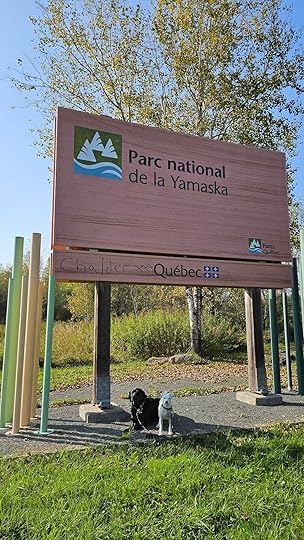 Groot and Rocket pose at the Entrance Sign for Parc national de la YamaskaContact DetailsAddress: 1780 Boulevard David-Bouchard, Roxton Pond (Québec) J0E 1Z0Phone: +1 450–776–7182Website: https://www.sepaq.com/pq/yam/Overview
I visited Parc national de la Yamaska at the end of September, so paddleboarding with the dogs was off the table. The general rule is that the combined air and water temperature should be at least 100°F (37.7°C), and I knew it wouldn’t be anywhere close. I didn’t even bother bringing the board.
Most of the park was shut down for the season. The paddleboard rental facilities, sprawling beach, and multiple food stands were all closed. The only thing still running was the electric bike rental, which plenty of people were using to loop around the lake. It struck me as funny — why rent an electric bike just to cruise a flat lakeside trail? But hey, to each their own.
The campsites were better than those at Parc national du Mont-Orford, but oddly, my site wasn’t level at all — a surprising oversight for a place like this. It was also right next to a walking trail, which turned out to be a busy thoroughfare with runners, dog walkers, and families out for a stroll. The facilities were an improvement over Mont-Orford, but the showers were lukewarm at best with no way to adjust the temperature — government efficiency at its finest. This is definitely a social park, not a place for solitude. I can only imagine how packed it gets in summer.
I had already adjusted my expectations after learning that Quebec’s so-called “national parks” aren’t national in the same way they are in the U.S. The first clue was how they were managed: in the U.S., national parks are federally run, but in Quebec, they’re actually provincial parks with a fancy name. Quebec is the only province that calls its parks “national” instead of “provincial,” a branding choice that, let’s be honest, reeks of French pride and bureaucratic self-importance. And that attitude wasn’t just in the name — the staff weren’t exactly warm toward me, an American visitor.
One particularly ridiculous moment happened while I was photographing Groot and Rocket at the park’s outdoor art installations. These weren’t delicate museum pieces — just big concrete structures scattered in the woods. I picked up the dogs, set them on one, and was immediately scolded by a passerby who accused me of “desecrating” the sacred concrete slab. Apparently, I was both “insolent and unintelligent” for daring to take a picture. I just ignored them. Clearly, they’d already decided I was another “stupid American,” and I wasn’t interested in their nonsense. (For the record, the art installations were my favorite part of the park.)
Despite all that, the walking trails were great — well-maintained and perfect for exploring with the dogs. Some trails are for walking only, while others allow both walking and biking, so be aware if you’re out on them. We wandered through the woods, stopping at different vantage points around the lake as well as the art installations.
For paddleboarders reading this, be aware that the water was choppy the entire length of my visit. While beginners might enjoy it on a calm day, any wind would require at least intermediate paddling skills.
Overall, Parc national de la Yamaska wasn’t a bad scouting trip, but I decided I wouldn’t return during warmer weather to paddleboard. There is no direct water access from the campsites, meaning you have to drive to the parking area and then schlep your board down to the water. Plus, I prefer peaceful getaways, and this isn’t the place for that. But if you’re after an easy, well-equipped park with plenty of activity, it gets the job done.
Rating2 out of 10
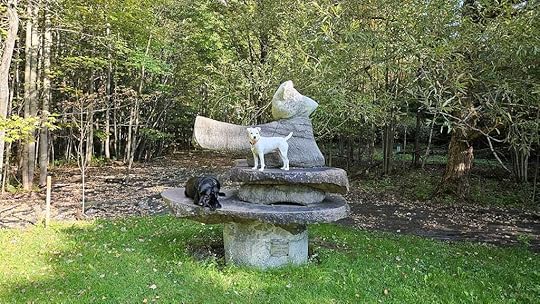 Groot and Rocket enjoying art before we got yelled at by the CanadiansHistory
Parc national de la Yamaska, located in Quebec’s Estrie region was originally inhabited by the Abenaki people. The land was vital for fishing, hunting, and gathering, with the Yamaska River and surrounding forests providing essential resources. When European settlers arrived in the 17th century, the area was gradually transformed into agricultural land as part of the broader expansion of farming in southern Quebec. Over time, resource extraction and land cultivation reshaped the landscape, setting the stage for future developments.
In the early 1970s, the Quebec government launched a project to regulate the flow of the North Yamaska River, a move that would significantly alter the region. As part of this initiative, land was expropriated to allow for the construction of a dam and dike, resulting in the creation of the Choinière Reservoir by 1977. This artificial reservoir not only changed the area’s geography but also provided new opportunities for recreation, making it a prime location for outdoor activities such as boating and fishing. Recognizing the potential of the site, the government moved to establish a protected area around the reservoir.
On July 27, 1983, Parc de récréation de la Yamaska was officially created, covering 13.4 square kilometers of diverse ecosystems. Its primary purpose was to promote outdoor recreation while also safeguarding the region’s natural environment. In 2001, it was officially renamed as Parc national de la Yamaska.
The park saw another milestone in 2017 when it expanded its territory to incorporate additional land that had previously been used for material sourcing during the construction of the Choinière Reservoir’s dam and dike. This expansion increased the park’s size from 12.9 km² to 13.5 km², prompting a reassessment of its zoning plan. In an effort to strengthen conservation efforts, the park significantly increased the portion of its land designated for preservation — from 0% to 51.1% — while reducing the area classified as “ambiance” zones, which allow for recreational activities, from 86.1% to 38.5%. This shift underscored the park’s growing emphasis on protecting its natural landscapes and biodiversity, ensuring that its ecosystems would be preserved for future generations.
Stand Up Paddleboarding at Parc national de la Yamaska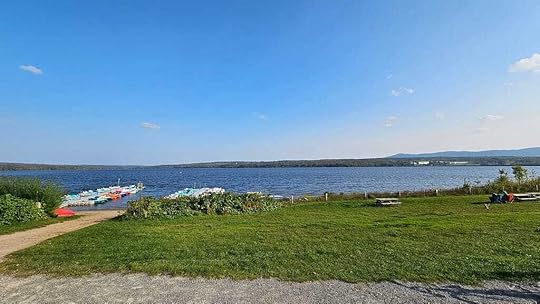 View from the rental shop at Parc national de la YamaskaWhat’s Good:
Calm and Peaceful Waters (when it is not windy):
The Choinière Reservoir features calm waters, making it ideal for beginners and those seeking a relaxing paddle.Minimal boat traffic ensures an experience without wakes.Scenic Beauty:
Surrounded by lush forests and rolling hills, the park offers stunning natural vistas.Wildlife sightings, including birds and small mammals, enhance the connection to nature.Family-Friendly Atmosphere:
The calm conditions and park amenities make it a great spot for families to enjoy paddling together.Facilities include picnic areas, restrooms, and nearby trails for additional activities.SUP Rentals and Accessibility:
Paddleboard rentals are available on-site, making it convenient for visitors who don’t have their own equipment..Eco-Friendly Setting:
The park is a protected area, ensuring a clean, natural environment with strict guidelines for preserving its beauty.What’s Bad:Limited Exploration Area:
While the reservoir is large, it doesn’t offer the same variety of terrain or features as larger lakes or rivers.Paddling options may feel limited for advanced SUP enthusiasts seeking long or challenging routes.Crowds During Peak Season:
Summer weekends can be busy, reducing the sense of solitude and making rental equipment availability competitive.The beaches and launch areas may become crowded.and other insects can be a nuisance, particularly in late spring and early summer.Wind:
Wind can pick up in the afternoon, creating small waves that might challenge beginners.Difficult access if you are camping and not renting a paddleboard:
Easy access to the water via designated launch points if you are renting, but if you bring your own equipment, be prepared for a haul from the parking lotThings to Consider:Skill Level:
Ideal for beginners due to the calm reservoir conditions when it is not windy.Experienced paddlers may enjoy the serenity but might find the area less challenging.Safety Gear:
Life jackets are mandatory, and a SUP leash is recommended for added safety.Bring a whistle or signaling device, as required by Quebec’s boating regulations.Timing Your Visit:
Early mornings and weekdays offer the calmest waters and fewer crowds.Avoid paddling during windy afternoons or storms.Pack Essentials:
Bring sunscreen, water, snacks, and bug spray to ensure a comfortable experience.Explore the Park’s Activities:
Complement your SUP adventure with other activities, such as hiking, biking, or birdwatching.The park features over 40 kilometers of trails.Respect the Environment:
Follow Leave No Trace principles to preserve the reservoir’s pristine condition.Avoid disturbing wildlife or aquatic vegetation.Rental and Permit Information:
SUP rentals are available seasonally.Camping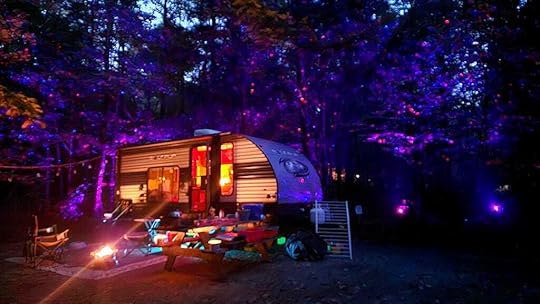
The campground at Parc national de la Yamaska has serviced and non-serviced campsites for tents and RVs. Each site includes a picnic table and fire pit. Amenities include flush toilets, tepid showers, drinking water stations, and electrical hookups at select sites. RV campers have access to dump stations, and trash and recycling services are available.
Outdoor activities include nature walking, swimming at the park’s beach, fishing, and boating, including paddleboarding. The park also features playgrounds, picnic areas, cycling paths, and wildlife-watching opportunities. Pets are allowed on a leash. Firewood is available for purchase.
Quebec’s “national” parks have an incredibly complex pricing system, outlined in a 42-cell matrix. There are separate rates for two high seasons and a low season, with different prices for weekday and weekend overnight stays. Additionally, campsite costs vary based on factors such as proximity to flush toilets. The system feels more like purchasing concert tickets than booking a campsite. Prices range from $20 to $85 per night.
Campground Details:Season: early May through the end of October
Total number of campsites: 189
Without services : 67
With 2 services : 84
Cabins : 5
Tents (Ready-to-camp): 32
Cottage rental : 5
Reservation booking window: NA — according to their website, reservation booking a campsite at Parc national de la Yamaska typically opens in early January for the upcoming summer season
How difficult is it to get a camping reservation (1=easy, 10=impossible): 6
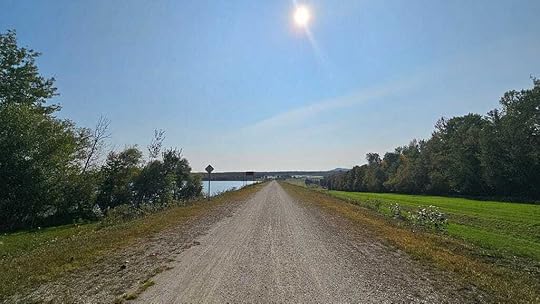 The biking / walking trail goes right over the earthen damFees:
Vehicle use fees
· Day use (peak): approx. $10
Campsite fees
· Vary depending on site, day of week and season. See the park website for more details:
https://www.sepaq.com/camping/emplacement/tente.dot#tarificatio
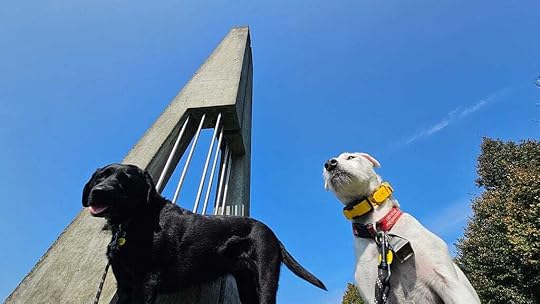 Groot and Rocket checking out more “art” at Parc national de la Yamaska
Lac Waterloo:
Located near Parc national de la Yamaska, Lac Waterloo is another site for boating, swimming, kayaking, and paddleboarding.Bromont:
About 20 minutes from the park, Bromont offers hiking, mountain biking, and outdoor activities during the warmer months. The town is also known for its charming village, which has shopping, dining, and art galleries.Mont Shefford:
A 30-minute drive from Parc national de la Yamaska, Mont Shefford offers excellent hiking trails with panoramic views of the surrounding countryside.Vignoble La Bullerie:
A local vineyard near the town of Bromont, offering wine tastings and tours. Enjoy a relaxing afternoon surrounded by vineyards, where you can sample wines made from local grapes.Bromont, montagne d’expériences:
This all-season outdoor adventure center offers a variety of activities such as hiking, mountain biking, and even zip-lining in the summer.Magog Village:
About a 30-minute drive from the park, Magog is a charming town on the shores of Lac Memphrémagog. The town features shops, restaurants, cafes, and beautiful lake views.Vignoble Domaine des Côtes d’Ardoise:
A picturesque vineyard near Dunham, about 30 minutes from the park, offering wine tastings, tours, and an outdoor setting.Parc de la Gorge de Coaticook:
A 40-minute drive from Parc national de la Yamaska, this park is famous for its suspension bridge over the Coaticook River, which offers incredible views of the gorge. The park also features hiking trails and guided tours.Lac Saint-Charles:
About 30 minutes away, this lake offers excellent opportunities for swimming, fishing, and kayaking.Centre d’Interprétation de la Nature de la Vallée du Richelieu:
Located near the Richelieu River, this nature interpretation center offers educational exhibits, walking trails, and birdwatching opportunities.You just read a chapter from the book:“Paddle, Camp, Repeat: 10 Campgrounds for Paddleboarding in the Northeast”
Paddle, Camp, Repeat: 10 Campgrounds for Paddleboarding in the Northeast
Read other chapters from the book:
Cedar Point State Park, Clayton NY
Cumberland Bay State Park, Plattsburgh NY
Fish Creek Pond, Saranac Lake NY
Grand Isle State Park, Grand Isle VT
Lake Francis State Park, Pittsburg NH
Macomb Reservation State Park, Schuyler Falls NY
Moreau Lake State Park, Gansevoort NY
Parc national du Mont-Orford, Orford QC
Umbagog Lake State Park, Errol NH
SUP with your Pup: A Guide to Paddleboarding with your Dog
https://medium.com/media/60fd349e7425c3ec4570f2d225fefd90/href[image error]

Parc national de la Yamaska, Saint-Paul-de-Vence QC
Groot and Rocket pose at the Entrance Sign for Parc national de la YamaskaContact DetailsAddress: 1780 Boulevard David-Bouchard, Roxton Pond (Québec) J0E 1Z0Phone: +1 450–776–7182Website: https://www.sepaq.com/pq/yam/OverviewI visited Parc national de la Yamaska at the end of September, so paddleboarding with the dogs was off the table. The general rule is that the combined air and water temperature should be at least 100°F (37.7°C), and I knew it wouldn’t be anywhere close. I didn’t even bother bringing the board.
Most of the park was shut down for the season. The paddleboard rental facilities, sprawling beach, and multiple food stands were all closed. The only thing still running was the electric bike rental, which plenty of people were using to loop around the lake. It struck me as funny — why rent an electric bike just to cruise a flat lakeside trail? But hey, to each their own.
The campsites were better than those at Parc national du Mont-Orford, but oddly, my site wasn’t level at all — a surprising oversight for a place like this. It was also right next to a walking trail, which turned out to be a busy thoroughfare with runners, dog walkers, and families out for a stroll. The facilities were an improvement over Mont-Orford, but the showers were lukewarm at best with no way to adjust the temperature — government efficiency at its finest. This is definitely a social park, not a place for solitude. I can only imagine how packed it gets in summer.
I had already adjusted my expectations after learning that Quebec’s so-called “national parks” aren’t national in the same way they are in the U.S. The first clue was how they were managed: in the U.S., national parks are federally run, but in Quebec, they’re actually provincial parks with a fancy name. Quebec is the only province that calls its parks “national” instead of “provincial,” a branding choice that, let’s be honest, reeks of French pride and bureaucratic self-importance. And that attitude wasn’t just in the name — the staff weren’t exactly warm toward me, an American visitor.
One particularly ridiculous moment happened while I was photographing Groot and Rocket at the park’s outdoor art installations. These weren’t delicate museum pieces — just big concrete structures scattered in the woods. I picked up the dogs, set them on one, and was immediately scolded by a passerby who accused me of “desecrating” the sacred concrete slab. Apparently, I was both “insolent and unintelligent” for daring to take a picture. I just ignored them. Clearly, they’d already decided I was another “stupid American,” and I wasn’t interested in their nonsense. (For the record, the art installations were my favorite part of the park.)
Despite all that, the walking trails were great — well-maintained and perfect for exploring with the dogs. Some trails are for walking only, while others allow both walking and biking, so be aware if you’re out on them. We wandered through the woods, stopping at different vantage points around the lake as well as the art installations.
For paddleboarders reading this, be aware that the water was choppy the entire length of my visit. While beginners might enjoy it on a calm day, any wind would require at least intermediate paddling skills.
Overall, Parc national de la Yamaska wasn’t a bad scouting trip, but I decided I wouldn’t return during warmer weather to paddleboard. There is no direct water access from the campsites, meaning you have to drive to the parking area and then schlep your board down to the water. Plus, I prefer peaceful getaways, and this isn’t the place for that. But if you’re after an easy, well-equipped park with plenty of activity, it gets the job done.
Rating2 out of 10
Groot and Rocket enjoying art before we got yelled at by the CanadiansHistoryParc national de la Yamaska, located in Quebec’s Estrie region was originally inhabited by the Abenaki people. The land was vital for fishing, hunting, and gathering, with the Yamaska River and surrounding forests providing essential resources. When European settlers arrived in the 17th century, the area was gradually transformed into agricultural land as part of the broader expansion of farming in southern Quebec. Over time, resource extraction and land cultivation reshaped the landscape, setting the stage for future developments.
In the early 1970s, the Quebec government launched a project to regulate the flow of the North Yamaska River, a move that would significantly alter the region. As part of this initiative, land was expropriated to allow for the construction of a dam and dike, resulting in the creation of the Choinière Reservoir by 1977. This artificial reservoir not only changed the area’s geography but also provided new opportunities for recreation, making it a prime location for outdoor activities such as boating and fishing. Recognizing the potential of the site, the government moved to establish a protected area around the reservoir.
On July 27, 1983, Parc de récréation de la Yamaska was officially created, covering 13.4 square kilometers of diverse ecosystems. Its primary purpose was to promote outdoor recreation while also safeguarding the region’s natural environment. In 2001, it was officially renamed as Parc national de la Yamaska.
The park saw another milestone in 2017 when it expanded its territory to incorporate additional land that had previously been used for material sourcing during the construction of the Choinière Reservoir’s dam and dike. This expansion increased the park’s size from 12.9 km² to 13.5 km², prompting a reassessment of its zoning plan. In an effort to strengthen conservation efforts, the park significantly increased the portion of its land designated for preservation — from 0% to 51.1% — while reducing the area classified as “ambiance” zones, which allow for recreational activities, from 86.1% to 38.5%. This shift underscored the park’s growing emphasis on protecting its natural landscapes and biodiversity, ensuring that its ecosystems would be preserved for future generations.
Stand Up Paddleboarding at Parc national de la YamaskaView from the rental shop at Parc national de la YamaskaWhat’s Good:Calm and Peaceful Waters (when it is not windy):
The Choinière Reservoir features calm waters, making it ideal for beginners and those seeking a relaxing paddle.Minimal boat traffic ensures an experience without wakes.Scenic Beauty:
Surrounded by lush forests and rolling hills, the park offers stunning natural vistas.Wildlife sightings, including birds and small mammals, enhance the connection to nature.Family-Friendly Atmosphere:
The calm conditions and park amenities make it a great spot for families to enjoy paddling together.Facilities include picnic areas, restrooms, and nearby trails for additional activities.SUP Rentals and Accessibility:
Paddleboard rentals are available on-site, making it convenient for visitors who don’t have their own equipment..Eco-Friendly Setting:
The park is a protected area, ensuring a clean, natural environment with strict guidelines for preserving its beauty.What’s Bad:Limited Exploration Area:
While the reservoir is large, it doesn’t offer the same variety of terrain or features as larger lakes or rivers.Paddling options may feel limited for advanced SUP enthusiasts seeking long or challenging routes.Crowds During Peak Season:
Summer weekends can be busy, reducing the sense of solitude and making rental equipment availability competitive.The beaches and launch areas may become crowded.and other insects can be a nuisance, particularly in late spring and early summer.Wind:
Wind can pick up in the afternoon, creating small waves that might challenge beginners.Difficult access if you are camping and not renting a paddleboard:
Easy access to the water via designated launch points if you are renting, but if you bring your own equipment, be prepared for a haul from the parking lotThings to Consider:Skill Level:
Ideal for beginners due to the calm reservoir conditions when it is not windy.Experienced paddlers may enjoy the serenity but might find the area less challenging.Safety Gear:
Life jackets are mandatory, and a SUP leash is recommended for added safety.Bring a whistle or signaling device, as required by Quebec’s boating regulations.Timing Your Visit:
Early mornings and weekdays offer the calmest waters and fewer crowds.Avoid paddling during windy afternoons or storms.Pack Essentials:
Bring sunscreen, water, snacks, and bug spray to ensure a comfortable experience.Explore the Park’s Activities:
Complement your SUP adventure with other activities, such as hiking, biking, or birdwatching.The park features over 40 kilometers of trails.Respect the Environment:
Follow Leave No Trace principles to preserve the reservoir’s pristine condition.Avoid disturbing wildlife or aquatic vegetation.Rental and Permit Information:
SUP rentals are available seasonally.CampingThe campground at Parc national de la Yamaska has serviced and non-serviced campsites for tents and RVs. Each site includes a picnic table and fire pit. Amenities include flush toilets, tepid showers, drinking water stations, and electrical hookups at select sites. RV campers have access to dump stations, and trash and recycling services are available.
Outdoor activities include nature walking, swimming at the park’s beach, fishing, and boating, including paddleboarding. The park also features playgrounds, picnic areas, cycling paths, and wildlife-watching opportunities. Pets are allowed on a leash. Firewood is available for purchase.
Quebec’s “national” parks have an incredibly complex pricing system, outlined in a 42-cell matrix. There are separate rates for two high seasons and a low season, with different prices for weekday and weekend overnight stays. Additionally, campsite costs vary based on factors such as proximity to flush toilets. The system feels more like purchasing concert tickets than booking a campsite. Prices range from $20 to $85 per night.
Campground Details:Season: early May through the end of October
Total number of campsites: 189
Without services : 67
With 2 services : 84
Cabins : 5
Tents (Ready-to-camp): 32
Cottage rental : 5
Reservation booking window: NA — according to their website, reservation booking a campsite at Parc national de la Yamaska typically opens in early January for the upcoming summer season
How difficult is it to get a camping reservation (1=easy, 10=impossible): 6
The biking / walking trail goes right over the earthen damFees:Vehicle use fees
· Day use (peak): approx. $10
Campsite fees
· Vary depending on site, day of week and season. See the park website for more details:
https://www.sepaq.com/camping/emplacement/tente.dot#tarificatio
Groot and Rocket checking out more “art” at Parc national de la YamaskaLac Waterloo:
Located near Parc national de la Yamaska, Lac Waterloo is another site for boating, swimming, kayaking, and paddleboarding.Bromont:
About 20 minutes from the park, Bromont offers hiking, mountain biking, and outdoor activities during the warmer months. The town is also known for its charming village, which has shopping, dining, and art galleries.Mont Shefford:
A 30-minute drive from Parc national de la Yamaska, Mont Shefford offers excellent hiking trails with panoramic views of the surrounding countryside.Vignoble La Bullerie:
A local vineyard near the town of Bromont, offering wine tastings and tours. Enjoy a relaxing afternoon surrounded by vineyards, where you can sample wines made from local grapes.Bromont, montagne d’expériences:
This all-season outdoor adventure center offers a variety of activities such as hiking, mountain biking, and even zip-lining in the summer.Magog Village:
About a 30-minute drive from the park, Magog is a charming town on the shores of Lac Memphrémagog. The town features shops, restaurants, cafes, and beautiful lake views.Vignoble Domaine des Côtes d’Ardoise:
A picturesque vineyard near Dunham, about 30 minutes from the park, offering wine tastings, tours, and an outdoor setting.Parc de la Gorge de Coaticook:
A 40-minute drive from Parc national de la Yamaska, this park is famous for its suspension bridge over the Coaticook River, which offers incredible views of the gorge. The park also features hiking trails and guided tours.Lac Saint-Charles:
About 30 minutes away, this lake offers excellent opportunities for swimming, fishing, and kayaking.Centre d’Interprétation de la Nature de la Vallée du Richelieu:
Located near the Richelieu River, this nature interpretation center offers educational exhibits, walking trails, and birdwatching opportunities.You just read a chapter from the book:“Paddle, Camp, Repeat: 10 Campgrounds for Paddleboarding in the Northeast”
Paddle, Camp, Repeat: 10 Campgrounds for Paddleboarding in the Northeast
Read other chapters from the book:
Cedar Point State Park, Clayton NY
Cumberland Bay State Park, Plattsburgh NY
Fish Creek Pond, Saranac Lake NY
Grand Isle State Park, Grand Isle VT
Lake Francis State Park, Pittsburg NH
Macomb Reservation State Park, Schuyler Falls NY
Moreau Lake State Park, Gansevoort NY
Parc national du Mont-Orford, Orford QC
Umbagog Lake State Park, Errol NH
SUP with your Pup: A Guide to Paddleboarding with your Dog
https://medium.com/media/60fd349e7425c3ec4570f2d225fefd90/href[image error]Parc national du Mont-Orford, Orford QC
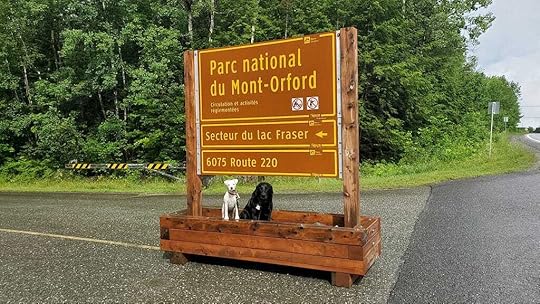 Groot and Rocket pose at the Entrance Sign to Parc national du Mont-OrfordContact DetailsAddress: 3321, chemin du Parc, Orford, QC J1X 7A2, CanadaPhone: +1 819–843–9855Website: https://www.sepaq.com/pq/mor/Overview
This was the first of two national parks I visited in Canada, and I quickly realized that there was a significant difference in how these parks were managed compared to those in the United States. I had assumed these were true national parks, but it became clear they were more like local parks with a national label — something, it seemed, rooted in a misplaced sense of entitlement. The park even had a golf course, which should have been my first clue. After all, what kind of national park in the U.S. has a golf course? The whole point of national parks there is historic preservation and conservation on a national scale.
The attitude of the staff reflected this disconnect, too. It felt like they saw me as just another “stupid American” who didn’t belong, as if I was intruding on their little corner of the world. It was frustrating and made the whole experience less enjoyable. The campgrounds were decent but not exceptional. The campsites were packed too close together for comfort, and that was just the beginning of the disappointments.
What really threw me off was the one dump station for sewage in the entire campground. There was a long line, and the signage was poorly marked. Incredibly, I even witnessed people filling their drinking water tanks with non-potable water meant solely for waste disposal — because, for whatever reason, there was no proper signage to warn them. It was an embarrassment. I couldn’t help but think, “You’d never see this in a U.S. national park.”
However, Mount Orford itself was a highlight. It was a beautiful spot, offering great hiking opportunities, and the lake — larger than most I’d seen — was perfect for paddling. The water was warm, and the lake wasn’t very deep, so it felt ideal for running paddleboards. I was looking forward to spending time on the water.
Of course, the staff managed to make that more difficult. They insisted my dogs be leashed to my paddleboard, even though I knew they were well-trained and would not get off without my permission. After a bit of back-and-forth with the park staff, they grudgingly allowed it. As soon as I paddled away from shore, I unclipped the dogs, and they calmly stayed on the board with me, as they always did. But, that wasn’t good enough for the park rangers. Apparently, they thought I was breaking some unspoken rule, and it didn’t matter how well-behaved the dogs were.
I remember playing music softly from my outdoor speakers while I relaxed by the lake. Now, I’m not the type to blast music, but someone complained, and I was told to turn it down. In contrast to their obsession with rules, the park staff showed a complete disregard for cleanliness. This was, without a doubt, one of the dirtiest parks I’ve ever camped in. I even pointed out the garbage at our campsite to the staff, but they never bothered to clean it up. It was such a stark contrast to the level of service and care I’m used to in national parks back in the U.S.
All in all, it was an eye-opening experience that left me with a lot of mixed feelings. While the natural beauty of the area, like Mount Orford and the lake, was undeniable, the overall management of the park left much to be desired.
Rating2 out of 10
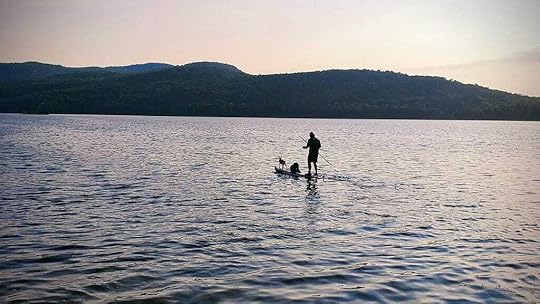 The author, Groot and Rocket on Lac Fraser, Parc national du Mont-OrfordHistory
Parc national du Mont-Orford, nestled in Quebec’s Eastern Townships, has a storied history rooted in conservation and recreation. The idea for the park took shape in the 1920s, driven by Dr. George Austin Bowen, a physician from Magog who envisioned protecting the region’s natural beauty while making it accessible for public enjoyment. This vision materialized on April 8, 1938, when Mont-Orford Park was officially established. The creation of the park was a collaborative effort, with 27 municipalities acquiring and ceding land to the Quebec government to secure its future as a preserved natural space.
As the park grew in popularity, its facilities expanded to accommodate visitors. In 1967, in preparation for Expo 67, the government developed a 300-site campground near Lake Stukely, further enhancing the park’s accessibility. By 1975, an ecological inventory prompted a significant expansion, increasing the park’s boundaries by nearly 30% to better protect local wildlife, particularly the white-tailed deer population.
The turn of the millennium brought further changes to the park’s status. Originally designated as Mont-Orford Park, it underwent a reclassification in 2001 when amendments to Quebec’s Parks Act unified all provincial parks under the designation of “national parks.” This shift emphasized the park’s commitment to conservation, ensuring that its rich ecosystems and landscapes would be preserved for future generations.
However, the park faced challenges in the following years. In 2006, the provincial government proposed privatizing the ski resort and golf course within the park while also expanding its protected lands. The plan met fierce resistance from environmental groups and citizens concerned about commercial development within a protected area. The opposition proved successful, and by May 7, 2007, the government abandoned its privatization plans. Instead, the park continued to expand, securing over 100 square kilometers of additional protected land.
To maintain the balance between recreation and conservation, the Corporation Ski & Golf Mont-Orford was established on May 31, 2011, as a non-profit organization tasked with managing the park’s ski and golf facilities. Today, Parc national du Mont-Orford stands as a testament to Quebec’s enduring commitment to preserving its natural heritage, offering both protection for its diverse ecosystems and opportunities for visitors to experience its scenic beauty.
Stand Up Paddleboarding at Parc national du Mont-Orford On Lac Fraser with Groot and RocketWhat’s Good:
Scenic Surroundings:
The park is nestled in the heart of nature, offering stunning views of forested hills, Mont Orford, and calm waters.Multiple Waterways:
The park features several lakes, such as Stukely Lake and Fraser Lake, both ideal for paddleboarding.Each lake offers calm, sheltered areas perfect for beginner paddleboarding.Abundant Wildlife:
Spot a variety of birds, such as herons and ducks, as well as other wildlife like beavers and turtles because the quiet atmosphere makes wildlife sightings common.Family-Friendly Atmosphere:
The calm waters and accessible amenities make the park a great option for families.Beaches and picnic areas are available for post-paddling relaxation.On-Site Rentals:
Paddleboard rentals are available in the park, so you can enjoy the experience without needing to bring your own equipment.Complementary Activities:
The park offers numerous activities beyond SUP, including hiking, biking, and camping, making it ideal for a multi-day visit.What’s Bad:Crowds During Peak Season:
Summer weekends and holidays can get busy, especially at popular launch areas and beaches.Limited parking during peak times.Weather Variability:
Wind can pick up in the afternoons, creating small waves that can challenge beginners.The weather in this region can change quickly, especially in the mountains.Cold Water Temperatures:
Even in summer, water temperatures can be chilly, requiring caution if you plan to swim or are prone to falling in.Limited Exploration Area:
While the lakes are scenic, they may feel small for experienced paddlers seeking long routes or more varied terrain.Bugs in Warm Months:
Mosquitoes and black flies can be bothersome, particularly in late spring and early summer.Things to Consider:Skill Level:
The calm waters are excellent for beginners, while experienced paddlers can explore the lakes’ nooks and crannies.Safety Gear:
Wearing a personal flotation device (PFD) is mandatory, and a leash is recommended for your paddleboard.Carry a whistle or signaling device to comply with Quebec’s boating regulations.Timing Your Visit:
Early mornings and weekdays are the best times to avoid crowds and enjoy calmer waters. Plan to paddle early in the day before afternoon winds pick up.Pack Essentials:
Bring sunscreen, water, snacks, and bug spray for a comfortable day..Rental and Reservation Information:
SUP rentals are available, but they can sell out quickly during busy periods. Reserve your equipment and park entry in advance.Seasonal Considerations:
Summer offers the best conditions for SUP, while fall provides a quieter experience with stunning foliage.Be aware of cooler water temperatures in spring and fall.Eco-Friendly Practices:
Follow Leave No Trace principles to help preserve the park’s pristine environment.Avoid disturbing wildlife or aquatic vegetation.Explore Nearby Trails:
Consider combining your paddleboarding trip with a hike on one of the park’s many trails for a full day of outdoor adventure.Camping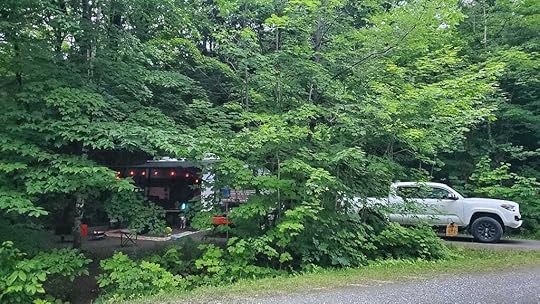 Our campsite in the Lac Fraser section of Parc national du Mont-Orford
Parc national du Mont-Orford offers a diverse range of camping options across two main sectors. The Lac-Stukely Sector provides 276 campsites, with varying levels of service: 45 sites with one service, 113 with two services, 33 with three services, and 85 without any services. Additionally, this sector includes 38 ready-to-camp units for those seeking a more convenient outdoor experience. The Lac-Fraser Sector provides 148 campsites, including 49 with one service and 99 without services, along with 8 ready-to-camp units. In total, the park accommodates visitors with 424 campsites and 46 ready-to-camp units, catering to a range of camping preferences.
The park offers essential amenities to enhance the camping experience, including flush toilets, hot showers, drinking water stations, and electrical hookups at select sites. RV campers have access to dump stations, and all visitors can utilize trash disposal and recycling services. Firewood is available for purchase, and pets are welcome, provided they remain on a leash.
Outdoor enthusiasts can enjoy a variety of recreational activities, such as hiking, swimming, fishing, boating, cycling, and wildlife watching. The park’s scenic landscape, including views of Mont Orford, makes it a popular destination year-round. In winter, visitors can take advantage of activities such as cross-country skiing and snowshoeing.
Camping fees at Parc national du Mont-Orford follow a complex pricing system, reflecting different rates for two high seasons and a low season. Prices also vary between weekday and weekend stays, as well as based on campsite proximity to amenities such as flush toilets. The pricing structure, which resembles a detailed ticketing system, ranges from $20 to $85 per night.
Campground Details:Season: early May through late October Day
Total number of campsites: 424
Reservation booking window: NA — according to their website, reservation booking a campsite at Parc national du Mont-Orford typically opens in early January for the upcoming summer season
How difficult is it to get a camping reservation (1=easy, 10=impossible): 3
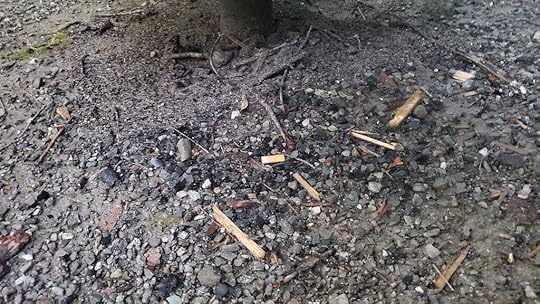 Trash was a problem at our campsite and remained so despite talking multiple times to park staffFees:
Campsite fees
· Vary depending on site, day of week and season. See the park website for more details:
https://www.sepaq.com/camping/emplacement/tente.dot#tarificati
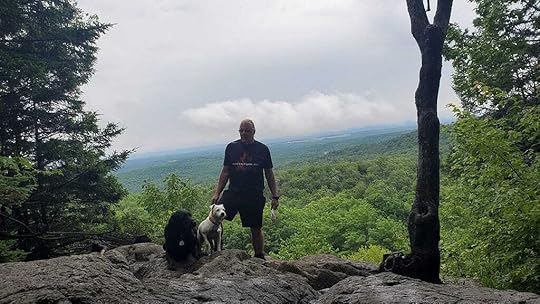 The author, Groot and Rocket hiking to the top of Mont Orford
Hike Mont Orford:
The park’s main attraction, Mont Orford offers hiking, mountain biking, and panoramic views from the summit. It’s a popular spot for outdoor activities such as trail running, photography, and nature walks during the warm weather.Lac Orford:
Located within the park, Lac Orford is perfect for swimming, kayaking, paddleboarding, and picnicking.Parc de la Gorge de Coaticook:
About 45 minutes from Mont-Orford, this park is famous for its suspension bridge over the Coaticook River, which offers stunning views of the gorge and waterfalls.Sentiers de l’Estrie:
A network of hiking and biking trails throughout the Eastern Townships, these paths connect Parc national du Mont-Orford to other scenic spots in the region, offering options for various levels of difficulty and beautiful views.Lac Memphrémagog:
A large, scenic lake just south of Mont-Orford, Lac Memphrémagog offers boating, sailing, and kayaking, as well as beaches for swimming and relaxation.Magog Village:
The charming town of Magog offers a variety of attractions, including boutique shopping, cafes, restaurants, and art galleries. You can also enjoy lakeside walks and a vibrant downtown area with a relaxed atmosphere.Mont Sutton:
Located around 40 minutes from Mont-Orford, Mont Sutton is another popular mountain in the region, offering hiking, biking, and breathtaking views during the summer months.Vignoble Domaine des Côtes d’Ardoise:
A picturesque vineyard near Dunham, about 30 minutes from Mont-Orford, offering wine tastings and tours.Domaine de l’Orpailleur:
This vineyard in the Eastern Townships offers guided tours, wine tasting, and a chance to explore the beautiful vineyards.You just read a chapter from the book:“Paddle, Camp, Repeat: 10 Campgrounds for Paddleboarding in the Northeast”
Paddle, Camp, Repeat: 10 Campgrounds for Paddleboarding in the Northeast
Read other chapters from the book:
Cedar Point State Park, Clayton NY
Cumberland Bay State Park, Plattsburgh NY
Fish Creek Pond, Saranac Lake NY
Grand Isle State Park, Grand Isle VT
Lake Francis State Park, Pittsburg NH
Macomb Reservation State Park, Schuyler Falls NY
Moreau Lake State Park, Gansevoort NY
Parc national de la Yamaska, Saint-Paul-de-Vence QC
Umbagog Lake State Park, Errol NH
SUP with your Pup: A Guide to Paddleboarding with your Dog
https://medium.com/media/60fd349e7425c3ec4570f2d225fefd90/href[image error]Parc national du Mont-Orford, Orford QC
Groot and Rocket pose at the Entrance Sign to Parc national du Mont-OrfordContact DetailsAddress: 3321, chemin du Parc, Orford, QC J1X 7A2, CanadaPhone: +1 819–843–9855Website: https://www.sepaq.com/pq/mor/OverviewThis was the first of two national parks I visited in Canada, and I quickly realized that there was a significant difference in how these parks were managed compared to those in the United States. I had assumed these were true national parks, but it became clear they were more like local parks with a national label — something, it seemed, rooted in a misplaced sense of entitlement. The park even had a golf course, which should have been my first clue. After all, what kind of national park in the U.S. has a golf course? The whole point of national parks there is historic preservation and conservation on a national scale.
The attitude of the staff reflected this disconnect, too. It felt like they saw me as just another “stupid American” who didn’t belong, as if I was intruding on their little corner of the world. It was frustrating and made the whole experience less enjoyable. The campgrounds were decent but not exceptional. The campsites were packed too close together for comfort, and that was just the beginning of the disappointments.
What really threw me off was the one dump station for sewage in the entire campground. There was a long line, and the signage was poorly marked. Incredibly, I even witnessed people filling their drinking water tanks with non-potable water meant solely for waste disposal — because, for whatever reason, there was no proper signage to warn them. It was an embarrassment. I couldn’t help but think, “You’d never see this in a U.S. national park.”
However, Mount Orford itself was a highlight. It was a beautiful spot, offering great hiking opportunities, and the lake — larger than most I’d seen — was perfect for paddling. The water was warm, and the lake wasn’t very deep, so it felt ideal for running paddleboards. I was looking forward to spending time on the water.
Of course, the staff managed to make that more difficult. They insisted my dogs be leashed to my paddleboard, even though I knew they were well-trained and would not get off without my permission. After a bit of back-and-forth with the park staff, they grudgingly allowed it. As soon as I paddled away from shore, I unclipped the dogs, and they calmly stayed on the board with me, as they always did. But, that wasn’t good enough for the park rangers. Apparently, they thought I was breaking some unspoken rule, and it didn’t matter how well-behaved the dogs were.
I remember playing music softly from my outdoor speakers while I relaxed by the lake. Now, I’m not the type to blast music, but someone complained, and I was told to turn it down. In contrast to their obsession with rules, the park staff showed a complete disregard for cleanliness. This was, without a doubt, one of the dirtiest parks I’ve ever camped in. I even pointed out the garbage at our campsite to the staff, but they never bothered to clean it up. It was such a stark contrast to the level of service and care I’m used to in national parks back in the U.S.
All in all, it was an eye-opening experience that left me with a lot of mixed feelings. While the natural beauty of the area, like Mount Orford and the lake, was undeniable, the overall management of the park left much to be desired.
Rating2 out of 10
The author, Groot and Rocket on Lac Fraser, Parc national du Mont-OrfordHistoryParc national du Mont-Orford, nestled in Quebec’s Eastern Townships, has a storied history rooted in conservation and recreation. The idea for the park took shape in the 1920s, driven by Dr. George Austin Bowen, a physician from Magog who envisioned protecting the region’s natural beauty while making it accessible for public enjoyment. This vision materialized on April 8, 1938, when Mont-Orford Park was officially established. The creation of the park was a collaborative effort, with 27 municipalities acquiring and ceding land to the Quebec government to secure its future as a preserved natural space.
As the park grew in popularity, its facilities expanded to accommodate visitors. In 1967, in preparation for Expo 67, the government developed a 300-site campground near Lake Stukely, further enhancing the park’s accessibility. By 1975, an ecological inventory prompted a significant expansion, increasing the park’s boundaries by nearly 30% to better protect local wildlife, particularly the white-tailed deer population.
The turn of the millennium brought further changes to the park’s status. Originally designated as Mont-Orford Park, it underwent a reclassification in 2001 when amendments to Quebec’s Parks Act unified all provincial parks under the designation of “national parks.” This shift emphasized the park’s commitment to conservation, ensuring that its rich ecosystems and landscapes would be preserved for future generations.
However, the park faced challenges in the following years. In 2006, the provincial government proposed privatizing the ski resort and golf course within the park while also expanding its protected lands. The plan met fierce resistance from environmental groups and citizens concerned about commercial development within a protected area. The opposition proved successful, and by May 7, 2007, the government abandoned its privatization plans. Instead, the park continued to expand, securing over 100 square kilometers of additional protected land.
To maintain the balance between recreation and conservation, the Corporation Ski & Golf Mont-Orford was established on May 31, 2011, as a non-profit organization tasked with managing the park’s ski and golf facilities. Today, Parc national du Mont-Orford stands as a testament to Quebec’s enduring commitment to preserving its natural heritage, offering both protection for its diverse ecosystems and opportunities for visitors to experience its scenic beauty.
Stand Up Paddleboarding at Parc national du Mont-OrfordOn Lac Fraser with Groot and RocketWhat’s Good:Scenic Surroundings:
The park is nestled in the heart of nature, offering stunning views of forested hills, Mont Orford, and calm waters.Multiple Waterways:
The park features several lakes, such as Stukely Lake and Fraser Lake, both ideal for paddleboarding.Each lake offers calm, sheltered areas perfect for beginner paddleboarding.Abundant Wildlife:
Spot a variety of birds, such as herons and ducks, as well as other wildlife like beavers and turtles because the quiet atmosphere makes wildlife sightings common.Family-Friendly Atmosphere:
The calm waters and accessible amenities make the park a great option for families.Beaches and picnic areas are available for post-paddling relaxation.On-Site Rentals:
Paddleboard rentals are available in the park, so you can enjoy the experience without needing to bring your own equipment.Complementary Activities:
The park offers numerous activities beyond SUP, including hiking, biking, and camping, making it ideal for a multi-day visit.What’s Bad:Crowds During Peak Season:
Summer weekends and holidays can get busy, especially at popular launch areas and beaches.Limited parking during peak times.Weather Variability:
Wind can pick up in the afternoons, creating small waves that can challenge beginners.The weather in this region can change quickly, especially in the mountains.Cold Water Temperatures:
Even in summer, water temperatures can be chilly, requiring caution if you plan to swim or are prone to falling in.Limited Exploration Area:
While the lakes are scenic, they may feel small for experienced paddlers seeking long routes or more varied terrain.Bugs in Warm Months:
Mosquitoes and black flies can be bothersome, particularly in late spring and early summer.Things to Consider:Skill Level:
The calm waters are excellent for beginners, while experienced paddlers can explore the lakes’ nooks and crannies.Safety Gear:
Wearing a personal flotation device (PFD) is mandatory, and a leash is recommended for your paddleboard.Carry a whistle or signaling device to comply with Quebec’s boating regulations.Timing Your Visit:
Early mornings and weekdays are the best times to avoid crowds and enjoy calmer waters. Plan to paddle early in the day before afternoon winds pick up.Pack Essentials:
Bring sunscreen, water, snacks, and bug spray for a comfortable day..Rental and Reservation Information:
SUP rentals are available, but they can sell out quickly during busy periods. Reserve your equipment and park entry in advance.Seasonal Considerations:
Summer offers the best conditions for SUP, while fall provides a quieter experience with stunning foliage.Be aware of cooler water temperatures in spring and fall.Eco-Friendly Practices:
Follow Leave No Trace principles to help preserve the park’s pristine environment.Avoid disturbing wildlife or aquatic vegetation.Explore Nearby Trails:
Consider combining your paddleboarding trip with a hike on one of the park’s many trails for a full day of outdoor adventure.CampingOur campsite in the Lac Fraser section of Parc national du Mont-OrfordParc national du Mont-Orford offers a diverse range of camping options across two main sectors. The Lac-Stukely Sector provides 276 campsites, with varying levels of service: 45 sites with one service, 113 with two services, 33 with three services, and 85 without any services. Additionally, this sector includes 38 ready-to-camp units for those seeking a more convenient outdoor experience. The Lac-Fraser Sector provides 148 campsites, including 49 with one service and 99 without services, along with 8 ready-to-camp units. In total, the park accommodates visitors with 424 campsites and 46 ready-to-camp units, catering to a range of camping preferences.
The park offers essential amenities to enhance the camping experience, including flush toilets, hot showers, drinking water stations, and electrical hookups at select sites. RV campers have access to dump stations, and all visitors can utilize trash disposal and recycling services. Firewood is available for purchase, and pets are welcome, provided they remain on a leash.
Outdoor enthusiasts can enjoy a variety of recreational activities, such as hiking, swimming, fishing, boating, cycling, and wildlife watching. The park’s scenic landscape, including views of Mont Orford, makes it a popular destination year-round. In winter, visitors can take advantage of activities such as cross-country skiing and snowshoeing.
Camping fees at Parc national du Mont-Orford follow a complex pricing system, reflecting different rates for two high seasons and a low season. Prices also vary between weekday and weekend stays, as well as based on campsite proximity to amenities such as flush toilets. The pricing structure, which resembles a detailed ticketing system, ranges from $20 to $85 per night.
Campground Details:Season: early May through late October Day
Total number of campsites: 424
Reservation booking window: NA — according to their website, reservation booking a campsite at Parc national du Mont-Orford typically opens in early January for the upcoming summer season
How difficult is it to get a camping reservation (1=easy, 10=impossible): 3
Trash was a problem at our campsite and remained so despite talking multiple times to park staffFees:Campsite fees
· Vary depending on site, day of week and season. See the park website for more details:
https://www.sepaq.com/camping/emplacement/tente.dot#tarificati
The author, Groot and Rocket hiking to the top of Mont OrfordHike Mont Orford:
The park’s main attraction, Mont Orford offers hiking, mountain biking, and panoramic views from the summit. It’s a popular spot for outdoor activities such as trail running, photography, and nature walks during the warm weather.Lac Orford:
Located within the park, Lac Orford is perfect for swimming, kayaking, paddleboarding, and picnicking.Parc de la Gorge de Coaticook:
About 45 minutes from Mont-Orford, this park is famous for its suspension bridge over the Coaticook River, which offers stunning views of the gorge and waterfalls.Sentiers de l’Estrie:
A network of hiking and biking trails throughout the Eastern Townships, these paths connect Parc national du Mont-Orford to other scenic spots in the region, offering options for various levels of difficulty and beautiful views.Lac Memphrémagog:
A large, scenic lake just south of Mont-Orford, Lac Memphrémagog offers boating, sailing, and kayaking, as well as beaches for swimming and relaxation.Magog Village:
The charming town of Magog offers a variety of attractions, including boutique shopping, cafes, restaurants, and art galleries. You can also enjoy lakeside walks and a vibrant downtown area with a relaxed atmosphere.Mont Sutton:
Located around 40 minutes from Mont-Orford, Mont Sutton is another popular mountain in the region, offering hiking, biking, and breathtaking views during the summer months.Vignoble Domaine des Côtes d’Ardoise:
A picturesque vineyard near Dunham, about 30 minutes from Mont-Orford, offering wine tastings and tours.Domaine de l’Orpailleur:
This vineyard in the Eastern Townships offers guided tours, wine tasting, and a chance to explore the beautiful vineyards.You just read a chapter from the book:“Paddle, Camp, Repeat: 10 Campgrounds for Paddleboarding in the Northeast”
Paddle, Camp, Repeat: 10 Campgrounds for Paddleboarding in the Northeast
Read other chapters from the book:
Cedar Point State Park, Clayton NY
Cumberland Bay State Park, Plattsburgh NY
Fish Creek Pond, Saranac Lake NY
Grand Isle State Park, Grand Isle VT
Lake Francis State Park, Pittsburg NH
Macomb Reservation State Park, Schuyler Falls NY
Moreau Lake State Park, Gansevoort NY
Parc national de la Yamaska, Saint-Paul-de-Vence QC
Umbagog Lake State Park, Errol NH
SUP with your Pup: A Guide to Paddleboarding with your Dog
https://medium.com/media/60fd349e7425c3ec4570f2d225fefd90/href[image error]February 6, 2025
Grand Isle State Park, Grand Isle VT
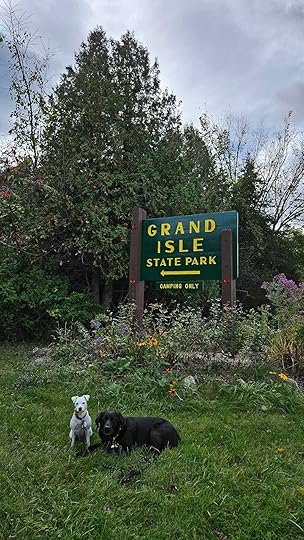 Groot and Rocket pose at the Entrance Sign for Grand Isle State ParkContact DetailsAddress: 36 East Shore South Grand Isle, VT 05458Phone: +1 802–372–4300Website: https://vtstateparks.com/grandisle.htmlOverview
My trip to Grand Isle State Park was never meant to be about paddleboarding — so much so that I didn’t even bring my board. This was a scouting mission, a chance to see if the park might be worth a return visit with my board. October’s chill had settled in, and with the combined air and water temperatures far too low for safe paddling with the dogs, it simply wasn’t worth the risk. The rule for dogs and water is simple: if the sum of air and water temperature is below 100 degrees Fahrenheit, you stay off the water. Hypothermia can set in fast. Sure, I could have paddled cautiously and hoped not to fall in, but hope isn’t much of a safety plan.
Even without paddling, the park had its merits — though not without drawbacks. Most campsites lacked direct water access, meaning that if I had brought my board, I would have had to load it into the truck and drive to a designated put-in. And for October, the car traffic in the surrounding area was surprisingly heavy. The narrow, single-lane roads were packed, making me wonder what chaos must unfold here in the height of summer — an endless maze of cars, campers, and the hum of generators.
Instead of paddling, I explored other nearby state parks, wandering along deserted beaches and quiet trails. Calling it “hiking” might be a stretch — I didn’t even need boots — but the solitude was welcome. With the season winding down, most facilities were closed, leaving behind a landscape beautifully untouched by crowds. No lines, no chatter — just crisp autumn air and uninterrupted views. The only sign of life was the steady stream of cars on the road, heading who-knows-where.
With so few campers around, I let the dogs explore the empty playgrounds, something I’ve done at other parks like Fish Creek Pond. There’s something endlessly amusing about watching them clamber up play structures, slide down ramps, and even sit on the swings for a moment. A small joy, but a memorable one.
One of the most breathtaking sights came during a short nature walk at Knight Point State Park, where I stumbled upon a massive grove of towering oaks and maples. They were ancient, monolithic, and elemental. And, like so much of this trip, I had this revered space almost entirely to myself.
At night, another kind of elemental beauty took over — sitting by my campsite under a vast sky of stars. The air was sharp with cold, but the fire crackled steadily, and the dogs lay curled beneath a shared blanket. It was the kind of quiet, simple perfection that makes camping special.
Unlike most of my adventures, which are dripping with action, this trip felt different — more reflective, almost meditative. I had never been to this part of Vermont before, and I was struck by its coastal charm. Something about the small shops, the clustered buildings, the waterside atmosphere — it all reminded me of Cape Cod.
Would I return? Maybe in summer, just to give it a proper try — but in truth, the lack of water access is a dealbreaker for me. Long stays wouldn’t be ideal. The campground has no electricity, only generators, which wasn’t a problem since my site was secluded enough that I could run mine without bothering anyone. But in the summer, packed with other campers all running their generators, it would be an entirely different experience.
These days, having scouted a number of campgrounds for paddleboarding, I’ve come to prefer settling into a place, fully immersing myself rather than constantly arriving and packing up. Instead of spreading nine days across three parks, I’d rather spend seven days truly experiencing one.
That’s my plan moving forward — returning to my favorite state parks like Umbagog Lake, Fish Creek Pond, Lake Francis, and Cedar Point. Places where I can settle in, take my time, and truly make the most of being on the paddleboard with Groot and Rocket.
Rating6 out of 10
https://medium.com/media/8fad503bd56ca13d4c3539a95a931b93/hrefHistoryIn the 19th century, Grand Isle was known for its thriving dairy farms and apple orchards, which flourished thanks to the island’s fertile soil and temperate, lake-moderated climate.
With the advent of improved transportation in the early 20th century — first through ferries and later bridges connecting the island to the mainland — tourism began to grow. Wealthy city dwellers from Burlington, New York, and beyond were drawn to Grand Isle’s scenic beauty and recreational opportunities, building summer homes along the lake. However, as private development increased, public access to Lake Champlain began to disappear.
Recognizing the need to preserve lake access, Vermont took action to establish Grand Isle State Park. In 1959, the state purchased 54 acres from Birchcliff, a private summer resort, acquiring a hotel-like building, cabins, and a recreation hall. This acquisition laid the foundation for what would become one of Vermont’s most popular campgrounds.
During the 1960s, efforts focused on enhancing the park’s amenities and expanding camping opportunities. Over the years, Grand Isle State Park continued to grow, eventually reaching 226 acres. Today, it stands as the most-visited campground in Vermont’s state park system, offering a blend of natural beauty, outdoor recreation, and preserved public access to Lake Champlain.
Stand Up Paddleboarding at Grand Isle State Park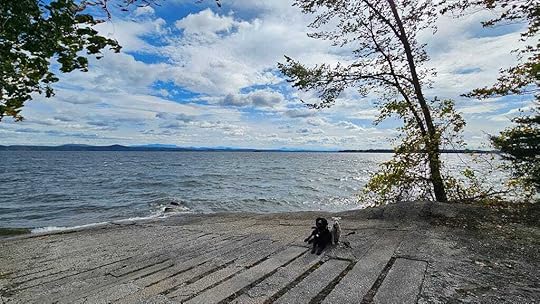 Groot and Rocket at the boat landing at Grand Isle State ParkWhat’s Good:
Spectacular Scenery:
Lake Champlain is renowned for its stunning views of the Adirondack Mountains to the west and the Green Mountains to the east.Diverse Paddling Options:
The park’s shoreline offers calm, sheltered areas for beginners, as well as open water for more experienced paddlers seeking a challenge.Wildlife and Nature:
The lake and surrounding areas are home to herons, ospreys, turtles, and fish. You might even spot migratory birds depending on the season.Family-Friendly:
The park’s amenities, including picnic areas, restrooms, and camping facilities, make it a great destination for families.The gentle waters near the shore are ideal for introducing kids to paddleboarding.Accessible Amenities:
Easy access to the water with designated launch areas.Ample parking and facilities for day use or overnight camping.What’s Bad:Wind and Waves:
Lake Champlain can get windy, especially in the afternoons, which may create choppy waters that are challenging for beginners.Open water paddling can be difficult on breezy days.Busy During Peak Season:
Summer weekends and holidays can attract large crowds, reducing the sense of solitude and making parking and shoreline access more competitive.Cold Water Temperatures:
The lake can remain cold well into early summer, so proper gear is recommended, especially if you’re likely to fall in.No On-Site Rentals:
You’ll need to rent gear from nearby towns or bring your own.No Direct Access from your Campsite:
Be prepared to drive from your campsite to the put in point.Things to Consider:Skill Level:
Beginners should stay close to shore in sheltered areas, while experienced paddlers can explore open water and nearby islands.Be mindful of currents and wind when venturing further.Safety Gear:
Wear a personal flotation device (PFD) and consider using a leash for your paddleboard.Carry a whistle or signaling device, as required by Vermont law.Timing:
Early mornings and evenings typically offer calmer waters and fewer crowds.Avoid paddling during strong winds or thunderstorms, which can form quickly over the lake.Wildlife Etiquette:
Keep a respectful distance from wildlife, especially nesting birds.Camping and Reservations:
If you plan to camp, book your site in advance as the park is popular during the summer.Seasonal Considerations:
Summer offers the warmest water and most vibrant activity.Fall brings fewer crowds and stunning foliage, though the water can be quite cold.Camping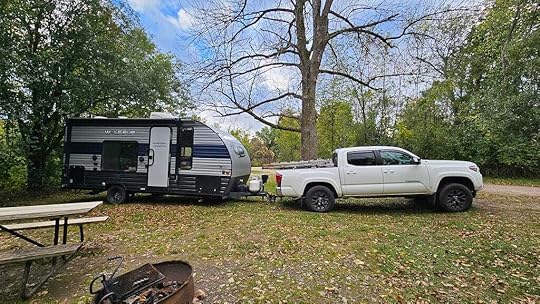 Can you believe what an awful uneven site I had at one of Vermont’s flagship campgrounds?
Grand Isle State Park, the second-largest campground in Vermont, is a camping-only park with no electrical hookups at any of its campsites. It offers a variety of sites to suit different camping preferences, including some with lake views and others tucked away in wooded areas for added privacy. Each site is equipped with a picnic table and fire pit.
The park provides several amenities, including flush toilets, hot showers, drinking water stations, and RV dump stations. Trash disposal and recycling facilities are also available. For group camping, there’s a large open field, and visitors can enjoy lake access at the campers’ beach.
Outdoor activities include swimming at the designated beach, boating from the launch area (for kayaks, canoes, and motorboats), and exploring the park’s hiking trails and picnic areas. A playground and nature center offer additional recreational options. Pets are welcome in designated areas, provided they are kept on a leash. Firewood is available for purchase.
Campground Details:Season: mid-May through Columbus Day
Total number of campsites: 115
Total number of lean-tos: 36
Total number of cabins: 4
Reservation booking window: 11 months
How difficult is it to get a camping reservation (1=easy, 10=impossible): 7
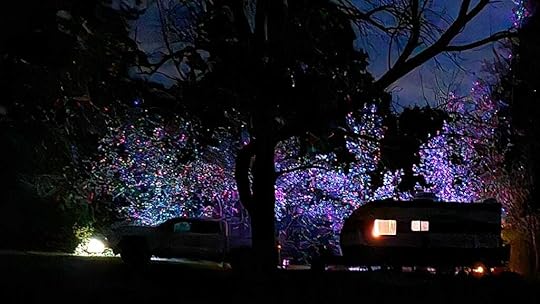 My campsite at night, Grand Isle State ParkFees:
Campsite fees
· No hookups: $35 per night
· Lean-tos: $30 per night
· Cabins: $60 per night
· Prime site surcharge: $2 per night
· Out-of-state surcharge: $8 per night
Things to Check Out Nearby Grand Isle State Park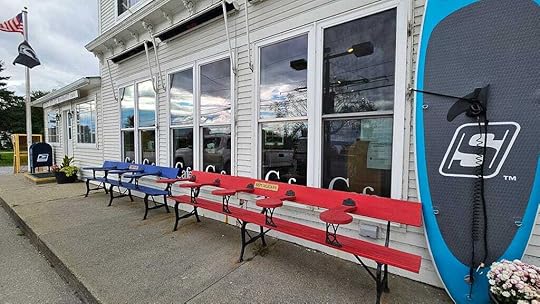 Seating for Democrats and Republicans at Hero’s Welcome, North Hero, Vermont
Lake Champlain:
Grand Isle State Park offers direct access to Lake Champlain, which is perfect for a variety of water activities such as boating, fishing, kayaking, paddleboarding, and sailing.Sand Bar State Park:
Located about 15 minutes from Grand Isle State Park, Sand Bar State Park offers a beautiful sandy beach on Lake Champlain for swimming, picnicking, and relaxing by the water.Alburgh Dunes State Park:
A short drive from Grand Isle, this state park features a sandy beach, hiking trails, and beautiful views of Lake Champlain.Burlington, VT:
About 40 minutes from Grand Isle, Burlington is a vibrant city offering a mix of outdoor activities, dining, shopping, and cultural experiences. Enjoy the beautiful waterfront along the lake, visit the Church Street Marketplace, or explore the local breweries.Shelburne Farms:
Located 40 minutes from Grand Isle, Shelburne Farms is a historic 1,400-acre working farm with beautiful gardens, walking trails, and views of Lake Champlain.North Hero State Park:
A nearby park located on North Hero Island, this park offers hiking, picnicking, and beautiful views of Lake Champlain. It’s a quieter spot for those looking to enjoy the natural surroundings and the peaceful atmosphere of the island.The Islands of Lake Champlain:
Explore the scenic islands of Lake Champlain by ferry or boat. Take a guided tour or rent a boat to enjoy the lake’s serene beauty and wildlife, including birdwatching opportunities and picturesque views of the Adirondack Mountains.Ethan Allen Homestead:
About 40 minutes from Grand Isle, this historical site is the former home of Revolutionary War hero Ethan Allen. Visitors can tour the house, explore the grounds, and learn about the history of the area and its role in early American history.Winooski Falls:
Located about 30 minutes from Grand Isle, Winooski Falls offers a beautiful waterfall and nearby park.Mount Philo State Park:
About 40 minutes south of Grand Isle, Mount Philo offers hiking trails that lead to a summit with panoramic views of Lake Champlain, the Adirondacks, and the Green Mountains.You just read a chapter from the book:“Paddle, Camp, Repeat: 10 Campgrounds for Paddleboarding in the Northeast”
Paddle, Camp, Repeat: 10 Campgrounds for Paddleboarding in the Northeast
Read other chapters from the book:
Cedar Point State Park, Clayton NY
Cumberland Bay State Park, Plattsburgh NY
Fish Creek Pond, Saranac Lake NY
Lake Francis State Park, Pittsburg NH
Macomb Reservation State Park, Schuyler Falls NY
Moreau Lake State Park, Gansevoort NY
Parc national de la Yamaska, Saint-Paul-de-Vence QC
Parc national du Mont-Orford, Orford QC
Umbagog Lake State Park, Errol NH
SUP with your Pup: A Guide to Paddleboarding with your Dog
https://medium.com/media/60fd349e7425c3ec4570f2d225fefd90/href[image error]Grand Isle State Park, Grand Isle VT
Groot and Rocket pose at the Entrance Sign for Grand Isle State ParkContact DetailsAddress: 36 East Shore South Grand Isle, VT 05458Phone: +1 802–372–4300Website: https://vtstateparks.com/grandisle.htmlOverviewMy trip to Grand Isle State Park was never meant to be about paddleboarding — so much so that I didn’t even bring my board. This was a scouting mission, a chance to see if the park might be worth a return visit with my board. October’s chill had settled in, and with the combined air and water temperatures far too low for safe paddling with the dogs, it simply wasn’t worth the risk. The rule for dogs and water is simple: if the sum of air and water temperature is below 100 degrees Fahrenheit, you stay off the water. Hypothermia can set in fast. Sure, I could have paddled cautiously and hoped not to fall in, but hope isn’t much of a safety plan.
Even without paddling, the park had its merits — though not without drawbacks. Most campsites lacked direct water access, meaning that if I had brought my board, I would have had to load it into the truck and drive to a designated put-in. And for October, the car traffic in the surrounding area was surprisingly heavy. The narrow, single-lane roads were packed, making me wonder what chaos must unfold here in the height of summer — an endless maze of cars, campers, and the hum of generators.
Instead of paddling, I explored other nearby state parks, wandering along deserted beaches and quiet trails. Calling it “hiking” might be a stretch — I didn’t even need boots — but the solitude was welcome. With the season winding down, most facilities were closed, leaving behind a landscape beautifully untouched by crowds. No lines, no chatter — just crisp autumn air and uninterrupted views. The only sign of life was the steady stream of cars on the road, heading who-knows-where.
With so few campers around, I let the dogs explore the empty playgrounds, something I’ve done at other parks like Fish Creek Pond. There’s something endlessly amusing about watching them clamber up play structures, slide down ramps, and even sit on the swings for a moment. A small joy, but a memorable one.
One of the most breathtaking sights came during a short nature walk at Knight Point State Park, where I stumbled upon a massive grove of towering oaks and maples. They were ancient, monolithic, and elemental. And, like so much of this trip, I had this revered space almost entirely to myself.
At night, another kind of elemental beauty took over — sitting by my campsite under a vast sky of stars. The air was sharp with cold, but the fire crackled steadily, and the dogs lay curled beneath a shared blanket. It was the kind of quiet, simple perfection that makes camping special.
Unlike most of my adventures, which are dripping with action, this trip felt different — more reflective, almost meditative. I had never been to this part of Vermont before, and I was struck by its coastal charm. Something about the small shops, the clustered buildings, the waterside atmosphere — it all reminded me of Cape Cod.
Would I return? Maybe in summer, just to give it a proper try — but in truth, the lack of water access is a dealbreaker for me. Long stays wouldn’t be ideal. The campground has no electricity, only generators, which wasn’t a problem since my site was secluded enough that I could run mine without bothering anyone. But in the summer, packed with other campers all running their generators, it would be an entirely different experience.
These days, having scouted a number of campgrounds for paddleboarding, I’ve come to prefer settling into a place, fully immersing myself rather than constantly arriving and packing up. Instead of spreading nine days across three parks, I’d rather spend seven days truly experiencing one.
That’s my plan moving forward — returning to my favorite state parks like Umbagog Lake, Fish Creek Pond, Lake Francis, and Cedar Point. Places where I can settle in, take my time, and truly make the most of being on the paddleboard with Groot and Rocket.
Rating6 out of 10
https://medium.com/media/8fad503bd56ca13d4c3539a95a931b93/hrefHistoryIn the 19th century, Grand Isle was known for its thriving dairy farms and apple orchards, which flourished thanks to the island’s fertile soil and temperate, lake-moderated climate.
With the advent of improved transportation in the early 20th century — first through ferries and later bridges connecting the island to the mainland — tourism began to grow. Wealthy city dwellers from Burlington, New York, and beyond were drawn to Grand Isle’s scenic beauty and recreational opportunities, building summer homes along the lake. However, as private development increased, public access to Lake Champlain began to disappear.
Recognizing the need to preserve lake access, Vermont took action to establish Grand Isle State Park. In 1959, the state purchased 54 acres from Birchcliff, a private summer resort, acquiring a hotel-like building, cabins, and a recreation hall. This acquisition laid the foundation for what would become one of Vermont’s most popular campgrounds.
During the 1960s, efforts focused on enhancing the park’s amenities and expanding camping opportunities. Over the years, Grand Isle State Park continued to grow, eventually reaching 226 acres. Today, it stands as the most-visited campground in Vermont’s state park system, offering a blend of natural beauty, outdoor recreation, and preserved public access to Lake Champlain.
Stand Up Paddleboarding at Grand Isle State ParkGroot and Rocket at the boat landing at Grand Isle State ParkWhat’s Good:Spectacular Scenery:
Lake Champlain is renowned for its stunning views of the Adirondack Mountains to the west and the Green Mountains to the east.Diverse Paddling Options:
The park’s shoreline offers calm, sheltered areas for beginners, as well as open water for more experienced paddlers seeking a challenge.Wildlife and Nature:
The lake and surrounding areas are home to herons, ospreys, turtles, and fish. You might even spot migratory birds depending on the season.Family-Friendly:
The park’s amenities, including picnic areas, restrooms, and camping facilities, make it a great destination for families.The gentle waters near the shore are ideal for introducing kids to paddleboarding.Accessible Amenities:
Easy access to the water with designated launch areas.Ample parking and facilities for day use or overnight camping.What’s Bad:Wind and Waves:
Lake Champlain can get windy, especially in the afternoons, which may create choppy waters that are challenging for beginners.Open water paddling can be difficult on breezy days.Busy During Peak Season:
Summer weekends and holidays can attract large crowds, reducing the sense of solitude and making parking and shoreline access more competitive.Cold Water Temperatures:
The lake can remain cold well into early summer, so proper gear is recommended, especially if you’re likely to fall in.No On-Site Rentals:
You’ll need to rent gear from nearby towns or bring your own.No Direct Access from your Campsite:
Be prepared to drive from your campsite to the put in point.Things to Consider:Skill Level:
Beginners should stay close to shore in sheltered areas, while experienced paddlers can explore open water and nearby islands.Be mindful of currents and wind when venturing further.Safety Gear:
Wear a personal flotation device (PFD) and consider using a leash for your paddleboard.Carry a whistle or signaling device, as required by Vermont law.Timing:
Early mornings and evenings typically offer calmer waters and fewer crowds.Avoid paddling during strong winds or thunderstorms, which can form quickly over the lake.Wildlife Etiquette:
Keep a respectful distance from wildlife, especially nesting birds.Camping and Reservations:
If you plan to camp, book your site in advance as the park is popular during the summer.Seasonal Considerations:
Summer offers the warmest water and most vibrant activity.Fall brings fewer crowds and stunning foliage, though the water can be quite cold.CampingCan you believe what an awful uneven site I had at one of Vermont’s flagship campgrounds?Grand Isle State Park, the second-largest campground in Vermont, is a camping-only park with no electrical hookups at any of its campsites. It offers a variety of sites to suit different camping preferences, including some with lake views and others tucked away in wooded areas for added privacy. Each site is equipped with a picnic table and fire pit.
The park provides several amenities, including flush toilets, hot showers, drinking water stations, and RV dump stations. Trash disposal and recycling facilities are also available. For group camping, there’s a large open field, and visitors can enjoy lake access at the campers’ beach.
Outdoor activities include swimming at the designated beach, boating from the launch area (for kayaks, canoes, and motorboats), and exploring the park’s hiking trails and picnic areas. A playground and nature center offer additional recreational options. Pets are welcome in designated areas, provided they are kept on a leash. Firewood is available for purchase.
Campground Details:Season: mid-May through Columbus Day
Total number of campsites: 115
Total number of lean-tos: 36
Total number of cabins: 4
Reservation booking window: 11 months
How difficult is it to get a camping reservation (1=easy, 10=impossible): 7
My campsite at night, Grand Isle State ParkFees:Campsite fees
· No hookups: $35 per night
· Lean-tos: $30 per night
· Cabins: $60 per night
· Prime site surcharge: $2 per night
· Out-of-state surcharge: $8 per night
Things to Check Out Nearby Grand Isle State ParkSeating for Democrats and Republicans at Hero’s Welcome, North Hero, VermontLake Champlain:
Grand Isle State Park offers direct access to Lake Champlain, which is perfect for a variety of water activities such as boating, fishing, kayaking, paddleboarding, and sailing.Sand Bar State Park:
Located about 15 minutes from Grand Isle State Park, Sand Bar State Park offers a beautiful sandy beach on Lake Champlain for swimming, picnicking, and relaxing by the water.Alburgh Dunes State Park:
A short drive from Grand Isle, this state park features a sandy beach, hiking trails, and beautiful views of Lake Champlain.Burlington, VT:
About 40 minutes from Grand Isle, Burlington is a vibrant city offering a mix of outdoor activities, dining, shopping, and cultural experiences. Enjoy the beautiful waterfront along the lake, visit the Church Street Marketplace, or explore the local breweries.Shelburne Farms:
Located 40 minutes from Grand Isle, Shelburne Farms is a historic 1,400-acre working farm with beautiful gardens, walking trails, and views of Lake Champlain.North Hero State Park:
A nearby park located on North Hero Island, this park offers hiking, picnicking, and beautiful views of Lake Champlain. It’s a quieter spot for those looking to enjoy the natural surroundings and the peaceful atmosphere of the island.The Islands of Lake Champlain:
Explore the scenic islands of Lake Champlain by ferry or boat. Take a guided tour or rent a boat to enjoy the lake’s serene beauty and wildlife, including birdwatching opportunities and picturesque views of the Adirondack Mountains.Ethan Allen Homestead:
About 40 minutes from Grand Isle, this historical site is the former home of Revolutionary War hero Ethan Allen. Visitors can tour the house, explore the grounds, and learn about the history of the area and its role in early American history.Winooski Falls:
Located about 30 minutes from Grand Isle, Winooski Falls offers a beautiful waterfall and nearby park.Mount Philo State Park:
About 40 minutes south of Grand Isle, Mount Philo offers hiking trails that lead to a summit with panoramic views of Lake Champlain, the Adirondacks, and the Green Mountains.You just read a chapter from the book:“Paddle, Camp, Repeat: 10 Campgrounds for Paddleboarding in the Northeast”
Paddle, Camp, Repeat: 10 Campgrounds for Paddleboarding in the Northeast
Read other chapters from the book:
Cedar Point State Park, Clayton NY
Cumberland Bay State Park, Plattsburgh NY
Fish Creek Pond, Saranac Lake NY
Lake Francis State Park, Pittsburg NH
Macomb Reservation State Park, Schuyler Falls NY
Moreau Lake State Park, Gansevoort NY
Parc national de la Yamaska, Saint-Paul-de-Vence QC
Parc national du Mont-Orford, Orford QC
Umbagog Lake State Park, Errol NH
SUP with your Pup: A Guide to Paddleboarding with your Dog
https://medium.com/media/60fd349e7425c3ec4570f2d225fefd90/href[image error]Fish Creek Pond, Saranac Lake NY
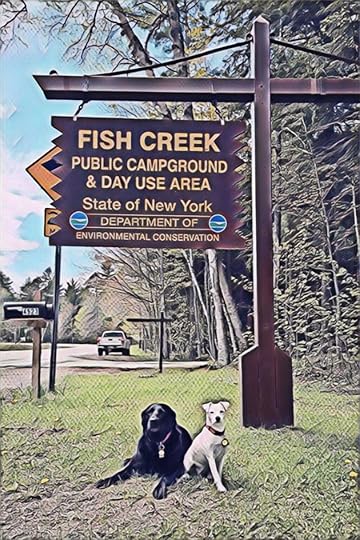 Groot and Rocket pose at the Entrance Sign of Fish Creek PondContact DetailsAddress: Fish Creek Pond Campground, State Route 30, Saranac Lake, NY 12983Phone: +1 518–891–4560Website: https://dec.ny.gov/places/fish-creek-pond-campground-and-day-use-areaOverview
Fish Creek Pond isn’t just another campground — it’s a hidden gem nestled in the Adirondacks, where the water is always within reach and the wilderness feels endless. What makes it special is its layout: nearly every campsite — about 97% of them — sits along a winding five-mile perimeter road, offering direct waterfront access. This road traces the shorelines of interconnected ponds, creating a seamless, immersive outdoor experience. There’s no electricity, so a generator is a must, but the trade-off is unbeatable: you can launch a canoe, paddleboard, or kayak straight from your campsite.
In summer, the lakes transform into a playground. Boaters and water skiers carve across the surface, their wakes rippling through the otherwise serene waters. For those seeking solitude, timing is key — early mornings and off-peak days offer a chance to paddle in peace, gliding along a liquid highway that feels like an adventure rather than confinement to a single pond.
If you prefer quiet over the hum of motorized boats, visit during the shoulder seasons at the beginning or end of the camping season. With parts of the perimeter road often closed, it becomes a peaceful walking trail where only locals and seasoned campers roam. Spring, in particular, is my favorite — when only the brave and experienced set up camp, embracing the crisp air and near-empty shores.
As night falls, the campground settles into a deep stillness. The remoteness becomes tangible, and with all campsites on one side of the road, you never feel packed in. Instead, there’s space to breathe, sit by the fire, and watch the stars reflect off the glassy water.
But, of course, no place is perfect.
The biggest letdown? The bathhouse. Fish Creek Pond shares a bathhouse with a neighboring campground, and it’s notoriously bad. On my last visit, I arrived to find a frustrated woman pacing outside.
“No hot water in the women’s showers,” she sighed.
Her husband was already using the men’s side, so I shrugged. “Look, it’s just me and your husband in there. Just use the men’s shower. No one will know or care.”
She hesitated, so I joked, “If anyone says anything, just say you’re transgender and go right in.” She laughed, walked in, and — luckily for her — the men’s showers were scalding hot. Crisis averted.
Unfortunately, the bathhouse is just the tip of the iceberg. The dump station is minimal, the dishwashing stations are laughable, and the single-lane road can be a nightmare when campers are coming from both directions. Complaints about the park’s infrastructure have been ongoing for years, but somehow, none of that seems to matter when you step out of your tent or RV, take a deep breath of crisp morning air, and launch your boat directly from your site.
Despite its flaws, Fish Creek Pond has an undeniable pull. This year, I managed to snag a prime campsite — water on two sides, neighbors on only one. It took some effort to secure, and honestly, I’m not about to share the site number. Some secrets are worth keeping.
If you go, bring a generator and be ready to rough it a little. But once you’re there, gliding over the water on a paddleboard, the sun dipping behind the treeline, and a campfire crackling at your feet, you’ll understand why people return year after year. Fish Creek Pond isn’t perfect — but it’s unforgettable.
Rating8 out of 10
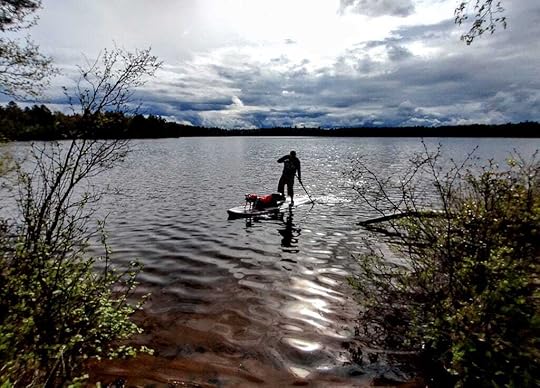 Paddleboarding with Groot and Rocket on Fish Creek PondHistory
Fish Creek Pond Campground, in New York’s Adirondack Park, has evolved from a simple open camp into one of the most beloved camping destinations in the region. It all began in 1920 when the Conservation Commission established a lean-to and a few fireplaces.
By 1926, the site had been officially developed with 20 tent sites, sanitary facilities, and a well. In 1927, New York State acquired the land around Fish Creek Pond, incorporated it into Adirondack Park, and expanded the campground to 40 sites. In the next few years, the campground’s popularity soared, doubling in size again by 1928 and reaching 264 sites by 1931, welcoming nearly 46,000 visitors.
During the early 1930s, the Civilian Conservation Corps (CCC) played a key role in further expanding the campground, though their presence ended in 1936 when Camp 8–56 was abandoned. By the 1940s and 1950s, Fish Creek Pond had solidified its reputation as a premier camping destination, with vendors and traditions that created a unique sense of community.
Stand Up Paddleboarding at Fish Creek Pond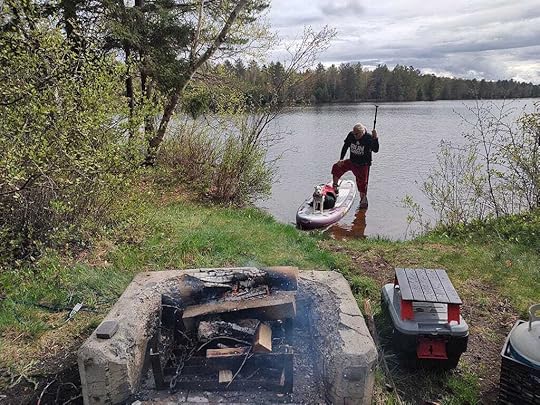 Water access directly at your campsite!What’s Good:
Stunning Scenery:
Fish Creek Pond is surrounded by lush forests and offers picturesque views of the Adirondacks.Calm Waters:
The pond is relatively sheltered, with minimal motorboat traffic, making it ideal for beginners and those seeking a relaxing paddle.Abundant Wildlife:
You might spot loons, herons, turtles, and other wildlife along the shoreline.Convenience:
Fish Creek Pond Campground offers easy water access, with many campsites right along the shore.Exploration Opportunities:
Connected waterways, like Square Pond and Upper Saranac Lake, provide extended routes for those looking for a longer paddle.What’s Bad:Crowds in Peak Season:
Summer weekends can be busy, especially with campers and other water users.The increased activity will definitely detract from the serene atmosphere.Weather Dependency:
Windy days can make paddling more difficult, even on calmer waters.The weather in the Adirondacks can change rapidly, so be prepared.Insect Presence:
Mosquitoes and black flies can be a nuisance, especially in late spring and early summer.Limited Facilities Nearby:
While the campground is well-equipped, other amenities (like restaurants or gear shops) require a drive.Things to Consider:Equipment:
Bring your own paddleboard or rent from nearby outfitters in Tupper Lake or Saranac Lake.Consider a personal flotation device (PFD) for safety.Timing:
Visit in early morning or late evening for the most tranquil experience and to avoid motorboat traffic.Check the weather forecast, as thunderstorms can roll in unexpectedly.Skill Level:
Beginners will appreciate the calm waters, but ensure you’re comfortable steering and balancing in case of mild wind or currents or boat wake.Respect for Nature:
Avoid disturbing wildlife, especially nesting loons.Follow Leave No Trace principles to keep the area pristine.Permits and Fees:
If staying overnight at the campground, make reservations in advance as it’s a popular spot.Seasonal Changes:
The experience will vary with the season: fall brings stunning foliage, while summer is best for warm-weather paddling.Camping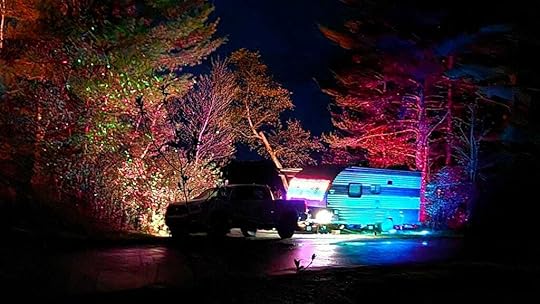 My 2024 campsite at Fish Creek Pond at night (yes, there is no electricity but LEDs and Ryobi batteries make magic)
Fish Creek Pond Campground, located in Adirondack Park, New York, offers both primitive and car-camping sites, many with direct access to the pond. Each site includes a picnic table and a fire pit with a grate. There are no electric hookups so you will need to bring a generator if you use electricity. The campground has flush toilets, cold-water showers, and pit toilets in remote areas. A shared shower house located at the nearby Rollins Pond Campground provides tepid showers for campers. Drinking water stations are available throughout the campground.
A boat launch allows access for canoes, kayaks, and motorboats. The campground also features a small beach for swimming and offers opportunities for hiking, fishing, and wildlife watching. Trash disposal and recycling facilities are onsite. Pets must be kept on a leash, and firewood is available for purchase.
For the truly adventurous, a few sites in the campground open in April when there is still snow on the ground. They literally snow plow some sites. Plus, there is an abundance of firewood piled everywhere from the winter clean-up efforts taking place! (Bring a splitting axe).
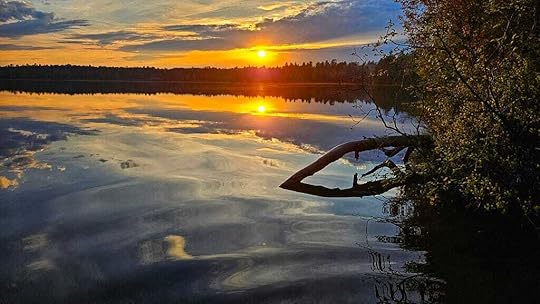 View of the sunset from my campsite at Fish Creek PondCampground Details:
Season: early May through Columbus Day
Total number of campsites: 352
Reservable sites: 323
Non-reservable sites: 29
ADA sites: 2
Reservation booking window: 9 months
How difficult is it to get a camping reservation (1=easy, 10=impossible): 8
https://medium.com/media/ad796ce065bdb9557b1a026c76cfb39c/hrefFees:Vehicle use fees
· Day use (peak): $7
Campsite fees
· Camping fee: $22 per night
· Out-of-state surcharge: $5 per night
https://medium.com/media/0fc110b080ea8825f740022e45b0c0f8/hrefThings to Check Out Nearby Fish Creek Pond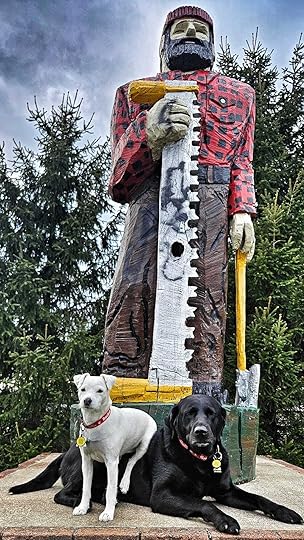 Groot and Rocket posing with the lumberjack statue in Tupper Lake New York
Adirondack Museum (Lake Placid):
Located about 20 miles from Fish Creek Pond, this museum offers exhibits on the history, culture, and environment of the Adirondacks, including outdoor activities and Adirondack craftsmanship.Saranac Lake Village:
The charming village offers a variety of attractions, including historic sites, shopping, dining, and art galleries. Visitors can explore the vibrant downtown area and enjoy local culture.High Falls Gorge (Wilmington):
About a 30-minute drive from Fish Creek Pond, this scenic site features beautiful waterfalls, a suspension bridge, and a walking trail that takes you close to the falls.
Lake Placid Olympic Sites:
Lake Placid, located around 15 miles from Fish Creek Pond, is home to many Olympic sites from the 1932 and 1980 Winter Games. Tour the Olympic Jumping Complex, the Lake Placid Olympic Center, and the speed skating oval.The Wild Center (Tupper Lake):
A natural history museum and wildlife center, about 40 minutes from Fish Creek Pond, offering exhibits on the wildlife and ecosystems of the Adirondacks, as well as outdoor activities like hiking and paddling.Saranac Lake Chain of Lakes:
Explore the interconnected lakes near Fish Creek Pond, perfect for boating, fishing, and paddling. This scenic chain provides opportunities for leisurely boat tours and nature exploration.Mount Marcy:
The highest peak in New York State, located in the Adirondacks, offers challenging hikes and stunning views for those interested in hiking.Avalanche Lake:
A beautiful, remote lake located in the High Peaks Wilderness Area, accessible via a hike from the Adirondack Loj. It’s a popular spot for hiking, photography, and nature walks.The Adirondack Wildlife Refuge (Rainbow Lake):
This wildlife rescue and rehabilitation center is located about 20 minutes from Fish Creek Pond and offers guided tours to learn about local wildlife and conservation efforts.John Brown Farm State Historic Site (Lake Placid):
Visit the home and burial site of abolitionist John Brown, located just outside Lake Placid. The site offers insight into the life and legacy of this important historical figure.You just read a chapter from the book:“Paddle, Camp, Repeat: 10 Campgrounds for Paddleboarding in the Northeast”
Paddle, Camp, Repeat: 10 Campgrounds for Paddleboarding in the Northeast
Read other chapters from the book:
Cedar Point State Park, Clayton NY
Cumberland Bay State Park, Plattsburgh NY
Grand Isle State Park, Grand Isle VT
Lake Francis State Park, Pittsburg NH
Macomb Reservation State Park, Schuyler Falls NY
Moreau Lake State Park, Gansevoort NY
Parc national de la Yamaska, Saint-Paul-de-Vence QC
Parc national du Mont-Orford, Orford QC
Umbagog Lake State Park, Errol NH
SUP with your Pup: A Guide to Paddleboarding with your Dog
https://medium.com/media/60fd349e7425c3ec4570f2d225fefd90/href[image error]Fish Creek Pond, Saranac Lake NY
Groot and Rocket pose at the Entrance Sign of Fish Creek PondContact DetailsAddress: Fish Creek Pond Campground, State Route 30, Saranac Lake, NY 12983Phone: +1 518–891–4560Website: https://dec.ny.gov/places/fish-creek-pond-campground-and-day-use-areaOverviewFish Creek Pond isn’t just another campground — it’s a hidden gem nestled in the Adirondacks, where the water is always within reach and the wilderness feels endless. What makes it special is its layout: nearly every campsite — about 97% of them — sits along a winding five-mile perimeter road, offering direct waterfront access. This road traces the shorelines of interconnected ponds, creating a seamless, immersive outdoor experience. There’s no electricity, so a generator is a must, but the trade-off is unbeatable: you can launch a canoe, paddleboard, or kayak straight from your campsite.
In summer, the lakes transform into a playground. Boaters and water skiers carve across the surface, their wakes rippling through the otherwise serene waters. For those seeking solitude, timing is key — early mornings and off-peak days offer a chance to paddle in peace, gliding along a liquid highway that feels like an adventure rather than confinement to a single pond.
If you prefer quiet over the hum of motorized boats, visit during the shoulder seasons at the beginning or end of the camping season. With parts of the perimeter road often closed, it becomes a peaceful walking trail where only locals and seasoned campers roam. Spring, in particular, is my favorite — when only the brave and experienced set up camp, embracing the crisp air and near-empty shores.
As night falls, the campground settles into a deep stillness. The remoteness becomes tangible, and with all campsites on one side of the road, you never feel packed in. Instead, there’s space to breathe, sit by the fire, and watch the stars reflect off the glassy water.
But, of course, no place is perfect.
The biggest letdown? The bathhouse. Fish Creek Pond shares a bathhouse with a neighboring campground, and it’s notoriously bad. On my last visit, I arrived to find a frustrated woman pacing outside.
“No hot water in the women’s showers,” she sighed.
Her husband was already using the men’s side, so I shrugged. “Look, it’s just me and your husband in there. Just use the men’s shower. No one will know or care.”
She hesitated, so I joked, “If anyone says anything, just say you’re transgender and go right in.” She laughed, walked in, and — luckily for her — the men’s showers were scalding hot. Crisis averted.
Unfortunately, the bathhouse is just the tip of the iceberg. The dump station is minimal, the dishwashing stations are laughable, and the single-lane road can be a nightmare when campers are coming from both directions. Complaints about the park’s infrastructure have been ongoing for years, but somehow, none of that seems to matter when you step out of your tent or RV, take a deep breath of crisp morning air, and launch your boat directly from your site.
Despite its flaws, Fish Creek Pond has an undeniable pull. This year, I managed to snag a prime campsite — water on two sides, neighbors on only one. It took some effort to secure, and honestly, I’m not about to share the site number. Some secrets are worth keeping.
If you go, bring a generator and be ready to rough it a little. But once you’re there, gliding over the water on a paddleboard, the sun dipping behind the treeline, and a campfire crackling at your feet, you’ll understand why people return year after year. Fish Creek Pond isn’t perfect — but it’s unforgettable.
Rating8 out of 10
Paddleboarding with Groot and Rocket on Fish Creek PondHistoryFish Creek Pond Campground, in New York’s Adirondack Park, has evolved from a simple open camp into one of the most beloved camping destinations in the region. It all began in 1920 when the Conservation Commission established a lean-to and a few fireplaces.
By 1926, the site had been officially developed with 20 tent sites, sanitary facilities, and a well. In 1927, New York State acquired the land around Fish Creek Pond, incorporated it into Adirondack Park, and expanded the campground to 40 sites. In the next few years, the campground’s popularity soared, doubling in size again by 1928 and reaching 264 sites by 1931, welcoming nearly 46,000 visitors.
During the early 1930s, the Civilian Conservation Corps (CCC) played a key role in further expanding the campground, though their presence ended in 1936 when Camp 8–56 was abandoned. By the 1940s and 1950s, Fish Creek Pond had solidified its reputation as a premier camping destination, with vendors and traditions that created a unique sense of community.
Stand Up Paddleboarding at Fish Creek PondWater access directly at your campsite!What’s Good:Stunning Scenery:
Fish Creek Pond is surrounded by lush forests and offers picturesque views of the Adirondacks.Calm Waters:
The pond is relatively sheltered, with minimal motorboat traffic, making it ideal for beginners and those seeking a relaxing paddle.Abundant Wildlife:
You might spot loons, herons, turtles, and other wildlife along the shoreline.Convenience:
Fish Creek Pond Campground offers easy water access, with many campsites right along the shore.Exploration Opportunities:
Connected waterways, like Square Pond and Upper Saranac Lake, provide extended routes for those looking for a longer paddle.What’s Bad:Crowds in Peak Season:
Summer weekends can be busy, especially with campers and other water users.The increased activity will definitely detract from the serene atmosphere.Weather Dependency:
Windy days can make paddling more difficult, even on calmer waters.The weather in the Adirondacks can change rapidly, so be prepared.Insect Presence:
Mosquitoes and black flies can be a nuisance, especially in late spring and early summer.Limited Facilities Nearby:
While the campground is well-equipped, other amenities (like restaurants or gear shops) require a drive.Things to Consider:Equipment:
Bring your own paddleboard or rent from nearby outfitters in Tupper Lake or Saranac Lake.Consider a personal flotation device (PFD) for safety.Timing:
Visit in early morning or late evening for the most tranquil experience and to avoid motorboat traffic.Check the weather forecast, as thunderstorms can roll in unexpectedly.Skill Level:
Beginners will appreciate the calm waters, but ensure you’re comfortable steering and balancing in case of mild wind or currents or boat wake.Respect for Nature:
Avoid disturbing wildlife, especially nesting loons.Follow Leave No Trace principles to keep the area pristine.Permits and Fees:
If staying overnight at the campground, make reservations in advance as it’s a popular spot.Seasonal Changes:
The experience will vary with the season: fall brings stunning foliage, while summer is best for warm-weather paddling.CampingMy 2024 campsite at Fish Creek Pond at night (yes, there is no electricity but LEDs and Ryobi batteries make magic)Fish Creek Pond Campground, located in Adirondack Park, New York, offers both primitive and car-camping sites, many with direct access to the pond. Each site includes a picnic table and a fire pit with a grate. There are no electric hookups so you will need to bring a generator if you use electricity. The campground has flush toilets, cold-water showers, and pit toilets in remote areas. A shared shower house located at the nearby Rollins Pond Campground provides tepid showers for campers. Drinking water stations are available throughout the campground.
A boat launch allows access for canoes, kayaks, and motorboats. The campground also features a small beach for swimming and offers opportunities for hiking, fishing, and wildlife watching. Trash disposal and recycling facilities are onsite. Pets must be kept on a leash, and firewood is available for purchase.
For the truly adventurous, a few sites in the campground open in April when there is still snow on the ground. They literally snow plow some sites. Plus, there is an abundance of firewood piled everywhere from the winter clean-up efforts taking place! (Bring a splitting axe).
View of the sunset from my campsite at Fish Creek PondCampground Details:Season: early May through Columbus Day
Total number of campsites: 352
Reservable sites: 323
Non-reservable sites: 29
ADA sites: 2
Reservation booking window: 9 months
How difficult is it to get a camping reservation (1=easy, 10=impossible): 8
https://medium.com/media/ad796ce065bdb9557b1a026c76cfb39c/hrefFees:Vehicle use fees
· Day use (peak): $7
Campsite fees
· Camping fee: $22 per night
· Out-of-state surcharge: $5 per night
https://medium.com/media/0fc110b080ea8825f740022e45b0c0f8/hrefThings to Check Out Nearby Fish Creek PondGroot and Rocket posing with the lumberjack statue in Tupper Lake New YorkAdirondack Museum (Lake Placid):
Located about 20 miles from Fish Creek Pond, this museum offers exhibits on the history, culture, and environment of the Adirondacks, including outdoor activities and Adirondack craftsmanship.Saranac Lake Village:
The charming village offers a variety of attractions, including historic sites, shopping, dining, and art galleries. Visitors can explore the vibrant downtown area and enjoy local culture.High Falls Gorge (Wilmington):
About a 30-minute drive from Fish Creek Pond, this scenic site features beautiful waterfalls, a suspension bridge, and a walking trail that takes you close to the falls.
Lake Placid Olympic Sites:
Lake Placid, located around 15 miles from Fish Creek Pond, is home to many Olympic sites from the 1932 and 1980 Winter Games. Tour the Olympic Jumping Complex, the Lake Placid Olympic Center, and the speed skating oval.The Wild Center (Tupper Lake):
A natural history museum and wildlife center, about 40 minutes from Fish Creek Pond, offering exhibits on the wildlife and ecosystems of the Adirondacks, as well as outdoor activities like hiking and paddling.Saranac Lake Chain of Lakes:
Explore the interconnected lakes near Fish Creek Pond, perfect for boating, fishing, and paddling. This scenic chain provides opportunities for leisurely boat tours and nature exploration.Mount Marcy:
The highest peak in New York State, located in the Adirondacks, offers challenging hikes and stunning views for those interested in hiking.Avalanche Lake:
A beautiful, remote lake located in the High Peaks Wilderness Area, accessible via a hike from the Adirondack Loj. It’s a popular spot for hiking, photography, and nature walks.The Adirondack Wildlife Refuge (Rainbow Lake):
This wildlife rescue and rehabilitation center is located about 20 minutes from Fish Creek Pond and offers guided tours to learn about local wildlife and conservation efforts.John Brown Farm State Historic Site (Lake Placid):
Visit the home and burial site of abolitionist John Brown, located just outside Lake Placid. The site offers insight into the life and legacy of this important historical figure.You just read a chapter from the book:“Paddle, Camp, Repeat: 10 Campgrounds for Paddleboarding in the Northeast”
Paddle, Camp, Repeat: 10 Campgrounds for Paddleboarding in the Northeast
Read other chapters from the book:
Cedar Point State Park, Clayton NY
Cumberland Bay State Park, Plattsburgh NY
Grand Isle State Park, Grand Isle VT
Lake Francis State Park, Pittsburg NH
Macomb Reservation State Park, Schuyler Falls NY
Moreau Lake State Park, Gansevoort NY
Parc national de la Yamaska, Saint-Paul-de-Vence QC
Parc national du Mont-Orford, Orford QC
Umbagog Lake State Park, Errol NH
SUP with your Pup: A Guide to Paddleboarding with your Dog
https://medium.com/media/60fd349e7425c3ec4570f2d225fefd90/href[image error]Macomb Reservation State Park, Schuyler Falls NY
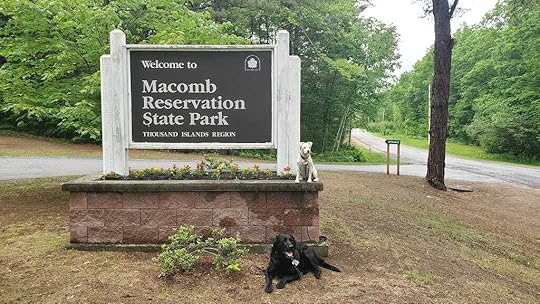 Groot and Rocket posing at the Entrance Sign to Macomd Reservation State ParkContact Details:Address: 103 Campsite Road Schuyler Falls, NY 12985Phone: +1 518–643–9952Website: https://parks.ny.gov/parks/macombreservation/maps.aspxOverview
As we drove through the entrance of Macomb Reservation, I felt an unexpected sense of familiarity. The landscape didn’t have the rugged isolation of deep wilderness, nor the bustling energy of a typical campground. Instead, it felt almost suburban — like a quiet neighborhood tucked away from the world. In a way, it kind of was. But something about the stillness struck me.
It was mid-June, peak camping season, yet the place felt eerily abandoned. No kids zipped by on bikes. No smoke curled from fire pits. No distant murmur of conversation drifted through the trees. Just silence. But instead of feeling desolate, it felt peaceful. Like the world had hit pause, giving me space to just be.
The campsites were spread out generously, a welcome change from the usual cramped setups where a thin layer of nylon separates you from your neighbors’ snores. Here, there was room to breathe. Room to stretch. Room to take long, unhurried walks beneath towering pines, where the only sound was the rhythmic crunch of my boots on the dirt path.
But I wasn’t here for the stillness. This trip was about paddleboarding. And more importantly, it was about teaching the dogs, Groot and Rocket, how to paddleboard with me.
Davis Pond was an ideal training ground for this. Smaller than other lakes I’d visited, its glassy surface reflected the overcast sky, still and undisturbed. Without motorized boats carving up the water, it was the perfect place to work on position shifting, stance transitions, and board maneuvering — while getting my dogs comfortable with it all.
The process had to be slow and deliberate. Paddleboarding with two dogs isn’t just about balance — it’s about trust. If the dogs panicked at the first wobble, jumped off, or threw off my center of gravity, we’d all be swimming. They had to learn to read my movements, and I had to reassure them that they were safe, even as the board shifted beneath them.
To achieve this, I had to work with them one at a time and then together.
I started with Groot. She stepped onto the board cautiously, ears flicking as she adjusted to the gentle sway beneath her paws. I let her settle, then pushed off from shore, keeping my movements smooth and deliberate. After a few strokes, I spoke the command I’d been training them to recognize — “Hold on.” It was my way of warning them: a shift was coming.
I stood up, feeling the board adjust beneath me. Another paddle stroke. Then I transitioned to kneeling. Then to sitting. All the while, Groot stayed steady, her big, expressive eyes watching me, trusting me.
After a few rounds, I paddled back to shore, where Rocket waited with my friend. We switched, and Rocket climbed on. I paddled out again, ready to repeat the process.
Then I heard my friend call my name.
I turned — and there she was.
Groot.
Swimming toward me with everything she had, her powerful legs cutting through the water, determination written across her face.
My heart caught in my chest.
It was more than just a sweet moment — it was a testament to our bond. To her loyalty. To the unspoken connection we had built over the years. She refused to be left behind. She wanted to be with me, no matter what.
I wanted to pull her onto the board, but I hadn’t yet figured out how to lift a 90-pound black lab in deep water without capsizing us both. So, I paddled back toward shore as she swam beside me, never faltering, never giving up.
When the board finally touched the sandy beach, I sat down, and she waded up to me, her soaked fur dripping onto my legs. She nuzzled my hand, breathing hard, her deep brown eyes locking onto mine.
I ran my fingers through her wet fur, my heart full.
The rest of the trip followed the same quiet rhythm — mornings by the lake, afternoons paddling, evenings under a sky untouched by city lights. Davis Pond may have been small, but for me, Groot, and Rocket, its impact was anything but.
Sometimes, the best adventures aren’t about dramatic landscapes or heart-racing thrills. Sometimes, they’re about the quiet moments — the ones that sneak up on you and settle deep into your soul.
Rating5 out of 10
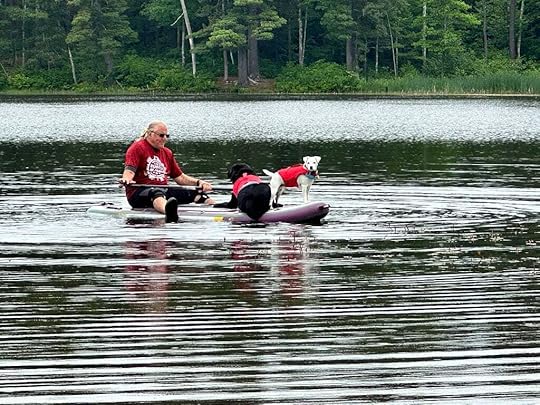 Sitting on the paddleboard with Groot and Rocket on Davis PondHistory
The land that is now Macomb Reservation State Park was originally home to the Iroquois, who relied on its rivers and forests for hunting, fishing, and trade. For centuries, the region’s abundant natural resources sustained their communities and facilitated a vast trade network across the Northeast.
European settlers arrived in the 18th century, gradually clearing land for timber, agriculture, and transportation. The dense forests and pristine lakes soon became known for their natural beauty, attracting explorers and early naturalists drawn to the area’s rugged wilderness.
In the early 19th century, Alexander Macomb — a Revolutionary War hero and later the Commanding General of the U.S. Army — acquired vast tracts of land in northern New York, including much of the area that would become the park. His role in the early defense and development of the United States earned him widespread recognition, and the park was later named in his honor.
During World War II, the land played a strategic role as a federal training reservation for the 26th Infantry Division. Troops used the area for military exercises, taking advantage of its varied terrain. After the war, as part of a broader effort to repurpose former military lands, New York State acquired over 6,300 acres in April 1947, including the future site of Macomb Reservation.
By 1968, approximately 600 acres were officially designated as Macomb Reservation State Park and transferred to the New York State Office of Parks, Recreation, and Historic Preservation. Today, the park preserves a blend of history and wilderness, offering visitors opportunities for fishing, hiking, and camping. Its forests and waterways, once vital to Indigenous peoples, settlers, and soldiers, now provide a peaceful retreat for nature lovers and outdoor enthusiasts alike.
Stand Up Paddleboarding at Macomb Reservation State Park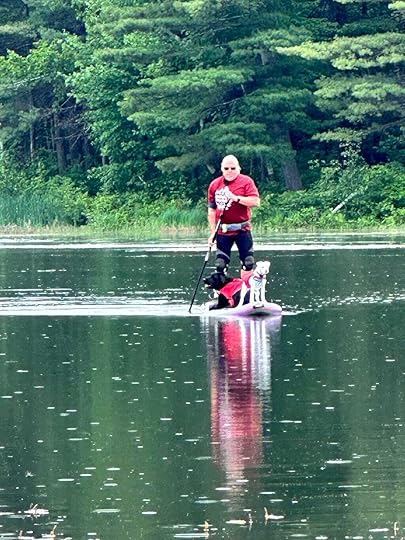 Paddleboarding on David Pond with Groot and RocketWhat’s Good:
Calm and Sheltered Waters:
Davis Pond, the main body of water at the park, is small and sheltered, making it ideal for beginners or those seeking a leisurely paddle.The absence of motorized boats adds to the tranquility and the stable environment to learn how to paddleboardScenic Surroundings:
The pond is surrounded by lush greenery and forested areas.Wildlife, such as birds, turtles, and fish, are commonly spotted.Family-Friendly Environment:
The calm waters, sandy beach, and nearby picnic areas, and other park amenities make it an excellent spot for family outings.Nearby Trails:
After paddling, visitors can explore the park’s trails, which offer additional opportunities for outdoor recreation.What’s Bad:Limited Water Area:
Davis Pond is relatively small, which may not appeal to advanced paddlers looking for longer or more challenging routes.Crowds During Peak Season:
Summer weekends and holidays can see more visitors, particularly around the beach and picnic areas, reducing the sense of seclusion.Insects and Bugs:
Mosquitoes and black flies can be an issue, especially in late spring and early summer.No On-Site Rentals:
Paddleboard rentals are not available at the park, so visitors need to bring their own gear or rent from an outfitter in the area.Water Quality Concerns:
Like many small ponds, water quality may be affected during the peak summer months, particularly after heavy rainfall.Things to Consider:Skill Level:
Davis Pond is ideal for beginners due to its calm conditions.More experienced paddlers might use it for a quick, relaxing session rather than a challenging workout.Safety Gear:
Wear a personal flotation device (PFD) and consider using a leash for your paddleboard.Bring a whistle or signaling device to comply with New York State boating regulations.Timing Your Visit:
Early mornings and weekdays offer the quietest paddling conditions.Avoid afternoons on busy weekends if you prefer a more peaceful experience.Pack Essentials:
Bring sunscreen, water, snacks, and bug spray for comfort and safety.Respect Wildlife and Environment:
Follow Leave No Trace principles to preserve the park’s natural beauty.Avoid disturbing the wildlife or aquatic vegetation.Camping
Macomb Reservation State Park has campsites for both tents and RVs, most of which are shaded by trees. Each site is equipped with a picnic table and fire pit. There is only direct water access from a few sites, and these sites do not have electric hookups.
Amenities include flush toilets, hot showers, drinking water, and dump stations for RVs. The park provides trash disposal, recycling services, and on-site firewood for purchase. Outdoor activities include hiking, fishing, and playgrounds, along with boating, kayaking, and canoeing at nearby Davis Pond. Pets are allowed on leashes.
Campground Details:Season: late May through late August / early September
Total number of campsites: 96
Number of sites with electricity: 32 (30A)
ADA sites: 2
Reservation booking window: 9 months
How difficult is it to get a camping reservation (1=easy, 10=impossible): 3
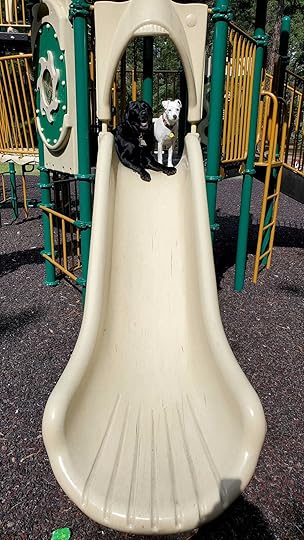 Fees:
Fees:Vehicle use fees
Day use (peak): $7Campsite fees
Base fee: $18 per nightElectric surcharge: $7 per nightFull hookup surcharge: $12 per nightOut-of-state surcharge: $5 per nightWeekend/holiday surcharge: $4 per nightThings to Check Out Nearby Macomb Reservation State ParkLake Champlain:
Just a short drive from Macomb Reservation, Lake Champlain offers more opportunities for water-based activities such as boating, fishing, kayaking, paddleboarding, and sailing.Saranac Lake:
Located about 30 miles away, Saranac Lake offers a variety of outdoor activities, including boating, fishing, hiking, and biking. The village is known for its vibrant arts scene, dining options, and nearby hiking trails.Plattsburgh City Beach:
A local favorite, this beach on the shores of Lake Champlain provides opportunities for swimming, picnicking, and enjoying the scenic views of the lake and surrounding mountains.The Wild Center (Tupper Lake):
About 45 minutes away, The Wild Center is an interactive natural history museum that showcases the wildlife and ecosystems of the Adirondacks. The center features indoor exhibits, outdoor trails, and a treetop walkway for a unique experience.Ralph Waldo Emerson Park:
Located in Plattsburgh, this park offers a picturesque lakeside walking trail, perfect for enjoying the views of Lake Champlain.Point Au Roche State Park:
A nearby state park offering hiking trails, swimming, and nature walks, this park is perfect for exploring the natural beauty of the area.Champlain Valley National Heritage Partnership:
Learn about the history and culture of the Lake Champlain region at this heritage site. The partnership highlights the area’s role in American and Canadian history, with educational exhibits and programs.Bluff Point Golf Resort:
Located on the shores of Lake Champlain, this golf course offers beautiful views of the lake and the Adirondack Mountains.The Adirondack Coast Wine Trail:
Explore the local wineries along the Adirondack Coast Wine Trail, which stretches along Lake Champlain.You just read a chapter from the book:“Paddle, Camp, Repeat: 10 Campgrounds for Paddleboarding in the Northeast”
Paddle, Camp, Repeat: 10 Campgrounds for Paddleboarding in the Northeast
Read other chapters from the book:
Cedar Point State Park, Clayton NY
Cumberland Bay State Park, Plattsburgh NY
Fish Creek Pond, Saranac Lake NY
Grand Isle State Park, Grand Isle VT
Lake Francis State Park, Pittsburg NH
Moreau Lake State Park, Gansevoort NY
Parc national de la Yamaska, Saint-Paul-de-Vence QC
Parc national du Mont-Orford, Orford QC
Umbagog Lake State Park, Errol NH
SUP with your Pup: A Guide to Paddleboarding with your Dog
https://medium.com/media/60fd349e7425c3ec4570f2d225fefd90/href[image error]Macomb Reservation State Park, Schuyler Falls NY
Groot and Rocket posing at the Entrance Sign to Macomd Reservation State ParkContact Details:Address: 103 Campsite Road Schuyler Falls, NY 12985Phone: +1 518–643–9952Website: https://parks.ny.gov/parks/macombreservation/maps.aspxOverviewAs we drove through the entrance of Macomb Reservation, I felt an unexpected sense of familiarity. The landscape didn’t have the rugged isolation of deep wilderness, nor the bustling energy of a typical campground. Instead, it felt almost suburban — like a quiet neighborhood tucked away from the world. In a way, it kind of was. But something about the stillness struck me.
It was mid-June, peak camping season, yet the place felt eerily abandoned. No kids zipped by on bikes. No smoke curled from fire pits. No distant murmur of conversation drifted through the trees. Just silence. But instead of feeling desolate, it felt peaceful. Like the world had hit pause, giving me space to just be.
The campsites were spread out generously, a welcome change from the usual cramped setups where a thin layer of nylon separates you from your neighbors’ snores. Here, there was room to breathe. Room to stretch. Room to take long, unhurried walks beneath towering pines, where the only sound was the rhythmic crunch of my boots on the dirt path.
But I wasn’t here for the stillness. This trip was about paddleboarding. And more importantly, it was about teaching the dogs, Groot and Rocket, how to paddleboard with me.
Davis Pond was an ideal training ground for this. Smaller than other lakes I’d visited, its glassy surface reflected the overcast sky, still and undisturbed. Without motorized boats carving up the water, it was the perfect place to work on position shifting, stance transitions, and board maneuvering — while getting my dogs comfortable with it all.
The process had to be slow and deliberate. Paddleboarding with two dogs isn’t just about balance — it’s about trust. If the dogs panicked at the first wobble, jumped off, or threw off my center of gravity, we’d all be swimming. They had to learn to read my movements, and I had to reassure them that they were safe, even as the board shifted beneath them.
To achieve this, I had to work with them one at a time and then together.
I started with Groot. She stepped onto the board cautiously, ears flicking as she adjusted to the gentle sway beneath her paws. I let her settle, then pushed off from shore, keeping my movements smooth and deliberate. After a few strokes, I spoke the command I’d been training them to recognize — “Hold on.” It was my way of warning them: a shift was coming.
I stood up, feeling the board adjust beneath me. Another paddle stroke. Then I transitioned to kneeling. Then to sitting. All the while, Groot stayed steady, her big, expressive eyes watching me, trusting me.
After a few rounds, I paddled back to shore, where Rocket waited with my friend. We switched, and Rocket climbed on. I paddled out again, ready to repeat the process.
Then I heard my friend call my name.
I turned — and there she was.
Groot.
Swimming toward me with everything she had, her powerful legs cutting through the water, determination written across her face.
My heart caught in my chest.
It was more than just a sweet moment — it was a testament to our bond. To her loyalty. To the unspoken connection we had built over the years. She refused to be left behind. She wanted to be with me, no matter what.
I wanted to pull her onto the board, but I hadn’t yet figured out how to lift a 90-pound black lab in deep water without capsizing us both. So, I paddled back toward shore as she swam beside me, never faltering, never giving up.
When the board finally touched the sandy beach, I sat down, and she waded up to me, her soaked fur dripping onto my legs. She nuzzled my hand, breathing hard, her deep brown eyes locking onto mine.
I ran my fingers through her wet fur, my heart full.
The rest of the trip followed the same quiet rhythm — mornings by the lake, afternoons paddling, evenings under a sky untouched by city lights. Davis Pond may have been small, but for me, Groot, and Rocket, its impact was anything but.
Sometimes, the best adventures aren’t about dramatic landscapes or heart-racing thrills. Sometimes, they’re about the quiet moments — the ones that sneak up on you and settle deep into your soul.
Rating5 out of 10
Sitting on the paddleboard with Groot and Rocket on Davis PondHistoryThe land that is now Macomb Reservation State Park was originally home to the Iroquois, who relied on its rivers and forests for hunting, fishing, and trade. For centuries, the region’s abundant natural resources sustained their communities and facilitated a vast trade network across the Northeast.
European settlers arrived in the 18th century, gradually clearing land for timber, agriculture, and transportation. The dense forests and pristine lakes soon became known for their natural beauty, attracting explorers and early naturalists drawn to the area’s rugged wilderness.
In the early 19th century, Alexander Macomb — a Revolutionary War hero and later the Commanding General of the U.S. Army — acquired vast tracts of land in northern New York, including much of the area that would become the park. His role in the early defense and development of the United States earned him widespread recognition, and the park was later named in his honor.
During World War II, the land played a strategic role as a federal training reservation for the 26th Infantry Division. Troops used the area for military exercises, taking advantage of its varied terrain. After the war, as part of a broader effort to repurpose former military lands, New York State acquired over 6,300 acres in April 1947, including the future site of Macomb Reservation.
By 1968, approximately 600 acres were officially designated as Macomb Reservation State Park and transferred to the New York State Office of Parks, Recreation, and Historic Preservation. Today, the park preserves a blend of history and wilderness, offering visitors opportunities for fishing, hiking, and camping. Its forests and waterways, once vital to Indigenous peoples, settlers, and soldiers, now provide a peaceful retreat for nature lovers and outdoor enthusiasts alike.
Stand Up Paddleboarding at Macomb Reservation State ParkPaddleboarding on David Pond with Groot and RocketWhat’s Good:Calm and Sheltered Waters:
Davis Pond, the main body of water at the park, is small and sheltered, making it ideal for beginners or those seeking a leisurely paddle.The absence of motorized boats adds to the tranquility and the stable environment to learn how to paddleboardScenic Surroundings:
The pond is surrounded by lush greenery and forested areas.Wildlife, such as birds, turtles, and fish, are commonly spotted.Family-Friendly Environment:
The calm waters, sandy beach, and nearby picnic areas, and other park amenities make it an excellent spot for family outings.Nearby Trails:
After paddling, visitors can explore the park’s trails, which offer additional opportunities for outdoor recreation.What’s Bad:Limited Water Area:
Davis Pond is relatively small, which may not appeal to advanced paddlers looking for longer or more challenging routes.Crowds During Peak Season:
Summer weekends and holidays can see more visitors, particularly around the beach and picnic areas, reducing the sense of seclusion.Insects and Bugs:
Mosquitoes and black flies can be an issue, especially in late spring and early summer.No On-Site Rentals:
Paddleboard rentals are not available at the park, so visitors need to bring their own gear or rent from an outfitter in the area.Water Quality Concerns:
Like many small ponds, water quality may be affected during the peak summer months, particularly after heavy rainfall.Things to Consider:Skill Level:
Davis Pond is ideal for beginners due to its calm conditions.More experienced paddlers might use it for a quick, relaxing session rather than a challenging workout.Safety Gear:
Wear a personal flotation device (PFD) and consider using a leash for your paddleboard.Bring a whistle or signaling device to comply with New York State boating regulations.Timing Your Visit:
Early mornings and weekdays offer the quietest paddling conditions.Avoid afternoons on busy weekends if you prefer a more peaceful experience.Pack Essentials:
Bring sunscreen, water, snacks, and bug spray for comfort and safety.Respect Wildlife and Environment:
Follow Leave No Trace principles to preserve the park’s natural beauty.Avoid disturbing the wildlife or aquatic vegetation.CampingMacomb Reservation State Park has campsites for both tents and RVs, most of which are shaded by trees. Each site is equipped with a picnic table and fire pit. There is only direct water access from a few sites, and these sites do not have electric hookups.
Amenities include flush toilets, hot showers, drinking water, and dump stations for RVs. The park provides trash disposal, recycling services, and on-site firewood for purchase. Outdoor activities include hiking, fishing, and playgrounds, along with boating, kayaking, and canoeing at nearby Davis Pond. Pets are allowed on leashes.
Campground Details:Season: late May through late August / early September
Total number of campsites: 96
Number of sites with electricity: 32 (30A)
ADA sites: 2
Reservation booking window: 9 months
How difficult is it to get a camping reservation (1=easy, 10=impossible): 3
Fees:Vehicle use fees
Day use (peak): $7Campsite fees
Base fee: $18 per nightElectric surcharge: $7 per nightFull hookup surcharge: $12 per nightOut-of-state surcharge: $5 per nightWeekend/holiday surcharge: $4 per nightThings to Check Out Nearby Macomb Reservation State ParkLake Champlain:
Just a short drive from Macomb Reservation, Lake Champlain offers more opportunities for water-based activities such as boating, fishing, kayaking, paddleboarding, and sailing.Saranac Lake:
Located about 30 miles away, Saranac Lake offers a variety of outdoor activities, including boating, fishing, hiking, and biking. The village is known for its vibrant arts scene, dining options, and nearby hiking trails.Plattsburgh City Beach:
A local favorite, this beach on the shores of Lake Champlain provides opportunities for swimming, picnicking, and enjoying the scenic views of the lake and surrounding mountains.The Wild Center (Tupper Lake):
About 45 minutes away, The Wild Center is an interactive natural history museum that showcases the wildlife and ecosystems of the Adirondacks. The center features indoor exhibits, outdoor trails, and a treetop walkway for a unique experience.Ralph Waldo Emerson Park:
Located in Plattsburgh, this park offers a picturesque lakeside walking trail, perfect for enjoying the views of Lake Champlain.Point Au Roche State Park:
A nearby state park offering hiking trails, swimming, and nature walks, this park is perfect for exploring the natural beauty of the area.Champlain Valley National Heritage Partnership:
Learn about the history and culture of the Lake Champlain region at this heritage site. The partnership highlights the area’s role in American and Canadian history, with educational exhibits and programs.Bluff Point Golf Resort:
Located on the shores of Lake Champlain, this golf course offers beautiful views of the lake and the Adirondack Mountains.The Adirondack Coast Wine Trail:
Explore the local wineries along the Adirondack Coast Wine Trail, which stretches along Lake Champlain.You just read a chapter from the book:“Paddle, Camp, Repeat: 10 Campgrounds for Paddleboarding in the Northeast”
Paddle, Camp, Repeat: 10 Campgrounds for Paddleboarding in the Northeast
Read other chapters from the book:
Cedar Point State Park, Clayton NY
Cumberland Bay State Park, Plattsburgh NY
Fish Creek Pond, Saranac Lake NY
Grand Isle State Park, Grand Isle VT
Lake Francis State Park, Pittsburg NH
Moreau Lake State Park, Gansevoort NY
Parc national de la Yamaska, Saint-Paul-de-Vence QC
Parc national du Mont-Orford, Orford QC
Umbagog Lake State Park, Errol NH
SUP with your Pup: A Guide to Paddleboarding with your Dog
https://medium.com/media/60fd349e7425c3ec4570f2d225fefd90/href[image error]

