Goodreads helps you follow your favorite authors. Be the first to learn about new releases!
Start by following Bruce Chadwick.

Showing 1-20 of 20
“James Buchanan's niece: "He often worked just for work's sake.”
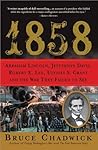
― 1858: Abraham Lincoln, Jefferson Davis, Robert E. Lee, Ulysses S. Grant and the War They Failed to See
― 1858: Abraham Lincoln, Jefferson Davis, Robert E. Lee, Ulysses S. Grant and the War They Failed to See
“Washington wanted to give the men some kind of inspirational speech before they boarded the boats, but knew that he was no orator. So, instead, he handed out copies of the latest patriotic essay by Tom Paine, The American Crisis.”
― George Washington's War: The Forging of a Revolutionary Leader and the American Presidency
― George Washington's War: The Forging of a Revolutionary Leader and the American Presidency
“He kept a watchful eye on politics through his reading of numerous newspapers and had aides keep him updated on the results of elections so that he could immediately send congratulatory letters to the winners. Knowing that those who lost might be back again, in that office or some other, he sent them letters too, thanking them for their service to their country.”
― George Washington's War: The Forging of a Revolutionary Leader and the American Presidency
― George Washington's War: The Forging of a Revolutionary Leader and the American Presidency
“Knox, who possessed a booming voice that could be heard throughout the camp, had never fired a cannon in his life when he became head of artillery in 1775. He was a local bookseller in Boston who was fascinated by weapons. He had read just about every book published on ordnance and convinced Washington to put him in charge of his artillery,”
― George Washington's War: The Forging of a Revolutionary Leader and the American Presidency
― George Washington's War: The Forging of a Revolutionary Leader and the American Presidency
“The people had to admire and respect the army before they could help it.”
― George Washington's War: The Forging of a Revolutionary Leader and the American Presidency
― George Washington's War: The Forging of a Revolutionary Leader and the American Presidency
“Lord Aberdeen...quoted the Declaration of Independence, saying that all Americans were entitled to "Life, Liberty, and the pursuit of happiness" and then said that the declaration apparently had been discarded so that each individual state, and not the nation, could decide who had liberty and could pursue happiness and who could not.”
― The Creole Rebellion: The Most Successful Slave Revolt in American History
― The Creole Rebellion: The Most Successful Slave Revolt in American History
“(Apparently on a personal front, Tom Paine complained bitterly that all of the prostitutes in America were Tories.)”
― George Washington's War: The Forging of a Revolutionary Leader and the American Presidency
― George Washington's War: The Forging of a Revolutionary Leader and the American Presidency
“The situation of the country is most critical," wrote Nickolas Carroll, a New York businessman. "We have had no period resembling this at all. I could not depict the actual amount of suffering here, the extreme destitution of our laboring classes. Business of no kind is healthy or prosperous.”
―
―
“The commander spoke to them as he always did, with sincerity and determination, but without theatrics.”
― George Washington's War: The Forging of a Revolutionary Leader and the American Presidency
― George Washington's War: The Forging of a Revolutionary Leader and the American Presidency
“The numbers seemed overwhelming. By the end of the summer, there were, in fact, four thousand more British soldiers in New York than the entire population of Philadelphia, America's largest city.”
― George Washington's War: The Forging of a Revolutionary Leader and the American Presidency
― George Washington's War: The Forging of a Revolutionary Leader and the American Presidency
“He was strident in his writing, but never desperate. The tone let his officers and politicians know that the situation was critical, but that somehow a solution could be found. It was a tone he would maintain throughout the war, constantly preparing his correspondents for the worst, but hoping for the best.”
― George Washington's War: The Forging of a Revolutionary Leader and the American Presidency
― George Washington's War: The Forging of a Revolutionary Leader and the American Presidency
“of a Philadelphia academy in 1787. In that same”
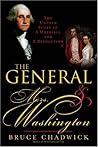
― The General and Mrs. Washington: The Untold Story of a Marriage and a Revolution
― The General and Mrs. Washington: The Untold Story of a Marriage and a Revolution
“Washington, who monitored his supplies on a daily basis, sometimes checking on them every few hours, complained bitterly about the inefficient operations”
― George Washington's War: The Forging of a Revolutionary Leader and the American Presidency
― George Washington's War: The Forging of a Revolutionary Leader and the American Presidency
“Washington paid for the education of his twenty-two nieces and nephews.”
― George Washington's War: The Forging of a Revolutionary Leader and the American Presidency
― George Washington's War: The Forging of a Revolutionary Leader and the American Presidency
“Everyone was impressed by his humility, and one visitor was stunned that “he speaks of the war as if he had not directed it;”
― George Washington's War: The Forging of a Revolutionary Leader and the American Presidency
― George Washington's War: The Forging of a Revolutionary Leader and the American Presidency
“At other times he just wanted to hold casual conversations that had no military importance at all. The soldiers saw these friendly visits, albeit brief, as evidence that he cared for them.”
― George Washington's War: The Forging of a Revolutionary Leader and the American Presidency
― George Washington's War: The Forging of a Revolutionary Leader and the American Presidency
“He was cognizant that perception would be as important as experience.”
― George Washington's War: The Forging of a Revolutionary Leader and the American Presidency
― George Washington's War: The Forging of a Revolutionary Leader and the American Presidency
“empress Catherine the Great for far more money.) At times,”
― The General and Mrs. Washington: The Untold Story of a Marriage and a Revolution
― The General and Mrs. Washington: The Untold Story of a Marriage and a Revolution
“(American trade represented one third of the British economy).”
― George Washington's War: The Forging of a Revolutionary Leader and the American Presidency
― George Washington's War: The Forging of a Revolutionary Leader and the American Presidency
“The situation of the country is most critical," wrote Nickolas Carroll, a New Youk businessman. "We have had no period resembling this at all. I could not depict the actual amount of suffering here, the extreme destitution of our laboring classes. Business of no kind is healthy or prosperous.”
― The Creole Rebellion: The Most Successful Slave Revolt in American History
― The Creole Rebellion: The Most Successful Slave Revolt in American History