

What do you think?

Inside Job
Professional debunker Rob, proprietor of the Jaundiced Eye magazine, considers himself incredibly lucky to have Kildy as his sole employee. Smart, dedicated, gorgeous, and, thanks to her last movie before she hung up on Hollywood, rich, she's a pleasure to oblige when she says Rob has to witness this channeler Ariaura's act--on her, not the Eye's, nickel--despite channelers being so last year. It's quite a show, all right, for in the midst of Ariaura's particular ancient wise guy's basso spiel, a gravelly baritone interrupts (both voices emanate from the channeler's female mouth) to berate the audience as "yaps" and the act as "claptrap." Why is Ariaura undermining herself? Or is she? After all, she angrily accuses Rob and Kildy of scheming to destroy her. Could the baritone belong to a genuine channeled spirit? Willis, one of sf's most spirited writers, rounds on the New Age; pays tribute to a great, skeptical journalist; and affectionately parodies pulp fiction at its best in this irresistible entertainment.
99 pages, Hardcover
First published January 1, 2005
About the author
Connie Willis
253 books4,799 followersConstance Elaine Trimmer Willis is an American science fiction writer. She is one of the most honored science fiction writers of the 1980s and 1990s.
She has won, among other awards, ten Hugo Awards and six Nebula Awards. Willis most recently won a Hugo Award for All Seated on the Ground (August 2008). She was the 2011 recipient of the Damon Knight Memorial Grand Master Award from the Science Fiction Writers of America (SFWA).
She lives in Greeley, Colorado with her husband Courtney Willis, a professor of physics at the University of Northern Colorado. She also has one daughter, Cordelia.
Willis is known for her accessible prose and likable characters. She has written several pieces involving time travel by history students and faculty of the future University of Oxford. These pieces include her Hugo Award-winning novels Doomsday Book and To Say Nothing of the Dog and the short story "Fire Watch," found in the short story collection of the same name.
Willis tends to the comedy of manners style of writing. Her protagonists are typically beset by single-minded people pursuing illogical agendas, such as attempting to organize a bell-ringing session in the middle of a deadly epidemic (Doomsday Book), or frustrating efforts to analyze near-death experiences by putting words in the mouths of interviewees (Passage).
She has won, among other awards, ten Hugo Awards and six Nebula Awards. Willis most recently won a Hugo Award for All Seated on the Ground (August 2008). She was the 2011 recipient of the Damon Knight Memorial Grand Master Award from the Science Fiction Writers of America (SFWA).
She lives in Greeley, Colorado with her husband Courtney Willis, a professor of physics at the University of Northern Colorado. She also has one daughter, Cordelia.
Willis is known for her accessible prose and likable characters. She has written several pieces involving time travel by history students and faculty of the future University of Oxford. These pieces include her Hugo Award-winning novels Doomsday Book and To Say Nothing of the Dog and the short story "Fire Watch," found in the short story collection of the same name.
Willis tends to the comedy of manners style of writing. Her protagonists are typically beset by single-minded people pursuing illogical agendas, such as attempting to organize a bell-ringing session in the middle of a deadly epidemic (Doomsday Book), or frustrating efforts to analyze near-death experiences by putting words in the mouths of interviewees (Passage).
Ratings & Reviews
Friends & Following
Create a free account to discover what your friends think of this book!
Community Reviews
Displaying 1 - 19 of 19 reviews

November 25, 2017
-Tocando temas poco trillados.-
Género. Novela corta.
Lo que nos cuenta. En el libro Infiltrado (publicación original: Inside Job, 2005) conoceremos a Rob, que está al frente de la revista El ojo cínico, revista especializada en desenmascarar a psíquicos fraudulentos y denunciar sus comportamientos, delictivos incluso en algunos casos. La joven y bella Kildy trabaja para él desde hace ocho meses, una actriz retirada en el apogeo de su corta carrera y cuya familia está en los puestos más importantes de la industria del cine. Cuando Kildy anima a Rob para que vayan juntos a una exhibición de la supuesta canalizadora Ariaura Kelly, descubrirá un tipo muy peculiar de fenómeno.
¿Quiere saber más de este libro, sin spoilers? Visite:
http://librosdeolethros.blogspot.com/...
Género. Novela corta.
Lo que nos cuenta. En el libro Infiltrado (publicación original: Inside Job, 2005) conoceremos a Rob, que está al frente de la revista El ojo cínico, revista especializada en desenmascarar a psíquicos fraudulentos y denunciar sus comportamientos, delictivos incluso en algunos casos. La joven y bella Kildy trabaja para él desde hace ocho meses, una actriz retirada en el apogeo de su corta carrera y cuya familia está en los puestos más importantes de la industria del cine. Cuando Kildy anima a Rob para que vayan juntos a una exhibición de la supuesta canalizadora Ariaura Kelly, descubrirá un tipo muy peculiar de fenómeno.
¿Quiere saber más de este libro, sin spoilers? Visite:
http://librosdeolethros.blogspot.com/...

January 6, 2025
Titulo: Infiltrado
Autor: Connie Willis
Motivo de lectura: #RetoPremios2024
Lectura / Relectura: Lectura
Fisico / Electronico: Electronico
Mi edicion: -
Puntuacion: 1.5/5
Un libro que realmente es absurdo, nunca le encontre sentido a la historia.
Una lastima, porque el mundo espiritual/psiquico es algo que puede explotarse, pero la autora se queda a medias tintas.
Autor: Connie Willis
Motivo de lectura: #RetoPremios2024
Lectura / Relectura: Lectura
Fisico / Electronico: Electronico
Mi edicion: -
Puntuacion: 1.5/5
Un libro que realmente es absurdo, nunca le encontre sentido a la historia.
Una lastima, porque el mundo espiritual/psiquico es algo que puede explotarse, pero la autora se queda a medias tintas.

July 27, 2016
Una breve y deliciosa obra sobre escepticismo, amor y cómo a veces se puede dudar demasiado. No explicaré si el fantasma es de verdad o no. Son sólo 93 páginas para que lo descubráis.

July 5, 2011
Como siempre, brillante y divertida premisa de Willis, donde un grupo de escépticos que intentan desenmascarar a falsos mediums, se encuentra con una que canaliza precisamente al mayor escéptico de todos, muerto y que ni siquiera muerto cree en los mediums. Brillante.

May 17, 2021
"¿Qué posibilidades tenía la razón y los hechos contra lo que la gente necesitaba creer desesperadamente?"
Connie Willis es una de mis autoras favoritas desde la primera vez que uno de sus libros cayó en mis manos gracias a la recomendación de mi librero de confianza. A ese mismo librero de confianza le compré "Infiltrado", y oh boy, thanks goodness for my lack of selfcontrol when book sales are involved. Lo único que tiene de malo este libro es que es demasiado corto y se va como el agua.
Esta historia sigue a Rob, el editor de la revista El Ojo Crítico, un escéptico al 100% (como Shane de Unsolved) que se dedica a desenmascarar todo tipo de actos que tengan algo que ver con lo paranormal. Un buen día, a su equipo se une Kildy, una actriz hermosa, millonaria y escéptica que se ha cansado del mundo de la fama. Rob no puede parar de pensar que el que ella trabaje con él es demasiado bueno para ser cierto.
Al principio de esta historia, Kildy convence a Rob para que vayan a ver a la última sensación de la canalización, que se hace llamar Ariaura. Esta mujer no parece ser más que un acto fraudulento más, y uno no muy bueno porque su actuación no es muy convincente, y su historia de Isus, un alto sacerdote de la Atlántida que sabe toda la Verdad, es bastante trillada. Sin embargo, en medio de la presentación una tercera voz es introducida: una voz que depotrica contra el público crédulo. Una tercera voz que Rob reconoce como H.L Mencken, el mesías de todos los escépticos.
Aquí empieza un tire y afloja porque si Ariaura realmente está canalizando a Mencken, sería un fraude. ¿Y cómo es que él la usa a ella para hablar si son cosas cómo esas en las que él no creía? Es un dilema. Kildy empieza a convencerse, pero Rob se niega rotundamente a creer nada hasta que no tenga pruebas. Incluso empieza a pensar que Kildy está envuelta en todo este engaño: ella podría haber ideado todo el acto, un acto para Rob, que enamorado de ella, nunca desconfiaría.
El final fue *chef's kiss*. Me encantó. Mencken, estando del otro lado del plano astral, consiguió convertir a Rob en creyente, lo cuál en sí mismo es una paradoja.
Me encantó. Es una historia corta muy del estilo de Willis. Es chistosa, tiene personajes quirky que caen muy bien, y tiene datos históricos y paradojas por donde se mire. Y tiene ese toque de romance, muy sutil, pero encantador. El perfecto toque de drama.
El tema de estos médiums y estos actos paranormales no solo me parece interesante, sino que también me toca personalmente. Yo creo ser una escéptica, pero cuando fui a que me leyera el tarot una persona que decía canalizar a los ángeles, quise creer. fue una experiencia que aún no estoy segura de cómo calificar, pero lo que sí es cierto, es que apenas salí dije "es una persona muy hábil, sabe envolver a la gente". ¿Por qué este tipo de personajes siguen siendo tan vigentes? supongo que porque la gente quiere creer en algo, y a veces la ciencia y los hechos no son lo suficientemente interesantes o intrigantes. Creo que la propia Willis lo hace: nos presenta hechos, pero los vuelve otra cosa. Una cosa, en mi opinión, mejor que la original. Lo que lleva a pensar que los escritores no están tan lejos de los canalizadores entonces: nos cuentan mentiras, nos envuelven, y quieren que creamos todo lo que dicen. Y lo hacemos.
(No sé cómo llegué a esa reflexión final, pero there you have it.)
Connie Willis es una de mis autoras favoritas desde la primera vez que uno de sus libros cayó en mis manos gracias a la recomendación de mi librero de confianza. A ese mismo librero de confianza le compré "Infiltrado", y oh boy, thanks goodness for my lack of selfcontrol when book sales are involved. Lo único que tiene de malo este libro es que es demasiado corto y se va como el agua.
Esta historia sigue a Rob, el editor de la revista El Ojo Crítico, un escéptico al 100% (como Shane de Unsolved) que se dedica a desenmascarar todo tipo de actos que tengan algo que ver con lo paranormal. Un buen día, a su equipo se une Kildy, una actriz hermosa, millonaria y escéptica que se ha cansado del mundo de la fama. Rob no puede parar de pensar que el que ella trabaje con él es demasiado bueno para ser cierto.
Al principio de esta historia, Kildy convence a Rob para que vayan a ver a la última sensación de la canalización, que se hace llamar Ariaura. Esta mujer no parece ser más que un acto fraudulento más, y uno no muy bueno porque su actuación no es muy convincente, y su historia de Isus, un alto sacerdote de la Atlántida que sabe toda la Verdad, es bastante trillada. Sin embargo, en medio de la presentación una tercera voz es introducida: una voz que depotrica contra el público crédulo. Una tercera voz que Rob reconoce como H.L Mencken, el mesías de todos los escépticos.
Aquí empieza un tire y afloja porque si Ariaura realmente está canalizando a Mencken, sería un fraude. ¿Y cómo es que él la usa a ella para hablar si son cosas cómo esas en las que él no creía? Es un dilema. Kildy empieza a convencerse, pero Rob se niega rotundamente a creer nada hasta que no tenga pruebas. Incluso empieza a pensar que Kildy está envuelta en todo este engaño: ella podría haber ideado todo el acto, un acto para Rob, que enamorado de ella, nunca desconfiaría.
El final fue *chef's kiss*. Me encantó. Mencken, estando del otro lado del plano astral, consiguió convertir a Rob en creyente, lo cuál en sí mismo es una paradoja.
Me encantó. Es una historia corta muy del estilo de Willis. Es chistosa, tiene personajes quirky que caen muy bien, y tiene datos históricos y paradojas por donde se mire. Y tiene ese toque de romance, muy sutil, pero encantador. El perfecto toque de drama.
El tema de estos médiums y estos actos paranormales no solo me parece interesante, sino que también me toca personalmente. Yo creo ser una escéptica, pero cuando fui a que me leyera el tarot una persona que decía canalizar a los ángeles, quise creer. fue una experiencia que aún no estoy segura de cómo calificar, pero lo que sí es cierto, es que apenas salí dije "es una persona muy hábil, sabe envolver a la gente". ¿Por qué este tipo de personajes siguen siendo tan vigentes? supongo que porque la gente quiere creer en algo, y a veces la ciencia y los hechos no son lo suficientemente interesantes o intrigantes. Creo que la propia Willis lo hace: nos presenta hechos, pero los vuelve otra cosa. Una cosa, en mi opinión, mejor que la original. Lo que lleva a pensar que los escritores no están tan lejos de los canalizadores entonces: nos cuentan mentiras, nos envuelven, y quieren que creamos todo lo que dicen. Y lo hacemos.
(No sé cómo llegué a esa reflexión final, pero there you have it.)
This entire review has been hidden because of spoilers.
January 20, 2021
Novela corta de Connie Willis sobre un tema que escapa al área de la ciencia ficción habitual en ella, un poco inclasificable pero un verdadero deleite para su lectura.
Centrado en la relaciones entre un escéptico que intenta desenmascarar a falsos médiums, canalizadores de espíritus en un ambiente californiano de New Age y una actriz desencantada de su trabajo que colabora con él aunque no lo necesite económicamente enfrentándose a una situación especial de una canalizadora que en medio de sus supuestas canalizaciones con espíritus antiquísimos se ve interrumpida por el primer escéptico desaparecido años atrás y que se burla de la credulidad de la audiencia dejándolos estupefactos así como al equipo que ayuda a la canalizadora.
Con un poco de humor bien llevado y seriedad, el trio de personajes se preguntan que está pasando, donde esta el truco, las desconfianzas entre lo que ven y lo que piensan . Equívocos y aproximaciones que acaban con un final abierto pero memorable.
Centrado en la relaciones entre un escéptico que intenta desenmascarar a falsos médiums, canalizadores de espíritus en un ambiente californiano de New Age y una actriz desencantada de su trabajo que colabora con él aunque no lo necesite económicamente enfrentándose a una situación especial de una canalizadora que en medio de sus supuestas canalizaciones con espíritus antiquísimos se ve interrumpida por el primer escéptico desaparecido años atrás y que se burla de la credulidad de la audiencia dejándolos estupefactos así como al equipo que ayuda a la canalizadora.
Con un poco de humor bien llevado y seriedad, el trio de personajes se preguntan que está pasando, donde esta el truco, las desconfianzas entre lo que ven y lo que piensan . Equívocos y aproximaciones que acaban con un final abierto pero memorable.

September 10, 2017
Nunca había leído antes sobre este tema, y lo he encontrado interesante. Psíquicos, Canalizadores, mentalistas, mediums, adivinadores y demás farsantes son al parecer bastante prolíficos en la ciudad de Los Ángeles.
"Nunca nadie se ha arruinado por subestimar el gusto del público americano" - H.L. Mencken
Esta novella sigue a un escritor de la revista "el ojo cínico" que se dedica a desenmascarar a dichos individuos.
De nuevo veo en Connie Willis un estilo humorístico ligero y agradable, probablemente lea más libros suyos.
"Nunca nadie se ha arruinado por subestimar el gusto del público americano" - H.L. Mencken
Esta novella sigue a un escritor de la revista "el ojo cínico" que se dedica a desenmascarar a dichos individuos.
De nuevo veo en Connie Willis un estilo humorístico ligero y agradable, probablemente lea más libros suyos.

September 1, 2022
A veces un libro imperfecto que te conduce a infinidad de cuestionamientos es mejor que un clásico inatacable de puro perfecto:
https://diariosoluble.blogspot.com/20...
https://diariosoluble.blogspot.com/20...
June 6, 2022
La historia de este libro envejecio mal.
En cuanto a sectas, videntes y demas si han acertado.
En cuanto a sectas, videntes y demas si han acertado.

July 20, 2024
Divertido y redondo.
January 16, 2013
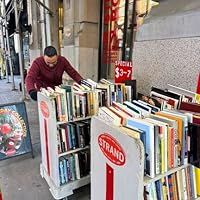
Una añeja amistad (la relación, no la amiga en cuestión) me prestó hace un par de años un libro de Connie Willis que debe encontrarse en algún baúl de mi morada; no había pensado en ese nombre hasta que, recientemente, lo vi en la portada de un saldo en una librería: la obra en cuestión, “Infiltrado”, no llegaba al centenar de páginas y, a un precio casi irrisorio, decidí adquirirlo. Si valía la pena, leería aquel facilitado años ha.
Nacida en una víspera de año nuevo, en 1945, Willis ha obtenido once Premios Hugo (de hecho, la presente novela obtuvo este galardón en 2006) y siete Nébula.
El protagonista de este relato es editor de “El ojo cínico”, una revista especializada en desenmascarar a toda la jauría parapsicológica de videntes, sanadores y demás embaucadores que pululan en Hollywood. Cuando su ayudante le dice que debe asistir a una sesión con Airaura, una canalizadora de seres antiguos; la sorpresa llega cuando canaliza a uno de los más grandes escépticos de la historia: Henry Louis Mencken.
La novela termina siendo un “divertimento”, sin pretensiones ni ambages, en cuanto a recursos estilísticos y literarios se refiere –de hecho, me atrevería a aseverar que confirma mi idea de que los premios literarios de ciencia ficción van decayendo, sin medio alguno que mengüe su caída–; sí resulta muy interesante, en cambio, sobre la escéptica visión que debemos tener todos los que dudamos de la veracidad de los rabdomantes, psíquicos y pitonisas que abundan por ahí.
Nacida en una víspera de año nuevo, en 1945, Willis ha obtenido once Premios Hugo (de hecho, la presente novela obtuvo este galardón en 2006) y siete Nébula.
El protagonista de este relato es editor de “El ojo cínico”, una revista especializada en desenmascarar a toda la jauría parapsicológica de videntes, sanadores y demás embaucadores que pululan en Hollywood. Cuando su ayudante le dice que debe asistir a una sesión con Airaura, una canalizadora de seres antiguos; la sorpresa llega cuando canaliza a uno de los más grandes escépticos de la historia: Henry Louis Mencken.
La novela termina siendo un “divertimento”, sin pretensiones ni ambages, en cuanto a recursos estilísticos y literarios se refiere –de hecho, me atrevería a aseverar que confirma mi idea de que los premios literarios de ciencia ficción van decayendo, sin medio alguno que mengüe su caída–; sí resulta muy interesante, en cambio, sobre la escéptica visión que debemos tener todos los que dudamos de la veracidad de los rabdomantes, psíquicos y pitonisas que abundan por ahí.

August 8, 2014
Esta mañana, cuando el insomnio tempranero me ha despertado, he empezado a leer por distracción Infiltrado, de Connie Willis, y ya no he parado hasta que, a media mañana, lo he liquidado. La Willis lo escribió para mí, está claro. Al loro:
Rob es una escéptico militante, un cazador de magufos que se dedica a desacreditar a todo tipo de médiums, espiritistas, «canalizadores» y demás parásitos new age ayudado por Kildy, una preciosa actriz de cine que ha abandonado una prometedora carrera para luchar por la ciencia y la razón (¿?). Pero resulta que la última presa del dúo, la canalizadora de espíritus del pasado Ariaura, es poseída de pronto por la pesadilla de un escéptico: ¡H.L. Mencker, el más famoso racionalista y escéptico de todos los tiempos cuya participación en el celebérrimo juicio Scopes que enfrentó a darwinistas y literalistas bíblicos a principios del siglo pasado fue legendaria!
¿Qué mejor manera de destruir la ciencia que nada menos que el espíritu de un héroe escéptico muerto se comunique con otro escéptico admirador suyo mediante una posesión infernal? Y con total verosimilitud, conociendo datos que sólo el Mencker original podría saber...
Y si Mencker está «canalizándose» de verdad a través de una vil magufa estafadora, ¿por qué lo hace? ¿por qué confirma con su regreso de los muertos todo aquello contra lo que luchó?
Ay, qué bien me lo he pasado. Más Willis, por favor.
Rob es una escéptico militante, un cazador de magufos que se dedica a desacreditar a todo tipo de médiums, espiritistas, «canalizadores» y demás parásitos new age ayudado por Kildy, una preciosa actriz de cine que ha abandonado una prometedora carrera para luchar por la ciencia y la razón (¿?). Pero resulta que la última presa del dúo, la canalizadora de espíritus del pasado Ariaura, es poseída de pronto por la pesadilla de un escéptico: ¡H.L. Mencker, el más famoso racionalista y escéptico de todos los tiempos cuya participación en el celebérrimo juicio Scopes que enfrentó a darwinistas y literalistas bíblicos a principios del siglo pasado fue legendaria!
¿Qué mejor manera de destruir la ciencia que nada menos que el espíritu de un héroe escéptico muerto se comunique con otro escéptico admirador suyo mediante una posesión infernal? Y con total verosimilitud, conociendo datos que sólo el Mencker original podría saber...
Y si Mencker está «canalizándose» de verdad a través de una vil magufa estafadora, ¿por qué lo hace? ¿por qué confirma con su regreso de los muertos todo aquello contra lo que luchó?
Ay, qué bien me lo he pasado. Más Willis, por favor.

October 26, 2012
Tenía buenas referencias de esta autora de ciencia ficción y me había apuntado un libro suyo para buscar (Por no hablar del perro). En una visita a una biblioteca me encontré con varios libros suyos pero no el que me había apuntado. De los tres o cuatro que tenían, elegí éste por su brevedad.
Me ha gustado mucho.
Cuenta un caso difícil de un periodista dedicado a desenmascarar a mediums y adivinos. El protagonista acaba enredado en las sospechas de lo que sucede realmente en un caso que estudia. La novelita, muy breve, tiene un aire a género negro (por los personajes y los diálogos), aunque "no trae crímenes". En su brevedad, sin embargo, presenta dos o tres giros argumentales rápidos e inesperados. Inteligente, curiosa y rápida.
Me ha gustado mucho.
Cuenta un caso difícil de un periodista dedicado a desenmascarar a mediums y adivinos. El protagonista acaba enredado en las sospechas de lo que sucede realmente en un caso que estudia. La novelita, muy breve, tiene un aire a género negro (por los personajes y los diálogos), aunque "no trae crímenes". En su brevedad, sin embargo, presenta dos o tres giros argumentales rápidos e inesperados. Inteligente, curiosa y rápida.

January 24, 2016
Buena novela breve. Me alegro de haberla leído sin mirar la sinopsis y sin spoilers - sólo diré que algún detalle me ha parecido un tanto ñoño. Traducción discutible en esta edición, tiene pinta de ganar bastante en el inglés original.

March 11, 2014
Más bien divertido, pero de ciencia ficción no tenia nada, solo un toque fantástico por aquello de lo de los medium y tal. Corto y entretenido nada mas...

August 4, 2015
Novela corta y fácil de leer. Me gustó, pero no es lo mejor que he leído de 100 páginas.

January 19, 2016
Breve y maravilloso. Imprescindible para todos los amantes de lo científico y lo racional y, por qué no, también para los de lo irracional.

May 19, 2016
Si sabes que las canalizaciones, la comunicación con los muertos, el creacionismo y Jodorowsky son puro cuento, disfrutarás este libro.
May 31, 2012
Le hubiera puesto 5 estrellas, pero el final no me agrado tanto
Displaying 1 - 19 of 19 reviews