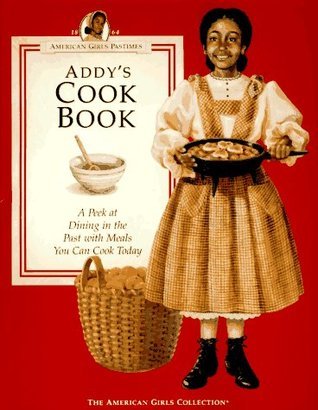
Learn to cook the same foods that Addy loved in 1864 — peach cobbler, hoppin' John, and more— with this cookbook filled with big, beautiful photographs, easy to follow recipes, and tips of having an 1860s party.
Addy is such a queen and I still can't get over how well-written her books were - the emotional highs and lows really got to me in this series.
And, (of course) there's a beautifully done cookbook to accompany her main novels. I abso-freaking-lutely loved it. Like all of the nonfiction Addy books, I was just blown away by how well-researched everything was.
Without further ado, here's the review:
This book starts with a brief blurb about cooking in the Civil War - with the heartbreaking information that many black slaves were only allowed three pounds of bacon and six quarts of cornmeal per week. They would have to fish, forage, or grow the additional food for their families.
This was followed by information regarding what kitchens looked like in the 1860s - the slave owners would often have a brick cookhouse for their family's meals and the slaves would cook over a small fire inside their windowless homes. In freedom, Addy and her Momma could cook on the cast iron stove. We also learn about how the table was set in Addy's time.
From there we split into three main sections: Breakfast, Dinner and Favorite Foods.
Breakfast - here we are told that Addy and her family often didn't have time for large breakfasts in the mornings before work. Often they would eat simple meals, though on occasion there would be treats like fried apples or grits.
Recipes include: --Hominy Grits (a savory dish with eggs and heavy cream) --Pork Sausage and Gravy (this was a real treat for Addy and her family) --Buttermilk Biscuits (buttermilk was given to slaves after the masters had taken all of the cream. Here is one way that Addy and her family would have used it) --Fried Apples (seasoned with brown sugar and lemon juice) --Scrambled Eggs (with green onions and sausage drippings)
Dinner - these recipes focused on ones that Addy and her family would have eaten while living at the boarding house. Addy often enjoyed helping Mrs. Golden in the kitchen. We learn a bit about the cultural significance of the food listed below and how it helped Addy feel connected to her aunt and uncle.
Recipes Include: --Corn Pudding (a savory dish, made with real corn and had a thick pudding texture) --Hoppin' John (bacon, black eyed peas, rice and seasonings) --Fried Fish (dredged in cornmeal and seasoned with salt and pepper) --Hush Puppies (bits of fried dough cooked in the grease following the fried fish) --Sweet Potato Pone (kind of like a cake, but maybe more along the lines of a pumpkin pie filling)
Favorite Foods - this last section includes popular foods from the time that don't quite fit the breakfast theme but also didn't belong in the regular 'dinner' category. Often these were foods that Addy encountered at church socials or was able to eat because she was no longer enslaved.
Recipes include: --Chicken Shortcake (a cornbread base with 'creamed chicken' on top (cubed chicken in gravy)) --Collard Greens (using a ham hock, collared greens and seasonings) --Cornbread (the classic, basic cornbread recipe) --Potato Salad (using potatoes, boiled eggs, dry mustard and mayonnaise) --Lemonade (two lemons, sugar, and water) --Peach Cobbler (peaches topped with a sweet crust, baked to perfection) --Pound Cake (a thick, dense sweet cake baked in a bread tin. Often served with berries and cream) --Shortbread (a cake with a lot of shortening/butter in it)
Plan an Emancipation Party
The Emancipation Proclamation was pivotal to Addy's life. This cookbook provides an explanation for the proclamation and a suggested way to celebrate the historical moment.
Overall thoughts
I thought this was a really well-done cookbook. The foods chosen felt authentic to the time and the recipes felt practical and do-able.
The historical context behind all of the recipes chosen really made the cookbook shine for me and I liked getting the broader context regarding food traditions as well.
I do think we missed an opportunity to include homemade rock candy (which Addy mentions that Aunt Lula makes for one christmas in Meet Addy). Also, I think they should've included homemade ice cream - especially given how prominently the ice cream was showcased in the story (in Happy Birthday Addy and in Addy's Summer Place).
But that's just my only gripe with the books. Overall, I love them and I'm looking forward to trying more of the recipes!
Of all the American Girl cookbooks, this one was honestly the best. The recipes were yummy and versatile, while still being easy enough for a(n assisted) kid. Books like these are so great for really immersed (obsessed) kids who are itching for extension activities. Series like the Magic Treehouse needs to get on the cookbook train!
Some of these recipes were a little bit bland, but I would say that was because of historical accuracy. The collard greens and chicken shortcake recipes were the best of the bunch, but the pound cake was a very close third. Thoroughly enjoyed recreating historical recipes the hard way, by hand, and with ingredients that have taught me to branch out a little bit. Some of the ingredients were a little harder to find, being not so common any longer. But worth the effort.
I read this series in early June, and the book's ideas for a Juneteenth celebration were very socially relevant, since it was about to become a federal holiday. It was an interesting time for me to read this book, and I really enjoyed the unique perspective that it offered on food and diets from the past, since the contributors researched and shared information about what Addy and her family would have eaten while enslaved, what she and her mother would have cooked after they escaped, and what the family would have eaten once they were reunited and living in a boarding house. This is a stand-out entry in the series because of the insight it provides into Black history, and because of the unique elements of charting how someone's diet and cooking habits would have changed as they faced significant life transitions and moved to new places.
---
When I first pursued the American Girl craft books, I wasn't sure if I was even interested in the cooking series, since I am on a very restricted diet for health reasons and wouldn't be able to use almost any of these recipes in the kitchen. However, I knew that I should get the Molly cookbook for the WWII-specific recipe ideas and historical information about rationing, and I decided that I may as well get all of the books. After all, after being on a very restricted diet for the past ten years, it's hard for me to come up with stuff for my characters to eat when I'm writing. It's all research!
I am very glad that I got these books, and they far surpassed my expectations. Although I enjoyed the craft-related books and would be far more likely to use them, the domestic history in the cookbooks absolutely fascinated me. These are far more than just recipe collections, and include detailed, specific information about domestic life and women's experiences. I would recommend the series to kids who are interested in making food that their favorite American Girl characters ate, but I would also recommend this series to adults who are interested in women's history or cultural anthropology related to food.
Each book includes introductory information and sidebars related to what cooking was like during the character's era, how cooking and food connected with the daily rhythms of family life, how people preserved food, and what was unique about cookbooks during that time. The recipes themselves also briefly include historical information, and the team responsible for these cookbooks did an amazing job of selecting recipes that kids and their parents can realistically make with minimal hassle, while still truly experiencing the types of foods that were common during specific times in history. Each book also concludes with ideas for themed parties that would connect to the character's background and celebrations that they would have participated in.
My go to cook book for Grits, Biscuits, Hush puppies, Cornbread, Cobbler etc. Its an interesting read for a few reasons... some history - information about kitchens in the 1800's, how to set a table, tips for today, raising chickens, etc. & the best biscuit recipe. Definitely not a vegan or vegetarian cookbook given the use of things like sausage drippings in the scrambled eggs. I salivate looking at the recipes.
This honestly had some yummy sounding stuff and interesting historical information, which surprised me. I’d be interested in looking at some of the others in the series.
Why yes, I did check this out at my local library in order to veganize the recipes. Note: Date finished reading is literally just that, not the competition of making the recipes vegan.
I found this at a thrift store. I love this book especially the historical information found on each page. Its fun to see where so many foods people eat today got their origin and to see what a girl like Addy would have eaten during the Civil War. I've tried the grits as well as the fried apples, both are delicious! Looking forward to trying more!