So....I finally finished this. It’s barely a ⭐️⭐️⭐️ read for me. More like ⭐️⭐️1/2. Let me explain.
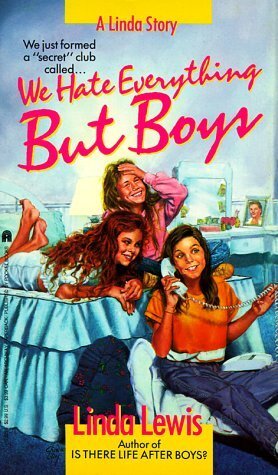
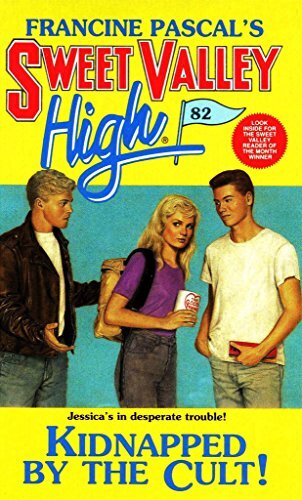
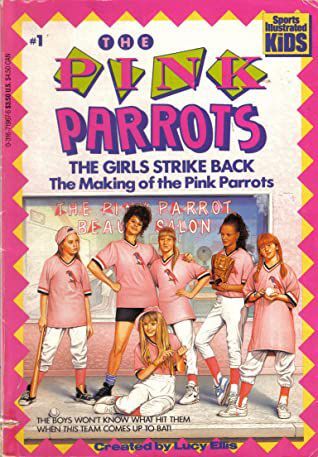
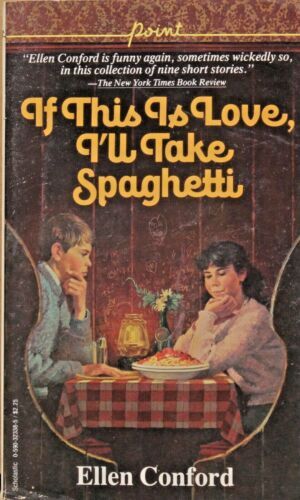
This book was marketed as a trip down memory lane for those of us who grew up reading and loving the mass produced YA (though that term didn’t really exist then) from the 80s and 90s. It would talk about loads of favorite titles and basically just be a nostalgia-fest. And in a very specific way it did that. So many titles and authors I loved, and so many new ones for me to go search for. I could post an entire list of books that I want to reread or experience for the first time.
And that’s where the nostalgia ended.
This is not a book that loves this time period. This is a book that seeks to increase its modern day impact by pointing out everything wrong that the books did or didn’t do. Again, yet another book that tears down an entire time period because they didn’t view the world the way it’s viewed now. That tears down problems that didn’t exist AS PROBLEMS back then. No, there weren’t many (or any) LGBT, Black, Hispanic, or Asian characters. But guess what? All of those groups still read and enjoyed these books. Was that problematic? Yes. Did we know that before someone told us a few years ago that it was? Not really. We just wanted to read good, trashy, dramatic fiction. And the books were relatable to a degree because everybody dealt with bullying, frenemies, hard home life, and fitting in, no matter who they wanted to date, or what color their skin was. I didn’t need the main character to be a black female for me to feel like junior high or high school was hard to navigate.
For every series the author mentions that I wasn’t familiar with, or for every cover I saw that was a loved old friend, the author has some reason why it’s not good, some list of criteria it doesn’t meet by modern standards, some uncountable number of flaws based on those criteria. And she does it on every. Single. Page. We get it. We get that there were things in those books that were “problematic.” (How I hate that word...) We don’t have to be reminded every third paragraph.
Then there are statements like this: “By the end of their respective novels, both Maggie and Cassie decide that most guys are alright and should be evaluated on a case-by-case basis - a decision that’s less a credit to the greatness of the men in their lives than a first foray into the timeless womanly art of settling.”
What?!! So, if you have to deal with divorce and a deadbeat dad, it’s perfectly acceptable to lump ALL men under the category of douchebags? Judging an individual based on his or her actions as an individual is “settling?” This is the mentality that ends up with mass incarcerations and shootings of innocent Black men, because “all Black men are drug dealers and criminals.” The mentality that has mosques being shot up and Muslims being abused , because “all Muslims are terrorists.”
That has men in general being vilified and trashed because “all men are assaulters and rapists.”
Another example of a ridiculous statement: “None of the college novels accurately renders the experience of attending college...” Quite frankly, who would want an accurate rendering of the college experience? Cramming all night for a test, weeks spent writing papers, getting up at 7:00 in the morning for an 8:00 class, late nights doing homework, complete lack of social life unless you’re in the right clubs/fraternities/sororities, and the same mean-girl-ing, nonsensical social rules you bought you were supposed to leave in high school. Not to mention that even on a small college campus there are hundreds of students, each of whom will have a completely different “experience of attending college.” We weren’t reading these books for their real life appeal. We were reading them to have fun, to escape, to imagine ourselves in places where bad things could happen but everything was fine but the end of the book, or at least of the next in the series.
My main issue with this book is that the author is perpetuating the misconception that if it came before, then it’s bad. If it’s old, then it’s useless. And that simply isn’t true. Modern day YA has solved none of the “problems” she’s harped on in every single page of this book. Yes, there are more gay characters. There are even more Black, Asian, and Latino characters. But how often are they not portrayed in the most blatantly stereotypical, caricature-esque ways? How often do we see these people as fully fleshed out, real people who aren’t dealing with typically “black issues,” “gay issues,” “Asian issues” or “Latin issues?” Not very often at all. The Caucasian female characters still get to go on most of the adventures, have the best summer loves, and fight all the demons, monsters, and villains without a hair out of place. They’re still the most popular and the most able to deal with everyday subjects like grades, or home life, or decent relationships. The covers are still unrealistic. There are still the subtypes of “the rich one, “the mean one” “the cheerleader,” “the jock,” or “the nerd.” You have YA series and TV shows like Gossip Girl which could give Sweet Valley High and the Wakefield twins a run for their money on any day of the week. Authors of racial minorities are still struggling to get published unless their writing fits what’s deemed accessible and interesting to mainstream (read: non-minority) audiences. There is still bullying, suicide, and token characterization.
In short, if you’re looking for a trip down memory lane, this book is not for you. If you’re looking for a way to discover loads of books you’ve never heard of, followed by all the reasons you shouldn’t read them, go ahead. Give it a try. But don’t blame me if you go into it expecting something you aren’t going to get.





![Profile Image for laurel [the suspected bibliophile].](/_next/image?url=https%3A%2F%2Fi.gr-assets.com%2Fimages%2FS%2Fcompressed.photo.goodreads.com%2Fusers%2F1645808644i%2F7494844._UX200_CR0%2C6%2C200%2C200_.jpg&w=128&q=75)


