

What do you think?

The Other Passenger
As a scriptwriter for the BBC, John Keir Cross (1914-1967) adapted classic horror tales by masters like M. R. James, Bram Stoker, and Ambrose Bierce into chilling radio programs. And with the eighteen stories in his collection The Other Passenger (1944), Keir Cross demonstrates that he deserves a place alongside those authors as a writer of highly original and effective macabre tales.
With a wide range of themes and styles, ranging from traditional ghost stories to contes cruels, black humor, tales of dark fantasy and surreal nightmare, and perhaps the best story about a ventriloquist and his dummy ever written, there are stories here to suit the tastes of any connoisseur of horror and weird fiction.
This first unabridged edition of Keir Cross’s landmark collection in over 70 years includes a new introduction by J. F. Norris.
With a wide range of themes and styles, ranging from traditional ghost stories to contes cruels, black humor, tales of dark fantasy and surreal nightmare, and perhaps the best story about a ventriloquist and his dummy ever written, there are stories here to suit the tastes of any connoisseur of horror and weird fiction.
This first unabridged edition of Keir Cross’s landmark collection in over 70 years includes a new introduction by J. F. Norris.
273 pages, Paperback
First published January 1, 1944
About the author
John Keir Cross
40 books5 followersJohn Keir Cross was born in Scotland in 1914. A prolific writer of scripts for BBC radio and television programs, Keir Cross also published a number of science fiction and fantasy novels for young readers, either under his own name or the pseudonym Stephen MacFarlane.
Ratings & Reviews
Friends & Following
Create a free account to discover what your friends think of this book!
Community Reviews
Displaying 1 - 17 of 17 reviews

May 10, 2018
http://www.oddlyweirdfiction.com/2018...
Needless to say, I loved this book. Each and every story has some sort of gut punch, sometimes quiet, sometimes full force. And while every story in this book is beyond excellent, my favorite is "Miss Thing and the Surrealist." Like many of the other tales in this collection, the true horror in that one sneaks up on you only at the end as you brace yourself from the start, knowing that something's going to happen, but you just don't know what that something's going to be. You might think you know, but then everything changes in an instant. The stories here all feature some sort of tragic figure, adding a touch of poignancy to their situations, but then things begin to turn toward the horrific as you come to realize the sense of doom that engulfs them. It's like Cross has looked into a variety of human souls and has brought forth the darkest or most tragic among them. The eerieness of this book is so finely crafted that it will keep you on the edge and on edge the entire time.
Once again, my thanks to Valancourt for bringing this book back into print.
Needless to say, I loved this book. Each and every story has some sort of gut punch, sometimes quiet, sometimes full force. And while every story in this book is beyond excellent, my favorite is "Miss Thing and the Surrealist." Like many of the other tales in this collection, the true horror in that one sneaks up on you only at the end as you brace yourself from the start, knowing that something's going to happen, but you just don't know what that something's going to be. You might think you know, but then everything changes in an instant. The stories here all feature some sort of tragic figure, adding a touch of poignancy to their situations, but then things begin to turn toward the horrific as you come to realize the sense of doom that engulfs them. It's like Cross has looked into a variety of human souls and has brought forth the darkest or most tragic among them. The eerieness of this book is so finely crafted that it will keep you on the edge and on edge the entire time.
Once again, my thanks to Valancourt for bringing this book back into print.

May 25, 2020
An engaging collection of short stories that kept my attention throughout. Psychological and disturbing images mix with ghostly wraiths, unhappy spouses, jilted lovers, and cruel acts of passion. Underneath much of the content is a lilt of dark humor and ironic intent. Listen closely for the tunes underlying many of these tales, as their notes tell passionate stories of their own.

September 24, 2026
John Keir Cross (1914-1967) fue un escritor escocés cuya trayectoria resulta tan poco convencional como algunos de sus cuentos. Trabajó en una compañía de seguros, fue ventrílocuo profesional y acabó desarrollando buena parte de su carrera en la radio y la televisión de la BBC. Escribió ciencia ficción, fantasía, literatura infantil y, sobre todo, relatos de corte fantástico y macabro. También adaptó para la radio a autores como M. R. James, Ambrose Bierce o Bram Stoker.
"The Other Passenger", publicado originalmente en 1944 con el subtítulo Eighteen Strange Stories, reúne dieciocho relatos que se mueven con bastante libertad entre el cuento de fantasmas, el humor negro, la fantasía, el terror psicológico y alguna incursión en la ciencia ficción. No es fácil encasillar a Cross, y probablemente tampoco le habría interesado demasiado.
Lo que sí tienen en común sus historias es algo más difícil de definir: una cierta incomodidad ante la normalidad.
Sus protagonistas suelen ser personas corrientes. Profesores, funcionarios, artistas, matrimonios, solitarios, gente que vive de manera bastante rutinaria hasta que algo empieza a desplazarse ligeramente de su sitio. Una casa deja de parecer del todo normal. Un recuerdo adquiere un significado diferente. Una persona que parecía perfectamente conocida revela otra cara. Aparece un fantasma, un doble, un objeto extraño o simplemente una circunstancia que no termina de encajar.
Cross no suele entrar en materia anunciando que estamos ante una historia de terror. Prefiere dejar que la rareza se cuele por una rendija. Y ahí está buena parte del encanto del libro.
Los dieciocho relatos son bastante diferentes entre sí. Algunos se apoyan claramente en lo sobrenatural; otros funcionan mejor como cuentos psicológicos o de humor negro. En "The Glass Eye", por ejemplo, Cross utiliza el mundo del espectáculo y el ventriloquismo para construir una historia de identidad y fascinación. "Petronella Pan" parte de una fantasía aparentemente inocente para llevarla hacia un terreno bastante más oscuro. "Clair de Lune" apuesta por la atmósfera y por esa incertidumbre tan propia del cuento de fantasmas: quizá hay algo sobrenatural, quizá no, pero la casa y quienes la habitan no terminan de resultar tranquilizadores.
En otros relatos, como "Hands" o "Amateur Gardening", el elemento fantástico está estrechamente relacionado con la culpa, el resentimiento o la memoria. "Miss Thing and the Surrealist" se acerca más directamente a la sátira, mientras que "Music, When Soft Voices Die" recupera una tradición de horror más clásica, con objetos misteriosos, superstición y una atmósfera decididamente gótica.
Y luego está "The Other Passenger", el relato que da título al volumen, donde Cross juega con uno de los motivos más antiguos de la literatura fantástica: el doble. La historia funciona precisamente porque el autor no tiene demasiada prisa por decidir si aquello que le sucede al protagonista pertenece al mundo de los fantasmas o al de la mente.
No conviene contar mucho más de ninguno de ellos. Cross es uno de esos escritores a los que perjudica bastante conocer de antemano el mecanismo de sus cuentos. Aunque tampoco diría que el mecanismo sea lo más importante. Sí, Cross utiliza en varias ocasiones el golpe de efecto. Algunos relatos terminan con una revelación que obliga a reconsiderar lo que acabamos de leer; otros introducen un giro final bastante seco, de esos que cambian el sentido de una escena anterior. Es parte del juego, naturalmente. Estamos leyendo literatura fantástica de mediados del siglo XX y el autor conoce perfectamente la tradición del cuento con sorpresa final.
Pero sería un error leer "The Other Passenger" esperando dieciocho pequeñas máquinas de relojería. El giro es, en realidad, lo de menos. Lo que hace que estos relatos resulten memorables es la voz con la que están contados. Cross tiene una manera muy particular de mirar a sus personajes. Los observa con cierta distancia, incluso cuando están metidos en situaciones bastante desagradables, y encuentra constantemente el detalle absurdo en medio de lo siniestro. Ahí aparece ese humor británico tan característico, seco, contenido, a veces casi indiferente ante lo macabro.
Un hombre puede estar viviendo una experiencia inquietante y, al mismo tiempo, preocuparse por una cuestión doméstica perfectamente banal. Una situación que debería resultar trágica acaba teniendo un matiz ridículo. Un personaje cree estar protagonizando una historia romántica y el narrador deja caer, con toda naturalidad, una observación que la desmonta. Cross no necesita decirnos que algo es grotesco. Le basta con contarlo con absoluta normalidad. Y esa es probablemente su mejor cualidad como escritor.
Hay muchos recursos reconocibles del género en estas páginas. Fantasmas, casas inquietantes, objetos que parecen tener vida propia, dobles, maldiciones, recuerdos que regresan. Cross no pretende reinventarlos. Lo interesante está en cómo los inserta en ambientes cotidianos. Sus personajes no viven normalmente en castillos en ruinas ni en paisajes sobrenaturales. Viven en casas, hoteles, jardines, pensiones, colegios o pequeñas localidades. Trabajan. Se casan. Discuten. Se aburren. Y precisamente por eso la aparición de lo extraño resulta más eficaz.
Hay además una cierta desconfianza hacia las explicaciones demasiado sencillas. Cross deja con frecuencia una puerta abierta entre lo sobrenatural y lo psicológico. ¿Estamos ante un fantasma o ante alguien incapaz de escapar de su pasado? ¿Existe realmente ese otro personaje o es una proyección? ¿La casa está encantada o son sus habitantes quienes llevan el verdadero mal dentro? No siempre importa responder. De hecho, cuando Cross explica demasiado, el cuento suele perder algo de su fuerza. Cuando se limita a sugerir, cuando deja una imagen incómoda en la cabeza del lector, funciona bastante mejor.
El humor es una de las razones por las que el libro no resulta una sucesión de historias de terror sombrías. Cross puede ser bastante cruel con sus personajes, pero rara vez parece solemnemente cruel. Hay una distancia irónica que evita que la colección caiga en el dramatismo. Eso se aprecia especialmente en relatos como "The Last of the Romantics", "Miss Thing and the Surrealist" o "Cyclamen Brown", donde el autor se divierte desmontando determinadas poses sociales: el romanticismo, la respetabilidad, la pretensión artística, la necesidad de convertir cualquier experiencia en algo más importante de lo que realmente es.
A veces uno tiene la impresión de que Cross está menos interesado en asustarnos que en observar qué hacemos los seres humanos cuando creemos que nadie está mirando. Y, por lo general, no salimos demasiado bien parados.
Naturalmente, el libro tiene algunas marcas de su tiempo. Hay concepciones sociales y culturales que han envejecido, especialmente en determinados relatos, y también una tendencia a explicar algunos efectos que un escritor contemporáneo probablemente dejaría en manos del lector.
La prosa puede parecer en ocasiones algo más elaborada de lo necesario y no todos los cuentos tienen la misma fuerza. La colección es irregular. Hay relatos excelentes, otros simplemente eficaces y alguno en el que el mecanismo resulta demasiado visible. Pero esa irregularidad importa menos de lo que podría parecer porque "The Other Passenger" se disfruta sobre todo como una colección de voces, ambientes y situaciones extrañas. Cross tiene personalidad. Y eso no es poca cosa en una colección de relatos fantásticos.
Uno puede olvidar después cuál era exactamente el truco de determinado cuento. Lo que cuesta más olvidar es la forma en que estaba contado: esa mezcla de cortesía británica, mala leche, fantasía macabra y humor seco que hace que incluso una aparición fantasmal parezca, durante unos instantes, un inconveniente más dentro de una tarde bastante incómoda.
El título "The Other Passenger" acaba siendo, de algún modo, una buena descripción de todo el libro. Siempre hay alguien más en la habitación. Algo que no hemos tenido en cuenta. Una segunda explicación. Una sombra que se ha sentado tranquilamente a nuestro lado mientras nosotros seguimos hablando como si nada. Y Cross, con una calma casi irritante, espera a que nos demos cuenta.
"The Other Passenger", publicado originalmente en 1944 con el subtítulo Eighteen Strange Stories, reúne dieciocho relatos que se mueven con bastante libertad entre el cuento de fantasmas, el humor negro, la fantasía, el terror psicológico y alguna incursión en la ciencia ficción. No es fácil encasillar a Cross, y probablemente tampoco le habría interesado demasiado.
Lo que sí tienen en común sus historias es algo más difícil de definir: una cierta incomodidad ante la normalidad.
Sus protagonistas suelen ser personas corrientes. Profesores, funcionarios, artistas, matrimonios, solitarios, gente que vive de manera bastante rutinaria hasta que algo empieza a desplazarse ligeramente de su sitio. Una casa deja de parecer del todo normal. Un recuerdo adquiere un significado diferente. Una persona que parecía perfectamente conocida revela otra cara. Aparece un fantasma, un doble, un objeto extraño o simplemente una circunstancia que no termina de encajar.
Cross no suele entrar en materia anunciando que estamos ante una historia de terror. Prefiere dejar que la rareza se cuele por una rendija. Y ahí está buena parte del encanto del libro.
Los dieciocho relatos son bastante diferentes entre sí. Algunos se apoyan claramente en lo sobrenatural; otros funcionan mejor como cuentos psicológicos o de humor negro. En "The Glass Eye", por ejemplo, Cross utiliza el mundo del espectáculo y el ventriloquismo para construir una historia de identidad y fascinación. "Petronella Pan" parte de una fantasía aparentemente inocente para llevarla hacia un terreno bastante más oscuro. "Clair de Lune" apuesta por la atmósfera y por esa incertidumbre tan propia del cuento de fantasmas: quizá hay algo sobrenatural, quizá no, pero la casa y quienes la habitan no terminan de resultar tranquilizadores.
En otros relatos, como "Hands" o "Amateur Gardening", el elemento fantástico está estrechamente relacionado con la culpa, el resentimiento o la memoria. "Miss Thing and the Surrealist" se acerca más directamente a la sátira, mientras que "Music, When Soft Voices Die" recupera una tradición de horror más clásica, con objetos misteriosos, superstición y una atmósfera decididamente gótica.
Y luego está "The Other Passenger", el relato que da título al volumen, donde Cross juega con uno de los motivos más antiguos de la literatura fantástica: el doble. La historia funciona precisamente porque el autor no tiene demasiada prisa por decidir si aquello que le sucede al protagonista pertenece al mundo de los fantasmas o al de la mente.
No conviene contar mucho más de ninguno de ellos. Cross es uno de esos escritores a los que perjudica bastante conocer de antemano el mecanismo de sus cuentos. Aunque tampoco diría que el mecanismo sea lo más importante. Sí, Cross utiliza en varias ocasiones el golpe de efecto. Algunos relatos terminan con una revelación que obliga a reconsiderar lo que acabamos de leer; otros introducen un giro final bastante seco, de esos que cambian el sentido de una escena anterior. Es parte del juego, naturalmente. Estamos leyendo literatura fantástica de mediados del siglo XX y el autor conoce perfectamente la tradición del cuento con sorpresa final.
Pero sería un error leer "The Other Passenger" esperando dieciocho pequeñas máquinas de relojería. El giro es, en realidad, lo de menos. Lo que hace que estos relatos resulten memorables es la voz con la que están contados. Cross tiene una manera muy particular de mirar a sus personajes. Los observa con cierta distancia, incluso cuando están metidos en situaciones bastante desagradables, y encuentra constantemente el detalle absurdo en medio de lo siniestro. Ahí aparece ese humor británico tan característico, seco, contenido, a veces casi indiferente ante lo macabro.
Un hombre puede estar viviendo una experiencia inquietante y, al mismo tiempo, preocuparse por una cuestión doméstica perfectamente banal. Una situación que debería resultar trágica acaba teniendo un matiz ridículo. Un personaje cree estar protagonizando una historia romántica y el narrador deja caer, con toda naturalidad, una observación que la desmonta. Cross no necesita decirnos que algo es grotesco. Le basta con contarlo con absoluta normalidad. Y esa es probablemente su mejor cualidad como escritor.
Hay muchos recursos reconocibles del género en estas páginas. Fantasmas, casas inquietantes, objetos que parecen tener vida propia, dobles, maldiciones, recuerdos que regresan. Cross no pretende reinventarlos. Lo interesante está en cómo los inserta en ambientes cotidianos. Sus personajes no viven normalmente en castillos en ruinas ni en paisajes sobrenaturales. Viven en casas, hoteles, jardines, pensiones, colegios o pequeñas localidades. Trabajan. Se casan. Discuten. Se aburren. Y precisamente por eso la aparición de lo extraño resulta más eficaz.
Hay además una cierta desconfianza hacia las explicaciones demasiado sencillas. Cross deja con frecuencia una puerta abierta entre lo sobrenatural y lo psicológico. ¿Estamos ante un fantasma o ante alguien incapaz de escapar de su pasado? ¿Existe realmente ese otro personaje o es una proyección? ¿La casa está encantada o son sus habitantes quienes llevan el verdadero mal dentro? No siempre importa responder. De hecho, cuando Cross explica demasiado, el cuento suele perder algo de su fuerza. Cuando se limita a sugerir, cuando deja una imagen incómoda en la cabeza del lector, funciona bastante mejor.
El humor es una de las razones por las que el libro no resulta una sucesión de historias de terror sombrías. Cross puede ser bastante cruel con sus personajes, pero rara vez parece solemnemente cruel. Hay una distancia irónica que evita que la colección caiga en el dramatismo. Eso se aprecia especialmente en relatos como "The Last of the Romantics", "Miss Thing and the Surrealist" o "Cyclamen Brown", donde el autor se divierte desmontando determinadas poses sociales: el romanticismo, la respetabilidad, la pretensión artística, la necesidad de convertir cualquier experiencia en algo más importante de lo que realmente es.
A veces uno tiene la impresión de que Cross está menos interesado en asustarnos que en observar qué hacemos los seres humanos cuando creemos que nadie está mirando. Y, por lo general, no salimos demasiado bien parados.
Naturalmente, el libro tiene algunas marcas de su tiempo. Hay concepciones sociales y culturales que han envejecido, especialmente en determinados relatos, y también una tendencia a explicar algunos efectos que un escritor contemporáneo probablemente dejaría en manos del lector.
La prosa puede parecer en ocasiones algo más elaborada de lo necesario y no todos los cuentos tienen la misma fuerza. La colección es irregular. Hay relatos excelentes, otros simplemente eficaces y alguno en el que el mecanismo resulta demasiado visible. Pero esa irregularidad importa menos de lo que podría parecer porque "The Other Passenger" se disfruta sobre todo como una colección de voces, ambientes y situaciones extrañas. Cross tiene personalidad. Y eso no es poca cosa en una colección de relatos fantásticos.
Uno puede olvidar después cuál era exactamente el truco de determinado cuento. Lo que cuesta más olvidar es la forma en que estaba contado: esa mezcla de cortesía británica, mala leche, fantasía macabra y humor seco que hace que incluso una aparición fantasmal parezca, durante unos instantes, un inconveniente más dentro de una tarde bastante incómoda.
El título "The Other Passenger" acaba siendo, de algún modo, una buena descripción de todo el libro. Siempre hay alguien más en la habitación. Algo que no hemos tenido en cuenta. Una segunda explicación. Una sombra que se ha sentado tranquilamente a nuestro lado mientras nosotros seguimos hablando como si nada. Y Cross, con una calma casi irritante, espera a que nos demos cuenta.

May 25, 2020
This is a really entertaining collection of stories. It's no surprise Cross found success as a radio scriptwriter as it's easy to imagine these adapted for the medium. It's unfortunate that his only other written works are children's stories.
Favorite stories include:
The Glass Eye
Clair de Lune
Absence of Mind
Miss Thing and the Surrealist
Amateur Gardening
The Little House
Favorite stories include:
The Glass Eye
Clair de Lune
Absence of Mind
Miss Thing and the Surrealist
Amateur Gardening
The Little House

November 20, 2021
This book has two broad sections— 'Portraits' and 'Mysteries'. The first section contains ten short tales. Second one contains eight stories. Thematically there is little to differentiate the two sections. Instead, all these eighteen stories build up a grim atmosphere of tension. Then comes the punch!
It’s a compact, ruminative, and yet visceral volume. If you like such slow-but-steady tales, then this would definitely appeal you. Otherwise, stay away.
It’s a compact, ruminative, and yet visceral volume. If you like such slow-but-steady tales, then this would definitely appeal you. Otherwise, stay away.

January 30, 2018
Cross’ writing is consistently beautiful, all flowing language without overdoing the vocabulary, and his characters are so well illustrated you can see them perfectly. However, while I loved some of the stories, others could have been fleshed out more with a greater focus on building the plot and leading to a climax. That being said, an enjoyable read start to finish. Not every story is ‘weird’, but as a whole the book definitely fits into the weird fiction bookshelf.

September 25, 2013
My expectations for this author's short fiction were a tad high, I think. Perhaps the stories need some time to grow on me. They're far from poorly written, but they didn't quite deliver the experiences I've come to anticipate from what end up being my favorite weird tales. That said, Cross' style is definitely unique and there are moments of highly effective atmosphere.

January 23, 2019
Excellent collection of weird horror stories a bit reminiscent of the Twilight Zone, with twist endings and shocking reveals.

November 30, 2022
Where to start.
Overall impression: Wow. A solid collection of creepy stories, much like dark Twilight Zone episodes. Each story is solid, though I did prefer some over others, HOWEVER I would suggest to anyone contemplating this collection that there are recurring themes, ergo, perhaps, not binge-reading one to the next would keep them separate and fresh. There are several stories narrated by unhinged men who either killed a girlfriend, wife or family member in a fit of derangement, for example. Bluebeard is mentioned a few times.
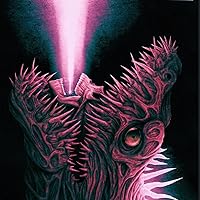
Another theme that recurs is that of "the other passenger"-- this is a tricky concept mentioned in several stories--the idea being that one is never truly alone, that there is a shadow something always present... now whether this shadow is a doppelganger, a shadow personality (the negative personality traits that we keep hidden away), a fractured personality, Death itself, a blend of all, or just a bit of madness, I'm not quite sure. It's unsettling, however you wrap your head around it. My favorite stories are "The Glass Eye" which was picked up by Alfred Hitchcock Presents (Season Three, episode one, with a young William Shatner even!) and is a contender against Dead of Night for creepiest ventriloquist dummy story, in my opinion. Second would be "Miss Thing and the Surrealist" --layers of horror and an awful twist on the usual use of "Miss Thing" being someone who sets herself above others for glam and bling and showiness. Also of note-- ha, ha, pun intended, is that Keir Cross was fond of classical music and thus several stories mention a specific piece of music. It's quite an extra layer of experience to read the story while listening to the music thus feeling the mood of the thing. "Clair de Lune", for example. Sad, wistful, mournful, swoony, dreamy, yearning. Last comment: This book came to my attention first because someone pointed out the artwork on the 60s edition. The modern cover is mostly gray in fractured segments. The original wartime cover pictured here is disturbing, a nightmare-scape. All capture the weirdness, but I think the 60s version gets it best-- colorful, weird, creepy, eye-catching, disturbing. This collection is all that. Intriguing and creepy-- to the point where I'd like to know what Keir Cross was like as a person. Not sure I would have invited him to my cocktail party, if you know what I mean. He is a master of unhinged writing.
Overall impression: Wow. A solid collection of creepy stories, much like dark Twilight Zone episodes. Each story is solid, though I did prefer some over others, HOWEVER I would suggest to anyone contemplating this collection that there are recurring themes, ergo, perhaps, not binge-reading one to the next would keep them separate and fresh. There are several stories narrated by unhinged men who either killed a girlfriend, wife or family member in a fit of derangement, for example. Bluebeard is mentioned a few times.
Another theme that recurs is that of "the other passenger"-- this is a tricky concept mentioned in several stories--the idea being that one is never truly alone, that there is a shadow something always present... now whether this shadow is a doppelganger, a shadow personality (the negative personality traits that we keep hidden away), a fractured personality, Death itself, a blend of all, or just a bit of madness, I'm not quite sure. It's unsettling, however you wrap your head around it. My favorite stories are "The Glass Eye" which was picked up by Alfred Hitchcock Presents (Season Three, episode one, with a young William Shatner even!) and is a contender against Dead of Night for creepiest ventriloquist dummy story, in my opinion. Second would be "Miss Thing and the Surrealist" --layers of horror and an awful twist on the usual use of "Miss Thing" being someone who sets herself above others for glam and bling and showiness. Also of note-- ha, ha, pun intended, is that Keir Cross was fond of classical music and thus several stories mention a specific piece of music. It's quite an extra layer of experience to read the story while listening to the music thus feeling the mood of the thing. "Clair de Lune", for example. Sad, wistful, mournful, swoony, dreamy, yearning. Last comment: This book came to my attention first because someone pointed out the artwork on the 60s edition. The modern cover is mostly gray in fractured segments. The original wartime cover pictured here is disturbing, a nightmare-scape. All capture the weirdness, but I think the 60s version gets it best-- colorful, weird, creepy, eye-catching, disturbing. This collection is all that. Intriguing and creepy-- to the point where I'd like to know what Keir Cross was like as a person. Not sure I would have invited him to my cocktail party, if you know what I mean. He is a master of unhinged writing.
January 31, 2020
[IN PROGRESS]
The Glass Eye - 4.0/5
Perhaps the most well-known of the stories appearing in this collection simply because it was adapted as an episode of Alfred Hitchcock Presents - an episode which is often considered one of the best of that show. The story itself is no exception - it is also one of the best that this collection has to offer.
Petronella Pan - 2.5/5
I couldn't tell if this story was supposed to be an absurd joke or was a genuine attempt to be frightening. Silly and amusing, yes, but the tone is strangely serious which seems at odds with the absurdity. I can see people enjoying this immensely because it's so far-fetched, but it didn't work for me. Beware of babies who read!
The Last of the Romantics - 3.5/5
Unlike the previous story, this tale seems to ostensibly be a comedy with a tone that is quite playful, weaving a dark comedy of cruel twists of fates. Quite enjoyable.
Clair de Lune - 3.0/5
A ghost story with flowery prose but is a little dry. Ends with the ol' trope of a found letter which conveniently dumps exposition directly onto the reader to explain everything.
Absence of Mind - 3.5/5
Reminiscent of Roald Dahl, a pleasant comedy of manners that is not particularly funny nor particularly exciting but has a pleasant central character and a pleasant final reveal. In a word, pleasant.
Hands - 2.5/5
A slow, long journey to a violent ending. Too much for too little.
Another Planet - 3.5/5
A quite short story that explores the surrealism of romance and tragedy - everything seems to be from another planet when you are in love and in sorrow. Slight but poetic.
Liebestraum - 3.5/5
John Keir Cross is sometimes compared to Robert Aickman - this story is one reason for that comparison as its a ghost story complete with psychosexual subtext, baroque prose, and slow pacing (oops, I mean "methodical" pacing).
Miss Thing and the Surrealist - 4.0/5
Another highlight in the collection. A macabre tale that is delightfully strange, bizarre, and grotesque with pitch-black humor that recalls the stories of EC Comics.
Valdemosa - 2.0/5
The dullest of the lot. I ended up skimming most of it.
The Glass Eye - 4.0/5
Perhaps the most well-known of the stories appearing in this collection simply because it was adapted as an episode of Alfred Hitchcock Presents - an episode which is often considered one of the best of that show. The story itself is no exception - it is also one of the best that this collection has to offer.
Petronella Pan - 2.5/5
I couldn't tell if this story was supposed to be an absurd joke or was a genuine attempt to be frightening. Silly and amusing, yes, but the tone is strangely serious which seems at odds with the absurdity. I can see people enjoying this immensely because it's so far-fetched, but it didn't work for me. Beware of babies who read!
The Last of the Romantics - 3.5/5
Unlike the previous story, this tale seems to ostensibly be a comedy with a tone that is quite playful, weaving a dark comedy of cruel twists of fates. Quite enjoyable.
Clair de Lune - 3.0/5
A ghost story with flowery prose but is a little dry. Ends with the ol' trope of a found letter which conveniently dumps exposition directly onto the reader to explain everything.
Absence of Mind - 3.5/5
Reminiscent of Roald Dahl, a pleasant comedy of manners that is not particularly funny nor particularly exciting but has a pleasant central character and a pleasant final reveal. In a word, pleasant.
Hands - 2.5/5
A slow, long journey to a violent ending. Too much for too little.
Another Planet - 3.5/5
A quite short story that explores the surrealism of romance and tragedy - everything seems to be from another planet when you are in love and in sorrow. Slight but poetic.
Liebestraum - 3.5/5
John Keir Cross is sometimes compared to Robert Aickman - this story is one reason for that comparison as its a ghost story complete with psychosexual subtext, baroque prose, and slow pacing (oops, I mean "methodical" pacing).
Miss Thing and the Surrealist - 4.0/5
Another highlight in the collection. A macabre tale that is delightfully strange, bizarre, and grotesque with pitch-black humor that recalls the stories of EC Comics.
Valdemosa - 2.0/5
The dullest of the lot. I ended up skimming most of it.

September 2, 2025
I found a little piece of myself in John Keir Cross' writing. Some parts were a bit slow for me (probably because it is written in the early 1900s), but it also has a surprisingly modern tone that made me feel like the author was ahead of his time in voice and thought patterns.
There is a lot of evidence that Cross enjoys body horror, thoughts of dismemberment, and the prospect of going mad, which are all things that I personally look for in a horror story.
The stories I enjoyed the most were:
1) Miss Thing and the Surrealist - What a creepy bunch of imagery and wickedness.
2) The Glass Eye - Who doesn't love a story about ventriloquism? It also became a Twilight Zone episode that I must seek out!
3) The Other Passenger - This is a tale of madness and duplicity that I enjoyed a lot.
As far as early 1900s stories go, this one was more up my alley than usual. There were a few stories that missed the mark for me, hence the 4/5 star rating, but overall I would absolutely recommend this collection to any horror lover.
There is a lot of evidence that Cross enjoys body horror, thoughts of dismemberment, and the prospect of going mad, which are all things that I personally look for in a horror story.
The stories I enjoyed the most were:
1) Miss Thing and the Surrealist - What a creepy bunch of imagery and wickedness.
2) The Glass Eye - Who doesn't love a story about ventriloquism? It also became a Twilight Zone episode that I must seek out!
3) The Other Passenger - This is a tale of madness and duplicity that I enjoyed a lot.
As far as early 1900s stories go, this one was more up my alley than usual. There were a few stories that missed the mark for me, hence the 4/5 star rating, but overall I would absolutely recommend this collection to any horror lover.
September 15, 2018
Another passenger always smiling...
This collection of tales is a mixed bag of sorts: conte cruel, black comedies in EC tradition, ghost stories of the quiet ones, and psychological horror. Some are atmospheric, one or two are Grand Guignol in construction. Once you start reading them, you will never stop till the end. Some will stay with you after a finish. Fun fact: Ballentine version had left out some stories without justification in my humble opinion. Thankfully, Valencourt has put an unabridged version. Strongly recommended.
This collection of tales is a mixed bag of sorts: conte cruel, black comedies in EC tradition, ghost stories of the quiet ones, and psychological horror. Some are atmospheric, one or two are Grand Guignol in construction. Once you start reading them, you will never stop till the end. Some will stay with you after a finish. Fun fact: Ballentine version had left out some stories without justification in my humble opinion. Thankfully, Valencourt has put an unabridged version. Strongly recommended.

September 9, 2022
This book is so much in my sweet spot I don’t know how it took me all these years to find it. Some subtle “strange” stories, some classic ghost stories, a few of dripping grotesqueries & some that rely on Twilight Zone sylyle turnaround endings that don’t always deal a knockout blow, but the writing is so captivating that that doesn’t matter all that much.
Great atmospheric build ups, interesting variety of believable characters, both mundane and extraordinary. And as the Valancourt back jacket promises, contained within is one of the all time great ventriloquist tales.
Great atmospheric build ups, interesting variety of believable characters, both mundane and extraordinary. And as the Valancourt back jacket promises, contained within is one of the all time great ventriloquist tales.
February 11, 2022
Enjoyed this book for the most part. A page turner. Interesting story with some good twists. The last 50 pages could have been condensed into about 10; the author took a lot of time at the end to (over) explain the characters' motivations and reasons for all the twists so it seemed a little overwrought. But I'd still recommend!
January 31, 2026
Was für ein tolles Buch.
John Keir Cross hat so ne tolle Art zu schreiben, das es einen echt mitreisst. Habe schon lang kein "Weird Fiction" Buch gelesen, das mir so gut gefallen hat. Ich wünschte ich könnte noch mehr Kurzgeschichten von John Keir Cross lesen.
John Keir Cross hat so ne tolle Art zu schreiben, das es einen echt mitreisst. Habe schon lang kein "Weird Fiction" Buch gelesen, das mir so gut gefallen hat. Ich wünschte ich könnte noch mehr Kurzgeschichten von John Keir Cross lesen.

February 18, 2020
Wonderful collection of short stories with twist endings.
Did Not Finish
April 16, 2024The writing is good. Read about half, the stories are just way too boring for me. Never coming back to this.
Displaying 1 - 17 of 17 reviews