

What do you think?
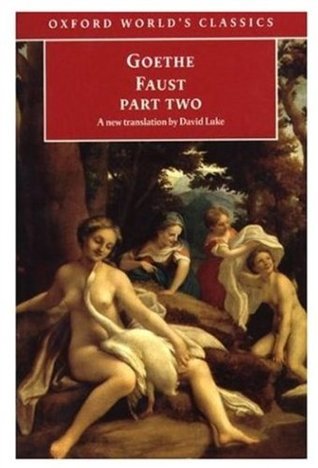
Goethe’s Faust #2 of 2
Faust, Part Two
This is a new translation of Faust, Part Two by David Luke, whose translation of Faust, Part I was the winner of the European Poetry Translation Prize. Here, Luke expertly imitates the varied verse-forms of the original, and provides a highly readable and actable translation which includes an
introduction, full notes, and an index of classical mythology.
introduction, full notes, and an index of classical mythology.
304 pages, Paperback
First published January 1, 1832
About the author
Johann Wolfgang von Goethe
13.6k books7,322 followersA master of poetry, drama, and the novel, German writer and scientist Johann Wolfgang von Goethe spent 50 years on his two-part dramatic poem
Faust
, published in 1808 and 1832, also conducted scientific research in various fields, notably botany, and held several governmental positions.
George Eliot called him "Germany's greatest man of letters... and the last true polymath to walk the earth." Works span the fields of literature, theology, and humanism.
People laud this magnum opus as one of the peaks of world literature. Other well-known literary works include his numerous poems, the Bildungsroman Wilhelm Meister's Apprenticeship and the epistolary novel The Sorrows of Young Werther .
With this key figure of German literature, the movement of Weimar classicism in the late 18th and early 19th centuries coincided with Enlightenment, sentimentality (Empfindsamkeit), Sturm und Drang, and Romanticism. The author of the scientific text Theory of Colours , he influenced Darwin with his focus on plant morphology. He also long served as the privy councilor ("Geheimrat") of the duchy of Weimar.
Goethe took great interest in the literatures of England, France, Italy, classical Greece, Persia, and Arabia and originated the concept of Weltliteratur ("world literature"). Despite his major, virtually immeasurable influence on German philosophy especially on the generation of Georg Wilhelm Friedrich Hegel and Friedrich Wilhelm Joseph von Schelling, he expressly and decidedly refrained from practicing philosophy in the rarefied sense.
Influence spread across Europe, and for the next century, his works inspired much music, drama, poetry and philosophy. Many persons consider Goethe the most important writer in the German language and one of the most important thinkers in western culture as well. Early in his career, however, he wondered about painting, perhaps his true vocation; late in his life, he expressed the expectation that people ultimately would remember his work in optics.
George Eliot called him "Germany's greatest man of letters... and the last true polymath to walk the earth." Works span the fields of literature, theology, and humanism.
People laud this magnum opus as one of the peaks of world literature. Other well-known literary works include his numerous poems, the Bildungsroman Wilhelm Meister's Apprenticeship and the epistolary novel The Sorrows of Young Werther .
With this key figure of German literature, the movement of Weimar classicism in the late 18th and early 19th centuries coincided with Enlightenment, sentimentality (Empfindsamkeit), Sturm und Drang, and Romanticism. The author of the scientific text Theory of Colours , he influenced Darwin with his focus on plant morphology. He also long served as the privy councilor ("Geheimrat") of the duchy of Weimar.
Goethe took great interest in the literatures of England, France, Italy, classical Greece, Persia, and Arabia and originated the concept of Weltliteratur ("world literature"). Despite his major, virtually immeasurable influence on German philosophy especially on the generation of Georg Wilhelm Friedrich Hegel and Friedrich Wilhelm Joseph von Schelling, he expressly and decidedly refrained from practicing philosophy in the rarefied sense.
Influence spread across Europe, and for the next century, his works inspired much music, drama, poetry and philosophy. Many persons consider Goethe the most important writer in the German language and one of the most important thinkers in western culture as well. Early in his career, however, he wondered about painting, perhaps his true vocation; late in his life, he expressed the expectation that people ultimately would remember his work in optics.
Ratings & Reviews
Friends & Following
Create a free account to discover what your friends think of this book!
Community Reviews
Displaying 1 - 3 of 3 reviews

April 29, 2023
Sürprizbozan içerir
İkinci bölümle okuyucuyu daha destansı bir yolculuğa çıkaran Goethe, insan olmanın ne demek olduğunu devasa olaylarla alegori anlamında fazlasıyla güçlü ve kendini açıklayan bir esere imza atıyor. Gretchen’e olanlar sebebiyle ağır bir suçluluk duygusunun altında kalan Faust’un bir sonraki tutkusunu bulması uzun olmuyor. Şeytan Mephistopheles’le yaptığı anlaşması devam eden Faust’un servet ve ün hedeflerine bir de güzelliğin en üst noktası olarak tasvir edilen Truvalı Helen’i elde etmeyi koyması insanın doyumsuzluğunun harikulade bir tasviri. Bu sırada Wagner’ın yarattığı Homunculus’la insan olmanın ne demek olduğunu sorgulayan Goethe, antik Yunan edebiyatının yapı taşlarını hikayeye derinlik katabilmesi için kendince değiştirerek edebi anlamda yenilikçi bir yaklaşım sergiliyor. Helen ve Helen’den doğan oğlunun başına gelenlerden sonra gözünü bir sonraki hedefi olan tüm toprakların sahibi olmaya çeviren Faust’un finale doğru dönüştüğü kişiliğe özellikle parantez açılması gerekiyor. Her şeye sahip olmasına rağmen küçücük bir alanın bile başkalarına ait olmasını kaldıramayan Faust’un şeytanın devamlı itelemesiyle işlediği günahlara bir yenilik daha eklemesine sebep oluyor. Doyumsuzluk ve şevkin insanları kör ettiğinin metaforunu yapan kitapta Mephistoteles’in Faust farketmeden mezarını kazdığı sahne gerçekten tüyler ürpertici. Edebiyatın yapı taşlarından biri olan "Faust", tekrar tekrar okunmayı gerektirecek zengin diliyle her edebiyat severin kitaplığında olması gereken eserlerin başında geliyor.
27.04.2023
Londra, Birleşik Krallık
Alp Turgut
İkinci bölümle okuyucuyu daha destansı bir yolculuğa çıkaran Goethe, insan olmanın ne demek olduğunu devasa olaylarla alegori anlamında fazlasıyla güçlü ve kendini açıklayan bir esere imza atıyor. Gretchen’e olanlar sebebiyle ağır bir suçluluk duygusunun altında kalan Faust’un bir sonraki tutkusunu bulması uzun olmuyor. Şeytan Mephistopheles’le yaptığı anlaşması devam eden Faust’un servet ve ün hedeflerine bir de güzelliğin en üst noktası olarak tasvir edilen Truvalı Helen’i elde etmeyi koyması insanın doyumsuzluğunun harikulade bir tasviri. Bu sırada Wagner’ın yarattığı Homunculus’la insan olmanın ne demek olduğunu sorgulayan Goethe, antik Yunan edebiyatının yapı taşlarını hikayeye derinlik katabilmesi için kendince değiştirerek edebi anlamda yenilikçi bir yaklaşım sergiliyor. Helen ve Helen’den doğan oğlunun başına gelenlerden sonra gözünü bir sonraki hedefi olan tüm toprakların sahibi olmaya çeviren Faust’un finale doğru dönüştüğü kişiliğe özellikle parantez açılması gerekiyor. Her şeye sahip olmasına rağmen küçücük bir alanın bile başkalarına ait olmasını kaldıramayan Faust’un şeytanın devamlı itelemesiyle işlediği günahlara bir yenilik daha eklemesine sebep oluyor. Doyumsuzluk ve şevkin insanları kör ettiğinin metaforunu yapan kitapta Mephistoteles’in Faust farketmeden mezarını kazdığı sahne gerçekten tüyler ürpertici. Edebiyatın yapı taşlarından biri olan "Faust", tekrar tekrar okunmayı gerektirecek zengin diliyle her edebiyat severin kitaplığında olması gereken eserlerin başında geliyor.
27.04.2023
Londra, Birleşik Krallık
Alp Turgut
March 23, 2025
Ömrünün eseri olan faust kitabını iki kitap tek parça biçimde aldım. İlk kısımda anlaşılması çok kolay ve aşırı fazla ön bilgi gerektirmeyen anlatı keyif vericiydi fakat ikinci kitap imparatorluk perdesi ile güzel başlasa da 3. Perdeden sonra işin içine giren Yunan tanrılarının derinliğini bilmememden kaynaklı olarak anlamadığım ve sadece okuyup geçtiğim bir yere evrildi. Faust ve mefistoles’in hikayesinin gidişatını merak ettiğimden Faust’un helen’e aşık olduğu yerlere kadar keyifle okusam da sonrasına anlam veremeyip sıkılıp 3. Perde sonrasına göz gezdirip rafa kaldırdım. Konu üzerine daha çok bilgim olan bir gelecekte belki daha manalı olabilir ama konunun bu kadar dağılıyor olması ve ana odağımızda duran doktor Faust’un ruhunu şeytana satışı ve sonrasında olacakların bir yere varışı daha temiz şekilde anlatılsa çok memnun olurdum. Süslü dile bir yerden sonra şikayetim olmasa da bu kadar ön bilgi ve yazıldığı zaman ile ilgili derin anlayış ile beraber Yunan mitolojisi bilgisi gerektiren bir eser şu anlık benim için değil diyebilirim.
Özetle konu daha düzgün bağlanıyor olsa ve zamanın ruhunu daha koruyabilmekle beraber bu kadar Yunan mitolojisi falan bilgisi gerektirmese keyifle okurdum. Bir yerden sonra süslü dil de harbiden yordu. Artık tamamiyle müzikale dönüştüğü yerlerde de olursa bir gün sahnede izlerim diyip sonunu getirdim.
Özetle konu daha düzgün bağlanıyor olsa ve zamanın ruhunu daha koruyabilmekle beraber bu kadar Yunan mitolojisi falan bilgisi gerektirmese keyifle okurdum. Bir yerden sonra süslü dil de harbiden yordu. Artık tamamiyle müzikale dönüştüğü yerlerde de olursa bir gün sahnede izlerim diyip sonunu getirdim.
August 8, 2015
Hiç bitmeyecek sandım.
Displaying 1 - 3 of 3 reviews