

What do you think?
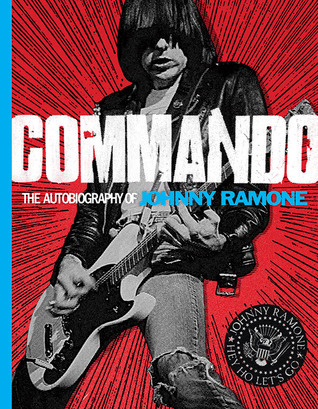
Commando: Punk rock memoir from the Ramones’ guitarist, full of tour stories and blunt opinions.
A brutally honest, photo-packed memoir from the guitarist who helped invent punk rock.Raised in Queens with a blue-collar edge, Johnny Ramone co-founded the Ramones and drove them with military precision―earning a reputation as the band’s drill sergeant and its backbone.In Commando, Johnny tells his story in his own from rebellious youth to global icon, from the birth of punk to the Rock and Roll Hall of Fame.This photo-packed volume is more than a life story―it’s a time capsule of punk history. Inside you’ll Candid reflections on fame, discipline, and the Ramones’ rise.Johnny’s personal rankings of every Ramones album.Eccentric Top Ten lists―from favorite horror films to Elvis classics.Pages from his legendary “black books” filled with notes, anecdotes, and inspirations.Rare photos and memorabilia, many published for the first time.
Praised by fans as “honest, fast, and straight to the point,” Commando feels like a conversation with Johnny himself―gritty, unapologetic, and unforgettable. Whether you’re a lifelong Ramones fan or discovering punk’s roots, this is the ultimate insider’s account of a band that changed music forever.The Ramones were inducted into the Rock and Roll Hall of Fame in 2002―and two years later, Johnny died of cancer, having outlived two other founding members. “Feels like a conversation with Johnny.” ―The Boston Globe
Praised by fans as “honest, fast, and straight to the point,” Commando feels like a conversation with Johnny himself―gritty, unapologetic, and unforgettable. Whether you’re a lifelong Ramones fan or discovering punk’s roots, this is the ultimate insider’s account of a band that changed music forever.The Ramones were inducted into the Rock and Roll Hall of Fame in 2002―and two years later, Johnny died of cancer, having outlived two other founding members. “Feels like a conversation with Johnny.” ―The Boston Globe
176 pages, Hardcover
First published April 1, 2012
Ratings & Reviews
Friends & Following
Create a free account to discover what your friends think of this book!
Community Reviews
Displaying 1 - 15 of 15 reviews

September 22, 2016
"Cuando leas este libro es posible que yo ya no esté, pero he tenido una magnífica vida con independencia de cómo se haya torcido ahora."

Quiero agradecer a Johnny Ramone por crear una autobiografia que esta primordialmente centrada en la música. No me malentiendan, me encanta saber acerca de la vida, problemas y sentimientos de los artistas que me gustan, pero hace algún tiempo casi todas las autobiografías que me encontraba eran un gran "me drogaba, entraba a rehabilitación, salía de rehabilitación, y volvemos a empezar", pero con poco contenido respecto a la música, a la banda o a quienes son en la realidad los autores. Aquí Johnny es directo respecto a quien era él, su papel dentro de los Ramones, sus metas, sus procedimientos y sus problemas.
"Nuestras canciones venían del espacio puro del rock. Tenían que ser simples, estábamos forzados a que lo fueran debido a nuestras limitadas aptitudes musicales."
Él era la mente de la banda, incluso se puede decir que era el papá, para el The Ramones era una empresa, su trabajo a tiempo completo y, por tanto, para aplicar el "Sexo, Drogas y Rock & Roll" tenía sus propias reglas: nada de drogas antes de un concierto para ninguno de los miembros por que los hacía inservibles en el escenario; Sexo mientras evitara los problemas entre los miembros; y Rock & Roll sin influencias del blues ni largos solos de guitarra, también se buscaba excluir política y drogas de las canciones. Durante todo el transcurso del libro terminamos descubriendo una excepción para cada una de esas reglas, pero que no por ello la banda dejo de crecer.
"Como no queríamos aparecer como una pandilla de retrasados, tratábamos de alejar a la prensa de Joey y Dee Dee y le dejábamos a Tommy las entrevistas."
Algo que queda muy claro es que Johnny era una persona de opuestos: buena persona, pero un cabrón, con conocidos y desconocidos, teniendo como única excepción al público. Odiaba muchísimas bandas de la escena punk, americana y europea, aun cuando amaba la música que creaban; sus ídolos eran Elvis y Reagan (seguido de Nixon); arrojaba televisores por la azotea sólo para ver si golpeaban a alguien; tenía un gran ego y aún así para cuando alcanzo la fama seguía viviendo como en los comienzos de su carrera; no quería que la banda tuviera conflictos pero terminó casándose con la ex-novia de Joey. Y podría seguir así, por que al final lo que nos muestra este libro es quien fue realmente Johnny, no lo glorifica ni lo aplasta,simplemente lo muestra como una persona más que trabajo duro para alcanzar el éxito, aun cuando su trabajo lo llevo a estar con personas con las que no se llevaba para nada bien (y por tanto odiaba que la gente pensara que eran hermanos), que se equivoco en muchas cosas pero hizo amigos de verdad.
"El legado más importante de los Ramones fue que, cuando subíamos al escenario, éramos los mejores. Y de lejos."
Hacia el final de su vida el cáncer lo había dejado sin la ira que lo caracterizo, pero no sin el talento y sin la actitud. Johnny sera siempre recordado tanto por ser un fantástico guitarrista como por ser un maldito maniático del control, pero un artista con la sinceridad que ya casi no existe en el medio. No es un erudito en la escritura, pero la manera en que describe todo lo relacionado con la banda para mi posiciona alto esta biografía, no vine a ella para deleitarme como lo haría con los grandes escritores de la literatura universal, sino para saber que quería compartir una persona que cuya obra admiro profundamente.
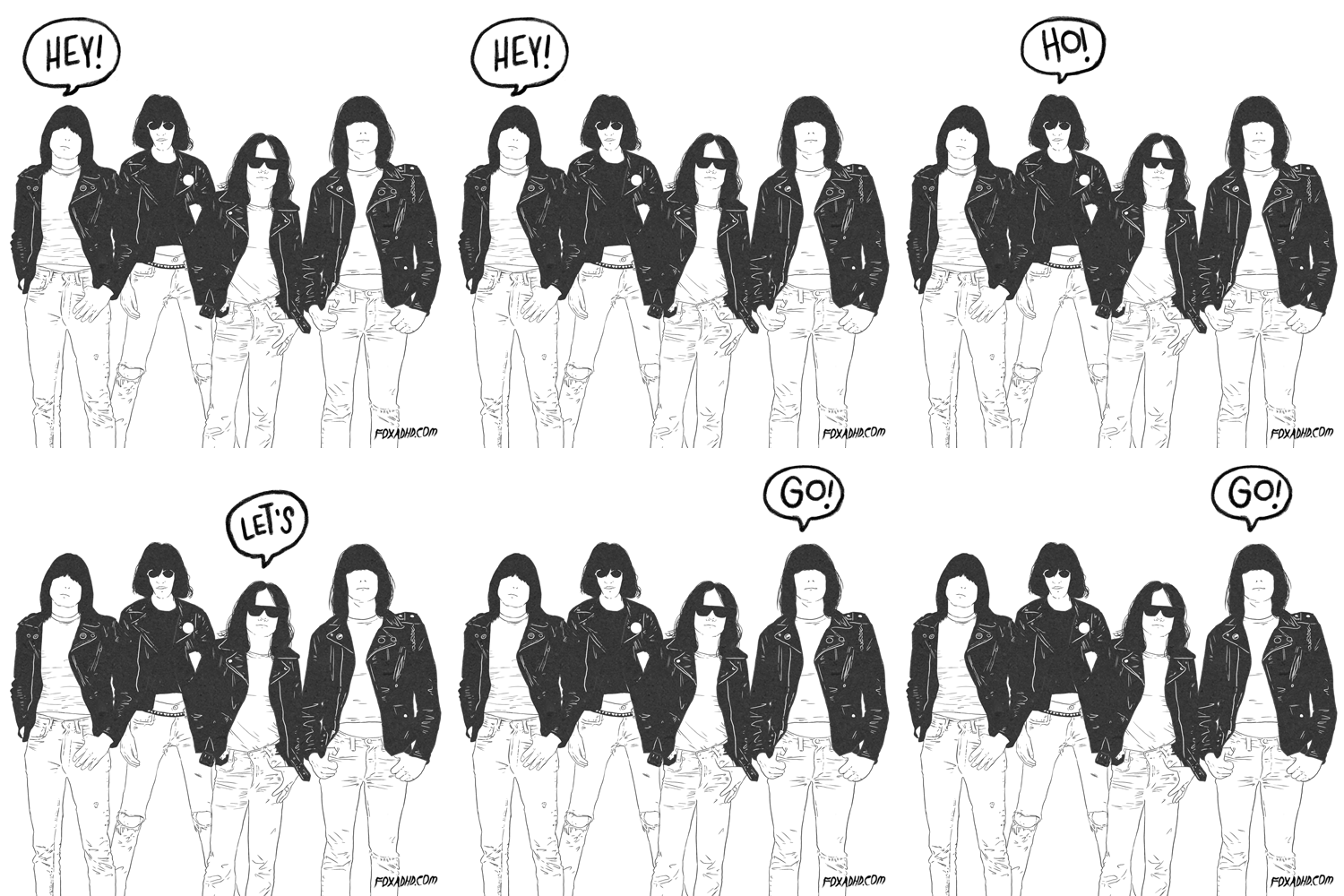
Playlist de los Ramones:
Blitzkrieg Bop: https://www.youtube.com/watch?v=c1BOs...
Sheena is a Punk Rocker: https://www.youtube.com/watch?v=7vNrZ...
Here Today, Gone Tomorrow: https://www.youtube.com/watch?v=Nkpys...
I Don't Care: https://www.youtube.com/watch?v=QveJv...
I Wanna Be Sedated: https://www.youtube.com/watch?v=JBN1C...
I Wanted Everything: https://www.youtube.com/watch?v=aHlsr...
Bad Brain: https://www.youtube.com/watch?v=WmsYq...
The KKK Took My Baby Away : https://www.youtube.com/watch?v=hT1OK...
Wart Hog : https://www.youtube.com/watch?v=ofoX2...
Como regalo para los fans de King, Pet sematary: https://www.youtube.com/watch?v=F3J0i...
La edición que leí incluye notas y fotografías de los llamados "Libros negros de Johnny" que son los 'diarios' de los conciertos a los que asistió, sus películas favorita, canciones favoritas, políticos republicanos predilectos, ranking de los discos de "The Ramones", etc.
"Los excéntricos han sido siempre más divertidos que la gente corriente [...] Nadie más quiere ser amigo de esos frikis"
Quiero agradecer a Johnny Ramone por crear una autobiografia que esta primordialmente centrada en la música. No me malentiendan, me encanta saber acerca de la vida, problemas y sentimientos de los artistas que me gustan, pero hace algún tiempo casi todas las autobiografías que me encontraba eran un gran "me drogaba, entraba a rehabilitación, salía de rehabilitación, y volvemos a empezar", pero con poco contenido respecto a la música, a la banda o a quienes son en la realidad los autores. Aquí Johnny es directo respecto a quien era él, su papel dentro de los Ramones, sus metas, sus procedimientos y sus problemas.
"Nuestras canciones venían del espacio puro del rock. Tenían que ser simples, estábamos forzados a que lo fueran debido a nuestras limitadas aptitudes musicales."
Él era la mente de la banda, incluso se puede decir que era el papá, para el The Ramones era una empresa, su trabajo a tiempo completo y, por tanto, para aplicar el "Sexo, Drogas y Rock & Roll" tenía sus propias reglas: nada de drogas antes de un concierto para ninguno de los miembros por que los hacía inservibles en el escenario; Sexo mientras evitara los problemas entre los miembros; y Rock & Roll sin influencias del blues ni largos solos de guitarra, también se buscaba excluir política y drogas de las canciones. Durante todo el transcurso del libro terminamos descubriendo una excepción para cada una de esas reglas, pero que no por ello la banda dejo de crecer.
"Como no queríamos aparecer como una pandilla de retrasados, tratábamos de alejar a la prensa de Joey y Dee Dee y le dejábamos a Tommy las entrevistas."
Algo que queda muy claro es que Johnny era una persona de opuestos: buena persona, pero un cabrón, con conocidos y desconocidos, teniendo como única excepción al público. Odiaba muchísimas bandas de la escena punk, americana y europea, aun cuando amaba la música que creaban; sus ídolos eran Elvis y Reagan (seguido de Nixon); arrojaba televisores por la azotea sólo para ver si golpeaban a alguien; tenía un gran ego y aún así para cuando alcanzo la fama seguía viviendo como en los comienzos de su carrera; no quería que la banda tuviera conflictos pero terminó casándose con la ex-novia de Joey. Y podría seguir así, por que al final lo que nos muestra este libro es quien fue realmente Johnny, no lo glorifica ni lo aplasta,simplemente lo muestra como una persona más que trabajo duro para alcanzar el éxito, aun cuando su trabajo lo llevo a estar con personas con las que no se llevaba para nada bien (y por tanto odiaba que la gente pensara que eran hermanos), que se equivoco en muchas cosas pero hizo amigos de verdad.
"El legado más importante de los Ramones fue que, cuando subíamos al escenario, éramos los mejores. Y de lejos."
Hacia el final de su vida el cáncer lo había dejado sin la ira que lo caracterizo, pero no sin el talento y sin la actitud. Johnny sera siempre recordado tanto por ser un fantástico guitarrista como por ser un maldito maniático del control, pero un artista con la sinceridad que ya casi no existe en el medio. No es un erudito en la escritura, pero la manera en que describe todo lo relacionado con la banda para mi posiciona alto esta biografía, no vine a ella para deleitarme como lo haría con los grandes escritores de la literatura universal, sino para saber que quería compartir una persona que cuya obra admiro profundamente.
Playlist de los Ramones:
Blitzkrieg Bop: https://www.youtube.com/watch?v=c1BOs...
Sheena is a Punk Rocker: https://www.youtube.com/watch?v=7vNrZ...
Here Today, Gone Tomorrow: https://www.youtube.com/watch?v=Nkpys...
I Don't Care: https://www.youtube.com/watch?v=QveJv...
I Wanna Be Sedated: https://www.youtube.com/watch?v=JBN1C...
I Wanted Everything: https://www.youtube.com/watch?v=aHlsr...
Bad Brain: https://www.youtube.com/watch?v=WmsYq...
The KKK Took My Baby Away : https://www.youtube.com/watch?v=hT1OK...
Wart Hog : https://www.youtube.com/watch?v=ofoX2...
Como regalo para los fans de King, Pet sematary: https://www.youtube.com/watch?v=F3J0i...
La edición que leí incluye notas y fotografías de los llamados "Libros negros de Johnny" que son los 'diarios' de los conciertos a los que asistió, sus películas favorita, canciones favoritas, políticos republicanos predilectos, ranking de los discos de "The Ramones", etc.
"Los excéntricos han sido siempre más divertidos que la gente corriente [...] Nadie más quiere ser amigo de esos frikis"

May 28, 2015
1… 2… 3… 4…
No hay discusión en algo, uno de los mejores guitarristas (considerado el número 16 de los “100 mejores de todos los tiempos por la Revista Rolling Stone”) del género musical conocido como Punk Rock se llamó John William Cummings un nombre bastante desconocido para muchos a menos que se diga mejor Johnny Ramone, principal exponente y co fundador de la banda llamada Ramones, una banda que tienen mucha historia y que ha influenciado a millones de músicos alrededor del mundo no solo dentro del Punk. “Commando – Autobiografía de Johnny Ramone” es el libro del cual hablaré a continuación editado por Malpaso Ediciones en una genial edición tapa dura llena de fotografías y repleta de mucha información que hará delirar a cada uno de los que hemos sido fanáticos de Ramones desde la primera vez que los escuchamos.
Johnny Ramone nació en 1948 en el Bronx y como todo joven enérgico se inclino hacia la violencia durante su adolescencia, intentó ser militar y como era de esperarse lo rechazaron y él a ellos, también pensaba en llegar a ser un pelotero de las grandes ligas donde tampoco logró quedar enganchado por el deporte como una posible forma de vida, gustaba buscar peleas y ser un experto picapleitos sin muchas razones mas que solo divertirse, experiencias con drogas como la marihuana y la pega de las que afortunadamente no se volvería adicto tuvo bastantes, musicalmente siempre estuvo influenciado por los que rompían los típicos parámetros sociales o eran políticamente incorrectos, fan de Elvis Presley quien lo marcaría de sobremanera al ver su estilo explosivo en vivo como también un personaje tan complejo como Little Richard un gay y negro en una Norteamérica de los años ’50 serían quienes lo influenciarían dentro del camino de la música, poco tiempo después vendrían los Rolling Stones, Jimi Hendrix, Iggy Pop & the Stooges y unos poderosos MC5 todos estos también rodeados de mucha polémica que les ayudaría a crecer su fama, son los New York Dolls los que lo hacen tomar la decisión de reunir una banda para los que ya tenía en mente hacer el grupo mas completo y perfecto de la historia del rock, un intento de banda de garaje llamada Tangerine Puppets fue el inicio de tantos años que vendrían por delante, todo en esta banda que soñaba todos los días tenía que estar planificado casi a modo de coreografía, tendrían que ser una bomba explosiva e imparable mientras se encontraran sobre la tarima. Poco tiempo después y con algunos cambios de formación los Tangerine Puppets deciden cambiar el nombre inspirado esta vez en el apellido que utilizaba siempre en los hoteles donde se hospedaba Paul McCartney mientras estaba de gira con The Beatles, el nombre era Paul Ramon y es con ese apellido que deciden rebautizarse con el nombre que sería y es un símbolo y una marca dentro de la historia de la música, Ramones.
“Commando – Autobiografía de Johnny Ramone” es un libro escrito con un corazón totalmente abierto y co-escrito por nada mas y nada menos que el gran Henry Rollins a quien reclutó la viuda de Johnny Linda Cummings para que escribiera y diera forma a estas memorias contadas por su esposo. No calla nada, todo lo cuenta sin medias tintas, desde sus inicios y como iba tratando de engranar los miembros unos con otros, cuan dura fue la lucha en un mundo donde ser hippie era lo mas importante con el tema de la paz y el amor que se encontraba en boca de una gran cantidad de jóvenes mientras que un Johnny Ramone totalmente republicano, muy conservador y a favor de la pena de muerte la cual en mas de una oportunidad expresó que debería presentarse como espectáculos pay per view para que los ciudadanos disfrutaran viendo como se hace justicia. Este era el líder de una banda que no expresaba esos mensajes de solidaridad ni de anti guerra de los que todos hablaban y era la moda del Peace & Love en sus letras, esta tendencia política y manera de pensar de Johnny con el tiempo traería fuertes desacuerdos y mucha polémica dentro de la banda.
Sus duros inicios dentro del local clásico llamado CBGB y su veloz crecimiento en las giras que lograron dar alrededor del mundo los hicieron agigantarse de una manera vertiginosa, pero siempre luego de grandes espectáculos alrededor del planeta curiosamente siempre regresaban al mismo local que los vio crecer con pocos asistentes. Todo este éxito los llevaría a la cima fuera de Norteamérica, participaron en películas, se convirtieron en una marca, Johnny fue alguien muy importante para la hija del Rey Elvis Presley y como era de esperarse comenzaron las luchas de poder y diferencias dentro de la banda, las adicciones de muchos de sus miembros a las drogas y el alcohol, las rivalidades entre Johnny y Joey crecieron cada vez mas y mas por visiones muy separadas de la política, disputas por dinero, relaciones amorosas que terminaron rompiendo corazones entre miembros de la banda y que el matrimonio entre Linda Cummings y Johnny Ramone luego de que ella estuviese saliendo mucho tiempo con Joey pudo ser lo que significó el punto final de la banda. Todo esto terminó en dejarse de hablar por mucho tiempo llegando al punto de que en su Gira de despedida y último CD “Adiós Amigos!” no existiese comunicación alguna entre ellos –al menos entre los miembros principales–, poco años después comenzarían a fallecer los Ramones y esto hundió a casi todos ellos los que quedaban vivos en depresiones y en despedidas que jamás se pudieron dar.
Casi 2300 conciertos o mas, 14 discos en estudio, 7 en vivo, 14 recopilatorios, incontables singles y otros tantos videos es el legado de una de las bandas mas importantes del Punk Rock muchos aseguran que ellos son los creadores de este sonido y que Johnny era quien decía que era y que no era Punk en la escena, un nombre sinónimo de música rápida y directa “Ramones”. Si hay algo que deja claro esta discografía y la historia como la cuenta Johnny Ramone es la importancia de tener en una banda siempre un miembro con la visión bien puesta en lo que se quiere hacer y hacia qué lugar hay que llevar la banda, los miembros y el sonido, el respeto a los fans es la prioridad, leer como para Johnny es tan pero tan importante firmar un autógrafo a un fan muestra que a pesar de todos los errores que pudo cometer como ser un humano también demuestra que para un músico lo principal es la humildad que debe tener para con su público, como también que todo músico debe de tener un plan de retiro y que su posición es que debería existir una edad en los músicos del Rock que deban jubilarse y no terminar dando pena sobre una tarima.
Guitarristas como él, muy pero muy pocos, la manera violenta en que atacaba las cuerdas y ese estilo rápido con downstrokes muy pocos pueden comparársele. Un cáncer muy agresivo se lo llevó pero muchos lo recuerdan como uno de los más importantes exponentes de la historia de la música y su influencia siempre se escuchará en cualquier canción que tenga tres acordes rápidos y dos minutos de duración.
No hay discusión en algo, uno de los mejores guitarristas (considerado el número 16 de los “100 mejores de todos los tiempos por la Revista Rolling Stone”) del género musical conocido como Punk Rock se llamó John William Cummings un nombre bastante desconocido para muchos a menos que se diga mejor Johnny Ramone, principal exponente y co fundador de la banda llamada Ramones, una banda que tienen mucha historia y que ha influenciado a millones de músicos alrededor del mundo no solo dentro del Punk. “Commando – Autobiografía de Johnny Ramone” es el libro del cual hablaré a continuación editado por Malpaso Ediciones en una genial edición tapa dura llena de fotografías y repleta de mucha información que hará delirar a cada uno de los que hemos sido fanáticos de Ramones desde la primera vez que los escuchamos.
Johnny Ramone nació en 1948 en el Bronx y como todo joven enérgico se inclino hacia la violencia durante su adolescencia, intentó ser militar y como era de esperarse lo rechazaron y él a ellos, también pensaba en llegar a ser un pelotero de las grandes ligas donde tampoco logró quedar enganchado por el deporte como una posible forma de vida, gustaba buscar peleas y ser un experto picapleitos sin muchas razones mas que solo divertirse, experiencias con drogas como la marihuana y la pega de las que afortunadamente no se volvería adicto tuvo bastantes, musicalmente siempre estuvo influenciado por los que rompían los típicos parámetros sociales o eran políticamente incorrectos, fan de Elvis Presley quien lo marcaría de sobremanera al ver su estilo explosivo en vivo como también un personaje tan complejo como Little Richard un gay y negro en una Norteamérica de los años ’50 serían quienes lo influenciarían dentro del camino de la música, poco tiempo después vendrían los Rolling Stones, Jimi Hendrix, Iggy Pop & the Stooges y unos poderosos MC5 todos estos también rodeados de mucha polémica que les ayudaría a crecer su fama, son los New York Dolls los que lo hacen tomar la decisión de reunir una banda para los que ya tenía en mente hacer el grupo mas completo y perfecto de la historia del rock, un intento de banda de garaje llamada Tangerine Puppets fue el inicio de tantos años que vendrían por delante, todo en esta banda que soñaba todos los días tenía que estar planificado casi a modo de coreografía, tendrían que ser una bomba explosiva e imparable mientras se encontraran sobre la tarima. Poco tiempo después y con algunos cambios de formación los Tangerine Puppets deciden cambiar el nombre inspirado esta vez en el apellido que utilizaba siempre en los hoteles donde se hospedaba Paul McCartney mientras estaba de gira con The Beatles, el nombre era Paul Ramon y es con ese apellido que deciden rebautizarse con el nombre que sería y es un símbolo y una marca dentro de la historia de la música, Ramones.
“Commando – Autobiografía de Johnny Ramone” es un libro escrito con un corazón totalmente abierto y co-escrito por nada mas y nada menos que el gran Henry Rollins a quien reclutó la viuda de Johnny Linda Cummings para que escribiera y diera forma a estas memorias contadas por su esposo. No calla nada, todo lo cuenta sin medias tintas, desde sus inicios y como iba tratando de engranar los miembros unos con otros, cuan dura fue la lucha en un mundo donde ser hippie era lo mas importante con el tema de la paz y el amor que se encontraba en boca de una gran cantidad de jóvenes mientras que un Johnny Ramone totalmente republicano, muy conservador y a favor de la pena de muerte la cual en mas de una oportunidad expresó que debería presentarse como espectáculos pay per view para que los ciudadanos disfrutaran viendo como se hace justicia. Este era el líder de una banda que no expresaba esos mensajes de solidaridad ni de anti guerra de los que todos hablaban y era la moda del Peace & Love en sus letras, esta tendencia política y manera de pensar de Johnny con el tiempo traería fuertes desacuerdos y mucha polémica dentro de la banda.
Sus duros inicios dentro del local clásico llamado CBGB y su veloz crecimiento en las giras que lograron dar alrededor del mundo los hicieron agigantarse de una manera vertiginosa, pero siempre luego de grandes espectáculos alrededor del planeta curiosamente siempre regresaban al mismo local que los vio crecer con pocos asistentes. Todo este éxito los llevaría a la cima fuera de Norteamérica, participaron en películas, se convirtieron en una marca, Johnny fue alguien muy importante para la hija del Rey Elvis Presley y como era de esperarse comenzaron las luchas de poder y diferencias dentro de la banda, las adicciones de muchos de sus miembros a las drogas y el alcohol, las rivalidades entre Johnny y Joey crecieron cada vez mas y mas por visiones muy separadas de la política, disputas por dinero, relaciones amorosas que terminaron rompiendo corazones entre miembros de la banda y que el matrimonio entre Linda Cummings y Johnny Ramone luego de que ella estuviese saliendo mucho tiempo con Joey pudo ser lo que significó el punto final de la banda. Todo esto terminó en dejarse de hablar por mucho tiempo llegando al punto de que en su Gira de despedida y último CD “Adiós Amigos!” no existiese comunicación alguna entre ellos –al menos entre los miembros principales–, poco años después comenzarían a fallecer los Ramones y esto hundió a casi todos ellos los que quedaban vivos en depresiones y en despedidas que jamás se pudieron dar.
Casi 2300 conciertos o mas, 14 discos en estudio, 7 en vivo, 14 recopilatorios, incontables singles y otros tantos videos es el legado de una de las bandas mas importantes del Punk Rock muchos aseguran que ellos son los creadores de este sonido y que Johnny era quien decía que era y que no era Punk en la escena, un nombre sinónimo de música rápida y directa “Ramones”. Si hay algo que deja claro esta discografía y la historia como la cuenta Johnny Ramone es la importancia de tener en una banda siempre un miembro con la visión bien puesta en lo que se quiere hacer y hacia qué lugar hay que llevar la banda, los miembros y el sonido, el respeto a los fans es la prioridad, leer como para Johnny es tan pero tan importante firmar un autógrafo a un fan muestra que a pesar de todos los errores que pudo cometer como ser un humano también demuestra que para un músico lo principal es la humildad que debe tener para con su público, como también que todo músico debe de tener un plan de retiro y que su posición es que debería existir una edad en los músicos del Rock que deban jubilarse y no terminar dando pena sobre una tarima.
Guitarristas como él, muy pero muy pocos, la manera violenta en que atacaba las cuerdas y ese estilo rápido con downstrokes muy pocos pueden comparársele. Un cáncer muy agresivo se lo llevó pero muchos lo recuerdan como uno de los más importantes exponentes de la historia de la música y su influencia siempre se escuchará en cualquier canción que tenga tres acordes rápidos y dos minutos de duración.

August 17, 2015
He leído, al menos, unos diez libros autobiográficos de músicos y este libro es lo más apegado al concepto musical que rodea a la banda. La historia de Johnny Ramone se lee en un par de días; es amena, directa y llegadora. Es como escuchar a los Ramones por primera vez, al final describe la filosofía de trabajo de la banda, tiene un apartado al final donde describe cada uno de sus discos con una que otra anécdota que los fanáticos agradecerán, son de esas cosas que platicas en medio de una borrachera atascada de chavos que se creen los muy rudos y conocedores. Su vida fue una lección de perseverancia y de trabajo duro; el éxito no se alcanza siendo unos niños bonitos con las manos en la bolsa.

November 22, 2018
Claro, directo, dinámico y bastante entretenido. Commando, autobiografía de Johnny Ramone entrega una divertida mirada cronológica a una de las bandas más icónicas e influyentes de todos los tiempos: The Ramones. Johnny, su lider, repasa su infancia y adolescencia como la típica canción de The Ramones, rápidamente y sin aspavientos. Aquí aprendemos sobre su fanatismo por el baseball y las películas de terror, así como también su gusto por Elvis, Eddie Cochran, Little Richard y, por supuesto The Beatles y sobre todo, The Rolling Stones.
Habla -someramente- sobre su época de colegio, donde los constantes cambios de instituto -academia militar incluida- le hizo perder cualquier interés académico. Nunca fue un alumno destacado "pero porque era muy vago para aprender cosas como ciencia, matematicas aplicada y español" recalca.
Habla, por supuesto, sobre su amistad con Dee Dee y Tommy, y como llegó Joey se integró a la banda.
El libro trata de esclarecer -sin excusar- algunos de los rasgos mas controversiales de la personalidad de Johnny, como su despotismo, su antipatía para con los demás músicos -en especial, su larga enemistad con Joey-, su afiliación al partido republicano y su odio hacia el comunismo.
También entrega una mirada mas humana del personaje -porque para él, Johnny Ramone siempre fue un personaje, y The Ramones fue su trabajo-, su matrimonio con Linda, y su amistad con algunos miembros del espectáculo, como Lisa Marie Presley, Nicolas Cage y Vincent Gallo.
En resumen, un gran libro para conocer detalles de esta fabulosa banda, sus primeras presentaciones en el CBGB, su relación con bandas contemporáneas como Blondie, The Stooges, Talkin' Heads, sus giras, el rudimentario proceso de producción que seguían, asi como también para conocer el contexto del icónico New York de los años 70 y 80, esa mugrienta y peligrosa ciudad que tanto cautiva a propios y extraños.
Habla -someramente- sobre su época de colegio, donde los constantes cambios de instituto -academia militar incluida- le hizo perder cualquier interés académico. Nunca fue un alumno destacado "pero porque era muy vago para aprender cosas como ciencia, matematicas aplicada y español" recalca.
Habla, por supuesto, sobre su amistad con Dee Dee y Tommy, y como llegó Joey se integró a la banda.
El libro trata de esclarecer -sin excusar- algunos de los rasgos mas controversiales de la personalidad de Johnny, como su despotismo, su antipatía para con los demás músicos -en especial, su larga enemistad con Joey-, su afiliación al partido republicano y su odio hacia el comunismo.
También entrega una mirada mas humana del personaje -porque para él, Johnny Ramone siempre fue un personaje, y The Ramones fue su trabajo-, su matrimonio con Linda, y su amistad con algunos miembros del espectáculo, como Lisa Marie Presley, Nicolas Cage y Vincent Gallo.
En resumen, un gran libro para conocer detalles de esta fabulosa banda, sus primeras presentaciones en el CBGB, su relación con bandas contemporáneas como Blondie, The Stooges, Talkin' Heads, sus giras, el rudimentario proceso de producción que seguían, asi como también para conocer el contexto del icónico New York de los años 70 y 80, esa mugrienta y peligrosa ciudad que tanto cautiva a propios y extraños.

August 31, 2024
Uno de mis libros musicales favoritos de siempre, es la tercera o cuarta vez que lo leo. Descubrí 'Commando' en una época en la que me dio por leer autobiografías de gente más grande que la vida, porque me hacía gracia cómo se contaban a sí mismos en primera persona (la de Schwarzenegger es otra que me leí en ese tiempo). Johnny Ramone murió en 2004 y el libro es de 2012, por lo que probablemente sea el fruto de un trabajo muy largo de ordenar información, archivos y cintas largas de entrevistas con él durante su enfermedad. El resultado es fantástico y está cuidadísimo, comprendes al personaje de maravilla, entiendes su papel en los Ramones y captas cómo su actitud mueve decisivamente su vida de una determinada manera. Además de ofrecer un vistazo insólito al corazón del mejor grupo de la historia y su simplísima genialidad –los Ramones son simples en la medida en que lo es el invento de la rueda–, 'Commando' es la única biografía que he leído que contiene una lista de los diez miembros del Partido Republicano favoritos del autor, o sus diez películas favoritas de Elvis. Las evaluaciones que lleva a cabo de los discos de los Ramones, en cambio, demuestran que sus ideas protofascistas no eran las opiniones más equivocadas que tenía.

February 8, 2020
"We'd go to towns throughout the country and there'd be no bands there, but as we'd leave each one, new bands would be forming."
Leer la historia de la banda más importante de la historia del punk ya es suficiente pero que las palabras vengan de la persona que la creó, se la echó al hombro por dos décadas, y años después se encargó de mantener el legado vivo hasta que la enfermedad se lo llevó llega a otro nivel.ç
Toda la vida había conocido la historia de Ramones, pero no había apreciado que tanto trabajo y dedicación le había metido John William Cummings a este proyecto para llevarlo más allá de ser una banda de cuatro vagos de NYC.
Sean empresarios genios o músicos con una idea bien plantada en la cabeza, es muy fácil comprender porque ciertas personas triunfaron, la determinación y la disciplina son parte fundamental en sus historias.
Gracias, Ramones, gracias por todo lo que dejaron.
Leer la historia de la banda más importante de la historia del punk ya es suficiente pero que las palabras vengan de la persona que la creó, se la echó al hombro por dos décadas, y años después se encargó de mantener el legado vivo hasta que la enfermedad se lo llevó llega a otro nivel.ç
Toda la vida había conocido la historia de Ramones, pero no había apreciado que tanto trabajo y dedicación le había metido John William Cummings a este proyecto para llevarlo más allá de ser una banda de cuatro vagos de NYC.
Sean empresarios genios o músicos con una idea bien plantada en la cabeza, es muy fácil comprender porque ciertas personas triunfaron, la determinación y la disciplina son parte fundamental en sus historias.
Gracias, Ramones, gracias por todo lo que dejaron.
September 18, 2018
Hace un par de años leí las memorias de Marky, el batería que sustituyó a Tommy a partir del tercer disco de Los Ramones. Y, aunque hablaba con cariño de todos los miembros del grupo, no pude evitar coger un poco (más) de manía a Johnny, el guitarra. Aun así, tenía ganas de leer sus memorias, y menos mal que lo he hecho. En ellas se entiende mejor el difícil papel que tuvo el chaval. Vamos, que si no llega a ser por Johnny Los Ramones habrían durado poco y habrían acabado en verbenas de pueblo. Alguien, entre todos esos ‘personajazos’ excéntricos tenía que poner un poco de orden.
No hay tanta anécdota jugosa como en las de Marky, pero sí mucho de cómo es el mundo de la música visto desde dentro y cómo para Johnny su grupo era un trabajo tan serio como el que hacía en la construcción. Nada de drogas ni alcohol, por lo menos antes de los conciertos. Eso sí, con lo de mangarle la novia a los compañeros no era tan escrupuloso, jeje.
Lo mejor, las ganas que te da de escucharlos a todas horas.
Larga vida a Los Ramones!!
No hay tanta anécdota jugosa como en las de Marky, pero sí mucho de cómo es el mundo de la música visto desde dentro y cómo para Johnny su grupo era un trabajo tan serio como el que hacía en la construcción. Nada de drogas ni alcohol, por lo menos antes de los conciertos. Eso sí, con lo de mangarle la novia a los compañeros no era tan escrupuloso, jeje.
Lo mejor, las ganas que te da de escucharlos a todas horas.
Larga vida a Los Ramones!!

March 7, 2020
Johnny escribió este libro sabiendo, que al llegar a las tiendas ya estaría muerto. Aún así, hasta sus últimos días se hace sentir demasiado duro, chulito y hasta un poco imbécil en ocasiones.
El libro se podría resumir en: "El punk es lo que yo diga que es punk". En parte me alegra saber que toda esa ira —aunque no así su prepotencia— se fue desinflando un poquito con el paso del tiempo.
Él, fiel seguidor de la cofradía del Puño Cerrao, tanto que quería ahorrar, terminó siendo de los más ricos del cementerio. La obsesión de toda una vida a la mierda por un cáncer odioso.
Valga ese último párrafo como moraleja a toda esta biografía, en ma que no faltan escupitajos ni hostias varias.
El libro se podría resumir en: "El punk es lo que yo diga que es punk". En parte me alegra saber que toda esa ira —aunque no así su prepotencia— se fue desinflando un poquito con el paso del tiempo.
Él, fiel seguidor de la cofradía del Puño Cerrao, tanto que quería ahorrar, terminó siendo de los más ricos del cementerio. La obsesión de toda una vida a la mierda por un cáncer odioso.
Valga ese último párrafo como moraleja a toda esta biografía, en ma que no faltan escupitajos ni hostias varias.

January 9, 2019
Entre las diversas sorpresas que deja la rápida (como sus canciones) lectura de esta biografía, es que Johnny Ramone era republicano, que, entre muchas otras cosas, no le gustaba viajar a Europa y que le bajó la esposa al vocalista de su banda, que era un administrador duro y que ahorró una considerable cantidad de dinero durante su carrera como para darse el lujo de manejar Cadillacs y RollsRoyce. Una actitud punk fuera de lo que uno pensaría que es el punk, eso lo hace más punk ¿o no?
November 19, 2023
Para fans y no tan fans es un libro ideal para conocer a una banda unica, que seguira marcando a generaciones. Johnny Ramone era un tipo dificil (como todos los miembros de la banda) pero sin duda alguna demuestra que ahí fuerzas de la naturaleza que deben ser juntadas para que la magia se haga ver: eso fue lo que le paso a estos muchachos, y gracias a eso los Ramones pudieron existir.
August 23, 2017
El libro transcurre como si fuera una canción de los Ramones: a gran velocidad y de manera directa. Johnny no se detiene a analizar detalles ni decisiones, simplemente narra los hechos tal cual los recuerda.

December 19, 2022
Pues, si esta bueno. Curioso conocer que johnny era totalmente republicano, y que no se llevaba bien con Joey. Otro a la lista.
This entire review has been hidden because of spoilers.

July 8, 2024
Qué tipo tan nefasto, pero el testimonio es invaluable y obligatorio para todo fan

May 9, 2025
Una buena autobiografía con datos interesantes pero que siempre confirma algo ya sabido: el autor era un imbécil y le gusta que estés seguro de ello.
July 7, 2019
Algo lineal pero clarificador de las motivaciones de Johnny para manejar de la forma que lo hizo a Ramones.
Displaying 1 - 15 of 15 reviews