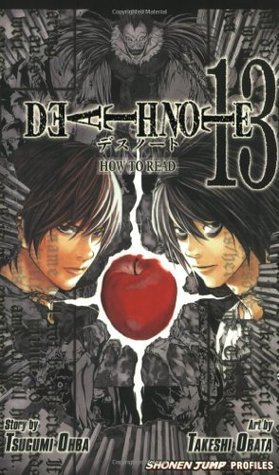
Here, in one authoritative volume: everything you need to know about Death Note, the best-selling manga series. Featuring complete character biographies, detailed storyline summaries, production notes and behind-the-scenes commentaries, Death Note 13: How to Read also includes exclusive interviews with creators Tsugumi Ohba and Takeshi Obata and a bonus manga chapter of never-before-translated material. Unless you own your very own death note, it doesn't get any better than this!
Tsugumi Ōba (大場つぐみ), born in Tokyo, Japan, is a writer best known for the manga Death Note. His/her real identity is a closely guarded secret. As stated by the profile placed at the beginning of each Death Note manga, Ōba collects teacups and develops manga plots while holding his knees on a chair, similar to a habit of L, one of the main characters of the series.
There is speculation that Tsugumi Ōba is a pen name and that he is really Hiroshi Gamō. Pointing out that in Bakuman the main character's uncle was a one-hit wonder manga artist who worked on a gag super hero manga, very similar to Gamō and Tottemo! Luckyman in all aspects. Also that the storyboards drawn by Ōba greatly resemble Tottemo! Luckyman in style.
1) Deutsche Rezension Müsste ich dieses Buch mit einem Satz beschreiben wäre es bestimmt: "Es ist ein Fanbuch."
Im Grunde läuft was man hier findet darauf hinaus. The Informationen zu den Figuren, der Entwicklungsprozess, die ganzen Fragen, der Persönlichkeitstest und sogar der Mini-Manga und Comics am Ende. Sicher, ich mag Death Note aber nun auch nicht dermaßen, dass mich das hier interessieren würde. Tatsache ist, dass ich das meiste recht langweilig fand da es mich nicht wirklich interessiert hat. Es gab auch ein paar merkwürdige Dinge. Zum Beispiel hatten sie recht gute Charakterisierungen von Light, L (trotz seiner Abstammung nennen sie in Lawliet), Near und Mello, aber sie schienen Misa's zwanghafte und mörderische Aktionen und Tendenzen herunterzuspielen und schienen unfähig zuzugeben, dass bestimmte Dinge welche Hauptpunkte waren (oder hätten sein können) fallen gelassen wurden da sie nicht zur Handlung passten. Auch das Kapitel über die Menschen war recht flau, aber das über die Todesgötter besser. Mir fiel aber etwas Interessantes in Bezug auf das Design der Götter auf. Ich kann auch keine Logik bei dem Ränkesystem der Todesgötter erkennen. Es gab viele Fragen bezüglich Details, was ich verstehen kann aber ich denke sie übertreiben es. So gut die Geschichte auch ist, für gewöhnlich gibt es Elemente welche keine tiefere Bedeutung haben, sie sind nur da um die Handlung voranzutreiben oder sind Ostereier und so, es sind keine Hinweise oder sonst was, einfach nur Zufall. Man erhält auch Informationen zu all jenen Tricks welche im Manga benutzt wurden, ein Death Note Persönlichkeitstest (sprich welcher Charakter bist du) und wie ich sagte, Ich mag die Geschichte aber nicht so sehr. Und der Kommentar des Autors ala "Menschen ändern sich nicht" ist recht passend. Bei seiner Geschichte dachte ich immer, dass seine Sicht der Menschheit sehr negativ ist und er nichts von Kriminalität versteht. Es scheint ihm nicht in den Sinn zu kommen, dass Verbrechen aus Druck und Notwendigkeit entstehen kann; er scheint einfach bei "Menschen sind schlecht und daher tun sie es" zu bleiben. Während das hier recht langweilig war, fand ich einige der Comics recht lustig, und andere schlicht blöd. Der kleine Pilot-Manga war allerdings recht gut. Nichts Besonderes und kinderfreundlicher als das eigentliche Endprodukt aber es war interessant die Ursprungsidee zu sehen. Der Held ist wesentlich jünger, hat einen anderen Namen und kapiert zuerst nicht was auf dem Buch steht da sein Englisch noch nicht so weit ist und erkennt die Wirkung des Buches aufgrund reinen Zufalls. Ryuk sieht recht gleich aus, aber mehr im Schatten und mit weniger Details. Zudem gibt es hier Berichte von früheren Benutzern des Death Note… was etwas war das ich immer eigenartig finde; keine Aufzeichnungen? So etwas wie bei Light ist noch nie vorher passiert? Zudem hat der Manga einen Todesradierer um Leute wiederzuerwecken solange sie nicht eingeäschert wurden und wenn der Manga auch nichts damit macht so frage ich mich doch was passieren würde bei Leuten die eines besonders gewaltsamen Todes gestorben sind. Das könnte grässlich sein. Es hat mich gewundert in welche Richtung diese Serie gegangen wäre, wäre man bei dieser Version geblieben.
2) English Review If I had to describe this book in one sentence I would probably say: "It is a fan book."
Basically what you find in here comes down to this single fact. The info you get on the characters, the creation process, all the questions, the personality test and even the mini manga and comic strips towards the end. I sure like Death Note but I am not that much of a fan that this book here would interest me that much. In fact for the most part I found it pretty boring because I really did not care for most of it. Also it did have some weird things in it. For instance, while they had pretty good characterizations of Light, L (despite his ancestry they gave him the name Lawliet), Near and Mello, they seem to romanticize Misa's obsessive and homicidal actions and tendencies and don't seem to be able to just admit that certain things that were major turning points (or could have been) where dropped because of plot convenience. Also the chapter on the humans was kind of bland, the one on the death gods was a bit more interesting. However I did notice an interesting thing regarding the designs of the gods. Also I see no real logic behind the Death god rating system. There were a lot of questions here regarding details, which I can kind of understand but I think it's really overdoing it. As good as the story is, there are usually elements who have no deeper meaning for the story, they are just there to drive the plot forward or some Easter eggs and the like, they are not portents or anything, it's pure coincidence. You also get information on all those tricks in it that they used in the manga, a Death Note personality test (aka which character are you) and like I said, I like the story but I don't like it that much. Also the author's comment ala "humans will never change" is pretty fitting. When seeing the story I always thought his vision on humanity is rather negative and he doesn't understand much about criminality. It never seemed to occur to him that crime also can come from pressure and need, but in his case it seems rather "humans are bad and so they do it." However while this was pretty bland and boring, I found some of the few comic strips very funny, but others plain stupid. The small pilot manga was pretty good though. Nothing special and more kid-friendly than the final product but it was interesting to see their original ideas. The character is much younger, has a different name and in fact does not grasp right away what stands on the book as his English is not yet advanced enough and finds the effect of the book out by pure coincidence. Ryuk still looks pretty similar though, just more in shadows, showing less detail. Plus here there is record of earlier cases of people using the note... that was something I found weird in the published story; no records of prior users? Nothing like what Light did ever occur before? Also, the pilot manga has a death eraser to bring people back to live as long as their corpses have not been cremated yet and while the manga does not go there it does make you wonder what would happen with people who died by severe violence like a car accident or bullets. This could be really grizzly. It did make me wonder what direction Death Note might have gone had they stayed with this version.