A short but very profound story about different aspects:
1. The relationship between father and son.
2. How we change our emotions and thoughts quickly - we can go from empathy and generosity to anger, or from love to hate in a matter of seconds.
3. The guilt we carry from the most absurd things.
4. How each individual lives in their own world, with their own visions and selfishness.
5. The guilt that each one carries, however absurd it may be.
6. The verdict we impose on ourselves and others, by a constant judgment by our own references.
7. The place of power where we place ourselves over others - through social hierarchies (such as the relationship of father and son) and the ideas we develop, for example the supposed "pity" we feel for others, we constantly put ourselves above of others.
8. The different characters we create from ourselves that we show at work, in society and at home, in our intimacy.
9. The "well of vanity" that we are.
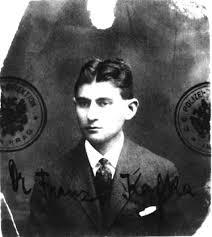
Around all of this, there are other issues constantly present in Kafka's stories: alienation, condemnation and absurd condemnation.
The narrative revolves around a character who becomes engaged and decides to tell his or her engagement to a friend who moved to another city and who is experiencing difficulties and who does not want to return to his hometown because of the shame of not having given in nothing in life.
The protagonist does not want to tell the friend of his engagement not to make him more unhappy. Georg works and lives with his father, a widowed and old man.
Most of the story takes place in a dark room, with the windows closed, in a conversation between the father and son about Georg's decision to tell his friend about his engagement and the speeches his father makes to him in the light of that event.
As in other stories, Kafka provokes to life the selfish proportions that defy and define the limits of itself: its horizon, its hopes, expectations, memories and depravations, reaching the end of itself: the absurd meaning.
_____
Uma história curta, mas muito profunda sobre diferentes aspectos:
1. A relação entre pai e filho.
2. Como mudamos de emoção e de pensamentos rapidamente - podemos ir da empatia e da generosidade à raiva, ou do amor ao ódio em questão de segundos.
3. A culpa que carregamos das coisas mais absurdas.
4. Como cada indivíduo vive em seu próprio mundo, com suas próprias visões e egoísmo.
5. A culpa que cada um carrega, por mais absurda que ela seja.
6. O veredito que impomos à nós mesmos e aos outros, por um julgamento constante por nossas próprias referências.
7. O lugar de poder onde colocamos nós mesmos sobre os demais - através de hierarquias sociais (como a relação de pai e filho) e sobre as idéias que desenvolvemos, por exemplo a suposta "pena" que sentimos pelos outros, constantemente nos colocamos acima dos demais.
8. Os diferentes personagens que criamos de nós mesmos que mostramos no trabalho, na sociedade e em casa, na nossa intimidade.
9. O "poço de vaidade" que somos.
Em torno de tudo isso, há outras questões constantemente presentes nas histórias de Kafka: a alienação, a condenação e a condenação absurda.
A narrativa gira em torno de um personagem que torna-se noivo e decide contar ou não seu noivado a um amigo que mudou-se para outra cidade e que passa por dificuldades e que não quer retornar à sua cidade de origem pela vergonha de não ter dado certo em nada na vida.
O protagonista não quer contar ao amigo de seu noivado para não deixá-lo mais infeliz. Georg trabalha e mora com o pai, um homem viúvo e já velho.
A maior parte da história se passa dentro de um quarto escuro, com as janelas fechadas, numa conversa entre o pai e o filho sobre a decisão de Georg contar do noivado ao amigo e os discursos que o pai faz para ele em função desse acontecimento.
Como em outras histórias, Kafka provoca apontando à vida as proporções egoístas que desafiam e definem os limites dela mesma: seu horizonte, suas esperanças, expectativas, memórias e depravações, chegando ao fim dela mesma: o absurdo que se significa.