

What do you think?

Piante che cambiano la mente: Oppio - Caffeina - Mescalina
Goodreads Choice Award
Nominee for Readers' Favorite Nonfiction (2021)Per tutti noi l’assunzione quotidiana di caffeina coincide nientemeno che con la «condizione normale della coscienza». Eppure, quell’alcaloide naturale è a tutti gli effetti una droga, come rivela l’«esperimento di privazione» cui Michael Pollan si è sottoposto, trovandosi afflitto via via da mal di testa, letargia e «intensa angoscia». Per cercare di rispondere alla domanda cruciale da cui è partito – che cosa sia esattamente una droga –, Pollan intreccia reportage, «memoir» e saggio scientifico, spaziando attraverso varie discipline e concentrandosi soprattutto su tre molecole psicoattive: oltre alla caffeina, l’oppio, il cui effetto – secondo il poeta vittoriano Robert Bulwer-Lytton – è assimilabile al «sentirsi accarezzare l’anima dalla seta», e la mescalina, la più «sacra», che permise ad Aldous Huxley di vedere il mondo nella sua autentica «bellezza, minuzia, profondità e “quiddità”». Da questo affascinante percorso emerge ogni aspetto di queste sostanze, e in particolare la loro «natura bifronte»: il loro essere cioè «veleni» e «attrattori» al tempo stesso, in grado da un lato di dissuadere gli animali dal mangiare le piante che le producono, dall’altro di spingerli a utilizzarle accrescendo così la loro espansione ecologica: la caffeina contenuta nel nettare di certe piante, per esempio, rende le api impollinatrici «più affidabili, efficienti e industriose». Un’ambiguità che contraddistingue anche il millenario rapporto con le «droghe» degli esseri umani – e spiega come mai, sul piano evolutivo e culturale, «quella che era iniziata come una guerra» nei loro confronti si sia «trasformata in un matrimonio».
299 pages, Kindle Edition
First published July 6, 2021
About the author
Michael Pollan
83 books15.9k followersMichael Pollan is an American author, journalist, activist, and professor of journalism at the University of California, Berkeley, where he is also the director of the Knight Program in Science and Environmental Journalism.
Excerpted from Wikipedia.
Excerpted from Wikipedia.
Ratings & Reviews
Friends & Following
Create a free account to discover what your friends think of this book!
Community Reviews
Displaying 1 - 30 of 3,540 reviews

August 20, 2021
I love memoirs (except when I hate them) and I love science books. However, I do not love memoirs disguised as science. This seems to be a thing lately, with books like Underland: A Deep Time Journey and The Book of Eels: Our Enduring Fascination with the Most Mysterious Creature in the Natural World.
This Is Your Mind on Plants is too. Some people love this type of book. Me? I'm left feeling disappointed when I'm expecting a book full of cool facts and end up reading about someone's life. If I feel like a memoir, I'll read a memoir.
(I will make an exception for The Disordered Cosmos: A Journey into Dark Matter, Spacetime, and Dreams Deferred which was absolutely brilliant.)
Thanks for letting me get that out. I'll stop bitching now.
In This Is Your Mind on Plants, Michael Pollan discusses three mind-altering chemicals derived from plants: opium, caffeine, and mescaline.
Only one of these do I consume - coffee - and it's the only one I want. And do I ever want it! The idea of waking up in the morning and not brewing my favourite beverage is horrifying.
I had hoped to learn more about opiates and mescaline (a psychedelic) and I did learn some. I appreciate the things I learned about them and about coffee and tea... but there weren't enough facts to make this a truly enjoyable read.
The book is separated into three sections, one for each of the plants. The section on opiates has a little bit of history and a little bit of science, and a whole lot about the author's experiments with growing poppies. He talked about it and then included material he wrote about it back in the '90s. I didn't need to read all that once, let alone twice.

The section on coffee was the most interesting, but again, the author included too much of his own "stuff". He gave up caffeine for three months while writing this book and so we get to read all about it.

The last section on mescaline talks a lot (too much) about the history of its use among Native Americans. And again, we get to hear about the author's personal experiences with it.

It's not a bad book I guess, but it's not one I enjoyed very much. Even writing about it I'm bored..... time to go make another cup of coffee.
This Is Your Mind on Plants is too. Some people love this type of book. Me? I'm left feeling disappointed when I'm expecting a book full of cool facts and end up reading about someone's life. If I feel like a memoir, I'll read a memoir.
(I will make an exception for The Disordered Cosmos: A Journey into Dark Matter, Spacetime, and Dreams Deferred which was absolutely brilliant.)
Thanks for letting me get that out. I'll stop bitching now.
In This Is Your Mind on Plants, Michael Pollan discusses three mind-altering chemicals derived from plants: opium, caffeine, and mescaline.
Only one of these do I consume - coffee - and it's the only one I want. And do I ever want it! The idea of waking up in the morning and not brewing my favourite beverage is horrifying.
I had hoped to learn more about opiates and mescaline (a psychedelic) and I did learn some. I appreciate the things I learned about them and about coffee and tea... but there weren't enough facts to make this a truly enjoyable read.
The book is separated into three sections, one for each of the plants. The section on opiates has a little bit of history and a little bit of science, and a whole lot about the author's experiments with growing poppies. He talked about it and then included material he wrote about it back in the '90s. I didn't need to read all that once, let alone twice.
The section on coffee was the most interesting, but again, the author included too much of his own "stuff". He gave up caffeine for three months while writing this book and so we get to read all about it.
The last section on mescaline talks a lot (too much) about the history of its use among Native Americans. And again, we get to hear about the author's personal experiences with it.
It's not a bad book I guess, but it's not one I enjoyed very much. Even writing about it I'm bored..... time to go make another cup of coffee.

June 27, 2021
**Listened to the audio book**
What the hell was this book? This book really wasn't what I was expecting.
I expected this book to be filled with more facts and science, but it felt almost like a memoir at times. It felt very self indulgent on the author Michael Pollan's life. I didn't really read the book to hear his life story. I wanted to know more about the psychedelic properties and science of some of these plants - there wasn't enough of that.
As a reader/listener in the UK I did feel that a lot of the book was very USA specific and not always totally relevant to me in the UK.
I didn't enjoy this read, and it certainly wasn't the book I was expecting.
What the hell was this book? This book really wasn't what I was expecting.
I expected this book to be filled with more facts and science, but it felt almost like a memoir at times. It felt very self indulgent on the author Michael Pollan's life. I didn't really read the book to hear his life story. I wanted to know more about the psychedelic properties and science of some of these plants - there wasn't enough of that.
As a reader/listener in the UK I did feel that a lot of the book was very USA specific and not always totally relevant to me in the UK.
I didn't enjoy this read, and it certainly wasn't the book I was expecting.

March 28, 2021
As a devout Michael Pollan fan, I couldn’t wait to get my hands on this book. It was spectacular and thought provoking in every way I hoped. It was also very timely, Pollan writes about the COVID-19 pandemic and how plants can help escape feeling trapped in our stay-at-home lives. I’m not sure how interesting that part will remain after some time has passed but maybe I’m just too close to it right now to tell (the pandemic currently rages on).
For those who have already listened to Michael Pollan’s audiobook “Caffeine” on Audible, there is a lot of overlap in that section of this book. I found myself thinking “haven’t I read this before?” several times. Apparently the audiobook was an earlier and shorter version. I felt a little disappointed to learn that one-third of the book felt like recycled content but the other two-thirds TOTALLY made up for it with eye-opening history, interesting experiences, and (my favorite) connections to gardening. My only critique is that the three sections seemed a little disjointed. Caffeine seemed to be written for a different purpose than the other two sections and I wish the connection between the three was clearer/stronger. Even so, I still loved this book.
For those who have already listened to Michael Pollan’s audiobook “Caffeine” on Audible, there is a lot of overlap in that section of this book. I found myself thinking “haven’t I read this before?” several times. Apparently the audiobook was an earlier and shorter version. I felt a little disappointed to learn that one-third of the book felt like recycled content but the other two-thirds TOTALLY made up for it with eye-opening history, interesting experiences, and (my favorite) connections to gardening. My only critique is that the three sections seemed a little disjointed. Caffeine seemed to be written for a different purpose than the other two sections and I wish the connection between the three was clearer/stronger. Even so, I still loved this book.

October 10, 2021
This is Your Mind on Plants
by Michael Pollan
He describes things in here I would have never thought of before! Which, if any Poppy plants can you grow in your garden legally? When is it wrong?
The history of the three groups of plants he covers is also very interesting. Things I didn't know. Little trivial things...I love things like that!
This was very easy to read and understand. Flowed well. Stayed interesting!
by Michael Pollan
He describes things in here I would have never thought of before! Which, if any Poppy plants can you grow in your garden legally? When is it wrong?
The history of the three groups of plants he covers is also very interesting. Things I didn't know. Little trivial things...I love things like that!
This was very easy to read and understand. Flowed well. Stayed interesting!

July 30, 2021
Fancy meeting cacti, growing poppies (or drinking a horrible, 'oddly saisfying' tea of them), learning about 'opium, made easy', pondering the doors in the wall to the great beyond (enabled with some nifty-grifty shrooms)? Can't do w/o caffeinating yourself during that long overdue coffee break? Then this could be a fun read.
#Lookinggreat
#Lookinggreat

September 5, 2021
I've enjoyed Michael Pollan's work in the past and this one sounded intriguing, inspiring me to add it to this year's reading list. It seemed to be a good follow-up to reading Aldous Huxley's The Doors of Perception earlier this summer (and Pollan does talk about Huxley in the final section of the book).
Unfortunately, I found the first third of the book, on opium, to be tough sledding. It is the oldest piece of the book and ends up being far more about the author's worries about potential law enforcement actions than about opium. He does restore the section of his manuscript that dealt with the preparation and experience of making an opium tea. I'm afraid that my minimal experience with archives focused me on the storage method used for that information: he had to find someone who maintains antique technology and then utilize special software, summoning these pages from the past like a sorcerer summoning a being from an alternate dimension! As Pollan concludes, for preservation paper works best.
I had much more interest in the caffeine section, as I am one of the many people devoted to this substance. The links between caffeine consumption and the development of our current worldview were fascinating. In conjunction with the progress of agriculture in Animal, Vegetable, Junk: A History of Food, from Sustainable to Suicidal, these books give a very different way to interpret our history and an elucidating outlook.
The mescaline portion finished up the book. I had no idea that the peyote cactus was gravely endangered! And I have to agree with the indigenous people that Pollan interviewed—as much Caucasian people want to participate in this experience, it is only fitting that they butt out and leave the sacred plant to those who know how to use it and frankly have much greater need of it. There are other plants and substances for use by the non-indigenous folk.
So, not quite as interesting to me as I hoped, but certainly not a waste of time. Next year I hope to have time to peruse his How to Change Your Mind: What the New Science of Psychedelics Teaches Us About Consciousness, Dying, Addiction, Depression, and Transcendence, a book of a similar vein concerning psychedelics.
Unfortunately, I found the first third of the book, on opium, to be tough sledding. It is the oldest piece of the book and ends up being far more about the author's worries about potential law enforcement actions than about opium. He does restore the section of his manuscript that dealt with the preparation and experience of making an opium tea. I'm afraid that my minimal experience with archives focused me on the storage method used for that information: he had to find someone who maintains antique technology and then utilize special software, summoning these pages from the past like a sorcerer summoning a being from an alternate dimension! As Pollan concludes, for preservation paper works best.
I had much more interest in the caffeine section, as I am one of the many people devoted to this substance. The links between caffeine consumption and the development of our current worldview were fascinating. In conjunction with the progress of agriculture in Animal, Vegetable, Junk: A History of Food, from Sustainable to Suicidal, these books give a very different way to interpret our history and an elucidating outlook.
The mescaline portion finished up the book. I had no idea that the peyote cactus was gravely endangered! And I have to agree with the indigenous people that Pollan interviewed—as much Caucasian people want to participate in this experience, it is only fitting that they butt out and leave the sacred plant to those who know how to use it and frankly have much greater need of it. There are other plants and substances for use by the non-indigenous folk.
So, not quite as interesting to me as I hoped, but certainly not a waste of time. Next year I hope to have time to peruse his How to Change Your Mind: What the New Science of Psychedelics Teaches Us About Consciousness, Dying, Addiction, Depression, and Transcendence, a book of a similar vein concerning psychedelics.

July 6, 2021
This is Your Mind on Plants is a fascinating, open-minded and thought-provoking exploration of three different psychoactive drugs: opium, caffeine and mescaline. What's is interesting about these three drugs being discussed is that Pollan has chosen one substance that is illegal (without prescription), one substance that is socially accepted, even normalised for everyday use and perfectly legal and one that is interestingly a mix of the two; Pollan explains how mescaline is legal for use in Native American tribes but only as part of their long-held customs and traditions.
Interestingly, as he points out, it is the individuals who are ingesting it that alters whether mescaline is licit or illicit rather than the drug itself. He begins by exploring opium, its history and both the taboos and praise it has garnered. The narrative is a mix of science, reportage and personal anecdotes, and although I wasn't entirely sure about this concoction initially, it worked exceptionally well to illustrate his points. In terms of opium, he starts at the logical place—the hugely overblown and politically-motivated War on Drugs and intermingling experiences he himself has had over the years including with something as simple as wanting to cultivate poppies.
He addresses the social, political, cultural and economic-based circumstances that surround these substances as well as their history and the perceived benefits and drawbacks of their usage but also examines how they often have an impact both on an individual and societal level. Pollan has penned another interesting, informative and fearlessly honest book and an accessible and absorbing set of three case studies for three very different drugs. It's always a pleasure to see an expert who is wise to society’s demonisation of certain substances and the moral panic politicians can often stir up around them for their own ends. Highly recommended.
Interestingly, as he points out, it is the individuals who are ingesting it that alters whether mescaline is licit or illicit rather than the drug itself. He begins by exploring opium, its history and both the taboos and praise it has garnered. The narrative is a mix of science, reportage and personal anecdotes, and although I wasn't entirely sure about this concoction initially, it worked exceptionally well to illustrate his points. In terms of opium, he starts at the logical place—the hugely overblown and politically-motivated War on Drugs and intermingling experiences he himself has had over the years including with something as simple as wanting to cultivate poppies.
He addresses the social, political, cultural and economic-based circumstances that surround these substances as well as their history and the perceived benefits and drawbacks of their usage but also examines how they often have an impact both on an individual and societal level. Pollan has penned another interesting, informative and fearlessly honest book and an accessible and absorbing set of three case studies for three very different drugs. It's always a pleasure to see an expert who is wise to society’s demonisation of certain substances and the moral panic politicians can often stir up around them for their own ends. Highly recommended.

April 17, 2022
4 🌵🌵🌵🌵
Pollan's books are always so interesting, full of information and a pleasure listening to as he narrates.
Upon finishing all I can say is poppy tea anyone?
Me! Me! Me!
Pollan's books are always so interesting, full of information and a pleasure listening to as he narrates.
Upon finishing all I can say is poppy tea anyone?
Me! Me! Me!

July 19, 2021
There is a powerfully American cultural flavour to this book that even comes through in the title. I'll be honest, that title baffled me initially. The first thing it made me think of was the TV show 'This is Your Life', then I wondered if it was about having ideas while lying on a straw mattress. In reality it's a complete misnomer - it's entirely about Michael Pollan's life on plants (and the psychoactive chemicals derived from them) - it's a very me-oriented book.
I was sold this as a science book, but it really isn't. Pollan describes his interactions with three plant-derived chemical substances: opium, caffeine and mescaline - but there's hardly anything about the science of what's involved, just a brief, dictionary-like reference to how these chemicals act. It's all about Pollan, what he experiences, how he feels. That Americanness also comes across in his casual acceptance that someone he deals with keeps an assault rifle by his desk, and in his put-downs of the English, repeating the dubious analysis that tea drinking was a mechanism for evil English mill owners to get more work out of the masses.
The three chemicals are dealt with in independent sections. The first, on morphine, is an extended version of an old magazine article. It's quite effective in describing the byzantine contortions the US legal system got into over drugs, where it was effectively legal to grow opium poppies in your garden as long as you didn't know they were opium poppies, and the poppy seeds were legal to sell (after all they're used in catering) but not to be used to 'manufacture' poppies. (I wasn't clear from the book how and if things have changed now.) However, I found Pollan's attitude to drugs here worrying. Again with this self-oriented view, it was very much a case of 'what's wrong with me taking opium if I want to - why should doctors be allowed to prescribe morphine but I can't use it?' This is particularly ironic as later on he berates the English for selling opium to China in the nineteenth century. Don't get me wrong, the Opium War was a bad thing, but it feels like Pollan's attitude is 'it's okay for me but not for those foreigners.'
The centre section, by far the best, is a rehash of an earlier ebook on caffeine. Apart from anything, it's most interesting because it's closest to normal people's experience. He takes us through the history of coffee and tea well (despite the strange social control allegations), then tries life for a few months without caffeine and tries to work out whether the pros of consuming caffeine are worth the cons. Genuinely interesting.
The final section is the most detached from everyday experience (we might not make our own opium tea like Pollan, but many of us will have grown poppies or have been prescribed morphine or codeine as a painkiller). Mescaline, derived from a couple of types of American cactus is a psychedelic chemical that is probably only familiar to most people from dramas or documentaries where someone experiences a religious ceremony involving it. Here another aspect of American culture comes out - the self-flagellation over past wrongs as Pollan worries about cultural appropriation or referring to something as a chemical, which it without doubt what it is, because it might offend someone who considers it spiritual - it's wokeness with a dollop of hippy leftovers thrown in.
Just one more example of that US viewpoint. Pollan describes visiting a Columbian coffee farm. He mentions seeing the volcano Cerro Tusa and tells us 'You've seen it a thousand times on packages of beans and in all those commercials for Columbian coffee - the classic ones featuring Juan Valdez.' He then goes on to tells us how this fictional character was devised by an advertising agency in 1958. But guess what. If you aren't American, 'you' haven't seen all this - it means nothing to you. It's the same kind of viewpoint than leads the US to call a sports competition for a game essentially only played in America a 'World Series'.
There is no doubt that Pollan can write (even though he becomes distinctly repetitive in the first section - perhaps a side-effect of the opium consumption), and when describing his fears of being raided for growing poppies or his relationship with caffeine he is genuinely engaging. But this is a book that irritates more than it inspires.
I was sold this as a science book, but it really isn't. Pollan describes his interactions with three plant-derived chemical substances: opium, caffeine and mescaline - but there's hardly anything about the science of what's involved, just a brief, dictionary-like reference to how these chemicals act. It's all about Pollan, what he experiences, how he feels. That Americanness also comes across in his casual acceptance that someone he deals with keeps an assault rifle by his desk, and in his put-downs of the English, repeating the dubious analysis that tea drinking was a mechanism for evil English mill owners to get more work out of the masses.
The three chemicals are dealt with in independent sections. The first, on morphine, is an extended version of an old magazine article. It's quite effective in describing the byzantine contortions the US legal system got into over drugs, where it was effectively legal to grow opium poppies in your garden as long as you didn't know they were opium poppies, and the poppy seeds were legal to sell (after all they're used in catering) but not to be used to 'manufacture' poppies. (I wasn't clear from the book how and if things have changed now.) However, I found Pollan's attitude to drugs here worrying. Again with this self-oriented view, it was very much a case of 'what's wrong with me taking opium if I want to - why should doctors be allowed to prescribe morphine but I can't use it?' This is particularly ironic as later on he berates the English for selling opium to China in the nineteenth century. Don't get me wrong, the Opium War was a bad thing, but it feels like Pollan's attitude is 'it's okay for me but not for those foreigners.'
The centre section, by far the best, is a rehash of an earlier ebook on caffeine. Apart from anything, it's most interesting because it's closest to normal people's experience. He takes us through the history of coffee and tea well (despite the strange social control allegations), then tries life for a few months without caffeine and tries to work out whether the pros of consuming caffeine are worth the cons. Genuinely interesting.
The final section is the most detached from everyday experience (we might not make our own opium tea like Pollan, but many of us will have grown poppies or have been prescribed morphine or codeine as a painkiller). Mescaline, derived from a couple of types of American cactus is a psychedelic chemical that is probably only familiar to most people from dramas or documentaries where someone experiences a religious ceremony involving it. Here another aspect of American culture comes out - the self-flagellation over past wrongs as Pollan worries about cultural appropriation or referring to something as a chemical, which it without doubt what it is, because it might offend someone who considers it spiritual - it's wokeness with a dollop of hippy leftovers thrown in.
Just one more example of that US viewpoint. Pollan describes visiting a Columbian coffee farm. He mentions seeing the volcano Cerro Tusa and tells us 'You've seen it a thousand times on packages of beans and in all those commercials for Columbian coffee - the classic ones featuring Juan Valdez.' He then goes on to tells us how this fictional character was devised by an advertising agency in 1958. But guess what. If you aren't American, 'you' haven't seen all this - it means nothing to you. It's the same kind of viewpoint than leads the US to call a sports competition for a game essentially only played in America a 'World Series'.
There is no doubt that Pollan can write (even though he becomes distinctly repetitive in the first section - perhaps a side-effect of the opium consumption), and when describing his fears of being raided for growing poppies or his relationship with caffeine he is genuinely engaging. But this is a book that irritates more than it inspires.

May 13, 2026
I just adore Michael Pollan. He’s officially one of my favorite authors.
This Is Your Mind on Plants is his latest release, and in it, he dives into the topic of mind-altering substances derived from plants. First comes opium, and the section dedicated to it is unique because the majority of it was written and researched in the late 90s as the war on drugs was raging in the United States. Pollan became fascinated by the convoluted legislation surrounding the growing of poppies - the source of opium, but also just beautiful flowers treasured by home gardeners like himself - and the wildly irregular enforcement of those laws.
Could he grow poppies in his backyard while quietly intending to make opium-containing poppy tea? What if he had enough to recreate the poppy field scene from The Wizard of Oz? Would an ill-timed email inquiry to someone arrested for possession with intent to distribute alert the FDA to what he was doing?
As such, that section contains his original article, which was published with redactions (per the recommendations of lawyers), but here he finally shares the whole thing, the statute of limitations having long since passed. He also reflects on the story surrounding the story — how he felt at the time, and how dramatically the cultural landscape has shifted since. It’s tragically comical to look back at the government concerning itself with literal garden-variety poppies when we now know the devastation the Sackler family’s legally prescribed OxyContin would go on to cause.
These opening chapters drive what I found to be the book’s central point: the line between “naturally occurring substance that can help us” and “drug with the ability to poison you” is a very fine one indeed.
The following section explores the most widely consumed drug of them all, one many of us would be reluctant to identify as such: caffeine. Pollan is advised that if he truly wants to examine his relationship with it, he should probably quit for a while. Unsurprisingly, his energy lags, he's unfocused, and admits he temporarily lost the will to finish writing the section. I don’t blame him - I’m drinking my morning jolt as I write this.
Finally, we move to the most complex substance discussed in the book: mescaline, the psychoactive compound contained in peyote, a cactus that has long held profound religious significance for Native American tribes. Because of this, peyote is legal for ceremonial use by members of those tribes, but not for the broader American public.
As such, the issue becomes a genuinely complicated one, and Pollan treats it with the nuance it deserves. If something is legal for some people, should it not be legal for everyone? On the other hand, if recreational demand for peyote dramatically increases, it could threaten the already-limited supply of a plant whose cultivation goes against the religious beliefs of the very communities most connected to it.
The book as a whole, like all of Pollan’s work, functions as a fascinating thought experiment.
This Is Your Mind on Plants is his latest release, and in it, he dives into the topic of mind-altering substances derived from plants. First comes opium, and the section dedicated to it is unique because the majority of it was written and researched in the late 90s as the war on drugs was raging in the United States. Pollan became fascinated by the convoluted legislation surrounding the growing of poppies - the source of opium, but also just beautiful flowers treasured by home gardeners like himself - and the wildly irregular enforcement of those laws.
Could he grow poppies in his backyard while quietly intending to make opium-containing poppy tea? What if he had enough to recreate the poppy field scene from The Wizard of Oz? Would an ill-timed email inquiry to someone arrested for possession with intent to distribute alert the FDA to what he was doing?
As such, that section contains his original article, which was published with redactions (per the recommendations of lawyers), but here he finally shares the whole thing, the statute of limitations having long since passed. He also reflects on the story surrounding the story — how he felt at the time, and how dramatically the cultural landscape has shifted since. It’s tragically comical to look back at the government concerning itself with literal garden-variety poppies when we now know the devastation the Sackler family’s legally prescribed OxyContin would go on to cause.
These opening chapters drive what I found to be the book’s central point: the line between “naturally occurring substance that can help us” and “drug with the ability to poison you” is a very fine one indeed.
The following section explores the most widely consumed drug of them all, one many of us would be reluctant to identify as such: caffeine. Pollan is advised that if he truly wants to examine his relationship with it, he should probably quit for a while. Unsurprisingly, his energy lags, he's unfocused, and admits he temporarily lost the will to finish writing the section. I don’t blame him - I’m drinking my morning jolt as I write this.
Finally, we move to the most complex substance discussed in the book: mescaline, the psychoactive compound contained in peyote, a cactus that has long held profound religious significance for Native American tribes. Because of this, peyote is legal for ceremonial use by members of those tribes, but not for the broader American public.
As such, the issue becomes a genuinely complicated one, and Pollan treats it with the nuance it deserves. If something is legal for some people, should it not be legal for everyone? On the other hand, if recreational demand for peyote dramatically increases, it could threaten the already-limited supply of a plant whose cultivation goes against the religious beliefs of the very communities most connected to it.
The book as a whole, like all of Pollan’s work, functions as a fascinating thought experiment.

December 15, 2021
First of all the cover is beautiful. It looks like someone I would have as art on my wall. Second, anything about mind altering plants or plant medicine automatically has my attention. Pollan is an amazing storyteller. I imagine conversation with him must be beyond captivating. I especially liked the part about mescaline because...mescaline is freaking interesting af. Highly sensitive to those who are called to plant medicines.

August 4, 2021
Not at all what I was expecting, this book consists of essays on each of three plants: a sedative (opium), a stimulant (caffeine), and a hallucinogen (mescaline). For each, the author becomes the subject of his own experiments with these psychoactive plants. His memoir is supplemented by politics, history, and a small amount of science.
The first essay is about the author’s experience growing opium poppies (papaver somniferum). He is a gardener who is interested in the impact of plants on the mind. He imbibes opium tea and advises the reader of the onset, peak, and dissipation of effects. There is a lot of political and legal discussion revolving around freedom of speech and America’s “war on drugs.”
The section on caffeine focuses on the history of coffee and tea consumption worldwide. The author goes “cold turkey” to get off all caffeine products and records how he feels. He observes that caffeine is a socially accepted addiction. He restates a number of stereotypes regarding coffee and tea drinkers, which seem out of place in a purportedly science-based book.
The last essay entails an account of the author’s participation in a ceremony, derived from Indian rituals, involving mescaline. This portion takes place during the COVID-19 pandemic. It is mildly interesting, but the author does not put himself “out there” – he mostly focuses on his wife’s experience. This section also does not quite work in conveying the Native American perspective.
Based on the title I had assumed I would find a book about plants that help increase mental acuity. That’s what I get for picking out a book solely on the title. I almost turned it back into the library but decided it was interesting enough to finish. I am still unsure of the purpose of this book.
The first essay is about the author’s experience growing opium poppies (papaver somniferum). He is a gardener who is interested in the impact of plants on the mind. He imbibes opium tea and advises the reader of the onset, peak, and dissipation of effects. There is a lot of political and legal discussion revolving around freedom of speech and America’s “war on drugs.”
The section on caffeine focuses on the history of coffee and tea consumption worldwide. The author goes “cold turkey” to get off all caffeine products and records how he feels. He observes that caffeine is a socially accepted addiction. He restates a number of stereotypes regarding coffee and tea drinkers, which seem out of place in a purportedly science-based book.
The last essay entails an account of the author’s participation in a ceremony, derived from Indian rituals, involving mescaline. This portion takes place during the COVID-19 pandemic. It is mildly interesting, but the author does not put himself “out there” – he mostly focuses on his wife’s experience. This section also does not quite work in conveying the Native American perspective.
Based on the title I had assumed I would find a book about plants that help increase mental acuity. That’s what I get for picking out a book solely on the title. I almost turned it back into the library but decided it was interesting enough to finish. I am still unsure of the purpose of this book.

August 19, 2021
This was more of a memoir of Michael Pollen than a scientific treatise on 3 plants as opposed to a wide variety or of plants in general. This is what I get for not paying more attention to the flyleaf. However, it was fascinating and did provide a lot of interesting and factual material on the following 3 plants and their "drug" related uses: poppies for opium, coffee and tea beans for caffeine, and peyote cacti for hallucinatory experiences.
With the exception of caffeine, I have never delved into the other areas and while fascinating, I don't plan on trying to grow these items myself. However, if you do want to, the author has provided the dos, don'ts, and legal ramifications of doing so.
I would have liked to see more plants and the effects on your well-being, etc., while growing, gardening, nurturing and just enjoying plants themselves. I love being around plants and always feel calmer when I am surrounded by greenery.
With the exception of caffeine, I have never delved into the other areas and while fascinating, I don't plan on trying to grow these items myself. However, if you do want to, the author has provided the dos, don'ts, and legal ramifications of doing so.
I would have liked to see more plants and the effects on your well-being, etc., while growing, gardening, nurturing and just enjoying plants themselves. I love being around plants and always feel calmer when I am surrounded by greenery.

October 14, 2021
Three sections: one on opium, one on caffeine, and mescaline. An earlier edition of the caffeine section was sold as a stand-alone audiobook mini a couple years ago. It was expanded with a bit more on tea. The section on opium came from an older April 0f 1997 Harper's article titled "Opium, Made Easy". It included some bits that Pollan had excluded from his original piece. Finally, there was also the piece on peyote (unless you are native, don't pick it or appropriate its ceremonies) and mescaline. Mostly this piece discusses Michael's many failed attempts and one final "success" in participating in a mescaline ceremony (using the San Pedro cactus and not the more problematic peyote cactus. This chapter was the least satisfying. It seemed at the same time to be both forced and lack focus. It was as much about covid as it was about psychedelic protoalkaloids. It felt like, coming off the success of Pollan's book on the science of psychedelics (How to Change Your Mind) he and his editors thought putting together a Botany of Desire: Tripping edition would be both timely and a good follow-up to his last effort. It just felt a bit Frankensteinesque. So, as a Pollan completest, it was for me, one of his most disappointing books.

December 15, 2022
If ever I was inclined to start a flower garden, I would definitely ask Michael Pollan for advice. Especially if my garden was full of plants that could be used in the manufacturing of illicit pharmaceuticals.
In “This Is Your Mind On Plants”, Pollan looks at three different plant drugs—-opium, caffeine, and mescaline—-and their storied past, controversial present, and uncertain future.
Each of these plant drugs has a fascinating backstory, and Pollan does a great job of telling them, oftentimes in a humorous way, but underneath the light-heartedness is a more often than not disturbing examination of how ridiculous (and even harmful) federal regulations and governmental intrusion have made bad situations worse. In some cases, they’ve made situations in which nothing was wrong to begin with into catastrophic nightmares.
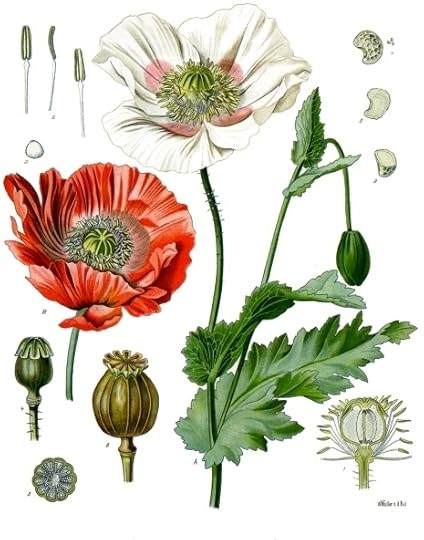
Papaver Somniferum, the breed of poppy plant from which opium is derived
He also uncovers some pretty awful truths about our government and its relationships with these plant drugs. For example, under President Richard Nixon (who initiated the so-called “war on drugs” that our country has been losing for the past four decades), law enforcement agencies such as the DEA created a successful propaganda campaign to associate marijuana with the hippy movement and heroin with the Black Panther Party. Nixon notoriously detested both groups, and the association with those particular groups helped to vilify, in the general public’s minds, the groups as well as the drugs.
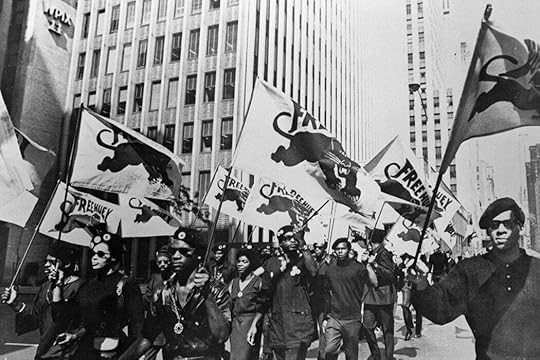
The Nixon-era propaganda campaign to associate the Black Panther movement with heroin use was somewhat ironic, as members of the party had a strict "no drug use" policy.
The War on Drugs is basically just another form of Prohibition. Unfortunately, it has had some unintended victims, such as harmless flower enthusiasts who purchase and plant poppies (the plant source of opium) in their gardens, not knowing that it is a federal crime. Innocent gardeners have faced ridiculous fines and even jail time for growing plants that the government has deemed criminal.
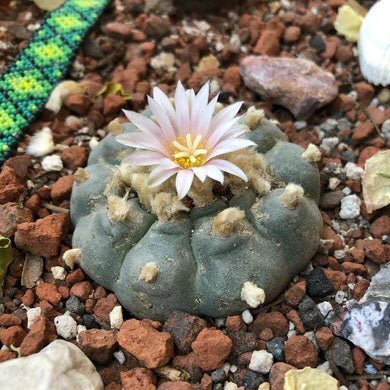
Peyote
The story of peyote (source of the drug mescaline) is even more tragic, especially for many Native Americans. It has become a sullied tale of cultural appropriation, an egregious violation of First Amendment rights perpetrated by the U.S. Supreme Court, and a simple case of supply not keeping up with demand. What our government is doing to Native Americans and their relationship (an 800-plus-year-old one) with peyote is nothing short of a human rights abuse.
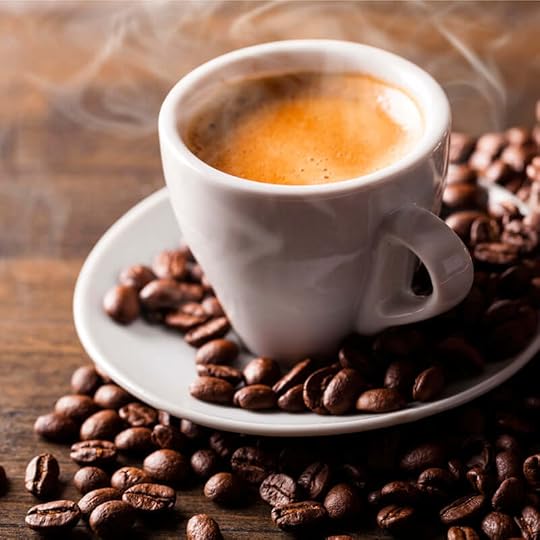
Nature's largest source of caffeine: the coffee bean
Pollan reiterates the word “relationship” throughout—-a gardener’s relationship with flowers, coffee-drinkers relationship with caffeine, Native Americans’ relationship with peyote—-and it’s appropriate. If we subscribe to the view that we live on a planet where humans exist in balance with the flora and fauna all around us, where humans have a special relationship with plants and animals, then the arbitrarily labelling of certain plants as “criminal” or “illicit” is beyond absurd. It’s potentially dangerous and threatens to upend the ecological balancing act that makes this planet unique.
In “This Is Your Mind On Plants”, Pollan looks at three different plant drugs—-opium, caffeine, and mescaline—-and their storied past, controversial present, and uncertain future.
Each of these plant drugs has a fascinating backstory, and Pollan does a great job of telling them, oftentimes in a humorous way, but underneath the light-heartedness is a more often than not disturbing examination of how ridiculous (and even harmful) federal regulations and governmental intrusion have made bad situations worse. In some cases, they’ve made situations in which nothing was wrong to begin with into catastrophic nightmares.
Papaver Somniferum, the breed of poppy plant from which opium is derived
He also uncovers some pretty awful truths about our government and its relationships with these plant drugs. For example, under President Richard Nixon (who initiated the so-called “war on drugs” that our country has been losing for the past four decades), law enforcement agencies such as the DEA created a successful propaganda campaign to associate marijuana with the hippy movement and heroin with the Black Panther Party. Nixon notoriously detested both groups, and the association with those particular groups helped to vilify, in the general public’s minds, the groups as well as the drugs.
The Nixon-era propaganda campaign to associate the Black Panther movement with heroin use was somewhat ironic, as members of the party had a strict "no drug use" policy.
The War on Drugs is basically just another form of Prohibition. Unfortunately, it has had some unintended victims, such as harmless flower enthusiasts who purchase and plant poppies (the plant source of opium) in their gardens, not knowing that it is a federal crime. Innocent gardeners have faced ridiculous fines and even jail time for growing plants that the government has deemed criminal.
Peyote
The story of peyote (source of the drug mescaline) is even more tragic, especially for many Native Americans. It has become a sullied tale of cultural appropriation, an egregious violation of First Amendment rights perpetrated by the U.S. Supreme Court, and a simple case of supply not keeping up with demand. What our government is doing to Native Americans and their relationship (an 800-plus-year-old one) with peyote is nothing short of a human rights abuse.
Nature's largest source of caffeine: the coffee bean
Pollan reiterates the word “relationship” throughout—-a gardener’s relationship with flowers, coffee-drinkers relationship with caffeine, Native Americans’ relationship with peyote—-and it’s appropriate. If we subscribe to the view that we live on a planet where humans exist in balance with the flora and fauna all around us, where humans have a special relationship with plants and animals, then the arbitrarily labelling of certain plants as “criminal” or “illicit” is beyond absurd. It’s potentially dangerous and threatens to upend the ecological balancing act that makes this planet unique.

July 31, 2021
3.5*
4 stars for Pollan's usual affable & curious storytelling.
3 stars for this being a cobbled together book with 2/3 recycled material.
To me, the most interesting parts of this book are the discussions with indigenous people about mescaline, particularly the parts shared cautiously & skeptically with Pollan. Which leads me (white lady) to do better and to seek out more information from non-white-dude sources. And while he skims the surface of pointing out the absolute racist and classist absurdities of America's 'war on drugs', he does so in such a brief manner, eventually bringing it back around to himself and his fear that he would be in legal trouble for growing poppies in his garden (you & I both know that the likelihood of that happening were slim to none). It feels like he missed a real opportunity (given his clout and reach) to change minds regarding drug policy in America.
4 stars for Pollan's usual affable & curious storytelling.
3 stars for this being a cobbled together book with 2/3 recycled material.
To me, the most interesting parts of this book are the discussions with indigenous people about mescaline, particularly the parts shared cautiously & skeptically with Pollan. Which leads me (white lady) to do better and to seek out more information from non-white-dude sources. And while he skims the surface of pointing out the absolute racist and classist absurdities of America's 'war on drugs', he does so in such a brief manner, eventually bringing it back around to himself and his fear that he would be in legal trouble for growing poppies in his garden (you & I both know that the likelihood of that happening were slim to none). It feels like he missed a real opportunity (given his clout and reach) to change minds regarding drug policy in America.

November 21, 2021
The coffee parts I had already dead as a mini-audio book, but the other parts are all new and the only thing to say is that Pollan is always interesting and readable and entertaining. May he continue to explore drugs and plants and whatever he wants to explore

August 12, 2021
3.75 stars
This book covers three mind-altering substances and the plants they come from: opium from poppies, caffeine from coffee and tea, and mescaline from peyote and San Pedro cacti. It includes a lot of interesting historical, botanical, and cultural information, as well as the author's experiences using the substances. He also tried to grow some of the plants, sometimes illegally, with mixed results.
My favorite section was the one on caffeine, probably because it's the only one of the three substances I have experience with and enjoy regularly. I have zero desire to ever use opium or mescaline.
I especially enjoyed the scientific and historical information about caffeine. Did you know that insects, especially bees, are fond of caffeine, just like humans?
"Scientists recently discovered a handful of [plant] species that produce caffeine in their nectar...These plants have discovered that they can attract pollinators by offering them a small shot of caffeine; even better, that caffeine has been shown to sharpen the memories of bees, making them more faithful, efficient, and hardworking pollinators. Pretty much what caffeine does for us."
He cites another study showing that caffeine discombobulates insect brains, (kind of like what happens to us if we overdo it.)
"Researchers fed a variety of psychoactive substances to spiders to see how they would affect their web-making skills. The caffeinated spider spun a strangely cubist and utterly ineffective web, with oblique angles, openings big enough to let small birds through, and completely lacking in symmetry or a center. (The web was far more fanciful than the ones spun by spiders given cannabis or LSD.)"
I was also fascinated by the history of coffeehouses, especially in London, where there were thousands. At one time there was one coffeehouse for every two hundred Londoners. But only men were allowed to enjoy them. They were very civilized places, where if you started an argument you were expected to buy a round for everyone. A round of coffee, that is. Men were spending so much time in coffeehouses that women started complaining, saying coffee made their husbands impotent!
There were some other things I wanted to include here for future reference, but my library loan for the ebook expired before I could get it all copied. So I'll do that when I get my hands on a physical copy.
This book covers three mind-altering substances and the plants they come from: opium from poppies, caffeine from coffee and tea, and mescaline from peyote and San Pedro cacti. It includes a lot of interesting historical, botanical, and cultural information, as well as the author's experiences using the substances. He also tried to grow some of the plants, sometimes illegally, with mixed results.
My favorite section was the one on caffeine, probably because it's the only one of the three substances I have experience with and enjoy regularly. I have zero desire to ever use opium or mescaline.
I especially enjoyed the scientific and historical information about caffeine. Did you know that insects, especially bees, are fond of caffeine, just like humans?
"Scientists recently discovered a handful of [plant] species that produce caffeine in their nectar...These plants have discovered that they can attract pollinators by offering them a small shot of caffeine; even better, that caffeine has been shown to sharpen the memories of bees, making them more faithful, efficient, and hardworking pollinators. Pretty much what caffeine does for us."
He cites another study showing that caffeine discombobulates insect brains, (kind of like what happens to us if we overdo it.)
"Researchers fed a variety of psychoactive substances to spiders to see how they would affect their web-making skills. The caffeinated spider spun a strangely cubist and utterly ineffective web, with oblique angles, openings big enough to let small birds through, and completely lacking in symmetry or a center. (The web was far more fanciful than the ones spun by spiders given cannabis or LSD.)"
I was also fascinated by the history of coffeehouses, especially in London, where there were thousands. At one time there was one coffeehouse for every two hundred Londoners. But only men were allowed to enjoy them. They were very civilized places, where if you started an argument you were expected to buy a round for everyone. A round of coffee, that is. Men were spending so much time in coffeehouses that women started complaining, saying coffee made their husbands impotent!
There were some other things I wanted to include here for future reference, but my library loan for the ebook expired before I could get it all copied. So I'll do that when I get my hands on a physical copy.

March 10, 2022
A Goodreads book club I belong to selected ‘This is Your Mind on Plants’ by Michael Pollan to read. The comments from those who read it were uniformly “this sucks” (I am more or less paraphrasing). So, having got the book from the library two months later (long waiting list) after the club read was over, I began to read it with some hopelessness for it being good, actually.
It IS good, although it is more of a memoir, with factual history digressions. I suspect the club readers didn’t care for the magazine essay style, what a number of publishers call long-form articles, similar to what The Atlantic magazine publishes. The club readers wanted Science with a big S.
The book is a collection of three long-form articles, basically. They each include a mix of personal experiences and interviews with people connected to the subject at hand, history-book facts, political history and a bit of science. Pollan is a journalist, after all, and a Harvard University teacher of writing. The book describes the benefits and harms of three plants with psychoactive (for human brains anyway) chemicals.
I have a question - why do plants have psychoactive chemicals? Does anyone know? Do plants use these chemicals on purpose to attract people to pick it, ingest or inject it, disperse it? Idk. A few insects also get affected - proven by curious scientists, for example, playing around with spiders who try to make a web while 'high'.
The plants are poppies (opium), Coffea and Camellia sinensis (caffeine), and peyote cactus (mescaline). Governments describe the cultivation, processing and distribution of these plants in black and white legalistic terms, but the truths of how beneficial or destructive the usage of the drugs derived from these plants is, is less straightforward. The single truth is opium, caffeine and mescaline all affect the brains of humans and a few other animals. Depending on the individual, addiction could follow usage of the drug. Some individuals behave dangerously erratic after taking the drugs, causing harm to society on several levels. Some addicted people kill or sicken themselves accidentally while 'high', or because they cannot function unless they are high they go to extraordinary, sometimes criminal, acts to get more of their drugs. People addicted to caffeine are not stigmatized on any level, though. Caffeine is legal, so it is widely available and comparatively cheap.
From the introduction:
"Each represents one of the three broad categories of psychoactive compounds: the downer (opium); the upper (caffeine); and what I think of as the outer (mescaline)."
The section on opium necessarily describes a twisted history of schizophrenic political reactions and legal chaos. The author grew poppies in his garden out of curiosity which caused him some fear of being arrested. Caffeine-producing plants are not dealing with global warming very well. This section describes the difficulties of planting and harvesting these coveted plants. The author intentionally stopped drinking anything with caffeine for three months to see what would happen. Mescaline has a sad and, to me, also a strange history of culture and religious culture-clash. Currently, religious politics are overwhelming common sense in the use and availability of mescaline, imho.
As you can tell, gentle reader, since the use of these drugs is mostly decided by politics, and the use of one of them is currently snowed under by mudslinging invectives and accusations of cultural misappropriation and intra and inter-cultural religious beliefs (although there definitely are validated science studies available), the science of how these drugs affect the brain is generally shouted down by the politicians and religious groups. No wonder the author essays were not focused on the science!
I think this book is very engaging and interesting. There are extensive Acknowledgement and Bibliography sections, as well as an Index.
It IS good, although it is more of a memoir, with factual history digressions. I suspect the club readers didn’t care for the magazine essay style, what a number of publishers call long-form articles, similar to what The Atlantic magazine publishes. The club readers wanted Science with a big S.
The book is a collection of three long-form articles, basically. They each include a mix of personal experiences and interviews with people connected to the subject at hand, history-book facts, political history and a bit of science. Pollan is a journalist, after all, and a Harvard University teacher of writing. The book describes the benefits and harms of three plants with psychoactive (for human brains anyway) chemicals.
I have a question - why do plants have psychoactive chemicals? Does anyone know? Do plants use these chemicals on purpose to attract people to pick it, ingest or inject it, disperse it? Idk. A few insects also get affected - proven by curious scientists, for example, playing around with spiders who try to make a web while 'high'.
The plants are poppies (opium), Coffea and Camellia sinensis (caffeine), and peyote cactus (mescaline). Governments describe the cultivation, processing and distribution of these plants in black and white legalistic terms, but the truths of how beneficial or destructive the usage of the drugs derived from these plants is, is less straightforward. The single truth is opium, caffeine and mescaline all affect the brains of humans and a few other animals. Depending on the individual, addiction could follow usage of the drug. Some individuals behave dangerously erratic after taking the drugs, causing harm to society on several levels. Some addicted people kill or sicken themselves accidentally while 'high', or because they cannot function unless they are high they go to extraordinary, sometimes criminal, acts to get more of their drugs. People addicted to caffeine are not stigmatized on any level, though. Caffeine is legal, so it is widely available and comparatively cheap.
From the introduction:
"Each represents one of the three broad categories of psychoactive compounds: the downer (opium); the upper (caffeine); and what I think of as the outer (mescaline)."
The section on opium necessarily describes a twisted history of schizophrenic political reactions and legal chaos. The author grew poppies in his garden out of curiosity which caused him some fear of being arrested. Caffeine-producing plants are not dealing with global warming very well. This section describes the difficulties of planting and harvesting these coveted plants. The author intentionally stopped drinking anything with caffeine for three months to see what would happen. Mescaline has a sad and, to me, also a strange history of culture and religious culture-clash. Currently, religious politics are overwhelming common sense in the use and availability of mescaline, imho.
As you can tell, gentle reader, since the use of these drugs is mostly decided by politics, and the use of one of them is currently snowed under by mudslinging invectives and accusations of cultural misappropriation and intra and inter-cultural religious beliefs (although there definitely are validated science studies available), the science of how these drugs affect the brain is generally shouted down by the politicians and religious groups. No wonder the author essays were not focused on the science!
I think this book is very engaging and interesting. There are extensive Acknowledgement and Bibliography sections, as well as an Index.

September 16, 2021
I didn't find this book very interesting. I kind of went into it blind and to be honest, based on the title I thought it was a book based on eating a plant based diet. It is not. After reading the Intro I realized it is a book that looks into psychoactive plants; opium (a downer) coffee (an upper) and mescaline (a hallucinogenic). I thought it would still be interesting so I continued on. I really did not learn too much about these drugs. It didn't provide too much information or scientific facts or anything, it mostly just focused on his experience using the three, how he obtained them, what the setting was etc.
Truthfully, I kind of found it a bit boring. I don't personally recommend it.
Truthfully, I kind of found it a bit boring. I don't personally recommend it.

October 12, 2021
Just this morning I have cup of delicious mind-altering drug! And my wife had 2 cups of this brew. And before you call to authorities, please read that book because all we had is ... coffee! Yes it's a drug (check), mind-altering (check) and it's a legal one (check). This book is talking about different kind of drugs (stuff made of poppy seeds, coffee beans, tea leaves, and a cactus). Quite interesting read, but for now I would stick with only coffee and tea.

September 2, 2021
How to Change Your Mind was one of my favorite books of 2019—this book is right up there with it. Pollan has a knack for informative jaunts through botanical history and the impact on culture, globalization, and consciousness.
Loved this one so much I had to go out and buy it for my personal collection! Absolutely charming as well as interesting and educational.
I will be reviewing this one again in the physical form!
“How can you possibly expect to write anything when you can't concentrate? That's pretty much all writers do: take the blooming multiplicity of the world and our experience of it, literally concentrate it down to manageable proportions, and then force it through the eye of a grammatical needle one word at a time.”
“Sometimes the best way to show your respect for something is to just leave it alone.”
This is one of those books I had both my mom and sister read—and they both gave it five stars too!
Loved this one so much I had to go out and buy it for my personal collection! Absolutely charming as well as interesting and educational.
I will be reviewing this one again in the physical form!
“How can you possibly expect to write anything when you can't concentrate? That's pretty much all writers do: take the blooming multiplicity of the world and our experience of it, literally concentrate it down to manageable proportions, and then force it through the eye of a grammatical needle one word at a time.”
“Sometimes the best way to show your respect for something is to just leave it alone.”
This is one of those books I had both my mom and sister read—and they both gave it five stars too!

August 31, 2021
As they say: Did Not Finish. Two stars for effort.
I read the first of three segments here, a 30-ish year old piece (with new updates) on Opium, Pollan's experience growing poppies in his home garden, realizing it's a federal offense, and all of the people (home gardeners, legal advisors, reporters, DIY opium/poppy gardeners/advocates publishers) he came in contact with.
What stopped me is his sudden realization that is could all be seized; his life could be turned upside down, his house and garden seized, his wife also arrested, lots of jail time, and excessive fines. An attorney tells him not to publish this piece (the one you're reading) that he's been working on for a year (he needs the money as a freelancer because he has not yet become the Michael Pollan we know today) to keep his home and garden and family in Connecticut happy and financed. The whole "wow, this could really happen" (direct quote) even when it took place decades ago reads as vapid and completely unaware of the drug war, its exploitation, punishment and control of people of color over the millennia ...coming from someone who writes himself to be informed and well-versed in said drug war and all of the arms and branches of politics, economics, chemistry, policies, and histories that come with it then AND now. Pollan's realization is so realistic in the moment and also presents a confusing duality.
His current day edits and asides throughout this section reminds me that he knew exactly what he was publishing; including the scenes of pages of an attorney who advised him to leave out specifics in the original Harper's piece in order to legally protect Pollan (he goes on to explain that Harper's would responsible for any financial loss Pollan would experience personally should legal action be taken against him and his wife). It reads as massive, modern day tone deafness by a Pollan who supposedly understands where he's coming from, what world he exists in, and behaves as a modern day mainstream authority on making drugs an OK topic and exploration.
I started to flip through the caffeine and mescaline sections. I have been working in the barista/coffee world most of my adult life and was excited to learn about the plants in the world of caffeine but then realized he was describing a caffeine withdrawl experiment and his experiments in growing the plants and I instantly became bored.
The same went for what I saw in the mescaline section: he describes the plant, growing it, taking it, setting up a drug trip for himself. His use of quotation marks around the word "high" stopped me in my tracks as an interested reader.
This all being said, I read his previous book How To Change Your Mind and loved it. I love that he's bringing drug use and education to the mainstream BUT at the same time I am annoyed that it takes an established, rich, white male NYT contributor to do just that. But: of course that's what it takes. Now he gets to publish books about drugs that interest him and his experiences in taking them, have them excerpted at established outlets, and become a father figure to the modern day drug narrative. When really it's like being a freshman in college when someone you just met tells you about the time they drank opium tea or tripped in the desert with friends over spring break. As if he is a boomer who never smoked weed until the age of 60, decided to throw on Revolver, and realized just exactly what the entire world and culture already knows. The whole thing is ridiculous and I could not bring myself to read further.
I've read a lot of drug books over the years (nonfiction narratives and novels) as it has been a personal interest of mine as I continue to expand my mind with drugs and continue my education as a curious drug user. My favorite is Jesse Jarnow's Heads: A Psychedelic Biography of America that traces the history of LSD (a lot of which takes place through the hip economy that surrounded The Grateful Dead's orbit and tour) from SF and NYC in the early 60s to Phish in the 90s, etc. There's Martin Torgoff's Can't Find My Way Home: America in the Great Stoned Age: 1945-2000. There's Robert Greenfield's biography of Timothy Leary; Methland by Nick Reding; there's Acid Dreams: The Complete Social History of LSD: the CIA, the Sixties, and Beyond by Martin A. Lee ...and so on.
While Pollan's How To Change Your Mind is great cannon for the genre, This Is Your Mind On Plants reads as cliche and surface level. It was great learning about his passion for the chemistry of drugs and to see him as an experienced gardener, especially with his previous career wheelhouse as a food writer. But if you're looking for something more about these topics, I would search elsewhere. I don't need Michael Pollan quoting Fear and Loathing in Las Vegas to me and I would much rather (finally) read Brave New World than a story about his wife babysitting his mescaline trip.
This is my truth and I hope it helps you make a decision on what books to read about which drugs. If you choose to take drugs, stay educated! They are powerful and will change your mind (and life and brain chemistry). Just say know!
I read the first of three segments here, a 30-ish year old piece (with new updates) on Opium, Pollan's experience growing poppies in his home garden, realizing it's a federal offense, and all of the people (home gardeners, legal advisors, reporters, DIY opium/poppy gardeners/advocates publishers) he came in contact with.
What stopped me is his sudden realization that is could all be seized; his life could be turned upside down, his house and garden seized, his wife also arrested, lots of jail time, and excessive fines. An attorney tells him not to publish this piece (the one you're reading) that he's been working on for a year (he needs the money as a freelancer because he has not yet become the Michael Pollan we know today) to keep his home and garden and family in Connecticut happy and financed. The whole "wow, this could really happen" (direct quote) even when it took place decades ago reads as vapid and completely unaware of the drug war, its exploitation, punishment and control of people of color over the millennia ...coming from someone who writes himself to be informed and well-versed in said drug war and all of the arms and branches of politics, economics, chemistry, policies, and histories that come with it then AND now. Pollan's realization is so realistic in the moment and also presents a confusing duality.
His current day edits and asides throughout this section reminds me that he knew exactly what he was publishing; including the scenes of pages of an attorney who advised him to leave out specifics in the original Harper's piece in order to legally protect Pollan (he goes on to explain that Harper's would responsible for any financial loss Pollan would experience personally should legal action be taken against him and his wife). It reads as massive, modern day tone deafness by a Pollan who supposedly understands where he's coming from, what world he exists in, and behaves as a modern day mainstream authority on making drugs an OK topic and exploration.
I started to flip through the caffeine and mescaline sections. I have been working in the barista/coffee world most of my adult life and was excited to learn about the plants in the world of caffeine but then realized he was describing a caffeine withdrawl experiment and his experiments in growing the plants and I instantly became bored.
The same went for what I saw in the mescaline section: he describes the plant, growing it, taking it, setting up a drug trip for himself. His use of quotation marks around the word "high" stopped me in my tracks as an interested reader.
This all being said, I read his previous book How To Change Your Mind and loved it. I love that he's bringing drug use and education to the mainstream BUT at the same time I am annoyed that it takes an established, rich, white male NYT contributor to do just that. But: of course that's what it takes. Now he gets to publish books about drugs that interest him and his experiences in taking them, have them excerpted at established outlets, and become a father figure to the modern day drug narrative. When really it's like being a freshman in college when someone you just met tells you about the time they drank opium tea or tripped in the desert with friends over spring break. As if he is a boomer who never smoked weed until the age of 60, decided to throw on Revolver, and realized just exactly what the entire world and culture already knows. The whole thing is ridiculous and I could not bring myself to read further.
I've read a lot of drug books over the years (nonfiction narratives and novels) as it has been a personal interest of mine as I continue to expand my mind with drugs and continue my education as a curious drug user. My favorite is Jesse Jarnow's Heads: A Psychedelic Biography of America that traces the history of LSD (a lot of which takes place through the hip economy that surrounded The Grateful Dead's orbit and tour) from SF and NYC in the early 60s to Phish in the 90s, etc. There's Martin Torgoff's Can't Find My Way Home: America in the Great Stoned Age: 1945-2000. There's Robert Greenfield's biography of Timothy Leary; Methland by Nick Reding; there's Acid Dreams: The Complete Social History of LSD: the CIA, the Sixties, and Beyond by Martin A. Lee ...and so on.
While Pollan's How To Change Your Mind is great cannon for the genre, This Is Your Mind On Plants reads as cliche and surface level. It was great learning about his passion for the chemistry of drugs and to see him as an experienced gardener, especially with his previous career wheelhouse as a food writer. But if you're looking for something more about these topics, I would search elsewhere. I don't need Michael Pollan quoting Fear and Loathing in Las Vegas to me and I would much rather (finally) read Brave New World than a story about his wife babysitting his mescaline trip.
This is my truth and I hope it helps you make a decision on what books to read about which drugs. If you choose to take drugs, stay educated! They are powerful and will change your mind (and life and brain chemistry). Just say know!

June 28, 2021
At first glance this seems like a strange hodgepodge of information compared to his last books. The book is separated into three parts. The first, which was originally published as an article in the '90s, is about opium during the height of the drug war. The second part, which was written a few years ago, is on caffeine and the interesting relationship we have between it and modern living. And then finally, the last section is on mescaline, which was written during the pandemic. Obviously all this is about drugs. but just in hearing that, it seems hard to find what the through line would be. In actuality the book is much more about the strangeness that occurs when you try to draw a hard lines of what's okay and what's not okay. You have one drug that is totally outlawed, one that is never outlawed, and one that is only legal in religious settings. At first it seems like these things would be really connected, but each drug has its own setting and character, and that comes through in the writing. This is less a single book than it is a compilation smaller books around a common theme. And it works really well! Overall you get a good sense of the strange way we treat drugs in the modern age, as well as possible ways forward that both remove the stigma and allow for healthier use that both honors the individual and honors the cultures from which the drugs come from. This is very fascinating read that would be fun to read alongside How to Change Your Mind.

October 11, 2021
Michal Pollan hasn’t failed me yet! His books are such a pleasure to me. The way he explores his topics by personally experiencing them then sharing his experiences honestly…it hooks me every time.
This Is Your Mind on Plants is no exception. Mr. Pollan grows opium in his garden, quits caffeine cold turkey (ouch!), and goes to great lengths to attend a mescaline ceremony with COVID-safe practices. During all of this time, he is deeply considering the moral, health, and legal issues involved with these substances. The garden sections, with the author growing poppies and peyote cacti, were my favorite parts of the book.
What an adventure! Mr. Pollan does indeed sometimes sound out of his mind in this fascinating book, This Is Your Mind on Plants. Out of his mind in a way that makes you want to join him! Enjoy.
This Is Your Mind on Plants is no exception. Mr. Pollan grows opium in his garden, quits caffeine cold turkey (ouch!), and goes to great lengths to attend a mescaline ceremony with COVID-safe practices. During all of this time, he is deeply considering the moral, health, and legal issues involved with these substances. The garden sections, with the author growing poppies and peyote cacti, were my favorite parts of the book.
What an adventure! Mr. Pollan does indeed sometimes sound out of his mind in this fascinating book, This Is Your Mind on Plants. Out of his mind in a way that makes you want to join him! Enjoy.

March 2, 2022
This book was an interesting combo of science and memoir. I feel like for this particular book I would have liked to see more science and less memoir, though I definitely did learn quite a bit in all 3 sections of the book. I don’t have a lot of conclusions from this book except for the fact that I felt weird about a white man explaining the history and use of mescaline in Native American culture to me…like it seemed well researched and he seemed aware that it was kinda weird but I dunno man, kinda weird.

Read
September 8, 2021° THIS IS YOUR MIND ON PLANTS by Michael Pollan, 2021.
#ScienceSeptember //🪴 botany, psychedelics
Poppies, coffee/tea, peyote :: from these plants come some of the most potent, powerful, and possibly addictive substances - opium, caffeine, and mescaline.
Michael Pollan, who took the psychonaut turn in his last (and better) 2018 book, HOW TO CHANGE YOUR MIND, returns to the subject of mind-altering substances in this new work. In many ways, this book is a supplement to that book.
However, I found the title misleading and had to recalculate my expectations early on.
I *was* expecting a pop science-y book on neuroscience and chemistry and how the mind can be altered with plants, similar to HOW TO CHANGE YOUR MIND with a dash of Pollan's 2001 book BOTANY OF DESIRE...
What Pollan wrote was more a running diary of his own experimentations growing, tripping on, abstaining from, and procuring all 3 substances. Blend in some some wikipedia-like histories of these plants and interviews, and this one is interesting yes, but not quite as advertised.
I can read about plants *ALL the live long day*, so I did enjoy, but you may need to adjust your expectations. It's much more memoir and personal experience than science journalism.
There's a lot about the "culture" of the plants and how that was formed through history and around the world.
The opium chapter relied heavily on previously unpublished materials from Pollan's own experimentations growing poppies in his garden and drinking tea from the pods in the 1990s.
☕ The caffeine chapter was a stark and rude reminder that caffeine is the MOST ubiquitous of mind-altering substances, and one that so many of us (me!) rely on to even function on a daily basis.
The mescaline chapter was probably the most enlightening in terms of learning things I didn't previously know. However, there was a discomfort in the approach that Pollan took in his research of the Native American Church that uses peyote medicine in ceremony. Something just never quite sat right, and it is hard to pinpoint exactly what.
✍️Recommended if you're into such things, but I'm certain there are better books out there on the subject.
#ScienceSeptember //🪴 botany, psychedelics
Poppies, coffee/tea, peyote :: from these plants come some of the most potent, powerful, and possibly addictive substances - opium, caffeine, and mescaline.
Michael Pollan, who took the psychonaut turn in his last (and better) 2018 book, HOW TO CHANGE YOUR MIND, returns to the subject of mind-altering substances in this new work. In many ways, this book is a supplement to that book.
However, I found the title misleading and had to recalculate my expectations early on.
I *was* expecting a pop science-y book on neuroscience and chemistry and how the mind can be altered with plants, similar to HOW TO CHANGE YOUR MIND with a dash of Pollan's 2001 book BOTANY OF DESIRE...
What Pollan wrote was more a running diary of his own experimentations growing, tripping on, abstaining from, and procuring all 3 substances. Blend in some some wikipedia-like histories of these plants and interviews, and this one is interesting yes, but not quite as advertised.
I can read about plants *ALL the live long day*, so I did enjoy, but you may need to adjust your expectations. It's much more memoir and personal experience than science journalism.
There's a lot about the "culture" of the plants and how that was formed through history and around the world.
The opium chapter relied heavily on previously unpublished materials from Pollan's own experimentations growing poppies in his garden and drinking tea from the pods in the 1990s.
☕ The caffeine chapter was a stark and rude reminder that caffeine is the MOST ubiquitous of mind-altering substances, and one that so many of us (me!) rely on to even function on a daily basis.
The mescaline chapter was probably the most enlightening in terms of learning things I didn't previously know. However, there was a discomfort in the approach that Pollan took in his research of the Native American Church that uses peyote medicine in ceremony. Something just never quite sat right, and it is hard to pinpoint exactly what.
✍️Recommended if you're into such things, but I'm certain there are better books out there on the subject.

January 19, 2023
I enjoyed this one but I did skip some of the chapters on caffeine. I really enjoyed the chapter on mescaline. As with his other books, this one taught me many new things and new perspectives. I can't wait to see what Michael Pollan comes out with next.

October 11, 2021
This is Your Mind on Plants, by Michael Pollan, is a book examining three mind altering plants/substances - Opium (poppies), caffeine (tea and coffee), and mescaline (peyote). Pollan (an apt name!) is a well-known journalist who has written numerous books on plants and gardening, mind-altering flora, and food security. This book is a written in a memoir style, examining the three substances from the writers own perspective. With opium, the author grew poppies in his own backyard in the 1990's at the height of President Bill Clinton's war on drugs in the United States. The essay is captured in most of the chapter on opium, with a redacted piece on his own experiences making and consuming opiate tea within, as well as a discussion on legality and the pleasures of gardening. The second chapter is on caffeine; the author chronicles his own experiences getting through a caffeine withdrawal over three months, as well as his experiences retaking the substance. Finally, the chapter on mescaline looks at the Peyote cactus in the United States, and its close connection to Native American (First Nation) culture, and the Native American Church, an incorporated religious institution which transcends nation/tribe identity and utilizes Peyote in religious ceremonies.
This book was, in essence, a trip journal, and chronicles the authors experiences with the three substances. To this reader, it fell into the trap of any pop-science/scientific memoir on the mainstream market these days; interesting and easy read, with little or no content to remember. Much like the trips contained within this book, there are some interesting points that may stick with the reader, but the experience will fade away within a short period of time, leaving only a vague memory that something happened. I learned a few things, but not much. It was an interesting book, and certainly not a poor read by any stretch of the term. Even so, it is quick, and lacks in any deeper substance (in my opinion).
This book was, in essence, a trip journal, and chronicles the authors experiences with the three substances. To this reader, it fell into the trap of any pop-science/scientific memoir on the mainstream market these days; interesting and easy read, with little or no content to remember. Much like the trips contained within this book, there are some interesting points that may stick with the reader, but the experience will fade away within a short period of time, leaving only a vague memory that something happened. I learned a few things, but not much. It was an interesting book, and certainly not a poor read by any stretch of the term. Even so, it is quick, and lacks in any deeper substance (in my opinion).
September 15, 2022
I really wanted to like this book. This was my first Michael Pollan book and after hearing all of the rave reviews of his previous books, I wanted to give this a try. However, his white privilege and memoir-writing disguised as non-fiction have overshadowed a lot of the history and cultural significance behind the use of mescaline.
Pollan calls out the racialized war on drugs and advocates for a more accepting society. However, once the reader gets to the section on mescaline, Pollan's opportunism to try the sacred medicine comes at the expense of Indigenous Peoples. Despite the multiple accounts that he describes of Indigenous leaders asking him to respect their cultural boundaries, he remains steadfast in trying to acquire the experience in different ways when one fails. His attitude each time an attempt is made to experience the medicine reeks of entitled white privilege male energy. His "woe is me" attitude whenever things do not work out is indicative of the lack of respect he actually has for the people, culture, and so forth that concern mescaline. If you fail at acquiring the experience of the medicine multiple times, maybe the universe is telling you it's not meant to be! Why force it?
Overall, I left with a sour taste in my mouth upon finishing the book.
Pollan calls out the racialized war on drugs and advocates for a more accepting society. However, once the reader gets to the section on mescaline, Pollan's opportunism to try the sacred medicine comes at the expense of Indigenous Peoples. Despite the multiple accounts that he describes of Indigenous leaders asking him to respect their cultural boundaries, he remains steadfast in trying to acquire the experience in different ways when one fails. His attitude each time an attempt is made to experience the medicine reeks of entitled white privilege male energy. His "woe is me" attitude whenever things do not work out is indicative of the lack of respect he actually has for the people, culture, and so forth that concern mescaline. If you fail at acquiring the experience of the medicine multiple times, maybe the universe is telling you it's not meant to be! Why force it?
Overall, I left with a sour taste in my mouth upon finishing the book.
Displaying 1 - 30 of 3,540 reviews