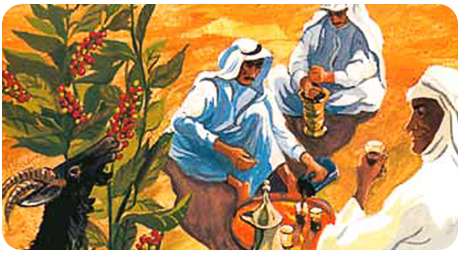
Most of us can’t make it through morning without our cup (or cups) of joe, and we’re not alone. Coffee is a global beverage: it’s grown commercially on four continents and consumed enthusiastically on all seven—and there is even an Italian espresso machine on the International Space Station. Coffee’s journey has taken it from the forests of Ethiopia to the fincas of Latin America, from Ottoman coffee houses to “Third Wave” cafés, and from the simple coffee pot to the capsule machine. In Coffee: A Global History, Jonathan Morris explains both how the world acquired a taste for this humble bean, and why the beverage tastes so differently throughout the world.
Sifting through the grounds of coffee history, Morris discusses the diverse cast of caffeinated characters who drank coffee, why and where they did so, as well as how it was prepared and what it tasted like. He identifies the regions and ways in which coffee has been grown, who worked the farms and who owned them, and how the beans were processed, traded, and transported. Morris also explores the businesses behind coffee—the brokers, roasters, and machine manufacturers—and dissects the geopolitics linking producers to consumers. Written in a style as invigorating as that first cup of Java, and featuring fantastic recipes, images, stories, and surprising facts, Coffee will fascinate foodies, food historians, baristas, and the many people who regard this ancient brew as a staple of modern life.
This is a well-written, easy-to-follow, and informative little introduction to a topic about which most of us probably don't spend much time thinking: where coffee comes from.
The first chapter from seed to cup process, different species of the coffee plant, geographic info about where it thrives, how it's cultivated, and how the beans (seeds, actually) are processed before finally turning into the dark brown beans we know.
From the second chapter on, Morris explores the history of coffee: The origins in Ethiopia and Yemen, its spread throughout the Muslim world and later on in Europe, subsequent cultivation in South America and Asia, social structures and customs of consumption, the politics of its trade, how it went from a specialty drink to a global commodity and back again to specialty, and so on.
What I really like about the book is that it's written by an academic (Morris is a historian), so it's more of an scholarly introduction than any random "Coffee Table" Fully Illustrated Encyclopedia of Coffee you might find. There's a lengthy list of references at the end, followed by further reading suggestions, which is impressive. I always prefer meticulously referenced academic texts to the anecdotal style and "musings" usually found in modern non-fics about almost any subject.
Some interesting things I learned:
- In the 17th century Britain, coffee houses accomodated a male-only clientele and were considered "inappropriate" spaces for women. In 1674, women started a petition against this: "Women’s Petition against Coffee – a 1674 condemnation of both coffee and coffee houses on the grounds that they kept men away from the home and rendered them impotent – was probably sponsored by brewers keen to recapture lost customers, but it played on this gender division.” (It didn't lead anywhere but I find it hilarious.)
- On a more sombre note, the book goes into detail about the role of slavery in the history coffee industry. The Haitian Revolution, the trans-Atlantic Slave Trade, the Vietnam war, slavery and colonialism in Brazil and many other things are mentioned and explained in some detail.
In the end, it's a pretty good book, it's informative, and I would recommend it to coffee enthusiasts who don't mind rather dry, somewhat academic texts. Coffee, something many of us love and drink regularly, has had a long, intriguing and dark history that continues to this day, and I think it's better if we're aware of it and more conscious of our consumption.
This was a very approachable book, and as someone who drinks coffee everyday, it has enriched my understanding and experience with this product.
The book begins with the processing of coffee, what many of the terms mean (washed vs. unwashed), and some of the different types (I now have an understanding of how Robusta, Arabica, Columbia, etc. differ, and that will affect my purchasing moving forward). It then, per the title, progresses to the history of this product, some unusual and wonderous recipes, and the incredible impact that it has economically and politically.
I really enjoyed this book and would recommend it to anyone passionate about coffee. I particularly liked learning about the ethical concerns of drinking coffee, the product's effects on the global economy, and how coffee culture and modern tastes are not as simple as preferences or individual choices. I do think the book could have benefitted from including more information on the effects of coffee farming on the environment, in addition to its focus on socioeconomics.
The author cited a lot of their information which I appreciate.
Most of us rarely spend time thinking about that little brown bean on a daily basis, whether we consume it or not. But when your mind does wander – isn't it crazy, how a plant was able to define such a massive industry and cultivate a century long history? It's worth a closer look.
Coffee: A Global History is a small book and an easy read and gives you an overview of the history of coffee. The coffee bean has defined both societies and industries and has been the centre of various cultural movements over the time.
Because it has caused so many people to suffer and struggle, I think it's worth educating yourself on what you're drinking there, if you're drinking it. This book does it's job in a compact and brief way, including photos, statistics and some recipes. I already have a basic knowledge, so maybe this book wasn't quite targeted at me, but with some things I'm personally aware of already I was glad to find them in here – the explanation of what fair trade truly means on a coffee and how it differs from the direct trade label, for example.
This was well-written and easy to follow. A short book, though still longer and a little more scholarly than others in the edible series. I must admit, I’m somewhat shocked by how little I knew about a drink I consume so regularly. I learnt so much about coffee ! Two parts of the book stand out to me: (1) the early history which explores origins in Ethiopia, followed by its entry into the Islamic world and into Europe and subsequent cultivation in South and Central America; and (2) the discussion on fair trade.
Great read. Felt comprehensive, without boring the reader with minutiae. I especially liked how it emphasised the beverage's Islamic origins, which tend to be overlooked by the general public. However, I wish the author would have talked more about the danger that climate change poses to the production of coffee, as the author only talks about it for like a paragraph near the end, almost offhandedly. Nevertheless, I can really recommend it, as it has made me appreciate my own coffee-drinking a lot more.
This is a short and general history of coffee around the globe- as you'd expect, it's a complex geo-political product, which has been at the centre of trade, social movements, and exploitation at various times. This is a brief history, as you'd expect, but as a book to read while sitting with a pot of #coffee it was a nice experience.
Lovely and easy to follow read. Very informative, and I like how much Morris focuses on how war and colonialism were shaped by coffee and shaped coffee in turn.
From the legends of the origins of coffee - right up to modern consumption practices, this book covers it all, along with gorgeous photographs.
Easy to read, the history takes us on a tour of coffee growing countries; the fall of Arabica coffee due to coffee-leaf-rust and the rise of the inferior tasting, Robusta coffee which propelled the drink into a global trade and economy because the latter was easier and cheaper to grow.
Good overview, hit enough problematic points to base the majority of a 7 page college paper on it. The structure could have been a bit more linear: some things repeat in varying levels of detail because each chapter is meant to be able to be read by itself. Has cool pictures also.
أفضل كتاب شمولي للقهوة وتشكلها في ثقافة الشعوب وبداية صناعتها وتطورها التاريخي وانتقال هذه النبتة المميزة من الجزيرة العربية وأثيوبيا إلى أصقاع الدنيا حتى وقتنا الحالي
The Edible series of food and drink histories is one I continually turn to. In part this is because they are relatively concise, and this can serve as a quick read that helps build up my Goodreads Challenge numbers (yes, I can be that shallow). In part it is because they are informative and entertaining, without being too facile nor too demanding. Finally, as per this volume on coffee, they are about the kind of things that are integral to one's life. As much as one can be obsessed with ancient Rome, the history of WW2 or life under the DDR, these are not the things that will concern us every day. Food and drink on the other hand is ubiquitious and essential to our existence, and it seems only right and proper to try and learn more about such things.
Coffee: A Global History by Jonathan Morris delivers what it sets out to do and what, I would suggest, a reader would want. Starting with a detailed, yet not too sterile, discussion of the morphology of coffee plants, its cultivation, harvesting and processing into the globally important product, the author then takes the story of coffee from its Middle Eastern ancestry to today. Whilst doing so Morris integrates economic and political history into his narrative, and also critiques the quality of coffee as it is produced and drunk. There is plenty to be said about the importance of coffee and coffee houses to 18th Century European cultural life, and how coffee became influential in the US from the American Civil War onwards. It might be said that in this book little that is related to the production and history of coffee is missed by the author.
It is pleasing to see that Morris has included in Coffee: A Global History some discussion of the Australian contribution to the global coffee culture, to iconic flat white. However, there could've been more said about certain other coffee types. The cappucino is virtually gnored, as is the affogato. Morris does a good job of discussing certain brands and individual national coffee cultures, though he could've said more about non-European or non-American coffee styles (e.g. he makes zero mention of Vietnamese coffee).
The brevity of this book is both a blessing and a curse. I suspect that those who would want a more fulsome exploratuon of coffee's economic, political, social and cultural histories would never be satisfied with such a concise study. On the other hand, those who are curious and want enough information and entertainment to reward their attention to Coffee: A Global History will be fairly pleased. Throw in the numerous and fairly appropriate illustrations, as well as some helpful recipes, and one has a fairly decent text to appreciate. Morris may not have written the definitive book about coffee, but he has certainly given the subject a decent shot that has very little froth.
كانت قراءة هذا الكتاب بمثابة شرب كوب من الإسبرسو: كمية هائلة من المواد / المعلومات التي لا بد من تركيزها / التركيز عليها للحصول على جرعة نهائية قابلة للاستهلاك / والهضم بسهولة. غني!
عنوان الكتاب: القهوة تاريخ عالمي المؤلف: جوناثان موريس الترجمة: تحسين الخطيب عدد الصفحات: 300
ملخص الكتاب 📖: يعتقد بعض من البشر أن القهوة مجرد مشروب عادي ولا يحتاج أي ضجة وأحيانًا يتسائلون ما القهوة سوى إنها ماء ساخن مع كمية من البُن.
البُن نوعان: بُن عربي وهو الأفضل جودة والأغلى سعرًا والنوع الآخر هو الرُّوبوستا الذي يحتوي على مستويات كافيين ضعف الموجودة في البُنِّ العربي لكن مع الأسف الشديد البُن العربي المتوفر أكثر في إثيوبيا يتعرض لمرض صدأ الأوراق الذي يقضي على إنتاج البُن في آسيا لكن الرُّوبوستا أكثر مقاومة للمرض لذلك نجد أن الرُّوبوستا متوفر عالميًا أكثر عن البُن العربي.
لا تستطيع كل الدول أن تزرع البُن لأن البُن يحتاج لدرجة حرارة معينة وارتفاع منطقة الزرع لأن هذان العنصران يلعبان دورًا كبيرًا في جودة وتركيز البُن.
حبة البُن تكون مثل حبة الكرز ولكي نحصل على أفضل قهوة، علينا بقطف الكرزات الحمراء وليس الخضراء أو الحمراء الداكنة وعلينا أن نقطف يدويًا لكي نحصل على مذاق رائع ولا ننسى عملية الغسيل والتجفيف لحبات الكرز لأن كل عملية نقوم بها تساعد على حصولنا على أفضل قهوة.
تحميص القهوة، عنصر جدًا مهم ويجب عدم الاستهانة به وعند التحميص ينبغي لنا عدم خلط الكرزات الحمراء والخضراء والحمراء الداكنة لأن الطعم سوف يكون غير جيد وغير مستساغ وعلينا أن نركز على تحميص الكرزات الحمراء بعد تجفيفها وغسلها.
ساعدت ظهور الآلات القهوة في حصولنا على قهوة مختصة لكن في نفس الوقت وبسبب جشع بعض الدول المنتجة وبعض التجار، قاموا بغش المستهلكين للقهوة لكن الوضع الآن غير عن السابق بسبب وجود منظمة البُنِّ العالمية وأيضًا وجود الذواقة الذي يحصلون على تدريب مكثف وبعدها يقيمون البُن والأنواع المختلفة من القهوة وبعض من الأنواع كانت نتيجة رغبة من الزبون.
يوجد أيضًا بطولة عالميِّة لصنَّاع الإسپرسُّو للمحترفين ولا ننسى أن الإسپرسُّو يدخل في مكونات أكثر من نوع قهوة كالأمريكانو، لاتيه، كاپوتشينو، كورتادو، إسپرسو، فلات وايت، ميكاتو، موكا، پيكولو، و ريستريتو ويعود فضل الإسپرسو للإيطاليين بعدما قام أول إيطالي بصنع آلة الإسپرسو.
يعود فضل الرسمات الموجودة في كوب القهوة للإيطاليين لأن الأميركيين كانوا يقدمون القهوة بدون رسمات أو زينة فقرر صاحب ستاربكس الذي زار إيطاليًا، أن يقدم القهوة بطريقة مشابهة ل اللمسات الإيطالية.
نتمنى لكم السعادة وأنتم تُعدون كوباً من القهوة!
فقرة من الكتاب📚: "يجمع طراز حانة القهوة بين عنصريَيْن: القهوة، والبيئة، وثمن الأولى يُدفَع لقاء الاستمتاع بالأجواء التي توفِّرها الثانية."
It was a good book, with good amount of information. I learnt, get to know about so many interesting facts about coffee and its farming and cultivation. From a single seed to how it get into our cups.
The farming, the cultivation was interesting to know, and to me, the most interesting and appealing part of how its related to us, the Muslims, how it actually "originated" and "discovered" by us. How it was actually "us" who took it into regular consumption. And it actually called the "Wine of Islam" .
This reality or history was really delighted me. Because I myself can feel how it in real, truly, could be a Wine of Islam. As its consumption gives the utter pleasure.
Something that really fascinates me that how it cultivates, with minute details, every little thing picked up and processed with utmost details and delicacy. And this is how it reached to us. After months and months of working upon.
In the book, though, after all this, the details about the industrialization and statistics were so flat to me. This part loosened all the grip of the book for me.
Came to the recipes, they too didn't made a mark for me.
So it was half good half uninterested book. Though the author was so on point, wrote everything so clearly, without any bias or fake realities, wrote everything based on truth.
Well written, easy to read and clearly organised historical, economic and sociological treatment of the much beloved coffee. You can tell its written by an historian, as the meticulous opening chapter on origins is thoroughly researched. Ethiopia seems to be the place it all began, as the plant evolved into a beverage with different types of "brewing" techniques and early on it was a very middle eastern and Muslim hot drink. Just as it was dropped by the Islamic world in favour of tea, Coffee, both its cultivation and popularisation, spread into the western world and the mild but mountainous regions where the Arabica and Robusta species could be grown were exploited by colonial powers. Brazil, Central America, Indonesia (Java), Vietnam and the Caribbean Islands all became centres of production. Then progressively chapter by chapter we discover the treatment processes (more about the chemistry of coffee would have been interesting), styles and ultimately commodification and world economics (even politics) of coffee trading, right up to the present day "3rd Wave" of speciality coffees and barista styles. Great fun, fascinating!
This short volume occupies a sort of middle ground in terms of presentation. It's a good read with a suitable amount of evidence and references to make it read somewhat scholarly. At the same time i have a sense that it - like other members of the series - is designed for a popular audience. This is substantiate by the recipes and the glossary of types at the conclusion. The initial conceptualising takes us back to the origins of the foodstuff and is both extensive and engagingly written. The interesting of stats 📈 throughout is suggestive that it comes from a more academically focussed look at the economic of the trade. It is a short and good read for those that want to put their consumptive practices into a global context and have a better sense of the commodity biography of their beans. However, the contrast between learned and popular gives it a bit of a schizophrenic feel. I enjoyed it nonetheless. I suspect that it is a well edited and summarised version of the author's larger co-editted comprehensive history of coffee.
Exactly what it says on the cover: global history of coffee. If you want to step up your coffee game I would recommend a different book. This is purely a history book about how coffee from narcotic substance and illegal drink became third most popular drink in the world after water and tea. I enjoyed reading a book about coffee from a research professor. He busted all not-documented coffee myths I kept hearing. Over all, good book to open up your mind about coffee production and maybe even change your habit of buying cheapest coffee available without any certification and actually start enjoying cup of coffee.
Good point made in the book: with global warming and climate change we can’t expect that we will have same amount of coffee we have now. Take care of the planet & consume mindfully.
القهوة تاريخ عالمي بقلم جوناثان موريس ... يُعدُّ هذا الكتاب أوَّل تاريخ عالمي للقهوة كتبه مؤرخ محترف، وهو يتناول بالبحث كيف يختلف مذاقها اختلافاً شديداً في أنحاء العالم كافَّة. ويتطرَّق الكتاب إلى شاربي القهوة في العصور المختلفة، ولماذا شربوها، وأين، وكيف حضَّروها، وما طعمها، منذ ظهور المشروب أوَّلَ مرَّة بين أفراد الطُّرق الصوفية بالجزيرة العربية في القرن الخامس عشر، وصولاً إلى مستهلكي القهوة المتميِّزة في آسيا القرن الحادي والعشرين. ويُعرِّف الكتاب بالمناطق التي زُرع فيها البُنُّ، على مرِّ العصور، وطرائق زراعته، ومن عمل في تلك المزارع، ومن امتلكها، وكيف عُولجِت حبَّات البُنِّ، وتُوجِر بها. ويتتبَّع الكتاب رحلة القهوة منذ ظهورها في الغابات الإثيوبيَّة حتى المزارع في أمريكا اللاتينية، ومن المقاهي العثمانيَّة إلى مقاهي الموجة الثالثة، ومن ركوة القهوة إلى ماكينة الكبسولات.
This book is excellent for coffee enthusiasts and those with an interest in history. One of the biggest take-aways I got was towards the end of the book. "The biggest threat to coffee growing is climate change. It is estimated that there will be a 50% reduction in the global area suitable for coffee production by 2050." Just something for all you coffee drinkers out there that don't care about our environment to think about.....
Understanding the coffee bean will give you an insight into history, religion, trade, economics, slavery, racism, colonialism, politics, science, agricultural practices and so on.
This book covers all of the above and so much more. It's an easy and engaging read and for anyone who loves coffee and wants to delve deeper into its psychoactive magic.
Would love to have seen a more comprehensive history on the politics of coffee. The chapter on third wave coffee also felt rushed and skimmed over, especially considering how transformative it was for coffee culture and how it democratized high quality coffee for the ordinary person, but ultimately it was still a good read.
A very brief book about the history of coffee. Apart from the mention of Sufis enjoying the beverage, barely touching slavery with the production of coffee... It seemed almost too light a read but perhaps that is the point of the series.
Packs in an absolute ton of information in a pretty short book. Obviously a lot of things get brief mention, but Morris does his best to cover the history of coffee, prominent coffee cultures, the current state of the coffee industry, and even what precisely fair trade means on a label.
As a book for the general reader this only merits 2* because it is so full of statistics and facts; it's like reading a scientific paper. As a source of:"Well I never knew that" facts it's definitely 4*.
It's not the most stimulating of reads, but it's what it says on the cover, a global history. The early history I found most interesting and a lot of the later information was known from other readings.
Excellent short and informative history of coffee from its origins to present day third wave coffee. Now I know why to avoid robusta and anything that's a blend.